human reproduction -- chapter 5
 Call Kai
 Learn
Learn Practice Test
 Spaced Repetition
 Match
Match Flashcards
 Knowt Play
1/79

There's no tags or description
Looks like no tags are added yet.
Name | Mastery | Learn | Test | Matching | Spaced | Call with Kai |
|---|
No analytics yet
Send a link to your students to track their progress
80 Terms
sexual reproduction in human
process of producing genetically different offspring as a result of the fusion of gametes
fertilisation summarised
nucleus of sperm fuses with nucleus of an ovum to form a zygote that divides repeatedly by mitosis to form an embryo
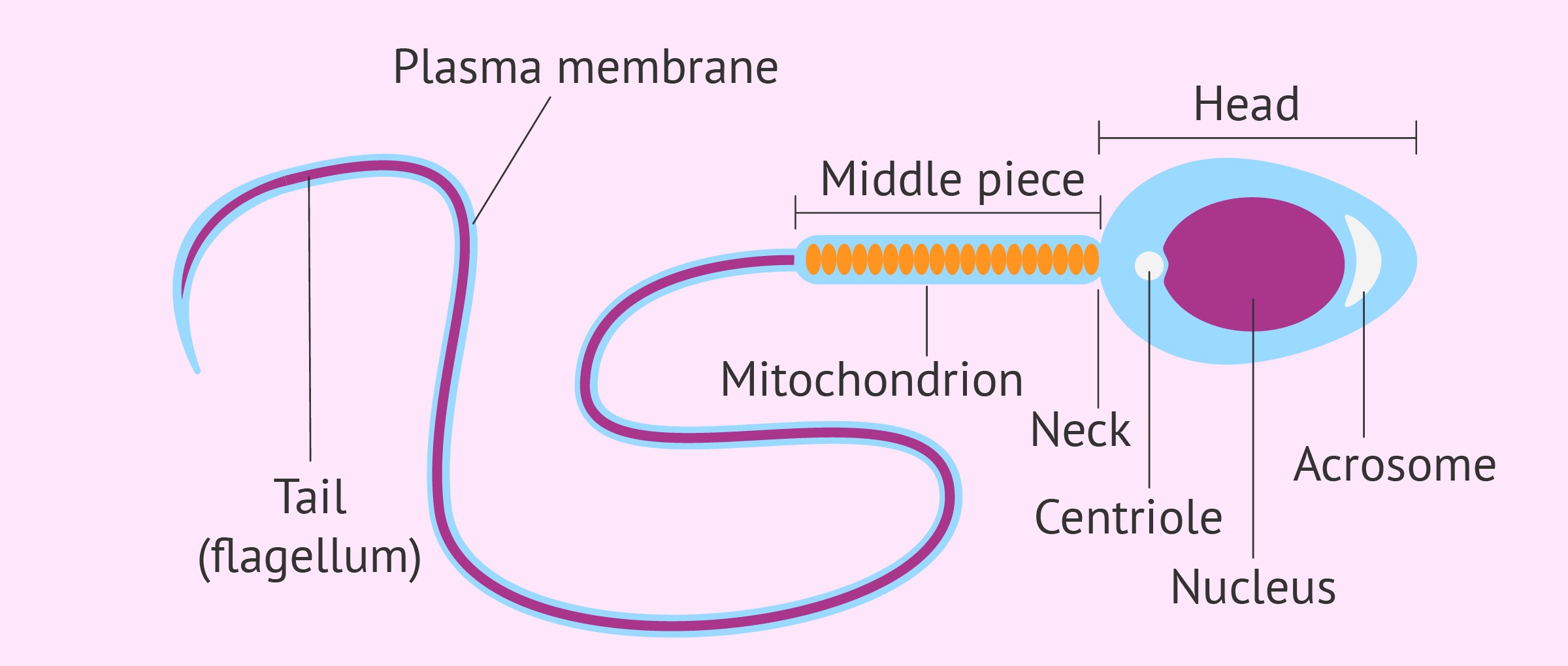
sperm
produced in testis
head : nucleus + acrosome (contain digestive enzyme to breakdown outer jelly layer of ovum)
middle : mitochondria to produce ATP
tail/flagellum : drive the movement of sperm by swimming
survive :2-3 days
Eggs
ovary has many primary follicles
each primary follicle consists of a potential egg cell
egg cell covered by a fluid filled sac and enclosed in a jelly like coat
mature ovum + fluid filled sac = Graafian follicle
survive : 24-36hr
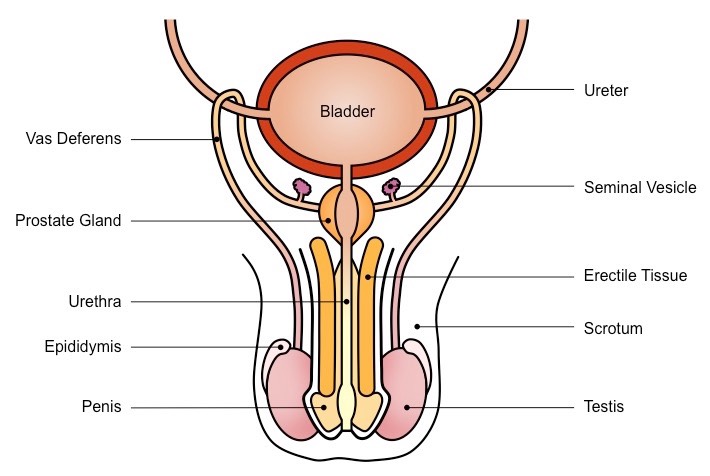
male reproductive cell parts
Testes
Scrotum
epididymis
vas deferens (sperm duct)
spermatid cod (supplies oxygen and nutrients to testes + remove waste)
seminal vesicle (gland 1)
prostate gland (gland 2)
cowpers gland (gland 3)—> below gland 2
testes description + function
gonads in a male
produces sperms and male sex hormones (testosterone)
scrotum
pouch like extension of skin in between thighs
protects testes
epididymis
narrow and coiled tube from each of the testes
stores sperms temporarily + force sperms out through urethra
vas deferens (sperm duct)
duct from each testis loops over ureter and opens to urethra
forces sperms out through urethra + facilitate passage of sperms from epididymis
epididymis first then vas deferens then urethra
seminal vesicle (gland 1)
gland that opens into sperm duct / vas deferens
secretes a slipper fluid that onrushes and activate sperms to swim
prostate gland
at the base of the urinary bladder
secretes a slipper fluid to nourish and activate the sperms to swim
cowpers gland
beneath prostate gland
secrete a slipper fluid to nourish and activate sperms to swim
female reproductive system function (3 parts)
produce eggs
provides an environment for fertilisation and the development of the embryo to take place
how does negative feedback system play a role in the female reproductive system
hypothalamus in the brain secretes hormones into the bloodstream
triggering the ovaries to produce female sex hormones into the bloodstream (oestrogen and progesterone)
female reproductive system parts
ovary
fallopian tubes
uterus
cervix
vagina
vulva
Ovary
gonads , oval shaped , just below kidneys , 2 per female
produce female gametes (before birth) and female sex hormones (oestrogen and progesterone)
fallopian tube
narrow , ciliated muscular tube leading from ovary to uterus / funnel like opening close to the ovary
facilitates passage of eggs into the oviduct , the site of fertilisation / allows passage of egg into the uterus
uterus
joined to oviduct , muscular walls , soft and smooth endometrium, (inner lining that sheds every month)
receives fertilised egg + provides a conducive environment for implantation of embryo and development of foetus
Cervix
ring of muscles at lower end of uterus
control size of opening
vagina
passage leading from cervix to exterior
receives semen during sexual intercourse
vulva
opening of vagina
allows passage of menses or baby to the exterior
signals release by the brain cause which gland to release hormones
pituitary gland , in turn act to stimulate primary sex organs (testes and ovaries)
when testosterone (hormone) is released what happens to target organs of boys/secondary sexual characteristics
rapid growth in height
hair in pubic area
penis and testis increase in size
testes produce sperm and hormones
facial hair grows
target organs: muscles , penis , hair follicles
when oestrogen (hormone) is released what happens to target organs of females/secondary sexual characteristics
rapid growth in height
hair in pubic area
breast enlarge , hips broaden
uterus enlarges , menstruation starts
ovaries produce ovum and hormones
test/o/sterone is responsible for
development of male secondary sexual characteristics during puberty
ensure sperm production +maintain sex drive
formation of male genitalia during embryonic development (before birth)
Oestrogen is responsible for
development of female secondary sexual characteristics and repair of the endometrium
Prog/es/terone is responsible for
maintenance of the uterine lining in the preparation for pregnancy
menstruation defintion
monthly discharge of blood from the uterus via the vagina
last for 5 days
takes 3 years to stabilise
stress/illness.tiredness impact amount of blood loss
unbalanced diet cause periods to be irregular or stop
menopause : menstruation pause (45-55 yr old)
menstrual cycle definition
process of releasing an egg and preparing the uterus for implantation of the fertilised egg
last about 28 days and are divided int three phases (menstruation / follicular and luteal)
menstruation phase (1 to 5 days)
shedding of the uterine lining out of body through vagina
anterior pituitary gland secretes follicle stimulating hormones (regulate development and growth and puberty) into the bloodstream
follicular (day 6 to 14)
follicle stimulating hormone stimulates follicle development in the ovaries
one primary follicle matures into Graafian follicle (contains mature egg)
follicle stimulating hormone stimulates the follicles in the ovaries to secrete oestrogen, (day 6 to 10)
what does oestrogen do
growth and repair of uterine lining
rise in levels of oestrogen in the blood inhibits (stops ) follicle stimulating hormones production , preventing growth of more follicles (negative feedback loop)
high concentration of oestrogen stimulates the pituitary gland to secrete luteinising hormone , which stimulates ovulation
Day 14
Graafian follicle rupture and release the egg into fallopian tube . Body temperature increases , large amount of mucus produces and ovary pain experienced
Luteal phase (day 15 to 28)
after ovulation , the Graafian follicle develops into a corpus lutem
luteinising hormone stimulates the opus luteum to develop , then follicle secreting hormones and luthenising hormones drop if the egg is not fertilised
corpus lutem produces hormones that prepare the body for pregnancy (eg progesterone and oestrogen )
what does progesterone do
inhibits follicle stimulating hormones production and ovulation (in the event of successful fertilisation)
if no fertilisation occurs, the corpus lutes will persist for some time and then eventually break down , progesterone levels decrease and endometrium breaks down
copulation (sexual intercourse) and fertilisation
sperm is released from the testes by peristalsis along sperm ducts and urethra
seminal fluid is added to form 3-4ml of semen ejaculated from the tip of the erect penis
fertilisation is the fusion f=of the ovum and sperm , occurring at fallopian tube
journey of egg
egg leaves ovary entering fallopian tube
sperm enters egg and unite with nucleus (fertilisation)
fertilised egg divides
cell attaches to the uterus /embeds itself in uterine lining (implantation)
conception
some outer cells of the embryo combine with some of the mother cells for the development of the placenta
embryo transferred to the thickened uterine lining for implantation via sweeping by cilia and peristalsis of smooth muscles in oviduct
begins when implantation is completed
infertility treatment
in-vitro fertilisation , ovum is fertilised in a special artificial dish
the fertilised egg will be incubated for a few days , allowing it to divide and develop into an embryo before transplanting it back to the uterus for implantation
artificial insemination
carried out when there is a problem with the sperm and the donor sperm will be transferred into the women’s uterus during ovulation
contraception definition (birth control)
deliberate prevention of unintended pregnancy
methods of contraception
body’s natural cycles (rhythm method/menstrual cycle)
a physical barrier between sperm and ovum , to prevent implantation
use of chemicals (hormones)
surgical procedure (surgery to cut something)
Rhythm method
couples avoid intercourse during the fertile period (plus/minus 3 days from ovulation)
calendar method : calculate time of ovulation
temperature method : changes for ovulation (temp is higher on the day of ovulation)
mucus method : change in mucus lining of vagina and cervix during ovulation
male contraceptive methods
withdrawal of the penis from vagina before ejaculation : unreliable , small amounts of semen can leak out
vasectomy : sperm duct is cut
condom : thin rubber fitted over erect penis , preventing sperm from being released into the vagina + STI
female contraceptive methods
diaphragm/cap (covers cervix , STI can still occur , physically prevent sperm from entering)
female condom
intrauterine device (inside uterus )
spermicide (chemical which kills sperm, applied on vagina)
contraceptive pill (hormone)
Morning after pill (prevent implantation)
capsule under skin
patch
gestation period
growth and development from conception takes 9 months
growth : repeated division of the zygote
development : organisation of cells into tissues and organs with special functions
signs of pregnancy
missed period
more frequent urination (uterine lining grows , more pressure on bladder)
tender breast
pregnancy test (measure amount of Human Chorionic Gonadotropin hormone in urine)
Placenta
found in mammals , serves to provide a stable internal environment for the foetus to grow
supply nutrients , oxygen to the foetus , waster products diffuse into blood to be removed
placenta characteristics
disc like structure with finger like projections called villi
how is placenta formed
Fetal cells from external surface of embryo
maternal cells from uterine lining in early pregnancy
a fetus is surrounded by
amniotic sac filled with amniotic fluid , protection from injury/shock
umbilical cord
attaches fetus to placenta + cotains umbillical artery and vein
umbilical artery function
carries carbon dioxide and waste materials to the placenta fro excretion , away from fetus
umbilical vein function
carries oxygen , nutrients and antibodies to the fetus for metabolism and development
in the placenta , there is no direct contact between maternal blood and metal blood , why?
if they come into contact with each other the fetus will die/prevent immune response due to different antibodies in blood
blood flow in umbilical capillaries
opposite to the flow of maternal blood to maintain a concentration gradient for the exchange of substances
role of placenta
protection of fetus from attack by mothers immune system and against fluctuation of maternal pressure
secrete sex hormones to maintain thickness of uterine lining after 3rd month of pregnancy
abortion
termination of pregnancy when the mother is at high risk of developing severe health complications or even death when the fetus fails to develop normally or is at high risk of genetic defects
development stage of fetus + procedure
9 weeks —> abortion pill
9-14 weeks —> vacuum aspiration
14-19 weeks —> dilation and evacuation
20-24 weeks —> pills to induce late miscarriage
ante-natal care (before birth)
diet (proteins , iron and calcium)
avoidance of smoking
avoidance of infections
assistance of alcohol
avoidance of certain medical drugs
check on fetus + mother
avoidance of smoking
nicotine content may cause fatal growth to be slowed and produce small size Abbies who are retarded or abnormal or cause fatal death
avoidance of infections
may cause damage to fetal organs and produce deformed babies or the death of the fetus
like STI / Rubella
avoidance of certain medical drugs
may cause retardation in babies , fatal addicted to the drug , miscarriages
eg : antibiotics , aspirin
avoidance of drugs (cocaine + heroin)
cause congenital heart defects and urinary tract abnormalities , low birth weight , fatal distress
abstinence of alcohol
alcohol can easily pass across the placental barrier to the fetus , have impacts on nervous system
check on fetus
size / position —> fetus needs to be face head down , facing the mothers back
heartbeat measured by stethoscope (fetal heart rate twice as mothers )
ultrasound scanning : sex/size/age
check on mother
weight —>12kg gained throughout pregnancy
urine test : blood glucose
vaginal examination : infection
blood test : haemoglobin , blood groups
development of fetus in first month
embryo-7mm
nerve tube , heartbeat , limb buds present
development of fetus in second month
fetus--13mm
all organs present — tiny + immature
bone begins to harder
drugs may affect fetus
muscles allow movement
development of fetus in third month
fetus is about 70mm
more movement
lymph nodes formed
development of fetus in fourth month
fetus is about 95mm
vigorous movement felt by mother
look more human
development of fetus in 7-9 months
pre term babies have a good chance of survival with medical assistance
labour
initially, prevented by high levels of progesterone (maintains uterine lining) but its level decreases as birth approaches
labour is induced by oxytocin (positive feedback) released from pituitary gland (stimulates contraction of uterus muscles)
increase in levels of oestrogen in labour
makes the uterus to be more sensitive to oxytocin by increasing the number of oxytocin receptors
what is expelled from utereus after child birth
placenta
amniotic sac
umbilical cord
STI
caused by pathogens (virus+bacteria)
can be acquired through semen/vaginal secretion/blood, especially when there is skin barrier that allows microbes to enter the bloodstream
eg: AIDS, gonorrhoea
common methods of transmission of STI (sexually transmitted infection )
unprotected sexual intercourse
sharing of hypodermic needles
blood transfusion with infected person
how to prevent STD (sexually transmitted diseases)
use condom
know sexual history of partner
public education
development of vaccine
offer HIV testing for individuals at risk
Gonnorhea
STD caused by bacterium
can be cured by antibiotics if detected early
AIDS (acquired immune deficiency syndrome)
caused by HIV
HIV damaged immune system of an infected individual over time by killing the immune cells
common signs : persistent fever/brain infection/pneumonia
prevention : keep to 1 sex partner, do not share needles , use condoms , dont share toothbrush