Attention Deficit-Hyperactivity Disorders
 Call Kai
 Learn
Learn Practice Test
 Spaced Repetition
 Match
Match Flashcards
 Knowt Play
1/16

There's no tags or description
Looks like no tags are added yet.
Name | Mastery | Learn | Test | Matching | Spaced | Call with Kai |
|---|
No analytics yet
Send a link to your students to track their progress
17 Terms
Condition Description
Poor sustained attention
Hyperactivity-impulsivity
Subtypes
Predominantly inattentive (ADHD-I) – main symptom is attention deficit
Predominantly hyperactivity-impulsive (ADHD-HI) – main symptom is excessive motor activity
• Includes fidgeting, restlessness, and difficulty remaining seated. Often manifests in impulsivity such as interrupting and not waiting for a turn.
Combined types (ADHD-C) – most prevalent
All types appear with varied degrees of severity.
ADHD Across the Lifespan
Difficult to identify in very young children and adults
Often first diagnosed when symptoms interfere with school performanced
During adolescence, it may be observed in difficulties managing their
schedule/routine, missing appointments or other obligations
Greater risk for social deficits because of impulsiveness and inability to react appropriately to required information during social events
Genetics and Biologic Factors
Parents with ADHD have an 80% chance of having a child with ADHD,
which impacts the parent-child relationship.
The current neuroanatomical view of ADHD relates to the dopaminergic
system, frontal and prefrontal lobe function, and the cerebellum, as well
as multisystem perspectives
Evidence for disruptions in the connectivity between anatomical structures in the brain–both at rest and during task completion
Impact on Occupational Performance
Family interactions
Academic functions
Social and leisure participation
Work
Executive functions
Sensory motor abilities
ADLs, IADLs, and daily routines
Sensory Motor Abilities
Tendency for over responsiveness to sensory stimuli
Difficulties with both gross and fine motor skills
High comorbidity of ADHD and developmental coordination disorder
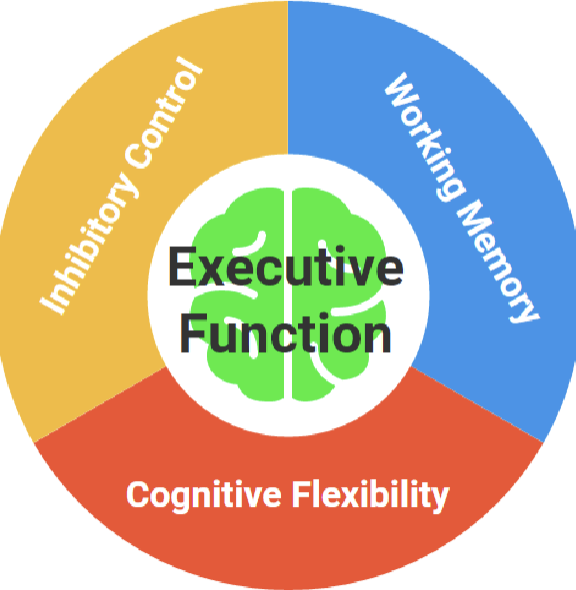
Executive Functions
Individuals with ADHD may have difficulty
Making simple choices
Choosing what is most important to pay attention to their surroundings
Deciding what they wish to do and how they will react in order to achieve a certain goal
ADLs/IADLs, and Daily Routines
Studies have shown ADL/IADL performance is a strong indicator for children and adolescents with and without ADHD
Children between ages 4 to 15 with ADHD performed significantly lower on the Assessment of Motor and Process Skills
Family Interactions
Varying degrees of disturbances in family and marital function, disrupted parent child relationships. increased levels of stress
Academic Functions
Organizational deficits
Miss important information
Respond too quickly
Low rates of on task behavior, task completion, and positive exchanges with teachers
Social and Leisure Participation
Deficient interpersonal interaction abilities among children, adolescents, and adults with ADHD influence social participation
Work
Social participation and executive functioning deficits contribute to difficulties in work environment
practitioners can contribute by eval what job may suit the individual with ADHD and assist in job maintenance
Medications
stimulants
nonstimulants
compliance with medication protocol is low
drug treatment alone is insufficient for symptom management of ADHD
Evidence Based Approaches and Interventions
Goal setting and visualizations
Break large goals into smaller, manageable tasks
Visual aids
Encourage clients to vividly imagine achieving their goals
Cognitive Behavior Based Treatment
Use a reward system//token economy for completing tasks for reaching milestones
Frequent, specific praise and feedback for efforts
Environmental Modifications
Assist clients in creating a workspace that minimizes distraction
Suggest using timers or apps
Body Double
Doing a task with someone helps initiate and complete tasks