Introduction to EKG and Cardiac Rhythm Analysis
 View linked note
 Call Kai
 Learn
Learn Practice Test
 Spaced Repetition
 Match
Match Flashcards
 Knowt Play
1/12

Earn XP
Description and Tags
These flashcards cover the vocabulary and key concepts related to EKG interpretation and cardiac rhythms as discussed in the lecture.
Name | Mastery | Learn | Test | Matching | Spaced | Call with Kai |
|---|
No analytics yet
Send a link to your students to track their progress
13 Terms
12 Lead EKG
A test that displays electrical activity of the heart from twelve different angles, using ten electrodes.
Bipolar leads
Leads that measure the difference in electrical potential between two electrodes, examples include lead I, II, and III.
AVR, AVL, AVF
Augmented leads that provide additional views of the heart's electrical activity; augmented voltage right, left, and foot.
Isoelectric line
The baseline level of the heart's electrical activity where there is no depolarization.
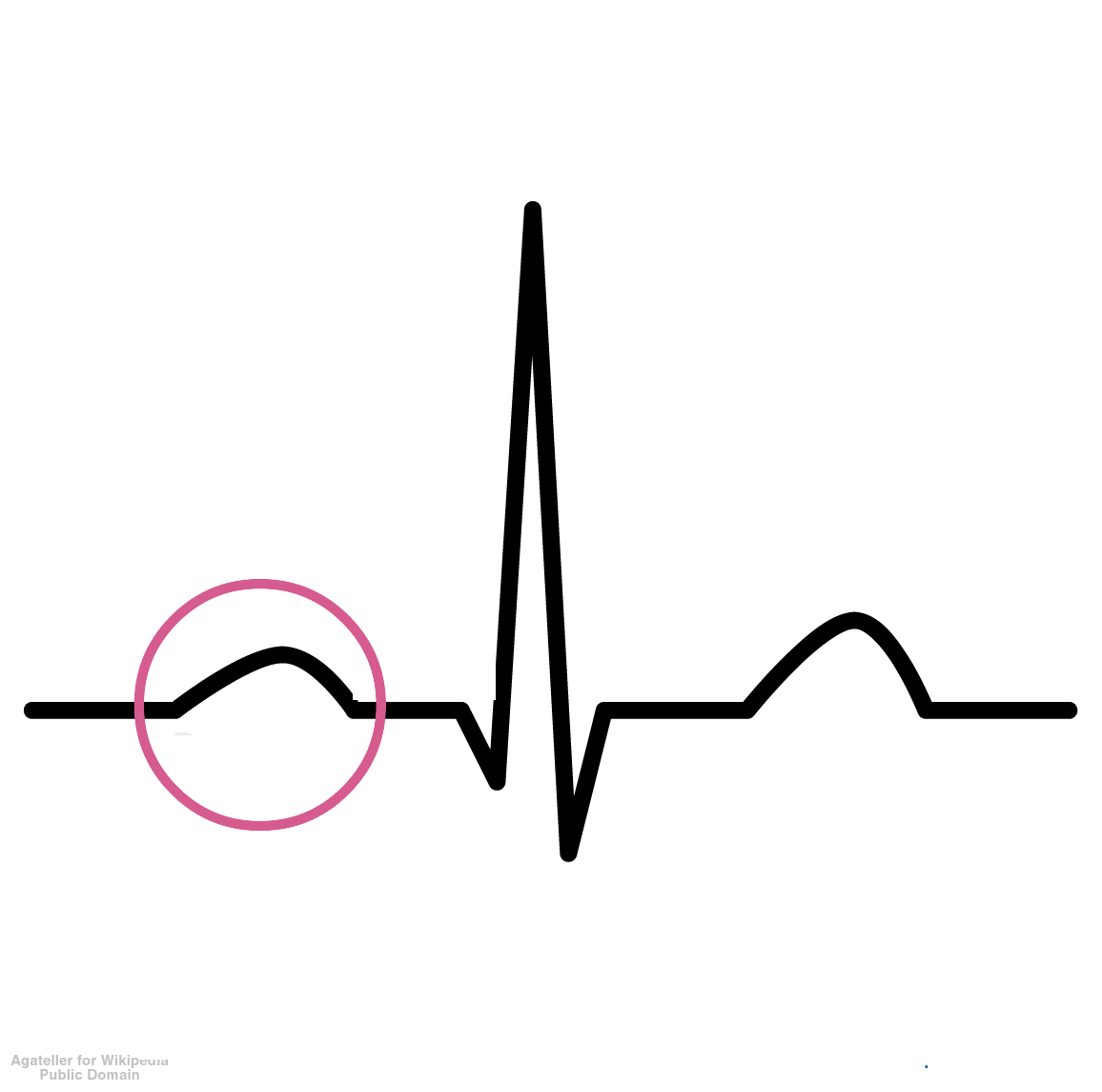
P wave
Represents atrial depolarization; the first deflection of an EKG wave.
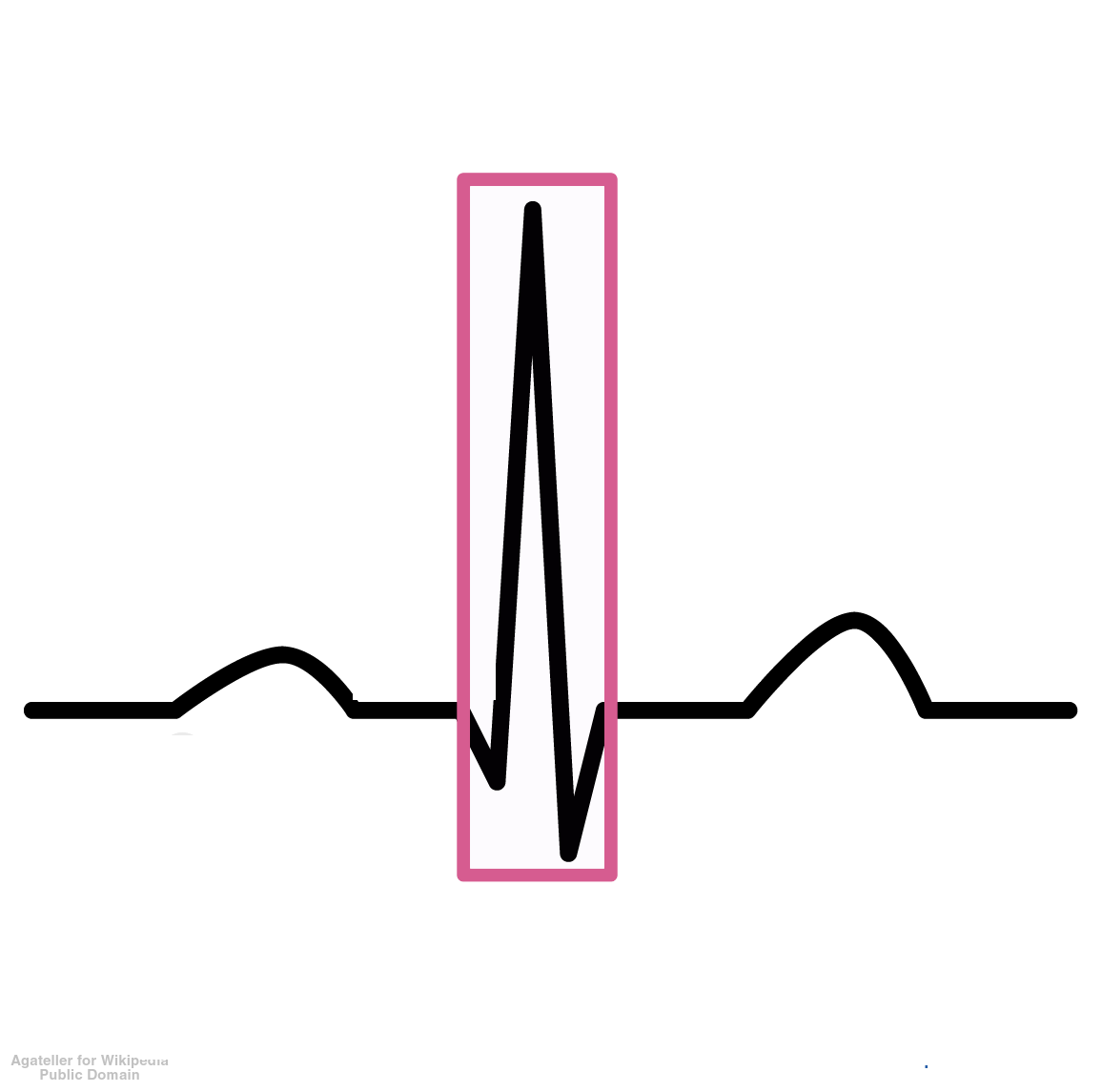
QRS Complex
Represents ventricular depolarization; the sharp, jagged portion of the EKG wave.
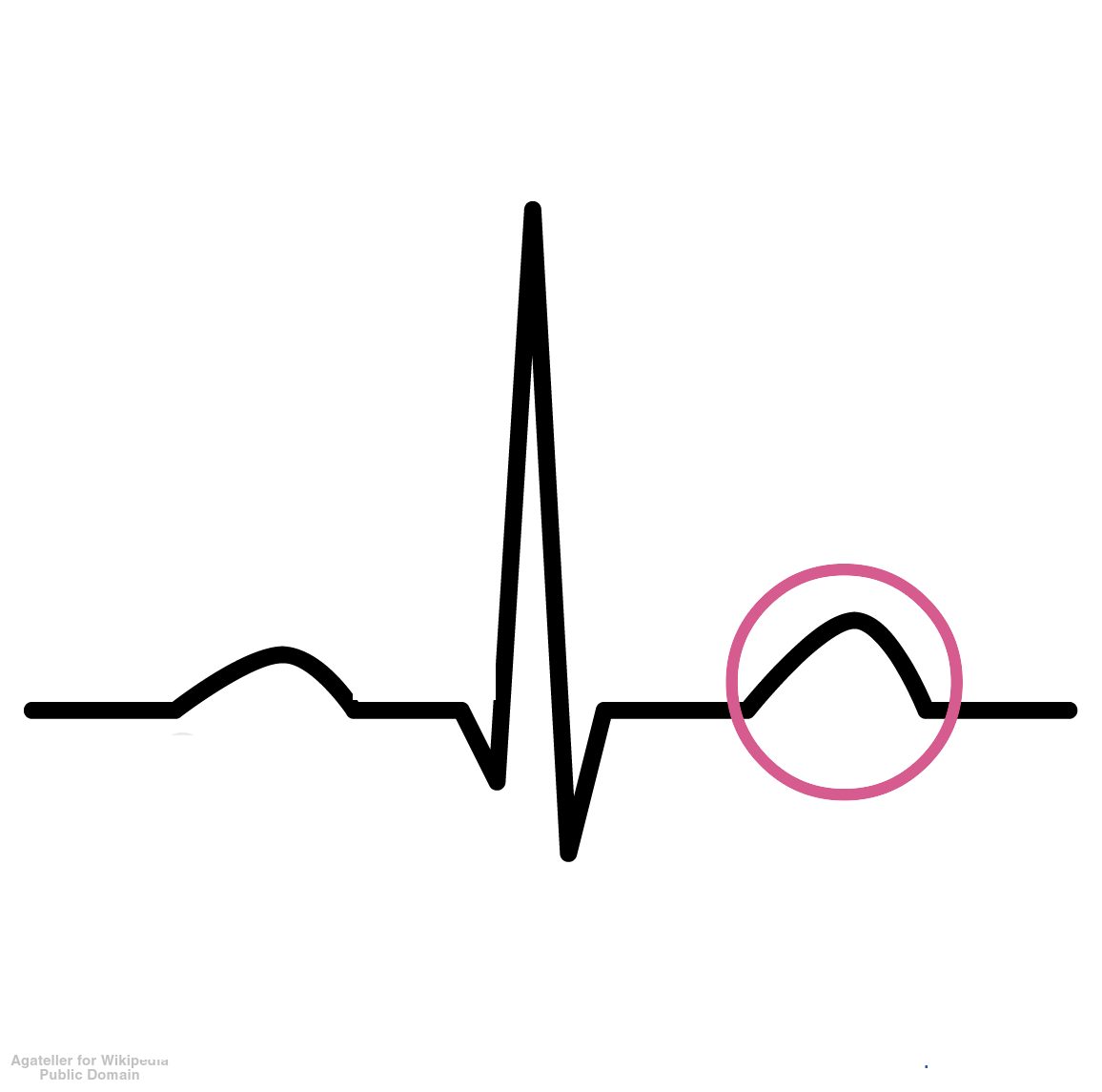
T wave
Represents ventricular repolarization; a wave that follows the QRS complex.
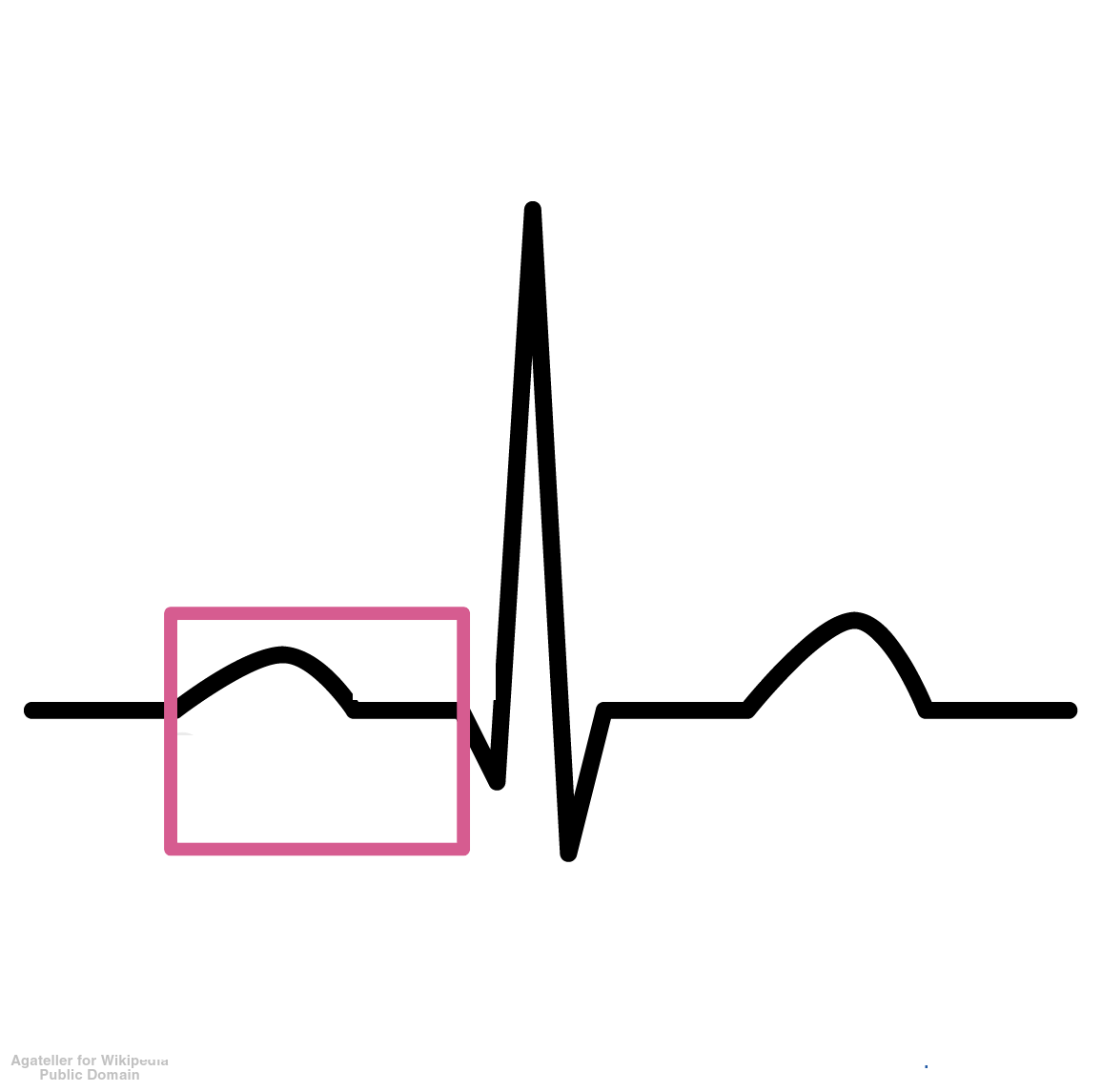
PR interval
The time period from the beginning of the P wave to the beginning of the QRS complex; indicates the duration of electrical conduction through the atria.
QT interval
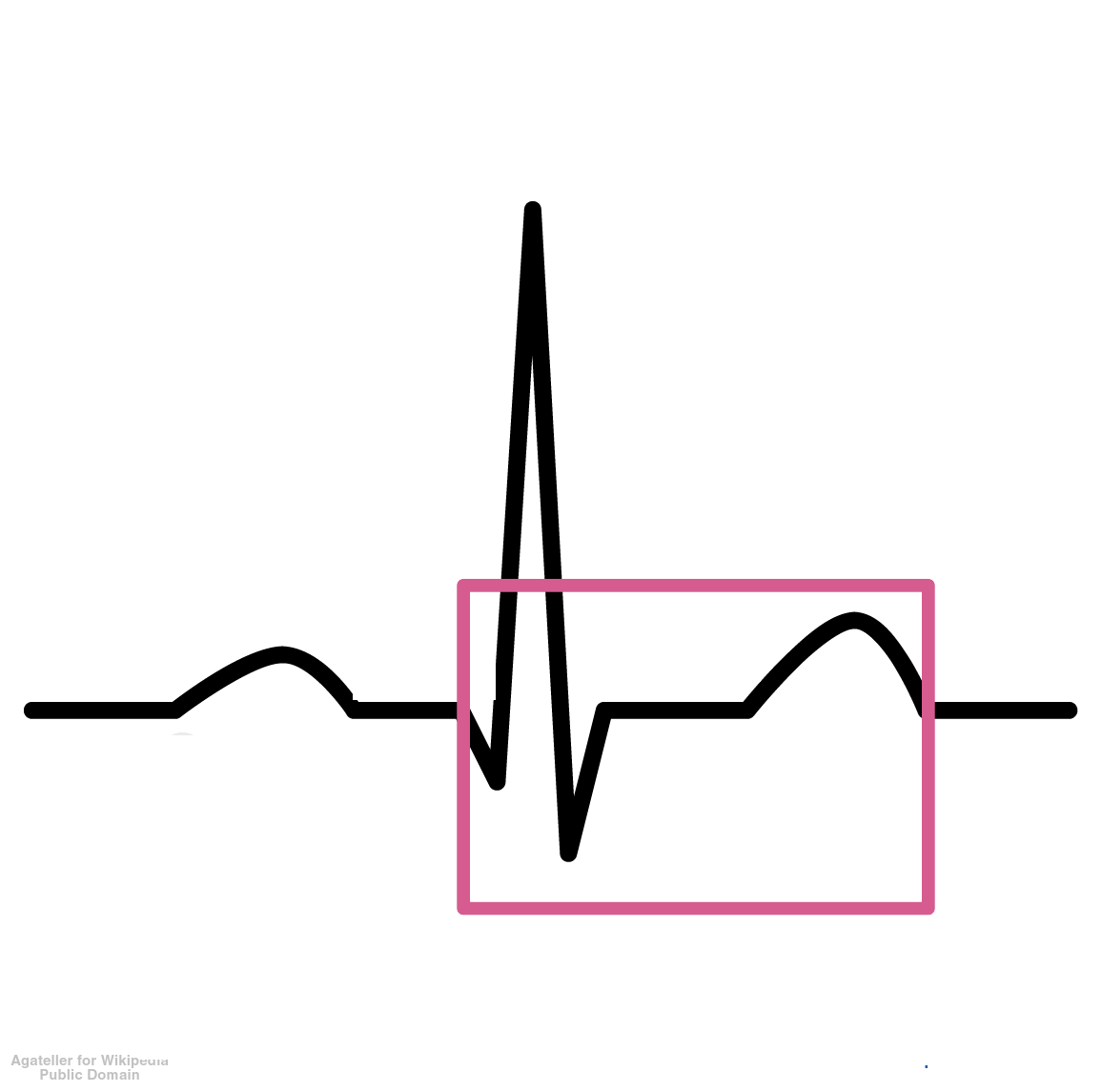
The time from the beginning of the QRS complex to the end of the T wave; represents the total time for ventricular depolarization and repolarization.
Conduction system
The pathway through which electrical impulses travel through the heart to initiate contractions.
Grounding patch
An electrode that serves as a reference point with no direct role in measuring electrical signals, typically placed on the right leg.
Ventricular dysrhythmia
An abnormal heart rhythm originating from the ventricles.
Heart rate determination
Methods to calculate heart rate, including the six-second method, large box method, and small box method.