United States History Since 1877 STAAR Review
 Call Kai
 Learn
Learn Practice Test
 Spaced Repetition
 Match
Match Flashcards
 Knowt Play
1/100

There's no tags or description
Looks like no tags are added yet.
Name | Mastery | Learn | Test | Matching | Spaced | Call with Kai |
|---|
No analytics yet
Send a link to your students to track their progress
101 Terms
Gilded Age
1870s - 1890s; time period looked good on the outside, despite the corrupt politics and growing gap between the rich and poor
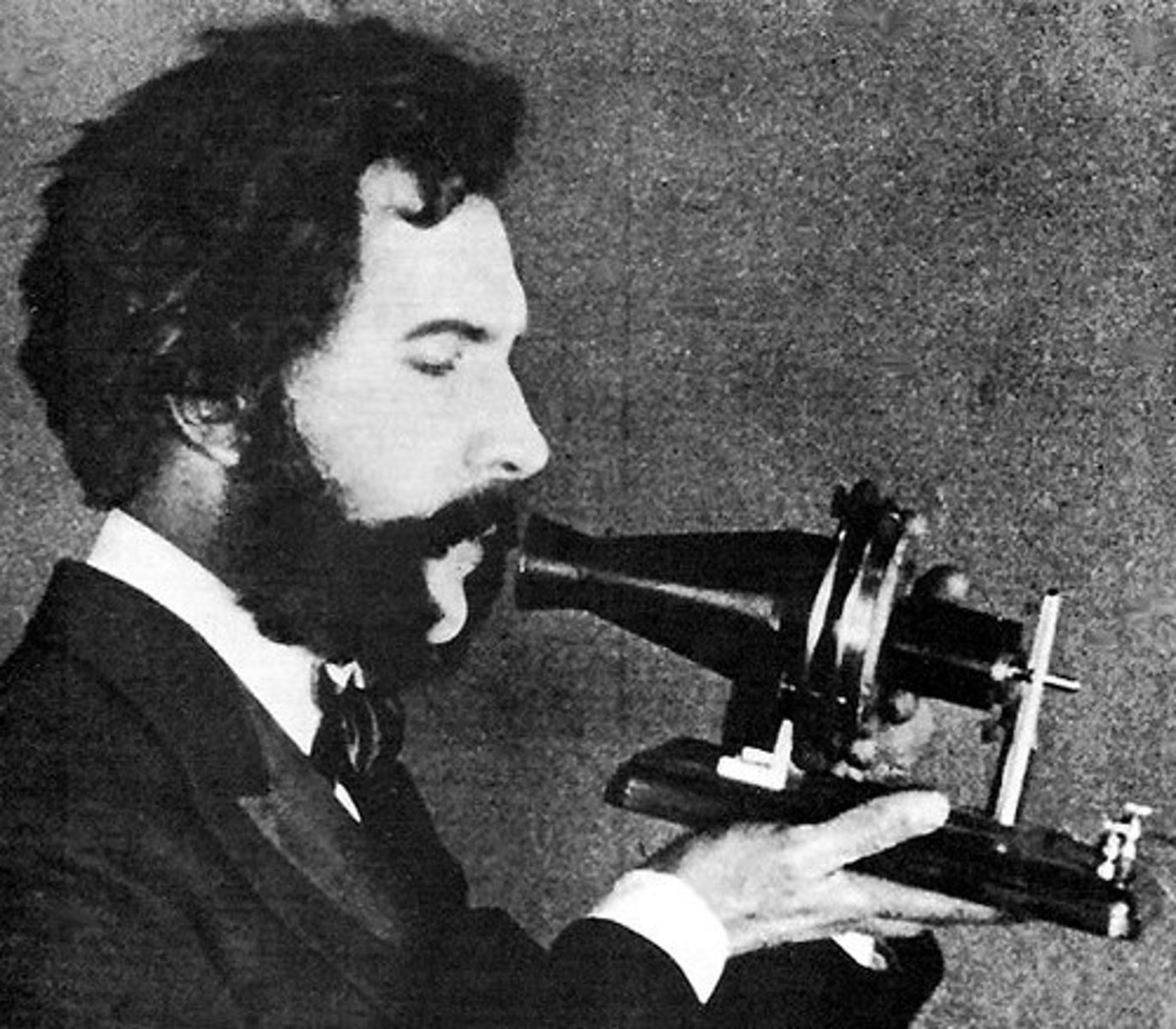
Alexander Graham Bell
He was an American inventor who was responsible for developing the telephone.
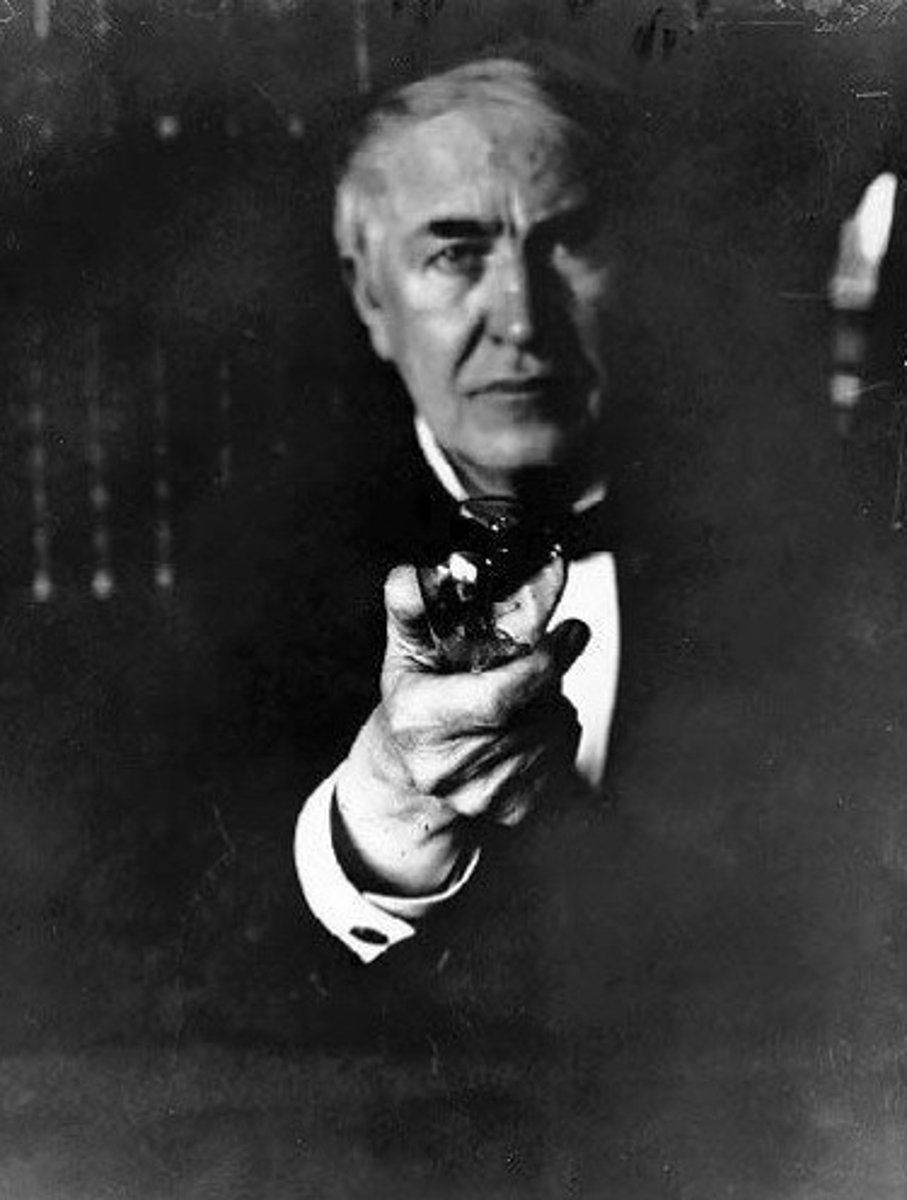
Thomas Edison
American inventor best known for inventing the electric light bulb, acoustic recording on wax cylinders, and motion pictures.
Free Enterprise System
An economic system in which people are free to operate their businesses as they see fit, with little government interference.

Laissez-Faire
No government intervention in business.
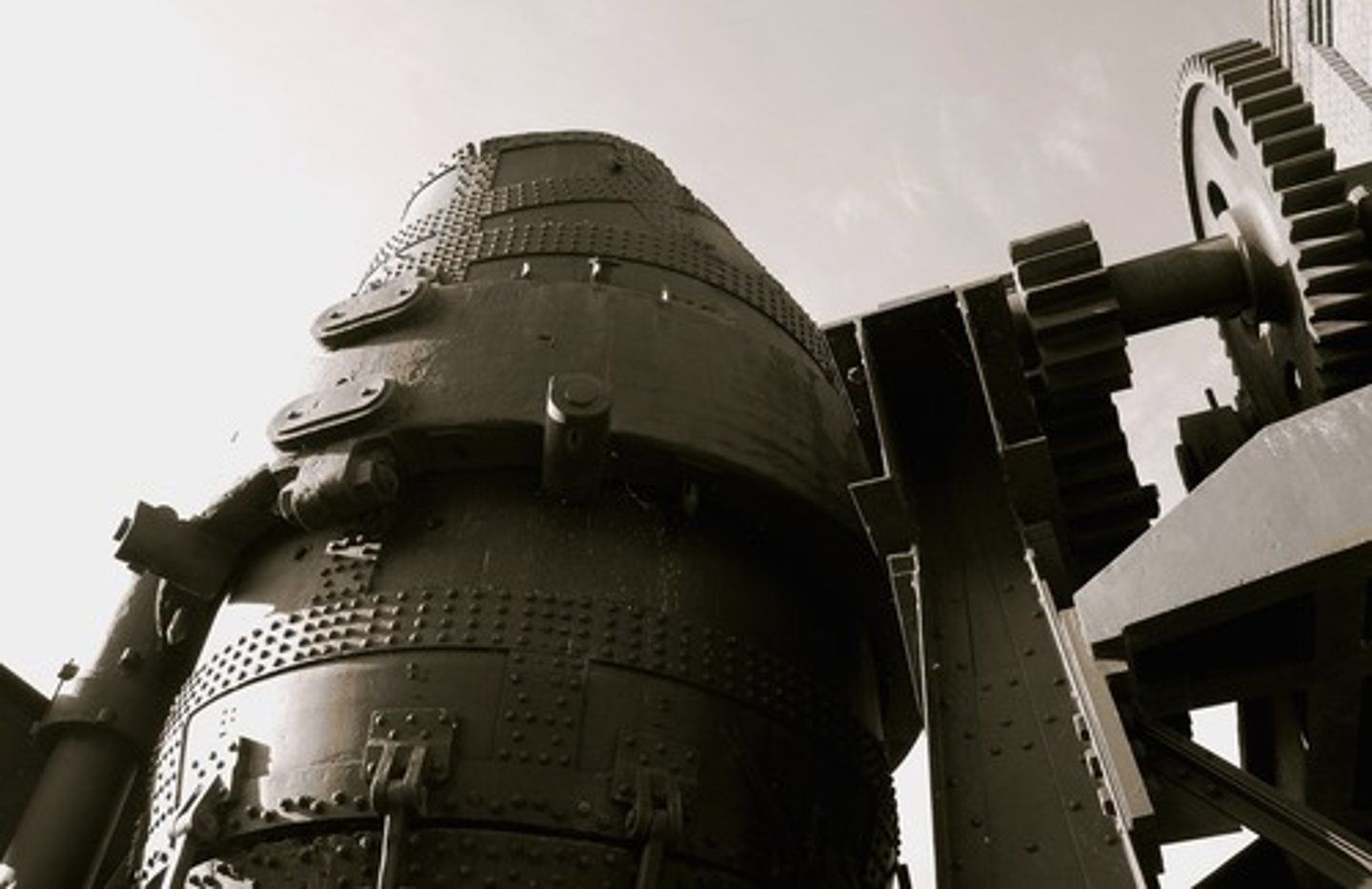
Bessemer Process
A process for making steel more efficiently, patented in 1856.
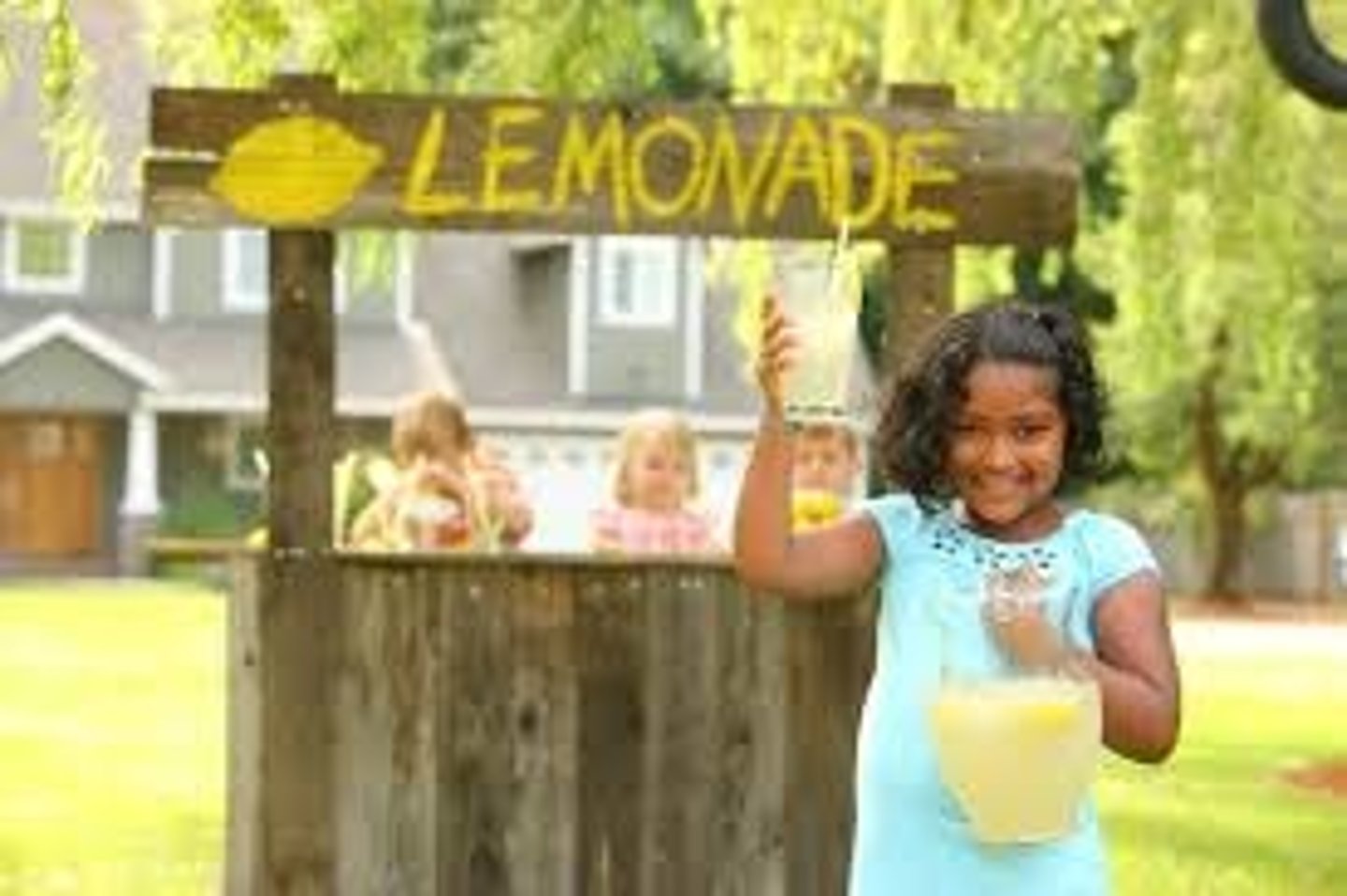
Entrepreneurship
Accepting the risk of starting and running a business.
Monopoly
A market in which there are many buyers but only one seller.
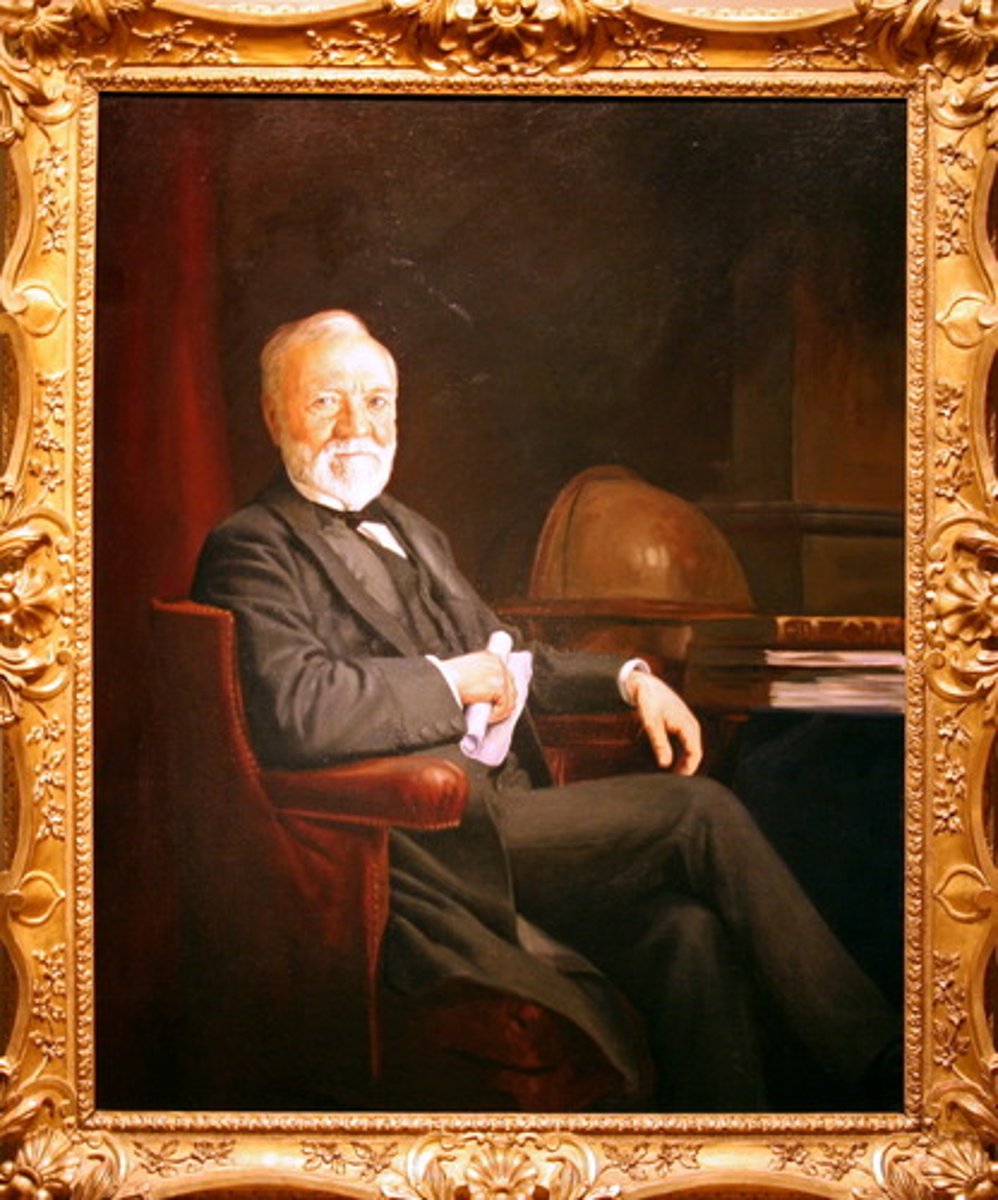
Andrew Carnegie
A business man that increased his power through by gaining control of the many different businesses that make up all phases of steel production development.
John Rockefeller
Creator of the Standard Oil Company who made a fortune on it and joined with competing companies in trust agreements that in other words made an amazing monopoly.

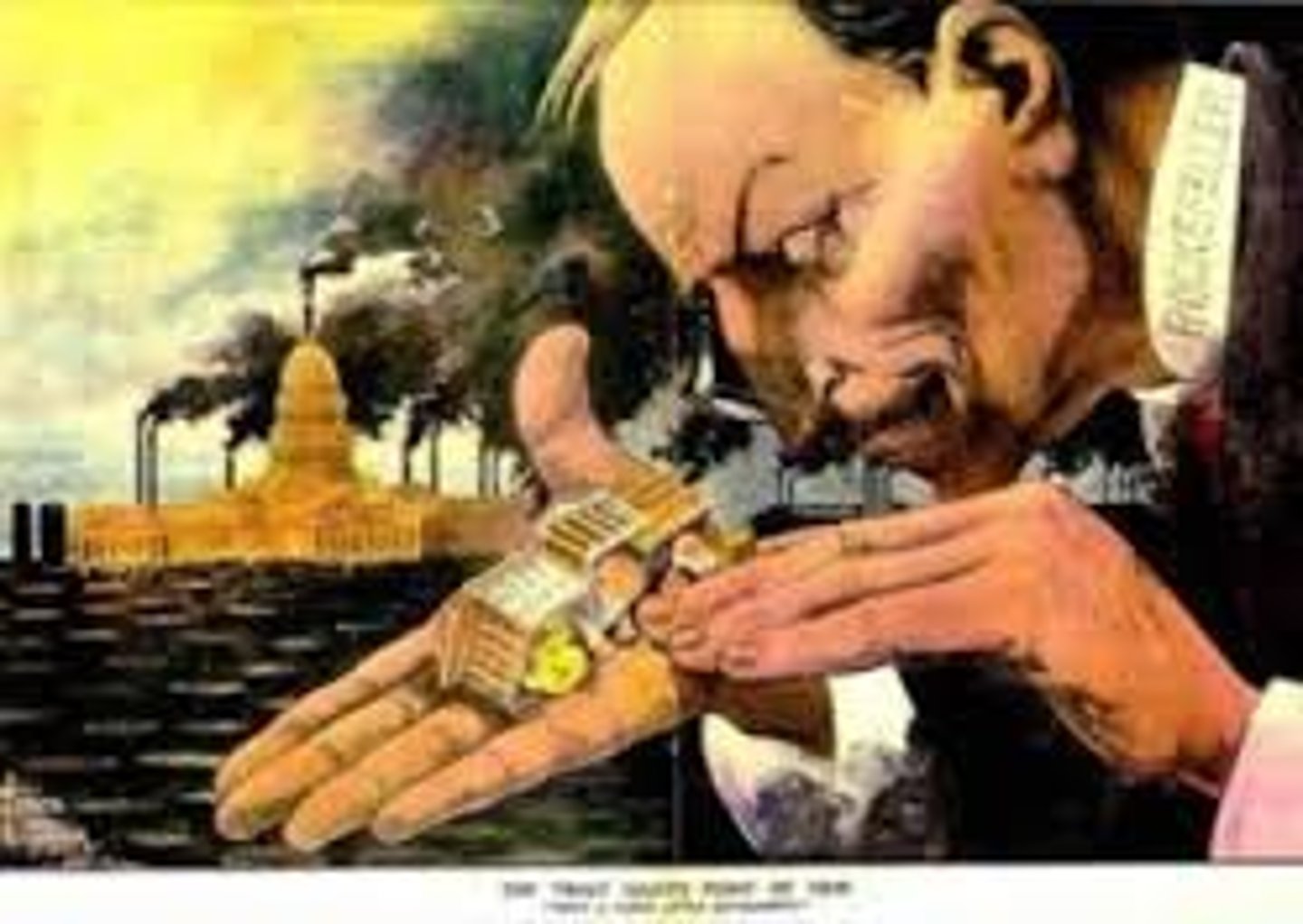
Robber Baron
a negative term for business leaders that implied they built their fortunes by stealing from the public
Captain of Industry
business leader who has a positive impact
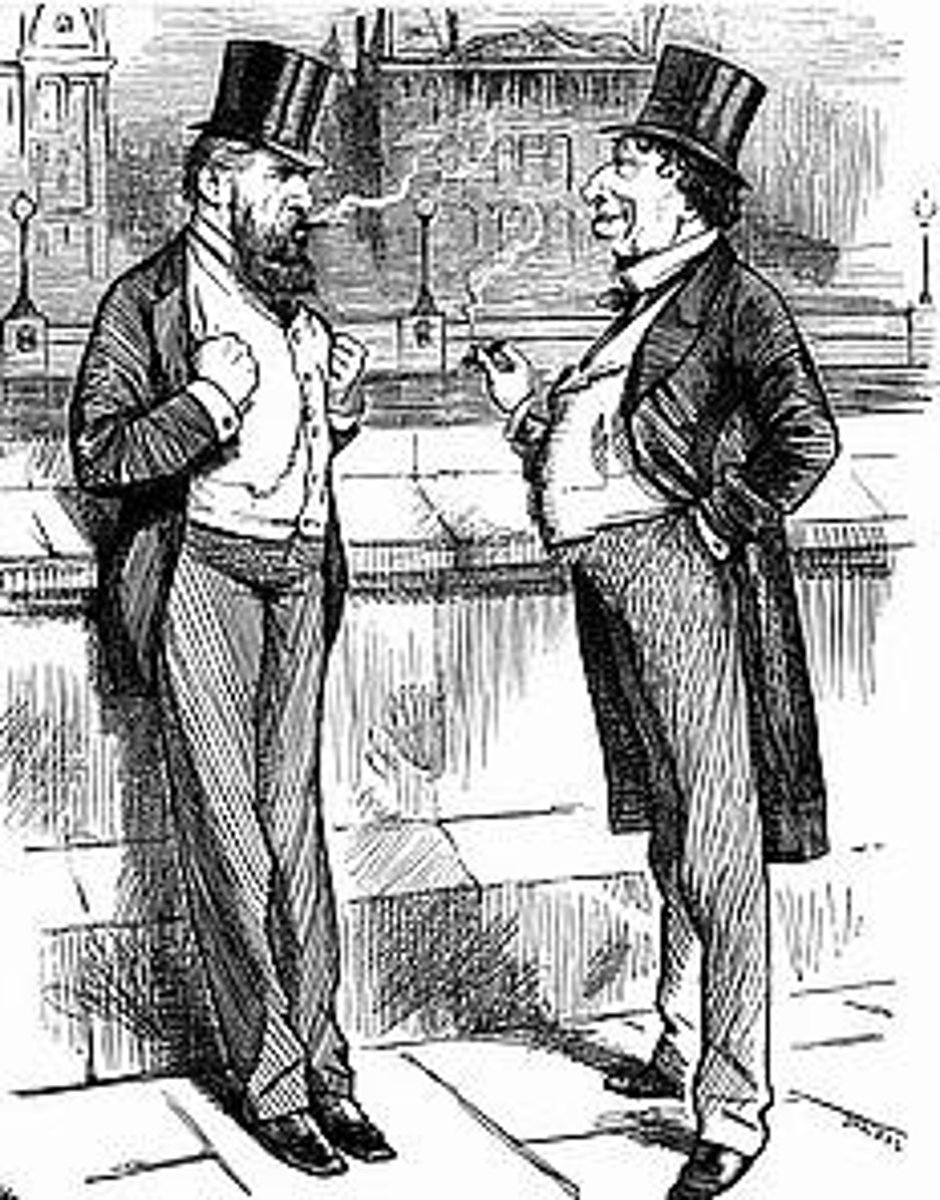
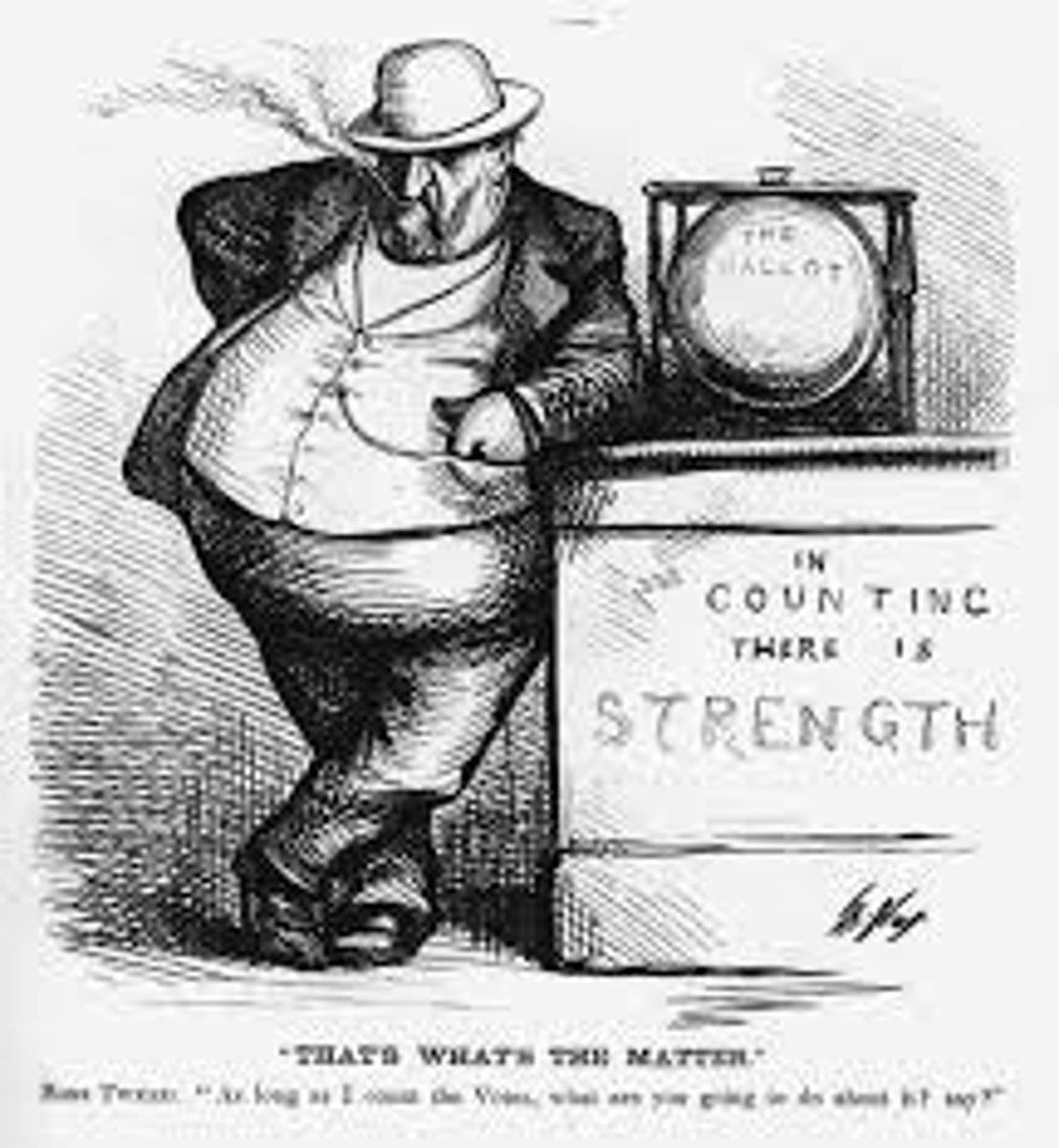
Political Machines
Corrupt organized groups that controlled political parties in the cities. A boss leads the machine and attempts to grab more votes for his party.
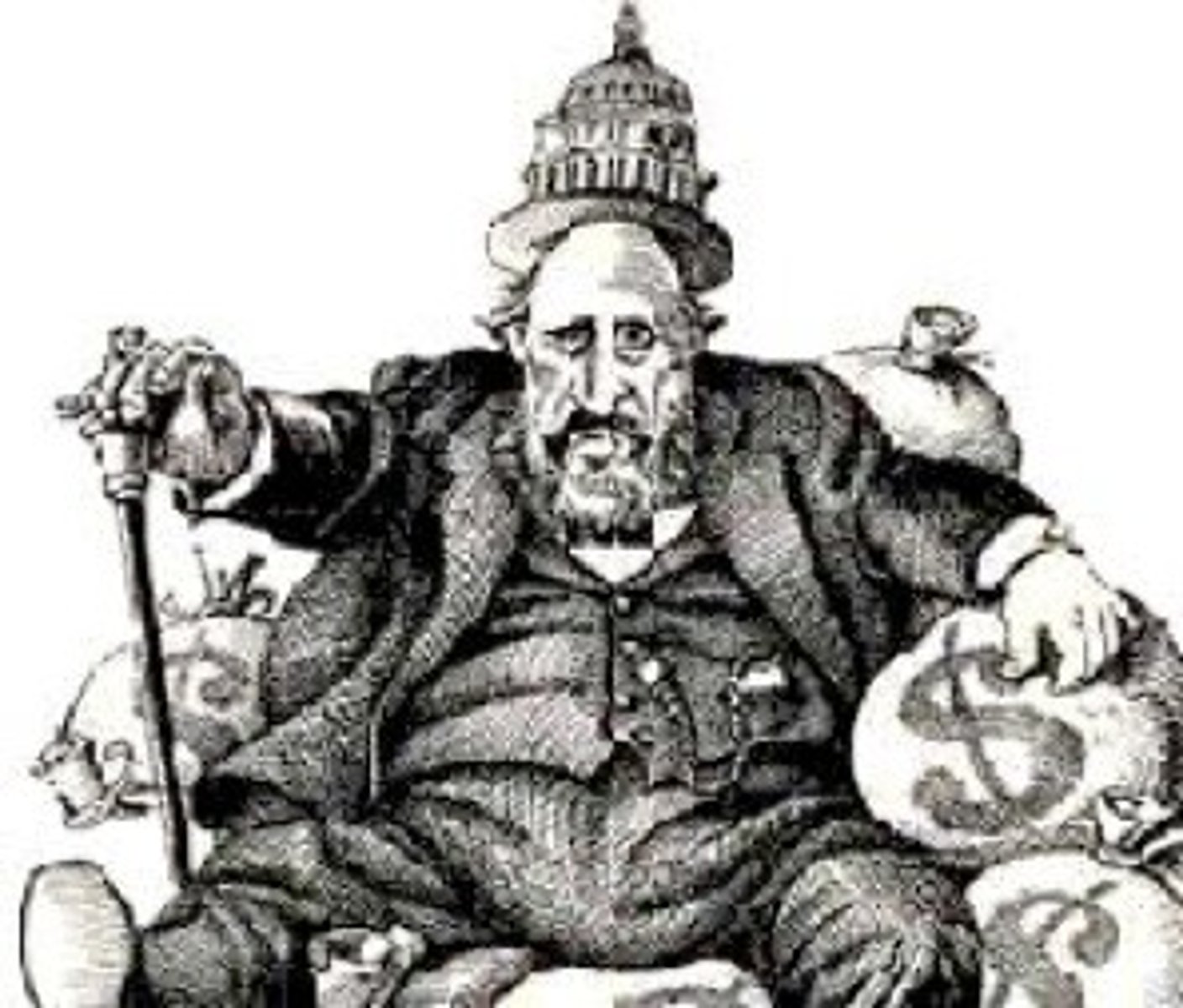
Political Boss
representative for or head of the political machine; gained votes for their parties by doing favors for people.
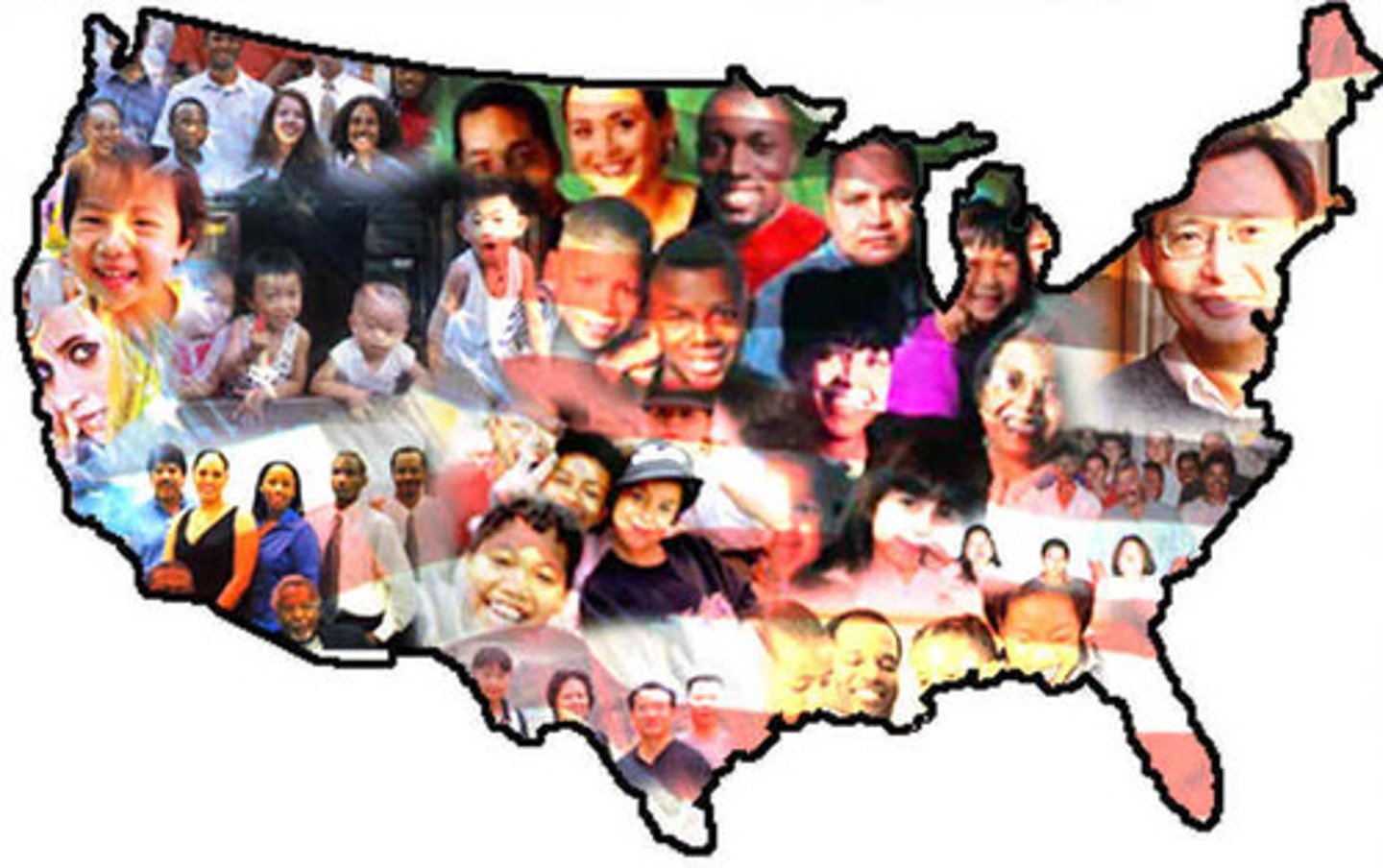
Immigration
Coming to live permanently in a foreign country
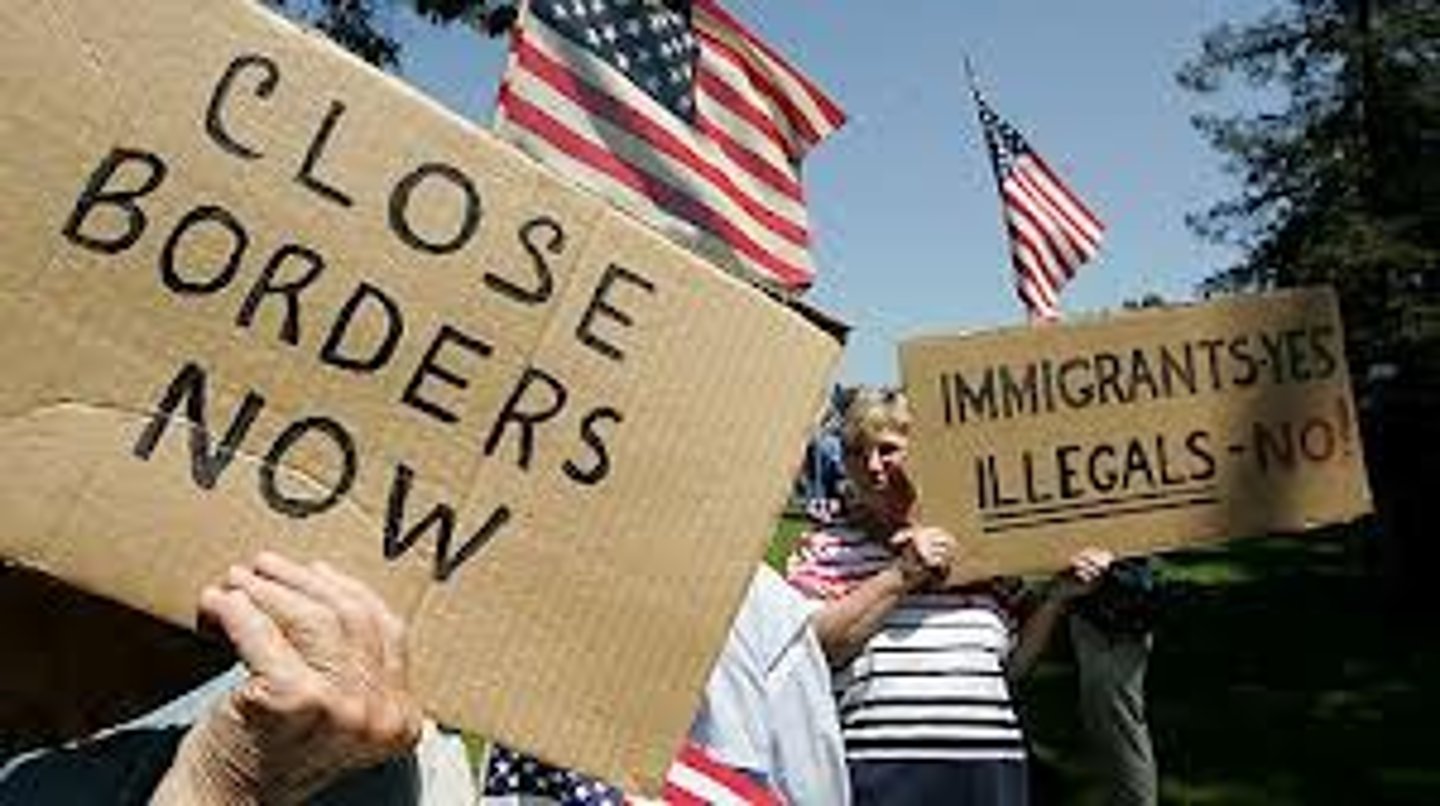
Nativists
U.S. citizens who opposed immigration because they were suspicious of immigrants and feared losing jobs to them
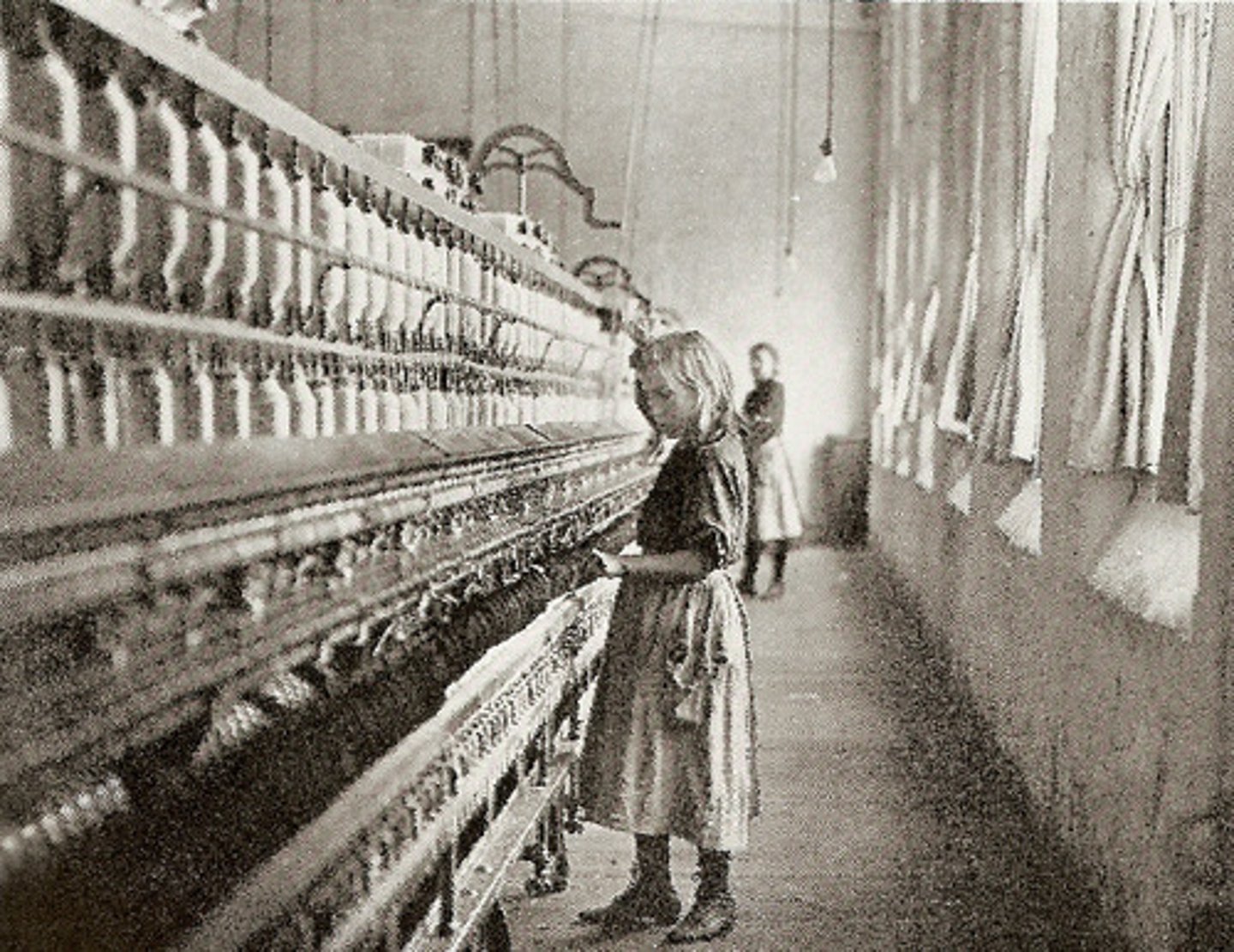
Child Labor
Children were viewed as laborers throughout the 19th century. Many children worked on farms, small businesses, mills and factories.
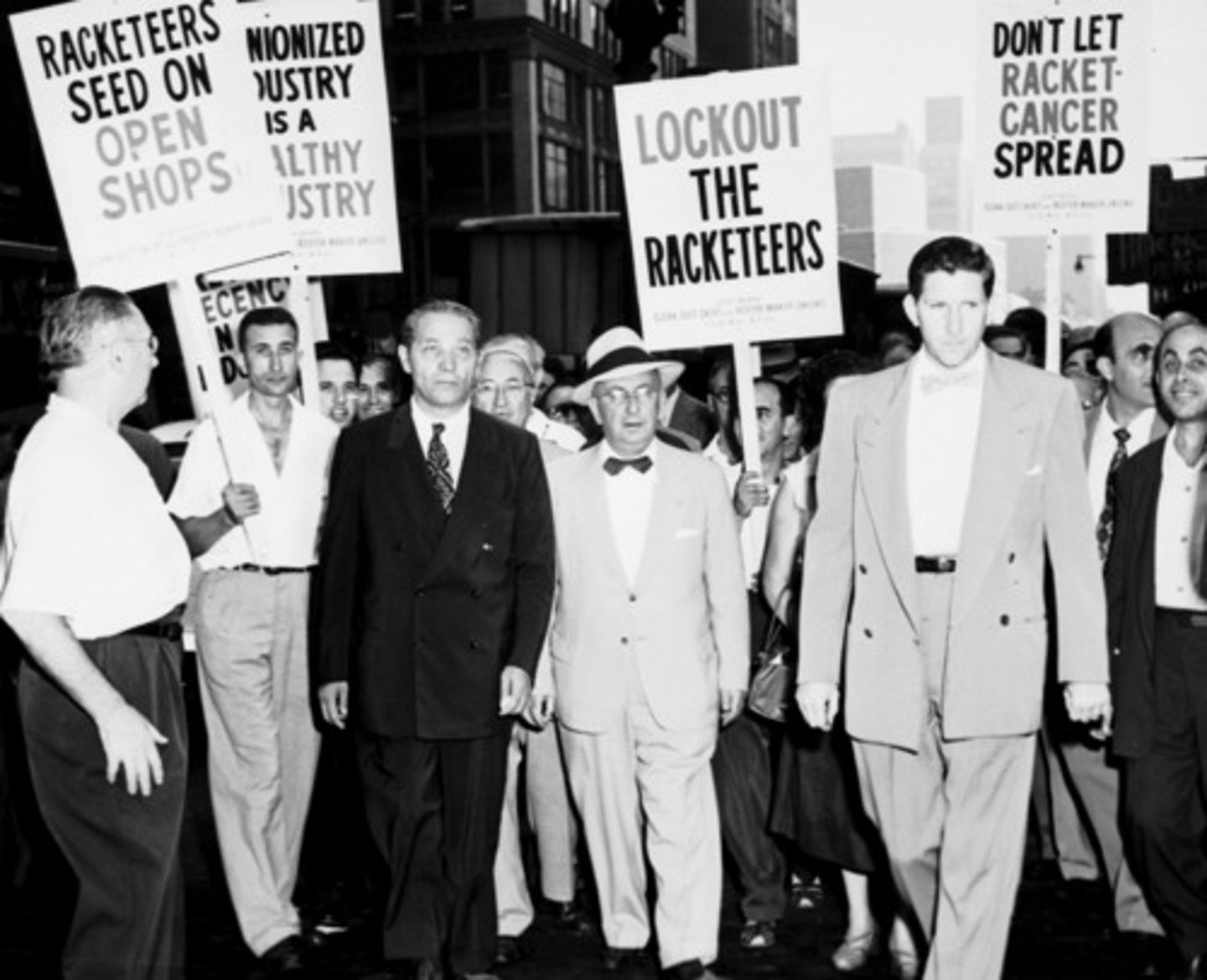
Labor Union
An organization of workers that tries to improve working conditions, wages, and benefits for its members
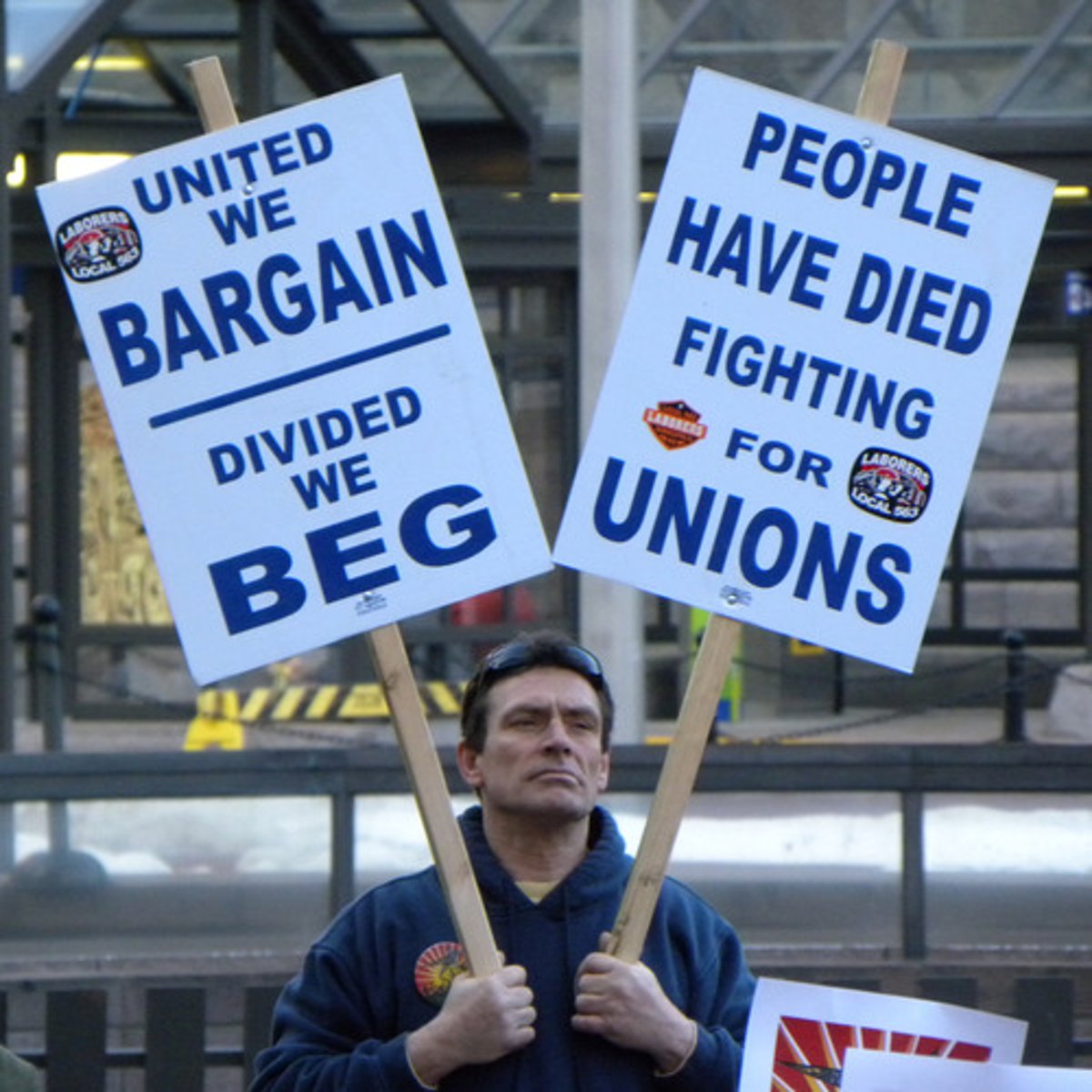
Strikes
times when workers refuse to work until owners improve conditions
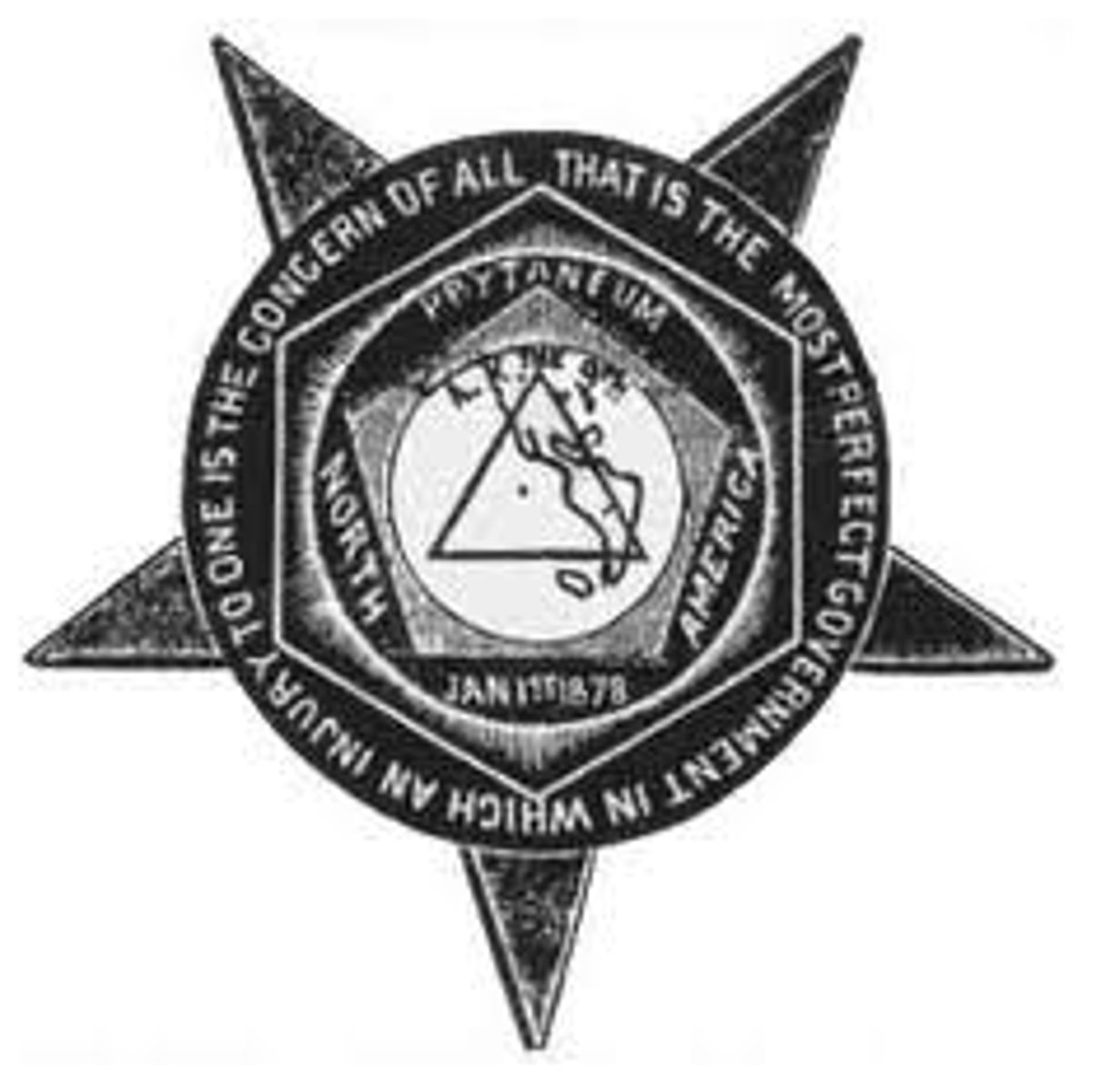
Knights of Labor
1st effort to create National union. Open to everyone but lawyers and bankers. Vague program, no clear goals, weak leadership and organization. Failed
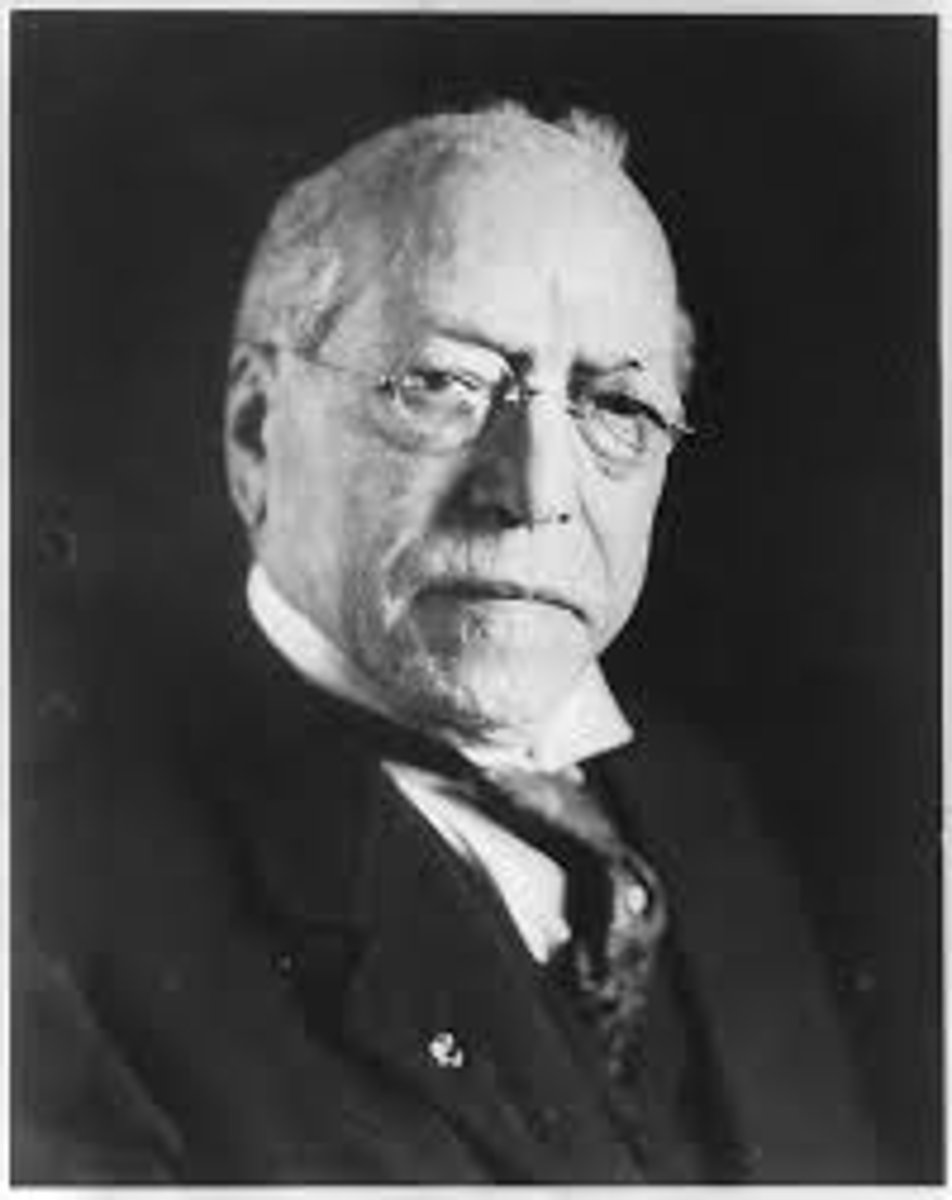
Samuel Gompers
He was the creator of the American Federation of Labor. He provided a stable and unified union for skilled workers
Manifest Destiny
A notion held by a nineteenth-century Americans that the United States was destined to rule the continent, from the Atlantic the Pacific.
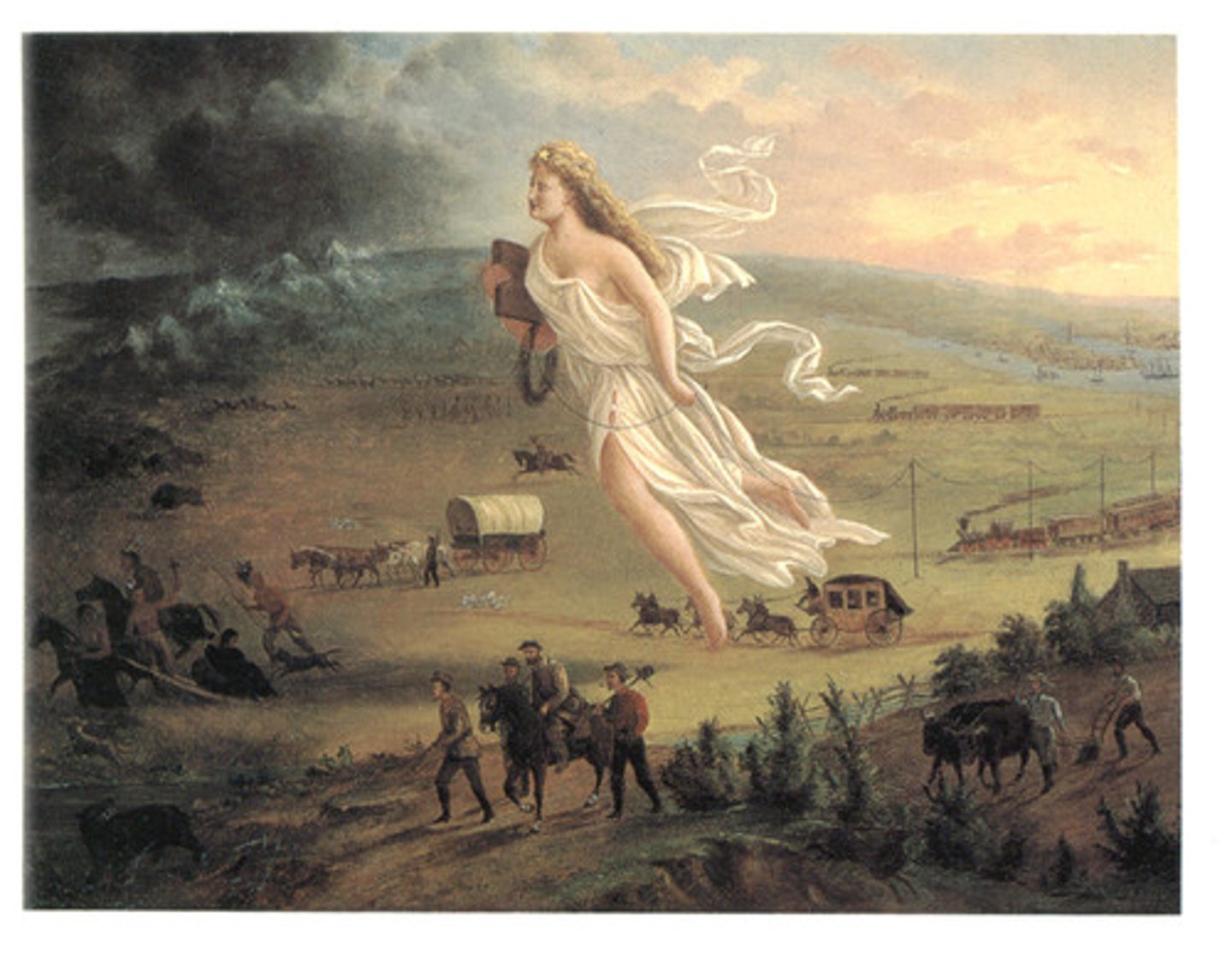
Westward Migration
the movement of people to the western and mid-western states to find new opportunities (ex. jobs, land, and gold).
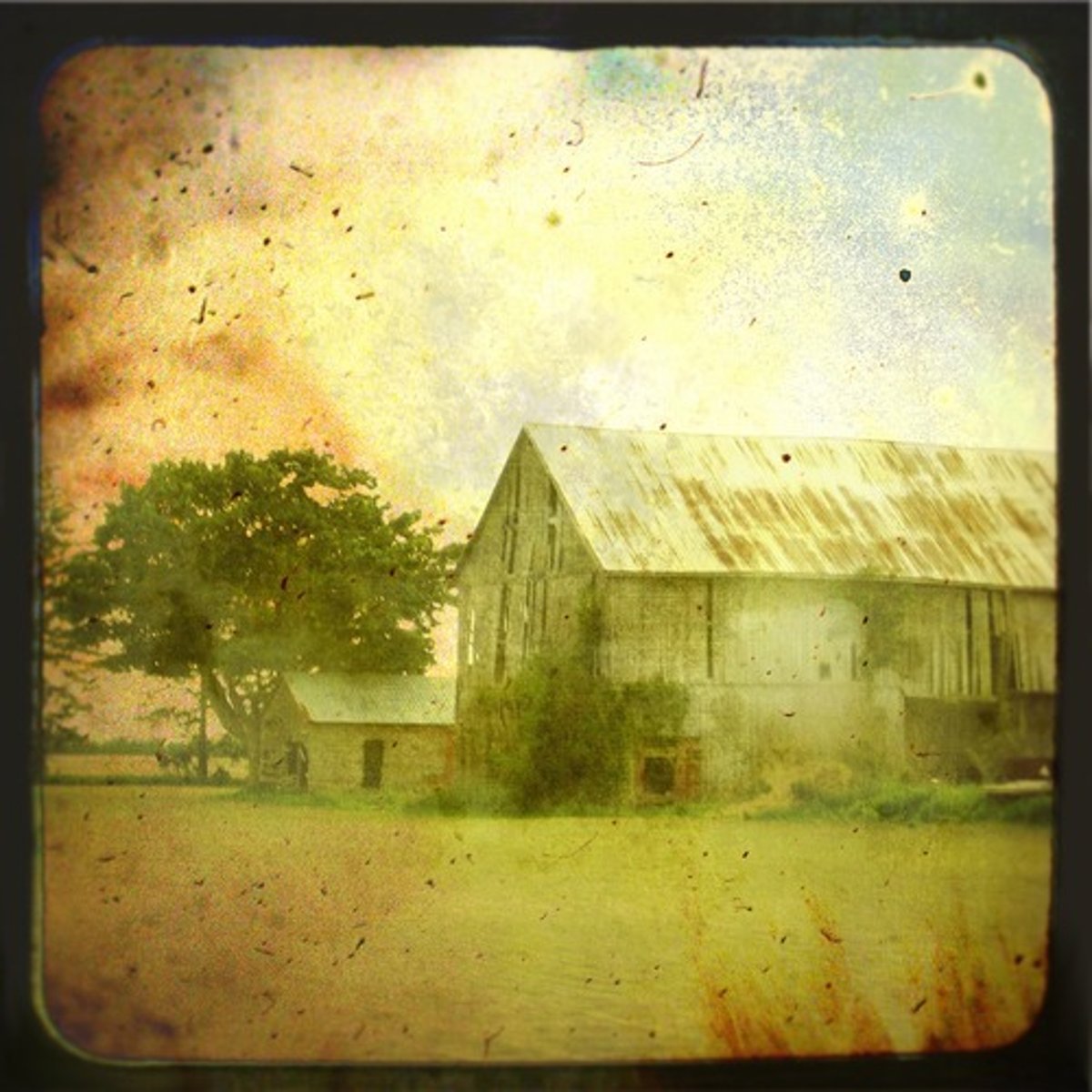
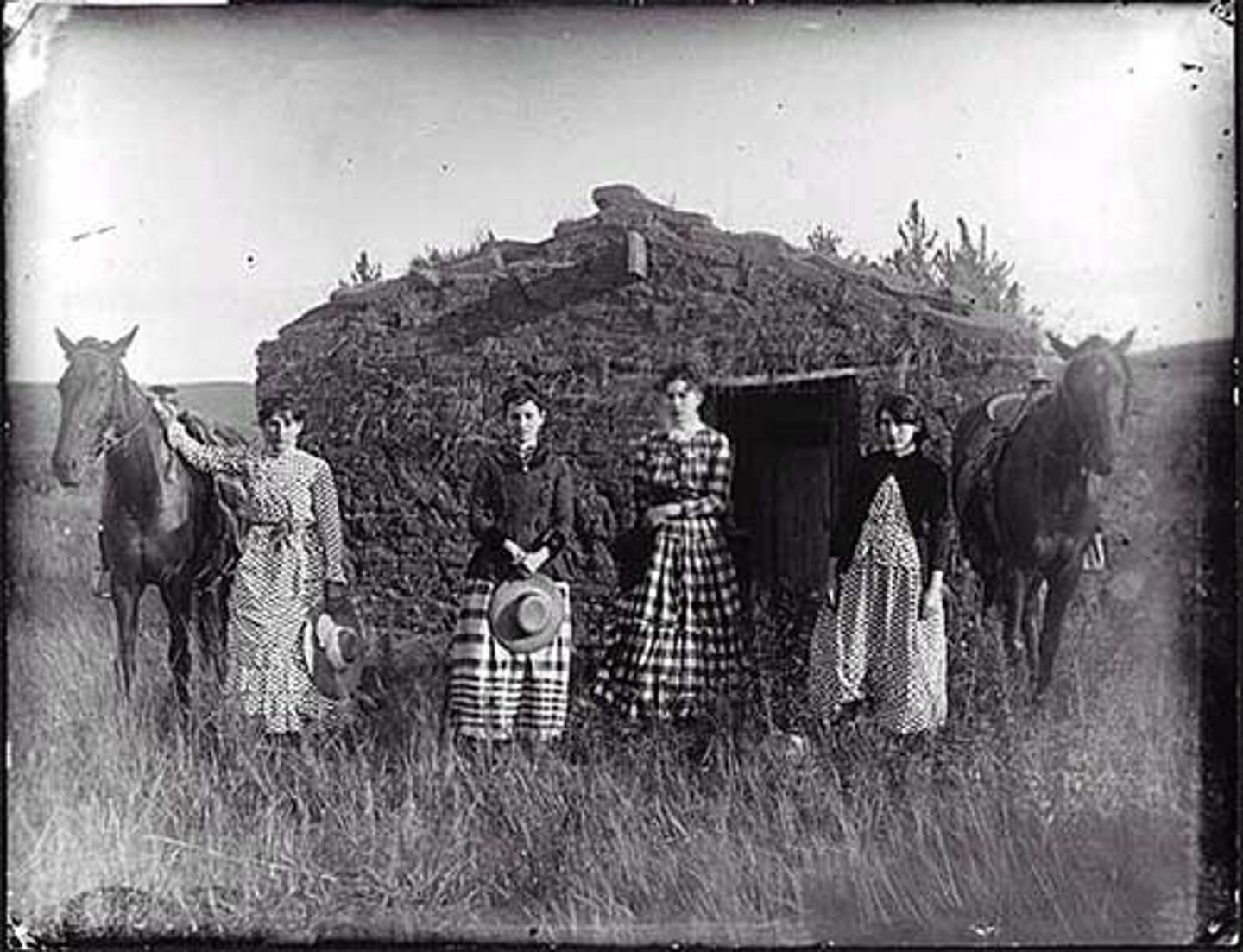
Homestead Act
1862 - provided free land in the west as long as the person would settle there and make improvements in five years
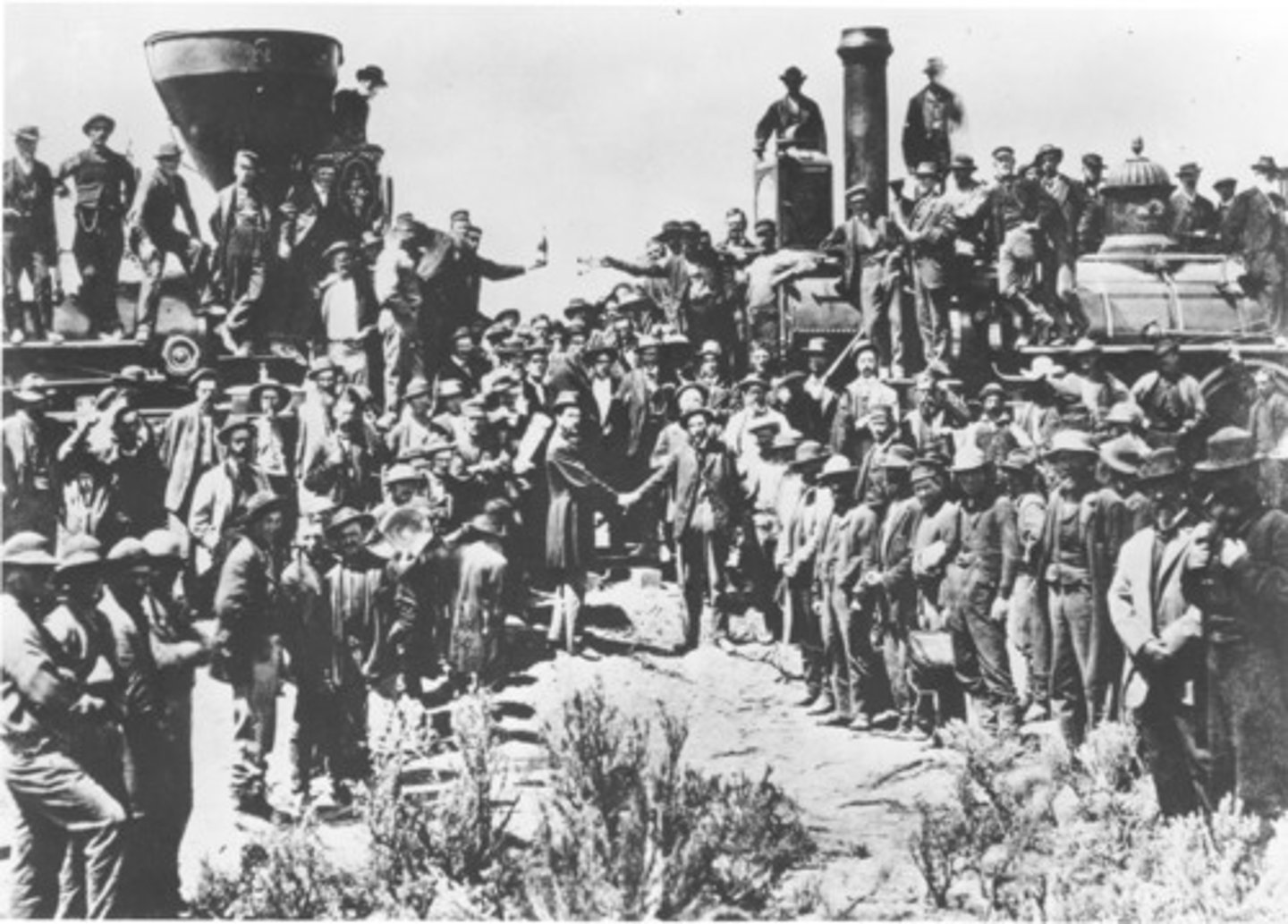
Transcontinental Railroad
Completed in 1869 at Promontory, Utah, it linked the eastern railroad system with California's railroad system, revolutionizing transportation in the west
Great Plains
A mostly flat and grassy region of western North America
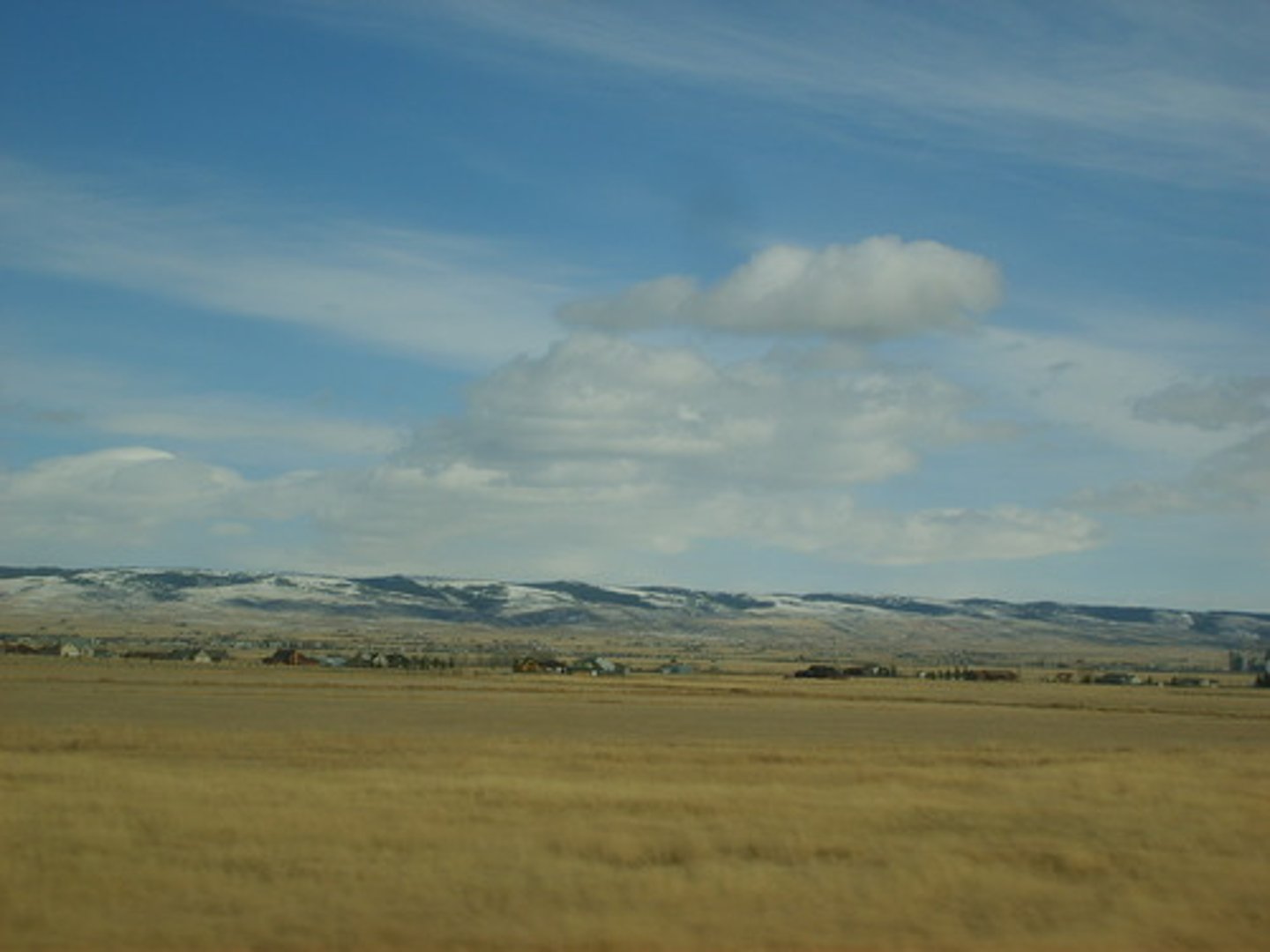
Frontier
a wilderness at the edge of a settled area of a country
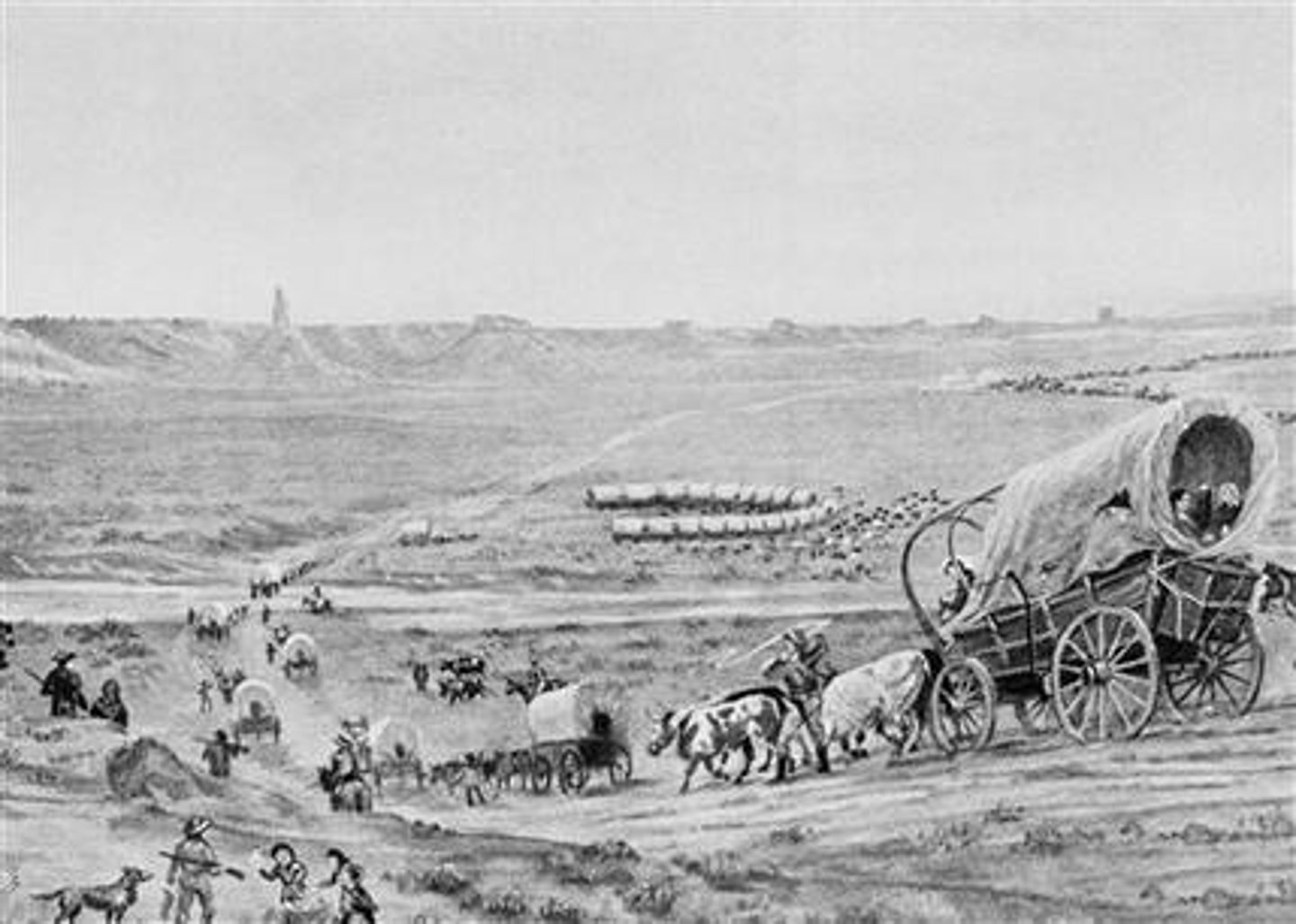
Gold Rush
rush of immigration to and for gold in California.
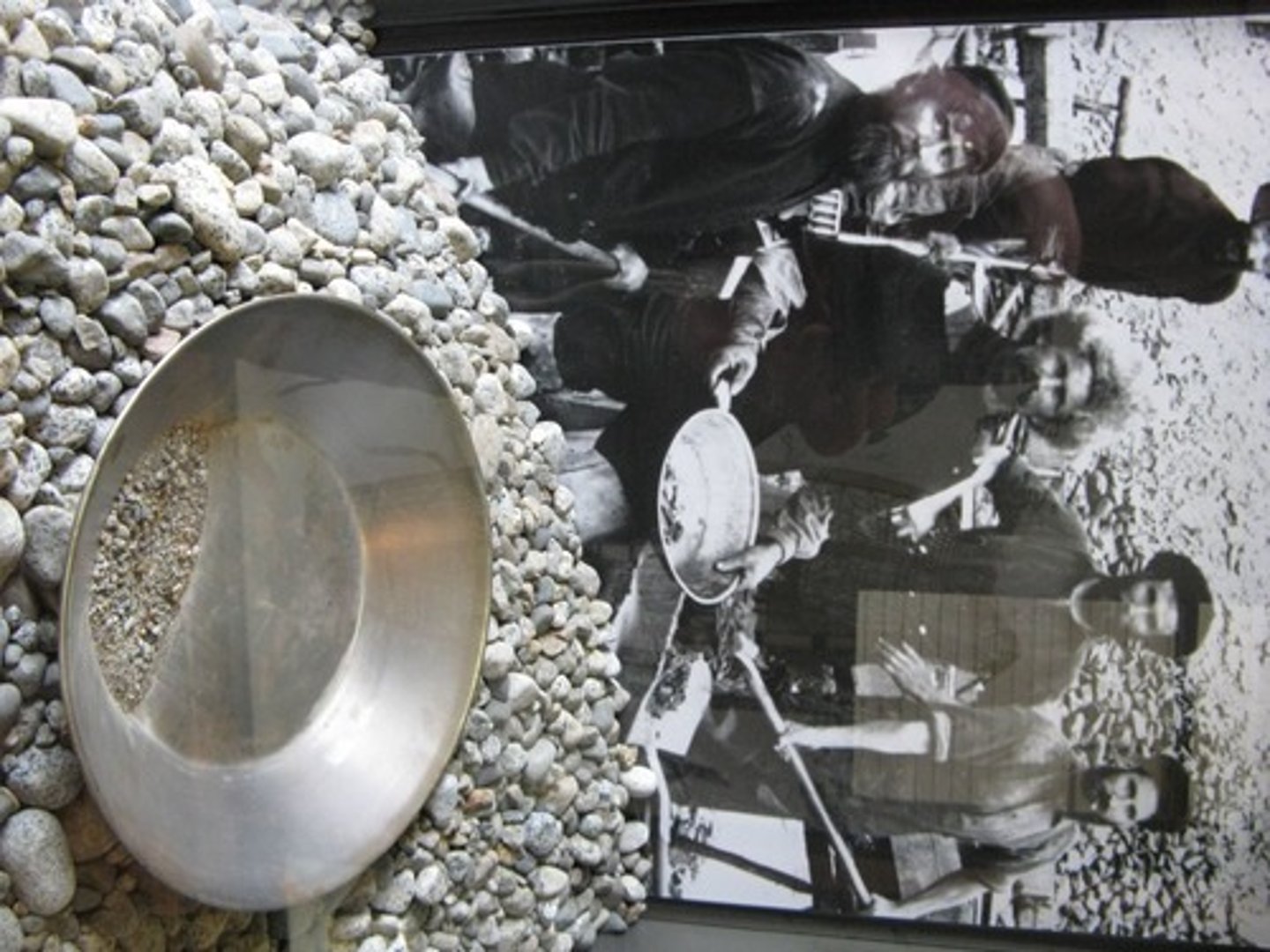
Indian Wars
1850 to 1890; series of conflicts between the US Army / settlers and different Native American tribes
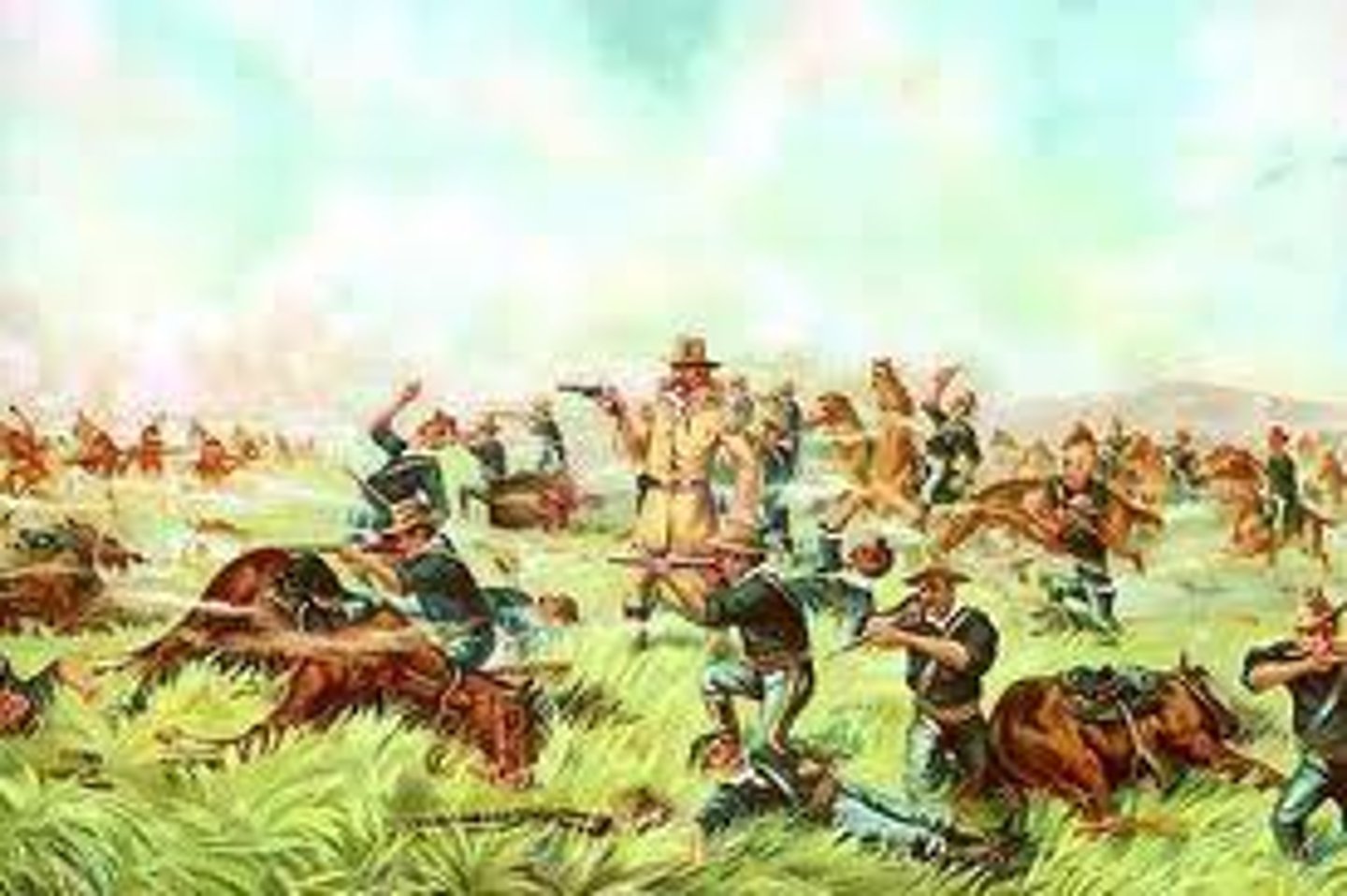
Reservations
areas of federal land set aside for American Indians
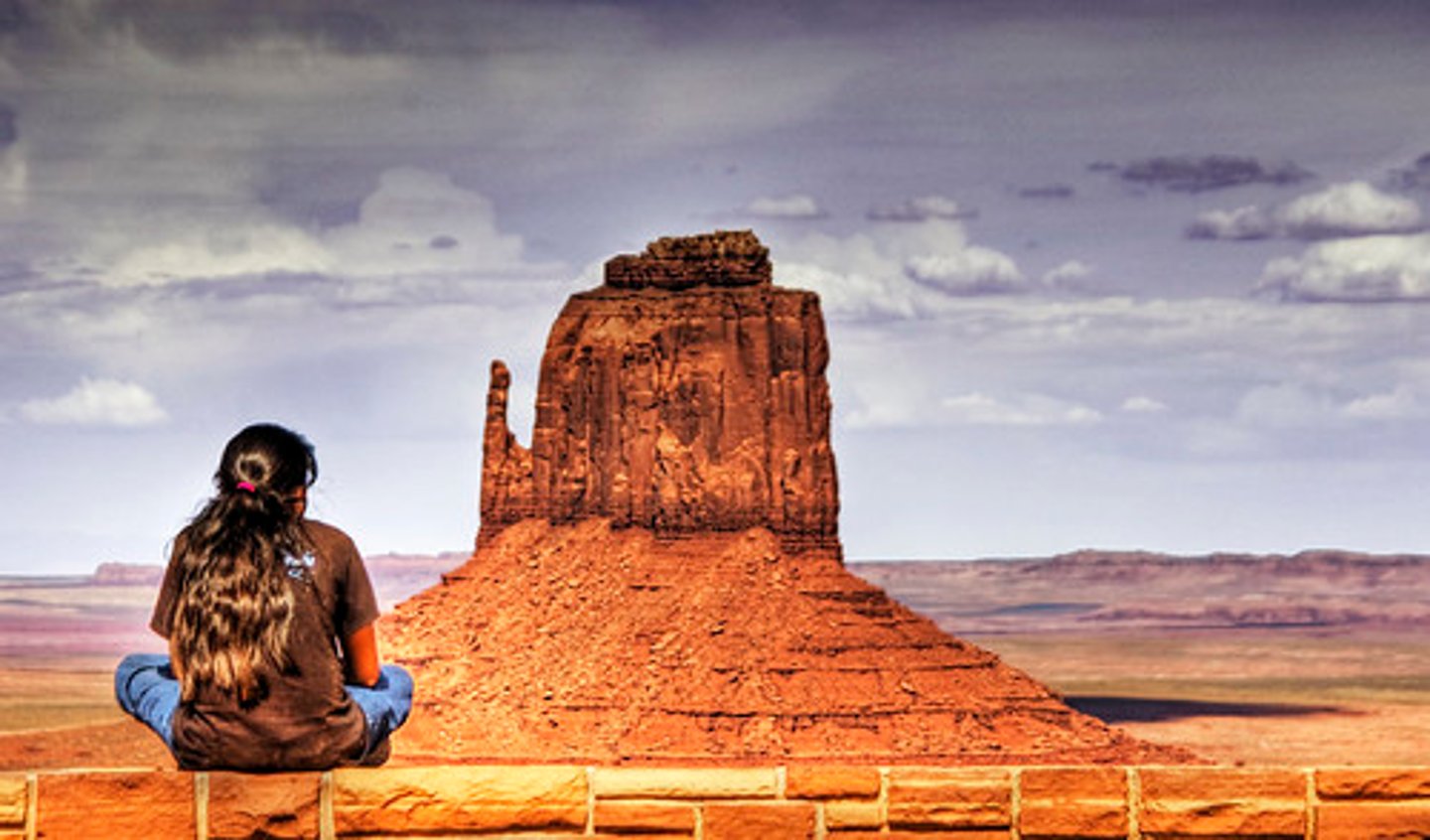
Dawes Act
1887 law which gave all Native American males 160 acres to farm and also set up schools to make Native American children more like other Americans
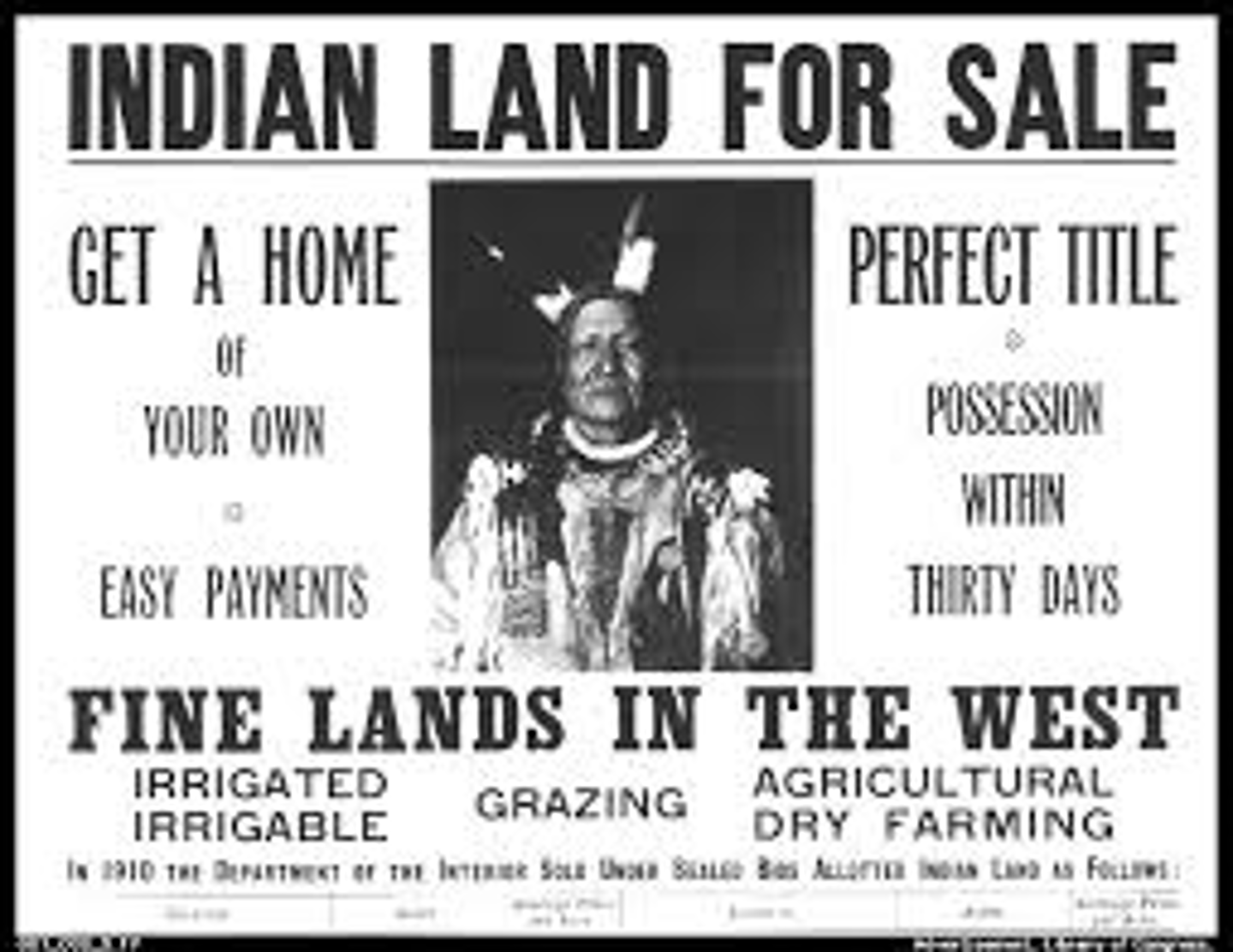
New Immigration
Immigrants from Southern and Eastern European countries and Asia arriving in the late 1800s
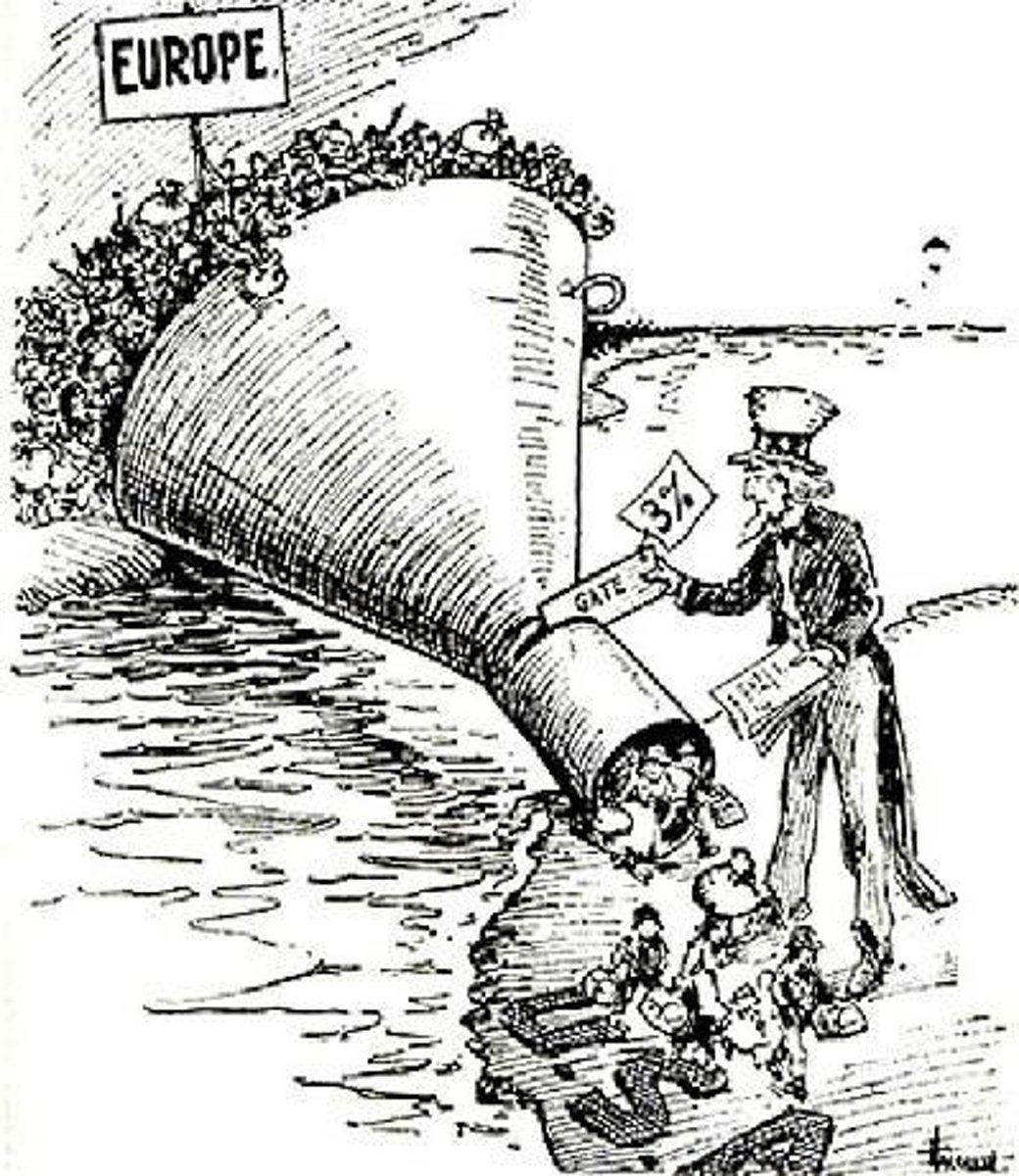
Ellis Island
An immigrant receiving station that opened in 1892, where immigrants were given a medical examination and only allowed in if they were healthy
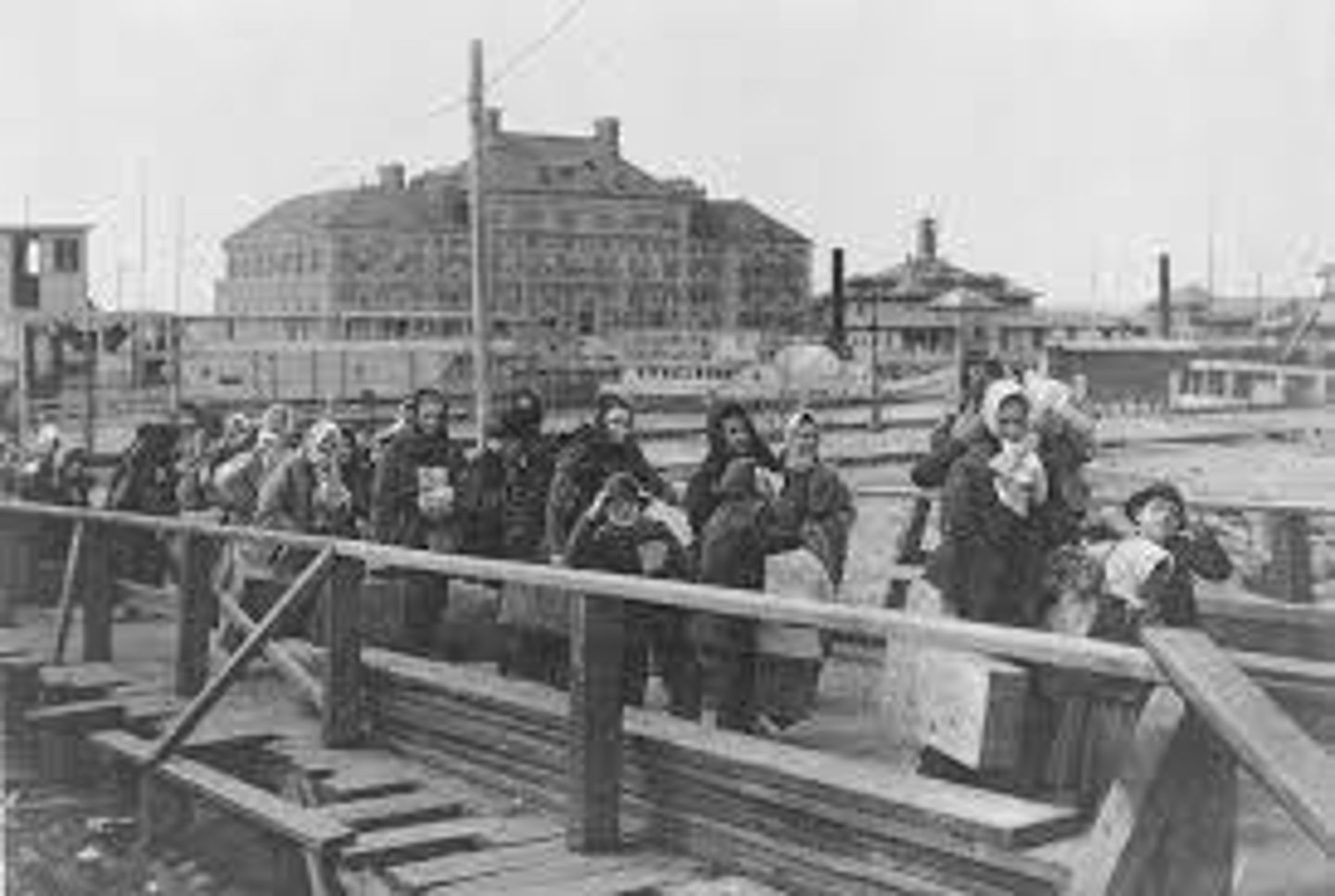
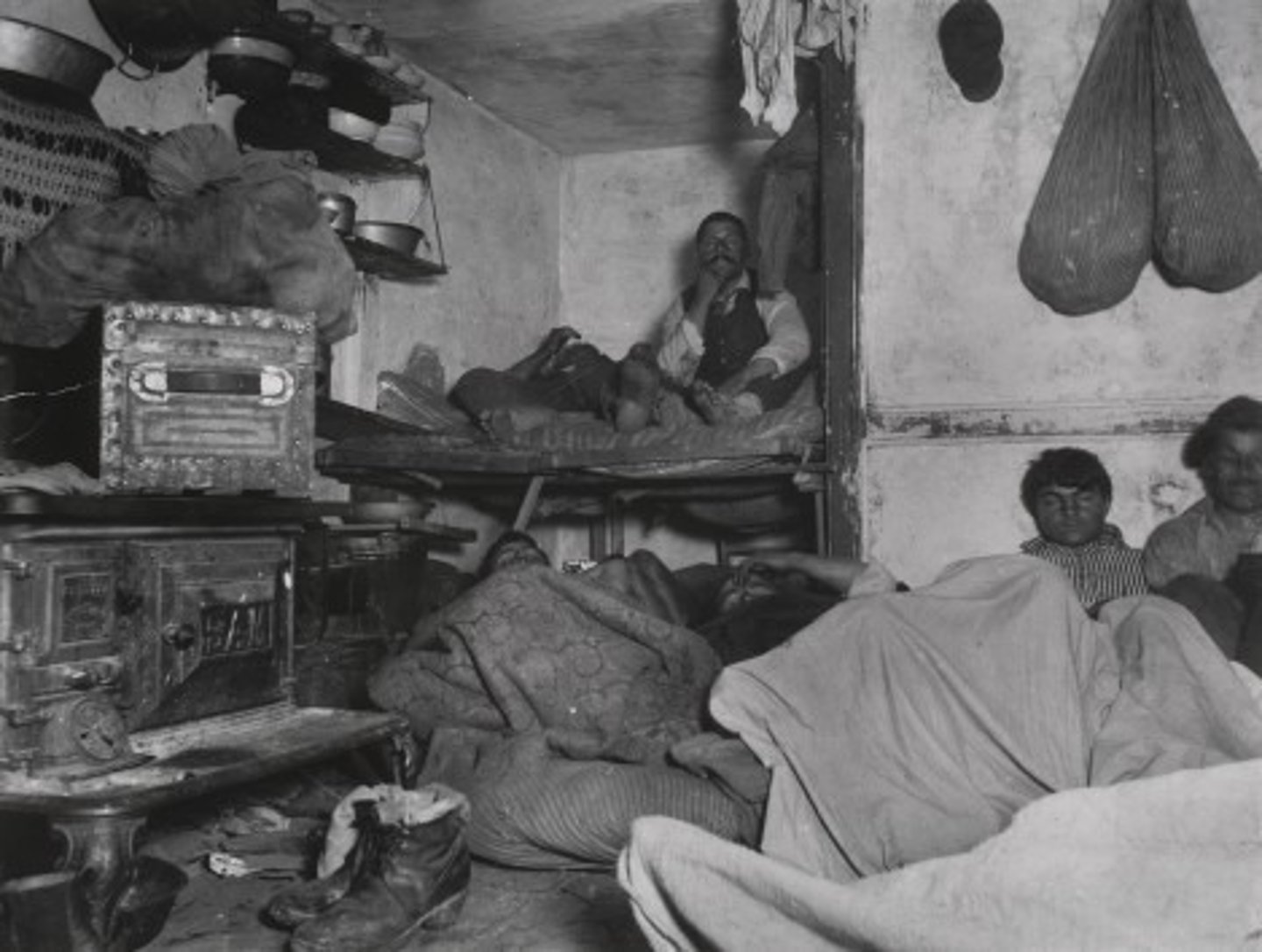
Tenement
A building in which several families rent rooms or apartments, often with little sanitation or safety
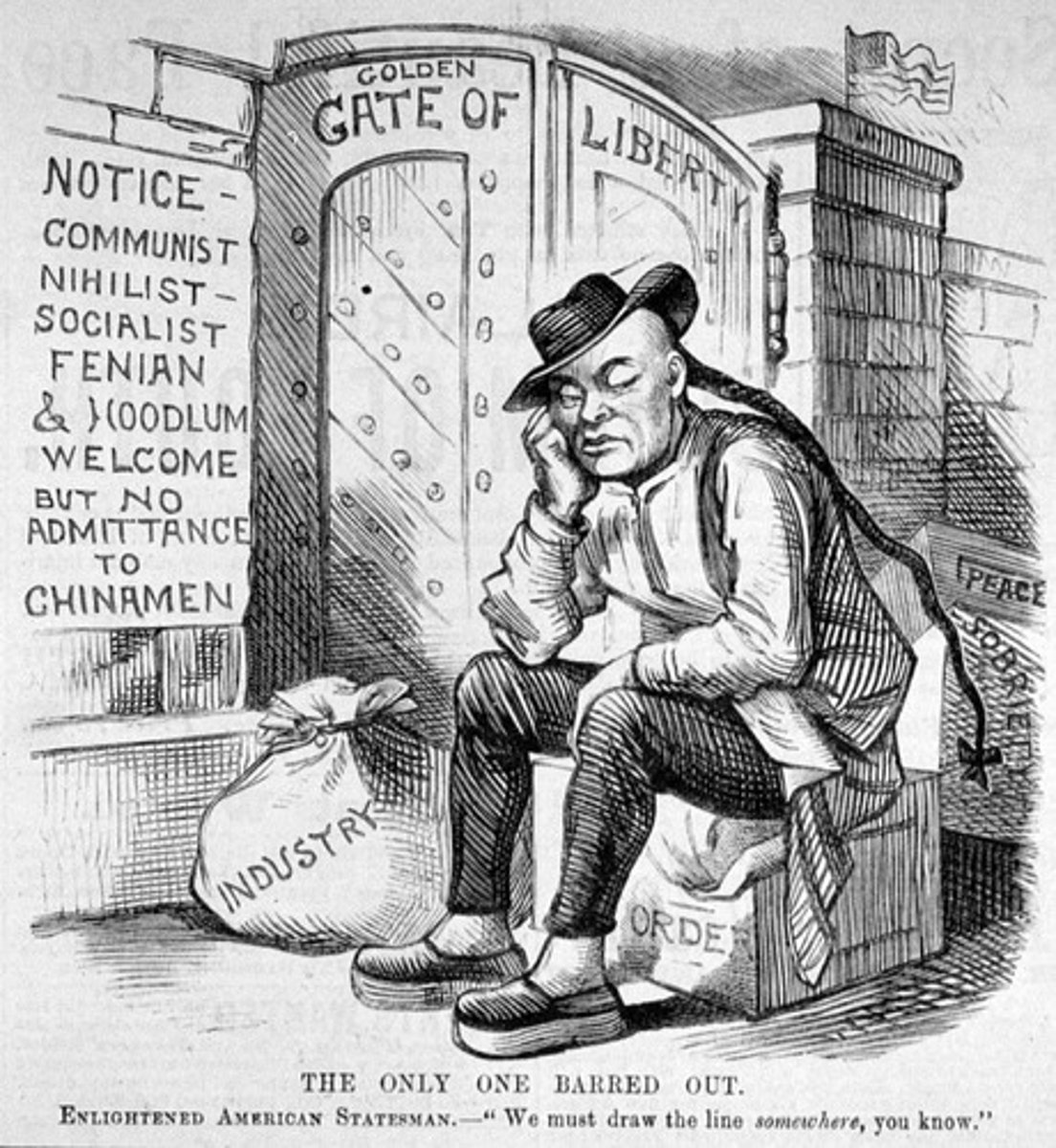
Chinese Exclusion Act
(1882) Denied any additional Chinese laborers to enter the country while allowing students and merchants to immigrate.
Progressive Era
time at the turn of the 20th century in which groups sought to reform America economically, socially, and politically
Populists
third party political movement to address farmers' plight
Social Gospel
A movement in the late 1800s / early 1900s which emphasized charity and social responsibility as a means of salvation.
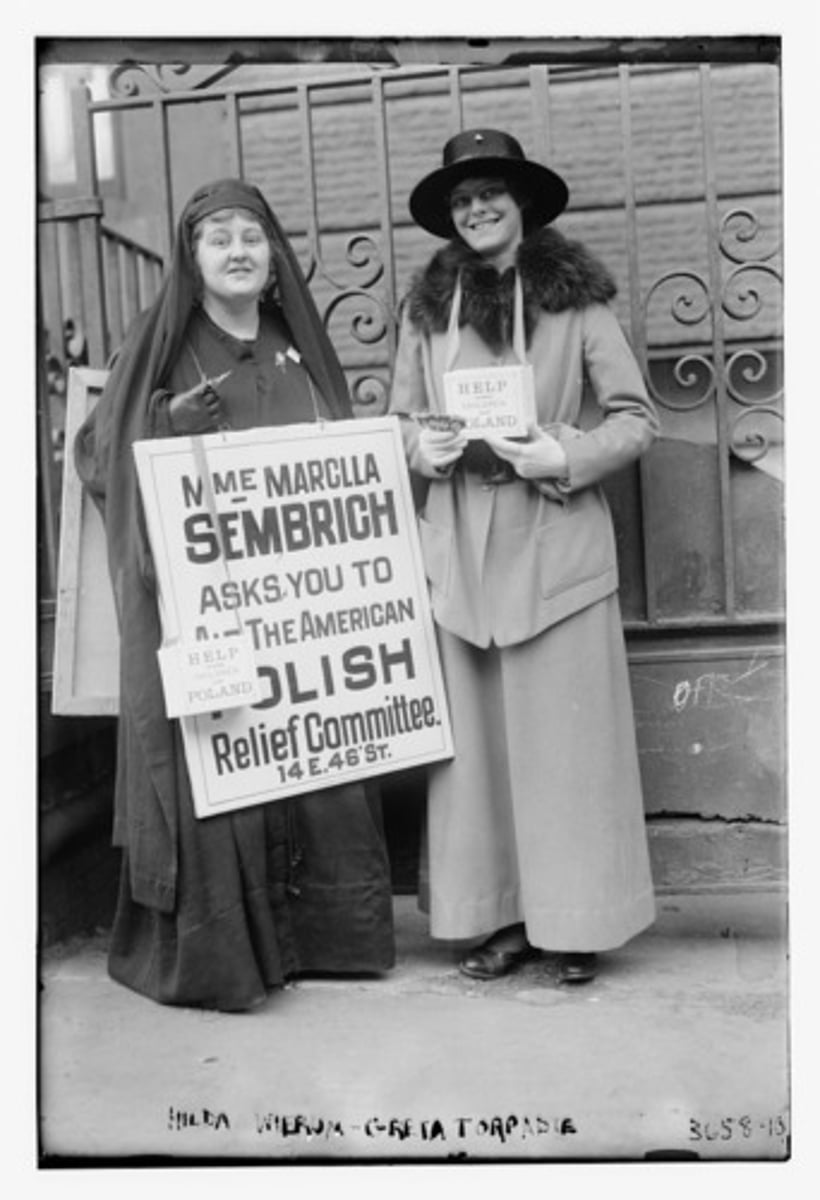
Americanization
cause to acquire and conform to American characteristics. For Native Americans and Immigrants
Assimilation
A policy in which a nation forces or encourages a subject people to adopt its institutions and customs.
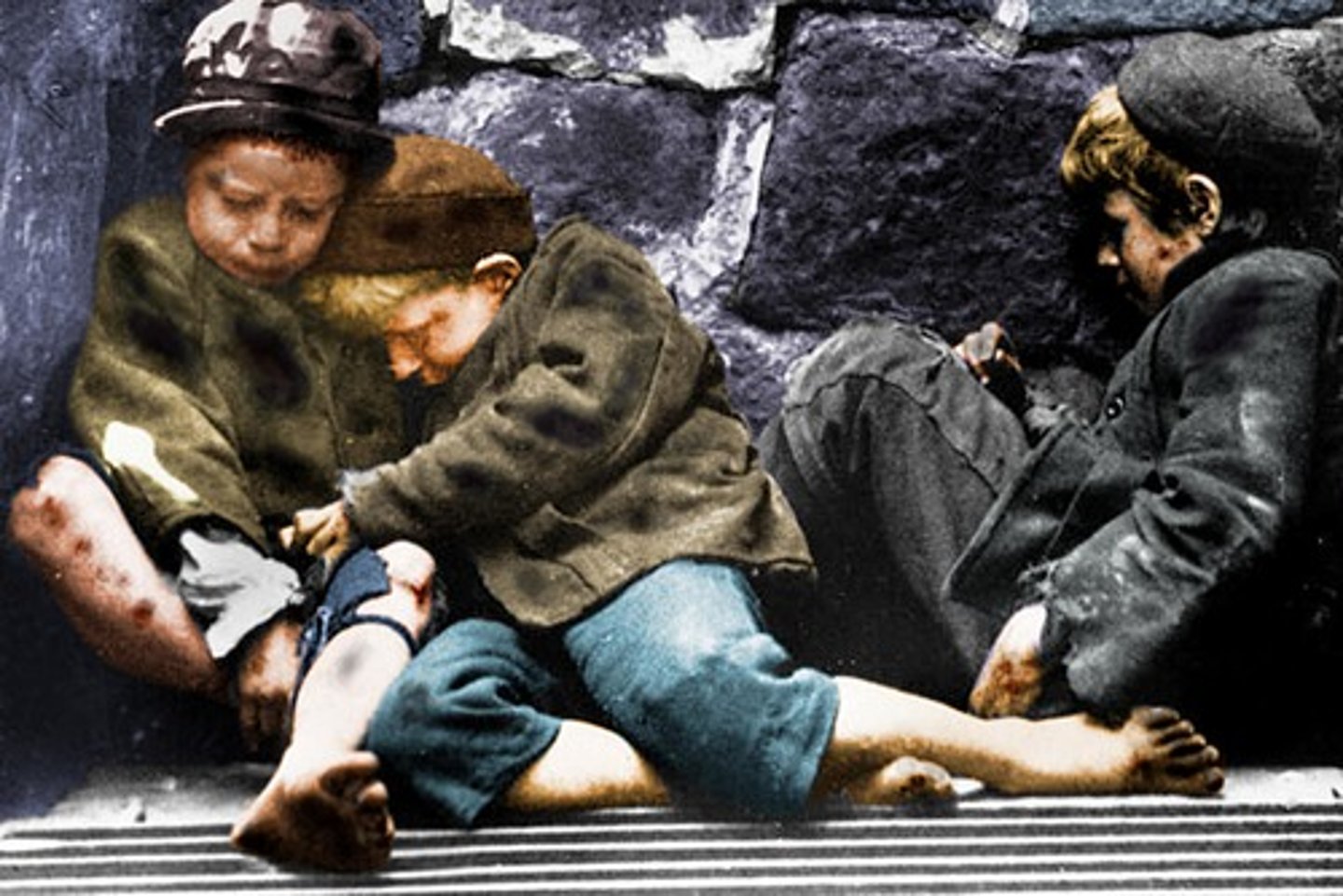
muckraker
Early 1900's Jacob Riis exposed social and political evils in the U.S. with his novel "How The Other Half Lives" exposed the poor conditions of the poor tenements in NYC
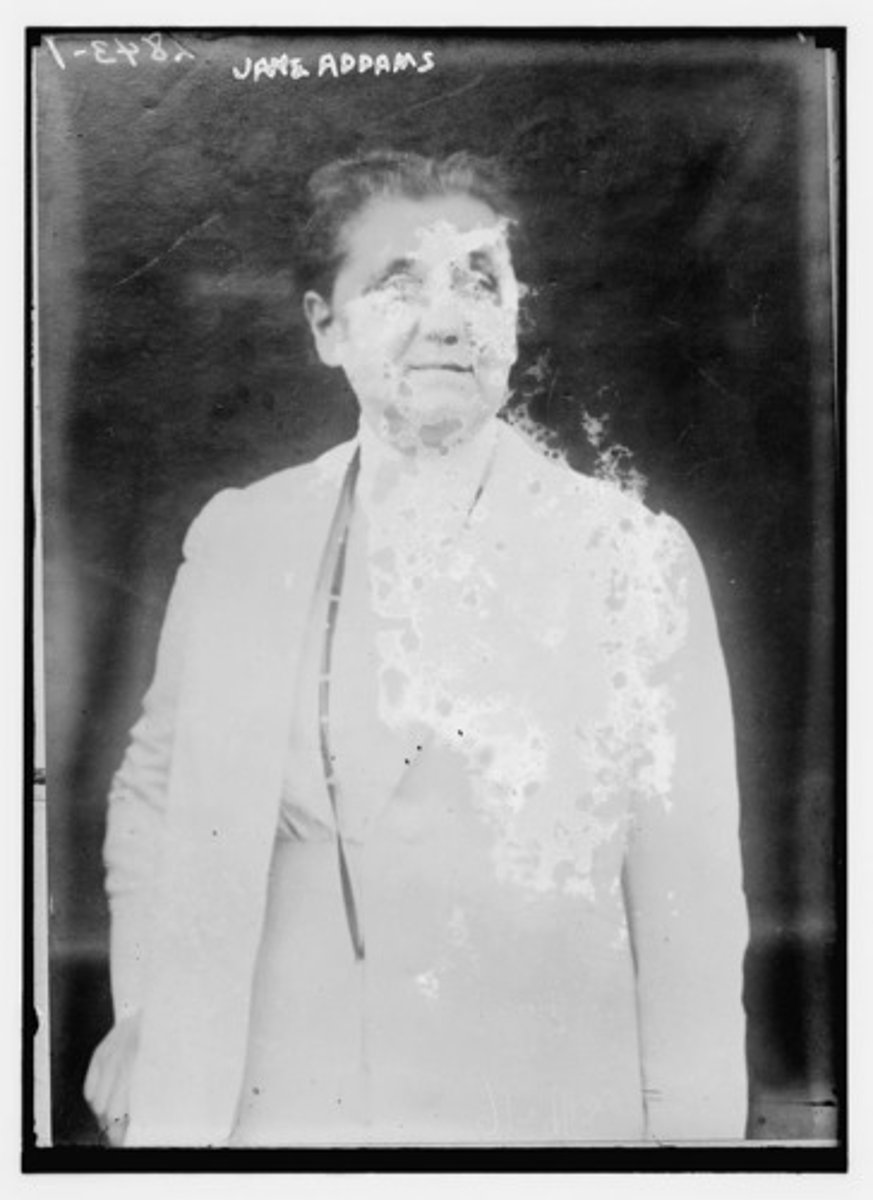
Jane Addams
the founder of Hull House, which provided English lessons for immigrants, daycares, and child care classes
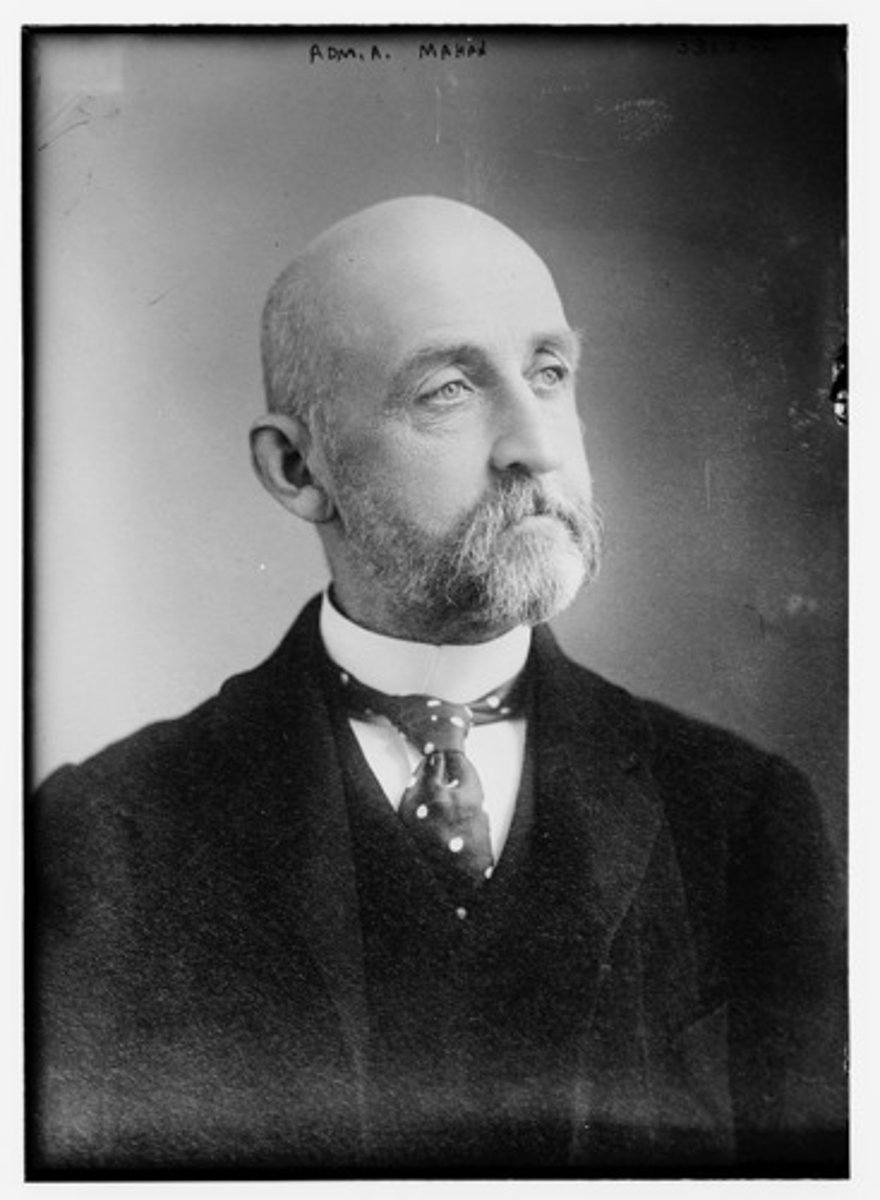
Alfred T. Mahan
Author who argued in 1890 that the economic future of the United States rested on new overseas markets protected by a larger navy. Wrote "The Influence of Sea Power Upon History"
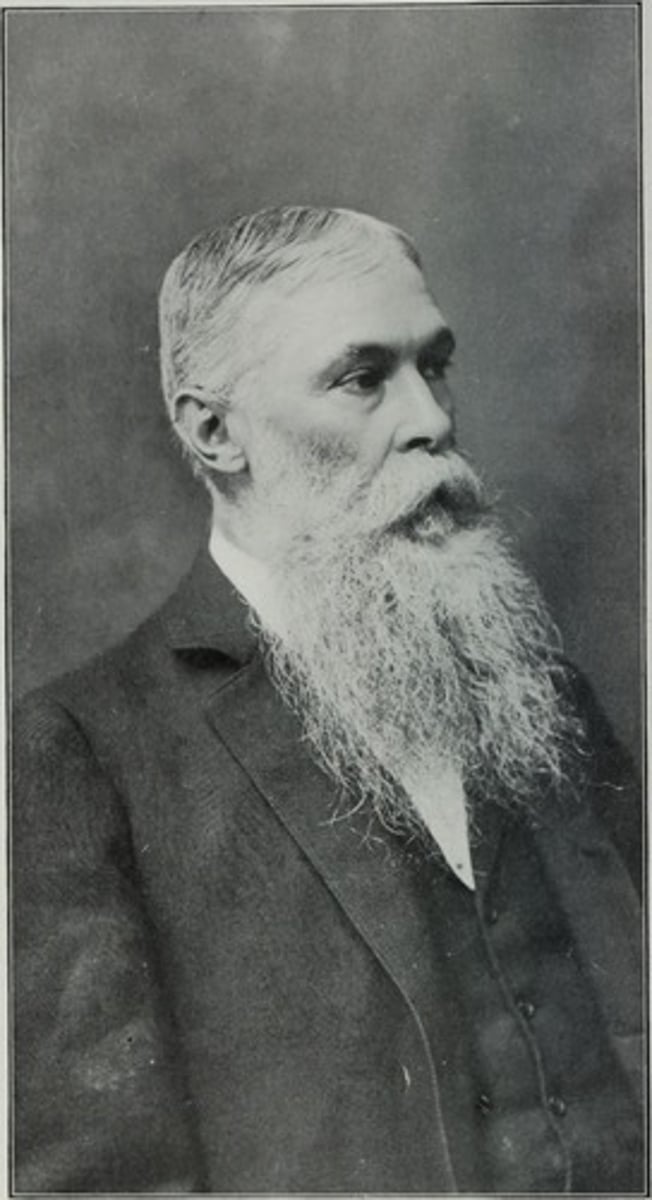
Sanford B. Dole
1894 wealthy, plantation owner and politician who was named President of New Republic of Hawaii. He asked US to annex Hawaii.
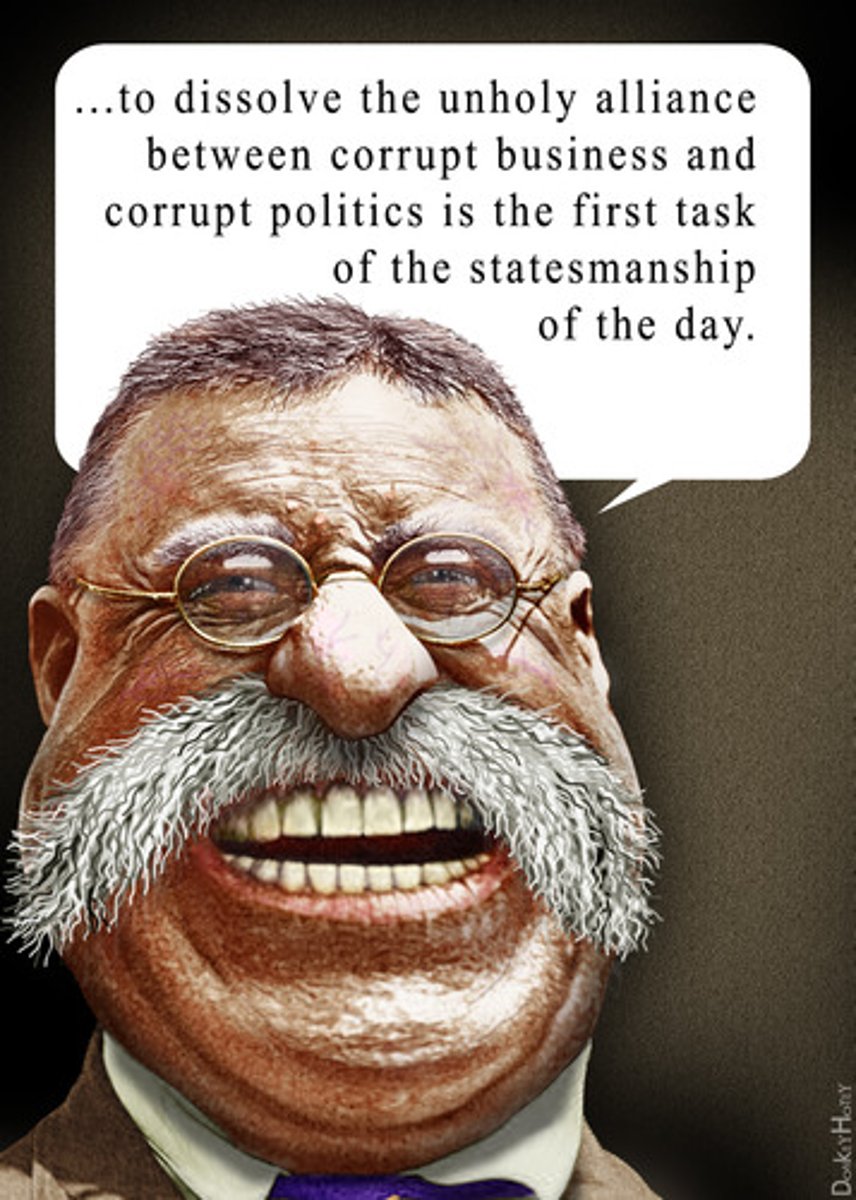
Theodore Roosevelt
26th President of the United States, 26th president, known for: conservationism, trust-busting, Hepburn Act, safe food regulations, "Square Deal," Panama Canal
Yellow Journalism
Journalism that exploits, distorts, or exaggerates the news to create sensations and attract readers

Causes of Spanish American War
Yellow journalism, imperialism, Spain brutality to the Cubans, explosion of the USS Maine.
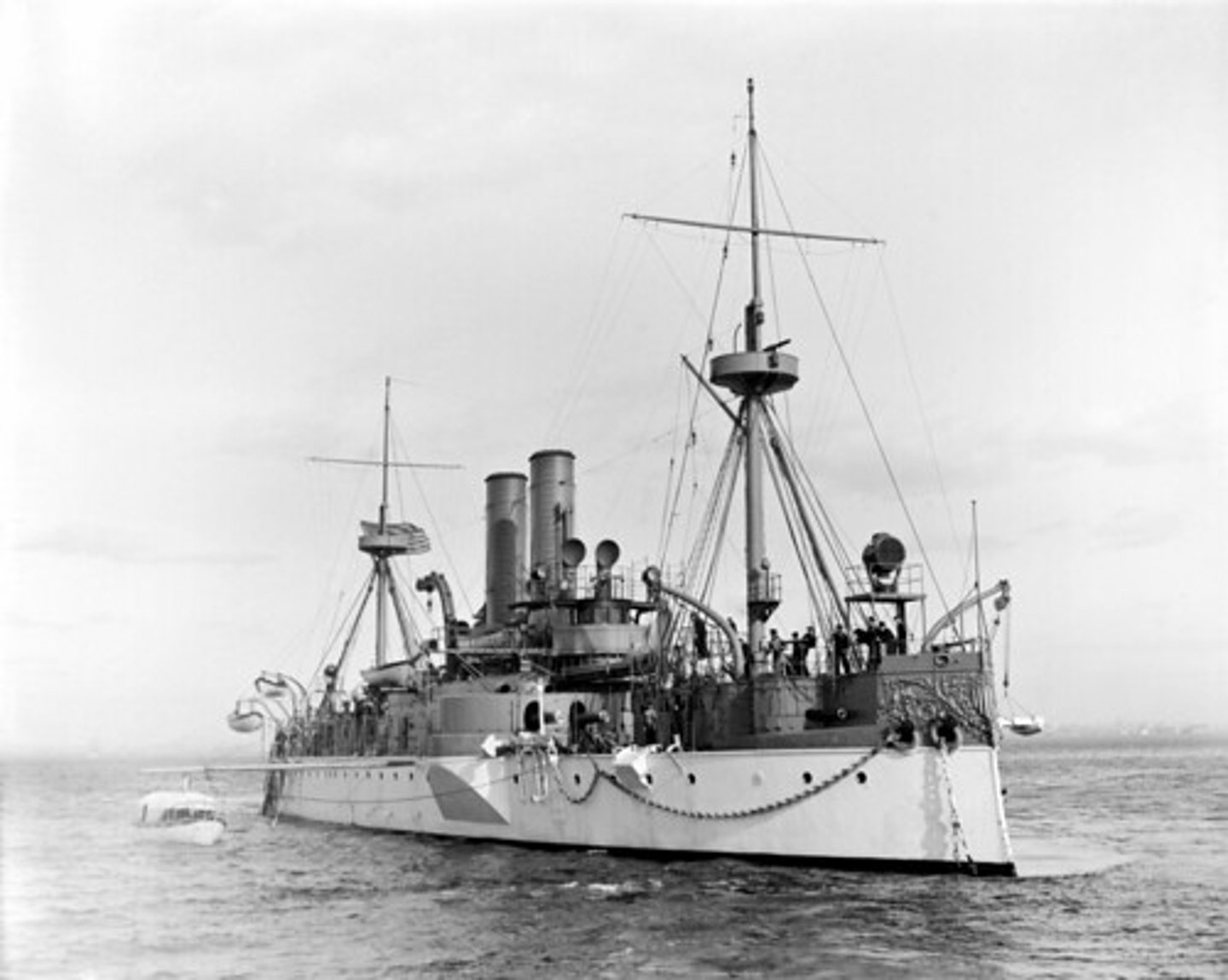
Spanish American War
In 1898, a conflict between the United States and Spain, in which the U.S. supported the Cubans' fight for independence
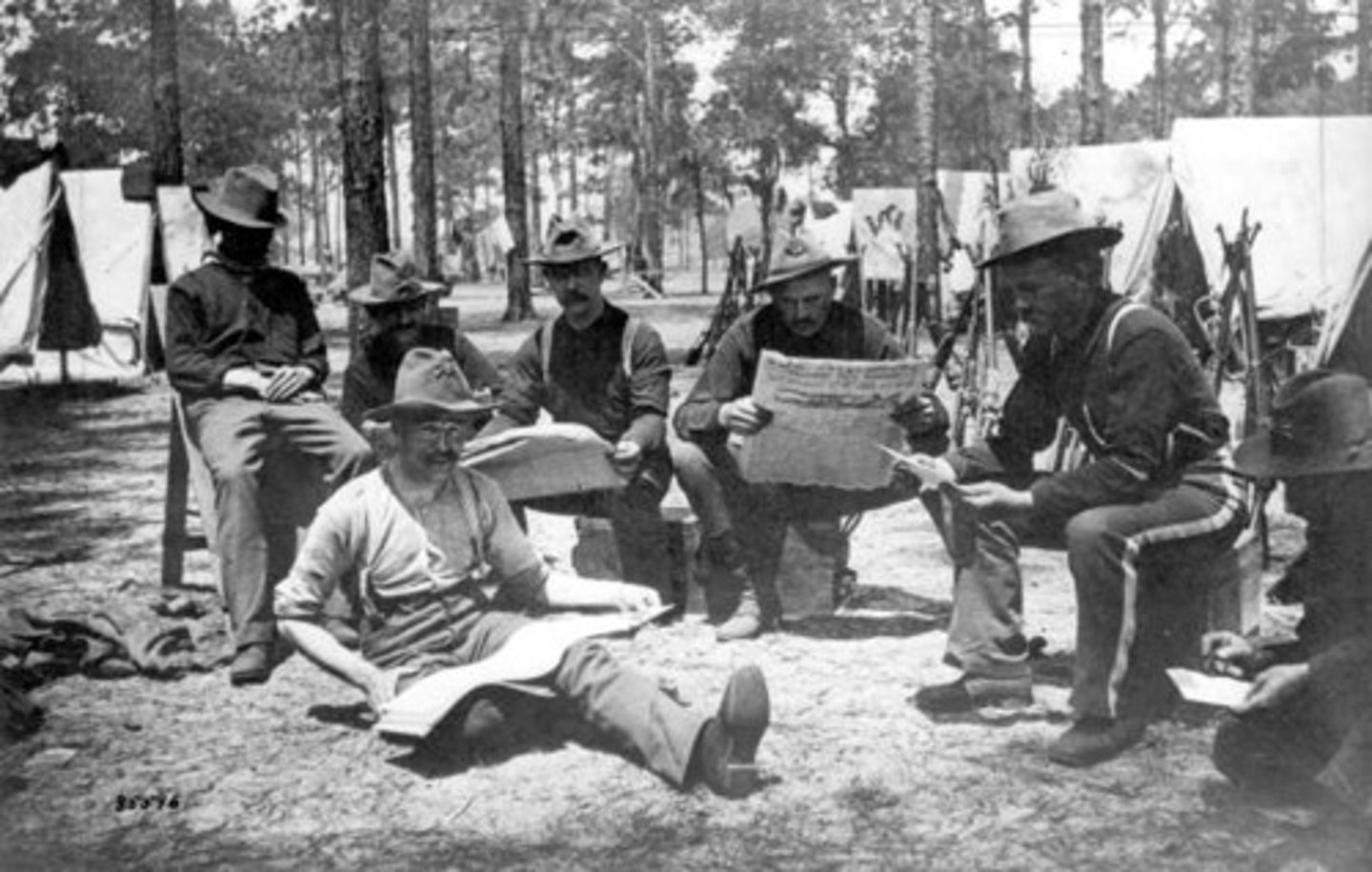
Result of Spanish American War
Philippines, Puerto Rico and Guam became territories of the US. US became a World Power
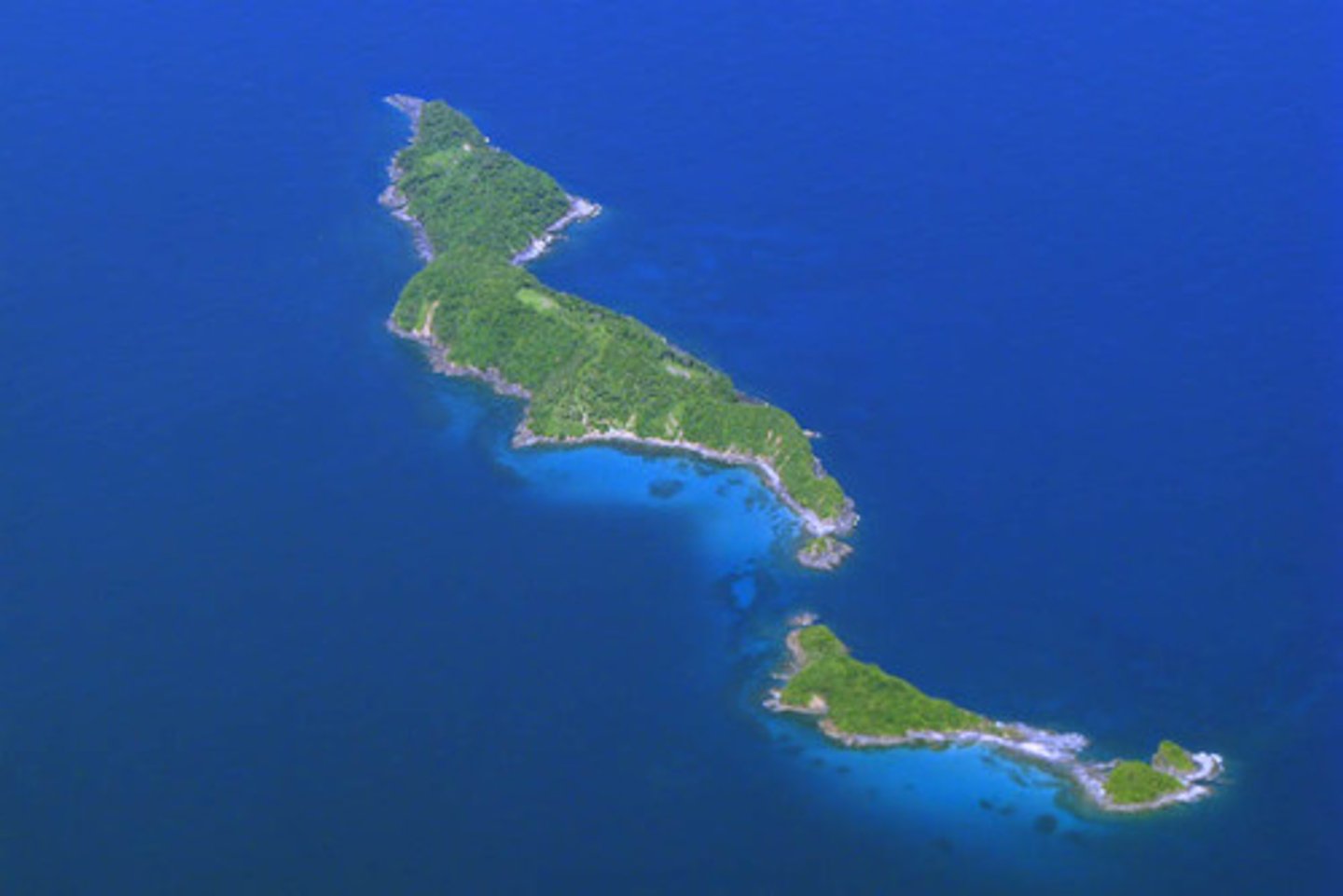
Open Door Policy
A policy proposed by the US in 1899, under which ALL nations would have equal opportunities to trade in China.

Imperialism
A policy in which a strong nation seeks to dominate other countries politically, socially, and economically.
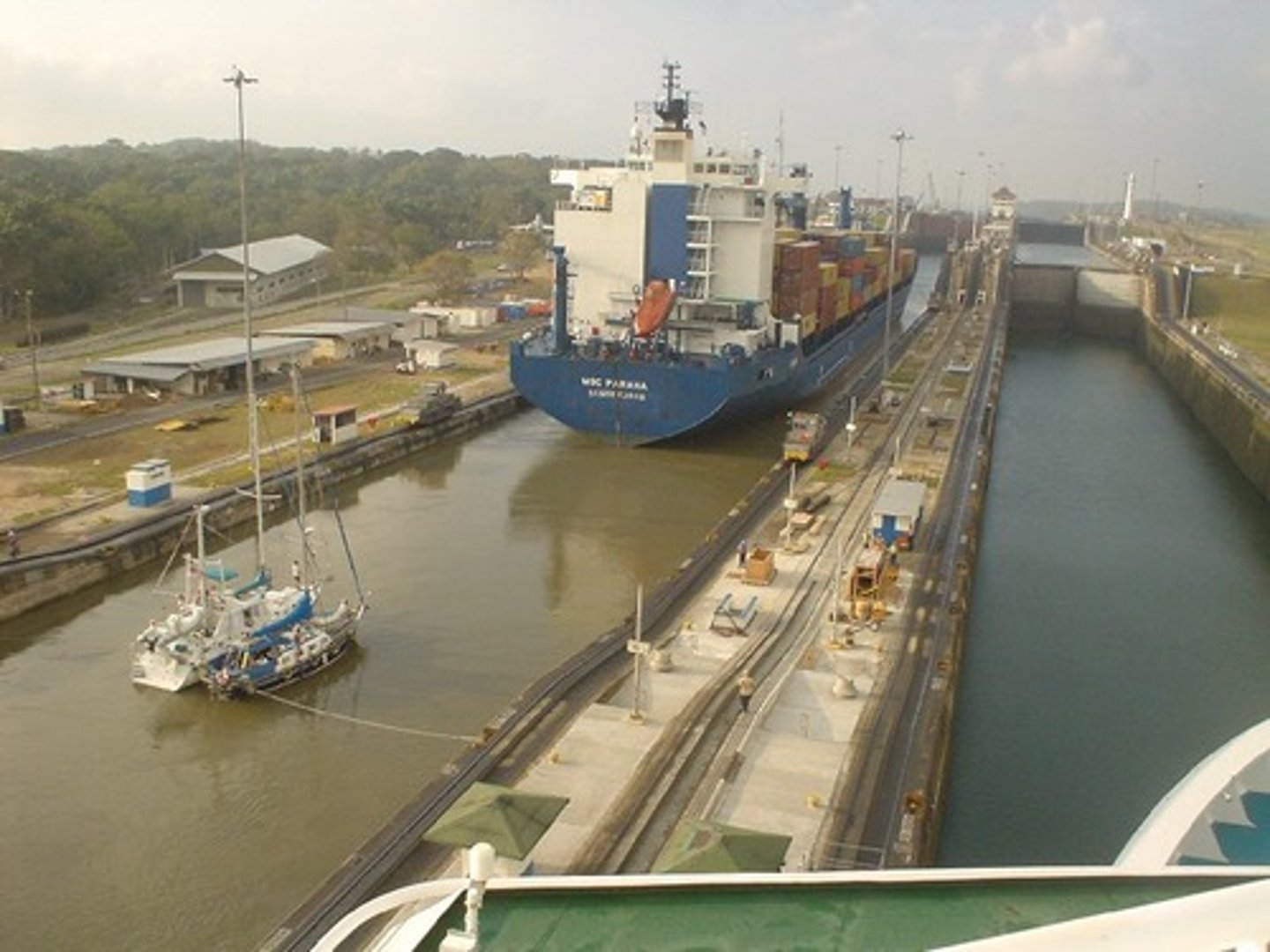
Panama Canal
a ship canal 40 miles long across the Isthmus of Panama built by the United States (1904-1914)
Dollar Diplomacy
Foreign Policy idea by Taft to make countries dependant on the U.S. by heavily investing in their economies
Sherman Anti-Trust Act
First United States law to limit trusts and big business. Said that any trust that was purposefully restraining interstate trade was illegal.
Interstate Commerce Act
law passed to regulate (by the government) railroad and other interstate businesses.
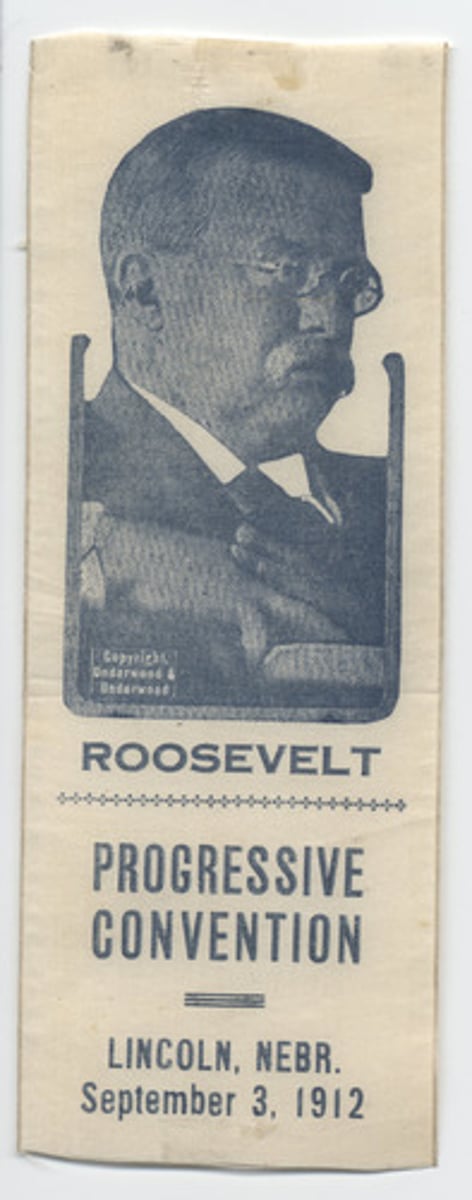
Progressive Party
Also known as the "Bull Moose Party," this political party was formed by Theodore Roosevelt in an attempt to advance progressive ideas and unseat President William Howard Taft in the election of 1912.
Initiative, Referendum, Recall
All made elected officials more responsible and sensitive to the needs of the people, and part of the movement to make government more efficient and scientific during the Progressive Era.
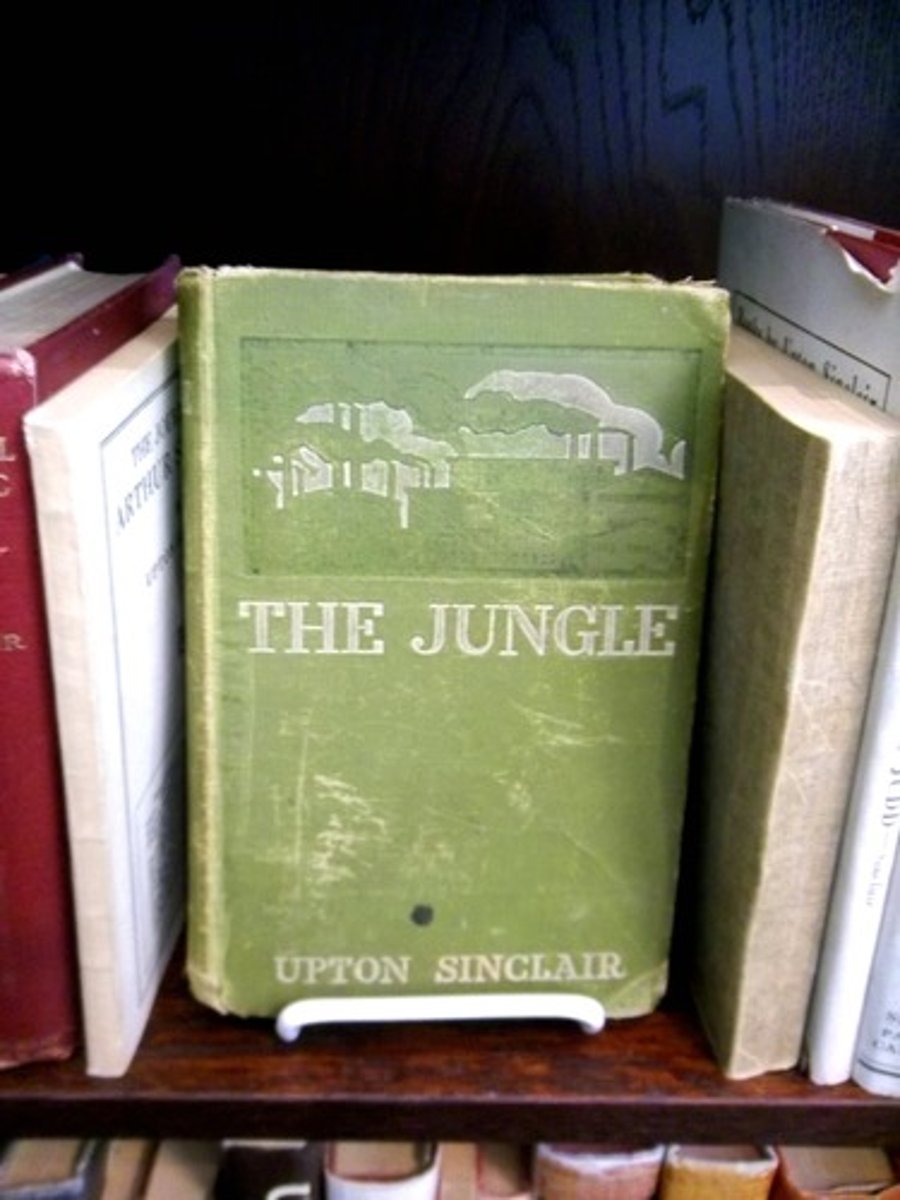
Upton Sinclair
muckraker who shocked the nation when he published The Jungle, a novel that revealed gruesome details about the meat packing industry in Chicago. The book was fiction but based on the things Sinclair had seen.
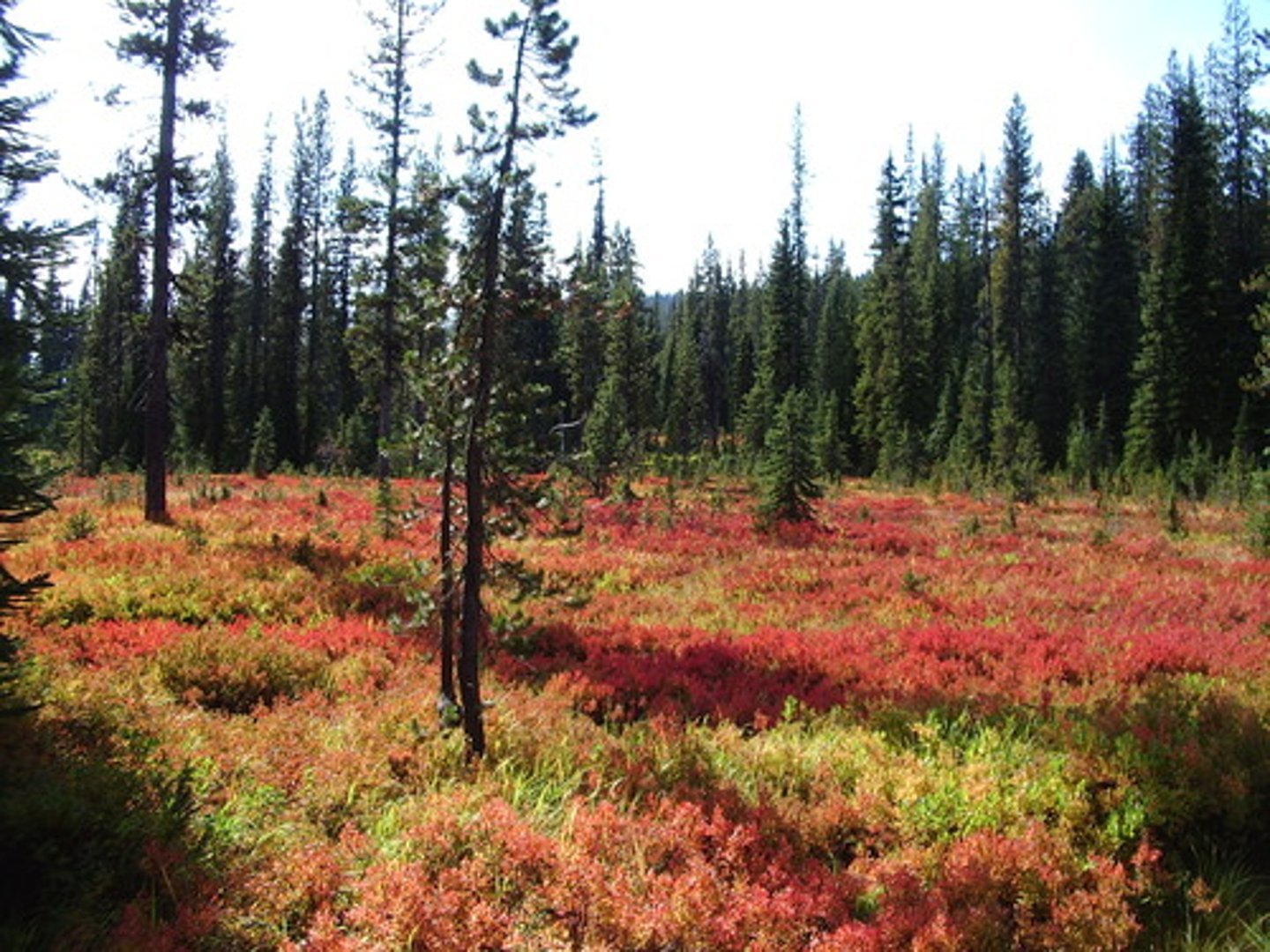
National Forest Service
Government agency created by Theodore Roosevelt to preserve land and protect local animal species.
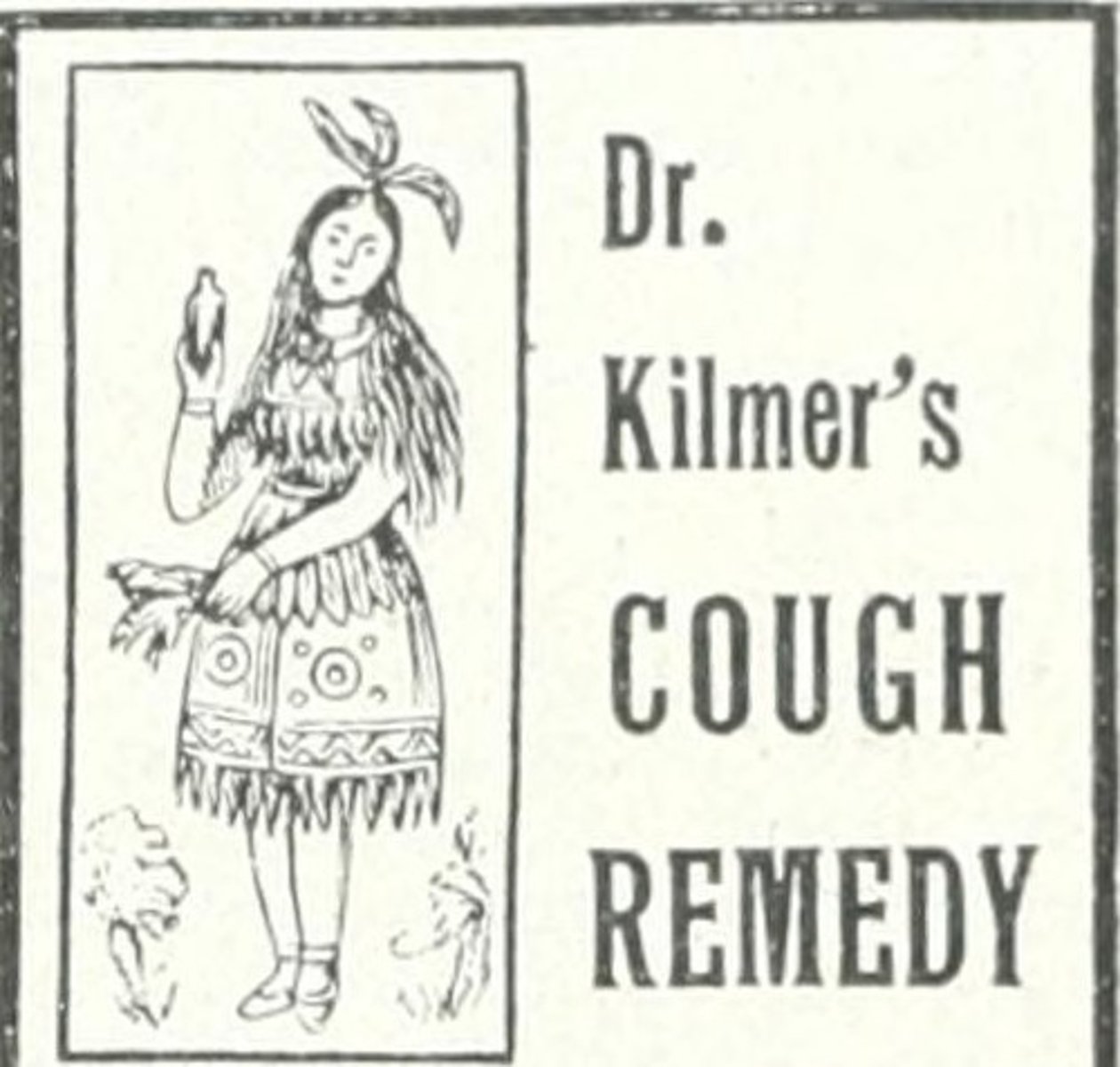
Pure Food and Drug Act
the act that prohibited the manufacture, sale, or shipment of impure of falsely labeled food and drugs
Federal Reserve Act
a 1913 law that set up a system of federal banks and gave government the power to control the money supply
17th Amendment
Passed in 1913, this amendment to the Constitution calls for the direct election of senators by the voters instead of their election by state legislatures.
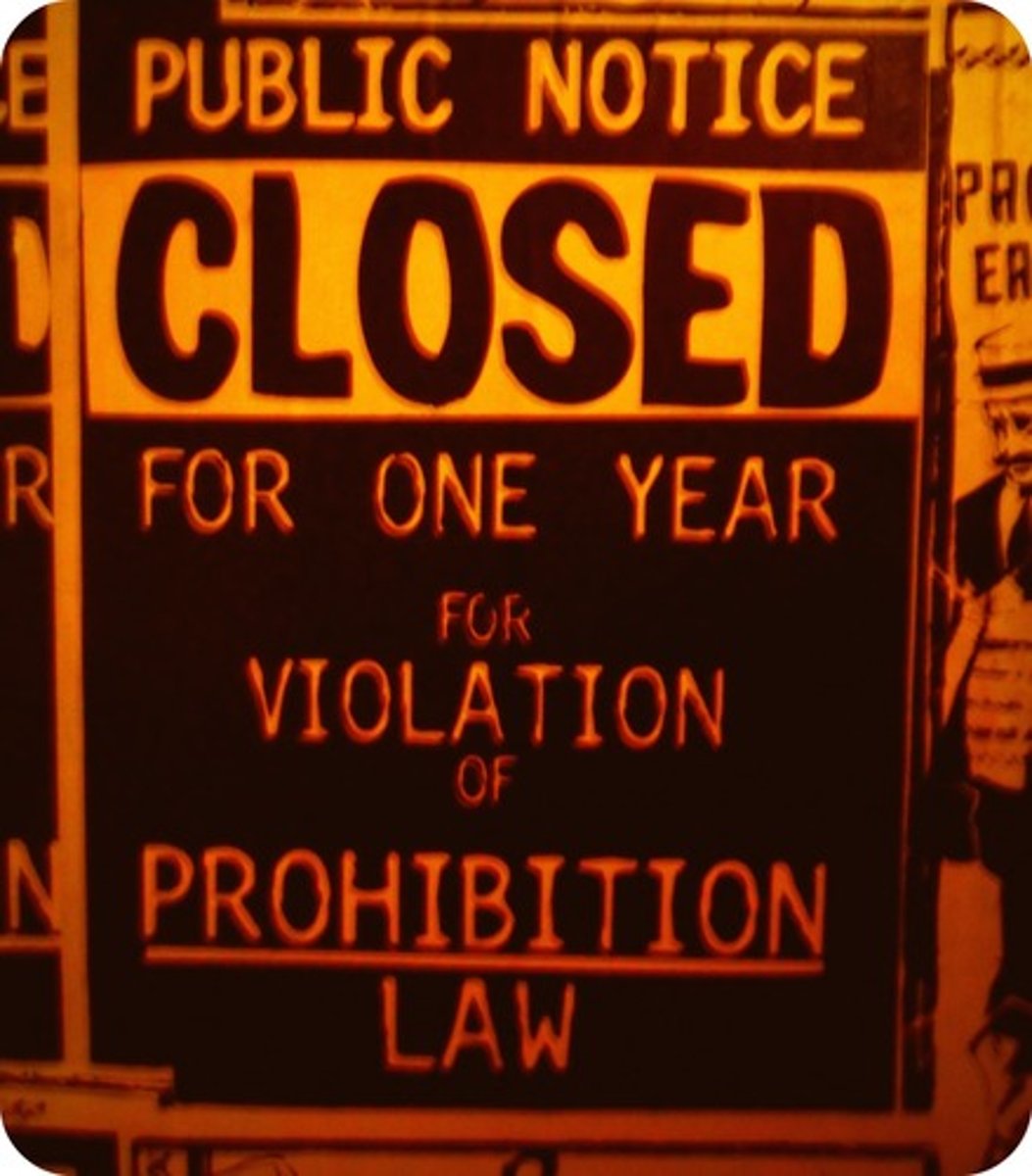
18th Amendment
Prohibited the manufacture, sale, and distribution of alcoholic beverages
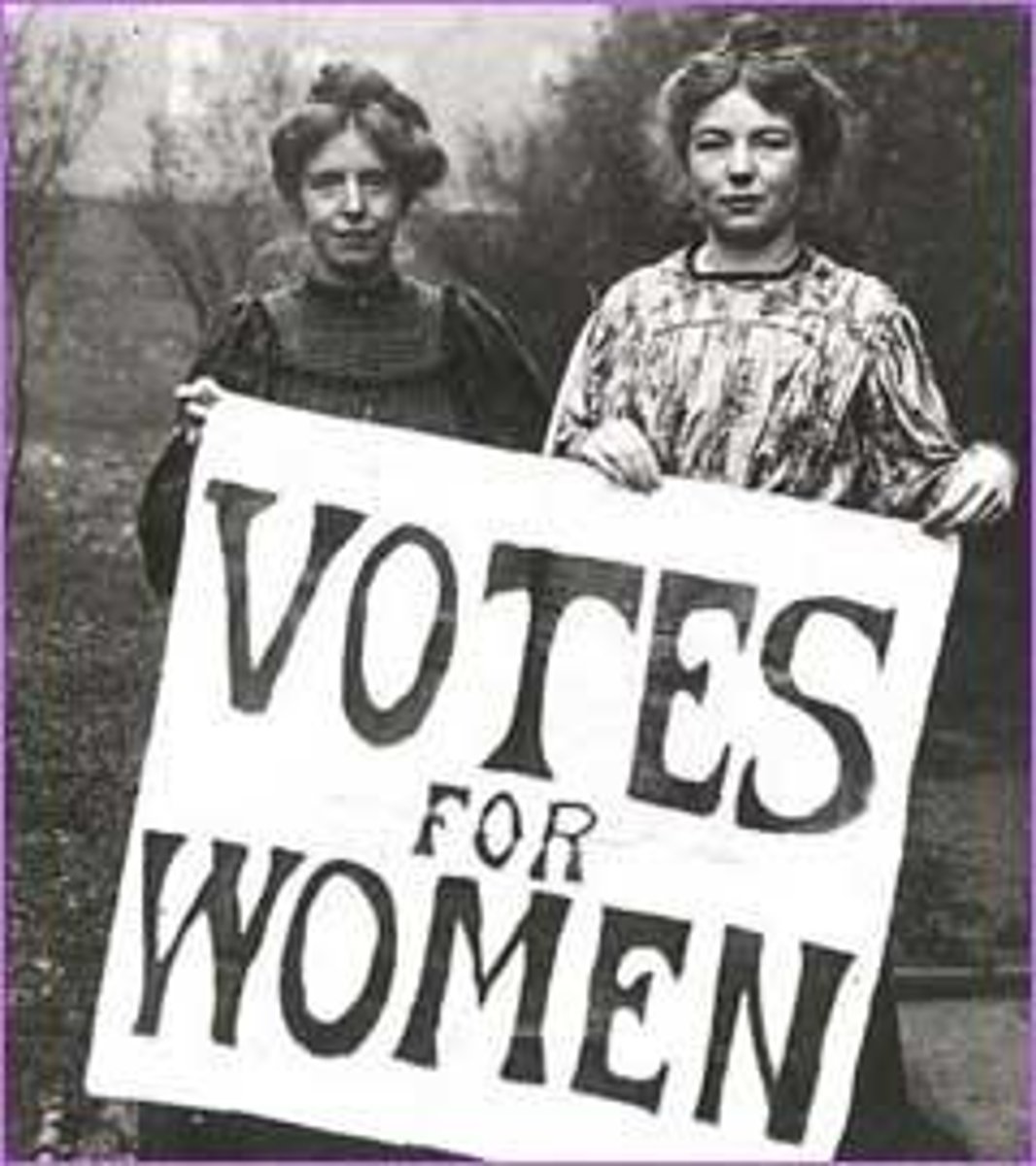
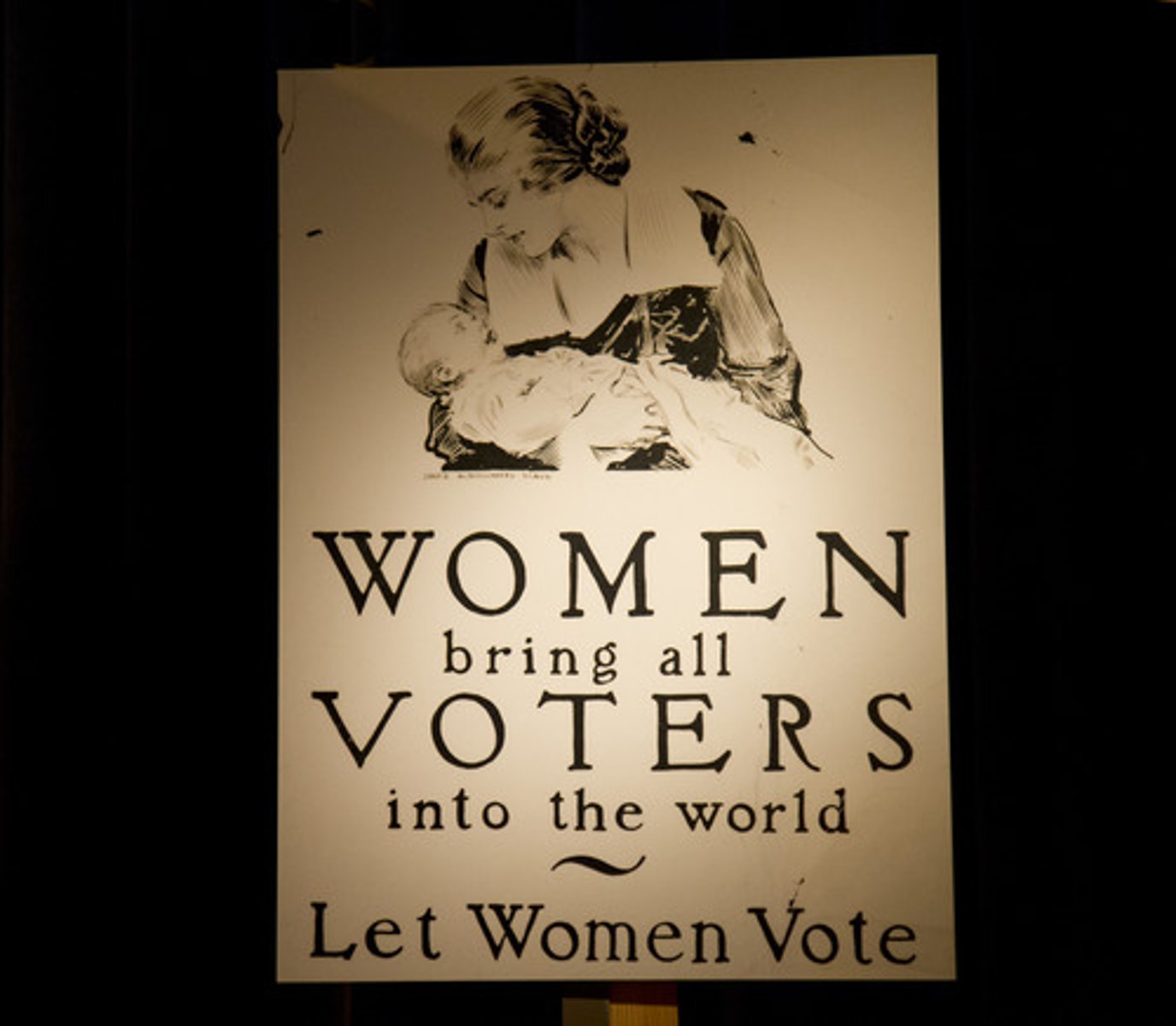
19th Amendment
Amendment to the U.S. Constitution (1920) extended the right to vote to women in federal or state elections.
Susan B. Anthony
Key leader of woman suffrage movement, social reformer who campaigned for womens rights, the temperance, and was an abolitionist, helped form the National Woman Suffrage Assosiation
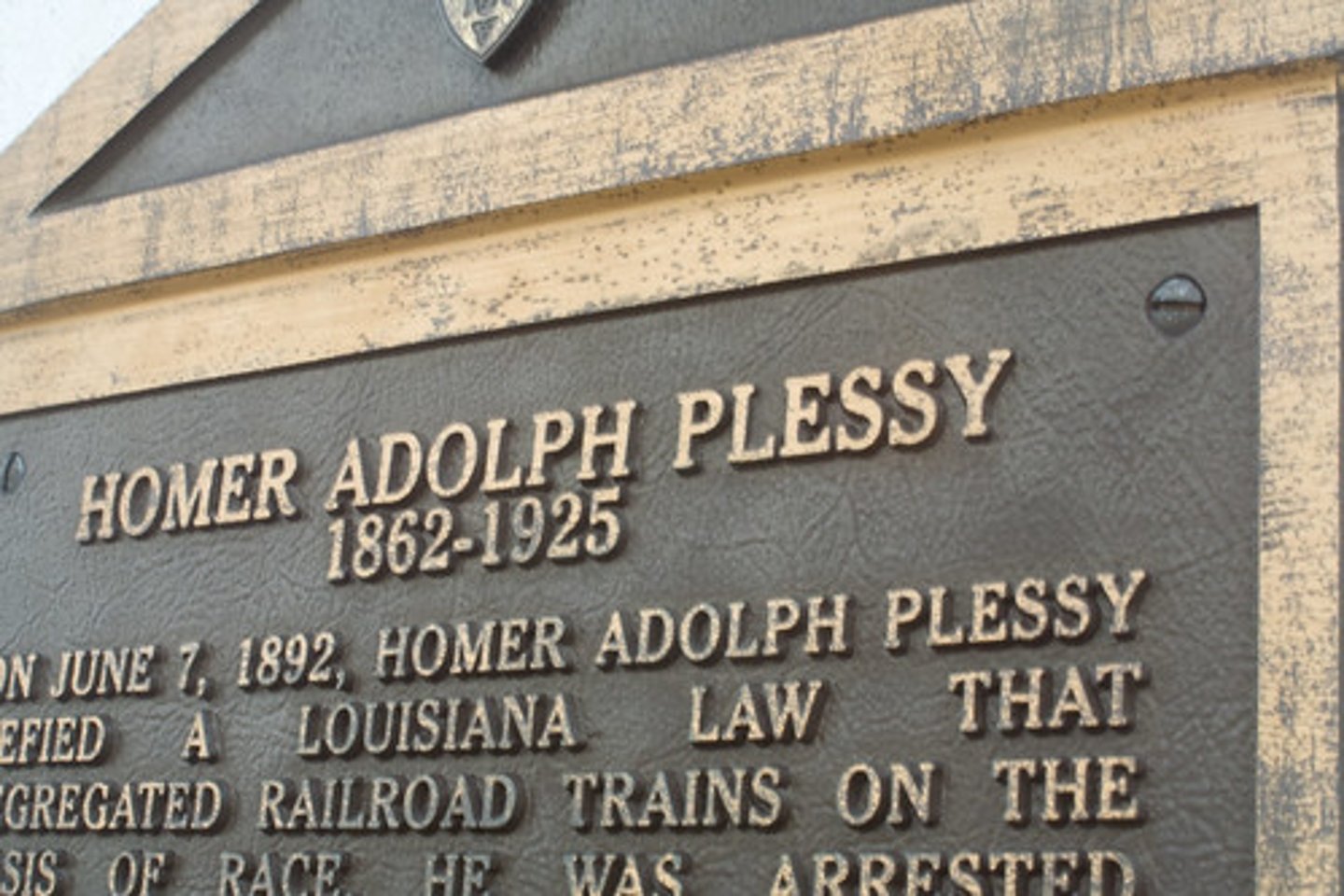
Plessy vs. Ferguson
Supreme court case that ruled that separate-but-equal facilities for blacks and whites did not violate the constitution.
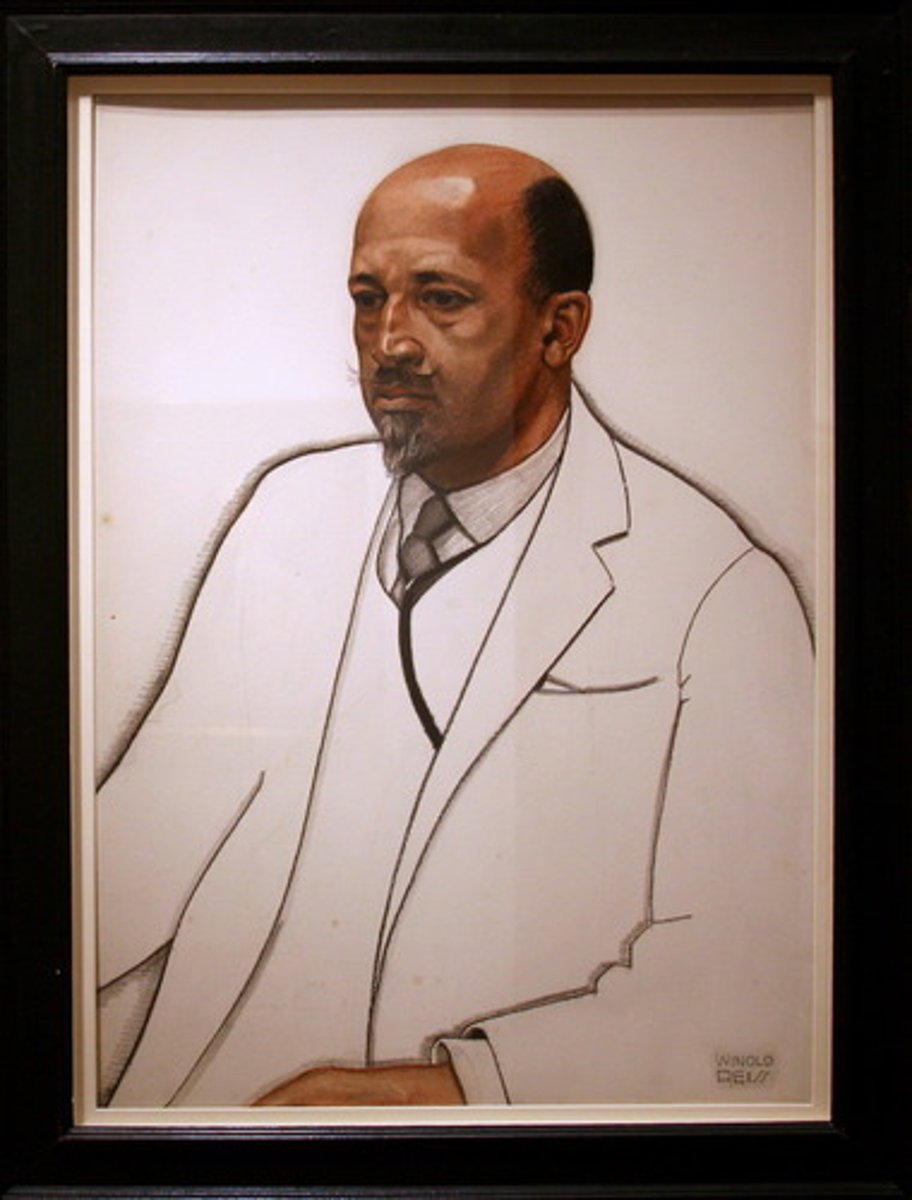
W.E.B Du Bois
believed that African Americans should strive for full rights immediatly; founded the NAACP
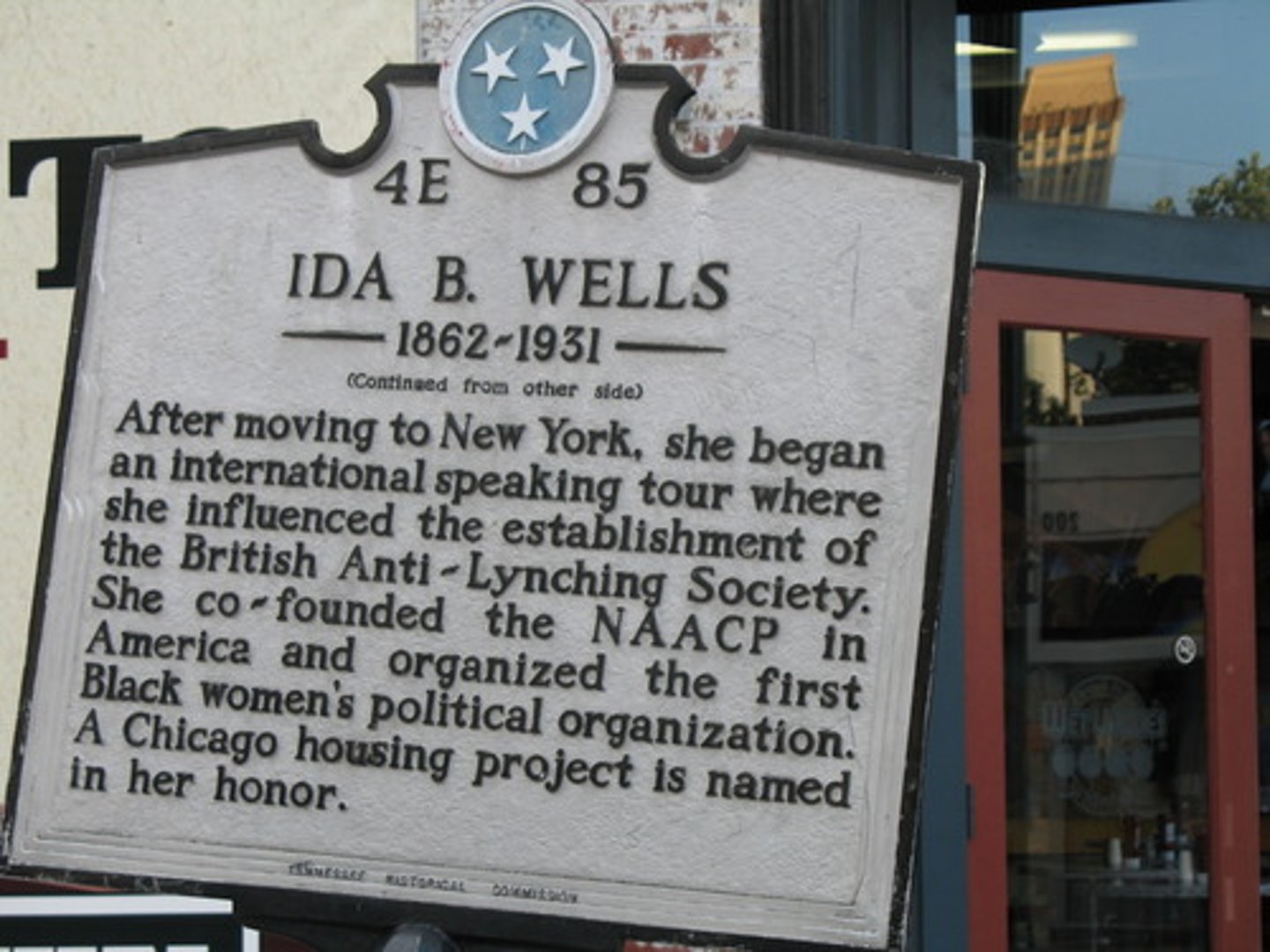
Ida B.Wells
African American journalist. published statistics about lynching, urged African Americans to protest by refusing to ride streetcards or shop in white owned stores
Causes of WWI
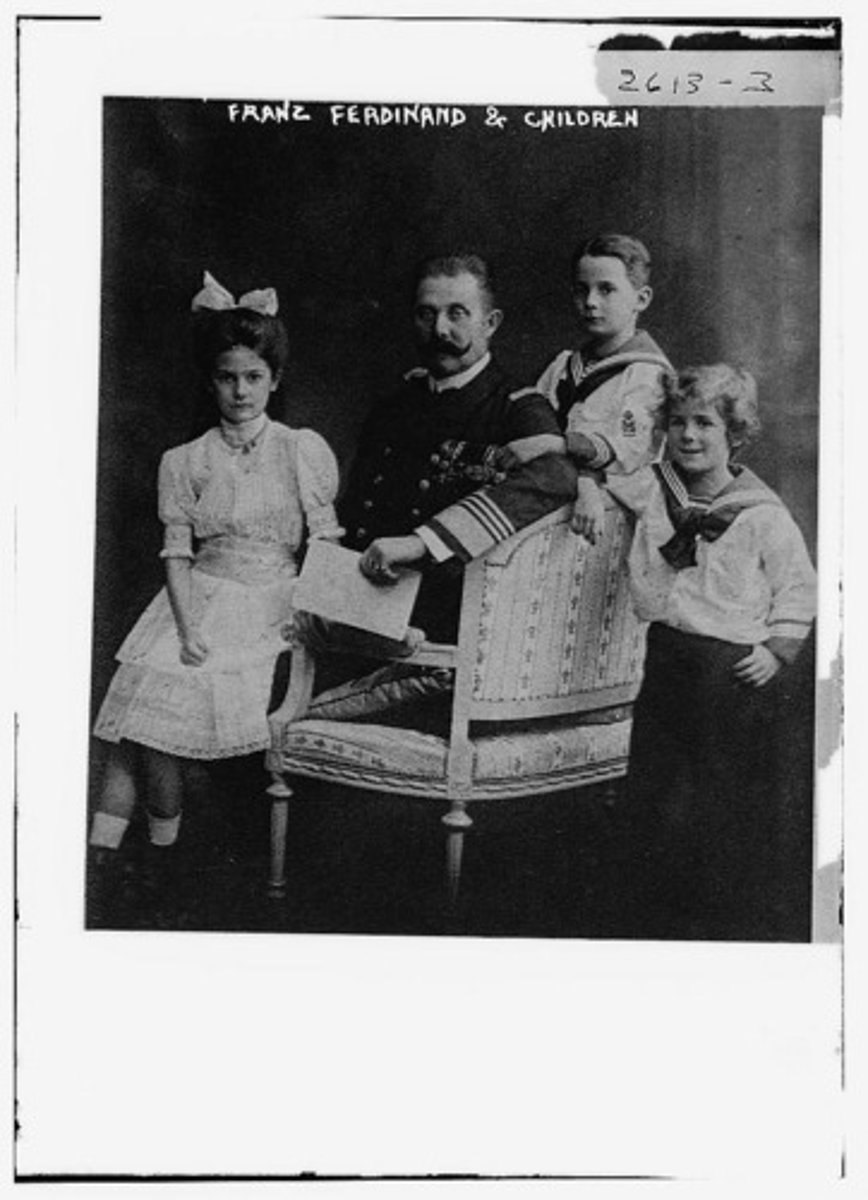
1. A system of alliances divide Europe into two parts 2. Nationalism was very prevalent in the countries of Europe 3. Militarism or reliance on military strength 4. Imperialism and the conquering of countries in Asia, South America, and Africa 5. The assassination of Archduke Francis Ferdinand by the Black Hand
US Entry in WWI
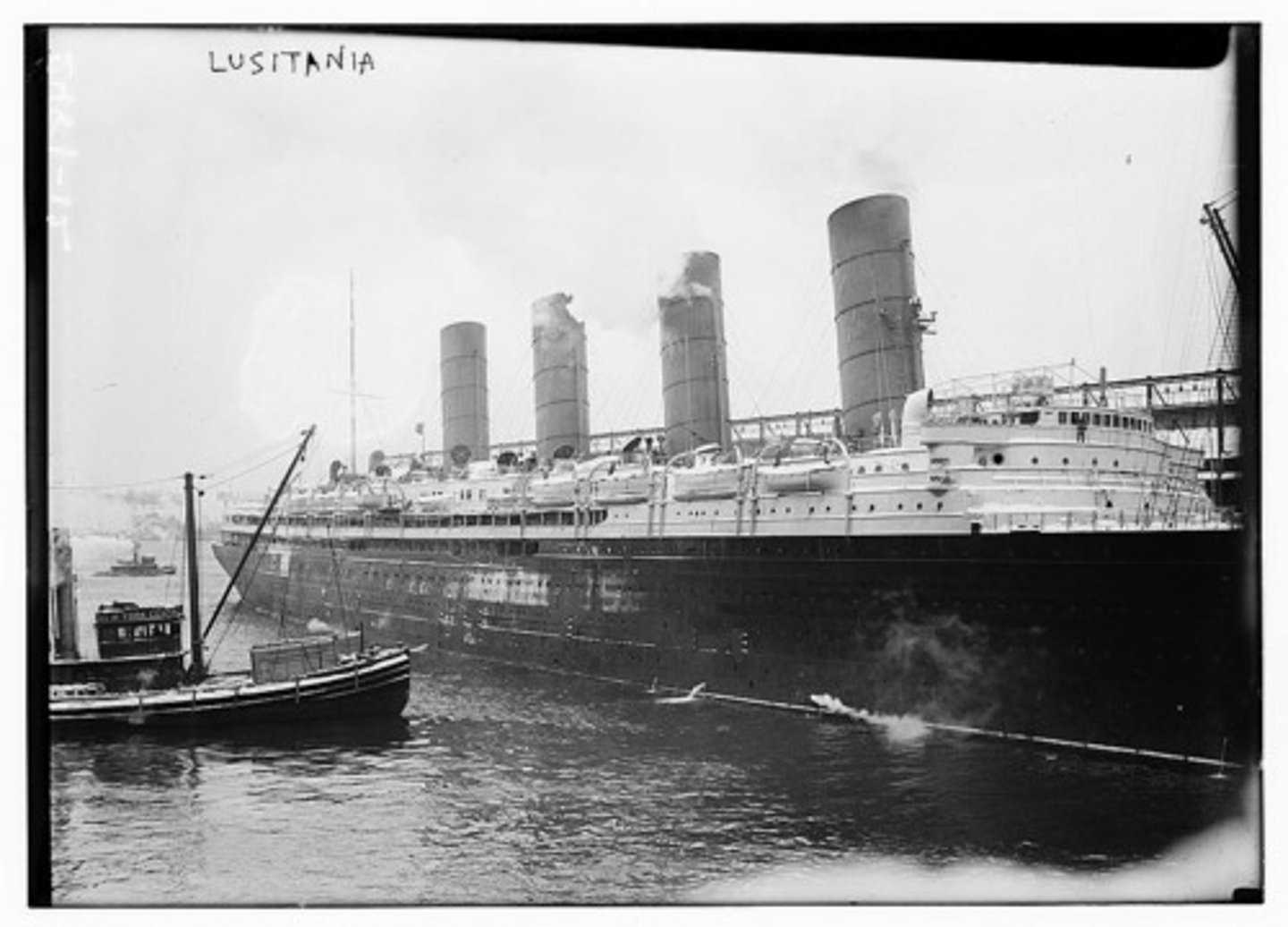
-1915: Lusitania sunk by Germans (killed 125 Americans) -President Wilson sent ultimatum to Germans (you don't change your ways with subs, we're your enemies) -Germans did change, but reverted back to their ways in 1917 -Zimmerman telegram (created by Germans to provoke a war between Mexico and US to distract them) in 1917 was the trigger, then US declared war on Germany
Trench Warfare
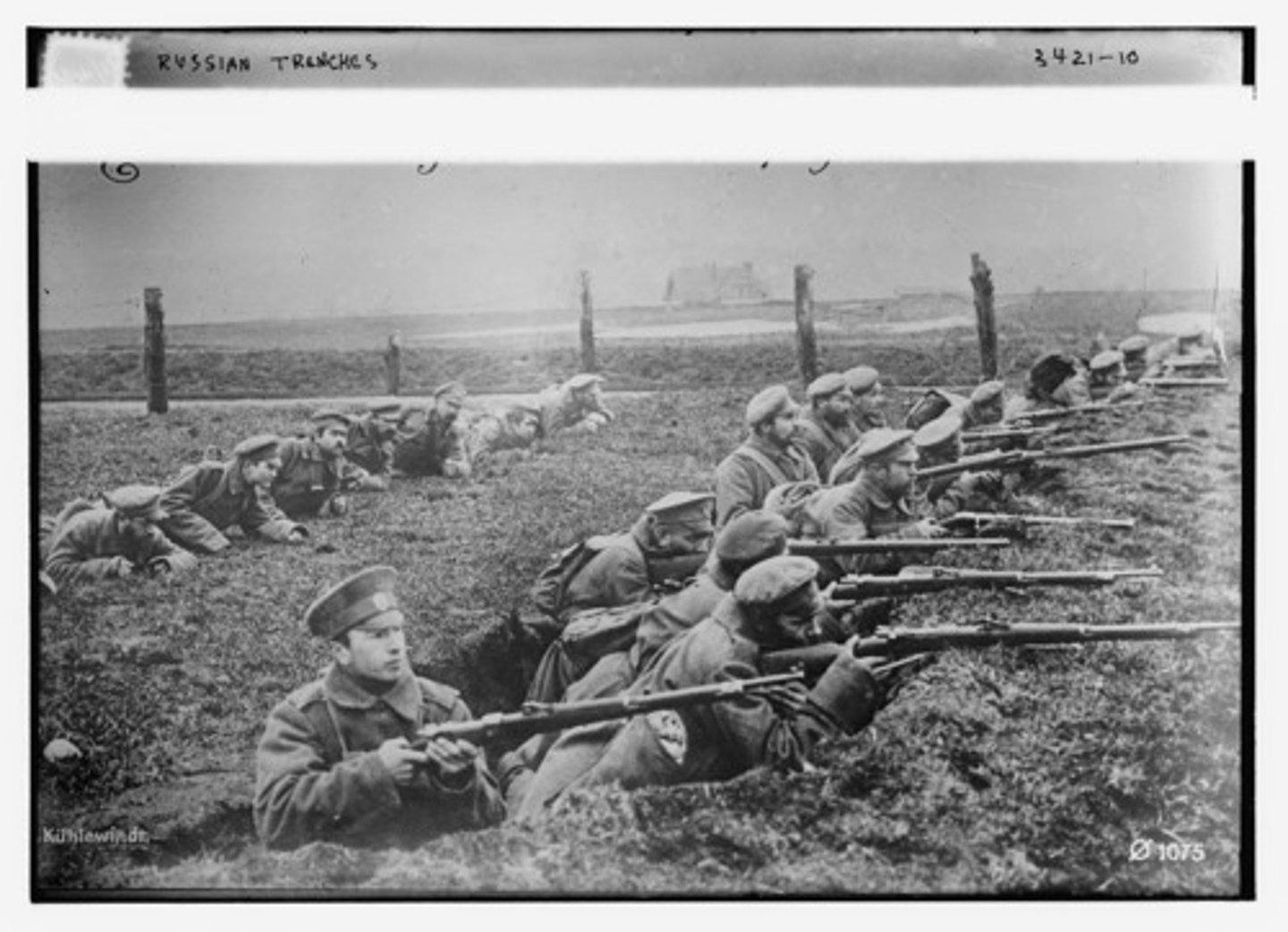
Fighting with trenches, mines, and barbed wire. Horrible living conditions, great slaughter, no gains, stalemate, used in WWI.
WWI Technology
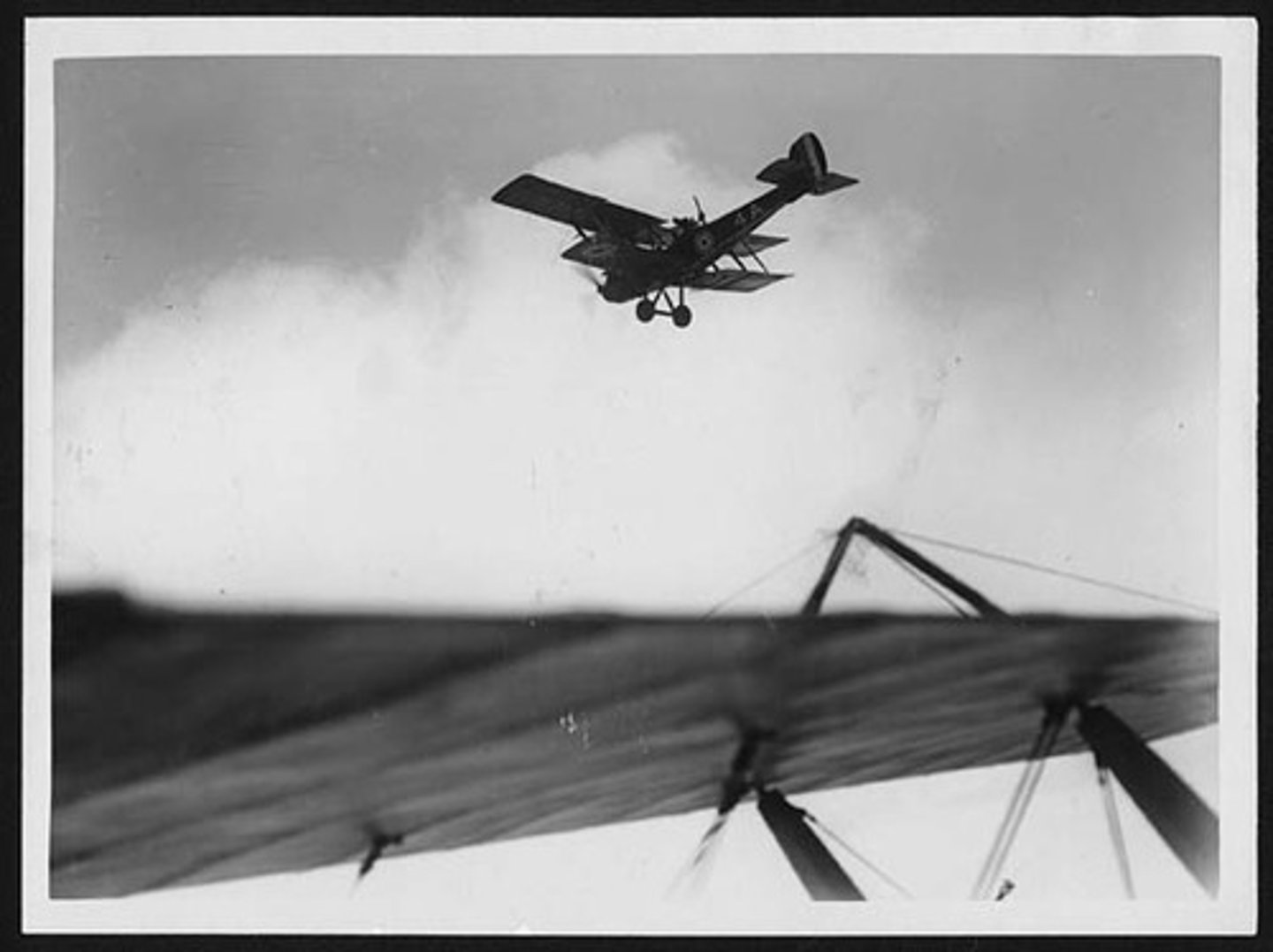
airplanes, poisonous gas, tanks, machine guns, zeppelins, flamethrowers, barbed wire, submarines
Fourteen Points
A series of proposals in which U.S. president Woodrow Wilson outlined a plan for achieving a lasting peace after World War I.
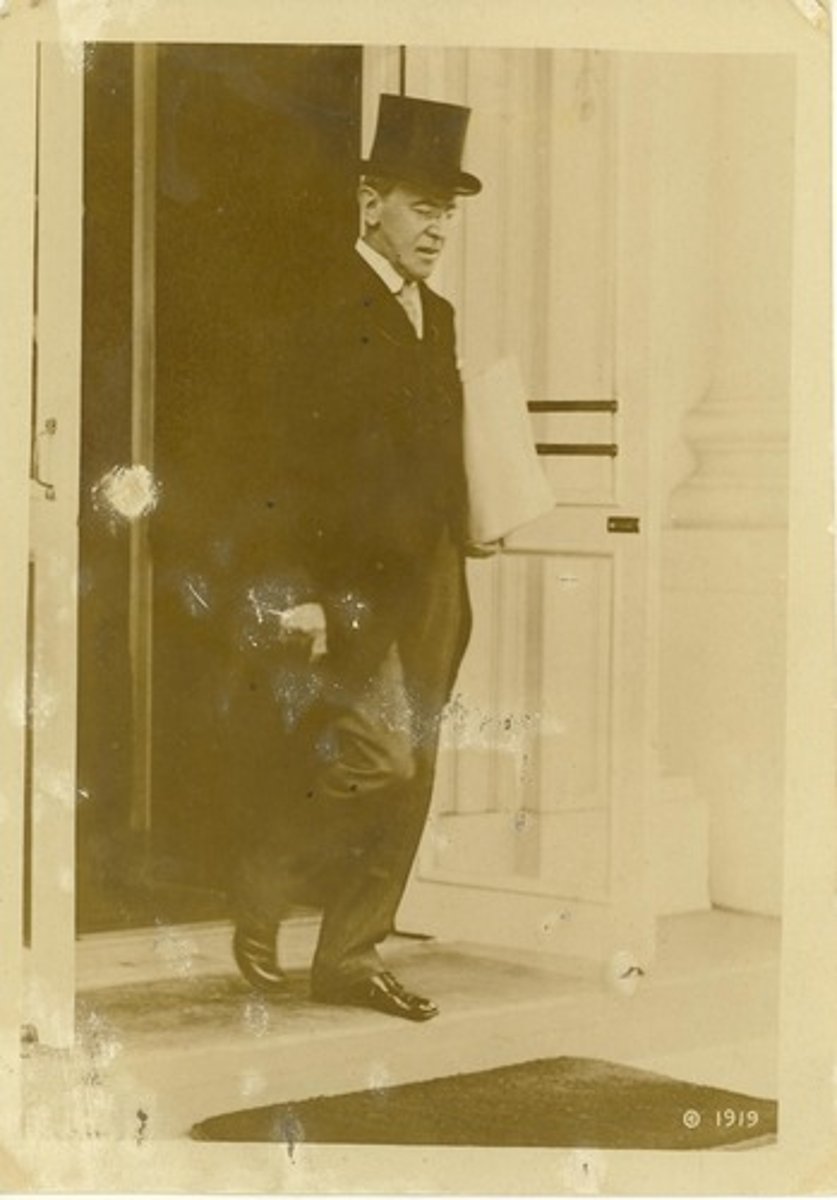
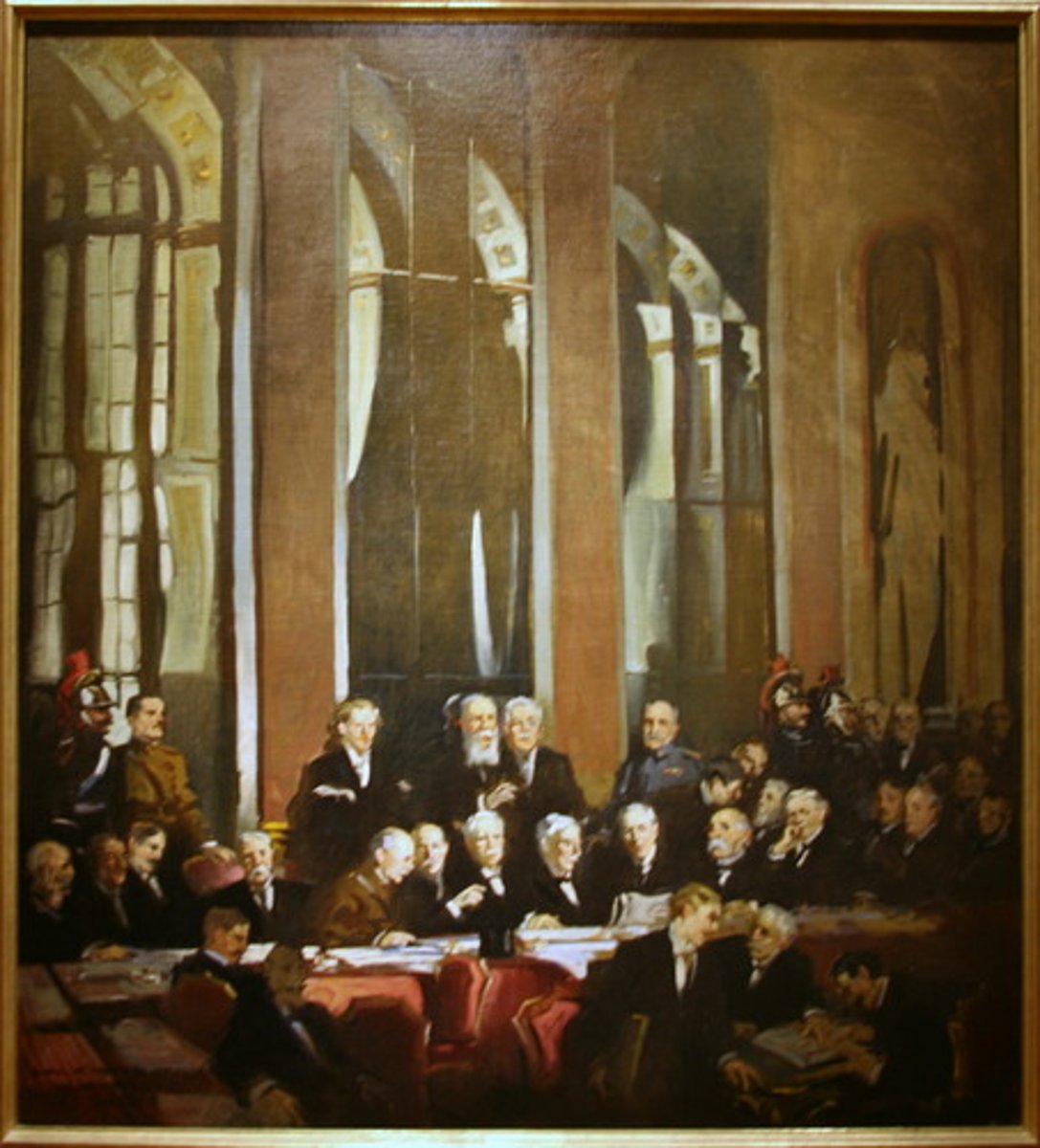
Treaty of Versailles
the treaty imposed on Germany by the Allied powers in 1920 after the end of World War I which demanded exorbitant reparations from the Germans
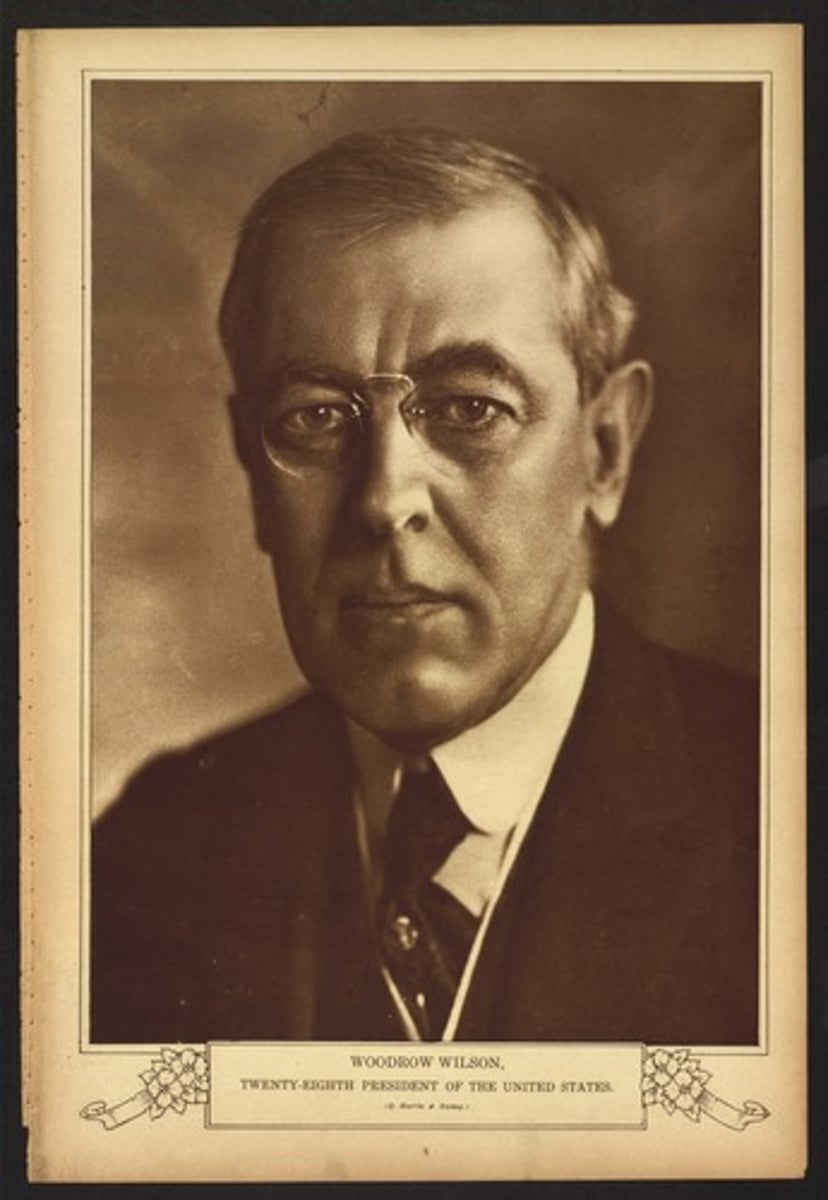
League of Nations
A world organization established in 1920 to promote international cooperation and peace. It was first proposed in 1918 by President Woodrow Wilson, although the United States never joined the League. Essentially powerless, it was officially dissolved in 1946.
Great Migration
movement of over 300,000 African American from the rural south into Northern cities between 1914 and 1920
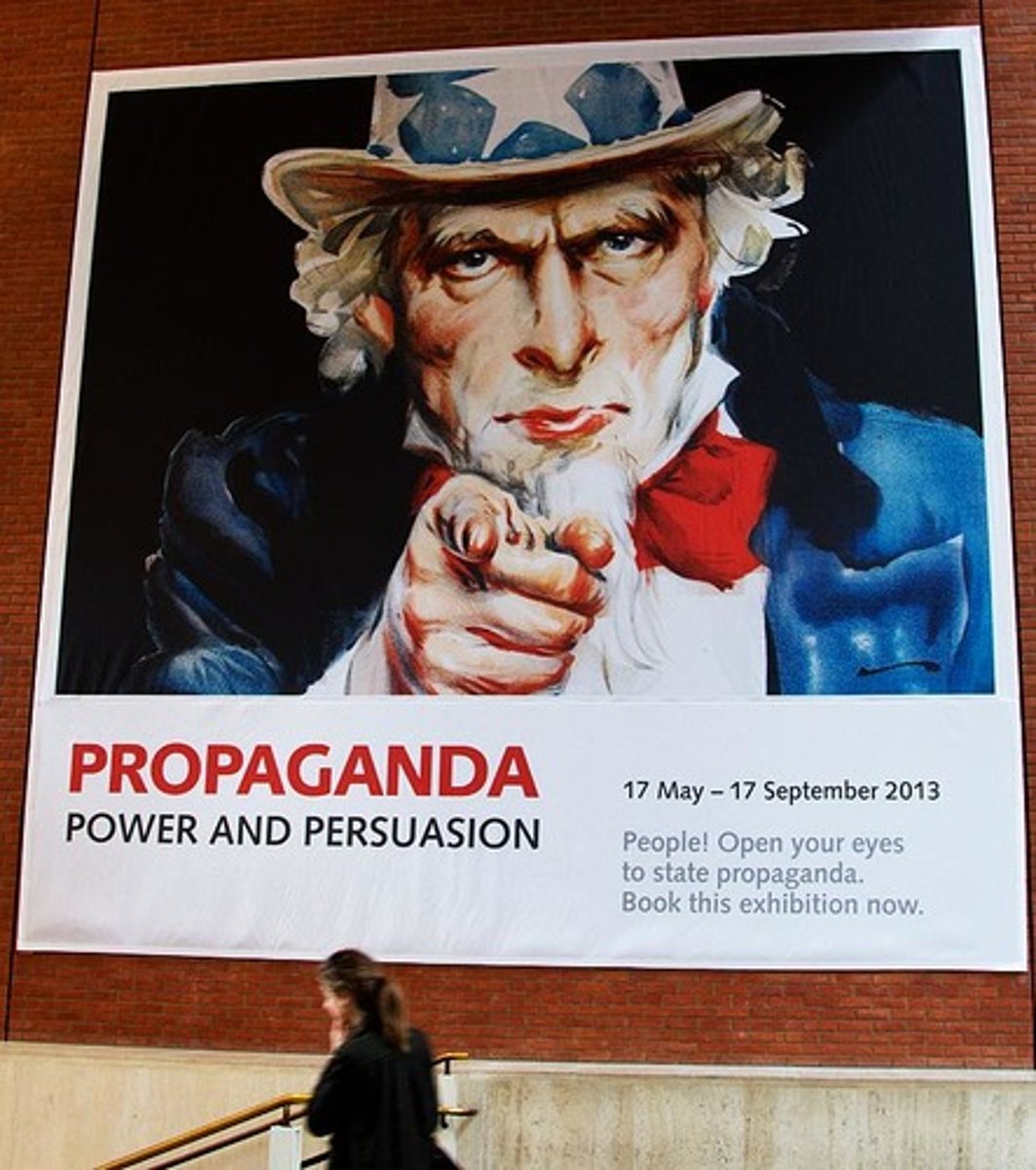
Propaganda
Ideas spread to influence public opinion for or against a cause.
Sedition Act
1918 law that made it illegal to criticize the government
Isolationism
A national policy of avoiding involvement in world affairs

Red Scare
A social/political movement designed to prevent a socialist/communist/radical movement in this country by finding "radicals" incarcerating them, deporting them, and subverting their activities
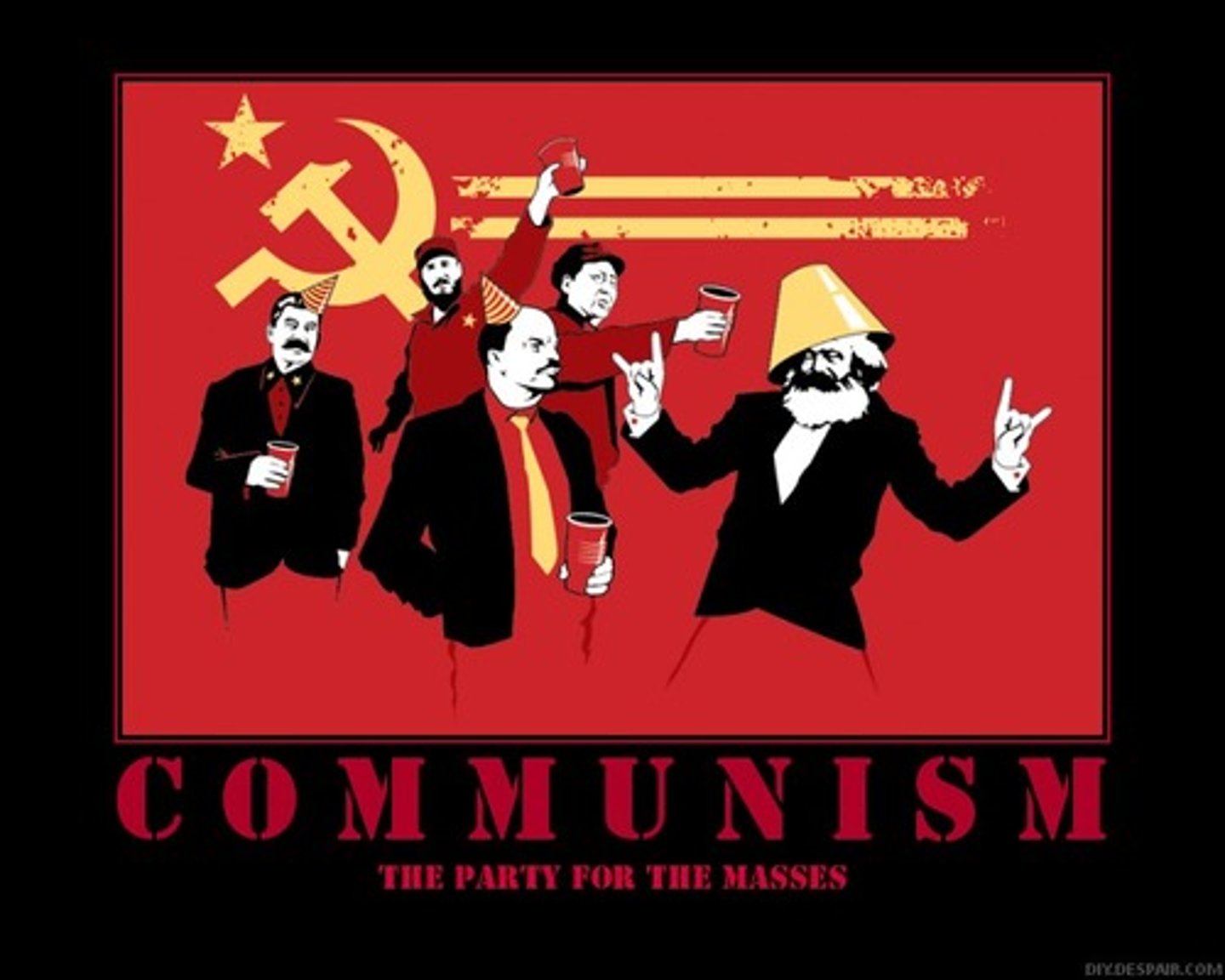
Palmer Raids
A 1920 operation coordinated by Attorney General in which federal marshals raided the homes of suspected radicals and the headquarters of radical organization in 32 cities.
Social Darwinism
19th century of belief that evolutionary ideas theorized by Charles Darwin could be applied to society.
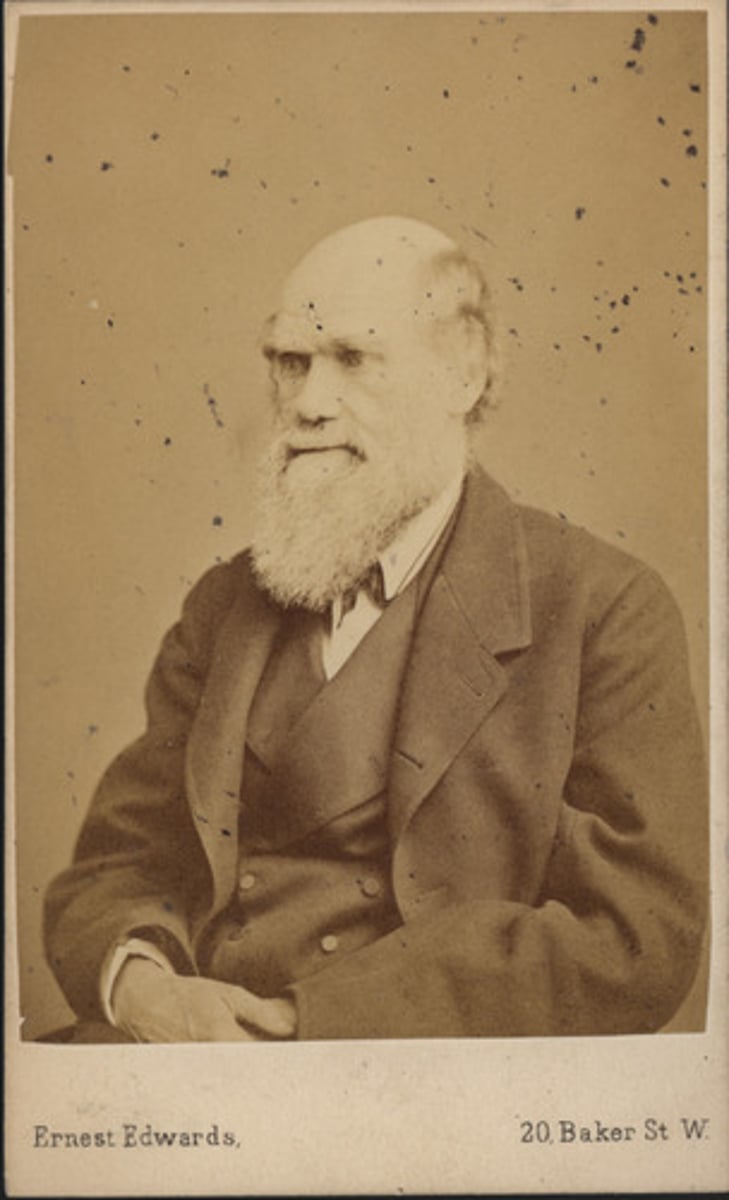
KKK
Started right after the Civil War in 1866. Revived in the 1920s
Roaring Twenties
Nickname for the 1920s becasue of the booming economy and fast pace of life during that era
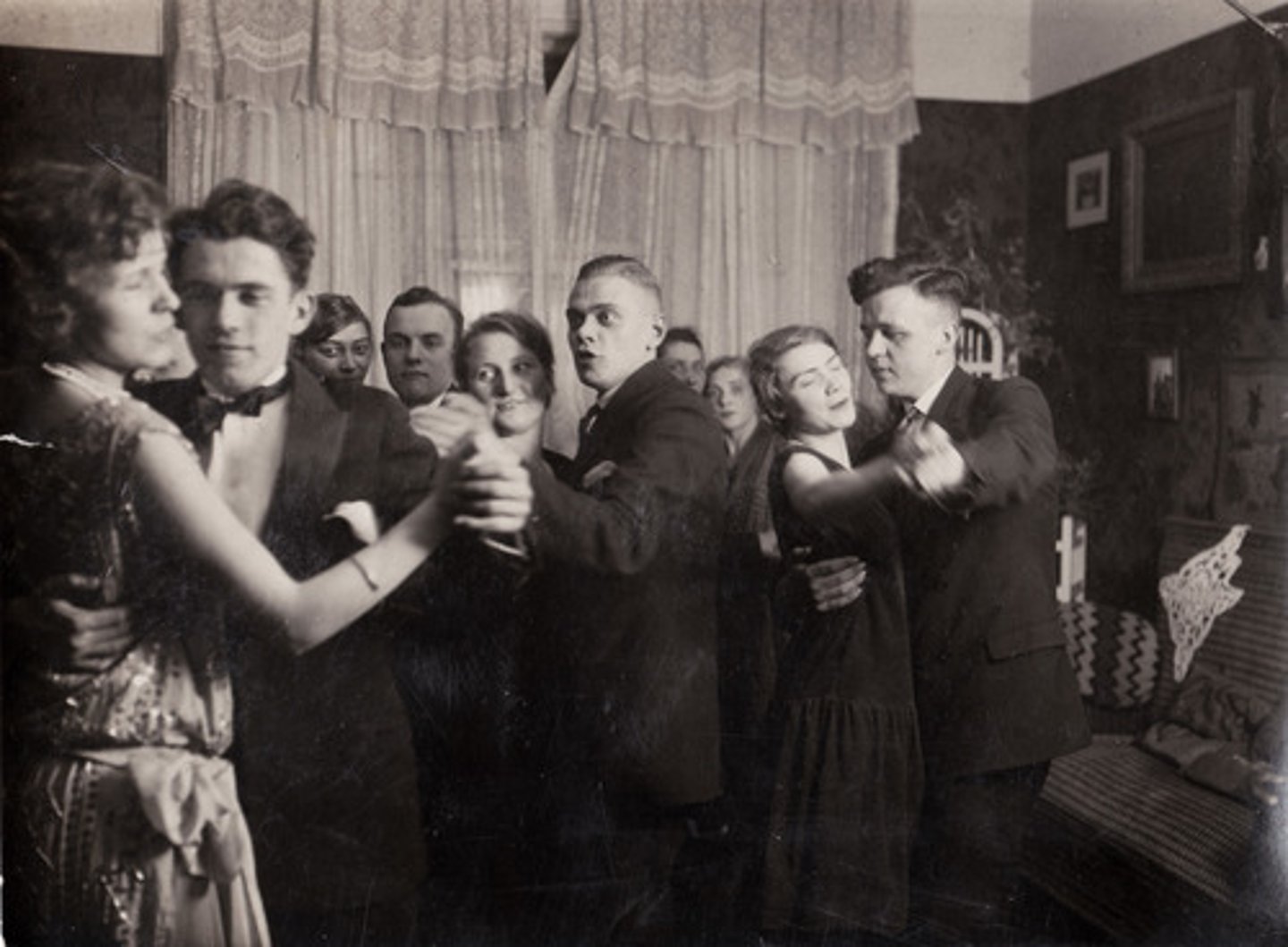
Return to Normalcy
After World War I 1919-20s, when Harding was President, the US and Britain returned to isolationism. The US economy "boomed"; but Europe continued to struggle. It was the calm before the bigger storm hit: World War II
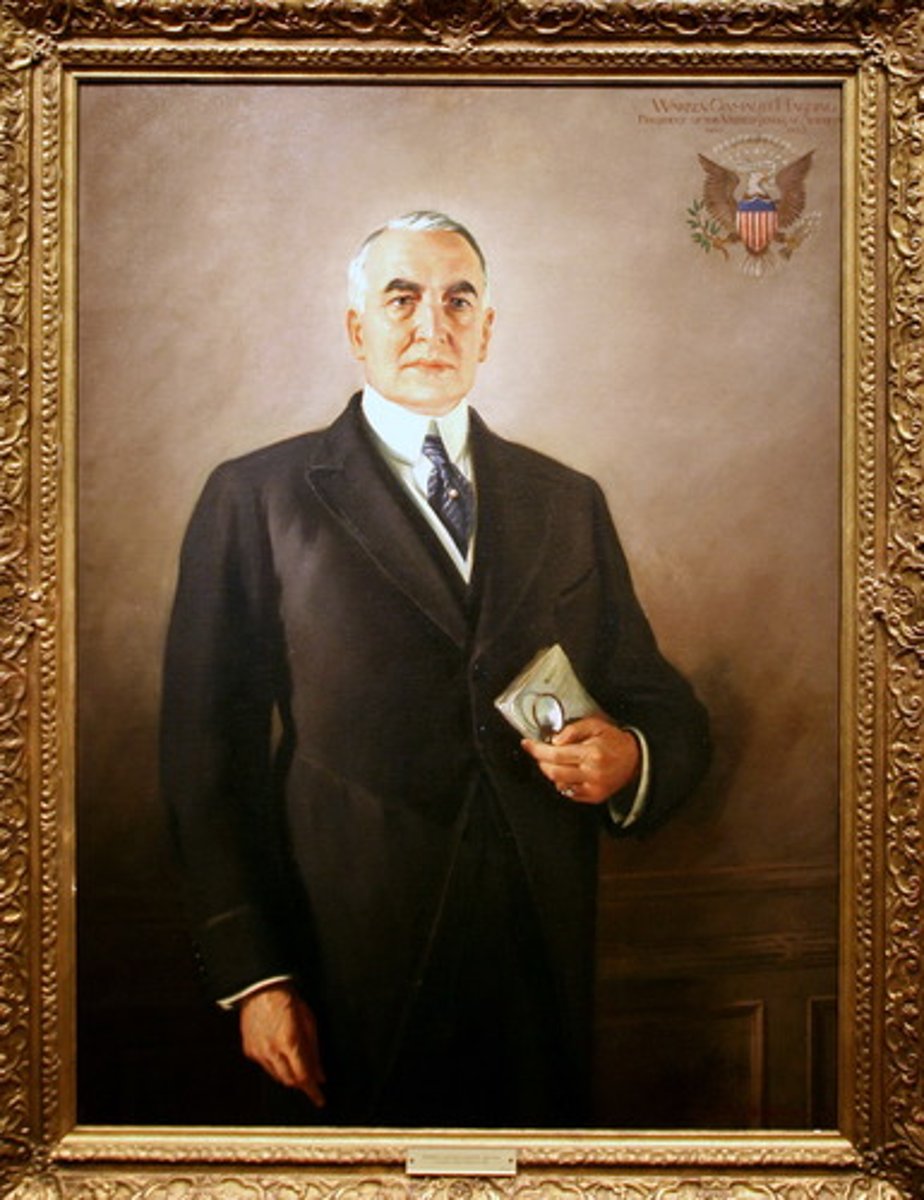
Henry Ford
American businessman, founder of Ford Motor Company, father of modern assembly lines, and inventor credited with 161 patents.

Assembly Line
In a factory, an arrangement where a product is moved from worker to worker, with each person performing a single task in the making of the product.
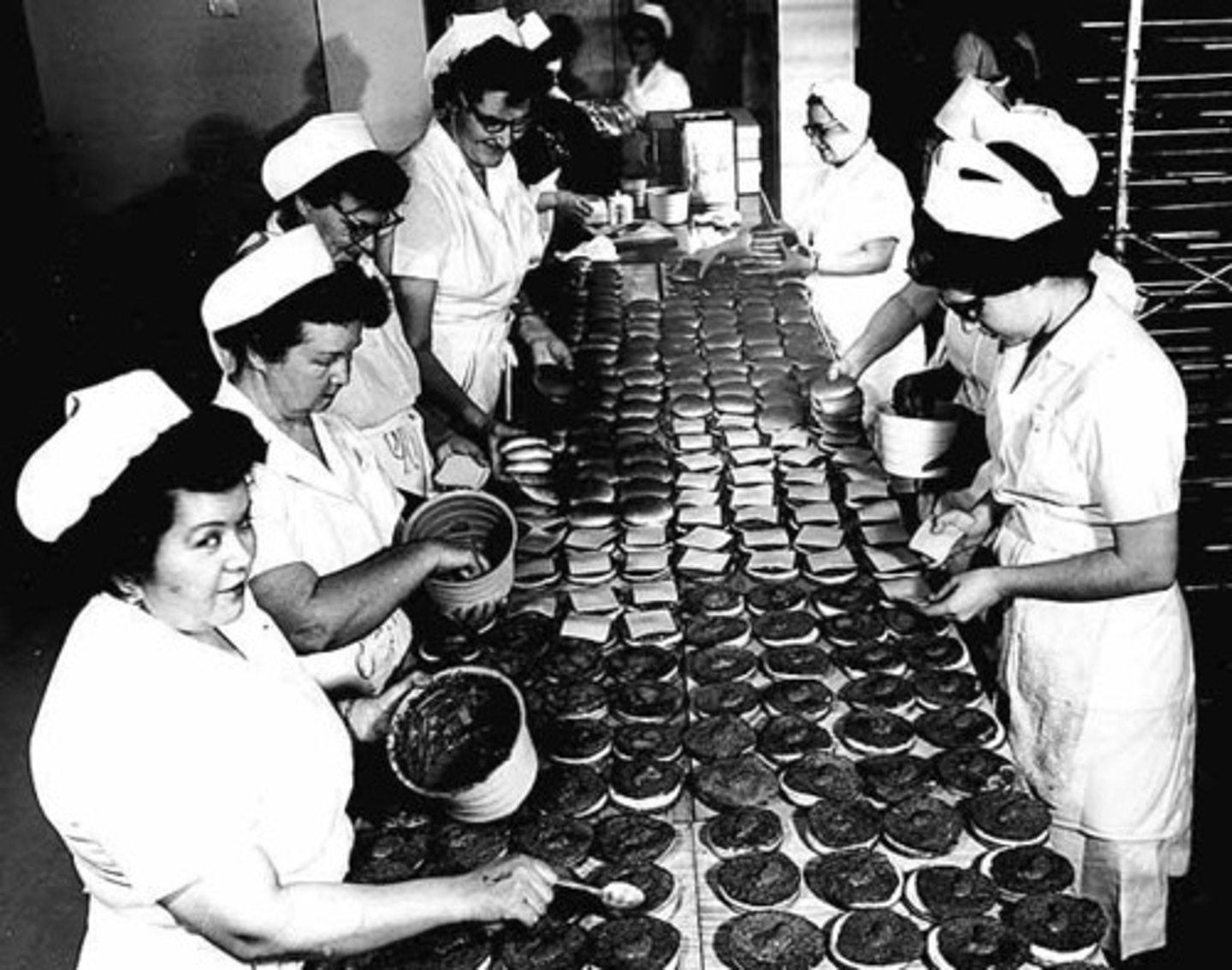
Consumer Credit
a type of credit granted by retailers that is used by individuals or families for satisfaction of their own wants
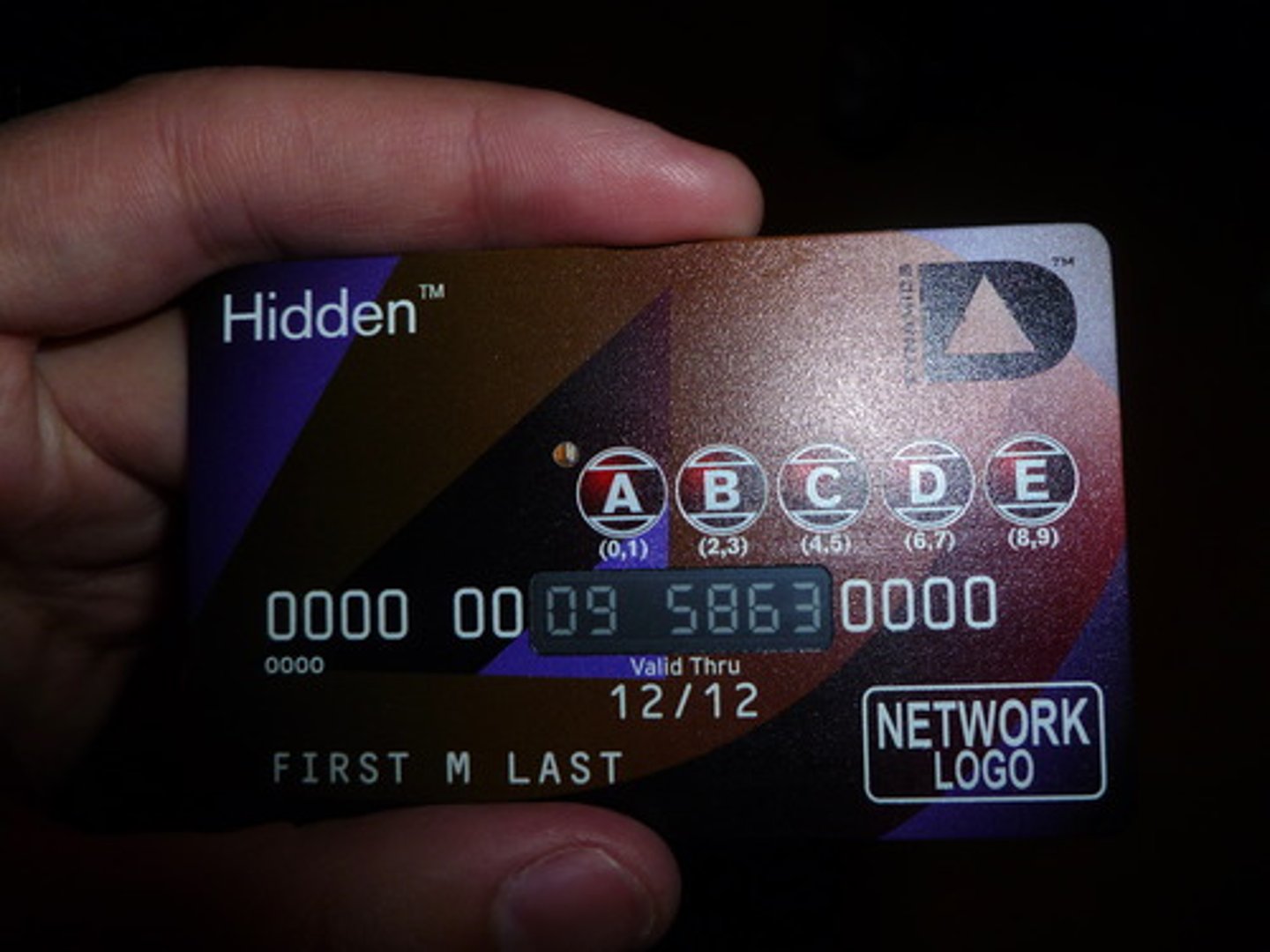
Jazz
A style of dance music popular in the 1920s
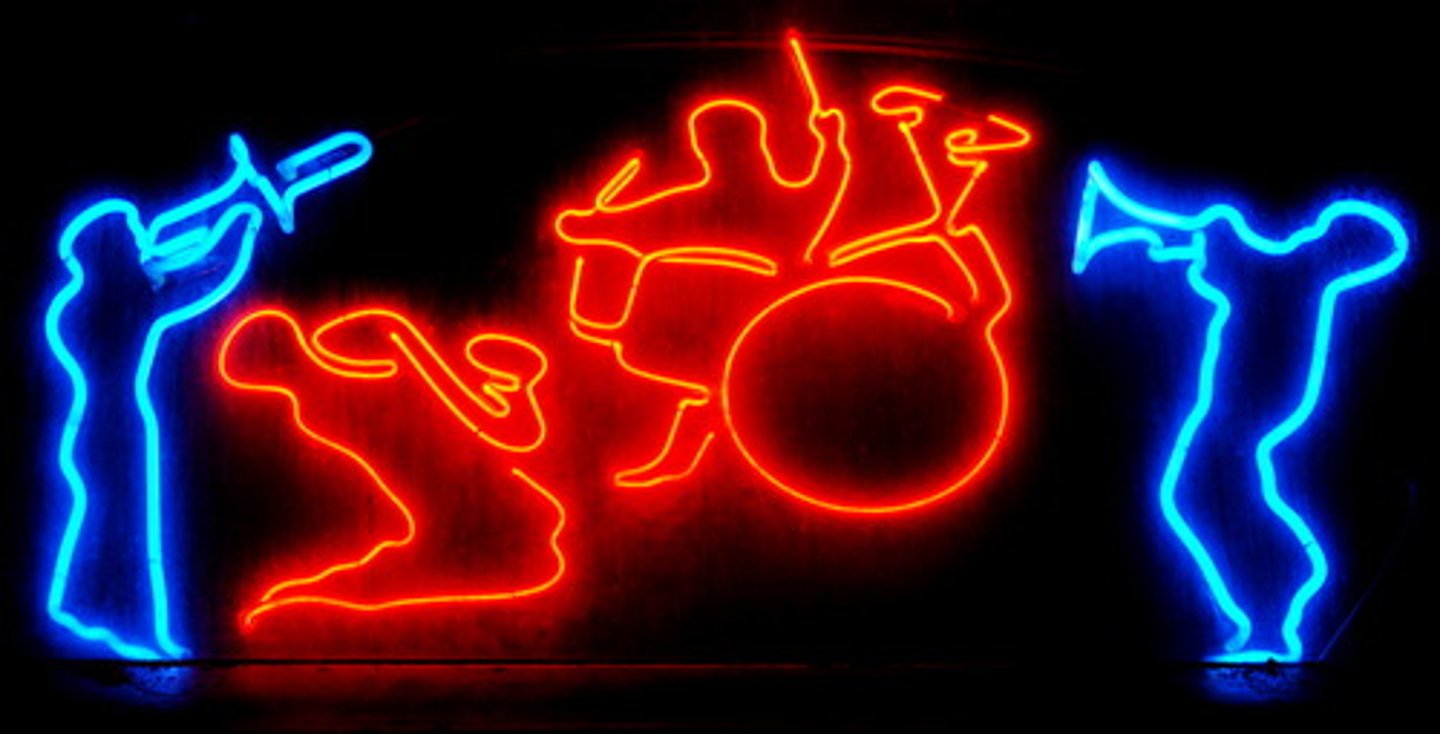
Harlem Renaissance
A period in the 1920s when African-American achievements in art and music and literature flourished
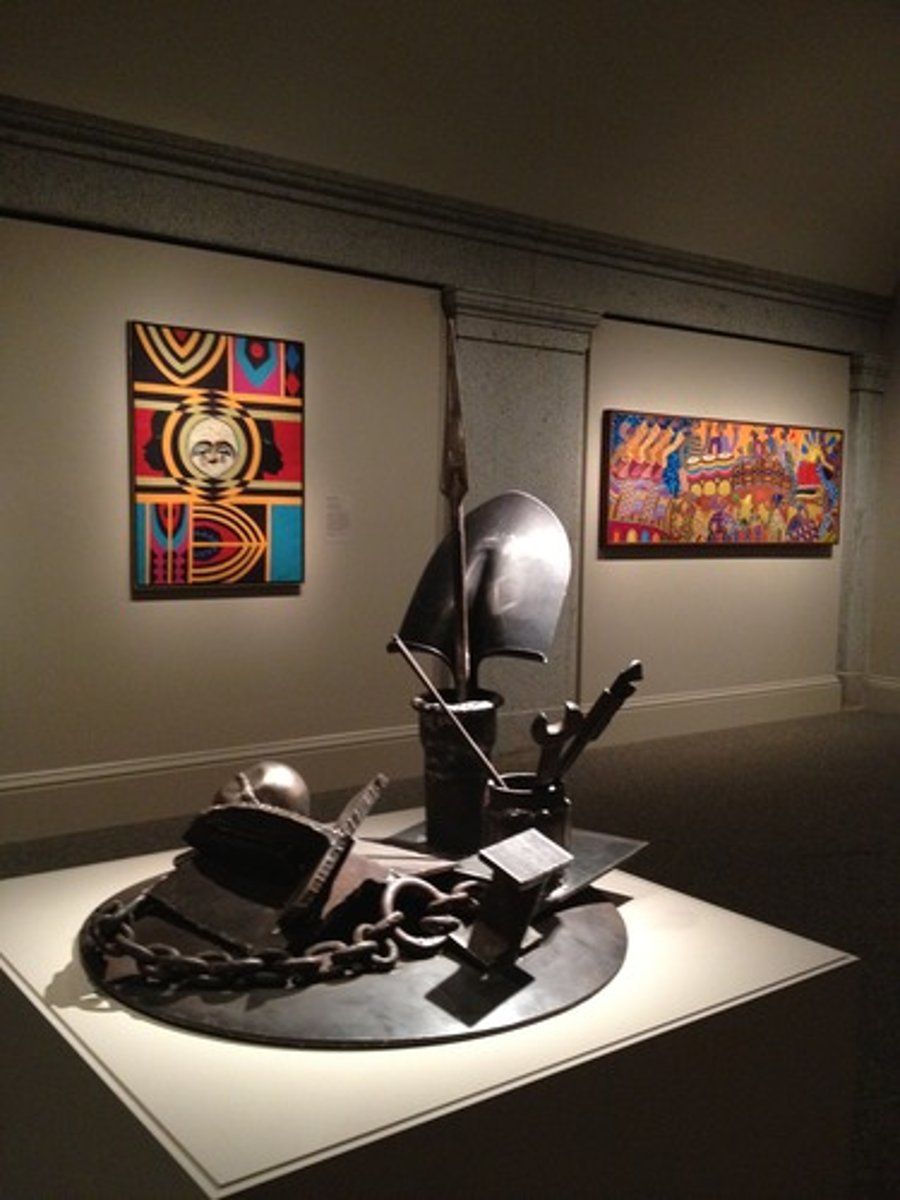
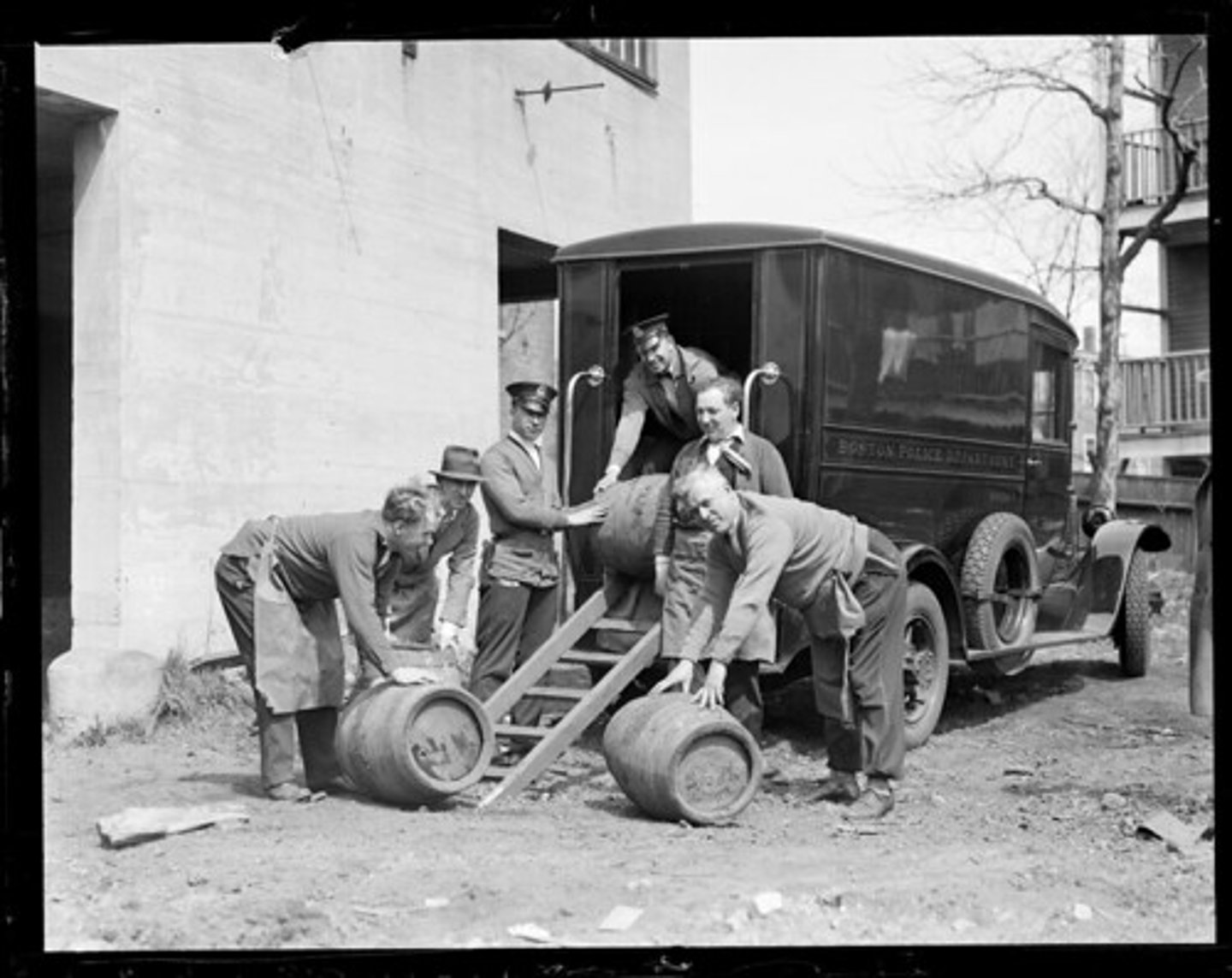
Prohibition
the period from 1920 to 1933 when the sale of alcoholic beverages was prohibited in the United States by a constitutional amendment
Flapper
carefree young women with short, "bobbed" hair, heavy makeup, and short skirts. The flapper symbolized the new
"liberated" woman of the 1920s.

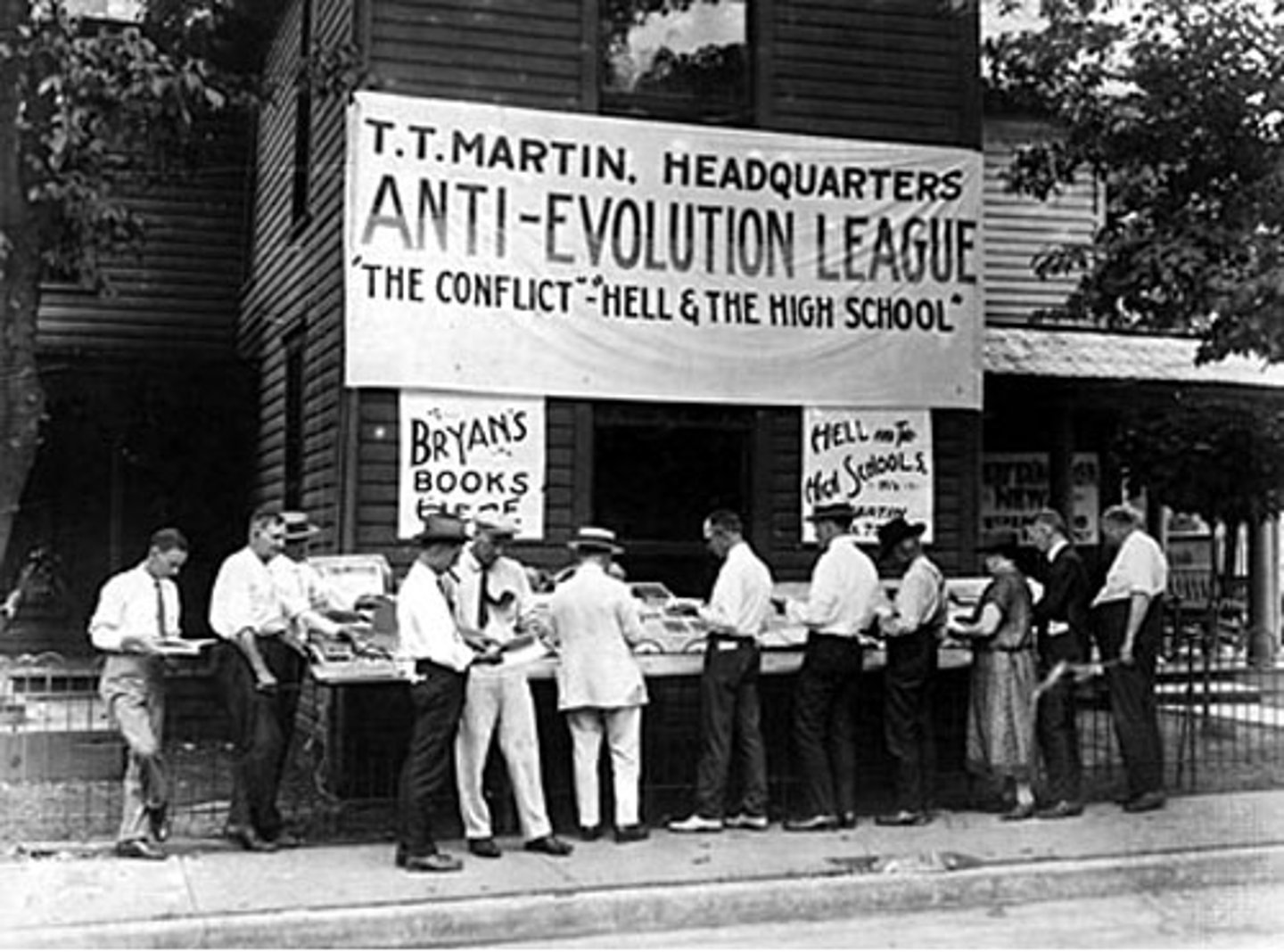
Scopes Monkey Trial
1925, the trial that pitted the teaching of Darwin's theory of evolution against teaching Bible creationism
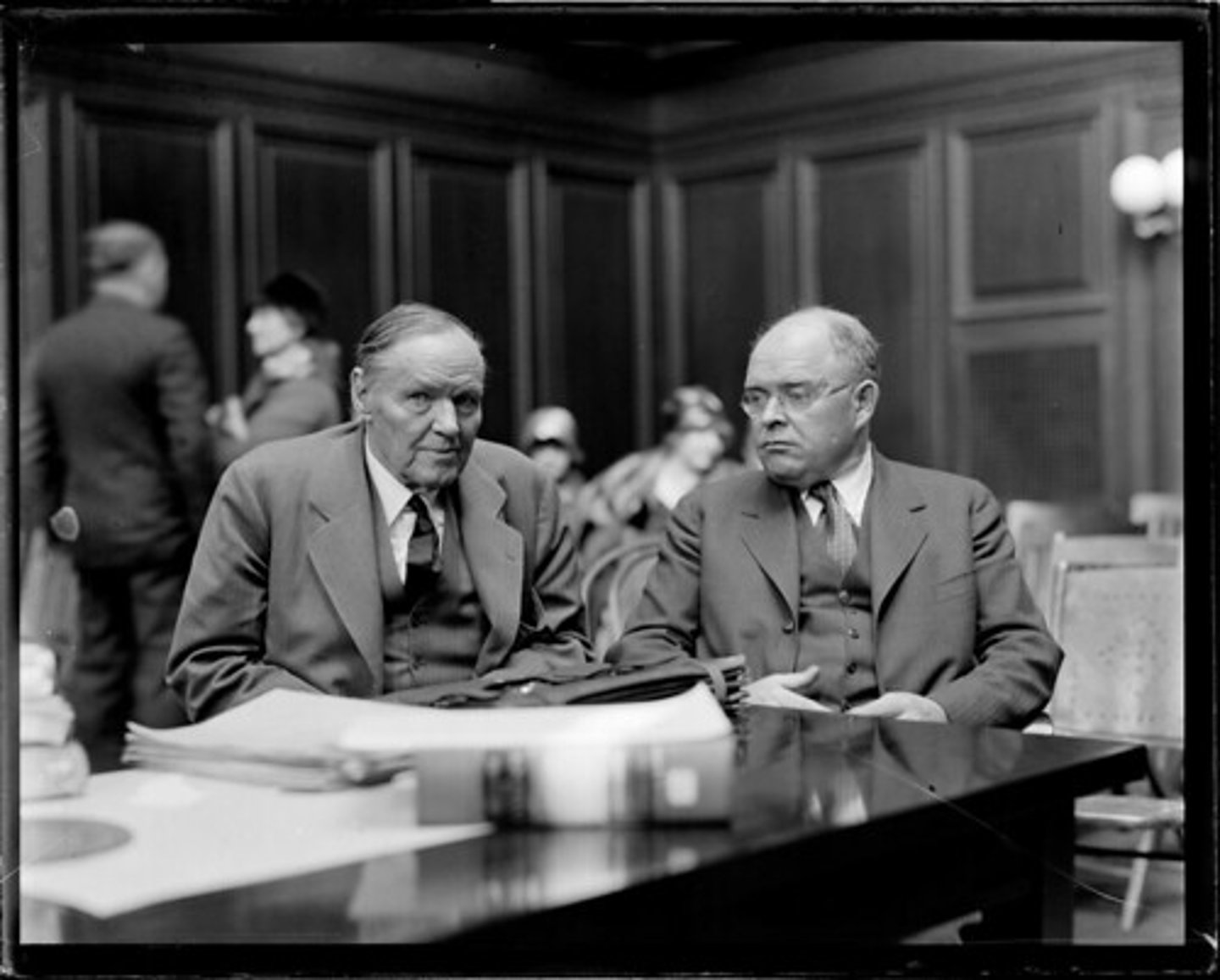
Clarence Darrow
A famed criminal defense lawyer for Scopes, who supported evolution. He caused William Jennings Bryan to appear foolish when Darrow questioned Bryan about the Bible.
Causes of Great Depression
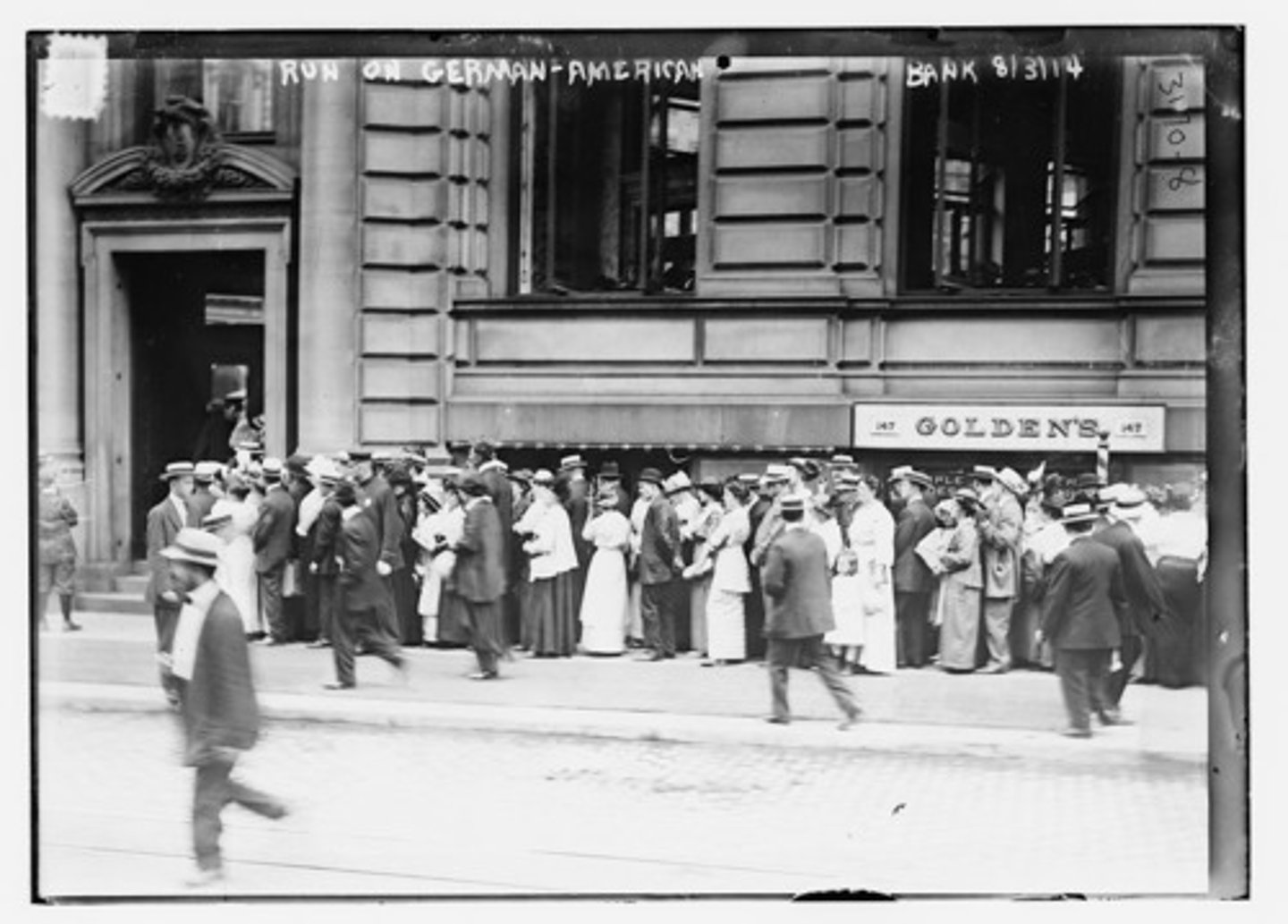
Higher US tariffs, Overproduction of food, buying on margin, market speculation, stock market crash, bank failures
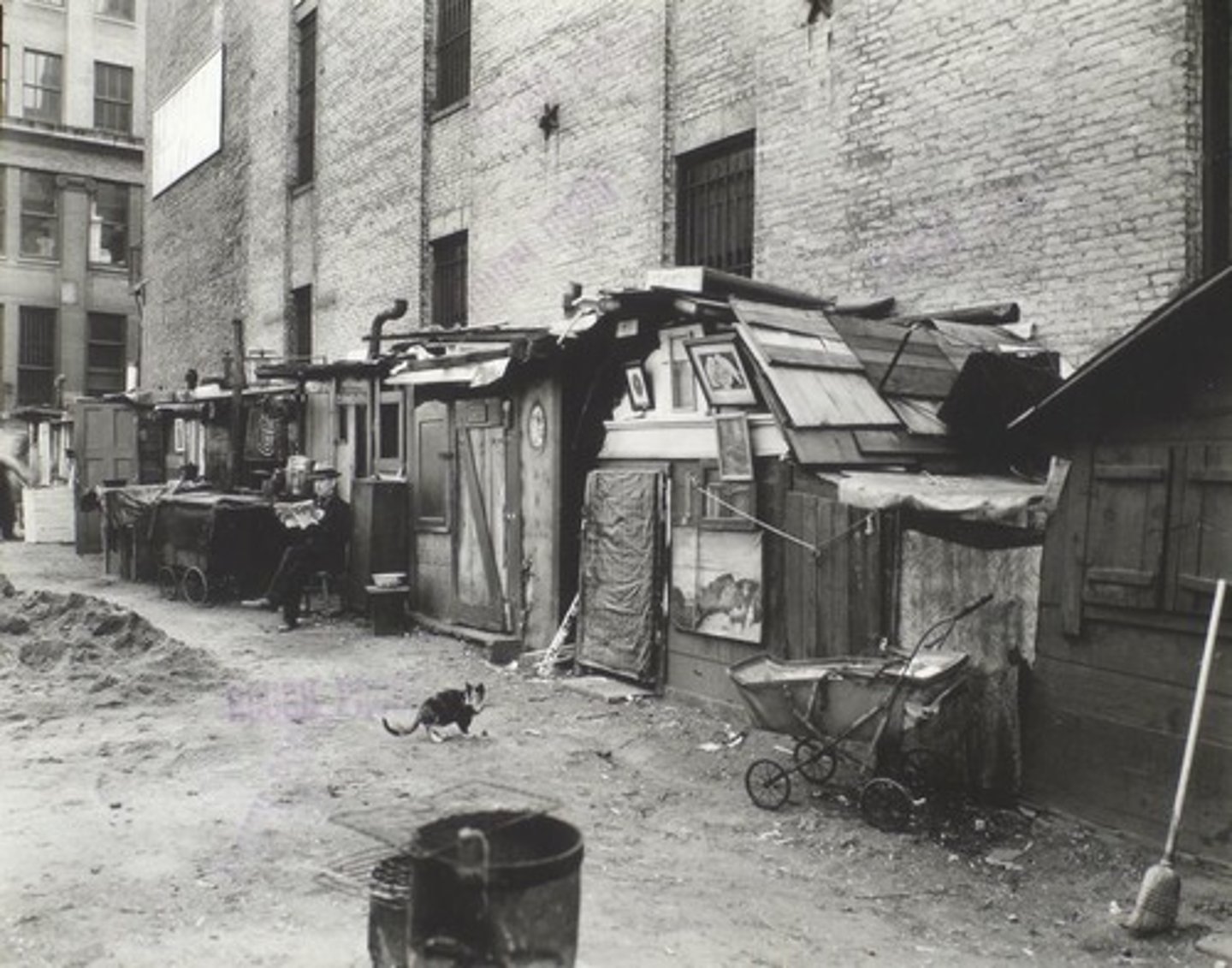
Hooverville
Depression shantytowns, named after the president whom many blamed for their financial distress
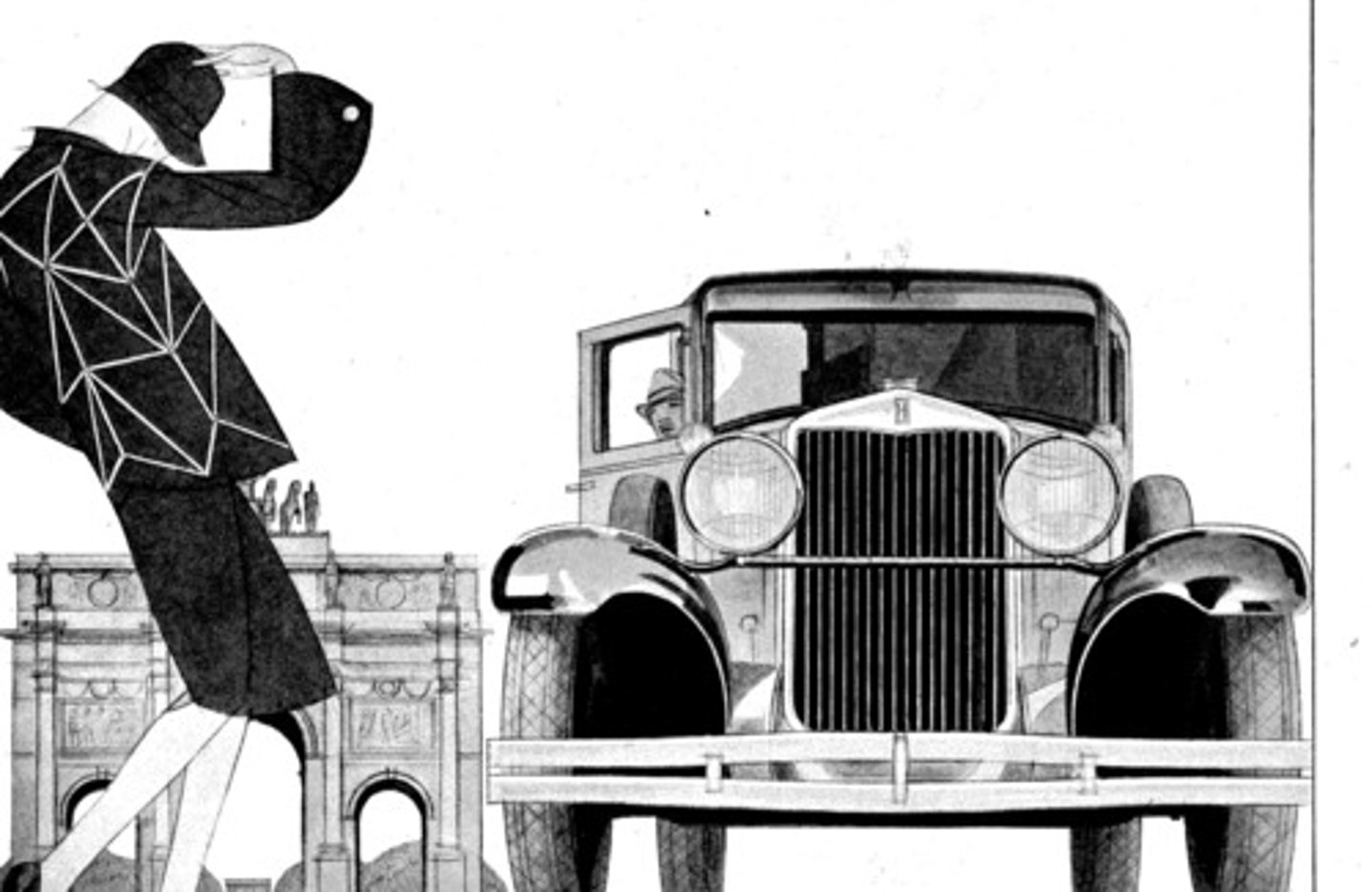
1929
Great Depression begins/Stock Market Crash
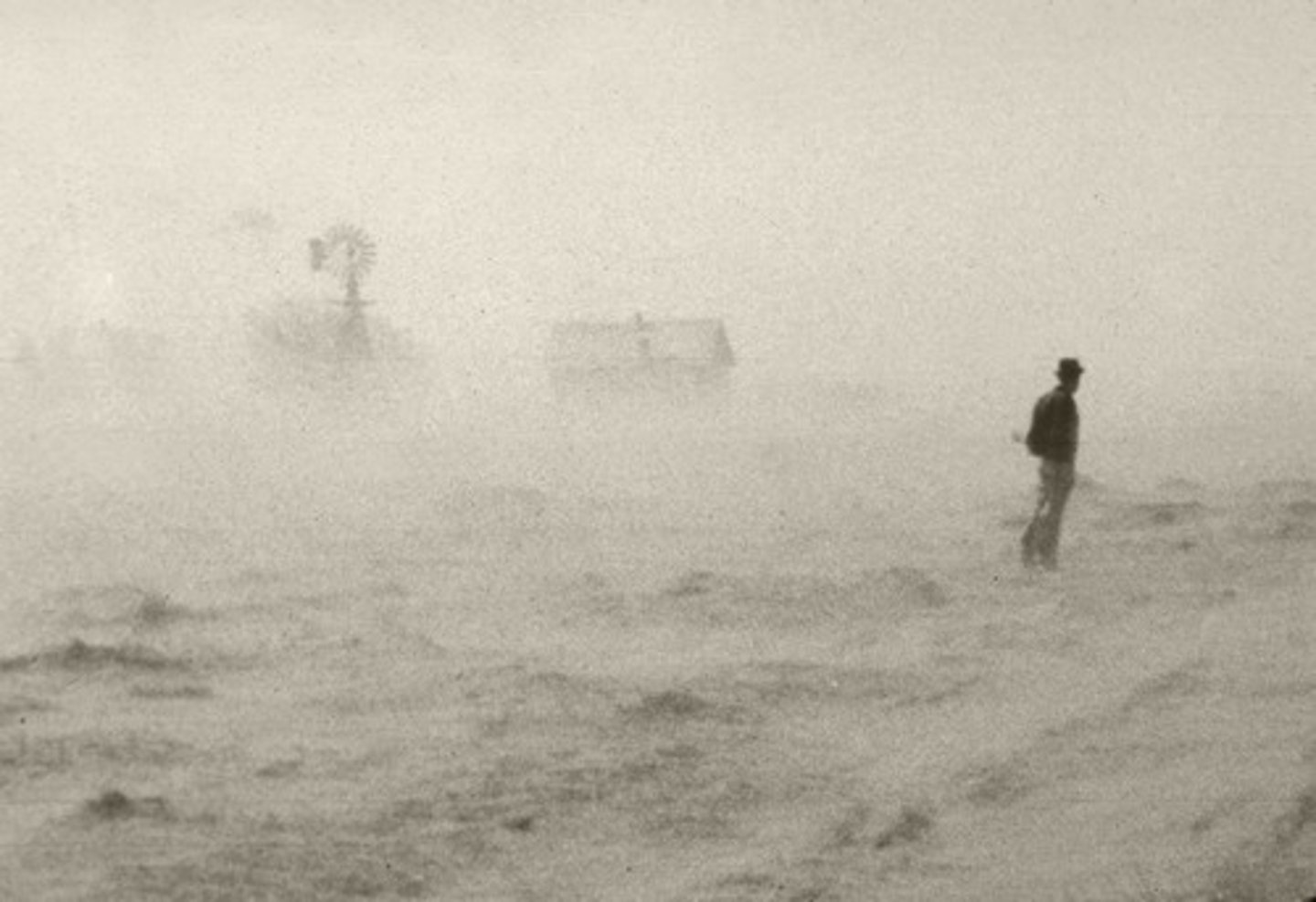
Dust Bowl
Region of the Great Plains that experienced a drought in 1930 lasting for a decade, leaving many farmers without work or substantial wages.
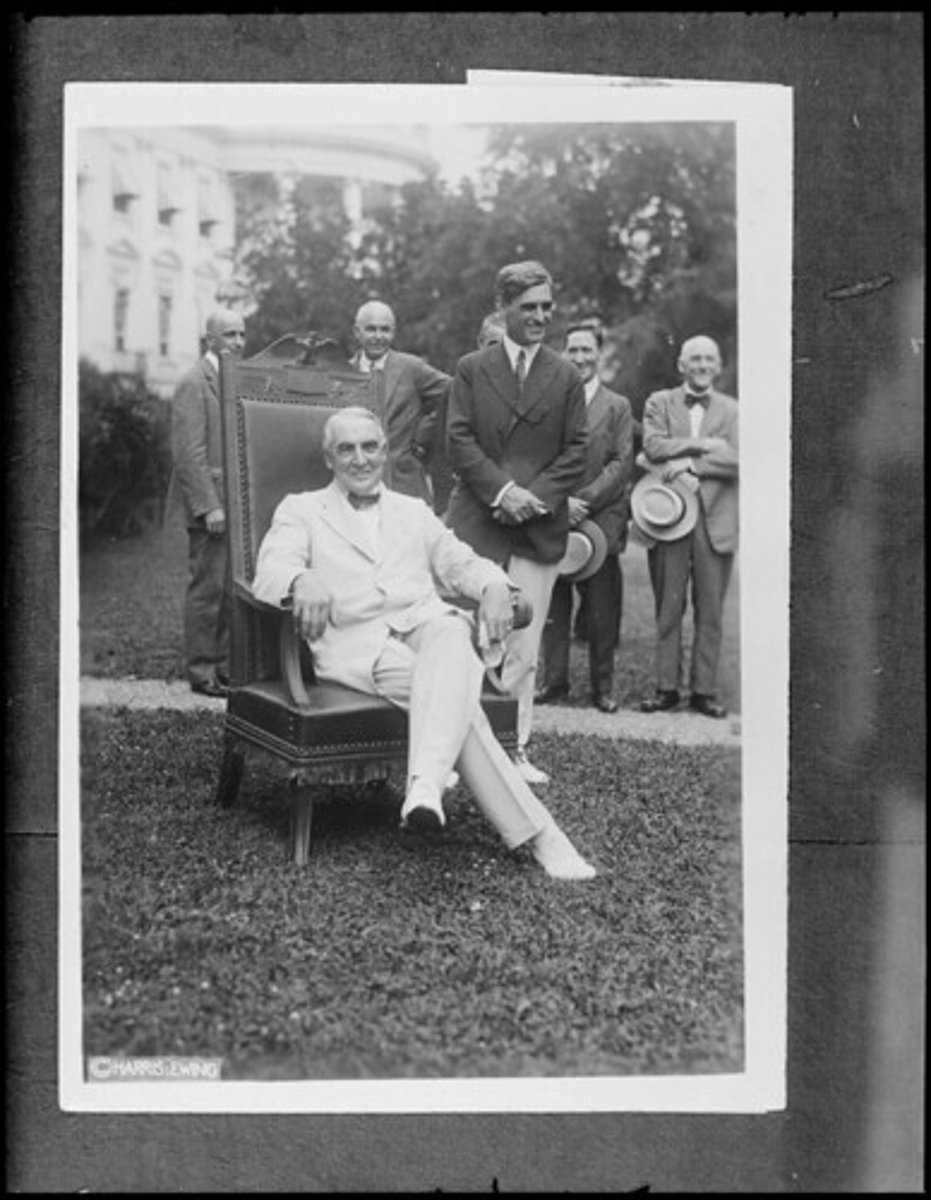
President Harding
This president promised a "return to normalcy" when he was elected. His administration was full of scandal and corruption, including the Teapot Dome scandal.
President Coolidge
He became president after Harding died in office. He fired those involved in the scandals; increased government support of business and encouraged a continuation and expansion of Harding's policies.