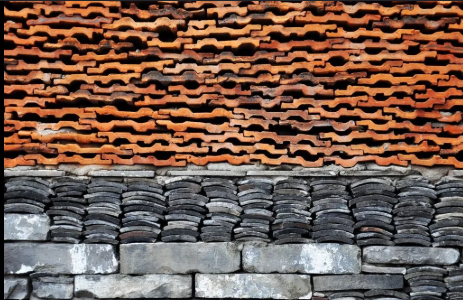
Terms new - Global History of Arch
 Call Kai
 Learn
Learn Practice Test
 Spaced Repetition
 Match
Match Flashcards
 Knowt Play
1/29

There's no tags or description
Looks like no tags are added yet.
Name | Mastery | Learn | Test | Matching | Spaced | Call with Kai |
|---|
No analytics yet
Send a link to your students to track their progress
30 Terms
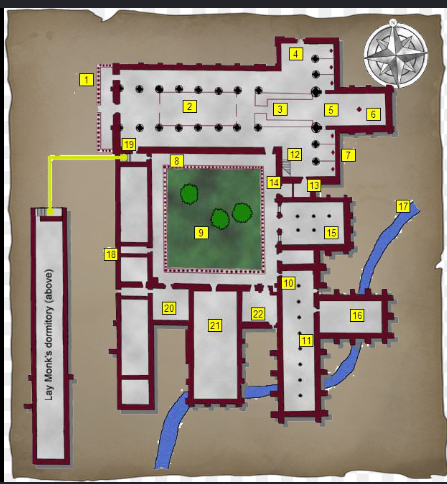
Abbey
A grouping of buildings that constitutes the housing and other necessary structures for a society of Christian monks or nuns who were all living under a specific religious rule.
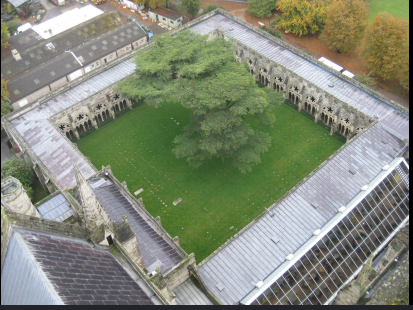
Cloister
An enclosed rectangular space in a monastery, usually an open, garden court
surrounded by roofed passages on all four sides. In a monastery, the cloister connects the
church to the domestic structures.
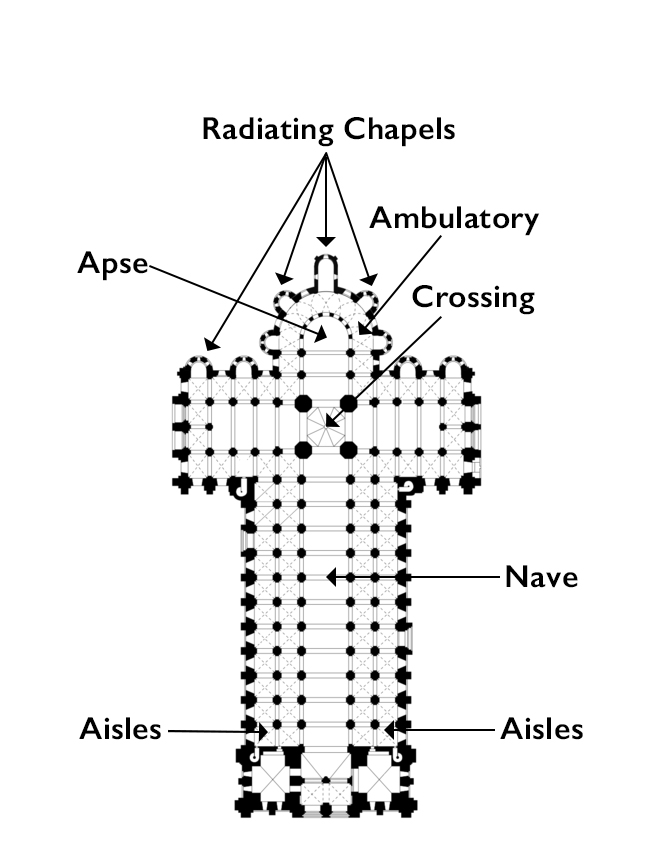
Pilgrimage Plan
A basilica plan church with side-aisles that envelop the entire structure. This
allows for the circulation of large crowds without the disruption of the liturgy. (also
called "pilgrimage road architecture.")
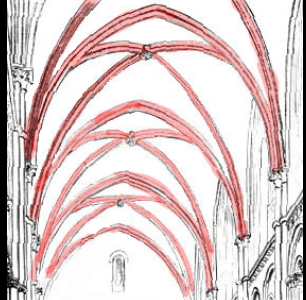
Ribbed vault
A vault with projecting bands.
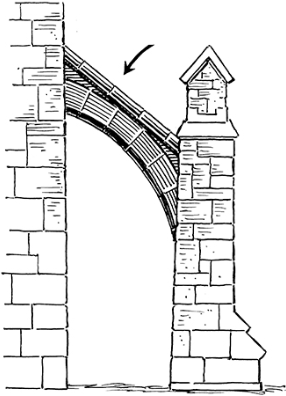
Flying buttress
An arch transmitting the thrust of a vault or roof from the upper part of the wall to an outer support buttress. A mass of masonry projecting from a wall to give additional support.
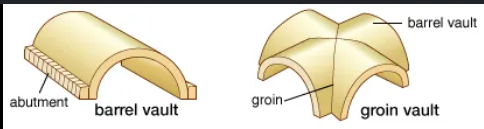
Groin vault
two intersecting barrel vaults
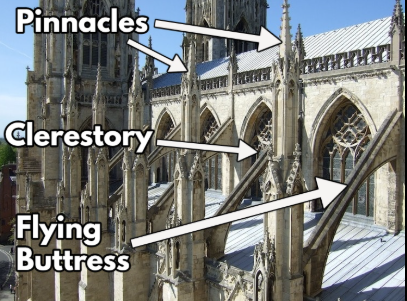
Pinnacle
a small, steep turret-like structure crowning spires and other roof structures.
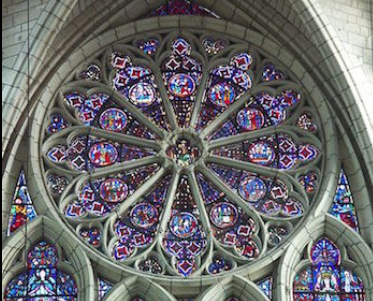
Rose window
A circular window with foils of patterned tracery arranged like the spokes of a
wheel.
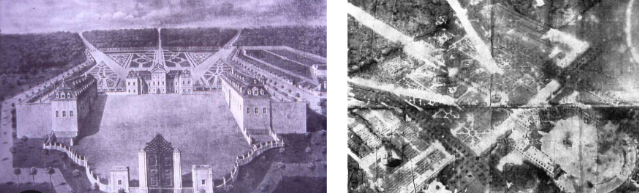
allées
broad roadways, usually radiating outward from a single point.
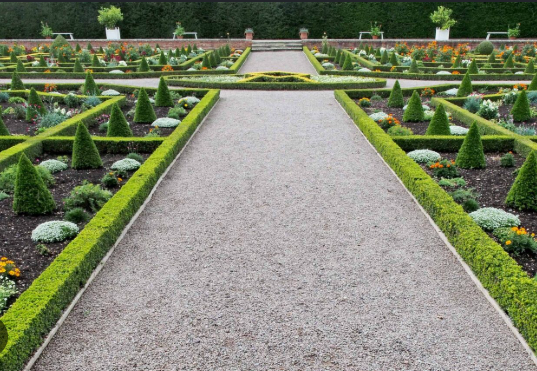
Formal garden
a style of landscape architecture characterized by form and visual order as
expressed through a symmetrical plan, rigid geometries, and long straight roads and
sight lines.
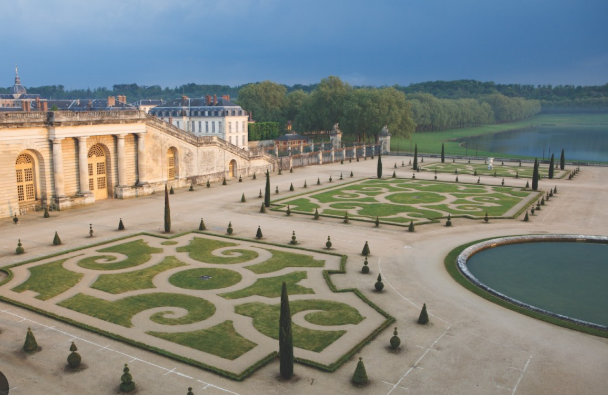
parterre de broderie
in French "an embroidered parterre," meaning a lawn shaped to imitate
the decorative geometric forms of the kind found on a carpet.
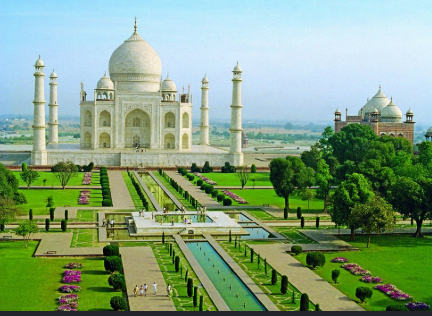
Chahar bagh
Persian term in garden design, meaning "four gardens." Indicates a quadrilateral
garden divided by water channels. The layout is based on the Four Gardens of Paradise
as described in the Quran.
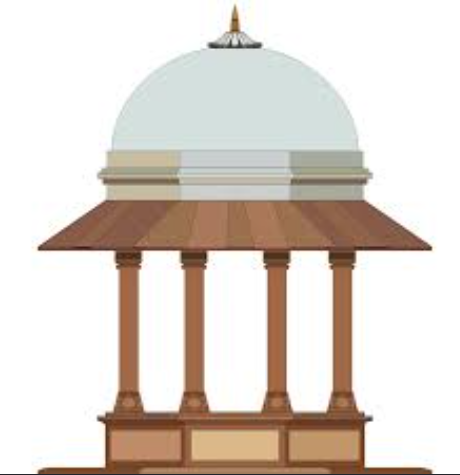
Chatri
a structure consisting of dome raised by four pillars, usually found in South Asian
palace and funerary architecture.
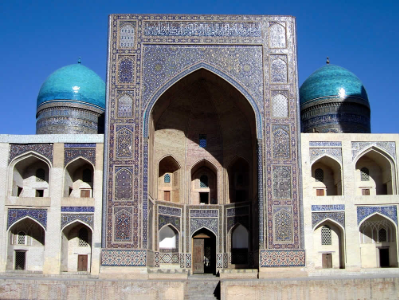
Iwan
a shallow hall with a pointed vault serving as a portal or closed at the back and facing a court.
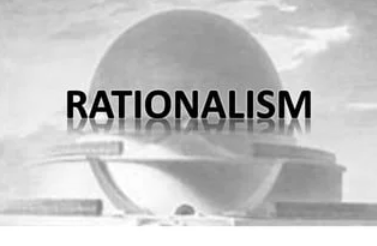
Enlightenment Rationalism
Architectural designs that developed during the Enlightenment
period. Typically inspired by scientific studies and featured ideal proportions and
geometric forms.
Architecture parlante (Speaking Architecture)
Architecture that explains its own function or
identity by means of its form. The phrase was originally associated with Claude Nicolas
Ledoux. (see saltworks)
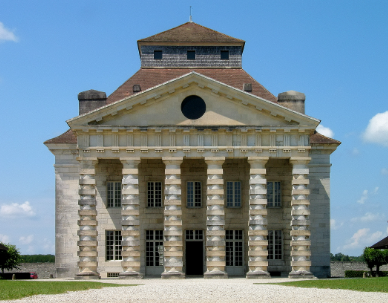
Ferrovitreous Architecture
Glass and Steel architecture, which became possible with the invention of new material during the industrial revolution.
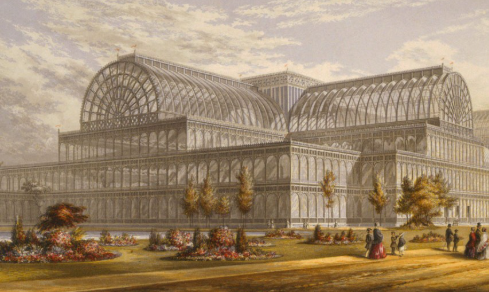
Neo-Gothic style
The 19th-century return to the medieval Gothic architectural style. Popular
especially in France, Germany, and the United Kingdom, each for different nationalistic
reasons. For many critics, Neo-Gothic architecture had the capacity to capture the per- industrialized society's spiritual and moral purity.
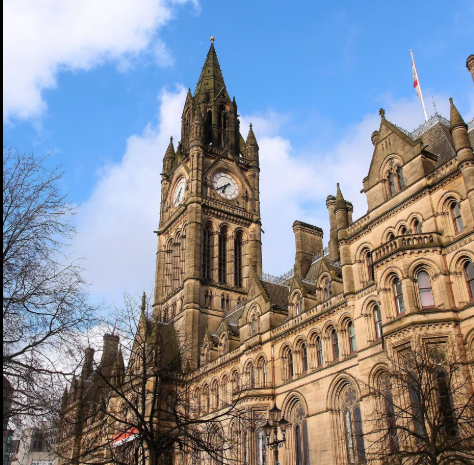
Neo-Classical style
The revival of ancient Greek and Roman architecture. Characterized by
rational design and a scientific approach to building. Inspired by emerging archaeological studies of ancient cities like Athens, Pompeii, and Rome.
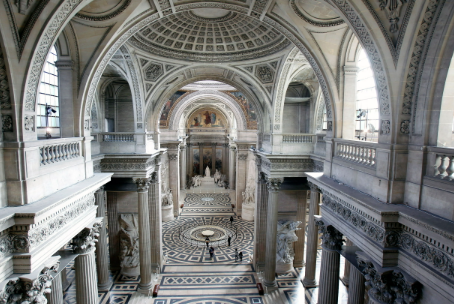
Arts & Crafts Movement
Emerged from the attempt to reform design and decoration in mid-19th century Britain. It was a reaction against a perceived decline in standards that the reformers associated with machinery and factory production. A movement to reform society through design practice.
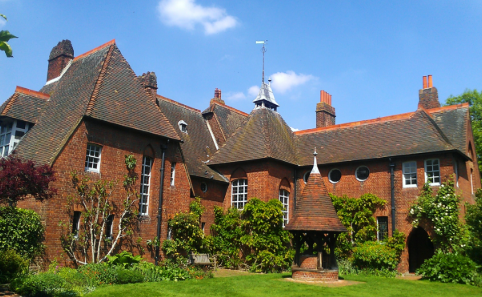
"Useful Beauty"
A design principle stressed by the Arts & Crafts movement. A belief in craftsmanship which stresses the inherent beauty of the material, the importance of nature as inspiration, and the value of simplicity, and utility.
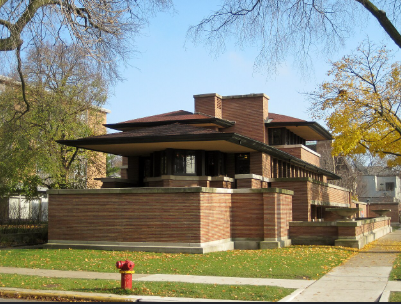
Prairie-style architecture
style of building that believes a structure should reflect the surrounding natural environment. This movement, also known as Prarie School, is similar
to the Arts and Crafts movement and is known as the first distinctly American
architectural style, especially in the Midwest. It called for non-derivative, distinctly
American architecture rooted in nature, with a sense of place, but also incorporated
modern elements, like flat planes and stylized ornamentation.
(see robie house)
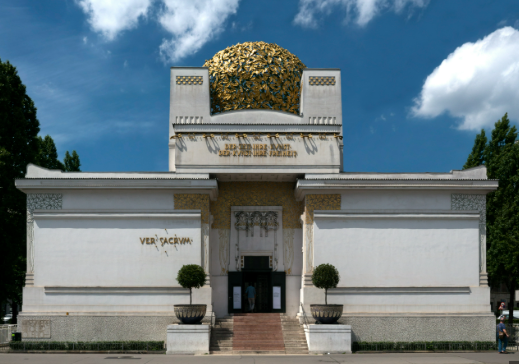
Vienna Secession Movement
Art movement, closely related to Art Nouveau, that was formed
in 1897 by a group of Austrian painters, graphic artists, sculptors and architects. The breaking away of younger and more radical artists from an existing academy or art group to form a new grouping.
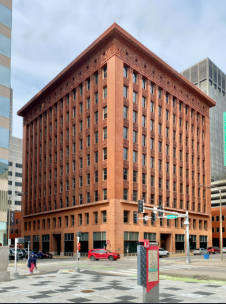
"Form Follows Function"
Phrase coined by the American architect Louis Sullivan, about modern architectural design.
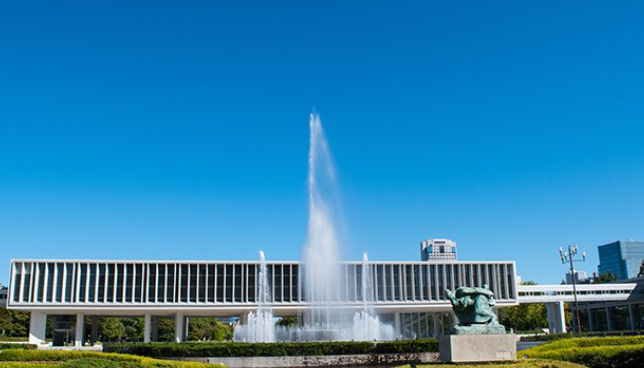
International Style Modernism
a major architectural style that was developed in the 1920s
and 1930s and was closely related to modernism. The style of architecture that emerged
in Holland, France, and Germany after World War I and spread throughout the world,
becoming the dominant architectural style until the 1970s. The style is characterized by
an emphasis on volume over mass, the use of lightweight, mass-produced, industrial
materials, rejection of all ornament and color, repetitive modular forms, and the use of
flat surfaces, typically alternating with areas of glass.
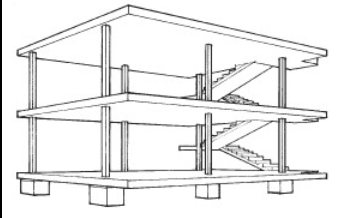
"Machine for Living"
A term invented by the Swiss architect Le Corbusier to describe the modern house.
5 Points for a New Architecture by Le Corbusier
1. Pilotis - replacement of supporting walls by a grid of reinforced concrete columns that bears the structural load is the basis of the new aesthetic, and allowed for open interior floor plans.
2. The Free Plan - achieved through the separation of the load-bearing columns from the walls subdividing the space.
3. The Free Façade - The corollary of the free plan in the vertical plane.
4. Ribbon Window - The long horizontal sliding window, which reimagines the exterior view as a film strip from a motion picture.
5. Roof Garden - restoring the area of ground covered by the house.
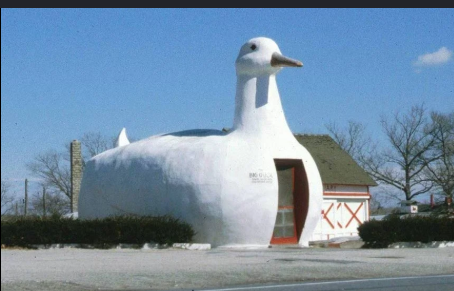
Post Modernism
an architectural style or movement which emerged in the 1960s as a reaction
against the austerity, formality, and lack of variety of modern architecture, particularly
in the international style. Post modernism can be identified by four characteristics:
quotation, metaphor, plurality and parody.
Critical Regionalism
an approach to architecture that strives to counter the placelessness and
lack of identity of International Style Modernism, but also rejects the whimsical
individualism and ornamentation of Postmodern architecture. It seeks to provide an
architecture rooted in the modern tradition, but tied to geographical and cultural context.
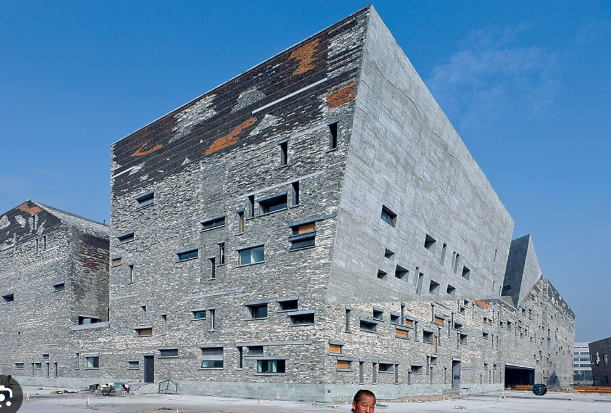
Wapan masonry
a traditional Chinese vernacular tiling technique that has evolved into a
hybrid construction process involving brick, stone and roof tiles. Traditionally used in
villages as a way to utilize materials that were readily available, such as left over roofing
tiles and broken bricks, it is now becoming part of the new architectural language of
China as a response to heritage masonry and sustainability.