Motivation and Emotion unit 4-part 1
 Call Kai
 Learn
Learn Practice Test
 Spaced Repetition
 Match
Match Flashcards
 Knowt Play
1/44

There's no tags or description
Looks like no tags are added yet.
Name | Mastery | Learn | Test | Matching | Spaced | Call with Kai |
|---|
No analytics yet
Send a link to your students to track their progress
45 Terms
motivation
a need or desire that serves to engerize and direct behavior
instinct theory
believed our motivation was/came from our instincts as humans

evoulationary theory
an act used to increase survival of ourselves and our genes
Drive-Reduaction theory
physiological needs creates physiciolgical drives
Homeostasis
keeping a steady internal and emotional state

incentive theory
our behavior is driven by a pull from an external stimuli
optimal arosusal theory
we do things to experience optimal levels of stimulation
Yerks-Dodson Law
we tend to perform best a moderate levels of arousal
Maslows Hierarchy
Simple needs of motivation
physiological needs
hunger, thirst, warmth
Safety needs
shelter,security,feeling of safety

Belonginess and love
avioding loneliness, form relationships, acceptance
Esteem needs
achivement recognition respect
self acuatilzation
self fullfilment, being the best you can be
Lewins motivational conflict theory
psychological conflicts caused by choices
approach-approach
two good choices
avoidance-aviodance
two bad choices
Approach-Avoidance
single option with postive and negative elements
Body Chemistry
keeping insulin and glucose in balance glucose is always present insulin changes
Grehlin
in the stomach makes you hungry
orexin
in the laterl hypothamlus makes you hungry
Leptin
in fat cells tells you you are not hungry
PYY
Digestive tract tells you that you aren’t hungry
Set point
a particular weight the mind tires to keep at by triggering and suppressing hunger
metabolic rate
engergy used at rest
social networking
reate online identities, interact with others, and share content, functioning as virtual communities
TAT test
thought reflect the level of achievement motivation
High Achivement Motivation
a desire for diffuclut but attabliable tasks
Low Achievemnt Motivation
a desire for easy for very diffuclut tasks
Where does achievement motivation come from?
parents supporting independence, instinct motivation, and goal setting

task leadership
orginize direct, goal focused

Social leadership
mediate, team building, delegate
Emotions have 3 main prongs
physiological arousal, expressive behavior, and concious experience
Yerks-dodson Theory of Arousal
we tend to do things at an moderate levels of arousal
Polygraph test
physical arousal tying into the “truth” of our emotions

Nonverbal communication
often rveals our emotions, picking up on nonverbal cues helping us understand others emotions
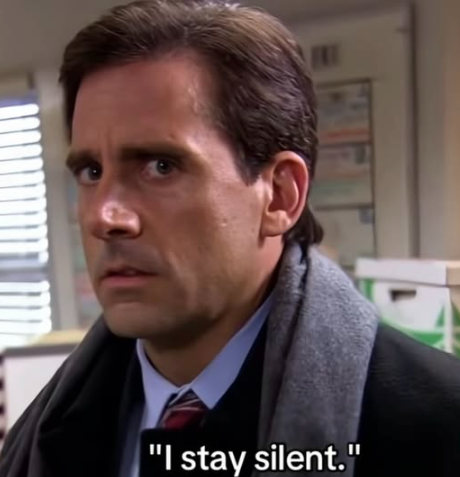
Facial feedback
facial muscles state triggers emotion

Catahrsis
a emotional realase can happen with many emotions

feel good, do good phenonon
exactly what it says
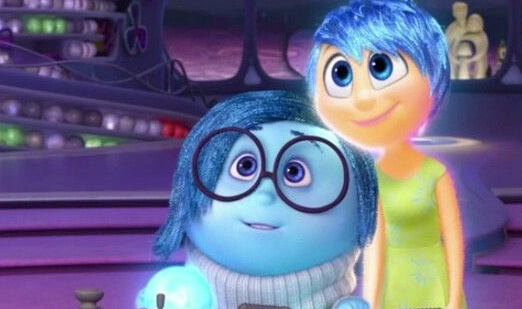
oppenent process theory of emotion
oppiste emotion lessens the inesity of the original Emotion
Adapatiton level phenomenon
emtions is relative to previous experience , adjust to new normal
Relative deprivation pirncliple
emtions are based on what around us

James-Lange theory
physicogical aorusal is key to emtions (1st arousal-2nd emtion)

Cannon Bard Theory
emtion and physoiogical arousal happen at same time
Schachter Two-Factor affect
cognntion is involved along with physiological emtions (emtions=Physical arousal+Cogintion level)