Palliative care: pain management
 Call Kai
 Learn
Learn Practice Test
 Spaced Repetition
 Match
Match Flashcards
 Knowt Play
1/22

There's no tags or description
Looks like no tags are added yet.
Name | Mastery | Learn | Test | Matching | Spaced | Call with Kai |
|---|
No analytics yet
Send a link to your students to track their progress
23 Terms
What is pain
Oxford dictionary: highly unpleasant physical sensation caused by illness or injury
International association for the study of pain: An unpleasant sensory and emotional experience associated with, or resembling that associated with, actual or potential tissue damage
5 A’s of Cancer Pain Outcomes
NCCN recommendations for goals of pain therapy
Analgesia -> take the pain away
Activities -> preserve performance status
Adverse Effects -> reduce side effects
Aberrant Behavior -> impulse control, addiction
Affect -> how pain interacts with mood of the pt. Emotional status of patient due to pain
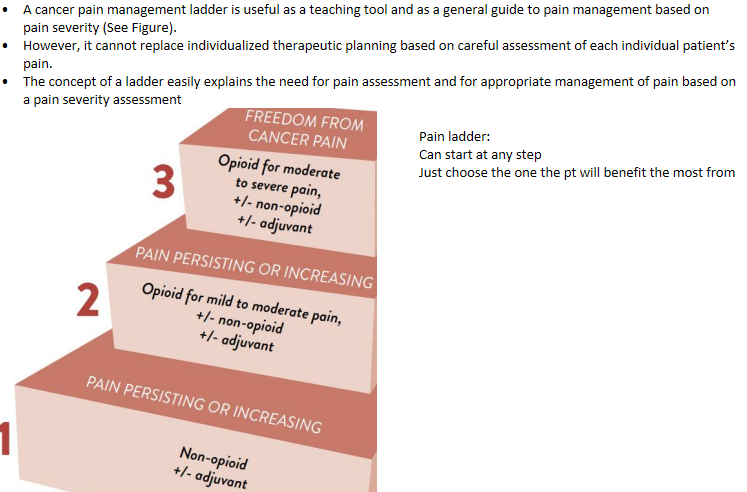
WHO pain ladder
opioids - types
Morphine
Convenient, morphine syrup is not a controlled drug in Singapore -> tabs are CD
Active morphine-6-glucuronide is renally eliminated
Causes somnolence
Fentanyl
A synthetic opioid that is up to 50x stronger than heroin, 100x stronger than morphine - high risk of OD
Very short half life - easy to titrate quickly
Fentanyl and other synthetic opioids are the most common drugs involved in overdose deaths. Can be deadly in small doses.
opioids - selecting pain regimen

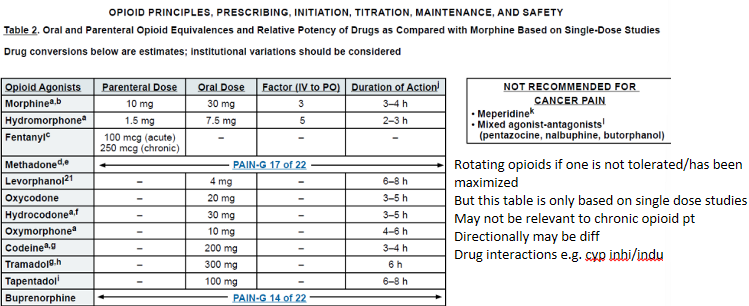
opioids - opioid equivalences
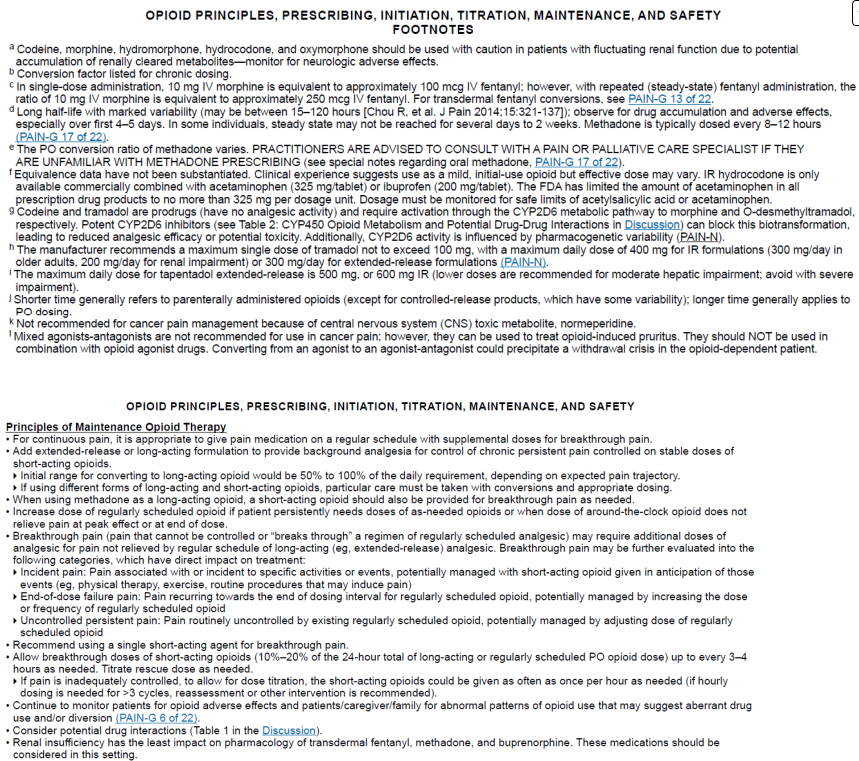
opioids - opioid prescribing footnotes (FYI)
opioids - pt case → opioid conversion
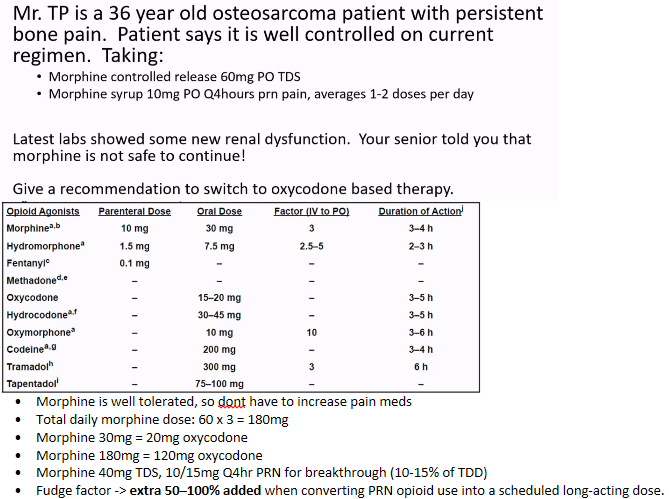
opioids - fentanyl patch
o Key consideration for conversion of other opioids to fentanyl
§ Patient’s opioid tolerance!
· If patient is not tolerant, OD is very possible
o Counselling is important for patients to monitor for adverse effects or Sx of OD + corrective actions
· For purpose of exams, if patient is not opioid tolerant, they shouldn’t be on fentanyl
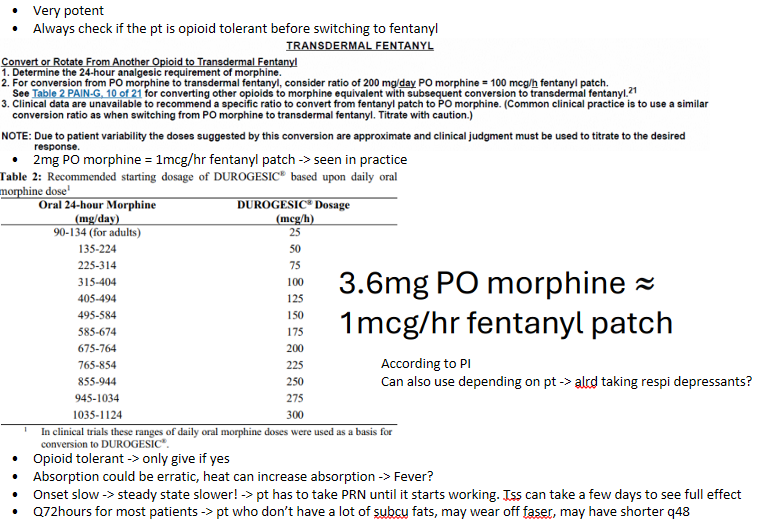
opioids - pt case → fentanyl patch conversion
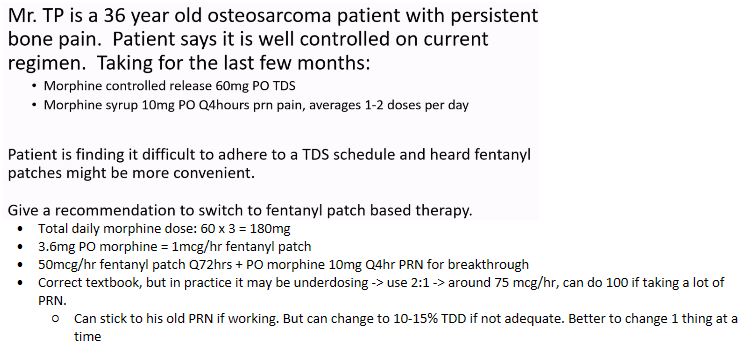
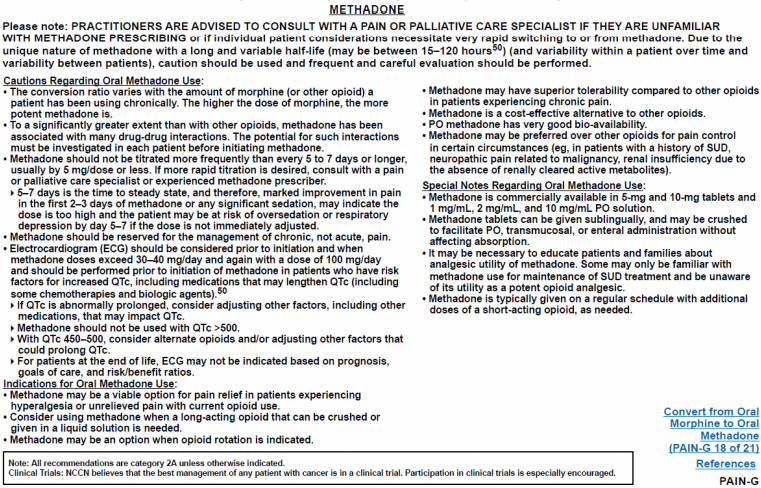
opioids - methadone
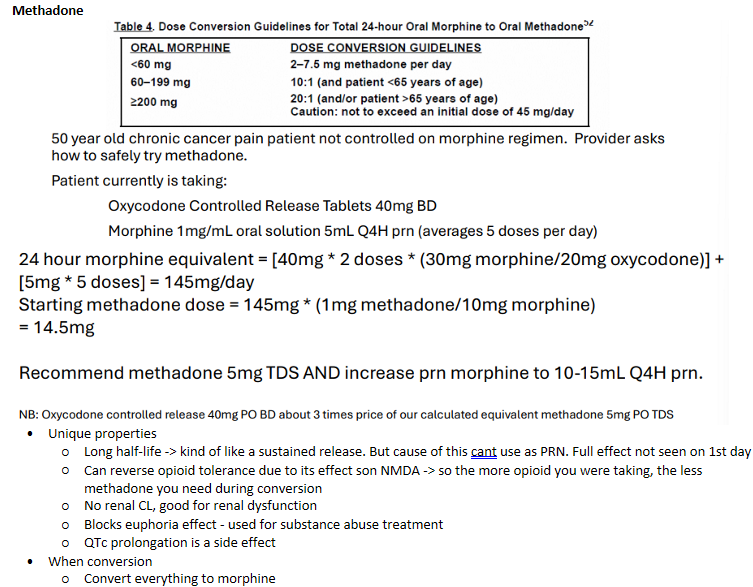
methadone - prescribing footnotes (FYI)
opioids - ketamine

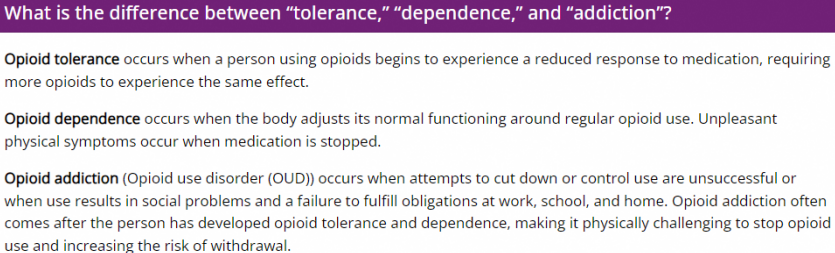
tolerance vs dependence vs addiction
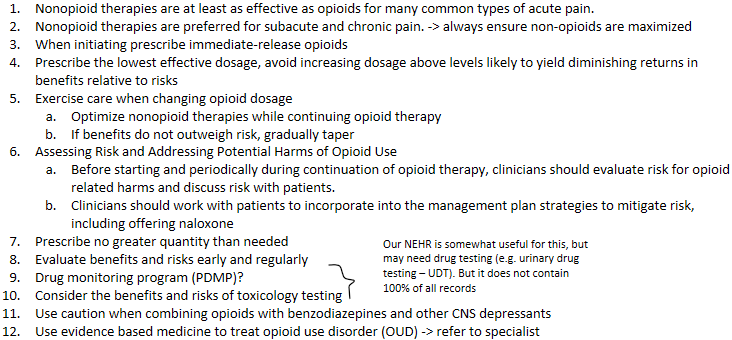
CDC Clinical Practice Guideline for Prescribing Opioids for Pain
opioids - adjuvants
Gaba acting anticonvulsants -> nerve pain
Gabapentin, Pregabalin
SNRIs
Tramadol: 2 for 1? -> but has dose ceiling
Lidocaine patches -> not really used. May be good for nerve pain
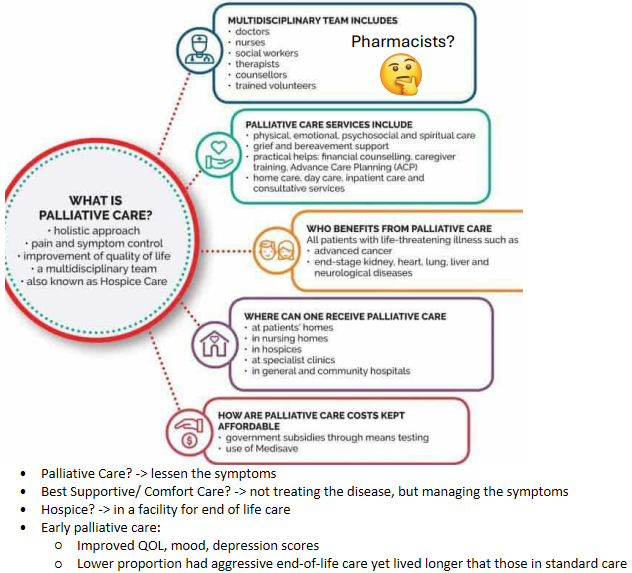
what is palliative care
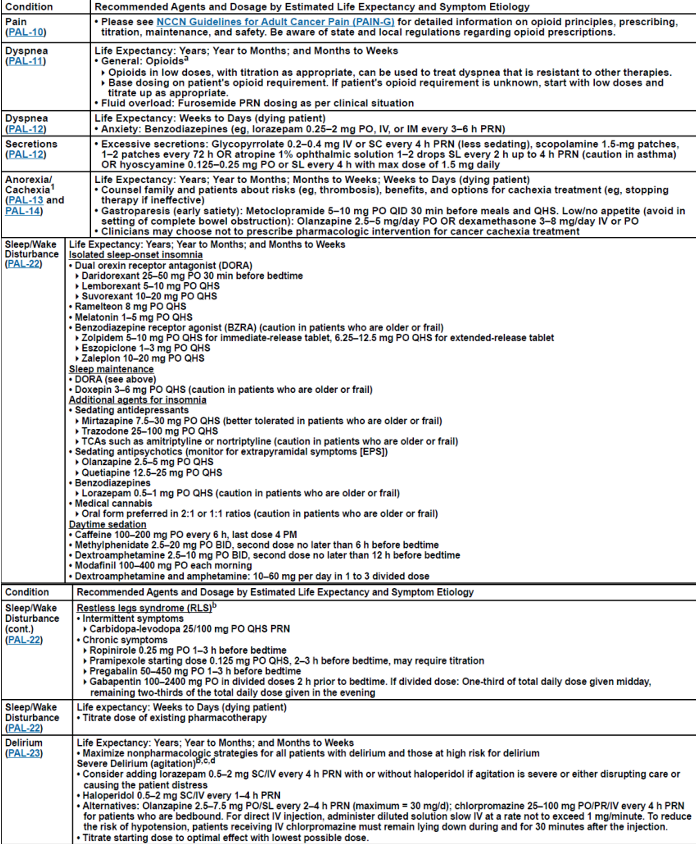
End of life syndromes - dyspnea
Common in lung cancer patients
Non-pharmacologic approaches should be considered
Oxygen therapy may be helpful in some cases, remember to consider if had previous bleomycin chemotherapy
Morphine prn is routinely seen prescribed at NUH, titrated to respiratory rate -> to control how fast they breath
End of life syndromes - secretions
Glycopyrrolate sometimes prescribed (but exempt in Singapore)
Anticholinergics used but carefully weigh toxicities and patient preferences
Use anti-secretory agents

End of Life Syndromes - Agitation/Delirium
Pharmacists should always look for medication related causes or contributors to delirium and look for alternatives or consider deprescribing
Antipsychotics seen as an option of last resort due to questionable efficacy and undesirable AEs, although anecdotally atypical antipsychotics are increasingly being used to perhaps safer effect
Usually haloperidol, benzos to calm them down
End of Life Syndromes - Bowel Obstructions
consider gastric tube
End of Life Syndromes - Other Common Ailments
Anorexia/cachexia
Persistent nausea
Chronic diarrhea/constipation
Insomnia/over-sedation
Wound care/pressure ulcers
palliative care - drugs used