Global Themes in Art (University of Iowa) Final
 Call Kai
 Learn
Learn Practice Test
 Spaced Repetition
 Match
Match Flashcards
 Knowt Play
1/42

There's no tags or description
Looks like no tags are added yet.
Name | Mastery | Learn | Test | Matching | Spaced | Call with Kai |
|---|
No analytics yet
Send a link to your students to track their progress
43 Terms
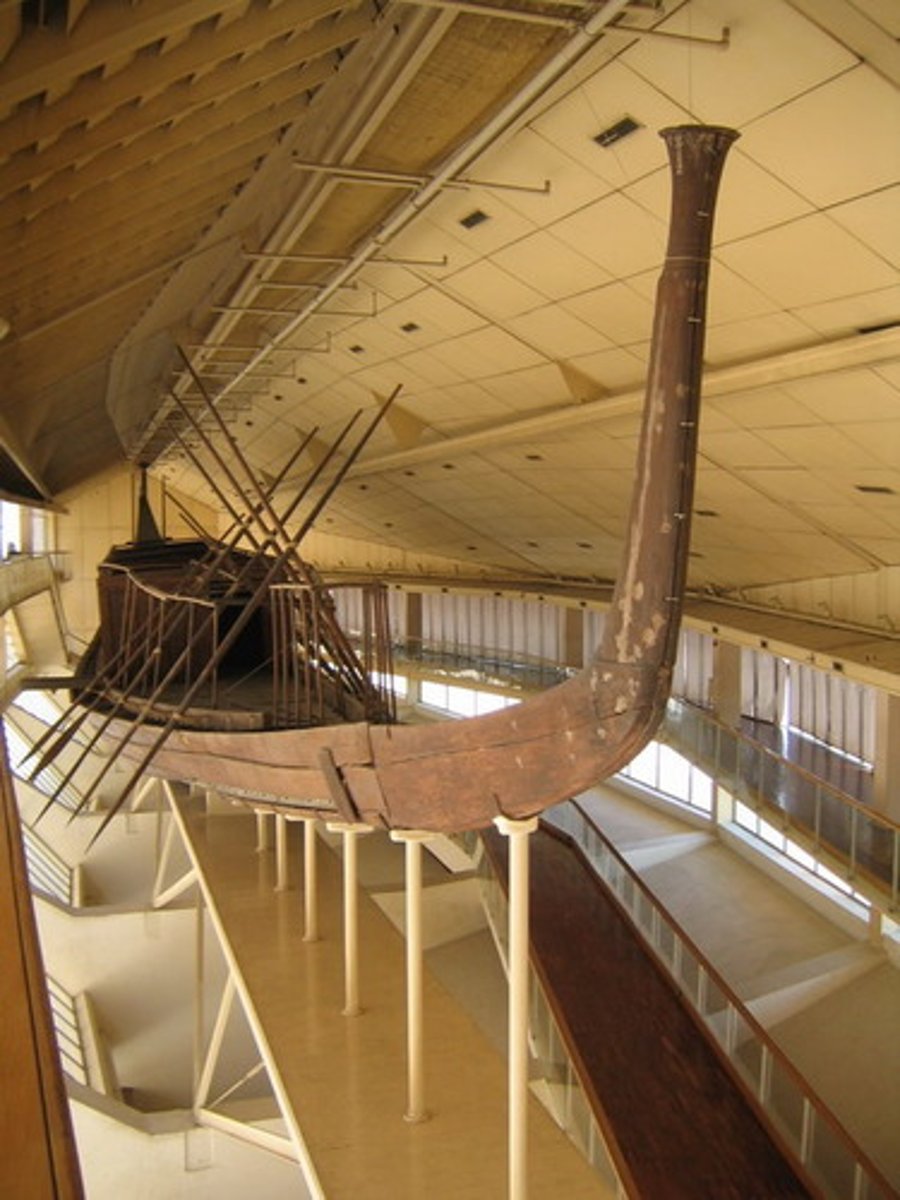
Boat of Khufu (2551-2528 BCE) Egyptian
Disassembled before it was put in the ground, but had marks so Khufu could put it back together in the afterlife.
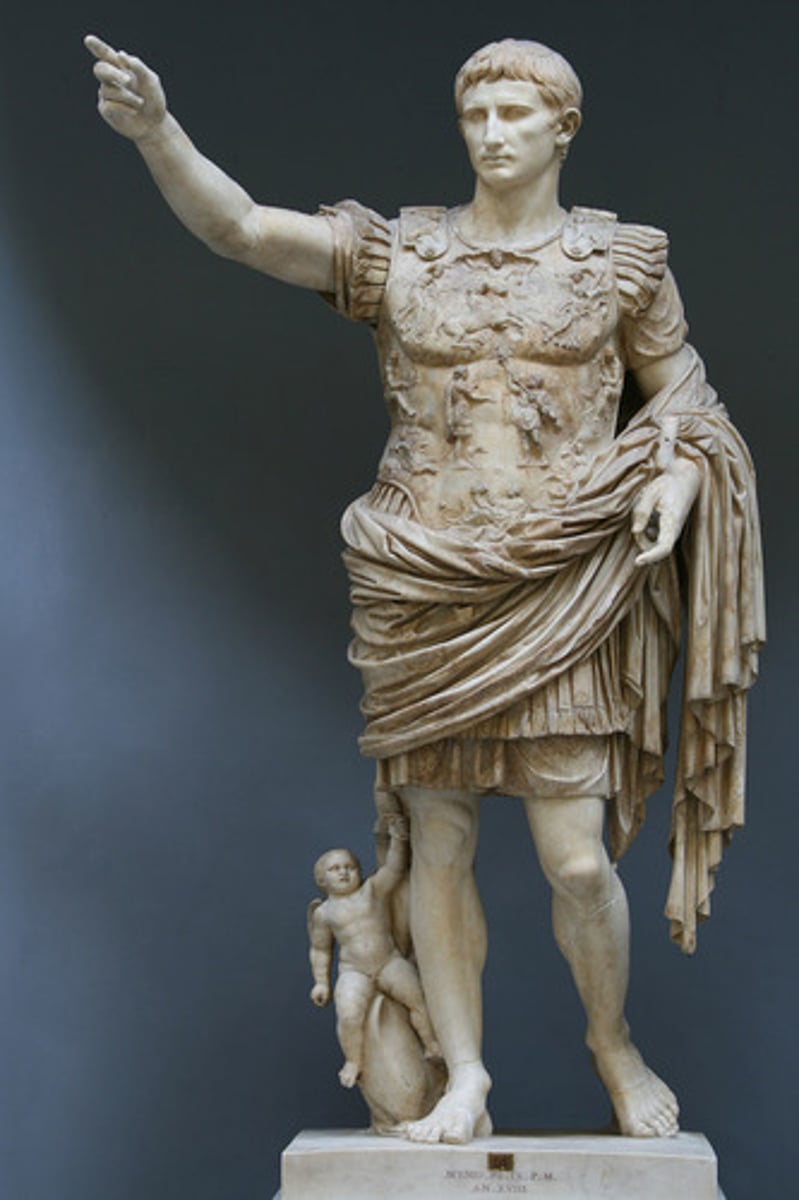
Augustus Statue (20 CE) Roman
This statue has certain traits that make A embody the perfect ruler: Youthful body, military uniform, his gesture symbolizes power, bare feet (only divine figures were depicted with bare feet), his breastplate depicts that victory= peace and prosperity for eternity.
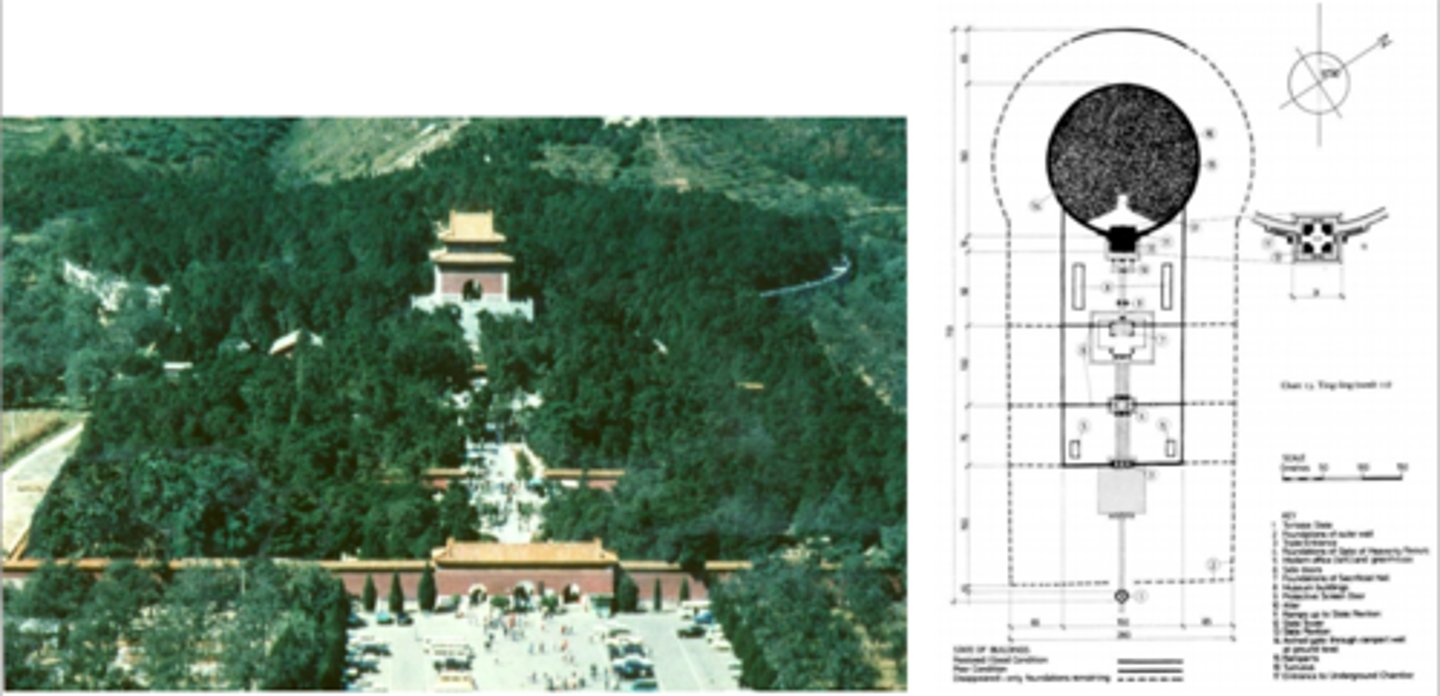
Tomb of the first emperor
Shi Huangdi; Chinese; 221-210 BCE
Tomb was built underground/ everything is under the pyramid. The burial place is a microcosim of the entire world.
Shi huangdi built roads, unified law code/coinage/script and standardized weights/ measurements.
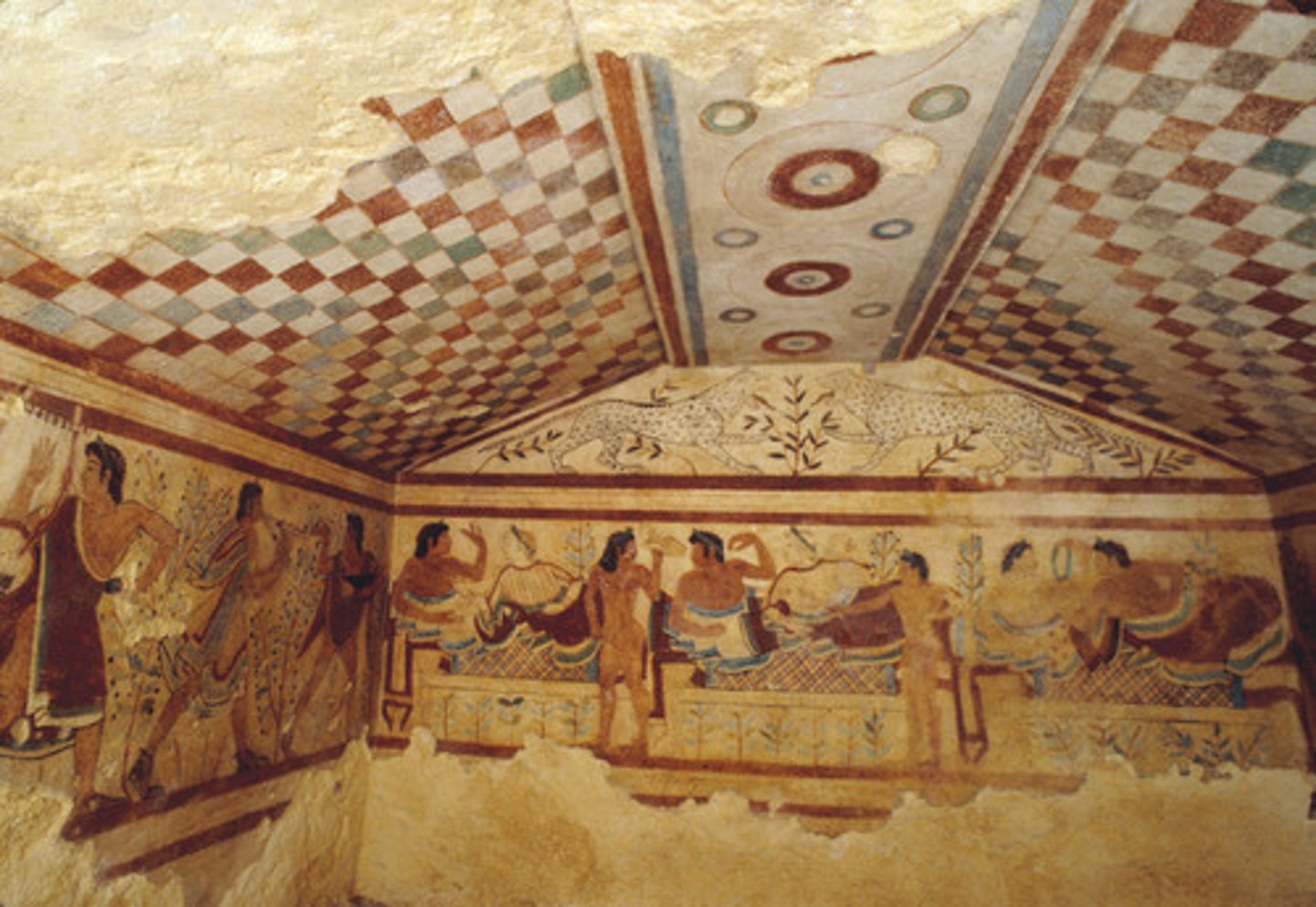
Tomb of the Leopards
Tarquinia; Etruscan; 480-470 BCE
Estruscan elites adopt greek symposium to their culture and include females; more of a banquet that includes drinking.
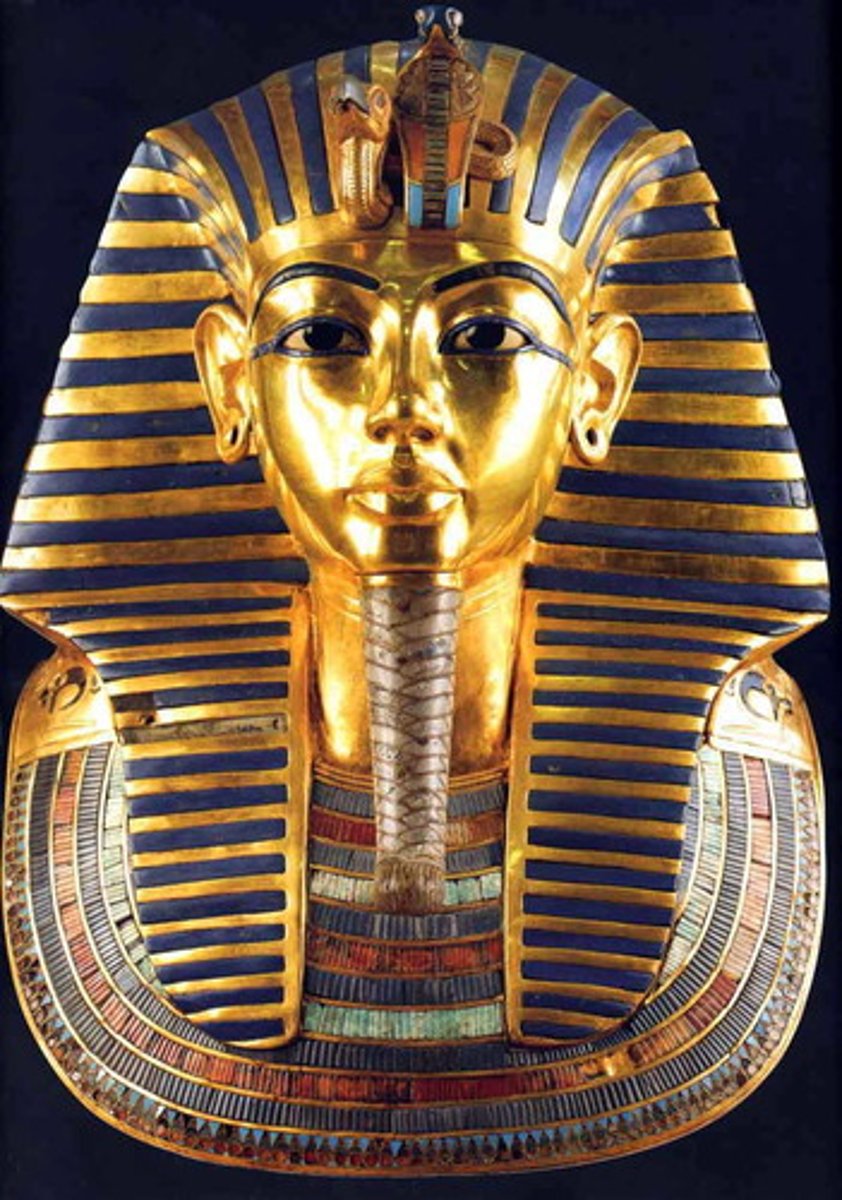
Tomb of King Tut
Valley of the Kings; Thebes; 1323 BCE;
Chest:
Coffin of Tut:
Statues of Tut:
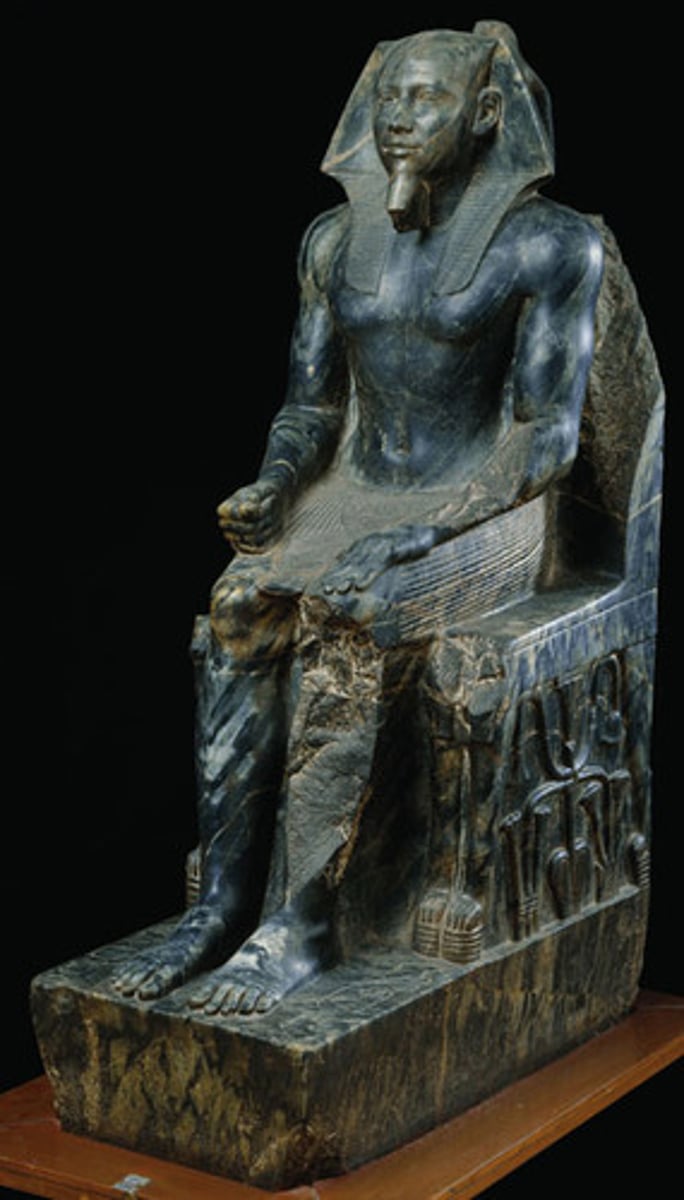
Khafra Statue
Egyptian; 2520- 2494 BCE
Emphasis on frontality
Horus is on the back of his head
False beard
showing off his bod
nemes headdress
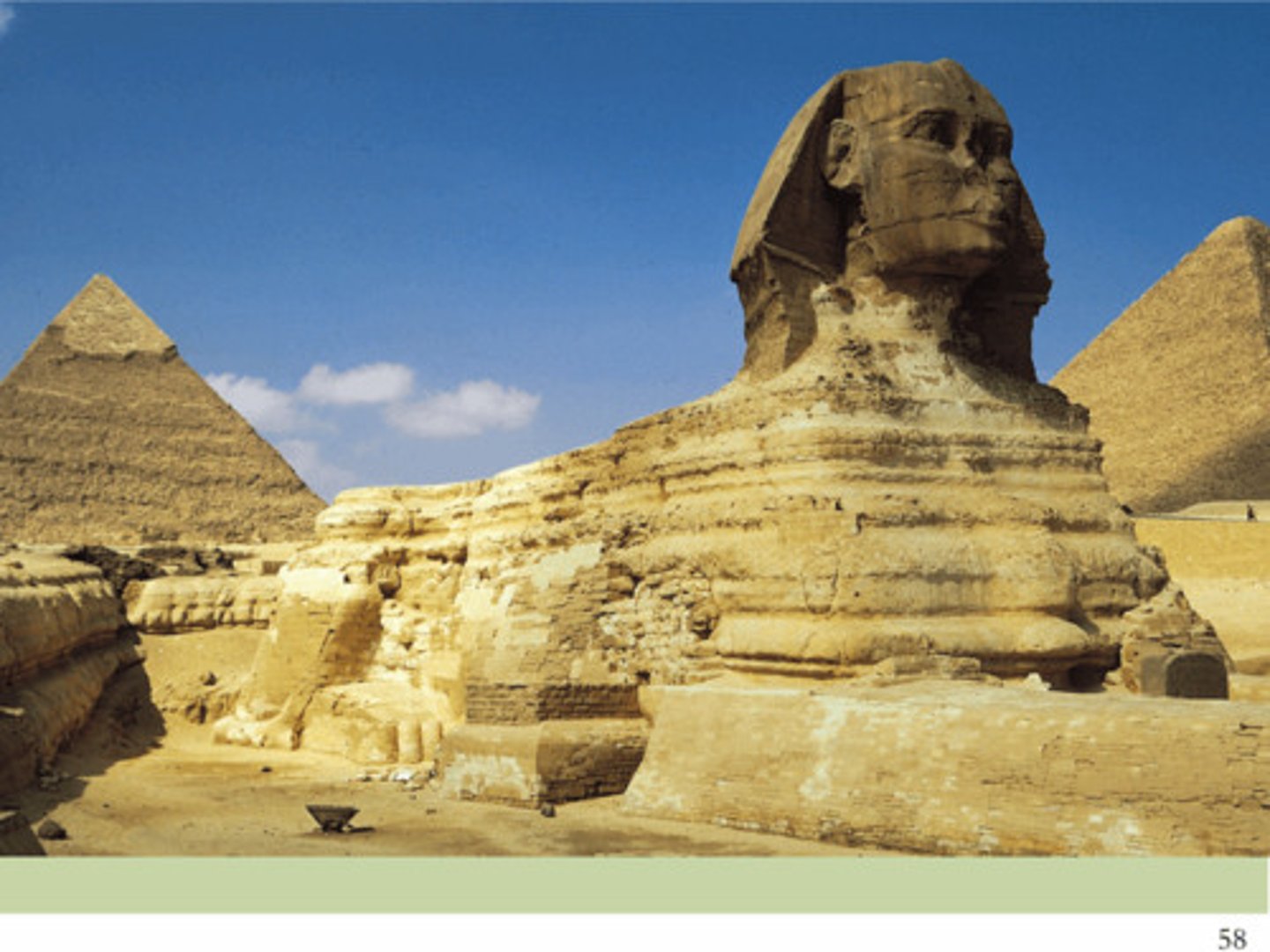
Sphinx
Egyptian; 2520 BCE
faces due east towards rising sun
eternal offerings to Ra
Symbols= size, lion's body (their art often depicts them hunting lions, so his head on top of a lion's body is a THING), it was the first colossal statue.
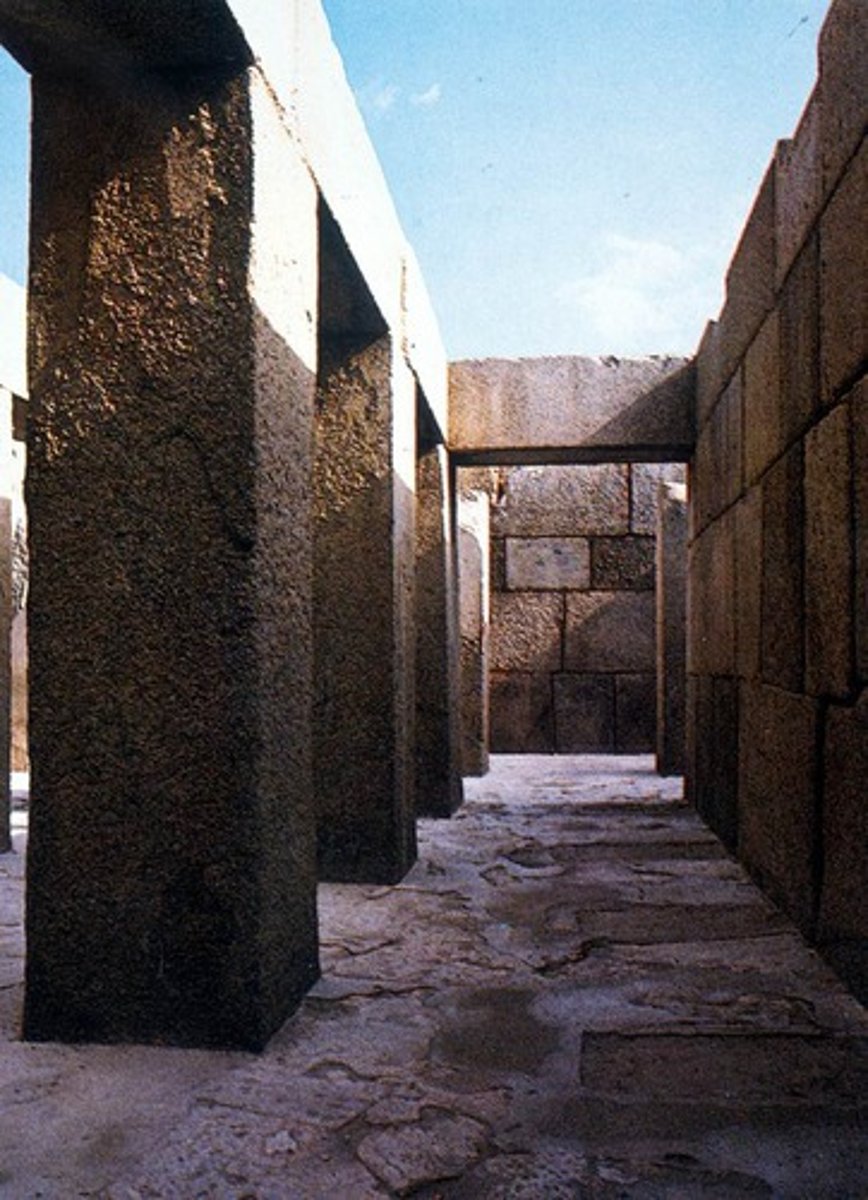
Valley Temple of Khafra
2520-2494 BCE; Egyptian
Post and lintel construction.
The function was to ensure an afterlife that would provide sustenance to the king forever.
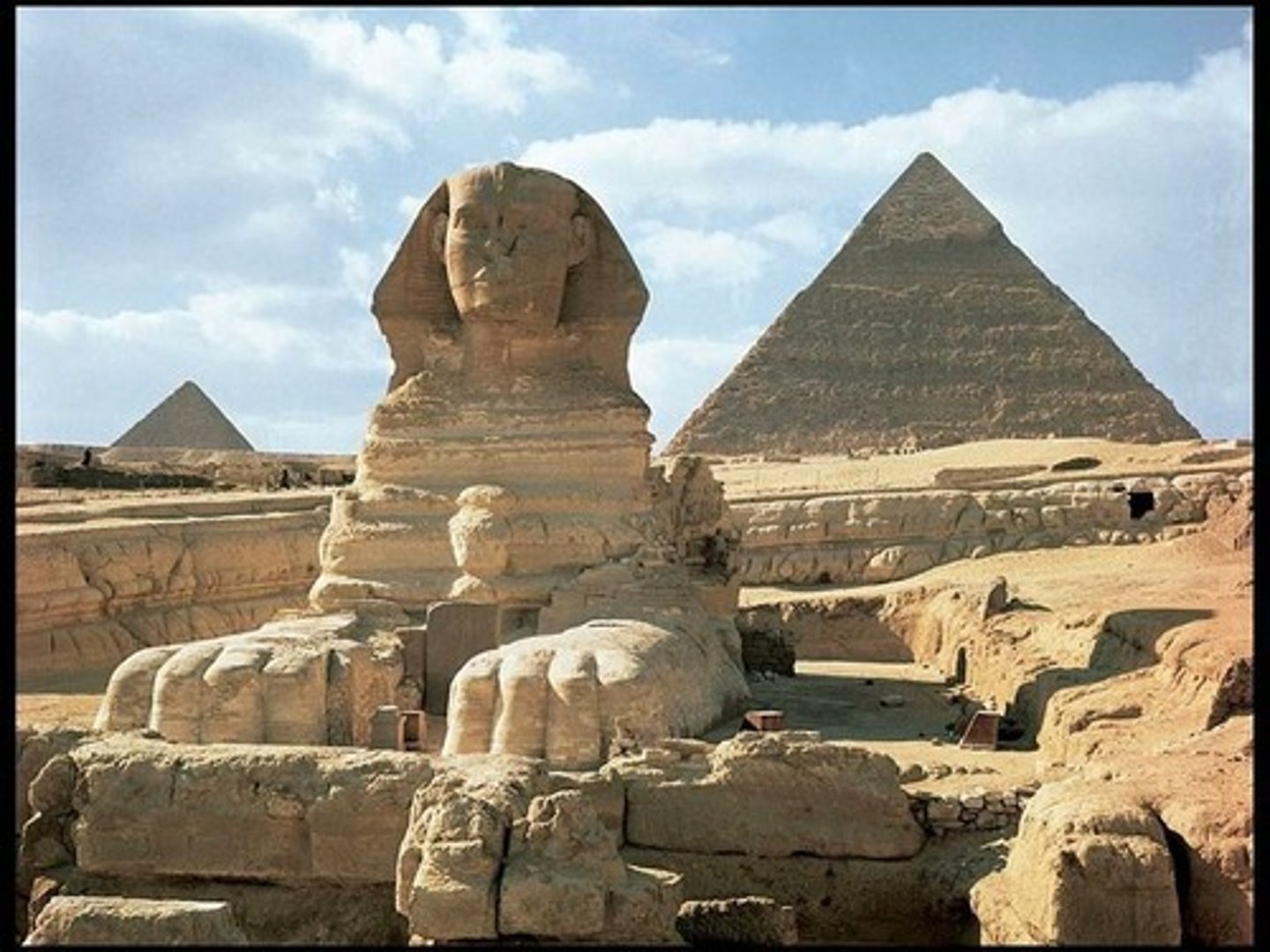
Pyramid of Khafra
2520-2494
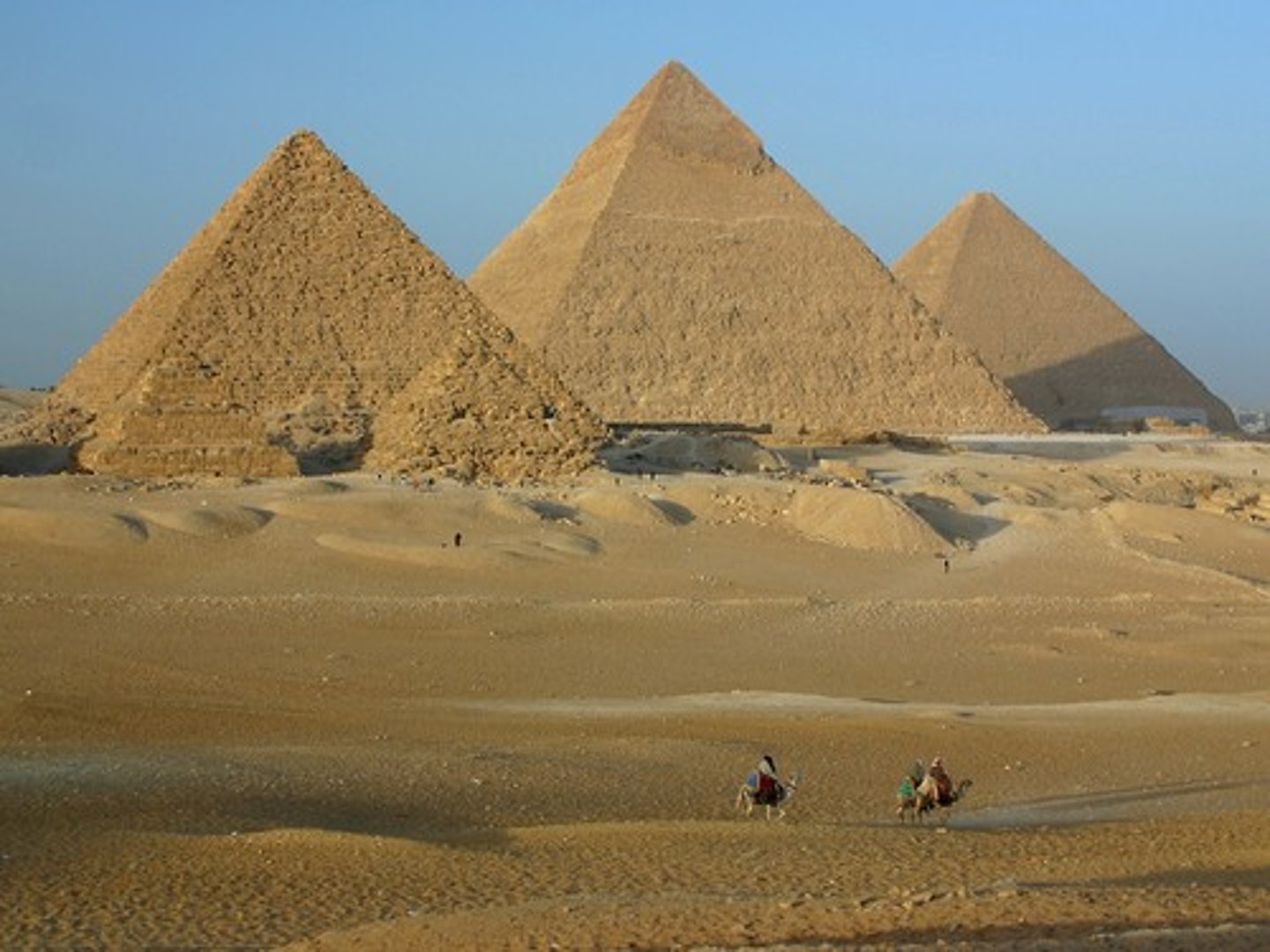
Great Pyramids of Giza
2551-2475; egyptian; duh
1)boundary wall
2) pyramid for king
3) burials for queens and elites
4) mortuary temple
5)causeway
valley temple??
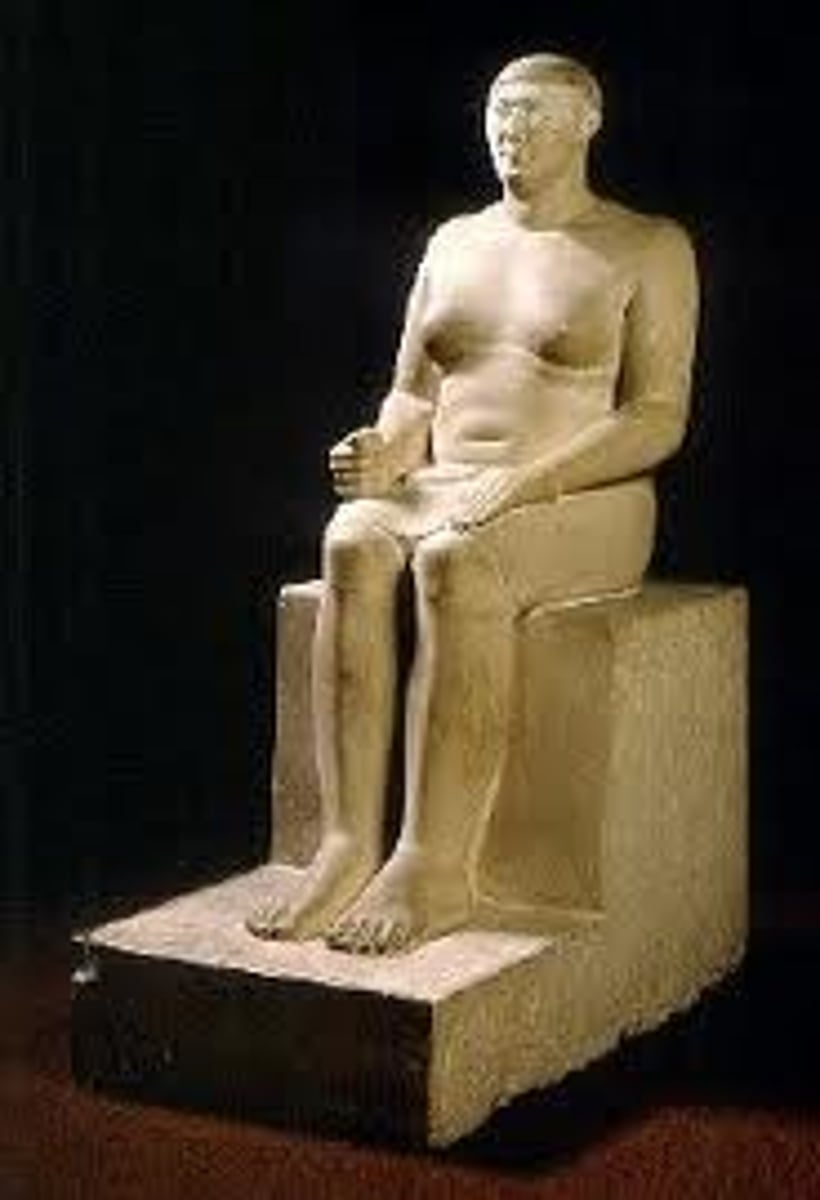
Statue of Hemiunu
2551-2528; How their male body ideals are different; mature, older male;
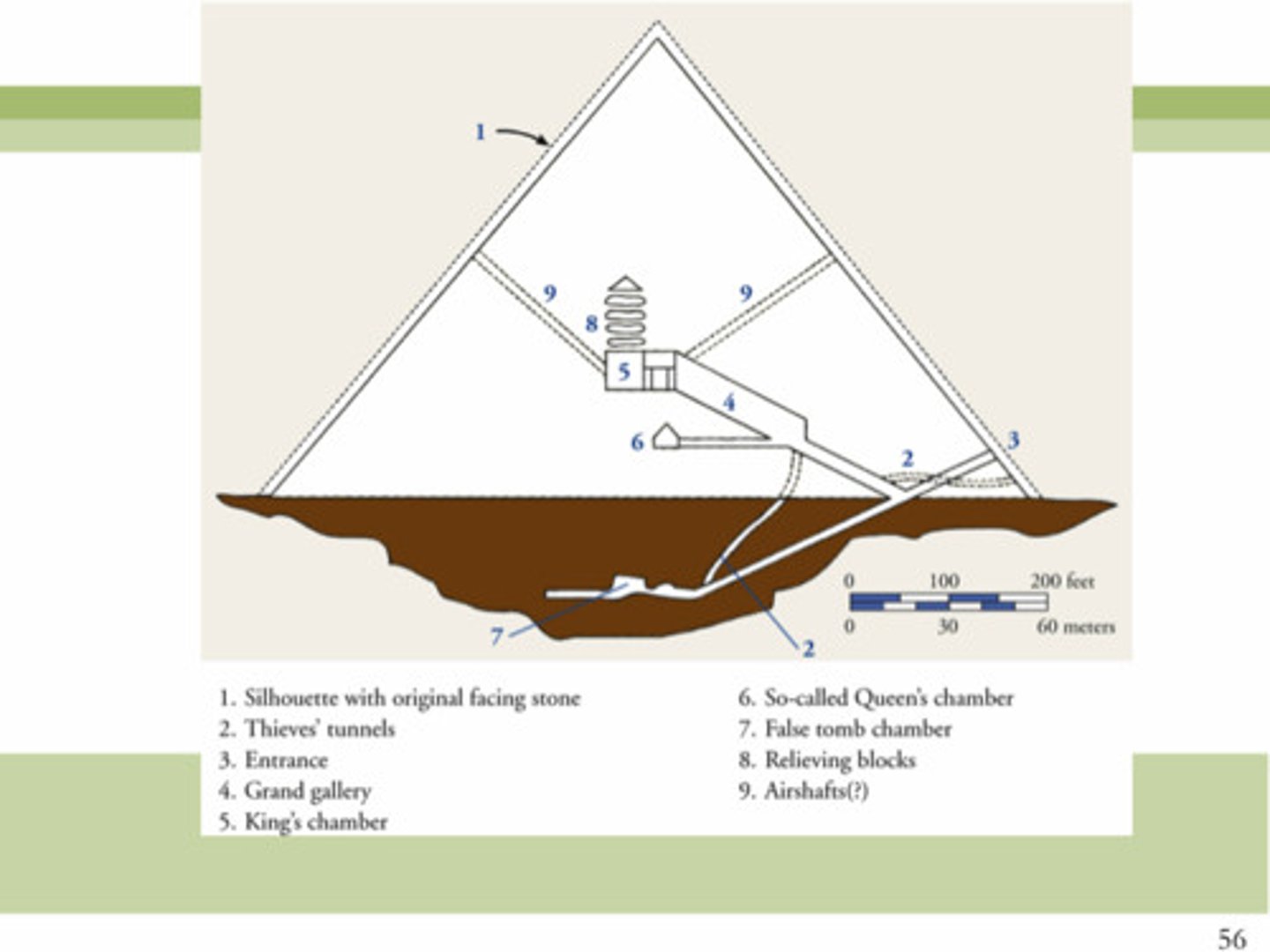
Pyramid of Khufu
Architect= Hemiunu; 2551-2528
Grand Galley: corbeling= top is as narrow as possible in the tunnel which ensures the roof won't collapse
peaked roof means nothing will collapse
serdab= sealed chamber which might symbolize the underworld?
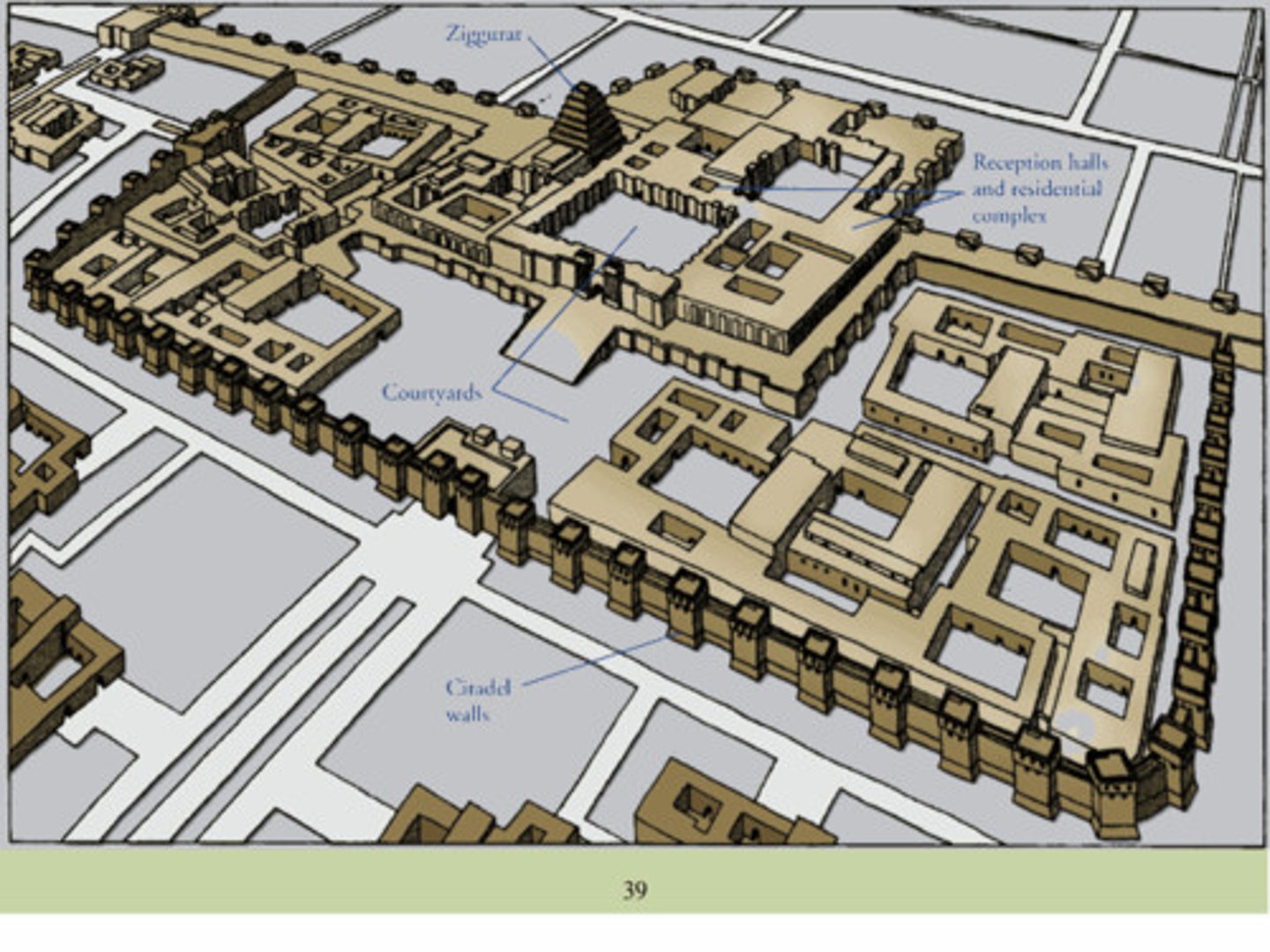
Royal Citadel of Sargon II
Dur Sharrukin; Assyrian; 721-705 BCE
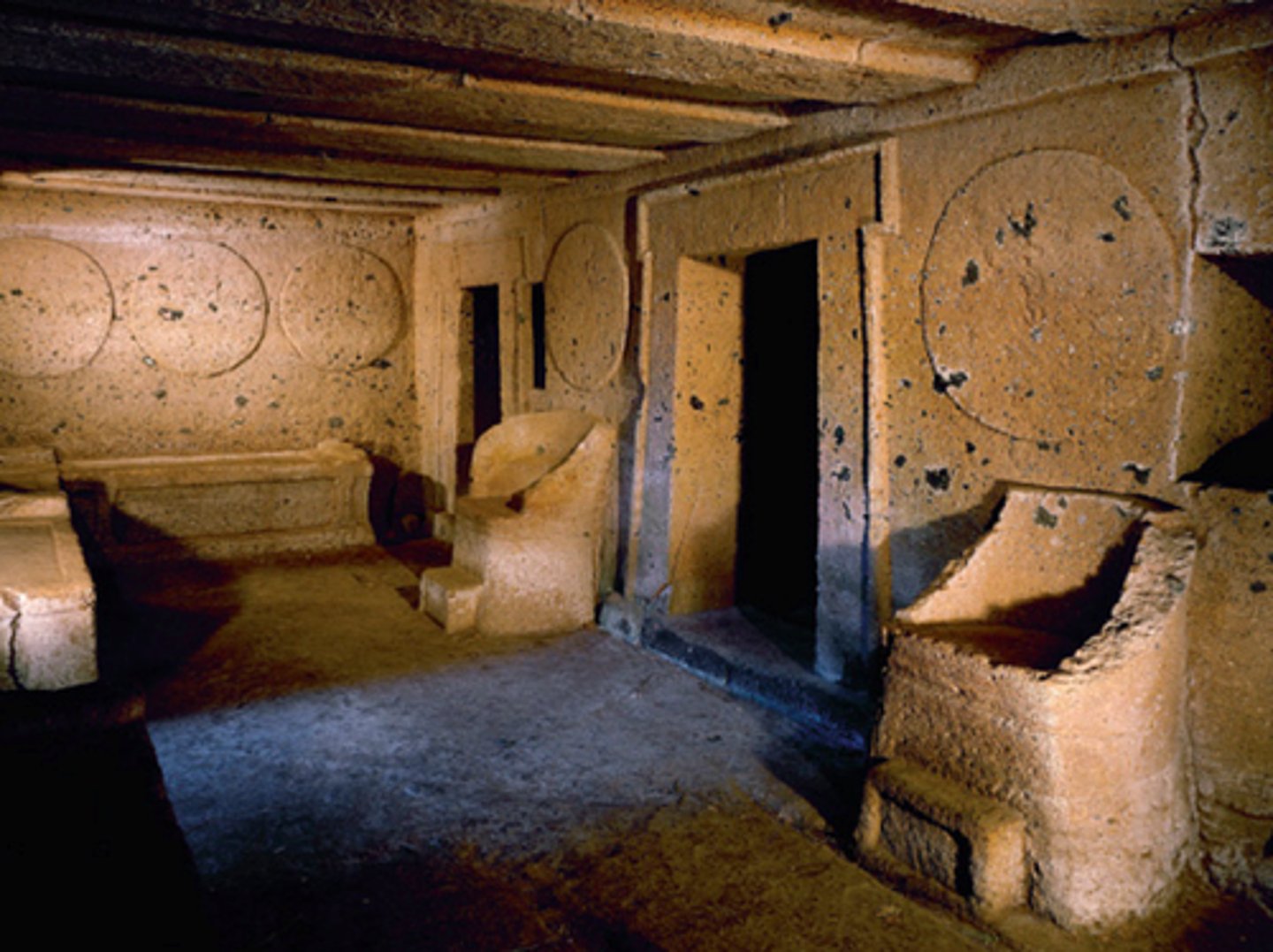
Tomb of shields and chairs
Etruscan; 600BCE
Interior mimics the house of the living
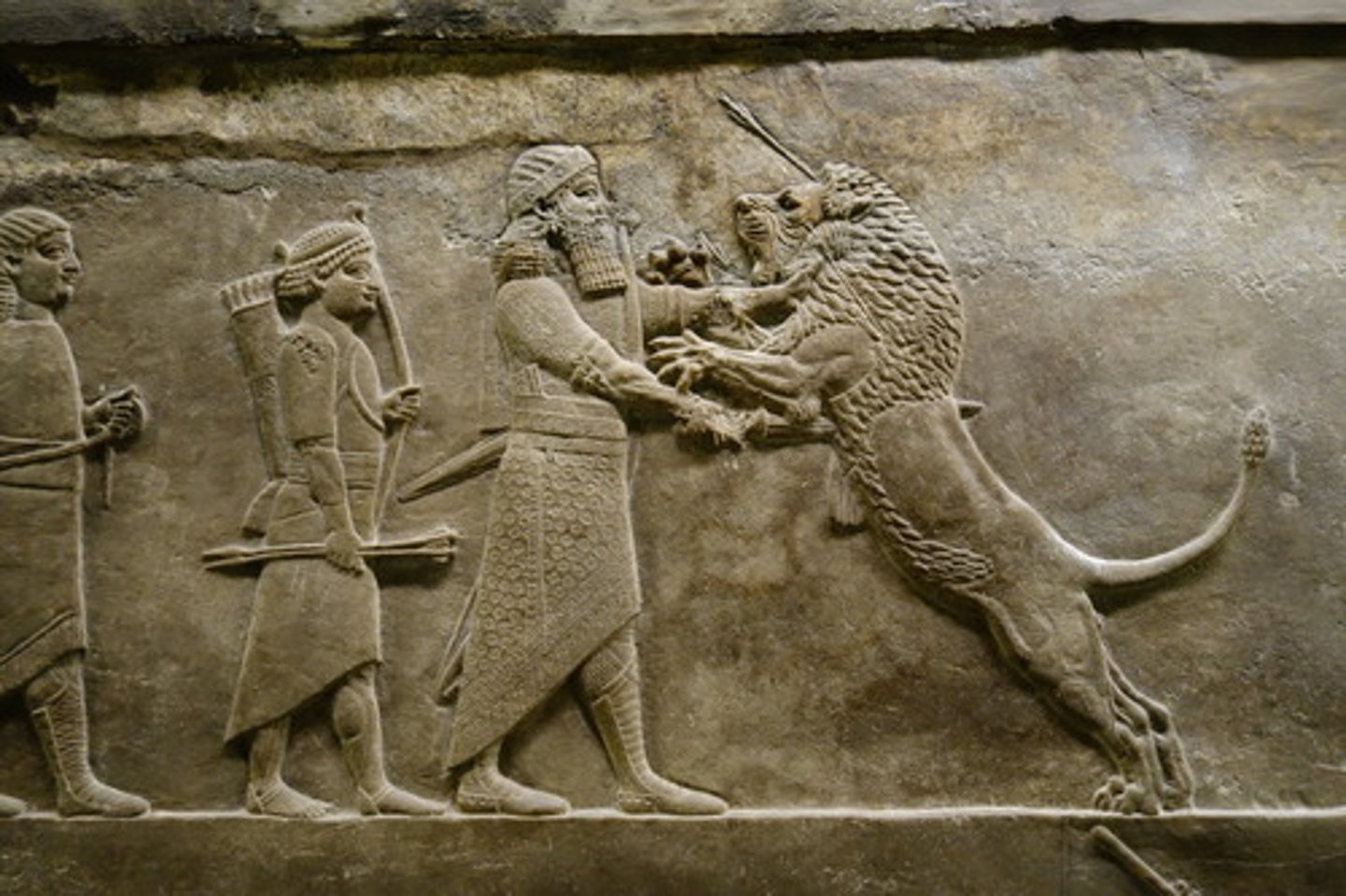
Ashurbanipal (Killing a Lion/ Dying Lioness)
Nineveh; Assyrian; 647 BCE
composite profile view
Hieratic scale (ashurbanipal would not actually be as big as the lion, but he is empahsized in this picture)
rosette bracelet
"palace reliefs celebrate king's power and relationship with the gods"
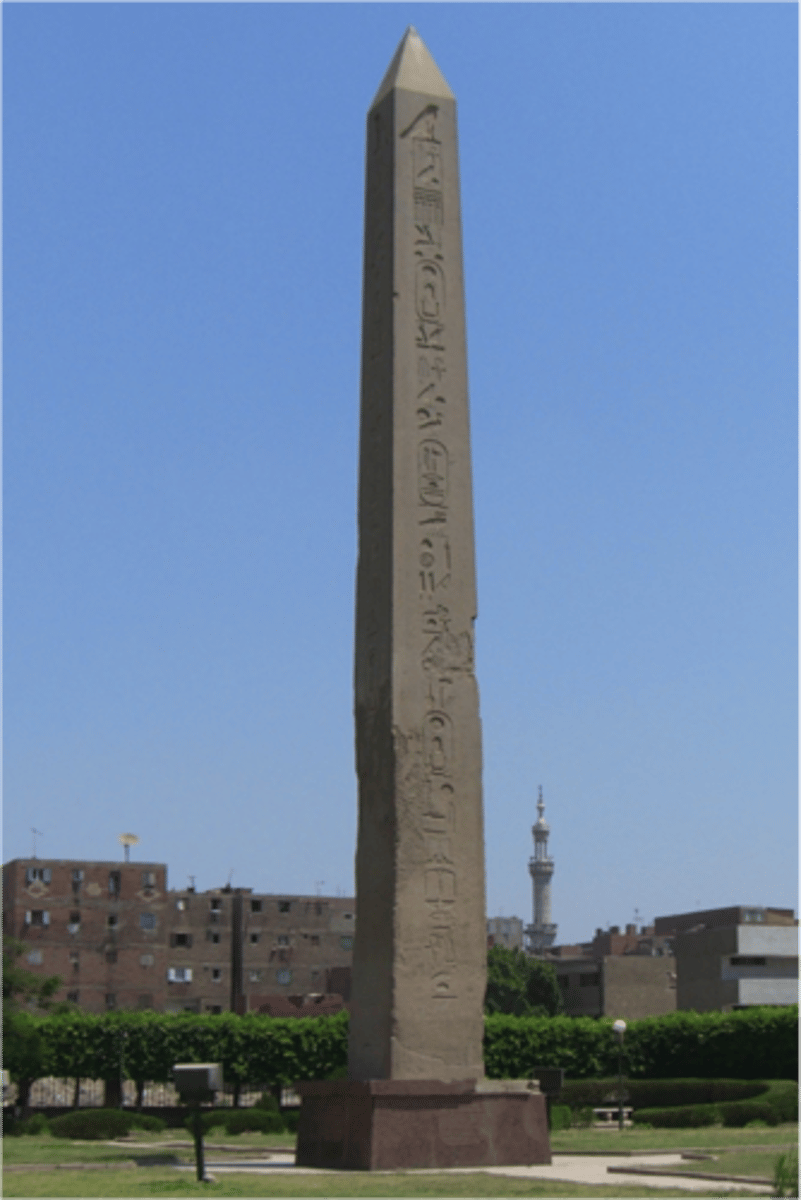
Obelisk from Heliopolis
Egypt; 595-589 CE
Augustus brought back with him and used it as gnomen for a sun dial
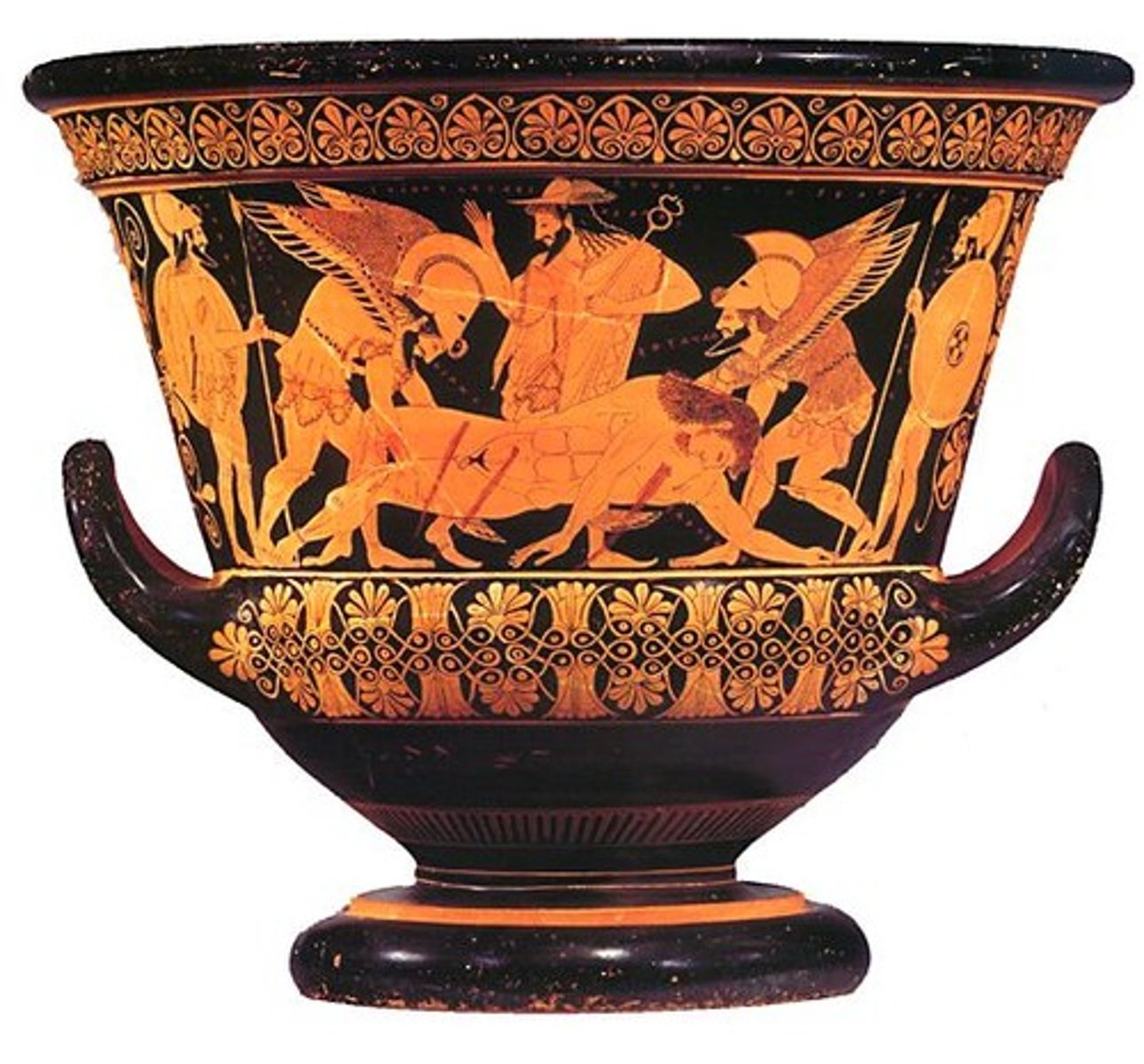
Death of Sarpedon Krater
Artist= euphronios; Greek; 510 BCE
used at symposiums and then in etruscan culture at feasts.
Mussolini in front of the colosseum
Italian Fascism; 1936
Symbols of secular power
1) Physically fit
2) In military costume
3) Stance
4) References to Roman Culture
5) Colosseum in the background????
He was basically copycating the roman empire and wanted to be Augustus so BAD. Like he also brought back and Obelisk from a country he annexed? (Ethiopia)
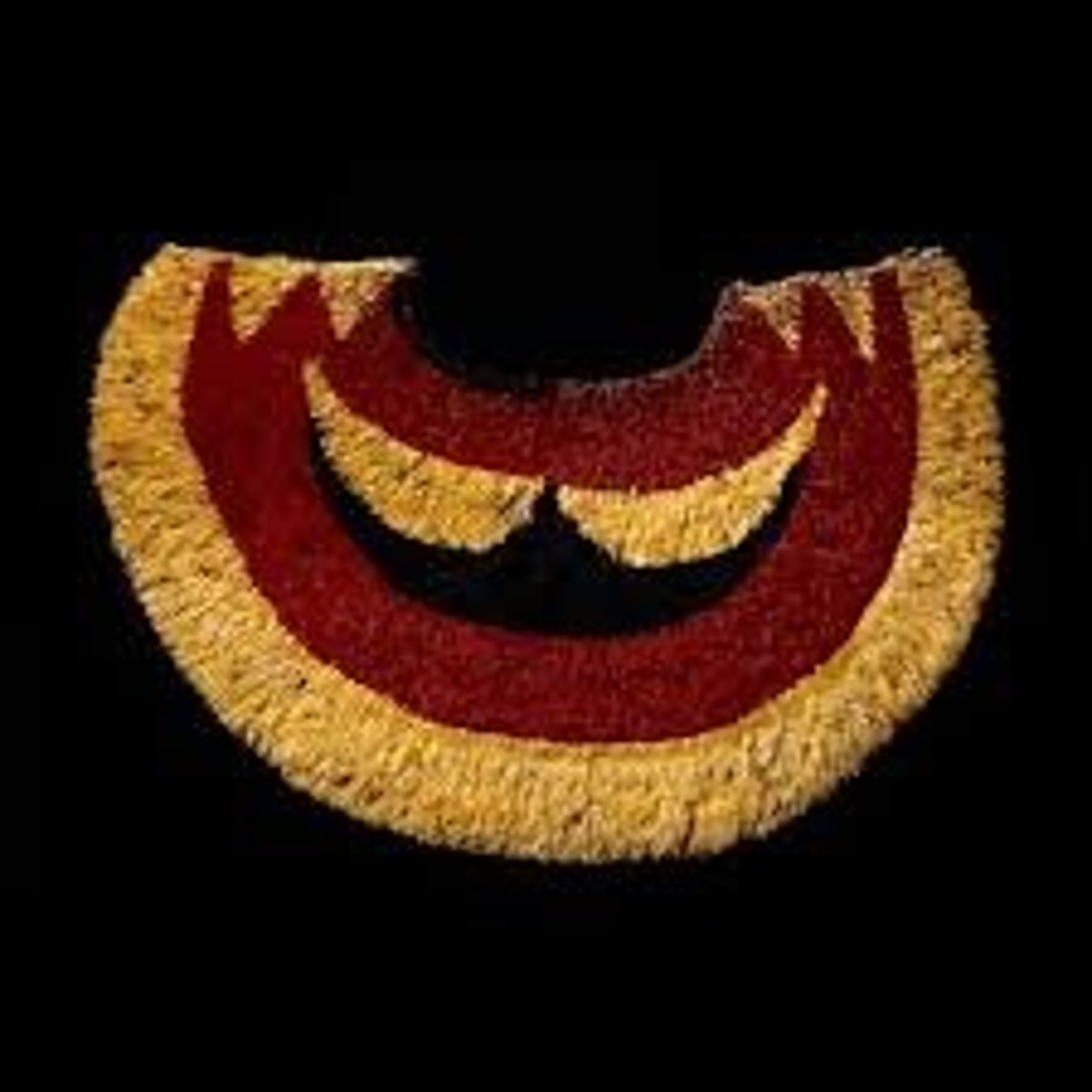
Kahili
Polynesia; 18-19th Century
Marked status, carried in processions to show royalty. Made out of thousands of feathers. Feathers= sacred.
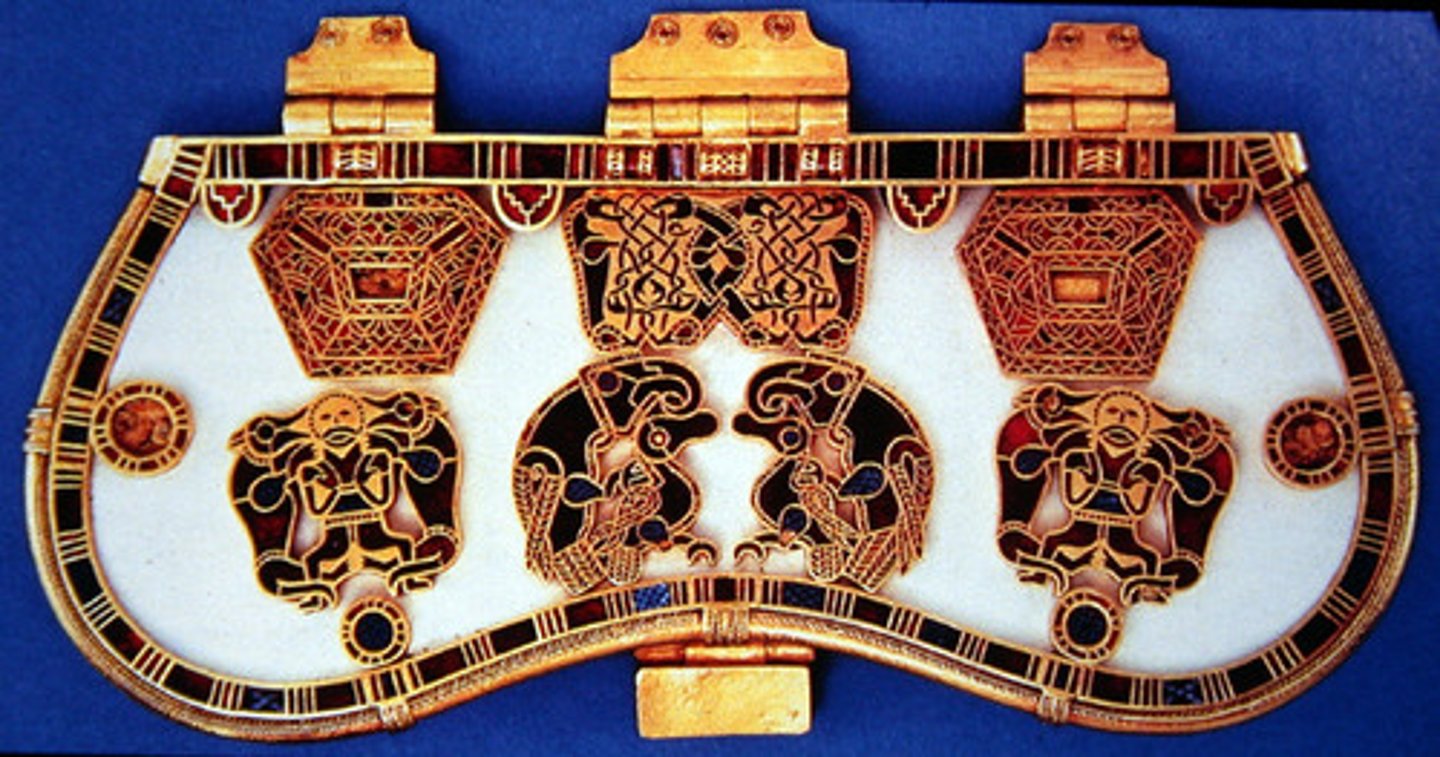
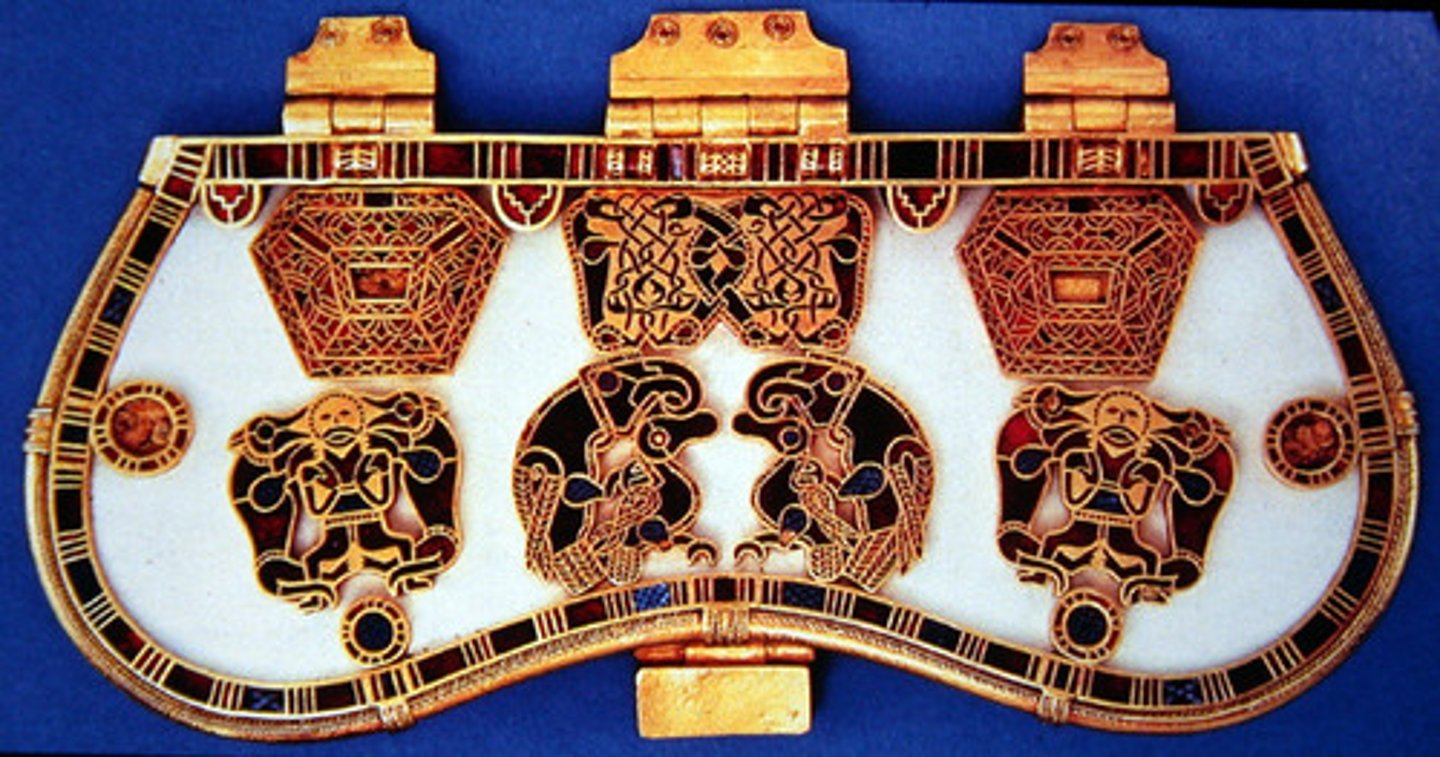
Purse from sutton hoo ship burial
Hiberno-saxon; 625 CE
Heraldic composition= center figure is flanked by two animals
Bilateral symmetry, animal interlace, made out of bone, context= found silver/gold ingots used to make coins underneath this purse thing
Cloisonne= soddering metal strips filled with glass or stones.
Cloak and Helmet
Polynesia; 18th century CE
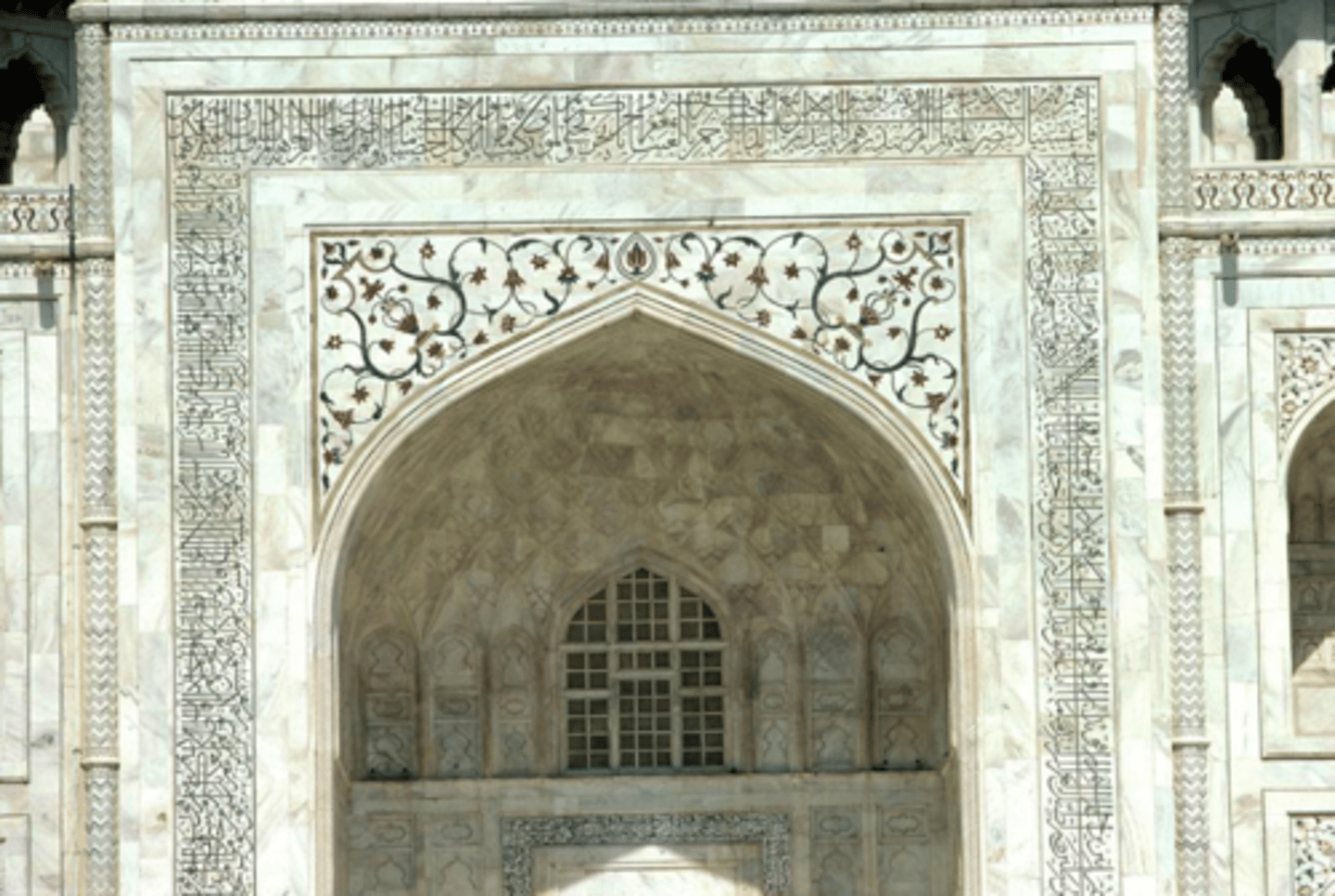
Detail of Taj Mahal
islamic; calligrapher = amanat khan; 1632- 1654 CE
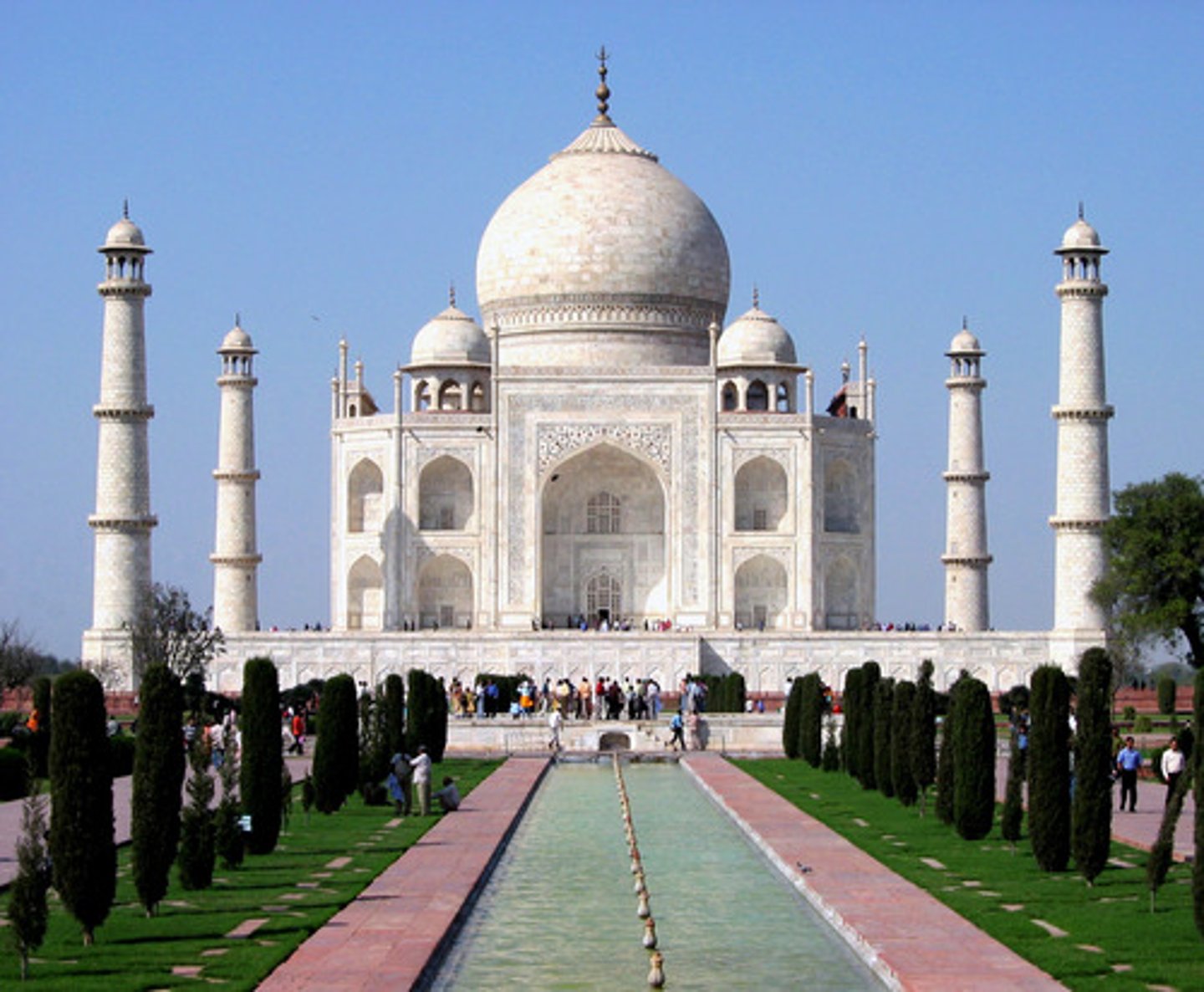
Taj Mahal
islamic; 1632-1654
Functional as a tomb
Architectural representation for paradise in Islamic culture (4 Rivers= honey, milk,water, wine) (cyprus trees= death, fruit trees= life)
Iwan= vaulted opening w an arched doorway
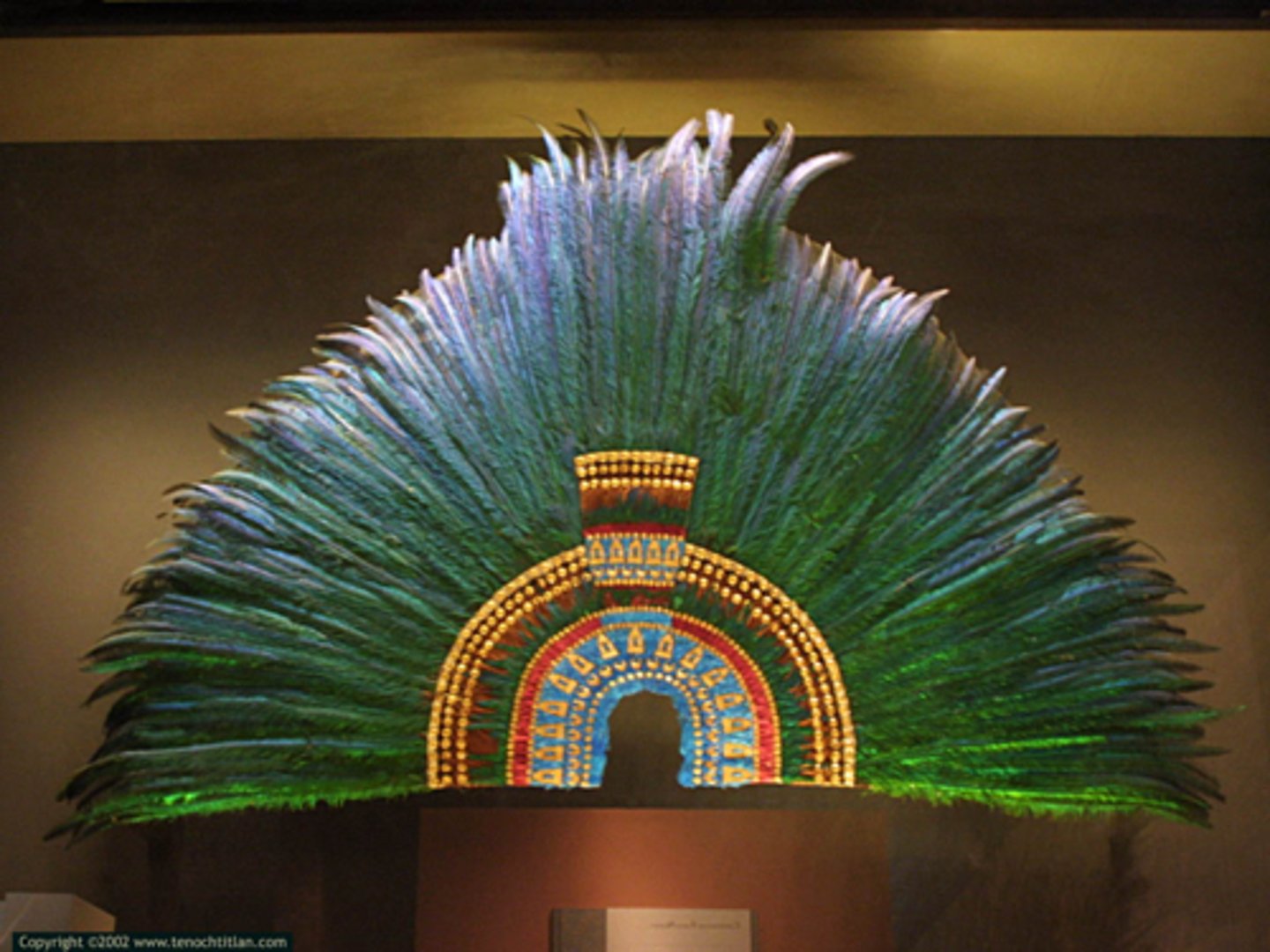
Headdress of Montezuma II
Aztec; 1521 CE
quetzal feathers
function= symbolize divine power of king
materials are kingly; jade discs, gold beads
rituals done while making
sacred parts = top of head and backbone
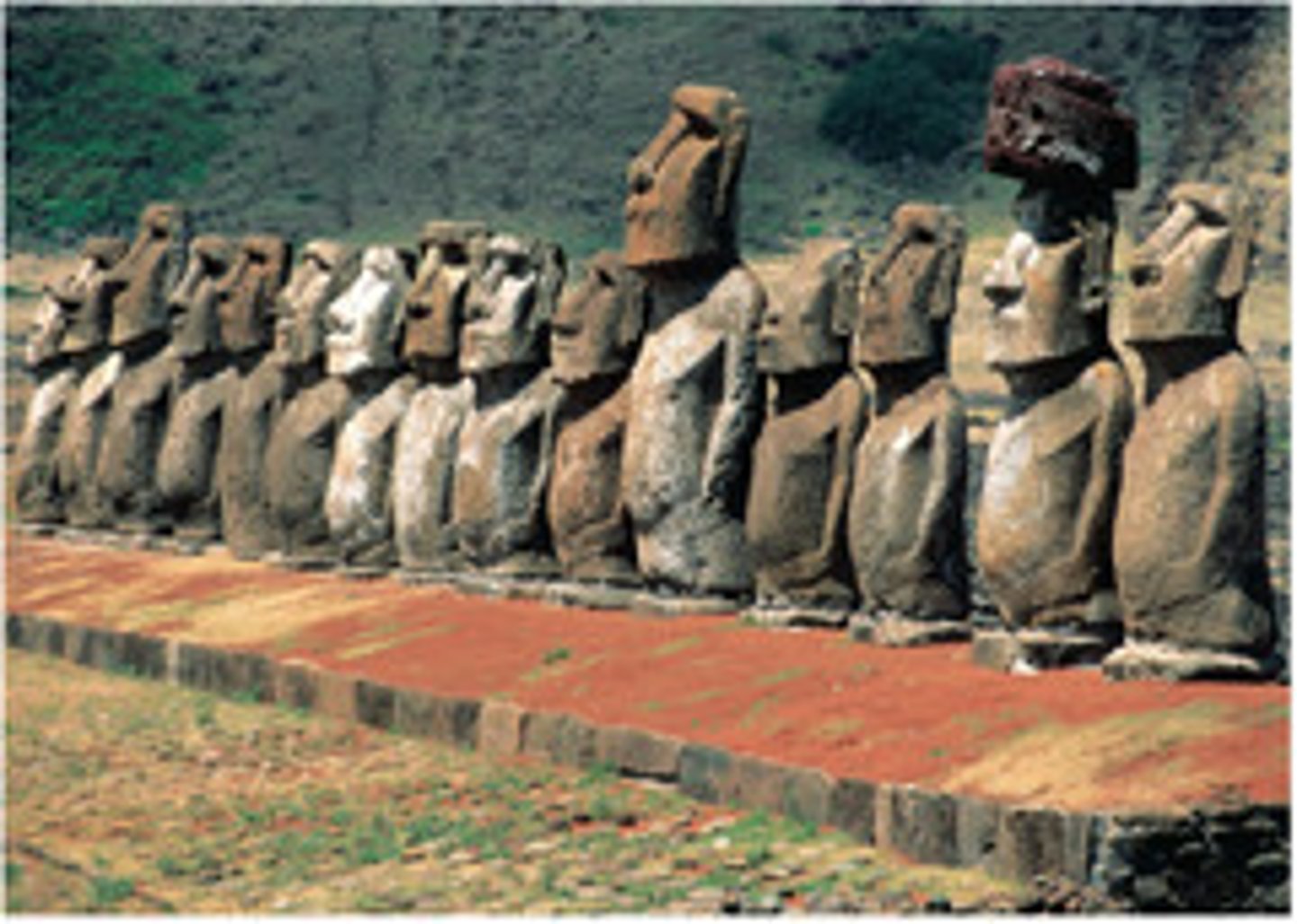
Ahu Moai
Rapa Nui/ Polynesia; 15th Century CE
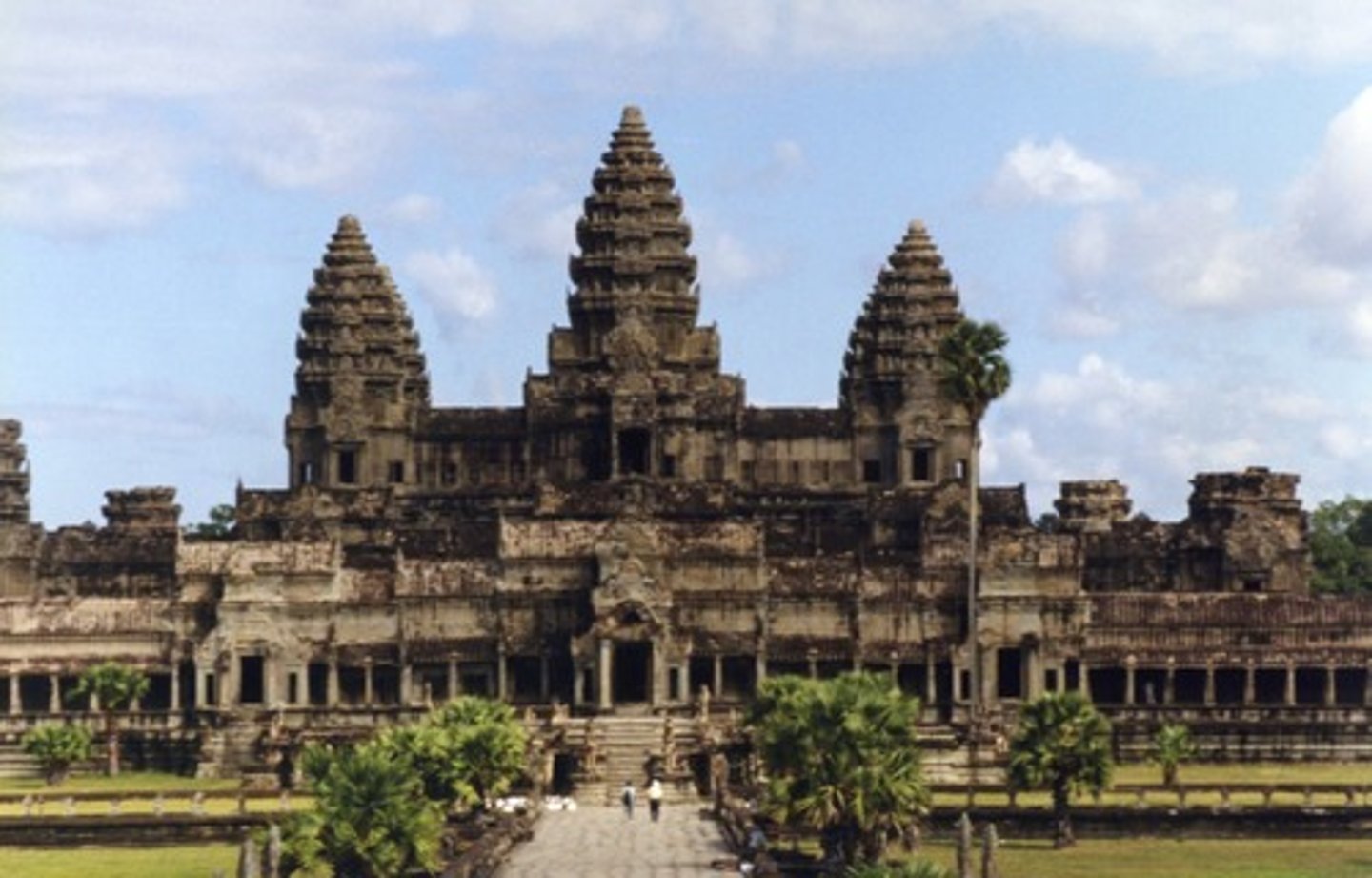
Angkor Wat
Khmer Empire; 1130 CE
Bilateral symmetry
symbolizes mount Meru which is where the hindu deities reside
concentric walled enclosures
central pyramid (secret shaft below ground where the king was buried)
Kneeling attendants
921-945 CE; Khmer Empire
Taken and then returned to cambodia
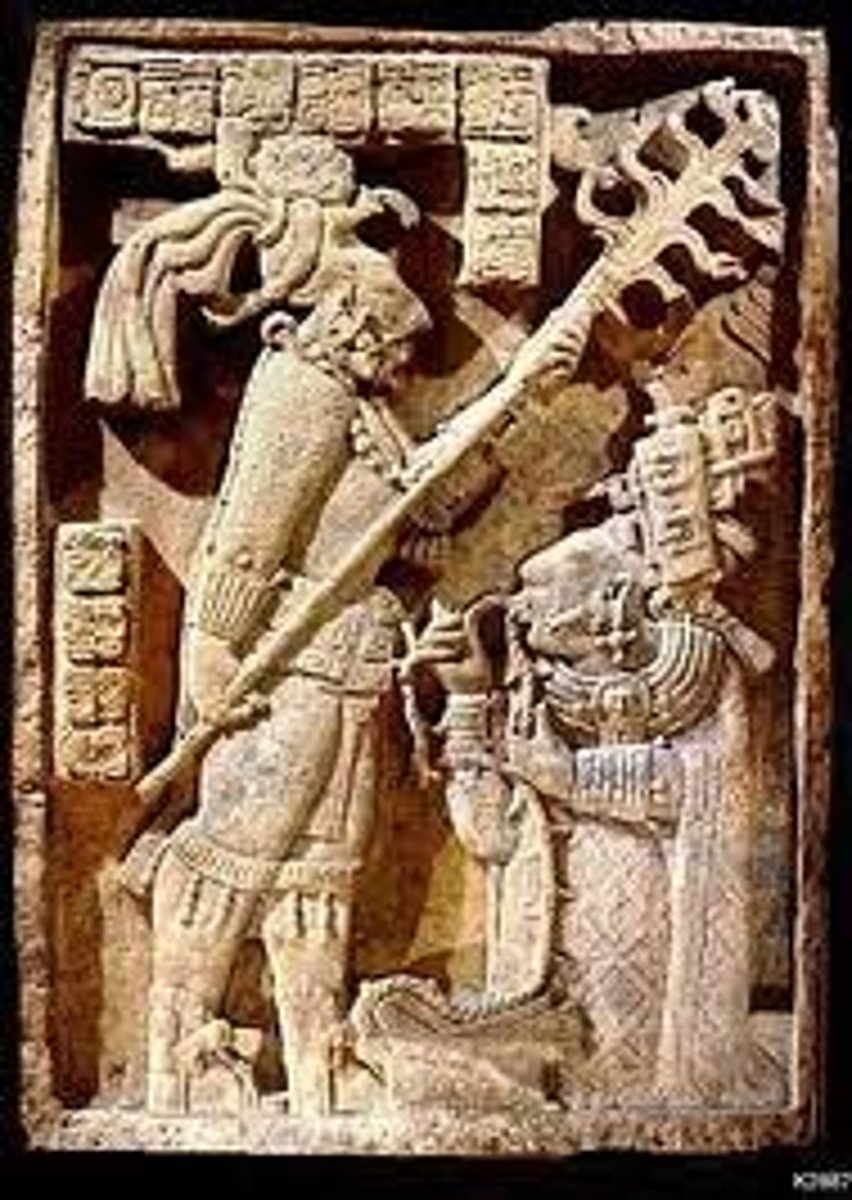
Lady Xoc's vision and her preparing jaguar for war
Maya; 724 CE
Both are lintels at structure 23
Shield Jaguar and lady xoc
Maya; 723 CE
Body modification
Corn silk hair = maize god
Scarification on face= eloquent speech
Thorned rope through tongue= sacrifice to the gods(the more painful the better)
More important goes on right side.
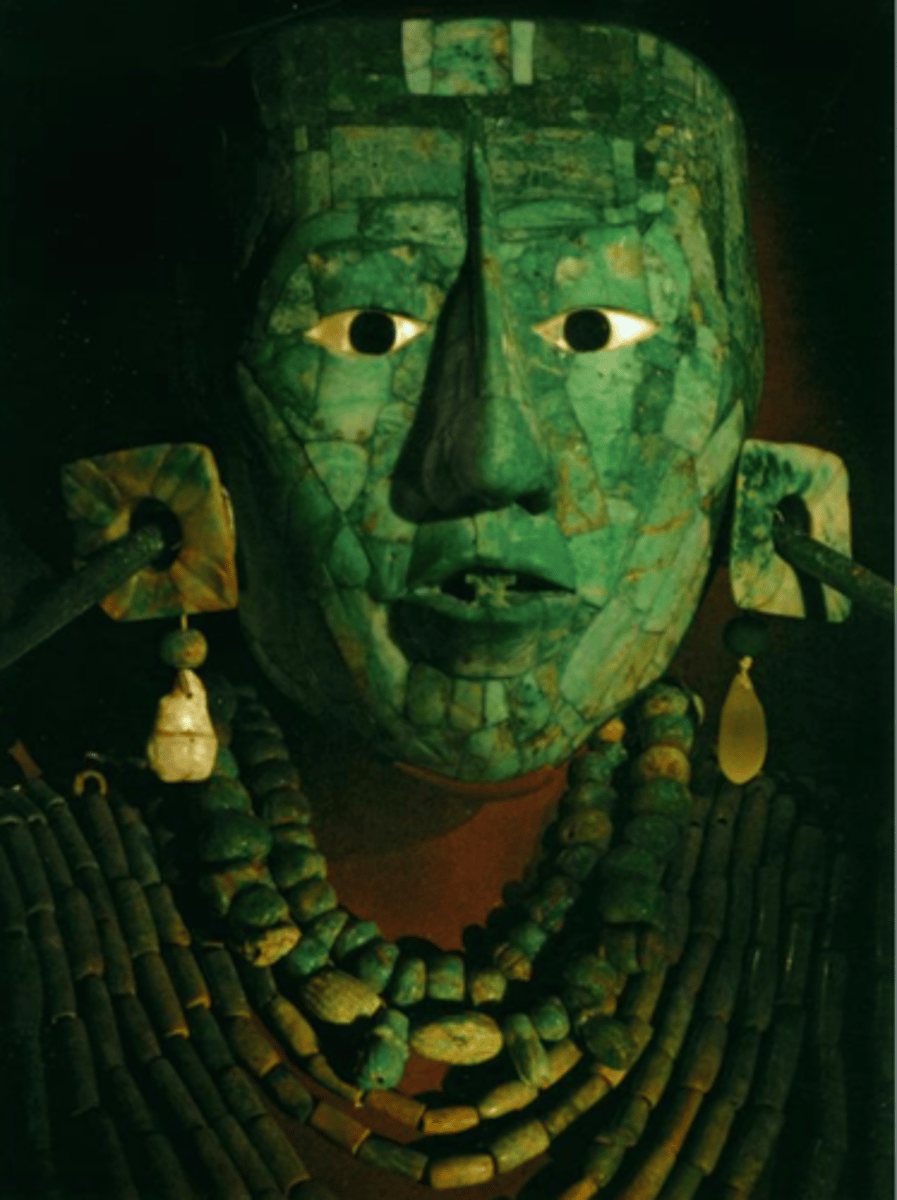
Janaab' Pakal
683 CE; Maya
death mask ideals: filed teeth=glyph for wind , crossed eyes for sun god, nose piece= maize god. made of jade
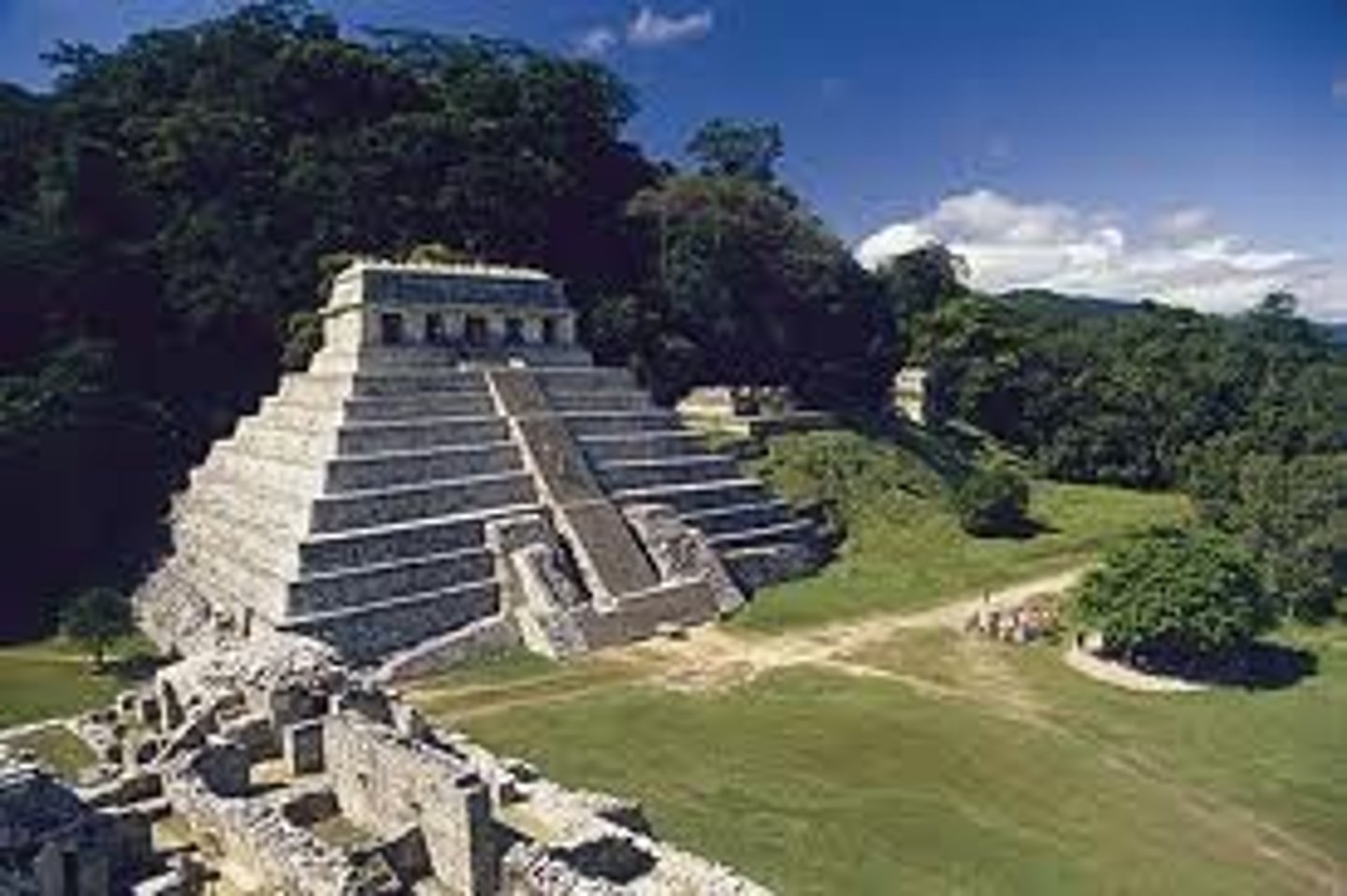
Temple of Inscriptions
Maya; 683 CE
post and lintel construction
tombs usually aren't in temples but janaab' pakal was buried here
Passageway=
Crypt=
Sutton Hoo ship burial
Hiberno-Saxon; 625 CE
Obelisk King of Askum
4th Century Ce; Ethiopia
mussolini brought this back and used it as a symbol of military power
Peanut Necklace
Moche; 300 CE
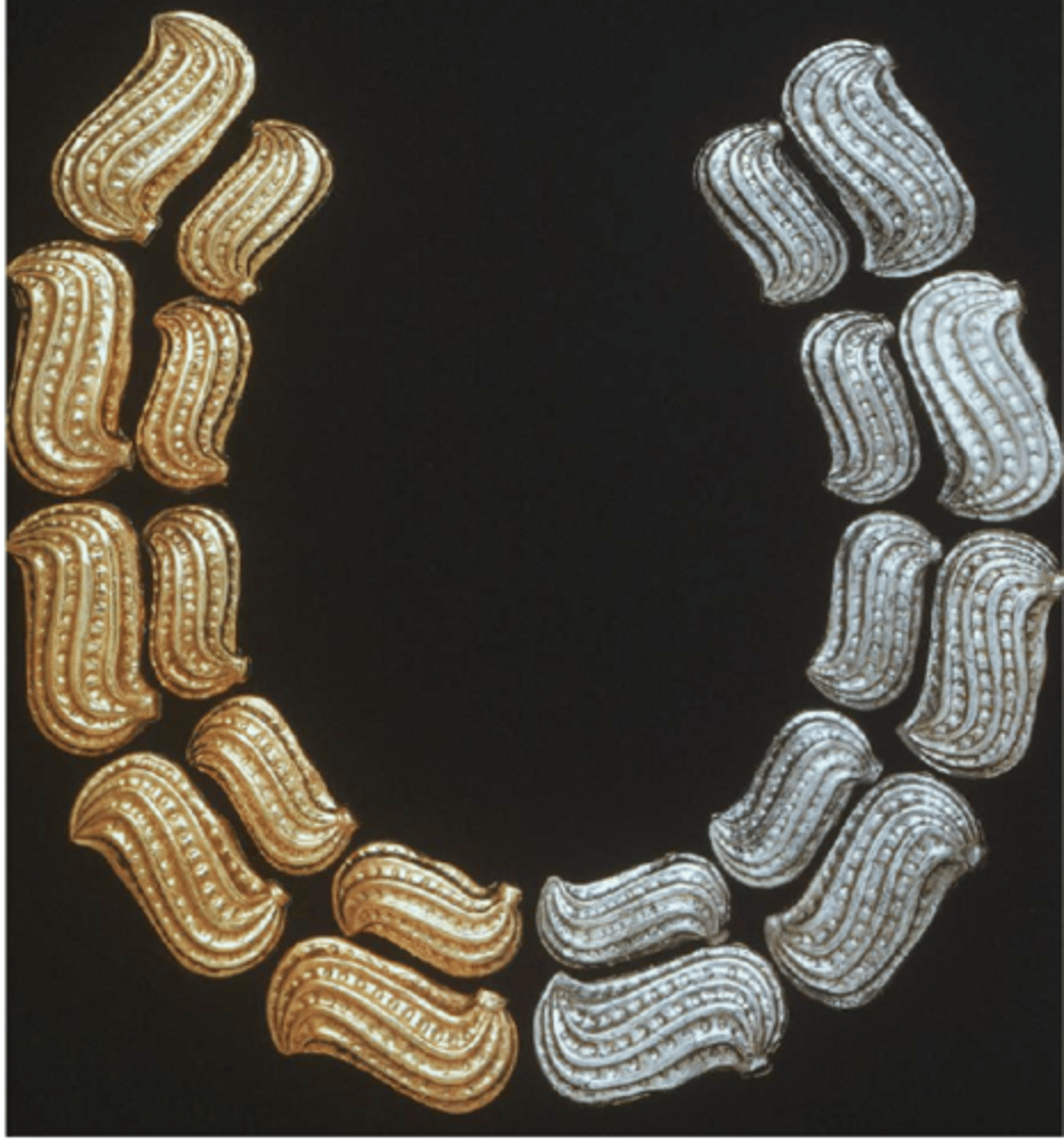
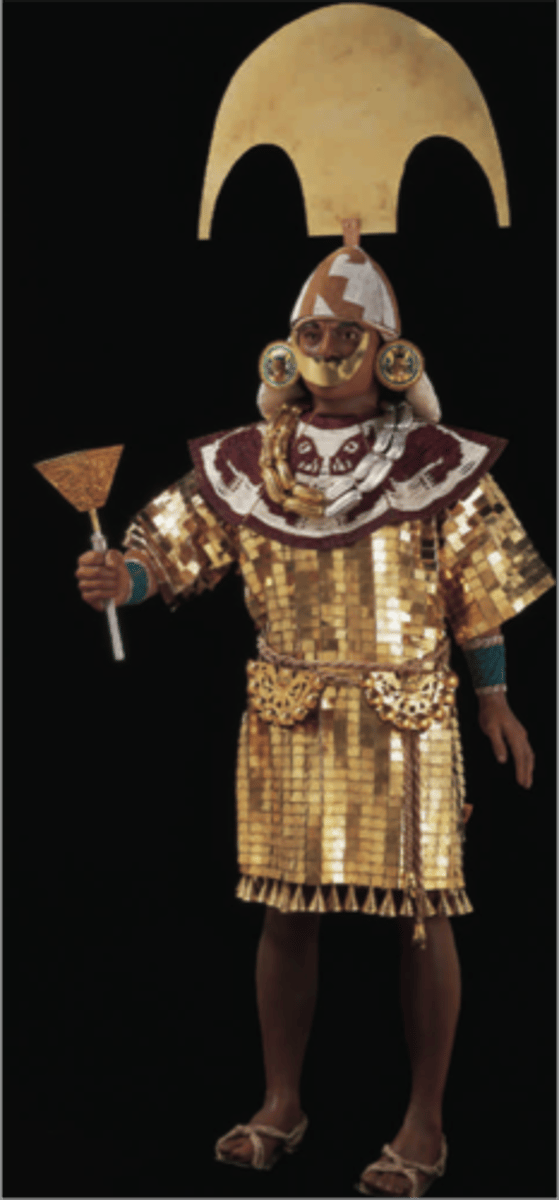
Costume from the royal tomb of Sipan
moche; 300 CE
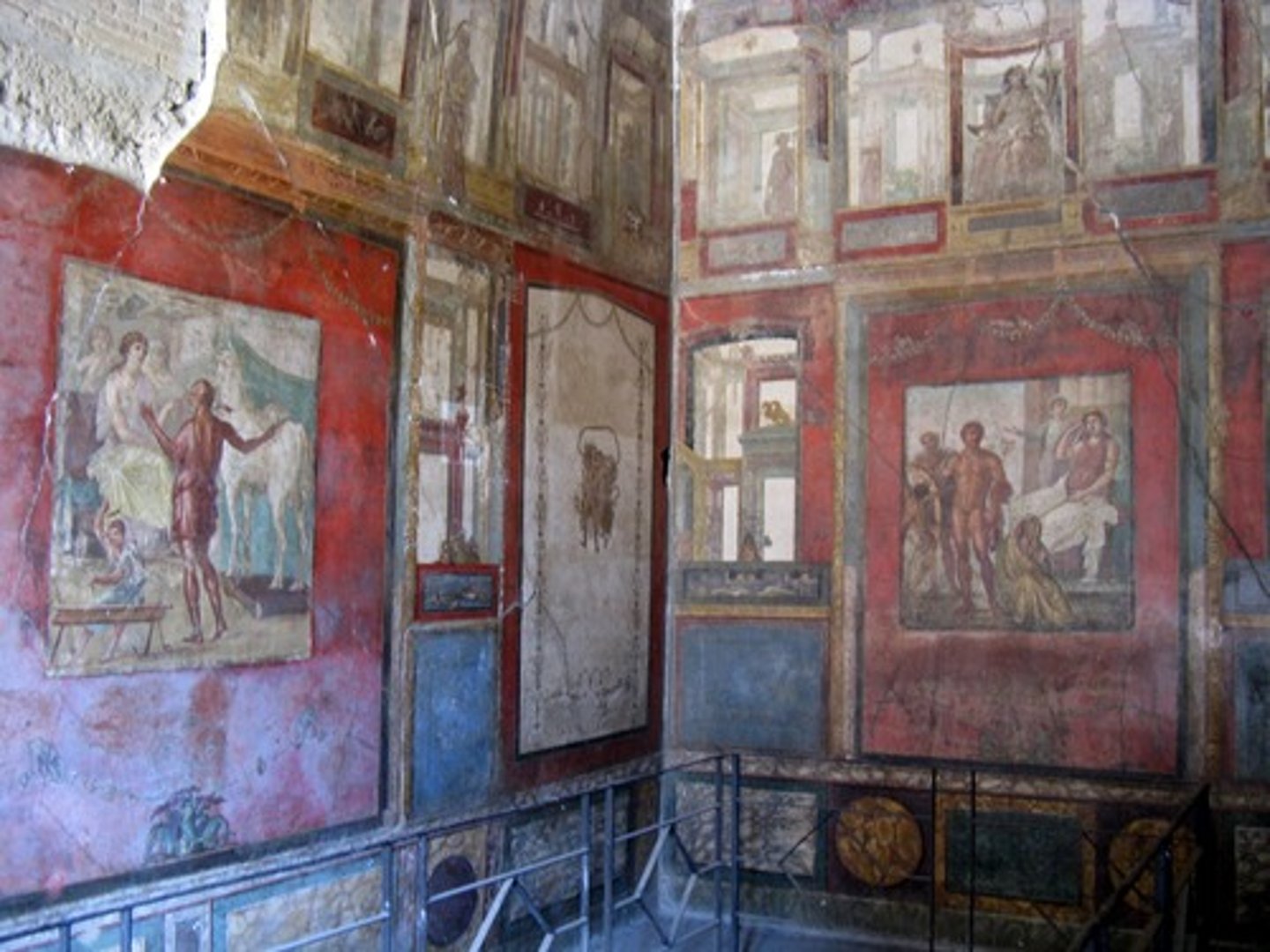
Wall paintings in the house of the Vetti
Roman; 79 CE
All myths on these walls were GREEK not roman. Retribution/ punishment for wrongdoing. Pentheus (dressed up as a woman and was torn apart bc they thought he was a deer. dionysus made all the women go mad when pentheus banned people from follow dionysus as a god).
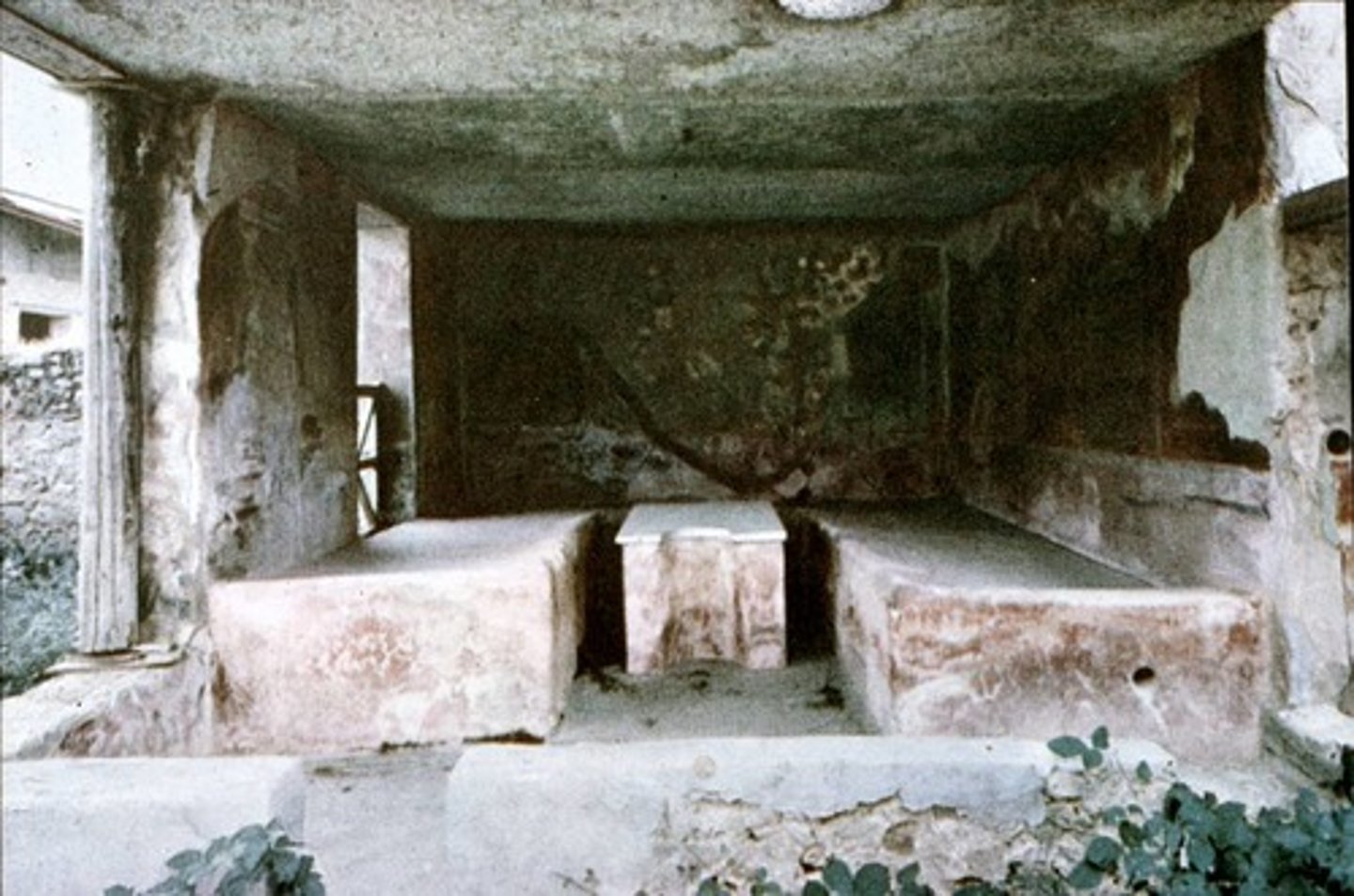
Triclinium at pompeii (Estate of Julia Felix)
Roman; 79 CE
Dining room
9 guests; arranged in order of importance
Had slaves at the top pouring water down
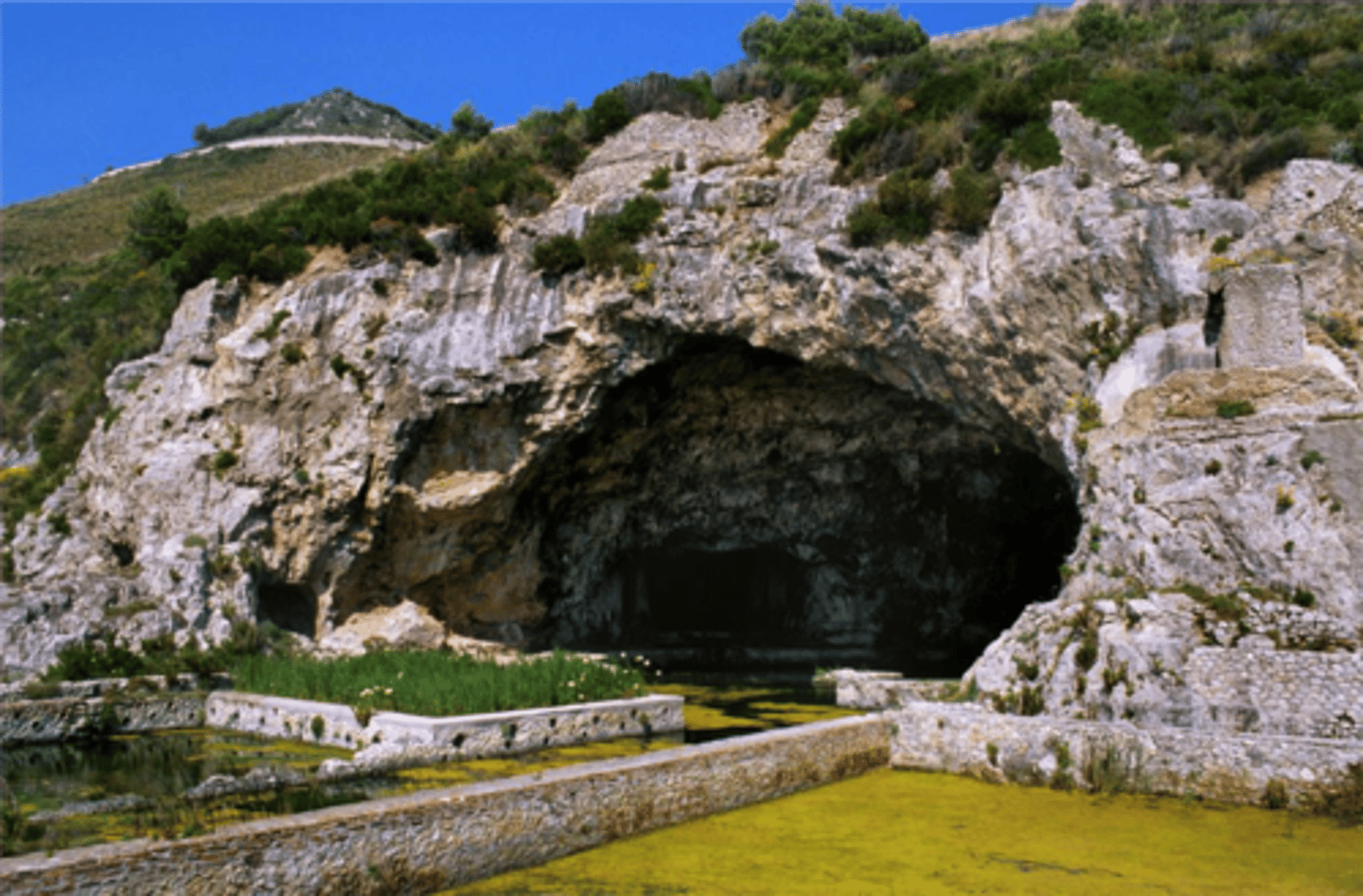
Imperial triclinium @ sperlonga
Roman; 47 CE
Plan of ideal roman house
Roman, duh, ; no date
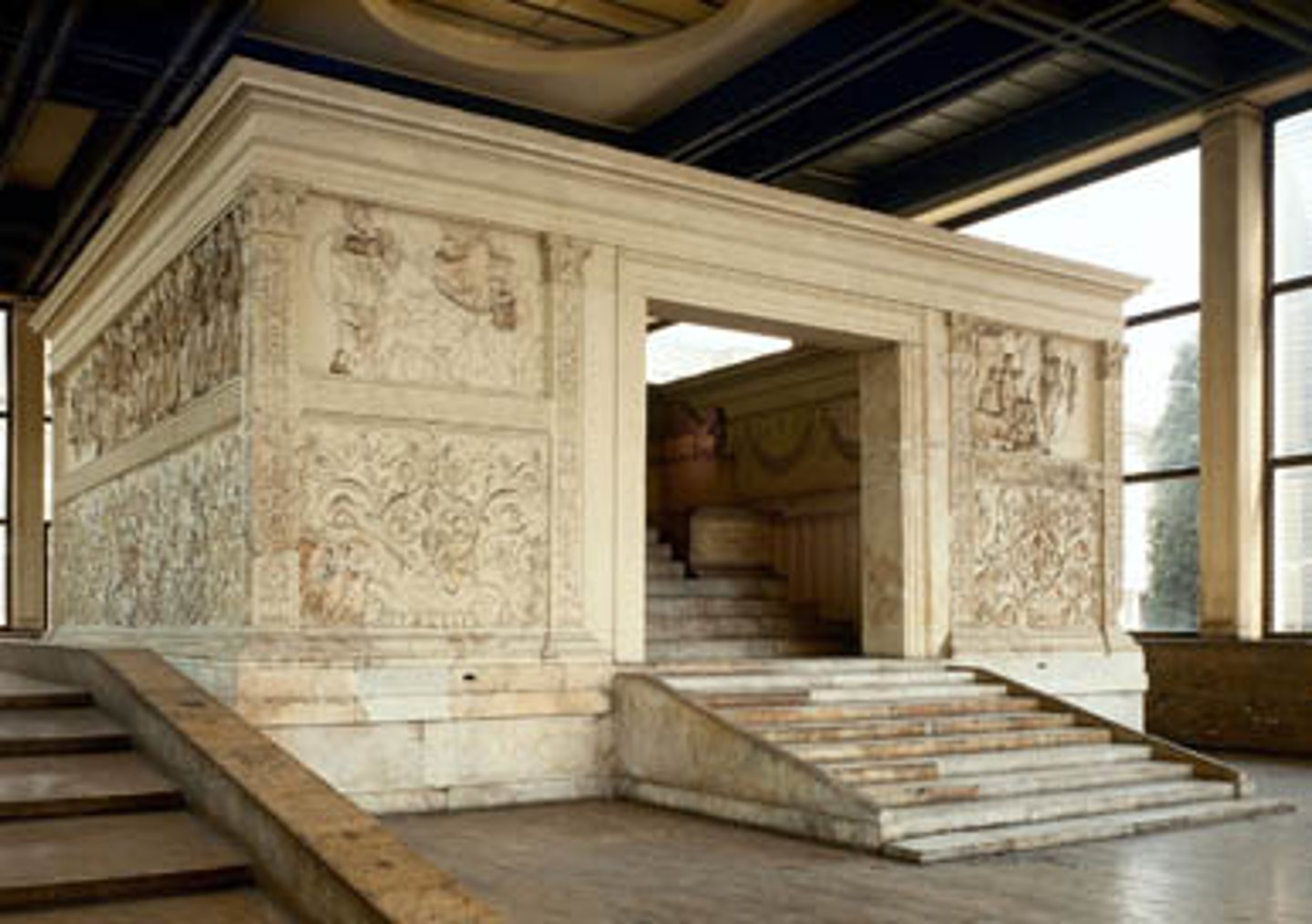
Altar of Augustan Peace
Important symbol of Augustus' reign over Roman empire. Mother earth panel shows how bountiful he made Rome/showed his contributions to society
Terracotta Warriors
Chinese
Emphasis on frontality
Function= to last forever
closed position, bilateral symmetry
They're different from Egyptian because they are fully designed (all around) and have clothing.
They were not meant to be seen as individuals because they were made from several different molds.
The marks that number the soldiers can relate to the marks on Khufu's boat that direct correct assembly
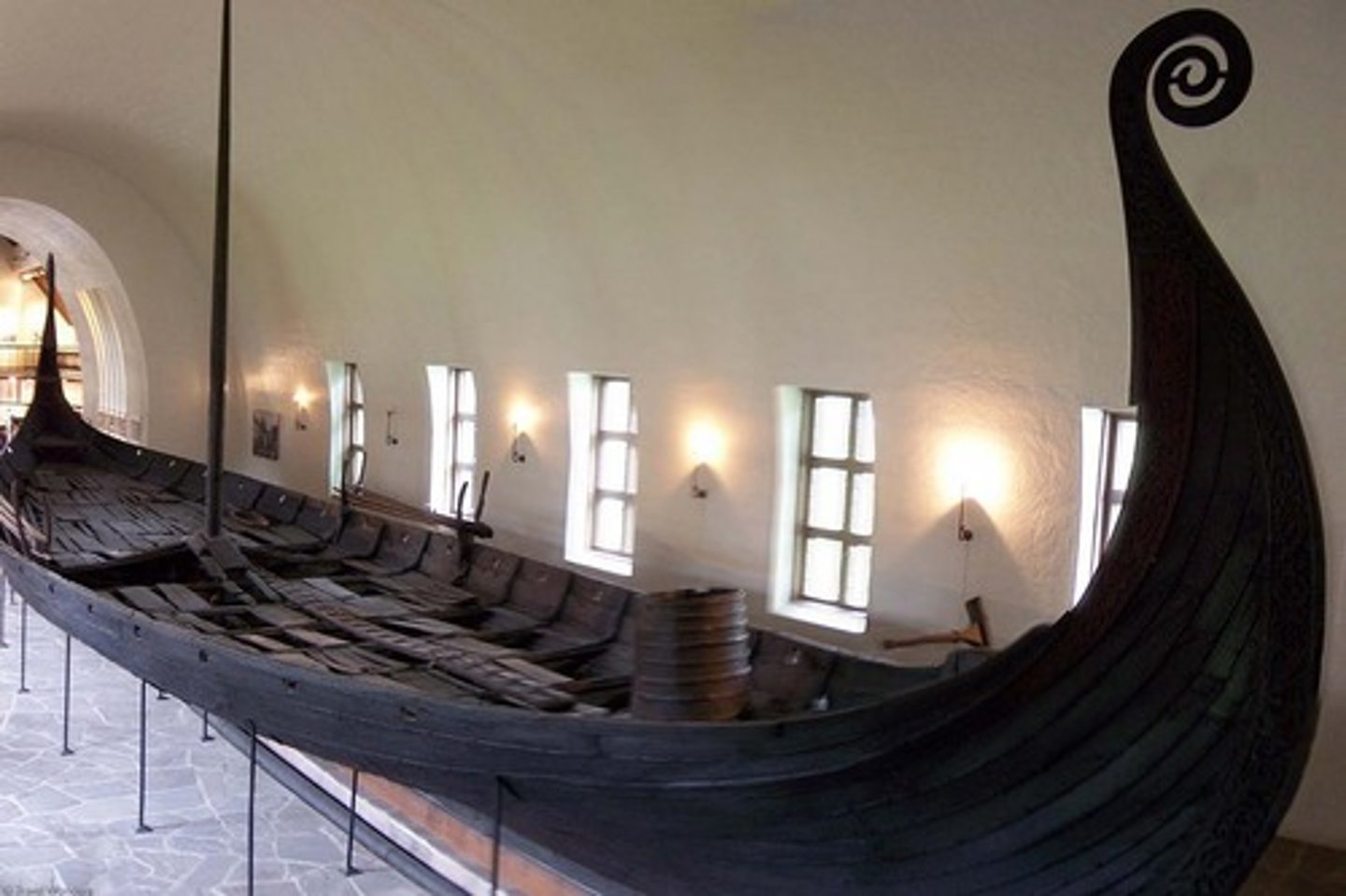
Oseberg Ship Burial
Viking; 825 CE
Possible queen Ase. Two females found. 2 functions= sea vessel and burial
It was looted. Chests, tapestries, 2 looms.
Ship mimics sea monster
Bow and stern have animal interlace/ style and heraldic composition.
animal interlace on the bow
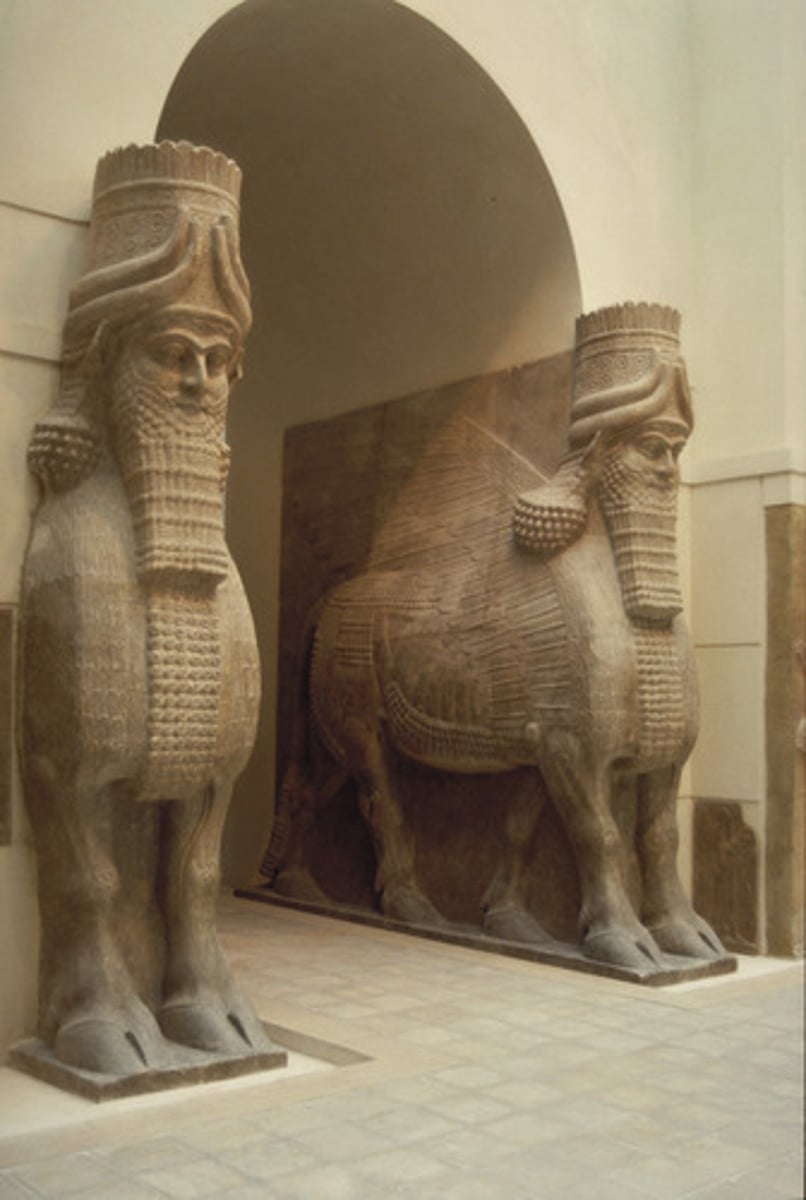
Lamassu
from durr sharukin;assyrian;721-705 BCE
apotropaic entrances= stone guardians;
cuneiform;