Possible Questions for Exam 3 Question Bank (Molecular Cell Biology)
 Call Kai
 Learn
Learn Practice Test
 Spaced Repetition
 Match
Match Flashcards
 Knowt Play
1/129

There's no tags or description
Looks like no tags are added yet.
Name | Mastery | Learn | Test | Matching | Spaced | Call with Kai |
|---|
No analytics yet
Send a link to your students to track their progress
130 Terms
The ATP synthase found in chloroplasts is structurally like the ATP synthase in mitochondria. Given that ATP is being synthesized in the stroma, where will the F0 portion of the ATP synthase be located?
thylakoid membrane
Photosynthesis is a process that takes place in chloroplasts and uses light energy to generate high-energy electrons, which are passed along an electron-transport chain. Where are the proteins of the electron-transport chain located in chloroplasts?
thylakoid membrane
Much of the glyceraldehyde 3-phosphate made in the chloroplast ends up producing the molecules needed by the mitochondria to produce ATP.
true
The electron-transport proteins, utilized in stage 1 of photosynthesis, reside in the inner membrane of the chloroplast.
false
An individual transport vesicle?
will fuse with only one type of target membrane.
Most proteins destined to enter the endoplasmic reticulum?
begin to cross the membrane while still being synthesized.
You are interested in Fuzzy, a soluble protein that functions within the ER lumen. Given that information, which of the following statements must be true?
Once the signal sequence from Fuzzy has been cleaved, the signal peptide will be ejected into the ER membrane and degraded.
Which of the following statements about vesicle budding from the Golgi is FALSE?
Clathrin molecules are important for binding to and selecting cargo molecules for transport.
After isolating the rough endoplasmic reticulum from the rest of the cytoplasm, you purify the RNAs attached to it. Which of the following proteins do you expect the RNA from the rough endoplasmic reticulum to encode?
All these answers are correct.
Proteins that are fully translated in the cytosol and lack a sorting signal will end up in the?
cytosol
Proteins that are fully translated in the cytosol do not end up in?
transport vesicles
Which of the following statements about the possible fates of glyceraldehyde 3-phosphate is FALSE?
It can be transported into the thylakoid space for use as a secondary electron acceptor downstream of the electron-transport chain.
Like oxidative phosphorylation, the electrons passed along the chloroplast electron-transport chain are ultimately passed on to a molecule of O2, to produce H2O.
false
The photosystems in chloroplasts contain hundreds of chlorophyll molecules, most of which are part of ?
the antenna complex.
Signal sequences that direct proteins to the correct compartment are ?
encoded in the amino acid sequence and sufficient for targeting a protein to its correct destination.
Molecules to be packaged into vesicles for transport are selected by?
adaptins
Which of the following choices reflects the appropriate order of locations through which a newly synthesized protein destined for the plasma membrane travels?
ER → Golgi → plasma membrane
In stage 1 of photosynthesis, a proton gradient is generated and ATP is synthesized. Where do protons become concentrated in the chloroplast?
thylakoid space
Vesicles from the ER enter the Golgi at the
cis Golgi network.
Which of the following statements is true?
The nuclear membrane arose from the plasma membrane invaginating around the DNA.
ATP is synthesized in the thylakoid space of chloroplasts.
false
Stage 2 of photosynthesis, sometimes referred to as the dark reactions, involves the reduction of CO2 to produce organic compounds such as sucrose. What cofactor is the electron donor for carbon fixation?
NADPH
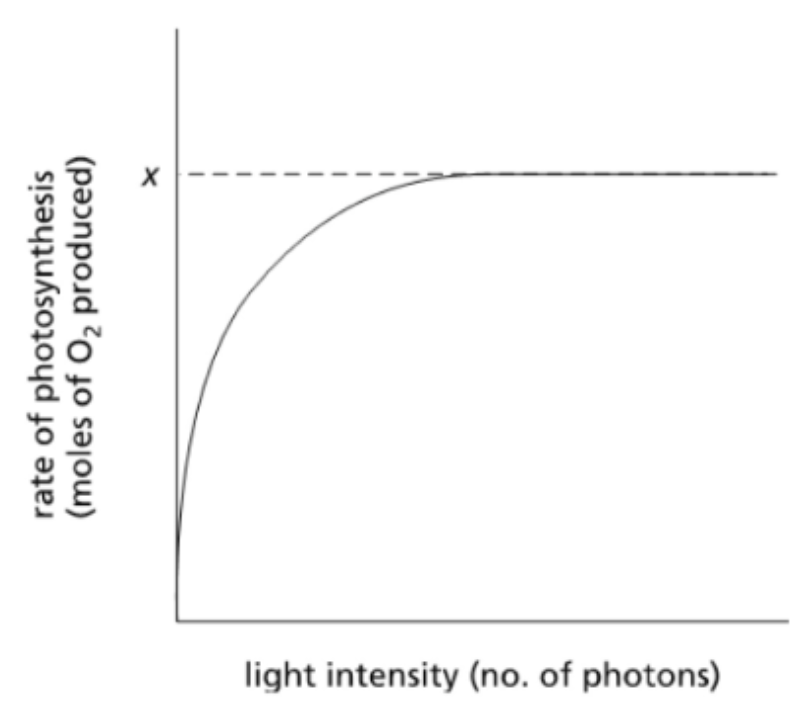
If you shine light on chloroplasts and measure the rate of photosynthesis as a function of light intensity, you get a curve that reaches a plateau at a fixed rate of photosynthesis, x, as shown in Figure 14-2.
increasing the number of reaction centers
Ribulose 1,5-bisphosphate is similar to oxaloacetate in the Krebs cycle in that they are both regenerated at the end of their respective cycles.
true
Which of the following statements about a protein in the lumen of the ER is FALSE?
Some of the proteins in the lumen of the ER can end up in the plasma membrane.
Which of the following statements is true?
Proteins destined for the ER are translated by cytosolic ribosomes and are targeted to the ER when their signal sequences emerge from the ribosomes during translation.

Figure 15-1 shows the organization of a protein that normally resides in the plasma membrane. The boxes labeled 1 and 2 represent membrane-spanning sequences, and the arrow represents a site of action of signal peptidase. Given this diagram, which of the following statements must be true?
The C-terminus of this protein is cytoplasmic.
What is the role of the nuclear localization signal in a nuclear protein?
It is bound by cytoplasmic proteins that direct the nuclear protein to the nuclear pore.
Which of the following statements about the endoplasmic reticulum (ER) is FALSE?
Proteins to be delivered to the ER lumen are synthesized on the smooth ER.
A large protein that passes through the nuclear pore must have an appropriate
sorting sequence, which typically contains the positively charged amino acids lysine and arginine.
Which of the following protein families is NOT involved in directing transport vesicles to their target membranes?
adaptins
Your friend works for a biotechnology company and has discovered a drug that blocks the ability of Ran to exchange GDP for GTP. What is the most likely effect of this drug on nuclear transport?
Nuclear transport receptors would be unable to release their cargo in the nucleus.
Which of the following statements about membrane-enclosed organelles is true?
In a typical cell, the area of the endoplasmic reticulum membrane far exceeds the area of plasma membrane.
Lysosomal enzymes are synthesized in the ER and routed through the Golgi apparatus. Which of the following signals diverts these proteins out of the secretory pathway so that they reach the lysosome instead?
a mannose-6-phosphate sugar added in the Golgi
Which of the following statements describes the phosphorylation event that occurs during the process known as “oxidative phosphorylation”?
A phosphate group is added to ADP.
Which of the following statements about secretion is true?
The membrane of a secretory vesicle fuses with the plasma membrane when the vesicle discharges its contents to the cell’s exterior.
Which of the following organelles is NOT part of the endomembrane system?
Mitochondria
Which of the following statements is true?
The regulation of inflammatory responses at the site of an infection is an example of paracrine signaling.
Which of the following statements about molecular switches is FALSE?
Phosphatases remove the phosphate from GTP on GTP-binding proteins, turning them off.
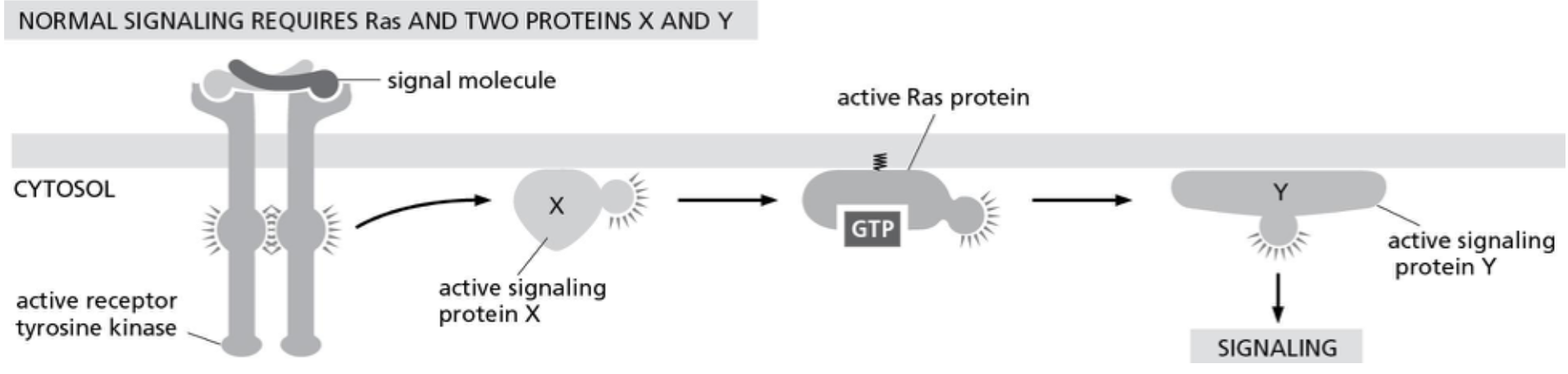
Figure 16-9 shows how normal signaling works with a Ras protein acting downstream of an RTK. You examine a cell line with a constitutively active Ras protein that is always signaling. Which of the following conditions will turn off signaling in this cell line?
addition of a drug that blocks protein Y from interacting with its target
The first messenger in the protein kinase C pathway is GPCR and the second messenger is the enzyme adenylyl cyclase?
false
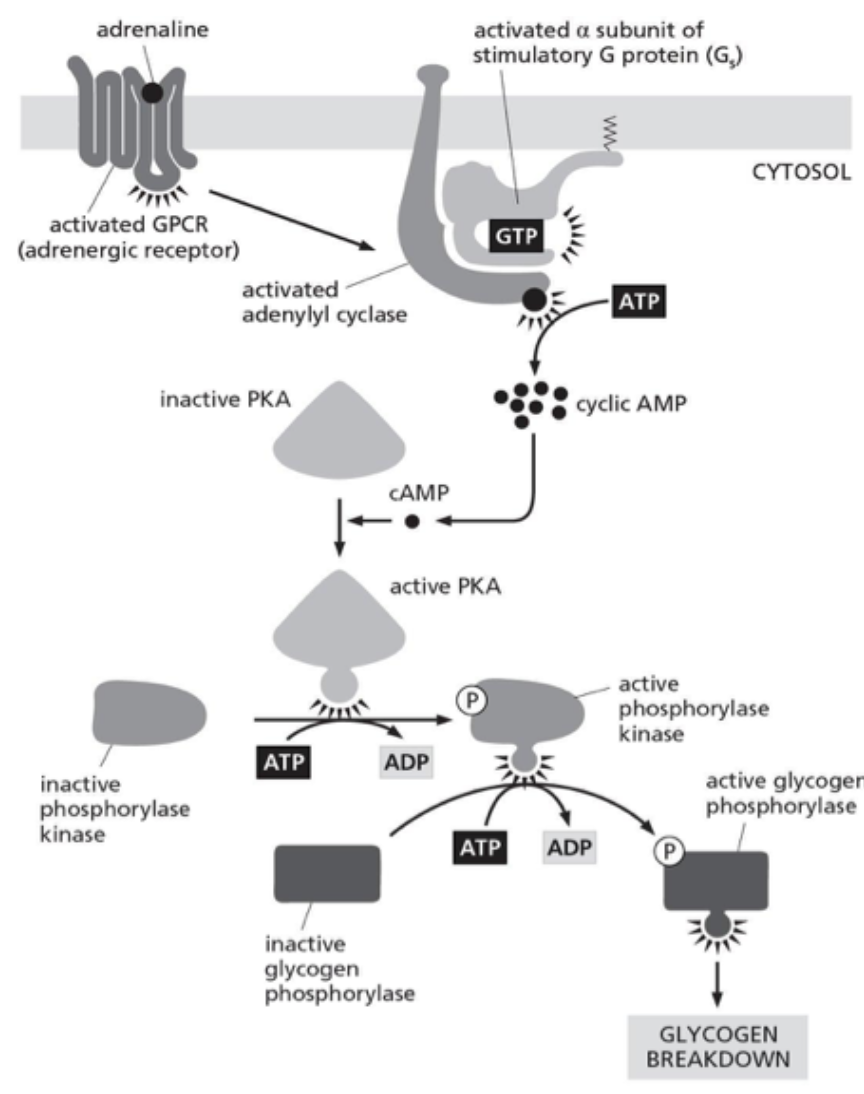
Adrenaline stimulates glycogen breakdown in skeletal muscle cells by ultimately activating glycogen phosphorylase, the enzyme that breaks down glycogen, as depicted in Figure 16-3. Which of the following statements is FALSE? A constitutively active mutant form of PKA in skeletal muscle cells would
lead to an excess in the amount of glycogen available.
Which of the following mechanisms is NOT directly involved in inactivating an activated RTK?
dephosphorylation by serine/threonine phosphatases
What happens when a G-protein-coupled receptor (GPCR) activates a G protein?
The α subunit exchanges its bound GDP for GTP.
Which of the following statements about organellar movement in the cell is FALSE?
Only the microtubule cytoskeleton is involved in organellar movement.
Intermediate filaments help protect animal cells from mechanical stress because filaments?
in each cell are indirectly connected to the filaments of a neighboring cell through the desmosome, creating a continuous mechanical link between cells.
Actin-mediated movement involves the coordination of many events in the cell. Which of the following is NOT required for cell crawling?
release of Ca2+ from the sarcoplasmic reticulum
The mechanism by which testosterone alters cell function is by?
binding to a receptor protein that enters the nucleus and activates specific genes.
In rods cells that detect dim light, the phosphodiesterase is inactivated by a photon of light.
false
Which of the following statements is FALSE?
Dissolved gases such as nitric oxide can act as signaling molecules, but because they cannot interact with proteins, they must act by affecting membrane lipids.
Which of the following statements is true?
PI 3-kinase phosphorylates a lipid in the plasma membrane.
When the cytosolic tail of the __________ receptor is cleaved, it migrates to the nucleus and affects gene regulation.
notch
Which of the following statements about skeletal muscle contraction is FALSE?
The changes in voltage across the plasma membrane that occur when a muscle cell receives a signal from the nervous system cause an influx of Ca2+ into the sarcoplasmic reticulum, triggering a muscle contraction.
Which of the situations below will enhance microtubule shrinkage?
addition of a drug that inhibits GTP exchange on free tubulin dimers
The lab you work in has discovered a previously unidentified extracellular signal molecule called QGF. You add purified QGF to different types of cells to determine its effect on these cells. When you add QGF to heart muscle cells, you observe an increase in cell contraction. When you add it to fibroblasts, they undergo cell division. When you add it to nerve cells, they die. When you add it to glial cells, you do not see any effect on cell division or survival. Given these observations, which of the following statements is most likely to be true?
Both B and C are likely to be true.
Which of the following statements is true?
Extracellular signal molecules that are hydrophilic must bind to a cell-surface receptor so as to signal a target cell to change its behavior.
All intermediate filaments are of similar diameter because?
The central rod domains are similar in size and amino acid sequence.
During nervous-system development in Drosophila, the membrane-bound protein Delta acts as an inhibitory signal to prevent neighboring cells from developing into neuronal cells. Delta is involved in __________ signaling.
contact dependent
Which part of the trimeric G-protein is affected by the presence of the pertussis toxin?
The Gai is permanently inactivated, thus leading to an overly active adenylyl cyclase and higher-than-normal levels of cAMP.
Which of the following structures shortens during muscle contraction?
sarcomeres
Which of the following statements about the cytoskeleton is FALSE?
Covalent bonds between protein monomers hold together cytoskeletal filaments.
The local mediator nitric oxide (NO) stimulates the intracellular enzyme guanylyl cyclase by
Diffusing into cells and stimulating the cyclase directly
Which of the following conditions would decrease the likelihood of skeletal muscle contraction?
Addition of a drug that blocks Ca2+ binding to troponin
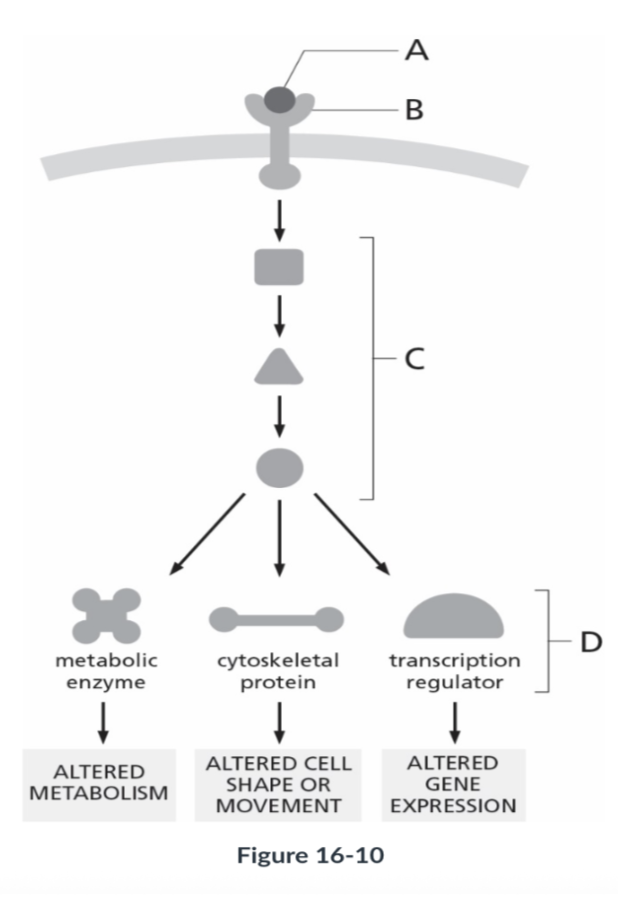
Referring to figure 16-10. What portion of the signaling pathway is represented by 'B'?
receptor protein
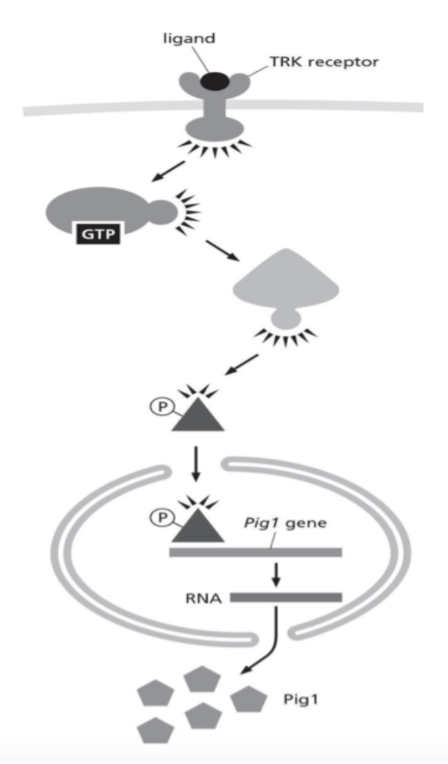
You are interested in further understanding the signal transduction pathway that controls the production of Pig1, a protein important for regulating cell size. Activation of the TRK receptor leads to activation of the GTP-binding protein, Ras, which then activates a protein kinase that phosphorylates the SZE transcription factor. SZE only interacts with the nuclear transport receptor when it is phosphorylated. SZE is a gene activator for the Pig1 gene. This pathway is diagrammed in Figure 16-6.
Normal cells grown under standard conditions (without ligand) are 14 μm in diameter, while normal cells exposed to TRK ligand are 10.5 μm in diameter. Given this situation, which of the following conditions do you predict will more likely lead to smaller cells?
Addition of TRK ligand and a drug that inhibits the activity of the phosphatase that acts on SZE
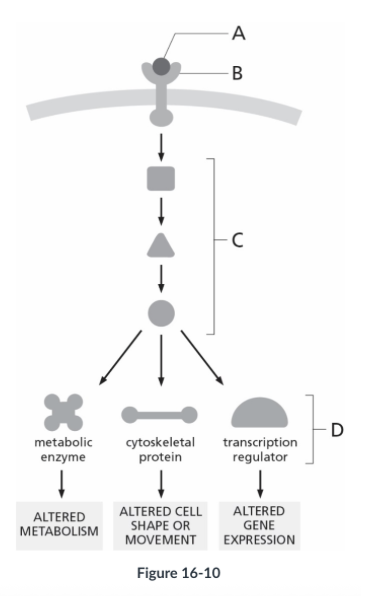
Referring to figure 16-10. What portion of the signaling pathway is represented by 'D'?
effector protein
The growth factor Superchick stimulates the proliferation of cultured chicken cells. The receptor that binds Superchick is a receptor tyrosine kinase (RTK), and many chicken tumor cell lines have mutations in the gene that encodes this receptor. Which of the following types of mutation would be expected to promote uncontrolled cell proliferation?
A mutation that inactivated the protein tyrosine phosphatase that normally removes the phosphates from tyrosines on the activated receptor
Which of the following statements about GPCRs is FALSE?
The different classes of GPCR ligands (proteins, amino acid derivatives, or fatty acids) bind to receptors with different numbers of transmembrane domains
Which of the following components is NOT important for ciliary movement?
sarcoplasmic reticulum
Acetylcholine is a signaling molecule that elicits responses from heart muscle cells, salivary gland cells, and skeletal muscle cells. Which of the following statements is FALSE?
Heart muscle cells, salivary gland cells, and skeletal muscle cells all express an acetylcholine receptor that belongs to the transmitter-gated ion channel family.
Foreign substances like nicotine, morphine, and menthol exert their initial effects by
interacting with cell-surface receptors, causing the receptors to transduce signals inappropriately in the absence of the normal stimulus.
During the mating process, yeast cells respond to pheromones secreted by other yeast cells. These pheromones bind GPCRs on the surface of the responding cell and lead to the activation of G proteins inside the cell. When a wild-type yeast cell senses the pheromone, its physiology changes in preparation for mating: the cell stops growing until it finds a mating partner. If yeast cells do not undergo the appropriate response after sensing a pheromone, they are considered sterile. Yeast cells that are defective in one or more components of the G protein have characteristic phenotypes in the absence and presence of the pheromone, which are listed in Table 16-2.
Which of the following models is consistent with the data from the analysis of these mutants?
The α subunit activates the mating response but is inhibited when bound to βγ.
Kinesins and dyneins
often move in opposite directions.
When a signal needs to be sent to most cells throughout a multicellular organism, the signal most suited for this is a
hormone
Which of the following statements is true regarding the termination of the adrenaline signaling pathway, which in turn promotes glycogen breakdown?
The phosphate group is removed from glycogen phosphorylase kinase by a phosphatase, which inactivates the enzyme.
In the absence of a ligand binding to its receptor tyrosine kinase, which of the following scenarios would still result in a proliferation signal via the kinase cascade?
a constitutively active MAP kinase and a defective GAP
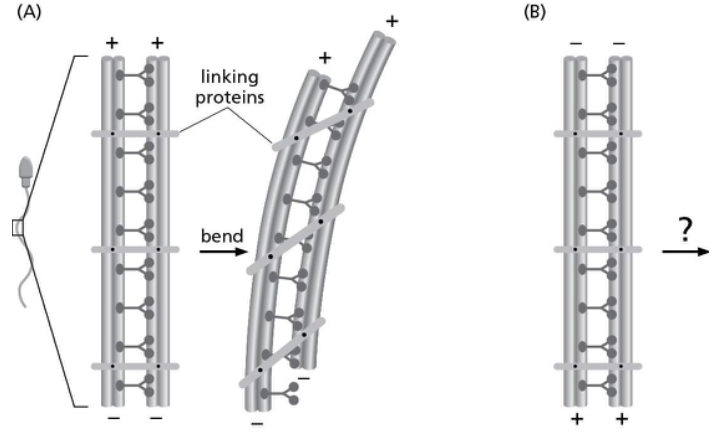
Figure 17-4A shows how the movement of dynein causes a sperm cell’s flagellum to bend. If the polarity of the adjacent doublets of microtubules is reversed (see Figure 17-4B), what do you predict would happen?
Bending would occur, except that the right microtubule doublet would move down relative to the left one.
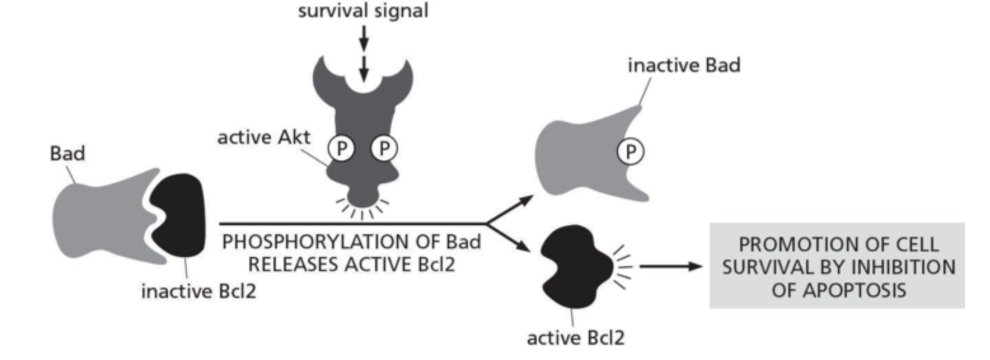
Akt promotes the survival of many cells by affecting the activity of Bad and Bcl2, as diagrammed in Figure 16-7.
Which of the following statements is FALSE?
In the absence of a survival signal, Bad is phosphorylated.
The growth factor RGF stimulates proliferation of cultured rat cells. The receptor that binds RGF is a receptor tyrosine kinase called RGFR. Which of the following types of alteration would be most likely to prevent receptor dimerization?
a mutation that prevents RGFR from binding to RGF
You are studying nuclear lamins and use recombinant DNA technology to alter the coding sequence of a nuclear lamin gene. The altered gene codes for a nuclear lamin protein that can no longer be phosphorylated during prophase of mitosis. What do you predict would happen if the cell only had the altered nuclear lamin gene (and not the unaltered version)?
Nuclear lamins will no longer disassemble properly during mitosis.
The function of kinases is to
regulate other proteins through phosphorylation.
Which of the following statements about skeletal muscle cells is true?
The cells possess multiple nuclei.
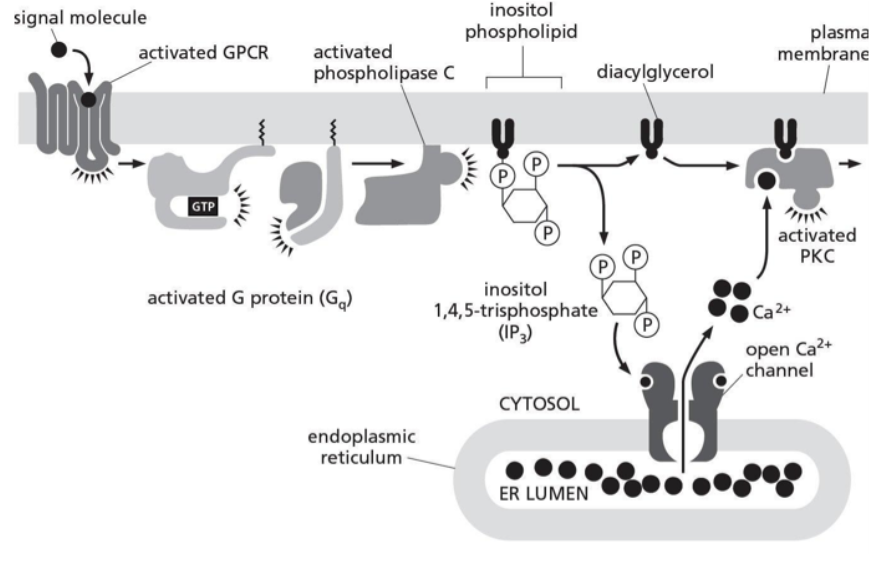
Activated protein kinase C (PKC) can lead to the modification of the membrane lipids in the vicinity of the active PKC. Figure 16-4 shows how G proteins can indirectly activate PKC. You have discovered the enzyme activated by PKC that mediates the lipid modification. You call the enzyme Rafty and demonstrate that activated PKC directly phosphorylates Rafty, activating it to modify the plasma membrane lipids in the vicinity of the cell where PKC is active; these lipid modifications can be detected by dyes that bind to the modified lipids. Cells lacking Rafty do not have these modifications, even when PKC is active. Which of the following conditions would lead to signal-independent modification of the membrane lipids by Rafty?
the expression of a constitutively active phospholipase C
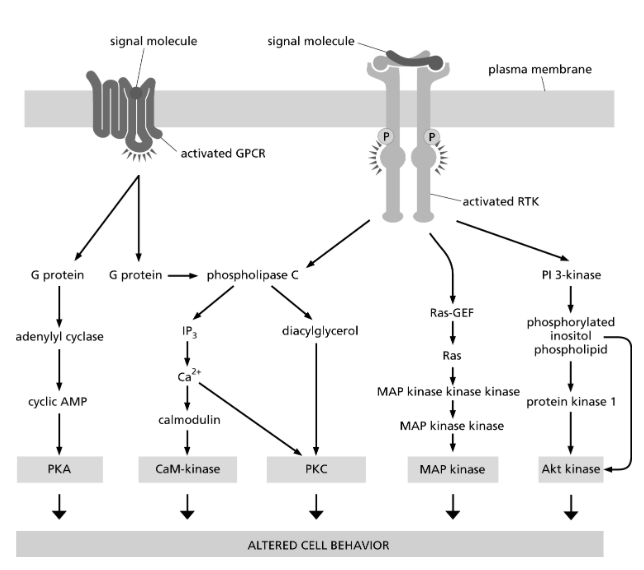
Figure 16-9 shows that intracellular signaling pathways can be highly interconnected.
From the information in Figure 16-9, which of the following statements is FALSE?
CaM-kinase is only activated when the GPCR is active and not when the RTK is active.
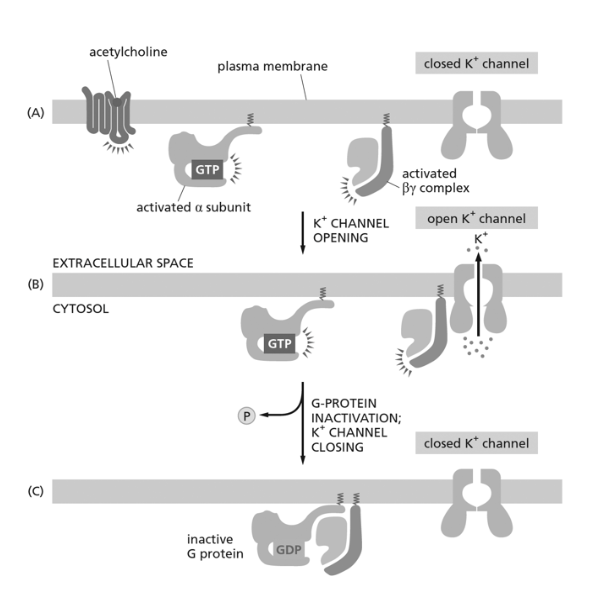
Acetylcholine binds to a GPCR on heart muscle, making the heart beat slower. The activated receptor stimulates a G protein, which opens a K+ channel in the plasma membrane, as shown in Figure 16-1. Which of the following would enhance this effect of the acetylcholine?
addition of a high concentration of a nonhydrolyzable analog of GTP
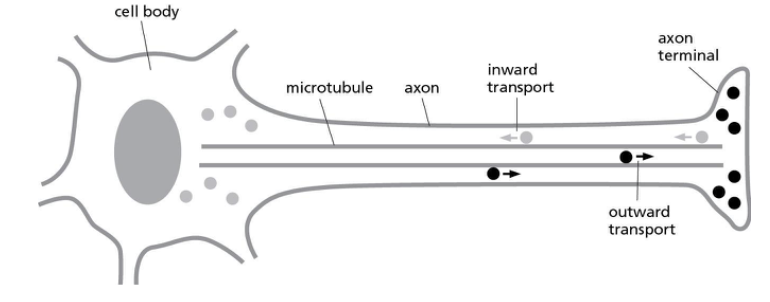
Microtubules are important for transporting cargo in nerve cell axons, as diagrammed in Figure 17-3. Notice that the two types of cargo are traveling in opposite directions. Which of the following statements is likely to be FALSE?
The black cargo and the gray cargo are moving along microtubules of opposite polarity.
Which of the following statements about the function of the centrosome is FALSE?
Microtubules emanating from the centrosome have alternating polarity such that some have their plus end attached to the centrosome while others have their minus end attached to the centrosome.
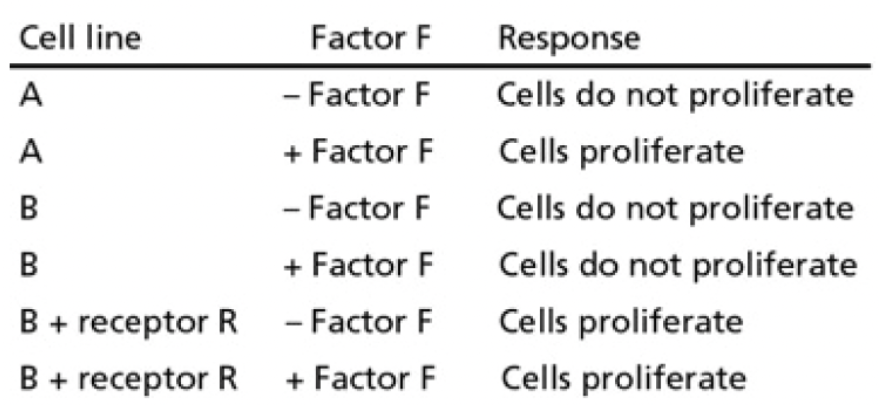
Cell lines A and B both survive in tissue culture containing serum but do not proliferate. Factor F is known to stimulate proliferation in cell line A. Cell line A produces a receptor protein (R) that cell line B does not produce. To test the role of receptor R, you introduce this receptor protein into cell line B, using recombinant DNA techniques. You then test all your various cell lines in the presence of serum for their response to factor F, with the results summarized in Table 16-1
Which of the following CANNOT be concluded from your results above?
Receptor R binds to factor F to induce cell proliferation in cell line A.
Which of the following statements about microtubules is true?
Motor proteins move in a directional fashion along microtubules by using the inherent structural polarity of a protofilament.
Energy for most life on earth originates with?
the sun
Which wavelengths of light are most used by plants for photosynthesis?
blue and red
Photosystem II considered such a strong oxidizing agent because?
It takes a low energy electron from water
In the light reactions of photosynthesis, a proton gradient is generated which drives ATP synthesis. Where do protons become concentrated in the chloroplast?
thylakoid space
All are examples of proteins that are transported into the nucleus through nuclear pores except:
ATP synthase
Your friend works in a biotechnology company and has discovered a drug that blocks the ability of Ran to hydrolyze GTP. What is the most likely effect of this drug on nuclear transport?
Nuclear transport receptors would remain bound to Ran once they leave the nucleus
Your research studies Fuzzy, a transmembrane that functions across the plasma membrane. Given that information, which of the following statement must be true?
Fuzzy must contain at least one hydrophobic stop-transfer sequence.
Your friend works for a biotechnology company and has discovered a drug that blocks the ability of Ran to exchange GDP for GTP. What is the most likely effect of this drug on nuclear export?
Nuclear export receptors would be unable to bind cargo.
Which of the following statements about nuclear transport is true?
Nuclear pores contain proteins with disordered segments that fill the channel and allow small water-soluble molecules to pass through in a nonselective fashion.
A cargo molecule is brought into a cell via receptor-mediated endocytosis. Which of the following factors causes the receptor to release its cargo molecule into the lumen of the endosome?
acidic pH
In which cellular location would you expect to find ribosomes translating mRNAs that encode ribosomal proteins?
in the cytosol