Religion & Ethics - (Exam Revision)
 Call Kai
 Learn
Learn Practice Test
 Spaced Repetition
 Match
Match Flashcards
 Knowt Play
1/20

There's no tags or description
Looks like no tags are added yet.
Name | Mastery | Learn | Test | Matching | Spaced | Call with Kai |
|---|
No analytics yet
Send a link to your students to track their progress
21 Terms
ethics
the principles of right and wrong and the standards of right conduct that guide an individual in making decisions
morality
the personal codes we hold about right and good behaviour, drawn from a complex array of influences including family and friends, influencing how we think about ethical issues
What is the difference between ethics and morality? (mention 2 points)
- ethics are beliefs from an external perspective (prescriptive)
- morals are beliefs from an internal, personal perspective (descriptive)
What is an ethical authority? (mention 2 points)
- any source, person, or principle that provides the foundation for making moral decisions or arguing an ethical perspective
- gives guidelines on how people ought to act
What are 3 sources that people may draw from when making ethical decisions?
- scripture (the Bible)
- the Pope
- law

commercial surrogacy
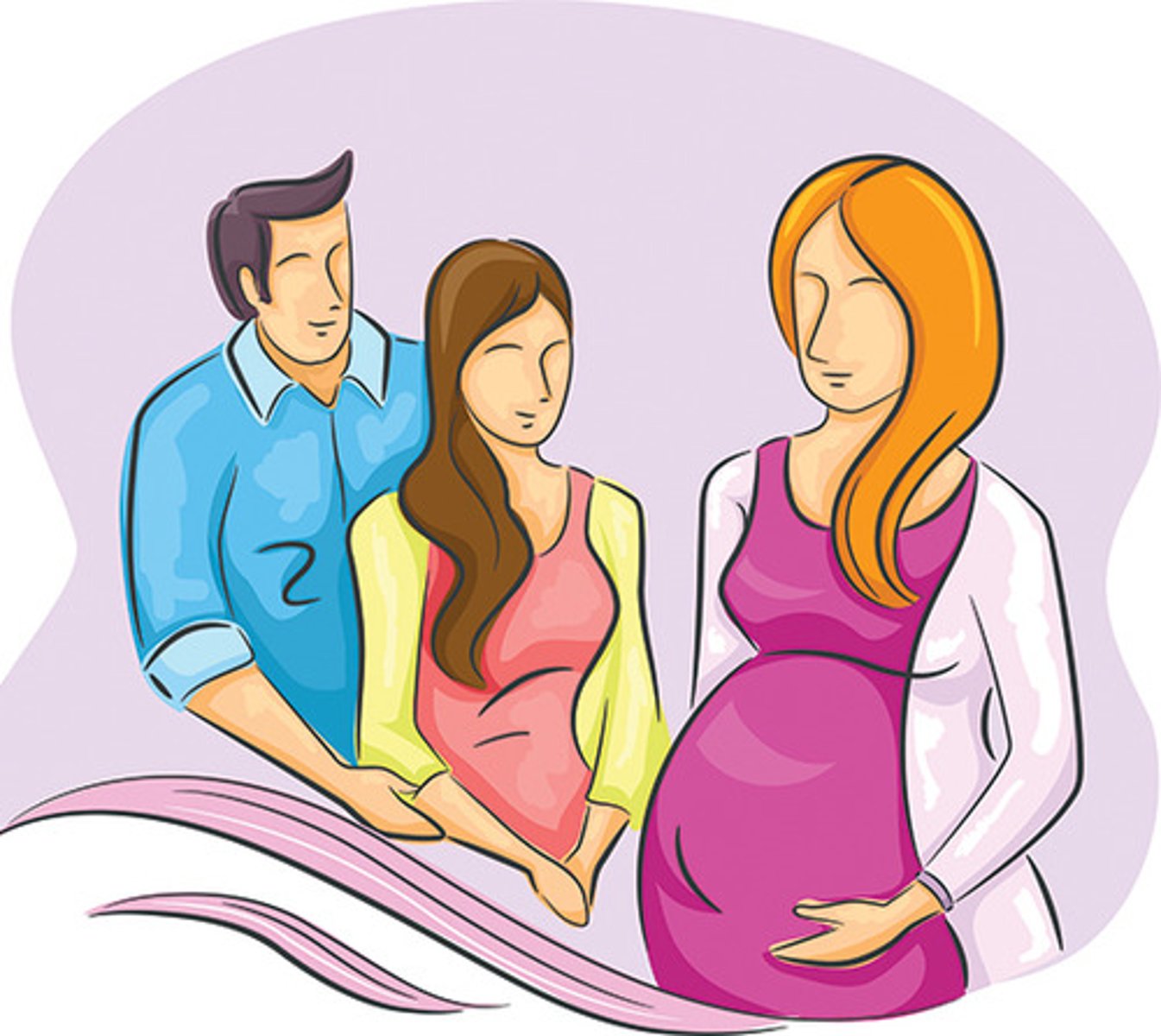
an arrangement where a woman (surrogate mother) is paid a fee or financial reward for carrying and delivering a baby for intended parents, going beyond the reimbursement of standard pregnancy-related expenses
What is the Catholic Church's position on commercial surrogacy? (mention 3 points)
- opposes surrogacy, viewing it as a 'grave violation of the dignity of the woman and the child'
- the Vatican argues that surrogacy reduces children into products for sale and breaks the natural bond of motherhood
- Pope Leo XIV condemns surrogacy and teaches that it exploits the mother's body and distorts the fundamental relational nature of the family
What sources does the Catholic Church use to support its view on commercial surrogacy? (mention 3 points)
- scripture (the Bible)
- the Catechism of the Catholic Church
- documents of the Second Vatican Council
What makes something an ethical issue? (mention 3 points)
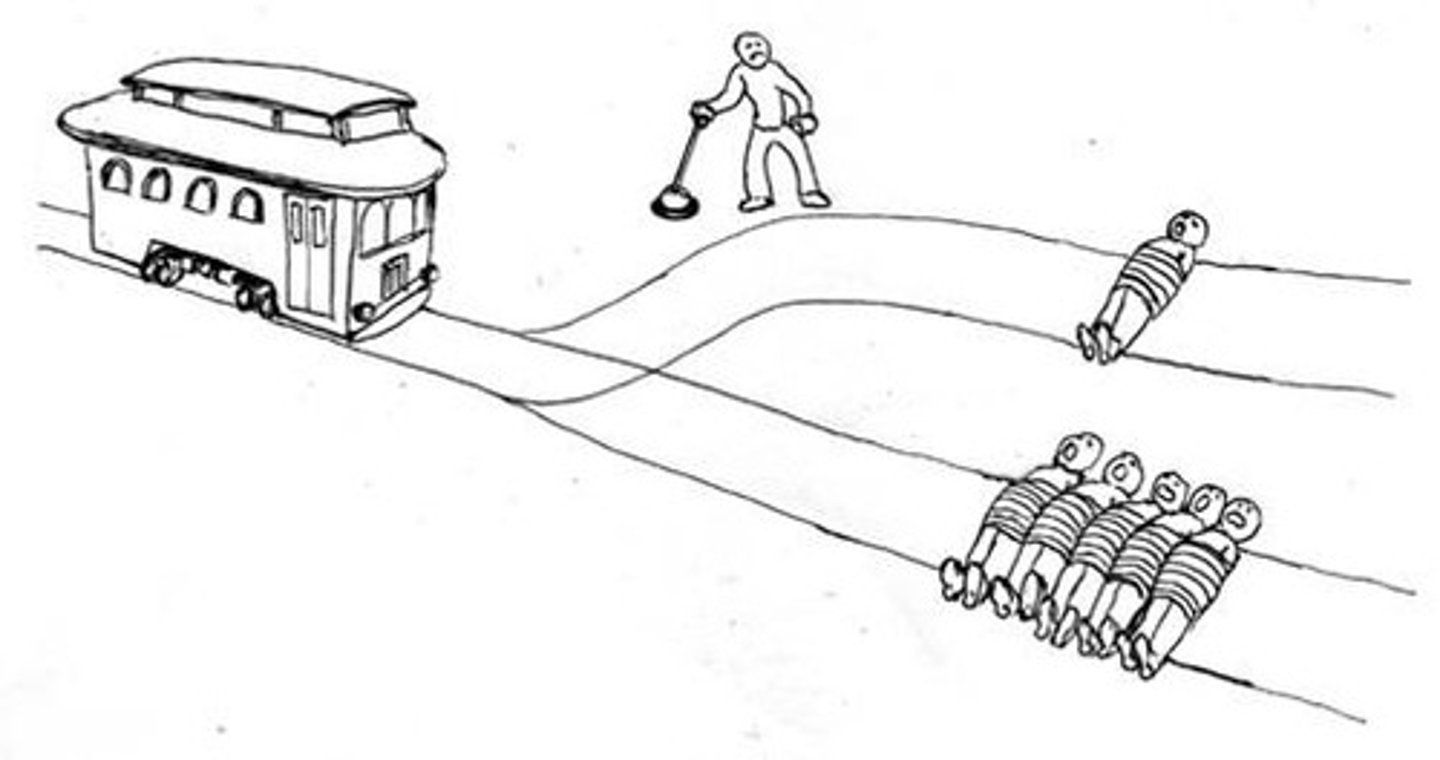
- an ethical issue is a situation that conflicts with societal or personal moral principles of right and wrong
- forces us to deeply question the value of human life and human autonomy, involving questions of right vs wrong, human welfare, and rights
- cannot be simply solved by facts or law
Why is commercial surrogacy considered an ethical issue? (mention 3 points)
- critics argue that it reduces a woman's reproductive system to a 'womb for rent' or a commercial factory (treating pregnancy as a service)
- raises ethical concerns about the exploitation of vulnerable women, the commodification of human life, and the rights of the child
- proponents view it as an exercise of bodily autonomy that helps people build families

What are the ethical reasons for and against commercial surrogacy? (mention 4 points)
FOR:
- helps individuals facing infertility or same-sex couples build families
- surrogate mothers receive life-changing financial security for their own family
AGAINST:
- reduces children to products rather than human beings
- surrogate mothers face significant health risks (e.g. hypertensive disorders)

What is the Catholic view of the human person, using Catholic sources, and how this impacts ethics, using examples? (mention 3 points)
- every human being is created in the image and likeness of God, possessing inherent, inviolable, and inalienable dignity, worth, and sacredness
- scripture (the Bible), the Catechism of the Catholic Church, and the Magisterium are used
- teaches that because humans are 'someone, not something', no person can ever be used as a mere tool or object for another's benefit (e.g. abortion and euthanasia)
utilitarianism
an approach to ethics that stresses the usefulness (utility) of an action for benefiting the common good (greatest good for the greatest number)
What is 1 strength and 1 weakness of utilitarianism?
- appears to protect the common good
- may condone an action (e.g. murder) if it were seen to benefit the common good

relativism
an approach to ethics that proposes what is right or wrong in human actions is not the same for everyone, but depends on the culture, context, or circumstances in which each action occurs
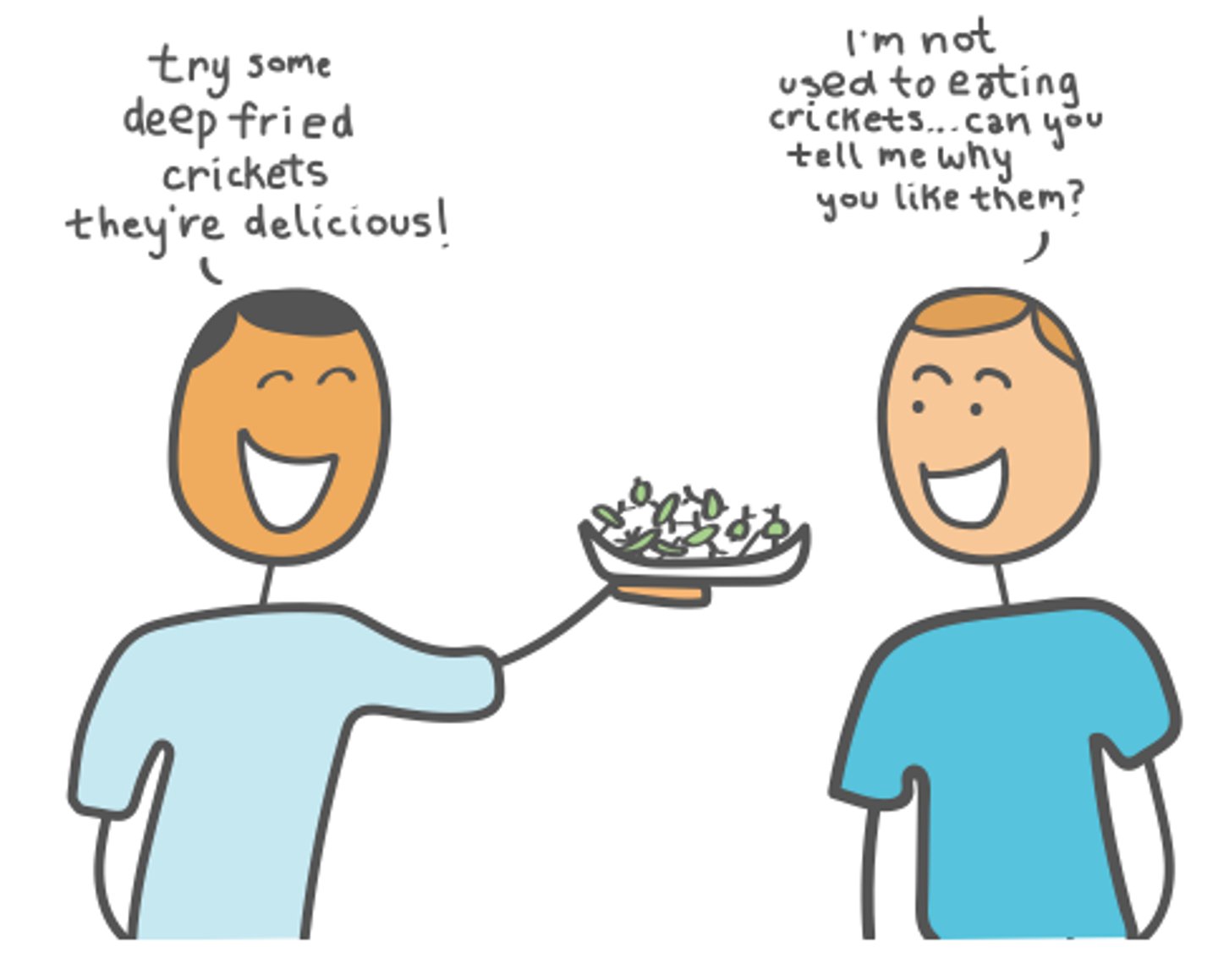
What is 1 strength and 1 weakness of relativism?
- takes into account the culture, context, or circumstances in which each action occurs
- may condone practices that may appear morally wrong to many (e.g. allowing female babies to die)
natural law
an innate knowledge of right and wrong that is part of being human
Discuss how natural law ethics relate to Catholic ethical decision making when confronted by murder and euthanasia? (mention 3 points)
- Catholics believe humans possess intellect and free will, allowing them to discern good and evil through reason and their God-given conscience
- when a Catholic faces a moral dilemma, they combine natural law with scripture and the Church's teachings to form their conscience
- actions like murder and euthanasia are considered intrinsically evil because they are universally understood to violate human flourishment and natural order

Explain how in a pluralist society ethical issues are dealt with, with reference to commercial surrogacy? (mention 2 points)
- legal systems and parliaments are used to debate and codify rules, such as laws governing human rights or healthcare, acting as a 'thin consensus'
- societies regulate surrogacy to prevent the exploitation of low-income women and the commodification of children by legalising only altruistic surrogacy (not paid a profit), as seen in Australian Surrogacy Legislation, which prohibits commercial arrangements entirely
Discuss the Catholic view of euthanasia, explaining why the Church holds this view? (mention 6 points)
- opposes euthanasia, viewing it as a 'sin against God'
- the Church argues that human beings are stewards, not owners, of their lives, meaning it is a violation on God's authority (master of human life) to deliberately choose the time or manner of death
- the Church holds that human life has inherent value at every stage, from conception until natural death
- although euthanasia intends to end a person's life to eliminate suffering, the Church argues that a good end (relieving pain) can never justify an evil means (intentionally taking an innocent life)
- the Church teaches that human dignity does not diminish due to illness or suffering, and that euthanasia treats vulnerable patients as 'burdens to be discarded'
- the Church considers euthanasia as not 'merciful' but instead 'false compassion', as it believes true compassion comes from offering support and care, rather than killing the person to eliminate their suffering

Discuss the Catholic view of euthanasia, justifying your explanation by drawing upon at least 4 of the 10 principles of Catholic ethical thinking, applying it to euthanasia? (mention 4 points)
- God exists: because God is good, loves all creation, and has a plan for human happiness now and beyond death, ending life prematurely through euthanasia disrupts his plan
- Image of God: every person reflects the goodness of God; therefore, euthanasia violates this inherent sacredness by deliberately destroying a body and soul
- Knowing right: human reason and moral wisdom allow individuals to recognise that intentionally taking an innocent human life is morally wrong
- Capable of sin: decision to use euthanasia represents a serious sin that damages a person's relationship with God and highlights how suffering can distort human moral judgment without God's guidance