Math 114 Quiz 1 questions and answers
 Call Kai
 Learn
Learn Practice Test
 Spaced Repetition
 Match
Match Flashcards
1/61

There's no tags or description
Looks like no tags are added yet.
Name | Mastery | Learn | Test | Matching | Spaced | Call with Kai |
|---|
No analytics yet
Send a link to your students to track their progress
62 Terms
a^m x a^n
a^m+n
(a^m)^n
a^mn
a^n/a^m
a^n-m
-1^n if n is even
1
-1^n if n is odd
-1
n√ab
n√a x n√b
n√a if n is odd
a
n√a if n is even
IaI
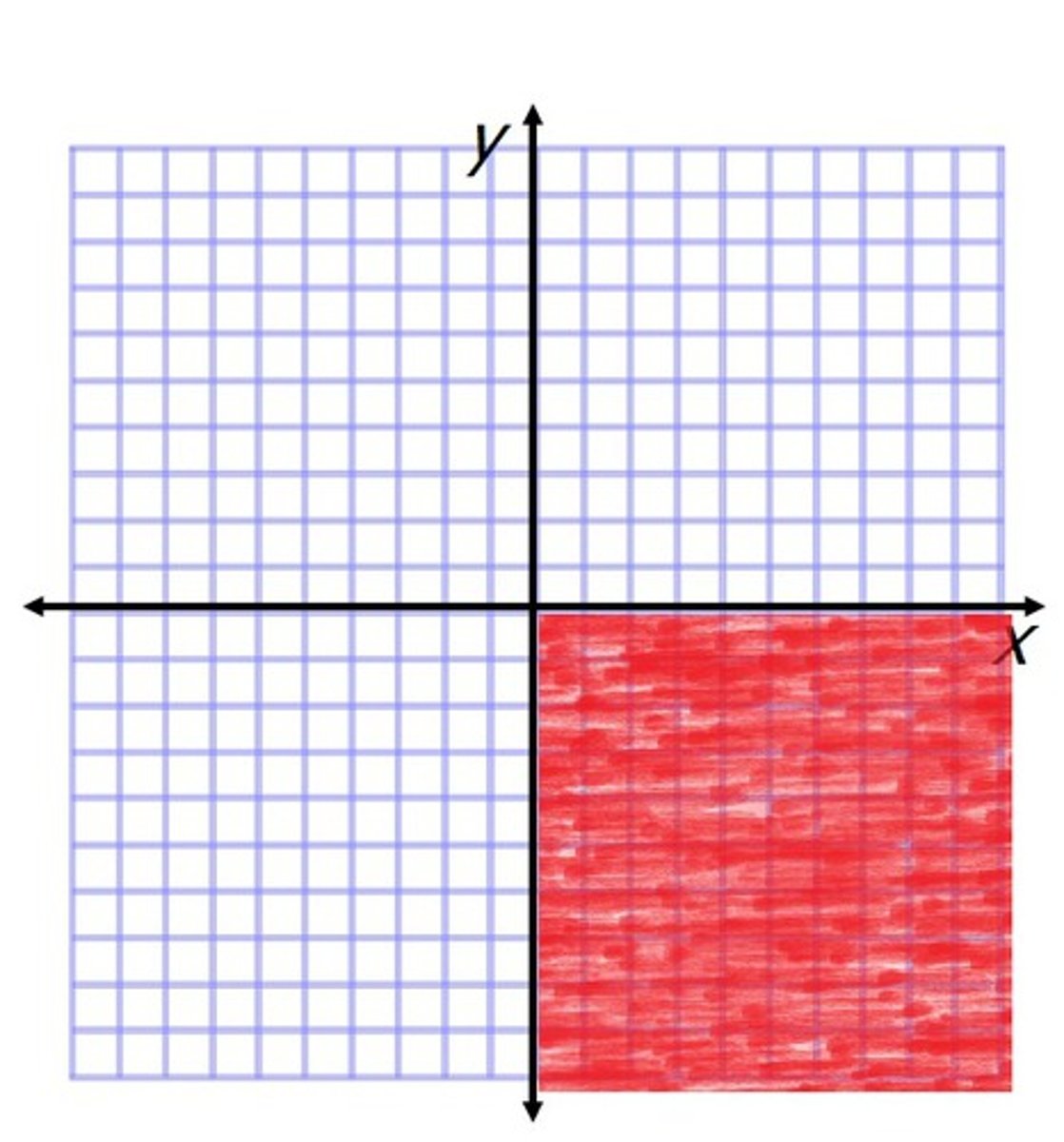
quadrant I
+x, +y
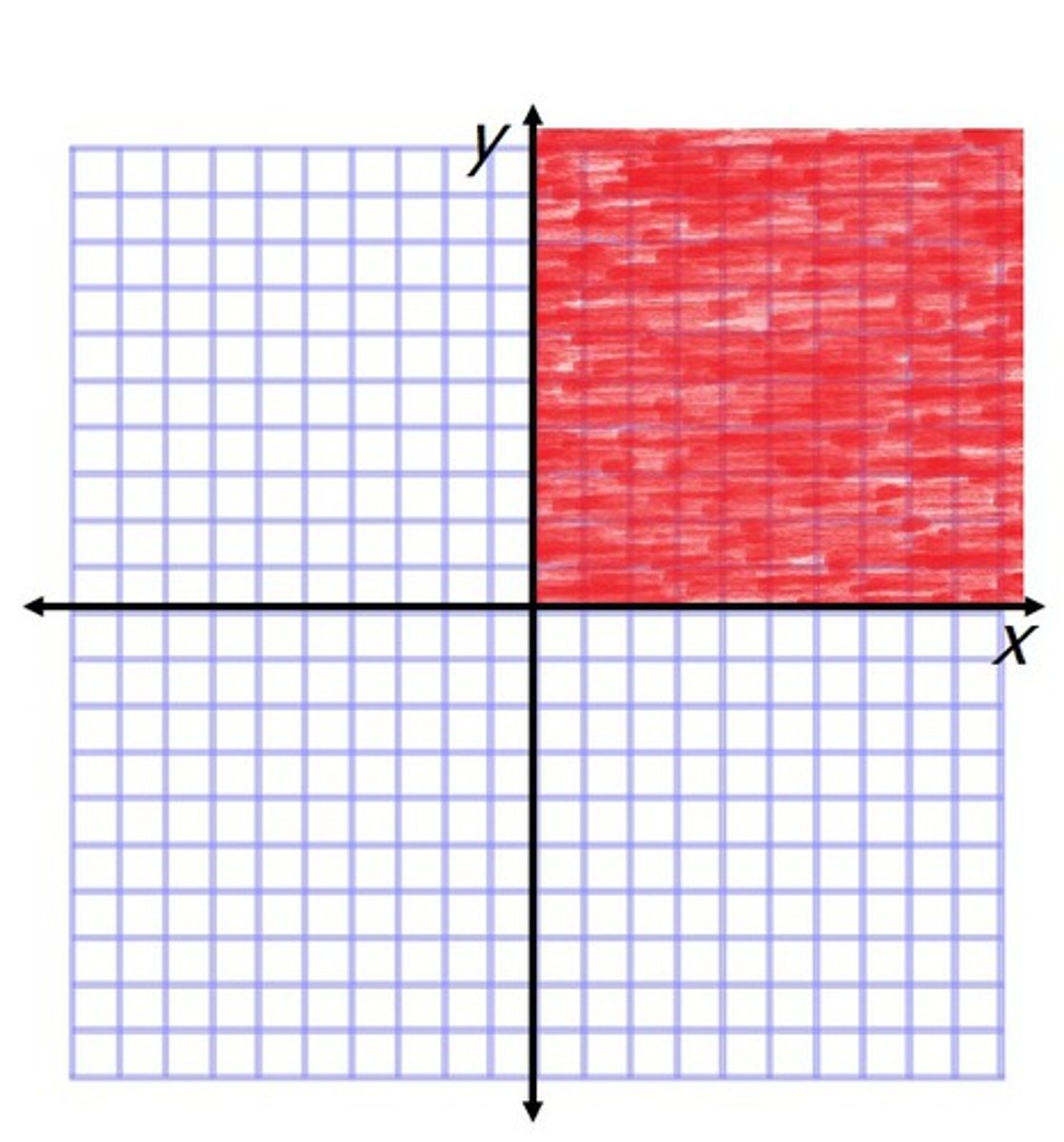
quadrant II
-x, +y
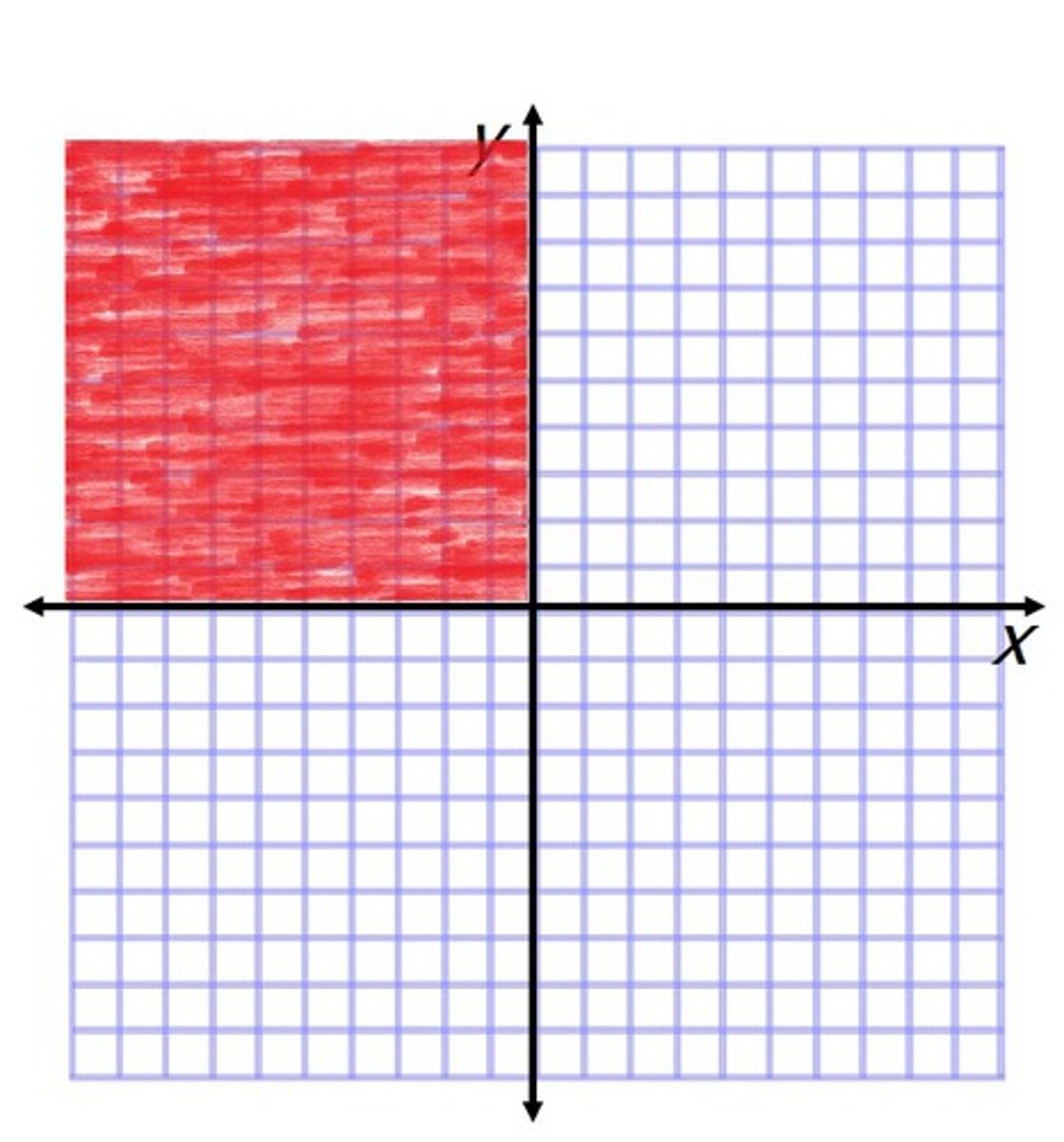
quadrant III
-x, -y
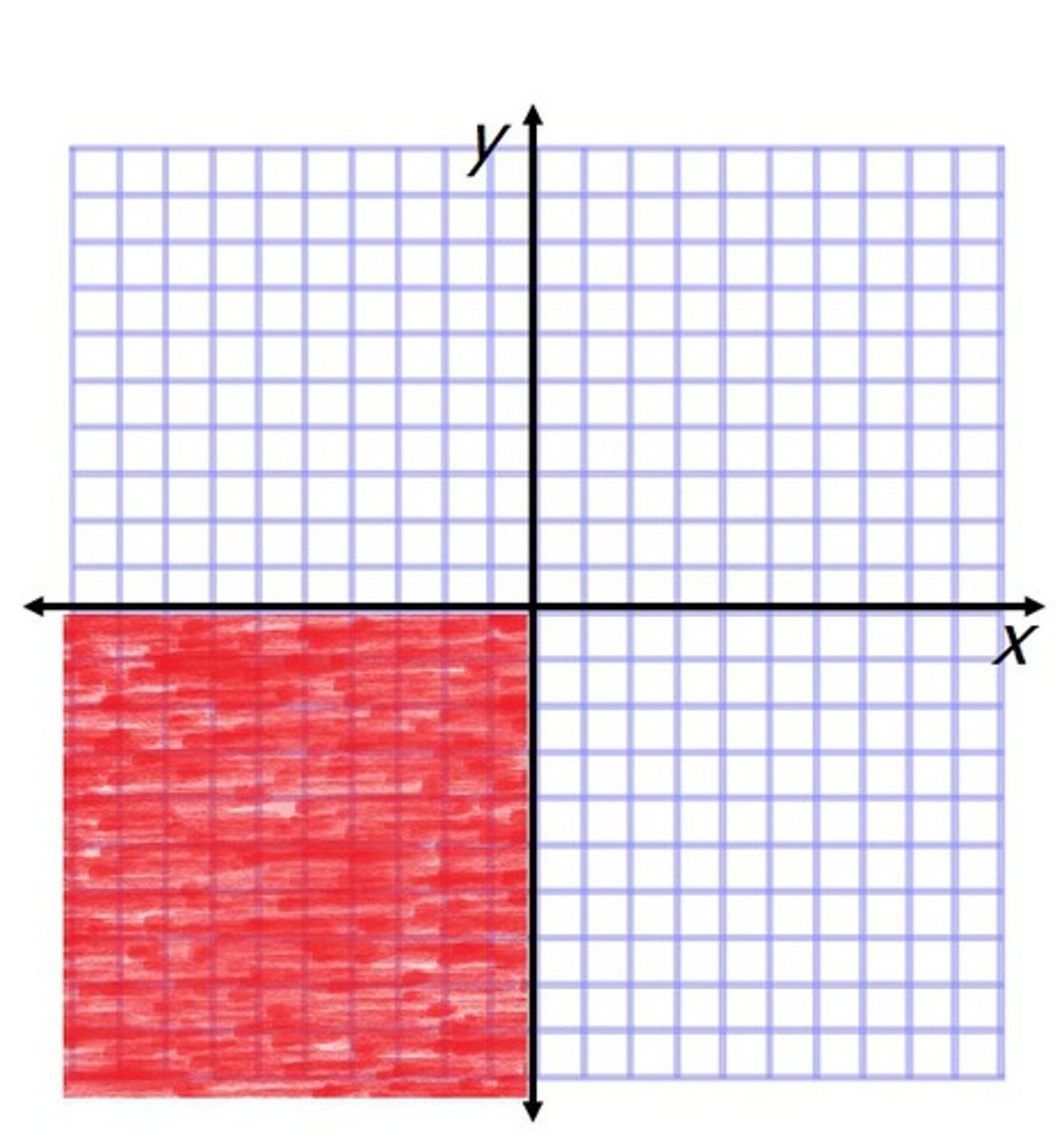
quadrant IV
+x, -y
distance between two points
d = √(x₁-x₂)² + (y₁-y₂)²
midpoint of two points
(x1+x2/2, y1+y2/2)
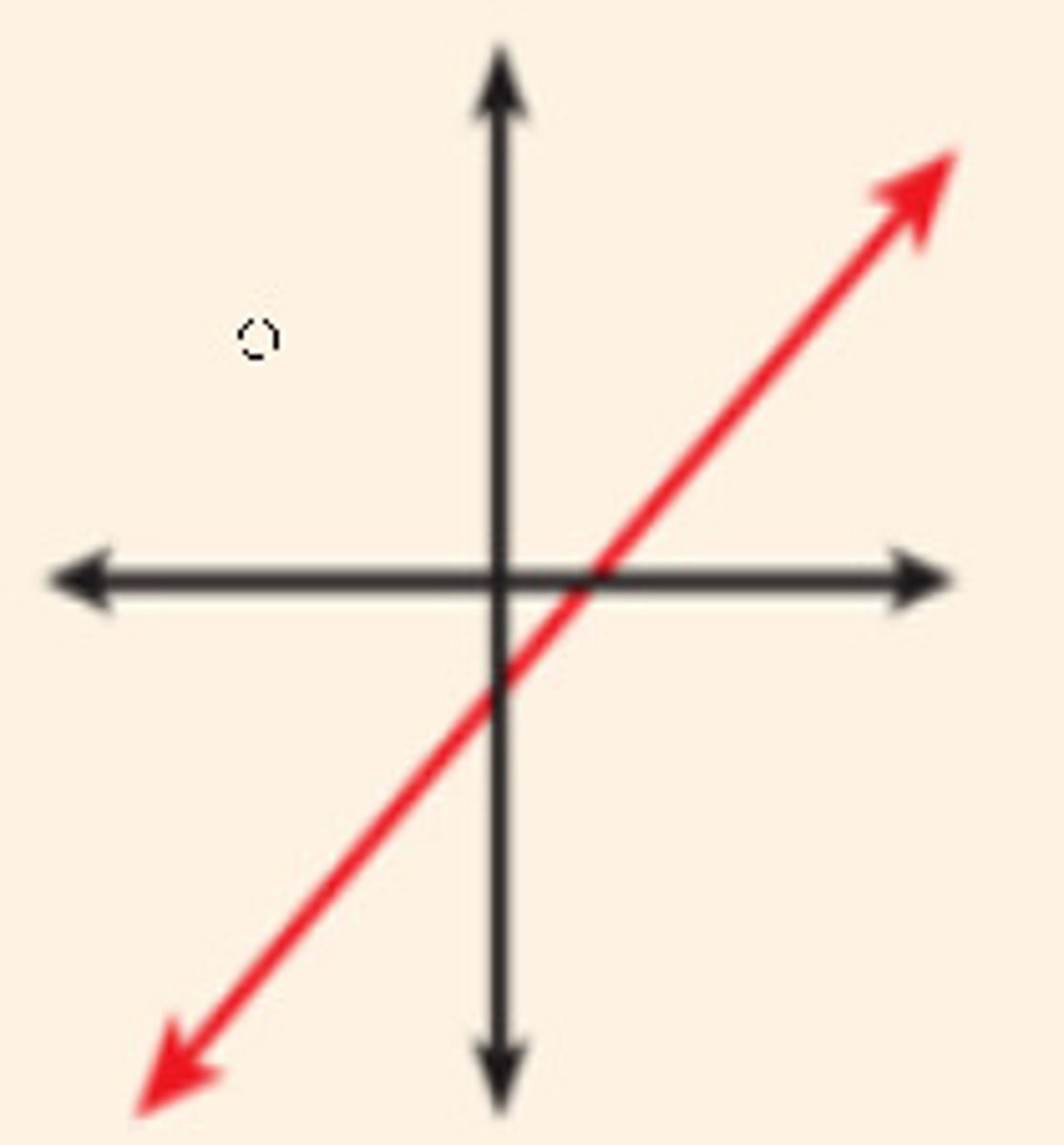
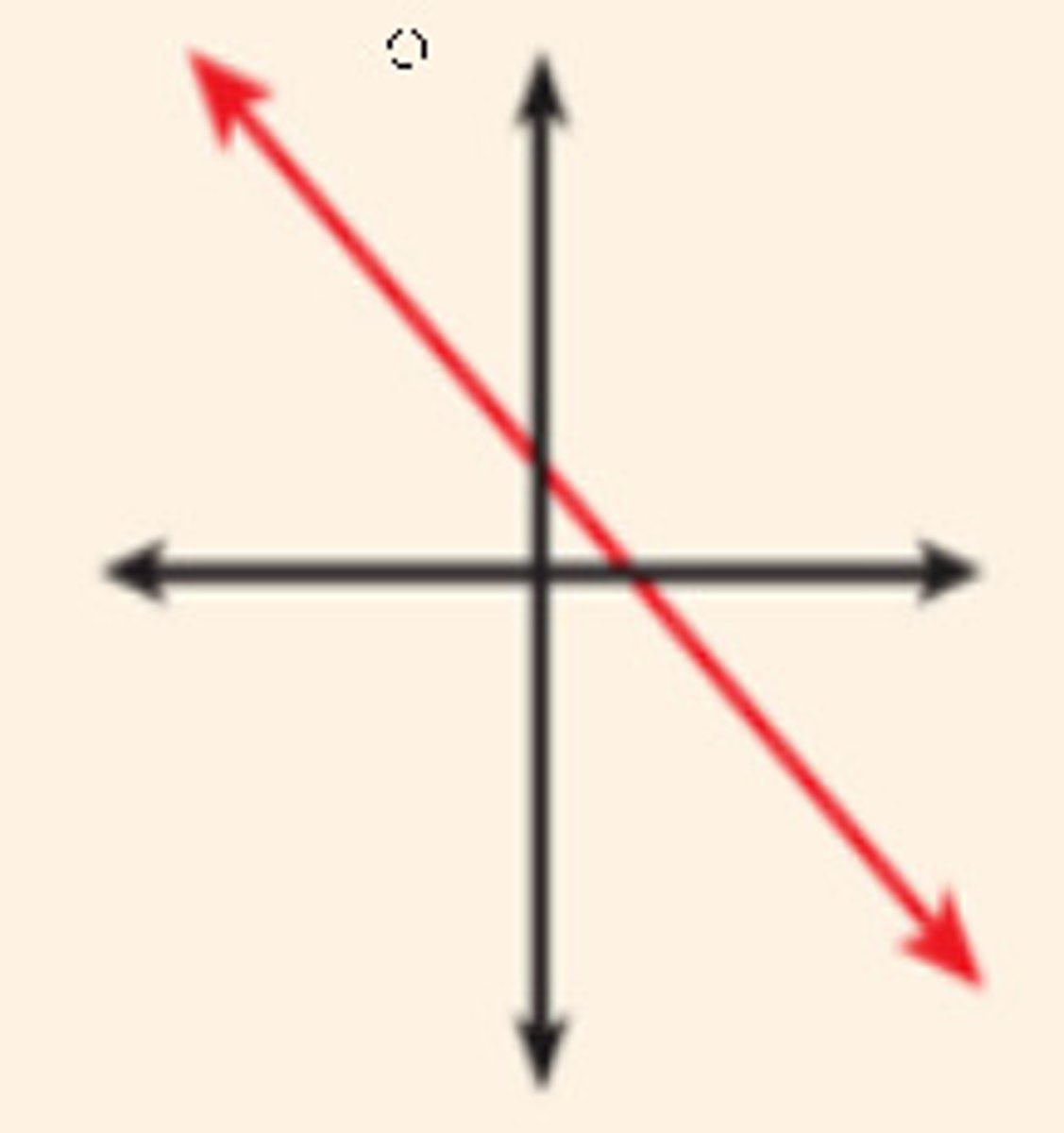
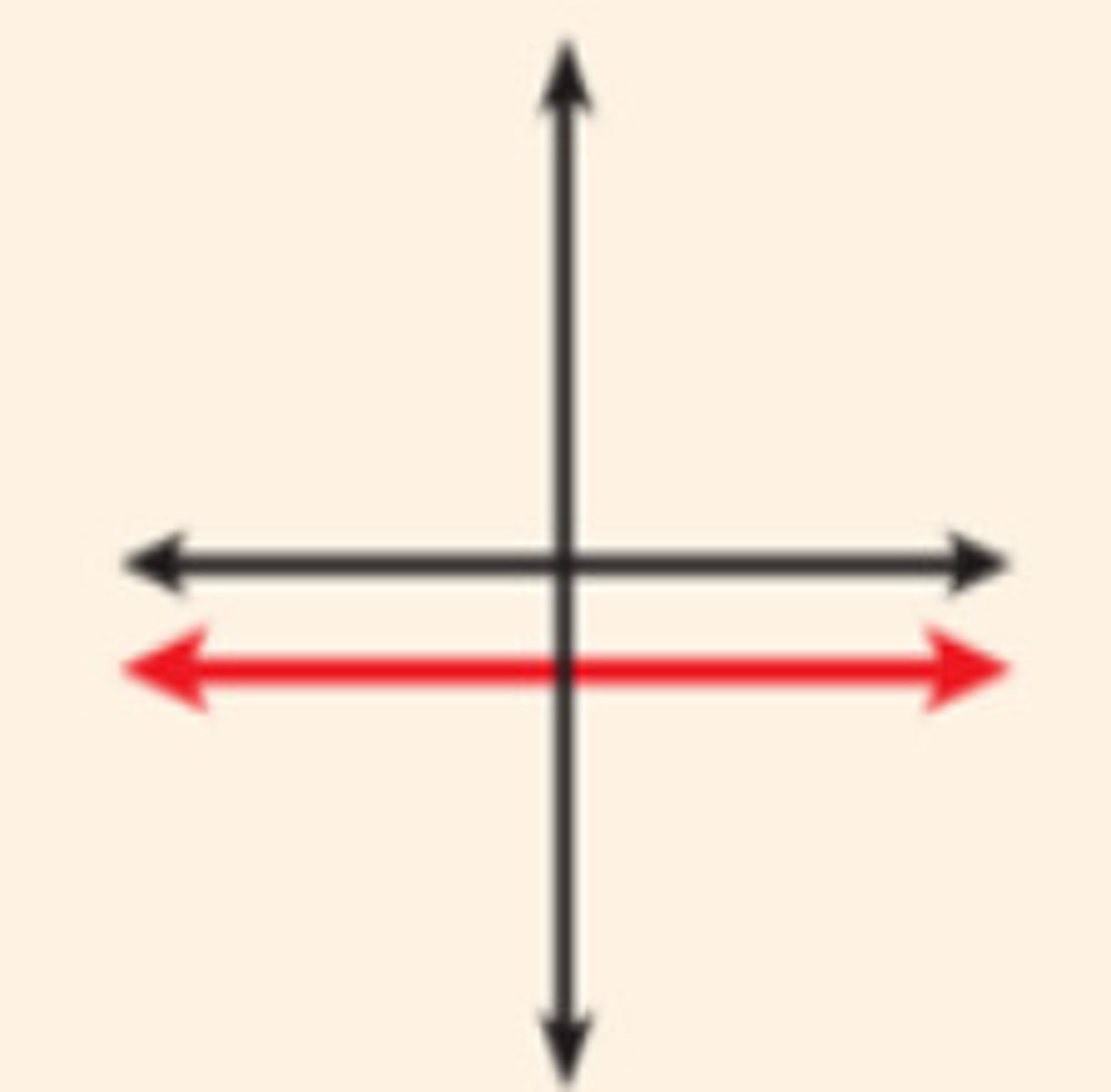
slope of line between two points
y2-y1/x2-x1
positive slope
negative slope
zero slope
no slope
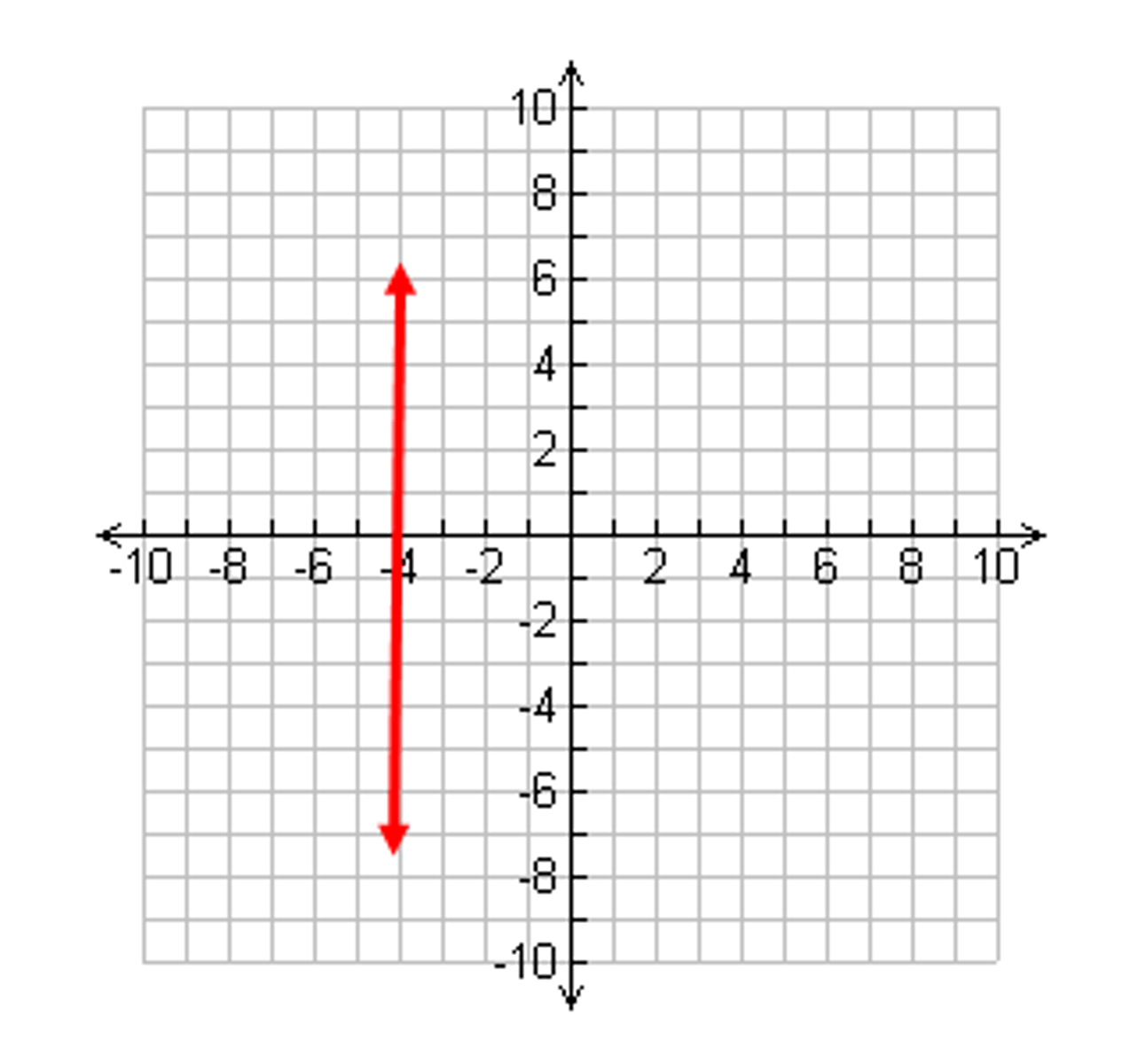
slope intercept form
y=mx+b
point slope form
y-y1=m(x-x1)
two lines are parallel if
their slopes are equal
Two lines are perpendicular if
their slopes are opposite reciprocals
x intercept is where the graph intercepts
x axis, set y = 0
y intercept is where graph intercepts
y axis, set x = 0
symmetric about x axis
Equation is unchanged when x is replaced by -x
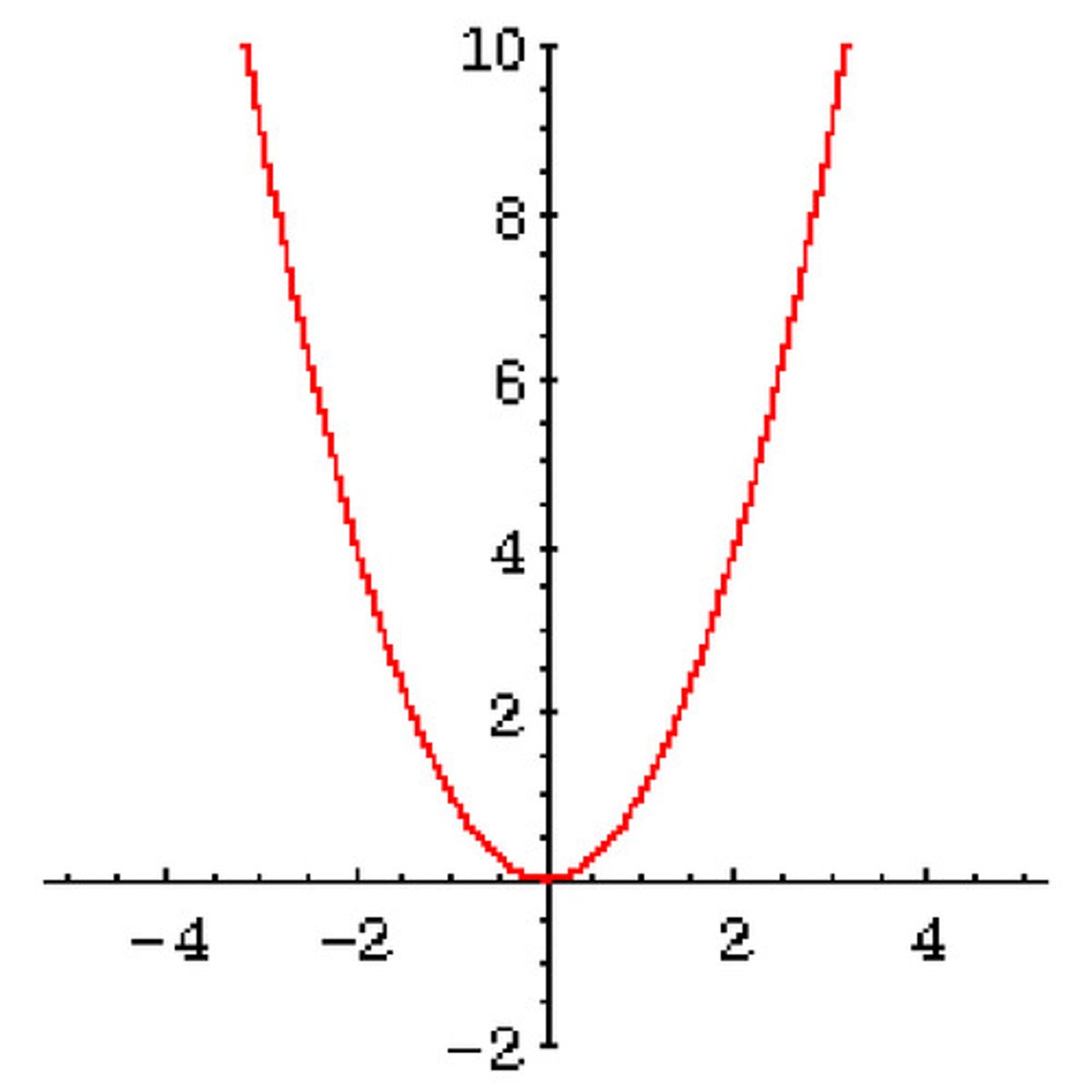
symmetric about y axis
Equation is unchanged when y is replaced by -y
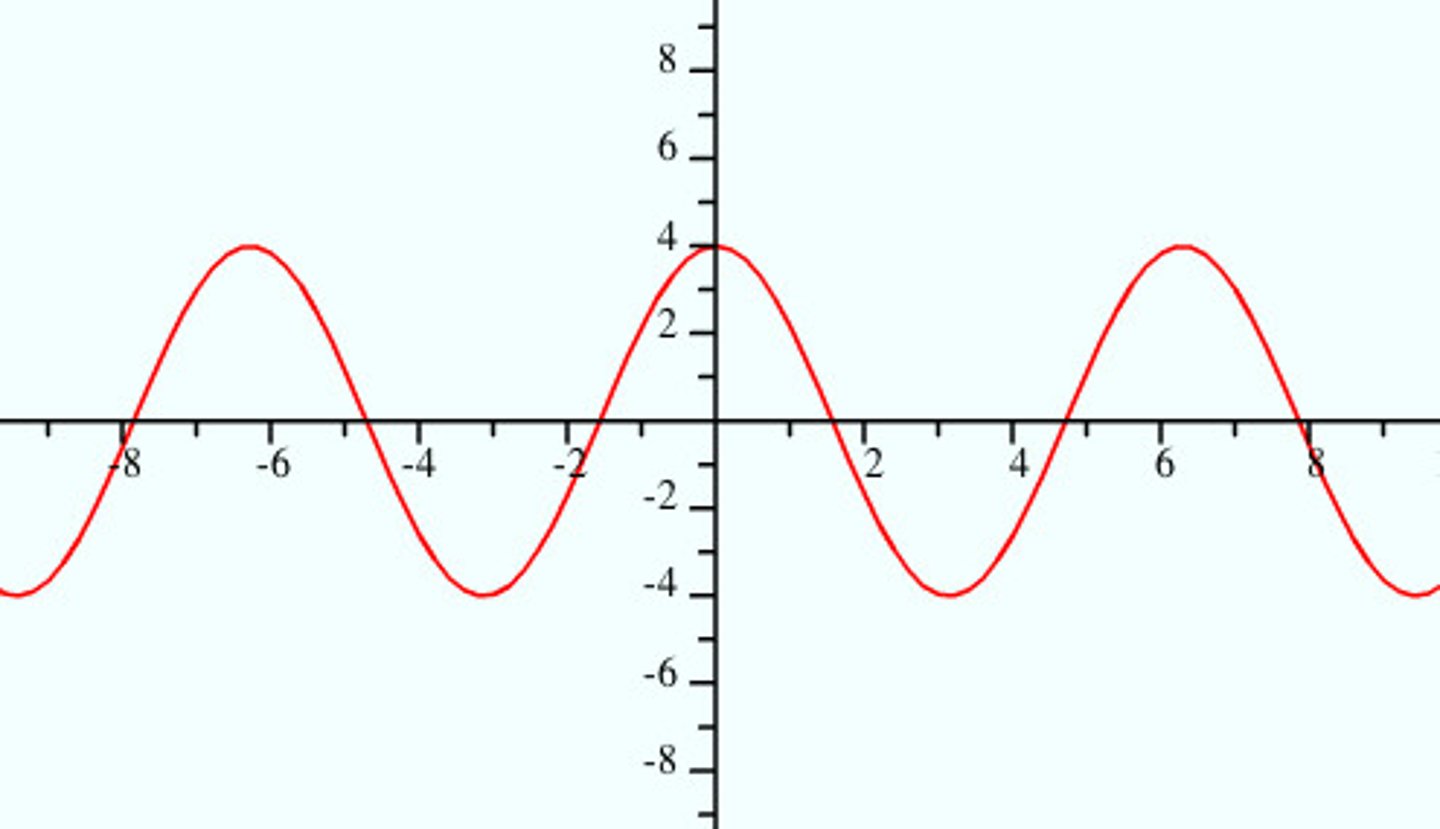
symmetric about origin
f(-x)=-f(x)
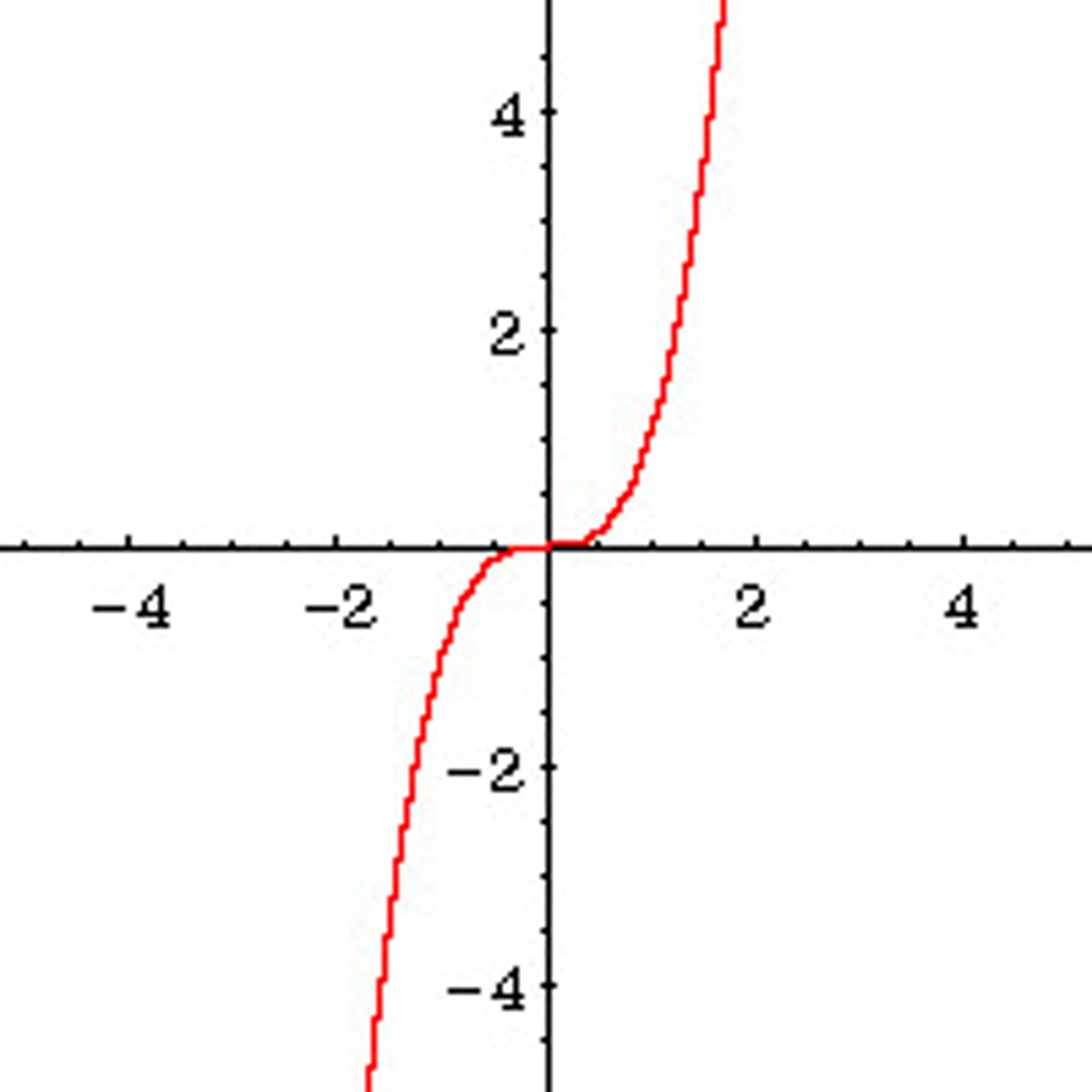
three ways to represent a range of real numbers
inequalities, intervals, number lines
Ix-aI < c
has solutions centered at a=x, and extends c unites from a on either side
quadratic equation
ax² + bx + c = 0
quadratic formula
x = -b ± √(b² - 4ac)/2a
discriminants
b^2-4ac
discriminant is greater than zero
two real solutions
discriminant equals zero
one real solution
discriminant is less than zero
no real roots
extraneous solutions
results that are not solutions to the original equation
if c > 0 then IxI becomes
x=+-c
if A is less than or equal to B then
-a is greater than or equal to 1/b
if a, b > 0 and a < or equal to b then
1/a > or equal to 1/b
if c > 0 then IxI < or equal to c implies
-c < or equal to x < or equal to c
IxI > c implies
x < -c or x > c
if c > 0, Ix-aI < or equal to c has the interval of
solutions centered at a and extending c units, [a-c, a+c]
(+)(+)
positive
(+)(-)
negative
(-)(-)
positive
steps of solving polynomial inequaliaties
1. move all nonzero terms to one side
2. factor, list key numbers on the number line
3. make a table of each factors sign
4. determine the sign of entire expression, check key numbers
true or false, inputs of a function can only have one output
true
domain of a function
all possible x-values, inputs
when determining the domain of a function
a function cannot divide by zero or take the square root of a negative number
a piecewise function
function defined by different formulas for different domains
greatest integer function
A step function, written as f(x)=[[x]], where f(x) is the greatest integer less than or equal to x.
range of functions
set of all outputs
when finding range of a function
must get all outputs which can occur or get all outputs that cannot occur
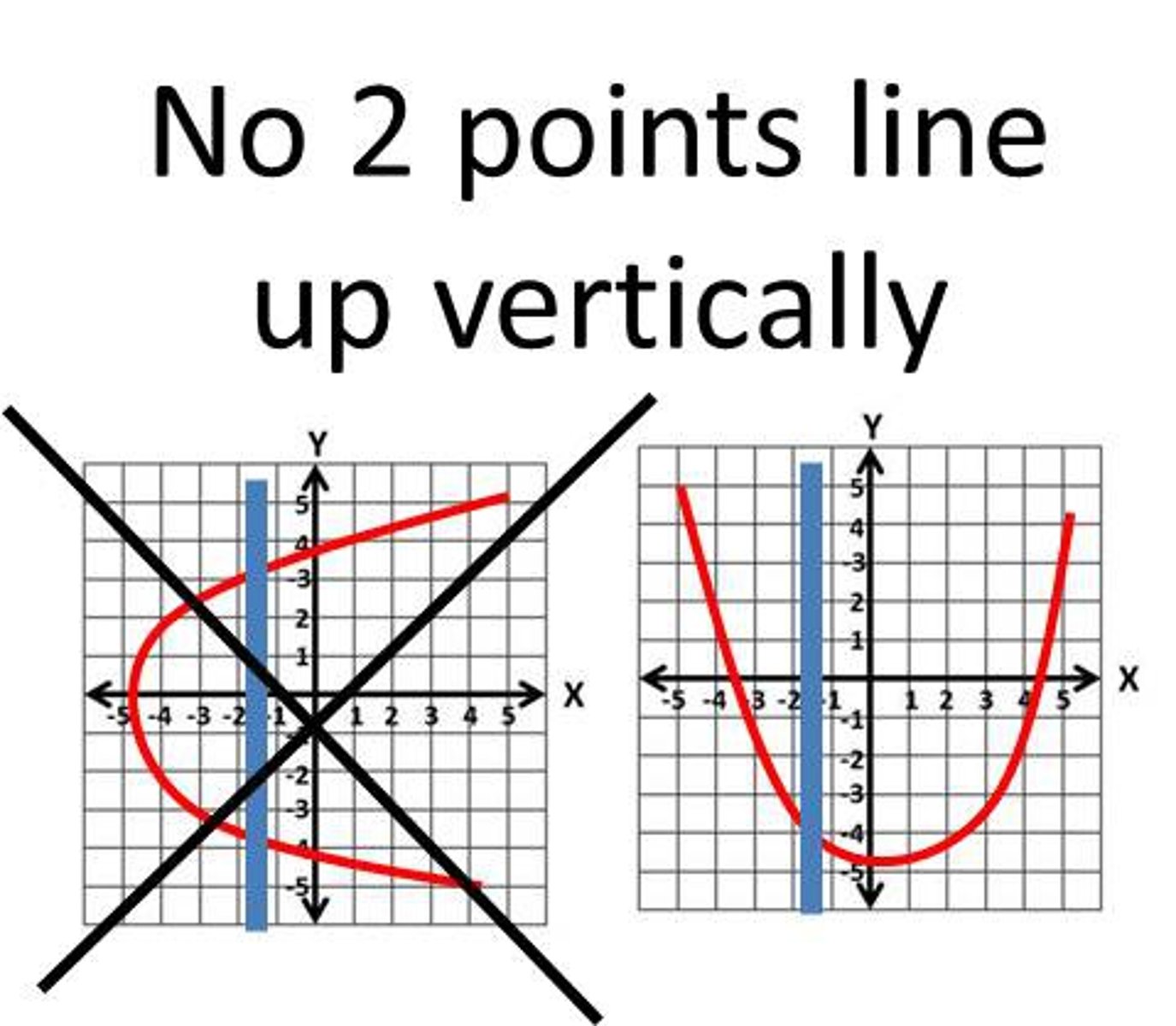
vertical line test
a curve is a function if every vertical line intersects it at most once
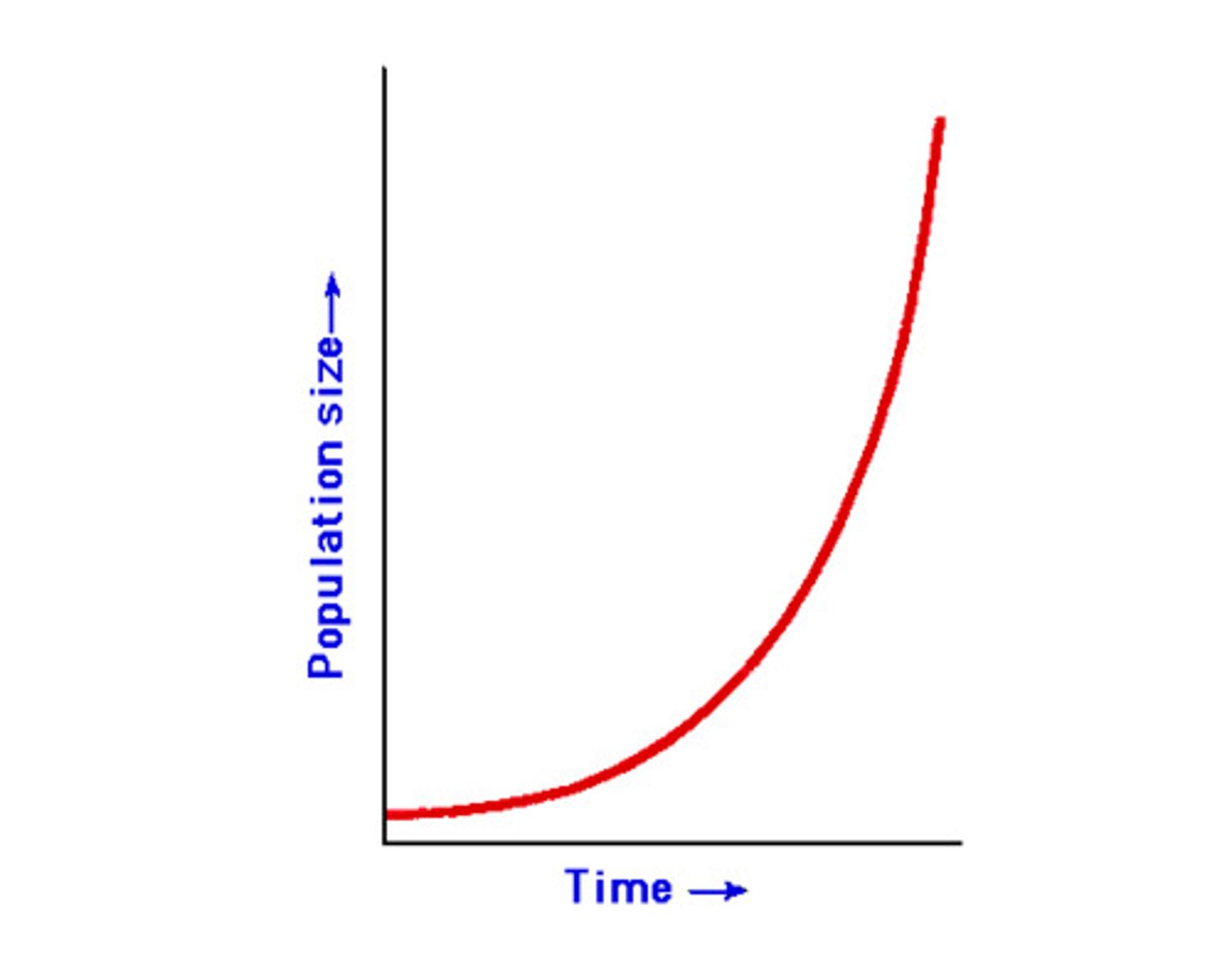
increasing function
Graph that rises from left to right
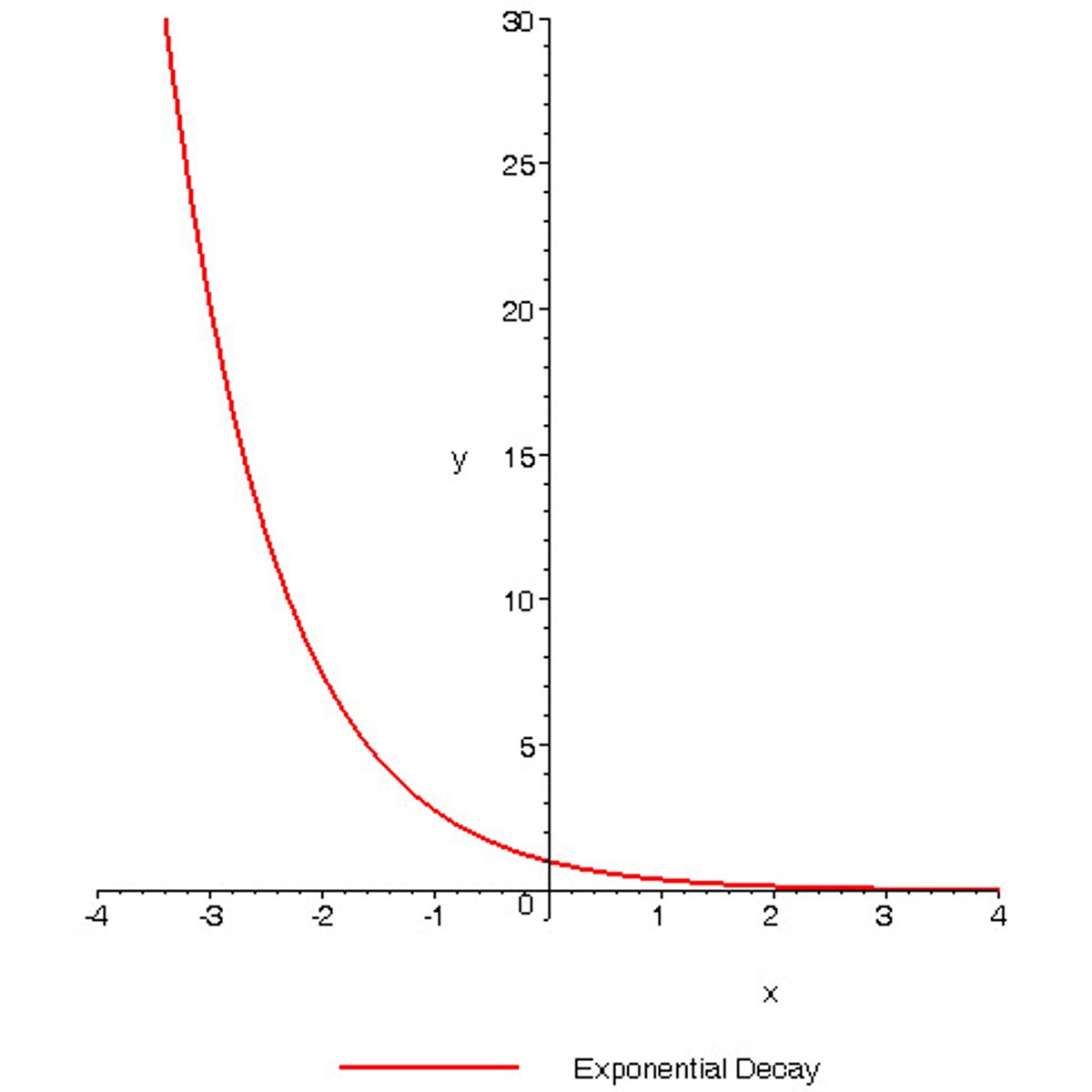
decreasing function
Graph that falls from left to right
a function f is ________ on (a,b) if f(x1) < f(x2) for any x1< x2 in (a,b)
increasing
a function f is ____________ on (a,b) if f(x1) > f(x2) for any x1
decreasing
maximum value of a function
The y-value of the highest point on the graph of a function
minimum value of a function
The y-value of the lowest point on the graph of a function
vertical asymptote
a vertical line that a graph approaches but never crosses