Addictions Part 4. Hallucinogens and Gambling Disorder
 Call Kai
 Learn
Learn Practice Test
 Spaced Repetition
 Match
Match Flashcards
 Knowt Play
1/37

There's no tags or description
Looks like no tags are added yet.
Name | Mastery | Learn | Test | Matching | Spaced | Call with Kai |
|---|
No analytics yet
Send a link to your students to track their progress
38 Terms
Five key types of hallucinogens
LSD
Magic mushrooms (psilocybin)
PCP
DMT
Morning glory seeds
Hallucinogen intoxication effects
Hallucinations, depersonalization, distorted sensory perceptions
Increased heart rate and perspiration
Rapid tolerance—people develop tolerance very quickly
Hallucinogen withdrawal effects part 1
You can’t overdose or die from a hallucinogen, just like with cannabis.
“Bad trips” are scary experiences, such as clouds turning into threatening monsters
People who use hallucinogens often have a poor social circle or environment—their suffering is not just caused by the drug
Interesting classical research findings of hallucinogens
Some classic research showed the people doing only one dose of mushrooms increased the openness to experience personality trait
For some people, it can be a life changing event
Biological-etiological factors of hallucinogens
A spike in serotonin and norepinephrine— though it’s very hard to do research on these drugs
Biological-treatments for hallucinogens
There is no medical treatment that can counteract the effects of these drugs, and none have been explored; you usually just have to wait it out.
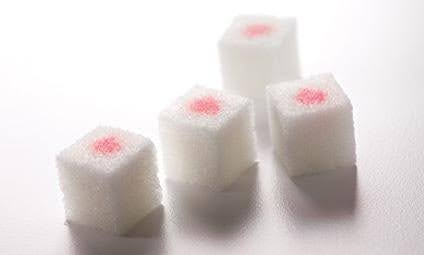
How strong is LSD?
Extremely strong—the pink dot in the sugar cube is the LSD, and it’s enough to get high for 12 hours
Psychological-etiological factors of hallucinogens
Motivations for use—why are you taking the drug? Do you have friends who except you to? Are you always bored?
Psychological treatment for hallucinogens
Usually, people just stop using the drug
CBT—few show up, not effective
Harm reduction—not effective
How many DSM criteria for gambling disorder does one require?
Four of the nine, for a period of 12 months
There is no threshold for what you have to spend on gambling; you just have to meet four of the nine criteria
What are some key forms of gambling?
Playing the stock market, casinos, and betting on sports
First two DSM criteria for gambling disorder
Needs to gamble with increasing amounts to achieve the desired level of excitement—tolerance
Is restless or irritable when attempting to cut down or stop—withdrawal
Third and fourth DSM criteria for gambling disorder
Repeated unsuccessful efforts to control, cut down, or stop—impaired sense of control
Often gambles when distressed—they use it as a negative reinforcer to treat some emotional issue
Fifth and sixth DSM criteria for gambling disorder
After losing money, often returns another day in an attempt to break even—chasing losses, such as, “I have to win the $200.00 back before my wife finds out.” And, if they win the $200.00 back, then they think they are on a roll, and so they will keep gambling
Has jeopardized or lost significant relationships, educational opportunities, or job opportunities—a social impairment because of their gambling
12-month prevalence rate for gambling disorder
0.2%--5%
Alex doubts the 0.2%. He thinks its more like 1%, as people have more access to gambling now—the 0.2% was mainly before the internet gambling became a thing, so people in isolated and remote areas didn’t have access to casino’s for gambling
Does gambling just effect youth?
Gambling disorder is also significantly bad for seniors, as they have nothing better to do.
And it’s often not a problem for them as it can be a social thing.
Is gambling a problem for young men, and if so, why?
It’s worst for young males, and a common problem, in teenagers because they can easily bypass ID on gambling apps
Is, “once a gambler, always a gambler true?”
It’s a myth; gambling is usually episodic
They start bad for a year, then they stop when it gets out of control, then they start again
Although for some people it can be very consistent
Severity scale for gambling disorder
Mild 4-5 symptoms
Moderate 6-7 symptoms
Sever 8-9 symptoms
What sets gambling disorder apart from other DSM addiction disorders?
Gambling disorder is the ONLY non-substance addiction disorder in the DSM
Ex. Sex addiction is NOT in the DSM
Biological-etiological factors for gambling disorder
An increase in dopamine and serotonin systems—for long-term gamblers, they have lower levels of these neurotransmitters when they aren’t at the casino
Decreased activity in brain areas associated with impulse control—they have a weaker prefrontal cortex
Biological-treatments for gambling disorder
Medications typically aren’t used to treat gambling disorder, BUT
Opioid antagonists
SSRIs
Lithium
Opioid antagonists
Since endorphins are likely involved in gambling, reducing opioids may reduce some of the cravings, though there is little research
SSRIs
If someone gambles due to an emotional disorder, SSRIs will help treat the emotional disorder, but not the gambling itself
Lithium
People with bipolar often go and gamble, and lithium helps reduce thoughts about gambling.
Strangely however, those on lithium still spend the same amount on gambling
Three psychological-etiological factors of gambling disorder
Positive and negative reinforcement
Overestimates skill
Lack of understanding of “chance” and “random”
Positive reinforcement
When you win money, that is a huge positive reinforcer—often a “big win” get’s an individual hooked
People often get other perks at casinos such as music and free drinks, which are also huge positive reinforcers
Negative reinforcements
When people are sitting at the slot machine, that distracts them from other unpleasant things happening in their life
Overestimates skill
They often think they are better at playing then they actually are—such as thinking they have special skills to call a roulette wheel or slot machine
Lack of understanding of “chance” and ‘“random”
Slot machines reset every single roll, so each pull is independent of the one previous—your odds don’t improve the more times you play
They only increase just because the more you do of anything, your chances go up
Partly, humans are good at finding patterns that don’t exist, so it’s important that humans know about things being random
What are the three psychological-etiological subtypes of gambling disorder?
Behaviourally conditioned
Emotionally vulnerable
Antisocial-impulsive
Behaviourally conditioned
People get into gambling because it’s rewarding to sit there. The lights, the colours, the free drinks, etc.. are really what’s driving them to continue

Emotionally vulnerable
People who gamble as a distraction technique for their emotional issues
Typically, these people have more symptoms and disorder criteria than the behaviourally conditioned
Antisocial-impulsive type
These people have the most symptoms and the least benefits from treatment
They often go to casinos without any clear plans, and they set no limits for themselves
They often describe needing the rush for gambling and follow the under-arousal hypothesis.
They will also be more likely to rob other people to support their gambling—criminal activity

Treatment for psychological factors of gambling
CBT
Harm reduction
Gamblers anonymous
CBT/harm reduction part 1
One example is calling the casino and asking to be put on the “do not allow through the door list”
You also put checks on how much they can spend, and have them close and delete their online accounts.
Have them work around their thoughts about how chance really works, what randomness really is, etc…
CBT/harm reduction part 2
If they have emotional issues, you obviously will address those, and if they have anxiety/depression or a like disorder, you just do standard CBT to treat that
Helping the person add more fun and new activities to life, as well
You also help the person gain a sense of self-control. People do not “randomly end up in a casino parking lot,” they follow a sequence of steps during their drive home, which leads them to end up at the casino
Gambler’s anonymous
They aren’t super effective, as people often bet on who will leave the club. Maximum of 20% effectiveness, but it does greatly depend on the group