Arch. Exam 3 Study Guide
 Call Kai
 Learn
Learn Practice Test
 Spaced Repetition
 Match
Match Flashcards
 Knowt Play
1/31

There's no tags or description
Looks like no tags are added yet.
Name | Mastery | Learn | Test | Matching | Spaced | Call with Kai |
|---|
No analytics yet
Send a link to your students to track their progress
32 Terms
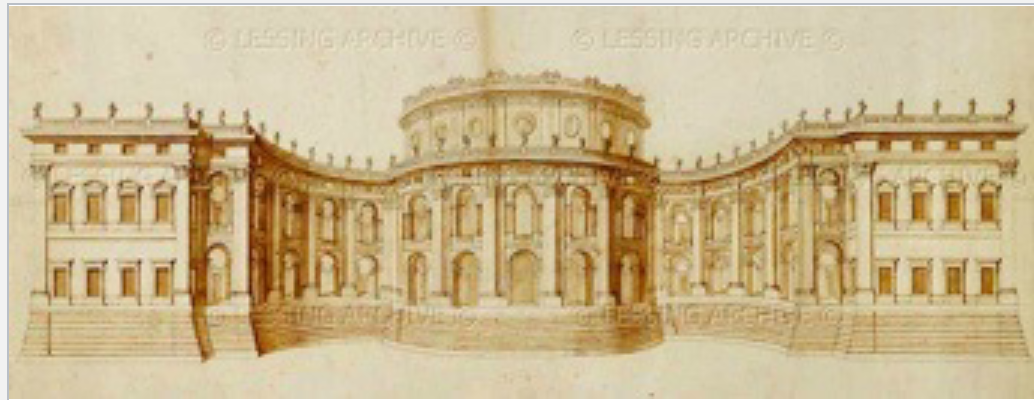
Louvre, proposed elevation
Paris
1665
Gian Lorenzo Bernini
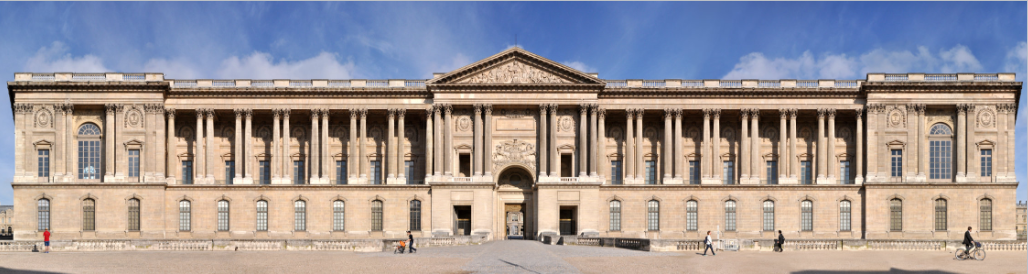
Louvre, East Elevation
Paris
1667
Claude Perrault
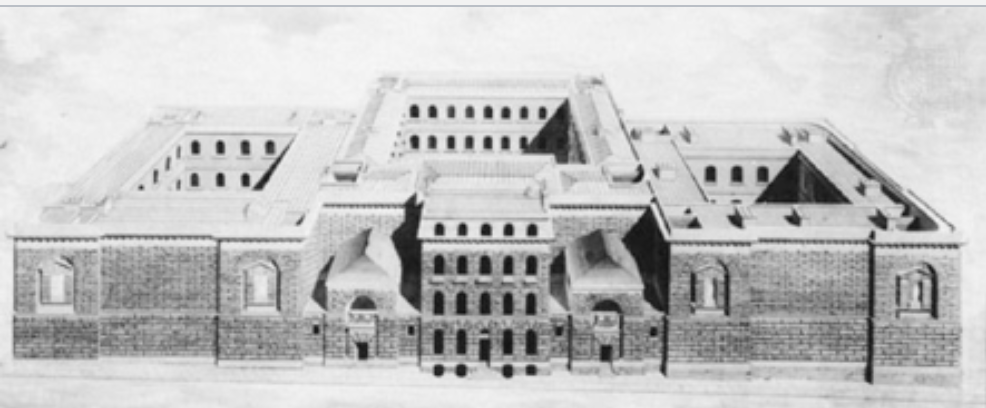
Newgate Prison
1770
London
George Dance
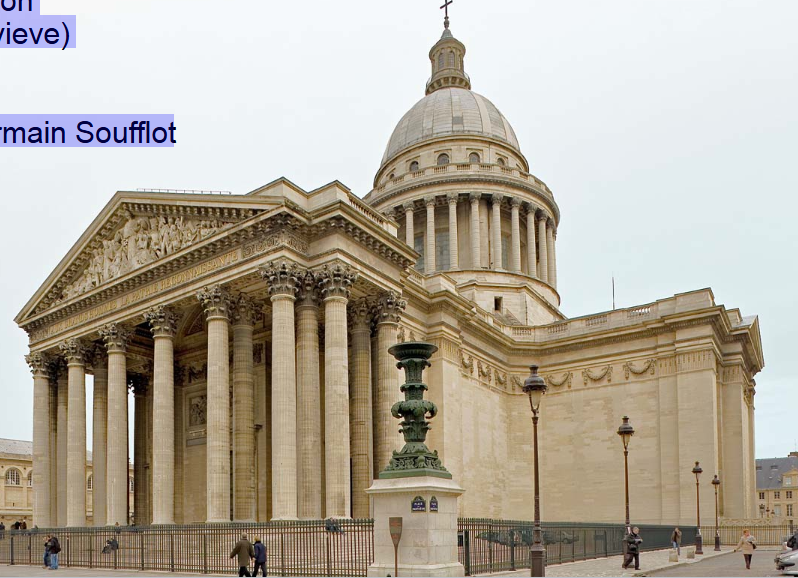
The Pantheon
(Ste. Genevieve)
1756
Paris
Jacque-Germain Soufflot
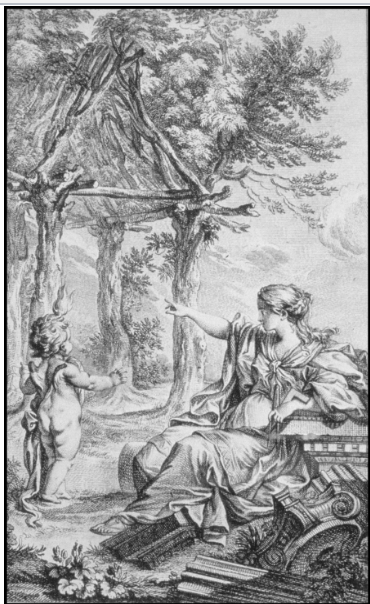
Frontispiece (Laugier’s Primitive Hut)
“Essay on Architecture”
1753
Marc-Antoine Laugier
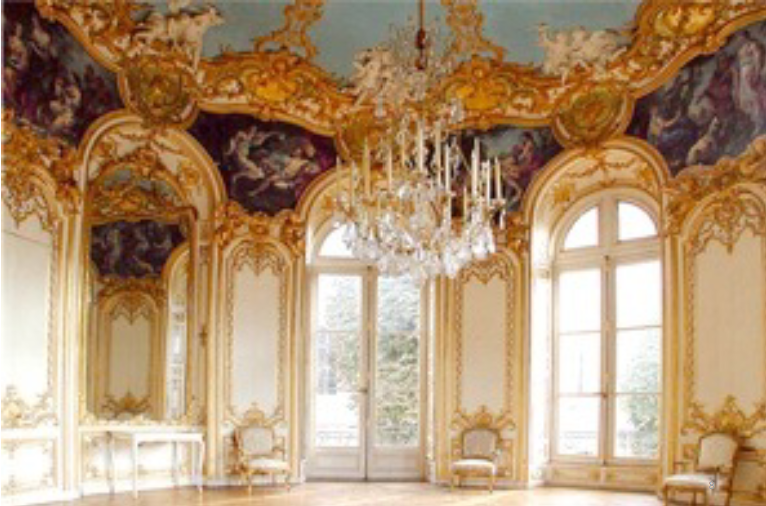
Hotel Soubise
Paris
1735
Germain Boffrand
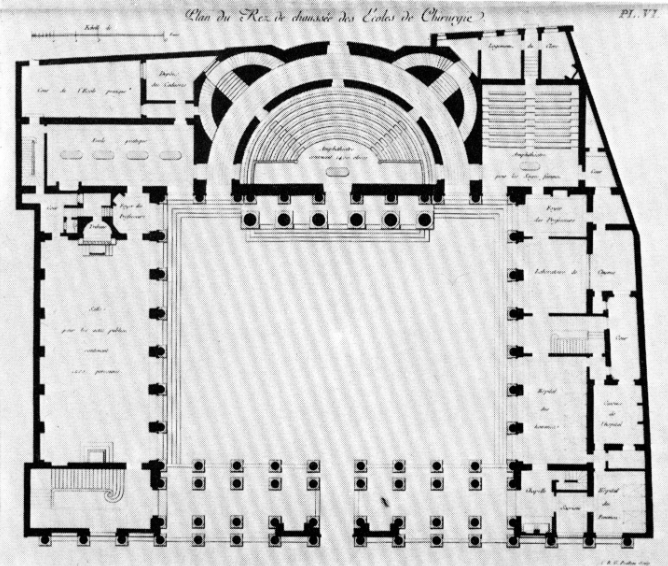
School of Surgery, plan
Paris
1769
Jacques Gondoin
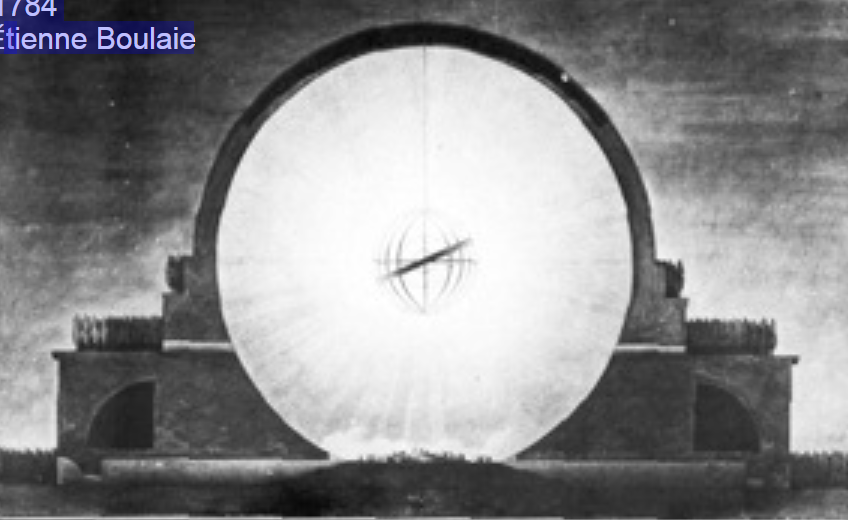
Newton’s Cenotaph (unbuilt)
1784
Étienne Boulaie
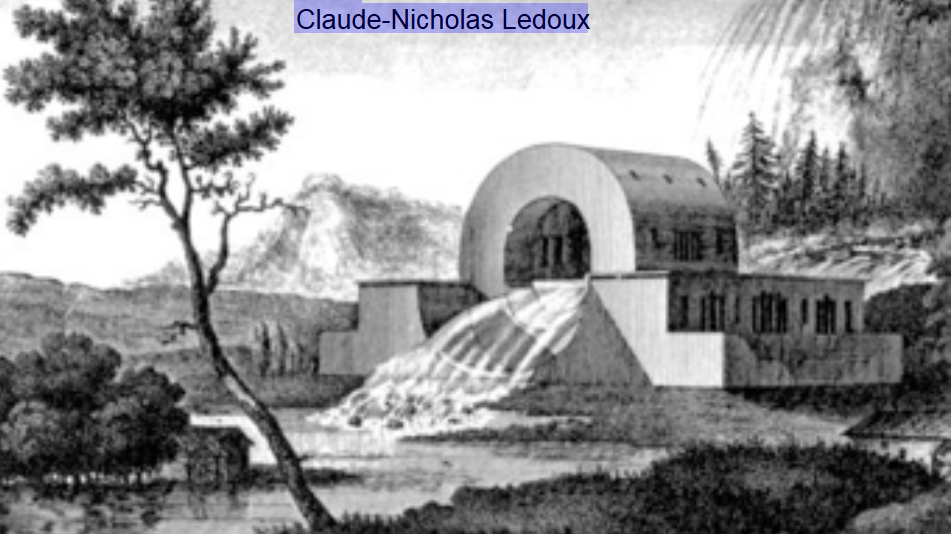
River Inspector’s House (unbuilt)
1780
Claude-Nicholas Ledoux
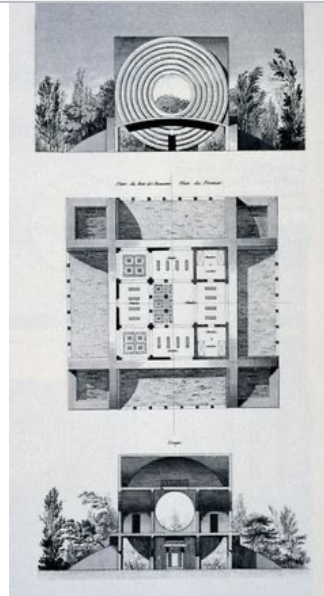
Cooper Worker's House (unbuilt)
1780
Claude-Nicholas Ledoux
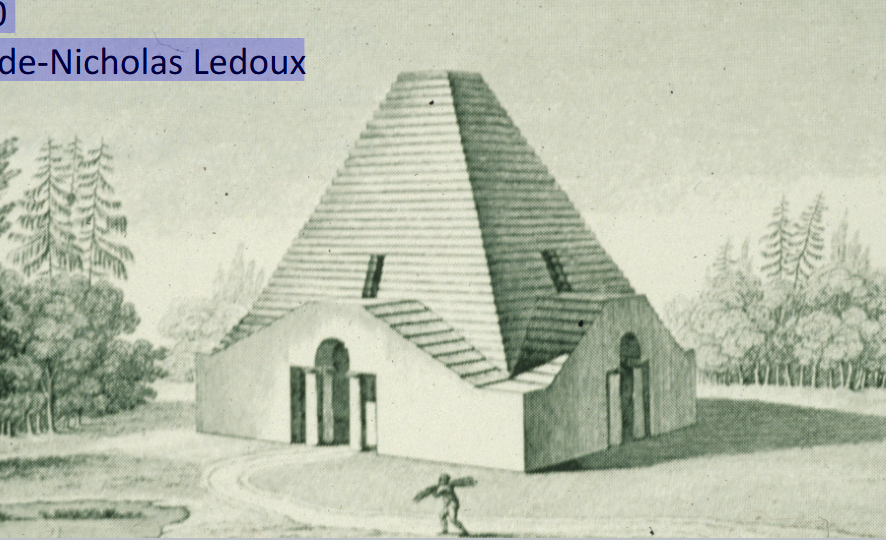
Charcoal Worker’s House (unbuilt)
1780
Claude-Nicholas Ledoux
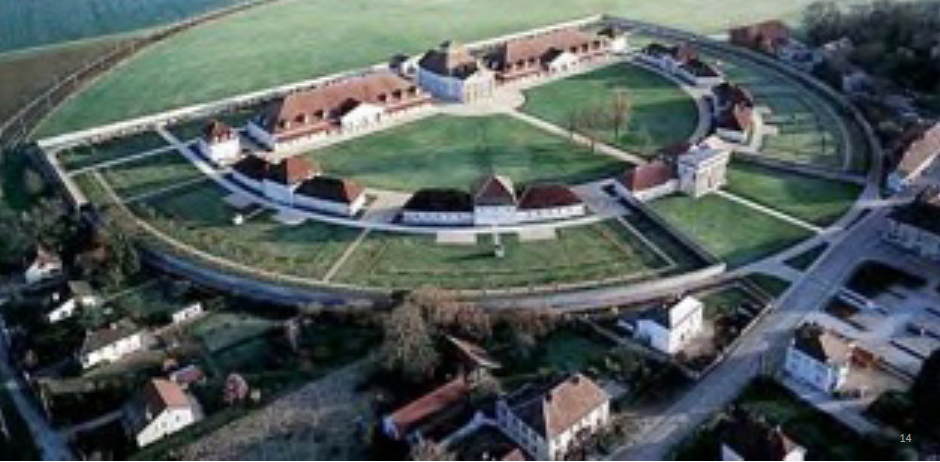
Chaux Saltworks
Chaux, France
1774
Claude-Nicholas Ledoux
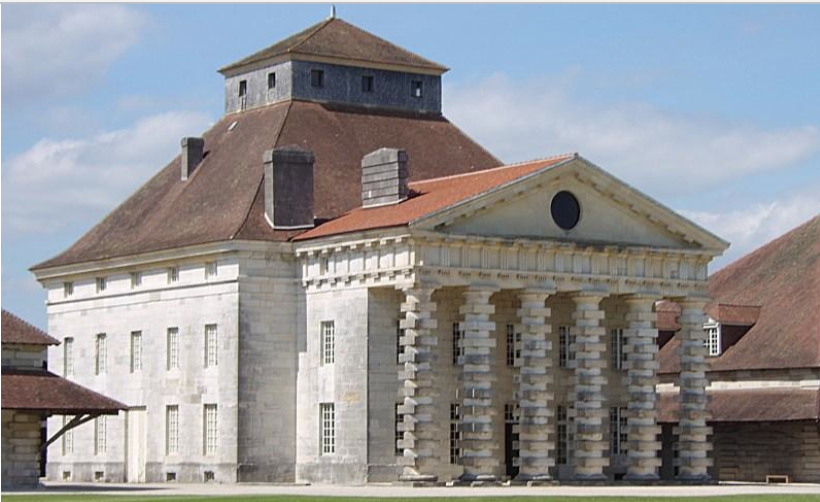
Director’s House, Chaux Saltworks
Chaux, France
1774
Claude-Nicholas Ledoux
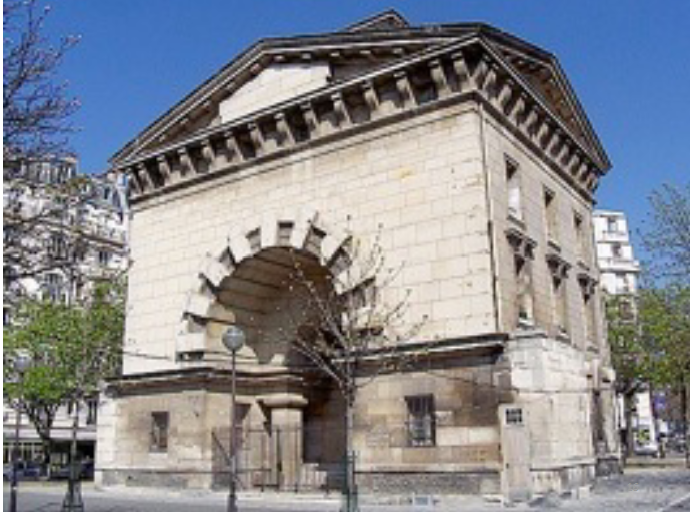
Barriere du Trone
Paris, France
1785
Claude-Nicholas Ledoux
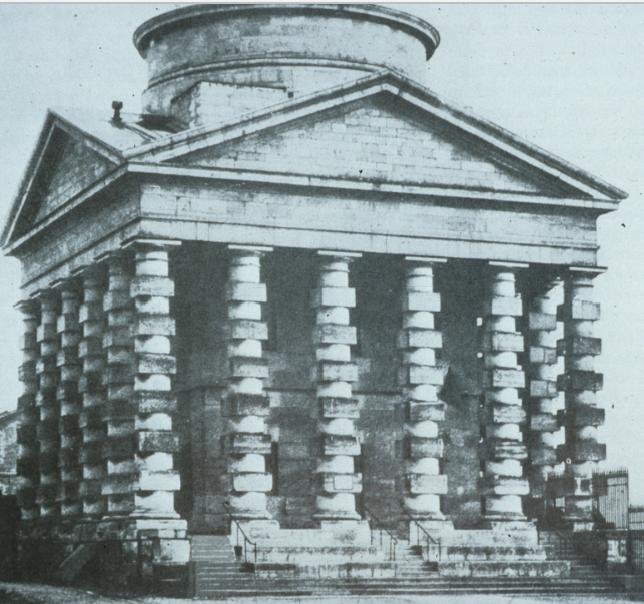
Barriere d’Étoile
Paris, France
1785
Claude-Nicholas Ledoux
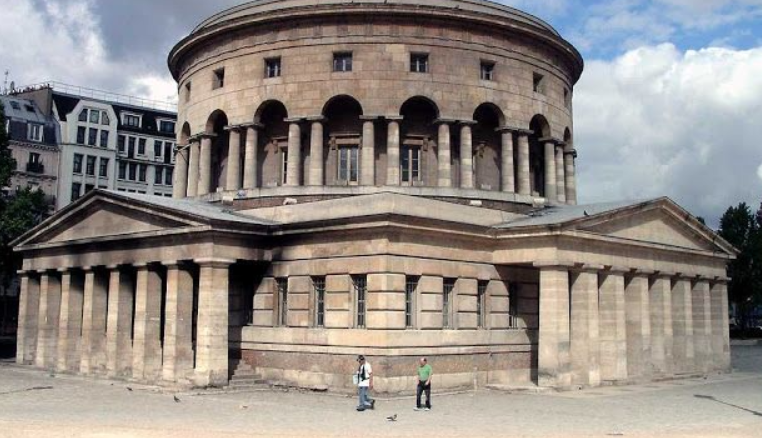
Barriere de la Villette
Paris, France
1785
Claude-Nicholas Ledoux
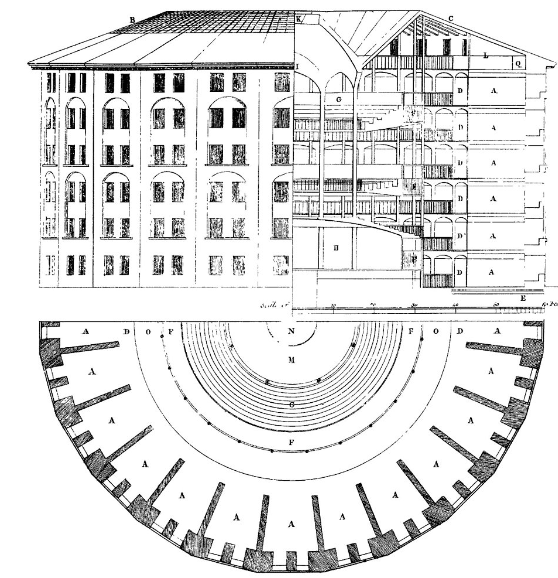
Panopticon, unbuilt
1791
England
Jeremy Bentham
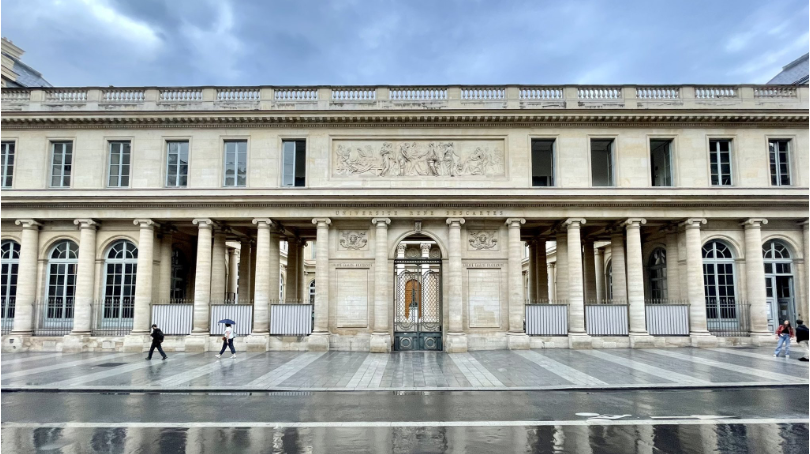
School of Surgery
Paris
1769
Jacques Gondoin
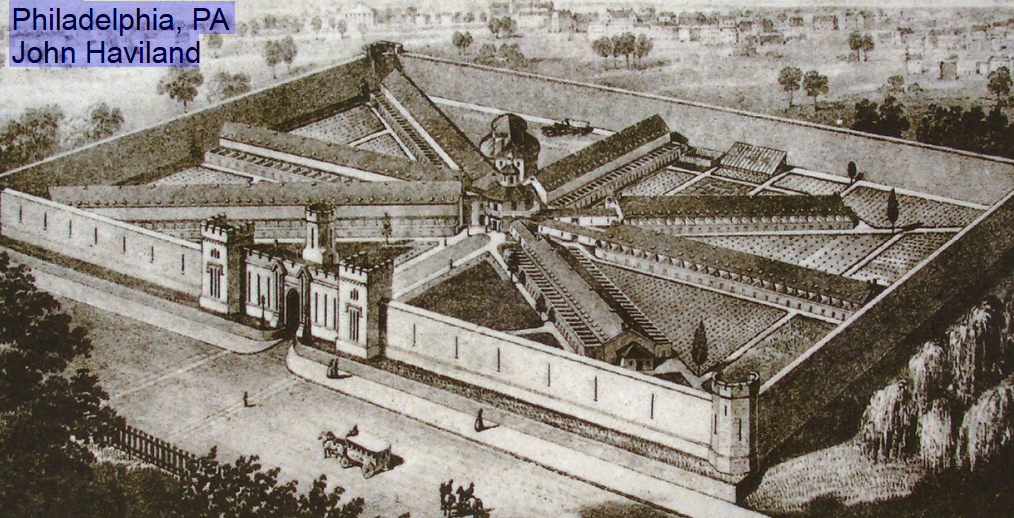
Eastern State Penitentiary
1821
Philadelphia, PA
John Haviland
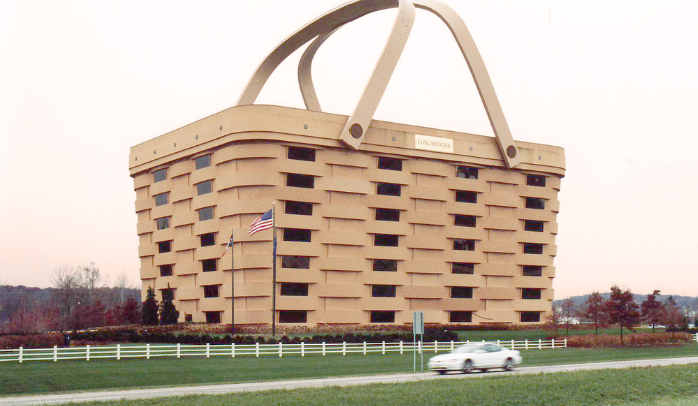
Longaberger Basket Company
1997
Newark, Ohio
NBBJ, architects
And example of Post Modern architecture that draws its inspiration from the 18th century Architecture Parlante
The Age of Enlightenment spanned
. 1700 to c. 1800, and is traditionally considered the beginning of the Modern Era.
Enlightenment thinkers in Britain, France, and throughout Europe questioned
traditional authority and embraced the notion that humanity could be improved through rational change.
The Modern World dates from
.1750 to c. 1980s, at which point the Post-Modern Era emerges.
5 Main Characteristics of the Enlightenment
1. Systemize, Categorize, and Analyze Knowledge
2. Belief in Reason as the primary source of authority and legitimacy
3. Distrust of Divine Revelation and religious authority
4. Development of ideals of liberty, progress, tolerance, fraternity, and constitutional government
5. Central ideas were personal liberty and religious tolerance, in opposition to Absolute Monarchy and the dogma of the Roman Catholic Church
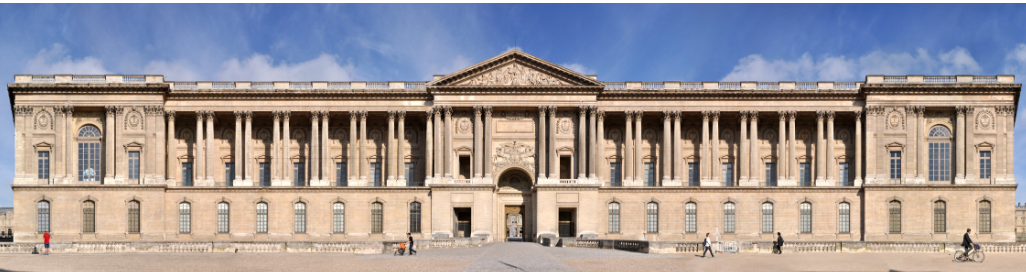
Formal Characteristics of French Neo-Classicism
1. Rejection of fluid, Baroque forms and a search for simple, expressive tectonics
2. Emphasis on bold horizontal profiles
3. Massing of elements in cubic and rectangular form
4. Emphasis on stereotomy, the cutting of stone
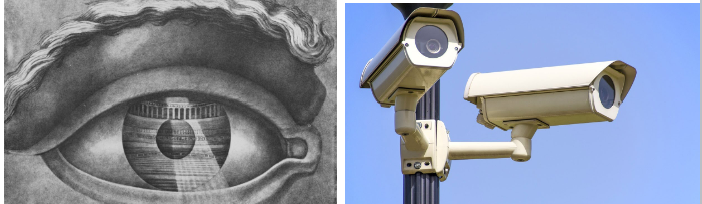
Enlightenment’s All-seeing Eye
1. In the age of the Enlightenment the all-seeing eye stood for the clear gaze of reason. It could be interpreted 2 ways:
2. It symbolized the state and the law. The all-seeing eye was a symbol of vigilance, as in its use on the dollar bill — the all-seeing eye stands guard, ready to raise the alarm if anyone threatens democracy.
3. Post-modern philosopher Michel Foucault interpreted the all seeing eye as an intrusion of the Modern State, an intrusion that could intimidate.
4. According to Foucault the all-seeing eye could be interpreted as the oppressive psychological power
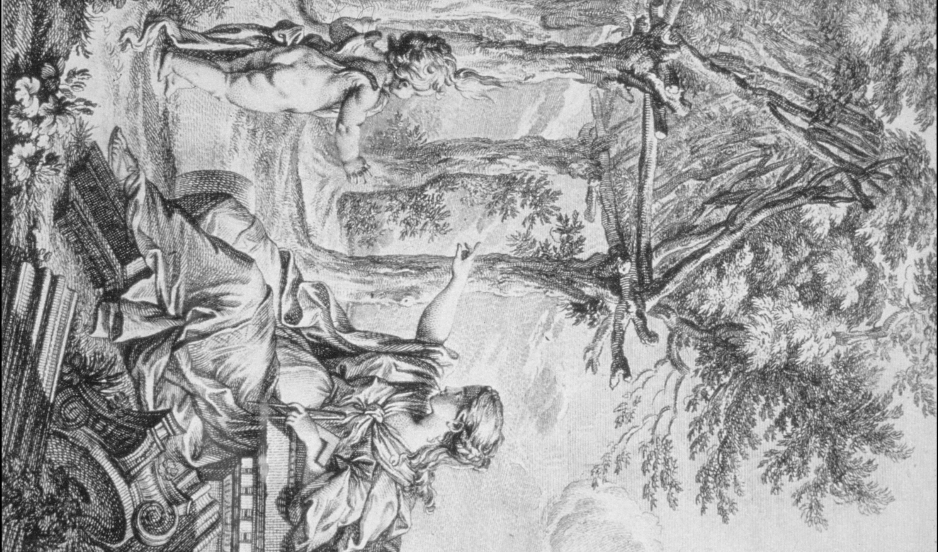
1. This is Laugier’s Frontispiece to Essay on Architecture, 1753. It shows “Laugier’s Hut,” also known as “The Primitive Hut.”
2. It promotes ‘back to basics’ in architecture, and is a rejection of the Baroque, sought to obscure architectural structure.
3. The muse of architecture is resting her arm on the ruins of the Baroque column.
4. She points to the “hut,” and thus is showing the ‘putti’ (fat little cherub on left), who represents the next generation of architects, that they need to ‘return to the basics’ of structural clarity
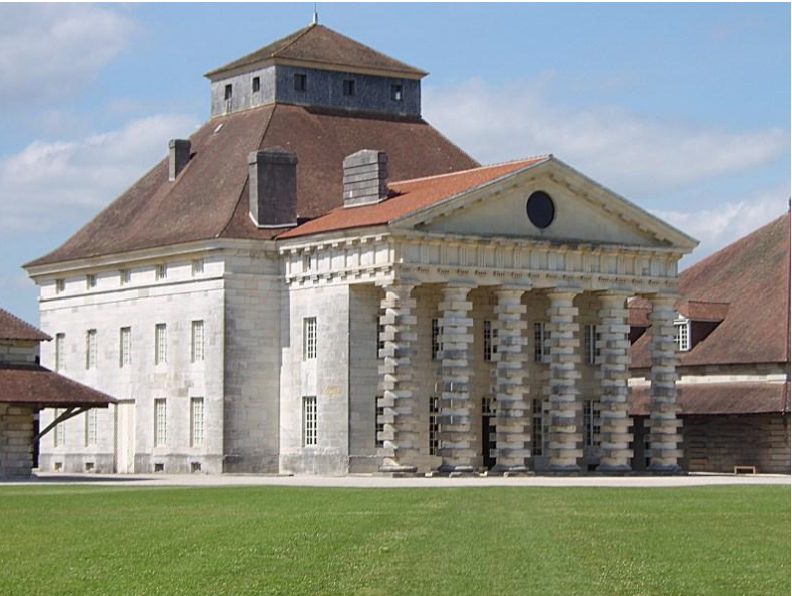
Example of “architecture parlante.”
1. The Director’s house at Chaux has rusticated columns.
2. The house is composed of bold geometric volumes, a cube, a rectangular prism, prism, and a pyramidal (pyramid-like) roofs, which emphasize the mass of the building.
3. The mass and the details can be described as an aggressive show of authority and power
4. The whole composition is intimidating to the viewer / worker. Thus the building’s basic forms speak to this intent.
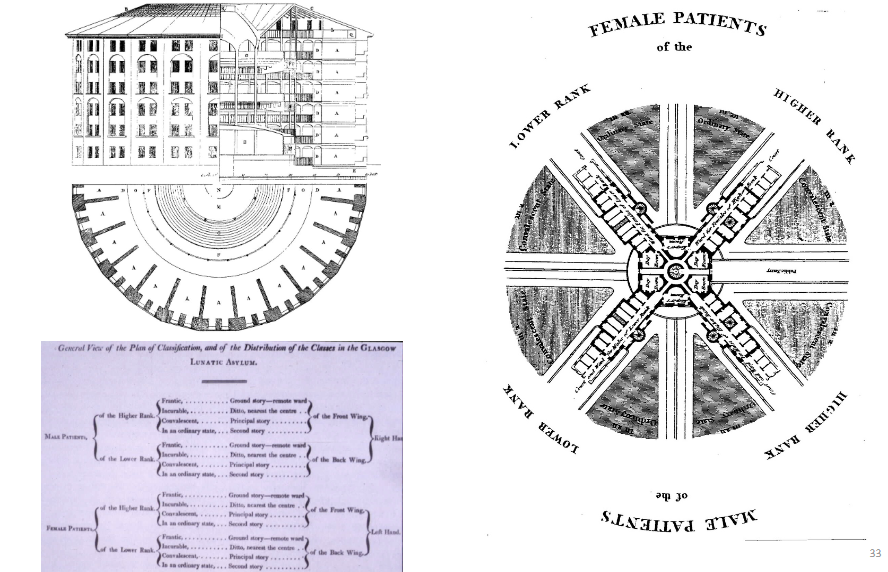
1. The Panopticon was used for Prisons, Hospitals, and Mental Institutions (lunatic asylums)
2. In prisons, the guard is in the center
3. This gives guard views into all cells
4. Prisoners never know when they’re being watched and thus they modify their own behavior
5. The panopticon prison was an improvement over the pre Enlightenment purpose of imprisonment, which was punishment
6. The Enlightenment idea of the panopticon was that it would help rehabilitate, not simple punish, offenders
7. Michel Foucault interprets panopticon as coercive and intrusive of the State
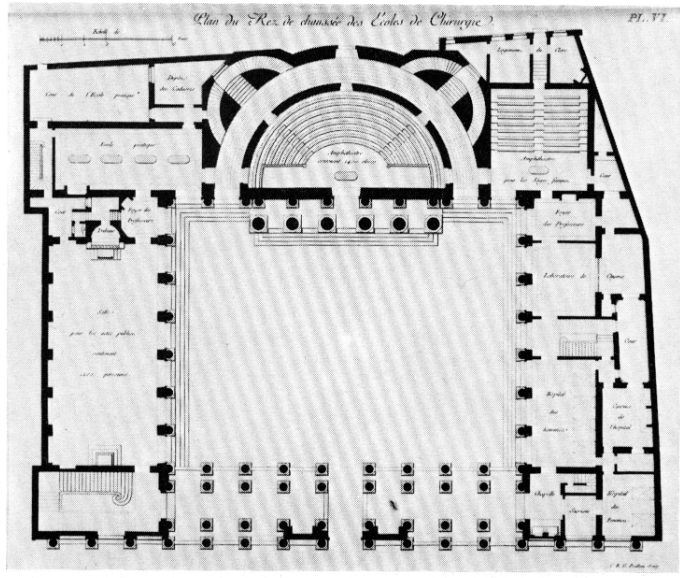
1. The ancient building types have been used in order to meet the requirements of a new Enlightenment Institution, the Hospital
2. Domus, the entire building is based on the domus
3. Stoa, the stoa adds transparency to the building
4. Theatre, the theatre is a place of learning
5. Basilica, the apse of the basilica is no longer associated with religious authority – it’s the seat of scientific authority
6. Enlightenment focuses on Reason and the Scientific Method
7. Shows Enlightenment emphasis on categorization, systematization, rationalization as applied to the New Medicine.
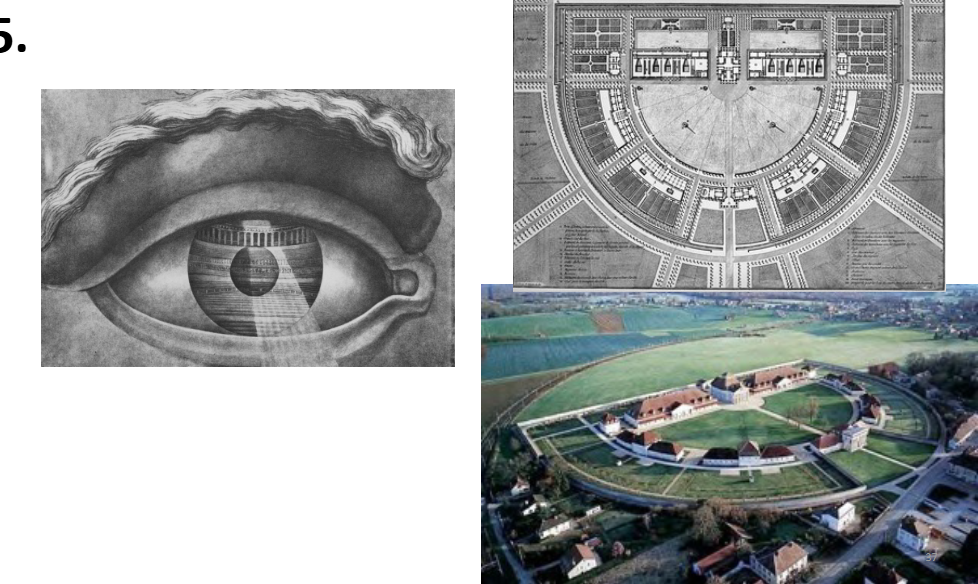
1. Ledoux called his plan for Chaux “A Theatre of Production.”
2. In a typical theatre, the audience watches the actors on stage. In the plan of Chaux the workers would seem to be the audience, and the Director and the Processing Sheds would seem to be the actors on the stage.
3. But, at Chaux the roles are reversed: The audience (i.e. theworkers) are observed by the Director.
4. The Director, who is ‘on stage’, is not the observed, rather he is the director of the Production. Thus, this ancient building type (theatre) is transformed in meaning and purpose.
5. The plan of Chaux can be interpreted as a control mechanism that moderates and even determines human behavior.