Knowledge Clips P2
 Call Kai
 Learn
Learn Practice Test
 Spaced Repetition
 Match
Match Flashcards
 Knowt Play
1/35

There's no tags or description
Looks like no tags are added yet.
Name | Mastery | Learn | Test | Matching | Spaced | Call with Kai |
|---|
No analytics yet
Send a link to your students to track their progress
36 Terms
What did climate instability do to the Homo species?
Allowed them to develop adaptations like: bipedalism, toolmaking, long-endurance mobility, brain enlargement, cultural diversity etc.
Who was the first homo species? And what can you say about them? And what insight does this give on evolution?
Homo habilis
2.4-1.5 Mya and had characteristics from previous species (brain volume), but also new tool making abilities.
Evolution is gradual and has transition forms.
What are the characteristics of Homo Erectus?
More human like features (long distant runners, less body hair and darker skin, larger brain volume but apelike skull features, tool making skills)
First human like species to migrate from africa
Lumping vs Splitting
Lumping was a phylogenetic technique used to seperate species that were more morphologically diverse rather than focusing on smaller details.
Define a Species. And also what the limitations of these characteristics are.
Group of organism that can produce fertile offspring.
We cannot examine that from fossils.
Hybridization between closely related species
DNA sequences must be the same
Also cannot be seen in fossils
Behaviour, Ecological Niche same
Morphology Same
Fossil specimens might not be complete
Species can also vary from within.
Define speciation.
Original population diverges into two different populations and they evolve in a way that they can no longer interbreed with onw another.
Can be caused by reproductive isolation, local adaptation, genetic drift, or different modes of speciation.
State and explain the 3 modes of speciation.
Allopatric Speciation: a group seperates and occupies a new area → homo erectus subspecies migrates to asia.
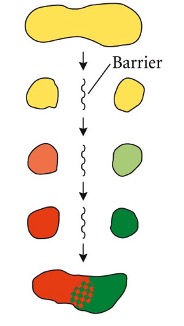
Parapatric Speciation: Origin of a new species on the border of the distribution range due to local adaptation. First no reproductive isolation so gene flow persists. As local adaptation progresses the new species can evolve. → Homo neanderthalensis in europe and Asia in ice ages.
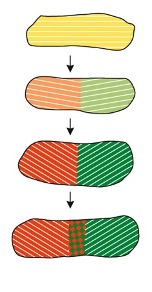
Sympatric speciation: side-by-side evolution (rare), differences in lifestyles persist → Australopithecus, Paranthropus, and early Homo.
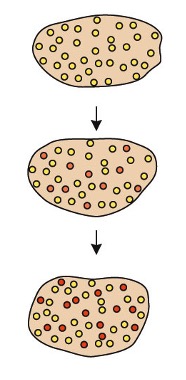
Why is there no speciation in Homo sapiens?
3300000 nucleotides have 0.1% genetic differences among individuals
Caused by isolation by distance – genetic differentiation by genetic drift
Also, the local adaptation to specific environmental factors
But continuous geographical gradients of most, if not all, traits
No distinct population structure
No reproductive isolation
No genetic evidence for human races
What are the two hypotheses on the origin of Homo sapiens?
Out of Africa: H. sapiens originated in Africa and replaced all other Homo species (all humans descend from africal ancestor)
Multiregion evolution: H. sapiens originated at several places from local older hominin species. Homo erectus already in africa europe and Asia, so sapiens descended from them in those areas.
What evidence do we have from these hypotheses?
Multiregional: Dali skull
Out of Africa: oldest fossils found in Africa (still inconclusive)
What genetic support does the Out of Africa hypothesis have? Until 2010.
Isolated mtDNA from placentas and analyzed pairwise sequences of ethnic groups
Underwent modelling to find common ancestors
Estimated evolution of human mtDNA 166kya to 249kya, european and asian clusters within africans, african variation was more.
How did research develop after 2010?
Better methods for ancient DNA isolation
Powerful sequencing methods
Genome data of ancient hominins (up to 0.4-2mya old)
This is how we supported the claim that humans evolved from Africa.
What do migration patterns tell us?
Genetic signatures of our evolutionary past and migrations.
Genetic diversity
Local adaptations to different environments or diseases
What are characteristics of Neanderthalensis?
Well adapted to colder climates
Stronger arms and hands
Similar brain volume to humans with anatomical differences
Speaking structures
Usage of tools for fire
Cultural traditions, buildings, rituals such as funerals and art.
Why did the neanderthals go extinct?
- Violence or competition
- Climate change
- Infectious disease transmission
- Population size and isolation
Assimilation or Hybridisation?
Large scale assimilation is unlikely but there is an indication of rare hybridization events visible in our genomes (2.5% of euro-Asian human DNA comes from neanderthals, 4.8% of Melanesian genome originates from the Denisova man)
Europen and Neanderthal DNA being similar compared to African must also be due to hybridisation.
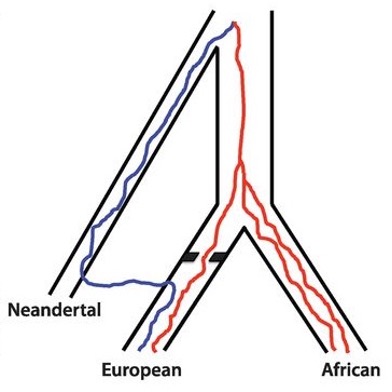
What were the effects of hybridization with the Neanderthals?
All chromosomes has N. alleles
Due to decreased male fertility Neanderthal heritage completely removed from X chromosome.
Many N. genes incompatible with human genetic background
Some advantagous alleles were selected for and retained.
Example of positive selected genes of Neanderthals?
Alleles associated with immune function
We also called this adaptive introgression.
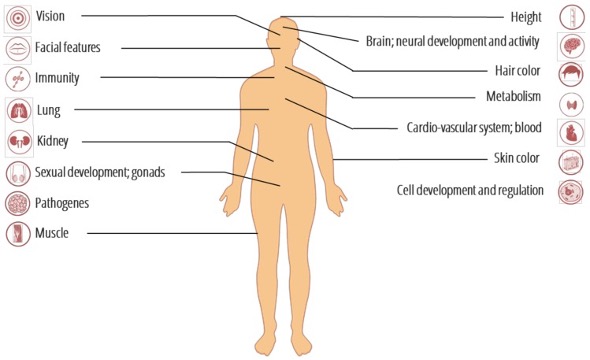
Denisovian Genes
Few remains
Archaic human species co-occurred with Neanderthals and H. sapiens
Adaptive introgression of Denisovan genes Example?
Tibetan variant of EPAS1 prevents increase of viscosity of the blood at low air pressure
This allele deviates strongly from the EPAS1 in the rest of the world
The same allele is found in the genome of the (extinct)
Denisova Man
→ Interpretation: The Tibetan variant was obtained by crossbreeding with Denisova Man, followed by positive selection
What is developmental stability?
Despite humans having genetic differences and environmental differences (diet, stress, climate, social env.) H. sapiens still have consistancy in their body plan.
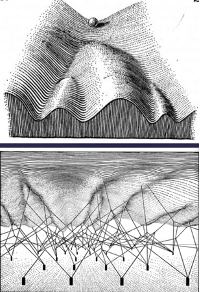
What is the theory of epigenetic landscape?
Environment and genome intersect to produce phenotypes
We have limited number of developmental pathways (once you choose one cannot go back)
Sensitive periods are where these choices are made
Genetic network is the landscape.
→ We call this canalisation.
Define Phenotypic Plasticity.
The ability of one genotype to produce multiple phenotypes.
Examples of environment effecting phenotypes.
Asymetery in bilateral animals due to stress, effect of physical activity on muscle development
Reaction Norms
Range of trait values that can be expressed from a single genotype by environmental variation.
Types of Plasticity. Examples Gene x Environment interactions
- Sensititvity to malnutrition on reproduction
- Allelic variation in the serotonin receptor & effect on depression
- Immunity and drug metabolism. See example
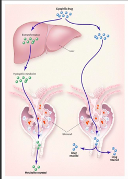
The success of a drug treatment can depend on the genotye of the patient.
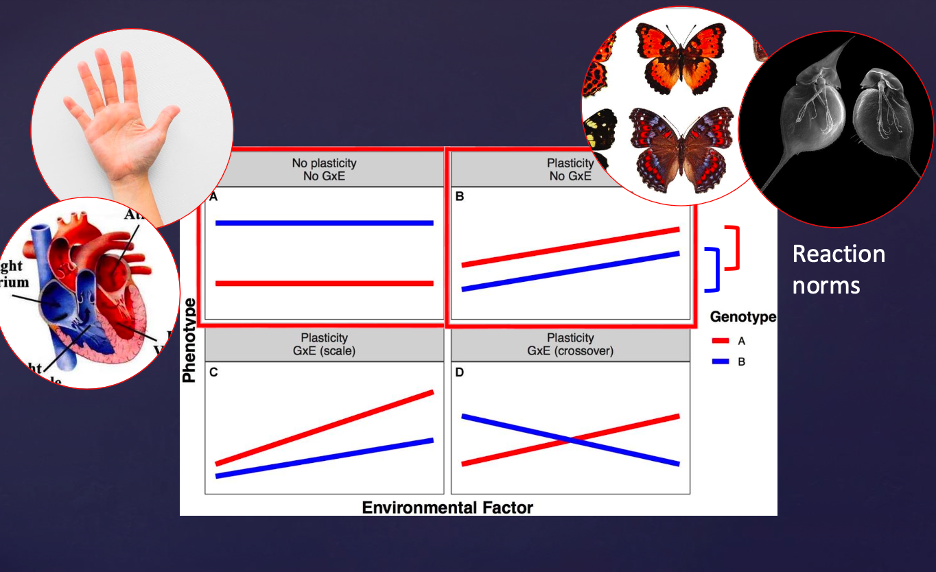
Why is phenotypic plasticity so important?
- Adaptations to short-term environmental fluctuations
- Within the lifetime of an organism
- Add-on for evolution
What do we know about phenotypic plasticity, canalisation and evolution?
Evolution and phenotypic platicity are ot mutually exclusive (evolution can act on pp)
Canalisation and phenotypic plasticity are not mutually exclusive
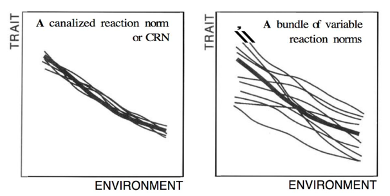
Explain the example about age of menarch changing over time.
We know that there are many genetic factors involved: 106 genomic loci, 50% heredibility
But also a change in environmental factors such as nutrition, socioeco factots, endocrine-disrupting chemicals etc.
→ Modelling studies told us that it is a plastic response to improved nutrition but also a small effect of evolution too already
Explain the Hunger Winter Cohort
Winter 1944-1945, WWII
Blockade of food shipments resulted in famine
Intake belowe 1000 kcal over a defined period of time
Intrauterine exposure of 2414 unborn children
Looked at the effects later on in life were studied for thie birth cohort.
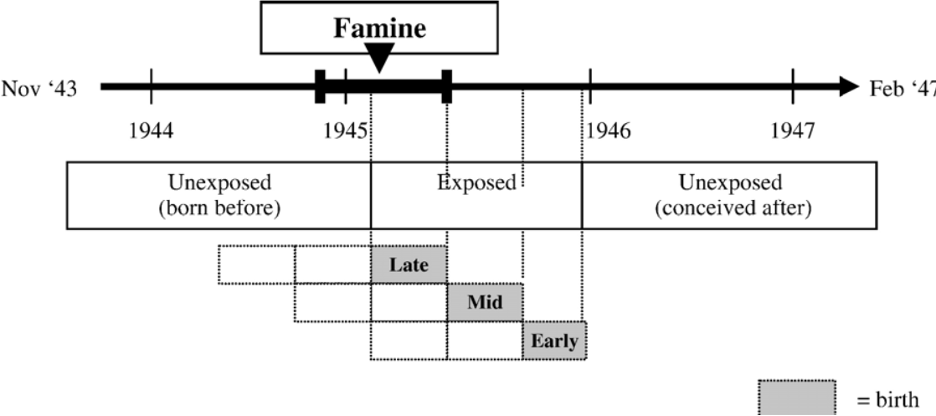
What were the effects of prenatal famine on birth weight based on the time of exposure?
Effect on birth weight:
Late and mid exposure – lower birth weight ans smaller size
Lower birth weight ws traditionally associated with metabolic syndrome, heart disease and neurodevelopmental problems.
Surprisingly large detrimental effects of early prenatal exposure – but not on birth weight!!
What can toxic exposure during sensitive periods cause?
Increased risk of schizophrenia
Cardiovascular diseaase
Adverse metabolic profile: obesity & diabetes.
Depending on the time of exposure the effects differ:
Late – mid exposure: reduced glucose tolerance
Early exposure: atherogenic lipid profile.
Epigenetics and DNA methylation patterns
Regulation of gene expression in response to environmental factors.
Changes in DNA methylation in gene regukatory regions
INSR: Insulin receptor, nutrient signalling
IGF2: Insulin Like Growth Factor 2, nutrient signalling
CPT1A: Carnitin Palmitoyltransferase 1A, fatty acid synthesis
LEP: Leptin, hormone involved in fat storage
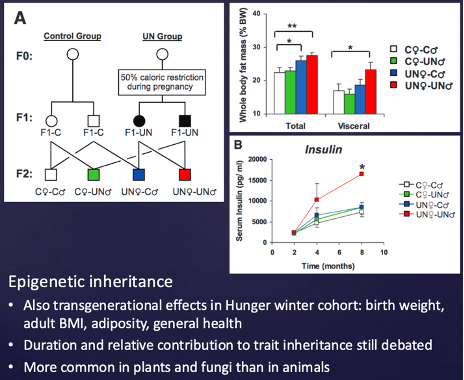
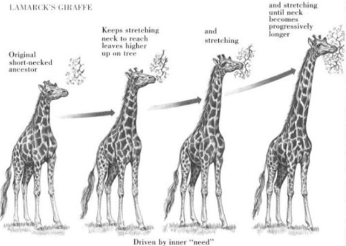
Epigenetic (Lamarckian) Inheritance
Information on the early developmental environment can be passed on to the next generation.
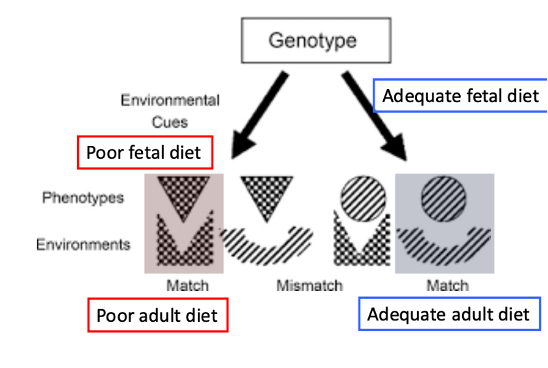
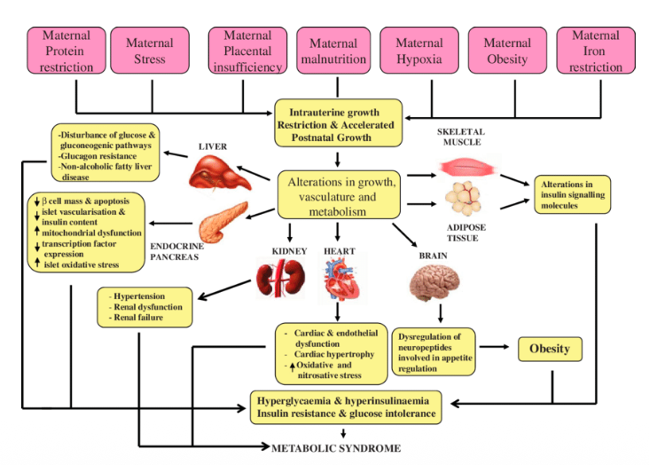
Hales&Barker, 1992: thrifty phenotype hypothesis
Subpotential conditions during development induce alternative developmental trajectories
Immediate survival benefits
Health problems when miosmatch between early life and adult nutrient environment
Predictive adaptive response
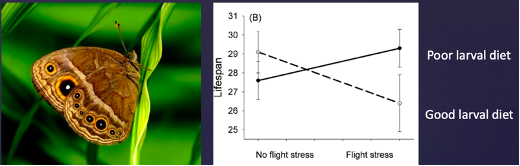
- Bicyclus butterflies reared under low food conditions can better sustain flight under stress; a PAR to allow dispersal?!
- Finnish famine (1866-1868): no differences in survival rates amongpeople born in years with high crop yields versus low crop yields
- Predictive adaptive response hypothesis controversial
- Poor developmental conditions may infer fitness cost only, without adaptive benefits