end of years Y8
 Call Kai
 Learn
Learn Practice Test
 Spaced Repetition
 Match
Match Flashcards
 Knowt Play
1/42

There's no tags or description
Looks like no tags are added yet.
Name | Mastery | Learn | Test | Matching | Spaced | Call with Kai |
|---|
No analytics yet
Send a link to your students to track their progress
43 Terms
What historic event resulted in people having to ‘make do and mend’.
World War II
What does the sustainability of a product depend on?
Carbon footprint
The processes
The materials
The design
The 6 R’s
Recycle
Reuse
Reduce
Rethink
Repair
Refuse
Recycle
To take an existing product that has become waste and reprocess the material to use in a new product
Reuse
Take an existing product that has become waste and reuse the material or parts for another purpose, WITHOUT processing
Reduce
The amount of material used, the energy used to make it, or the distance it travels to be sold
Rethink
Considering sustainability and if the product is necessary
Repair
Fix or mend it rather than throwing it away
Refuse
Don’t use a material or buy a product if you don’t need it or don’t think it’s sustainable
How are fibres processed into yarns?
By spinning
How are yarns processed into fabric?
Yarns can be woven or knitted into fabric
Which way does the weft go?
Horizontally
Which way does the warp go?
Vertically
Where do pattern pieces need to be placed and why?
On the straight grain of the fabric, in the direction of the warp threads - this makes the fabric pieces strong, stable, and easy to sew.
When cutting out, why is it important to be as economical as possible?
costs more if you waste fabric
Not to waste resources - better for the environment
Bobbin
The plastic reel of thread that goes in the bottom of the sewing machine
Why is the seam allowance important?
It gives strength to the seam
3 categories of textile materials
Natural, synthetic, and regenerated
Petrochemicals: finite vs non-finite
finite
Metals: finite vs non-finite
Finite
Trees: finite vs non-finite
Non-finite
Plants: finite vs non-finite
Non-finite
Animals: finite vs non-finite
Non-finite
Cotton
non finite
Fibres from bolls of cotton plants are spin into yarn
Biodegradeable
Uses large quantities of water, chemicals and pesticides
Wool
non finite
sustainable because wool fibres come from animals and plants, which can reproduce and therefore the source of fibres continue to be available and sustainable
Silk
natural raw fibre sourced from the cocoon of the larvae of a silkworm.
sustainable
not ethical - killing silkworms and labour exploitations
Recycled polyester
Made by melting down existing plastic and re-spinning it into new polyester fibre.
Why is recycled polyester more sustainable than virgin polyester?
Reduces reliance on finite resources (fossil fuels) and minimises landfill waste
Viscose
Cellulose is treated with chemicals to make a fibre mimicking the qualities of natural fibres, such as silk and cotton. (Non finite and not sustainable)
Advantages of blending fibres
increased durability
Decreased weight
Waterproof
Added stretch
Reduced cost
What printing techniques are suitable for batch production?
Block printing, stencil printing, screen printing, digital printing, and sublimation printing.
Which techniques are suitable for mass production?
Rotary screen printing
Which printing techniques are available in school?
Block printing, stencil printing, screen printing, digital printing, and sublimation printing
Advantages of CAD/CAM
ideas, designs, and patterns can be developed quickly
More accurate drawings/designs can be achieved
Fast and accurate production
Disadvantages of CAD/CAM
can be expensive to set up
Files can be corrupted or lost
Can need skilled engineers to run equipment
Why is sublimation printing sustainable?
no excessive waste
Does not require water
Transfer paper sourced from sustainable forests and paper is recycled
Why is digital printing sustainable?
less setup is needed
Less wasted surplus ink
Less use of chemicals and water

Single motif
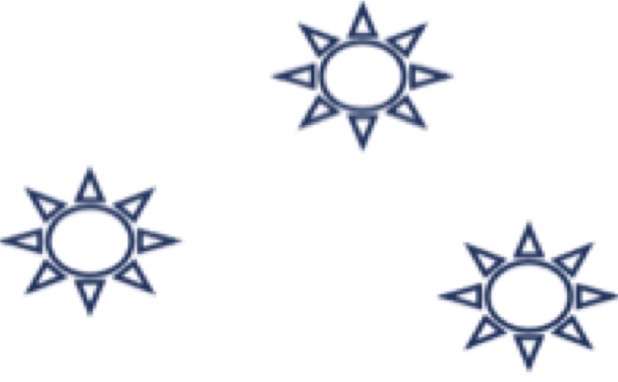
Scatter repeat
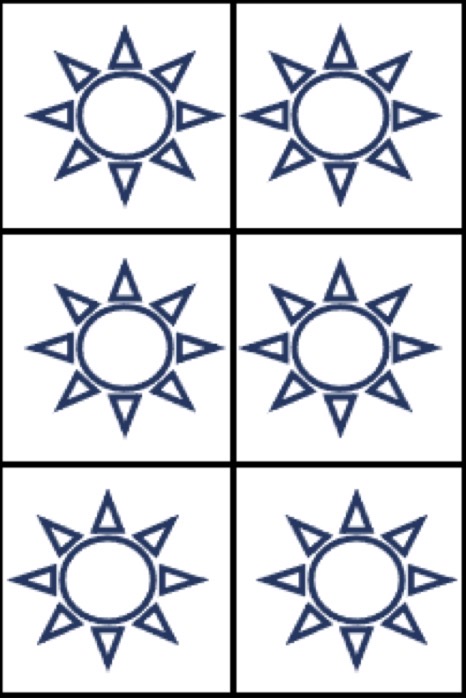
Block repeat
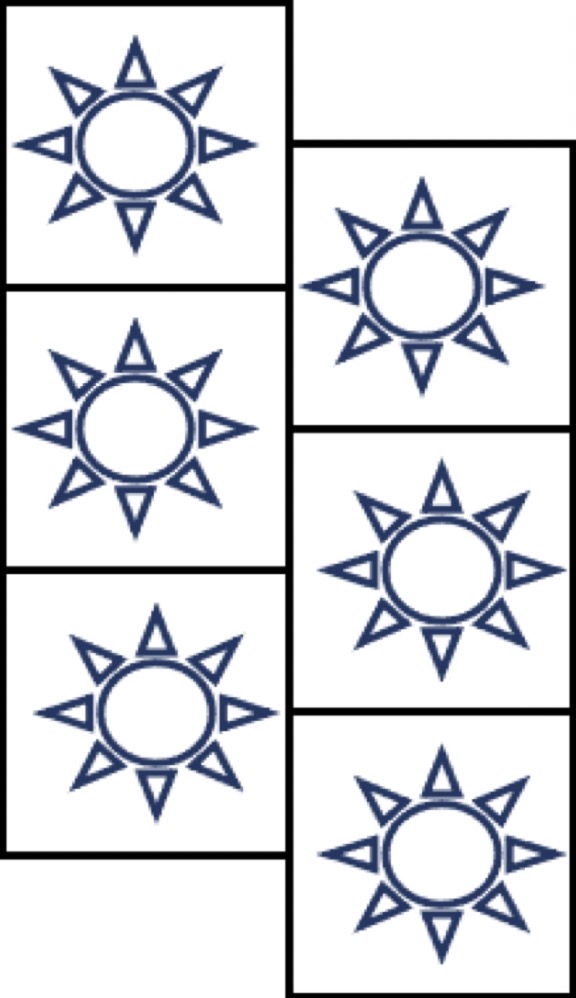
Half drop repeat
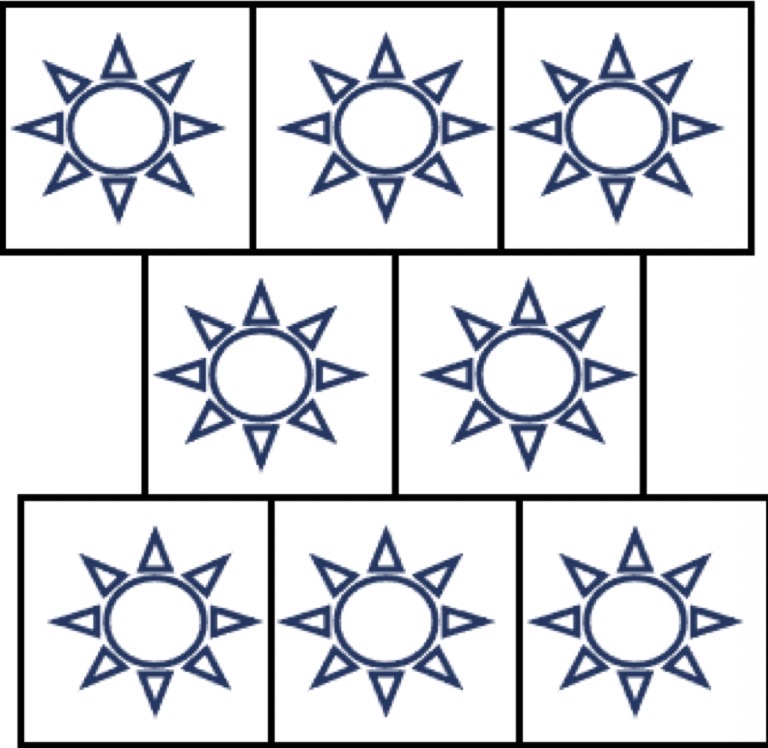
brick repeat
How does a design specification aid the design process?
It helps keep the process simple, so that you don’t get confused.