globular and fibrous proteins
 Call Kai
 Learn
Learn Practice Test
 Spaced Repetition
 Match
Match Flashcards
 Knowt Play
1/67

There's no tags or description
Looks like no tags are added yet.
Name | Mastery | Learn | Test | Matching | Spaced | Call with Kai |
|---|
No analytics yet
Send a link to your students to track their progress
68 Terms
what are globular proteins?
soluble proteins with a specific 3D shape
examples of globular proteins
antibodies, hormones, enzymes, hemoglobin
Why do globular proteins form a spherical shape?
- non-polar hydrophobic R groups are orientated towards the centre of the protein away from the aqueous surroundings
- polar hydrophilic R groups orientate themselves on the outside of the protein
what is haemoglobin made of?
Four peptide chains, each with 4 iron-containing haem prosthetic groups
Haemoglobin structure
- globular
- four polypeptide chains
- Each chain is called "globin"
- Each chain contains a haem prosthetic group that has an iron atom
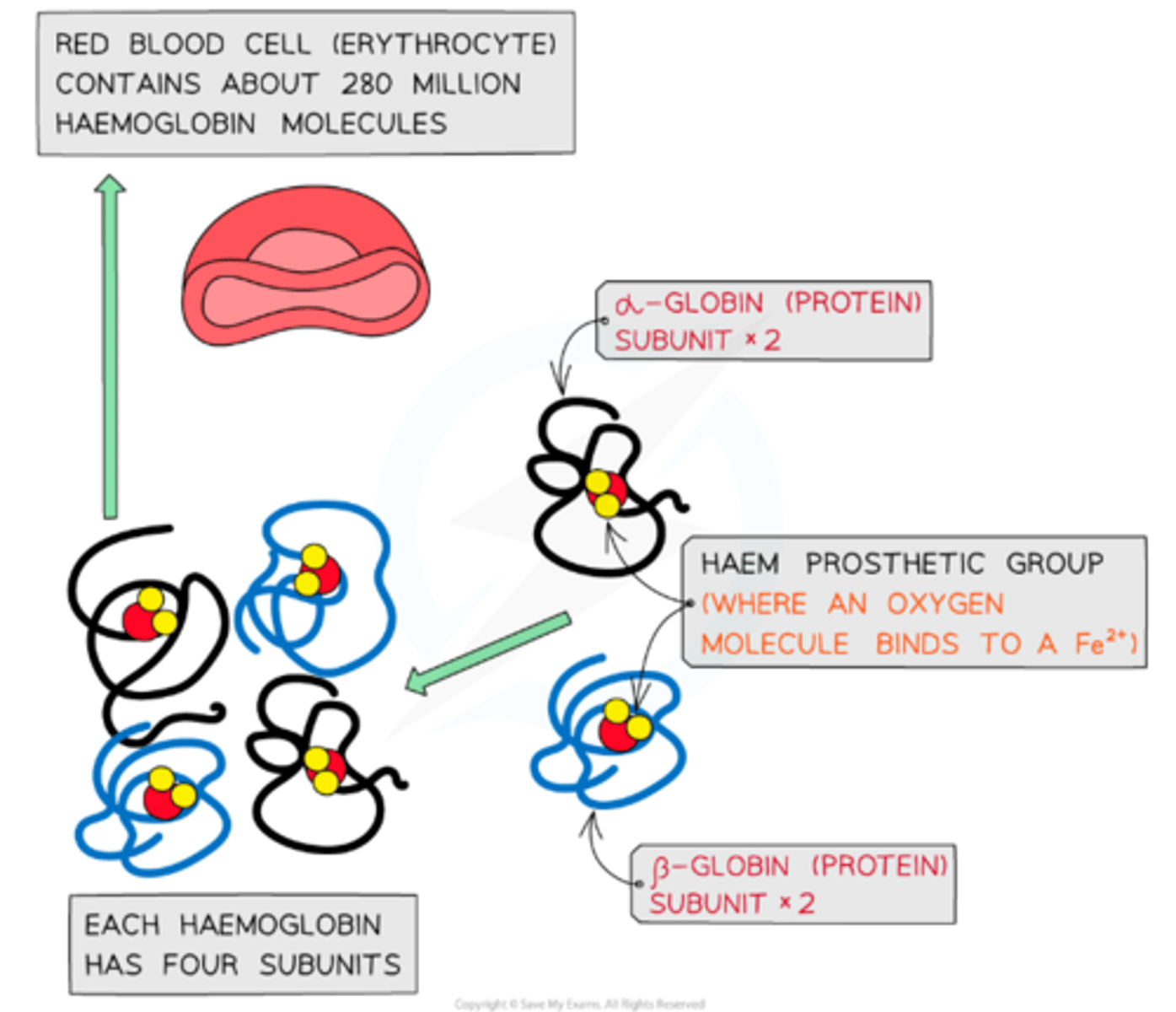
what two types of chains are present in haemoglobin?
alpha globin and beta globin. there are 2 of each
how much oxygen can one prosthetic group carry?
one molecule
how much oxygen can haemoglobin carry?
Each Haemoglobin can carry four oxygen molecules.
what makes blood red?
iron in hemoglobin
what happens when oxygen combines with haemoglobin?
a molecule called haemoglobin is formed, which is bright red in colour
what colour is blood when there is no oxygen?
a dark red
fibrous protein structure
long protein strands composed of mostly non polar amino acids
what is the most common protein found is animals?
collagen
where is collagen found?
- tendons
- skin
- cartilage
- bone and teeth
- blood vessels
collagen structure
three polypeptide chains held in a tight helix structure
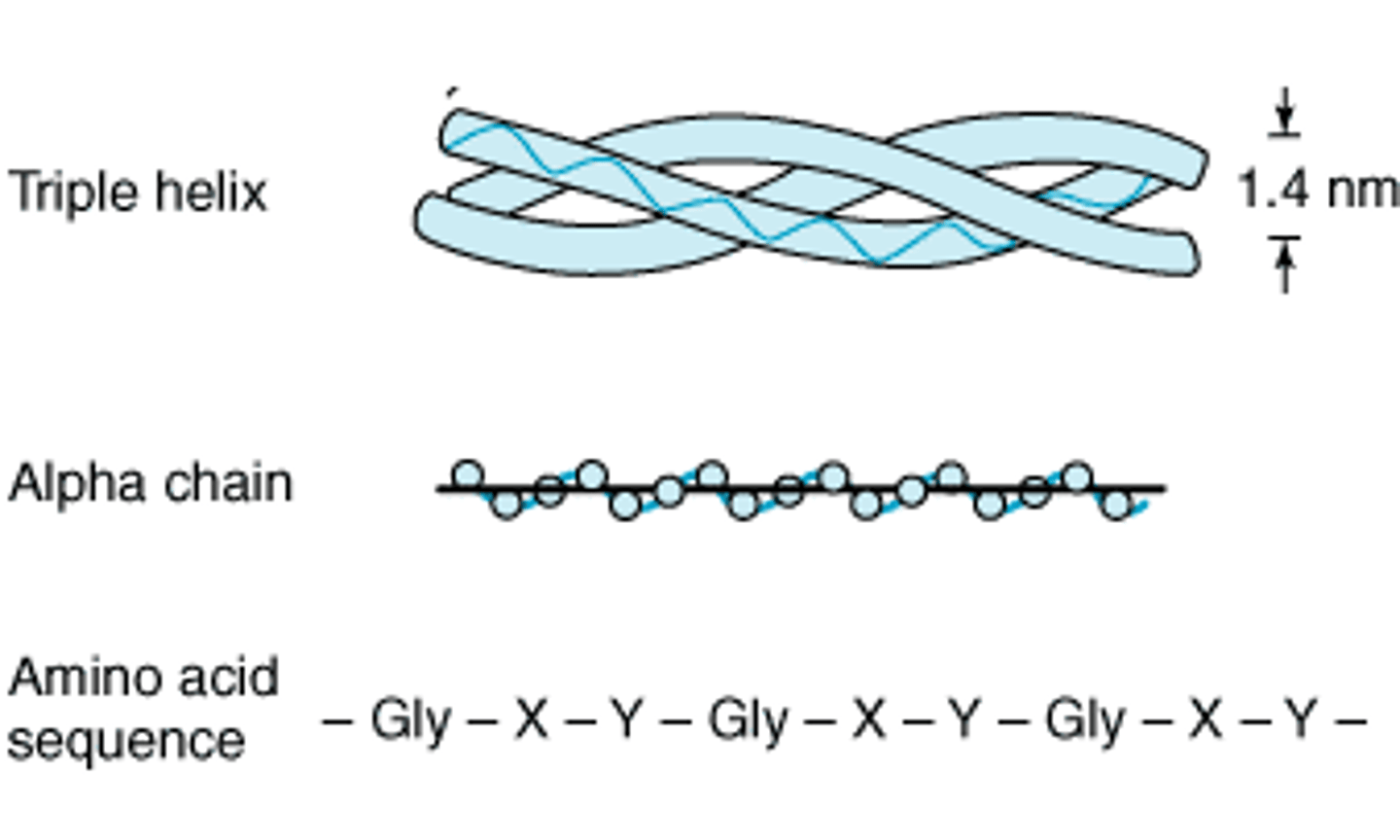
what are the chains that form the triple helix in fibrous proteins held together by?
hydrogen and covalent bonds
how do the chains in collagen stay close together?
every third amino acid in the polypeptide chains is glycine, the smallest amino acid
what is glycine?
amino acid
what is the function of glycine?
inhibitory interneurons
where is glycine found?
spinal cord and brain stem
how are fibrils formed?
-the triple helixes lie parallel to each other and form covalent bonds between the R groups
what is smallest amino acid?
Glycine
What are conjugated proteins?
Globular proteins that contain a non-protein component are called a prosthetic group.
what carries oxygen in the haemoglobin?
The Haem R group( Fe 2+) that binds to oxygen( O2-)
features of collagen
- triple helix
- most prominently found protein
- structural role
- not soluble
is collagen soluble?
No, it's insoluble
3 multiple choice options
are the polypeptide chains found in collagen loose pr tightly held together?
they are tightly held together
why do the triple helices in collagen lie in parallel?
they interact with each other due to hydrogen bonds, leading to increased strength
collagen in tendons features
- form parallel bundles of fibrils lined up in the direction of tension
- high tensile strength
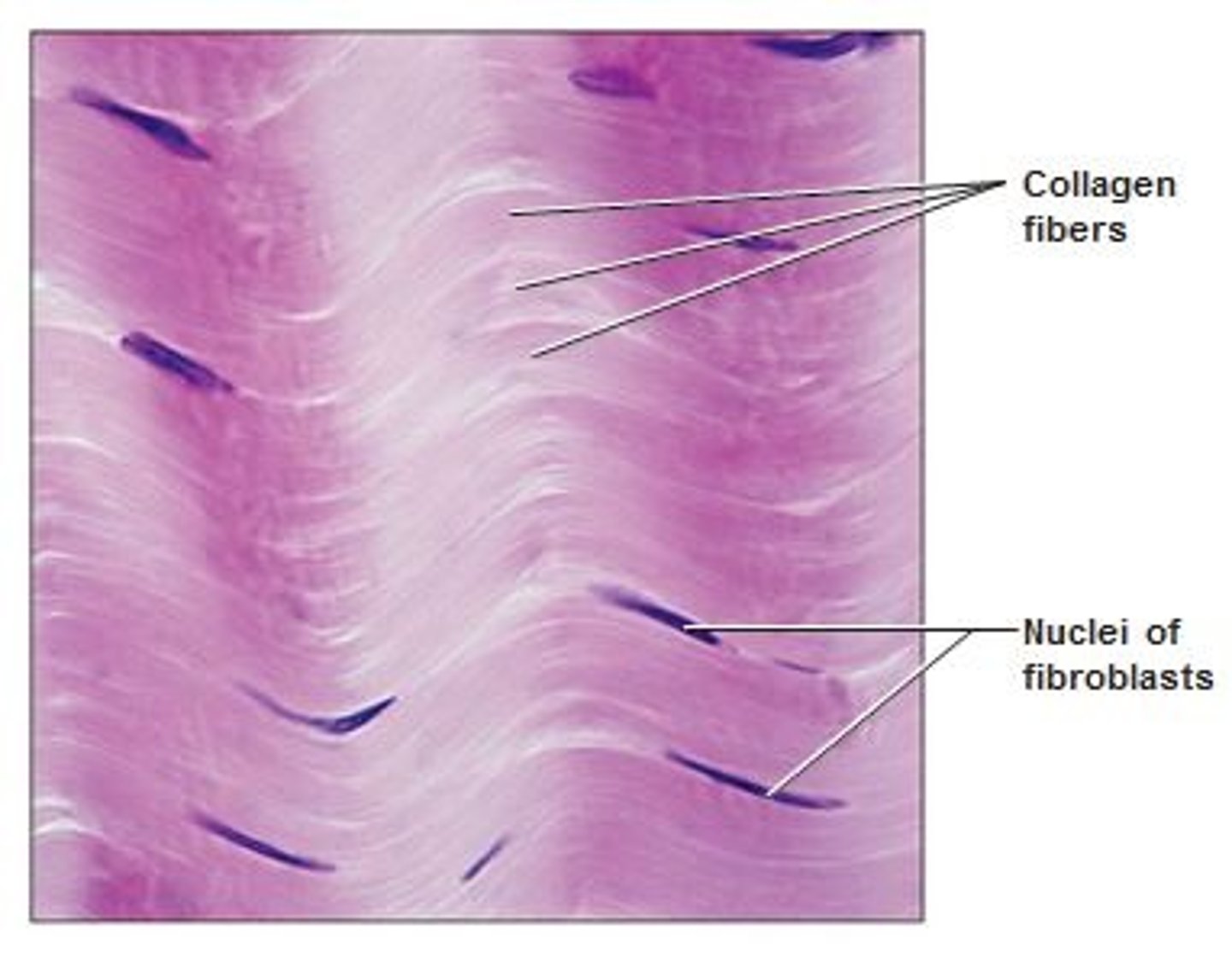
why do tendons have high tensile strength?
collagen fibrils are made from lots of collagen that are held tightly together, making them very flexible without permanent damage
How is collagen arranged in skin?
Individual fibres are cross-woven into sheets that can be stretched
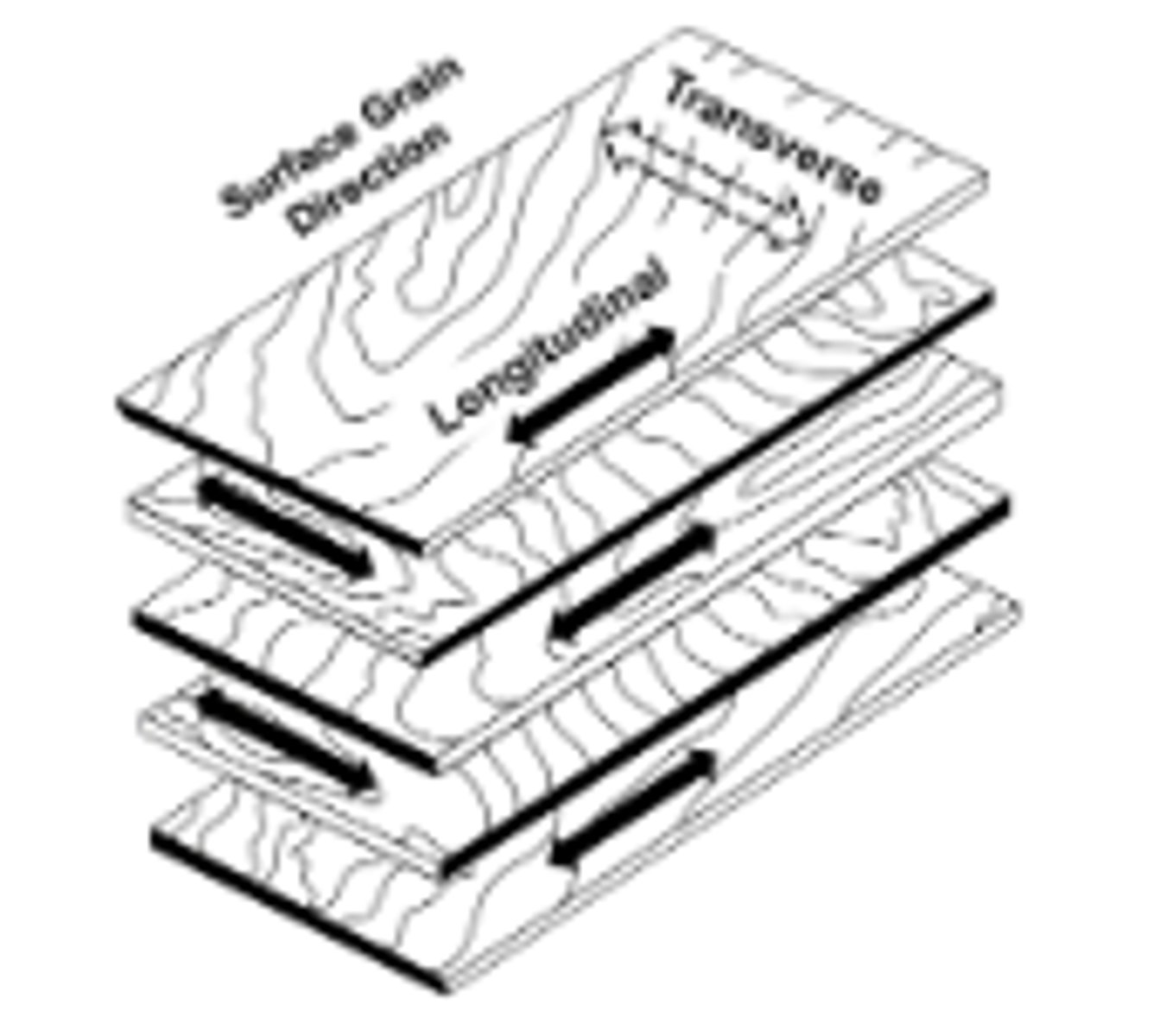
features of collagen in skin
- overlap in all directions
why does skin collagen overlap in all directions?
it needs to be strong in all directions, allowing it to resist tensile forces from all directions
what is the most common protein?
collagen
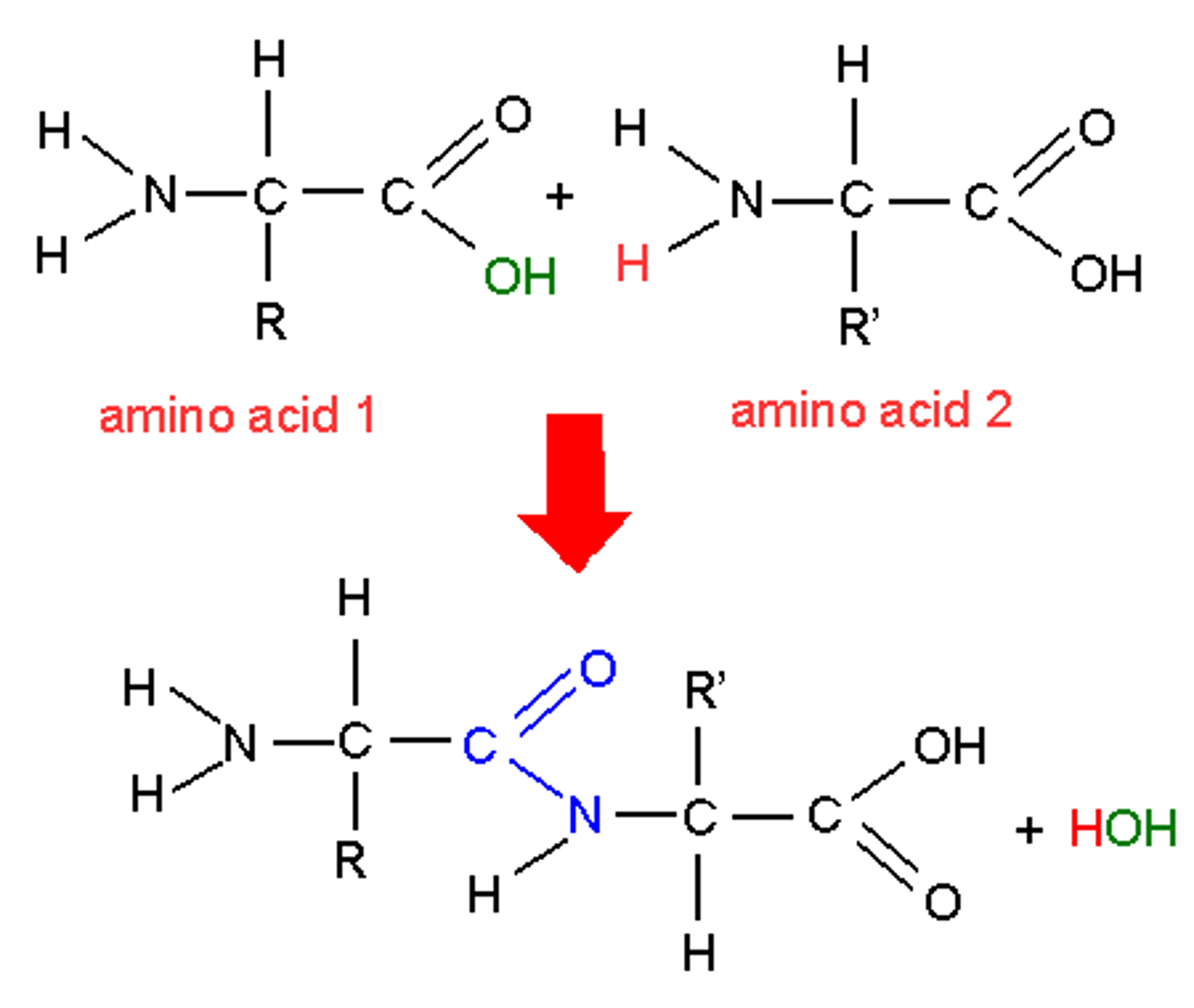
dipeptide structure
Two amino acids bonded together through a condensation reaction, forming water as a subproduct
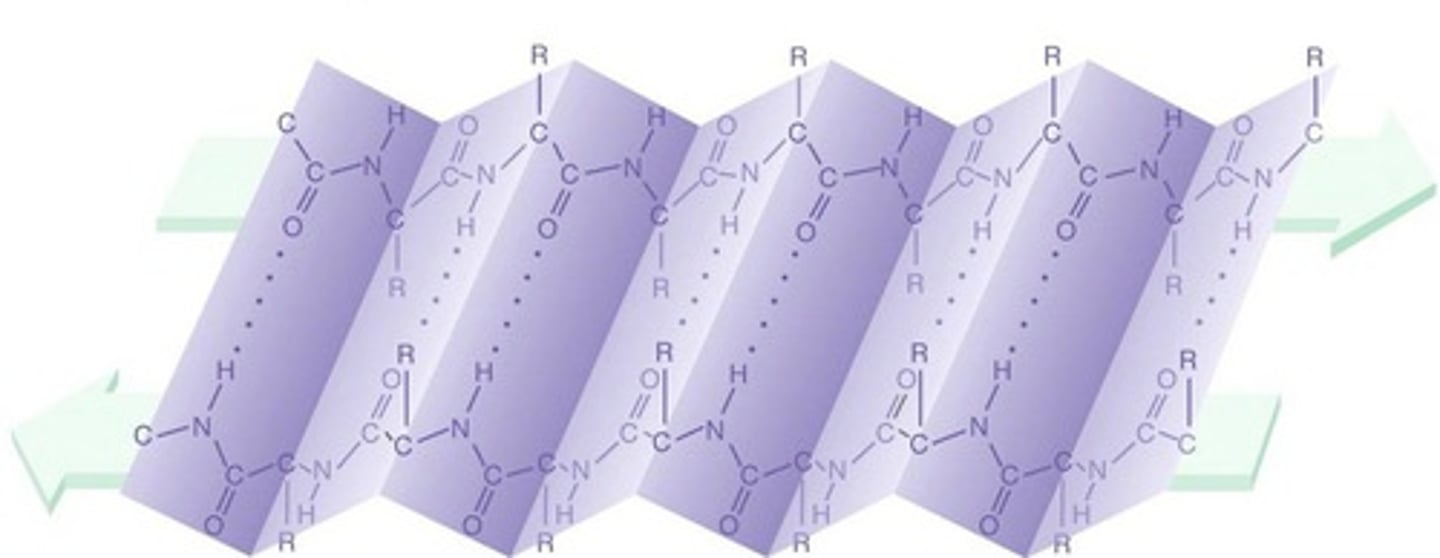
what do most fibrous proteins have?
secondary secondary structures
beta pleated sheet structure
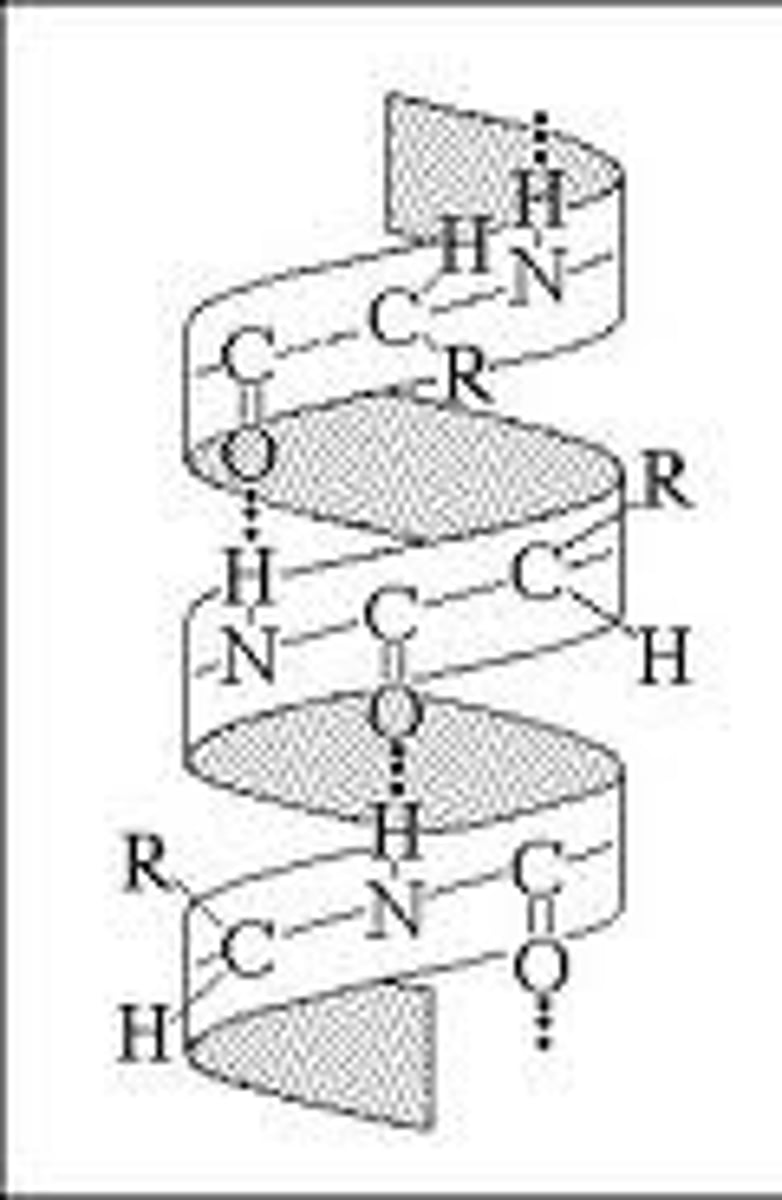
alpha helix structure
where are tertiary structures more common in?
globular proteins
what type of bonds are there in antibodies?
disulfide
what is more common: ionic bonds or hydrogen bonds?
ionic
which bond is stronger: hydrogen of ionic?
ionic
what breaks ionic bonds?
-pH changes
-salt changes
why is it important for globular proteins to be soluble?
- can be easily transported
- play an important role in physiological metabolic reactions
How does sickle cell anemia occur?
The hb beta subunit contains a mutation. Glutamate at #6 (hydrophilic) is mutated to valine (hydrophobic). Changes Hb crystallization in RBC and becomes rigid. in other words, the centre becomes hydrophobic and the outside becomes hydrophilic
how is haemoglobin adapted for its function?
- Haemoglobin forms long, flexible fibres that increase the elasticity of red blood cells.
- Hemoglobin has a globular structure that can bind to oxygen molecules in the quaternary structure and transport them around the body
Where is trypsin produced?
Pancreas and small intestine
where is trypsin found?
small intestine(duodenum)
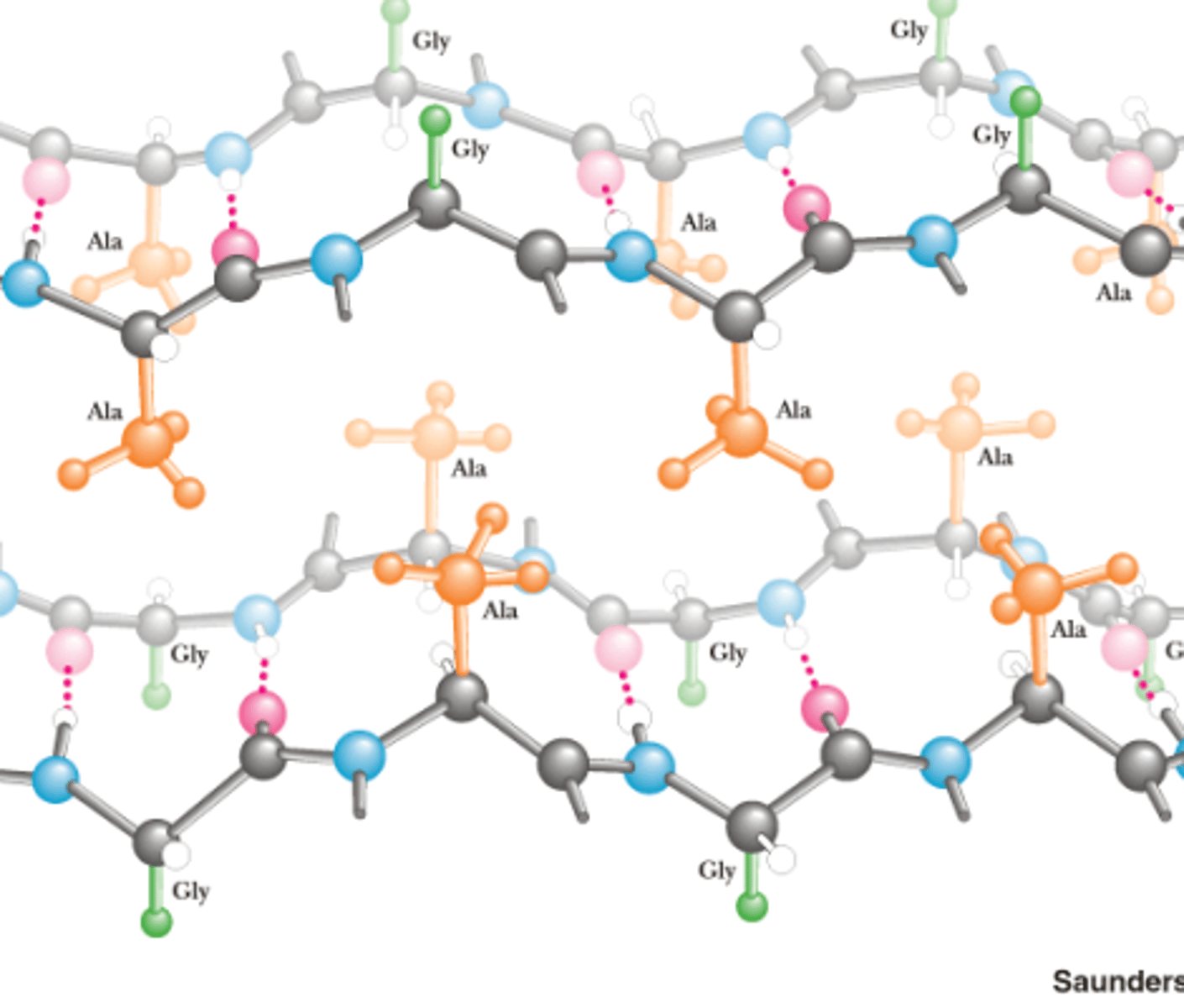
silk structure
Beta pleated sheet with interlocking Ala and Gly residues
haemoglobin function
*transports oxygen and carbon dioxide
*carry oxygen and carbon dioxide back to the lungs
*transport oxygen from the lungs to the tissues and carbon dioxide from the tissues to the lungs
how does oxygen alter the haemoglobin?
- O molecule binds to haemoglobin, alters the quaternary structure(due to tertiary being altered)
- haemoglobin has a higher affinity for subsequent O molecules and binds easier
what does the existence of Fe allow for?
Fe 2+ allows for oxygen to bind reversibly
How does the tertiary structure enable haemoglobin to perform its role in transporting oxygen?
the hydrogen bonds ensure that the outside has hydrophilic R groups so it is soluble
How does the quaternary structure enable haemoglobin to perform its role in transporting oxygen?
- have to contain haem groups so they can bind to oxygen
- 4 polypeptide chains that bond to 4 oxygen molecules
what part of fibrous proteins is insoluble?
the R prosthetic groups in large numbers make them insoluble
do fibrous proteins frequently have tertiary structures?
no, there are either very few or none
how do fibrous proteins have an organised structure?
- limited number of amino acids with a repetitive sequence
- this makes them very strong and organised
what amino acids are the most common in cellulose?
- glycine
- proline
- hydroxyproline
what bonds are present in cellulose?
- beta 1,4 glycosidic bonds
- hydrogen
- covalent
what is the function of covalent bonds in cellulose?
- they form crosslinks between R groups of amino acids in interacting triple helices when arranged parallel
- the cross-links hold the collagen molecules together, forming fibrils
how are collagen fibrils arranged?
they are positioned so that they can line up with the forces that are withstanding
why is collagen stable?
due to the high proportion of proline and hydroxyproline amino acids, causing their R groups to repel each other, providing more stability
why is collagen insoluble? why is it important?
- long, tightly packed structure
- collagen has many hydrophobic regions
- collagen needs to remain insoluble to support tissues
- insolubility helps form strong extracellular matrices in tissues
why are the staggered ends of collagen important?
- creates a strong interlacing structure
- distributes force more evenly, making them resistant to tension and mechanical tissues
- provides strength and flexibility
how do the R groups of collagen form a ring structure?
the r groups(side chains) of the amino acids are cyclic, forming a ring structure, causing the restriction of movement in the polypeptide chain, making them more rigid
How is triple helix of collagen stabilized?
H bonds between hydroxyproline and other collagen molecules
collagen vs haemoglobin
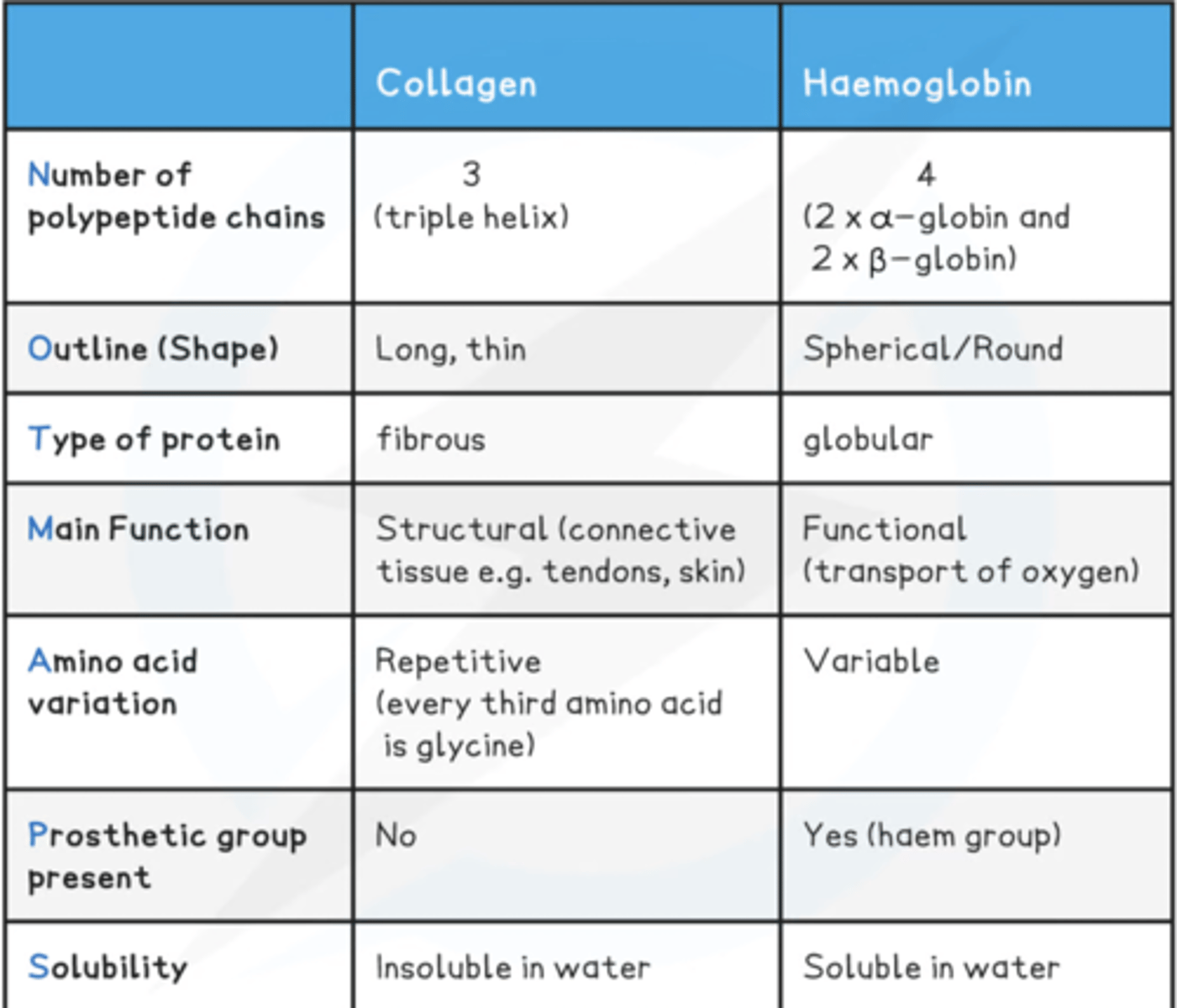
why is collagen tertiary and not quaternary?
- more than one polypeptide chain(3)
- triple helix