Unit 5 Lab
 Call Kai
 Learn
Learn Practice Test
 Spaced Repetition
 Match
Match Flashcards
 Knowt Play
1/27

There's no tags or description
Looks like no tags are added yet.
Name | Mastery | Learn | Test | Matching | Spaced | Call with Kai |
|---|
No analytics yet
Send a link to your students to track their progress
28 Terms

Mechanical digestion
Mechanically digesting food (chewing)
intrinsic factors
Digest B12
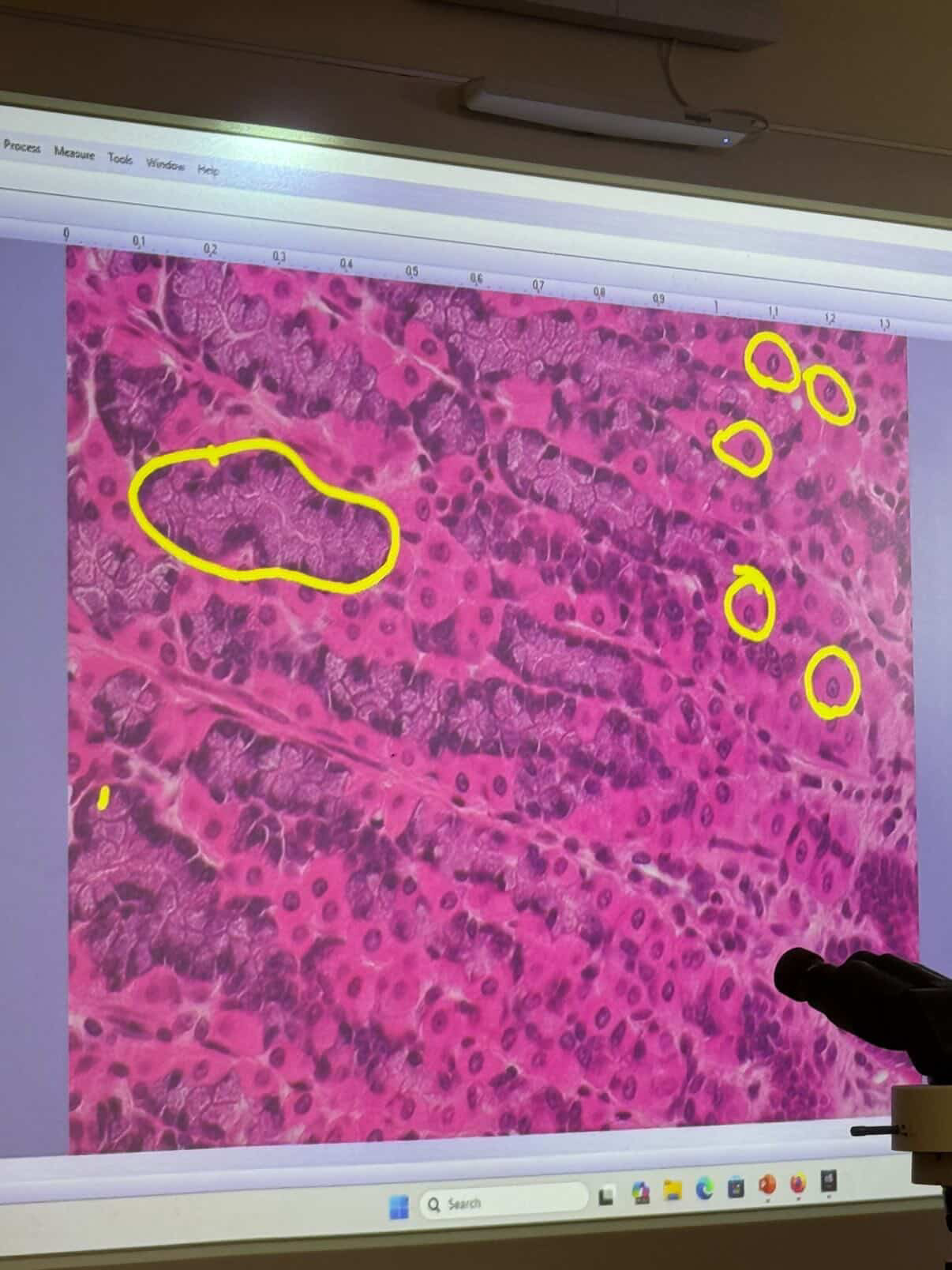
Parietal cells in gastric glands
Secrete HCL; intrinsic factor
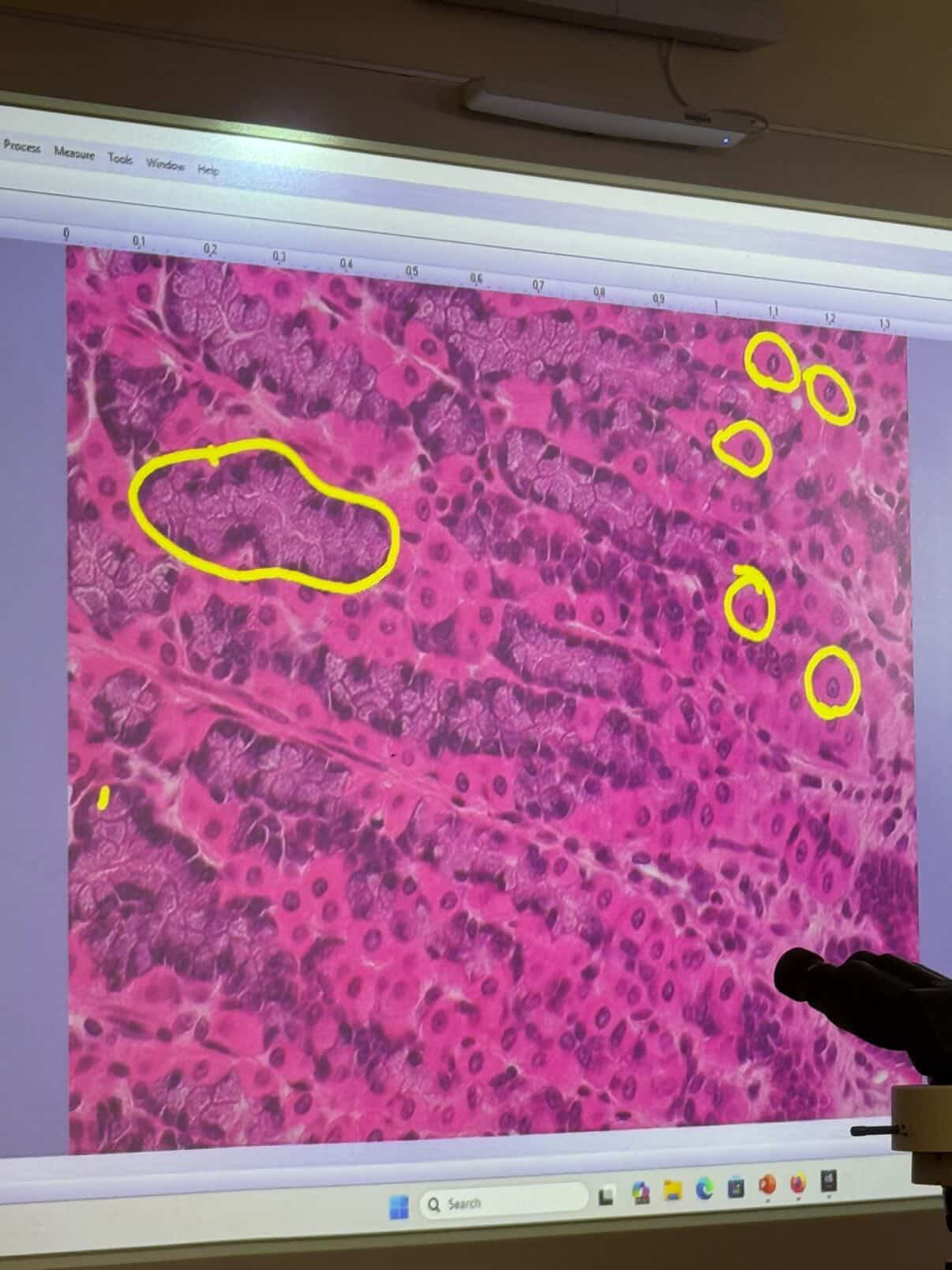
Chief cells in gastric glands of mucosa layer
Secrete pepsinogen and gastric lipase

Submucosal gland in duodenum and small intestine
Secrete bicarbonate to neutralize stomach acid
Internal anal sphincter
Smooth muscle
External anal sphincter
Skeletal muscle; contracts when ready to release feces

Myenteric plexus in longitudinal layer
Responsible for movement of alimentary canal

Peyer’s patch in ileum
Lymphatic tissue/vessel present in the submucosa of ileum near the entry of the large intestine; secretes antimicrobial agents to stop infection
Mucous cells
Secrete mucous to protect lining from Gastric Juice
Tenia coli in large intestine
Longitudinal band of smooth muscle
Endocrine cells in pancreas
Pancreatic islets
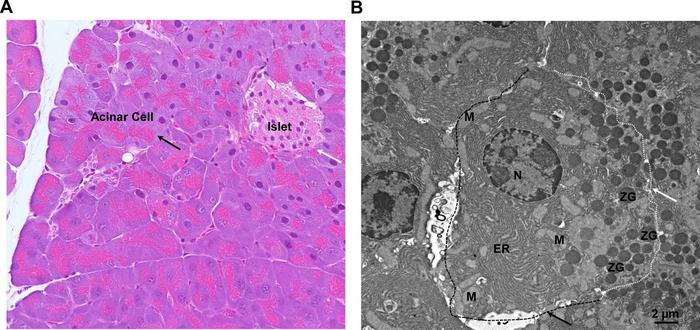
Exocrine cells in pancreas
Acinar (acini) cells
Bile
Digest fats
Liver produces
Bile to digest fatty meals
Bile ducts are made from
Cuboidal epithelium

Hepatic portal vein
Blood comes from digestive organs
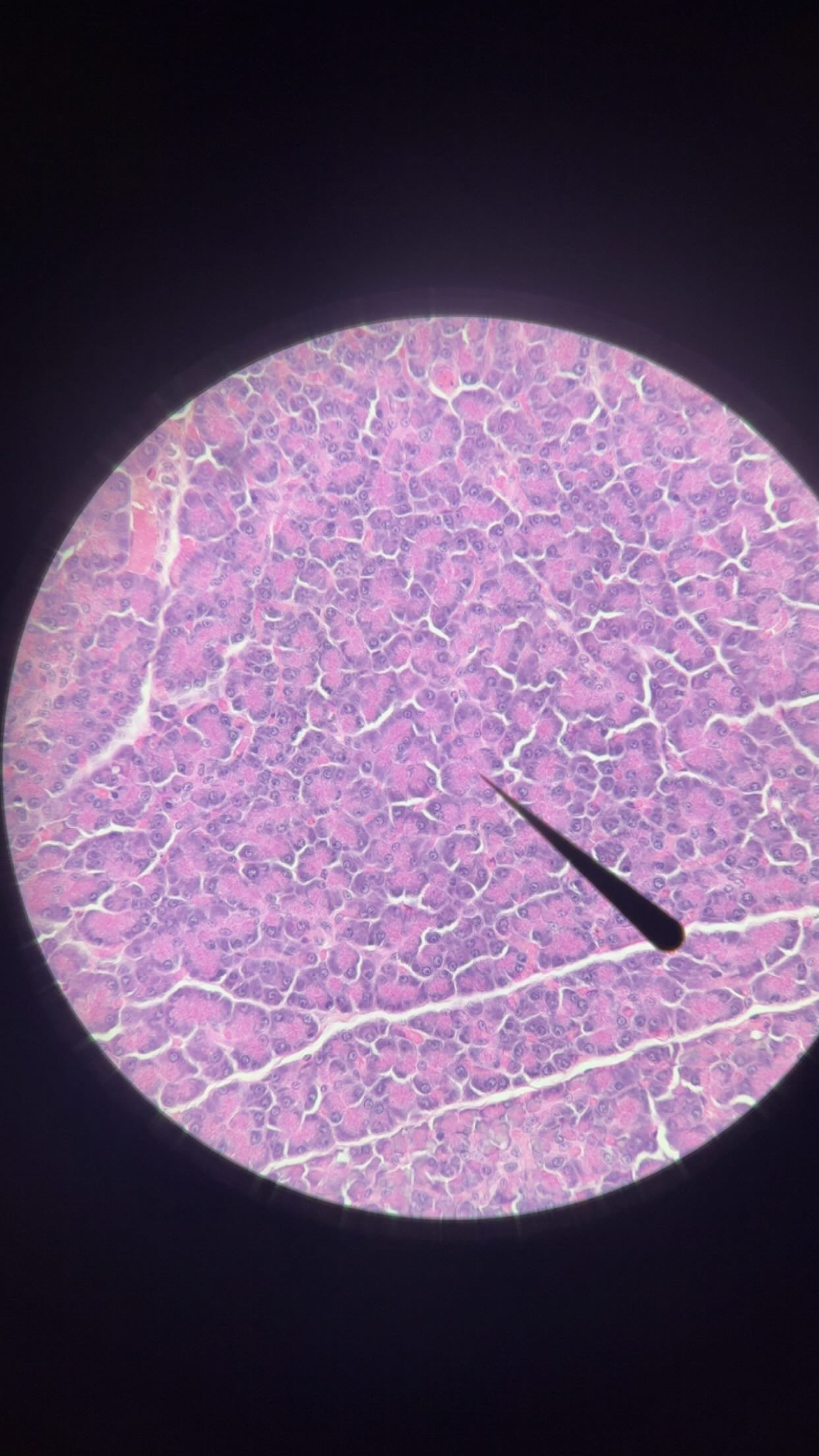
Aciniar (acini) cells function
Store and secrete digestive enzymes
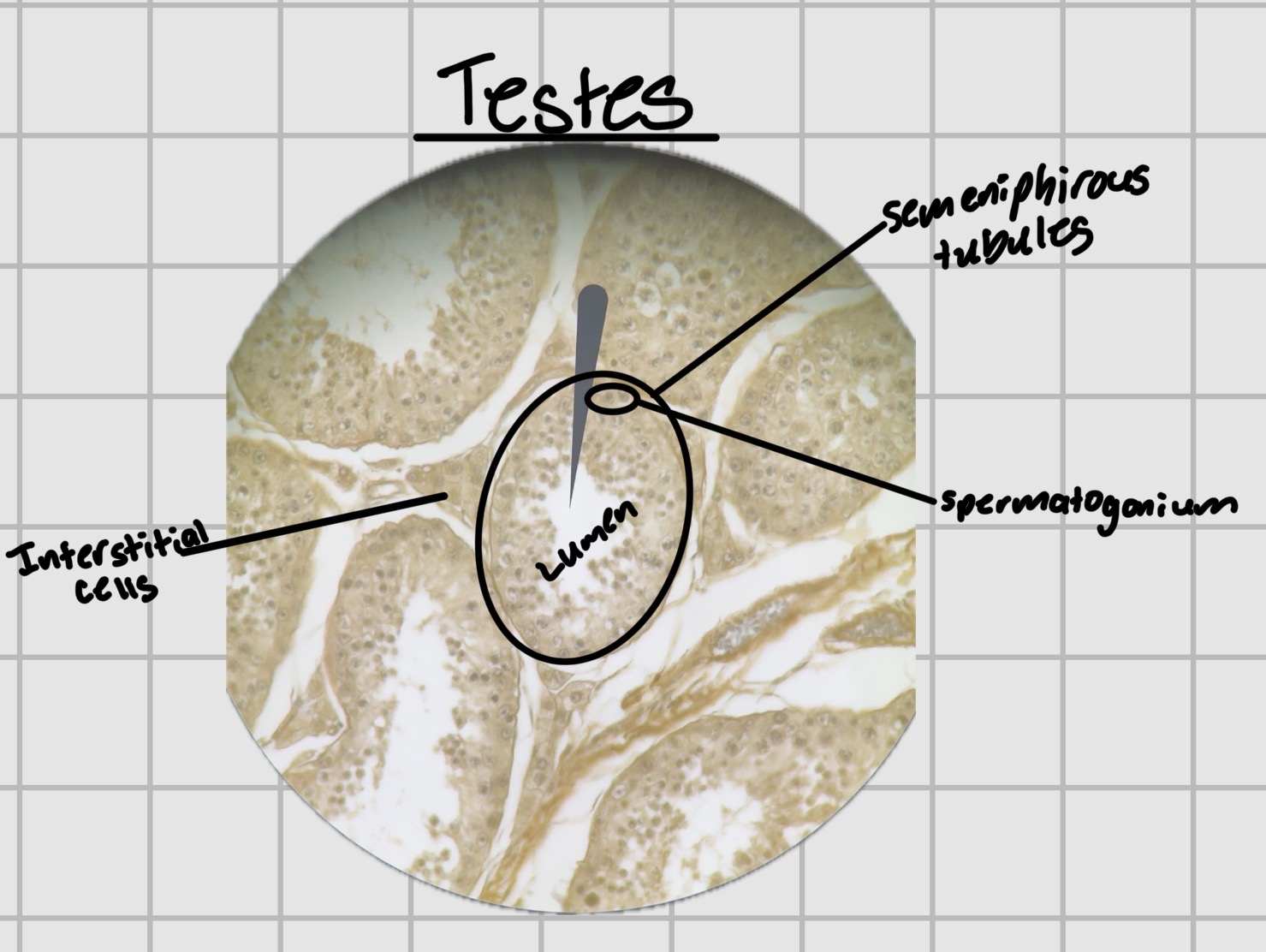
Interstitial cells in testes
Secrete testosterone
Mid piece of sperm
Contains mitochondria
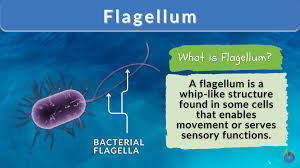
Tail of sperm
Flagellum

Vaginal canal
Rugae and grooves to increase surface area and expand when baby is pushed through canal
External and internal OS in female uterus and cervix
Sperm travels into vaginal canal through these two openings to get into the fallopian tube
Uterus innermost layer
Endometrium; engorge with blood and multiply in size during 28 day uterine cycle to prepare for implantation or to not implant a fertilized egg
Myometrium layer in uterus
Smooth muscle; contributes to contractions to help push baby out using oxytocin hormone
Broad ligament uterus
Extends through fallopian tubes and extends down through the length of the uterus to support macro structures
Fimbriae on fallopian tube
During ovulation these feather-like projections sweep and pull the egg to go into the fallopian tubes where the egg will either be fertilized or not

Corpus luteum
Produces estrogen and progesterone to keep lining of uterus intact so that it’s not shed. Produces these hormones for 14 days, and if there is no pregnancy, corpus luteum will slowly degenerate into corpus albicans. If there is a pregnancy, corpus luteum will keep producing hormones until placenta forms.