Symbolic Language - Religious Language
 Call Kai
 Learn
Learn Practice Test
 Spaced Repetition
 Match
Match Flashcards
 Knowt Play
1/7

There's no tags or description
Looks like no tags are added yet.
Name | Mastery | Learn | Test | Matching | Spaced | Call with Kai |
|---|
No analytics yet
Send a link to your students to track their progress
8 Terms
Who established symbolic language?
Paul Tillich
Tillich's view of signs
Forms of communication pointing to something

Tillich's view of symbols
- Contains in itself something of what it represents
- Can die or change their meaning
- Might not be meaningful to everyone
Example of symbol
American flag contains in itself the pride and dignity of being American

Symbols applied to God
- God is the meaning behind all that exists
- He cannot be known in a personal way but only through symbols
- God is "being itself" rather than a being
- Symbols both affirm and negate God
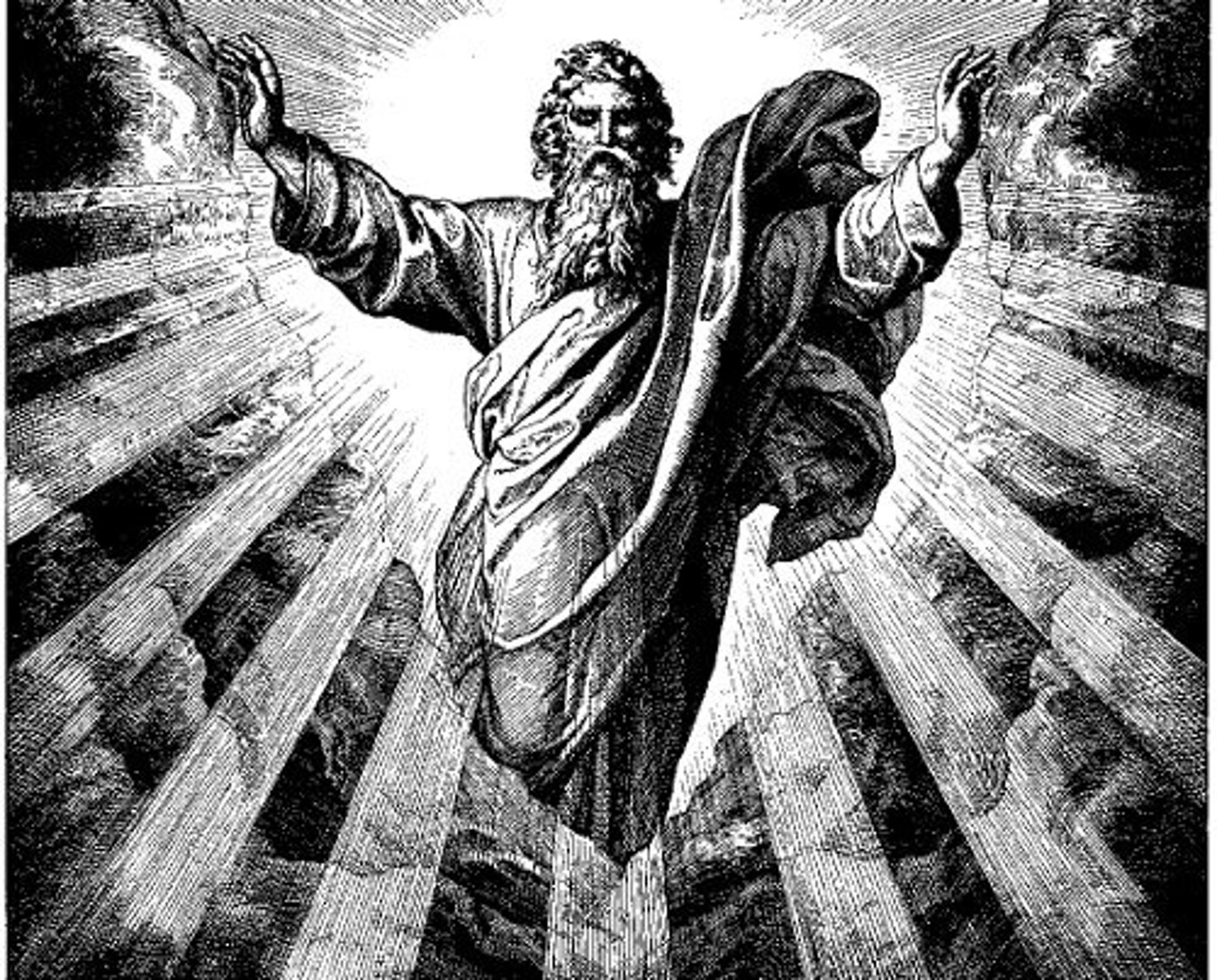
Religious symbols
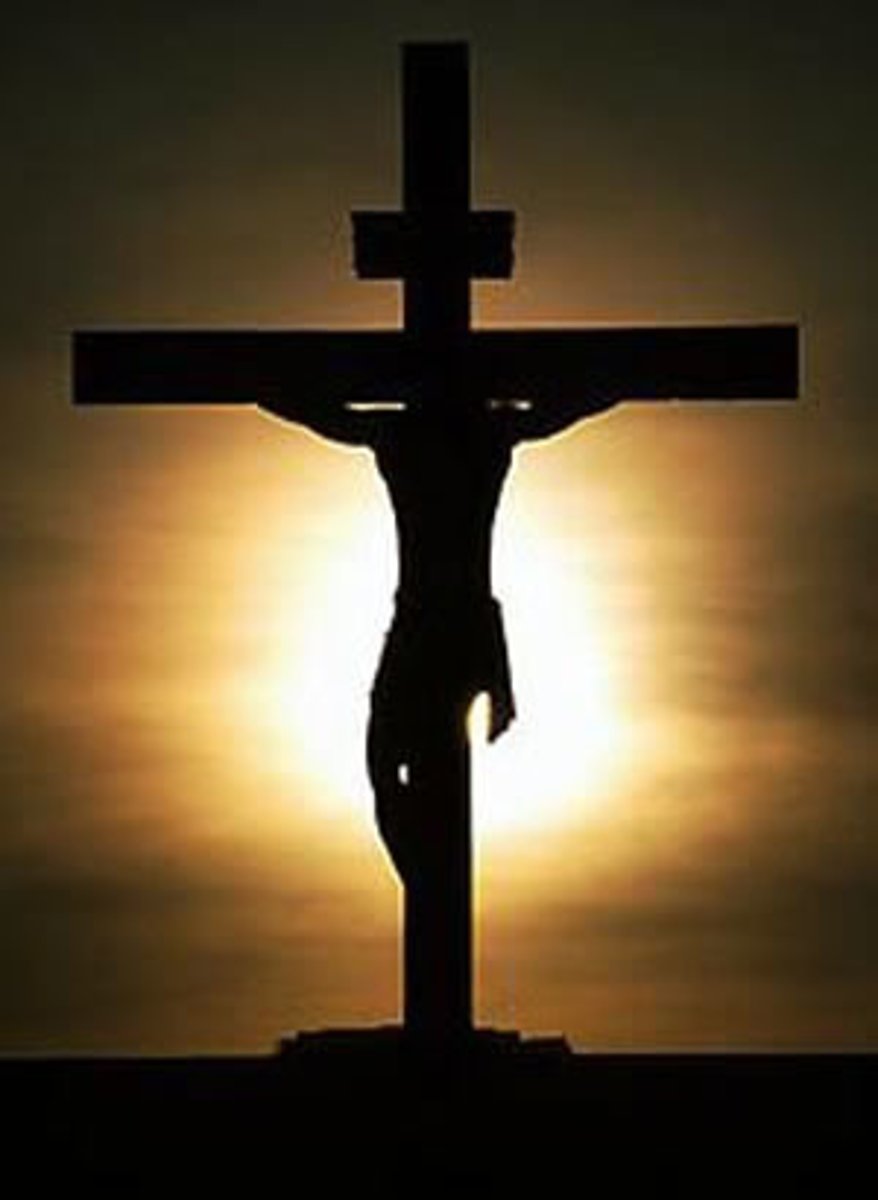
- Like poetry/art/music, religious symbols "speak" to a believer and arouse emotions
- The meaning transcends the actual thing
Strengths of Symbolic Language
- Avoids anthropomorphism whilst allowing believers to experience a deep sense of meaning in their lives through the use of symbol
- Permits use of one literal statement about what is meant by "God" without need for metaphysical concepts
- Reflects what is known through religious experience and so helps us understand what is meant by sin/salvation/Kingdom of God

Weaknesses of Religious Language
- Tillich's idea of symbols participating in reality is not clear
- Abstract concept of God as "being-itself" is not held by most Christians, who think of God as a separate & transcendent being