Appendicular Skeleton (Midterm 2)
 Call Kai
 Learn
Learn Practice Test
 Spaced Repetition
 Match
Match Flashcards
 Knowt Play
1/54

There's no tags or description
Looks like no tags are added yet.
Name | Mastery | Learn | Test | Matching | Spaced | Call with Kai |
|---|
No analytics yet
Send a link to your students to track their progress
55 Terms
What’s the appendicular Skelton
Pectoral Gridle
Pelvic Gridle
Appendages
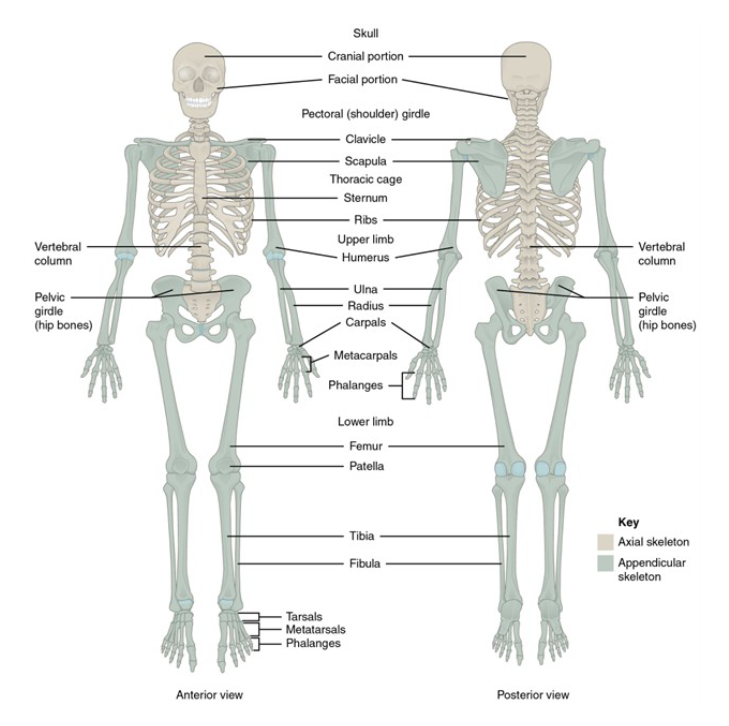
Rough Regions of Limbs (Arms/Legs)
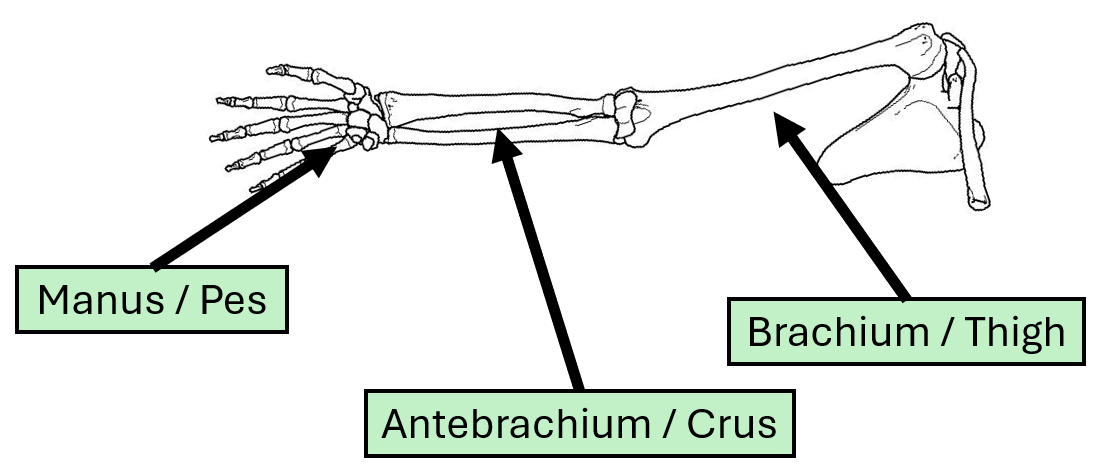
Manus/Pes Region
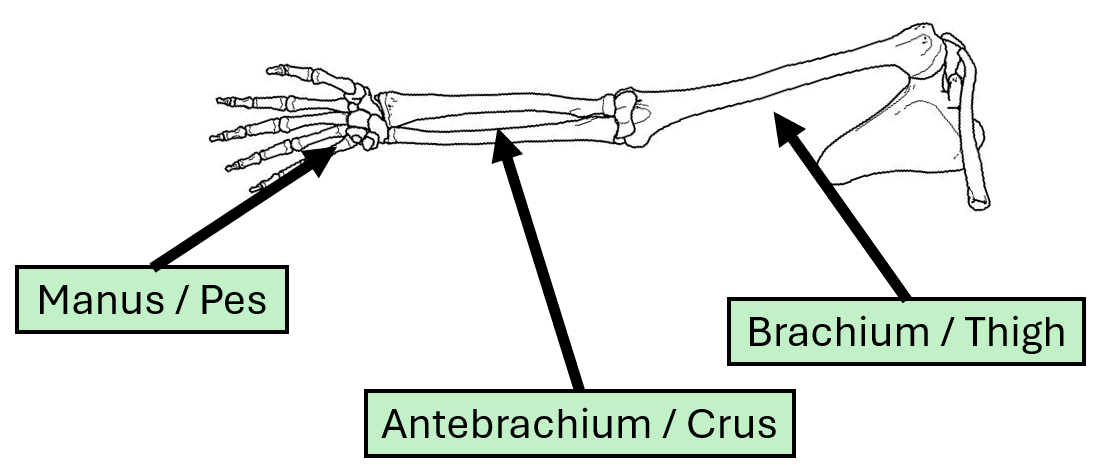
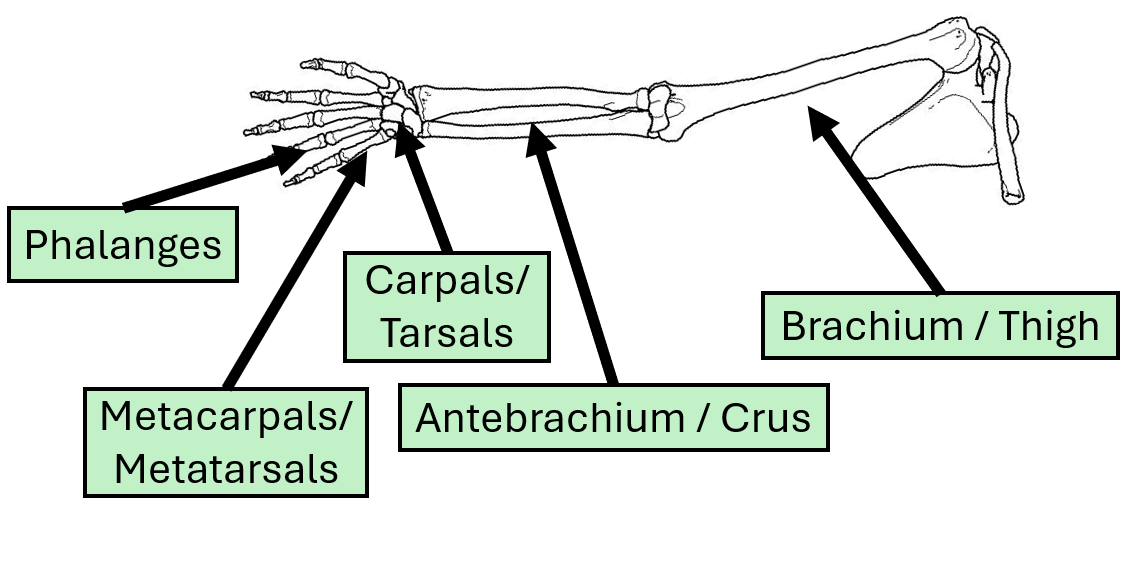
Antebrachium/Crus Region
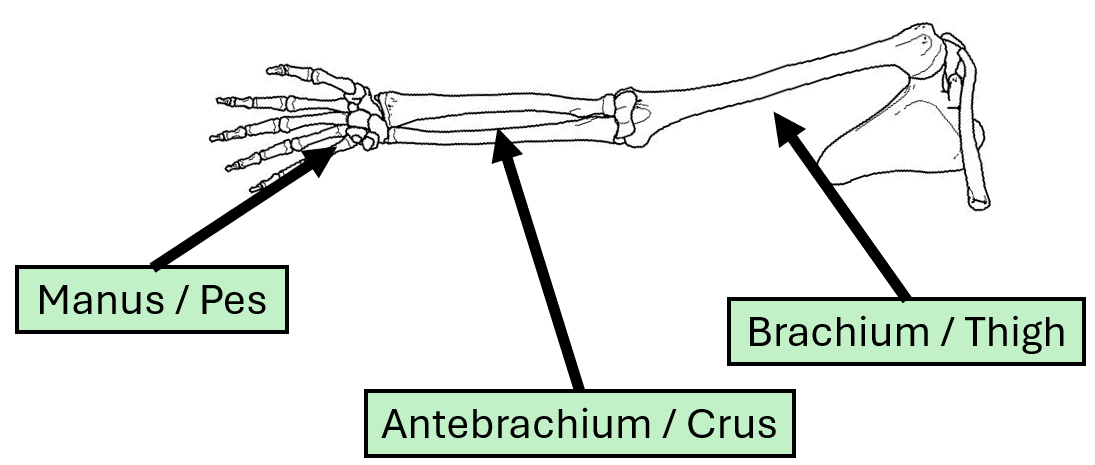
Brachium/Thigh Region
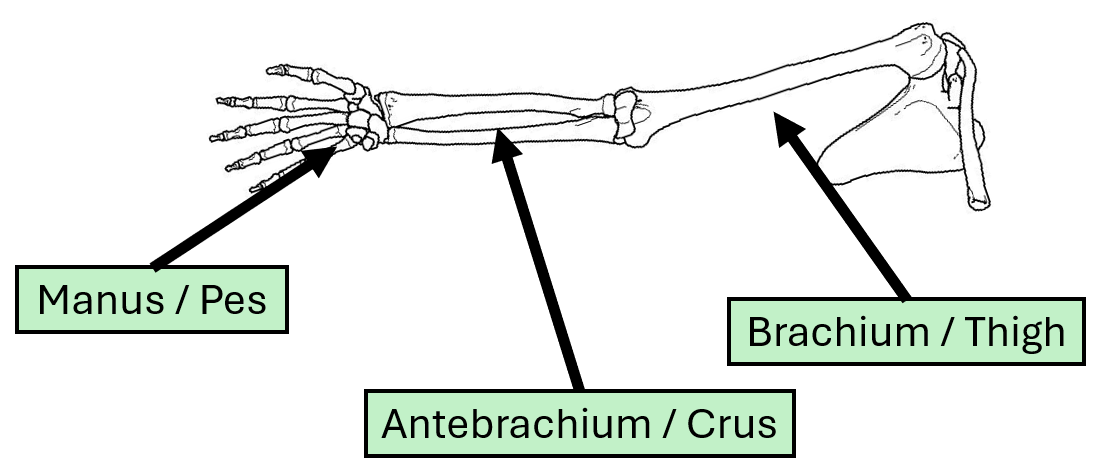
Bones of the appendages (Arms/Legs)
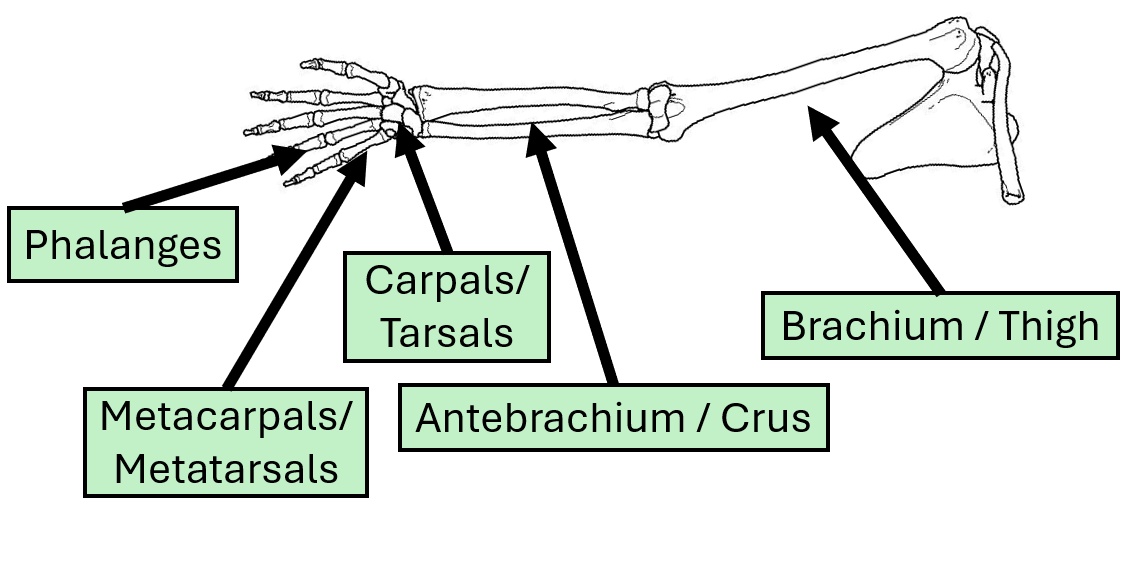
Phalanges
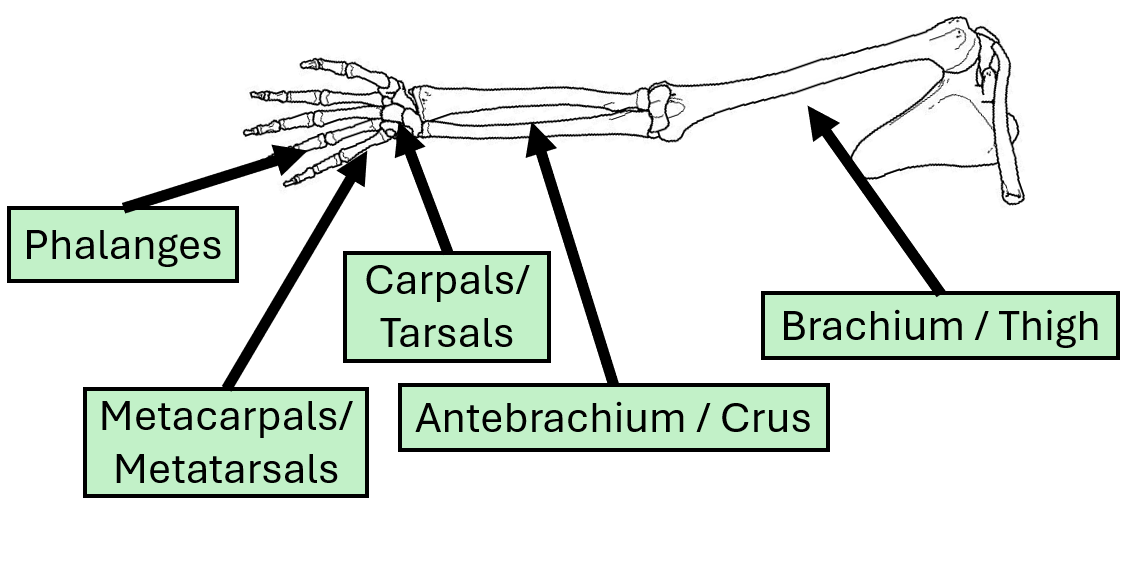
Metacarpals/Metatarsals
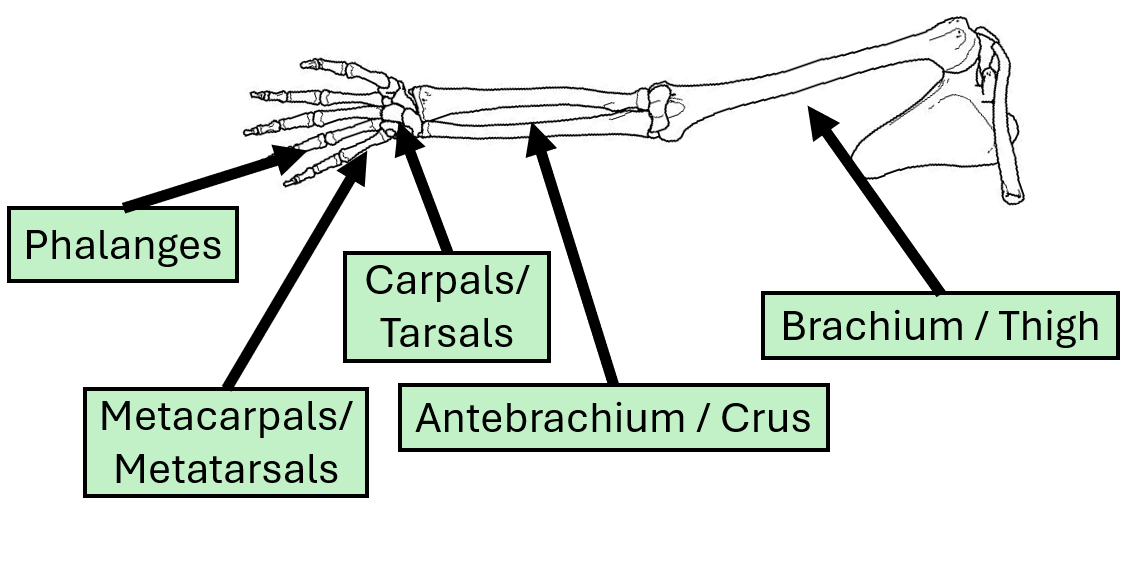
Carpals/Tarsals
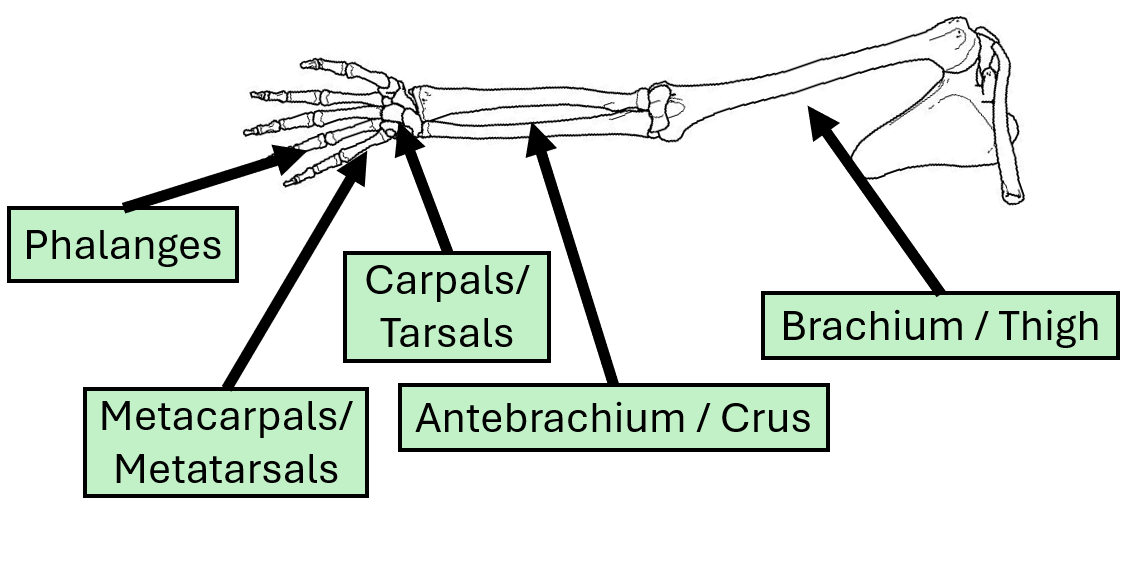
Antebrachium/Crus bones
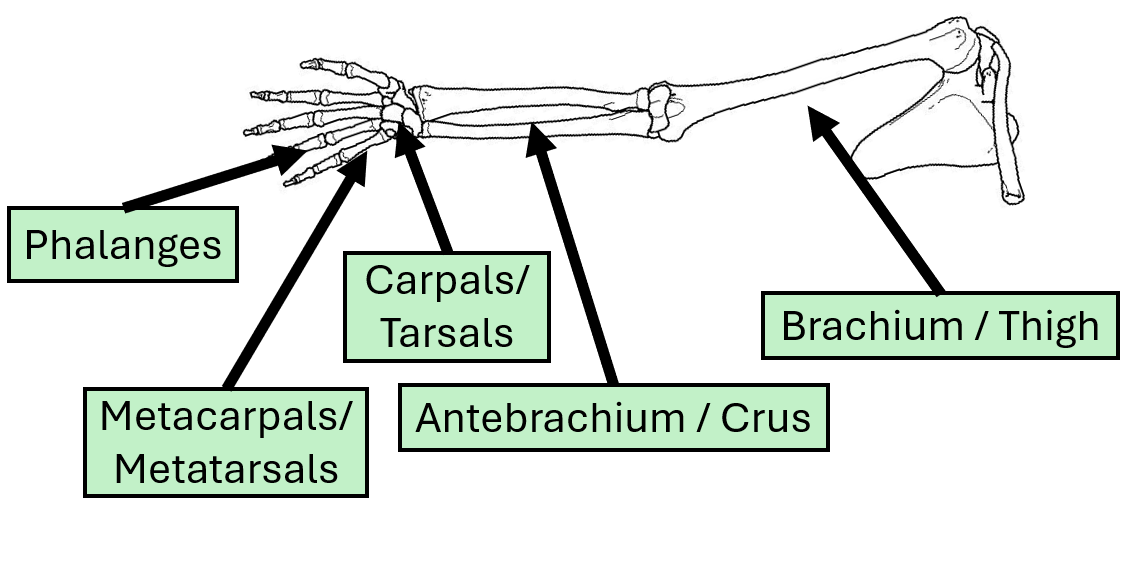
Brachium/Thigh Bones
The Physics of moving muscle against force
There is a:
Effort (Muscle)
Fulcrum (Joint)
Load (the weight/force you are moving against)
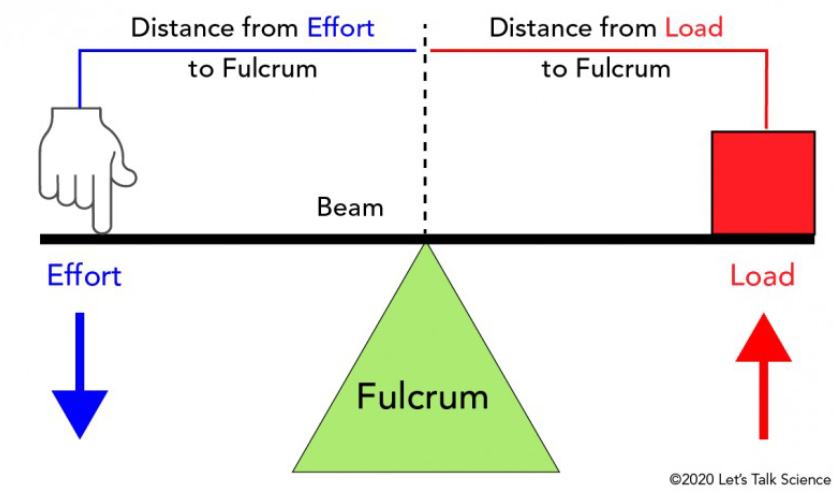
To understand fulcrums, we should follow…
We should follow the joints and see where muscles attach
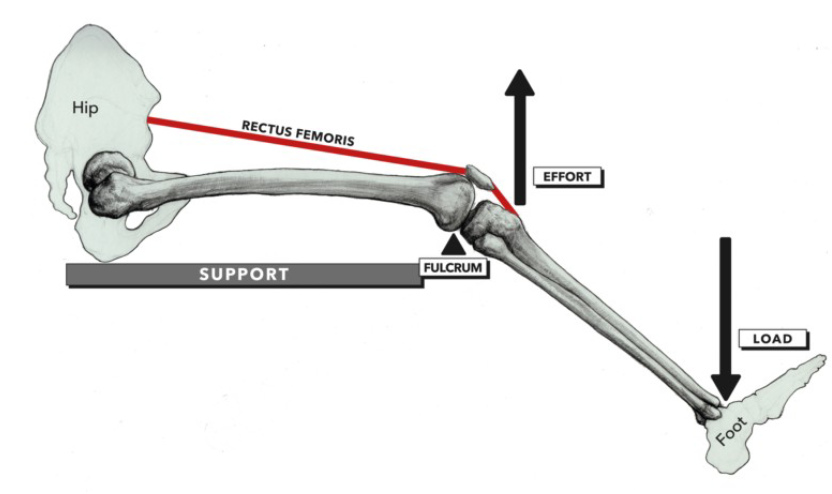
The way that humans’ legs have evolved (stronger anterior thigh muscles and posterior calf muscles) make us the best at what?
It makes humans one of the best runners (NOT the fastest, but we have the best endurance)
Fin Fold Hypothesis
The Fin Fold Hypothesis is an evolutionary theory that explains how the paired fins of early fish (which later evolved into limbs like arms and legs) developed from a continuous fold of skin
The Jaw is likely gill arch, but Fins are more complicated
Suggests they are modified from continuous fins
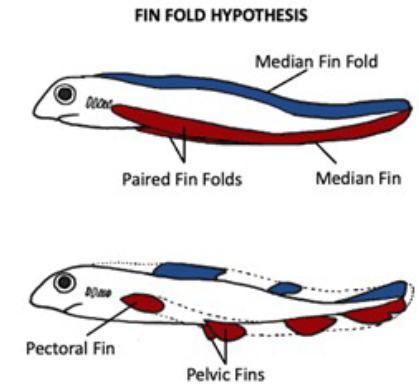
Fin Fold Hypothesis Vs Gill Arch Hypothesis
The fin-fold theory suggests limbs evolved from longitudinal, segmented flank folds.
The gill-arch theory proposes pectoral fins and girdles derived from ancestral gill support structures.
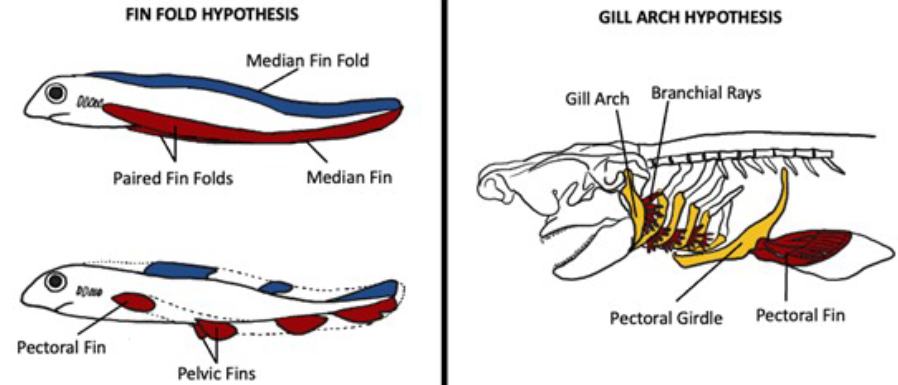
Fin Fold has the best support for…
Pelvic structures
Mixed evidence, maybe both (Fin-Fold Hypothesis and Gill-Arch Hypothesis) happened for…
Pectoral structures
Originally cartilaginous, then latter ossifying supporting structures provide…
Provide pulling Support on the smaller fin portions
pterygiophores
The bones or cartilages with which the base of the rays of the median fins articulate; the connecting points for the dorsal and anal fin rays
Basal and Radial
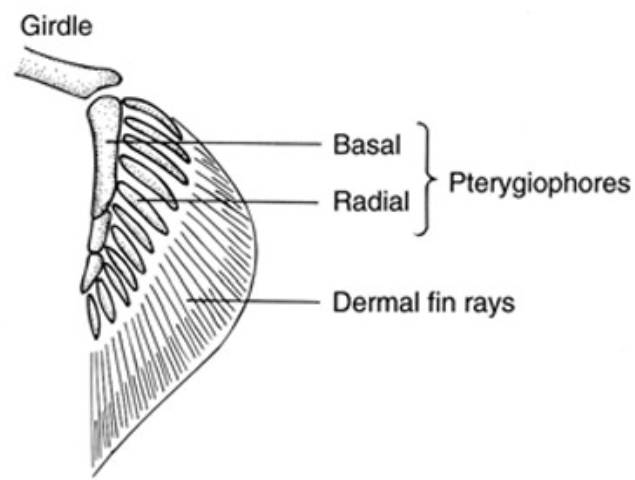
Basal Pterygiophores
Basal pterygiophores are the proximal, often larger, elements articulating with the girdle
Basals provide primary attachment
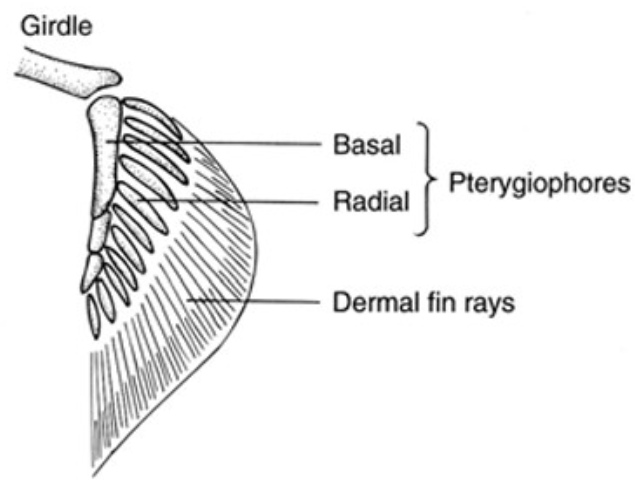
Radial Pterygiophores
radial pterygiophores (radials) are smaller, distal elements extending from the basals to support the fin rays
radials allow for fin flexibility and movement
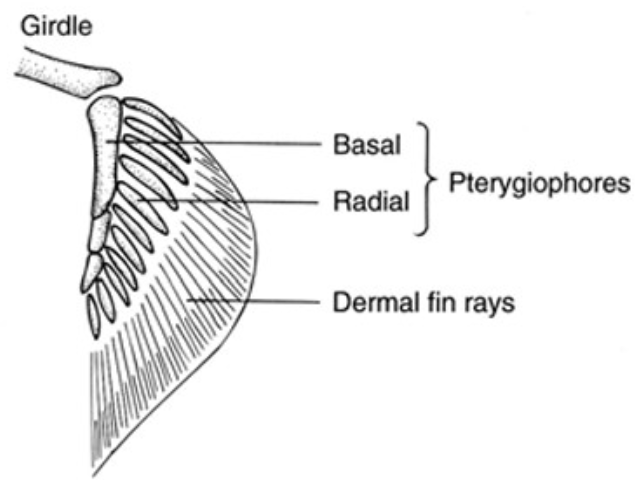
Basal and radial pterygiophores
Basal and radial pterygiophores are bones (or once were in sharks)
Lepidotrichia
In Osteichthyes (bony fish), dermal bone forms the fin rays
Ceratotrichia
Ceratotrichia cartilage (in Chondichthyes) form the fin rays
The three basal Pterygiophores are AKA
AKA Tribasal Bones
The three Basal Pterygiophores become…
three bones of the arm and leg
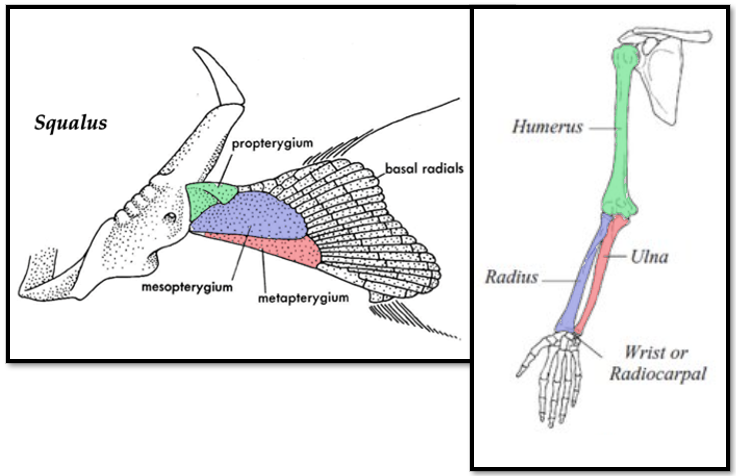
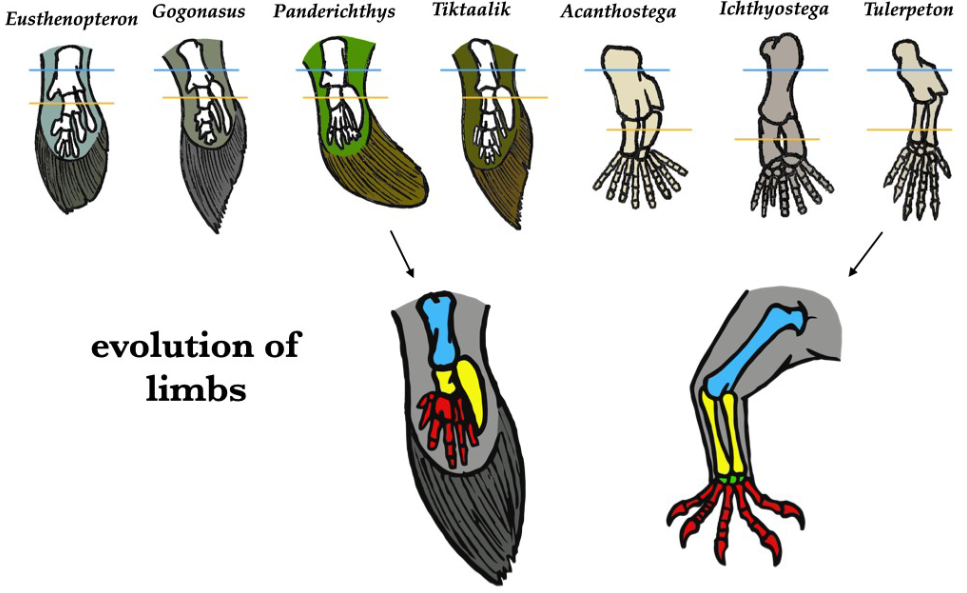
General Pathway for the Evolution of Limbs
Modification of pterygiophores into wrist/hand bones
Loss of fin rays
Pectoral Griddles in Mammals Vs Fish
Fish: Pectoral Griddle is attached to the skull
Mammals: Pectoral Griddle is free floating
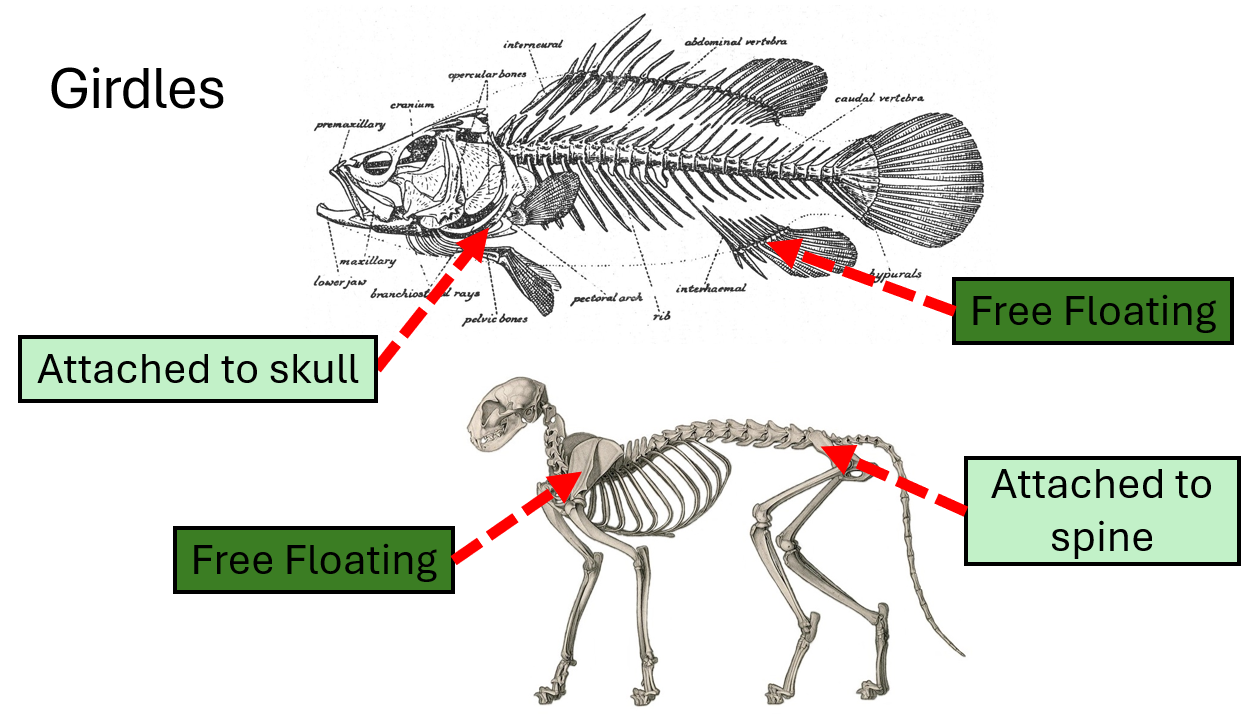
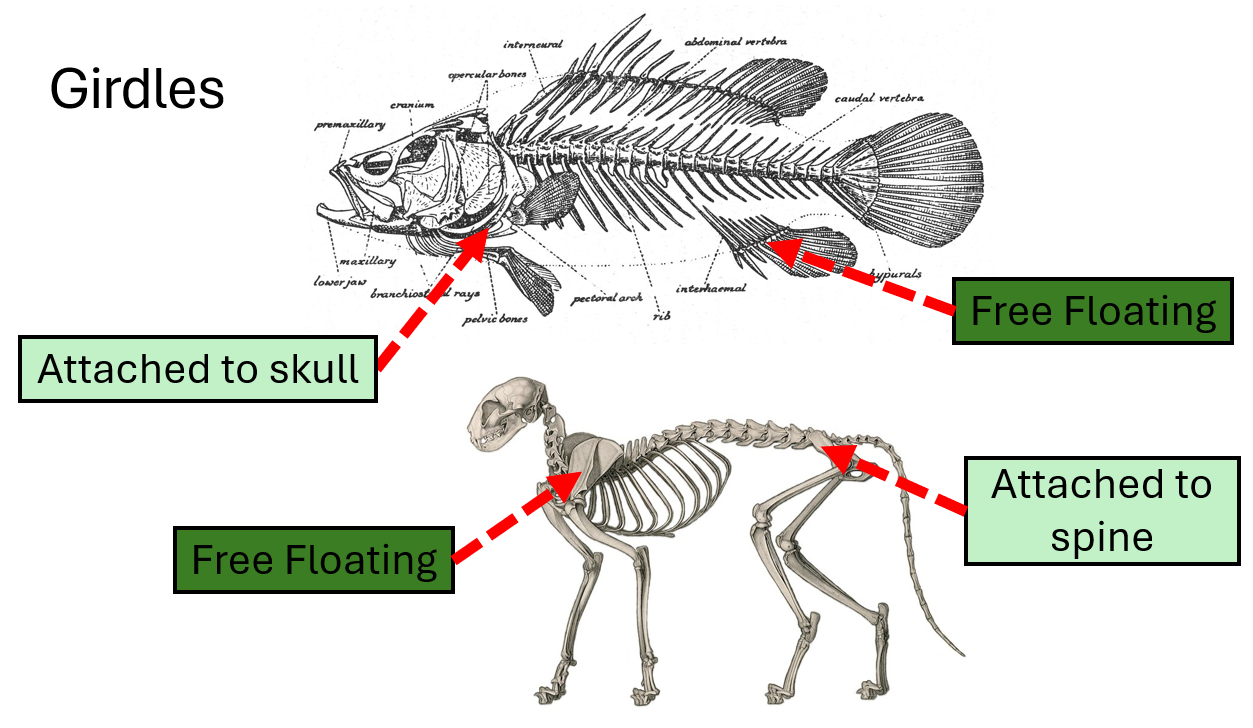
Pelvic Griddles in Mammals Vs Fish
Fish: Pelvic griddle is free floating
Mammal: Pelvic griddle is attached to spine
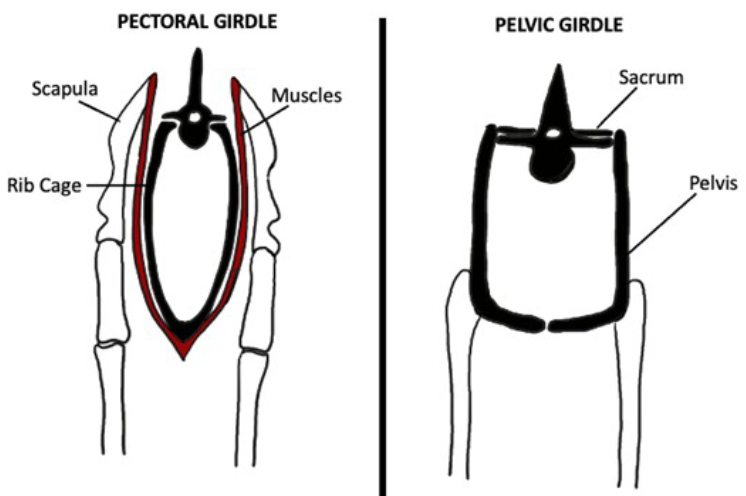
Pectoral Griddle Vs. Pelvic Griddle
The Pectoral Griddle (shoulder girdle) consists of the scapula and connects the arms to the axial skeleton
Includes the Scapula, Ribcage, and muscles
The Pelvic Gridle connects the lower limbs to the axial skeleton
Includes the sacrum and pelvis
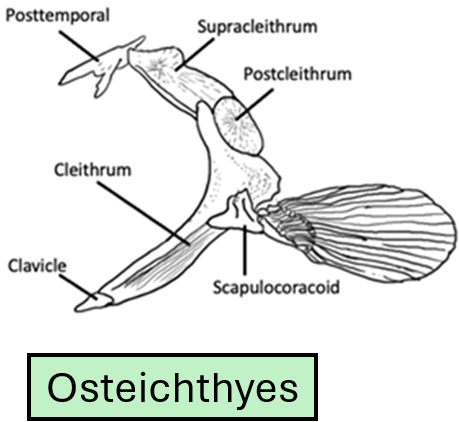
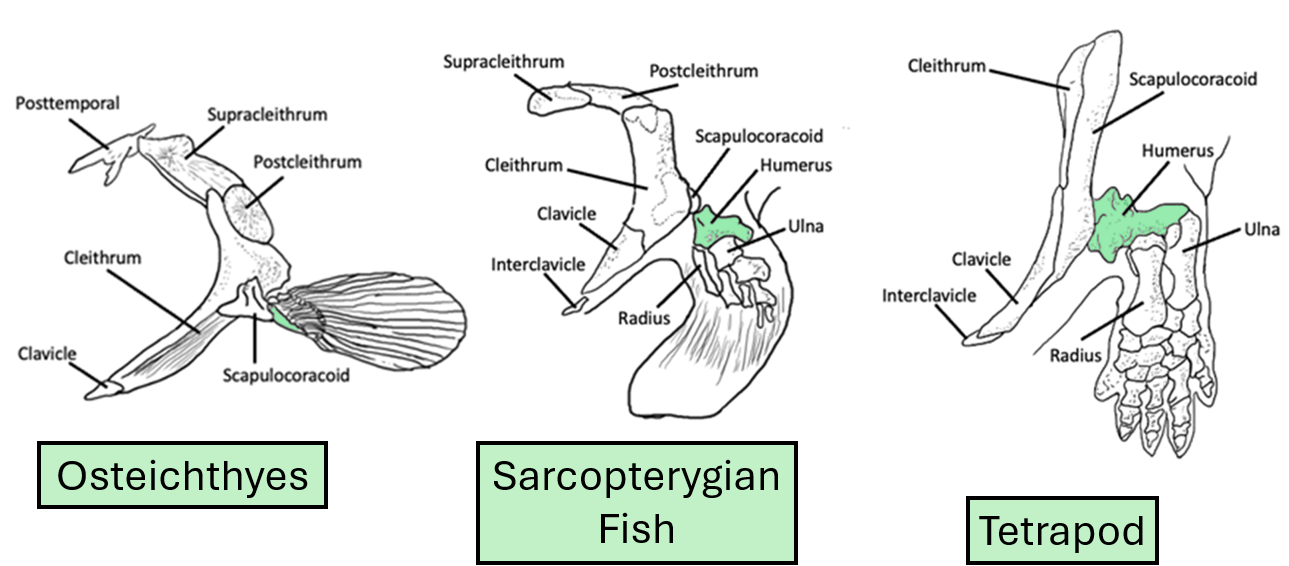
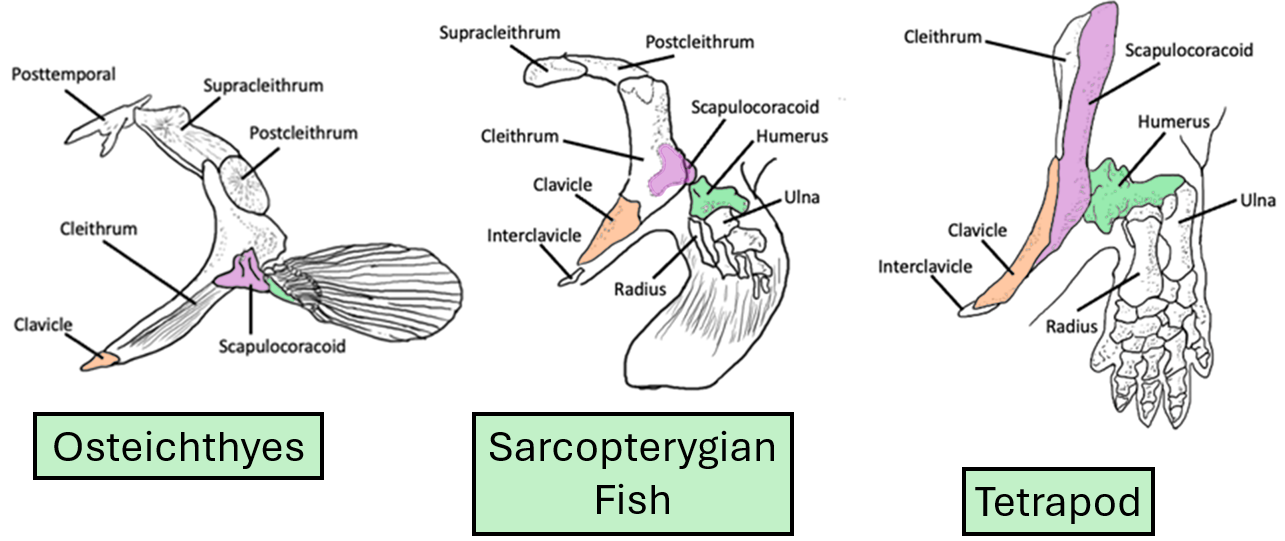
Osteichthyes Pectoral Gridle
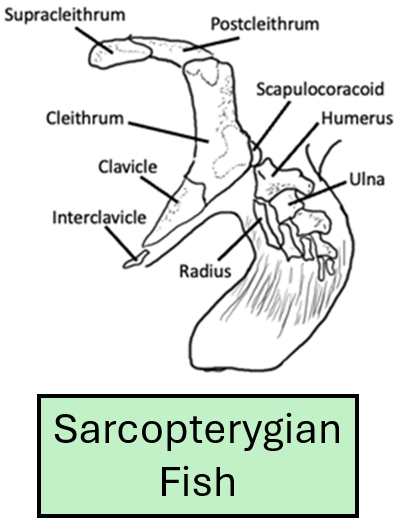
Sacropterygian Fish Pectoral Gridles
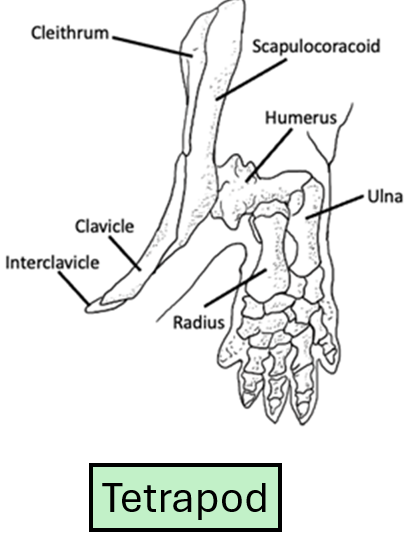
Tetrapod Pectoral Gridles
The humerus becomes more prominent
The clavicle becomes dominant ventral attachment
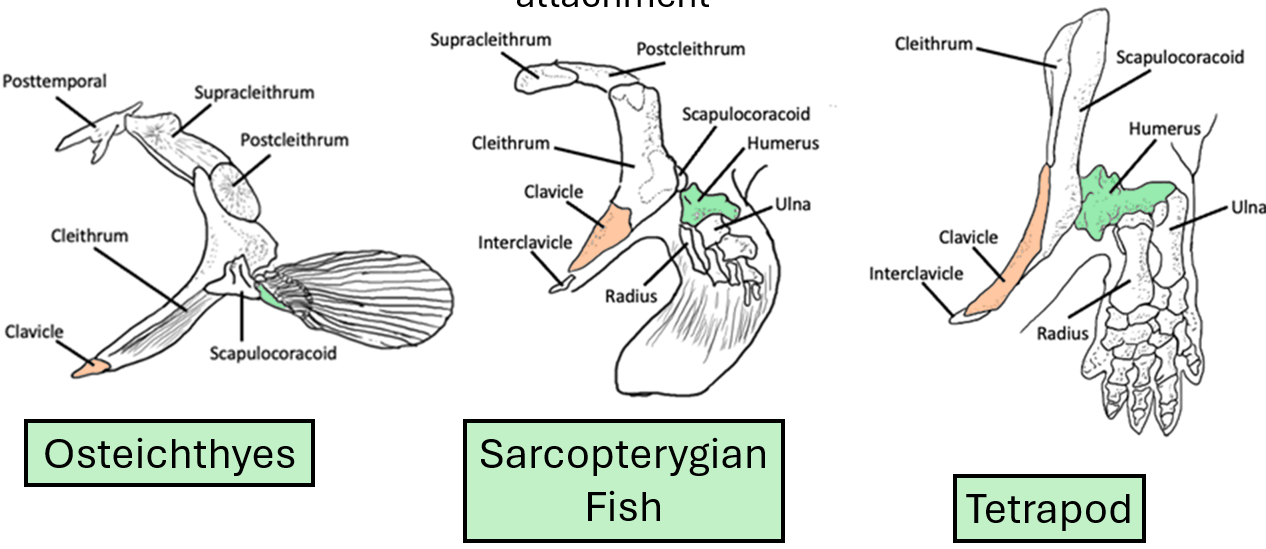
The scapula/o-coracoid becomes dominant dorsal attachment
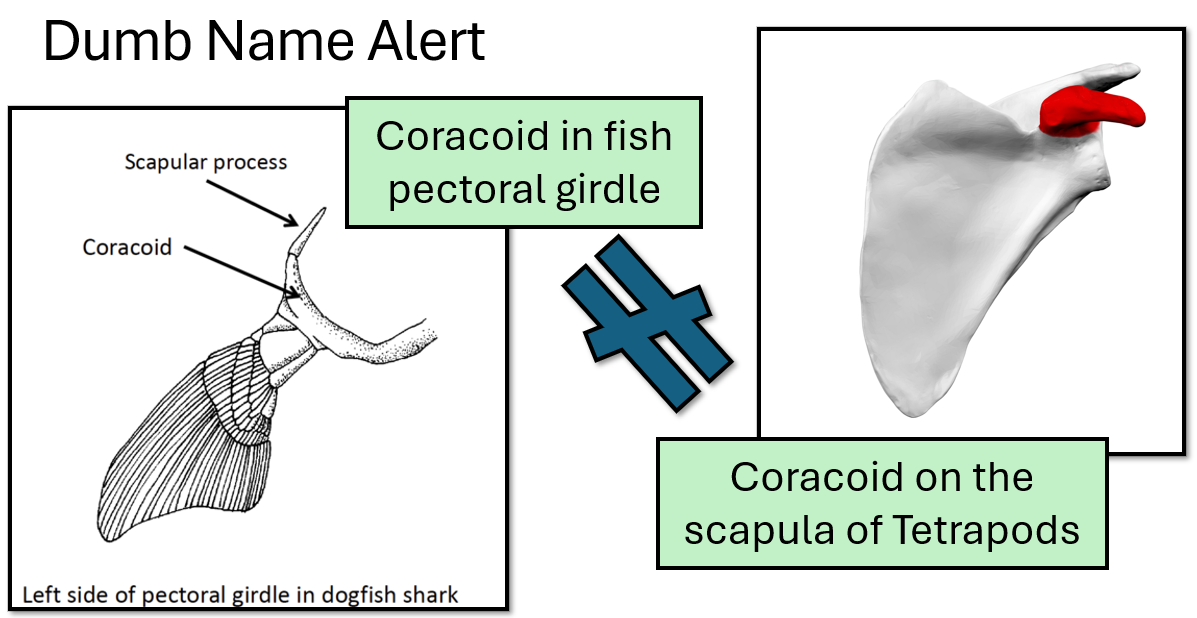
why is coracoid a dumb name?
Early Osteichthyes had
Posttemporal
Postcleithrum
Supracleithrum
Cleithrum
Clavicle
Interclavicle
Scapulocoracoid
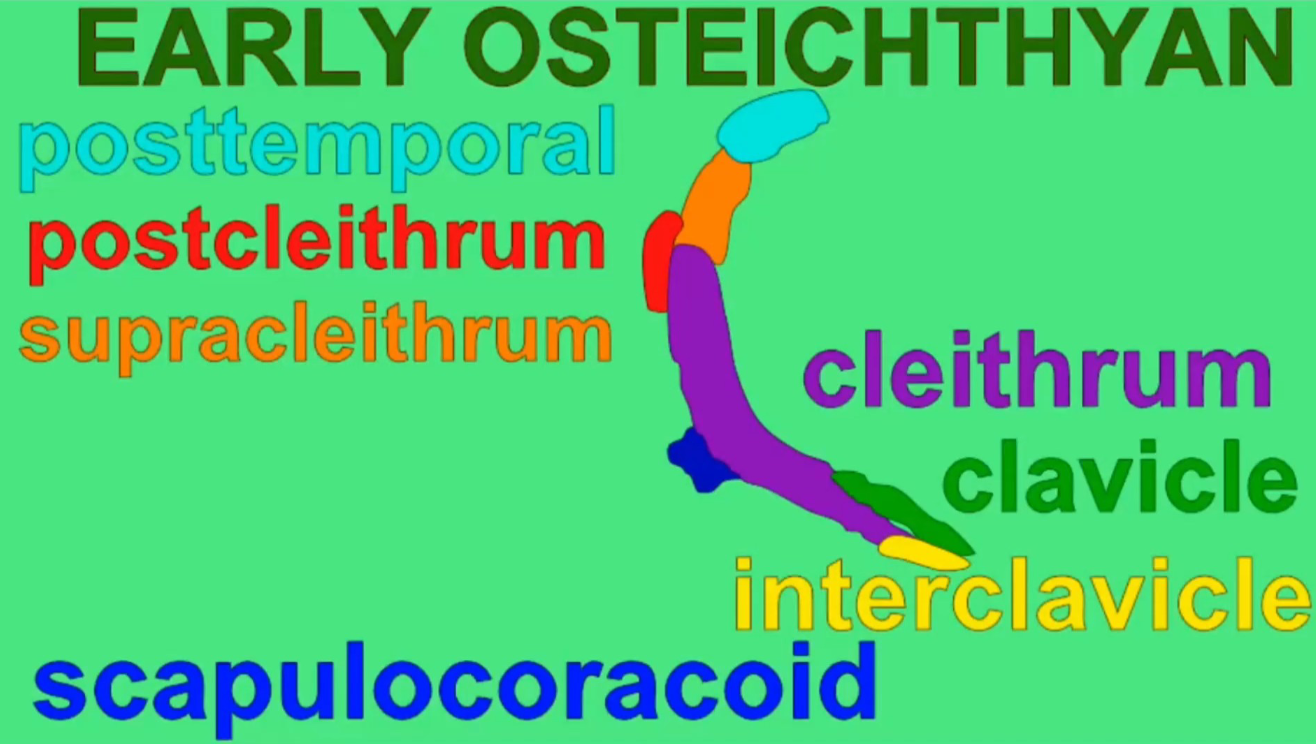
Fish Pectoral
the shoulder is essentially the back of the head
these are mostly dermal bones covering neurocranium
Amphibian Girdle
Dermal bones like cleithrum disappear/shrink
Endochondral bones like scapula, coracoid, humorous, ulna, radius becomes more important (still have procoracoid)
Disarticulated from skull
Larger emphasis on cartilage instead of endochondral bone
Increases flexibility at the loss of strength
Reptilian Girdle
mostly retain significantly larger robust bones and more ossification than amphibia
(Except snakes)
Reptilian Pectoral
the addition of a dermal bone interclavicle provides more rigidity, not seen in amphibia
Avian Pectoral Girdle
a long, thin scapula is typical of archosaurs
this scapula change allowed greater dexterity, speed, and power
later, exapted for flight stabilization
“priming the pump” for flighted bird’s existence
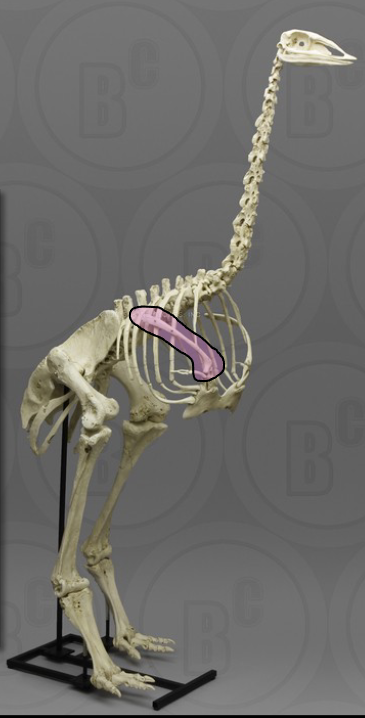
Keel on the Sternum
They are in Aves
gives ample surface area for pectoral muscle attachment
Furcula
They are in Aves
they are formed from fused clavicles, and elongated scapula, and a attached coracoid bone to enable flight
Why is it important to have a keel and furcula in Aves?
the muscle movements involved are extreme and the skeleton must be able to resist these movements
Avian Pectoral Girdle
Reduction to 3 digits (“middle finger primacy”)
fusion of metacarpals
a complete lack of dexterity = very stiff wing shape
the pectoralis muscles serve to adduct the humerus for downward flap
Weaker supracoracoideus muscles loop through the triosseal canal to abduct the humorous
The muscles that raise the arms are NOT in the expected arrangement in aves
Flighted Pectoral Girdle
Birds fly with their arms/wrists
Bats fly with their fingers/shoulders
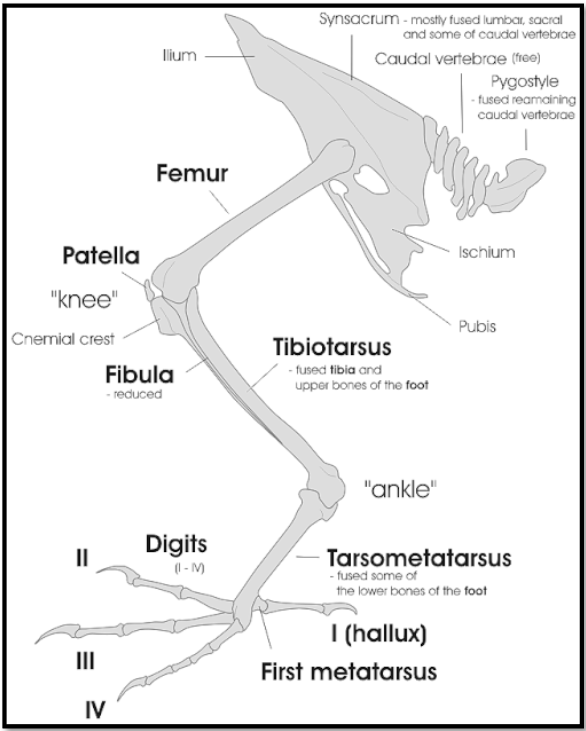
Avian Pelvic Girdle
fused synsacrum keeps things lightweight
relatively short femur becomes less important
Tibiotarsus is fusion of tibia and proximal tarsal
Tarsometatarsus is fusion of distal tarsals (ankle) and metatarsals
the monotremes retain basal traits like:
(Mammal Pectoral Girdle)
the monotremes retain basal traits like
smooth scapula
interclavicle
coracoid
In therians
(Mammal Pectoral Girdle)
the endochondral Sternum appears and takes the role the dermal interclavicle played
The loss of a coracoid means…
(Mammal Pectoral Girdle)
The loss of a coracoid means nothing is holding the scapula + arm in place except:
Clavicle
Muscle
Hope
Different Mammal Pectoral Girdles
Some are well developed
Ex) Monkeys
Allows for high mobility of forelimbs
Some are reduced
Ex) Cats
Smaller clavicle, which results in a greater stride
Some are completely gone
Ex) horses
Clavicle is absent, which allows for greater speed, better shock absorption, and smoother movement
most mammals don’t have…
the level of fusion seen in aves, but exceptions occur