Social Influence
 Call Kai
 Learn
Learn Practice Test
 Spaced Repetition
 Match
Match Flashcards
 Knowt Play
1/15

There's no tags or description
Looks like no tags are added yet.
Name | Mastery | Learn | Test | Matching | Spaced | Call with Kai |
|---|
No analytics yet
Send a link to your students to track their progress
16 Terms
What is conformity?
Change in a person’s behaviour or opinions as a result of real or imagined pressure from a person or group of people.
What are the 2 types of conformity
Internalisation and Compliance
What is internalisation?
Occurs when a person genuinely accepts group norms
- public AND private change
- permanent change even in absence of group members
What is compliance?
Occurs when a person goes along with others in order to fit in
- just a public change, personal behaviour/opinions don't change
- temporary change so stops when group pressure stops
Deutsch and Gerard (1955) - Two Process Theory
Two main reasons why people conform:
Need to be right (ISI)
Need to be liked (NSI)
Informational Social Influence (ISI)
Agree with opinion of majority as we believe they are correct --> internalisation
Cognitive process
Most likely when in: new/ambiguous situation, when decisions need to be made fast, or when there's a perceived expert in the group
Normative Social Influence (NSI)
Agree with the opinion of majority as we want to be accepted, gain social approval, be liked, and not appear foolish--> compliance
Emotional process
Most likely when: with strangers and don't want to be rejected, or high levels of stress so social support needed, or social approval from friends wanted
[AO1] Conformity: Types of conformity
Conformity = change in person's behaviour due to pressure from person/group
Internalisation = genuinely accepts norms - Private, permanent
Compliance = changes to fit in - Public only, temporary, stops when group pressure stops
Deutsch and Gerard (1955) - Two Process Theory
ISI - agree w/ majority as we think they're correct. - internalisation - cognitive - most likely in new/ambiguous situation, quick decisions, or with perceived expert
NSI - agree w/ majority as want to be accepted and not look foolish. - compliance - emotional - most likely w/ strangers, or when stressed for social support
Strength of NSI as explanation of conformity
Supported by Research Evidence
Linkenbach and Perkins (2003)
Adolescents exposed to info that most people their age don’t smoke = less likely to smoke
Supports majority impacting behaviour of individuals as they’re likely to copy behaviours to fit in
In addition Schultz et al (2008)
Hotel guests told that 75% guests reuse their towels reduced their own usage by 25%
:. suggests people shape behaviour to fit with reference group

Strength of ISI as explanation for conformity
Supported by Research Evidence
Lucas et al (2006)
Pps conformed more to copying incorrect answers from fake students when maths problems were harder
Supports individuals relying on knowledge of majority when situation = ambiguous
HOWEVER Asch (1955)
When dissenting pps were added to trials, we can’t be sure the lower conformity rates weren’t due to ISI (new info source) or NSI (social support)

Limitation of NSI as explanation for conformity
Doesn’t account for individual differences
Some people are nAffiliators (greatly concerned about being liked by others)
Problem as: :. NSI causes conformity in some people more than others, so can’t be accepted as general theory
In addition McGhee and Teevan (1967)
Found nAffiliators are more likely to conform
:. effects of NSI vary between individuals :. explanation can’t be generalised as standard cognitive process

Asch (1951) - Procedure
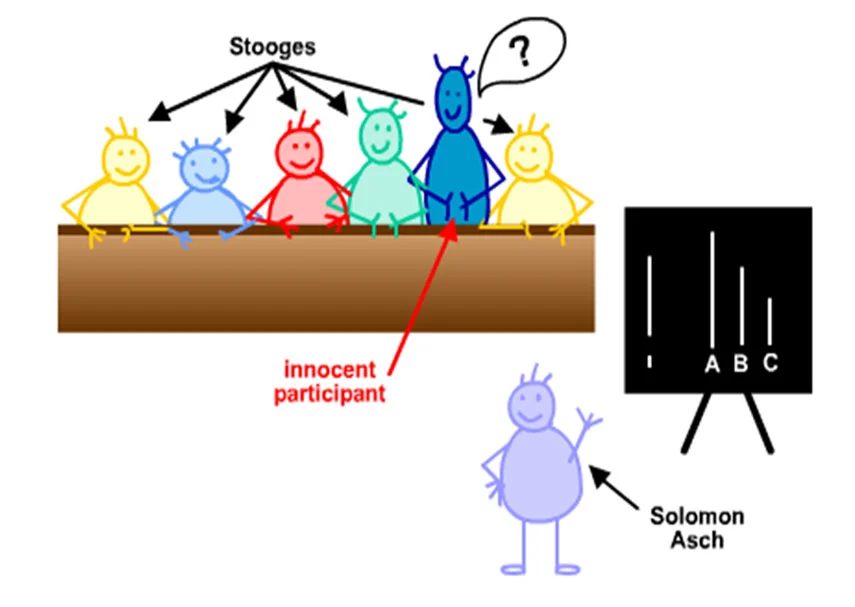
123 American males (told it was study about visual perception)
Naive pp second to last around a table with 6-8 confederates
Each trial = pp shown 3 lines and judged which was same length as the standard line
Confederates gave same incorrect answer in 12/18 trials (the critical trials)
Conformity was measured based on whether pp gave correct answer or conformed (in the critical trials)
Asch (1951) - Findings
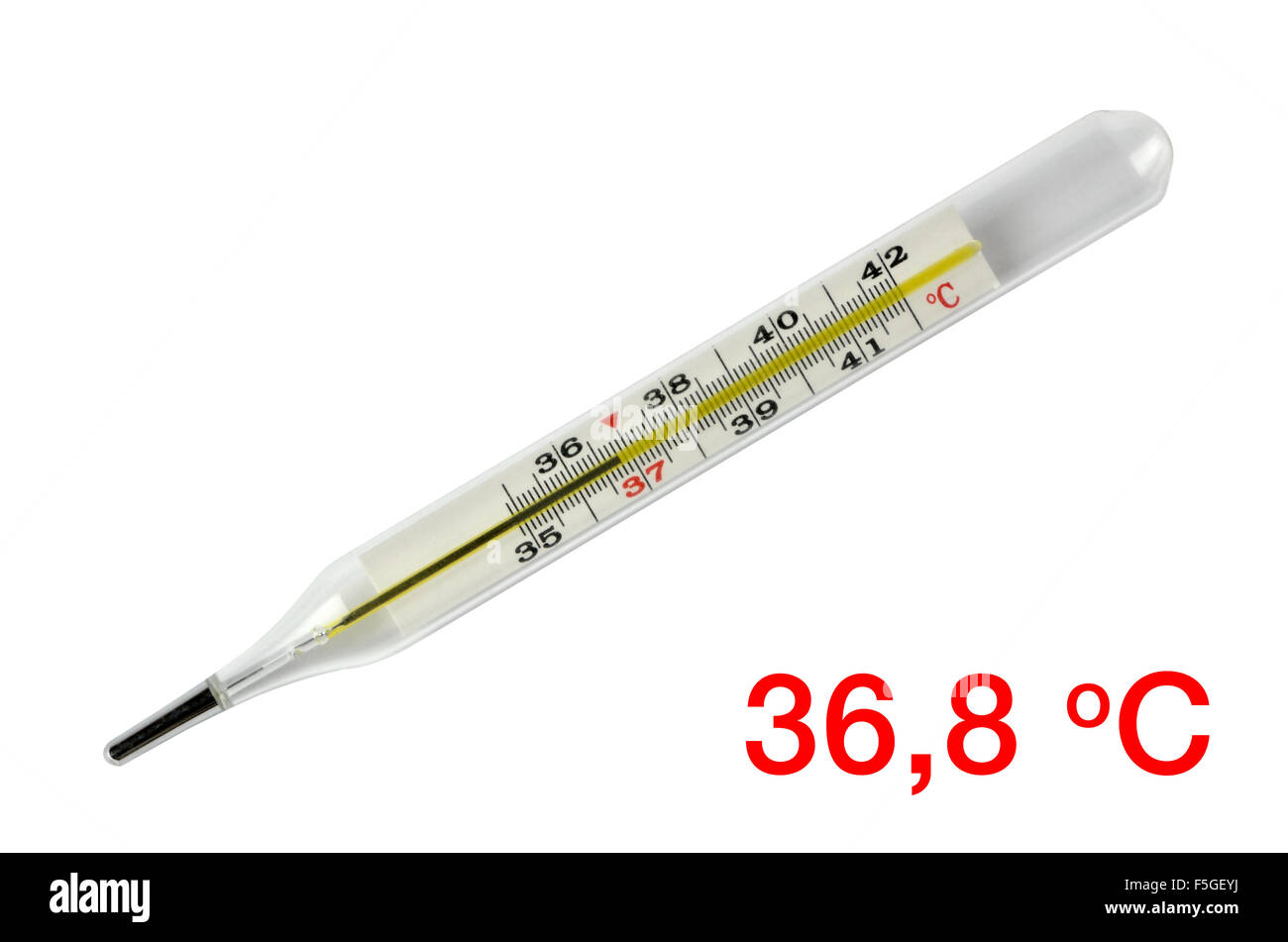
Pps gave incorrect answer in 36.8% of critical trials
25% pps didn’t conform on any (critical trial). Which means 75% conformed on at least one.
In a control condition (no confederates), less than 1% answers were incorrect
Asch Variations (1955) - Group Size
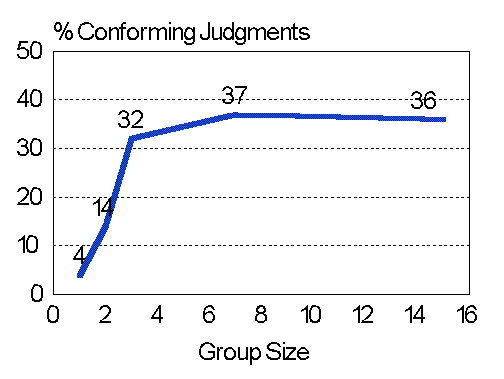
Number of confederates became 1-15 (instead of 6-8)
Findings
Curvilinear relationship
1 confederate = 2.5% conformity rate
2 = 14%
3 = 31.8%
4+ = Little difference, levelled off
Conclusion: While a small majority has little influence on conformity, no need for more than 3 for influence to be exerted. People = sensitive to views of just ½ others
Asch Variations (1955) - Unanimity
Add dissenting confederate.
1 variation = they gave the correct answer, and in 1 they gave a different incorrect answer to majority
Findings:
Conformity reduced to 25% regardless of answer right or wrong
Conclusion: Non-conformity more likely when cracks perceived in group unanimity

Asch Variations (1955) - Task Difficulty