Unit 9 Urban Cities and land use: City Models Flashcards
 Call Kai
 Learn
Learn Practice Test
 Spaced Repetition
 Match
Match Flashcards
 Knowt Play
1/8

There's no tags or description
Looks like no tags are added yet.
Name | Mastery | Learn | Test | Matching | Spaced | Call with Kai |
|---|
No analytics yet
Send a link to your students to track their progress
9 Terms
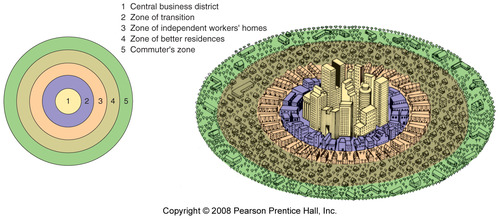
Ernest Burgess Concentric Zone Model
Illustrates urban land use using five concentric circle zones, emphasizes lower- income groups residing closer to the city center and wealthier populations living further out
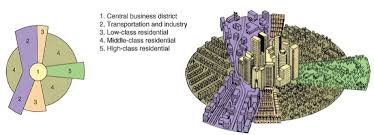
Hoyt Sector Model
Suggests that cities develop in sectors or wedges, representing different land uses like industrial, residential, and commercial, radiating out from the CBD, accounts for transportation routes and their influence on urban growth.
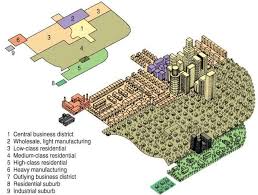
Harris and Ullman multiple Nuclei model
Suggest that cities have multiple centers of activity, each nucleus serving different functions, reflecting the rise of suburban areas and decentralization of cities.
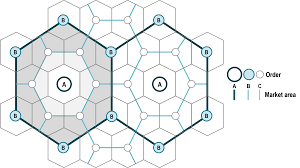
Christaller Central Place Theory
Central places serve as central locations for the provision of goods and services to surrounding areas, emphasizing the importance of market areas and the concept of threshold and range in determining the viability of businesses

Bid Rent Theory
Land prices and demand change as one moves away from the CBD
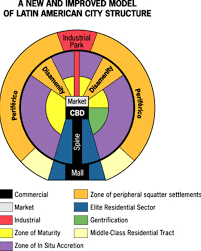
Griffin Latin American City Model
Illustrates the unique urban structure of Latin American cities
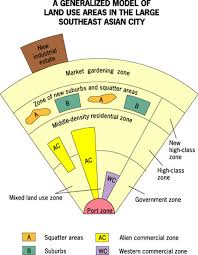
McGee Southeast Asian Model
Emphasizes the role of the port in shaping urban development and the presence of informal settlements (Squatter settlements)
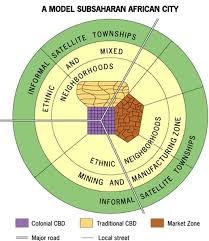
Blij African City Model
Reflect colonial influence and historical, socio economic factors due to its multiple CBD’s
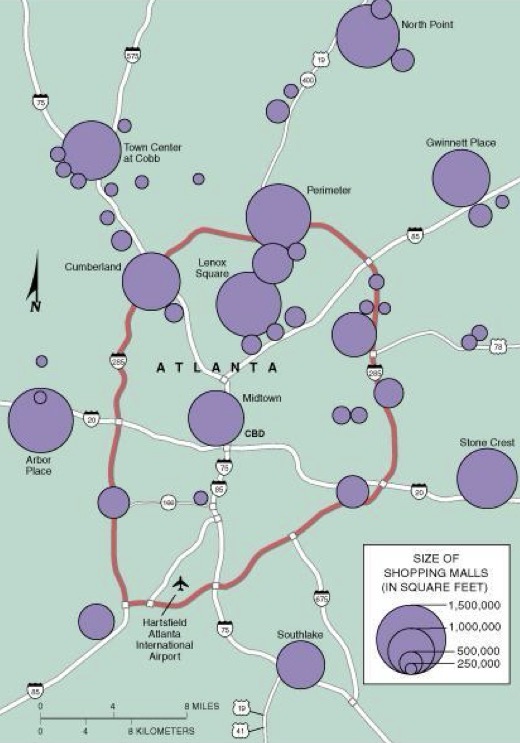
Galactic city model
Along a highway, CBD surrounded by suburban areas and edge cities, which are self sufficient urban centers, emphasizes the role of transportation corridors (like highways)