ANAPHY - MUSCLES
 Call Kai
 Learn
Learn Practice Test
 Spaced Repetition
 Match
Match Flashcards
 Knowt Play
1/83

There's no tags or description
Looks like no tags are added yet.
Name | Mastery | Learn | Test | Matching | Spaced | Call with Kai |
|---|
No analytics yet
Send a link to your students to track their progress
84 Terms
50%
more than ___ of body weight is muscle
proteins and water
muscle is made up of
arrector pili muscles
there are muscles in the root of your hair that give you goose bumps
17 muscles
it takes __ muscles to smile
eye
the hardest working muscle is in the
Gluteus Maximus
the largest muscle in your body is the
Muscles
are responsible for all movement of the body
42
it takes __ muscles to frown
skeletal, cardiac, smooth
There are three basic types of muscle
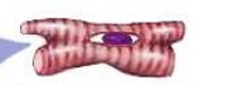
cardiac muscle
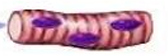
skeletal muscle
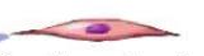
smooth muscle
Skeletal
found in limbs, Striated, multinucleated, voluntary
cardiac
found in heart, Striated, 1 nucleus, involuntary
skeletal
Found in viscera, Not striated, 1 nucleus, involuntary
skeletal
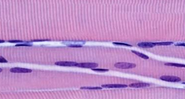
cardiac
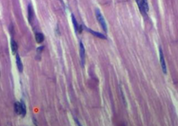
cardiac
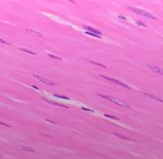
skeletal and smooth
this type of muscles are elongated
Muscle fibers
other term for muscle cells
protein fibers
Contraction of a muscle is due to movement of microfilaments or
myo and mys
prefixes that refers to muscles
sacro
prefixes that means flesh
triangular
shapes of muscles in shoulder, neck
spindle
shapes of muscles in arms, legs
Flat
shapes of muscles in diaphragm, forehead
Circular
shapes of muscles in mouth, anus
skeletal muscles
Produce movement, maintain posture, generate heat, stabilize joints
skeletal muscles
Most are attached by tendons to bones
tendons
are mostly composed of collagen fibers
skeletal muscles
Most are attached by tendons to bones - Cells have more than one nucleus (multinucleated) - Striated - have stripes, banding - Voluntary - subject to conscious control - Tendons are mostly made of collagen fibers - Found in the limbs - Produce movement, maintain posture, generate heat, stabilize joints
skeletal muscles
Typically 50-60mm in diameter, and up to 10cm long
myofibrils
The contractile elements of skeletal muscle cells are
smooth muscles
No striations - Spindle shaped - Single nucleus - Involuntary- no conscious control - Found mainly in the walls of hollow organs - Lines walls of viscera - Found in longitudinal or circular arrangement - Alternate contraction of circular & longitudinal muscle in the intestine leads to peristalsis
smooth muscles
Actin and myosin filaments are present (protein fibers) in
cardiac muscles
Striations - Branching cells - Involuntary - Found only in the heart - Usually has a single nucleus, but can have more than one - Main muscle of heart - Pumping mass of heart - Critical in humans - Heart muscle cells behave as one unit - Heart always contracts to it’s full extent
cardiac muscles
Cardiac muscle cells (fibres) are short, branched and interconnected - Cells are striated & usually have 1 nucleus-Adjacent cardiac cells are joined via electrical synapses (gap junctions) - These gap junctions appear as dark lines and are called intercalated discs
skeletal muscles
Voluntary movement of skeletal parts • Spans joints and attached to skeleton • Multi-nucleated, striated, cylindrical fibres
smooth muscles
Found in walls of hollow internal organs • Involuntary movement of internal organs • Elongated, spindle shaped fibre with single nucleus
cardiac muscles
Found in the heart • Involuntary rhythmic contraction • Branched, striated fibre with single nucleus and intercalated discs
Central Nervous System
Skeletal is controlled by what nervous control
autonomic nervous system
Cardiac Muscle is controlled by what nervous control
autonomic nervous system
Smooth is controlled by what nervous control
twitch and tetanus
Types of Responses
twitch
A single brief contraction. Not a normal muscle function
Tetanus
One contraction immediately followed by another. Muscle never completely returns to a relaxed state. Effects are compounded
ATP
Energy is stored in the muscles in the form of
ATP
comes from the breakdown of glucose during Cellular Respiration
Mitochondria of the cell
ATP forms in the
true
When a muscle is fatigued (tired) it is unable to contract because of lack of Oxygen
Isotonic and Isometric
Exercise and Muscles
isotonic
muscles shorten and movement occurs (most normal exercise)
isometric
tension in muscles increases, no movement occurs (pushing one hand against the other)
insertion
attachment to an immovable bone
Origin
attachment to a movable bone
2 points
Muscles are always attached to at least
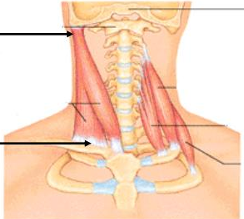
insertion and origin
what is the first and second arrow
650 muscles
how many muscles in the human body?
move, maintain posture and generate heat
function of skeletal system are
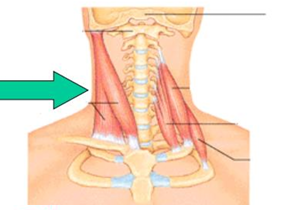
sternocleidomastoid muscles
one of the 20 muscles in neck flexes and rotates head
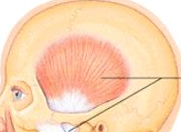
temporalis
elevate and retract mandible
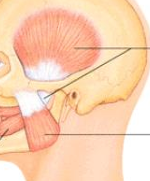
masseter
muscle in jaw. elevate and retract the mandible
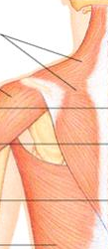
trapezius
muscle in the scapula. extend the head, abduct, elevate, or depress the scapula
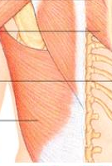
latissimus dorsi
extend, abduct, rotate arm medially, dorsal
deltoid
abduct, flex, extend arm
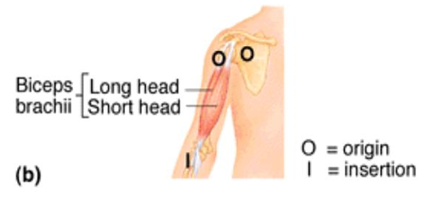
biceps brachii
flexes elbow joint
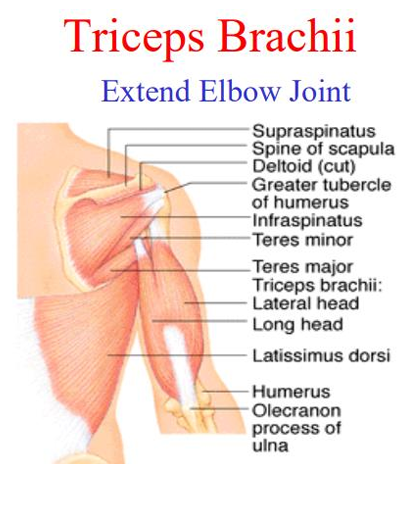
triceps brachii
extend elbow joint
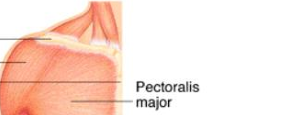
pectoralis major
breast
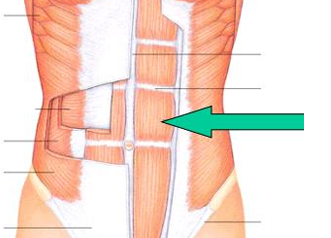
rectus abdominus
flexes abdomen
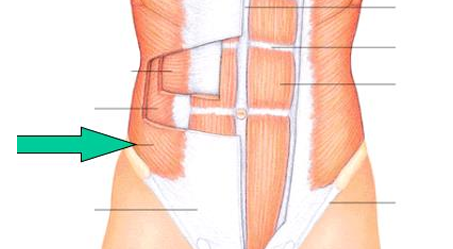
external oblique
compress abdomen
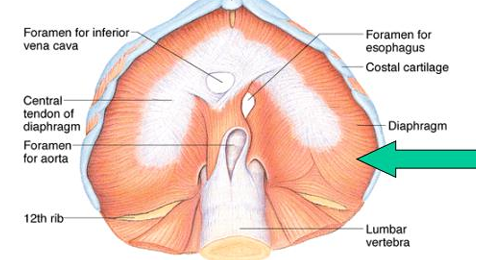
diapgraphm
inspiration
flexor carpi
Flexes wrist
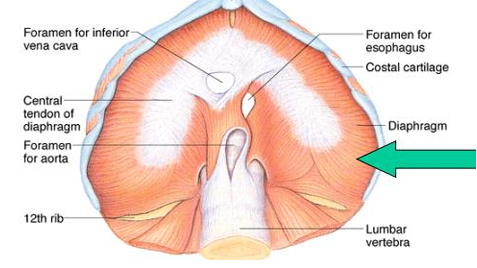
Extends wrist
extensor carpi
Flexor digitorum
flexes fingers
Extensor digitorum
Extends fingers
pronator
Pronates
supinator
supinates
rectus femoris
extends thigh and extends lower leg
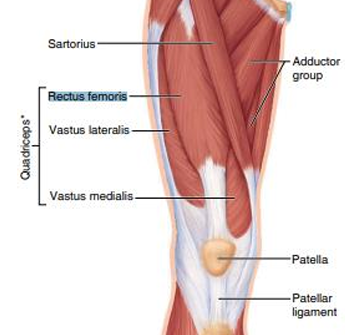
Sartorius
flexes thigh and rotates thigh laterally
gracilis
adducts and flexes thigh
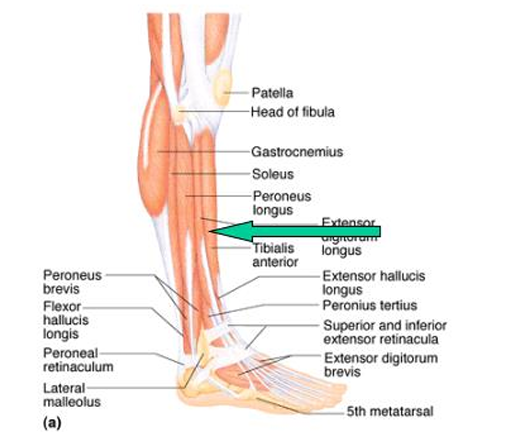
gastrocnemius
plantar flexes foot and flex lower leg, calf
biceps femoris
extends thigh and flexes lower leg
gluteus maximus
extends and rotates thigh laterally
tibialis anterior
dorsiflexes and inverts foot