P.E. 7-Components of Physical Fitness Study Guide
 Call Kai
 Learn
Learn Practice Test
 Spaced Repetition
 Match
Match Flashcards
1/11

There's no tags or description
Looks like no tags are added yet.
Name | Mastery | Learn | Test | Matching | Spaced | Call with Kai |
|---|
No analytics yet
Send a link to your students to track their progress
12 Terms
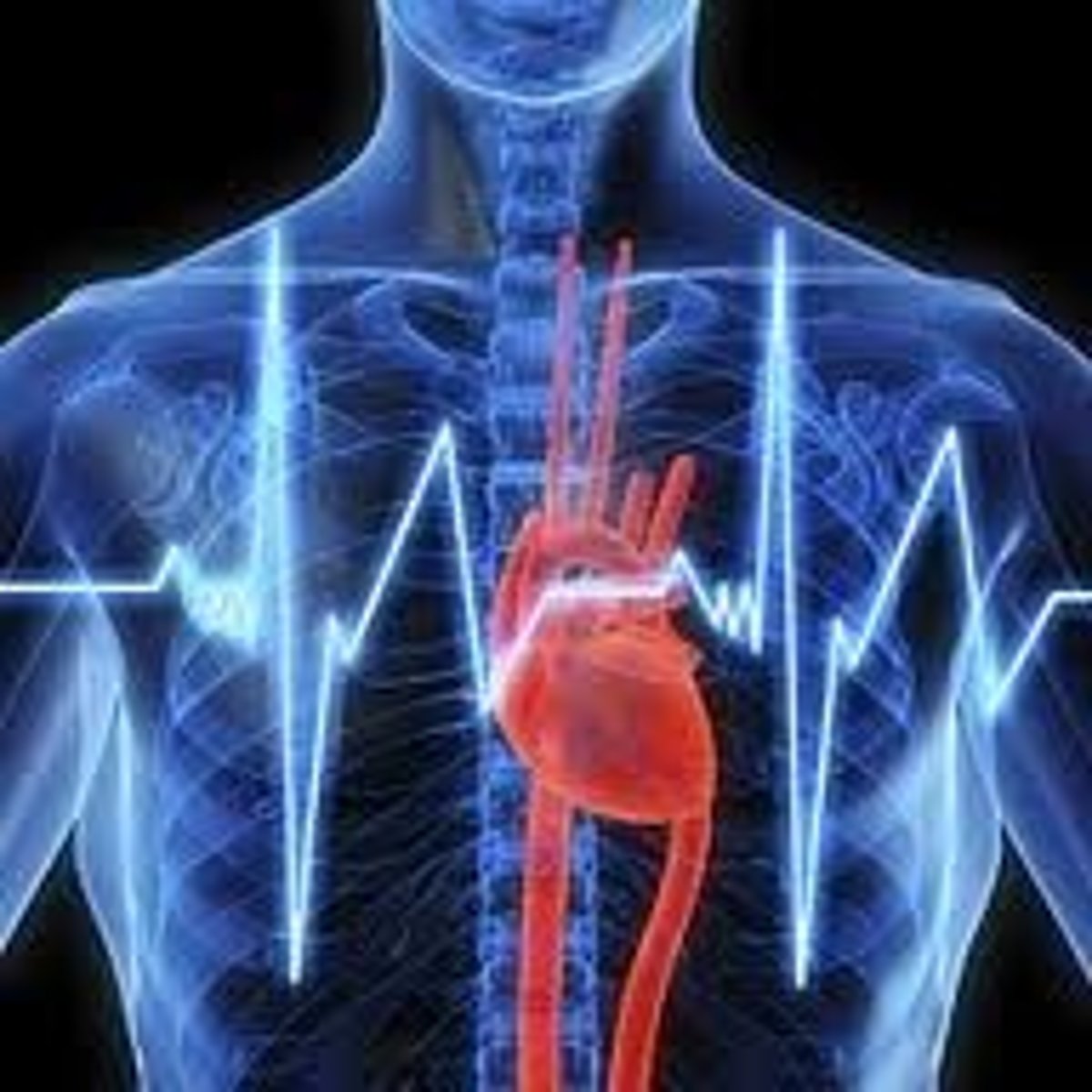
Cardiorespiratory endurance
The ability of the HEART and LUNGS to provide OXYGEN to muscles
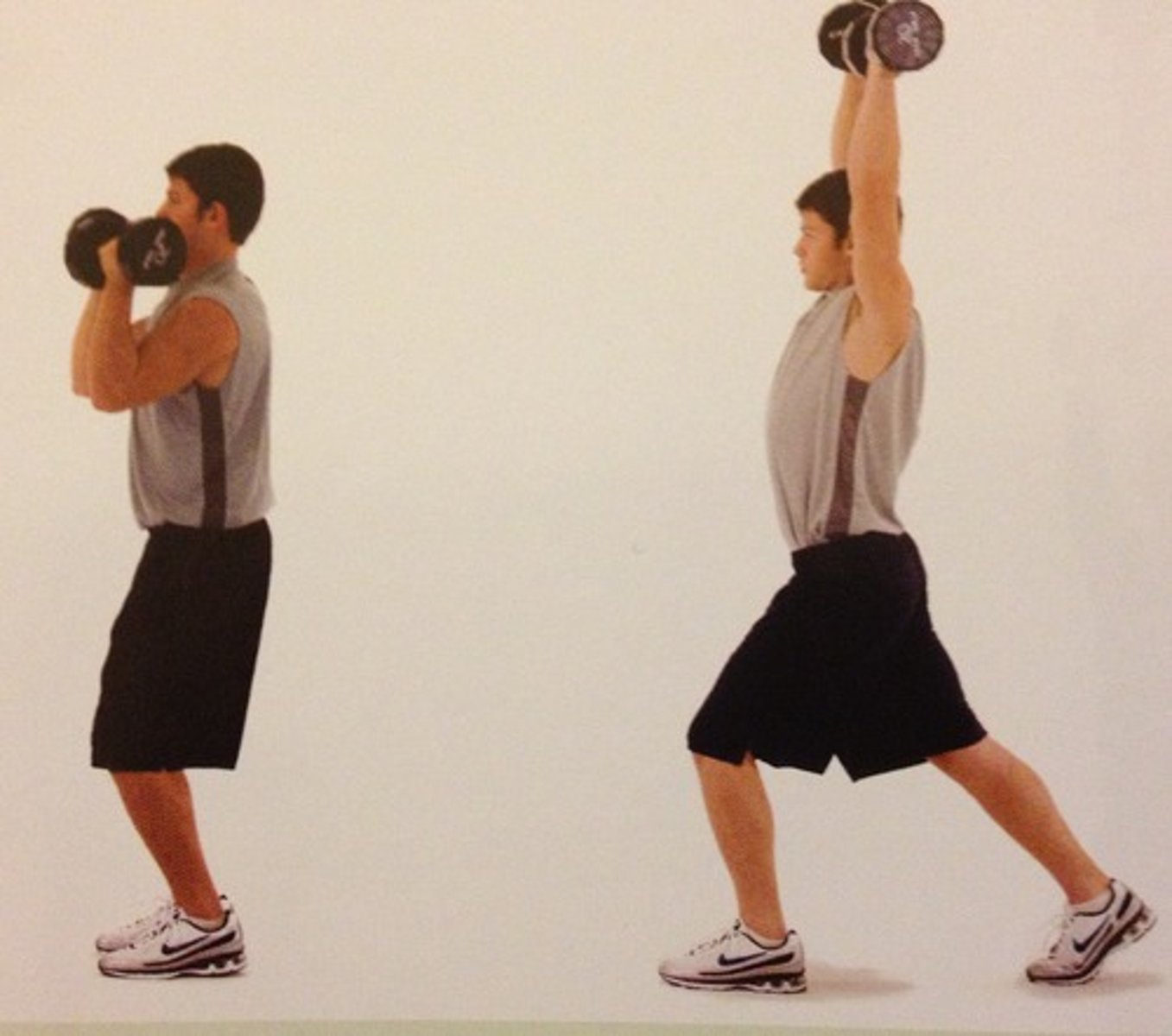
Muscular strength
The amount of force muscles can exert against heavy resistance in a single effort (usually 8 or less repetitions).
Muscular endurance
The ability of muscles to perform continuously without fatiguing (getting tired) usually 12 or more repetitions.

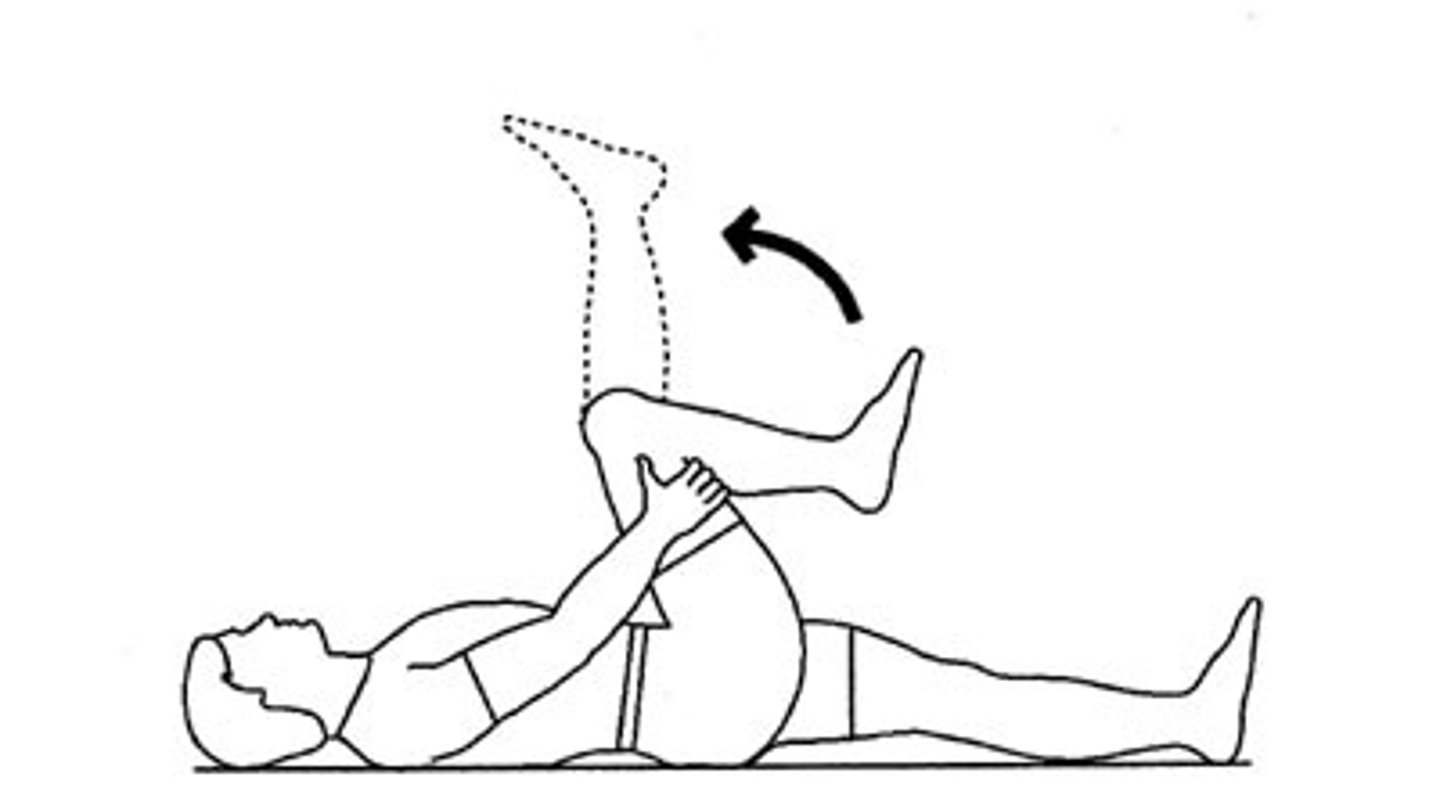
Flexibility
Ability of joints to move through available range of motion

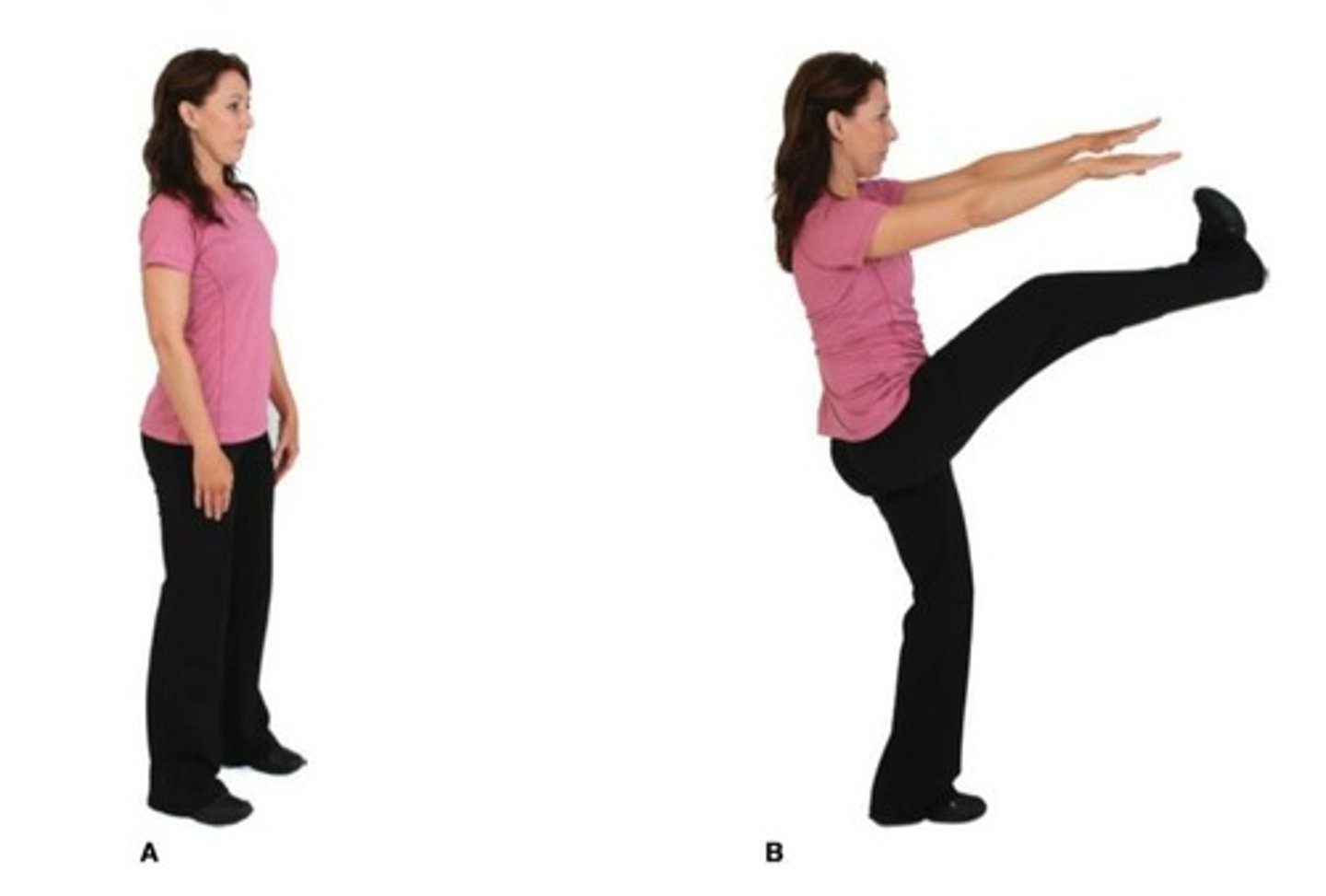
Dynamic stretching
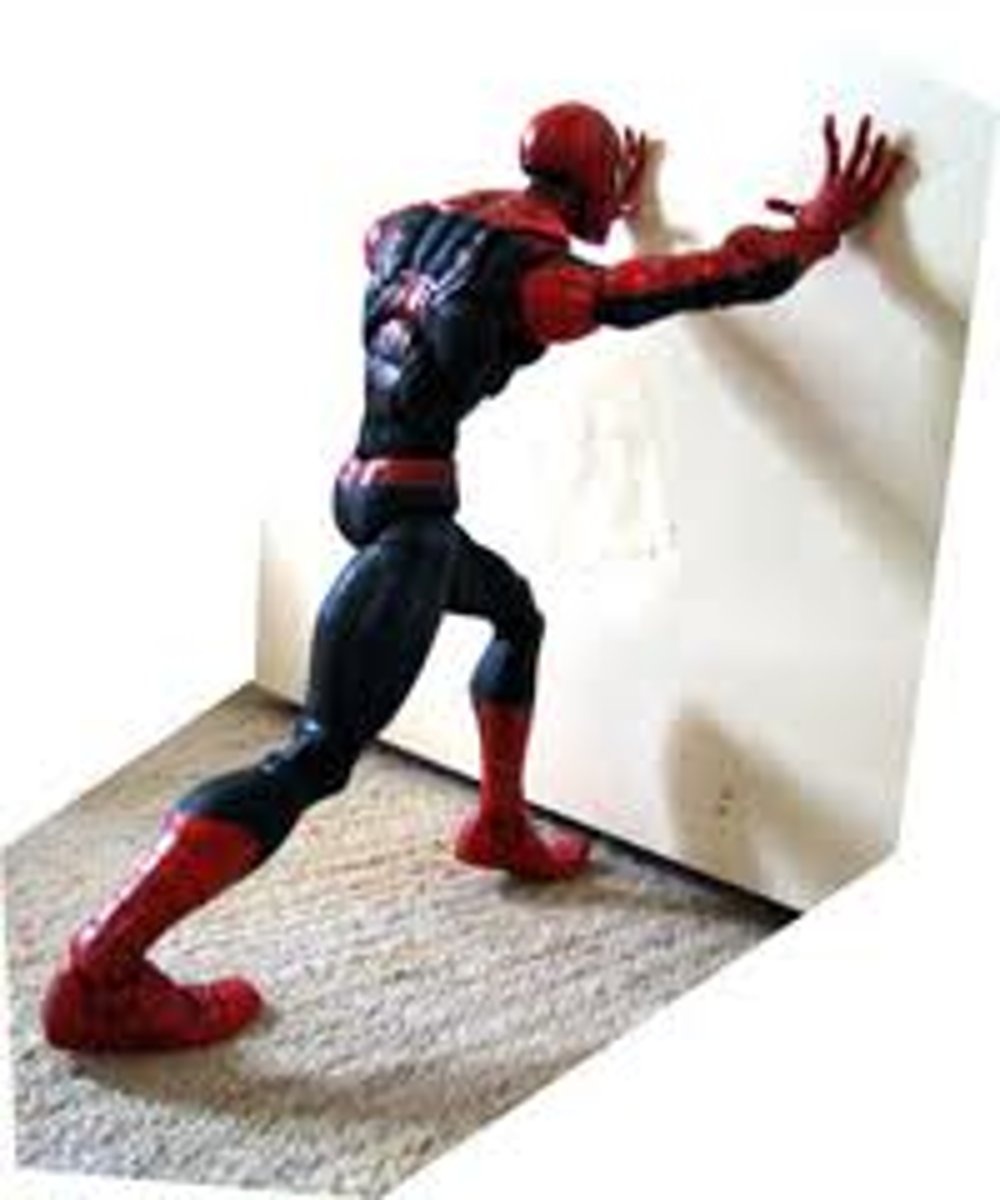
Stretching while MOVING, involves multiple muscle groups (best BEFORE activity)
Static Stretching
Stretching while STAYING STILL, isolates one muscle group (usually done AFTER activity)
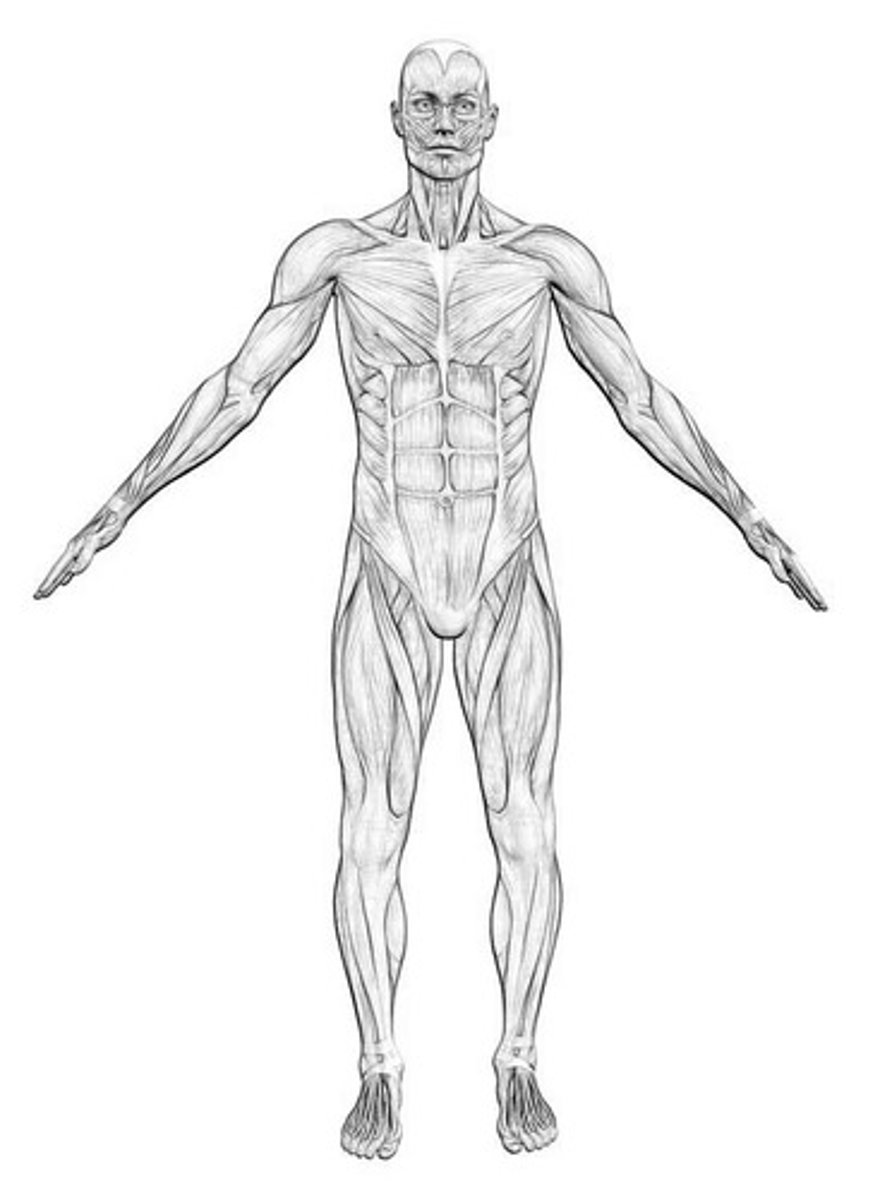
Body composition
Amount of fat mass compared to fat free mass, bone, and organs
Healthy body composition
80% fat free mass and 20% fat mass, balanced for quality of life

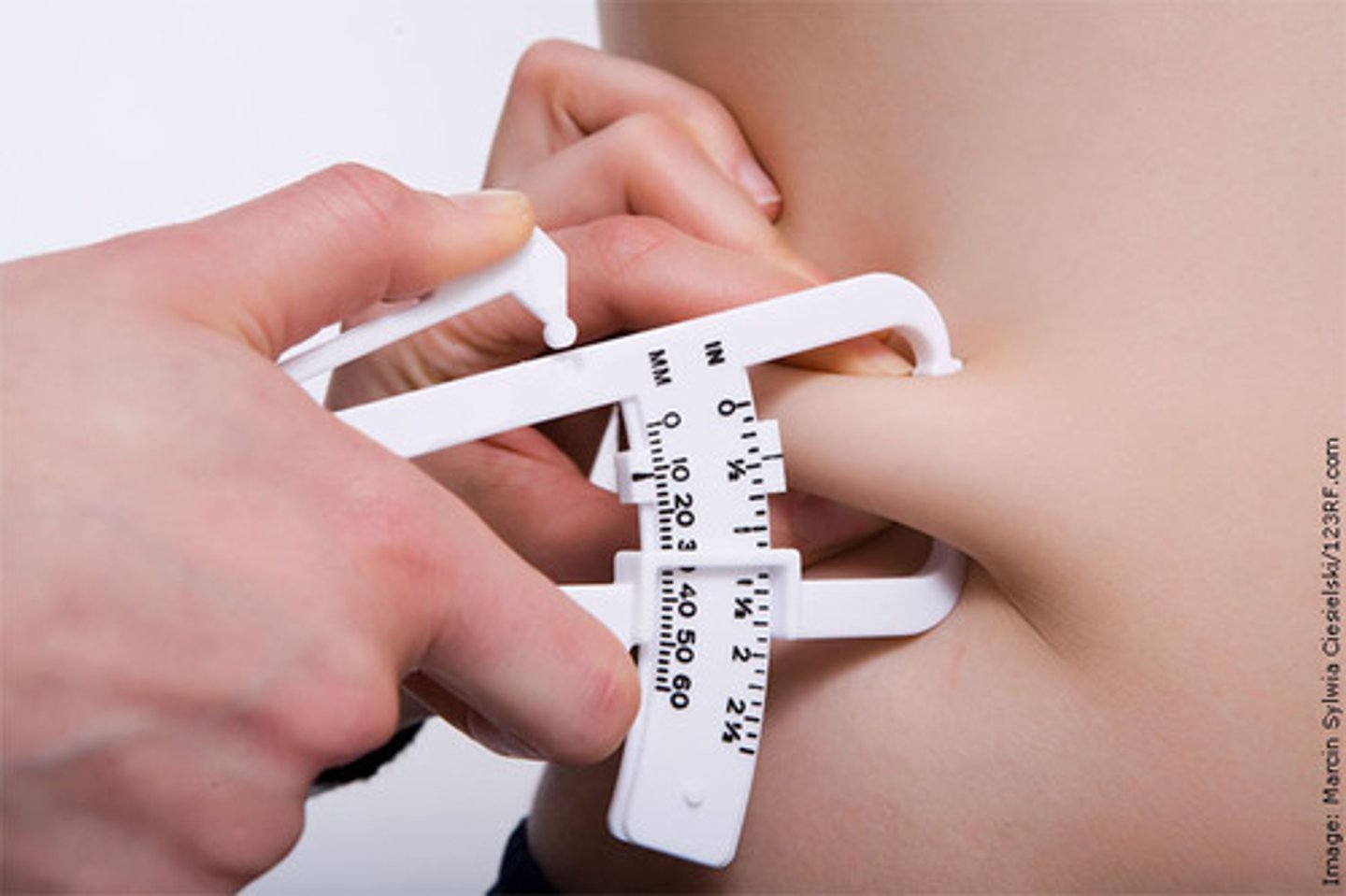
Method to measure body composition
underwater weighing, Skinfold readings, and bioelectrical impedance
Reasons why our BODY needs FAT
Energy, Warmth, Protection of vital organs
Storage of Vitamins (A, E, D, and K) Nerve conduction

Examples of exercises that improve CARDIORESPIRATORY ENDURANCE would be
jogging, cycling and swimming.
Examples of exercises that improve flexibility would be:
butt kickers, high knees, quad stretch, hamstring stretch