Pulse rate and jugular venous pulse
 Call Kai
 Learn
Learn Practice Test
 Spaced Repetition
 Match
Match Flashcards
 Knowt Play
1/19

There's no tags or description
Looks like no tags are added yet.
Name | Mastery | Learn | Test | Matching | Spaced | Call with Kai |
|---|
No analytics yet
Send a link to your students to track their progress
20 Terms
Palpation of the radial pulse
The palpable pulse in an artery reflects the pressure wave generated by the ejection of blood into the circulation from the left ventricle.
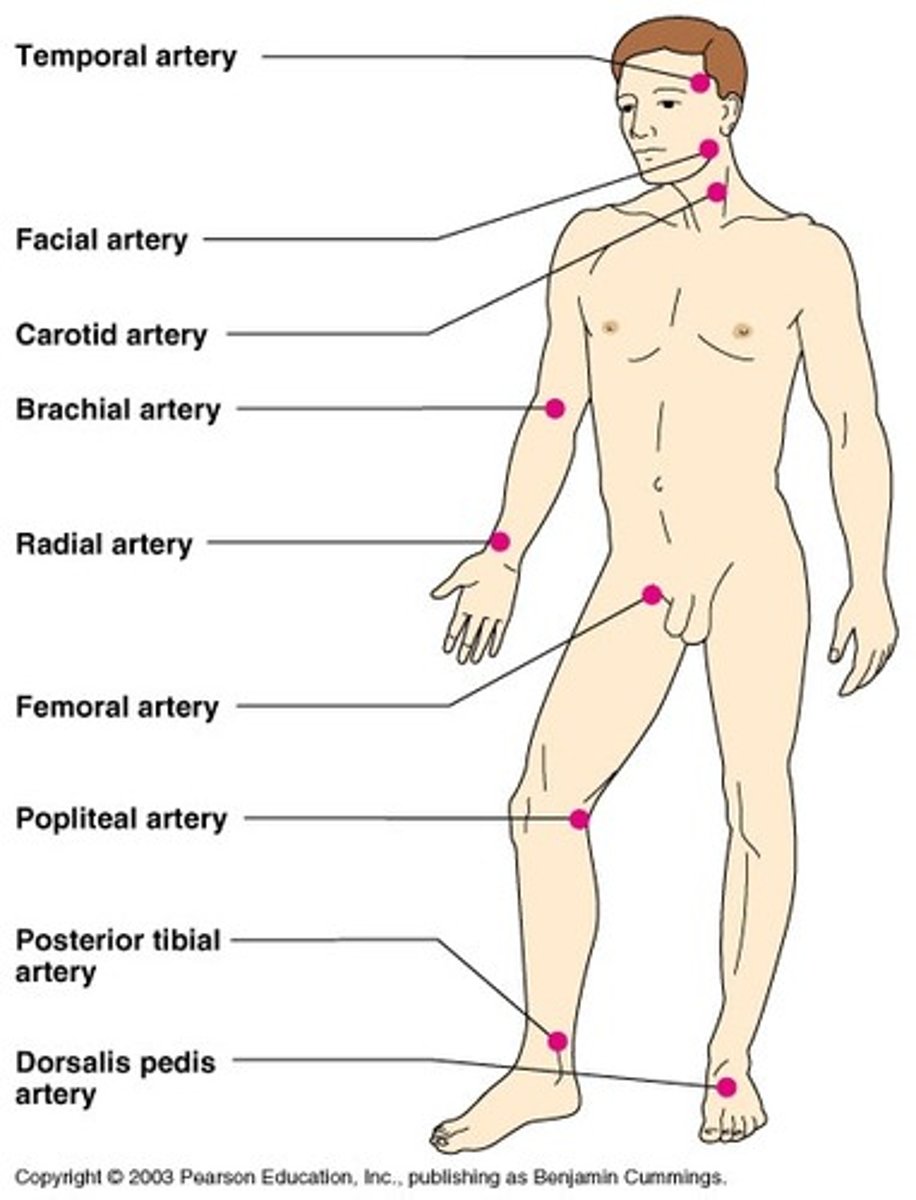
normal radial pulse
60-100 bpm
rate of pulse
beats per minute
Rhythm of pulse
pattern of beats
Volume of pulse
the perceived degree of pulsation.
State of the arterial wall
Normal arteries are elastic, they cannot be felt but only the pulse.
atherosclerosis
hardening of the arteries.
the artery will be felt rolling under the finger.
character of pulse
an impression of the pulse waveform or shape.
Collapsing pulse
early peak followed by rapid descent
severe aortic regurg
test: place right palm over radial pulse and raise pts arm above head - knocking on palm = collapsing pulse
Equality in both side
(radio-radial delay)
Jugular venous pulse
estimated by observing the level of pulsation in the internal jugular vein.
the internal jugular vein.
Vein located at the side of the neck to collect blood from the brain and parts of the face and neck.
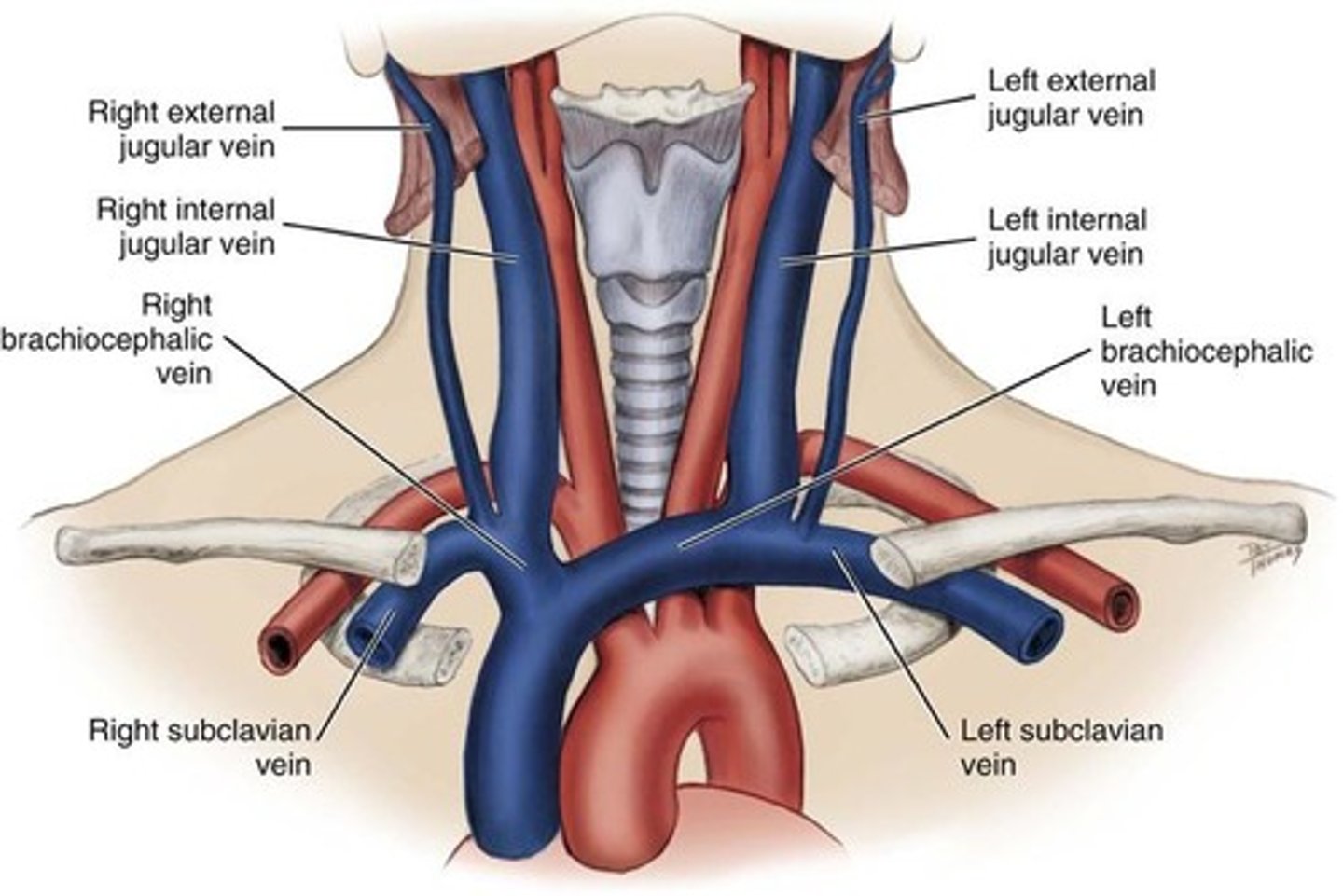
JVP location
Normal JVP= 6 to 8 cm water above the right atrium.
N.B: the distance between sternal angle and right atrium is 5 cm water.
Causes of increase JVP
Right side heart failure.
Fluid overload
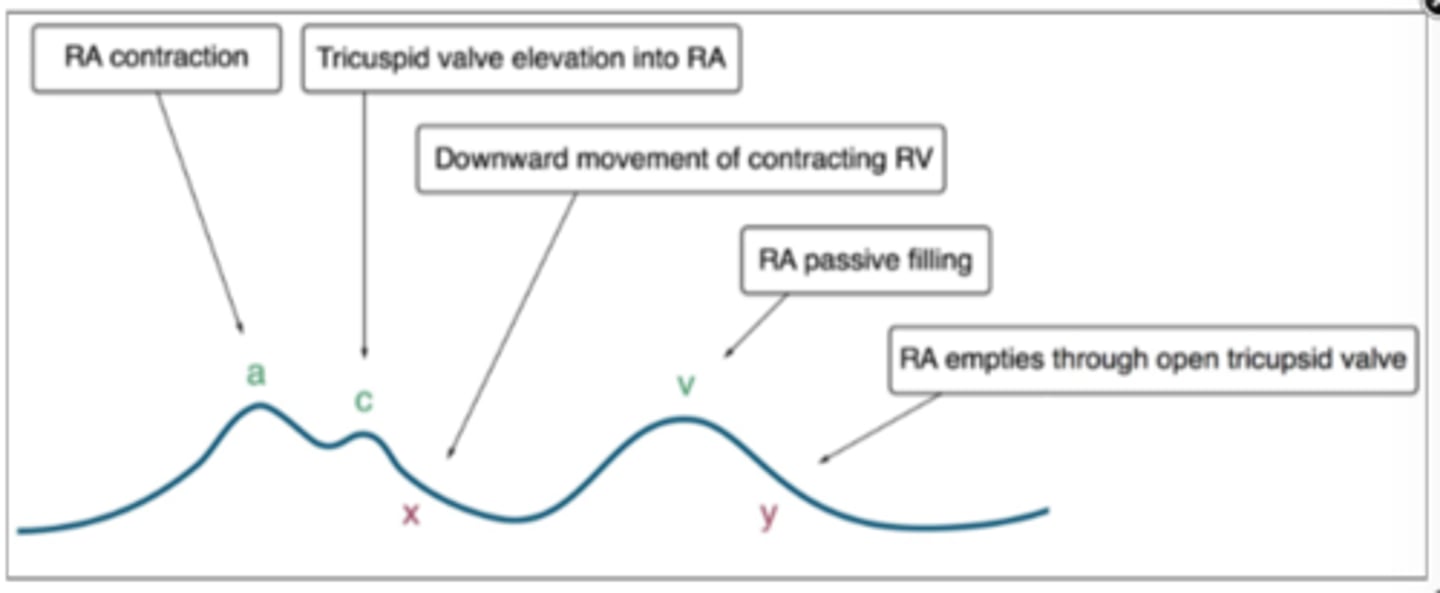
Waves of Jugular venous pulse
three upward peaks (a, c, v) and two downward descents (x, y), representing the mechanical events of the cardiac cycle
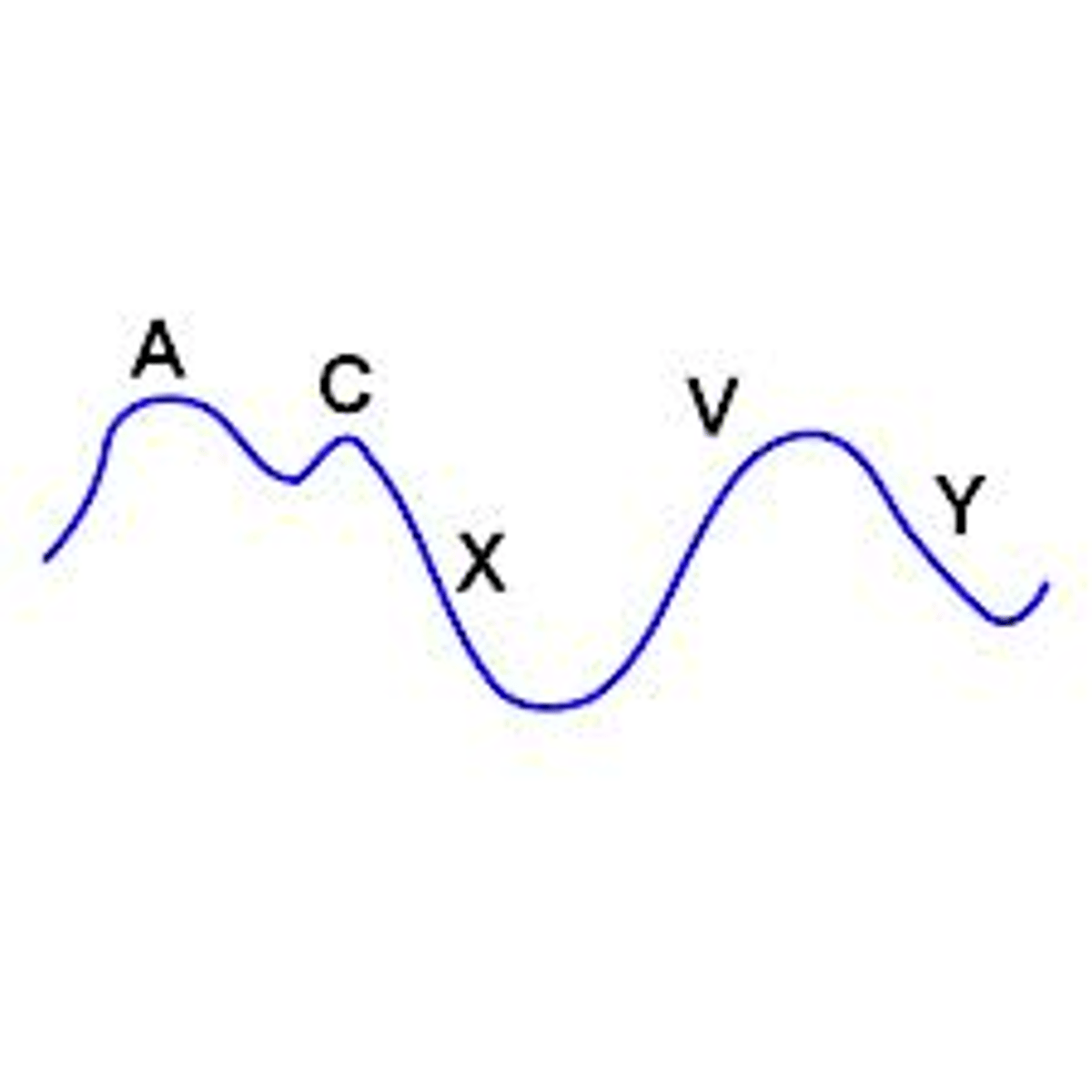
wave a
atrial contraction
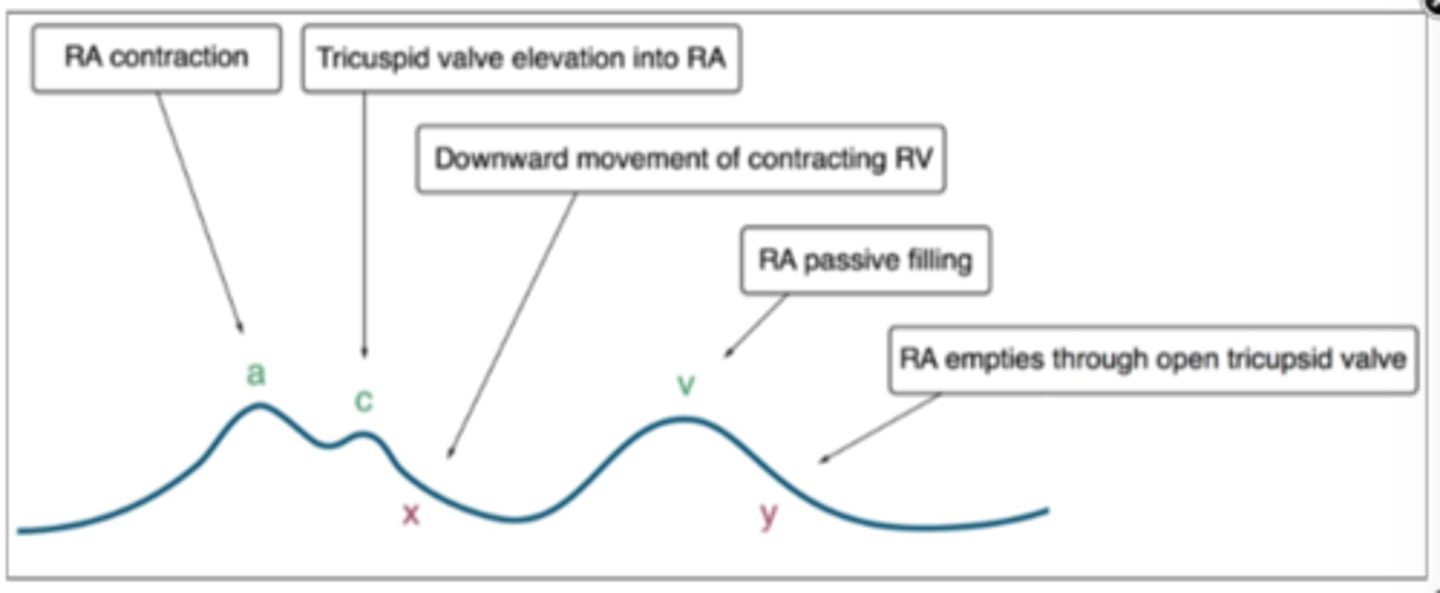
wave c
the bulging of the tricuspid valve back into the right atruim
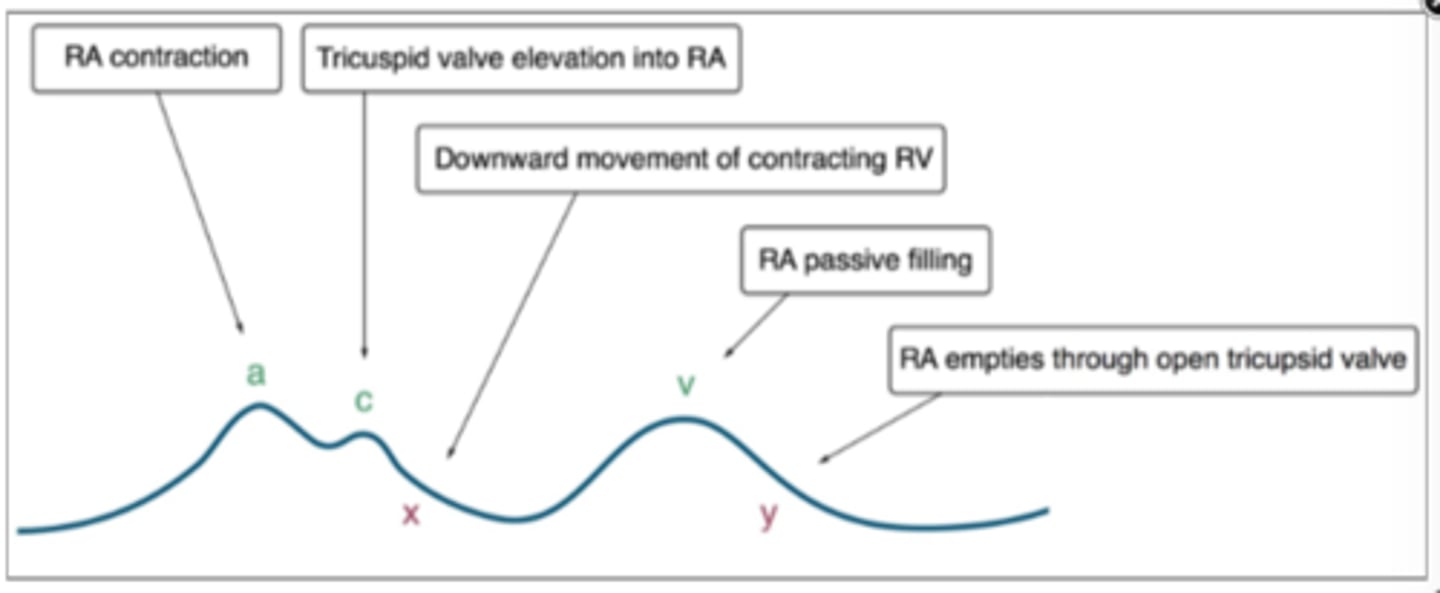
wave v
venous filling
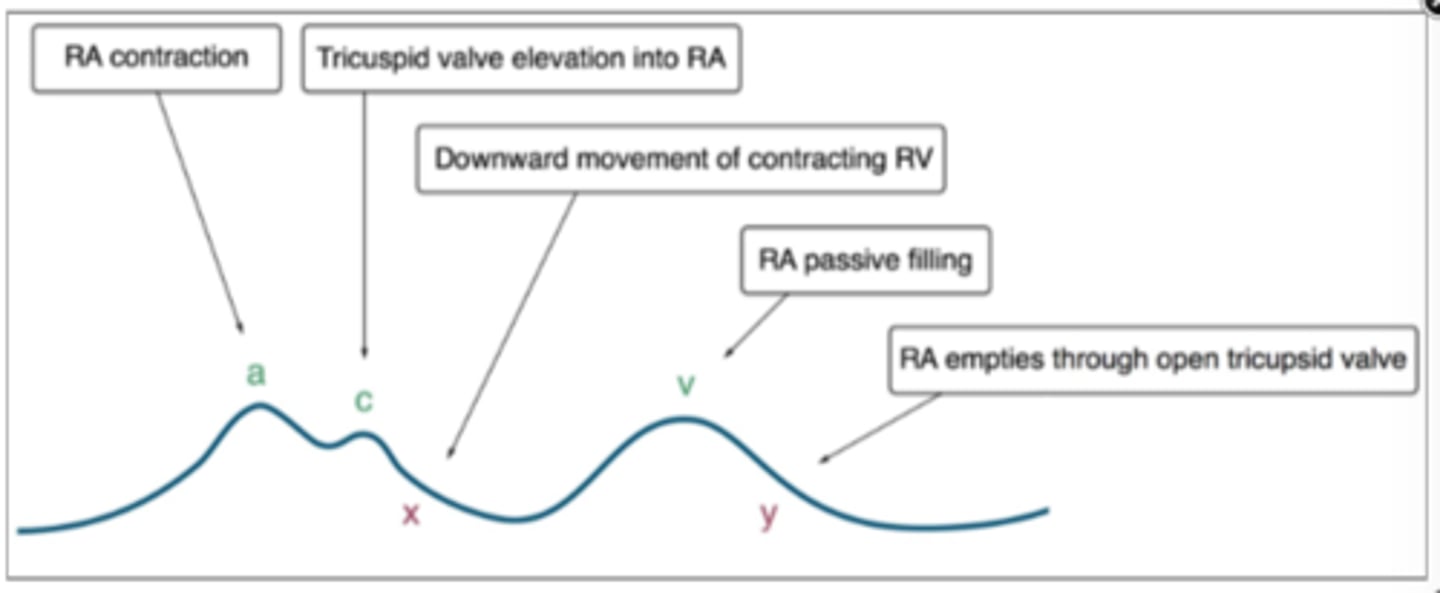
wave x
the tricuspid valve moves downward.
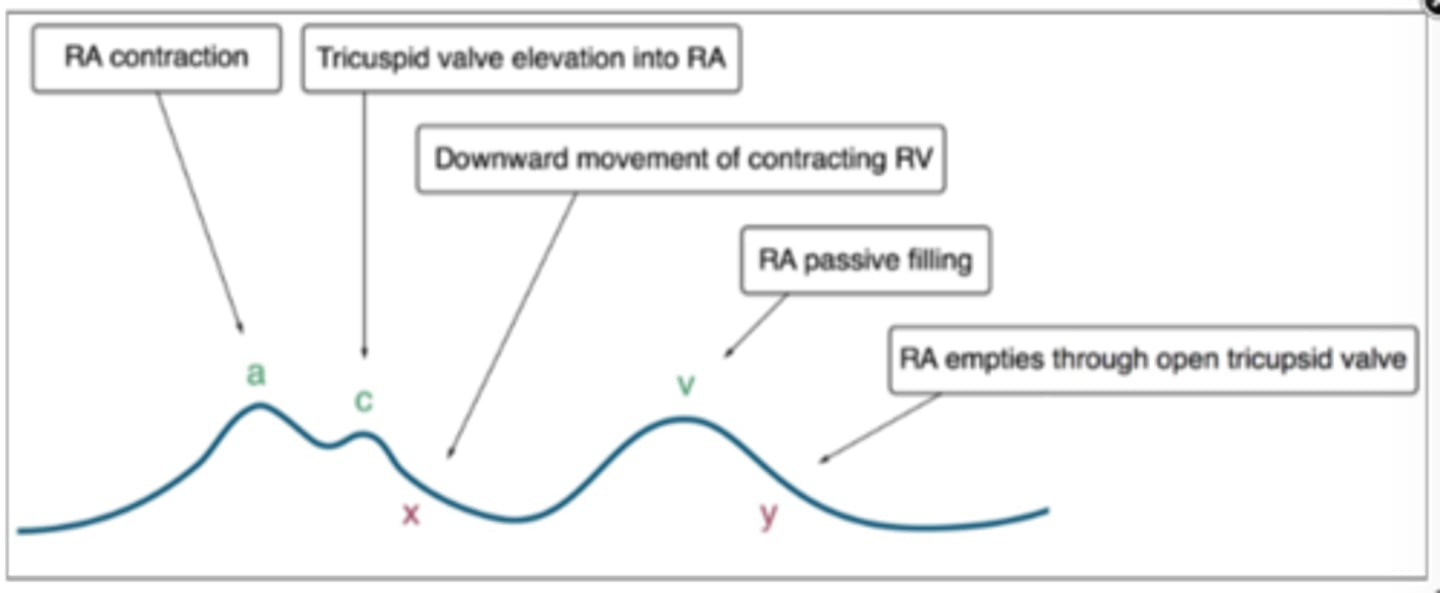
wave y
aterial emptying