Components Gaunlet
 Call Kai
 Learn
Learn Practice Test
 Spaced Repetition
 Match
Match Flashcards
 Knowt Play
1/71

There's no tags or description
Looks like no tags are added yet.
Name | Mastery | Learn | Test | Matching | Spaced | Call with Kai |
|---|
No analytics yet
Send a link to your students to track their progress
72 Terms
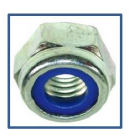
Hexagonal nut with NYLON collar. Prevents bolts loosening from vibration and movement. Stops ingress of liquids. Socket needed
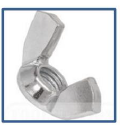
Wing Nut. For quick and easy tightening by hand. For constant adjustment or disassembly without tools. Made from aluminium, stainless steel or plastic
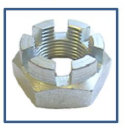
Castle Nut. Used in cars to lock and holding bearings and wheels in place. Split pins are used to lock the nut. Can withstand lots of vibration and movement. Fine threads, steel or stainless steel.
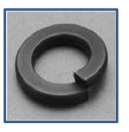
Split Spring Washer. Prevent fasteners loosening from vibration. Carbon steel, stainless steel, copper or alloys like chrome-vanadium. Tools to loosen nut.
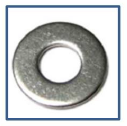
Plain Washer. Spreads the load over a larger area which reduces stress on surfaces. Gives surface protection from scratches. Steel, stainless steel, copper, brass, plastic.
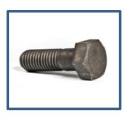
Hex bolt. Used to secure objects. A threaded nut is used in conjunction. Tools needed. Tempered medium carbon steel, stainless steel bolts. Used in non-threaded holes with nuts to secure.
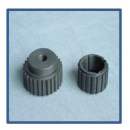
Toothed Pulley Wheel. Used with belts. Use teeth to transmit power from gears to cog (timing) belt rather than friction. Prevents slippage. Used in cars with camshafts and timing belts. Aluminium, steel, stainless steel or plastic.
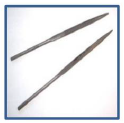
Needle File. Used to shave/file metal, wood, plastic and other. Thin for high precision. Long thin, remove small amount of material. Steel-toothed, diamond-coated. Often flat, half-round, round etc.
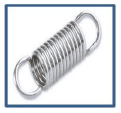
Extension Spring. Carbon steel, stainless steel, copper and bronze, spring steel. Stores energy when stretched and releases that energy as it returns to original length. When stretched, the spring resists the pulling force and generates tension.
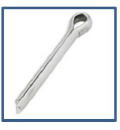
Split Pin. Fastener with tow flexible tines. Made from stainless steel, brass or carbon steel. Used to secure castle nuts. Used as fail safes in critical applications such as landing gear in aviation.
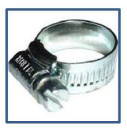
Jubilee Clip. Worm Drive Hose Clip. Or hose locks. Attacked to tubing and hoses to clamp to fittings like taps etc. Steel, stainless steel, brass, nylon circular band. Usually screw fittings. Worm gear for tightening.
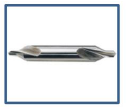
Centre Drill. Create precise starter (centre) holes in steel, aluminium and cast iron, plastic etc that guide larger drill and supports the work piece when using a lathe. Ensures high precision. Lubrication- reduce heat. High-Speed Steel and Carbide. Carbide - superior hardness and speed for demanding tasks. Can be coated with titanium nitride to improve resistance, wear and heat.
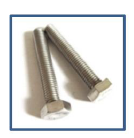
Hex screw. Fastener. Carbon steel, stainless steel, titanium, brass/bronze. Used in threaded/tapped holes. Socket or spanner needed to tighten.
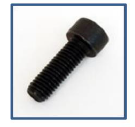
Cap Allen Screw. Fastener. Circular head with a hex shape inside that requires an Allen/hex key to loosen/tighten. Medium carbon steel, alloy steel, stainless steel.
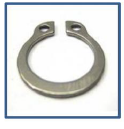
External Circlip. Used to hold or attach pulleys, bearings and drive shafts to supports. Heavy duty clamp. Stainless steel, carbon steel or phosphor bronze.
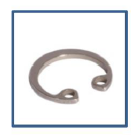
Internal Circlip. Used inside a housing that fits into groove inside a cylindrical space to hold something in. Stainless steel, carbon steel or phosphor bronze.
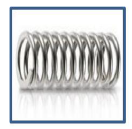
Compression Spring. High carbon steel, stainless steel, copper alloy and high- performance alloys (Inconel, Hastelloy). Resist when compressed and returns when unloaded. Used much in suspensions.
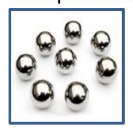
Ball Bearings. High-carbon chromium steel for hardness. Used with races to make ball bearings that reduce friction and allow shafts to spin on a fixed position.
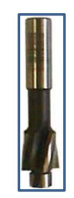
Counterbore Drill. Used to enlarge a pre-drilled hole creating a countersink that can allow for the head of a crew or bolt to be flush with the material. High-speed Steel, Cobalt alloy for harder materials like stainless, titanium nitride coated for wear resistance.
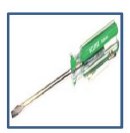
Flat Blade Screwdriver. Used to tighten/loosen a flat head screw which has a straight cut into the head. Allowing for controlled application of torque. High-carbon steel, stainless steel. Application: screw in furniture, electronics etc.
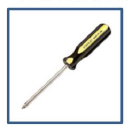
Phillips screwdriver. Used to tighten/loosen a crosshead screw which has a cross shape into the head. High-carbon steel, stainless steel, chrome or nickel plated to resist corrosion. Application: screw in furniture, electronics etc.
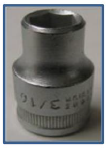
Ratchet Socket.
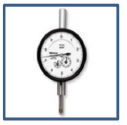
Dial Test Indicator. Used to measure and detect tiny variations in a surface. How much it deviates from a reference point. High resolution 0.01mm or 0.002mm. commonly used with lathes. Carbide used at contact point. Metal casing.
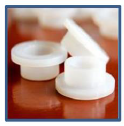
Nylon Bush. Provide low-friction wear-resistant interface between two moving parts. Forms as a bearing. Reduces and dampens vibration and reduce noise in moving mechanical systems. Corrosion resistant. Used as pivot points, bearings in for example conveyor systems and used in automotive suspension.
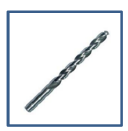
Twist Drill. Drilling in solid wood, metal, plastic. Two cutting edges. Pointed tip. Flues remove drilled material. High-speed steel (steel, tungsten), carbide. Diamond tips - hard materials - glass, ceramic, stone. Cannot cut sideways effectively.
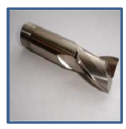
Slot Drill.
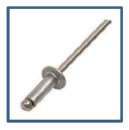
Pop Rivet. Fastener. Inserted into a pre-drilled hole, Semi-permanent joint. With rivet gun, Mandrel (narrow pin) expands rivet and breaks off, securing rivet in place. Steel, stainless steel, aluminium.
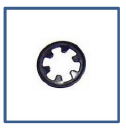
Star Washer. Slightly bent teeth dig into underside of bolt head or nut creating high localized friction resisting rotational forces. Preventing loosening during vibration. Stainless steel, Bronze (prevents sparks). Steel.
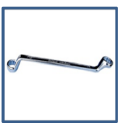
Ring Spanner. Tighten or loosen bolts or nuts with Hex shapes. Reduces rounding heads. 6 or 12 points in ring for fitting on fastener Drop-forged chrome vanadium steel.
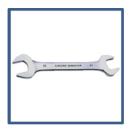
Open Ended Spanner. Tighten or loosen bolts or nuts. Flat surfaces of the spanner grip the fastener. Double ended have ends at 15 to 30 deg from in-between body. Chrome vanadium steel.
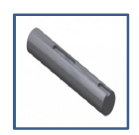
Keyed Shaft. Secures typically a hub and the shaft to prevent relative movement between a power transmitting shaft and hub. Used in engines. Shaft has a slot, made with a slot drill, which the metal key fits into. High carbon steel, Alloy steel (chromium, nickel), stainless steel.
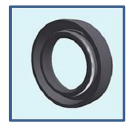
Lip Seal. Seal rotating shafts, prevent fluid leakage. Keeps dust and dirt out. A flexible sealing lip presses against shaft. Sealing lip – flexible elastomers like nitrile rubber, silicone, PTFE forms a barrier that adapt to shafts motion. Spring- loaded lip seal- ensures consistent pressure and maintains seal. Used in engines.
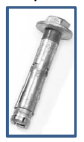
Expanding Bolt. Heavy duty fastener. Used for anchoring objects into hard materials, concrete, brick and masonry. Expands a pre-drilled hole. Rely on outward pressure against the walls of a drilled hole. Zinc-plated steel (durability), stainless steel (corrosion resistance).
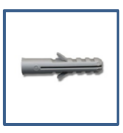
Raw Plug. Grips and hold screws into hard walls made of brick, cement or plasterboard. Inserted into pre-drilled hole then screw is screwed into the plug. The plug expands securing tightly into the wall. Used to put up shelves. Nylon, plastic
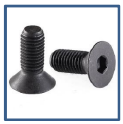
Countersunk Screw. Rests flush with the material. The head is flat that tapers on the shaft. The thread bits into the material. Used in electronics, machinery covers. Carbon Steel, brass, stainless steel.
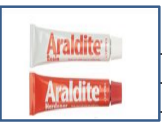
2 Part Epoxy. A precise chemical reaction between the two parts creates a highly durable solid. Resin - Part A, Hardener - Part B. Only cures when ready. Used to fill gaps in concrete. Bond body panels instead of welding in some areas.
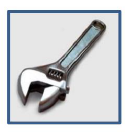
Adjustable Spanner. Has adjustable jaws that fit onto nots and bolts that is challenging for other spanners. Chrome vanadium steel.
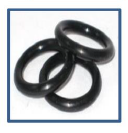
O Ring. Seals liquids or gases from leaking out between two components. Used in hydraulic systems, like hydraulic cylinders. Silicone rubber
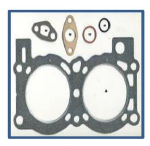
Gaskets. Used to seal and prevent liquid and gas leakage. Head gaskets in engines allow compression to occur and stop coolant flowing into the cylinders. Rubber, cork, copper.
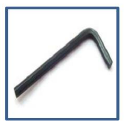
Allen Keys. To loosen/tighten fasteners with a hexagonal internal socket. Used in bicycle repair and appliances. Chrome Vanadium steel.
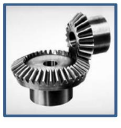
Bevel Gears. Toothed gears. Transfer rotating motion between shafts at different axis. Often at right angles with gear ratios. Used in road vehicle differentials. Cast iron, stainless steel, alloy steel (chromium).
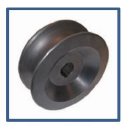
Pulley Wheel. Depending on type. V belt pulley: Used to transfer motion from one shaft to another using a belt. Used in engines. Water pump pulley. Also used to move loads with less energy. Cast iron, Steel, Aluminium.
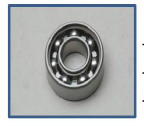
Ball Race. The outer and inner circular shape which the ball bearings fit in between. Allows a shaft to spin with low friction whilst connected to a solid object. Car wheel bearing. High carbon chromium steel or stainless steel.
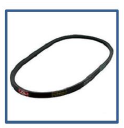
V Belt. Used to transmit power or motion from one shaft to another. Used with a toothed or non-toothed pulley wheel, depending if the V belt is toothed. Fan belt in engines, timing belt. Natural and synthetic rubber.
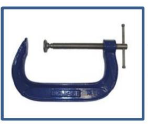
G Clamp. Two jaws, used to clamp material to a desk. Used to hold something in place. Useful when drilling. Cast iron, steel
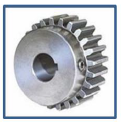
Spur Gear. Straight teeth that transmit motion between parallel shafts. Used to increase or decrease the torque of an object or transmissions. Stainless steel, steel, brass.
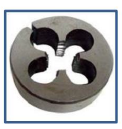
Metric Die. Used to cut threads externally onto a cylindrical material like pipes and round rods. Removes material as rotated. Used with a die holder. High-carbon steel.
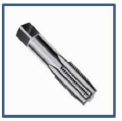
Metric Tap.
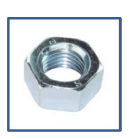
Hex Nut. Connects to a bolt which holds parts together. Stainless steel, mild steel.
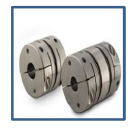
Flexible Coupling. Connects two rotating shafts, driving component to a driven one. Allows for slight variation e.g. thermal expansion or angular misalignment, vibration. Natural rubber, aluminium, stainless steel.
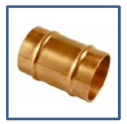
Yorkshire fittings. Used in plumbing applications to join copper pipes together. Solder is positioned in each capillary. When heated, solder melts and creates a joint. Copper or brass.
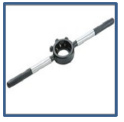
Die Holder. Holds a round die and allows torque to be applied due to the lever arm. Die-cast zinc.
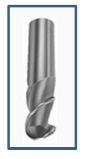
Ball Nose Cutter.
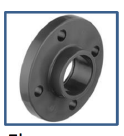
Flange. Allow for disassembly of pipeline. Used with a gasket and another flange to connect pipes and stop leakage. Carbon steels, stainless steel, plastic.
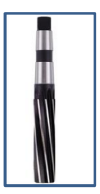
Machine Reamer. Use to shave off a small amount of material to achieve a high tolerance and smooth finish of a pre-drilled hole. High-speed steel, carbide, titanium nitride coating.
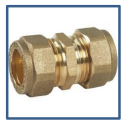
Compression Fitting.
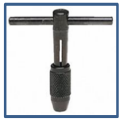
Tap Wrench.
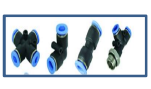
Push Fittings. Used to join tubes, pipes and hoses. Used in plumbing and compressed air applications. A plastic, brass body with an O ring seal with a grab ring, stainless steel, that prevents tube pulling out.
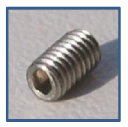
Grub Screw. Screw with no head. No protruding head and so sit flush with the surface, no countersunk. Often an Allen key used to loosen/tighten with hex socket in screw. Used to hold two metal surfaces together, e.g. door handles. Steel, stainless steel.
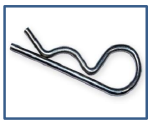
R Clip. Used to secure ends of round shafts to axels or solid surfaces. Governor arm on a Honda GX160 engine. Spring steel or stainless steel
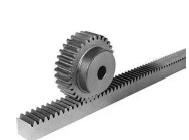
Rack and Pinion. Convert rotational motion into linear displacement. Used in automotive steering, lock gate on canal. Rack (linear), pinion (circular gear). High-strength steel, aluminium alloys.
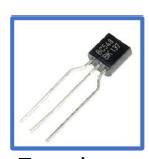
Transistor. Silicon and impurities to make semiconductor material. Acts as an amplifier or a switch. Used in computers and music equipment. PNP or NPN for current direction.
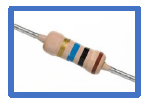
Resistor. Converts current to heat, reducing current so components are not overloaded. Carbon composition, carbon film, metal film, all with insulated case.
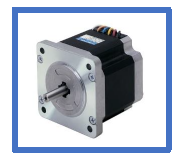
Stepper Motor. Converts electrical energy into mechanical work. DC, can stop at desired positions and has fine and precision control. A full rotation is completed in a number of steps.
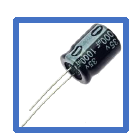
Capacitor. Stores a small charge between two electrodes that can quickly be released. Used heavily in computers. Made from electrolytics, ceramics or even paper as the dielectric.
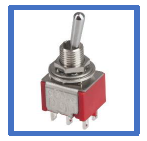
Switch. Connects and disconnects an electrical circuit so the circuit can be turned off and on.
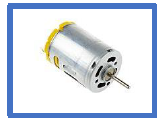
Motor. Converts electrical power to mechanical work. Used in electric cars, fans so much. Can only rotate continuously.
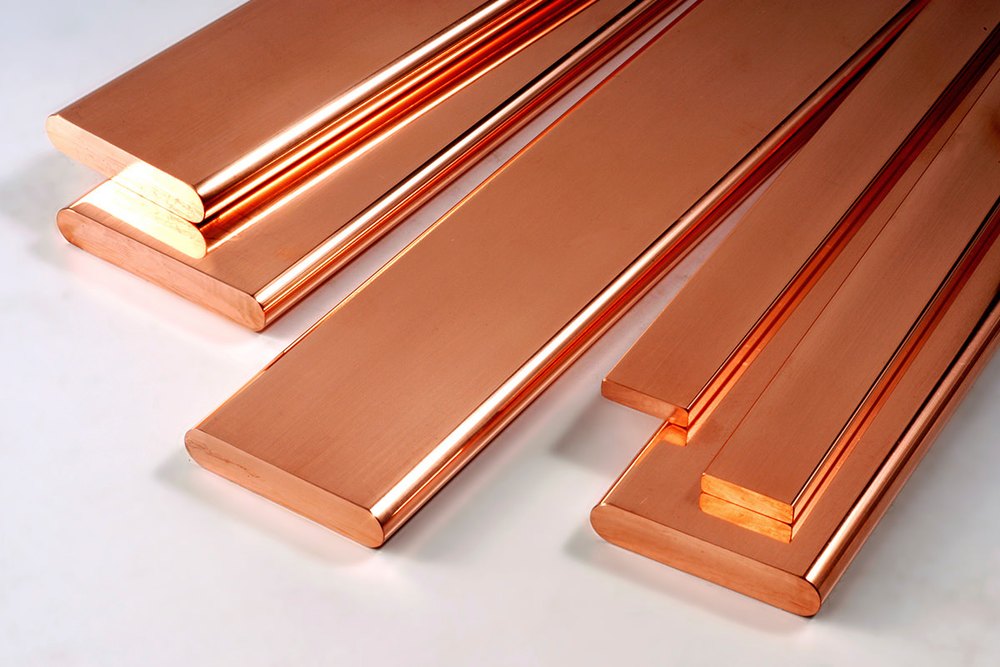
Copper. Dark Red/Brown. Used in wires since good conductor.
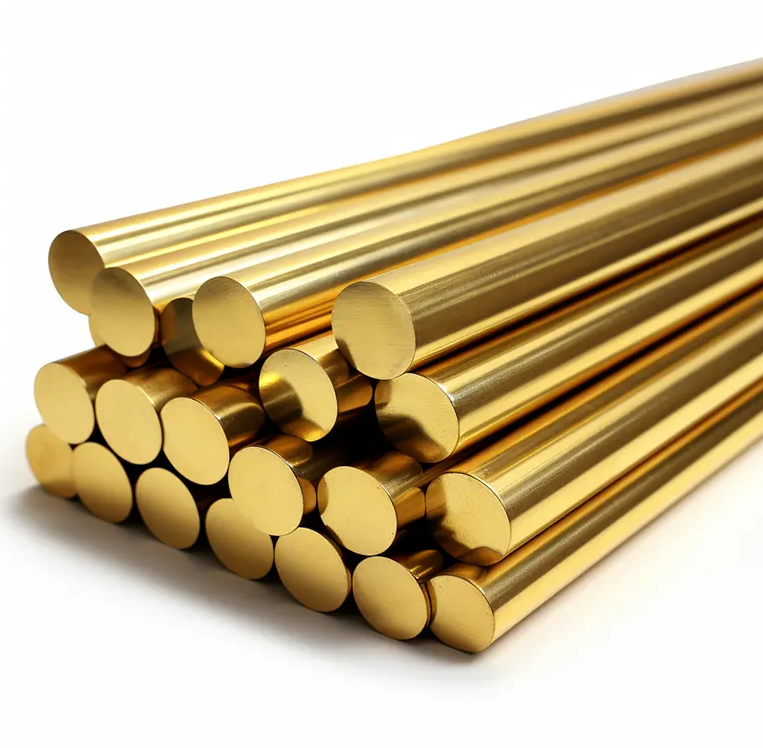
Brass. Gold colour. Not magnetic
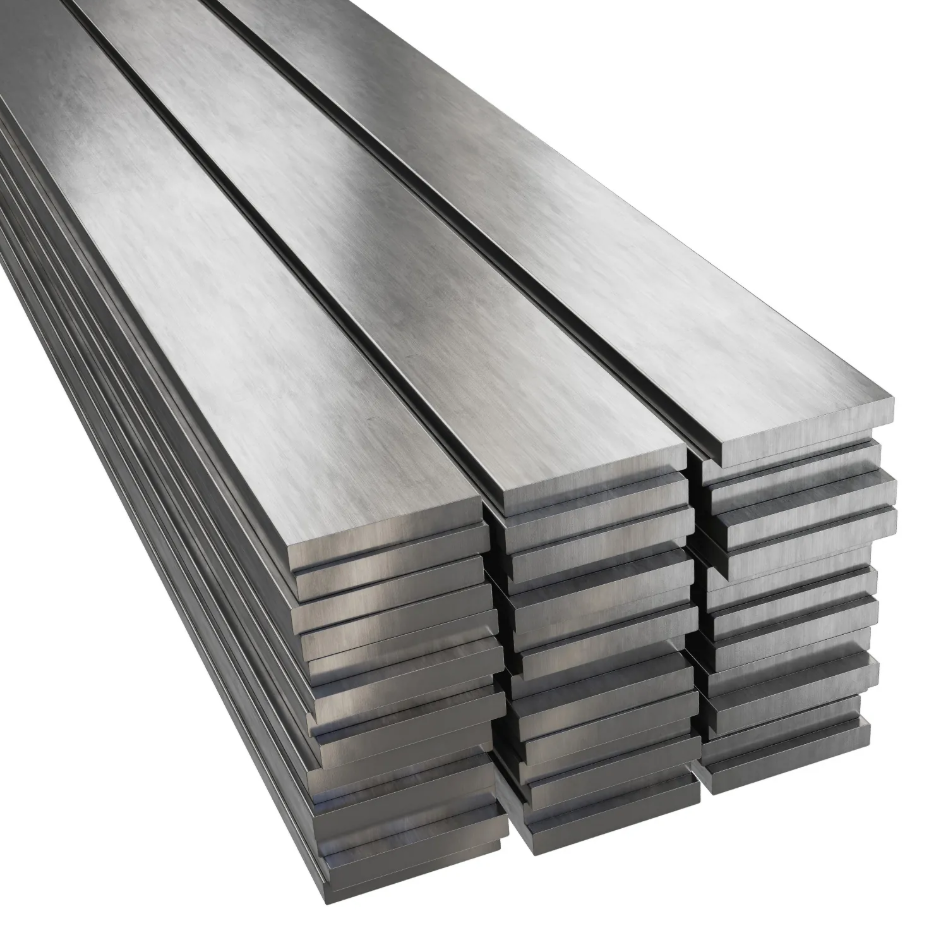
Stainless Steel. Does not rust due to presence of Chromium. Not magnetic
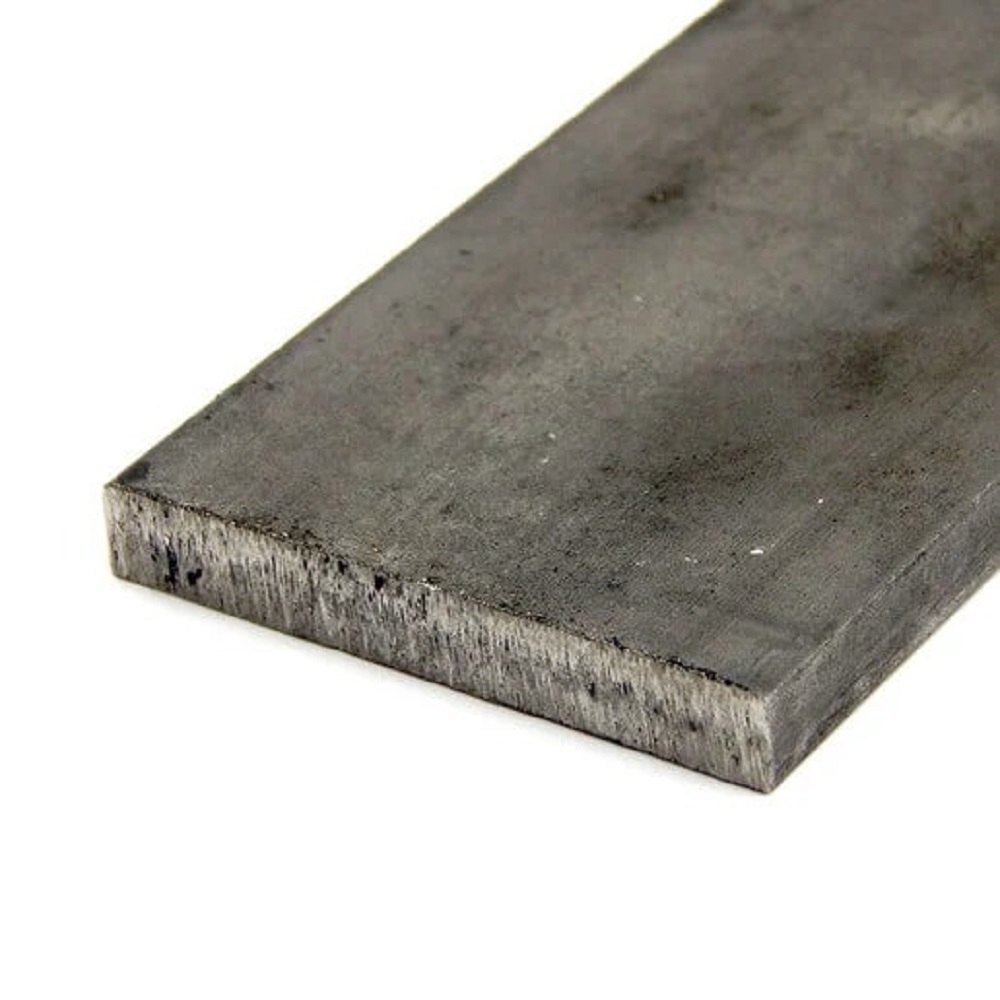
Mild Steel. Not shiny, can rust and is magnetic.
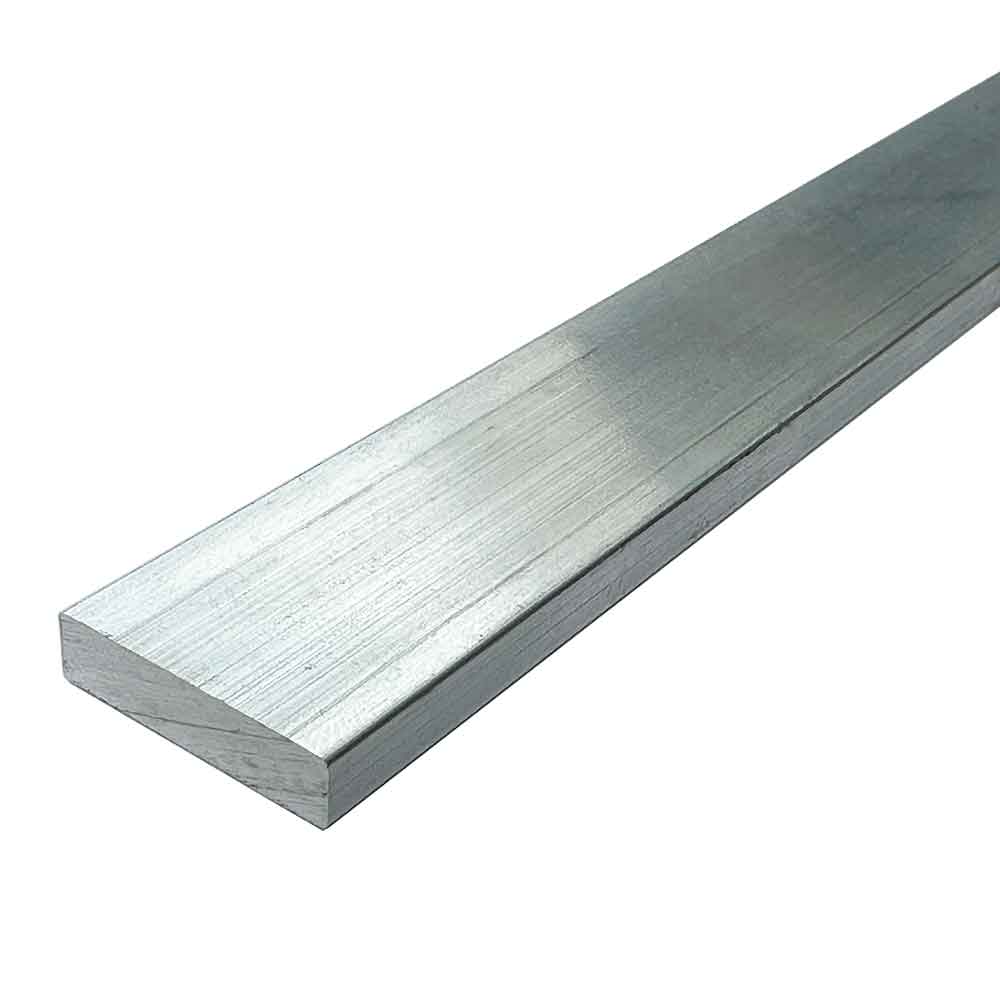
Aluminium. Shiny. Lighter than Steel. Not as strong.