Art History Final
 Call Kai
 Learn
Learn Practice Test
 Spaced Repetition
 Match
Match Flashcards
 Knowt Play
1/42

There's no tags or description
Looks like no tags are added yet.
Name | Mastery | Learn | Test | Matching | Spaced | Call with Kai |
|---|
No analytics yet
Send a link to your students to track their progress
43 Terms
Italian Pop Art
1962-1970
rome
inspired by american pop art (own style/characteristics)
influenced by pop culture, advertising, consumerism
American: pop culture (movies, singers, ads)
Italian: italian cultural heritage
style: bright colors, bold shapes, everyday imagery
critique and celebration of contemporary society
less industry more craftsmanship
andy warhol
roy lichenstein
robert rauschenberg
tano festa
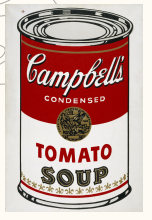
Campbell’s Soup Can- Andy Warhol
1964, oil on canvas
pop art, american
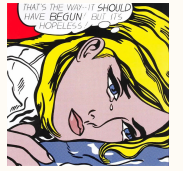
Hopless- Roy Lichenstein
1963, oil & acrylic on canvas
american pop art
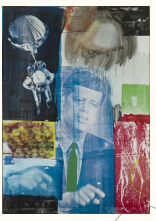
Retroactive 1- Robert Rauschenberg
1963
american popart
Swinging Roma
documentary
rome in the 60s
new media beyond traditional painting
multimedia exploration
cinema (la doce vita)
rise of film = more tourism/american fascination w rome
new exhibition spaces (galler of modern art, peggy guggenheim)
political motifs
italian economic rebirth = optimism
scuola di piazza del popolo
art movement from rome in 60s
name/def came later
rome square where it/am arists met
galleria la tartaruga
caffe rosati
franco angeli
tano festa
mario schifano
giosetta fioroni
political voices in non political movement (popart)
tano festa
one of most important/eclectic italian pop artists
painter, photographer
part of scuola di piazza del popolo
series on same themes
adam & the sistine chapel (1962)
1965 time in US
had tracing projected images, focus on silhouettes
Creation of Man 1964, Michelangelo According to Tano Festo- 1967
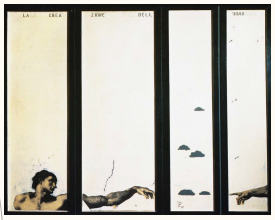
The Creation of Man- Tano Festa
1964, enamel & emulsified paper on wood
american paints coke as value, to him michelangelo is same thing for italy (instead of consuming food we consume art)
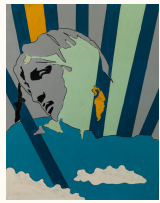
Creation of Man According to Tano Festo
1967, smalto, enamel, industrial paint, marker on canvas
Franco Angeli
rome, self taught
politically engaged
icons of power/depowering political symbols of violence
early works reflect Burri influence
scuola di piazza del popolo
exhibited in key galleries of time (la salita, la tartaruga)
60s interest in pop art
everyday imagery
mass media symbols
historical/political
Napolean, Half Dollar
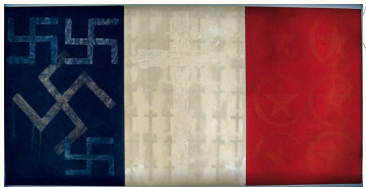
Napolean- Franco Angeli
1962, acrylic on canvas
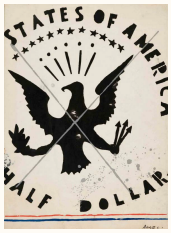
Half Dollar, Franco Angeli
1962
one of key series
eagle symbol recurring throughout
colors of US flag
ref. american culture
half dollar most minted coin in US
critique of culture of dollar (commodification and consumerism)
Mario Schifano
Lybia africa when was IT colony
return to IT post war
1962: american pop art influence
incorporates images of ads, comic, TV
meets Rothko, Jasper Johns, Andy Warhol
mid 60s: experiments w films & documentaries
deconstructing economic symbols
Coca Cola, Esso, Car Addicent
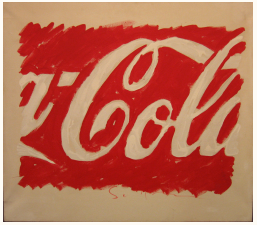
Coca Cola, Mario Schifano
1962, enamel paints (made for idustry production)
dry quickly, can produce lots of pieces
preserve original brilliance
paper or cardboard
part of Propogande series
always PIECE of logo
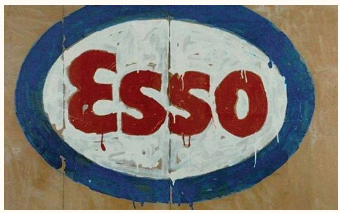
Esso, Mario Schifano
1974, enamel on paper and canvas
gas company
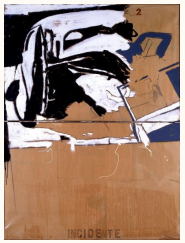
Car Accident, Mario Schifano
1963-1964
influenced by andy warhol’s “orange car crash”, 1963
Mimmo Rotella
figurative/abstract-geometric painting
academy of fine arts naples
1945- move to rome
technique: DECOLLAGE- peeled layers of ad posters from streets, glued on canvas
faces, film stars, commercial slogans/logos
challenges traditional concept of ‘artistic creation’
Marilyn
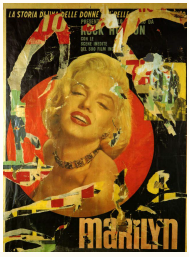
Marilyn, Mimmo Rotella
1962
The 68/Sessantotto in Italy
social/political upheavel
60s: years of modernization (industries booming, modern culture, globalization)
discontent w traditional italian society, young students: want democracy
student revolts from late 1967 through 1968- want educational reforms, system of representation, like a union
Arte Povera
radical art movement
from early 1960s-1970s
term coined by Celant in 1967
reject traditional art materials (oil, marble sculpture) for organic materials
povera (poor) vs rich/bourgeoise
interest of process/becoming of energy
conceptual element (reflect on art, time, space, history)
Giuseppe Penone, Luciano Fabro, Kounellis, Michelangelo Pistoletto
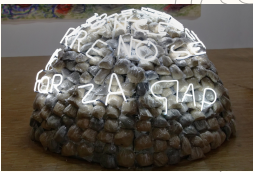
Giap’s Igloo, Mario Merz
1968, metal structure, wire mesh, bags of clay soil, neon, batteries
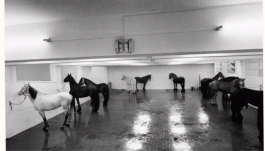
12 Live Horses, Kounellis
rome art galleria- galleria l’attico
horses left to roam space, no hay or anything usually associated w horses
controversial use of live animals
performance for 1 day
bold/questions art and its boundaries
never allowed video or anything- just the 1 pic
draws on historic horse iconography (roman emperors, napolean, cave paintings, etc)
Giuseppe Penone
key of ARTE POVERA
nature focus
connections between humans & natural world
transformation & process (working w living trees, manipulating growth or imprints)
dialogue between artist & nature
natural materials: wood, leaves, stones, organic
large-scale installations, sculptures interacting entire landscape or gallery space
passage of time, natural processes, growth, decay
Artitime Alps: It will keep growing except at that point, Magical Treebirth, 12 Meters Tall Tree
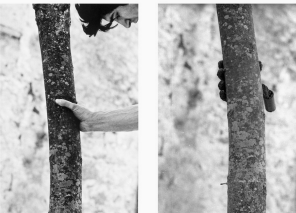
Maritime Alps: it will keep growing except at that point, Guiseppe Penone
1968, tree
time as subjective dimension
use of time in relationship between man and elements
energy being expressed/measured through time
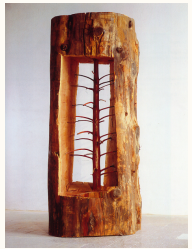
Magical Treebirth, Giuseppe Penone
1970, tree, wood
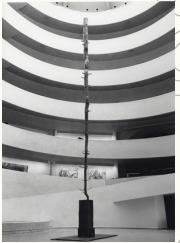
12 Meters Tall Tree, Giuseppe Penone
1980
Giovanni Anselmo
Arte Povera
challenged traditional notions of sculpture
self-taught painter
from 1968- arte povera exhibtions curated by Celant
time, nature, energy, transformation
unconventional/natural materials
stone, wood, metal, organic matter
relationship between artowork and environment
works change/evolve over time
Untitled (structure eating salad), Torsion, Torsion
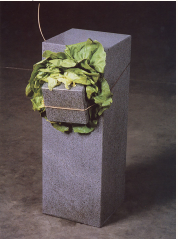
Untitled (structure eating salad), Giovanni Anselmo, 1968
granite block, slab of granite, head of lettuce, copper wire
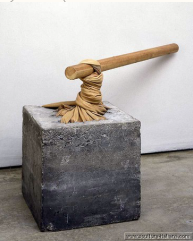
Torsion, Giovanni Anselmo, 1968
Luciano Fabro
arte povera
sculptor, writer, teacher
connected w Piero Manzoni, Enrico Castellani
1967 exhibition at La Bertesca
dif languages of sculpture
traditional materials w unconventional (glass, silk)
perception, language, relationship between artwork & viewer
Italie (road map of italy, golden italy)
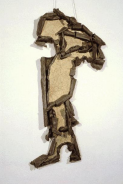
Road Map of Italy, Luciano Fabro
1969
series from 1968
shape of italy made of dif/unconventional materials (paper strips, wire, fur)
questions italian identtiy
celebrates italian artistic past
italy from dif POV
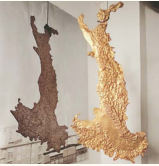
Golden Italy, Luciano Fabro
1971
series from 1968
shape of italy made of dif/unconventional materials (paper strips, wire, fur)
questions italian identtiy
celebrates italian artistic past
italy from dif POV
Arte Concettuale
artistic current from 60s/70s
equivalent of american conceptual art
art not OBJECT but CONCEPT
IDEA MORE IMPORTANT THAN MATERIAL/FINAL OBJECT
media, dif techniques (photography, performance, istallation, video)
some in arte povera
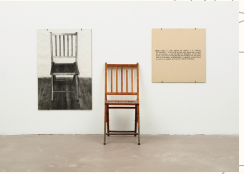
One & Three Chairs, Joseph Kosuth
arte concettuale
Alighiero Boetti
arte povera & arte concettuale (conceptual art)
order, disorder, change, logic, time (how passes/how we record it), language (how we comm w each other & dif cultures)
reference non-western cultures
traveled world- afghanistan (collaborated w embroiderers for MAPS series)
creative processed opened to others not JUST artist
MAPS series, Biro drawings, writings, puzzles, postal works
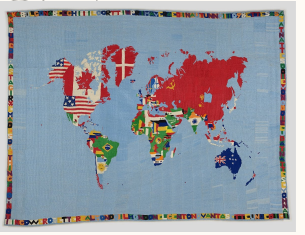
MAPS Series, Alighiero Boetti- 1971-1973
tapestries depicting world map
each embroidered w national flag
geopolitical landscape
changing power from 70s to 90s
afghan artisans (embroidered based on his drawings)
cultural exchange, global collaboration
themes of identity, power, passage of time
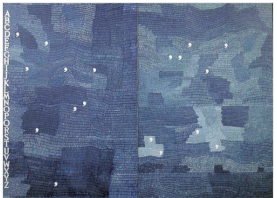
Suggested directions, Alghiero Boetti
1974
Giulio Paolini
turin
conceptual artist
arte povera
dif media techniques (painting, sculpting)
connect w classical art, role of artist, viewers’ experiences
dif languages of sculpture
traditional materials w unconventional (glass,silk)
Untitled (x2)
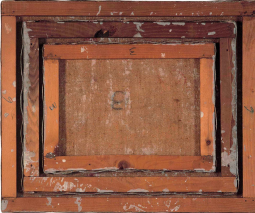
Untitled, Giulio Paolini
1962, 3 reversed primed canvases mounted one inside the other
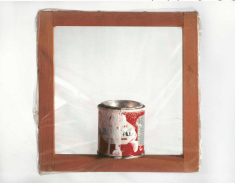
Untitled, Giulio Paolini
1961, paint can, frame, polyethylene
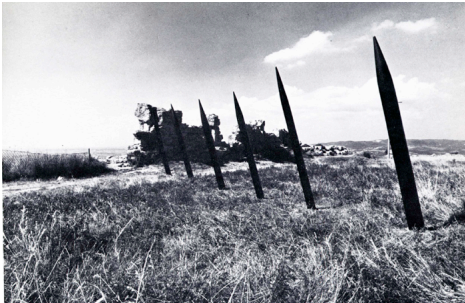
La Balze- Mauro Staccioli
Volterra, 1972
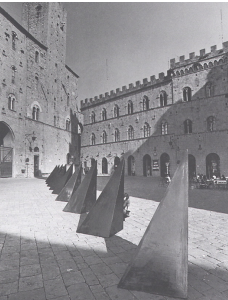
Piazza dei Priori- Mauro Staccioli
Volterra, 1972
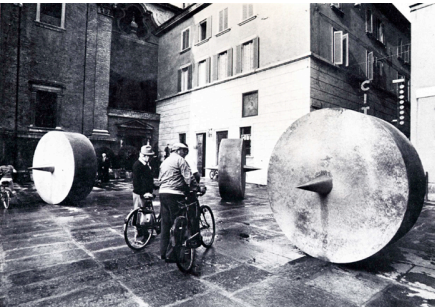
Piazza della Stexxata- M