Lab Quiz Week 5
 Call Kai
 Learn
Learn Practice Test
 Spaced Repetition
 Match
Match Flashcards
 Knowt Play
1/45

There's no tags or description
Looks like no tags are added yet.
Name | Mastery | Learn | Test | Matching | Spaced | Call with Kai |
|---|
No analytics yet
Send a link to your students to track their progress
46 Terms
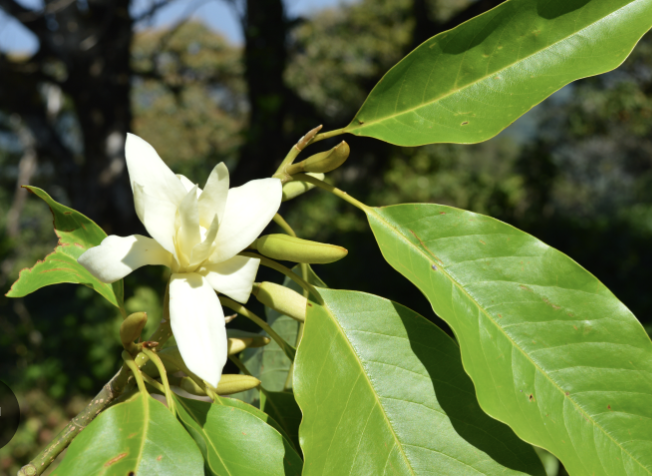
Large, showy flowers with MANY tepals and spiral arrangement → family?
Magnoliaceae
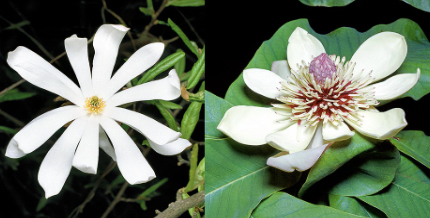
Flower parts not in fixed numbers, many stamens/carpels, woody tree → ?
Magnoliaceae
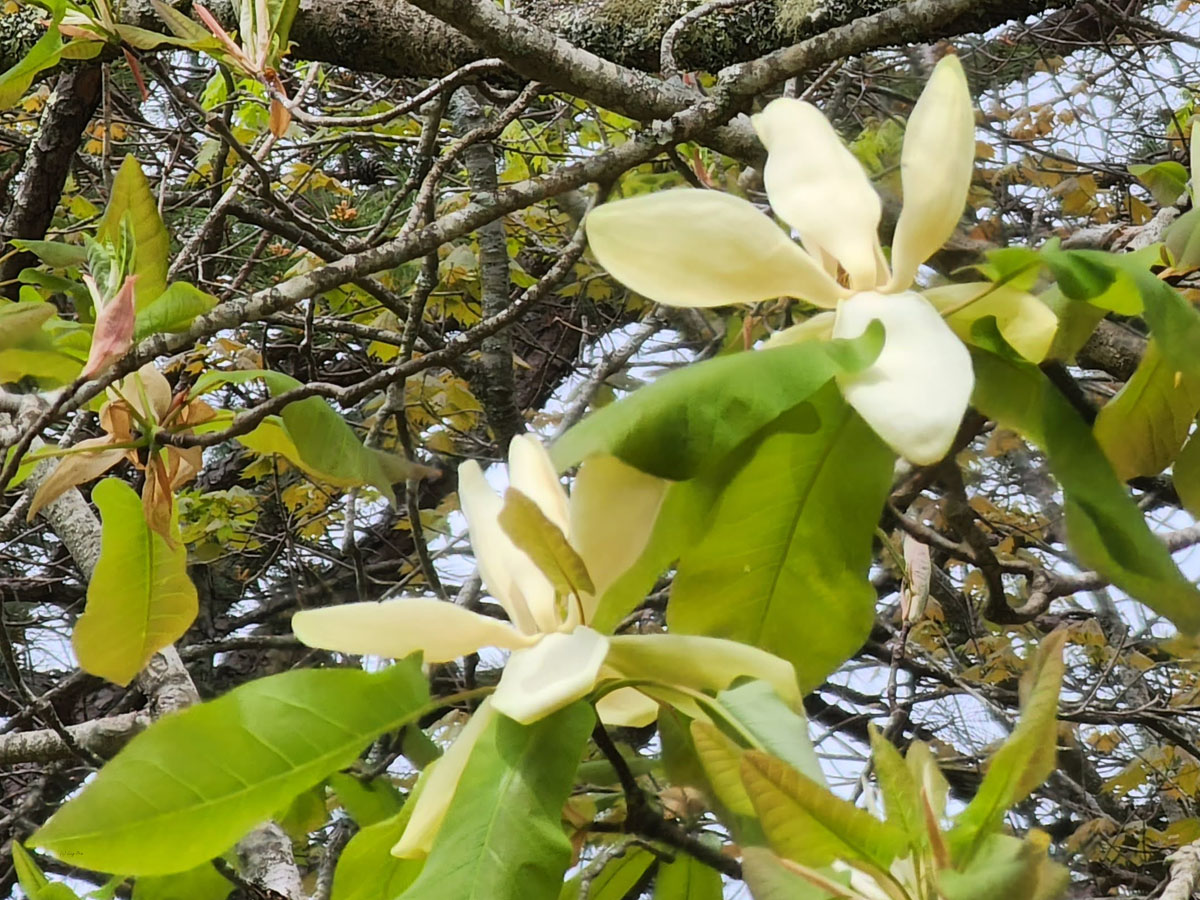
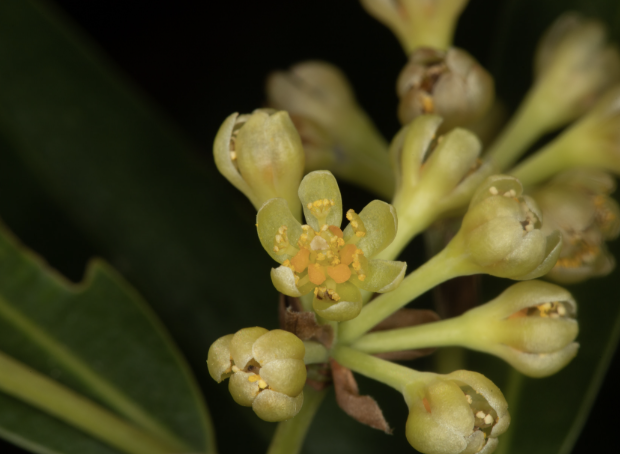
Crush leaves → strong aroma + small greenish flowers with 9 stamens → ?
Lauraceae
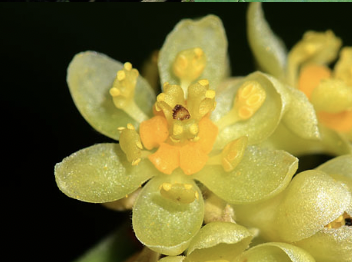
3+3 tepals + 3 whorls of stamens → ?
Lauraceae
Herbaceous, bright and showy, lots of stamens/carpels (free), no obvious pattern → ?
Ranunculaceae
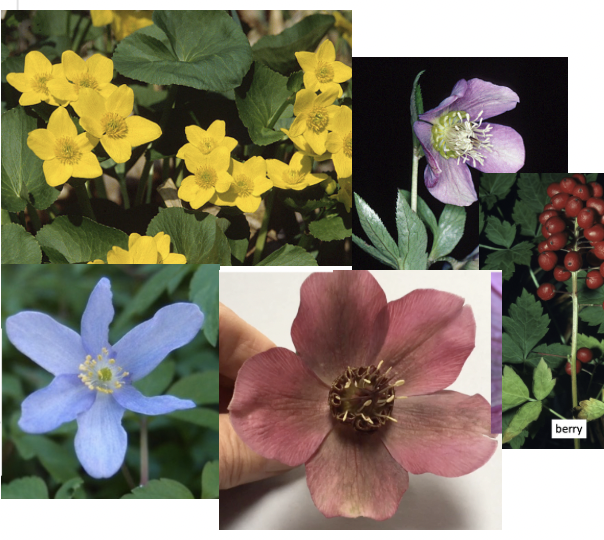
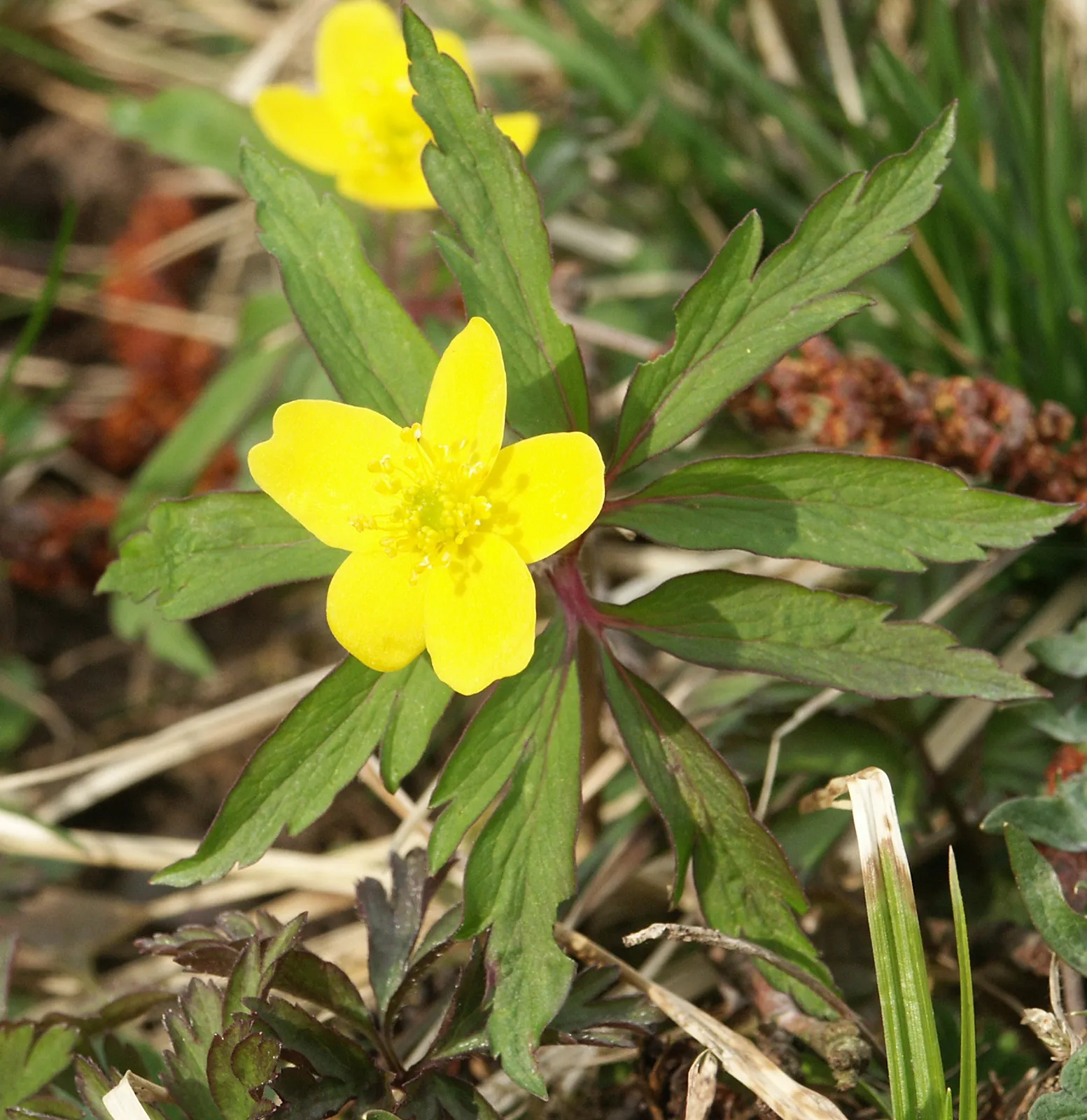
Bright flowers, often deeply lobed leaves, superior ovary → ?
Ranunculaceae
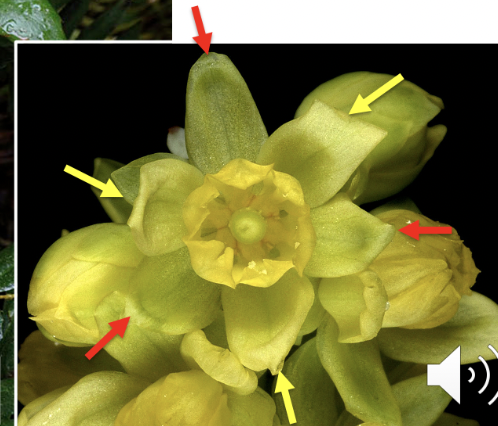
6-part flower + valvate anthers + 1 carpel + petaloid sepals → ?
Berberidaceae
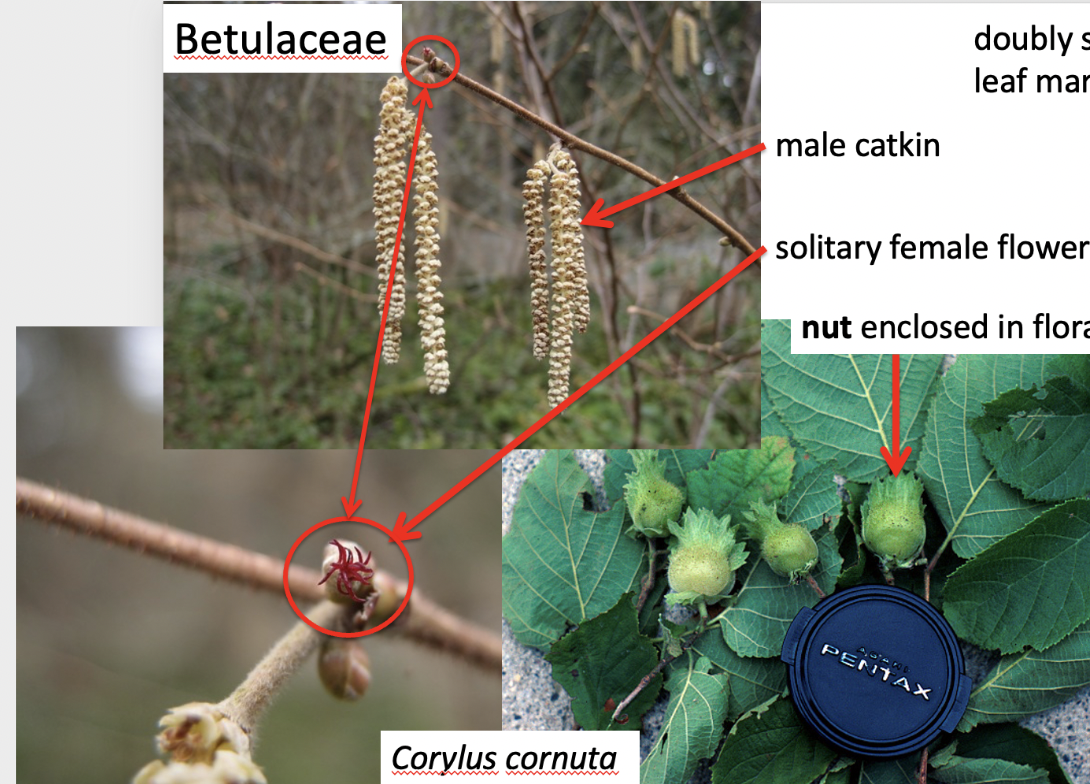
Hanging catkins, monoecious tree, simple and serrated leaves → ?
Betulaceae
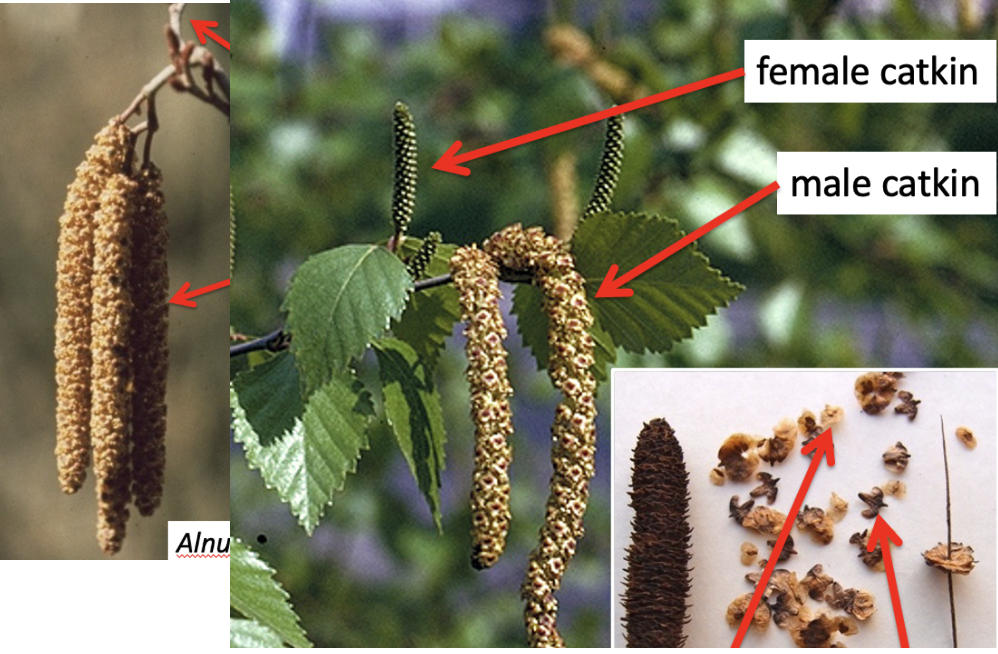
Wind-pollinated, inferior ovary, small nut fruits → ?
Betulaceae
Opposite leaves + winged samaras → ?
Sapindaceae
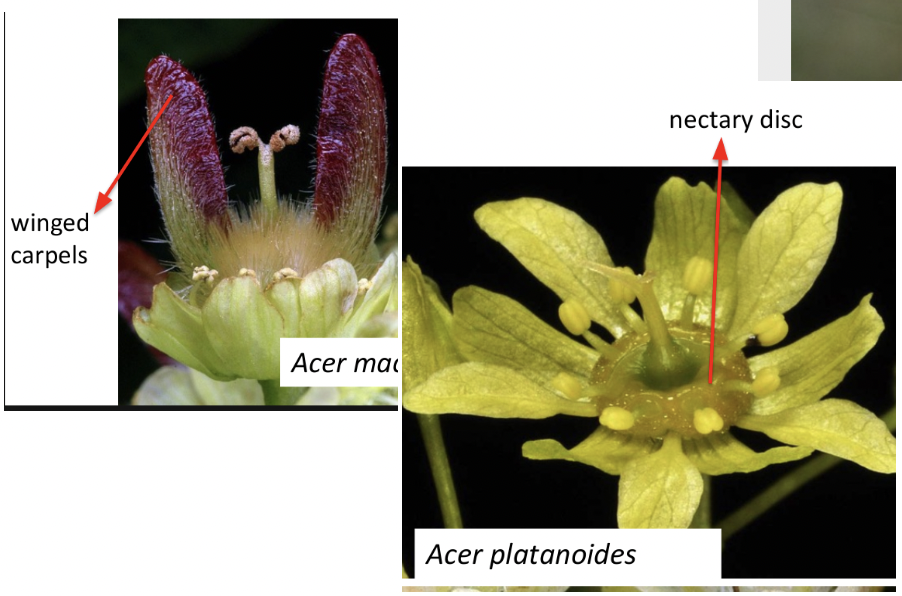
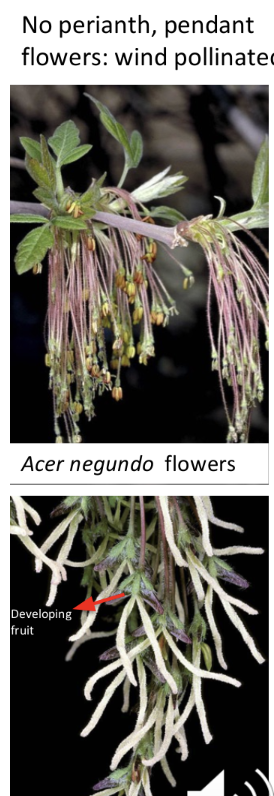
Nectar disk present + 2 fused carpels + no perianth if wind pollinated → ?
Sapindaceae
4 petals in CROSS shape + 6 stamens (4 long, 2 short) → ?
Brassicaceae
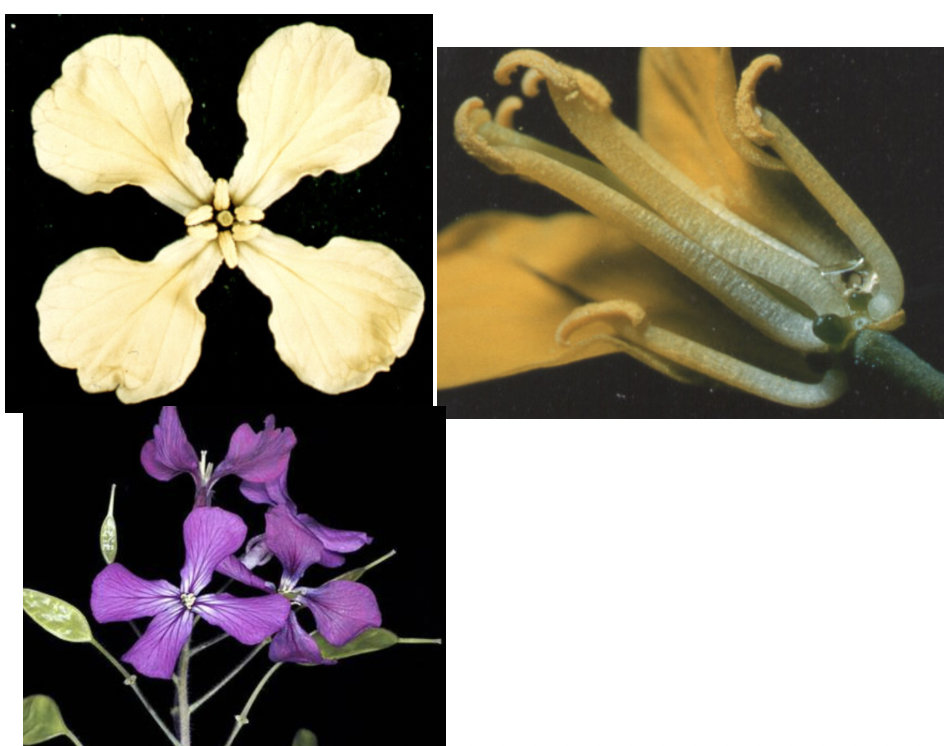
Basal rosette + silicle/silique fruit → ?
Brassicaceae
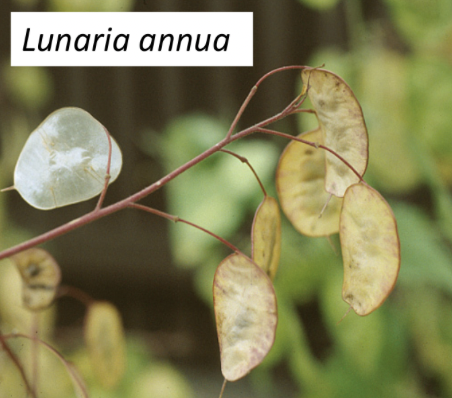
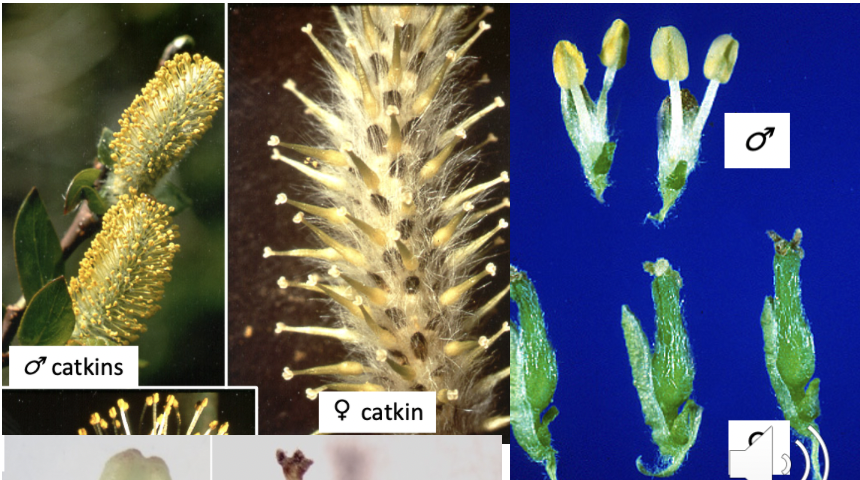
Dioecious trees with catkins + NO petals/sepals → ?
Salicaceae
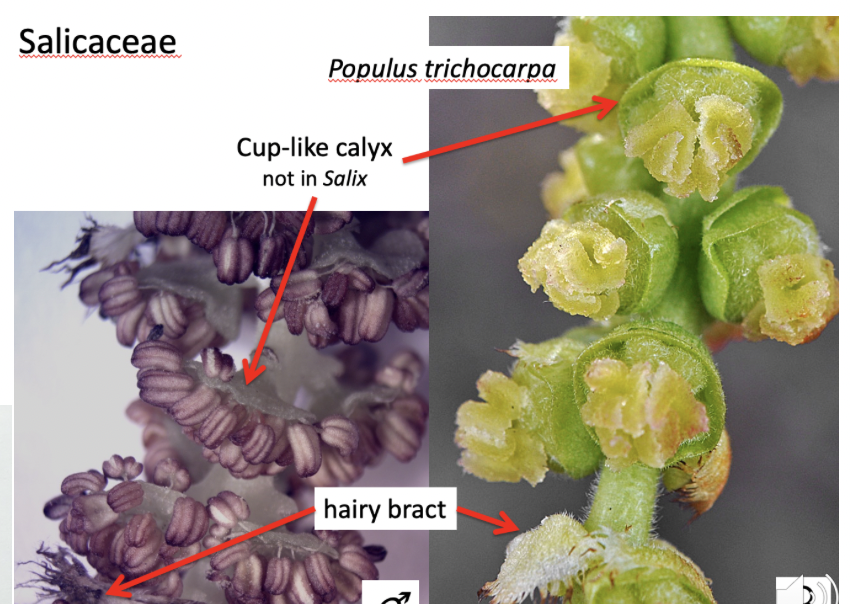
Cottony seeds + hairy bracts → ?
Salicaceae
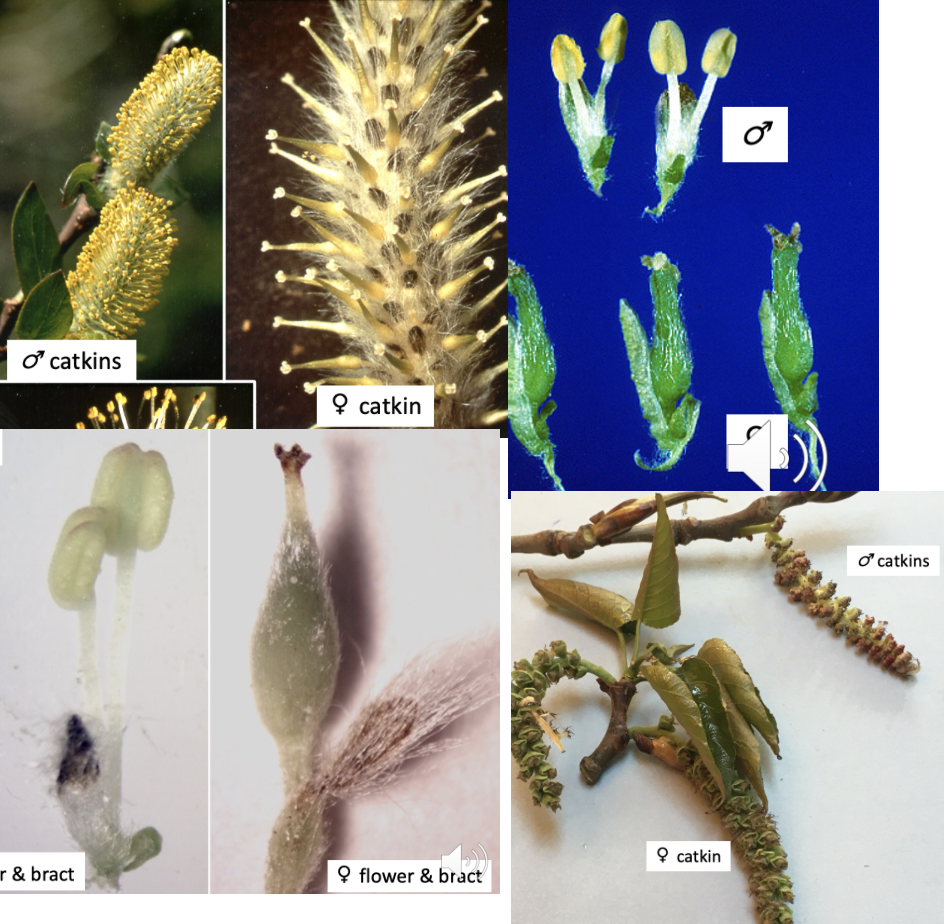
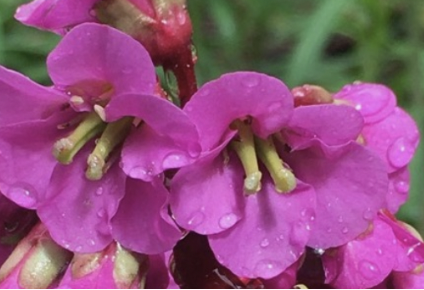
Small 5-part flowers + basal rosette + hypanthium → ?
Saxifragaceae
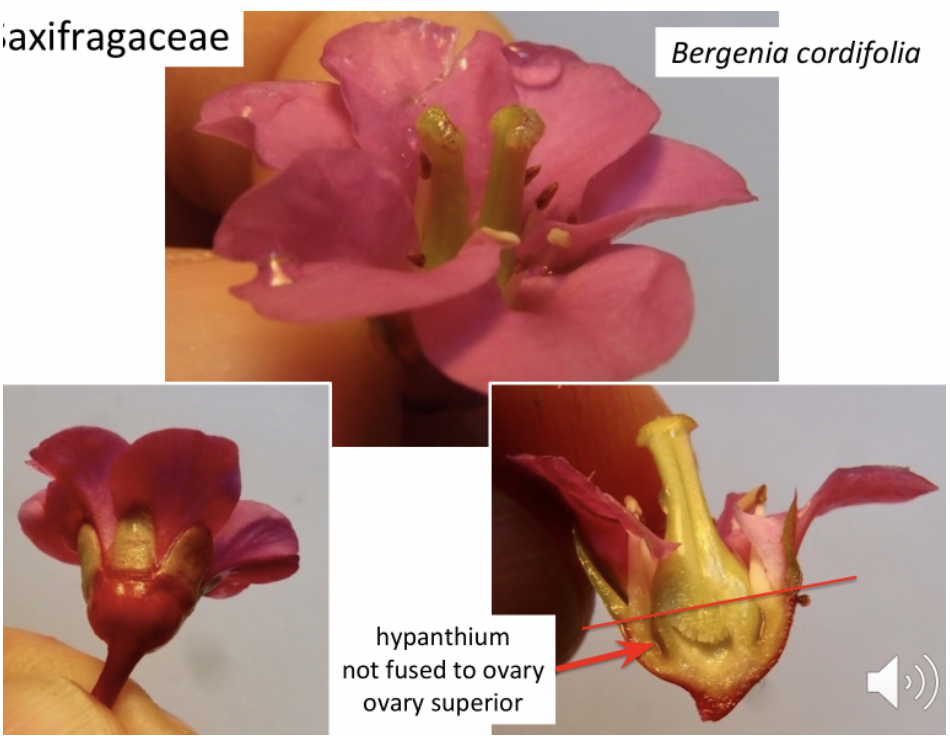
2 carpels fused but free at tips → ?
Saxifragaceae
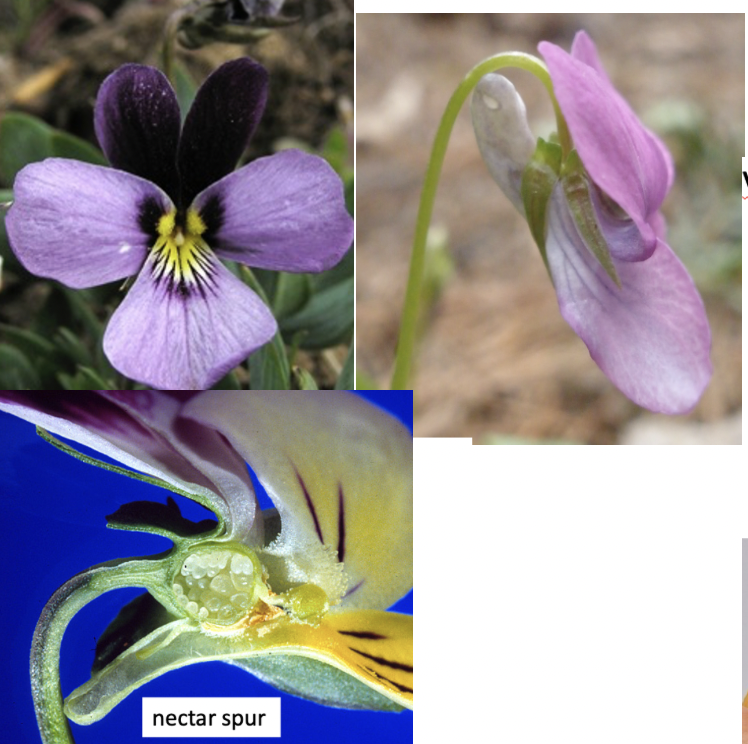
Bilateral symmetry + nectar spur → ?
Violaceae
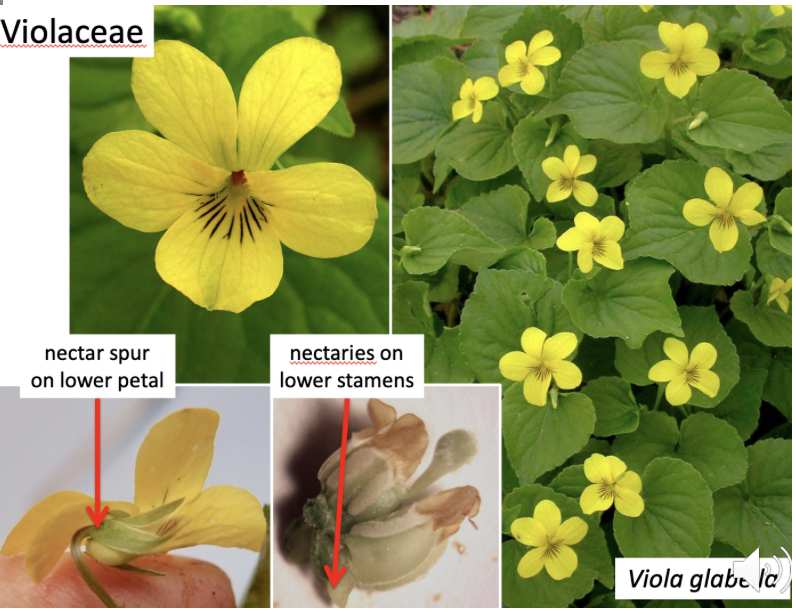
5 petals, lower petal spurred, 3 fused carpels → ?
Violaceae
Acorns + cupule (“cap”) → ?
Fagaceae
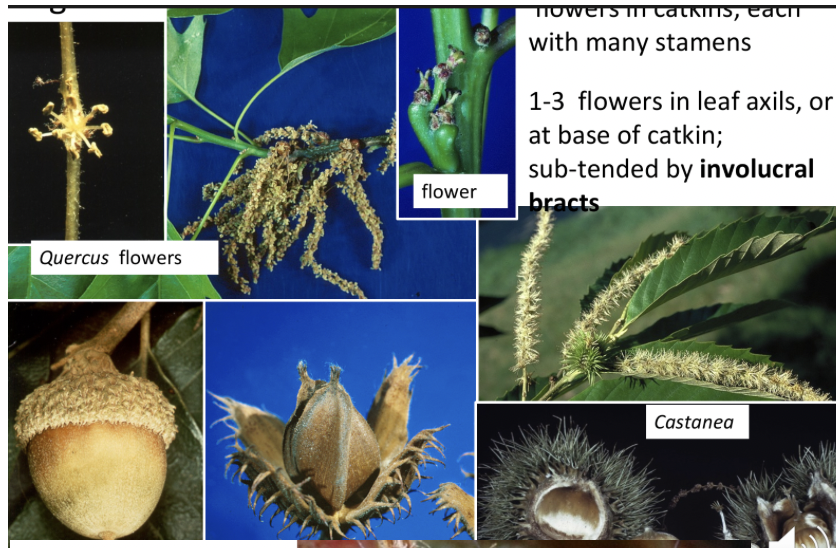
Monoecious tree with catkins + inferior ovary → ?
Fagaceae
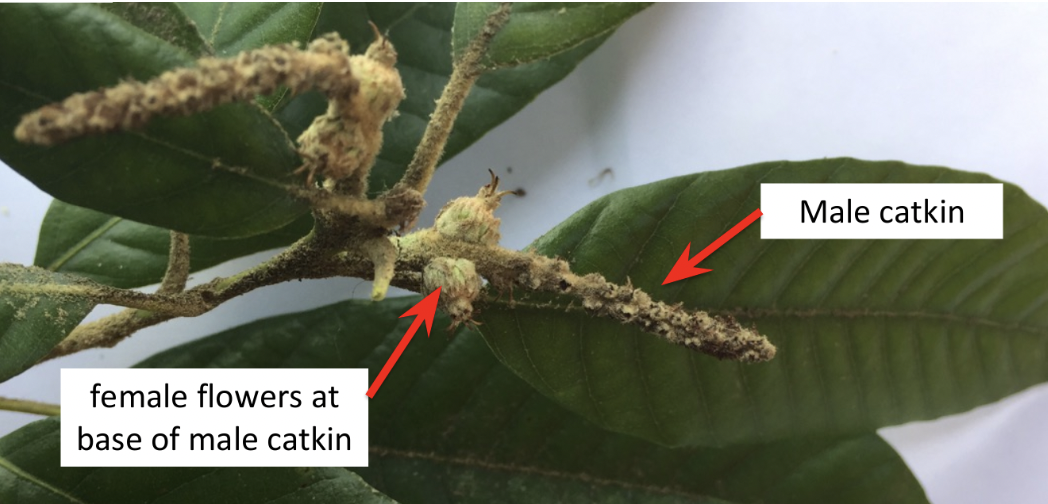
Dioecious + no perianth → ?
Salicaceae
Acorns present → ?
Fagaceae
Many stamens + spiral flower → ?
Many stamens + messy herbaceous flower → ?
Magnoliaceae
Ranunculaceae
Which families have catkins?
Betulaceae / Salicaceae / Fagaceae
Which family has opposite leaves?
Sapindaceae
Small 5-merous + rosette?
Saxifragaceae
Which of the 3 catkin families is dioecious (separate male and female plants)?
Salicaceae
Which of the 3 catkin families is monoecious (both sexes on same plant)?
Betulaceae or Fagaceae
Catkin families:
No perianth at all → ?
Reduced perianth present → ?
Salicaceae
Betulaceae or Fagaceae
Catkin families:
Cottony seeds (fluffy) → ?
Small nuts / winged fruits → ?
Acorn with cupule (“cap”) → ?
Salicaceae
Betulace
Fagaceae
Of the catkin families, if there is both male and female in catkins, it is:
Betulaceae
Of the catkin families, if there male catkins, but the female flowers are NOT in the catkins (or clustered), it is:
Fagaceae
Of the catkin families, if hairy bracts are present, it is:
Salicaceae
Between betulaceae and fagaceae:
Female catkins present → ?
Female flowers NOT catkins → ?
Betulaceae
Fagaceae
Differences in leaf structure between betulaceae and fagaceae
Betulaceae:
Often doubly serrate
Fagaceae:
Usually simple serrate or lobed (not doubly serrate)
Differences in stamens between betulaceae and fagaceae
Fagaceae:
Stamens 4–40 (often MANY)
Betulaceae:
Stamens usually ~4
Key distinctions between Magnoliaceae and Ranunculaceae
Magnoliaceae:
Woody
Huge, showy flowers
Spiral arrangement + tepals
Ranunculaceae:
Usually herbaceous
Often smaller flowers
Petals sometimes absent
Key distinctions between Lauraceae and Berberidaceae
Lauraceae:
Aromatic leaves
9 stamens (in 3 whorls)
Woody trees
Berberidaceae:
6 stamens
Trigger stamens
Often shrubs/herbs
Alternate, simple, entire margins, large leathery leaves on woody tree → ?
Magnoliaceae
Alternate, simple, entire leaves that smell strongly when crushed → ?
Lauraceae
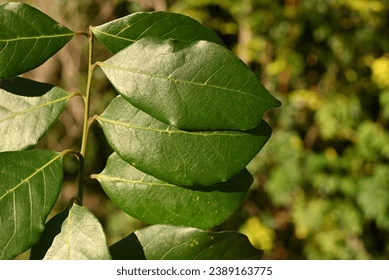
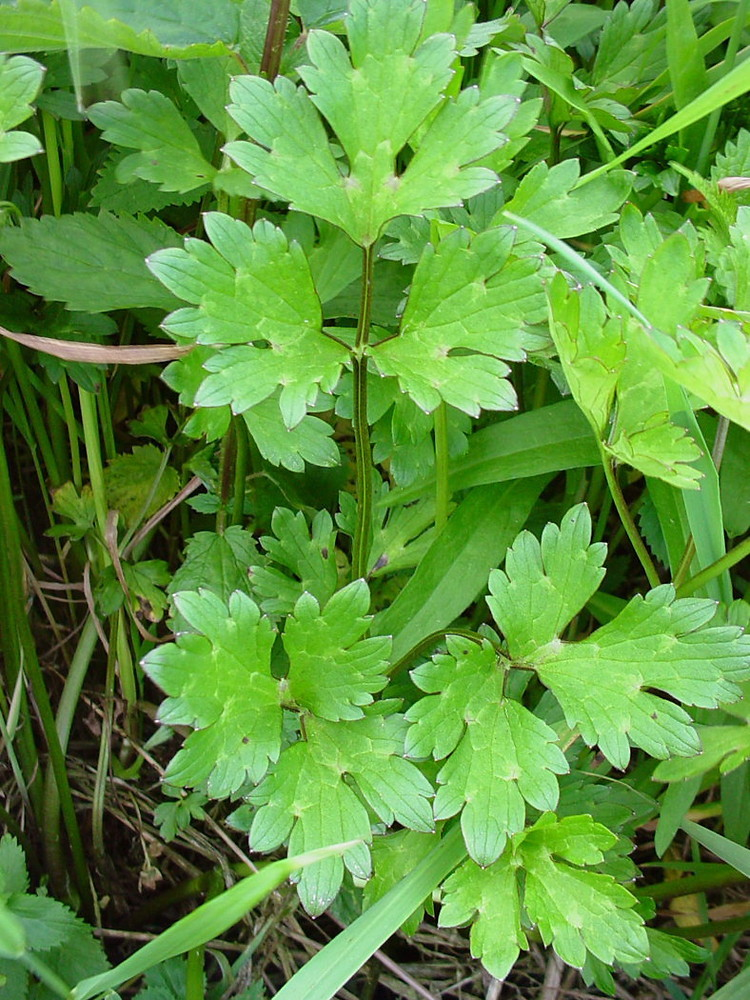
Leaves deeply lobed or finely dissected, often basal or alternate → ?
Ranunculaceae
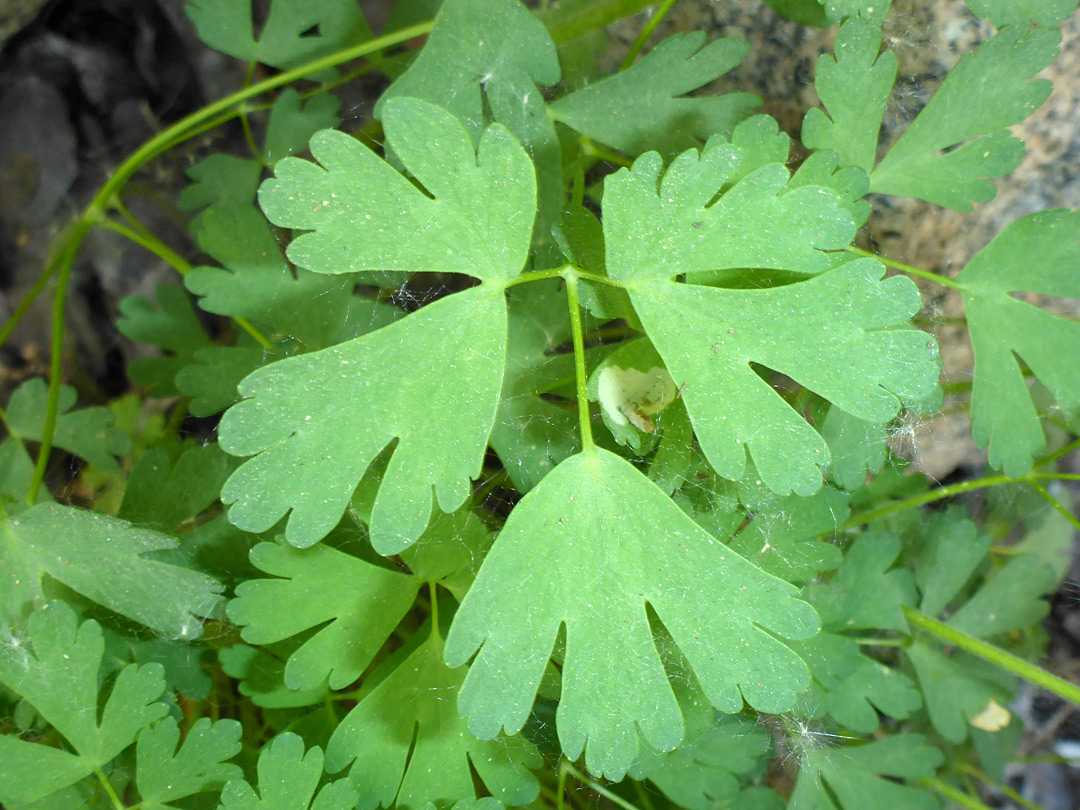
Woody plant with opposite leaves that are palmately lobed.
Sapindaceae
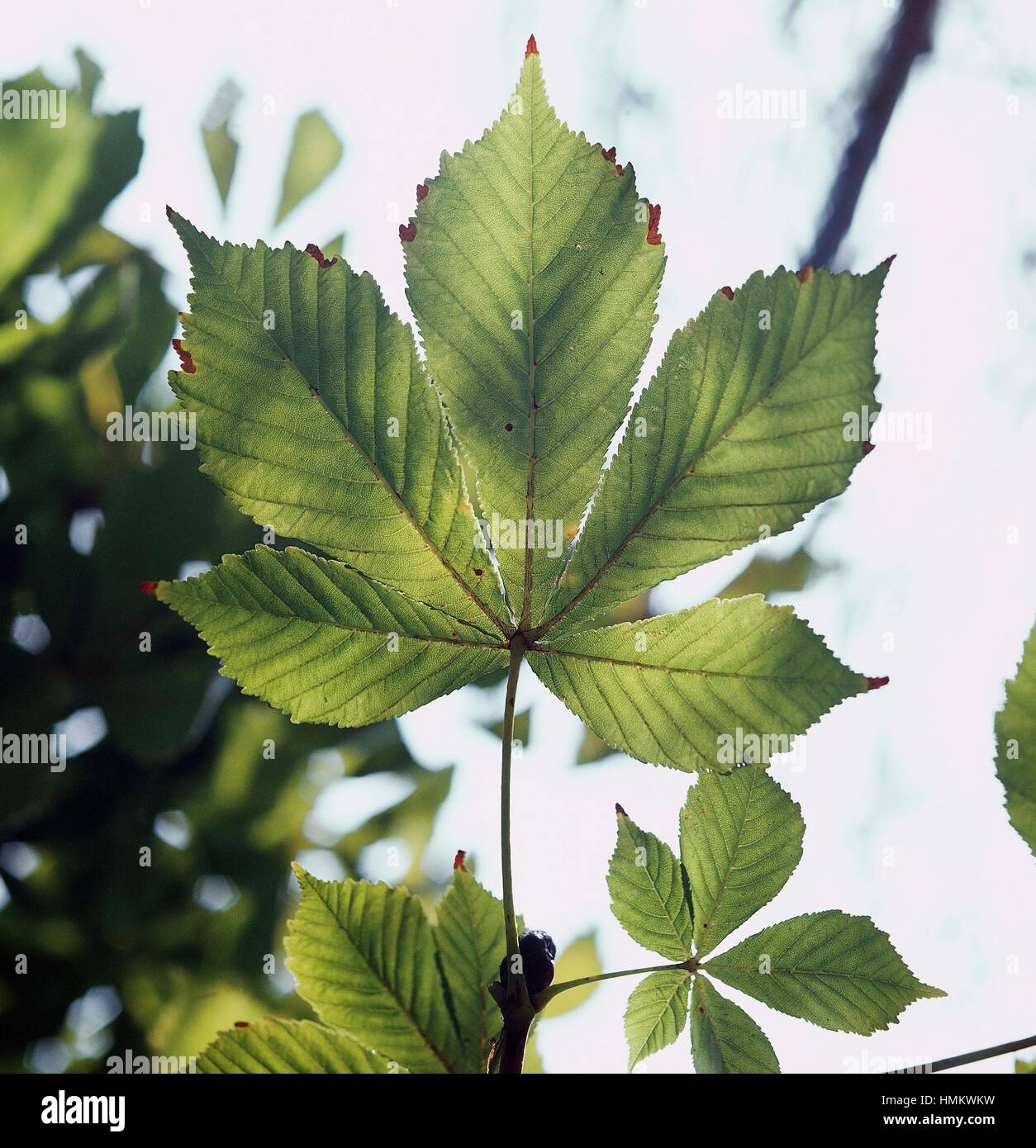
Woody plant with simple leaves that are strongly aromatic when crushed. No flowers visible.
Lauraceae
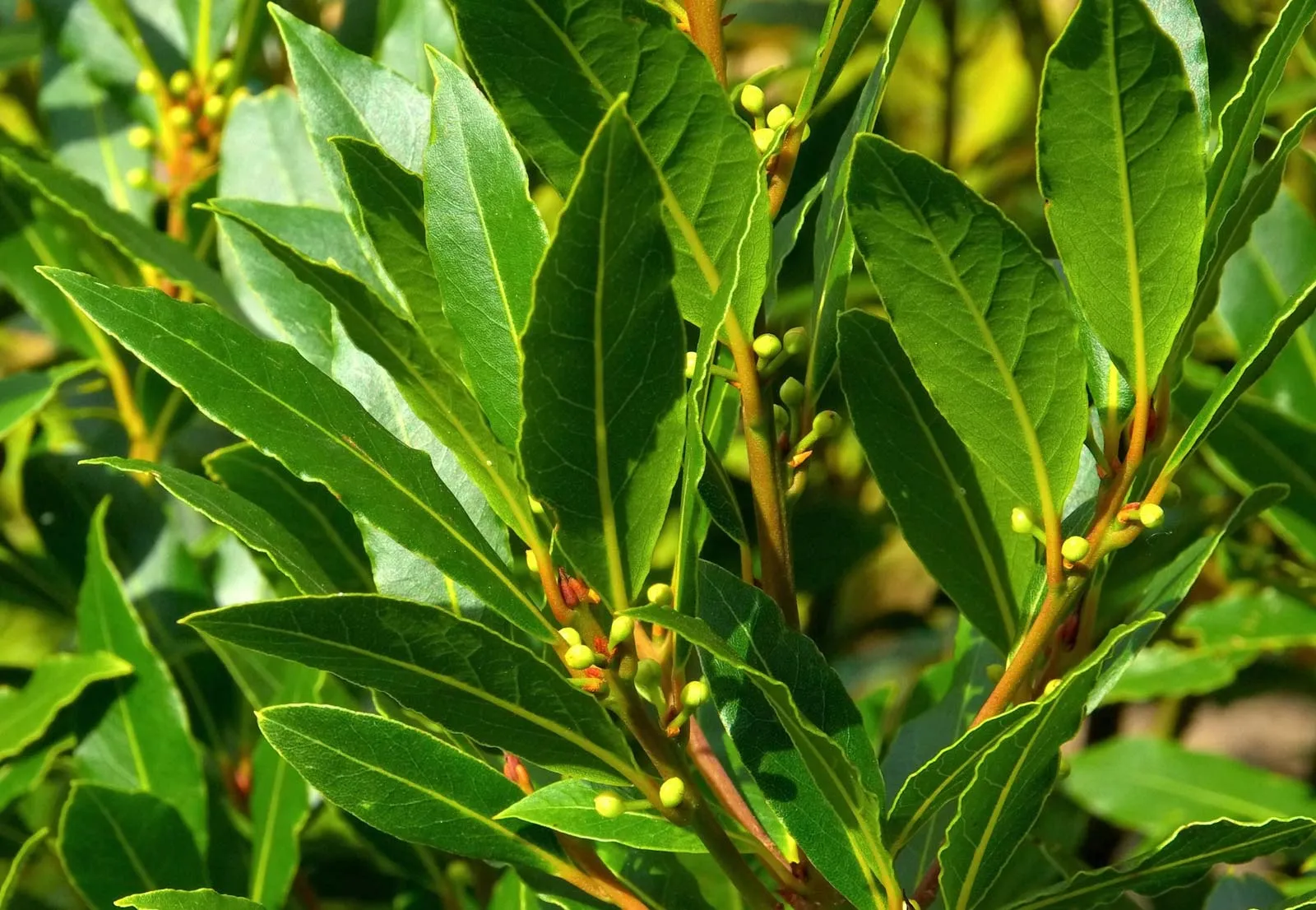
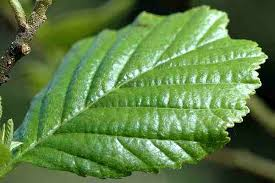
Tree with alternate leaves that are doubly serrated. Catkins may or may not be present.
Betulaceae
Plant with deeply dissected leaves and no obvious floral structure. Herbaceous.
Ranunculaceae