A Streetcar Named Desire - Dramatic terminology
 Call Kai
 Learn
Learn Practice Test
 Spaced Repetition
 Match
Match Flashcards
 Knowt Play
1/31

There's no tags or description
Looks like no tags are added yet.
Name | Mastery | Learn | Test | Matching | Spaced | Call with Kai |
|---|
No analytics yet
Send a link to your students to track their progress
32 Terms
Idiolect
the personal speech style of a character, words, grammar, volume etc
Connotation
associated meanings of a word, e.g. girl = vulnerable, lady = privileged and gentle
Dramatic irony
when the audience know more than one or more character on stage.

Foreshadowing
clues concerning future events
Foiling
When two characters are deliberately compared and contrasted with each other
Music
used by Williams in an expressionistic manner to suggest information on theme, setting, character / sometimes the inner psychology of a character

Sound effects
often used symbolically or in an expressionistic manner to suggest information on theme, setting, character / sometimes the inner psychology of a character
Characterisation
the construction of a character through dramatic devices such as voice, dialogue, costume, props and action
Standard English
what is seen as a traditionally 'correct' way of speaking that follows the rules of grammar and is traditionally associated with Educated or high status speakers
Non-standard English
what is seen as a traditionally seen as an 'in-correct' way of speaking that breaks the rules of grammar and is traditionally associated with less Educated or lower status speakers
Euphemism
when difficult or taboo subjects are not referred to directly, e.g. He's gone to a better place.
Dysphemism
when difficult or taboo subjects are deliberately referred to in a direct, shocking, rebellious manner. E.g. I'm going for a ****!!!
Ellipsis
'...' or missing out words in a sentence

Elision
Missing out sounds in a word but retaining meaning e.g. gimme that
Slang / Taboo
highly informal, direct and sometimes shocking language.
Polysyllabic words
long words
Monosyllabic words
short, blunt words
Costume
the clothes a character wears - the colour of the style is usually deliberately chosen to create a sense of character

Questions
interrogatives

Imperative
Commands
Exclamative
Exclamations

Declarative
Statements
Split stage
When separate action occurs in two or more areas of the stage. Often a sense of irony or contrast is created by two contrasting 'worlds' or units of action

Sibilance
the repetition of 'S' or 'Shhhh' sounds often creating an atmosphere of intimacy, romance, softness or villainy
Props
often highly symbolic - Stella's White gloves, Blanche's valise, Stanley's Meat.
Symbolism
Using an object or action / thing to represent something deeper or a whole set of ideas
Motif
a recurring symbol, object or collection of words that represent a key theme or idea in a literary work

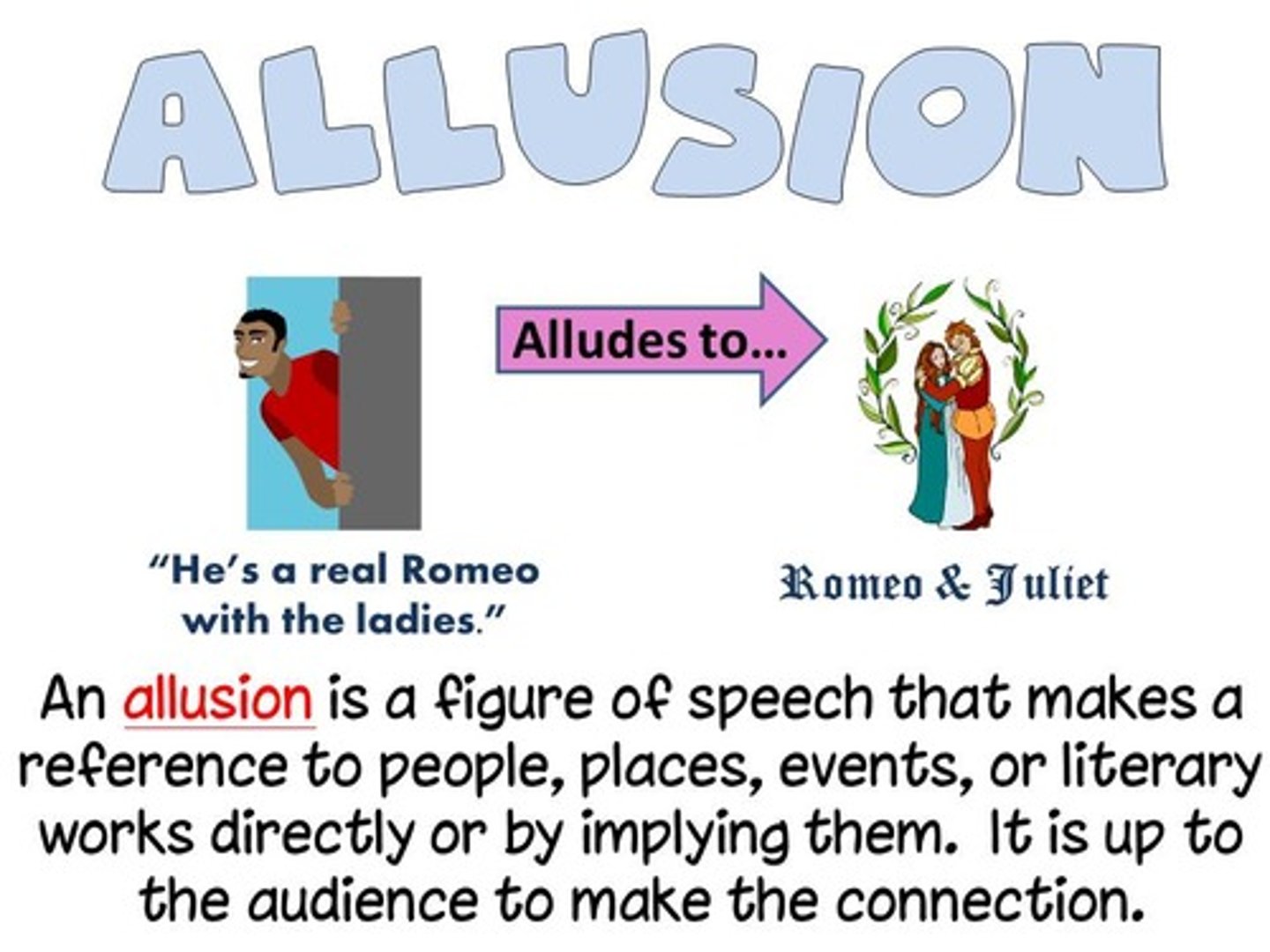
Allusion
when there is a reference to something else within a text, such as the bible or "Mr Edgar Allan Poe"
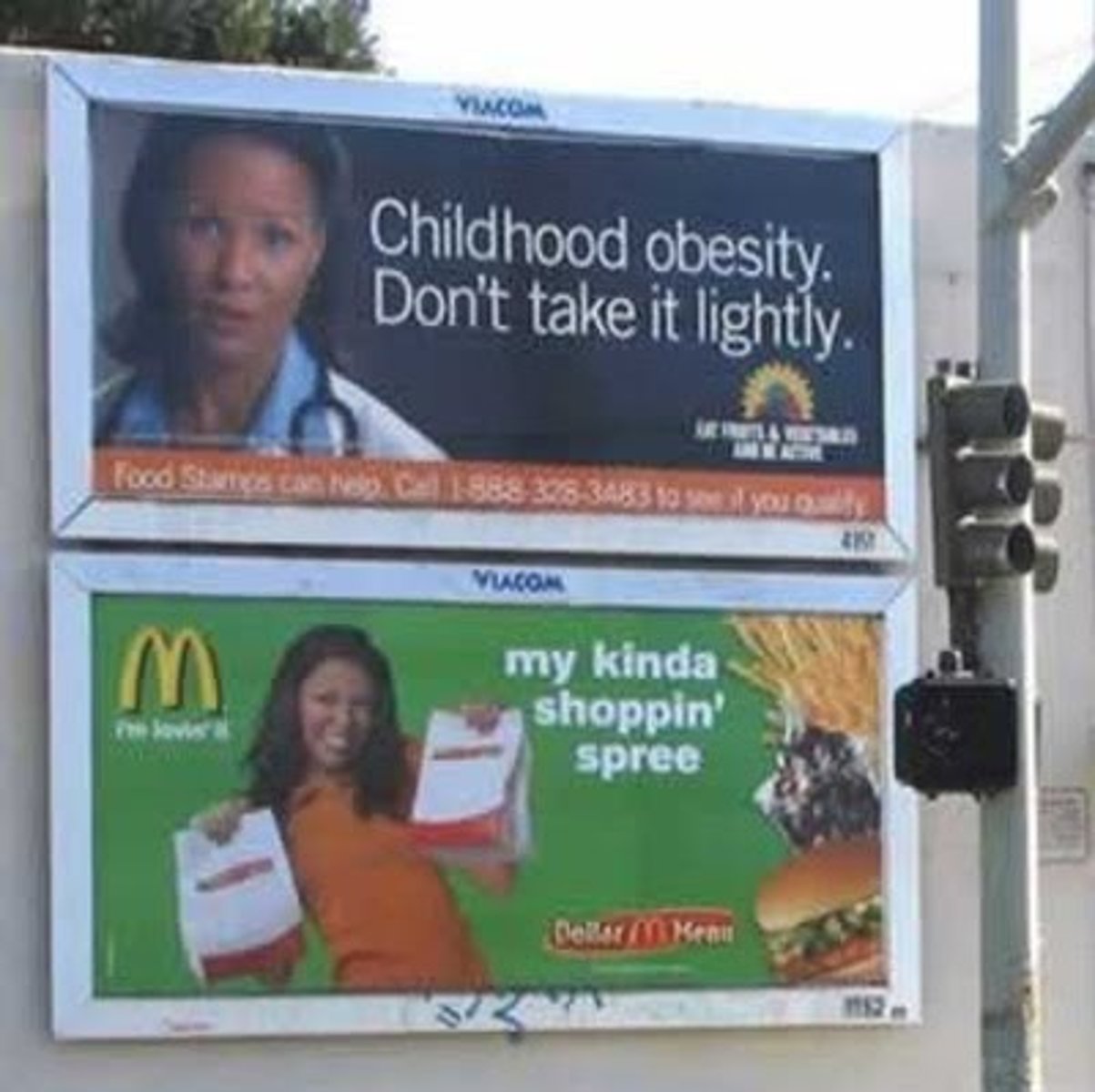
Juxtaposition
the contrast of scenes, settings, characters, colours, words etc
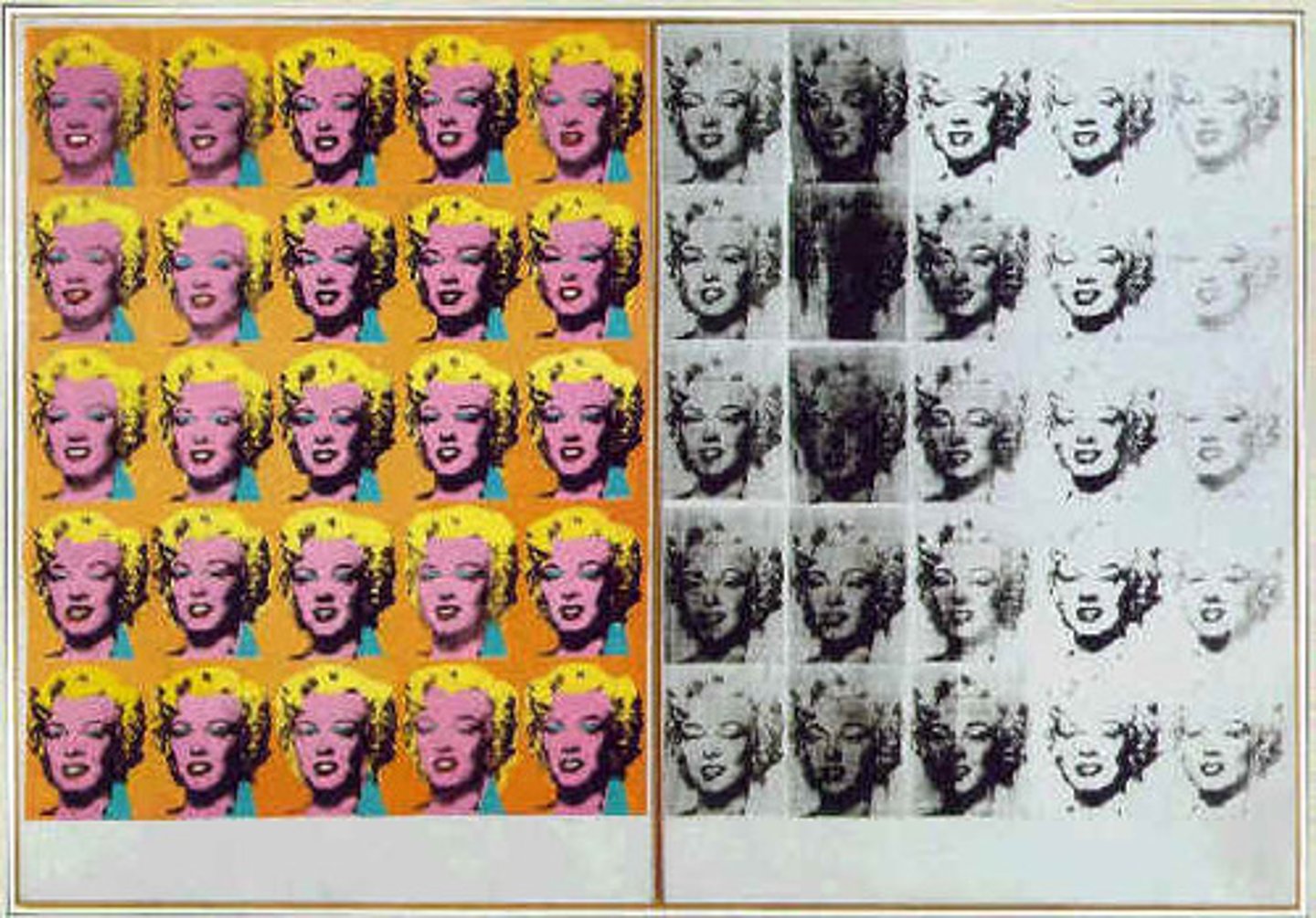
Repetition
when something is repeated to mark its importance
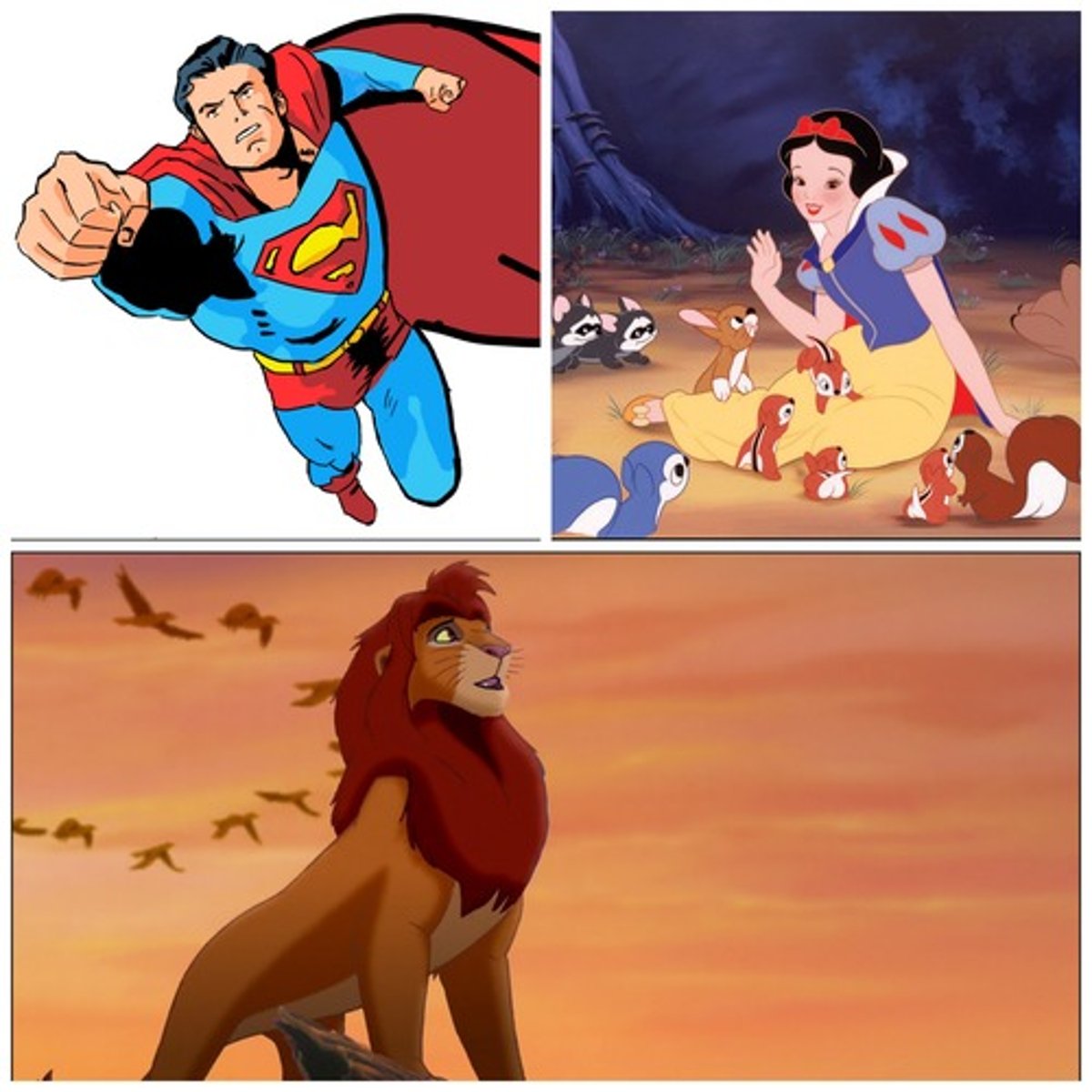
Protagonist
the central character in a literary work whose fate the audience most closely follows
Antagonist
opposes the protagonist by providing obstacles and complications, creating conflict and revealing the strengths and weaknesses of the main character