[M0] Intro to I/O Psychology
 Call Kai
 Learn
Learn Practice Test
 Spaced Repetition
 Match
Match Flashcards
 Knowt Play
1/43

There's no tags or description
Looks like no tags are added yet.
Name | Mastery | Learn | Test | Matching | Spaced | Call with Kai |
|---|
No analytics yet
Send a link to your students to track their progress
44 Terms
Industrial Organizational Psychology
a branch of psychology that applies the principles of psychology to the workplace

Personnel Psychology
the filed of study that concentrates on the selection & evaluation of employees
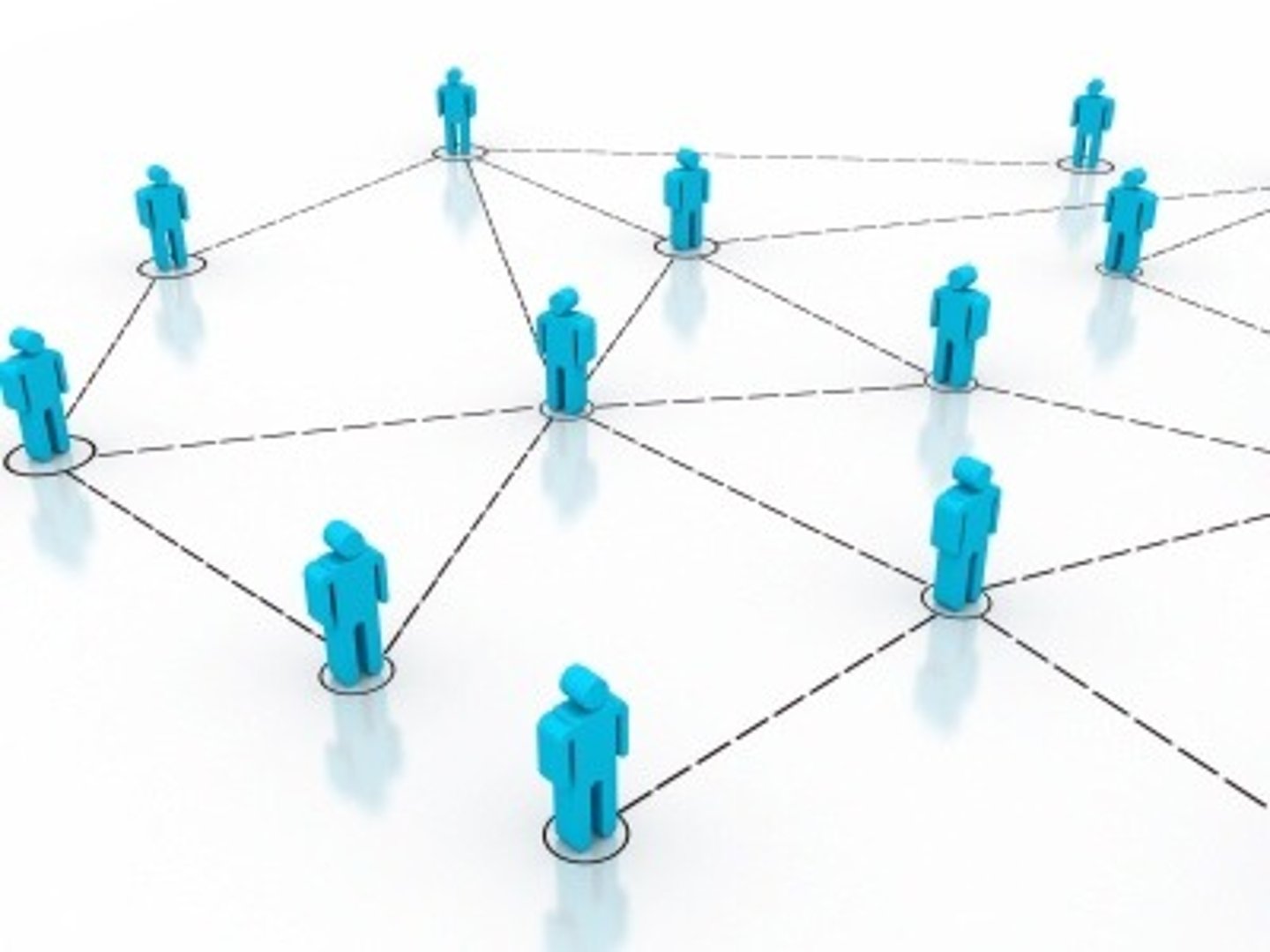
Organizational Psychology
the filed of study the investigates the behavior of employees w/in the context of an organization

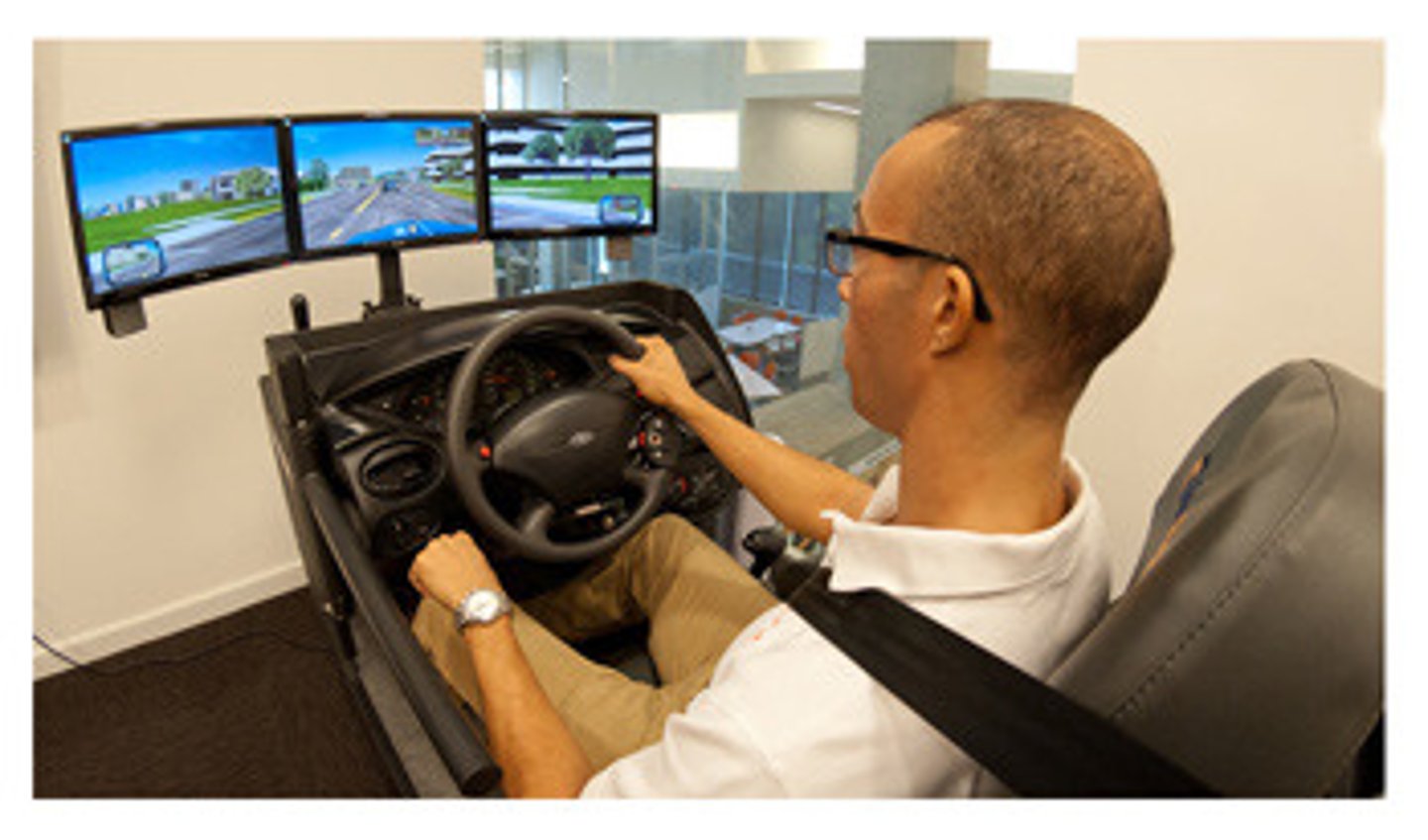
Human Factors
a field of study concentrating on the interaction between humans & machines
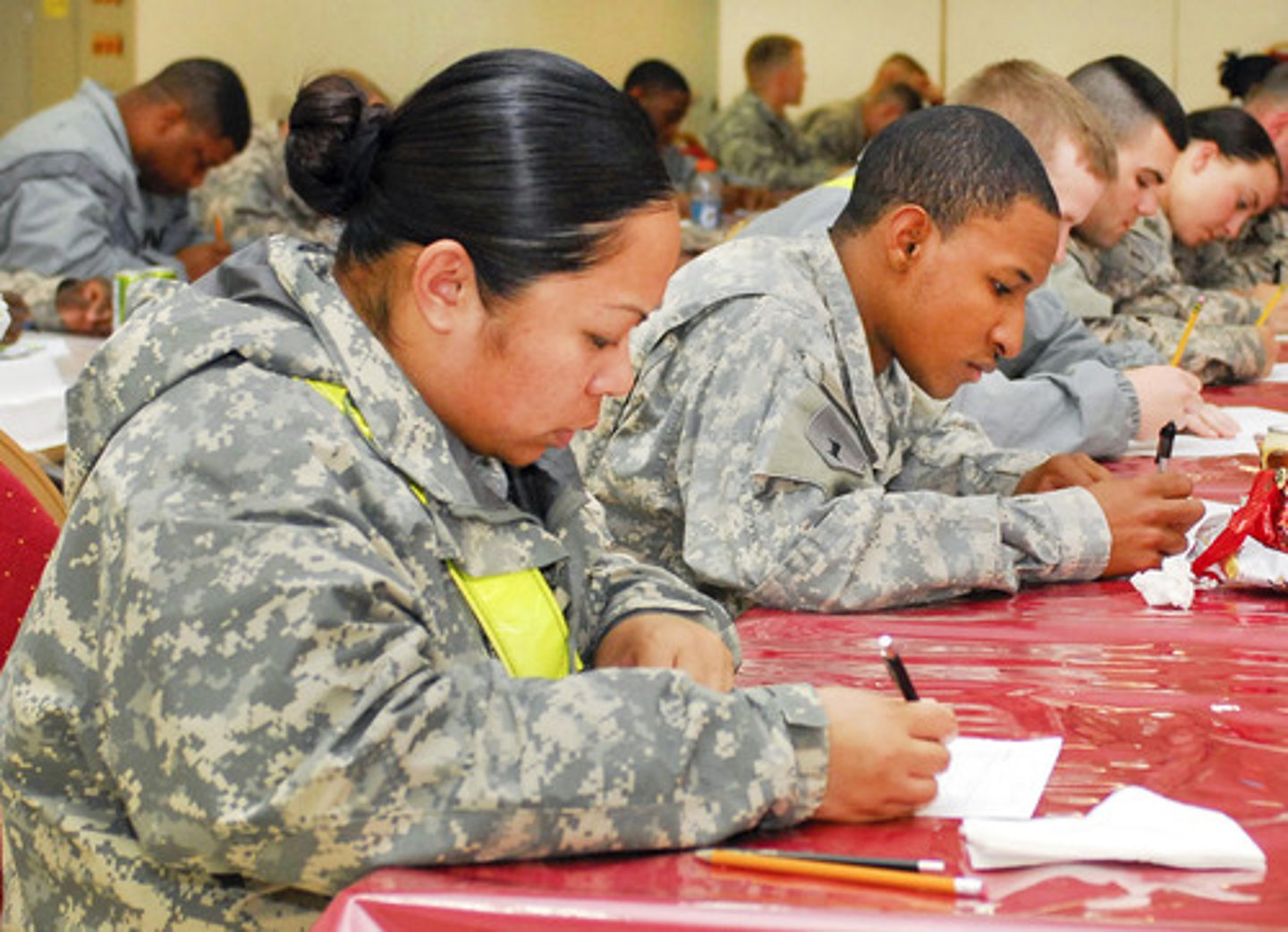
Army Alpha
an intelligence test developed during World War I & used by the army for soldiers who can read
Army Beta
an intelligence test developed during World War I & used by the army for elders who cannot read
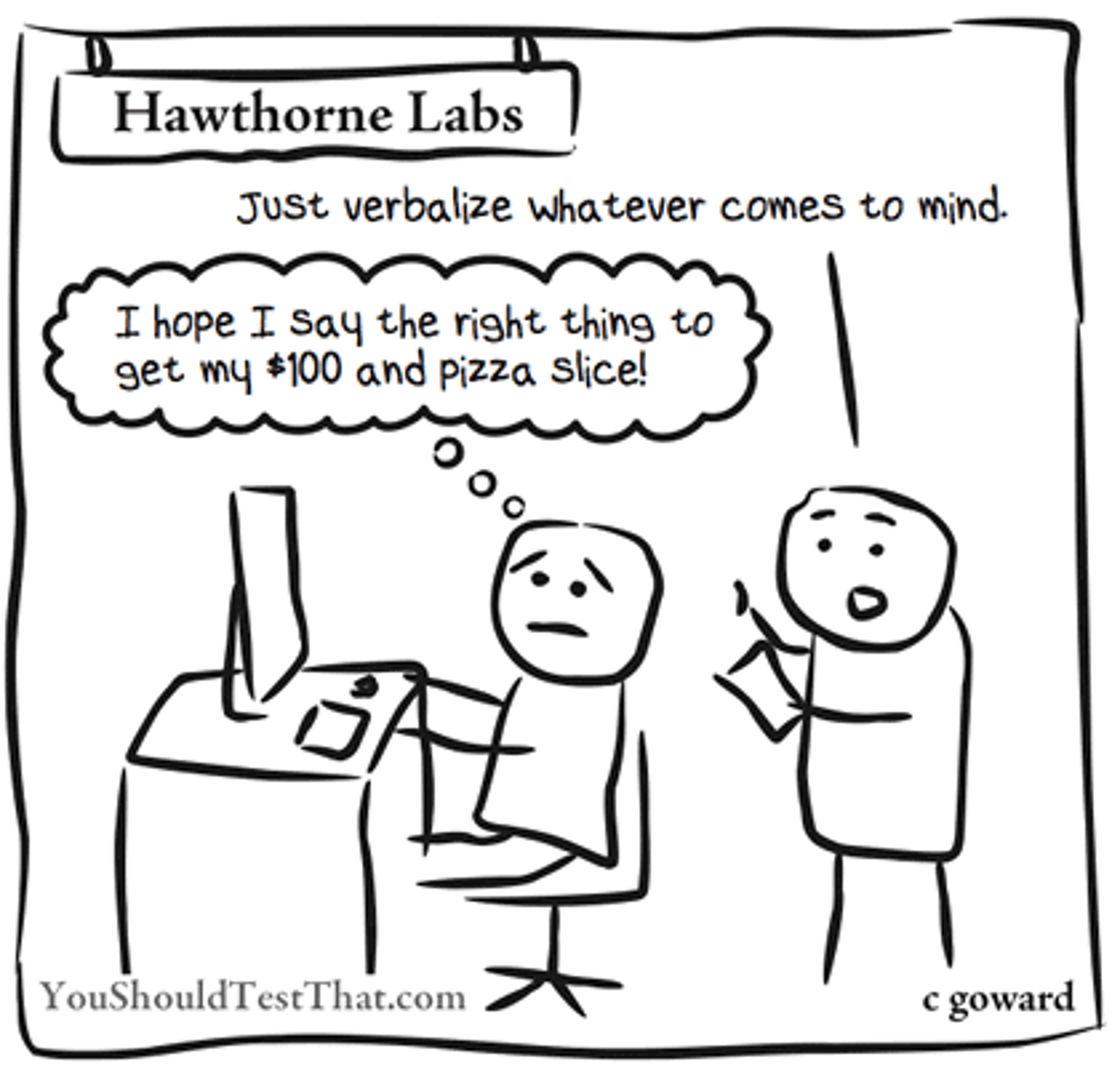
Hawthorne Studies
a series of studies, conducted at the Western Electric plant in Hawthorne, Illinois, that have come to represent any change in behavior when people react to a change in the environment

Hawthorne Effect
when employees change their behavior fur solely to the fact that they are receiving attention or are being observed
Graduate Record Exam (GRE)
a standardized admission test required by most psychology graduate schools
Terminal Master's degree programs
graduate programs that offer a master's degree but not a Ph.D.

Internship
a situation in which a student works for an organization, either for pay or as a volunteer, to receive practical work experience

Practicum
a paid or unpaid position with an organization that gives a student practical work experience

Dissertation
a formal research paper required of most doctoral students in order to graduate

Hypothesis
an educated predication about the answer to a research question
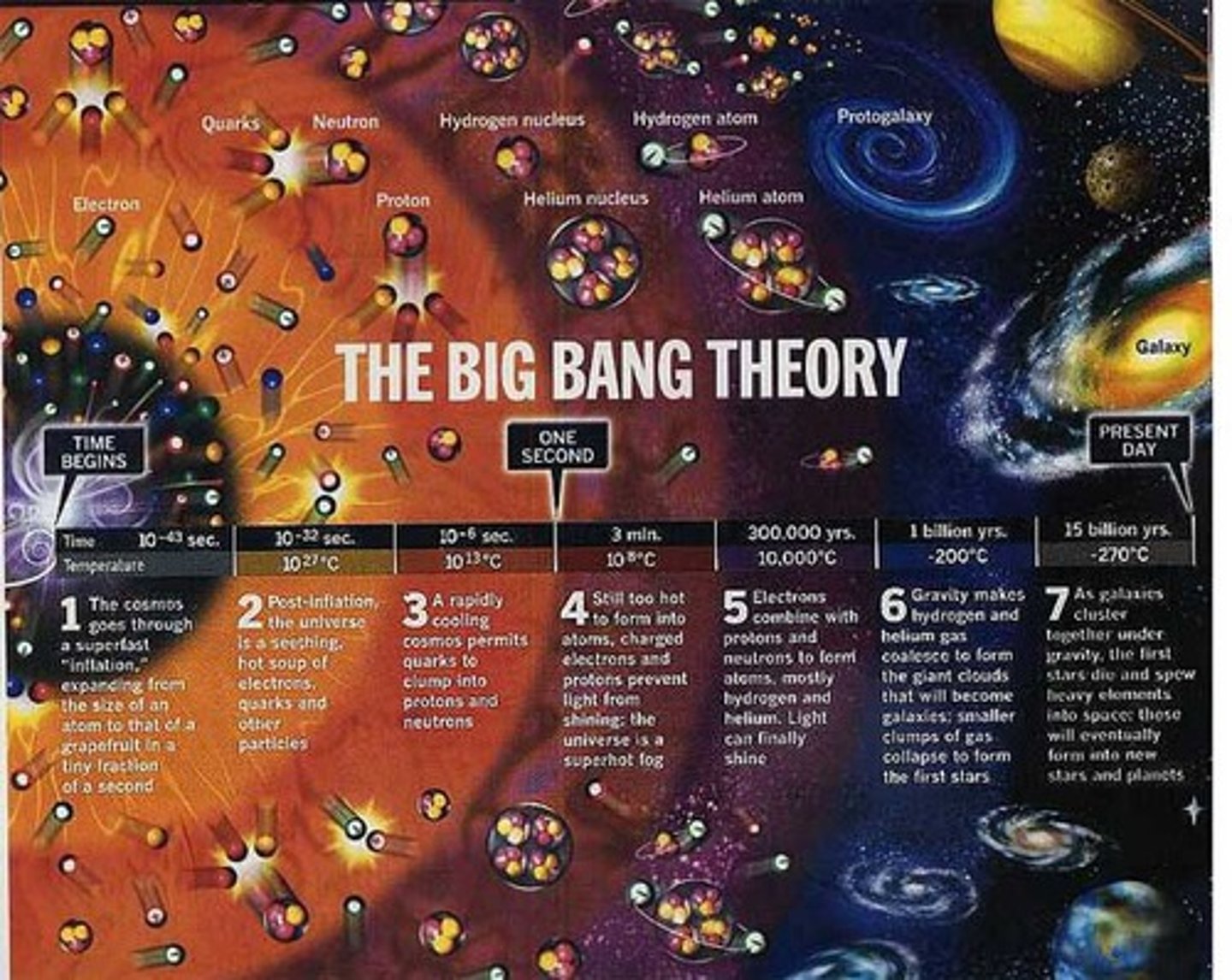
Theory
a systematic set of assumptions regarding the cause & nature behavior
Journals
a written collection of articles describing the methods & results of new research
Trade Magazines
a collection of articles for those "in the biz," about related professional topics, seldom directly reporting the methods & results of new research

Magizines
an unscientific collection of articles about a wide range of topics

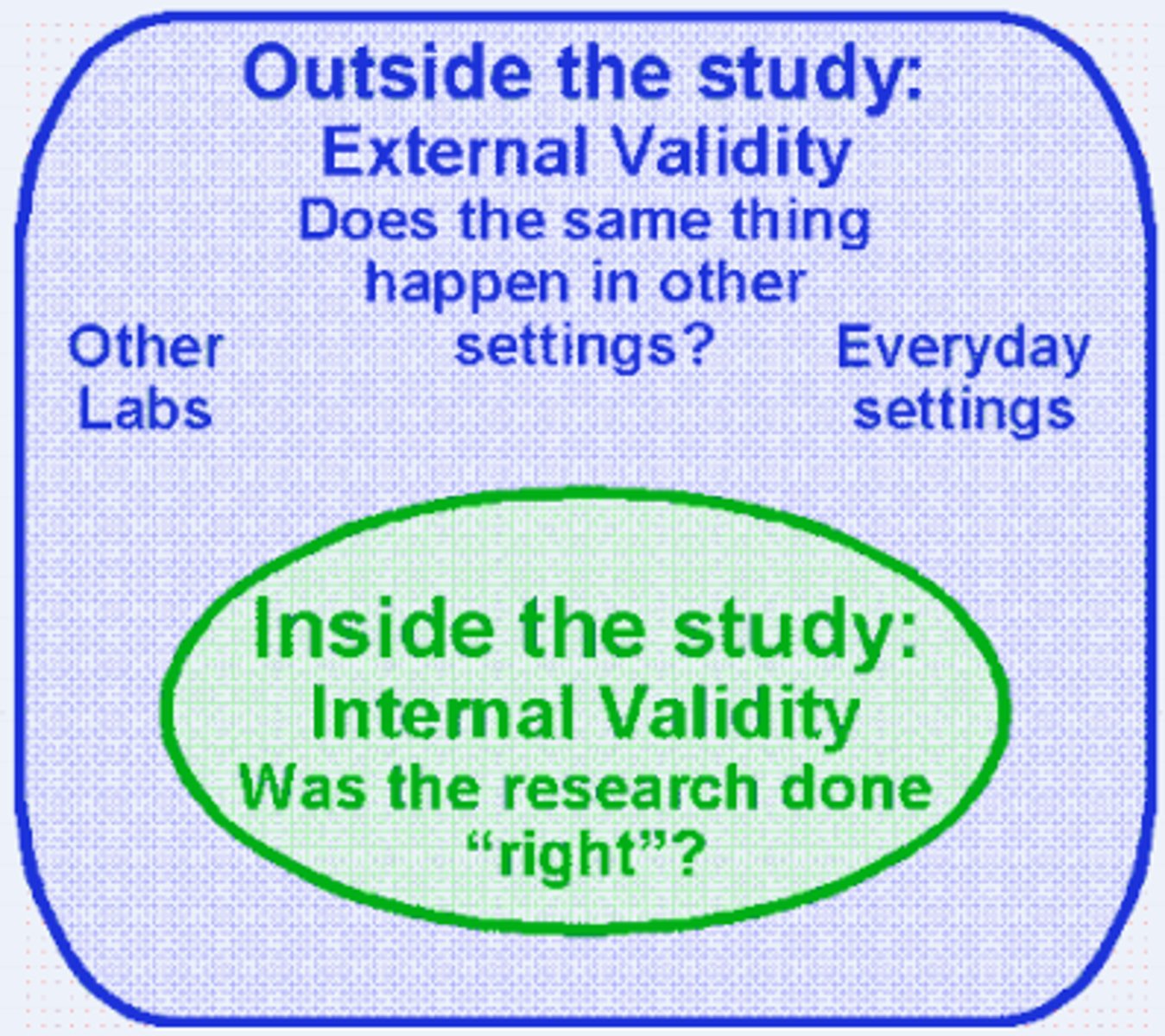
External Validity
the extent to which research results can be expected to hold true outside the specific setting in which they were obtained
Generalizability
like eternal validity, the extent to which research results hold true outside the specific setting in which they were obtained

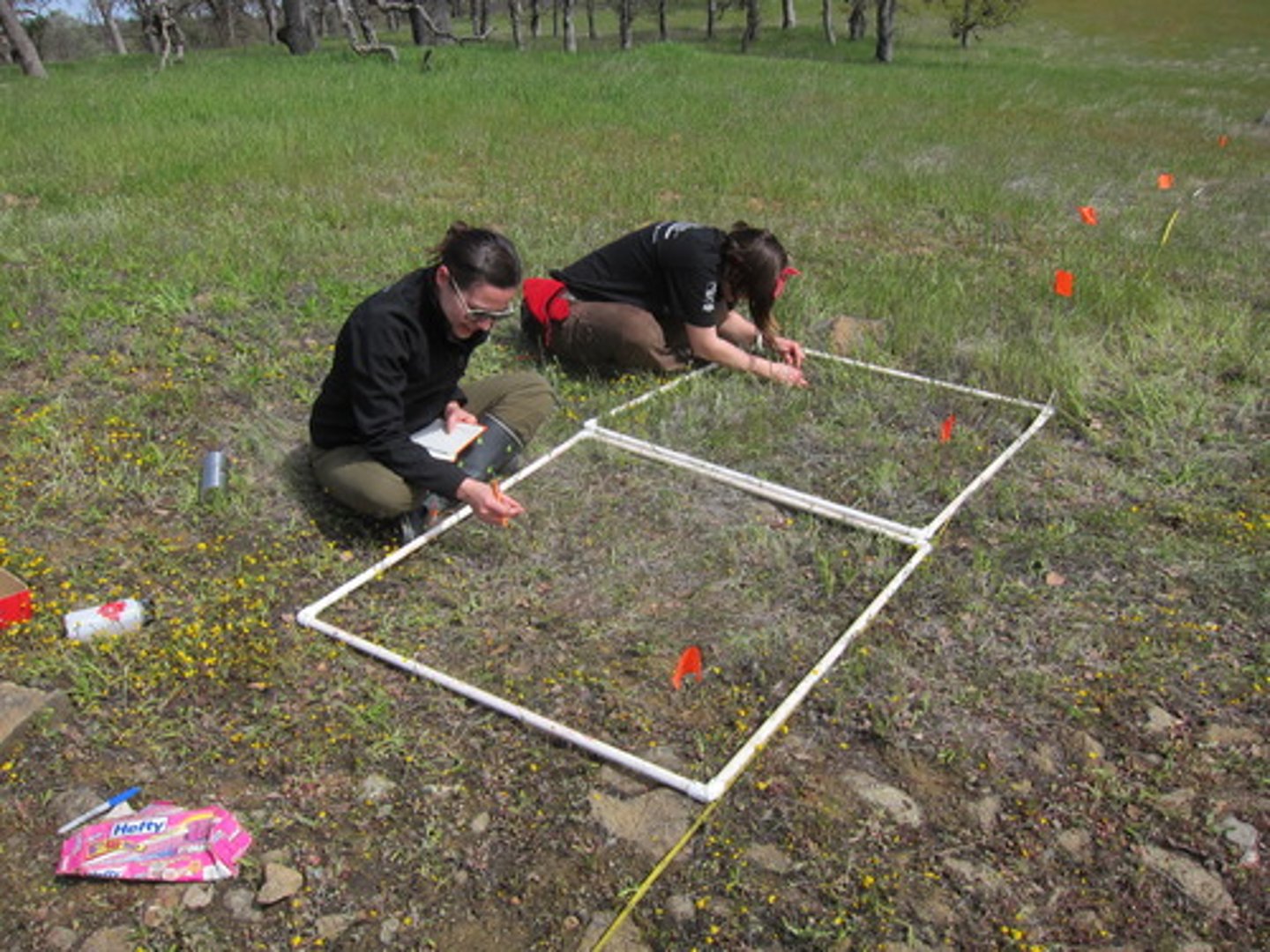
Field Research
research conducted in a natural setting as opposed to a laboratory
Informed consent
the formal process by which subjects give permission to be included in a study

Institutional Review Boards
a committee designated to ensure the ethical treatment of research subjects

Cause & Effect relationships
the result of a well-controlled experiment about which the researcher can confidently state that the independent variable caused the change in the dependent variable

Experiment
a type of research study in which the independent variable is manipulated by the experimenter
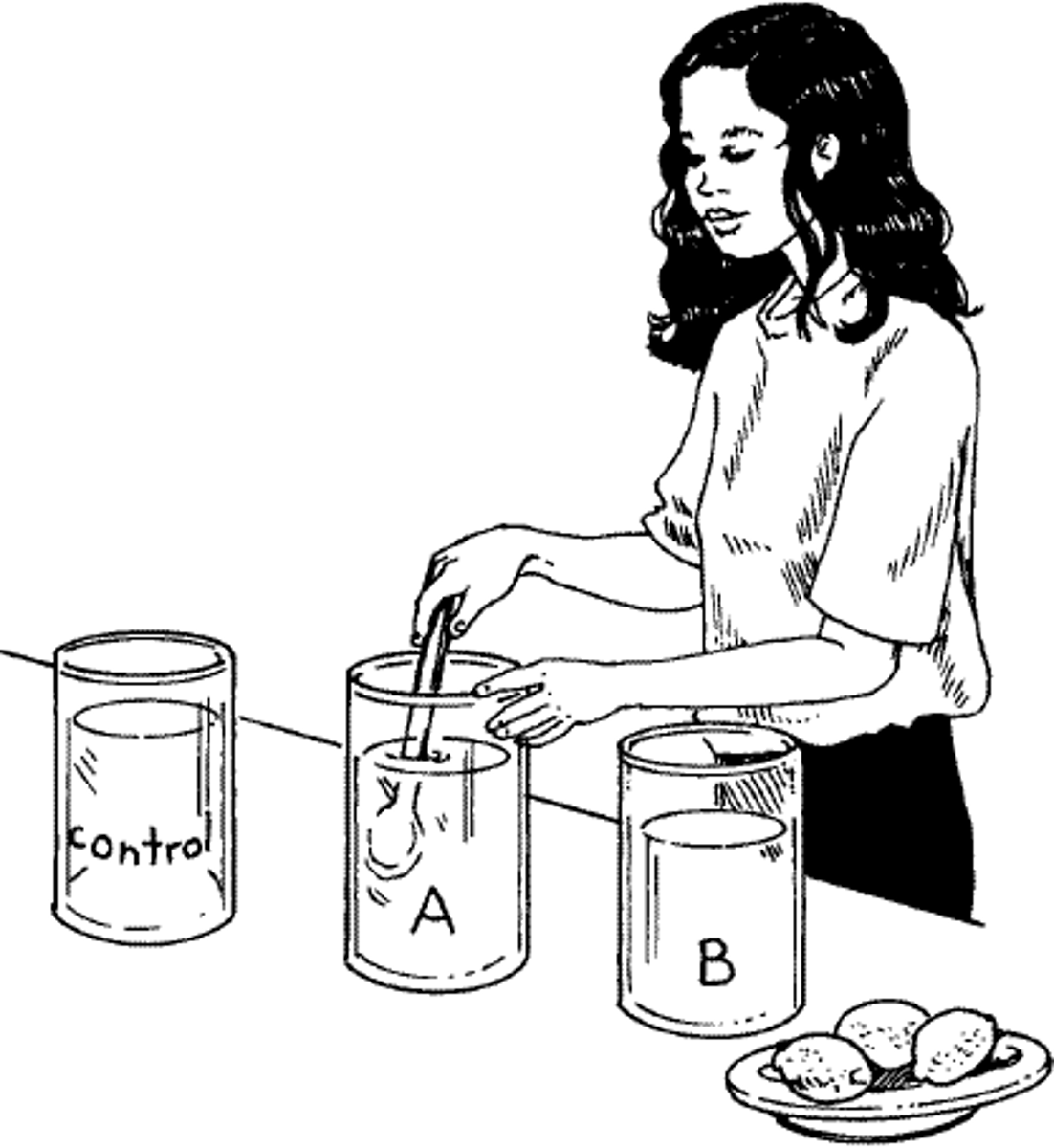
Manipulation
the alteration of a variable by an experimenter in expectation that the alteration will result in a change in the dependent variable
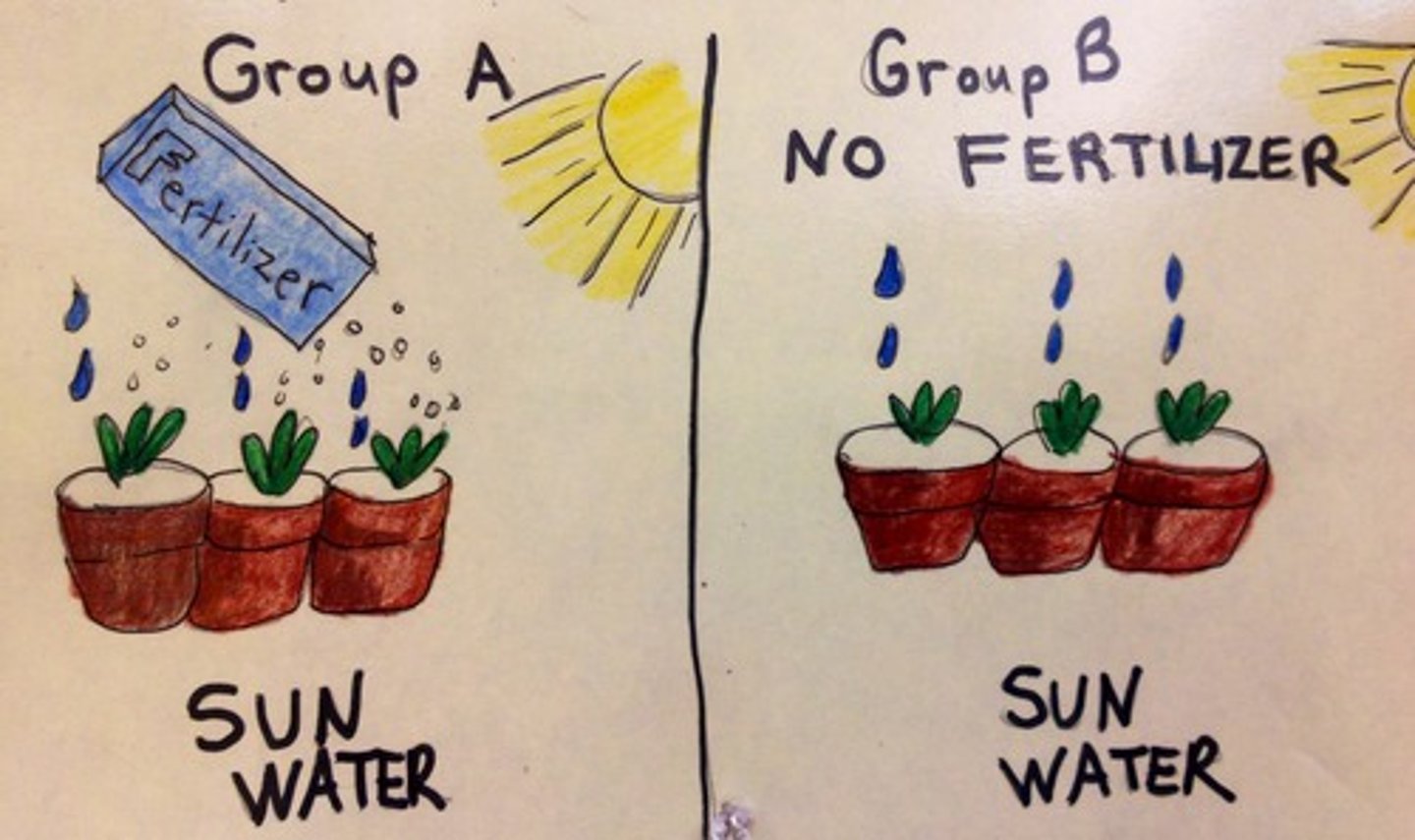
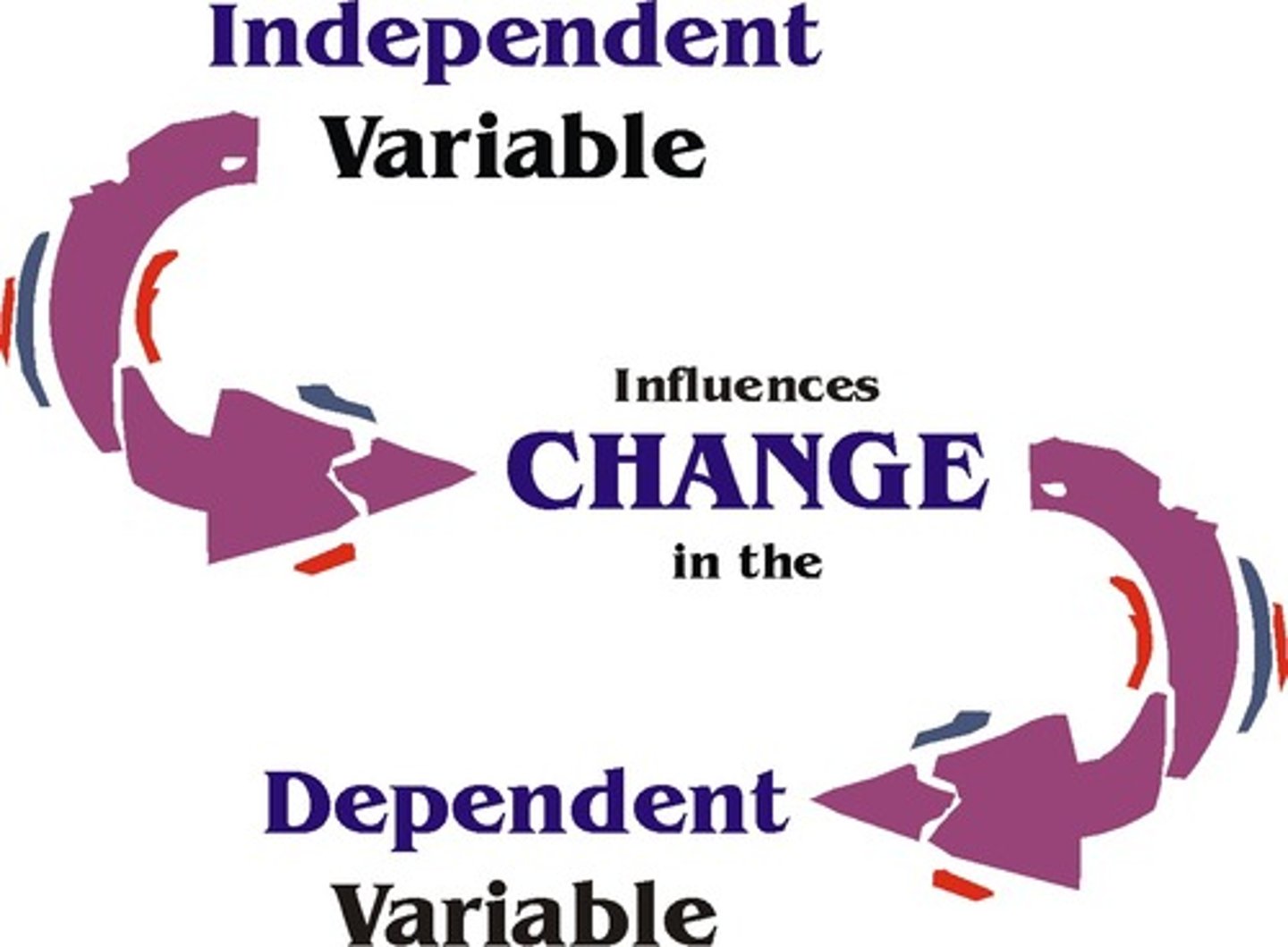
Independent Variable
the manipulated variable in an experiment

Dependent Variable
the measure of behavior that is expected to change as a result of changes in the independent variable
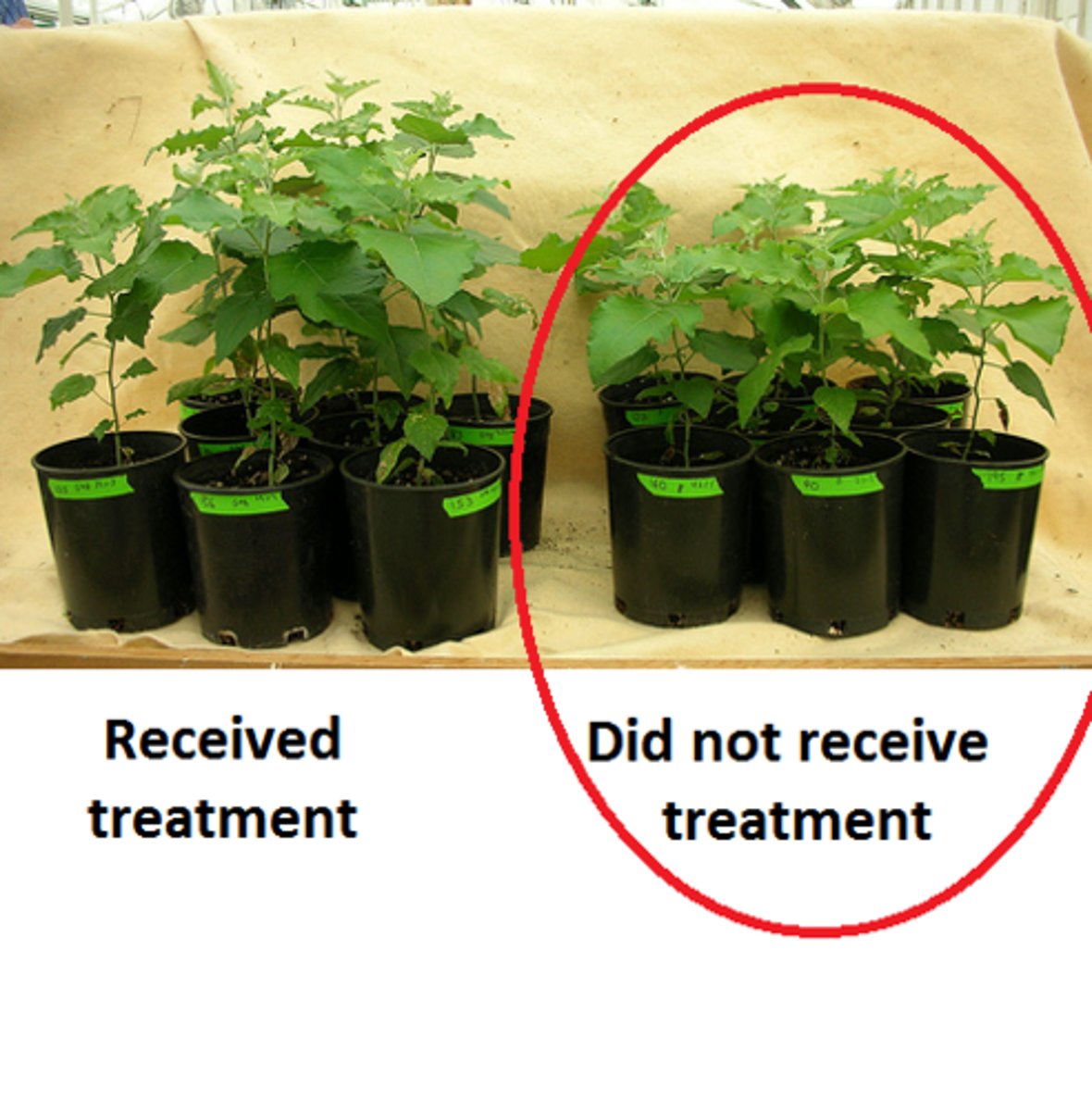
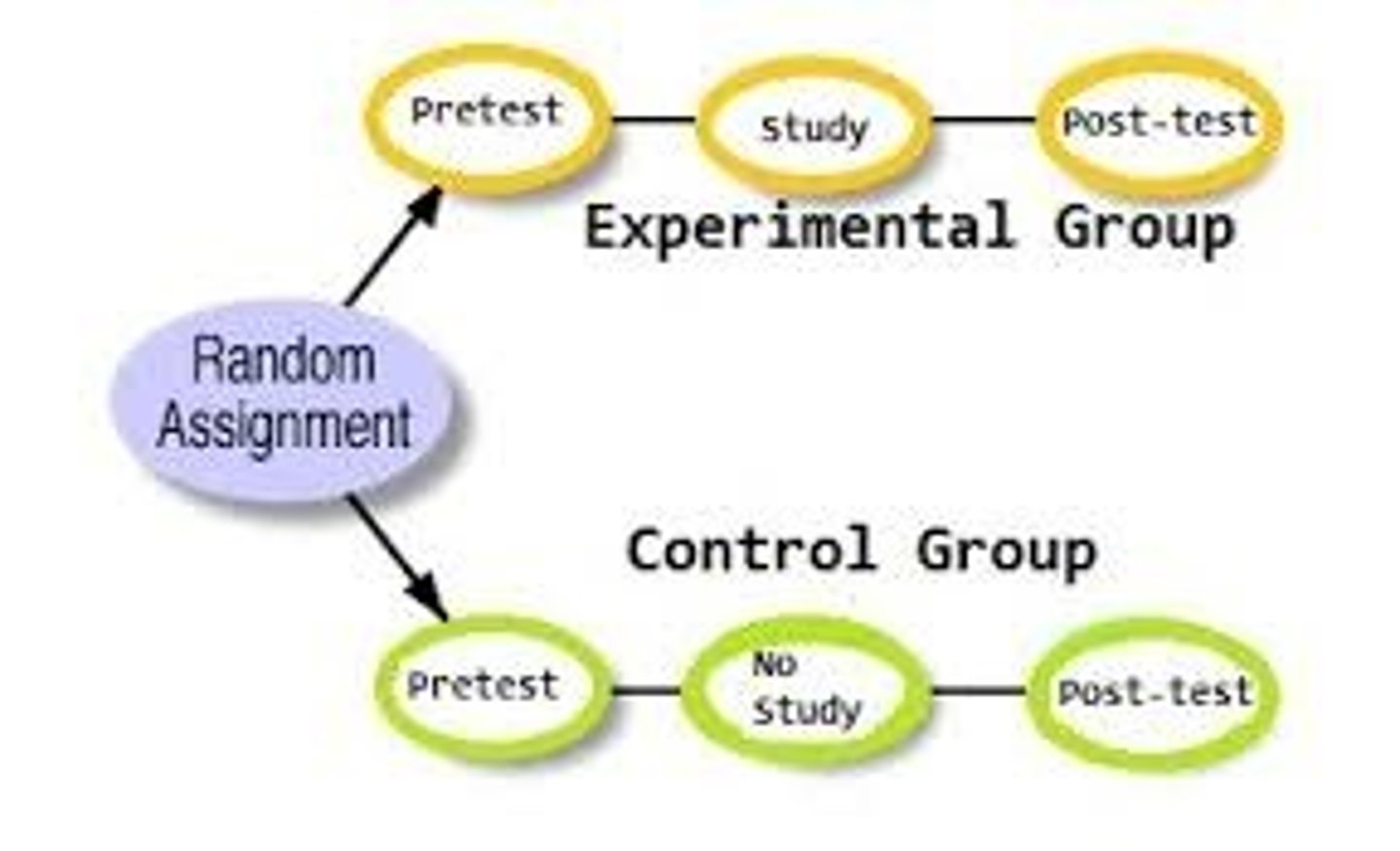
Experimental Group
in an experiment, the group of subjects that receives the experimental treatment of interest to the experimenter
Control Group
a group of employees who do not receive a particular type of training so that their performance can be compared with that of employees who do receive training
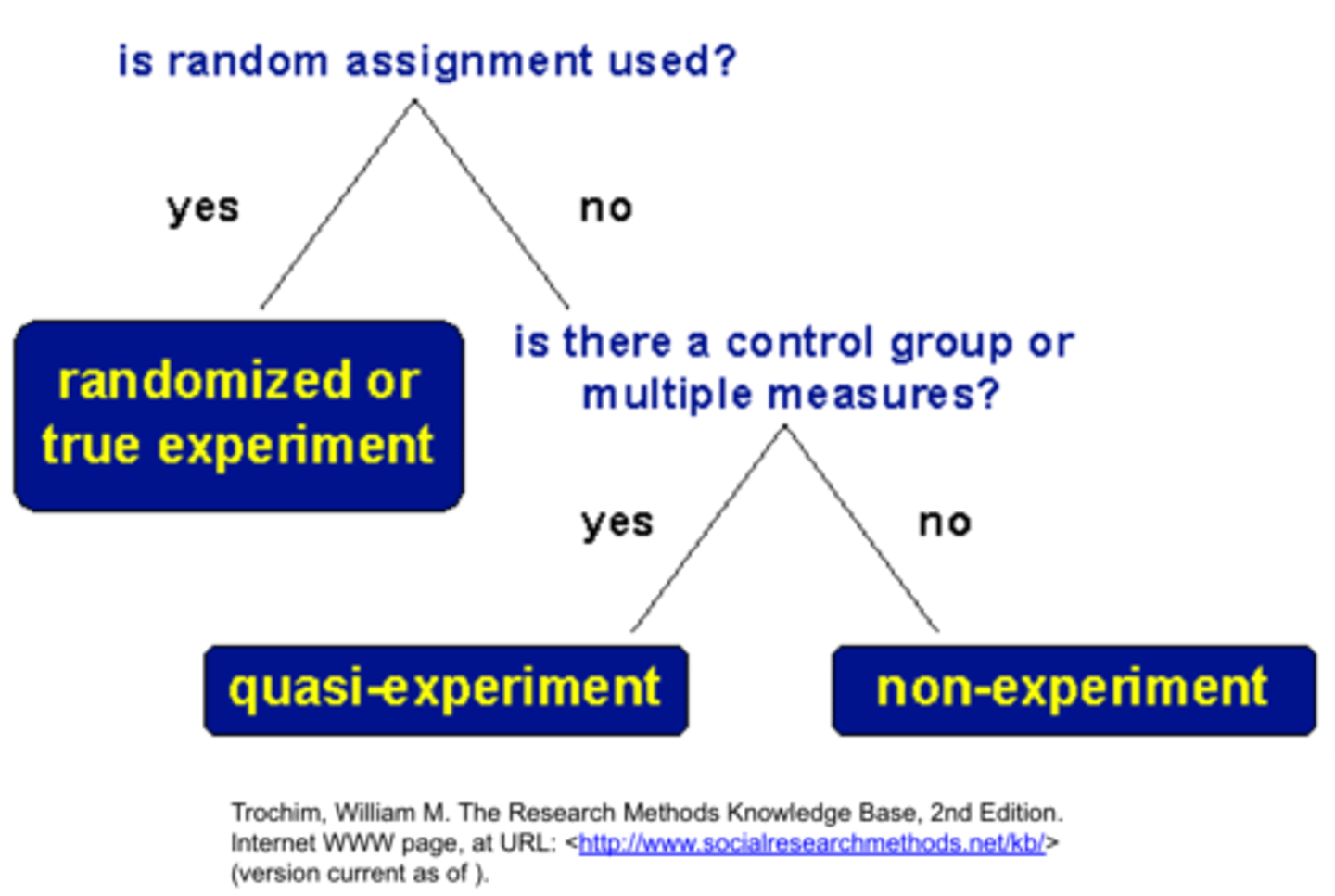
Quasi-Experiments
research method in which the experimenter either does not manipulate the independent variable or n which subject are not randomly assigned to conditions
Archival Research
research that involves the use of previously collected data

Effect Size
used in meta-anaysis, a statistic that indicates the amount of change caused by an experimental manipulation
Mean Effect Size
used in meta-analysis, a statistic that is the average if the effect sizes for all studies included in the analysis
Correlation Coefficients
a statistic, resulting fro performing a correlation, that indicates the magnitude & direction of a relationship
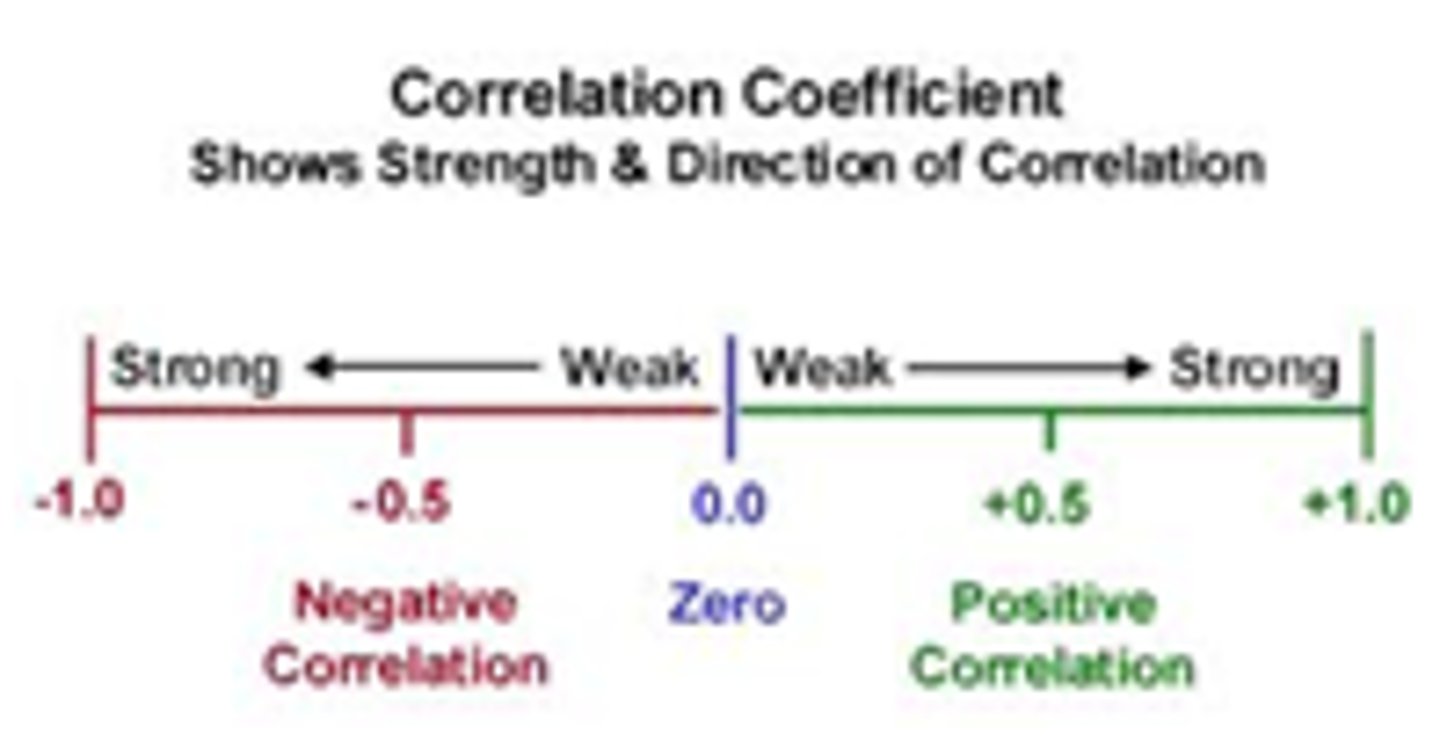
Difference Score
a type of effect size used in meta-analysis that is signified by the letter (d) & indicates hoe many standard deviations separate the mean score for the experimental group from the control group
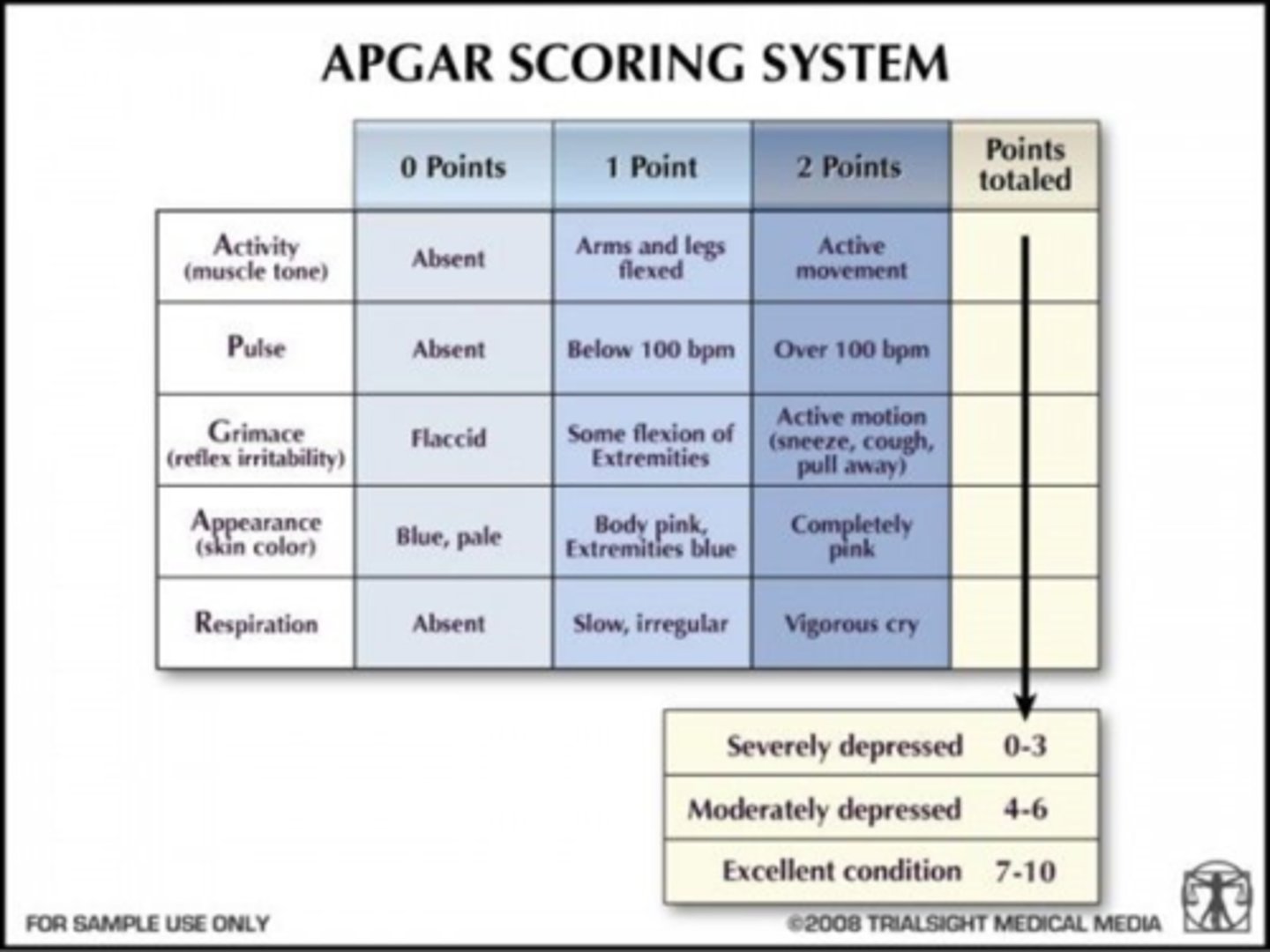
Practical Significance
the extent to which the results of a study have actual impact on human behavior
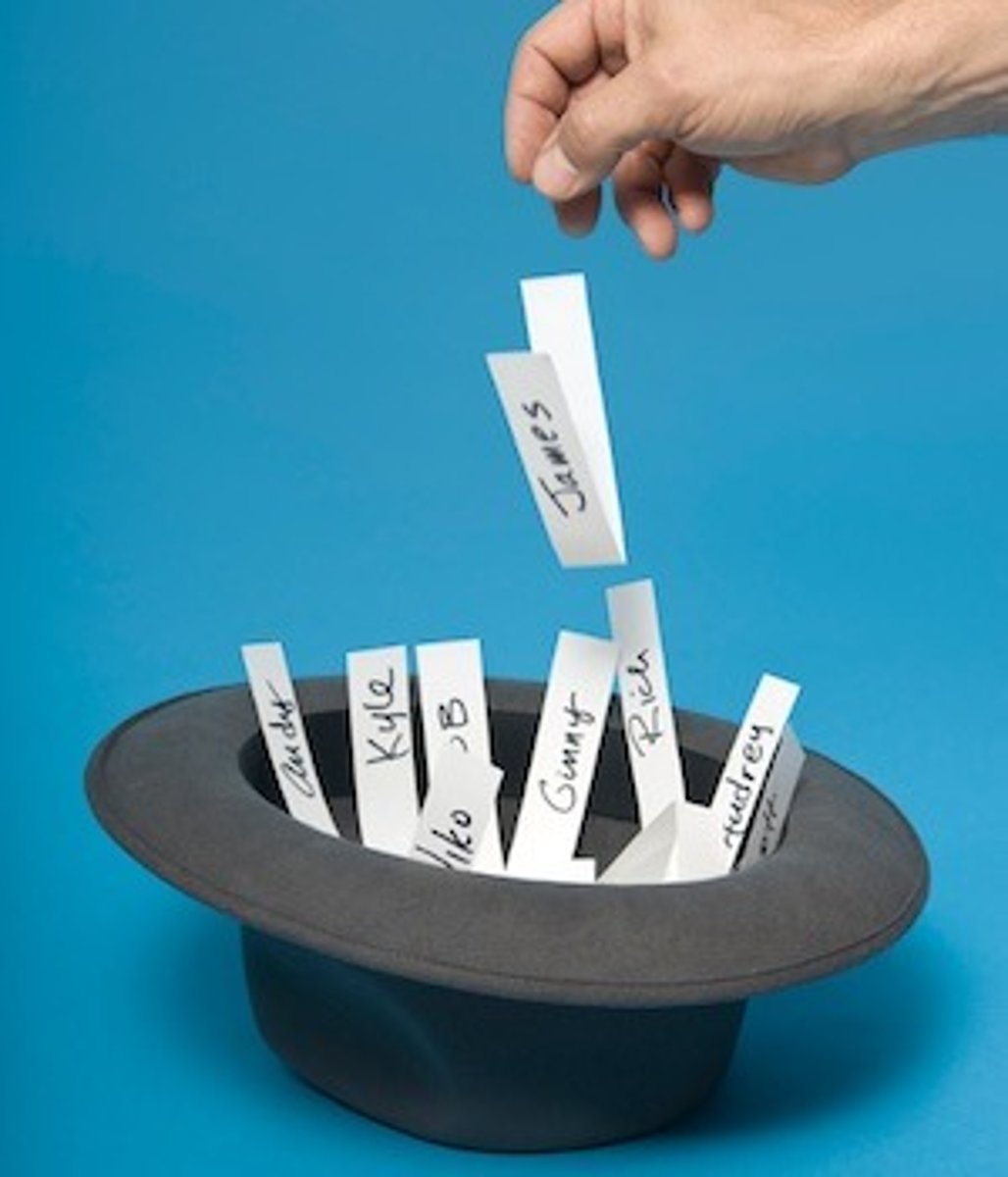
Random Sample
a sample in which every member of the relevant population had an equal chance of being chosen to participate in the study
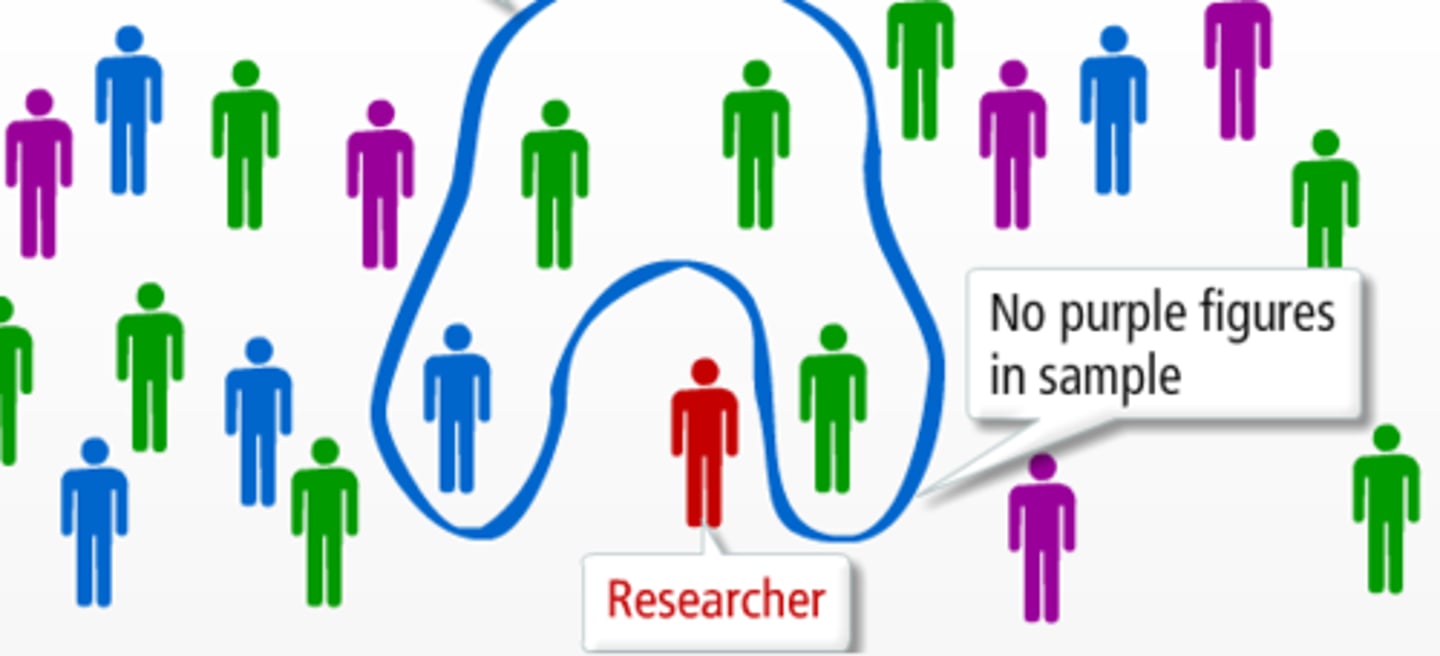
Convenience Sample
a nonrandom research sample that is used because it is easy available
Random assignment
the random, unbiased assignment of subjects in a research sample to the various experimental & control conditions
Debriefed
informing the subject in an experiment about the purpose of the study in which he or she was a participant & providing any other relevant information
Correlation
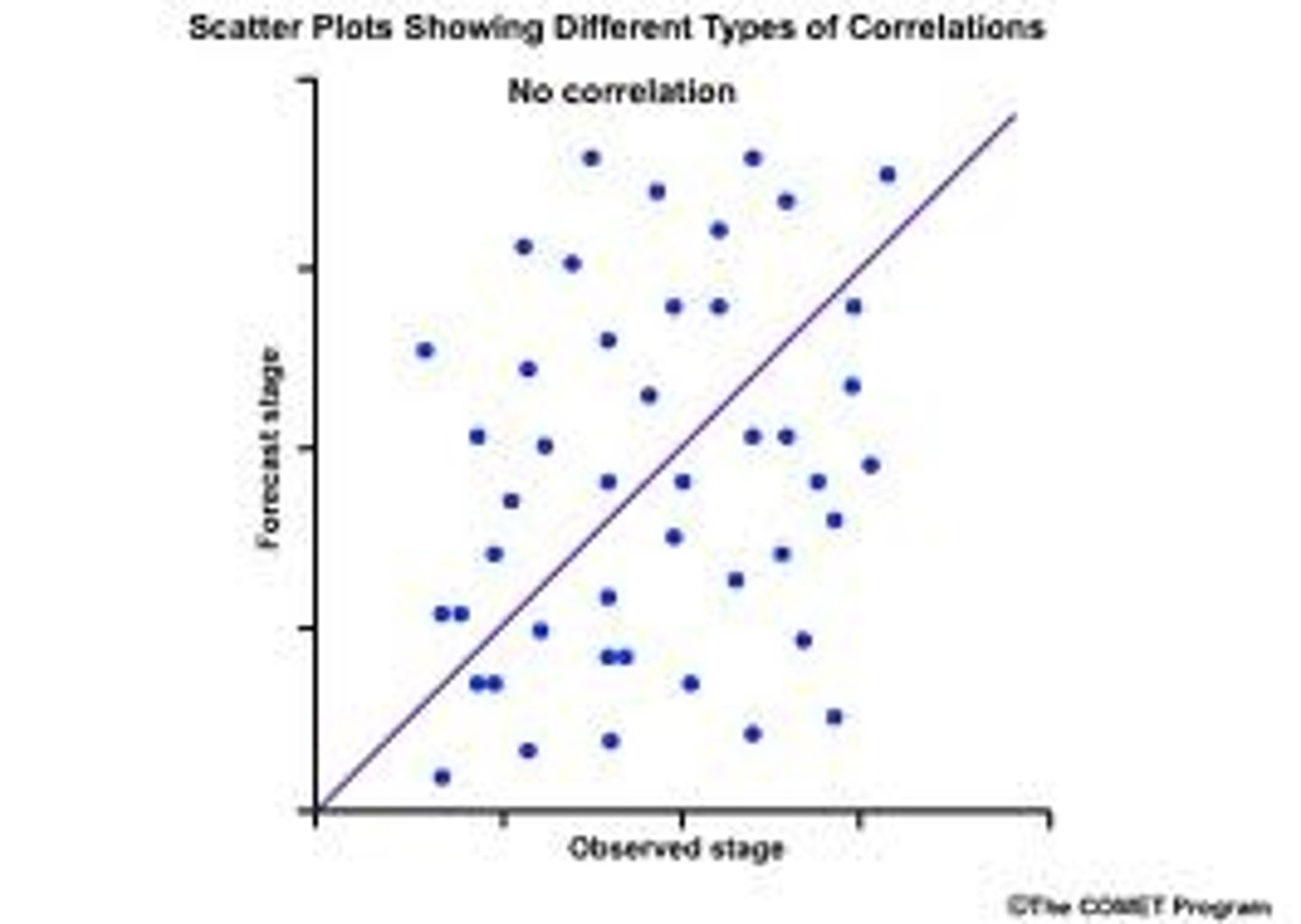
a statistical procedure used to measure the relationship between two variables
Intervening Variable
a third variable that can often explain the relationship between two other variables
Chapter Summary
~ I/O psychology consists of three major subfields: personnel, psychology, organizational psychology, & human factors.
~ Industrial psychologists work in variety of settings including industry, government, education, & consulting firms
~ it began in the early 1990s & has grown rapidly since then: Division 14 of the APA began in 1945 with 130 members & now has over 8,000 members
~ at least a master's degree is required to find employment in the field
~ median salary $80,750 at the master's level & $103,200 at the Ph.D. level
~ Research is important so that I/O psychologists can make the best decisions