Animals - Immunity
 Call Kai
 Learn
Learn Practice Test
 Spaced Repetition
 Match
Match Flashcards
 Knowt Play
1/30

There's no tags or description
Looks like no tags are added yet.
Name | Mastery | Learn | Test | Matching | Spaced | Call with Kai |
|---|
No analytics yet
Send a link to your students to track their progress
31 Terms
Parasite
organism that obtains nutrients by living/feeding on an organism of a different species
Pathogen
organism that causes disease in another organism
Immunity
ability of tissues in an organism to recognize and to defend against nonself invaders
What are the 2 categories of defense mechanisms?
innate immuntity, acquired inmmunity
Innate Immunity
"built it" mechanisms that do not depend on prior exposure
Acquired Immunity
aquired/adaptive immune response is highly specific, learned defense system that develops after exposure to pathogens or antigens
What are the innate defense mechanisms?
physical barriers, chemical barriers, phagocytosis, inflammation
Physical Barriers
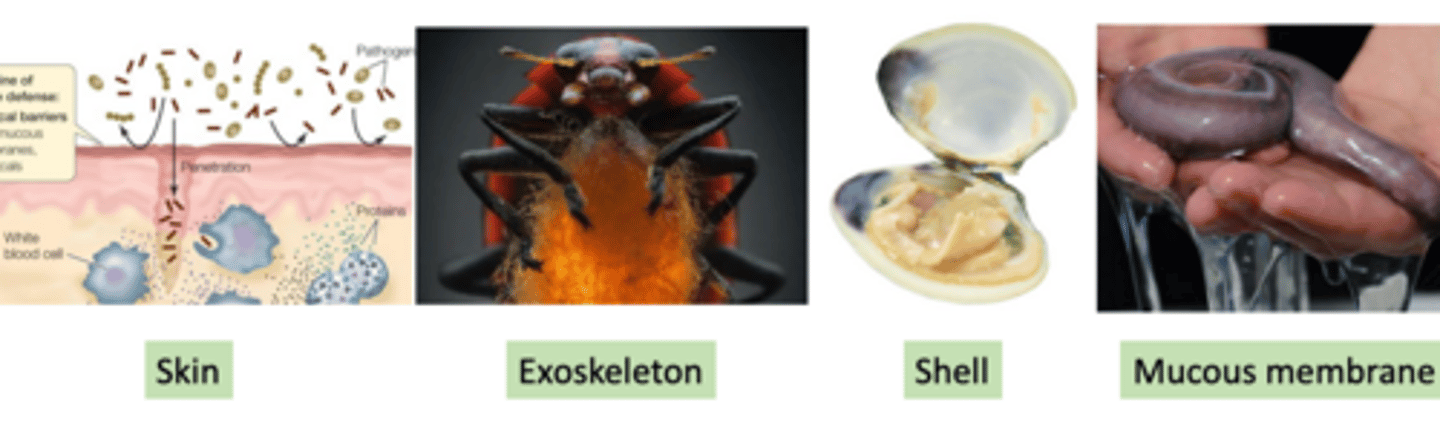
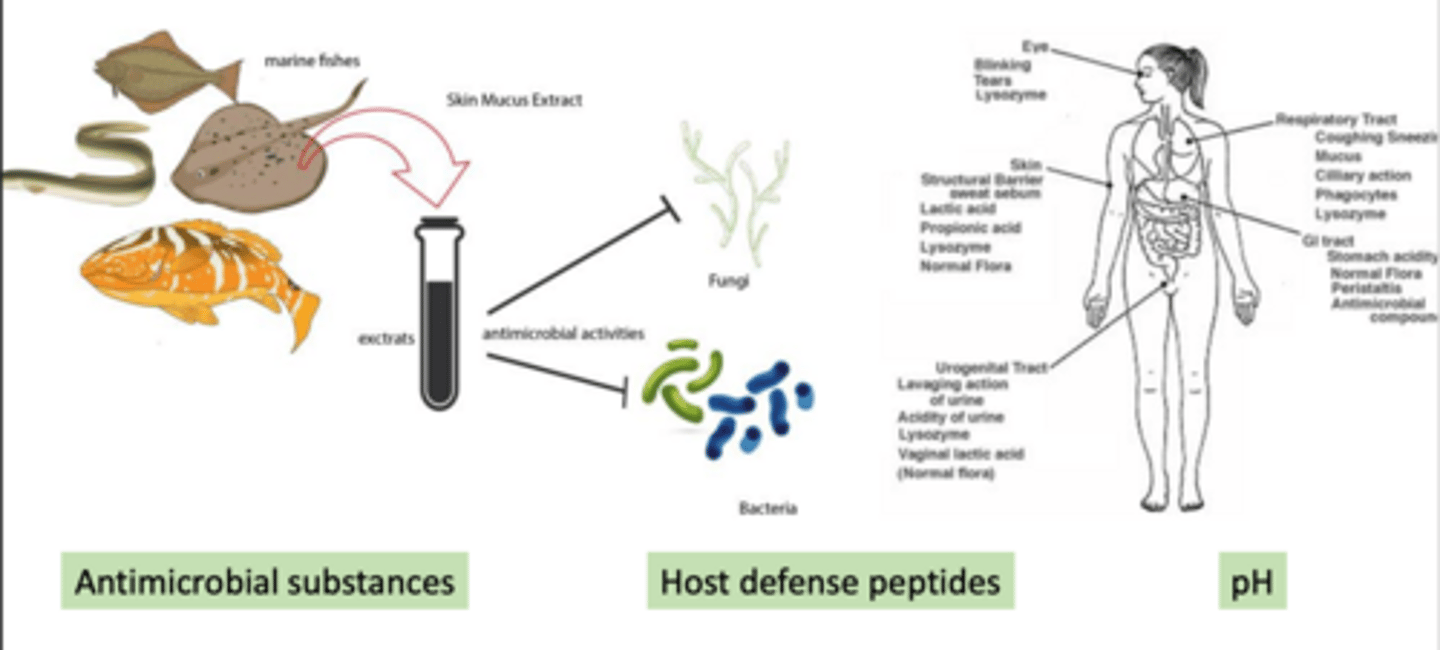
Chemical Barriers
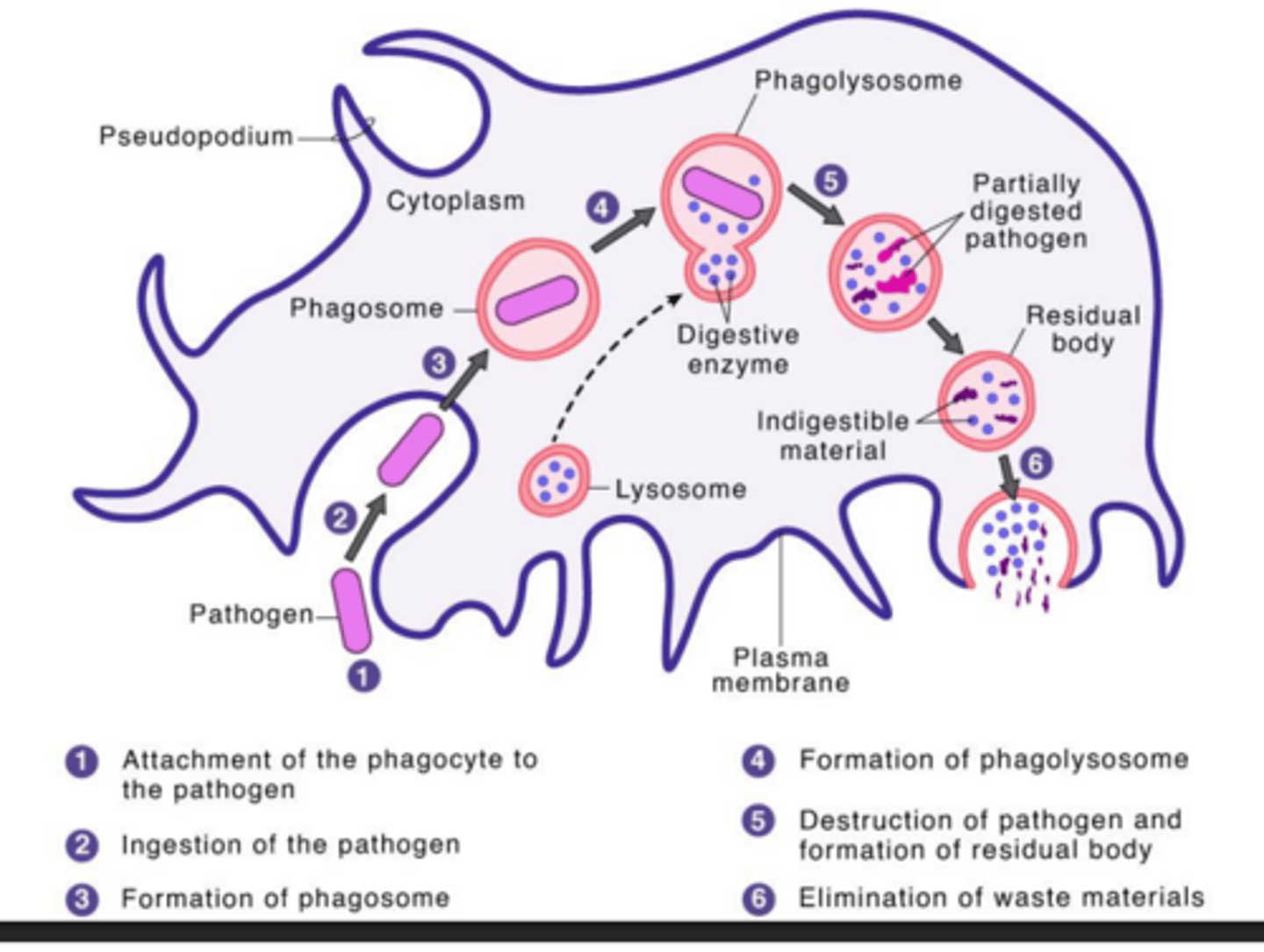
Phagocytosis
engulfment of a particle by a phagocyte or unicellular eukaryote
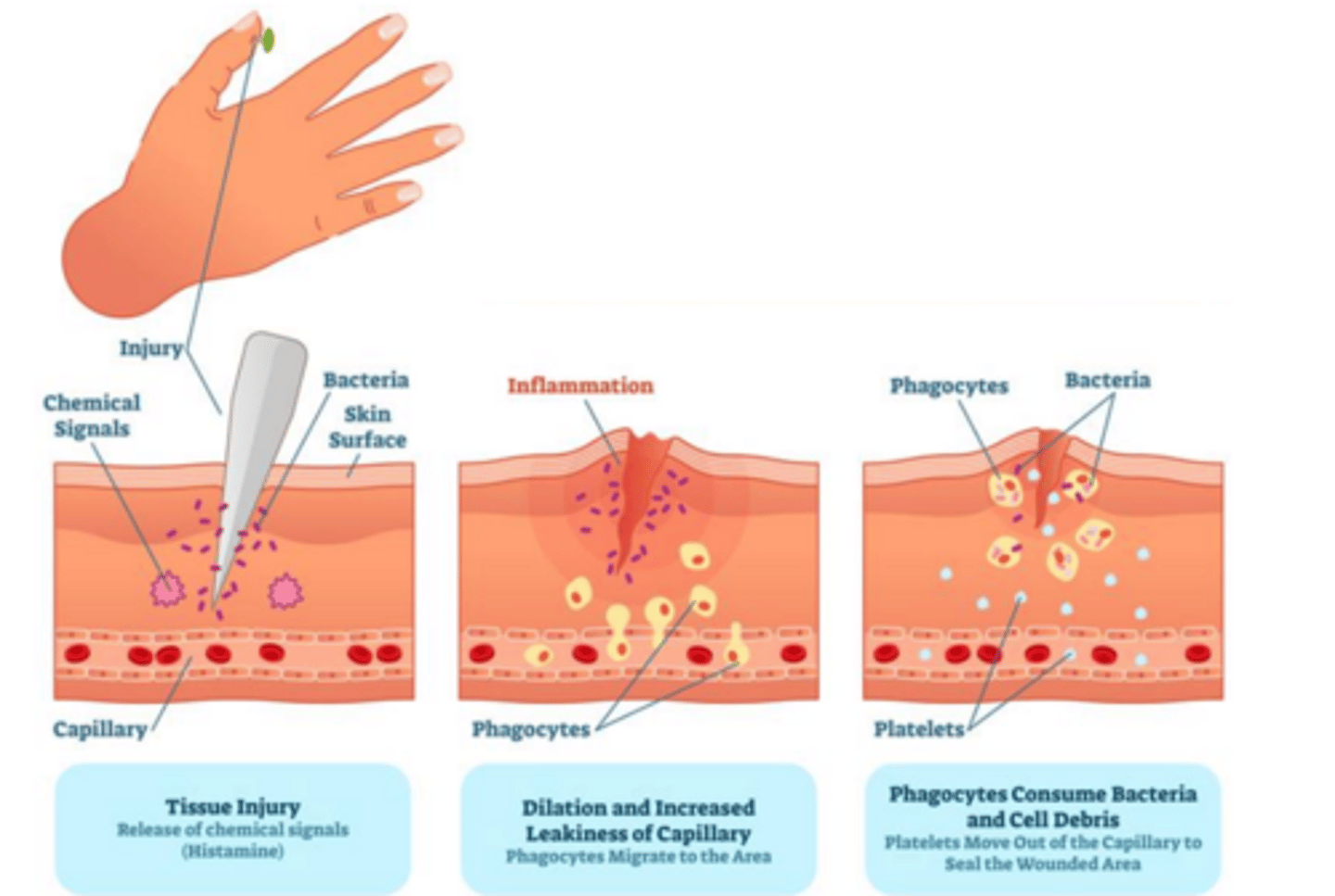
Inflammation
key component of innate immune responses, redness/heat/swelling, histamine is an organic nitrogenous compound produced by immune cells to fight invaders
What are the kinds of immune cells?
leukocyte, lymphocyte (T cells/B cells)
Leukocyte
white blood cells (w/o hemoglobin)
Where do many types of immune cells in vertebrates derive from?
bone marrow
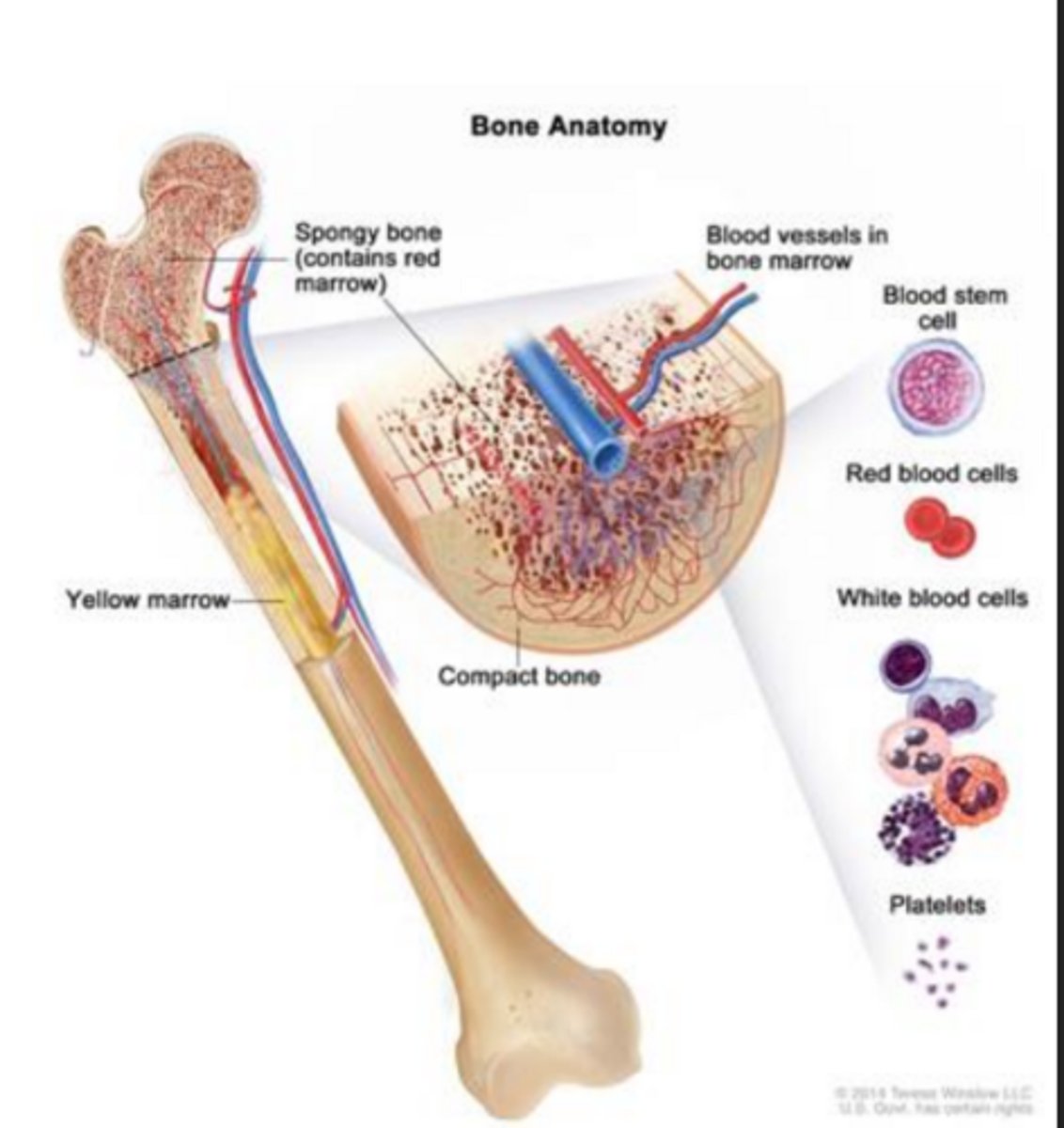
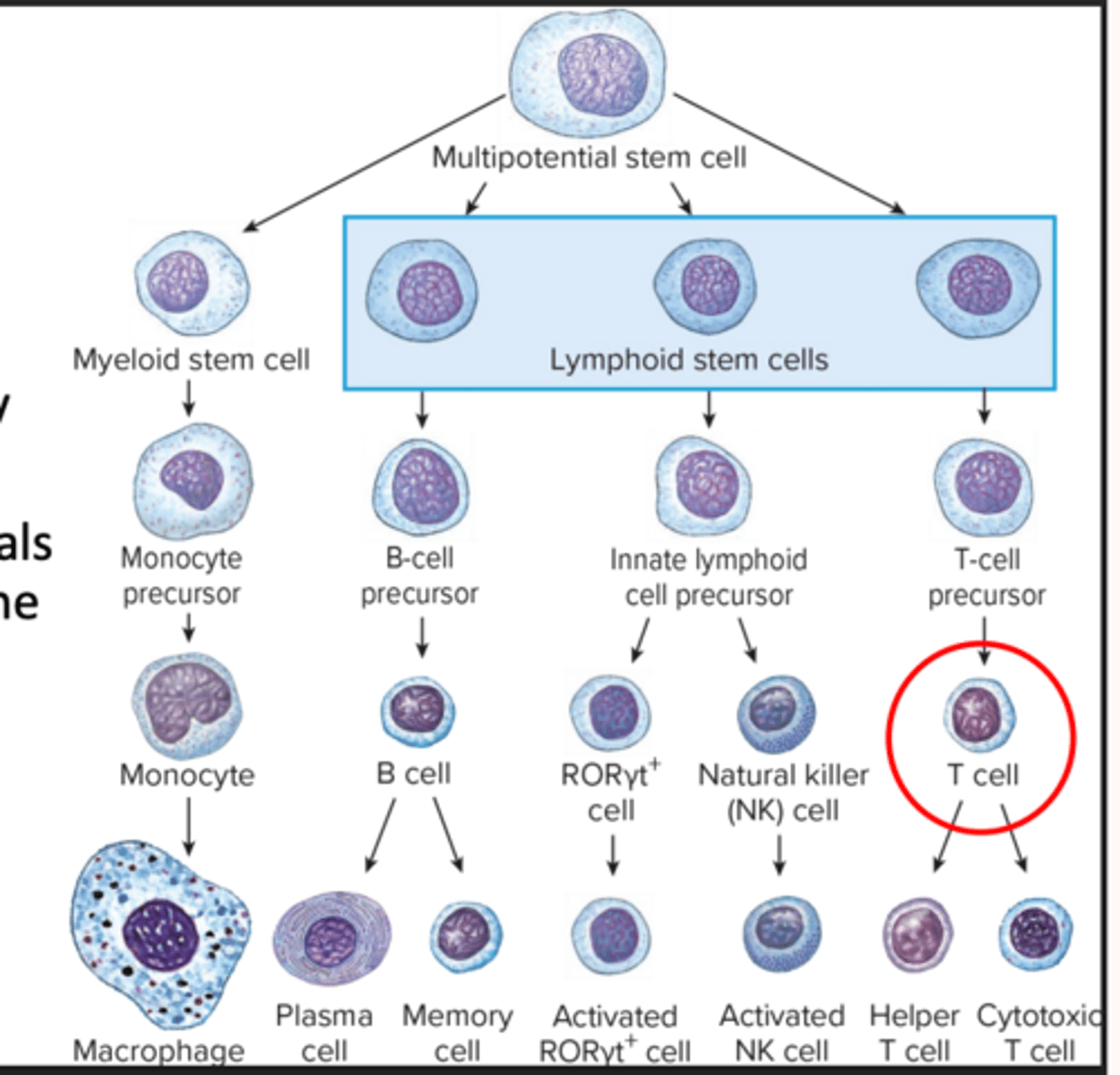
T Cells
cytotoxic T cells destroy infected cells, helper T cells send signals that direct other immune cells to fight infection
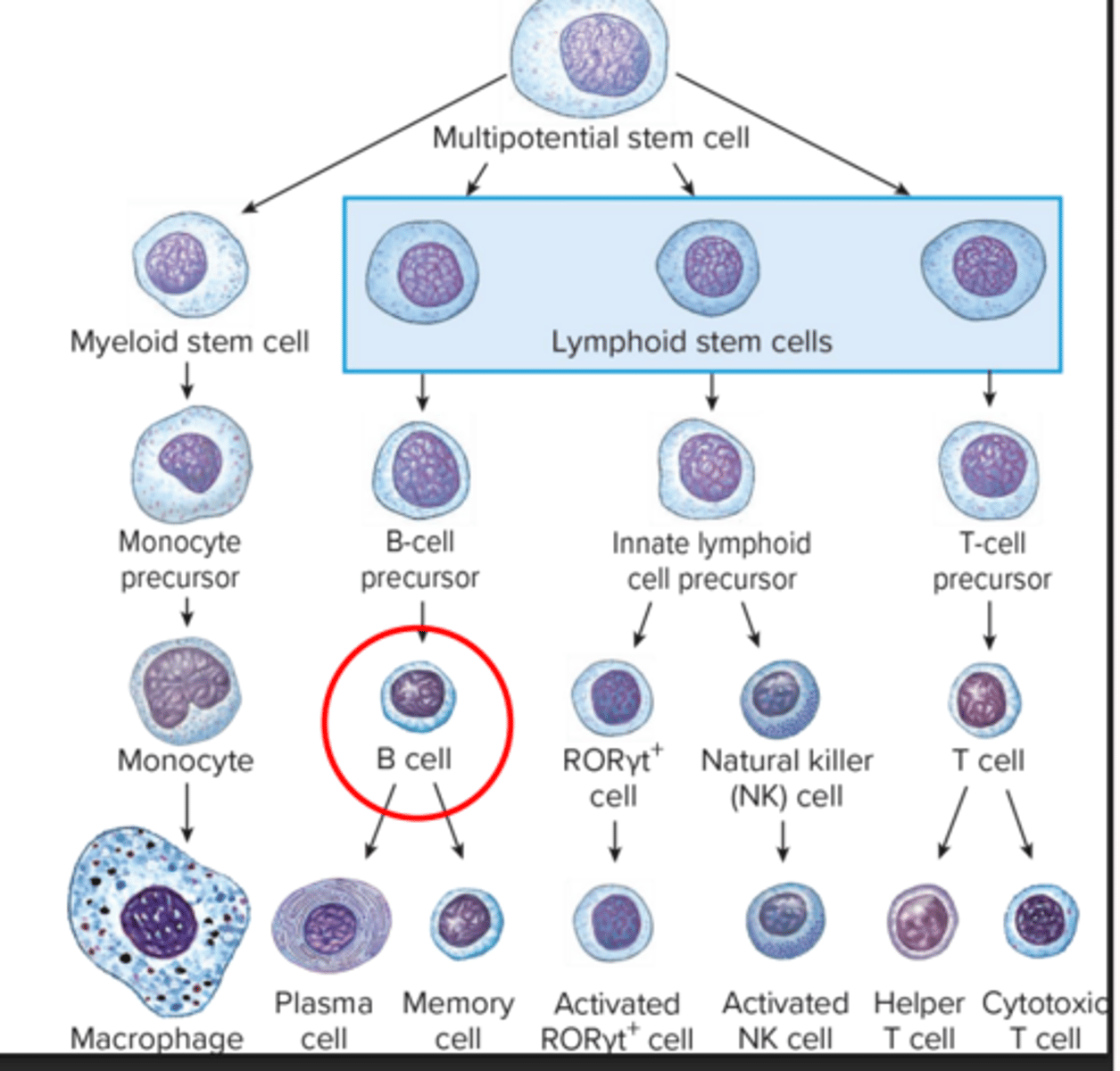
B Cells
produce antibodies, plasma cells release antibodies in response to anitgens, memory cells remember particular antigens
Antibodies
Y shaped proteins produced by B cell lymphocytes to indentify and nuetralize invaders
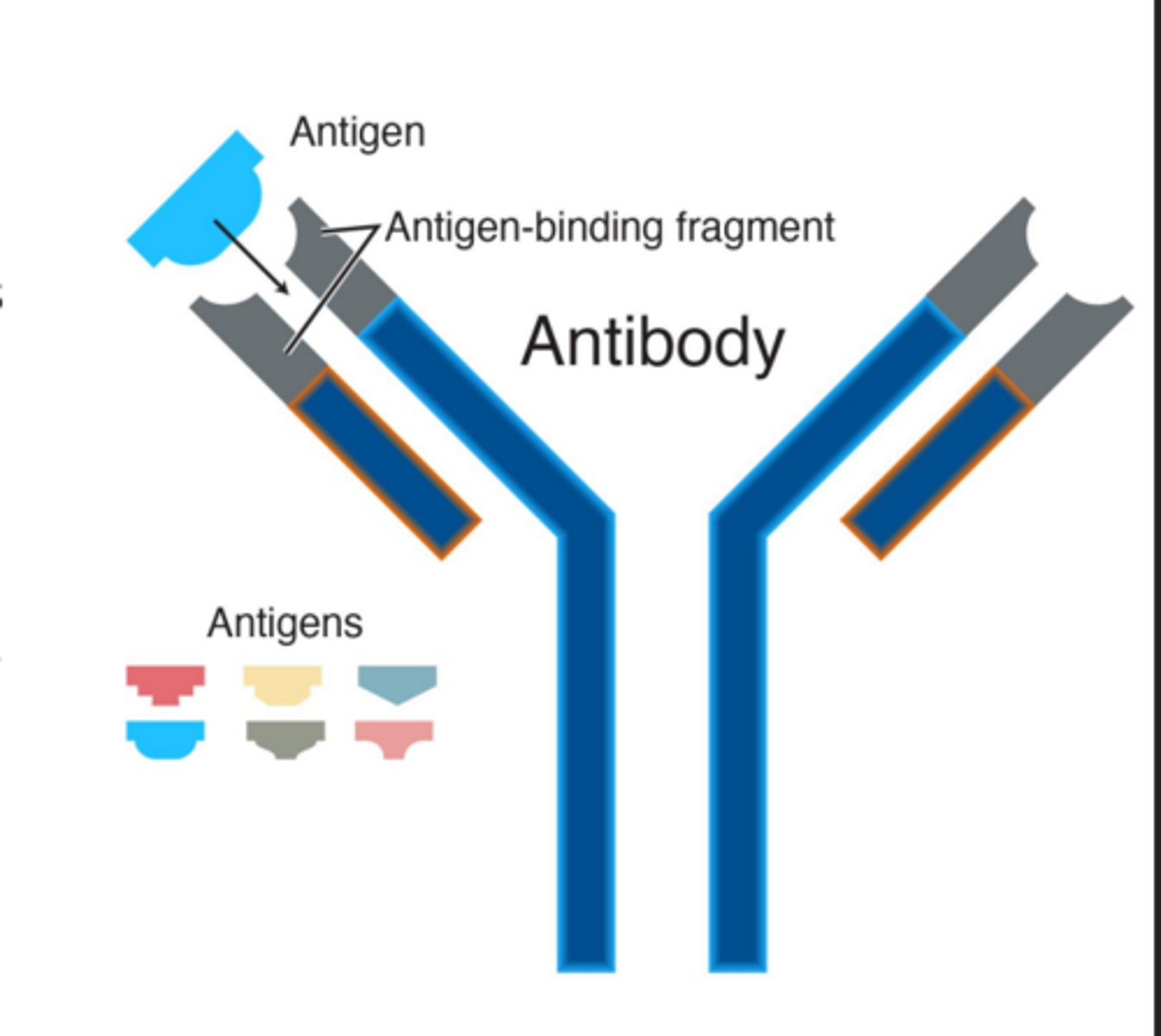
Antigen
marker that tells your immune system whether something in your body is harmful or not
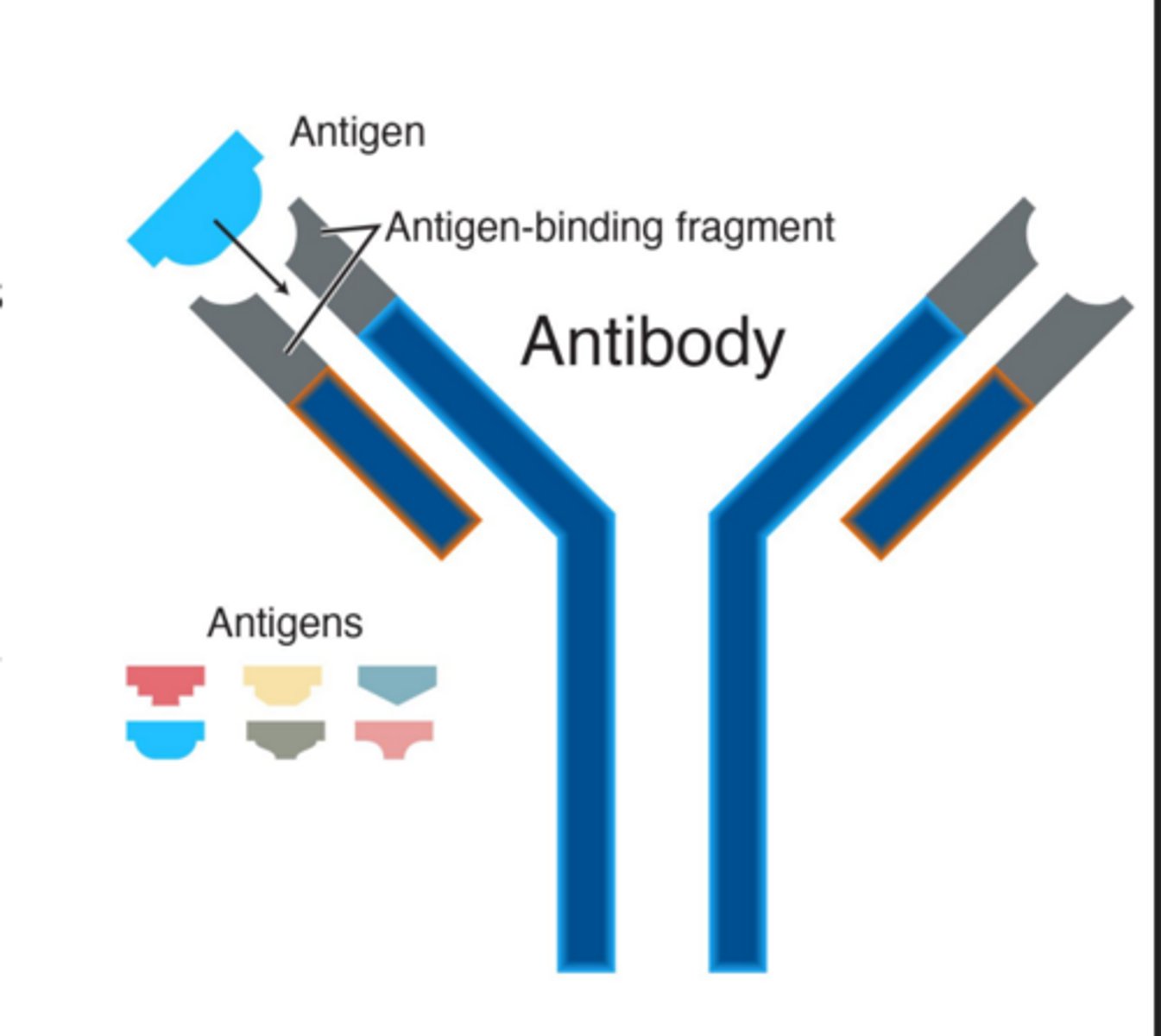
How does acquired immunity work?
recognition, response, remember
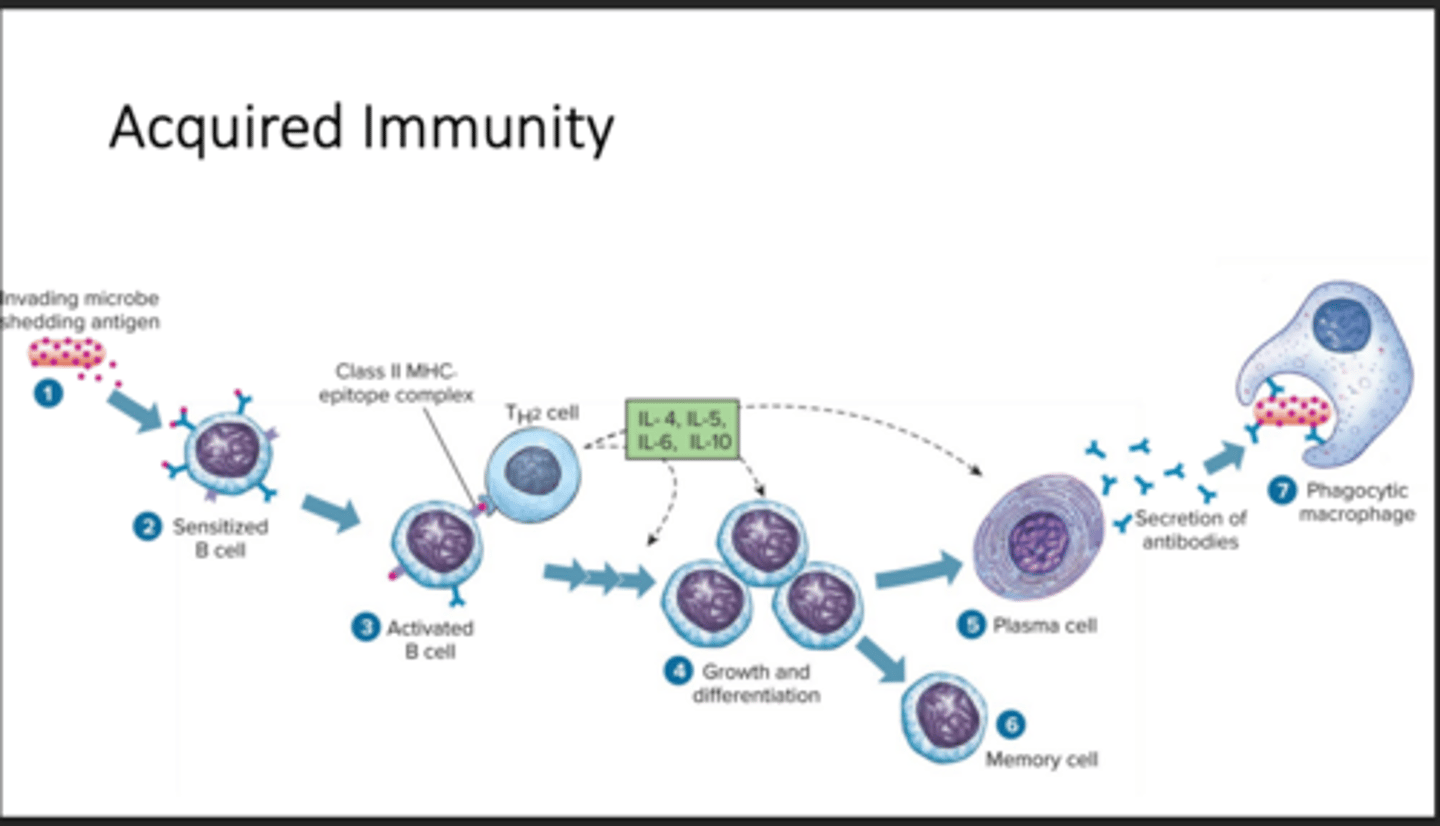
Recognition (Antigen Detection)
specialized cells engulf pathogens and present pieces of them to T cells
Response (Activation & Attack)
helper t cells activate b cells and cytotoxic t cells, b cells differentiate into plasma cells that produce antibodies, cytotoxic t cells identify and destroy infected cells
Remember (Immunological Memory)
some B cells turn into memory cells, stay in body for years allowing immune system to recognize and elimate the same pathogen rapidly if it returns
Major Histocompatibility Complec (MHC)
group of genes that code proteins that help immune cells recognize invaders from non-invaders
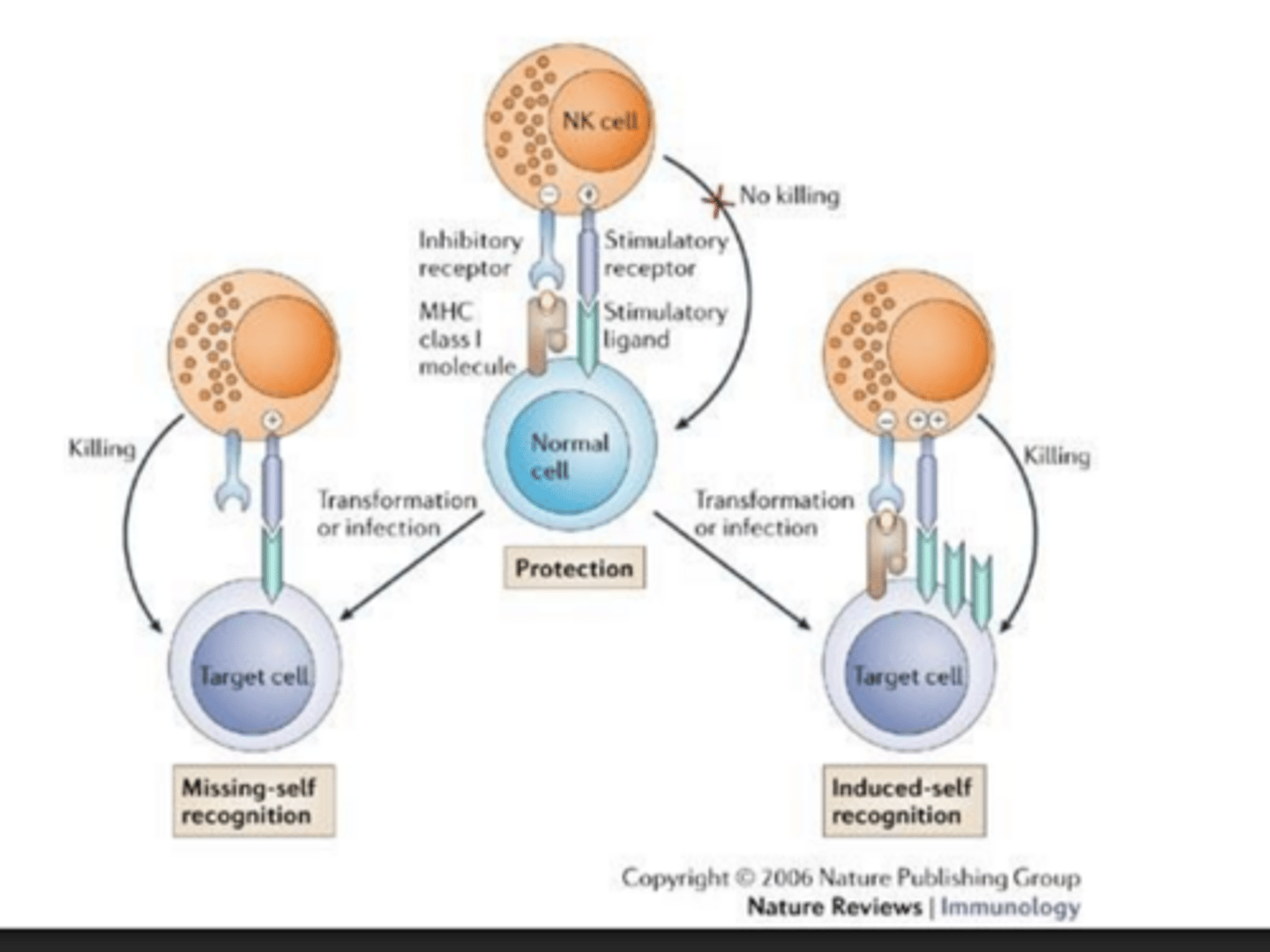
What happens when an immune system does not recognize itself?
it attacks itself
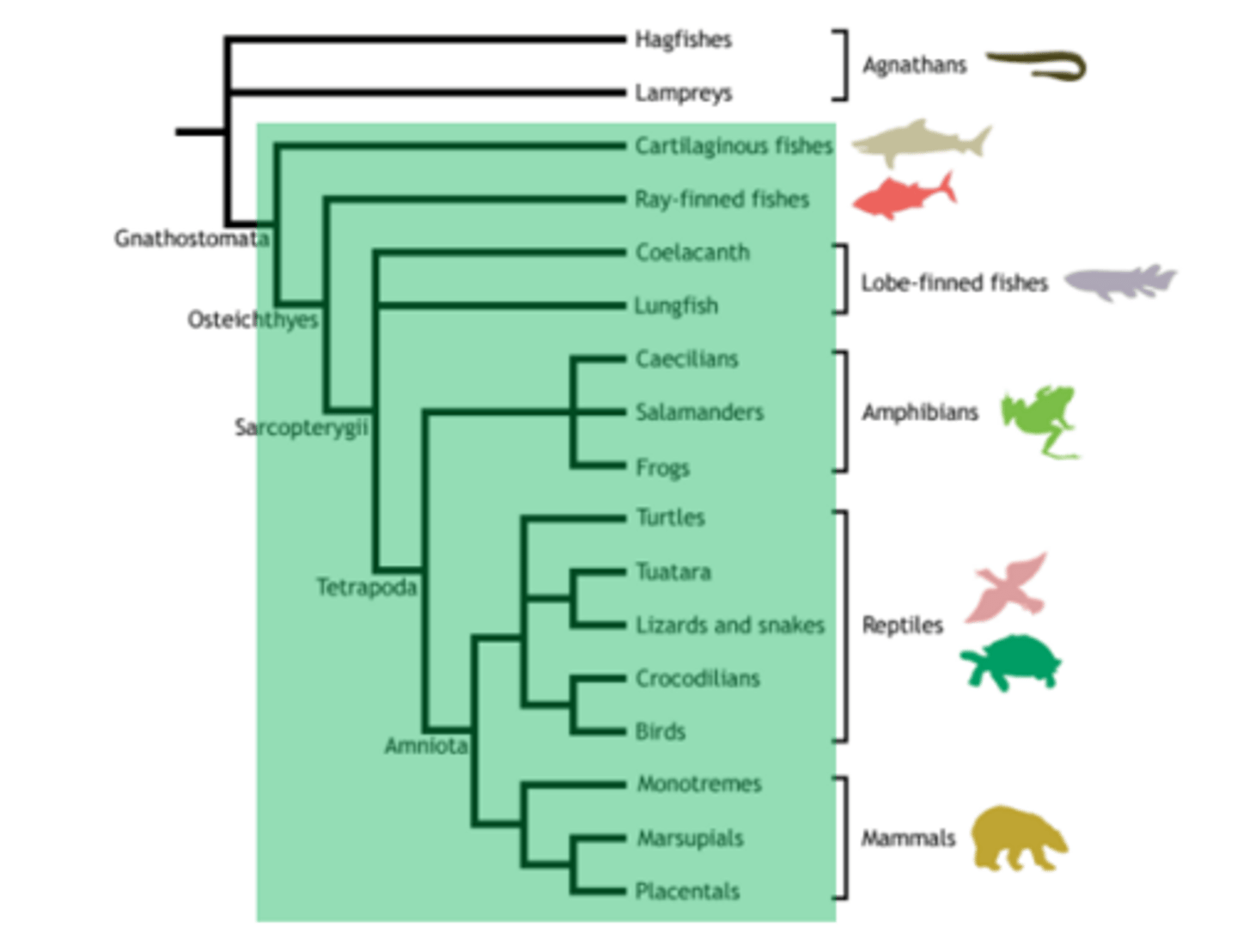
What kind of vertebrates is acquired immunity found in?
jawed vertebrates (gnathostoma)
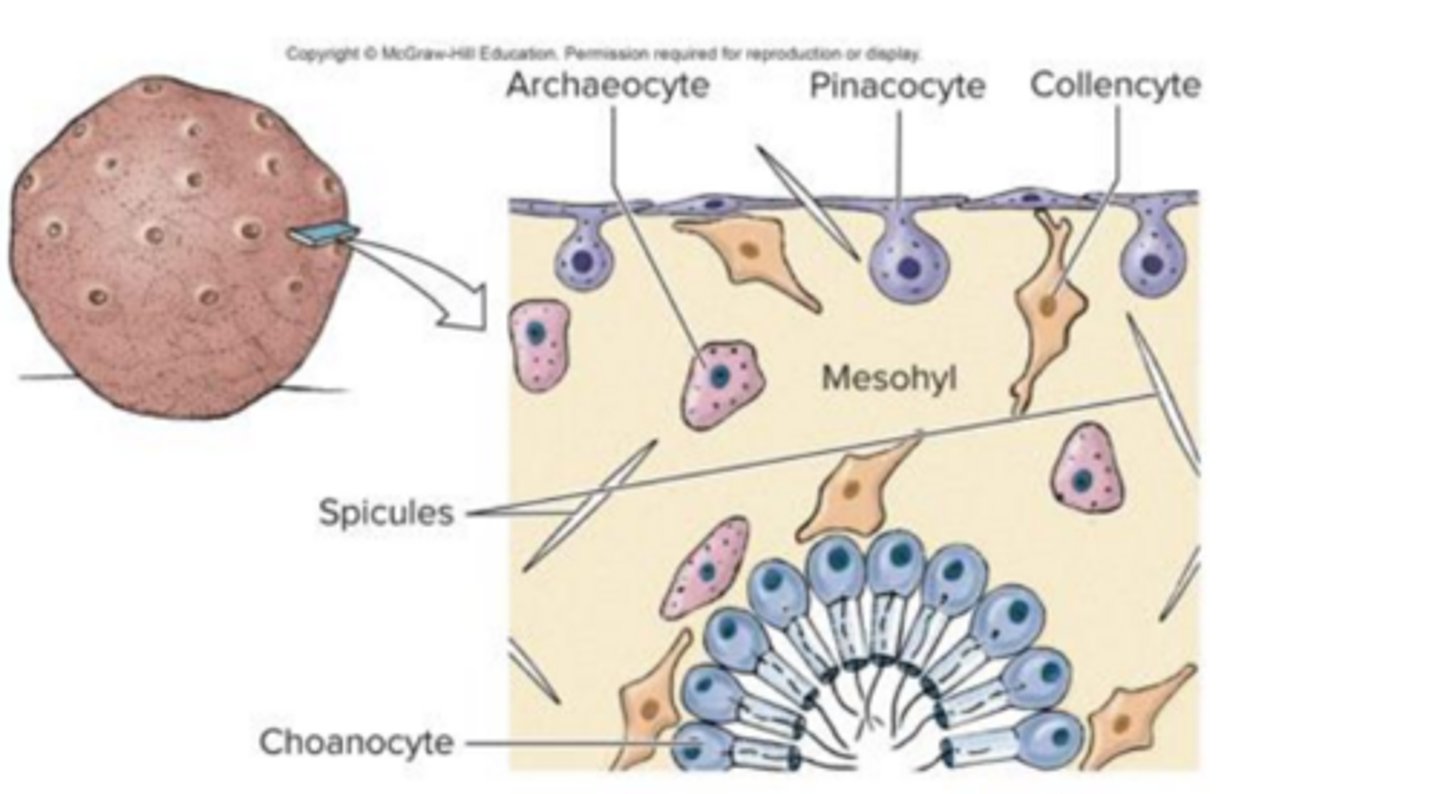
Describe immunity in porifera.
archaeocytes
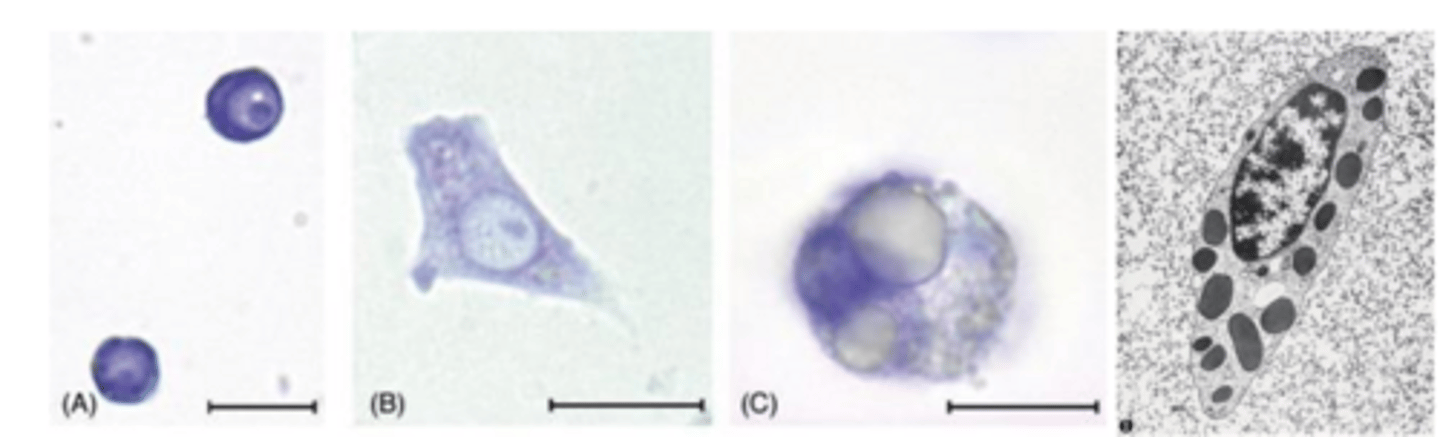
What phagocytes are present in invertebrates like cnidarians, annelids, mollusks, and others?
amoebocytes
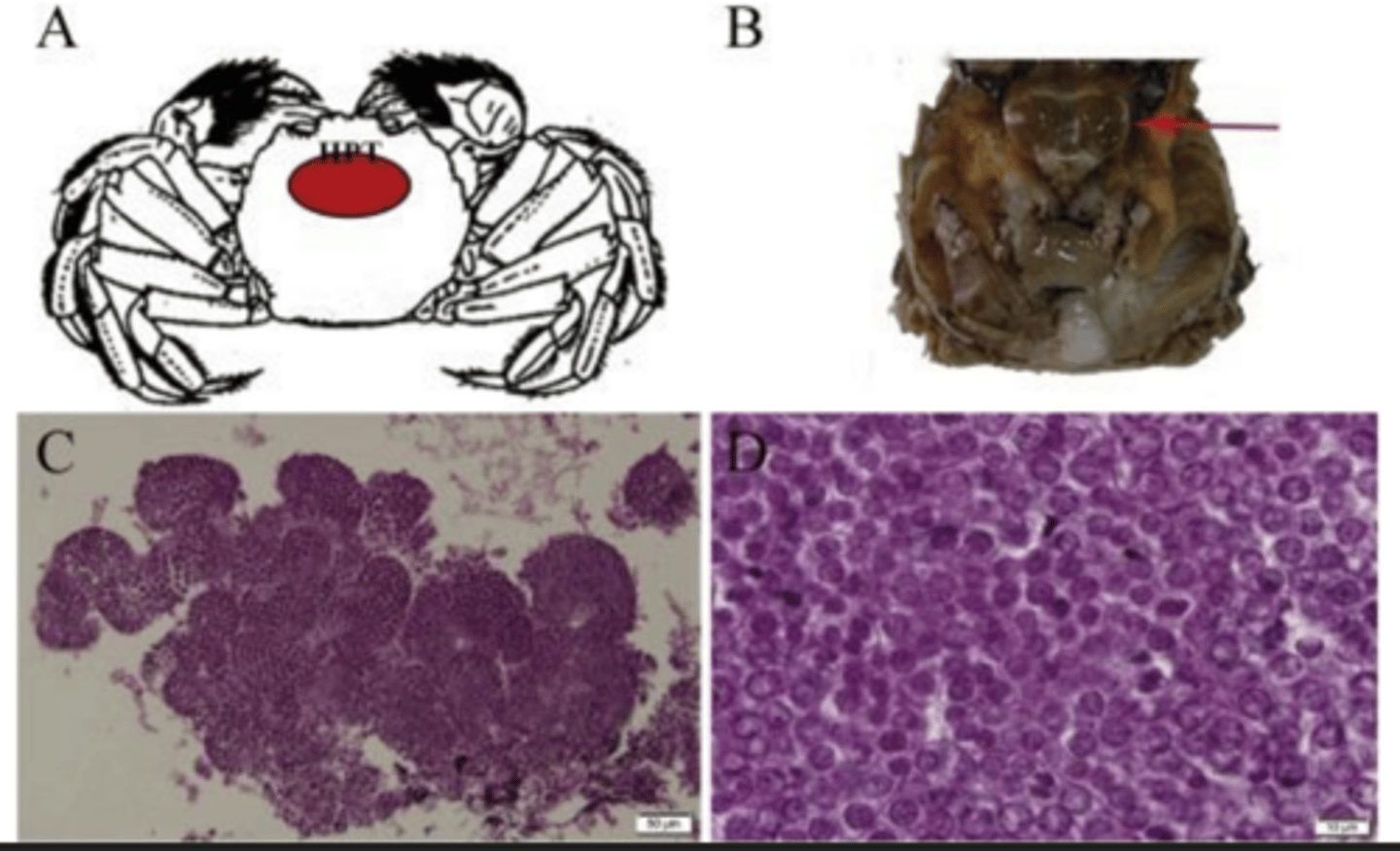
What do bilaterian invertebrates use for phagocytosis?
hemocytes
Describe immunity in insects.
sophisticated innate system, hemocytes perform phagocytosis, antimicrobial peptides kill bacteria/fungi in hemolymph (blood),
Describe immune memory in insects.
(priming) non specific memory where previous exposure to a pathogen improves survival against future infections
Why are measles so scary?
immune amnesia: virus kills cells that protect the body from other diseases, leabing victims vulnerable to other infections for up to 3 years