CALC THREE FINAL
 Call Kai
 Learn
Learn Practice Test
 Spaced Repetition
 Match
Match Flashcards
 Knowt Play
1/65

There's no tags or description
Looks like no tags are added yet.
Name | Mastery | Learn | Test | Matching | Spaced | Call with Kai |
|---|
No analytics yet
Send a link to your students to track their progress
66 Terms
distance between two points

equation of sphere

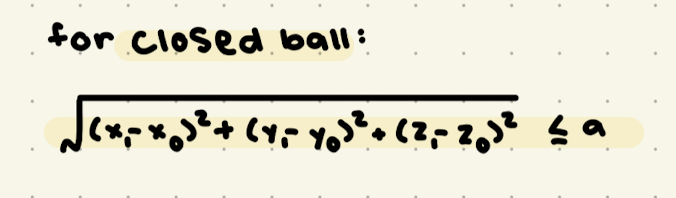
equation for closed ball
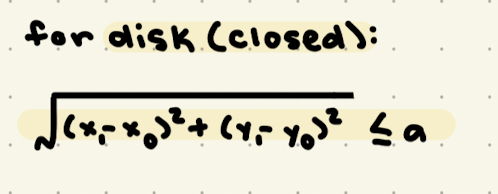
equation for disk
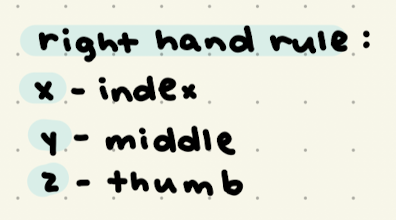
right hand rule
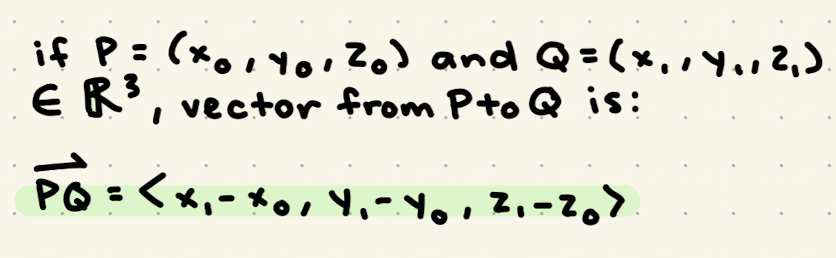
vector between two points
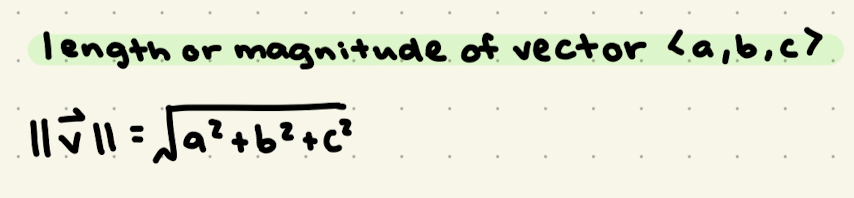
length/magnitude of vector
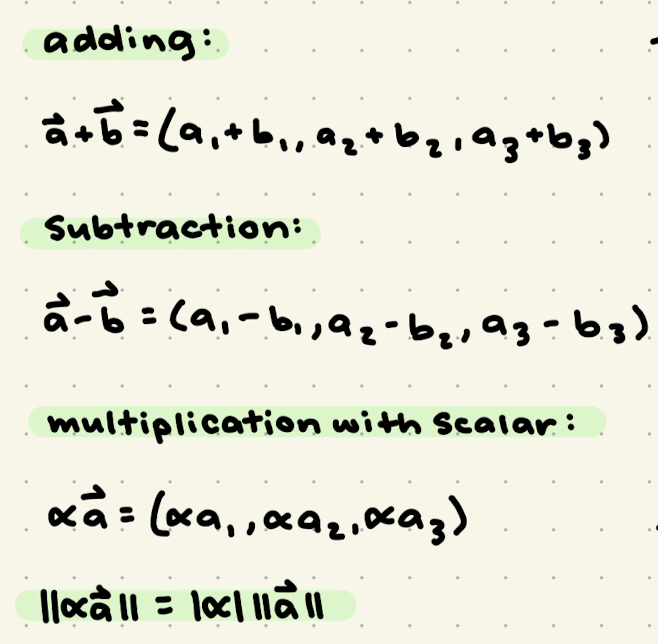
adding/subtracting/multiplying vector
unit vector

unit vector in direction of some other vector

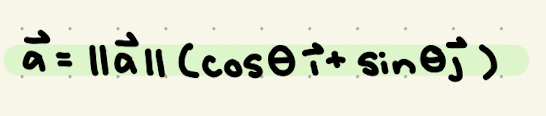
vector in terms of theta
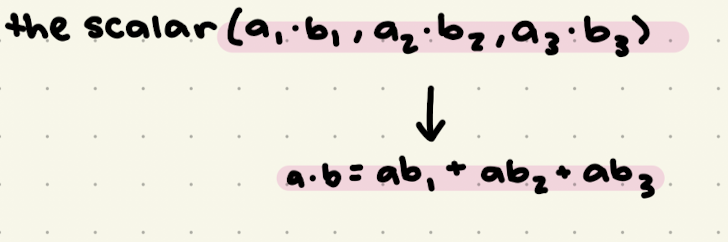
dot product
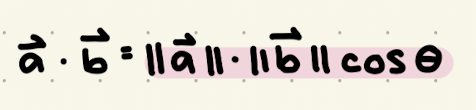
dot product in terms of theta
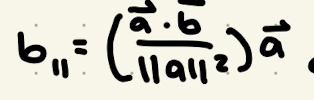
projection of b onto a

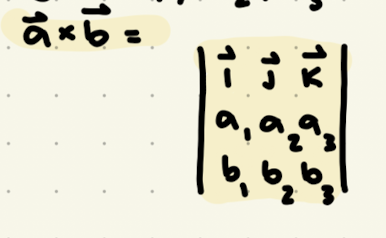
cross product
cross product in terms of theta
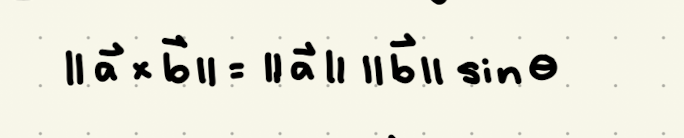
area of parallelogram and paralleloped

vector eq for point p (xo,yo,zo) and vector v (a,b,c)
< xo+ta, yo+tb, zo+tc>
parametric eqs
x = xo+ ta
y = yo+tb
z=zo+tc
symmetric eqs
(x - xo)/a = (y-yo)/b = (z-zo)/c = t
distance from point Q TO line l containing point P and parallel to vector v
D = || PQ || sin theta = (|| PQ || || v || sin theta) / || v || = || PQ x v || / || v ||
scalar equation for plane

vector equation of plane

or a(x-x0) + b(y-y0) + c(x-x0) = d
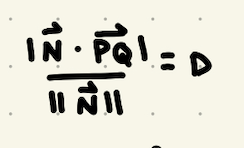
distance from plane containing point p to some other point q
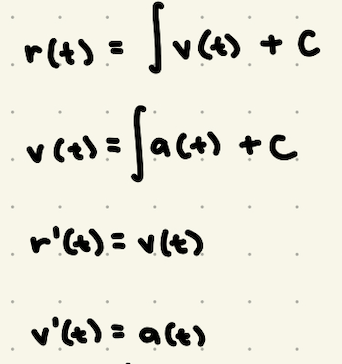
position velocity and acceleration relations
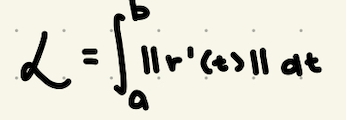
length of space curve
tangent function of curve r(t)
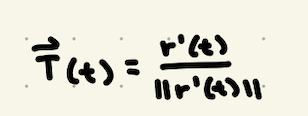
normal vector equation of some curve
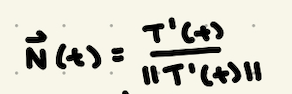
tangential component of acceleration
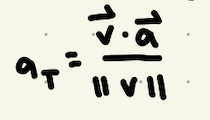
or d || v || / dt
normal componenent of acceleration
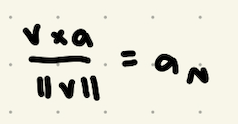
sqrt(||a||² - aT²)
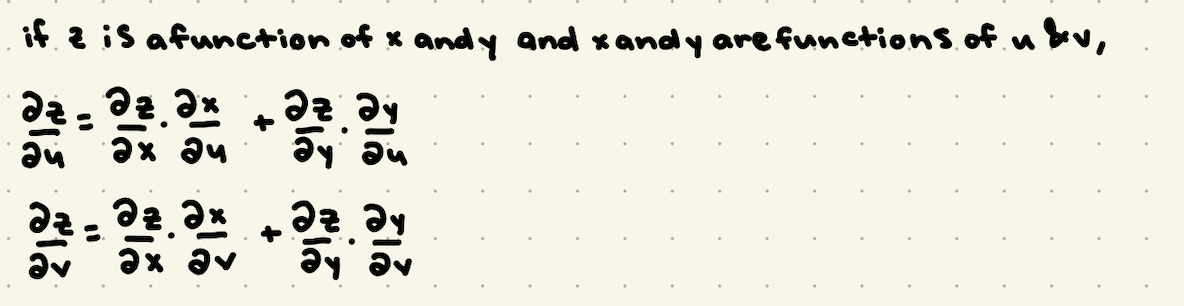
chain rule
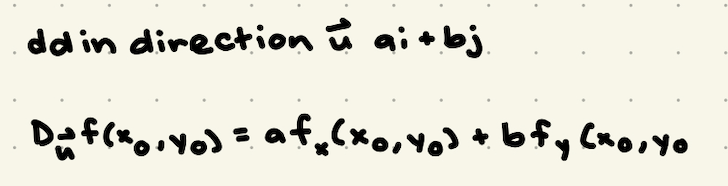
directional derivative
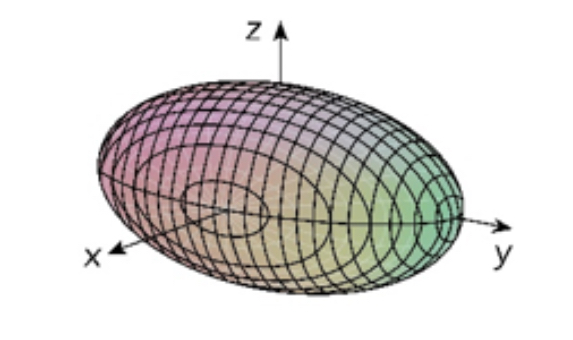
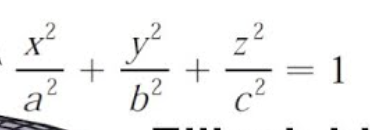
ellipsoid
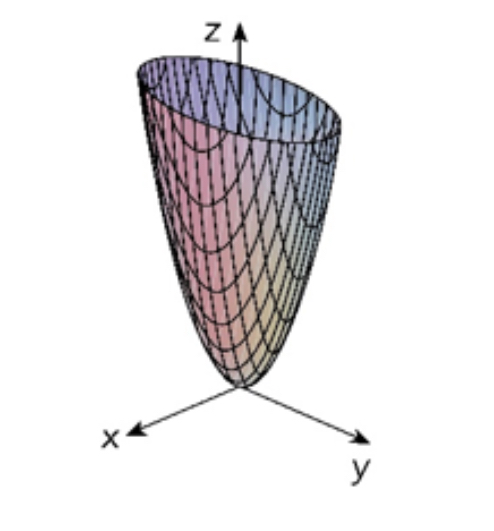
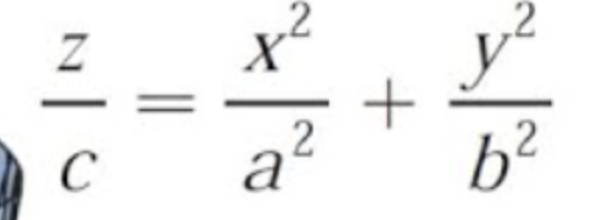
elliptic paraboloid
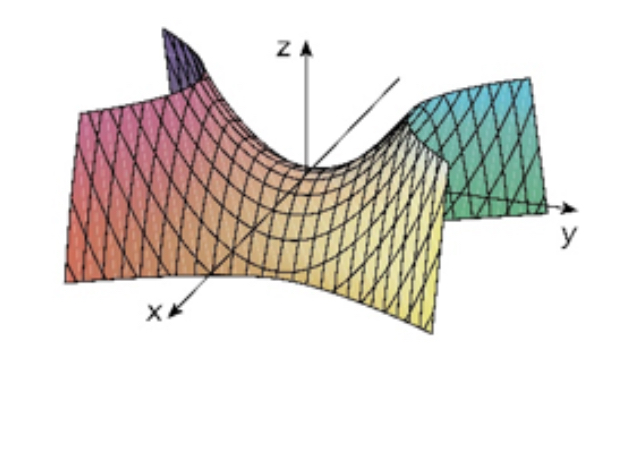
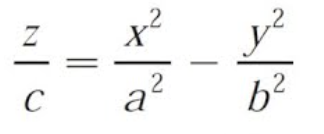
hyperbolic paraboloid
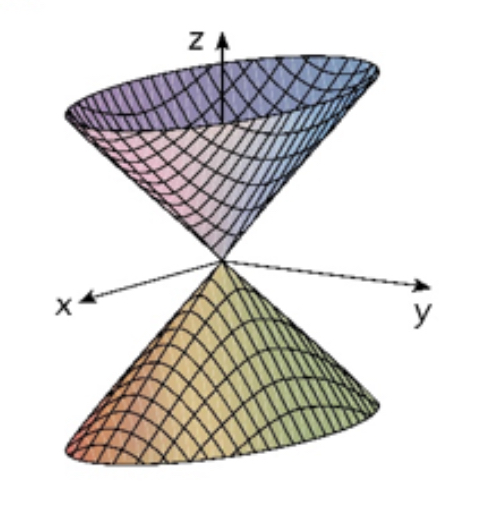
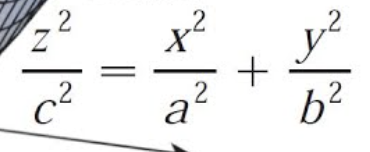
cone
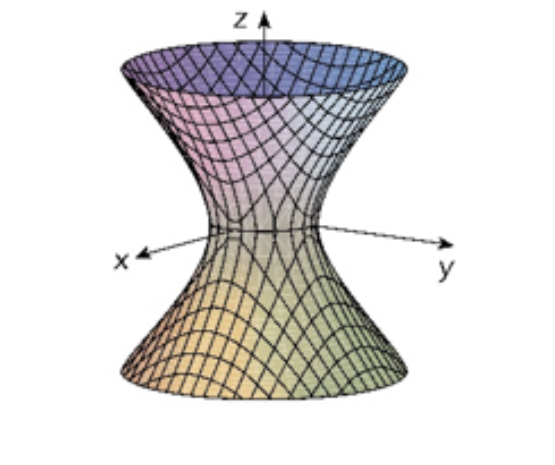
hyperboloid of one sheet
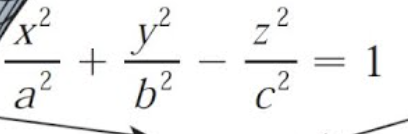
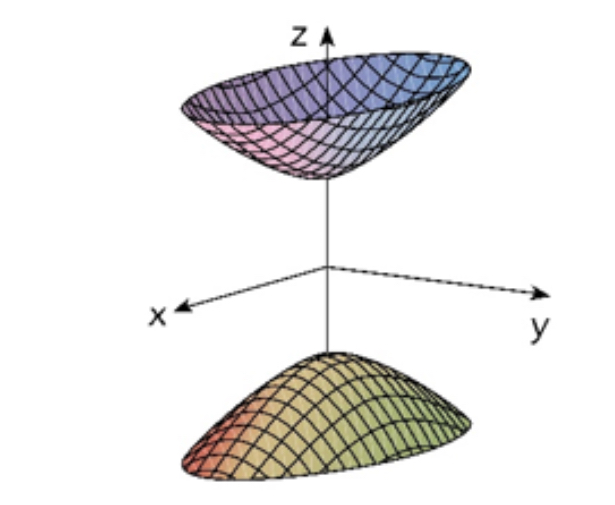
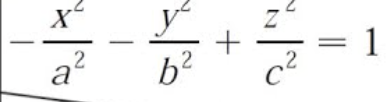
hyperboloid of two sheets
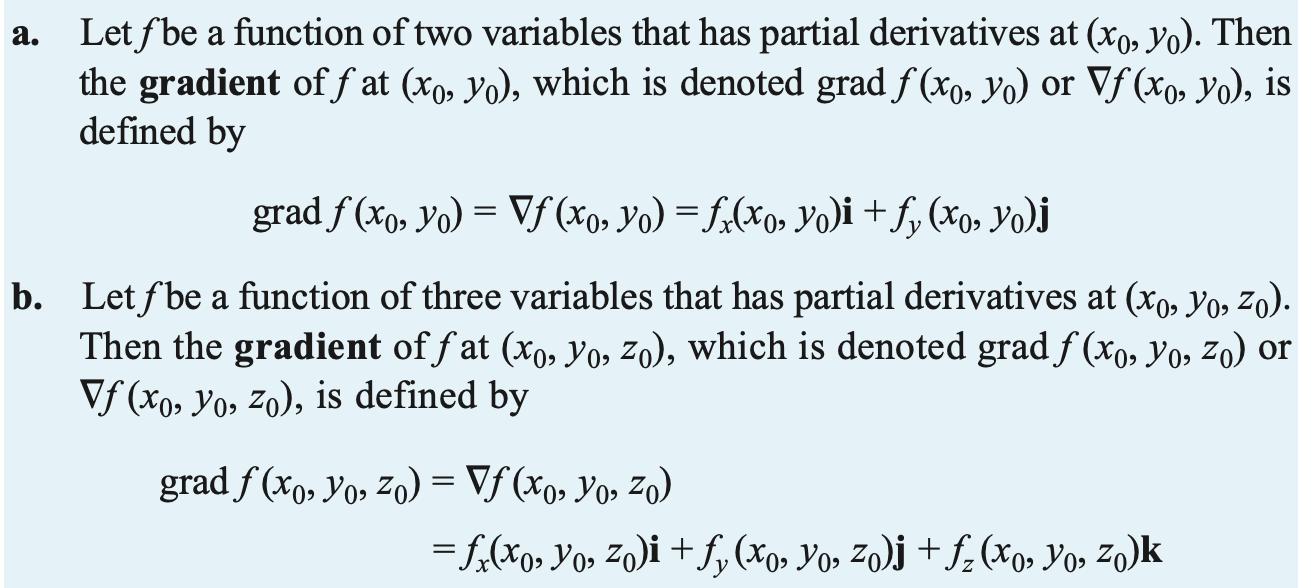
gradient of a function
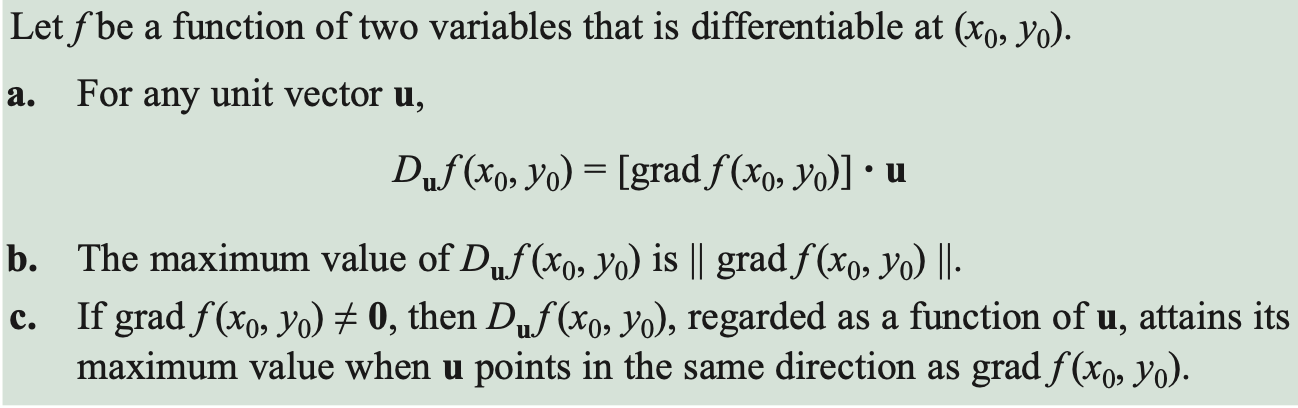
directional derivative in terms of gradient, max value in terms of gradient, and max value in terms of u
tangent plane in terms of gradient
fx(x-x0) + fy(y-y0) + fz(z-z0) = 0
tangent plane for approximation (explain how it is used and what each variable means)

the discriminant D for finding extreme values
D(x,y) = fxx*fyy - [fxy]²
all scenarios for extreme values
if D > 0 and fxx > 0, relative minimum
if D > 0 and fxx < 0, relative maximum
if D < 0, it doesn’t matter what fxx is, saddle point
if D = 0, there is no way of knowing anything
how to use lagrange multipliers
grad f = lambda * grad g (f is function, g is CONSTRAINT)
make separate equations for each variable in terms of grad f, lambda, and grad g, then add g to make a system of equations
solve for lambda and then each critical point
plug each of these back into f to find the extreme values
DO NOT FORGET TO TEST ENDPOINTS!!
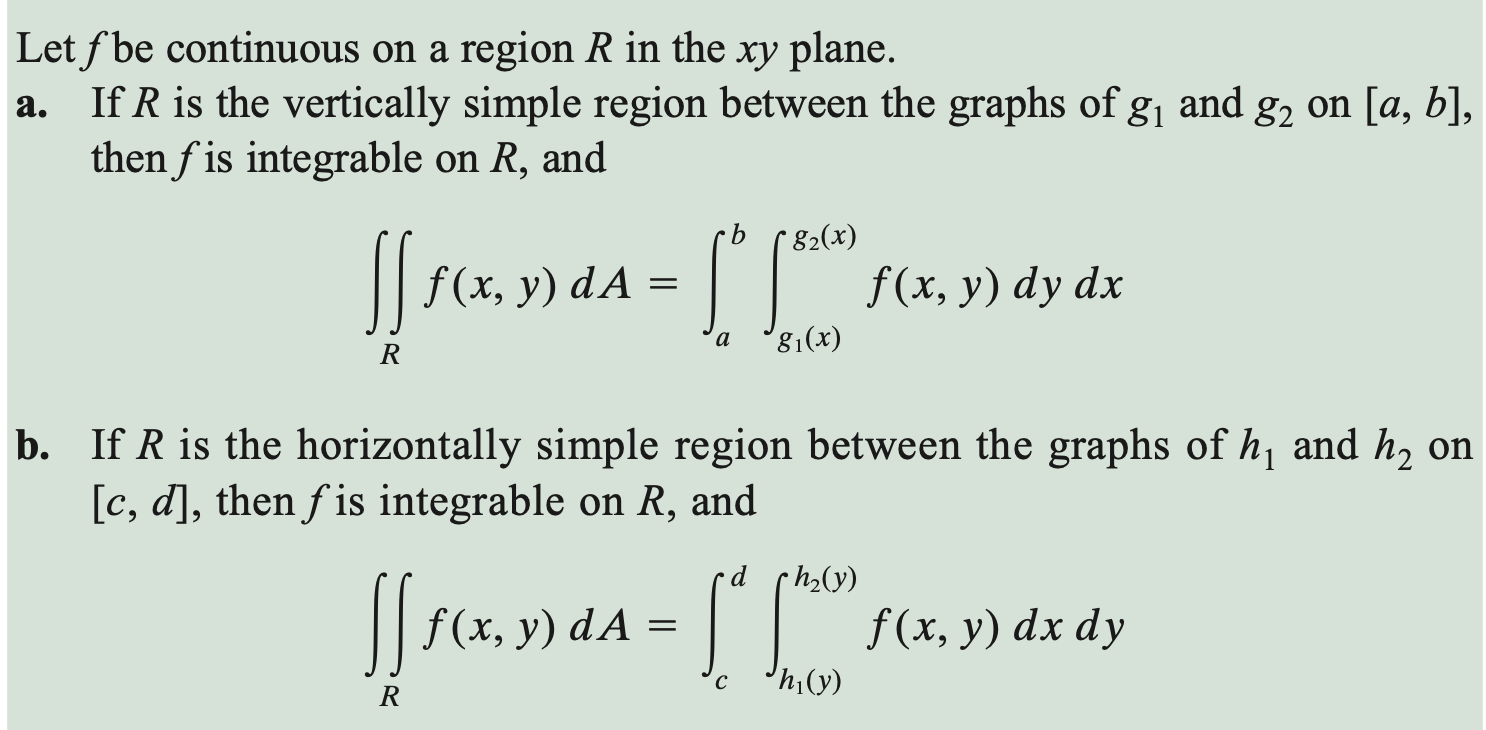
basics of a double integral
BASIC POLAR COORDINATES + JACOBIAN
x = rcosθ
y = rsinθ
r = sqrt( x² + y² )
tanθ = y/x
jacobian = r dr dθ
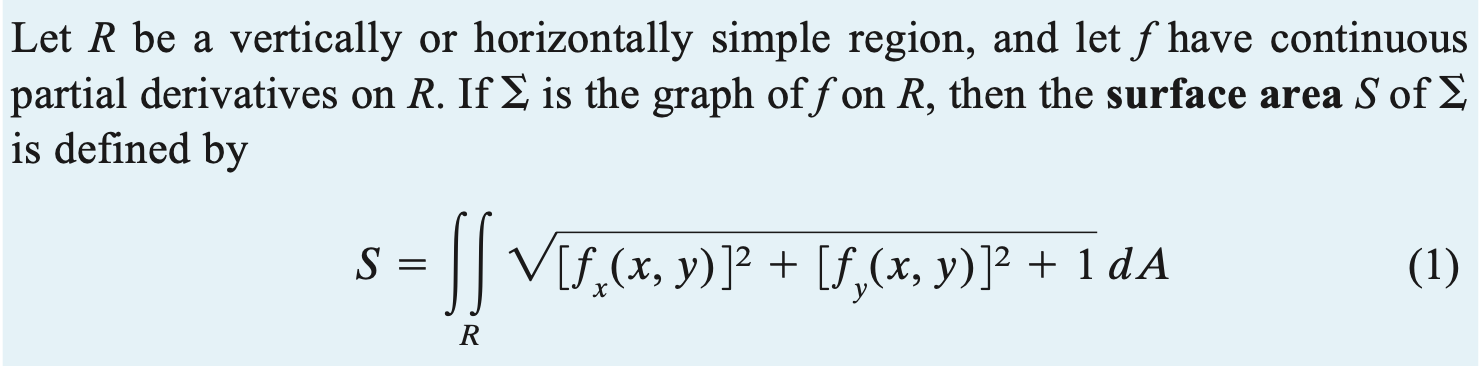
surface area of some region Σ
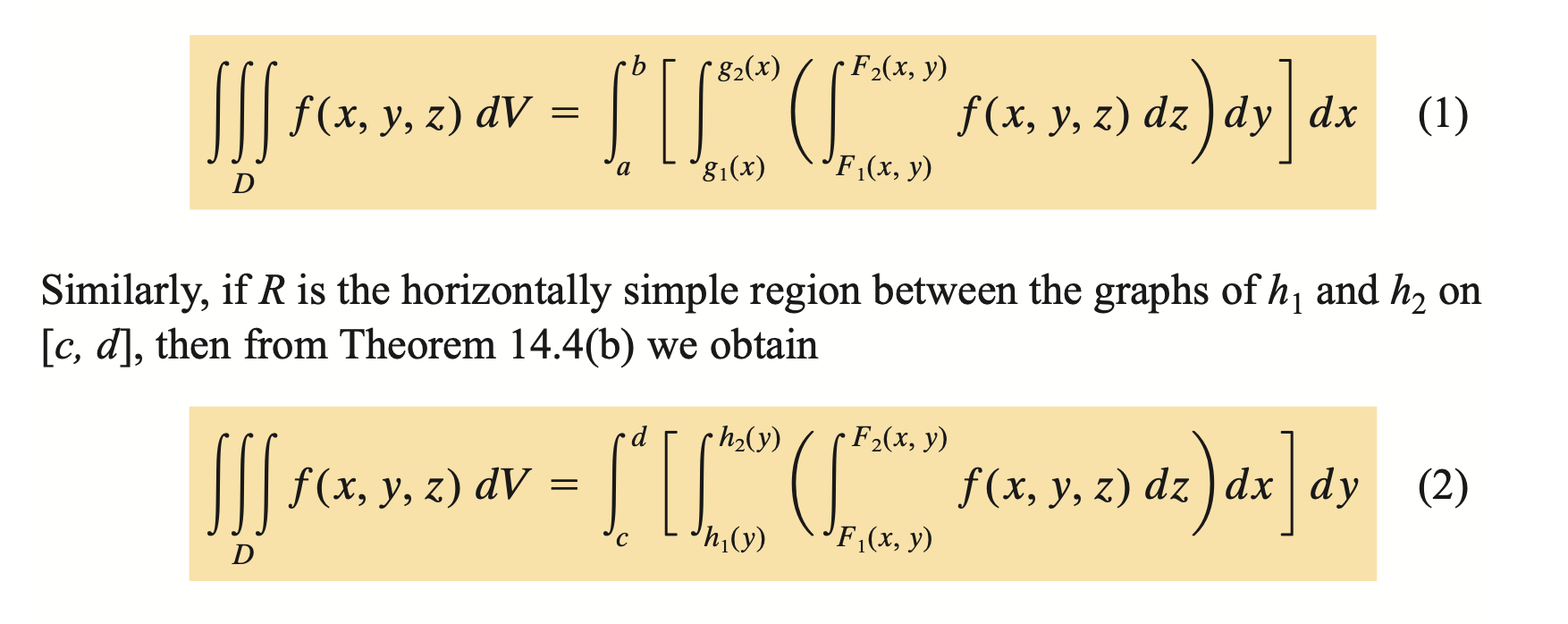
basics of a triple integral
BASIC CYLINDRICAL COORDINATES + JACOBIAN
x = rcosθ
y = rsinθ
z = z
r = sqrt( x² + y² )
tanθ = y/x
jacobian = r dz dr dθ
BASIC SPHERICAL COORDINATES + JACOBIAN
r = ρsinϕ
z = ρcosϕ
ρ = sqrt ( x² + y² + z² )
x = ρsinϕcosθ
y = ρsinϕsinθ
x² + y² = ρ²sin²ϕ
explain how to do change of variables
choose your new system of variables (polar, cylindrical, spherical, other parametrization)
define your variables
change integrand
calculate and add jacobian
set bounds
solve integral
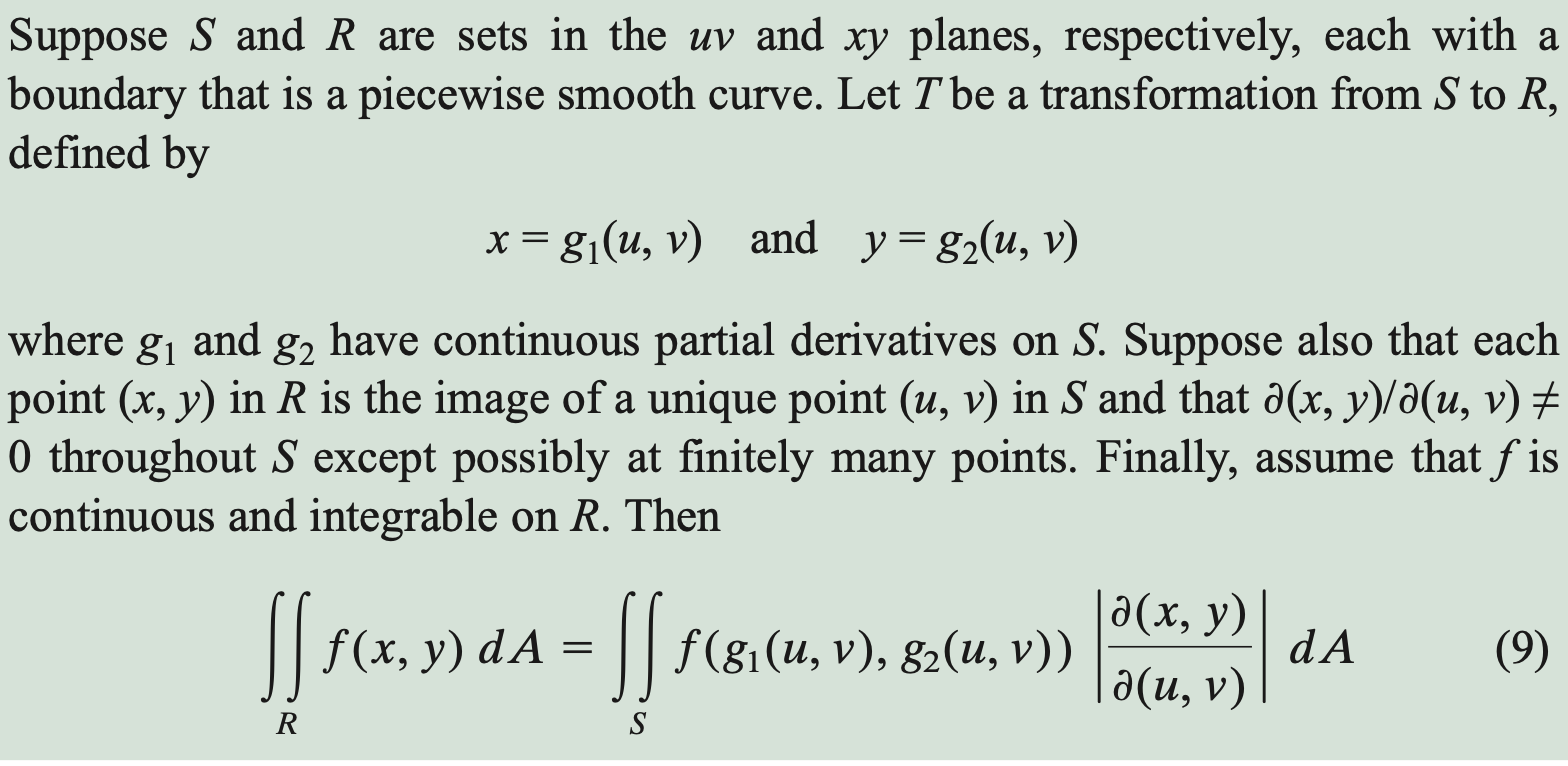
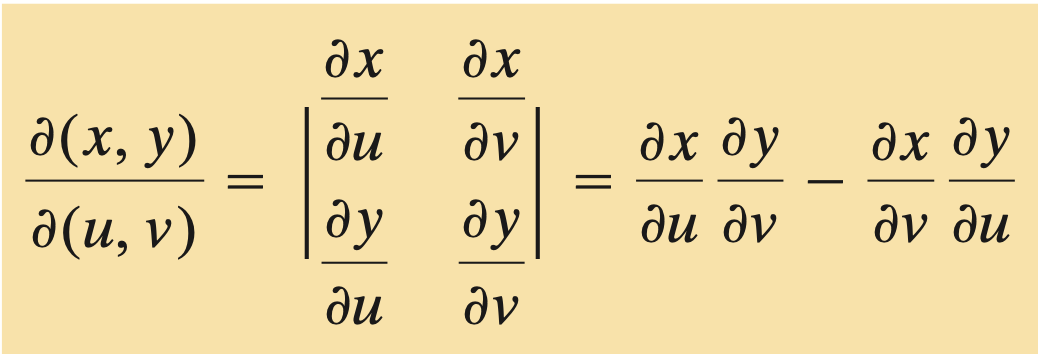
jacobian of some function F(x,y) parametrized as x(u,v), y(u,v)
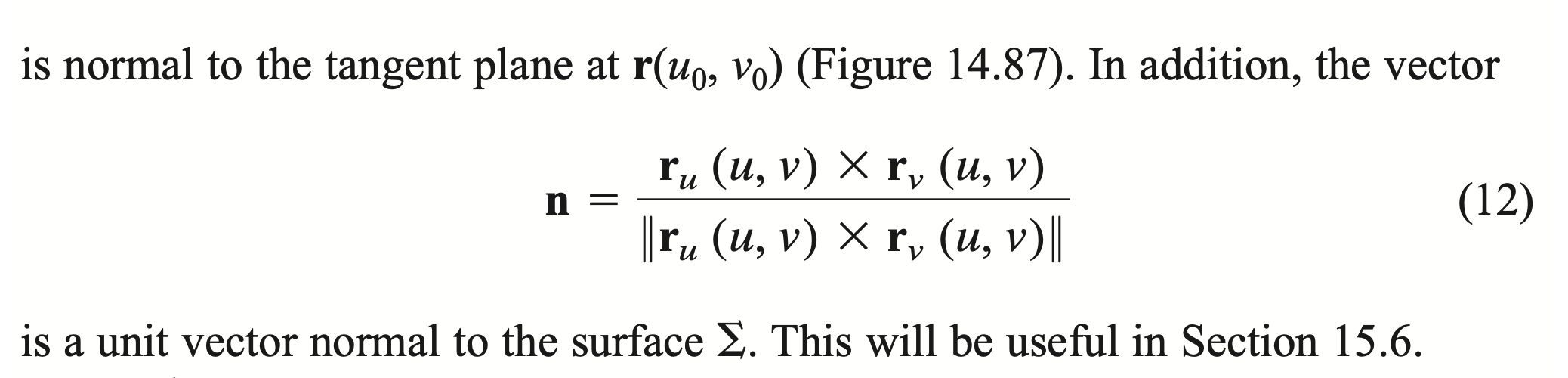
unit normal vector for a parametrized surface
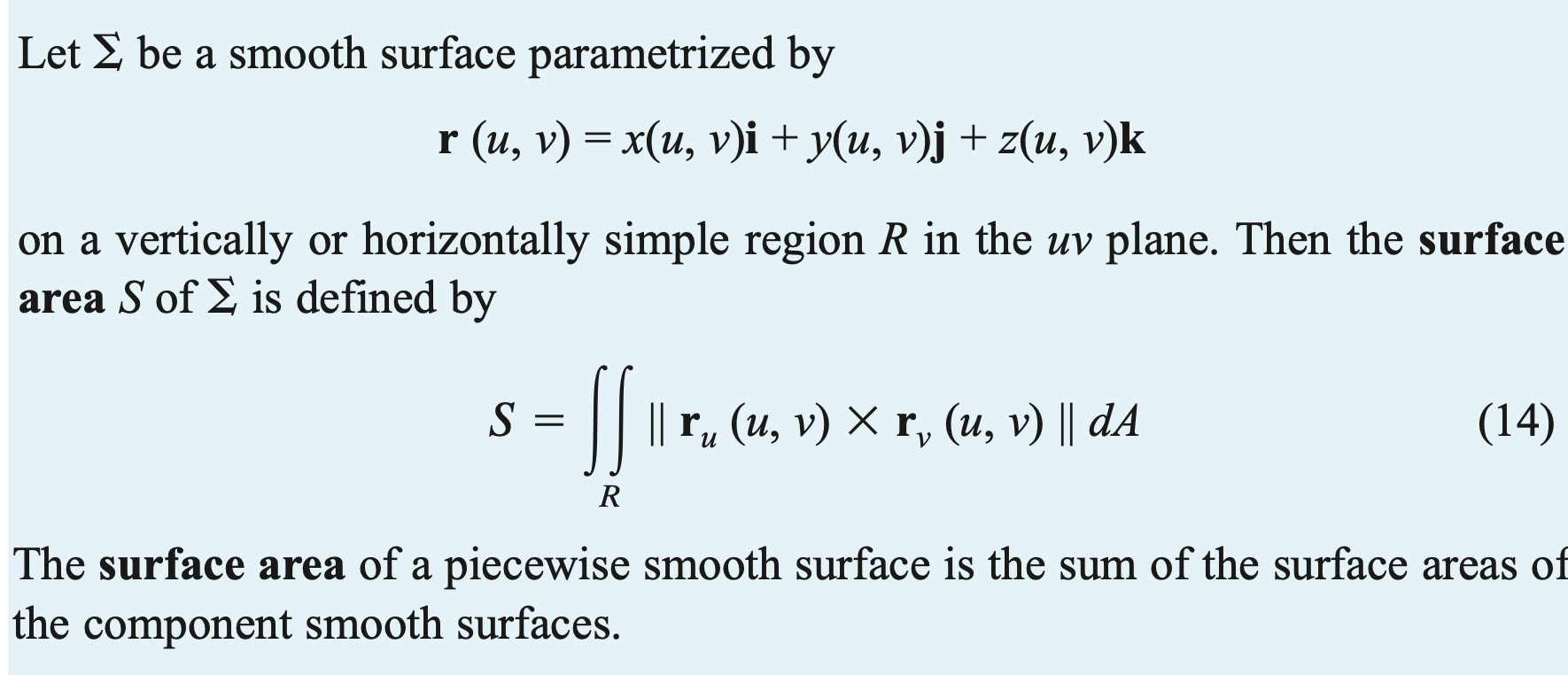
surface area of a PARAMETRIZED SURFACE
the DIVERGENCE of a vector field
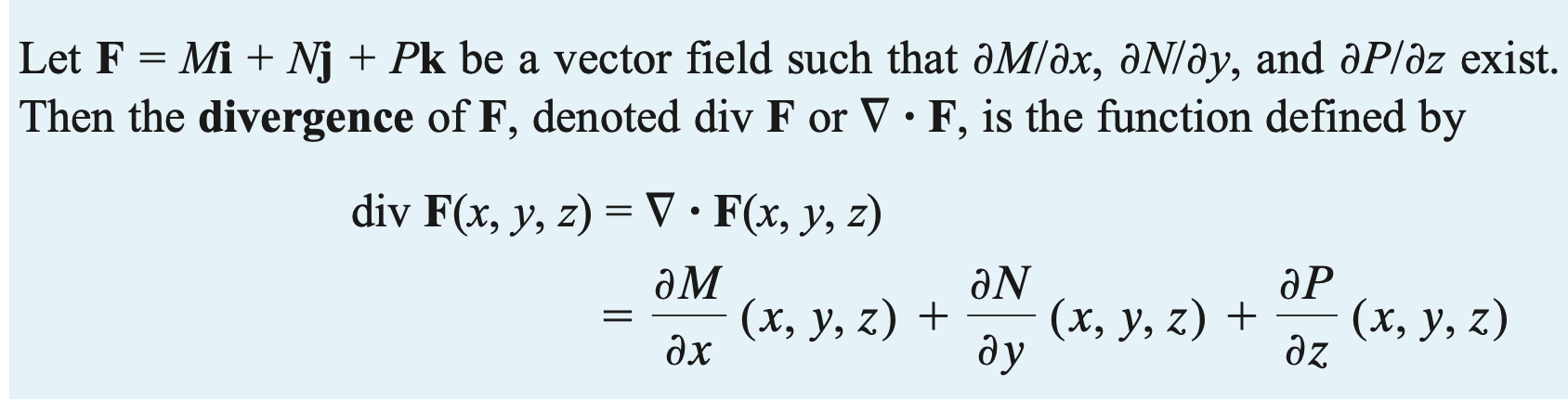
this is a REAL VALUED FUNCTION
the CURL of a vector field
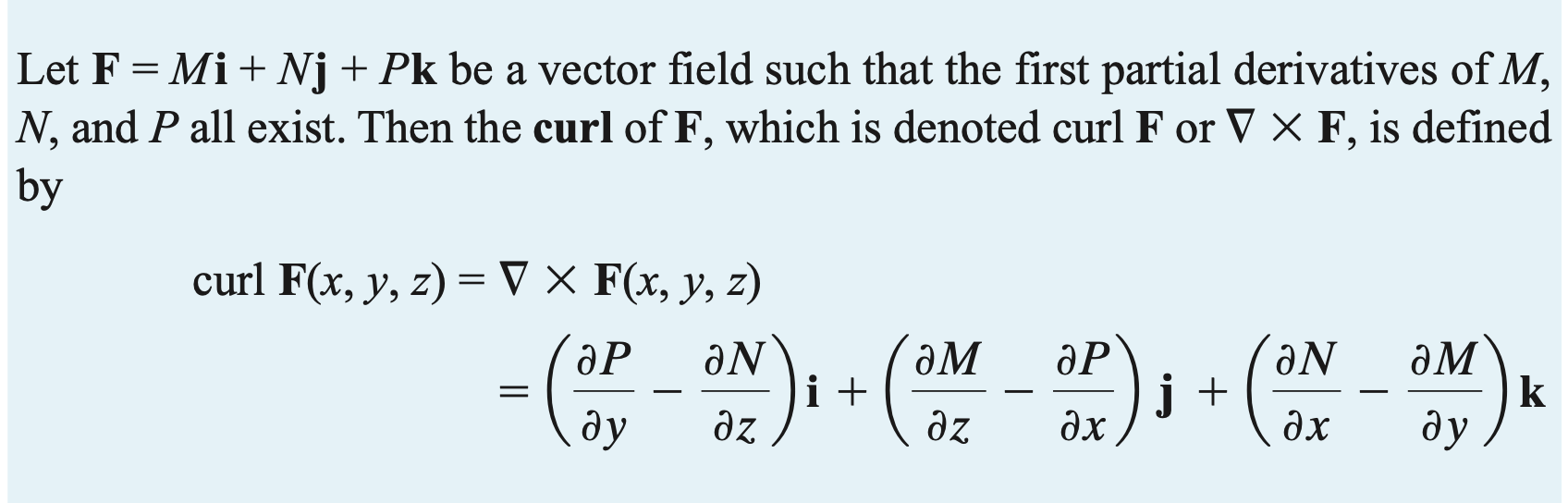
this is another VECTOR FIELD'
a vector field is CONSERVATIVE if the CURL = 0
most basic line integral (curve C parametrized)

line integral for vector field
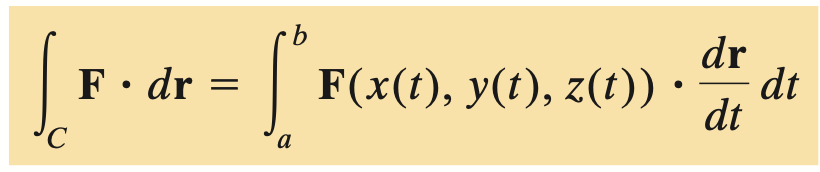
these ones will be oriented a certain way (clockwise vs counterclockwise, up vs down, etc)
alternate form of vector line integral
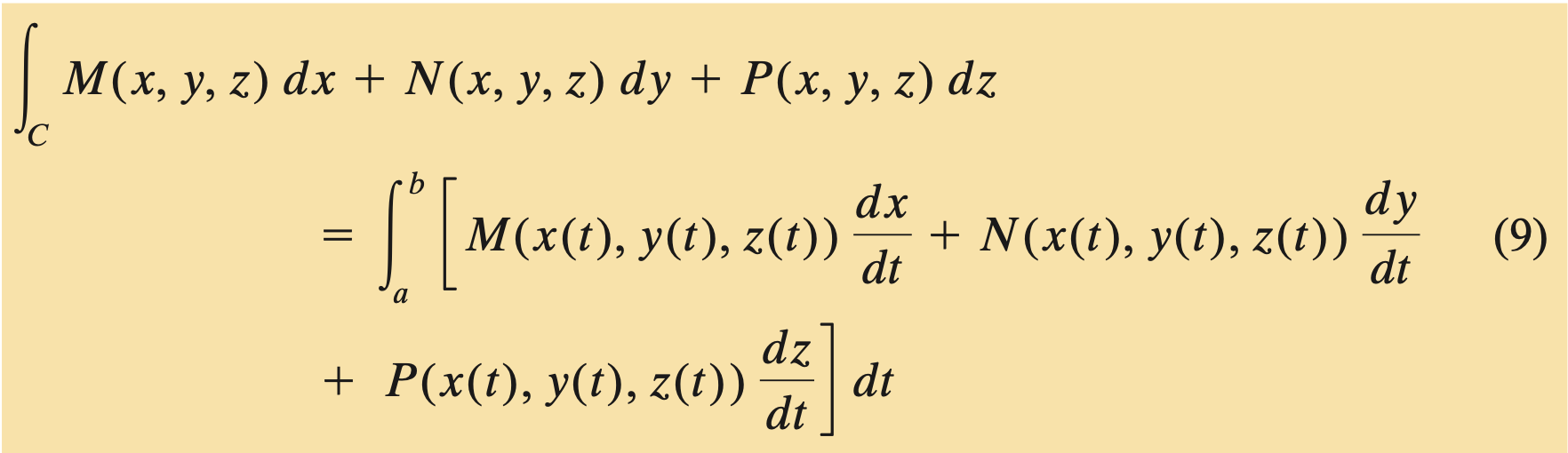
fundamental theory of line integrals!!
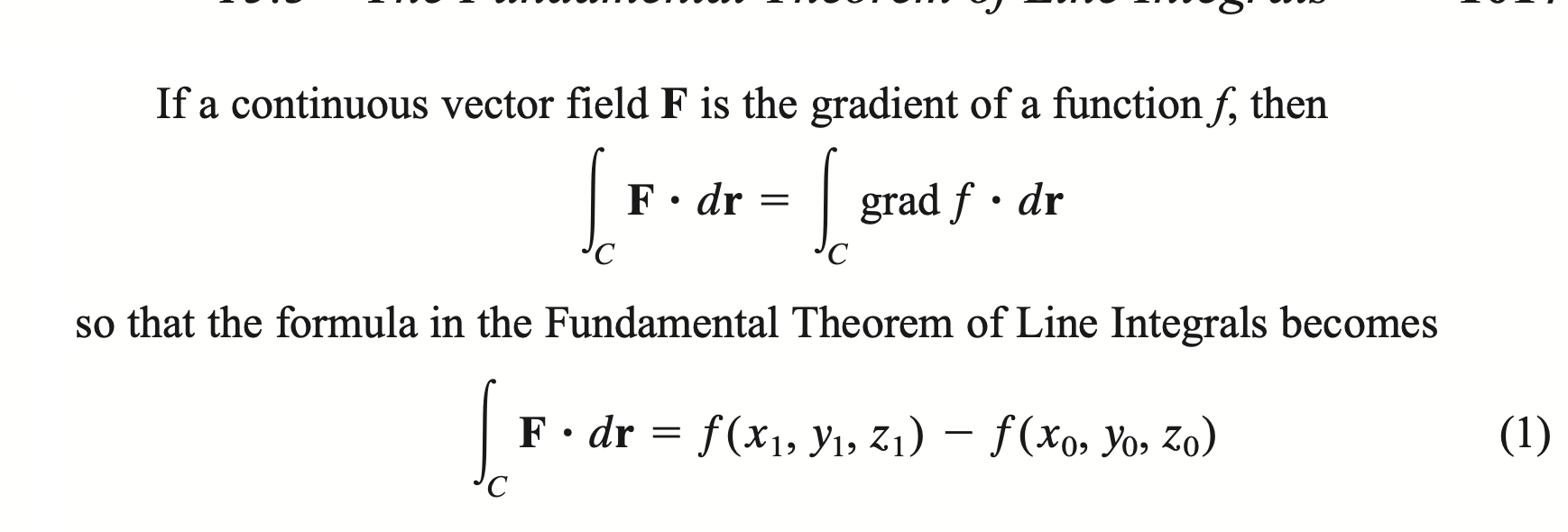
to solve these you have to find a function F is the gradient of (go up not down), then evaluate that at both points and substract
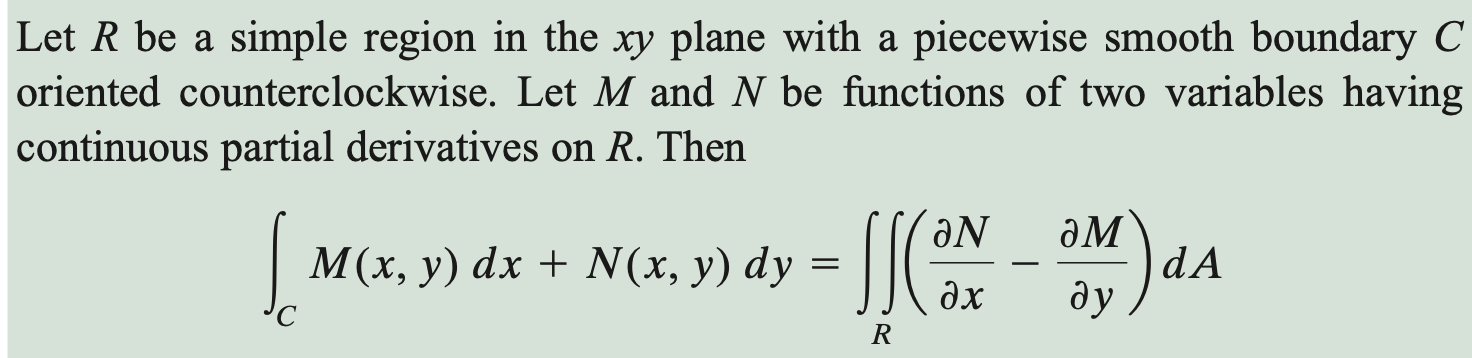
GREEN’S THEOREM
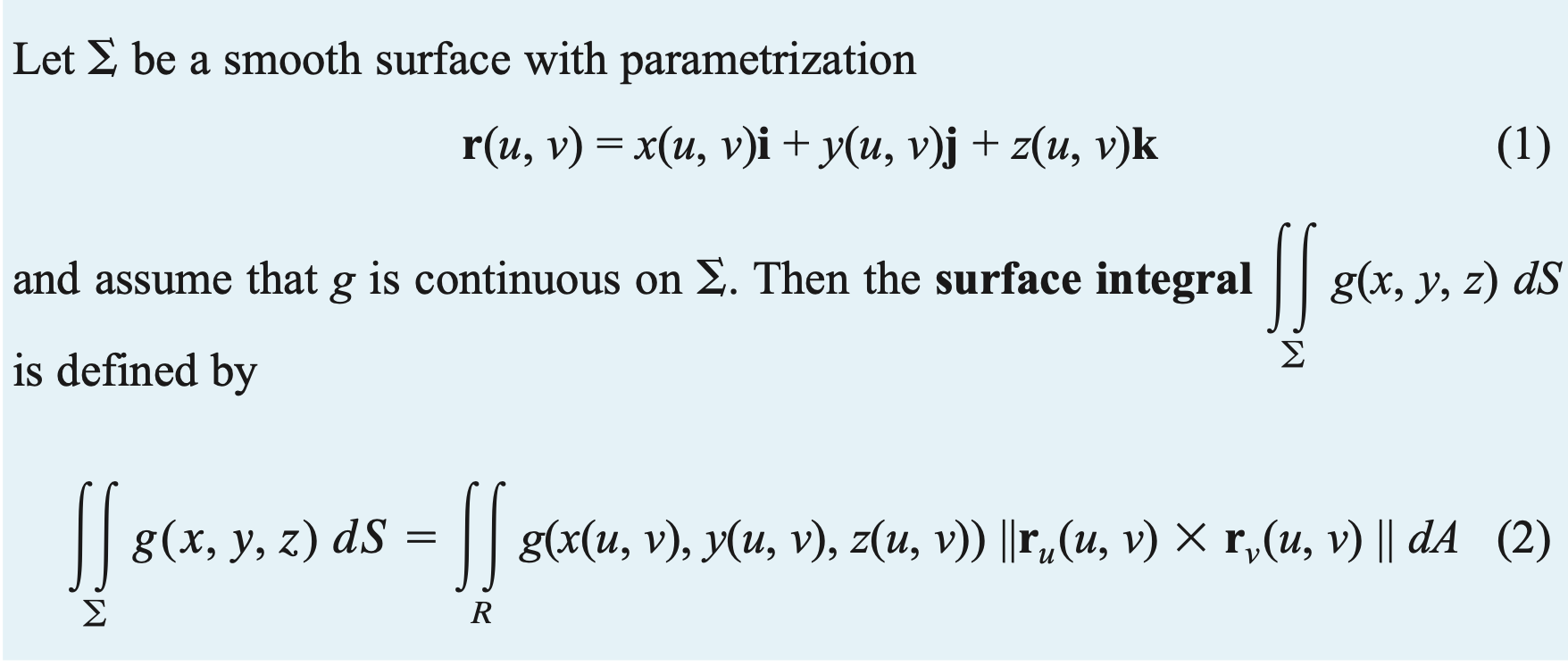
surface integral of sigma (parametrized)
flux integral over an oriented surface

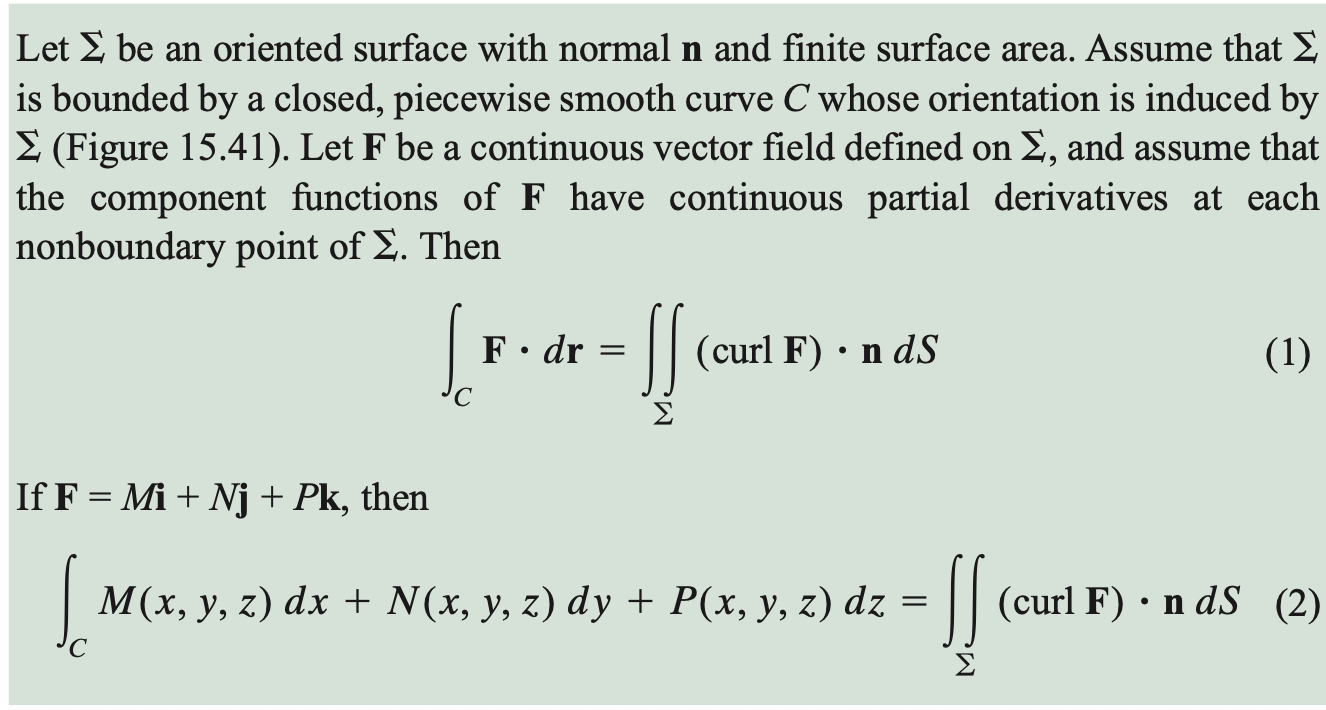
STOKE’S THEOREM
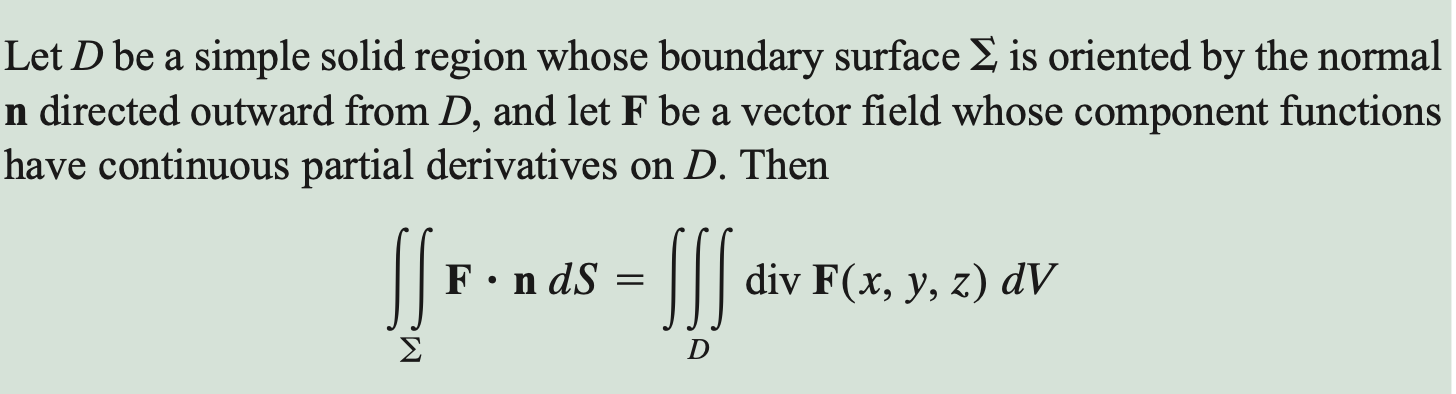
DIVERGENCE THEOREM