14. Equine Nutrition 2: Nutrition Issues and Disorders
 Call Kai
 Learn
Learn Practice Test
 Spaced Repetition
 Match
Match Flashcards
 Knowt Play
1/43

There's no tags or description
Looks like no tags are added yet.
Name | Mastery | Learn | Test | Matching | Spaced | Call with Kai |
|---|
No analytics yet
Send a link to your students to track their progress
44 Terms
bermuda gras
what type of forage is associated with ileal impactions which can lead to colic
tall fescue (endophyte)
which type of forage produces ergot alkaloids which can lead to agalactica, prolonged gestation, and thickened placentas in mares
alsike clover
which forage type is associated with liver failure and photosensitization which ultimately displays as neurologic signs and wasting
red clover
which forage type produces a slaframine toxin which can lead to hypersalivation aka "slobbers"
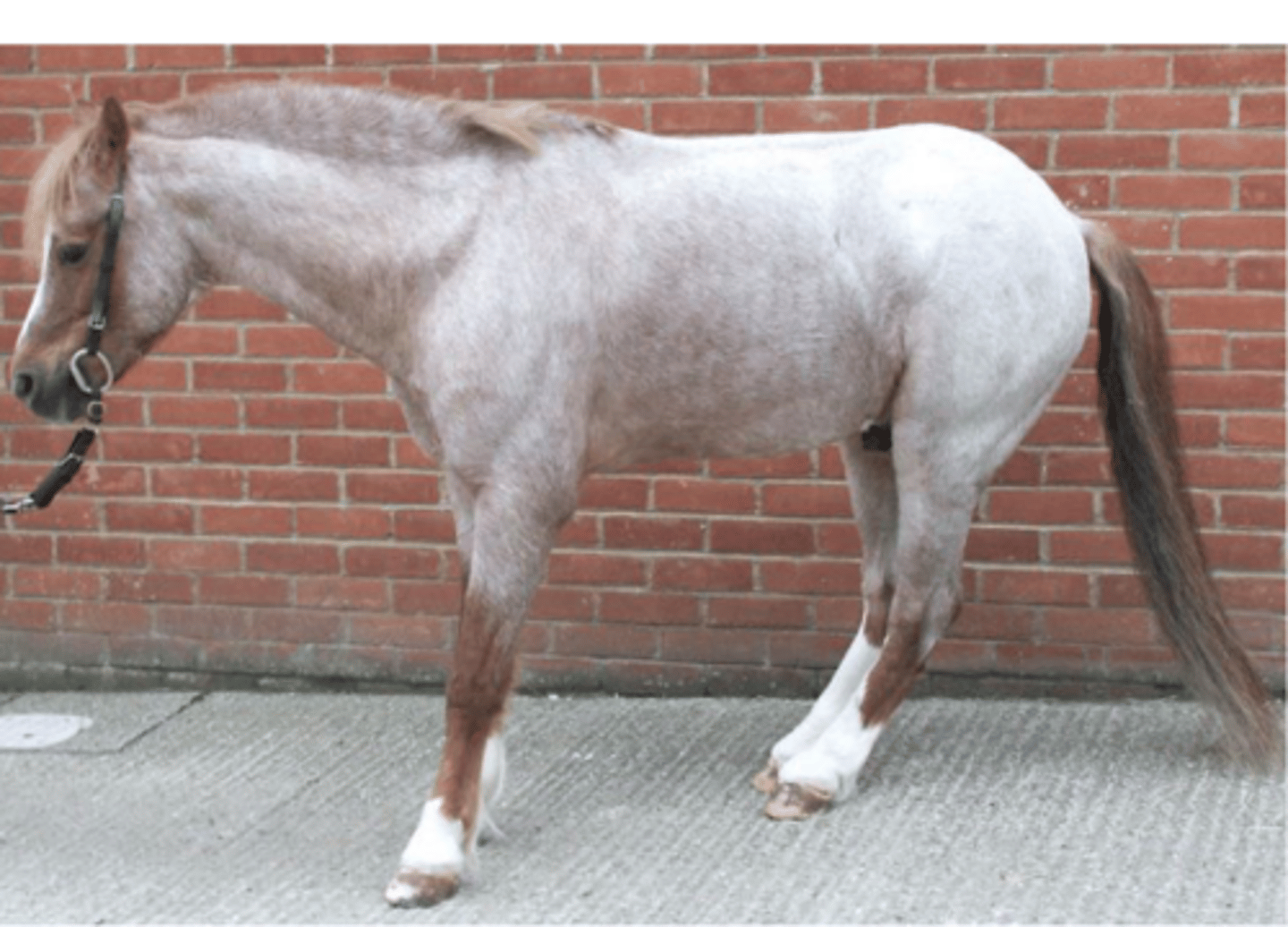
diarrhea, colic, and laminitis
high grain diets are associated with delivery of too much starch to LI (30-50%) which is rapidly fermented and leads to.....
sugars, fructans, and starch
high NSC forage has what contents
high NSC intake (excess starch/fructans)-->reach hindgut where they are rapidly fermented--> pH drops leading to acidosis--> death of gram-negative bacteria--> endotoxin release--> inflammation--> laminitis
what is the pathophysiology process of diet-induced lamitis
rapid fermentation by gram positive (produce lactic acid) decreasing pH and killing off gram negative bacteria to release endotoxin
overall the process of diet-induced laminitis is associated with....
small intestine
horses have limited ____ ____ starch digestion
hindgut
excess carbs will shift fermentation to ____ which is central to laminitis disease via acidotic conditions
1. a storage carb in cool-season grasses...high in spring grasses
2. not digested in SI
3. rapidly fermented in hindgut
characteristics of fructans in grasses
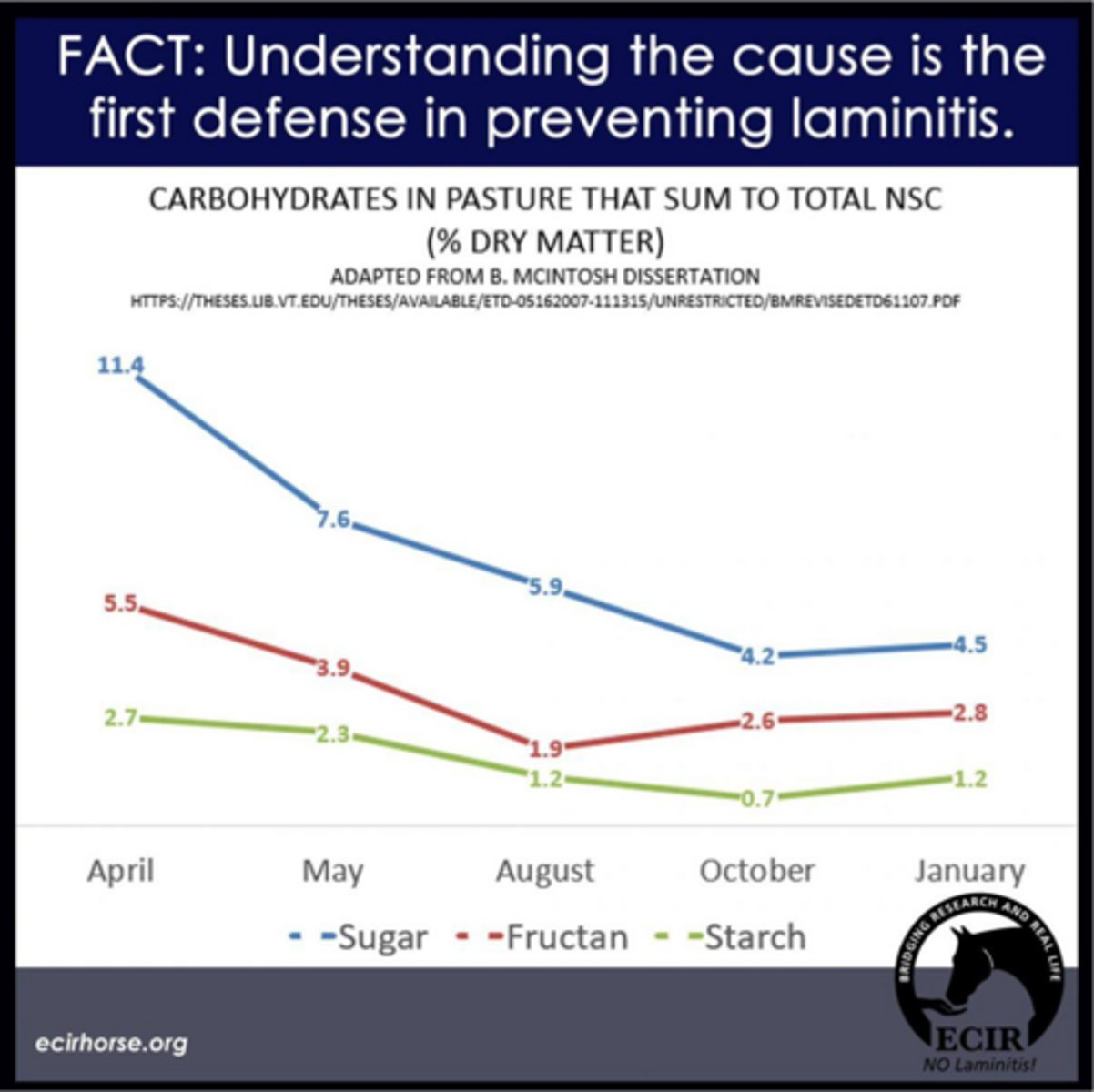
cool weather, drought, frost, late afternoon
when do fructan levels increase in grasses
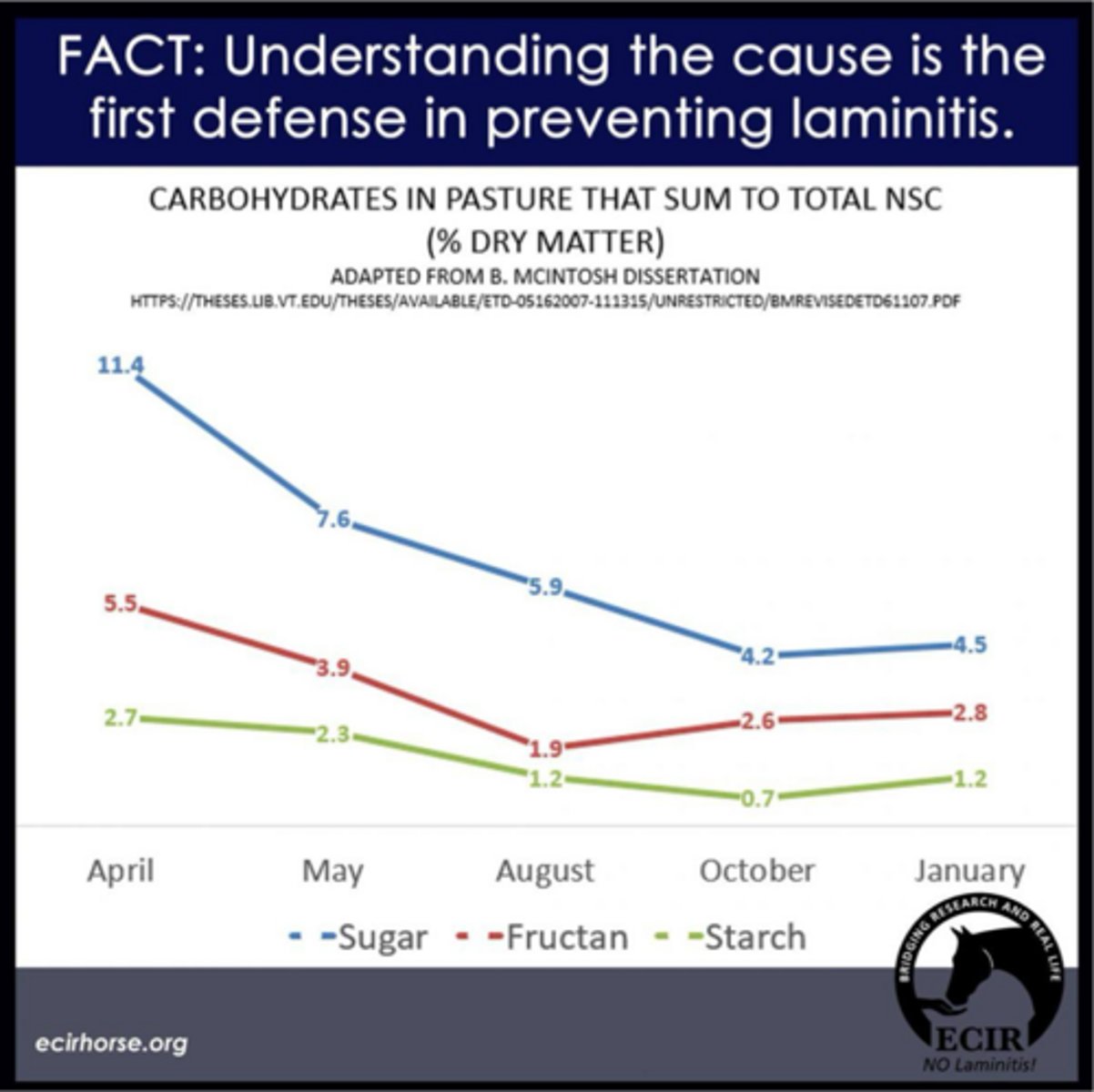
increase
when fructans are high--> (increase/decrease) laminitis risk
1. intake is high
2. NSC > ~12%
3. horses are insulin dysregulated
pasture can contain enough NSC to induce laminitis especially when....
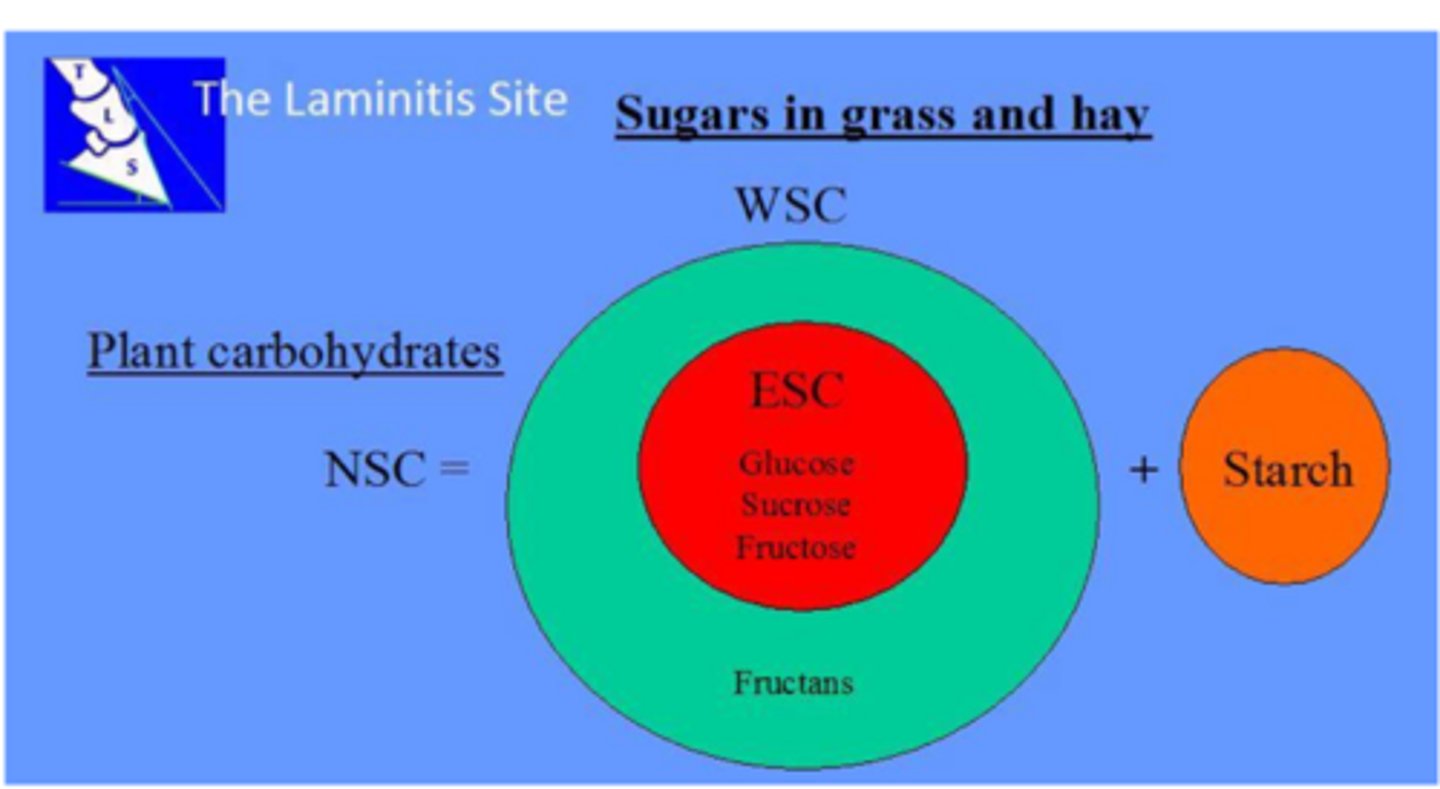
<10%
when it comes to ESC (sugar) and starch content for laminitis horses, what is ideal
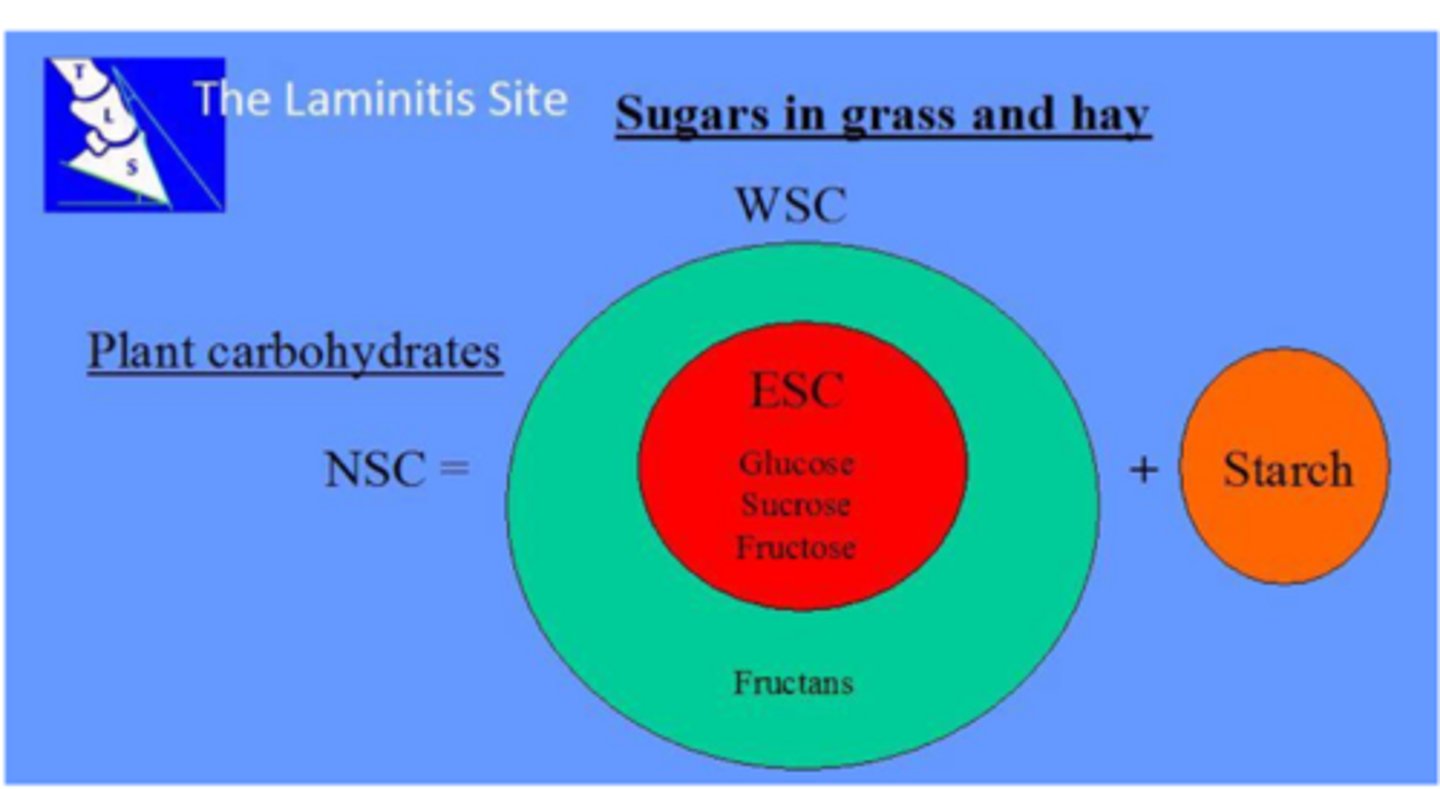
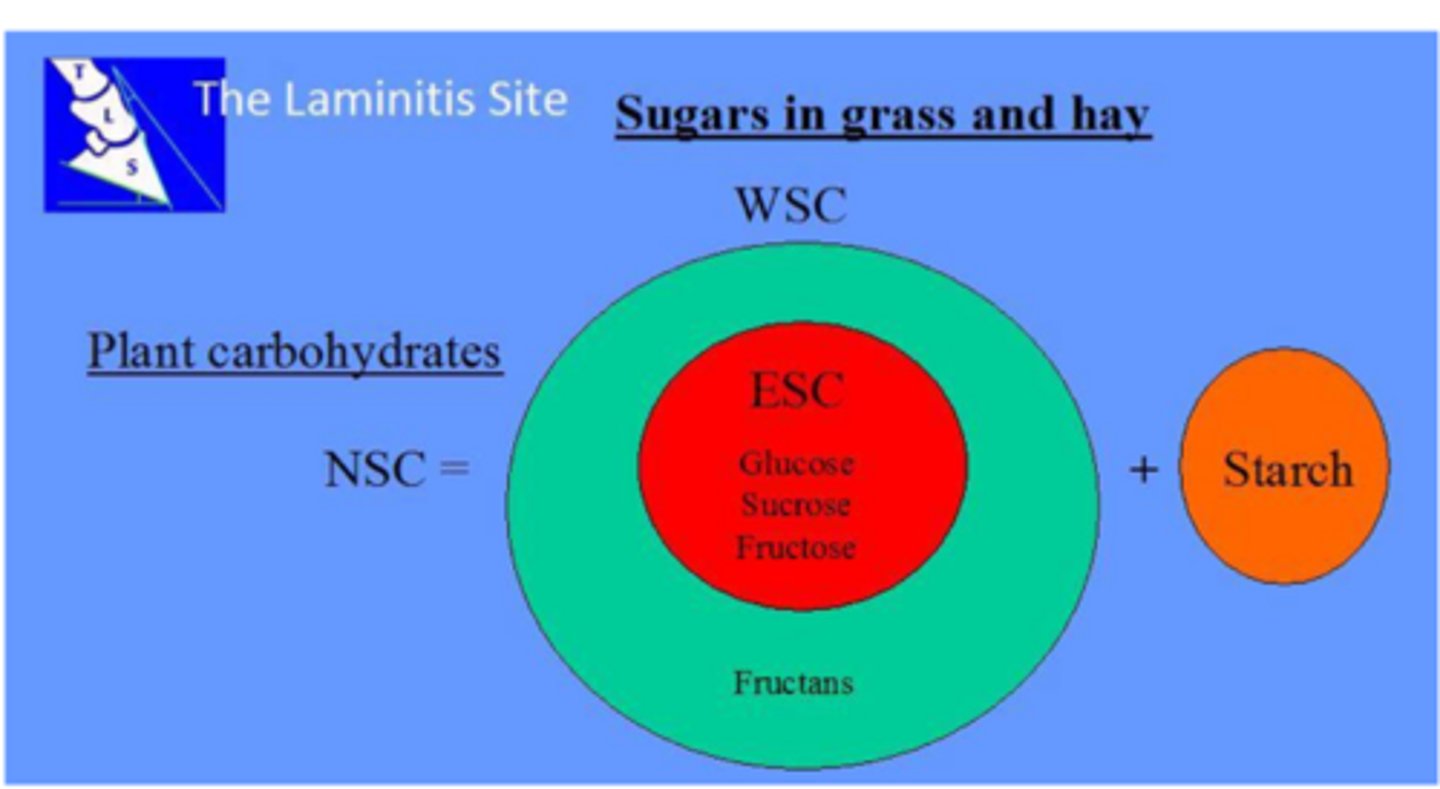
WSC + starch
NSC= ____ + ____
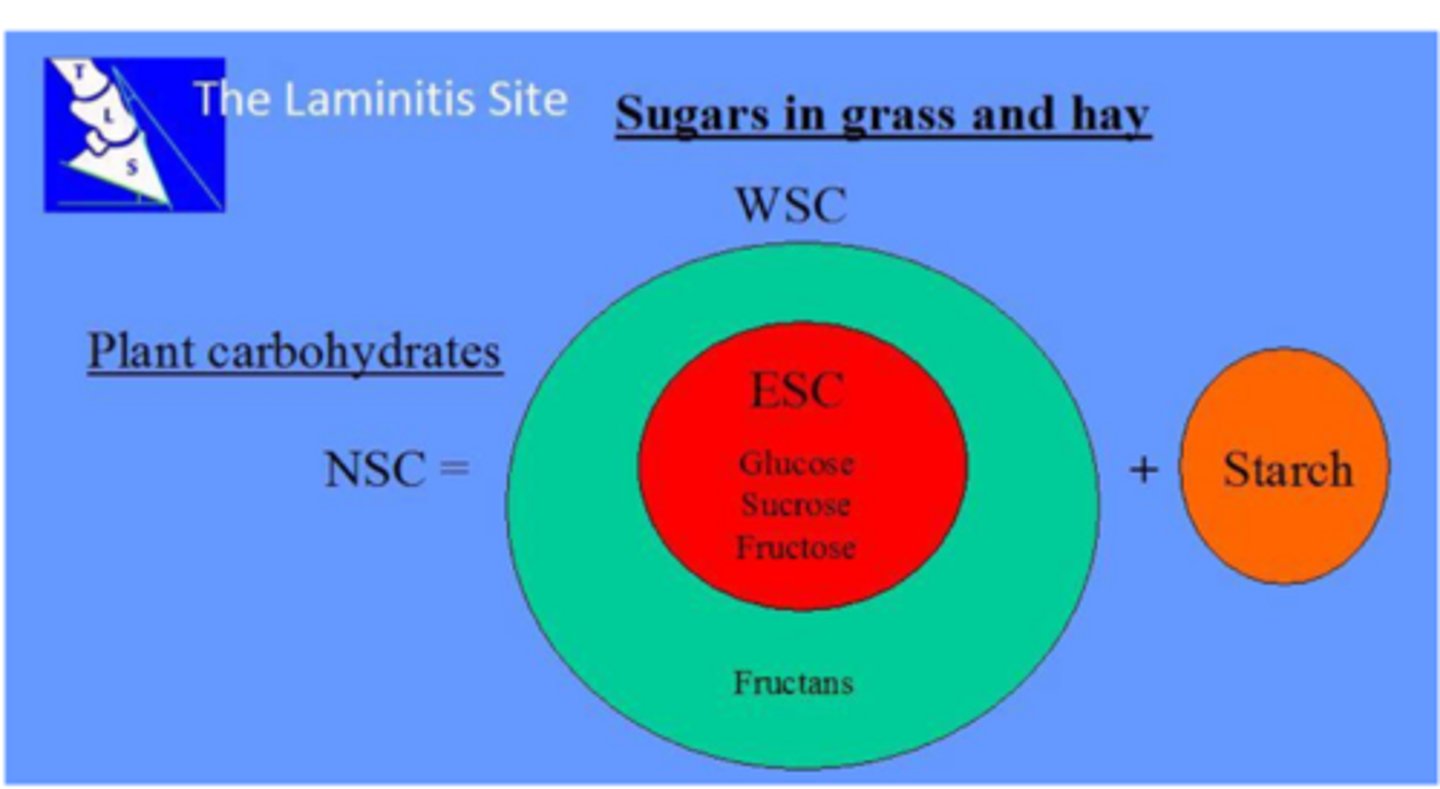
ESC (sugars) + oligosaccharides, fructans, pectins, and some polysaccharides
WSC = _____
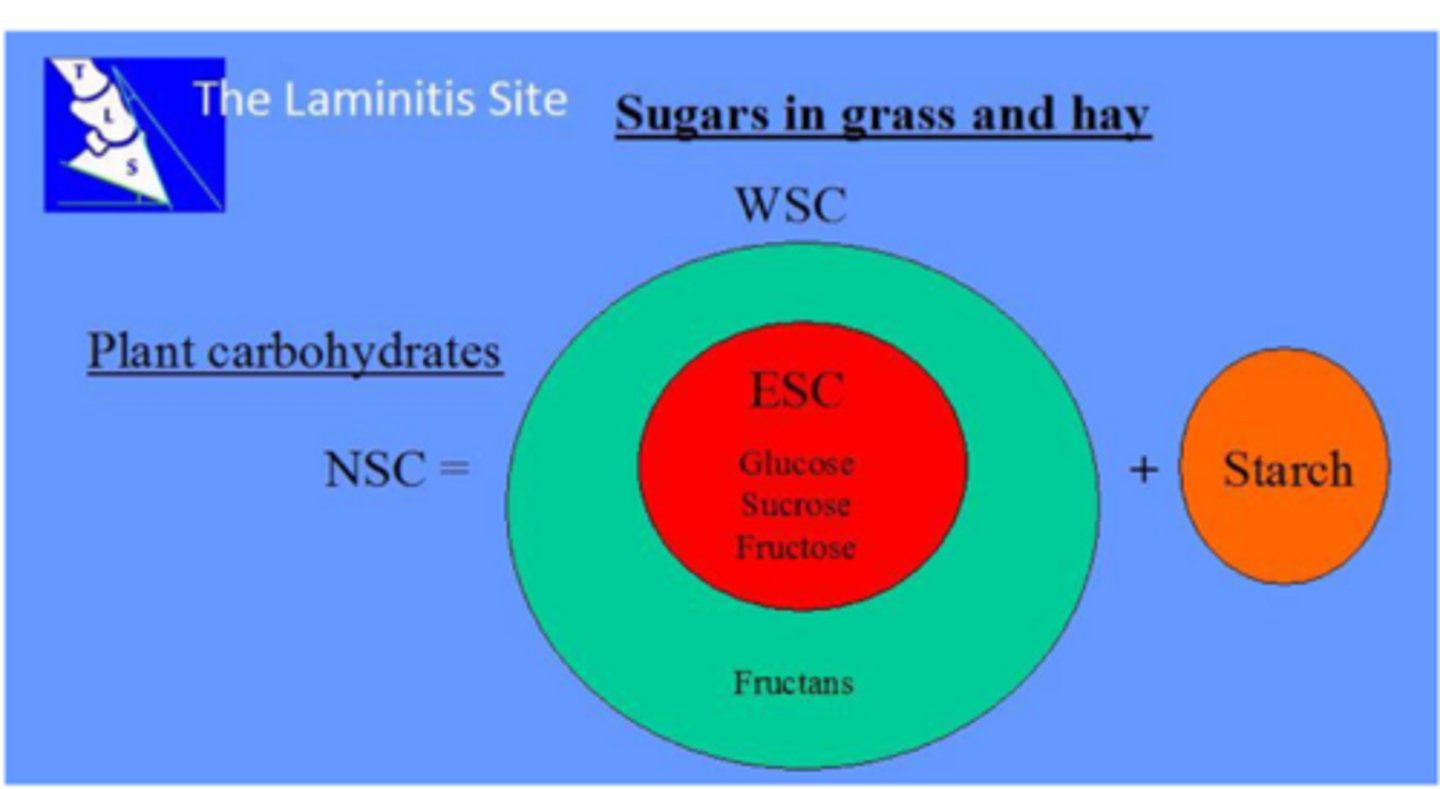
estimate of fructans in cool season grass
WSC-ESC = ____
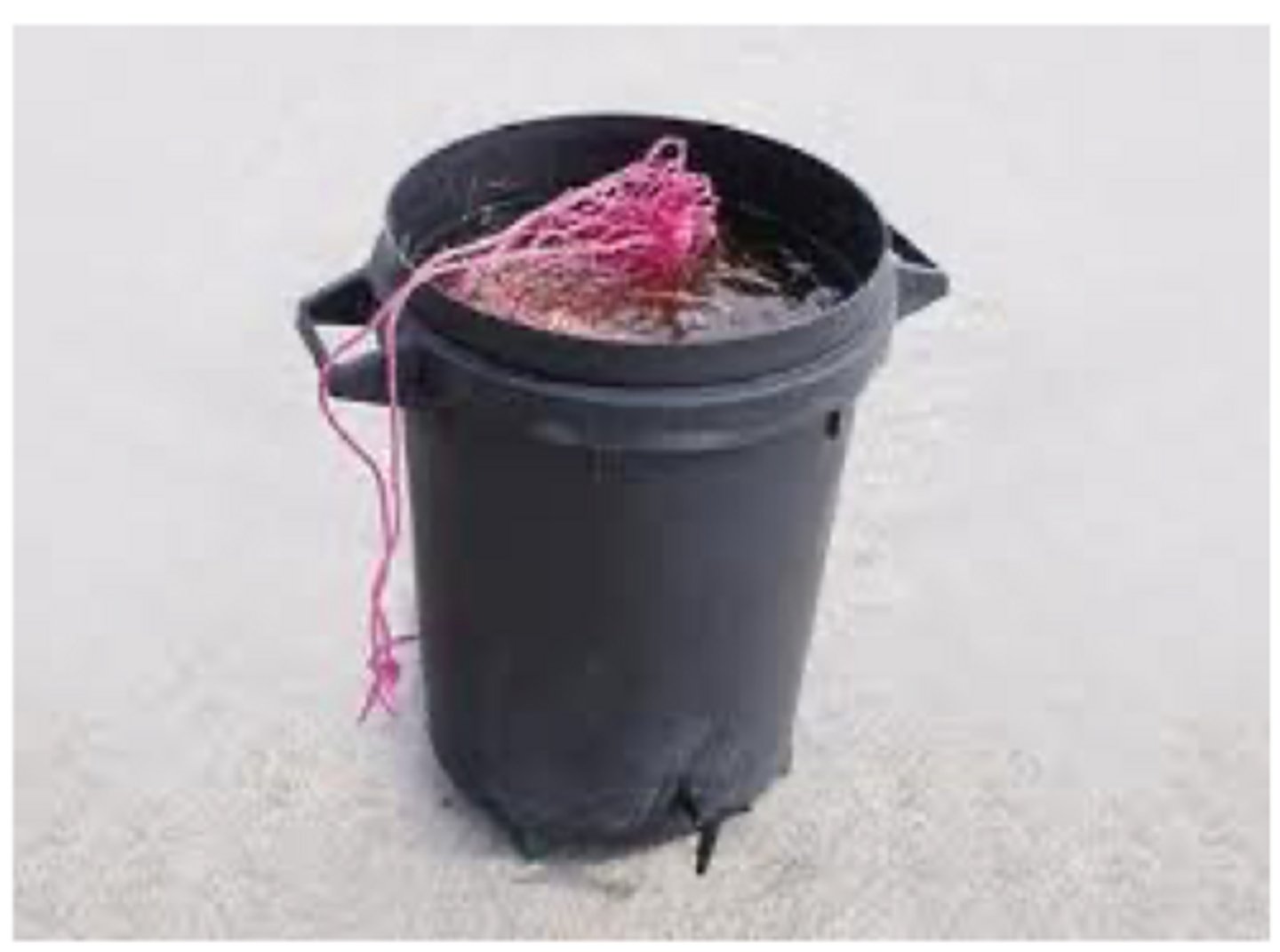
1. restrict grazing in spring
2. feed mature, lower NSC (<12%) hay
3. soak hay for 30-60 mins to decrease NSC by 30%
4. maintain ideal BCS
5. monitor high risk horses
6. limit gain to max of 0.5% BW
7. feed at least 50% hay
how can we prevent pasture-associated laminitis
1. limited facilities
2. cost constraints
3. compliance issues
client factor challenges in managing laminitis
1. dry lot
2. high quality hay and nutrient analysis
3. farrier care
4. medical management
management needs associated with preventing laminitis
bermuda grass
which forage is associated with ileal impactions
1. high concentrate diets
2. limited pasture access
3. stall confinement
what are some predisposing factors of cribbing (aerophagia)
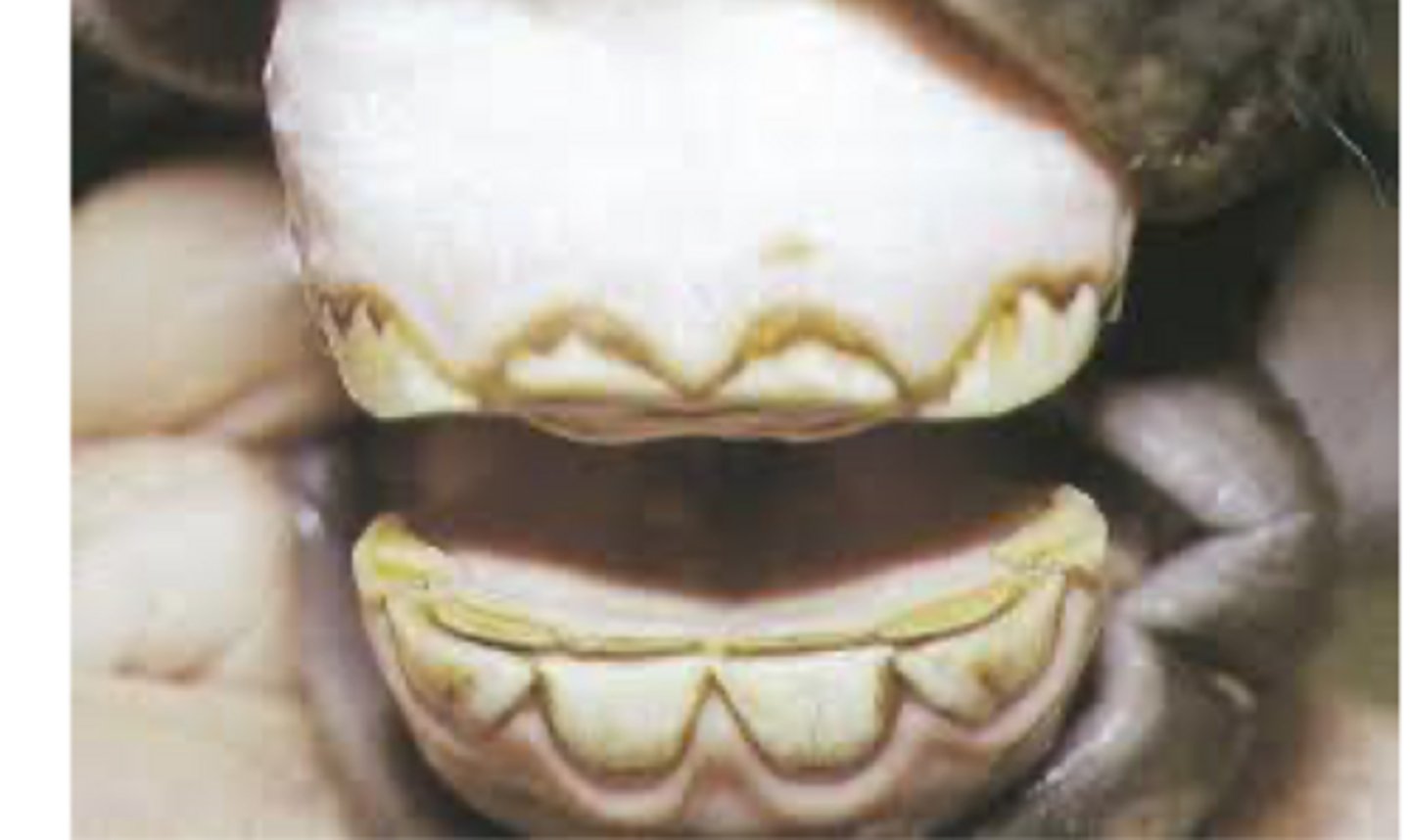
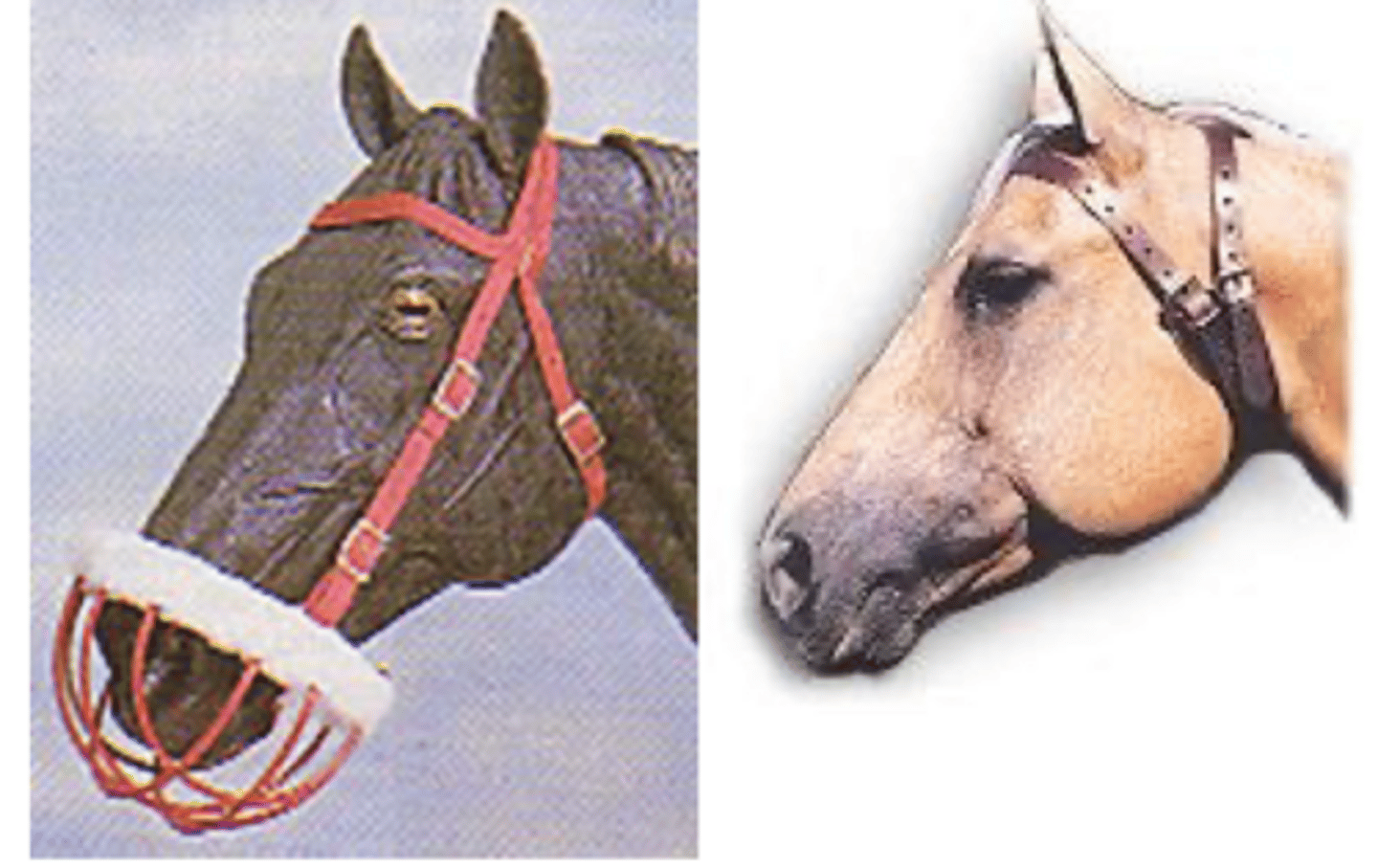
1. increase forage
2. environmental enrichment
3. physical deterrents like collars and fencing
management for cribbing (aerophagia)
1. performance horses---->60-90%
2. foals---->25-50%
gastric ulcers are most common in what kinds of horses
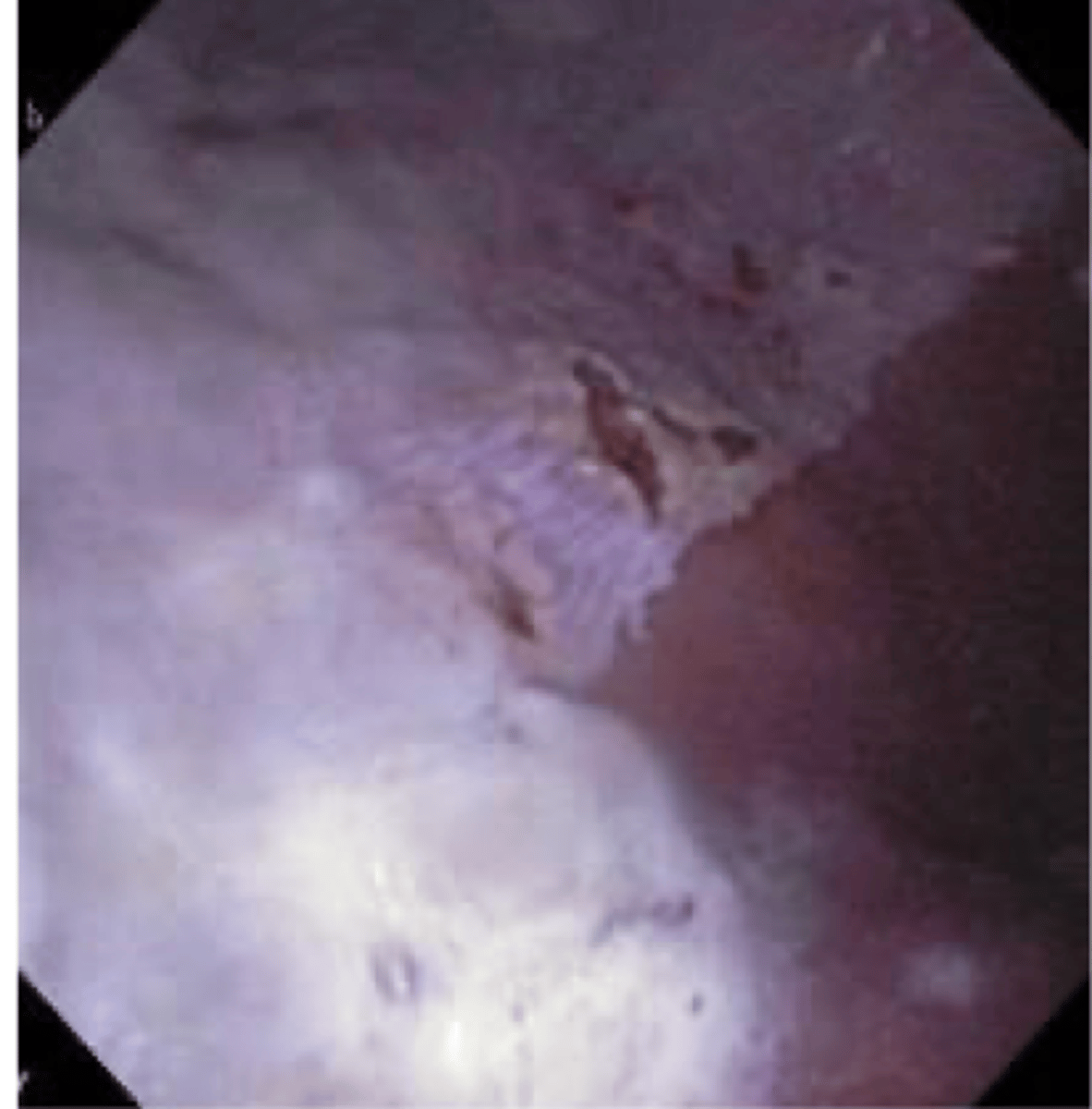
non-glandular stratified squamous mucosa
gastric ulcers occur most commonly in what part of the stomach
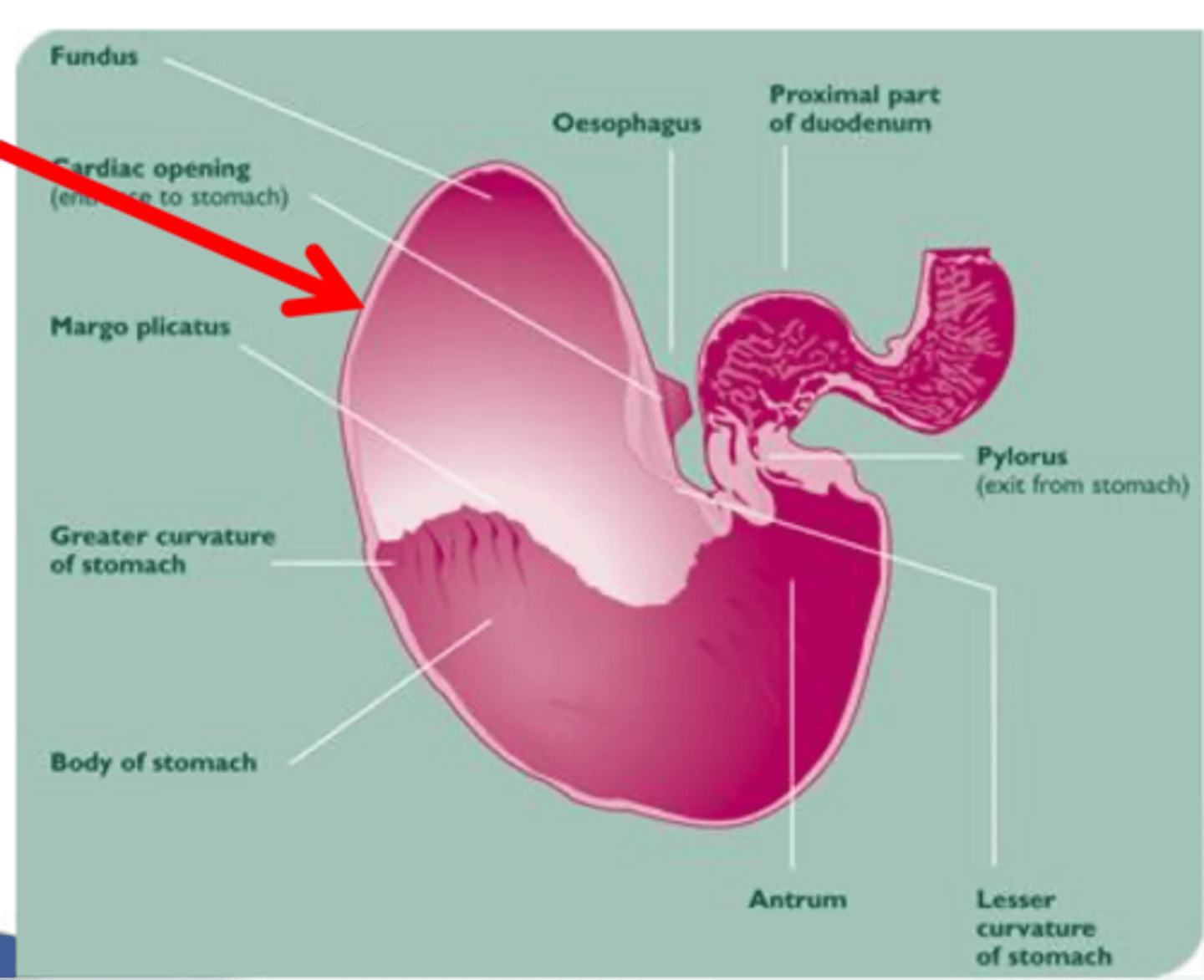
gastric ulcers
high grain diets, intermittent feeding, stall confinement, and intense exercise are all risk factors for what
1. continuous forage access to stimulate saliva
2. alfalfa for buffering capacity up to 5 hrs due to protein and calcium content
3. reduce stress
4. aloe vera juice...1x/d for prevention, 2x/d for tx.
5. corn oil to increase pH
prevention methods of gastric ulcers
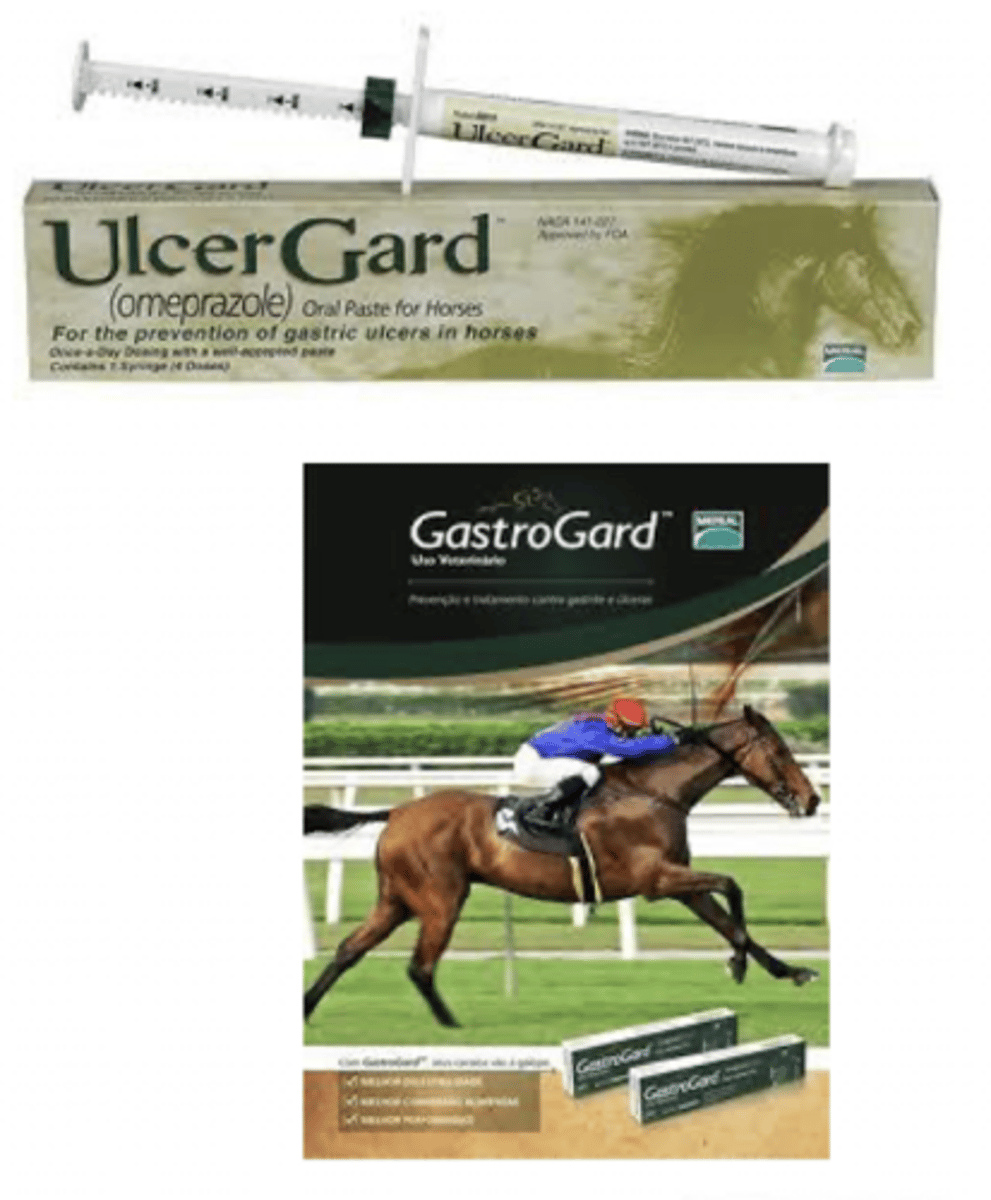
1. omeprazole-gastrogard which is Rx
2. omeprazole-ulcergard which is OTC and 1/4 dose of gastrogard
what are the primary methods to tx. gastric ulcers
fructans
which carb in grass can cause excessive LI fermentation and laminitis
form of allergic respiratory distress due to dust/mold which causes chronic cough, nasal discharge, and respiratory difficulty
what is heaves/recurrent airway obstruction
1. avoid dusty hay and storing hay above horses
2. feed cubes
3. feed soaked hay....but remember nutrient losses
4. maximize pasture turnout
5. use hay gain system to steam-sterilize hay
management practices of heaves/recurrent airway obstruction
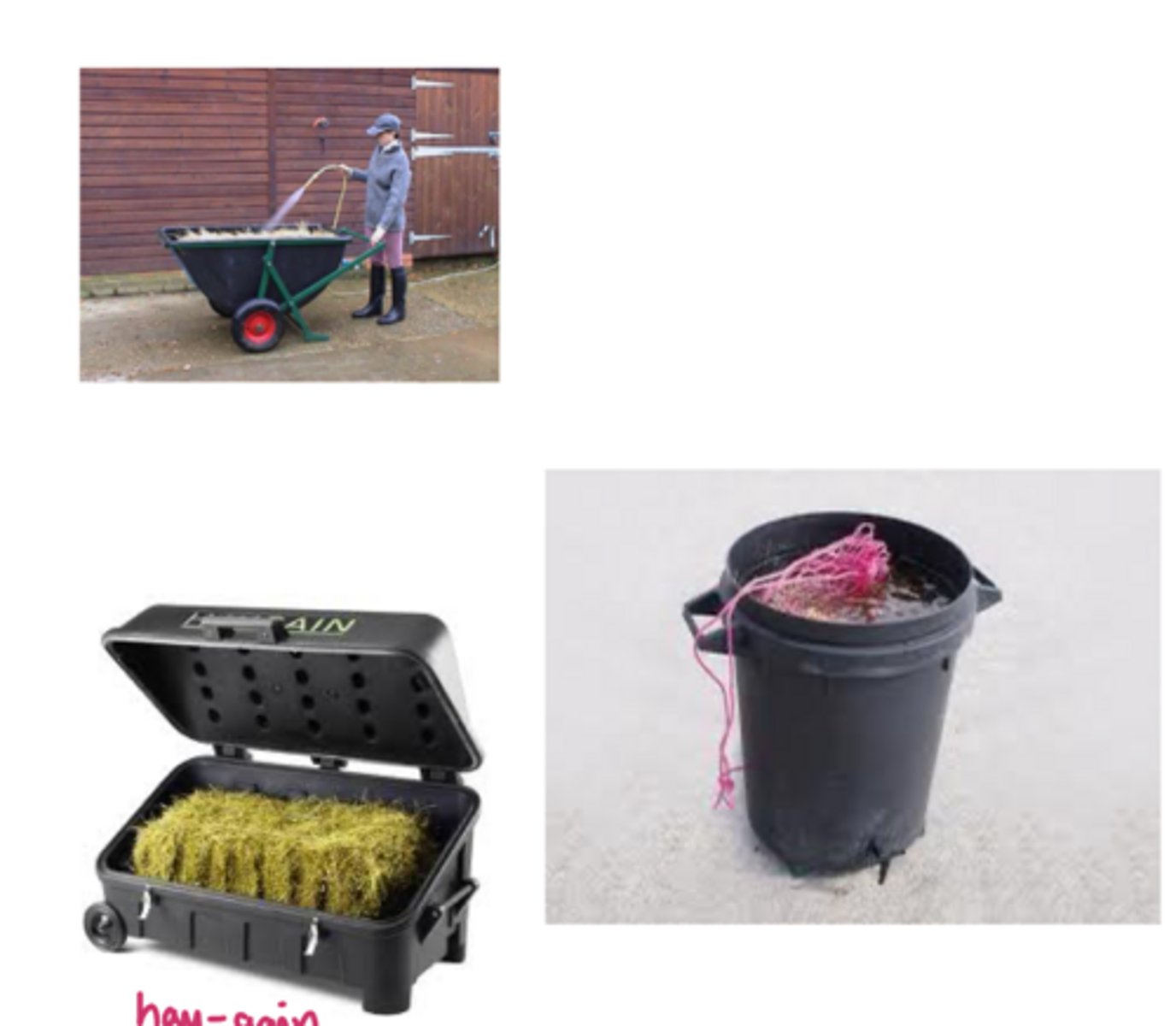
1. ~30% reduction in sugar content
2. >50% reduction in potassium
what nutrients are leached when you soak hay
when food is stuck in esophagus (usually behind base of heard or in thoracic inlet) and causes hypersalivation, retching, not eating, coughing, and nasal discharge
what is choke/esophageal obstruction
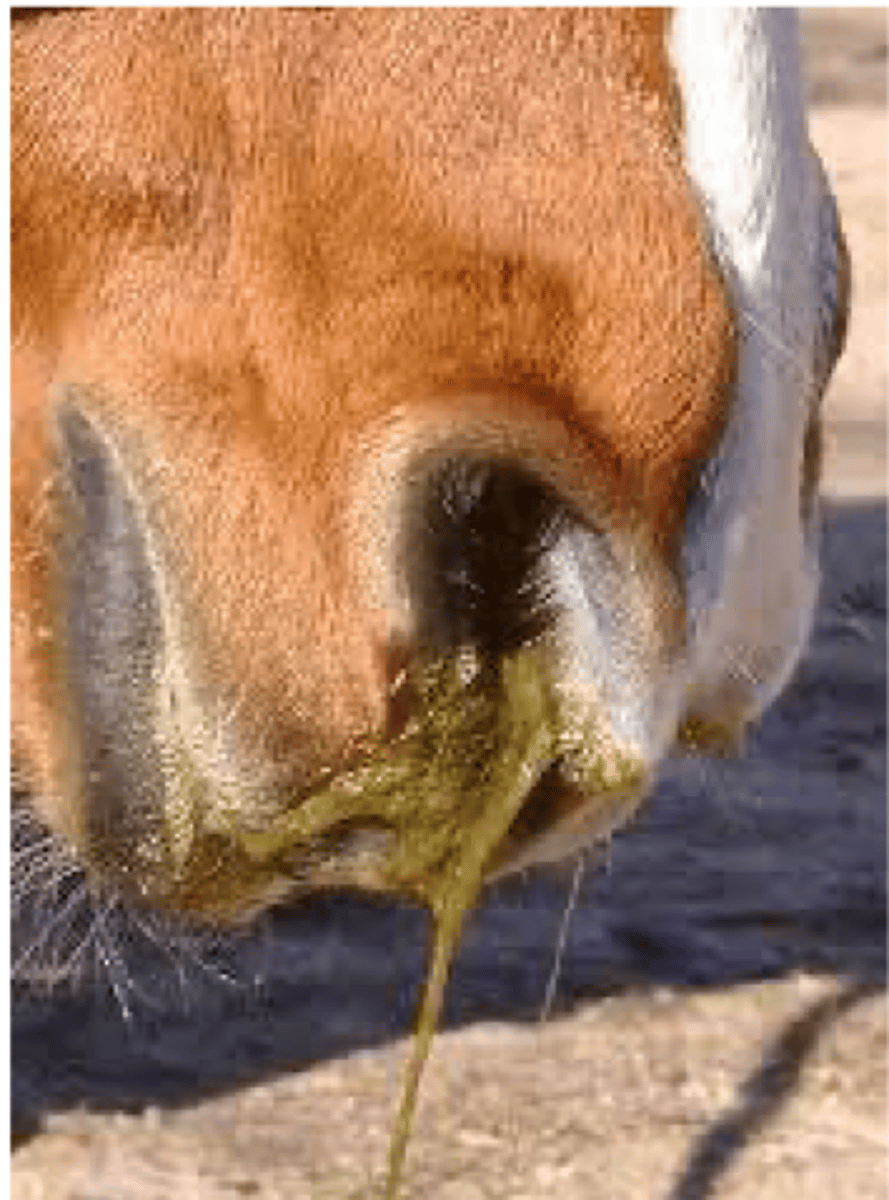
1. rapid eating
2. dry feed...pellets or beet pulp
3. poor dentetion
risk factors associated with choke/esophageal obstruction
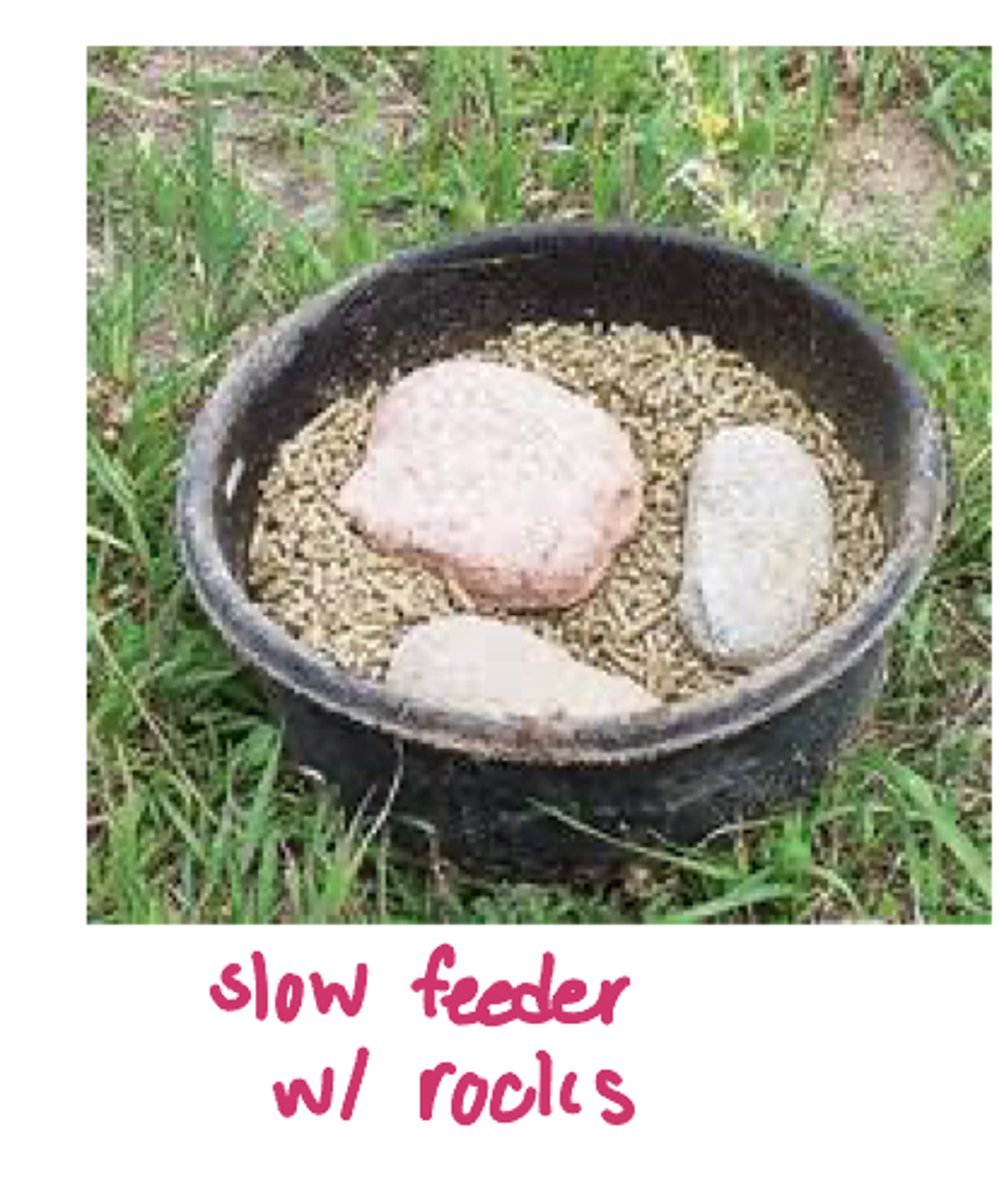
1. soak feed
2. slow feeder
3. provide dental care
how can we prevent choke/esophageal obstruction
1. poor forage quality
2. long term deficiency
what are some causes of vitamin E deficiency in horses
1. equine degenerative myeloencephalopathy: hereditary or vit E deficiency associated with intracellular damage via oxidation leading to ataxia, proprioceptive deficits, and weakness typically in hindlimbs
2. equine lower motor neuron disease: neurodegenerative disorder associated with progressive weakness, fasciculations, mm. wasting, and WL
what are the primary conditions associated with vitamin E deficiency in horses and describe them
older horses deficient in vit E for 18 months or longer...peaks about 16YO
what horses are most at risk for equine lower motor neuron disease
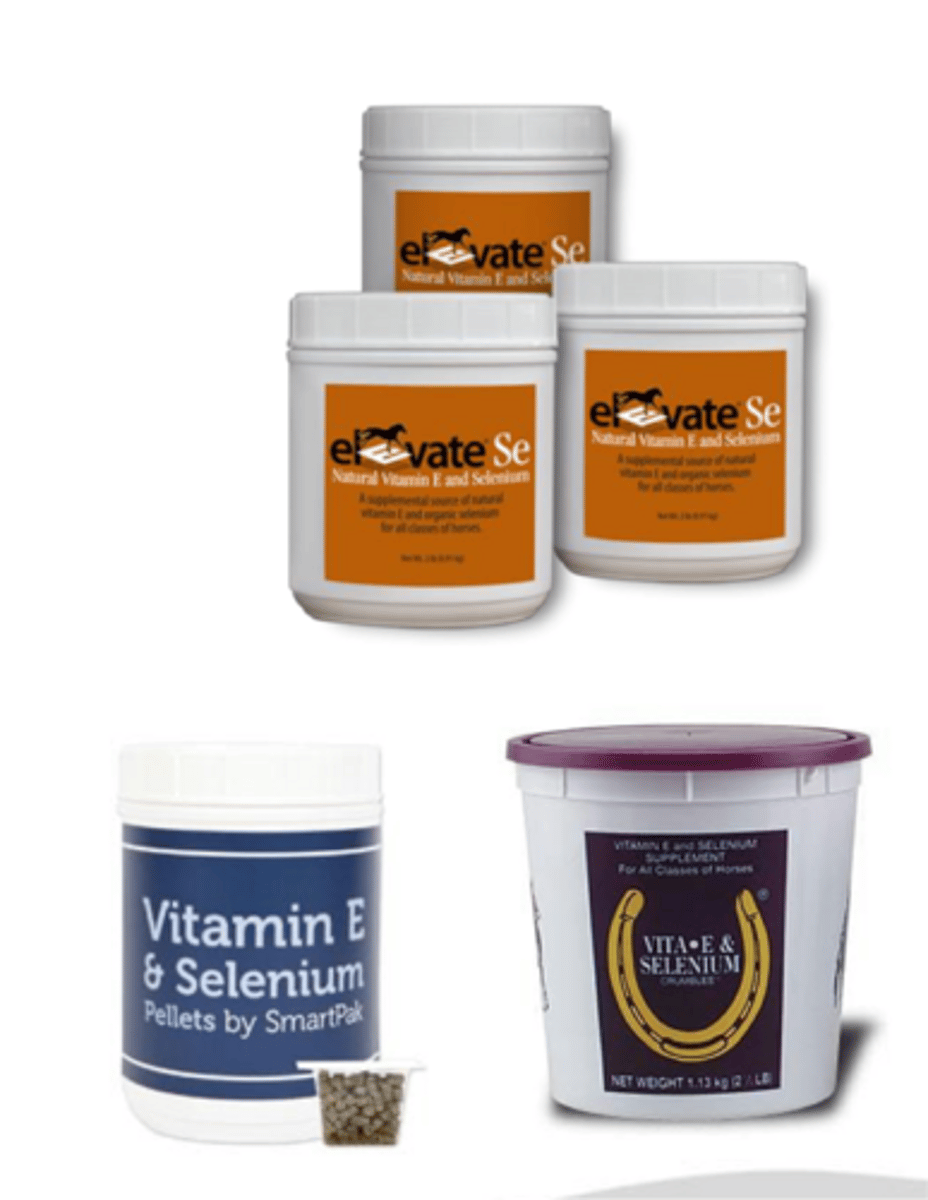
vitamin E and selenium
when tx. vitamin E deficiency in horses ___ and ___ are often combined together
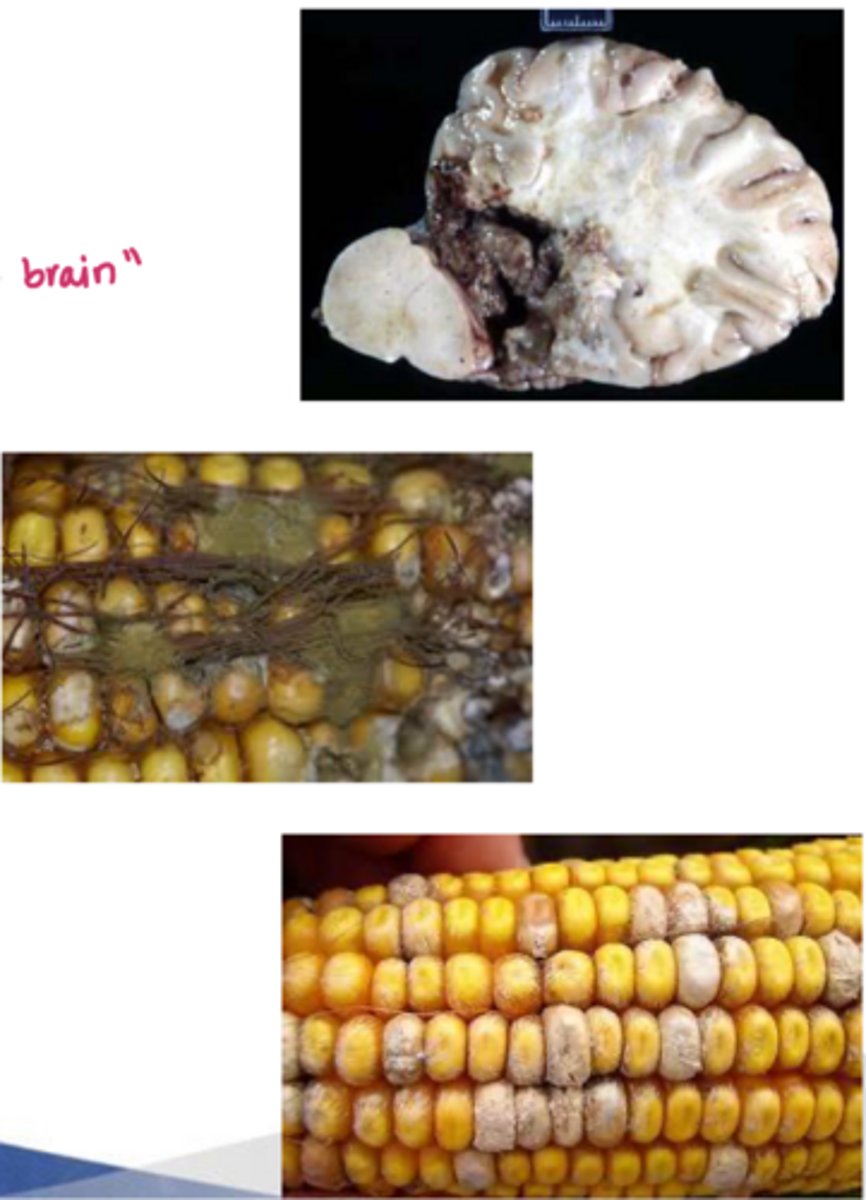
fumonisin toxicity due to mycotoxin
what causes leukoencephalomalacia aka moldy corn disease
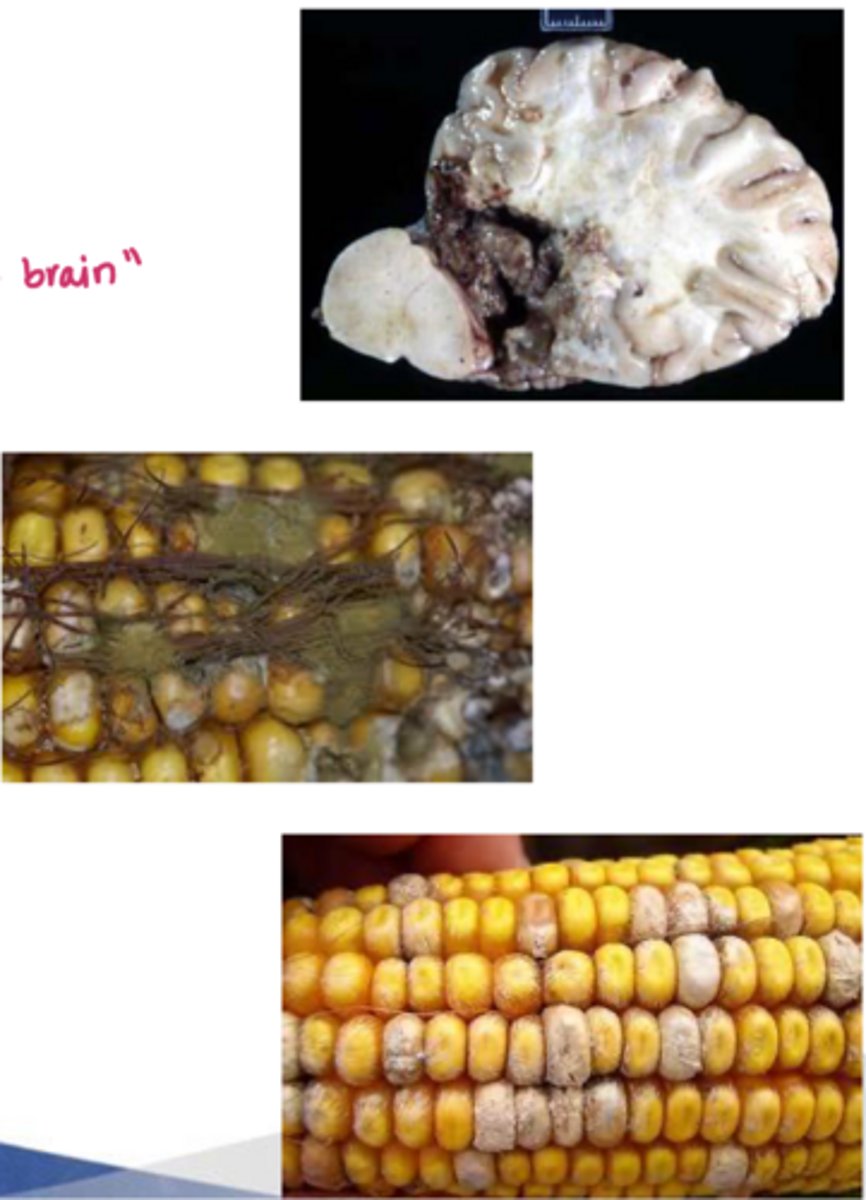
liquefactive necrosis of cerebral white matter due to fumonisins disrupting sphingolipid metabolism and ultimately blood vessels
what is the pathology of leukoencephalomalacia aka moldy corn disease
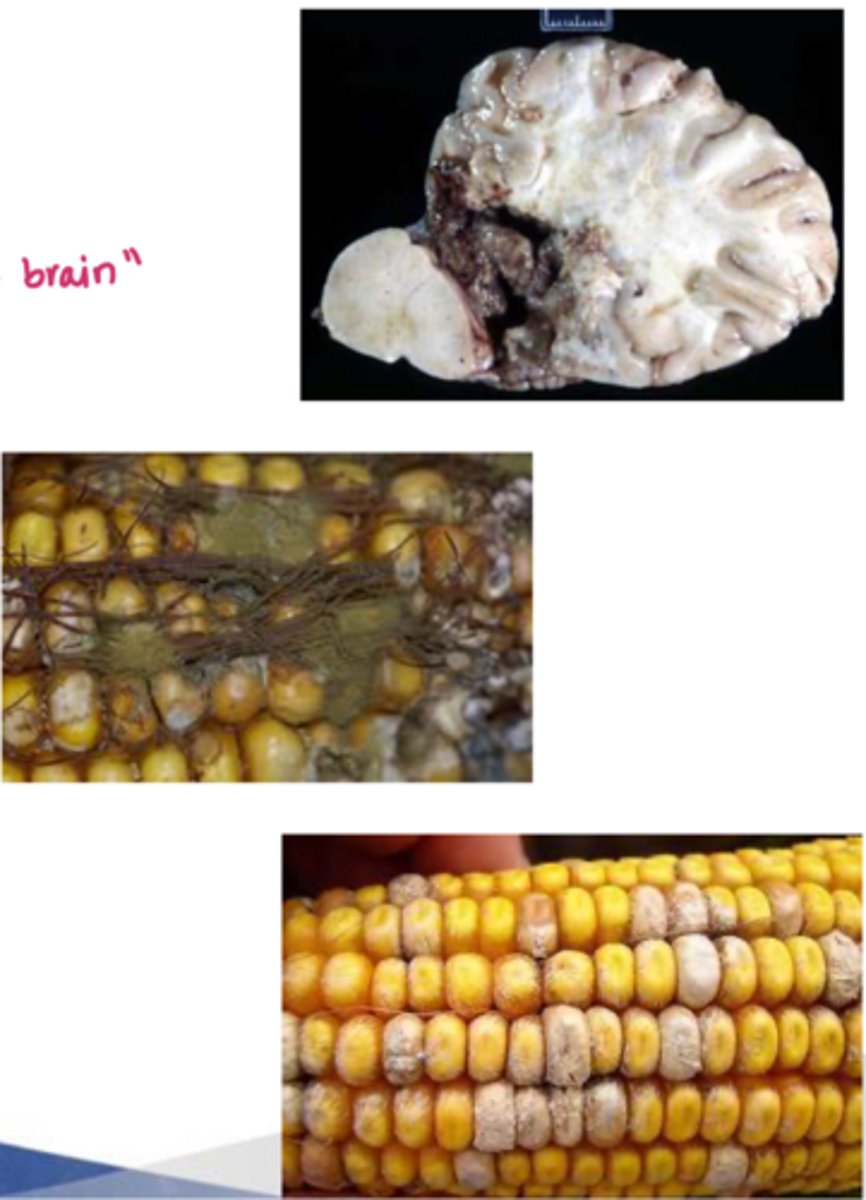
1. progressive ataxia, depression, anorexia, delirium, aimless wandering, recumbency, coma, and death
2. death 12hrs-twk after C/s onset
clinical signs associated with leukoencephalomalacia aka moldy corn disease
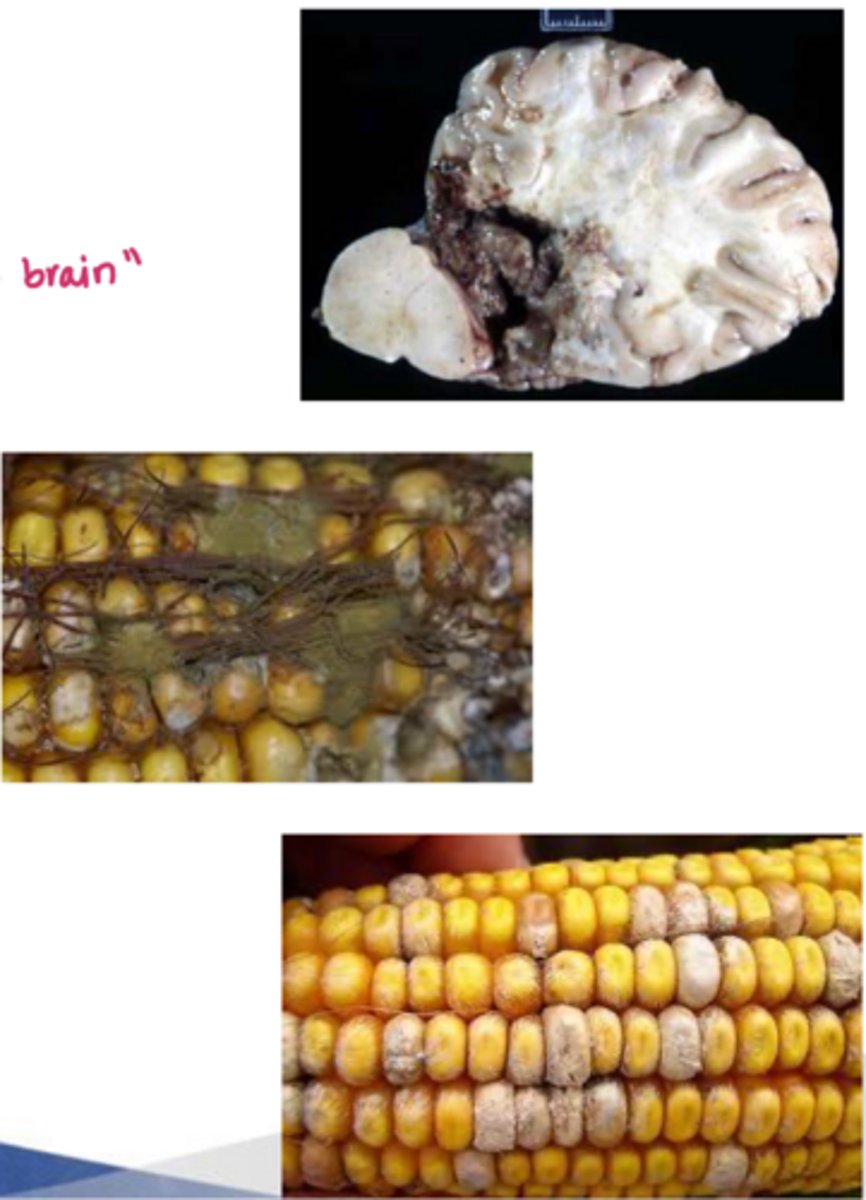
send moldy corn to toxicology lab for conformation
how can we dx. leukoencephalomalacia aka moldy corn disease