Thinking, Language, and MESH
 Call Kai
 Learn
Learn Practice Test
 Spaced Repetition
 Match
Match Flashcards
 Knowt Play
1/42

There's no tags or description
Looks like no tags are added yet.
Name | Mastery | Learn | Test | Matching | Spaced | Call with Kai |
|---|
No analytics yet
Send a link to your students to track their progress
43 Terms
Cognition
all mental activities associated with thinking, knowing, remembering, and communicating
memory, problem solving, language, etc
Concept
a mental grouping of similar objects, events, ideas, or people used to organize and understand information
similar to your idea of something
Prototype
the best, most typical, or average mental example of a specific category or concept
the most perfect example
ex. prototype of a bank robber is someone in a black mask with a bag of money
Algorithm
a methodical, step-by-step procedure or set of rules that guarantees a correct solution to a problem
slow, safe, and methodical
bottom up processing
Heuristic
a mental shortcut, "rule of thumb," or strategy that allows for quick decision-making and problem-solving
an “educated guess”
types= representative, availability, and anchoring
Insight
the sudden and often novel realization of a solution to a problem
aha moment
Confirmation bias
the tendency to search for, interpret, favor, and recall information that confirms one’s preexisting beliefs or hypotheses while ignoring or discounting contradictory evidence
“cherry picking evidence”
Mental set
the cognitive tendency to approach a problem or situation in a specific way, usually employing methods that were successful in the past
we repeat solutions that have worked in the past
Functional fixedness
a cognitive bias that limits a person to using an object only in its traditional or intended way
unable to think outside the box (you are stuck)
opposite of convergent and divergent thinking
Divergent thought
a cognitive process used to generate creative, multiple, and unique solutions to an open-ended problem or question
spreading out to find many possibilities
Representative heuristic
people judge the probability of an event or situation based on how closely it matches a typical mental prototype or stereotype
using prototypes and ignoring other relevant data
ex. because of the prototype of a bank robber no one would assume a grandma robbed the bank
Availability heuristic
people estimate the probability of events based on how easily examples come to mind
bases things off the commonality of the outcomes
Overconfidence
the cognitive bias and tendency to be more confident than correct
overestimating oneselves actual skill level
Belief bias
the tendency to judge the strength of arguments based on how plausible their conclusion is to the person, rather than how logically valid the argument actually is
is the argument believable
Perseverance bias
the tendency to cling to one's initial beliefs or conceptions even after the basis on which they were formed has been discredited or contradicted
Artificial intelligence
a subfield of computer science aimed at developing systems that simulate human cognitive processes, including learning, reasoning, problem-solving, perception, and decision-making
Language
Complex system of communication that uses words or signs to convey thoughts, ideas, and emotion
Phoneme
A phoneme is the smallest distinctive sound unit in a language that can change the meaning of a word
most basic linguistic sound
about 44 in English
Morpheme
smallest meaningful units of language, including words, prefixes, and suffixes
Semantics
how we interpret and understand the meaning of language
rules by which we derive meaning from language
Syntax
set of rules that govern how words are arranged to create meaningful sentences
sentence structure
Motivation
feelings or ideas that cause us to act toward a goal
need or desire that energizes or directs behavior toward a goal
Emotion
physiological arousal, cognitive appraisal, and expressive behaviors in response to personally significant events
Instinct
unlearned, complex, and biologically programmed behavior that follows a fixed pattern and is universal within a species
ex. fight or flight response, babies rooting reflex
Drive-reduction theory
our behavior is motivated by the need to reduce internal tension or discomfort caused by unmet biological needs
physiological need creates tension that is alleviated by an action
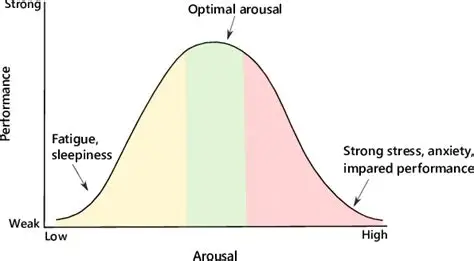
Yerkes-Dodson Law
performance improves with arousal up to an optimal point, after which further arousal decreases performance
Reciprocity norm
social rule that compels individuals to return favors or respond in kind to the actions of others
The over justification effect
offering an expected external incentive (such as money, prizes, or praise) for an activity that someone already enjoys reduces their intrinsic motivation to perform that activity
you like something intrinsically but an extrinsic motivation makes you not like it any more
Homeostasis
self-regulating processes that keep physiological and psychological systems in balance.
maintaining a constant internal state
Extrinsic motivation
behavior that is driven by external rewards or pressures rather than by internal satisfaction or personal interest
ex. you want to work a job to get paid (not because you love what you do)
Intrinsic motivation
behavior driven by internal rewards such as personal satisfaction, enjoyment, or interest in the activity itself, rather than by external rewards or pressures
ex. you work a job because you love what you do (not just because you want to get paid
Sensation-seeking theory
tendency to pursue novel, intense, and thrilling experiences to increase arousal and stimulation
why? depends on perspective
Set point
pre‑determined weight range that a person’s body naturally tends to maintain through internal physiological processes
Basic metabolic rate
number of calories required to keep your body functioning while at rest
determines a person’s set rate
“metabolism”
“Broaden and build” theory of emotion
positive emotions expand our thinking and behaviors, helping us build lasting personal resources, while negative emotions narrow focus to address immediate threats
being in a positive mood can help you make tools to deal with negative emotions
Sexual Response Cycle
model that describes the physiological responses that occur during sexual activity
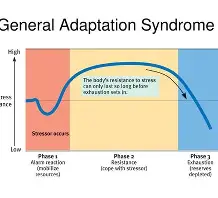
General Adaptation Syndrome (GAS)
body’s three-stage physiological response to prolonged stress, consisting of alarm, resistance, and exhaustion
Type A
behavioral pattern marked by high competitiveness, a constant sense of urgency, impatience, and a tendency towards hostility
high stress levels → declined health later
Type B
refers to an individual who is generally relaxed, easygoing, and less prone to stress
characterized by low levels of competitiveness, frustration, and aggressiveness
Conflict Theory
According to Lewin, people are constantly faced with situations where they must choose between competing goals, desires, or actions, and these conflicts can be categorized into three main types
Approach- Approach (2 good things you want)
approach- avoidance (when a thing is both good and bad)
avoidance- avoidance (2 bad things → best of the worst)
“Tend and befriend” theory
proposes that humans, especially females, respond to stress by nurturing others (tending) and seeking social support (befriending) as an alternative to the fight-or-flight response
“Problem-focused coping”
stress management strategy that involves taking direct action to address the root cause of a stressor
coping with a problem by trying to solve the problem
“Emotion-focused coping”
managing the emotional response to stress rather than directly addressing the stressor itself