Public Law Term 2
 Call Kai
 Learn
Learn Practice Test
 Spaced Repetition
 Match
Match Flashcards
 Knowt Play
1/94

There's no tags or description
Looks like no tags are added yet.
Name | Mastery | Learn | Test | Matching | Spaced | Call with Kai |
|---|
No analytics yet
Send a link to your students to track their progress
95 Terms
Anisminic v Foreign Compensation Commission (1969)
Chapter: Judicial Review: Substantive Review (Illegality: Jurisdictional Review)
Facts: British mining company with property in Egypt had its property sequestrated by Egyptian govt during the 1956 Suez crisis. FCC established to allocate compensation in cases like this. FCC Act 1950 had a set of conditions for eligibility, and wrongly interpreted "successor in title" and excluded Anisminic on the error of law (rendered a nullity). Anisminic sought judicial review under the old approach, and faced problems under FCC Act s4(4) which wrote: 'the determination by the Commission of any application made to the under this Act shall not be called in question in any court of law' (ouster clause)
Principle: HOL ruled the FCC misinterpreted the statutory criteria, committing an error of law that rendered its decision a nullity. and the ouster clause did not prevent the court from correcting jurisdictional errors. In general, any error of law made by an administrative decision-maker can be subject to judicial review unless Parliament expressly provides otherwise (new approach abolished distinction between jurisdictional vs non-jurisdictional errors of law)

R (A) v Croydon (2009)
Chapter: Judicial Review: Substantive Review (Illegality: Jurisdictional Review)
Facts: Children Act 1989 s20(1): 'every local authority shall provide accommodation for any child in need within their area who appears to them to require accommodation.' Two applicants claimed to be under 18 but visual age assessments decided they were adults and thus not entitled to accommodation. Both applicants sought review, arguing their true age should be determined by the court, not the local authority
Principle: Court ruled that the question whether a person is a child is a jurisdictional fact for the court to determine. The question of whether the child is in need is to be determined by the local authority as it requires a number of different value judgements. This case illustrates that courts are not hostile to discretion but will not allow authorities to define the limits of their own power

South Yorkshire Transport (1993)
Chapter: Judicial Review: Substantive Review (Illegality: Jurisdictional Review)
Facts: Fair Trading Act 1973 s64(3): 'If acquisitions of companies affect a substantial part of the UK, the Monopolies and Mergers Commission may investigate' The MMC decided that a merger of bus companies in South Yorkshire may operate contrary to public interest considering that the reference area in the statute is 'a substantial part of the UK'. Company applied for for judicial review, questioning the MMC's interpretation of 'substantial'.
Principle: Interpretation of statutory criteria ("a substantial part") is for the court, but application of those criteria may involve administrative discretion. The court does not interfere with the decision of a public body based on an interpretation of legislation unless the interpretation was irrational.

Liversidge v Anderson (1942)
Chapter: Judicial Review: Substantive Review (Illegality: Discretionary Powers)
Facts: Home Secretary used emergency powers in WWII to pass Defence of the Realm Act 18B: 'if the Secretary of State has reasonable cause to believe any person to be of hostile origin or association, he may make an order against that person directing that he be detained.'
Question arose of whether this meant 'if the Secretary of State thinks that he has reasonable cause to believe (subjective discretion)? Or if it is for the court to test whether there actually was a reasonable cause to believe (objective discretion)?
Principle: HOL ruled that it conferred subjective discretion, and the court would not investigate whether the Secretary of State really did have reasonable cause to believe. Now an example of extreme judicial deference and famous for Lord Atkin's dissent. The case is no longer regarded as good authority and has been displaced by later developments.

Padfield v Minister of Agriculture (1968)
Chapter: Judicial Review: Substantive Review (Illegality: Discretionary Powers)
Facts: Farmers complained about the Minister of Agriculture’s management of a milk marketing scheme. The Agriculture Marketing Act 1959: ‘the Minister may refer a complaint to a committee of investigation if the Minister in any case so directs’. If the committee recommended changes, the Minister could amend the scheme ‘if he thinks fit to do so’. The Minister refused to refer the complaint to the committee, arguing he need not give reasons in the exercise of discretion, and Padfield sought judicial review
Principle: HOL held that the Minister had taken into account irrelevant considerations and acted for an improper purpose. ‘Parliament must have conferred the discretion with the intention that it should be used to promote the policy and objects of the Act which must be determined by construing the Act as a whole and construction is always a matter of law for the court.’ – Lord Reid
ALSO
Chapter: Judicial Review: Procedural Review (Duty to Give Reasons)
Principle: Court rejected argument that a Minister need not give reasons in the exercise of discretion. In the absence of reasons, courts are more likely to infer that the decision maker acted for an improper purpose or irrelevant consideration or with Wednesbury unreasonableness. (still no common law duty to give reasons, merely an incentive to give reasons as a lack of good reasons may be used to infer irrationality/unreasonableness)

British Oxygen v Minister of Technology (1971)
Chapter: Judicial Review: Substantive Review (Illegality: Constraints on Discretion)
Facts: Industrial Placements Act s13 gave Minister of Technology discretionary power to issue grants to industrial plants. Minister made a policy of not reimbursing products under GBP 25. British Oxygen applied for grants for their gas cylinders which cost GBP 20 each and were refused. They applied for judicial review on the grounds that it was unreasonable to disregard the application simply because their cylinders were under GBP 25
Principle: When an Act of Parliament confers unlimited discretion to the executive, the executive is free to implement a policy on its implementation provided that it nonetheless considers applications contrary to the policy (no unlawful fettering where the authority is prepared to listen to applications contrary to the policy)

Fares Fair Case (1983)
Chapter: Judicial Review: Substantive Review (Illegality: Constraints on Discretion)
Facts: Labour-led Greater London Council cut London transport fares and hiked taxes to subsidize it. Judicial review claim brought arguing that the subsidization created a massive deficit and overstepped the GLC's legal authority.
Principle: HoL ruled the GLC acted unlawfully as it was under a fiduciary duty to the taxpayers and improperly prioritized an election promise over economic realities. (Court intervened despite public spending issue as the GLC misunderstood its statutory duties)

GCHQ Case (1985)
Chapter: Judicial Review: Substantive Review (Illegality: Constraints on Discretion)
Facts: Thatcher govt banned union membership at GCHQ using royal prerogative. No consultation with employees, solely relying on national security justification.
Principle: Reviewability depends on the subject matter, not the source of power. As such, judicial review extends beyond mere statutory interpretation and prerogative powers may be reviewable (some remain non-justiciable like treaty-making and defence of the realm). Also confirmed three grounds for judicial review (illegality, irrationality, and procedural impropriety)

Puhlhofer (1986)
Chapter: Judicial Review: Substantive Review (Illegality: Constraints on Discretion)
Facts: Family of 4 lived in one room at guesthouse with no cooking or laundry facilities. They applied to local authority for housing and the authority refused as they were not per se homeless, even though the accommodation was unsuitable.
Principle: Where Parliament leaves a question of fact to a public body, the court should not interfere except where the public body is acting perversely

The Pergau Dam Case (1995)
Chapter: Judicial Review: Substantive Review (Illegality: Constraints on Discretion)
Facts: Thatcher reached an aid-for-arms deal with Malaysia. In 1993, Foreign Secretary committed GBP 234 million to build the Pergau Dam
The National Audit Office among others considered the UK's funding of the dam to be a waste of money and fell outside the statutory purposes. World Development Movement sought judicial review. Overseas Development and Cooperation Act 1980 s1: 'The Secretary of State shall have power, for the purpose of promoting the development or maintaining the economy of a country or territory outside the UK, or the welfare of its people, to furnish any person or body with assistance whether financial technical, or of any other nature.'
Principle: Court declared Foreign Secretary's decision as ultra vires: 'the statutory power in s1(1) of the Act to provide assistance for the purpose of promoting development did not include economically unsound development purposes.'
ALSO
Chapter: Procedure and Remedies (Permission Stage: Standing)
Principle: The World Development Movement had standing due to: a) the importance of the issue raised, b) the likely absence of any other responsible challenger, c) the nature of the breach of duty against which the relief is sought, d) the prominent role of these applicants in giving advice, guidance and assistance with regard to aid.

The Corner House Case (2009)
Chapter: Judicial Review: Substantive Review (Illegality: Constraints on Discretion)
Facts: The Series Fraud Office started investigating alleged corruption by BAE Systems in negotiating contracts with Saudi Arabia. UK govt warned the Director of the SFO that the investigation would damage commercial and intelligence-sharing relations between UK and Saudi Arabia, putting pressure to end the investigation. Following threats from the Saudis, the Director eventually decided to stop the investigation, and judicial review was sought on this decision. The Divisional Court ruled that the Director must balance the public interest with national security risks. The Director appealed
Principle: HOL ruled that the Director balanced the public interest in pursuing a bribery investigation with the public interest in protecting British citizens - i.e. the question of an alternative course of action should not have arisen. The court could only interfere with the decision of an independent investigator in extremely rare cases. In this case, it was clear that the Director was highly reluctant to discontinue the investigation. However, he made his decision (one he was legally entitled to make) on his own and was not influenced by others.

Ahmed and others v HM Treasury (2010)
Chapter: Judicial Review: Substantive Review (Illegality: Constraints on Discretion)
Facts: Treasury made orders freezing assets of individuals suspected of terrorism under United Nations Act (1946). Individuals challenged legality.
Principle: Fundamental rights cannot be overridden by vague statutory language or secondary legislation. Clear parliamentary authorisation is required.

Associated Provincial Picture Houses v Wednesbury (1948)
Chapter: Judicial Review: Substantive Review (Irrationality)
Facts: Wednesbury granted a license for a cinema to operate on Sundays. The license was subject to a condition that children under 15 were not admitted, even if accompanied by an adult. Cinema owners argued the condition was unreasonable and sought judicial review
Principle: Appeal dismissed; courts will not interfere with administrative discretion simply because they disagree with the decision. It must be so unreasonable that no reasonable authority could have ever come to it (very high bar). Wednesbury unreasonableness: courts may intervene if the decision-maker took into account irrelevant considerations, failed to take into account relevant considerations, or reached a conclusion that defies logic or accepted moral standards.

Education Secretary v Tameside (1977)
Chapter: Judicial Review: Substantive Review (Irrationality)
Facts: Labour govt ordered Conservative local education authority to change a school from a selective grammar into a comprehensive. Labour Secretary of State was statutorily authorised to intervene
Principle: Unreasonableness is an objective standard under which differing opinions can be reasonable, it does not mean what is subjectively wrong to the person conducting the review. This case also provides support for the proposition that the courts have jurisdiction to review material mistakes of fact

Wheeler v Leicester City (1985)
Chapter: Judicial Review: Substantive Review (Irrationality)
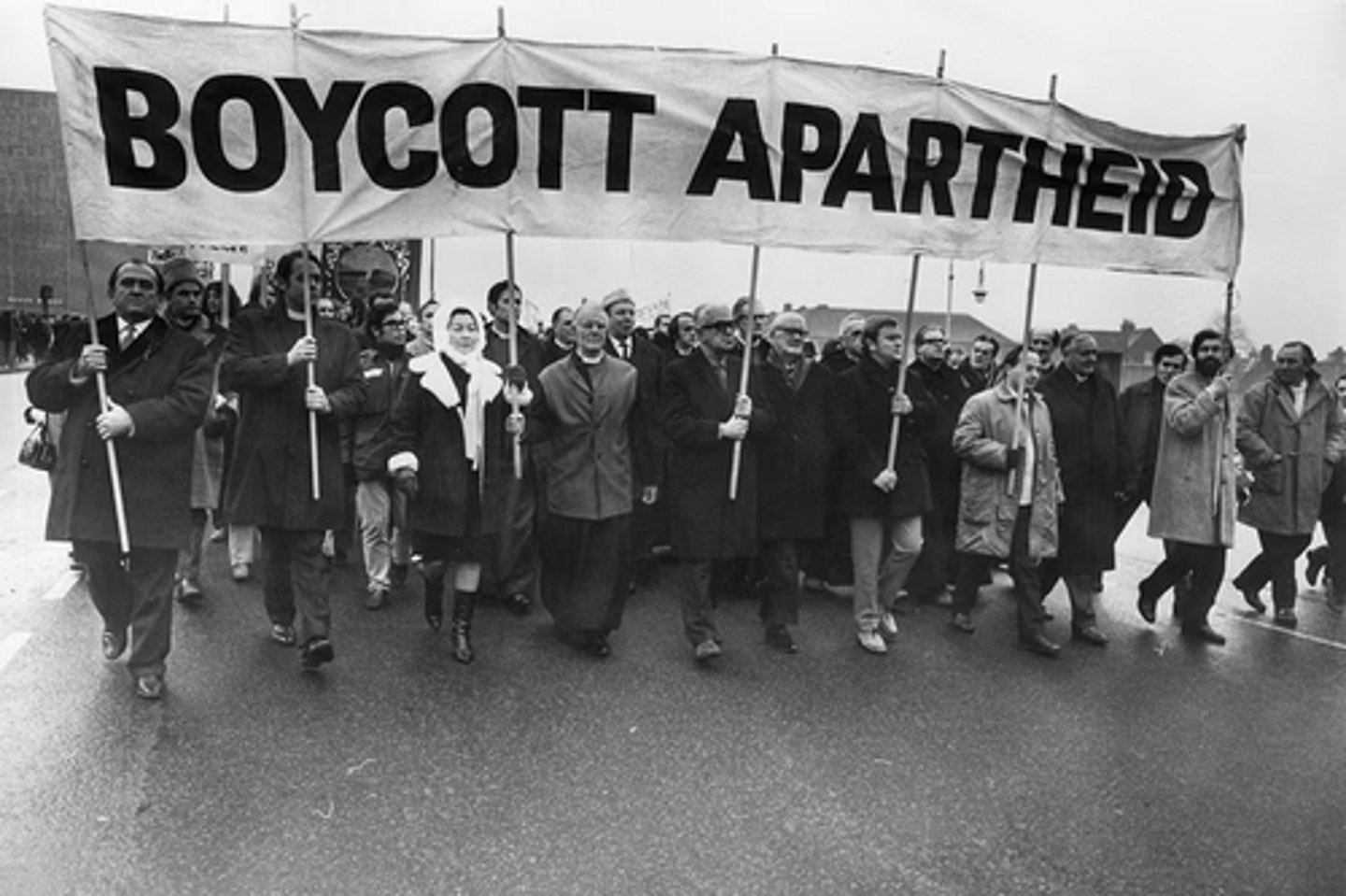
Facts: Leicester rugby club wanted to do rugby tour in South Africa but it was boycotted during apartheid. The Club did not want to get involved in political matters and responded that although they do not support apartheid, sporting contacts are not illegal. LCC tried to stop the club from going on the tour by suspending their use of municipal training grounds, defending its action under the Race Relations Act 1976
Principle: Court used Wednesbury test, ruling that the council’s action was unreasonable and thus unlawful despite Court of Appeals arguing the contrary. The use of public powers to punishing acts of private individuals and organisations that are otherwise reasonable and lawful will be quashed on the ground of improper purpose and procedural impropriety
ALSO
Chapter: Human Rights (Protection Outside the HRA)
Principle: Basic constitutional rights in this country such as freedom of the person and freedom of speech are based not on any express provision conferring such a right but on freedom of an individual to do what he will save to the extent that he is prevented from doing so by the law
Nottinghamshire County Council (1986)
Chapter: Judicial Review: Substantive Review (Irrationality)
Facts: Secretary of State set expenditure targets for local authorities, which were claimed to be unreasonably low
Principle: Court ruled that Wednesbury unreasonableness could only succeed if the Secretary of State acted in a way that was ‘so absurd that he must have taken leave of his senses’

Smith (1996)
Chapter: Judicial Review: Substantive Review (Irrationality)
Facts: Ministry of Defence created a policy to dismiss any personnel known to be homosexual or engaging in homosexual activity. 4 personnel dismissed from armed forces applied for judicial review on the grounds of irrationality, violation of ECHR Art 8 (private and family life), and the European Equal treatment directive.
Principle: Claim dismissed: it was reasonable as the policy was supported by both houses of Parliament and by those the Ministry looked to for advice The greater the policy content of a decision, and the more remote the subject matter from ordinary judicial experience, the more cautious courts must be before holding a decision to be irrational. The more substantial the interference with human rights, the more is needed by way of justification to prove the decision was reasonable. (Superseded post -HRA)

Venables and Thompson (1998)
Chapter: Judicial Review: Substantive Review (Irrationality)
Facts: 2 10-year-olds convicted of torture and murder of a 2-year-old, and Home Secretary raised their tariff (minimum term) after taking into account public petitions and media pressure
Principle: Decision quashed where an authority acts unlawfully by taking into account irrelevant considerations (public opinion). Sentencing decisions must be based on legal principles.

Daly (2001)
Chapter: Judicial Review: Substantive Review (Irrationality)
Facts: Home Secretary issued a document requiring prisoners to be removed from their cells during routine searches, including examination of legal correspondence on the suspicion that contents are criminal. Daly applied for judicial review on the basis that the searches breached his common law right of the confidentiality of privileged legal correspondence
Principle: Common law rights may require more than Wednesbury review where fundamental rights are engaged, introducing proportionality as a more intense standard of review. Proportionality requires a legitimate aim, rational connection, minimal impairment, and a fair balance between individual rights and public interest.

Huang v Home Secretary (2007)
Chapter: Judicial Review: Substantive Review (Irrationality)
Facts: Huang (Chinese citizen) sought indefinite leave to remain as dependent on her daughter (British citizen) but was rejected. Claim raised under Art 8 ECHR and immigration authorities applied deferential review, arguing she did not qualify under Immigration Rules (1994). Adjudicator granted Huang’s claim, but immigration Appeal Tribunal denied it on appeal and applied Wednesbury review and thought it should defer to govt. Huang applied to Court of Appeal which applied proportionality testing and Home Secretary appealed to HoL.
Principle: Proportionality involves an independent judicial judgement. The correct test for human rights matters is proportionality, not Wednesbury or heightened scrutiny.

Kennedy v The Charity Commission (2014)
Chapter: Judicial Review: Substantive Review (Rights, Reasonableness, and Proportionality)
Facts: C had previously conducted an inquiry. C refused a freedom of information request by K (journalist) to disclose information on the inquiry based on an absolute exemption provided for under s.2(2) and 32(2) of the Freedom of Information Act 2000. K applied for judicial review of the decision for violating Article 10 of the ECHR (right to freedom of expression), and sought to have either have the legislation read down via s3 HRA 1998 or declared incompatible via s10 HRA 1998
Principle: As a matter of ordinary common law construction, s.32 provides an absolute exemption even after the inquiry is over.
Article 10 should not allow a different reading of s.32 since this would differ from the intentions of Parliament

Bugdaycay (1987)
Chapter: Judicial Review: Substantive Review (Rights, Reasonableness, and Proportionality)
Facts: Review sought for 4 people who got refused asylum, one review succeeded. The one that succeeded argued that if he returned to Kenya, he would be sent to Pakistan, where he believed he would be killed, calling it an ‘effective death sentence’
Principle: Court upheld the claim due to the fundamental importance of the right to life. In the case of a fundamental right of such importance, the importance of justification of the administrative decision is higher. Anxious scrutiny applied: enhanced standard of irrationality applied by UK courts when examining decisions that engage fundamental rights or important individual interests. Under this approach, the court subjects the decision-maker's reasoning and evidence to more rigorous examination than in ordinary judicial review, whilst still respecting the separation of powers and not substituting its own judgment for that of the primary decision-maker. The doctrine represents an intermediate position between traditional Wednesbury unreasonableness and full merits review.

Brind (1991)
Chapter: Judicial Review: Substantive Review (Rights, Reasonableness, and Proportionality)
Facts: Home Secretary imposed a broadcasting ban on some N. Irish groups like Sinn Fein, who were associated with the IRA. Broadcasters would circumvent the ban by using actors to dub such members, and argued irrationality and breach under Art 10 ECHR.
Principle: Court held that the ECHR cannot be relied upon (pre-1998), and rejected irrationality as the Home Secretary acted within their powers. Other judges said it might be good to use proportionality in the future but not in this case.
Leech (1994)
Chapter: Judicial Review: Substantive Review (Rights, Reasonableness, and Proportionality)
Facts: Home Secretary could make any rules in the regulation of prisons. There was an additional rule that prisoners may correspond with their lawyer without interference when they are a party to legal proceedings. Leech sent letter to lawyer to start proceedings, but since he was not yet party to one, the letter was intercepted
Principle: Court ruled that there was a fundamental right to unimpeded access to the court, hence a solicitor. And, in the absence of specific statutory wording which enables the Home Secretary to interfere with that right, the court will not imply such a power.

Simms (2000)
Chapter: Judicial Review: Substantive Review (Rights, Reasonableness, and Proportionality)
Facts: Convicted murderers Simms and O'Brien sought to interview journalists in prison to challenge their convictions, but a Home Office policy prohibited interviews aimed at challenging convictions.
Principle: Upheld authority in Leech and developed the ‘Principle of Legality’: explicit statutory language is required to interfere with a fundamental right

R (UNISON) v Lord Chancellor (2017)
Chapter: Judicial Review: Substantive Review (Rights, Reasonableness, and Proportionality)
Principle: Fees for employment tribunals are unlawful because they impede access to justice, and defy the rule of law.
R v Cambridge Health Authority, ex p. B (1995)
Chapter: Judicial Review: Substantive Review (Rights, Reasonableness, and Proportionality)
Facts: Available bone marrow transplant treatment for a patient's leukemia with very low success rate was not funded by public health authority due to financial challenges and risk. High Court held that they acted irrationally as they cannot have discretion to the right of life unless they have a substantive interest to do so on public grounds.
Principle: Court of Appeals overturned this, arguing that the authority acted fairly and rationally; their decision did not even mention fundamental rights (highly controversial)

Smith and Grady (1999)
Chapter: Judicial Review: Substantive Review (Rights, Reasonableness, and Proportionality)
Facts: Parties went to Strasbourg after ex p. Smith and said the Wednesbury test is insufficient, and the measure beaches Art 8 and 13 of the ECHR
Principle: After HRA 1998, the court uses proportionality test from ECHR rather than Wednesbury by itself as it is insufficient for protection of rights

Cooper v Wandsworth (1863)
Chapter: Judicial Review: Procedural Review (The Right to be Heard)
Facts: Cooper was building a house when late of night, Wandsworth Board of Works destroyed the house as it failed to fulfil a statutory requirement of 7 days' notice to the Board (only gave 5), allowing W to demolish the house without any warning.
Principle: Court held W acted unlawfully, as even with statutory requirements, all individuals have a right to be heard, and the courts will supply the omission of the legislature (no man is to be deprived of his property without having an opportunity of being heard)

Ridge v Baldwin (1964)
Chapter: Judicial Review: Procedural Review (The Right to be Heard)
Facts: A chief constable who was acquitted of conspiracy to obstruct the course of justice was dismissed from office without notice of any charge or hearing, and without being given the opportunity to present his case. The Court of Appeal held that the principles of natural justice did not apply as the decision was administrative in nature, and the principles only applied to decisions of a judicial or quasi-judicial nature
Principle: HOL scorched the idea that the rules of natural justice apply only to judicial decisions and not administrative decisions, reviving the doctrine of procedural impropriety.

Doody (1994)
Chapter: Judicial Review: Procedural Review (The Right to be Heard)
Facts: Four prisoners serving mandatory life sentences requested judicial review after the Home Secretary refused to release them after serving their minimum terms and giving no reason for the decision.
Principle: Set out key principles of fair hearing: (i) when an Act of Parliament confers an administrative power, there is a presumption that it will be exercised in a manner which is fair in all the circumstances, (ii) the standards of fairness are not immutable, and may change with the passage of time, (iii) what fairness demands is dependent on the context of the situation, (iv) an essential feature of that context is the statute which creates the discretion, (v) fairness will often require a person who may be adversely affected by the decision to have an opportunity to make a representation on his behalf either before the decision is taken to produce a favourable result or after it is taken with a view to procuring modification, (vi) fairness will very often require that he is informed of the gist of the case which he has to answer. (When a decision seriously affects a person's rights, status, or legitimate expectations, the decision-maker must give reasons so the affected person can understand the basis of the decision and, if appropriate, challenge it.)
ALSO
Chapter: Judicial Review: Procedural Review (Duty to Give Reasons)
Principle: 'The law does not at present recognize a general duty to give reasons for an administrative decision', but there is 'a perceptible trend towards an insistence on greater openness.' (duty to give reason depends on the nature of the decision and the decision-maker's discretion)

R (Wright) v Health Secretary (2009)
Chapter: Judicial Review: Procedural Review (The Right to be Heard)
Facts: Care workers were added to a list of people deemed unsuitable to work with vulnerable adults based on employer allegations, immediately prohibiting them from working in the sector, often without an opportunity to defend themselves first.
Principle: Court declared the provisional listing procedure unlawful because it did not provide a swift, fair method for individuals to challenge their inclusion before suffering severe professional harm.

Hosenball (1977)
Chapter: Judicial Review: Procedural Review (The Right to be Heard: Criticisms)
Facts: Home Secretary ordered Hosenball (journalist) to be deported on national security grounds, but no evidence produced to support this claim.
Principle: Court ruled that when the public interest requires that information be kept confidential, it may outweigh even the interest in the administration of justice. Confirmed later in GCHQ national security is par excellence (a non-justiciable question)

Roberts v Parole Board (2005)
Chapter: Judicial Review: Procedural Review (The Right to be Heard: Criticisms)
Facts: Parole Board was concerned that revealing the evidence of an informer would put him at risk, and used a special advocate system without express statutory authorisation (security-cleared lawyer appointed to represent a person in a court hearing where some evidence cannot be disclosed to that person because it is sensitive national security information.) The Home Secretary made rules under CJA 1991 allowing the Board to withhold information on various grounds.
Principle: Court approved the system, as if the Board could lawfully withhold information, the special advocate system was better than nothing (dissenting judges argued such a system was 'Kafkaesque' and violated rights)

MB (2007)
Chapter: Judicial Review: Procedural Review (The Right to be Heard: Criticisms)
Facts: Prevention of Terrorism Act 2005 allowed Home Secretary to make control order against a person if there was reasonable grounds to suspect they were involved in terrorist-related activity. There needed to be a hearing to determine whether the decision to make a control order was flawed. But the hearings could use the special advocate system.
Principle: Court ruled that the use of special advocates was compatible with the right to a fair hearing unless, looking at the process as a whole, the procedure involved significant injustice to the individual.

A v UK (2009)
Chapter: Judicial Review: Procedural Review (The Right to be Heard: Criticisms)
Facts: MB case goes to Strasbourg
Principle: Court rules that national security can be a justification for limiting the information given to the individual, but non-disclosure cannot go so far as to deny an individual knowledge of the essence of the case against him, at least where there is a risk of severe consequences.
AF (2010)
Chapter: Judicial Review: Procedural Review (The Right to be Heard: Criticisms)
Facts: Succeeded A v UK
Principle: Followed Strasbourg decision. The controlee had to be given enough information to be able to effectively instruct his special advocate.
Pinochet Ugarte no 2 (2000)
Chapter: Judicial Review: Procedural Review (The Rule Against Bias)
Facts: Former Chilean head of state Augusto Pinochet was arrested in London following a Spanish arrest warrant alleging torture, a crime subject to universal jurisdiction. HOL held that Pinochet could not rely on head-of-state immunity to avoid extradition proceedings for acts of torture committed while in office.
Principle: First judgement set aside on appearance of bias after Lord Hoffman failed to disclose his ties to Amnesty International, an intervenor in the case against Pinochet). The rule against bias may be applied where a a judge has a pecuniary interest in the subject matter of the case

Gough (1993)
Chapter: Judicial Review: Procedural Review (The Rule Against Bias)
Facts: Man convicted of conspiring with his brother to commit robbery and appealed because a member of the jury was the next-door neighbour of his brother. A jury member swore an affidavit stating that she was not aware of the connection until after the jury had delivered the verdict.
Principle: Appeal dismissed; court should look through the eyes of a 'reasonable man', personified by the court, not the public. Bias must thus be quite strong, and mere suspicion or appearance is not enough. Thus, the rule against bias may be applied where an informed observer would conclude there was a real possibility of bias,

Bryan v UK (1996)
Chapter: Judicial Review: Procedural Review (The Rule Against Bias)
Principle: The lack of independence at one stage of the administrative process can be cured by access to a judicial body with 'full jurisdiction'. Full jurisdiction does not necessarily have to entail full decision-making power to determine the facts. It may be sufficient that there is judicial review of legality and irrationality of the decision, but there is uncertainty over when judicial review, directed towards errors of law, will be sufficient.
Kirkstall Valley Campaign (1996)
Chapter: Judicial Review: Procedural Review (The Rule Against Bias)
Facts: Alleged bias in local-planning decisions because councilors had publicly aired views, even though councilors are legitimately expected to have policies.
Principle: In the case of an elected body, the law recognises that members will take up office with publicly stated views on a variety of policy issues. The court will be concerned to distinguish legitimate prior stances or experience from illegitimate ones. Normal test for bias applies, but the court clarified that the test is for the appearance of inappropriate bias.

R (Alconbury) v Environmental Secretary (2001)
Chapter: Judicial Review: Procedural Review (The Rule Against Bias)
Facts: In three cases heard together, the relevant Secretary of State had called in and decided various planning permission applications under various statutory powers, applications for judicial review were brought as to whether this decision-making power was compatible with Article 6(1) of the ECHR (right to a fair and public hearing within reasonable time by an independent/impartial tribunal established by law)
Principle: The fact that an administrative decision was made a by non-independent decision-maker was not enough, by itself, to violate Article 6(1) ECHR; judicial review principles under common law ensured compliance with Convention rights. Lord Slynn argued that proportionality should be adopted as a free-standing standard of review in common law, beyond the application of the Human Rights Act 1998
Porter v Magill (2002)
Chapter: Judicial Review: Procedural Review (The Rule Against Bias)
Facts: To bolster a weakened Conservative majority, Westminster Council leaders devised a plan to sell council housing in marginal wards (very poor conditions) under the Housing Act 1985, prompting an auditor's public findings against them and a subsequent challenge to his impartiality under Article 6(1) ECHR. The auditor acted as investigator, prosecutor, and judge by holding a press conference stating his preliminary views before the report was published.
Principle: A judge is disqualified when the fair-minded and informed observer, having considered the facts, would conclude that there was a real possibility that the tribunal was biased ('modest adjustment made'). Criticism is that the test is such that the observer must be so informed they become an insider (still a high bar for bias). However, it prevents uninformed observers from levying charges of bias.

Runa Begum (2003)
Chapter: Judicial Review: Procedural Review (The Rule Against Bias)
Facts: RB was offered accommodation by the local authority under the Housing Act 1996 but refused it, claiming the area was unsafe and discriminatory, and a council review officer rejected the refusal as unreasonable, ending the authority's housing duty.
Principle: Decisions about housing that involve judgment calls by the local authority do not require a full court rehearing of the facts, and limiting appeals to points of law does not breach Article 6(1) ECHR. Regard must be had to democratic accountability efficient administration, and the sovereignty of Parliament. The test is whether consistently with the rule of law and constitutional propriety, the relevant decision-making powers may be entrusted to administrators. If so, it does not matter that there are many or few occasions on which they need to make findings of fact (avoids over-judicialization of welfare schemes)

Tsfayo v UK (2007)
Chapter: Judicial Review: Procedural Review (The Rule Against Bias)
Facts: Ethiopian asylum seeker complained that a Housing benefit Review Board which had rejected her claim for a housing benefit lacked independence and impartiality contrary to Art 6 ECHR. T sought permission to apply for judicial review but was rejected on the ground that, at the relevant time, the Convention had not been incorporated into English law. T brought case to ECtHR.
Principle: ECtHR held that there had been a violation of Art 6 as Bryan and Begum concerned exercises of discretion whereas the present case concerned a question of fact, judicial review for mistake of fact was not sufficient, and the HBRB not only lacked independence from the executive, but was directly connected to one of the parties to the dispute.
Ali v Birmingham City Council (2010)
Chapter:
Facts: Applicants challenged a local authority decision that it had discharged its housing duty after they were deemed to have refused accommodation, arguing they had not received the offer letters and that the limited right of appeal breached Article 6 ECHR.
Principle: Decisions on entitlement to housing benefits based on evaluative statutory judgments do not determine "civil rights" under Article 6 ECHR, and an appeal limited to points of law is compatible with the right to a fair hearing. A line was drawn between an individual right of which the applicant can consider himself the holder, and a benefit which is conferred on the individual through a serious of evaluative judgements by the provider. The scheme in question fell under the latter category.
Belize Bank (2012)
Chapter: Judicial Review: Procedural Review (The Rule Against Bias)
Facts: Bank appealed against directive requiring it to transfer $10 million to the govt. 2 members of appellate board were appointed by Minister of Finance.
Principle: No real possibility of bias. The observer must have sufficient information, even if not in the public domain. Dissenting judge argued that a less-informed observer would perceive a real possibility of bias.
Ali v UK (2016)
Chapter: Judicial Review: Procedural Review (The Rule Against Bias)
Facts: Succeeded Ali v Birmingham City Council
Principle: ECtHR rejected UKSC’s approach in Ali v Birmingham, arguing that it is now well-established that disputes over entitlement to social security/welfare benefits generally fall within the scope of Art 6 ECHR, and the need for an evaluative judgement did not necessarily militate against recognition of the entitlement as a civil right. However, although it had been engaged, it was not breached because of the degree of subsequent scrutiny.
Poshteh v Kensington and Chelsea (2017)
Chapter: Judicial Review: Procedural Review (The Rule Against Bias)
Facts: Iranian national suffered torture in Iran and turned down offer of housing as the windows reminded her of her prison cell, causing trauma. The local authority decided that its duty to provide housing had thus ceased.
Principle: The Supreme Court confirmed that the right to housing, while important, does not constitute a "civil right" in the context of Article 6(1) ECHR, reaffirming its earlier decision in Ali v Birmingham and not following Strasbourg in Ali v UK.

Cunningham (1991)
Chapter: Judicial Review: Procedural Review (Duty to Give Reasons)
Facts: Applicant dismissed from job as prison physical instructor and Civil Service Board with recommended compensation of GBP 6500 but without reason.
Principle: Court held that procedural propriety can include a duty to give reason. However, the duty arose due to context and fairness, and is not a general rule.

Institute of Dental Surgery (1994)
Chapter: Judicial Review: Procedural Review (Duty to Give Reasons)
Facts: HEFC for England conducted a research assessment exercise to determine the amount of funding higher education institutions would receive. The IDS was given no reasons for the HEFC’s decision.
Principle: Two categories of cases where there is a duty to give reasons: (i) cases where the nature and impact of the decision are such that calls for reasons are a routine aspect of procedural fairness (e.g. Doody), (ii) cases involving a ‘trigger factor’, where the decision appears aberrant and there is something peculiar to the decision which fairness calls for reasons to be given (duty to give reasons is context-dependent, not automatic)
Asha Foundation (2003)
Chapter: Judicial Review: Procedural Review (Duty to Give Reasons)
Facts: Millenium Commission turned down C's application for National Lottery funding for a museum.
Principle: Court held there was a duty to give reasons, but the duty was satisfied by the Commission explaining that C's application was 'less attractive than others'

Oakley (2017)
Chapter: Judicial Review: Procedural Review (Duty to Give Reasons)
Principle: It is firmly established that there is no general obligation to give reasons at common law, but it may be more accurate to say that the common law is moving to the position whilst there is no universal obligation to give reasons in all circumstances, in general they should be given unless there is a proper justification for not doing so.
Ruddock (1987)
Chapter: Procedural Protection: Legitimate Expectations (Substantive vs Procedural)
Facts: Campaigners against nuclear disarmament members’ phone calls were intercepted by MI5 in alleged breach of govt’s criteria governing interception. Sedley, counsel for the applicants, argued there was a legitimate expectation that the published criteria would be followed. Laws, counsel for Secretary of State, argued that the doctrine of legitimate expectation did not apply.
Principle: High Court held that there was a legitimate expectation (recognised for the first time), but the Secretary of State’s decision was not irrational under Wednesbury test

Richmond (1994)
Chapter: Procedural Protection: Legitimate Expectations (Substantive vs Procedural)
Principle: Laws LJ, now a judge, interpreted Ruddock as holding that there could be procedural, as opposed to substantive, legitimate expectations. He argued that the doctrine of legitimate expectations did not and should not include substantive protection. Such a doctrine would impose an obvious and unacceptable fetter upon the power and duty of a responsible public authority to change its policy when it considered that that was required in fulfilment of its public responsibilities

Hamble (1995)
Chapter: Procedural Protection: Legitimate Expectations (Substantive vs Procedural)
Principle: Sedley LJ, now a judge, held that the court's duty was to protect the interests of those individuals whose expectation of different treatment has a legitimacy which in fairness out-tops the policy choice which threatens to outweigh it. In this case, Hamble's expectation was outweighed by the minister's policy objectives. (controversial reasoning)

Hargreaves (1997)
Chapter: Procedural Protection: Legitimate Expectations (Substantive vs Procedural)
Facts: Prison rules on home leave changed. Prisoners argued that they had a legitimate expectation that the earlier rules would remain.
Principle: Overruled Sedley’s judgement in Hamble; matters of substance were to be resolved using the Wednesbury test, not using a balancing exercise to be undertaken by the court.

Coughlan (2001) *
Chapter: Procedural Protection: Legitimate Expectations (Substantive vs Procedural)
Facts: Mrs. Coughlan was placed in a care home by local housing authority, who made representations to the residents that they could live there for as long as they choose. Housing authority closed Mardon House and moved residents to other facilities, and Mrs. C argued this was a breach of her legitimate expectation that she was entitled to live there for life.
Principle: Case provided clear recognition of the doctrine of substantive legitimate expectations where a promise is clear, unambiguous, and directed at a small group or individual. The standard of review for cases involving substantive legitimate expectations is not confined to bear rationality review but instead involves a balancing test of fairness against overriding interests relied upon for policy change.

Rashid (2005)
Chapter: Procedural Protection: Legitimate Expectations (Substantive vs Procedural)
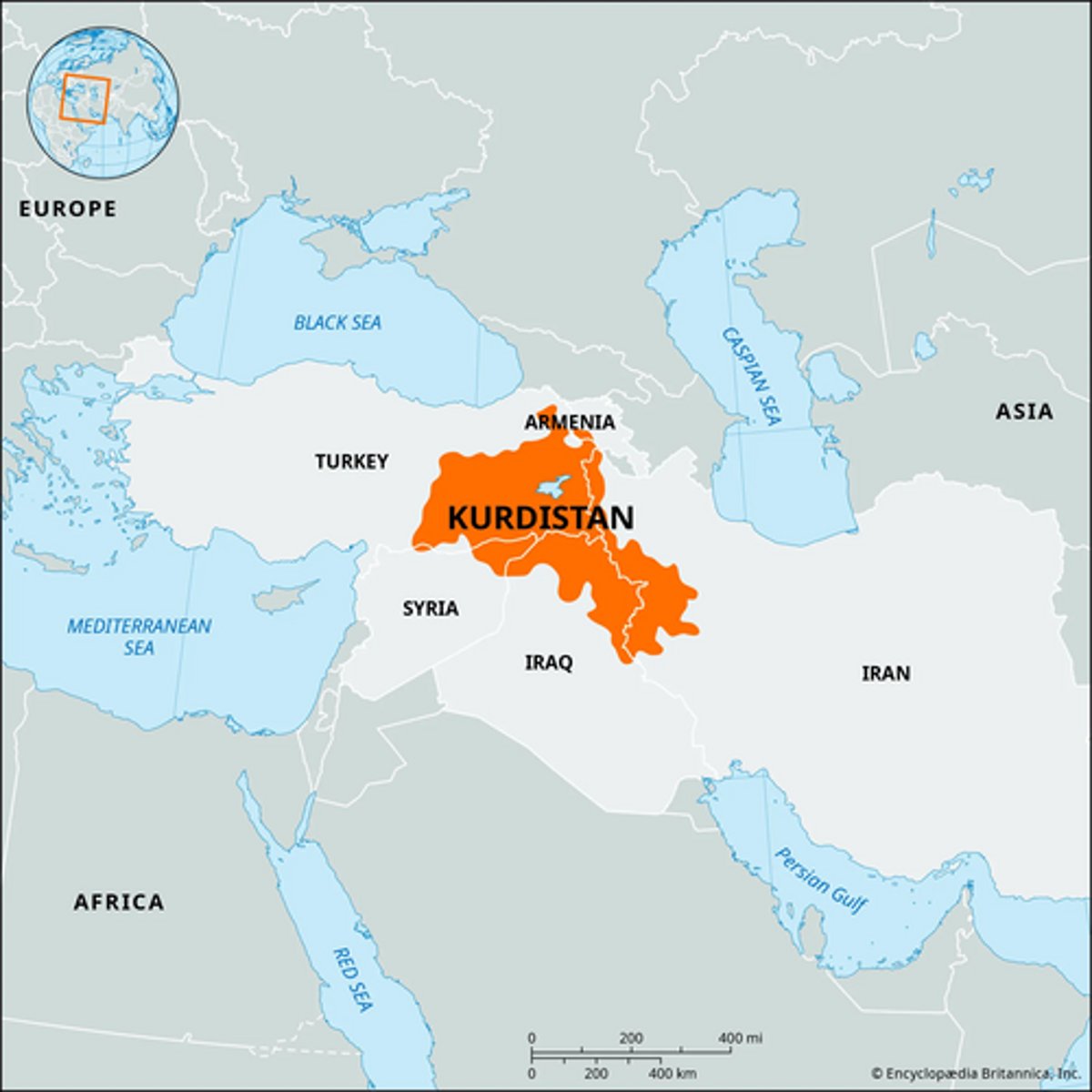
Facts: An Iraqi Kurd made an asylum application which was refused on the grounds that he could safely relocate to the Kurdish Autonomous Zone, contrary to its policy against relying on internal relocation. However, the applicant did not know of this policy and had not relied on it.
Principle: Whether the applicant knows of the policy or not is irrelevant, and legitimate expectations may still apply (logically confusing judgement/akin to principle of consistency)
Wheeler v PM (2008)
Chapter: Procedural Protection: Legitimate Expectations (Substantive vs Procedural)
Facts: C argued there was a legitimate expectation to a referendum before the ratification of the EU Treaty of Lisbon due to a promise Tony Blair made.
Principle: Court held that a promise to hold a referendum lies so deep in the macro-political field, that the court should not enter the relevant area at all.

Bancoult (2009)
Chapter: Procedural Protection: Legitimate Expectations (Substantive vs Procedural)
Facts: Homes destroyed and residents relocated in Chagos Islands to make room for US military base, with the Foreign Secretary promising that residents could move back to their homes in the future
Principle: Promise was insufficiently clear and unambiguous, and could not be the subject of legitimate expectation

Finucane (2019)
Chapter: Procedural Protection: Legitimate Expectations (Substantive vs Procedural)
Facts: N. Irish human rights lawyer during The Troubles was having dinner with family and men broke into his house and shot him. British state found to have colluded with the murderers indirectly. Despite wife's request, new govt argued there was no need to hold lengthy and costly inquiry despite prior promise.
Principle: No need to show detrimental reliance where political issues overtake a promise or undertaking given by govt, and where contemporary considerations impel a different course, provided a bona fide decision is taken on genuine policy grounds and not to adhere to the original undertaking, it will be difficult for a person who holds a legitimate expectation to enforce compliance with it (govt policy changes over time)

Fleet Street Casuals (1982)
Chapter: Procedure and Remedies (Permission Stage: Standing)
Facts: Newspaper workers avoided paying tax by finding loopholes and other fraudulent means. Inland Revenue gave them an amnesty so long as they paid from that point forward. National Federation of the Self-Employed claimed this was unfair as if they had avoided tax, they would be investigated.
Principle: Court held that the Federation lacked standing as it did not have insufficient interest, and that it had an insufficiently arguable case. Lord Diplock argued they had standing but failed on the substantive claim (eventually court took this view). Nonetheless, the HoL established a liberal approach to standing.

The Rose Theatre (1990)
Chapter: Procedure and Remedies (Permission Stage: Standing)
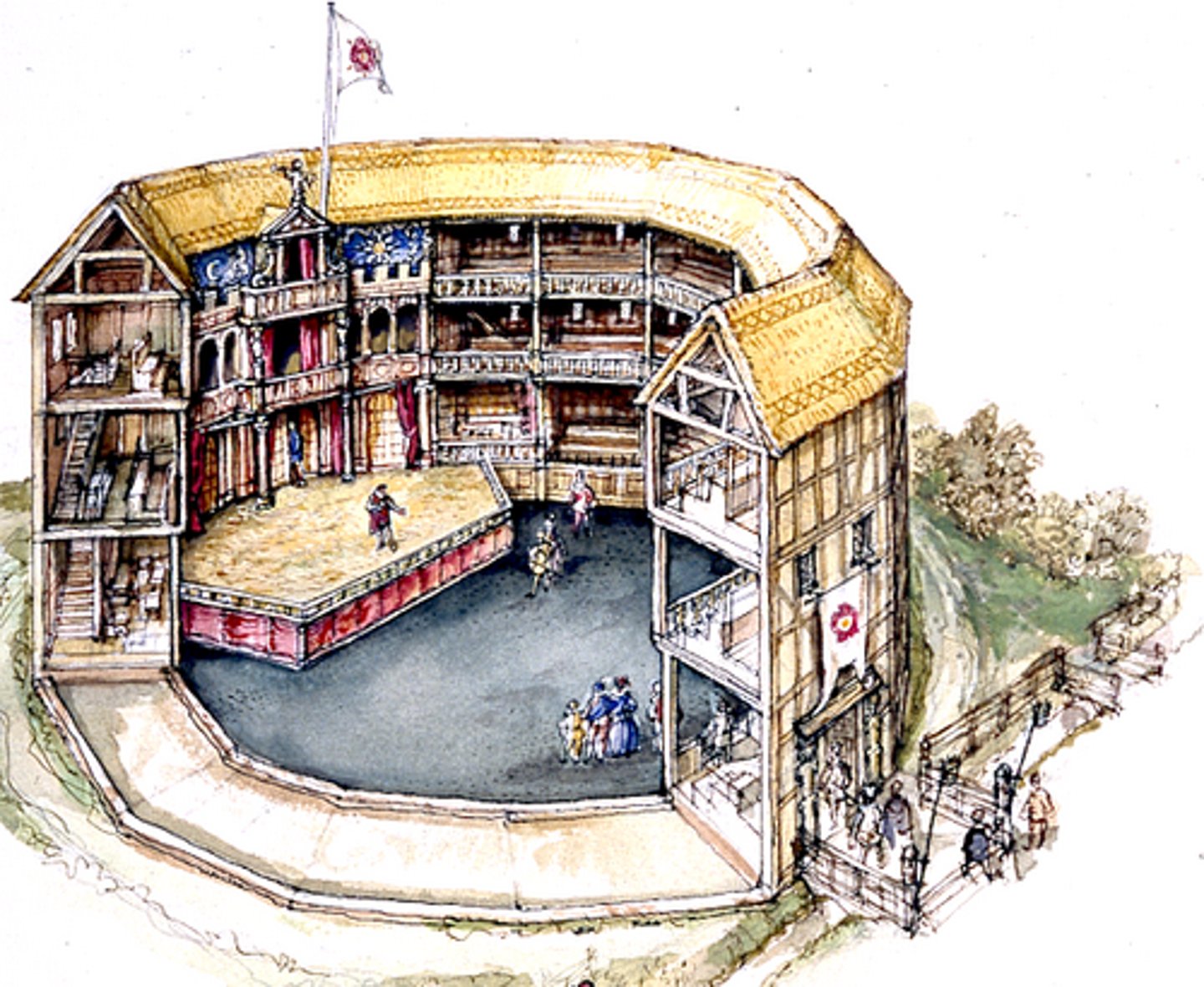
Facts: Builders excavating site uncovered early 1600s Rose Theatre, and campaigns arose to cease building and protect the site. Secretary of State refused to declare it a national monument and continued building work. Academics and campaigners formed Rose Theatre Trust to seek judicial review and a mandatory order from the Secretary of State.
Principle: Court ruled that they lacked standing as they lacked sufficient interest (defined as an individual having a greater right or expectation than any other citizen to have that decision taken lawfully), but owner of building adjusted plans to display the Rose Theatre and preserve its remains. (alternative ways other than judicial review available to achieve outcomes)
Greenpeace no 2 (1992)
Chapter: Procedure and Remedies (Permission Stage: Standing)
Facts: Greenpeace challenged a decision allowing increased radioactive discharge from the Sellafield nuclear plant. The government inspectorate argued that it did not have sufficient standing, as it was a pressure group that was not directly affected
Principle: Pressure groups can have standing (scientific expertise in nuclear issues, responsible/well-informed, 2,500 members living in the area affected) and the court examines practical justice, not just technical personal impact

Datafin (1987)
Chapter: Procedure and Remedies (Permission Stage: Scope)
Facts: The Panel on Takeovers and Mergers oversaw city code and was a form of self-regulation over the conduct of company takeovers
Principle: The panel was amenable to judicial review because although it did not derive its power from statute or prerogative and was a private body, if the Panel had not existed, the state would have to invent it ('but for' test), and was effectively exercising a monopoly over an important sector of national life (institutional test based on public function)
Poplar Housing (2002)
Chapter: Procedure and Remedies (Permission Stage: Scope)
Facts: Poplar Housing was a registered social landlord (RSL) set up by a local authority to manage and transfer housing stock. It sought to evict a tenant (Donoghue) using mandatory possession procedures. The tenant argued that Poplar Housing was a public authority under s6 Human Rights Act 1998, so it had to act compatibly with Article 8 ECHR (right to respect for home).
Principle: Court ruled that the housing association was a hybrid (or functional) public authority, as the association was enmeshed with the activities of the local council. As such, even though it was technically a private body, it was closely linked to the local authority and performed a public housing function, so when performing that function, it had to comply with the HRA 1998.
Leonard Cheshire (2002)
Chapter: Procedure and Remedies (Permission Stage: Scope)
Facts: Residents were funded by the local authority, under a contract between the local authority and the Leonard Cheshire Foundation
Principle: Court held that LCF was not a public authority as it was not enmeshed in the council's activities and there was no difference between the service provided to publicly and privately funded residents
Aston Cantlow (2003)
Chapter: Procedure and Remedies (Permission Stage: Scope)
Principle: Not a ‘public function’, but Lords sought to give a generously wide scope to the expression “public function”’. There is no single text, but a range of factors: ‘the extent to which in carrying out the relevant function the body is publicly funded, or is exercising statutory powers, or is taking the place of central govt or local authorities, or is providing a public service.’ The last factor (functional test) sets it apart from Poplar Housing
YL (2008)
Chapter: Procedure and Remedies (Permission Stage: Scope)
Facts: Southern Cross Healthcare, a nursing home company, was principally funded by a local authority. An 84-y/o with Alzheimer's was placed in the nursing home and the care home threatened to evict her due to the conduct of her family. It was argued this violated her Art 8 right
Principle: The company was not a public authority under HRA s6, as it was carrying out a socially useful business but for profit, entering into private law contracts with the residents in its care homes and with the local authorities with whom it does business. (very controversial, Bingham LJ dissented, arguing for the 'but for' test). Later overturned on its specific facts (so its principle is still good in law just not in the same context) by the Health and Social Care Act 2008: ): "A person (P) who provides accommodation, together with nursing or personal care, in a care home for an individual under arrangements made with P under the relevant statutory provision is to be taken to be exercising a function of a public nature in doing so."

Entick v Carrington (1765)
Chapter: Human Rights (Protection Outside the HRA)
Facts: Government agents unlawfully trespassed and searched C's property
Principle: The state may do nothing but that which is authorised by law, while the individual may do anything but that which is forbidden by law
Belmarsh Case (2005)
Chapter: Human Rights (Protection Outside the HRA)
Facts: Cases brought against govt after Anti-Terrorism Crime and Security Act 2001 and unlawful, indefinite detention of foreign terrorist suspects without trial.
Principle: Court declared incompatibility with Art 4 and Art 5 HRA in landmark decision.
ALSO
Chapter: Human Rights - The Right to Life, not to be Tortured, Liberty, and Fair Trial (Arts 5, 6, and 7 - Liberty and Fair Trial)
Principle: Declared incompatible with ECHR. Also challenged Art 14 HRA (non-discrimination) in conjunction with other breaches.
Malone v MPC (1979)
Chapter: Human Rights (Undermining of Human Rights)
Facts: Police used illegal phone tapping
Principle: Court refused to create a new right to privacy, placing the responsibility on Parliament

Moss v McLachlan (1985)
Chapter: Human Rights (Undermining of Human Rights)
Principle: Extended common law powers of police

Bellinger v Bellinger (2003)
Chapter: Human Rights (Main HRA Sections Relating to Courts)
Facts: D, a transgender female born male, was denied the right to marry under the Matrimonial Causes Act 1973 s11(c), which stipulated that marriage was between a man and a woman. D sought appeal under HRA s8 and s12 but was refused. D appealed to HoL seeking declaration that the marriage was lawful as the term 'male' and 'female' in the statute could be interpreted to include transgender persons.
Principle: Courts dismissed appeal on the grounds of not being in a position to demarcate the line between male and female that would result in a change of law in several areas that is better suited for Parliament (s3 application). However, they issued a declaration of incompatibility of the Act (s4 application).

Ghaidan v Godin-Mendoza (2004)
Chapter: Human Rights (Main HRA Sections Relating to Courts)
Facts: D was in a homosexual relationship and shared a flat with his partner under a statutory tenancy granted under the Rent Act 1977. After his partner's death, the landlord sought to reclaim possession of the flat. D argued that paragraph 2(2) Schedule 1 of the Act, 'a person who was living with the original tenant, as his or her wife or husband, shall be treated as the spouse of the original tenant'
Principle: "In the ordinary course the interpretation of legislation involves seeking the intention reasonably to be attributable to Parliament in using the language in question. HRA s3 may require the court to depart from this legislative intention, that is, to depart from the intention of the Parliament which enacted the legislation. It is also apt to require a court to read in words which change the meaning of the enacted legislation, so as to make it Convention-compliant." - Lord Steyn (controversial decision)

Dudley and Stephens (1884)
Chapter: Human Rights - The Right to Life, not to be Tortured, Liberty, and Fair Trial (Art 2: Right to Life)
Facts: Sailors stranded with no prospect of rescue decided to kill the weakest of them and ate him to survive
Principle: No proof of necessity defence that could justify the killing of another (specific to these facts, left necessity to murder available)

McCann v UK (1995)
Chapter: Human Rights - The Right to Life, not to be Tortured, Liberty, and Fair Trial (Art 2: Right to Life)
Facts: IRA suspects in Gibraltar confronted by police who believed they had a bomb and they were killed (no bomb found later)
Principle: Negative obligation for state not to take life without justification (no reasonable belief or necessity found/police must carry out investigation rather than act arbitrarily)

Osman v UK (1998)
Chapter: Human Rights - The Right to Life, not to be Tortured, Liberty, and Fair Trial (Art 2: Right to Life)
Facts: Student stalked by teacher and made complaints to police but was not protected. Teacher killed student's father and family went to court.
Principle: Positive obligation for state to the greatest extent reasonably practicable to protect life

Pretty v UK (2002)
Chapter: Human Rights - The Right to Life, not to be Tortured, Liberty, and Fair Trial (Art 2: Right to Life)
Facts: Wife had untreatable disease and husband sought declaration from court to assist her suicide
Principle: Right to life does not go so far as to enable a right to die

Edwards v UK (2002)
Chapter: Human Rights - The Right to Life, not to be Tortured, Liberty, and Fair Trial (Art 2: Right to Life)
Facts: Prisoner murdered by fellow prisoner
Principle: Procedural positive obligation to carry out an effective public investigation

Felton's Case (1628)
Chapter: Human Rights - The Right to Life, not to be Tortured, Liberty, and Fair Trial (Art 3: Freedom from Torture)
Principle: Formally abolished torture warrants (Parliament abolished torture entirely in 1640)

Ireland v UK (1978)
Chapter: Human Rights - The Right to Life, not to be Tortured, Liberty, and Fair Trial (Art 3: Freedom from Torture)
Facts: Extrajudicial measures of detention and internment of suspected IRA terrorists
Principle: Ill-treatment must attain a minimum level of severity to fall within the scope of Art 3, the court must consider: the duration of treatment, the physical or mental effects, and the V's age, sex, and state of health. (difference between torture and degrading treatment)

Soering v UK (1989)
Chapter: Human Rights - The Right to Life, not to be Tortured, Liberty, and Fair Trial (Art 3: Freedom from Torture)
Facts: Man killed American girlfriend in England
Principle: It is an Art 3 violation to extradite a guilty party to a country where they may receive the death penalty (principle of non-refoulment)

A v Home Secretary no 2 (2006)
Chapter: Human Rights - The Right to Life, not to be Tortured, Liberty, and Fair Trial (Art 3: Freedom from Torture)
Principle: Evidence gained from torture cannot be used

Gillan v Commissioner (2006)
Chapter: Human Rights - The Right to Life, not to be Tortured, Liberty, and Fair Trial (Arts 5, 6 and 7 - Liberty and Fair Trial)
Facts: HoL challenged stop-and-search procedure made available to law enforcement under Terrorism Act 2000
Principle: Lord Bingham laid down a test for lawfulness under the ECHR: an exercise of power is lawful provided that it is governed by clear and publicly accessible rules of law and the power must not be exercised arbitrarily (not unlawful)

Austin v Commissioner (2010)
Chapter: Human Rights - The Right to Life, not to be Tortured, Liberty, and Fair Trial (Arts 5, 6 and 7 - Liberty and Fair Trial)
Facts: Police using crowd-control techniques like kettling
Principle: Police have discretion to use proportionate force when necessary to restrict movement and coercively contain crowds that may act violently

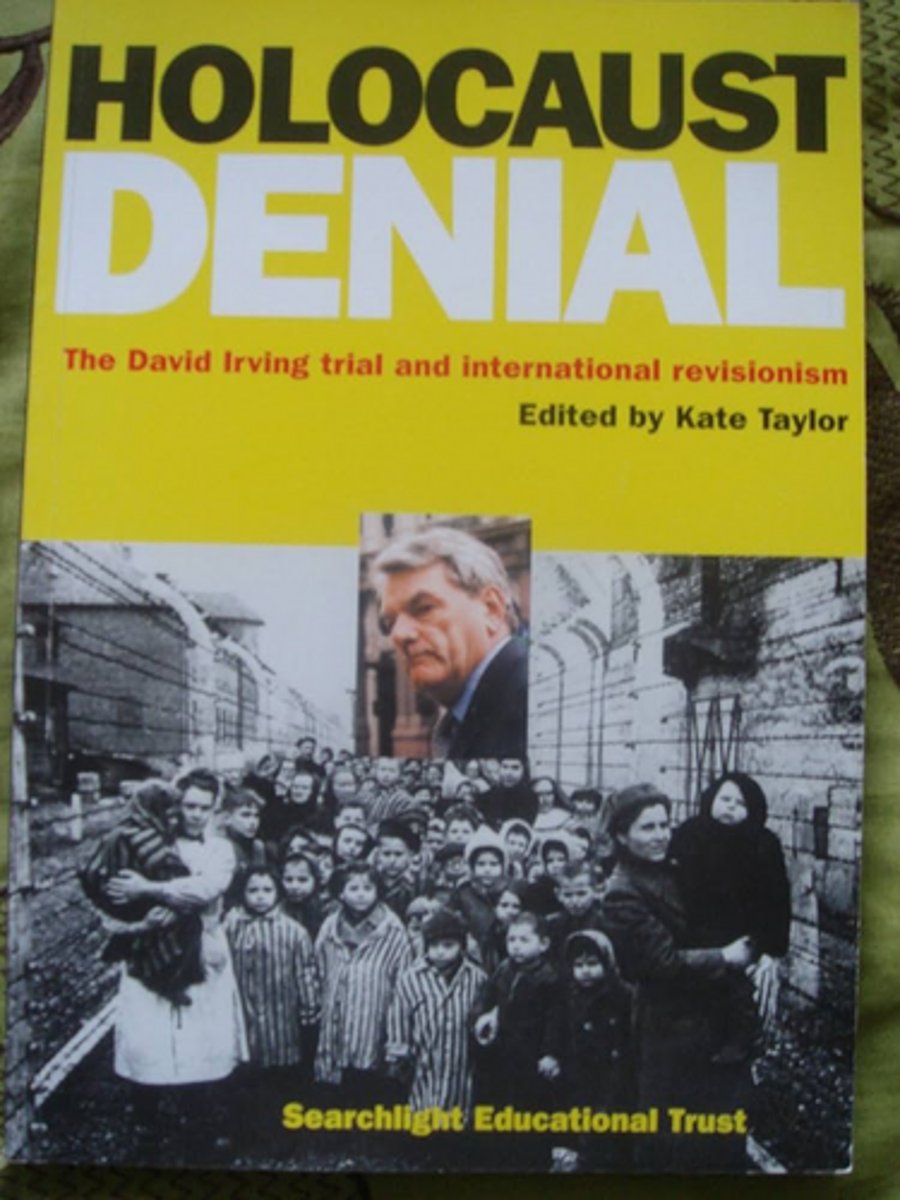
Irving v Penguin Books (2001)
Chapter: Human Rights - Freedom of Expression, Privacy and Assembly (Art 10: Freedom of Expression)
Facts: History Professor (C) at Cambridge was a Holocaust denier and wrote a book challenging the established view. He sued another author that disproved his claims, arguing he warped established facts
Principle: C's claim of libel relating to Holocaust denial was not valid under English defamation law because D's claim that he had deliberately distorted evidence had been shown to be substantially true
Norwood v UK (2004)
Chapter: Human Rights - Freedom of Expression, Privacy and Assembly (Art 10: Freedom of Expression)
Facts: Poster on apartment window called for: 'Islan out of Britain - Protect the British people'. Police removed poster, and C complained
Principle: C not protected by freedom of speech, as Art 17 ECHR prevents individuals and groups from engaging in any activity aimed at the destruction of any of the rights and freedoms set forth in the Charter

Gough v UK (2014)
Chapter: Human Rights - Freedom of Expression, Privacy and Assembly (Art 10: Freedom of Expression)
Facts: D walked naked in the streets. Claim brought using Public Order Act 1986 s6: a person is guilty of an offence is he uses threatening, abusive, or insulting words or behaviour or disorderly behaviour. It is a defence if his conduct is reasonable
Principle: D's conduct was insulting and threatening in that it caused one witness to feel at risk. It also could be seen as abusive and disorderly as it contributed to a breakdown of peaceful and law-abiding behaviour. Although Art 10 ECHR allows for freedom of expression, the Court argued that there was a pressing social need for the restriction of his right to be naked in the context of this case and the restriction imposed corresponded to this social need

Campbell v Mirror Group Newspapers (2004)
Chapter: Human Rights - Freedom of Expression, Privacy and Assembly (Art 8: Respect for Private and Family Life)
Facts: TV personality suffered from alcoholism and went to AA. Newspaper followed her into AA for photos and coverage.
Principle: Photos and specific coverage of C's circumstances and recovery is a breach of private life

DPP v Jones (1999)
Chapter: Human Rights - Freedom of Expression, Privacy and Assembly (Art 11: Freedom of Assembly and Association)
Facts: Ds took part in a peaceful, non-obstructive assembly on a highway and were arrested
Principle: Gathering was peaceful, non-obstructive (cars could still drive as they used the pavement) and constituted reasonable use of the highway

DPP v Ziegler (2021)
Chapter: Human Rights - Freedom of Expression, Privacy and Assembly (Art 11: Freedom of Assembly and Association)
Facts: Demonstration blocking highway to protest arms trade
Principle: Court had to consider whether the police's interference with the appellants' Article 10 and 11 rights by arresting them was proportionate. If found to be disproportionate, the appellant would have a defence of lawful excuse to the underlying criminal offence

R (Laporte) v Gloucestershire Chief Constable (2006)
Chapter: Human Rights - Freedom of Expression, Privacy and Assembly (Art 11: Freedom of Assembly and Association)
Facts: Police stopped and turned back coaches of protesters to prevent anticipated disorder.
Principle: Preventive police action is only lawful if a breach of the peace is imminent — not just possible. Acting too early is unlawful
Mayor of London v Hall (2011)
Chapter: Human Rights - Freedom of Expression, Privacy and Assembly (Art 11: Freedom of Assembly and Association)
Facts: Mayor of London sought possession of Parliament Square Gardens, despite the land technically being held by the Crown, due to the Greater London Authority Act 1999
Principle: The court balanced protesters' rights (Articles 10 and 11 of the ECHR) against the need to control the land. While the protest was permitted to continue in a limited, non-intrusive way, the established, semi-permanent "village" of tents was not considered proportionate. (Mayor had authority to claim possession of the public land)