Solutions & Electrochemistry
 Call Kai
 Learn
Learn Practice Test
 Spaced Repetition
 Match
Match Flashcards
 Knowt Play
1/81

There's no tags or description
Looks like no tags are added yet.
Name | Mastery | Learn | Test | Matching | Spaced | Call with Kai | Chat |
|---|
No analytics yet
Send a link to your students to track their progress
82 Terms
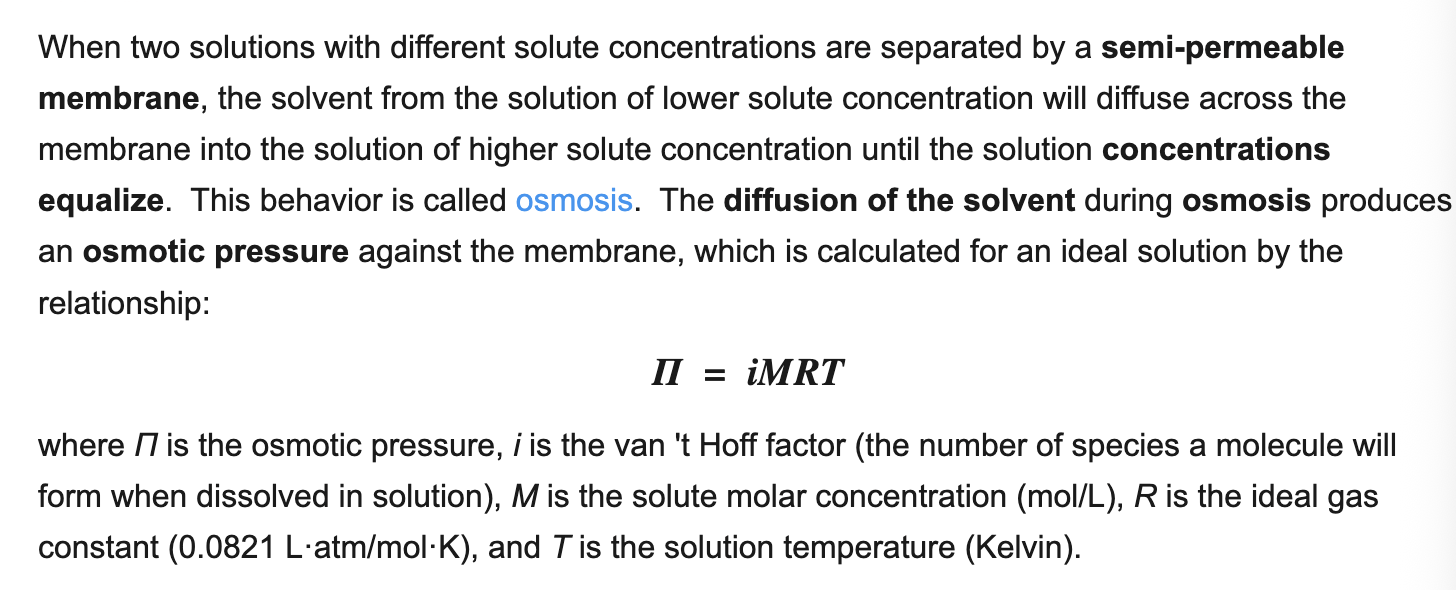
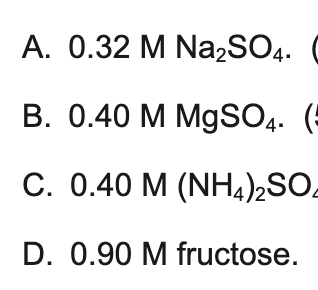
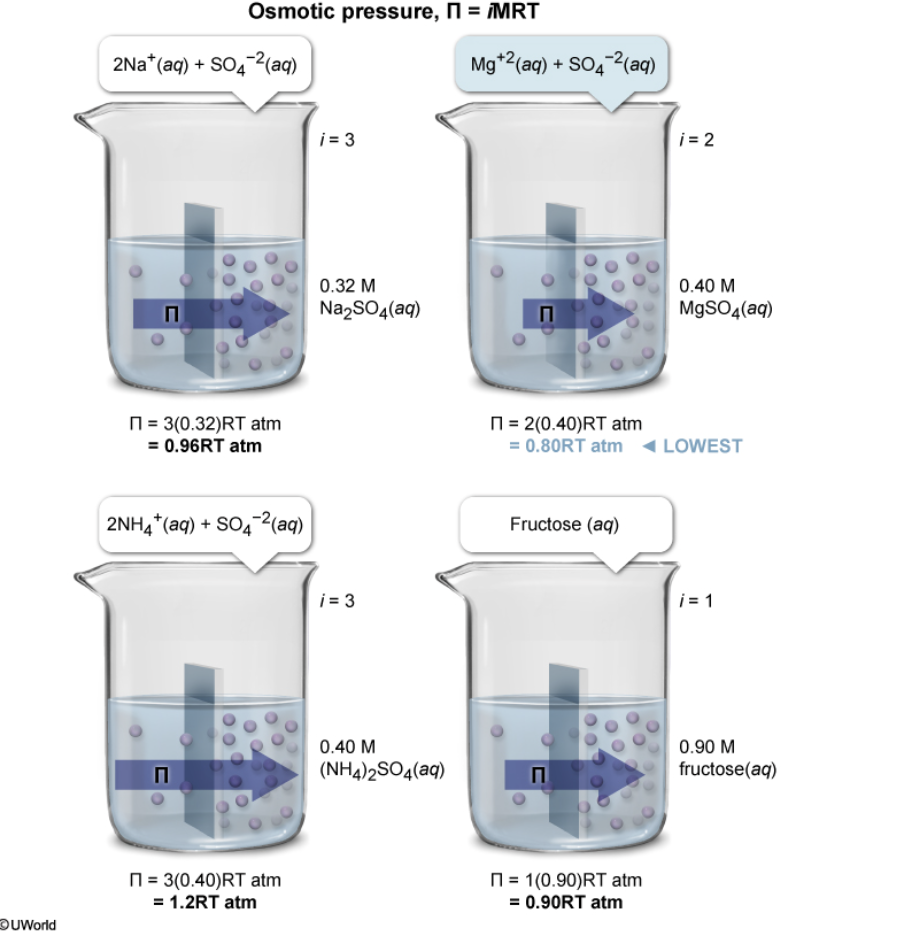
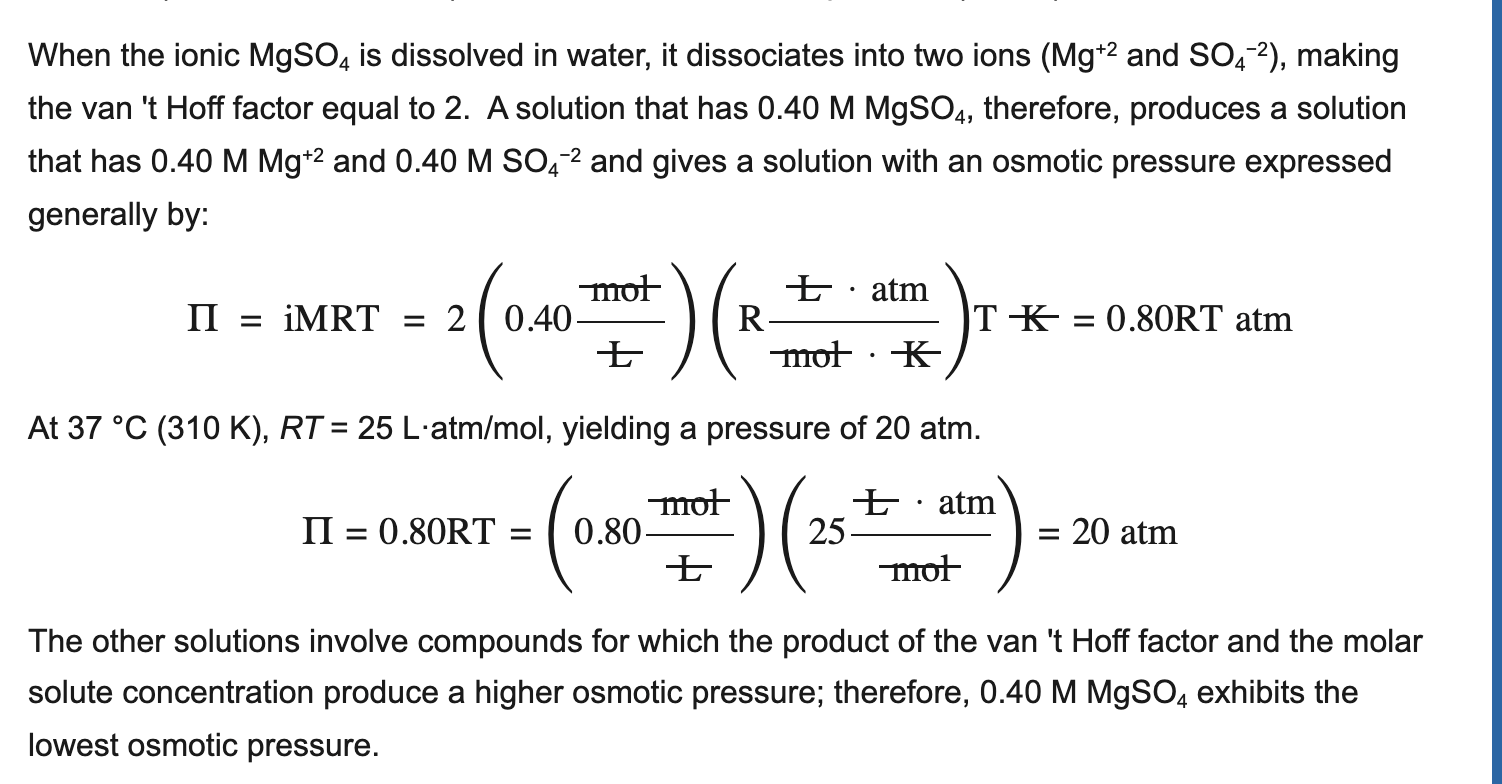
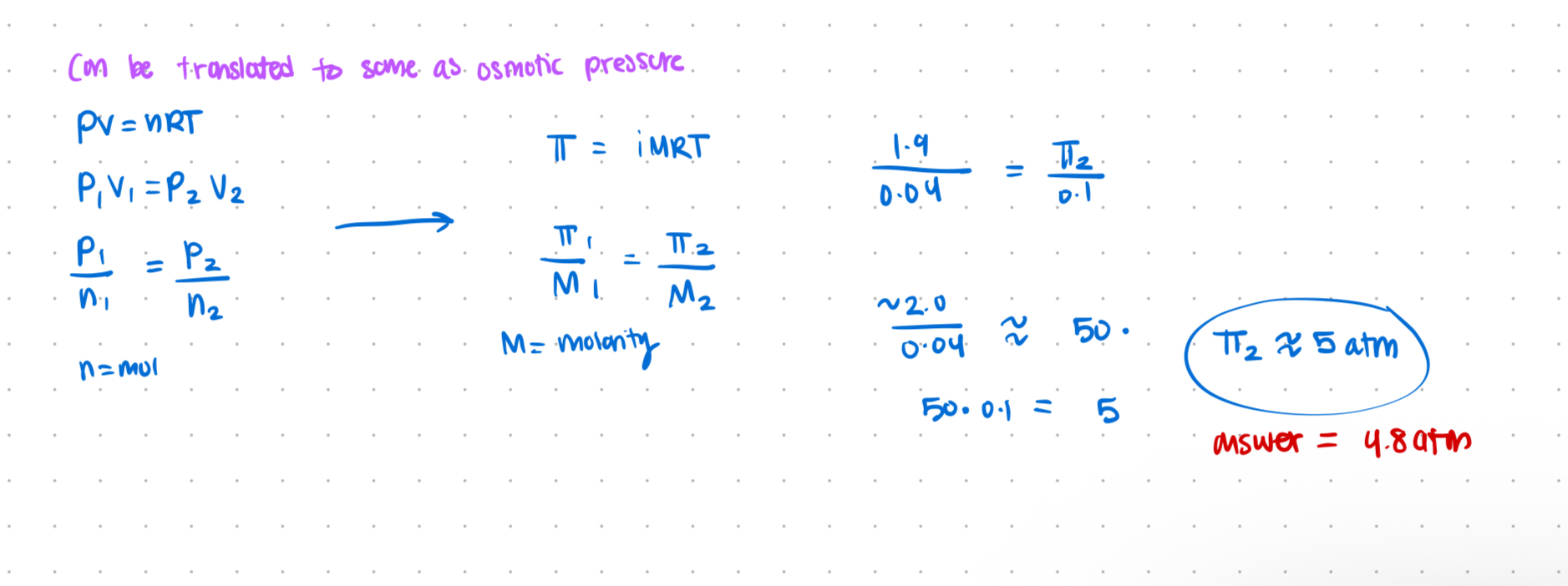
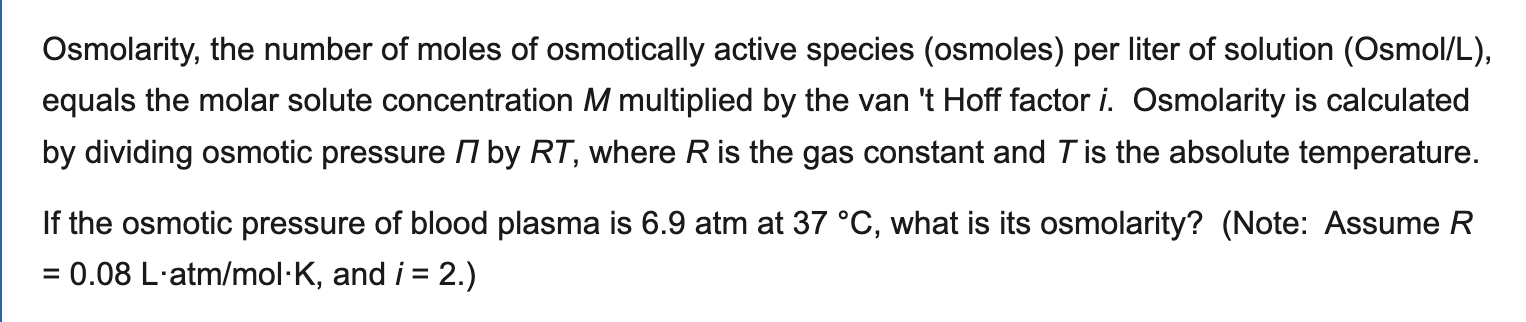
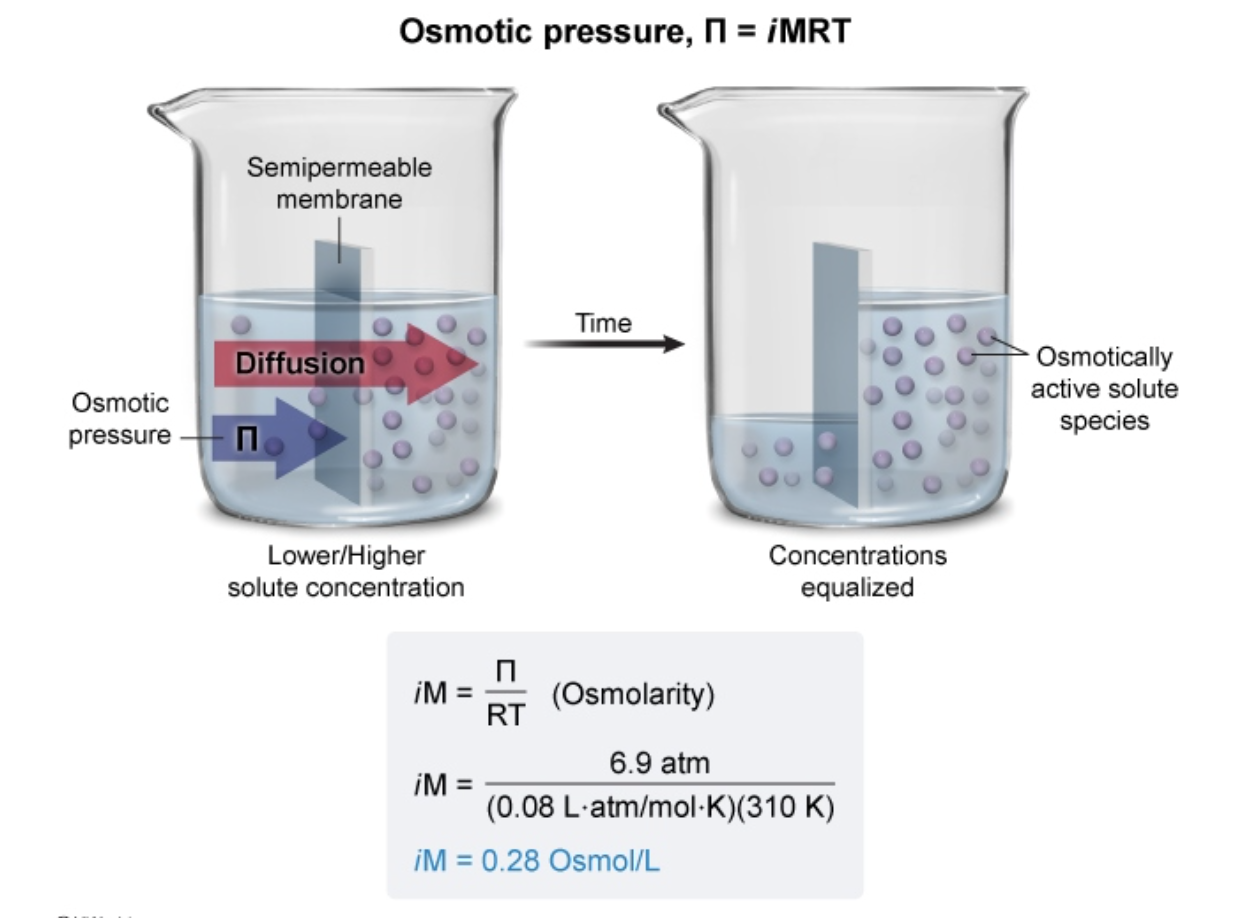
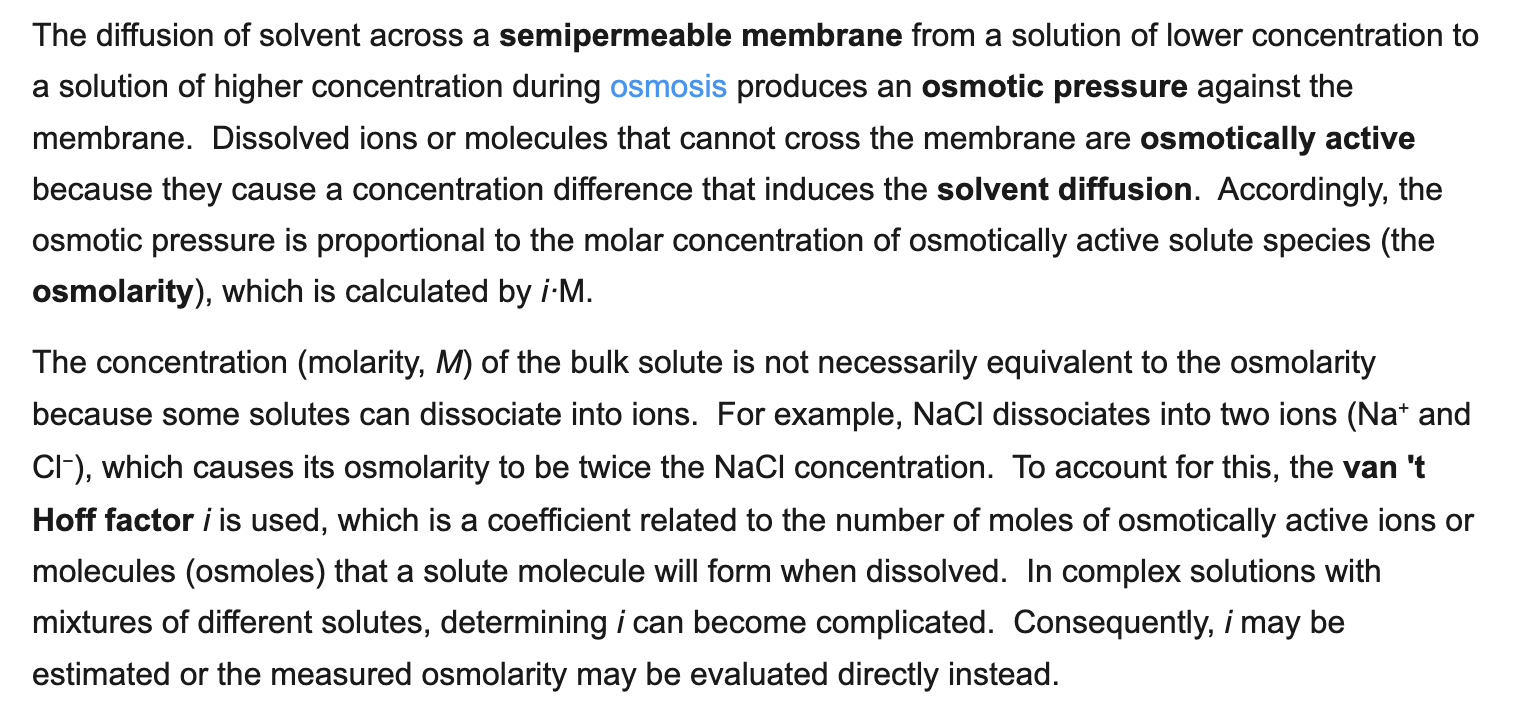
osmotic pressure equation

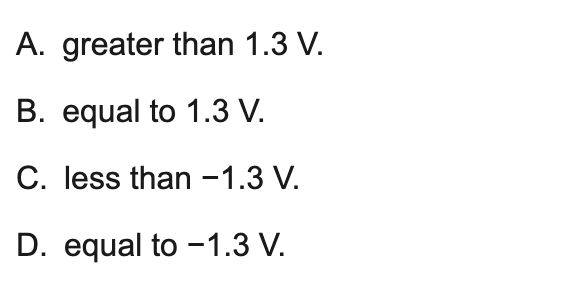
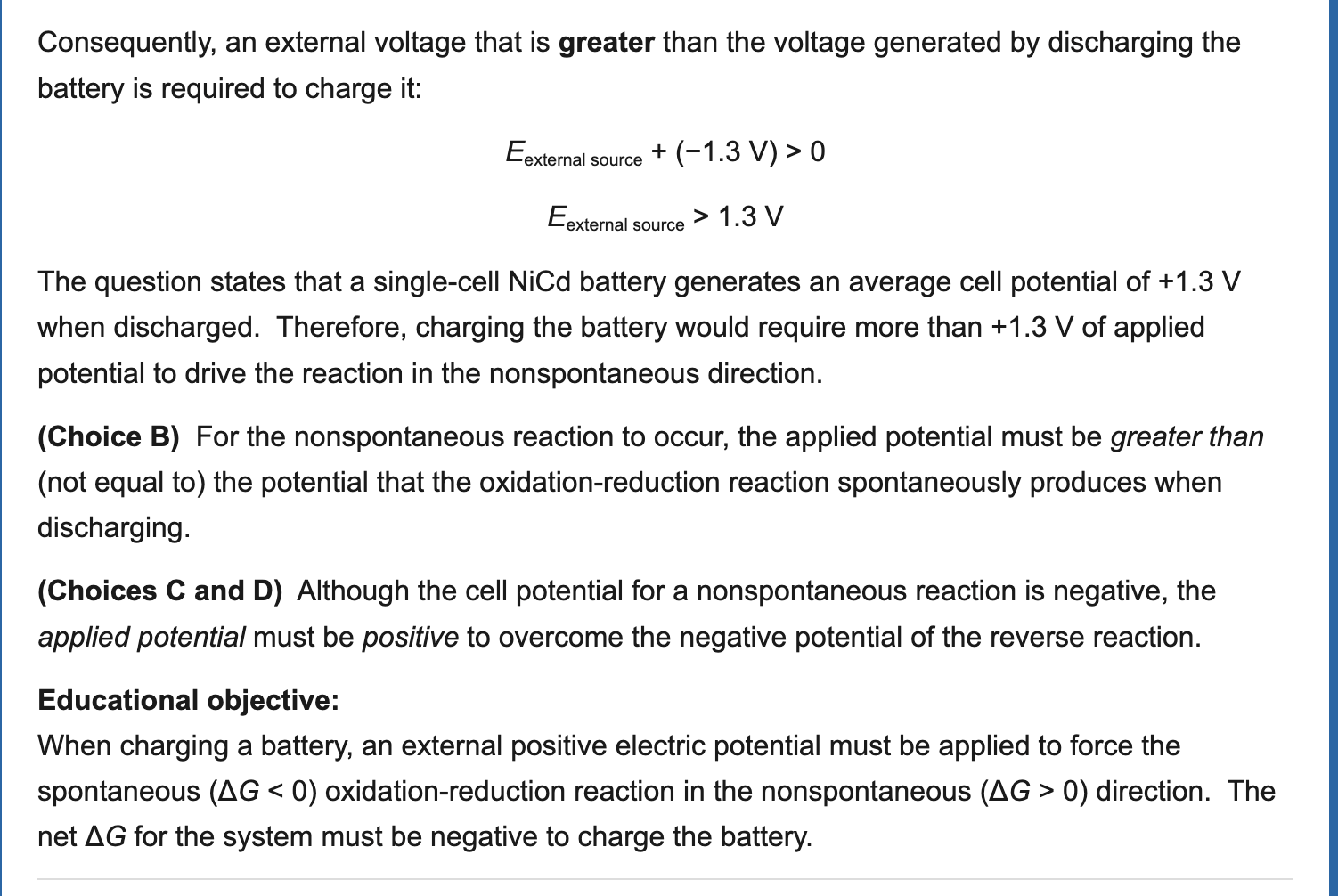
Answer B
in mmol
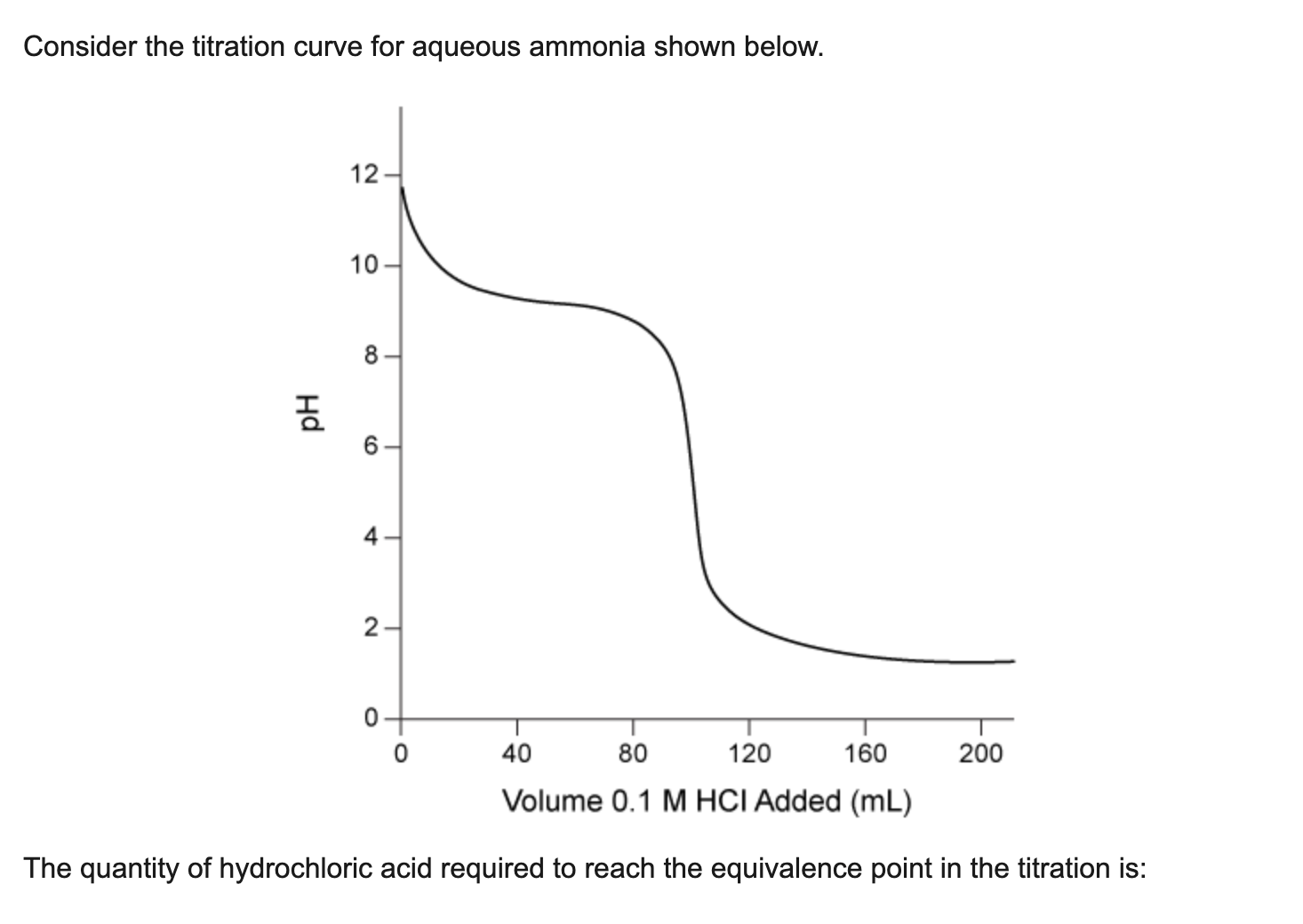
100ml —> .1L * 0.1 = 0.01mol —→ 10mmol

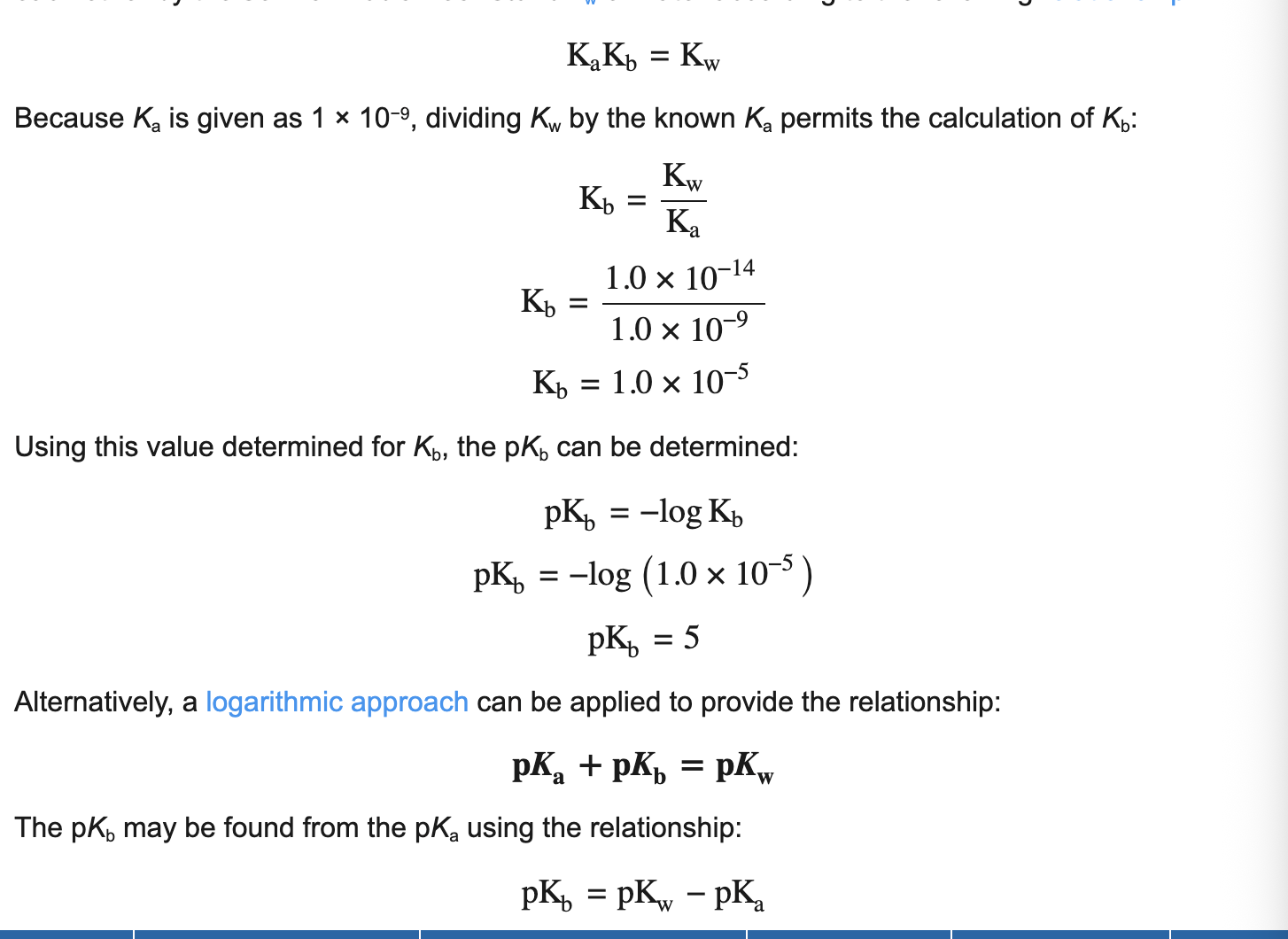
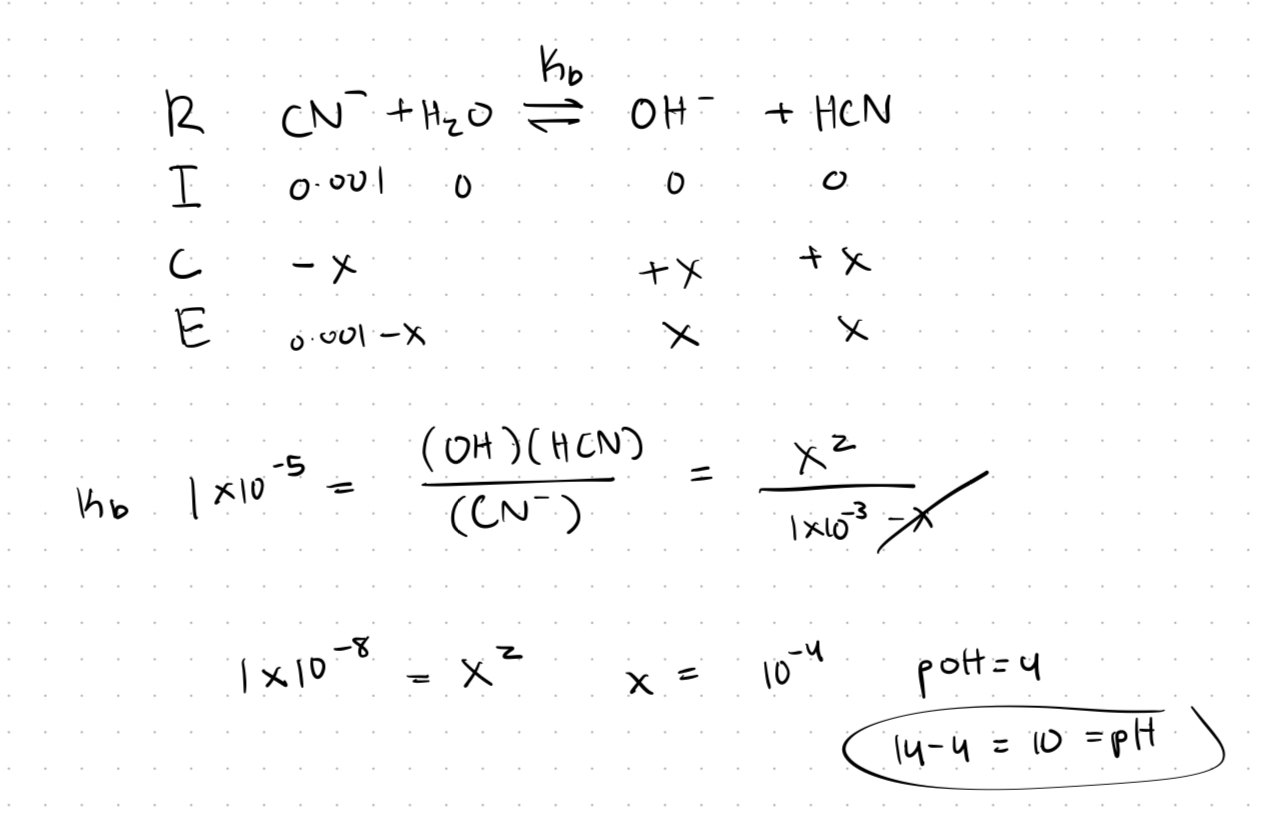
just find kb= what
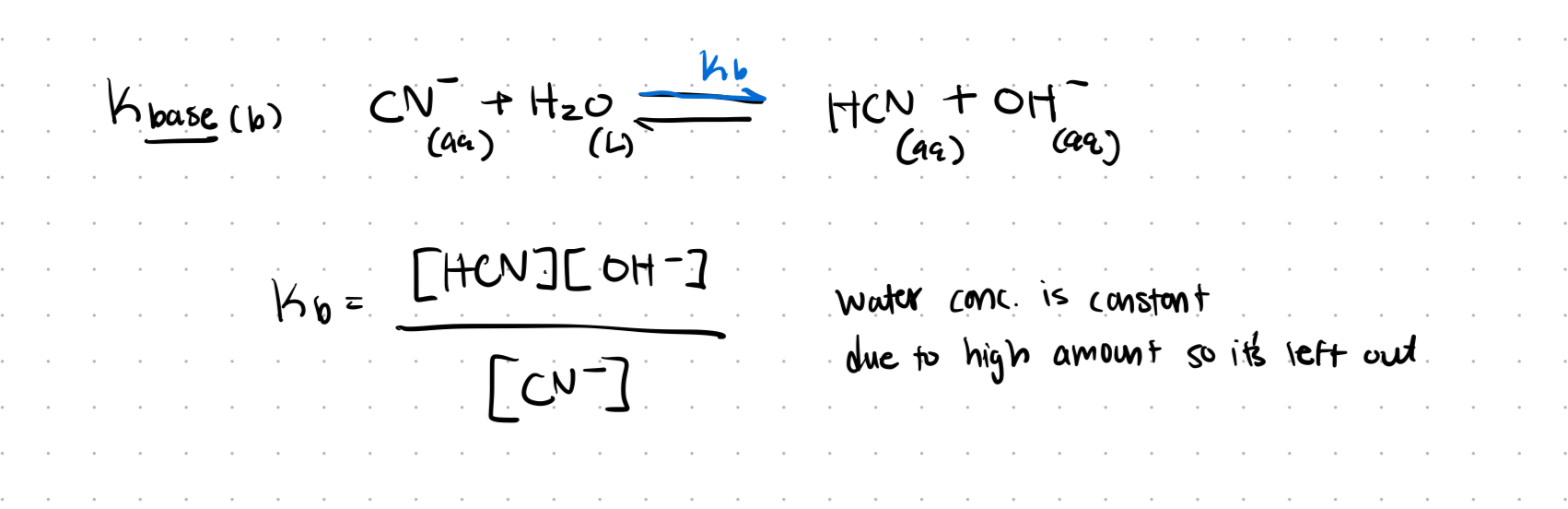

Ka=10^-9
-log(Ka)= 9 = pKa
14-9=5 = pKb
or

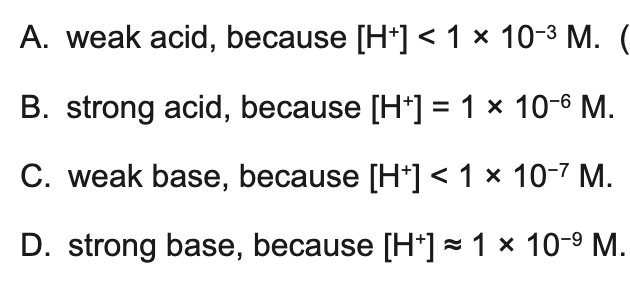
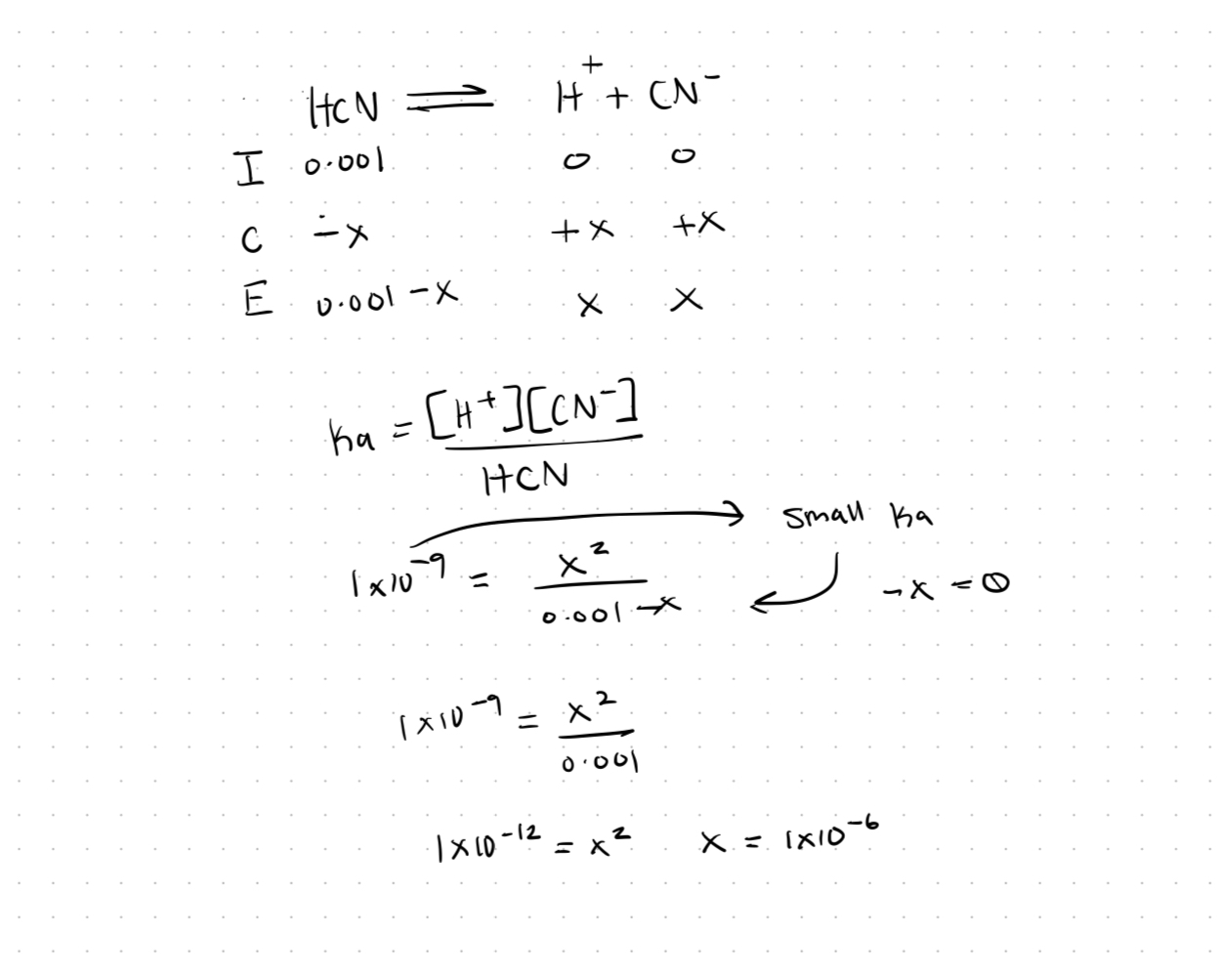
answer A


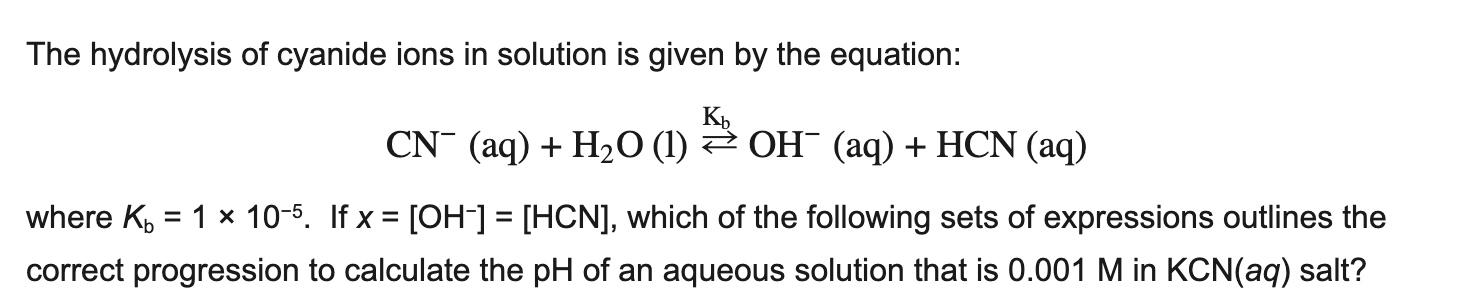

Passage A
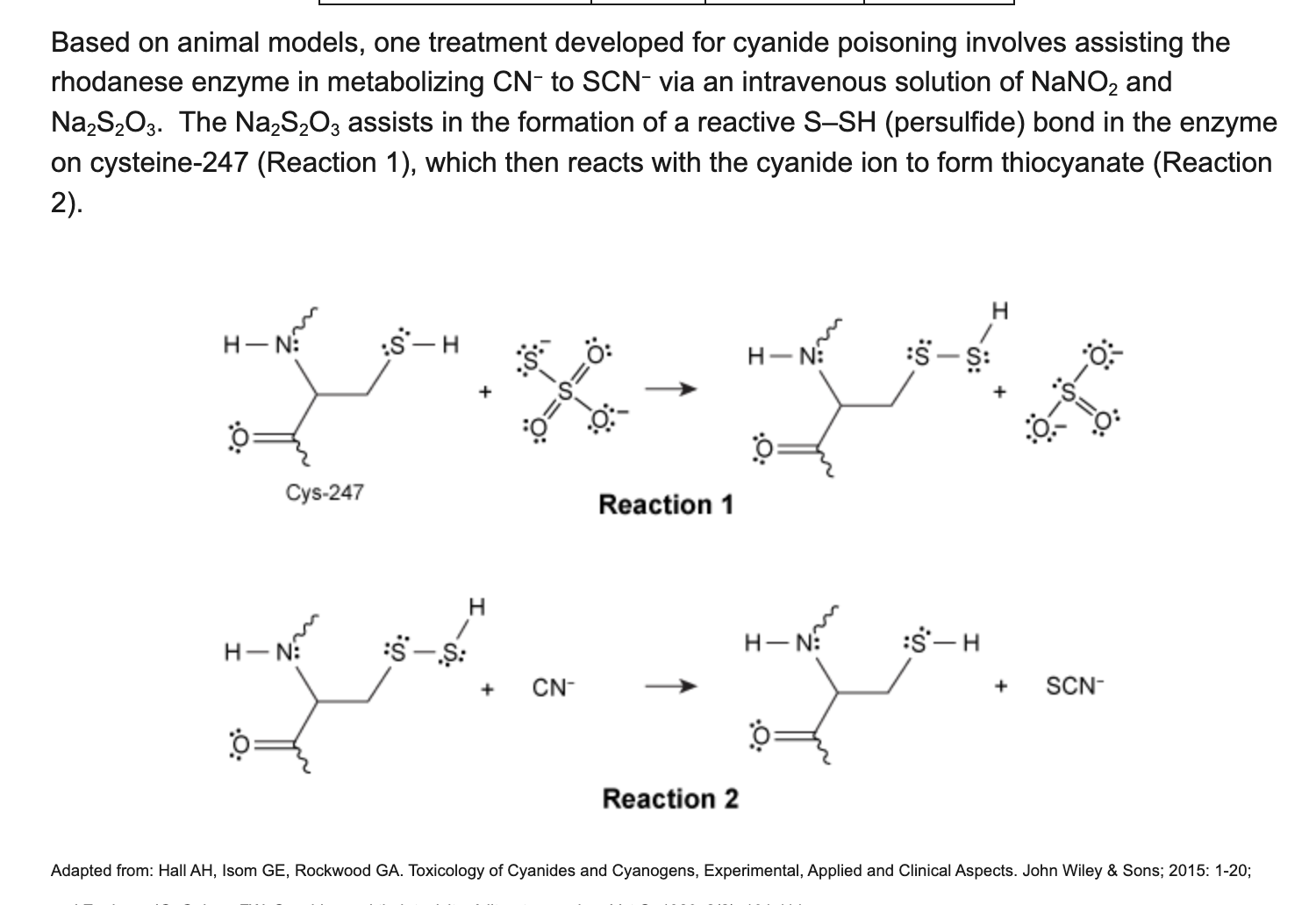
Passage A
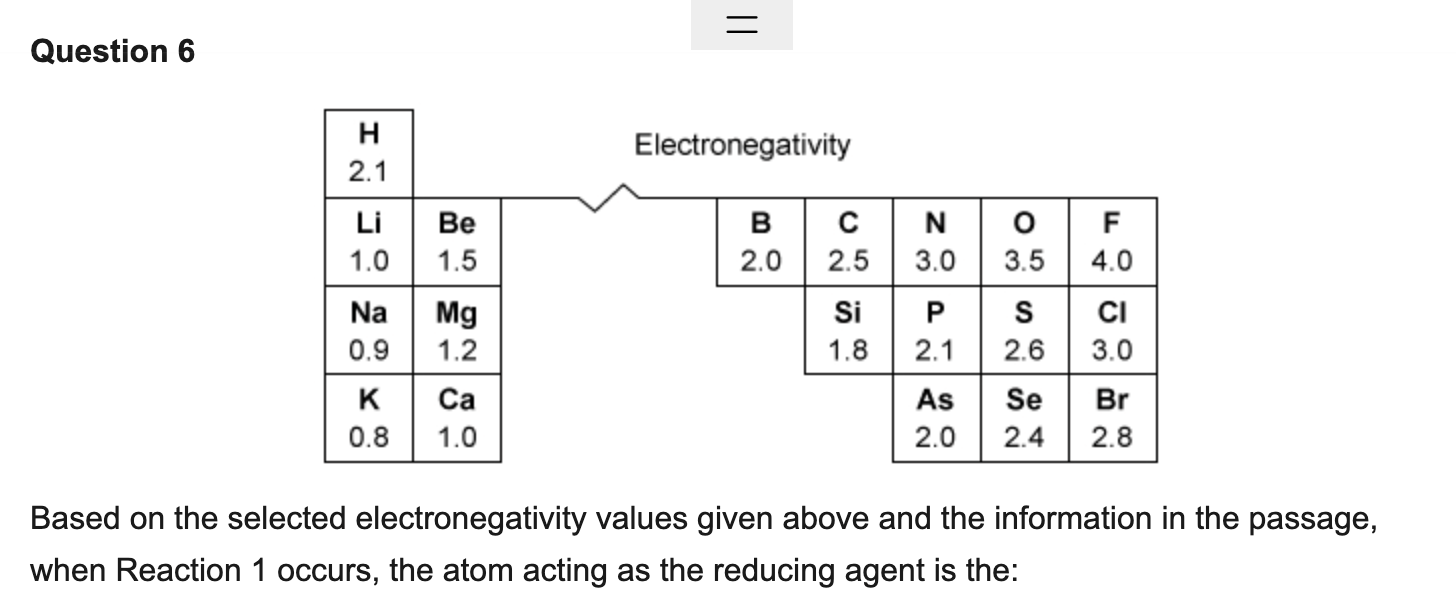
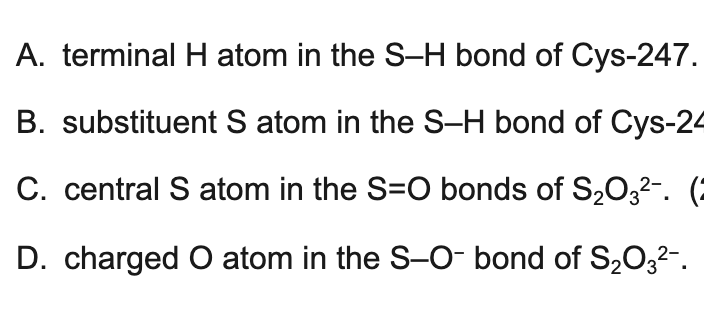
Answer B
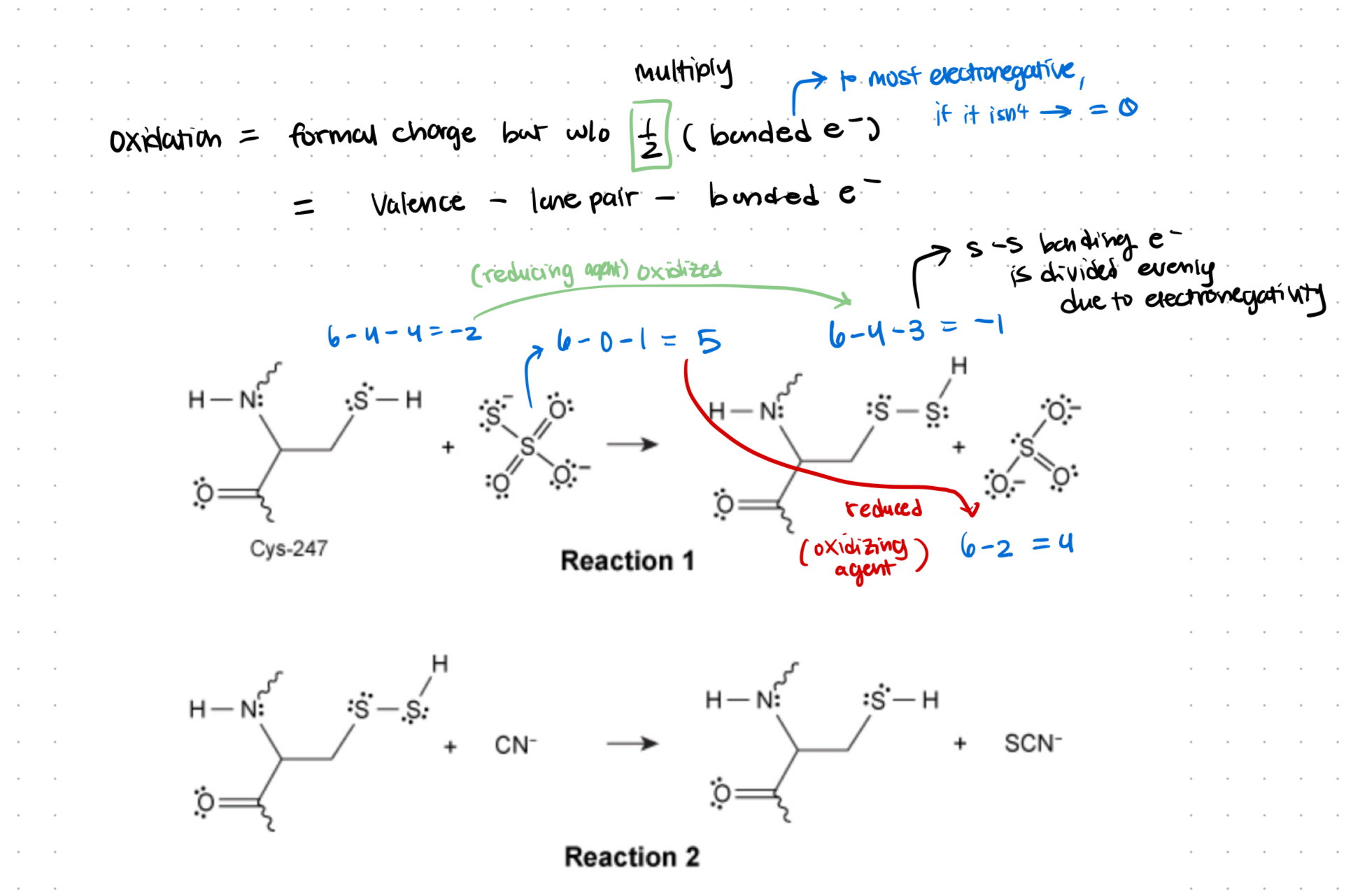

Passage A




Answer: D
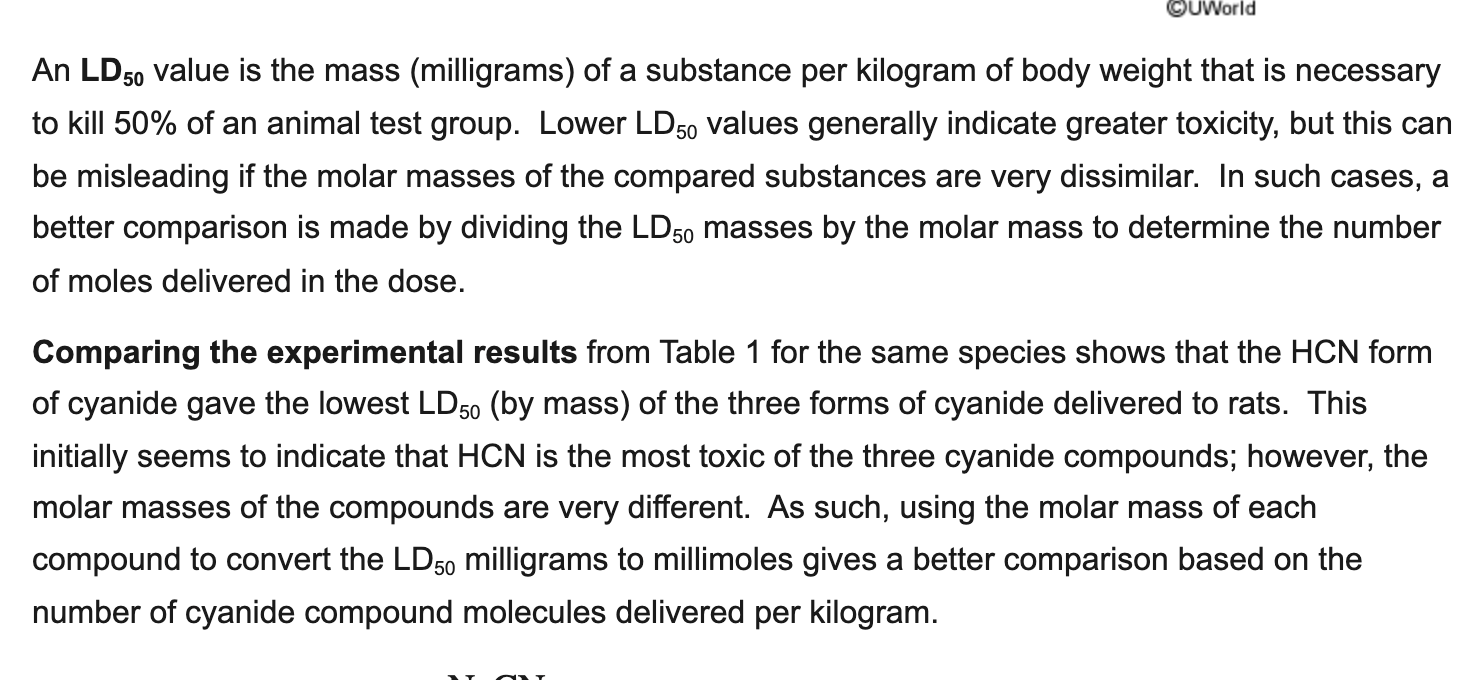
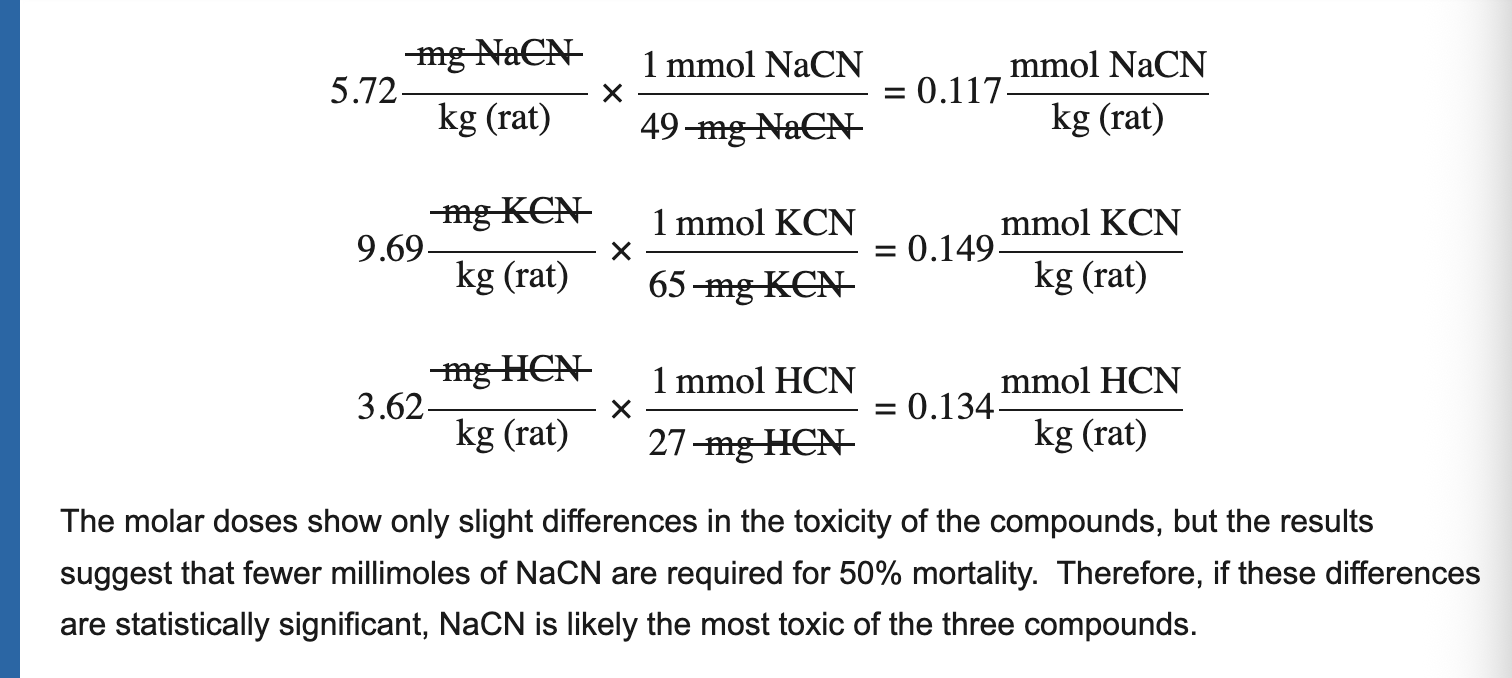

Just solve
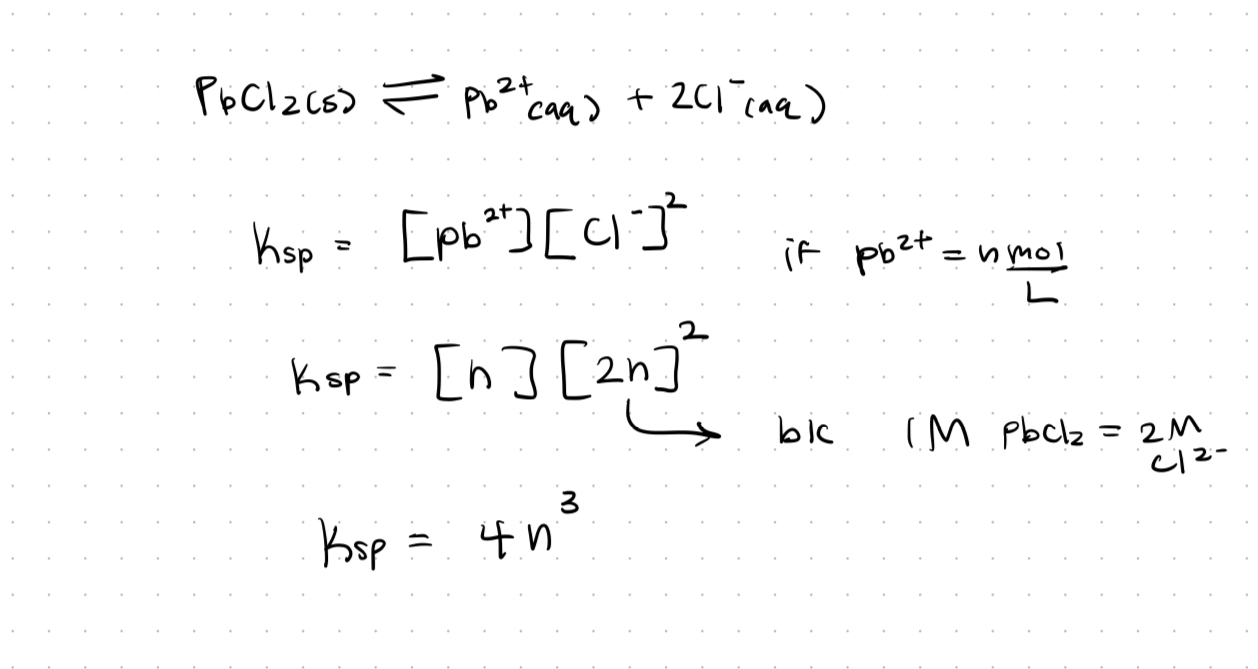
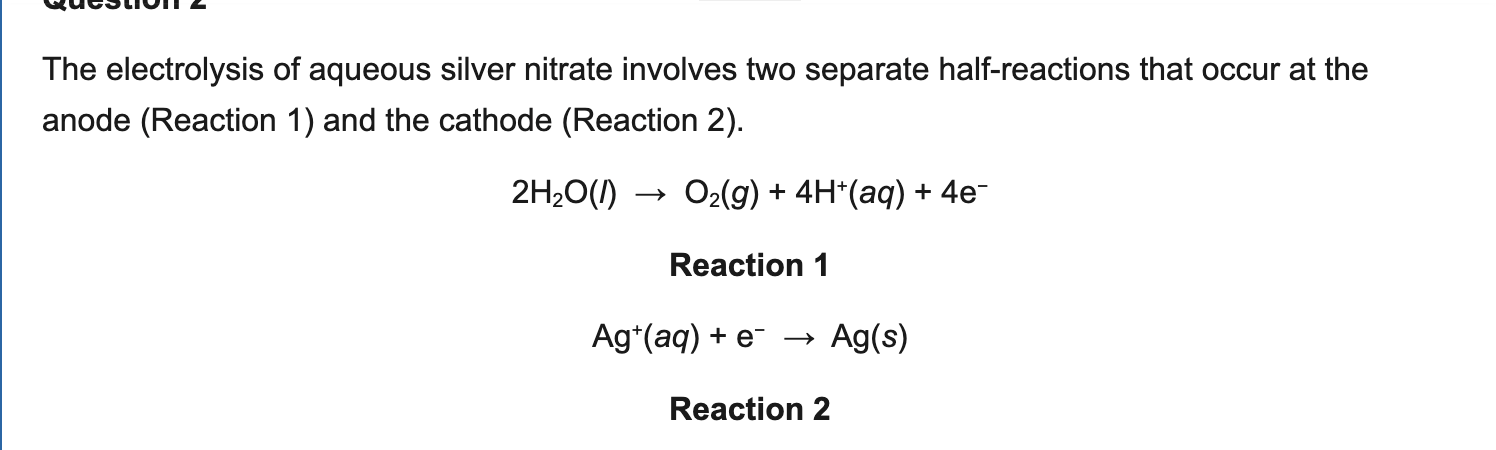
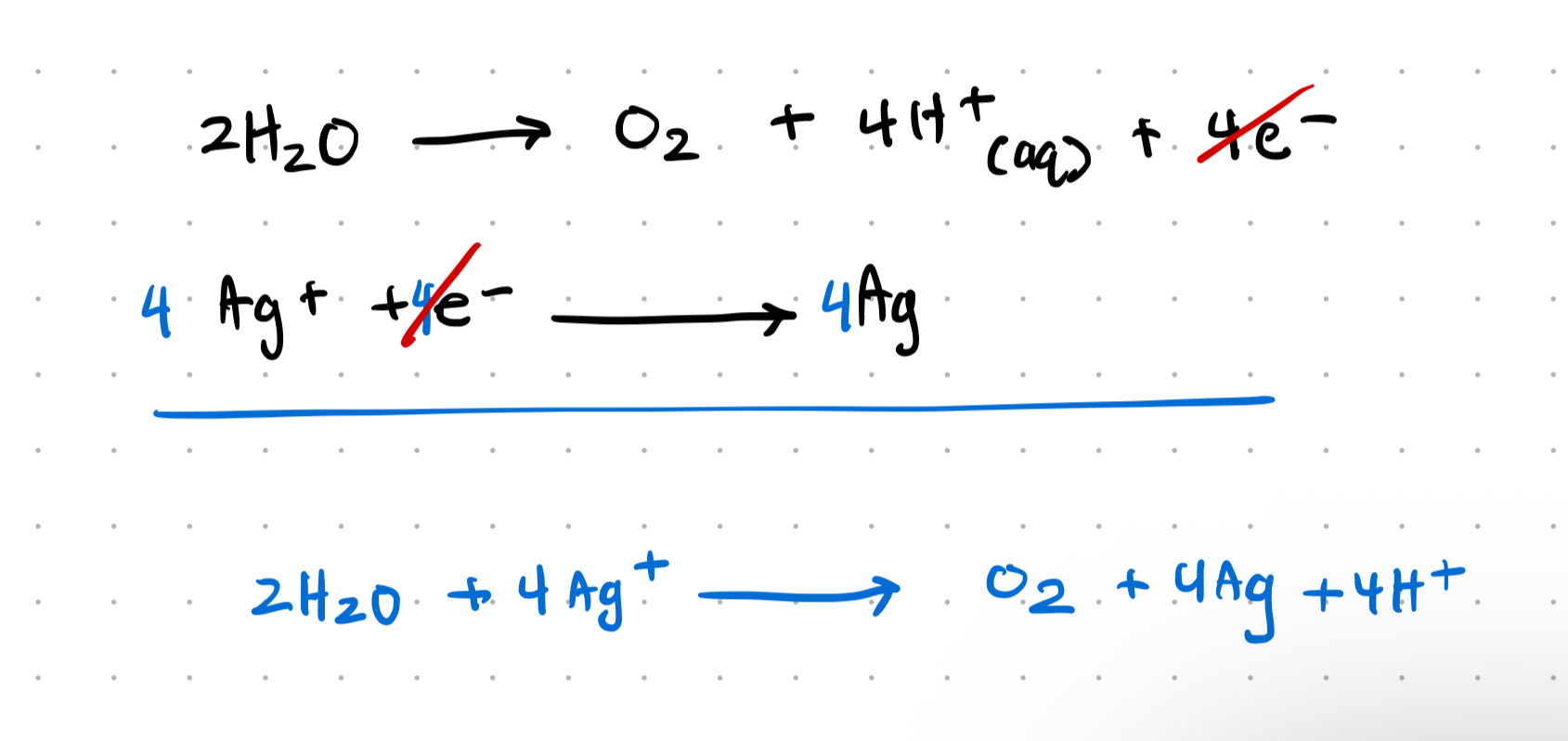
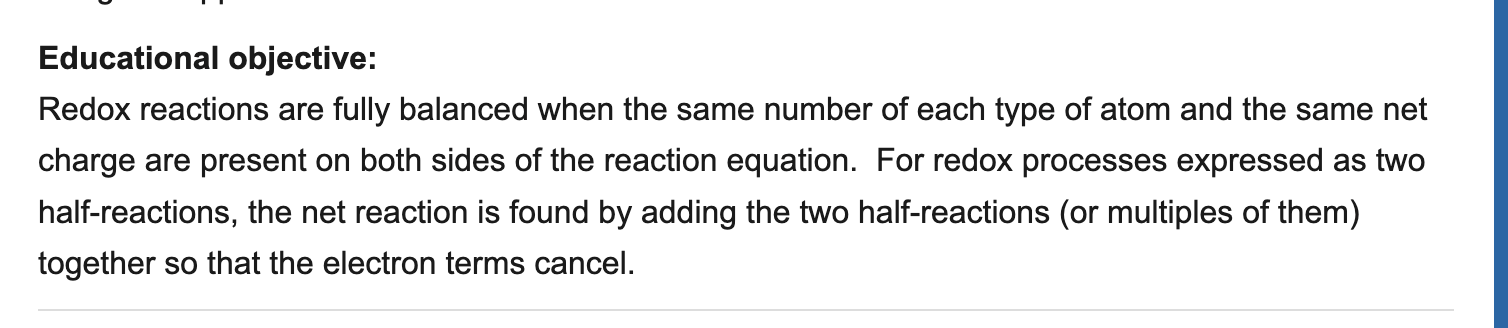
an external power source (ex. battery) supplies an electric ucrrent to drive a nonspontaneous (G>0) redox reaction, which in turn converts electrical energy into chemical energy. (electrolytic or galvanic/voltaic cell)?
electrolytic
Cell potential equation
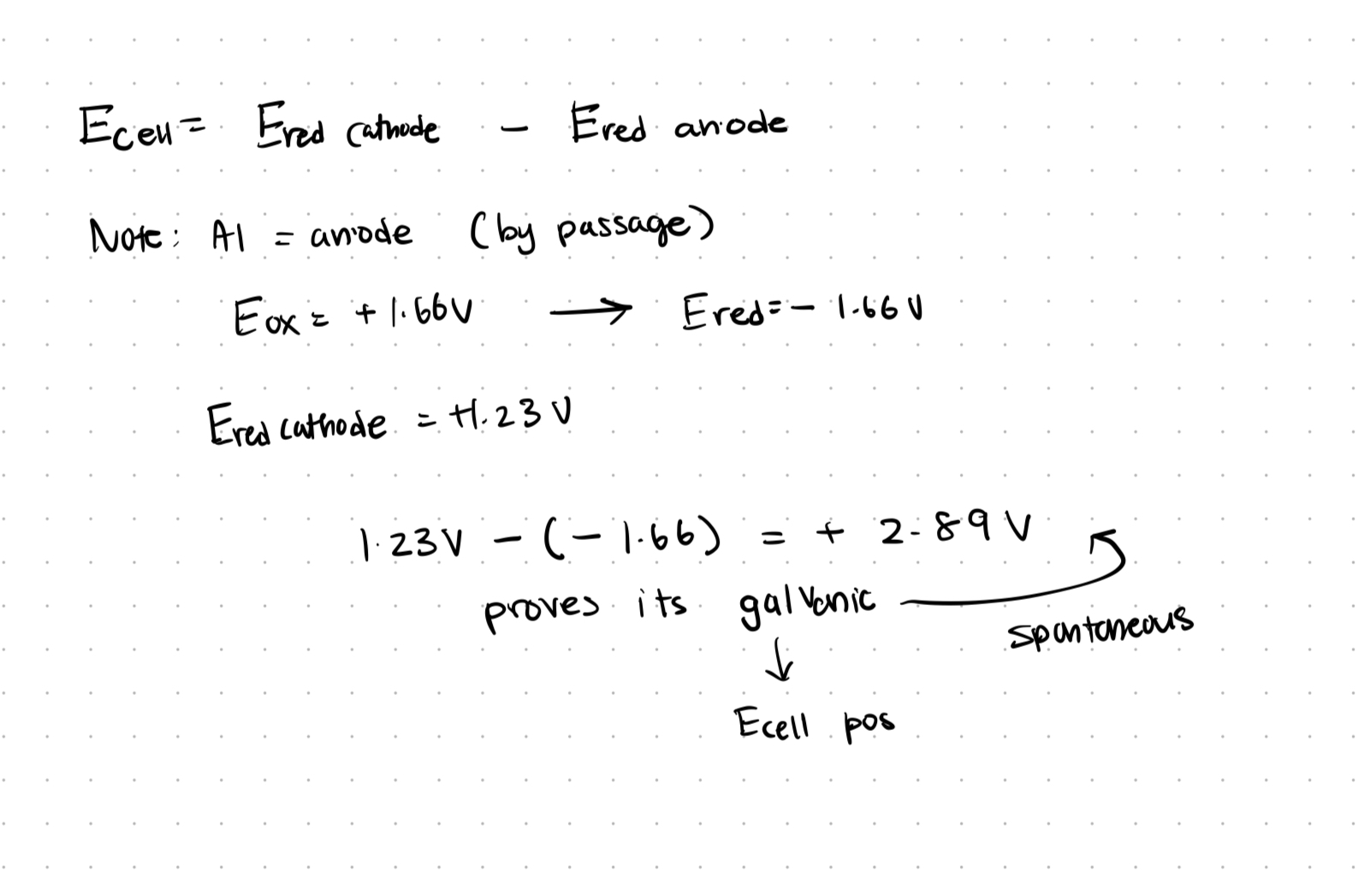
E cell= Ered (cathode)- Ered (anode)
involves a spontaneous (G<0) reaction that converts chemical into electrical energy (produces electric current) (electrolytic or galvanic/voltaic)
galvanic cell
Passage B
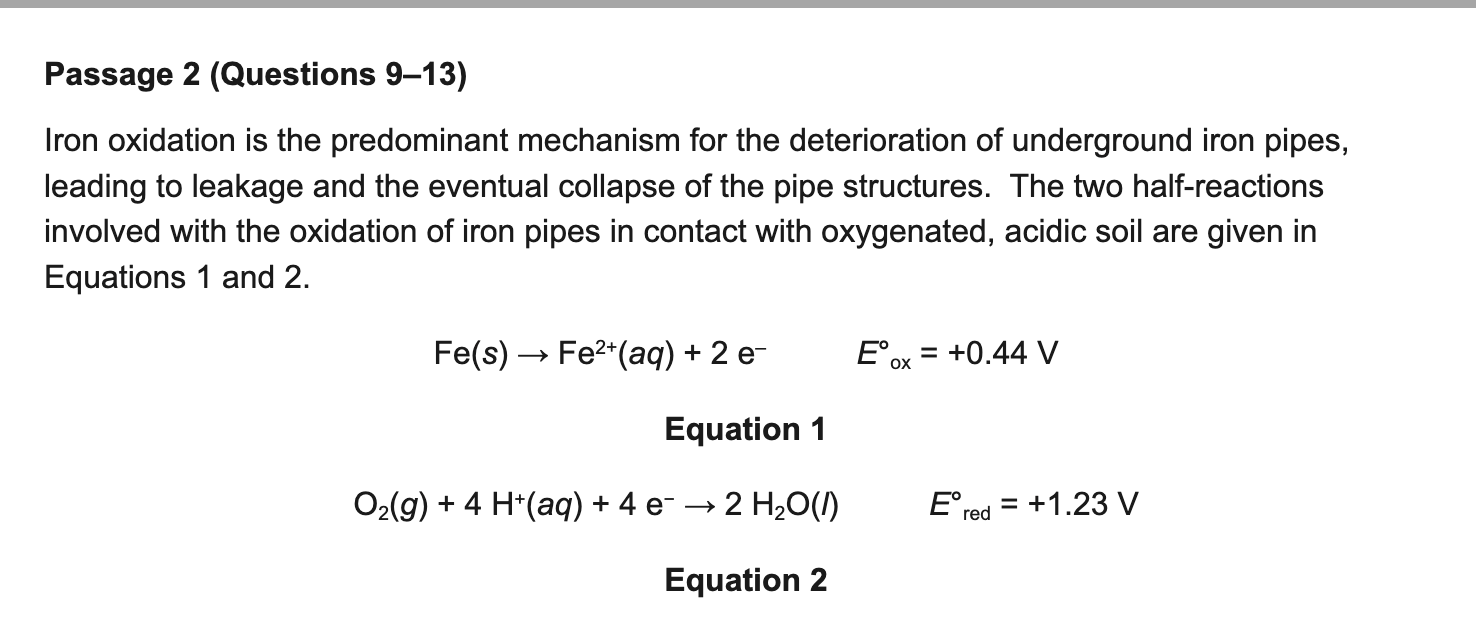
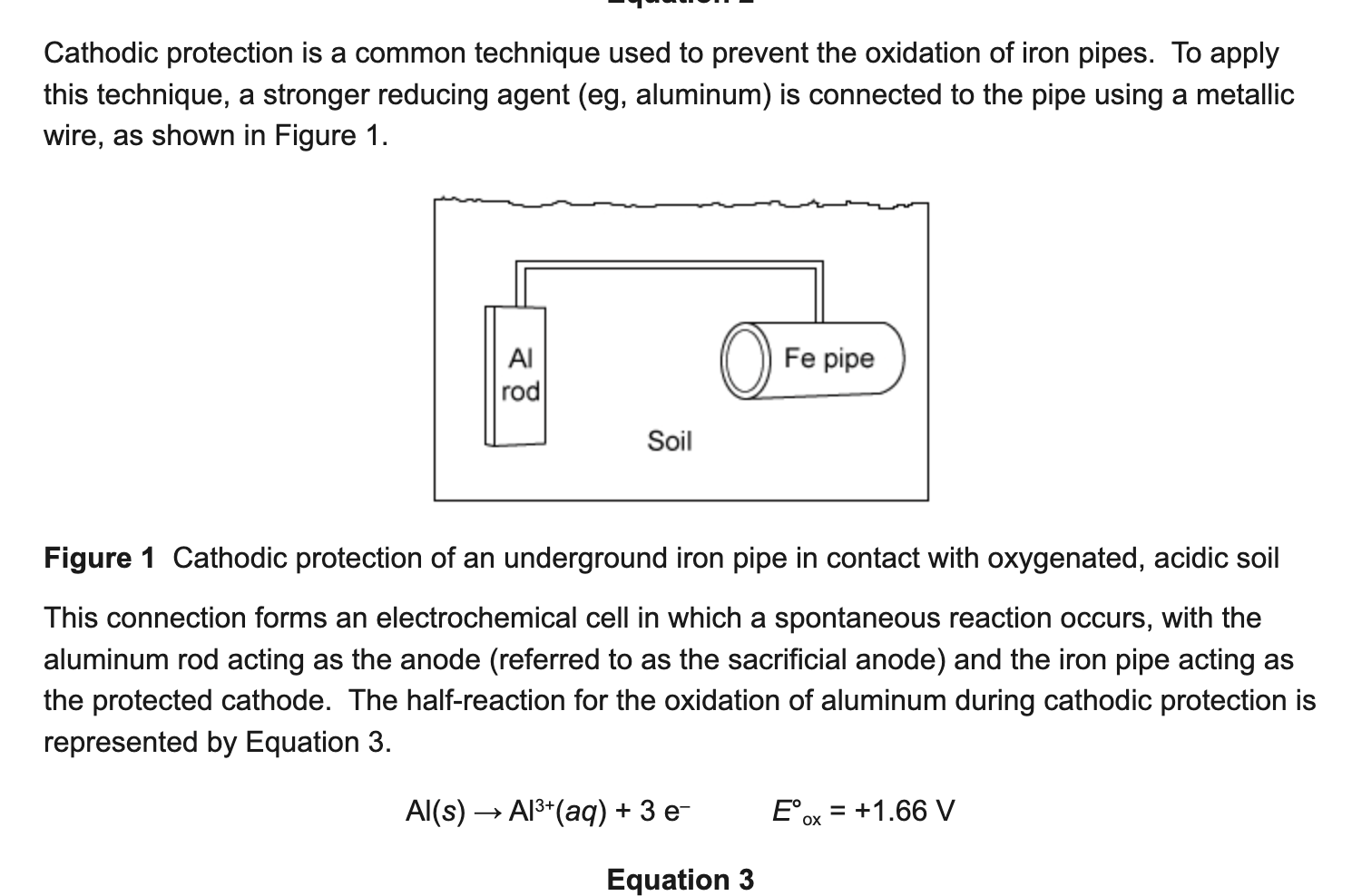

Passage B

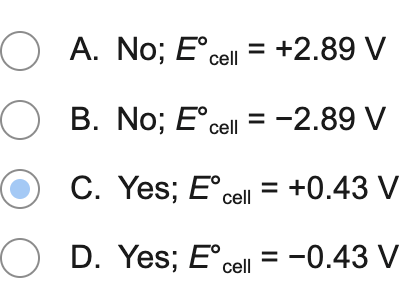
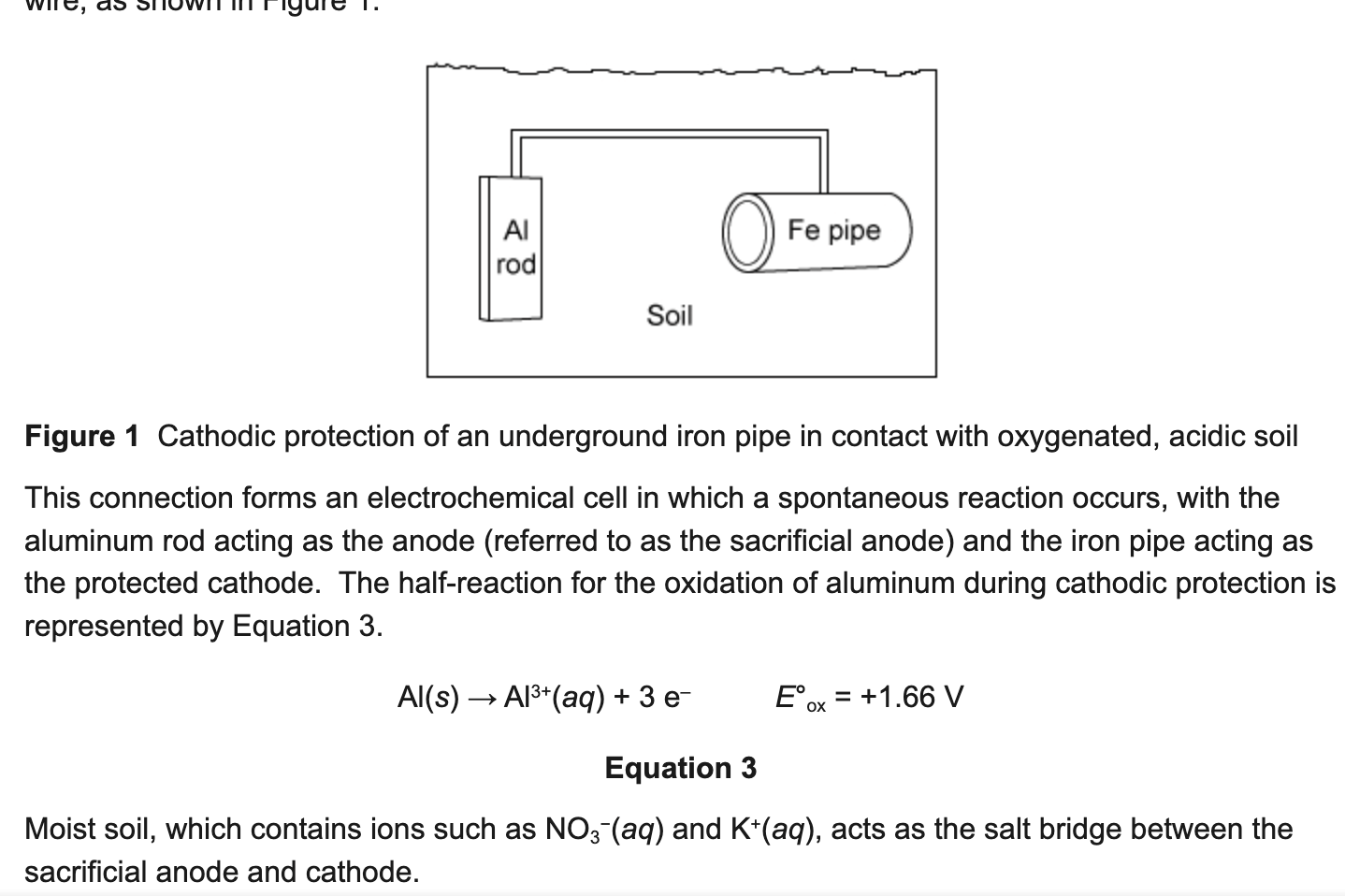
Answer A
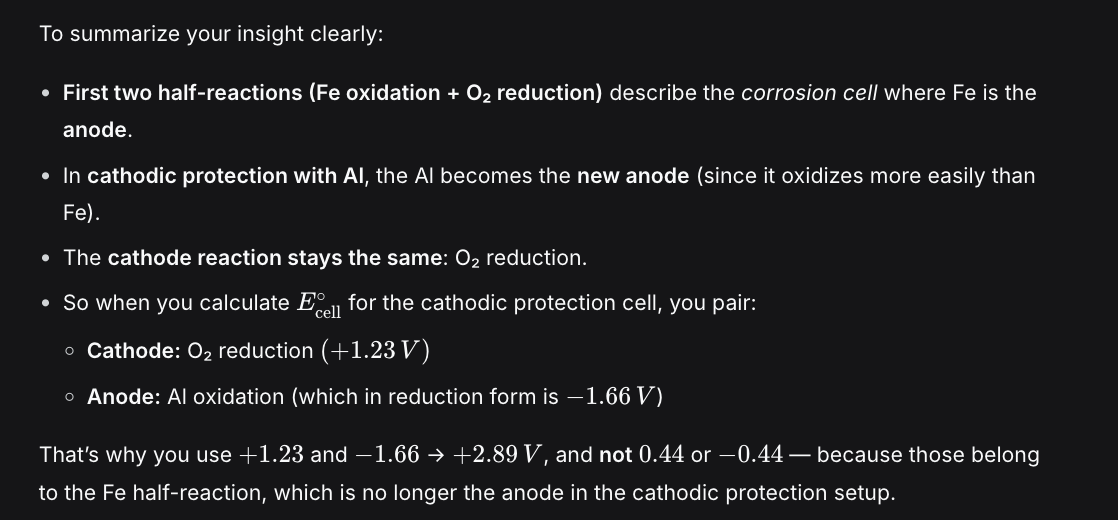
No, electrolytic is non-spontaneous, but the passage said its spontaneous (so its volcaic/galvanic)
Passage B

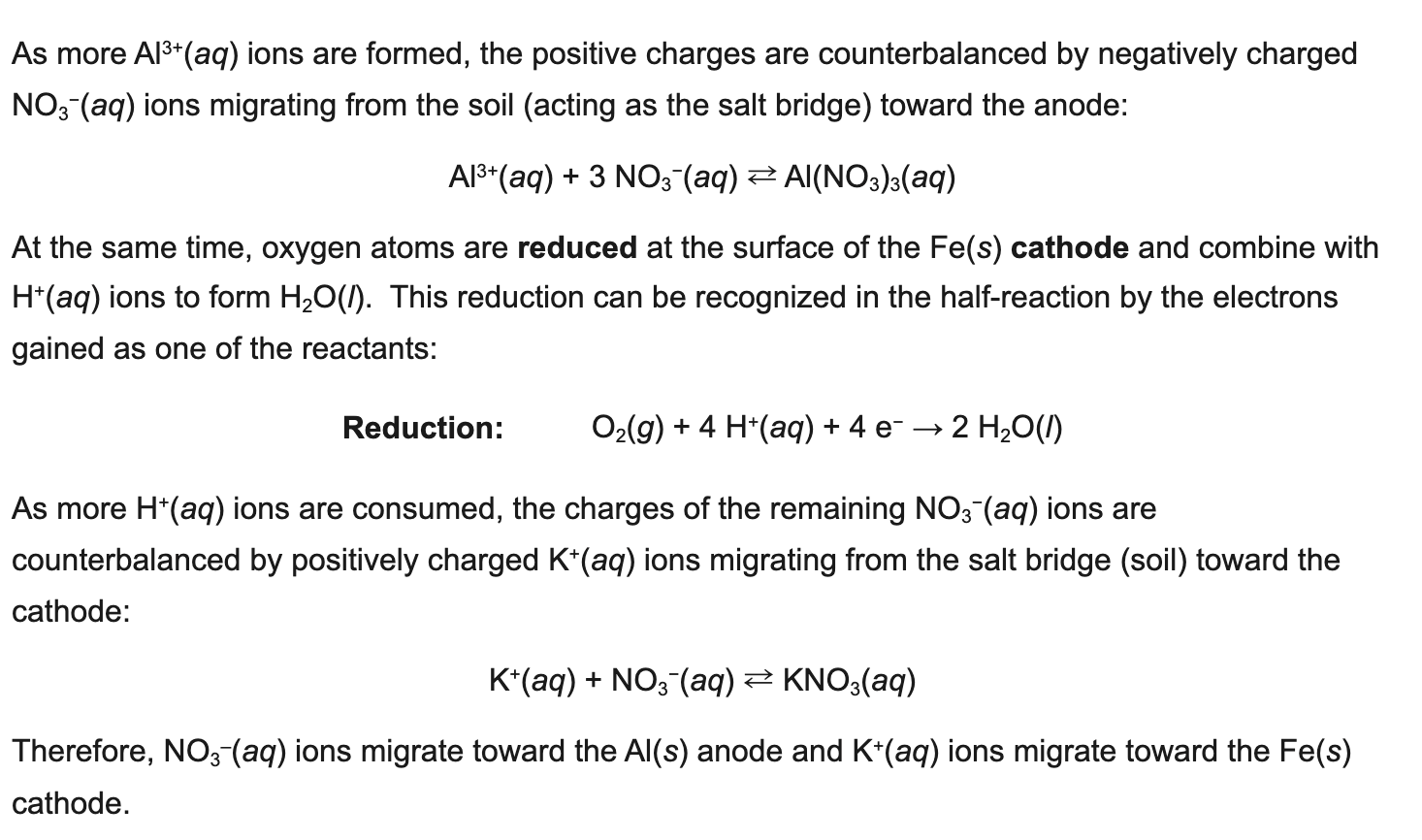
just state for the ions, which side it goes to…
NO3- goes to anode
K+ goes to cathode
anode
where oxidation occurs (loses electron)
cathode
where reduction occurs (gains electron)

1F= 1mol
0.61 F= 0.61 mol e-
0.61mol e- * (1mol Al(s)/3 mol e-) = 0.2mol Al(s)
Answer: 0.2mol *27= 5.4g Al (s)
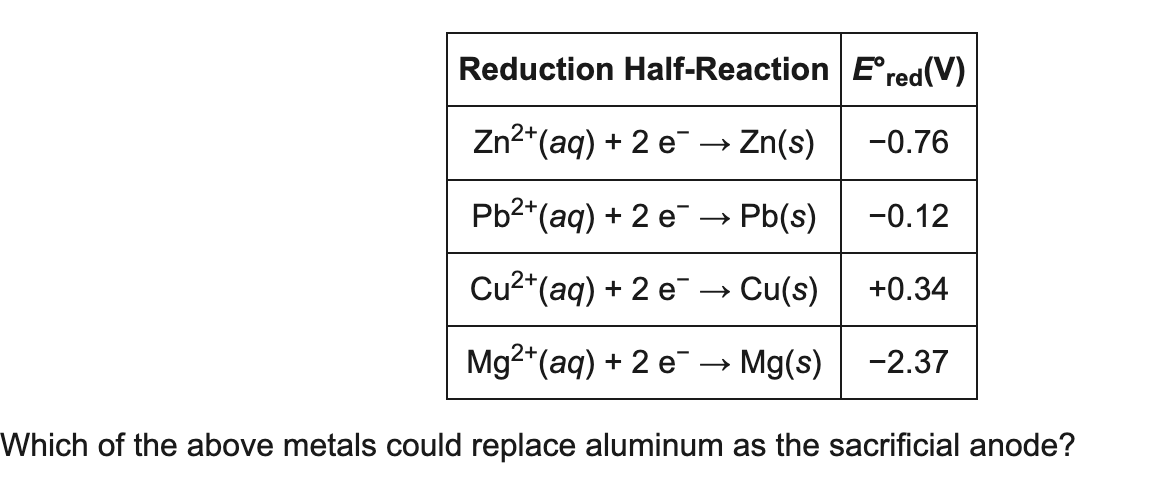

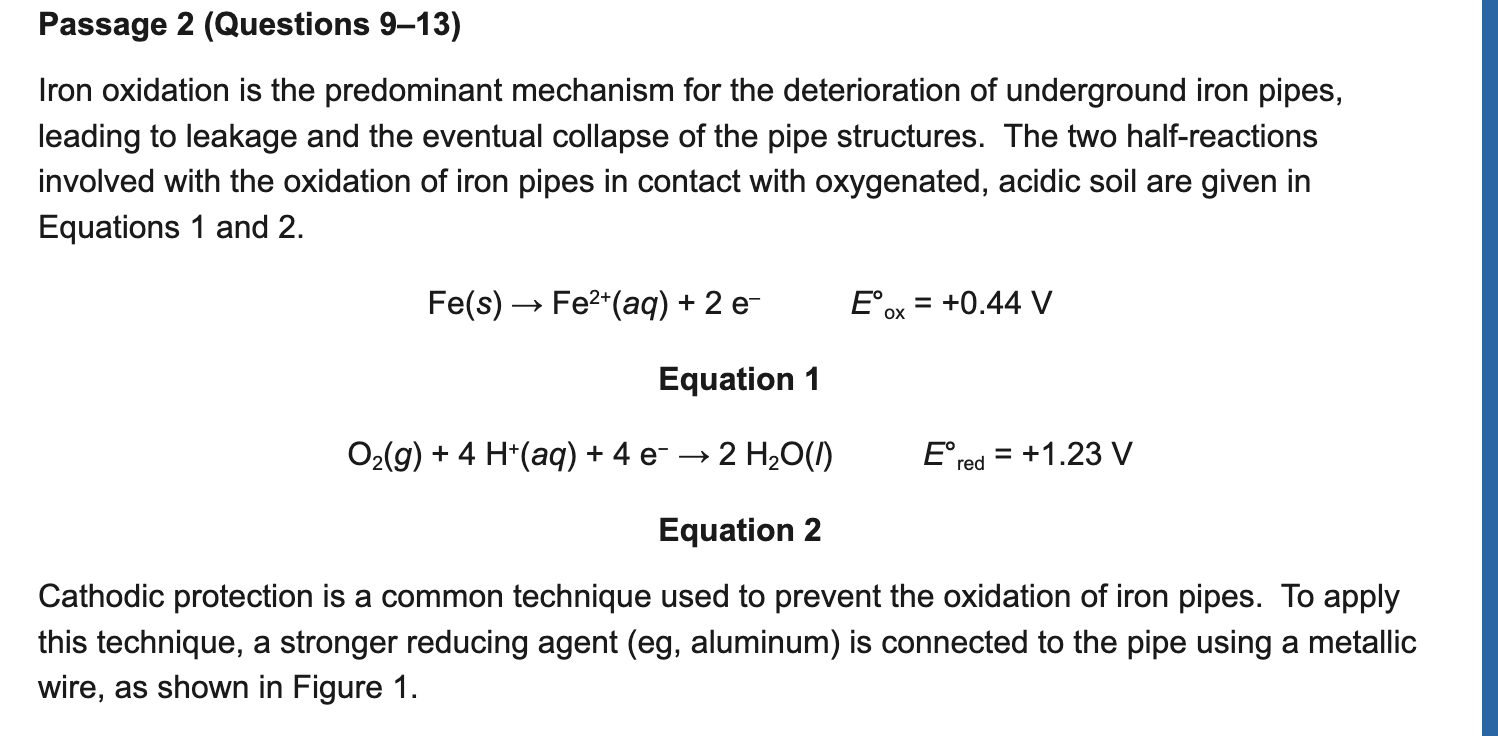
More engative E means better anode because it would more likely to be oxidized
so zinc and magnesium
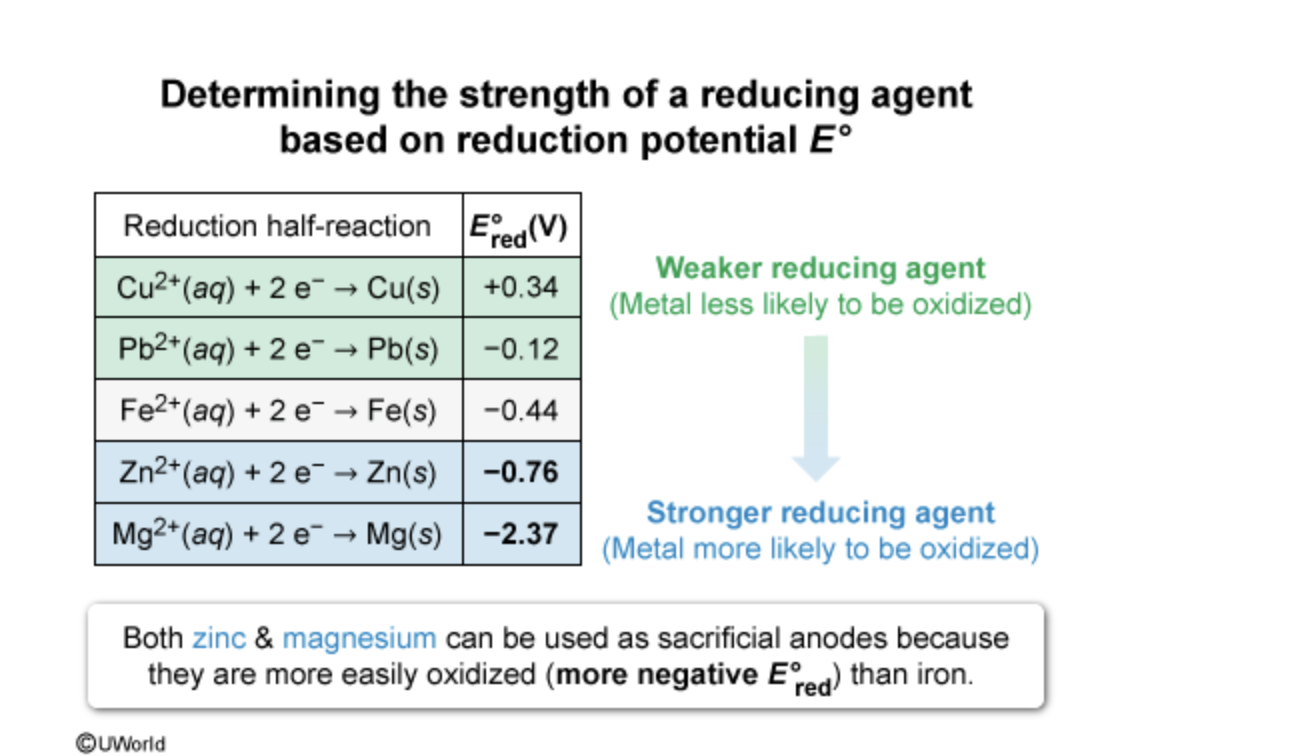
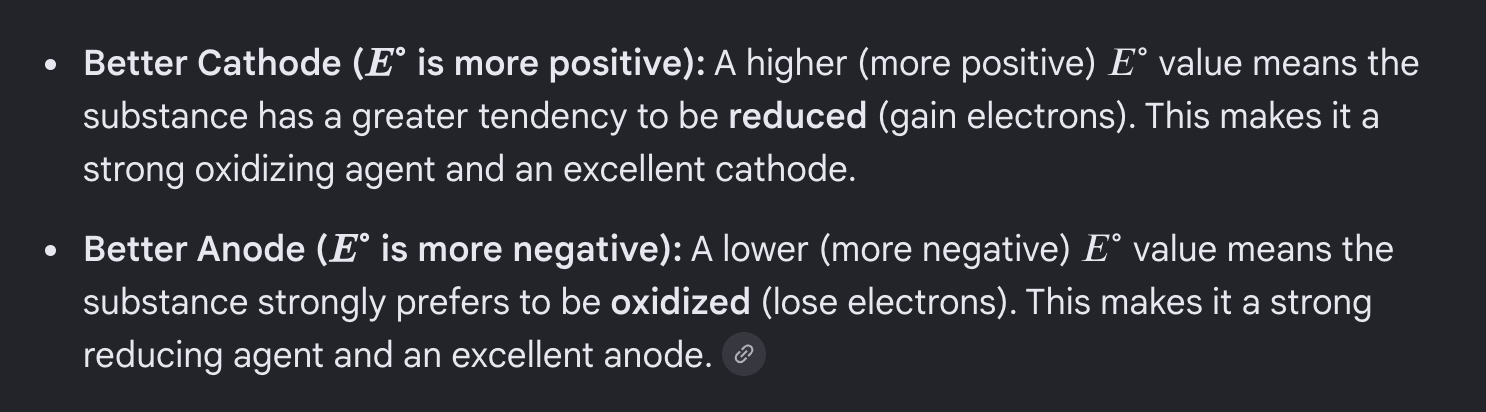
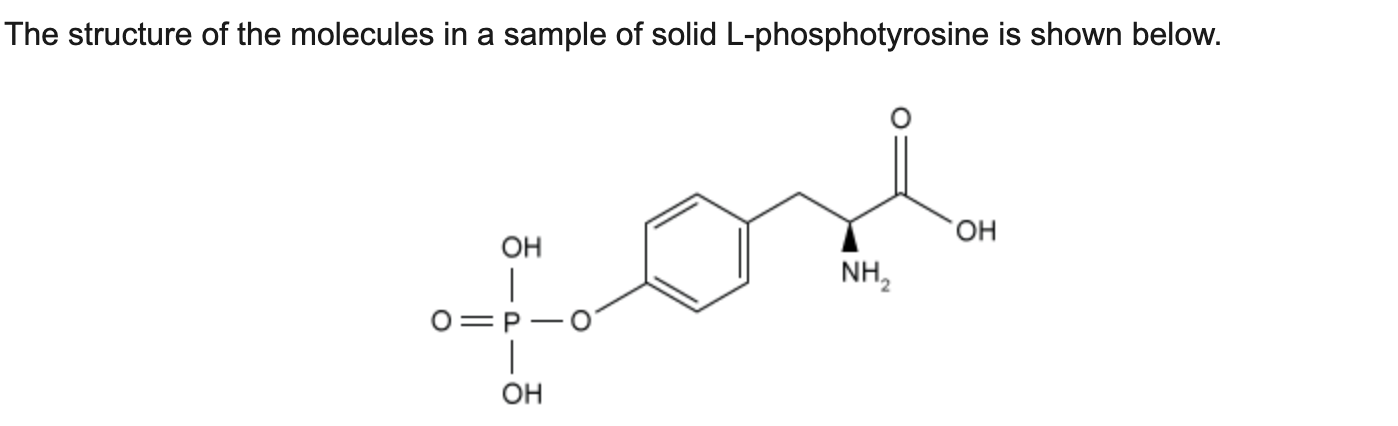


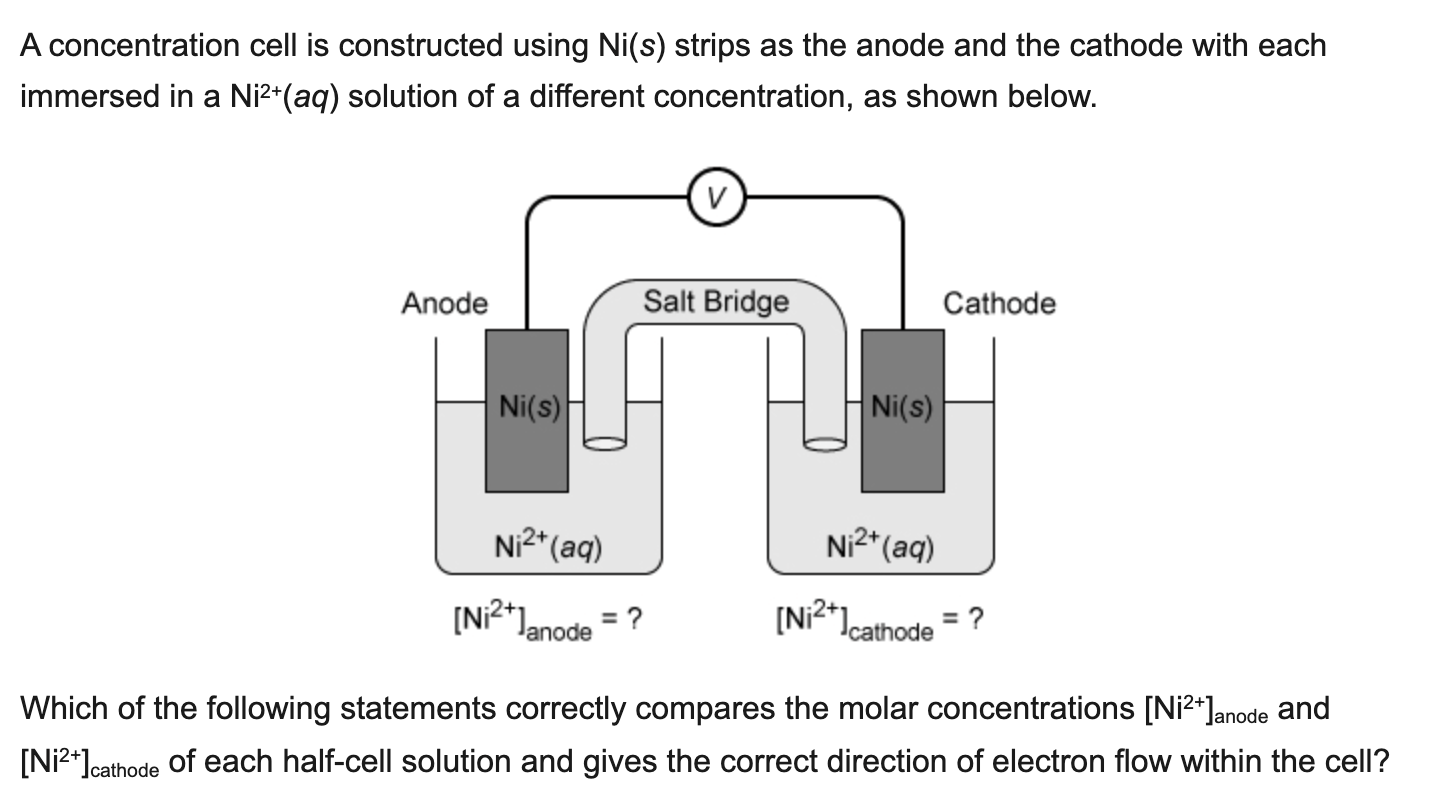
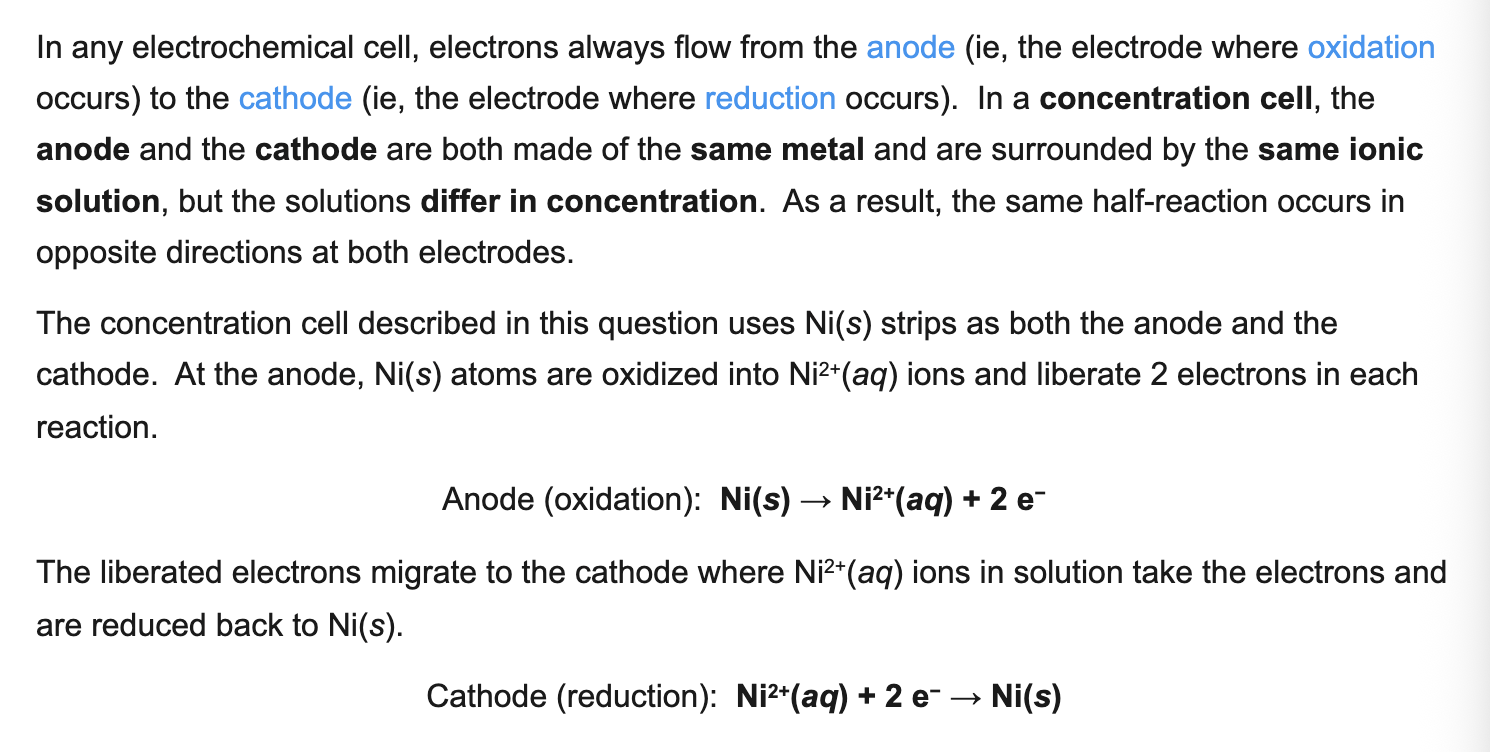
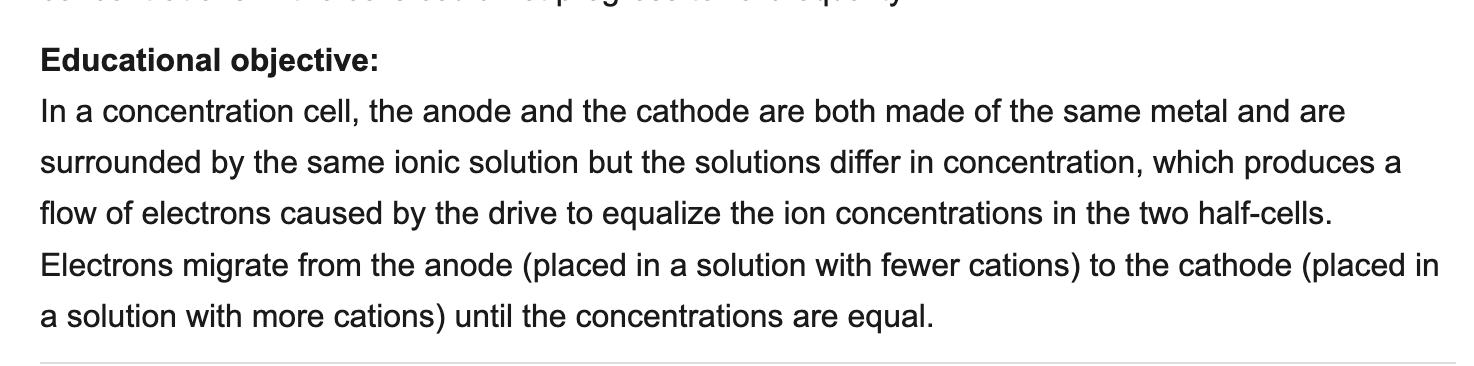
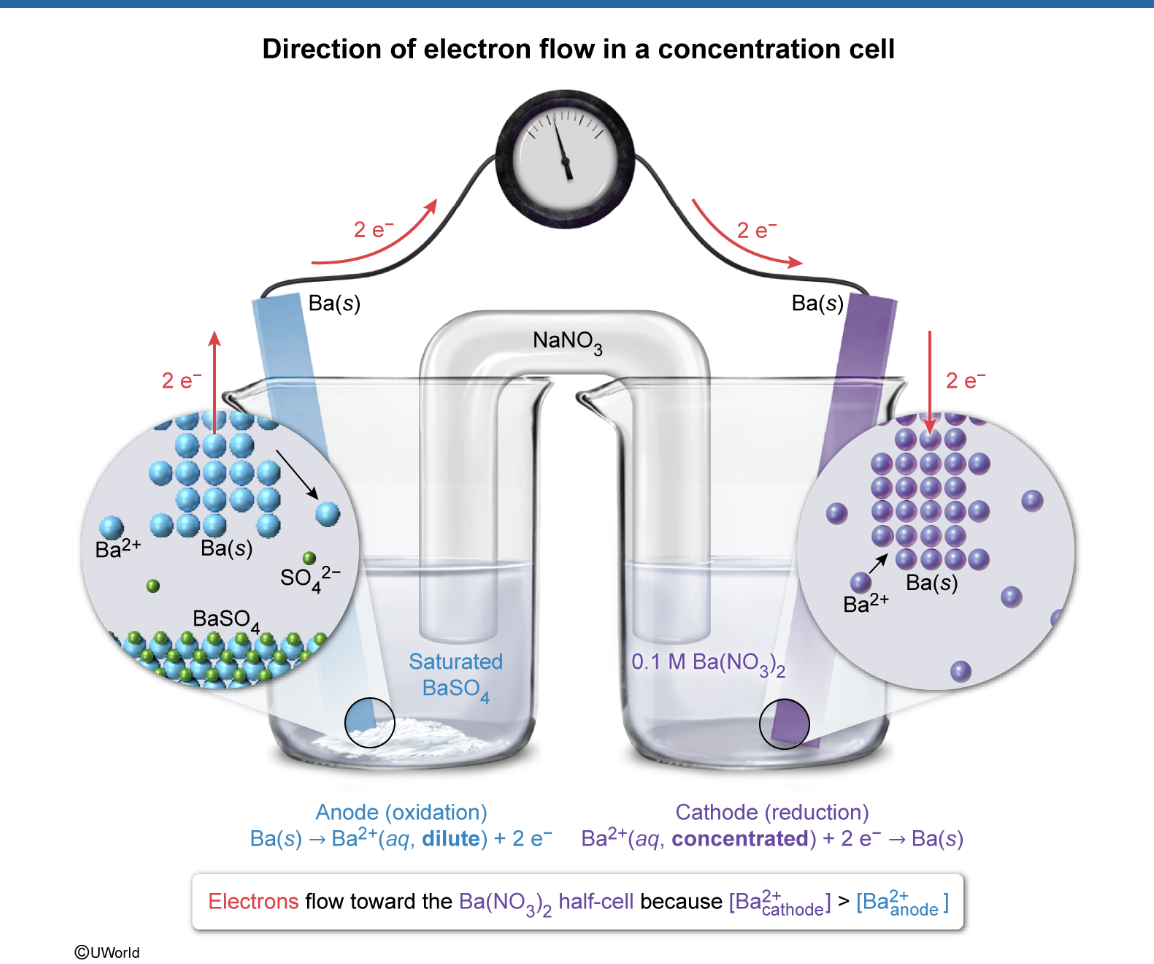
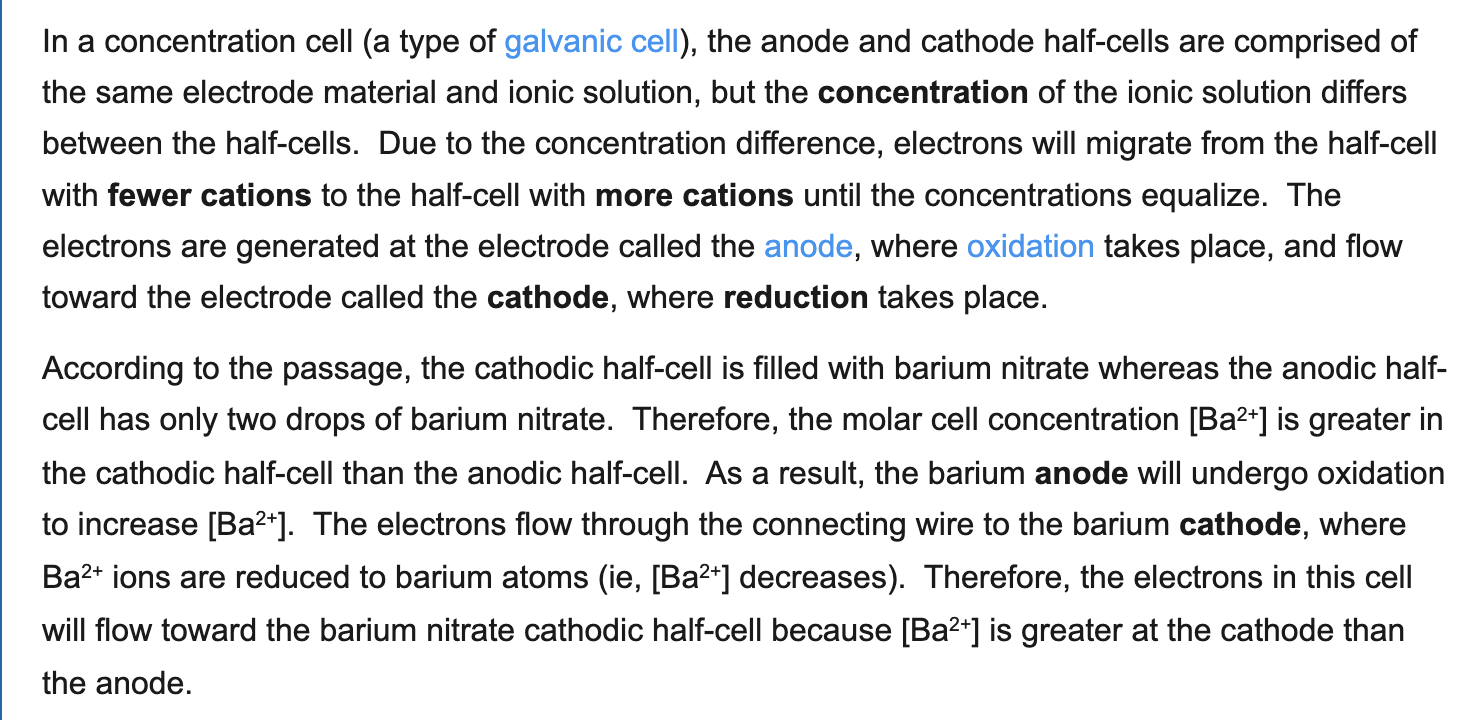
concentration of Ni2+ anode vs cathode, electron flows where?
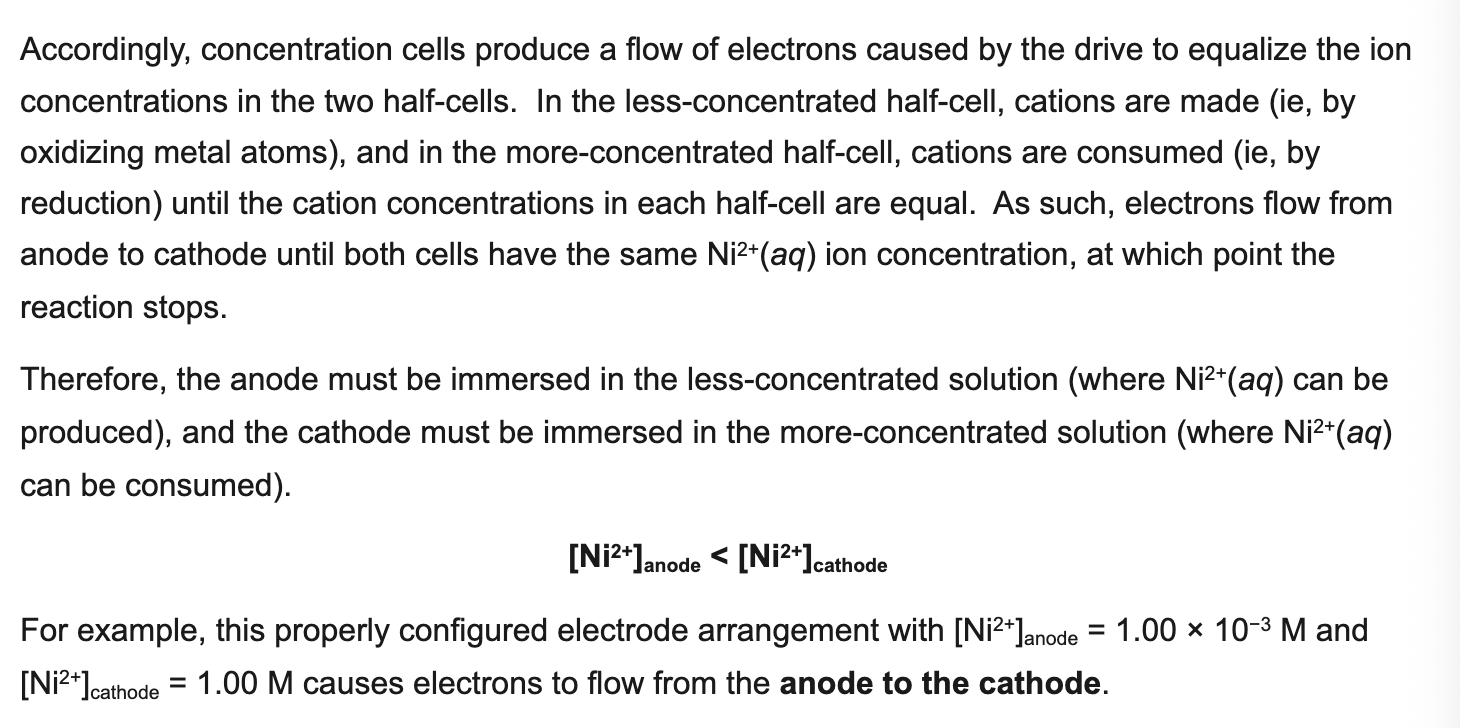
The cation concentration is greater in the cathode because electrons flow from anode to cathode


Passage C
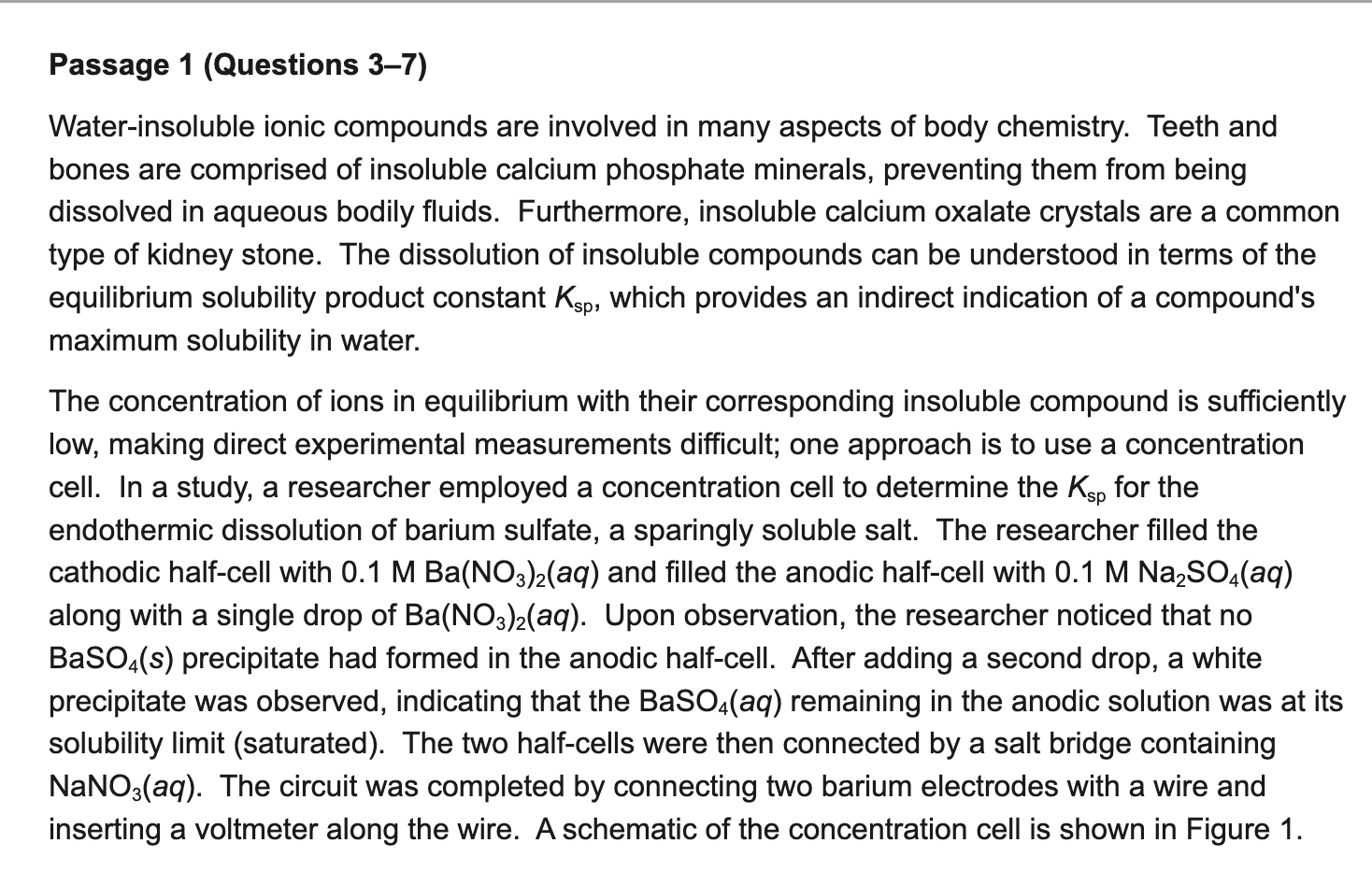
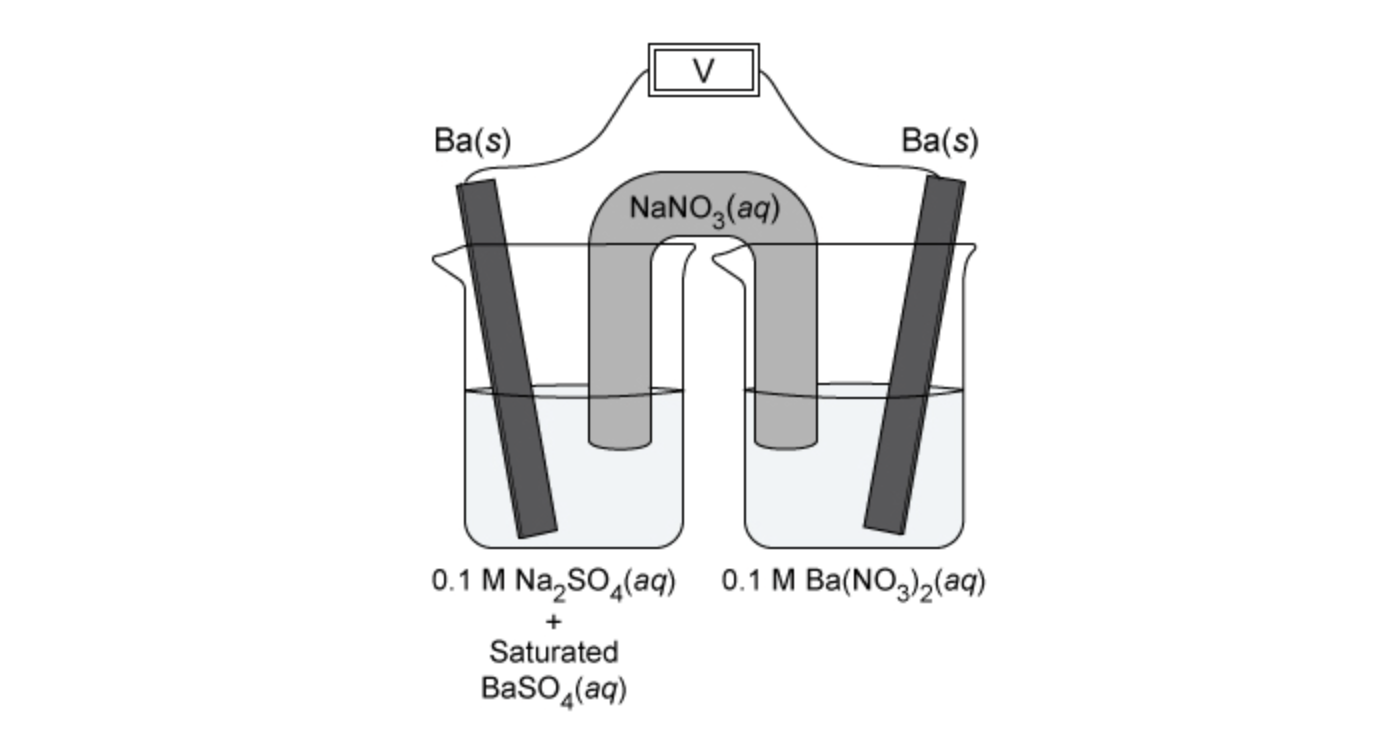
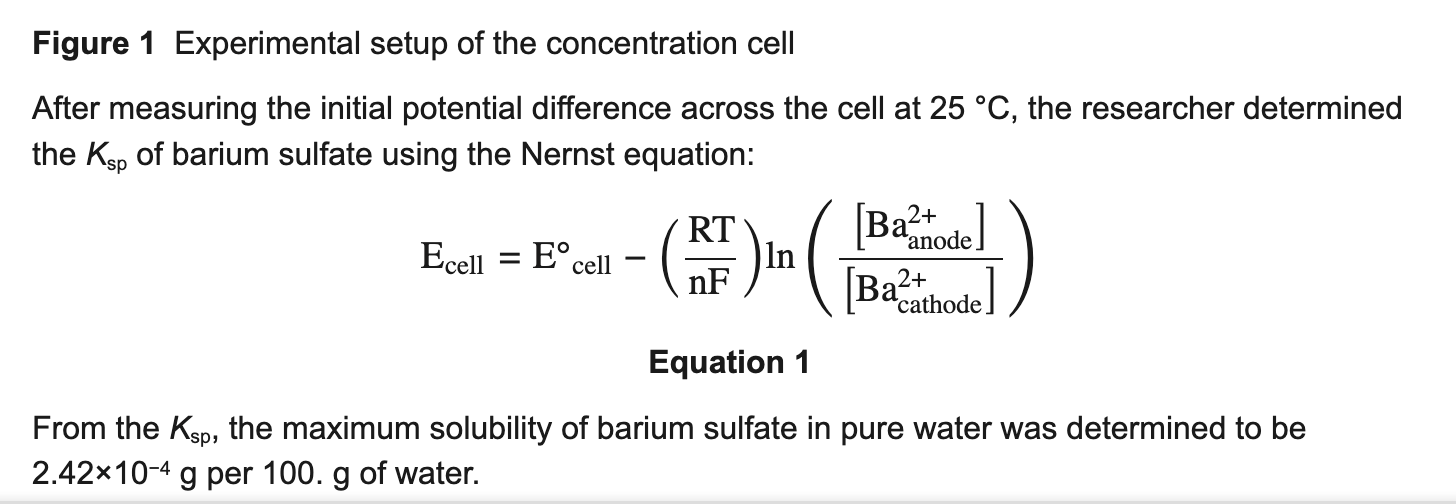

and why (based on the concentration of cation of cathode vs anode) Passage C
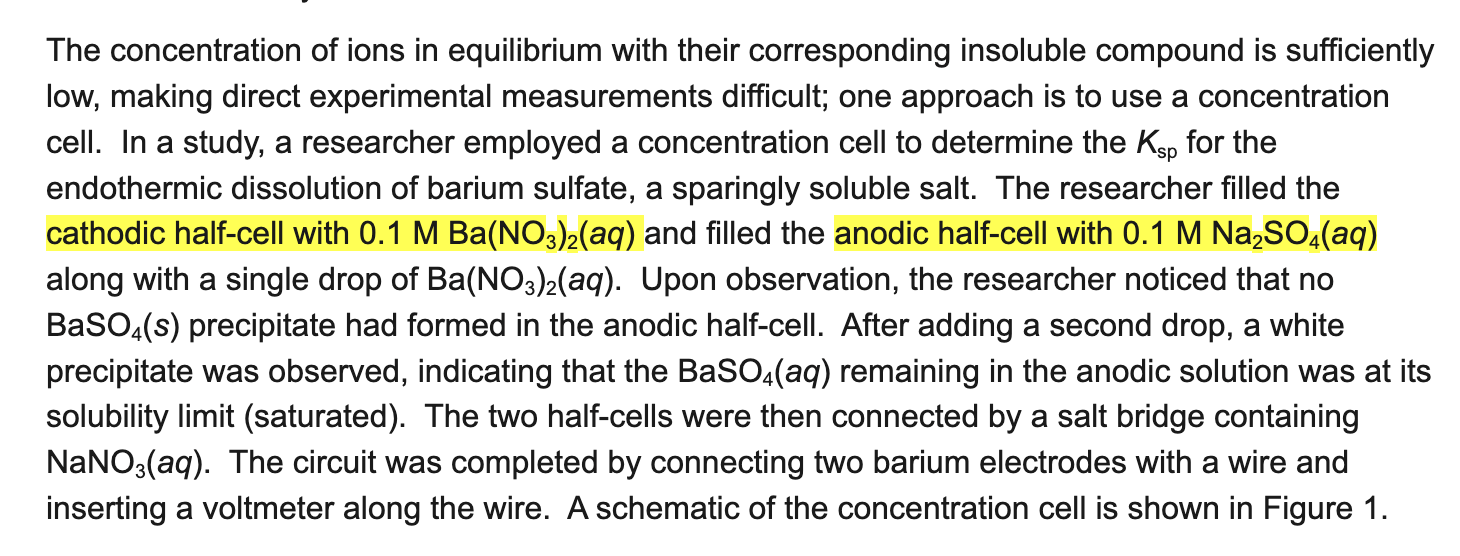
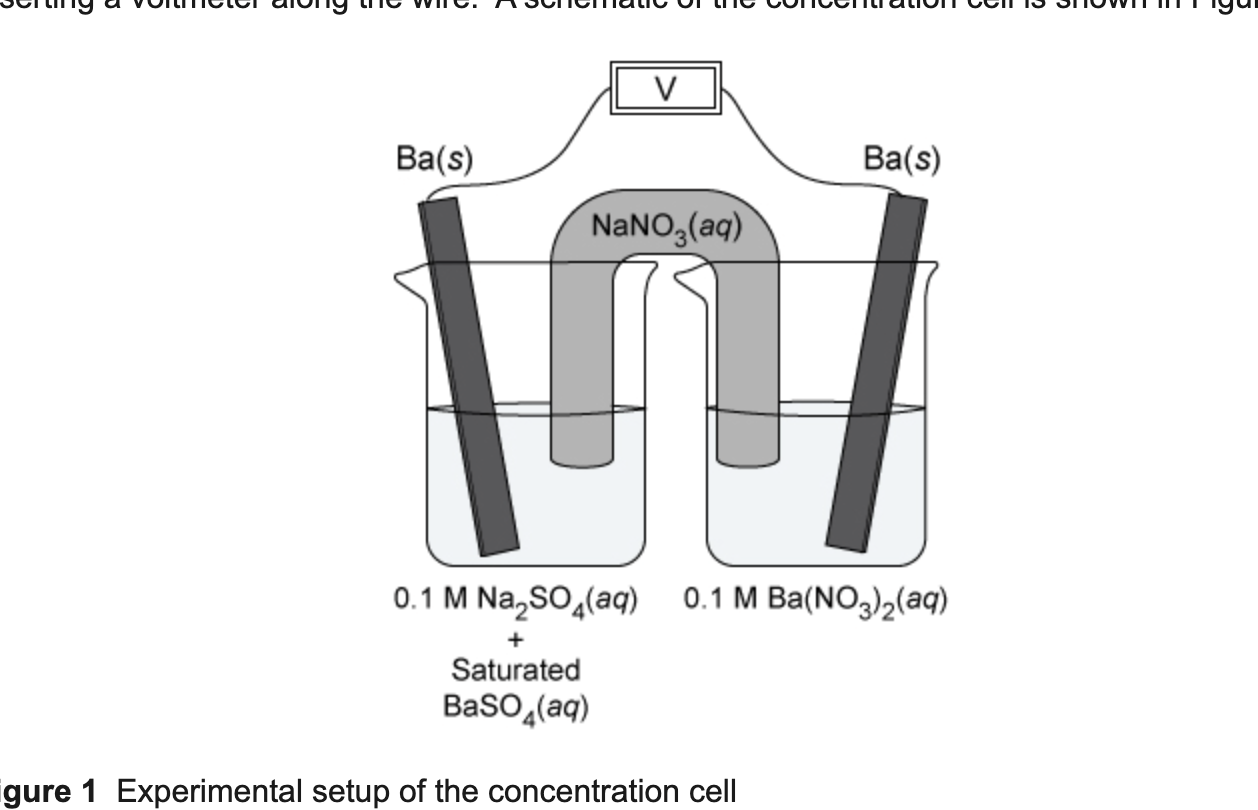
the barium nitrate half cell (cathode), because cathode Ba2+ is > Ba2+ anode
Passage C

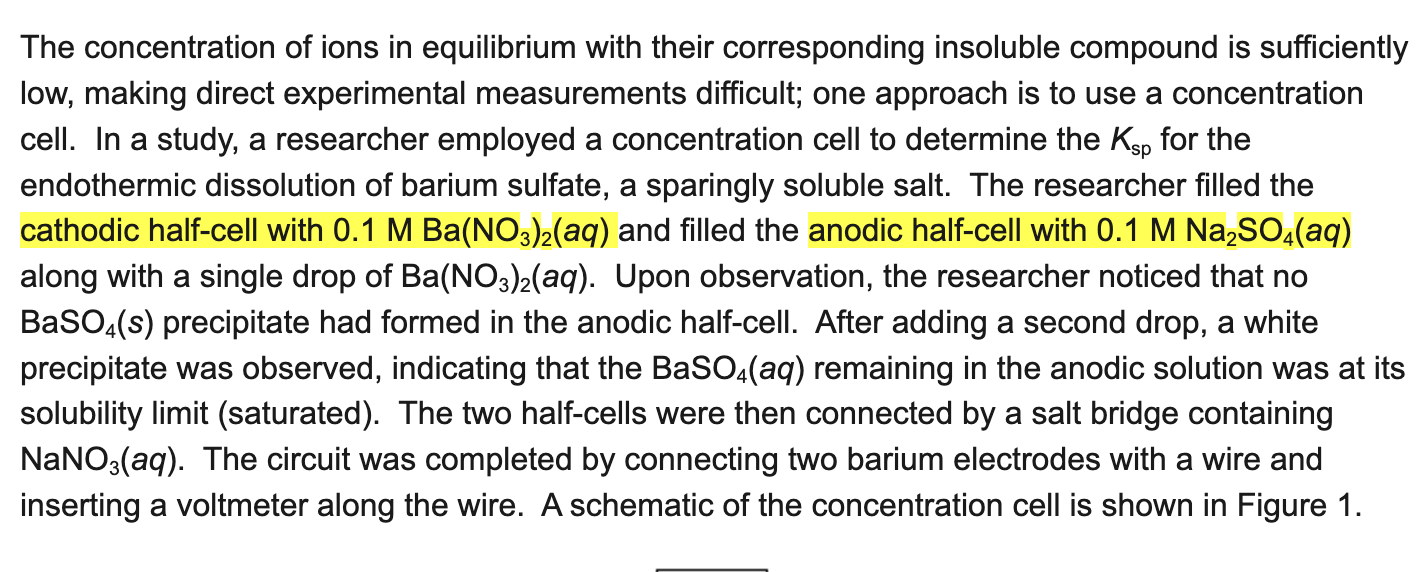
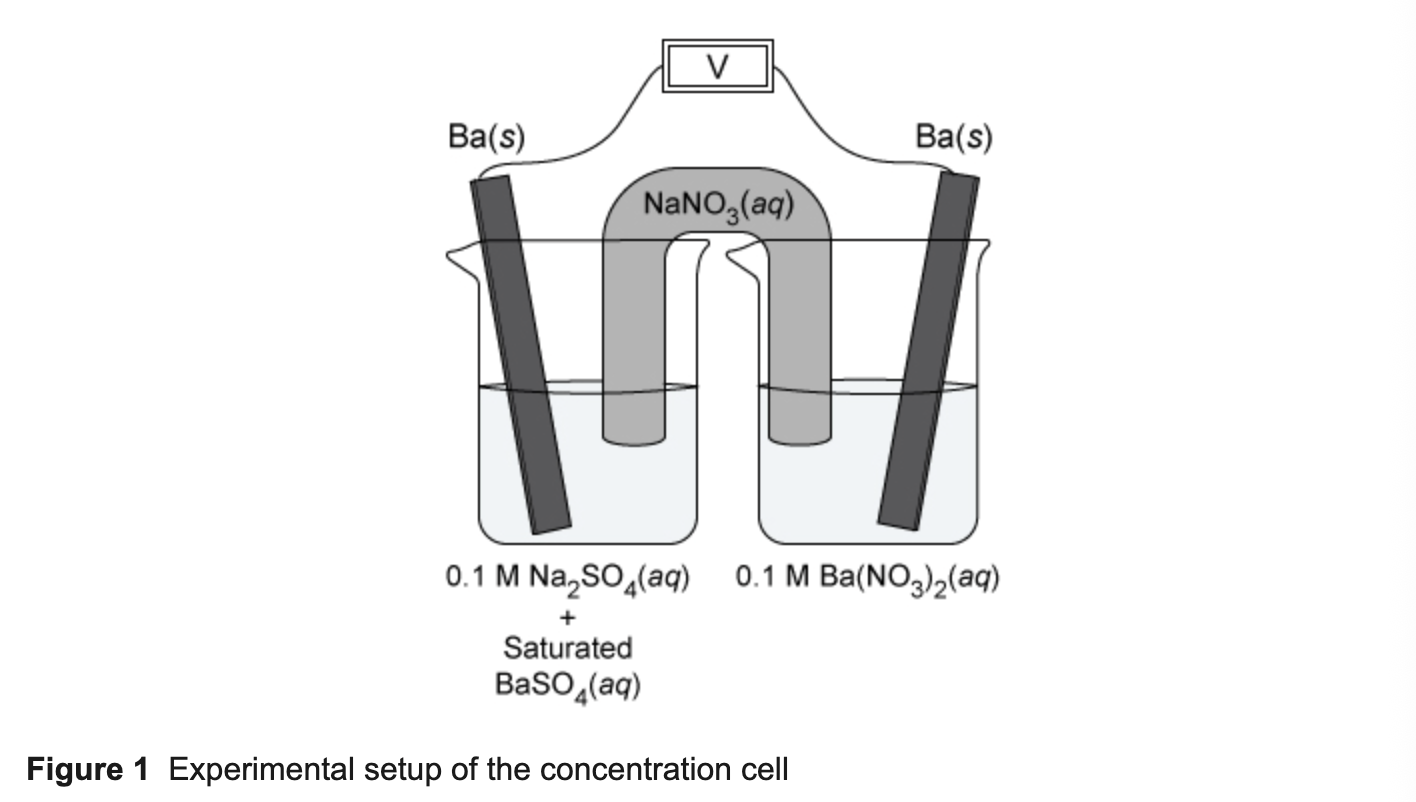
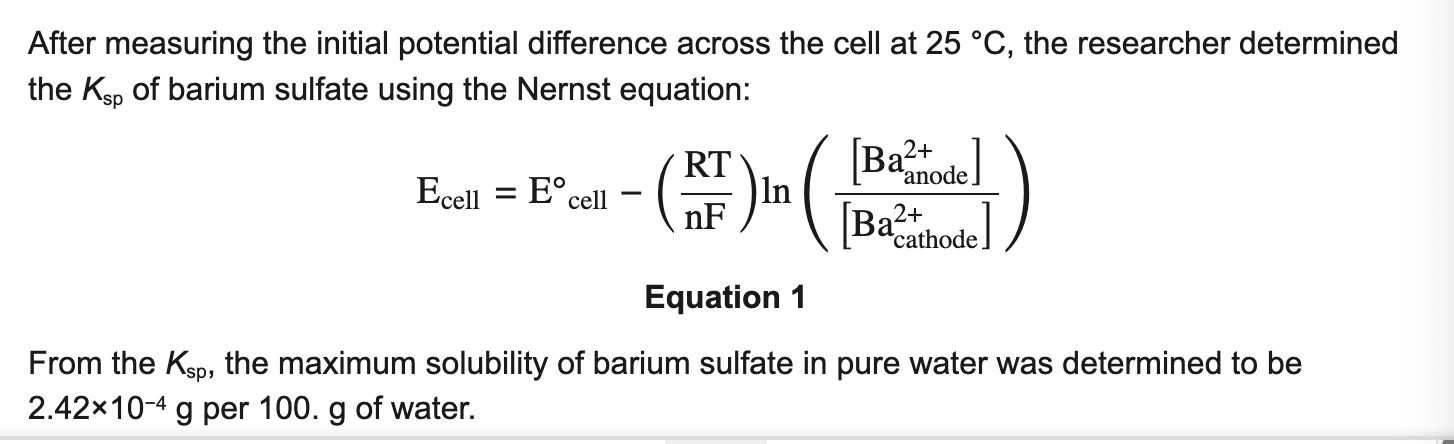
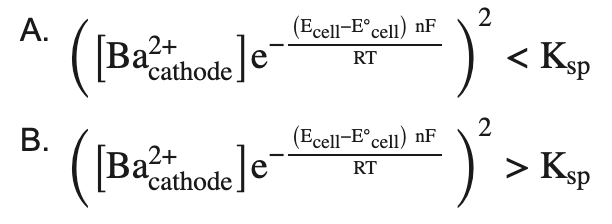
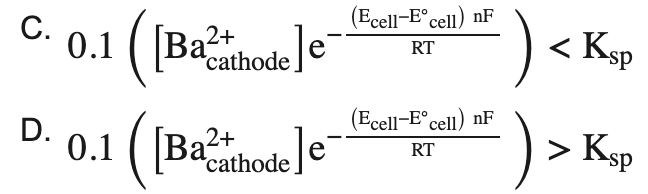
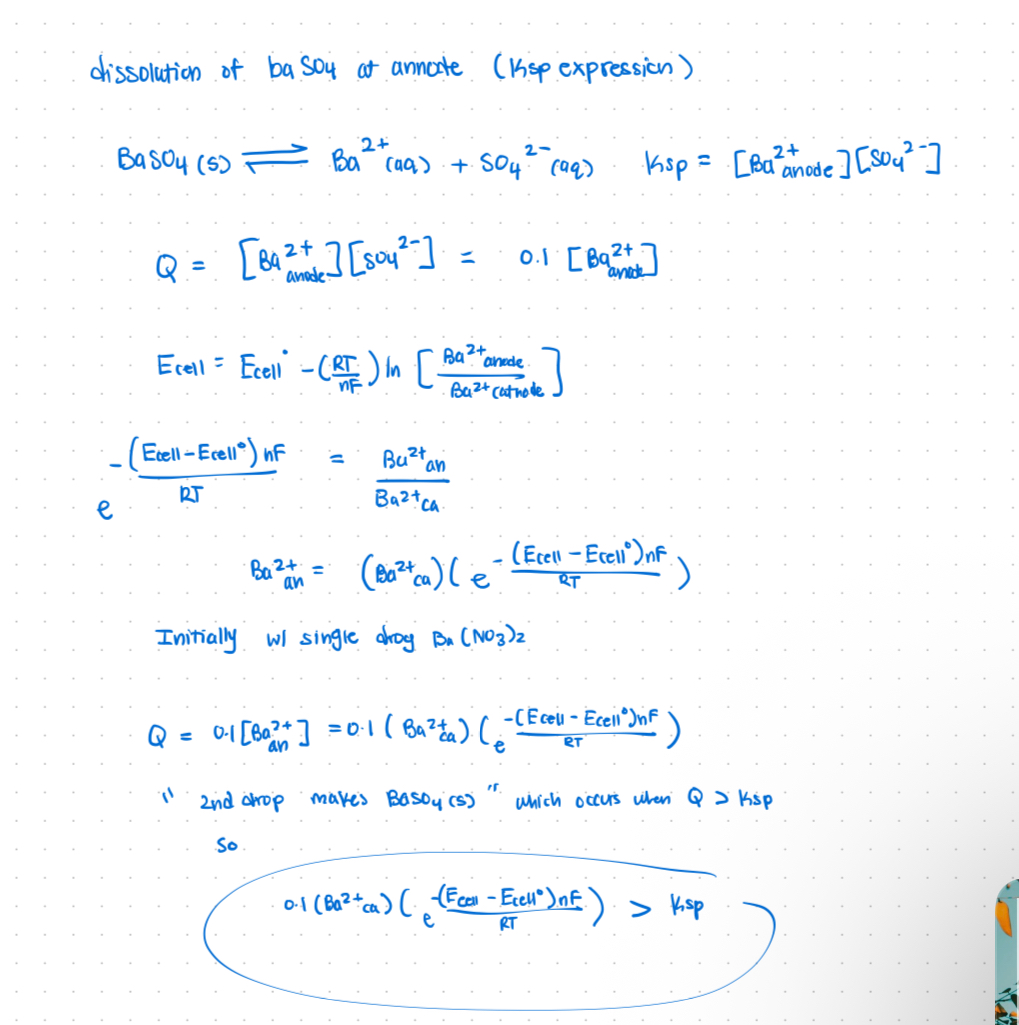
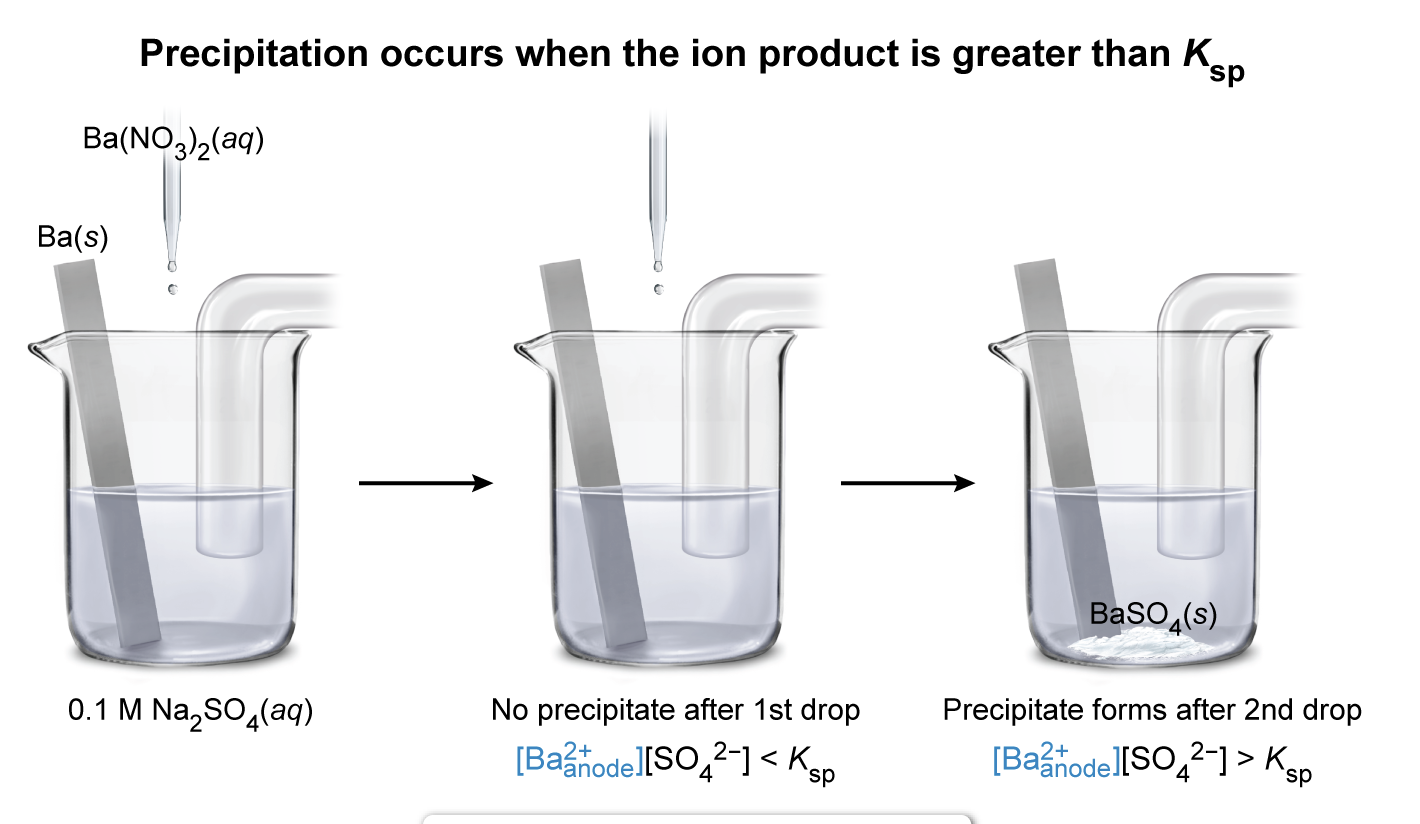
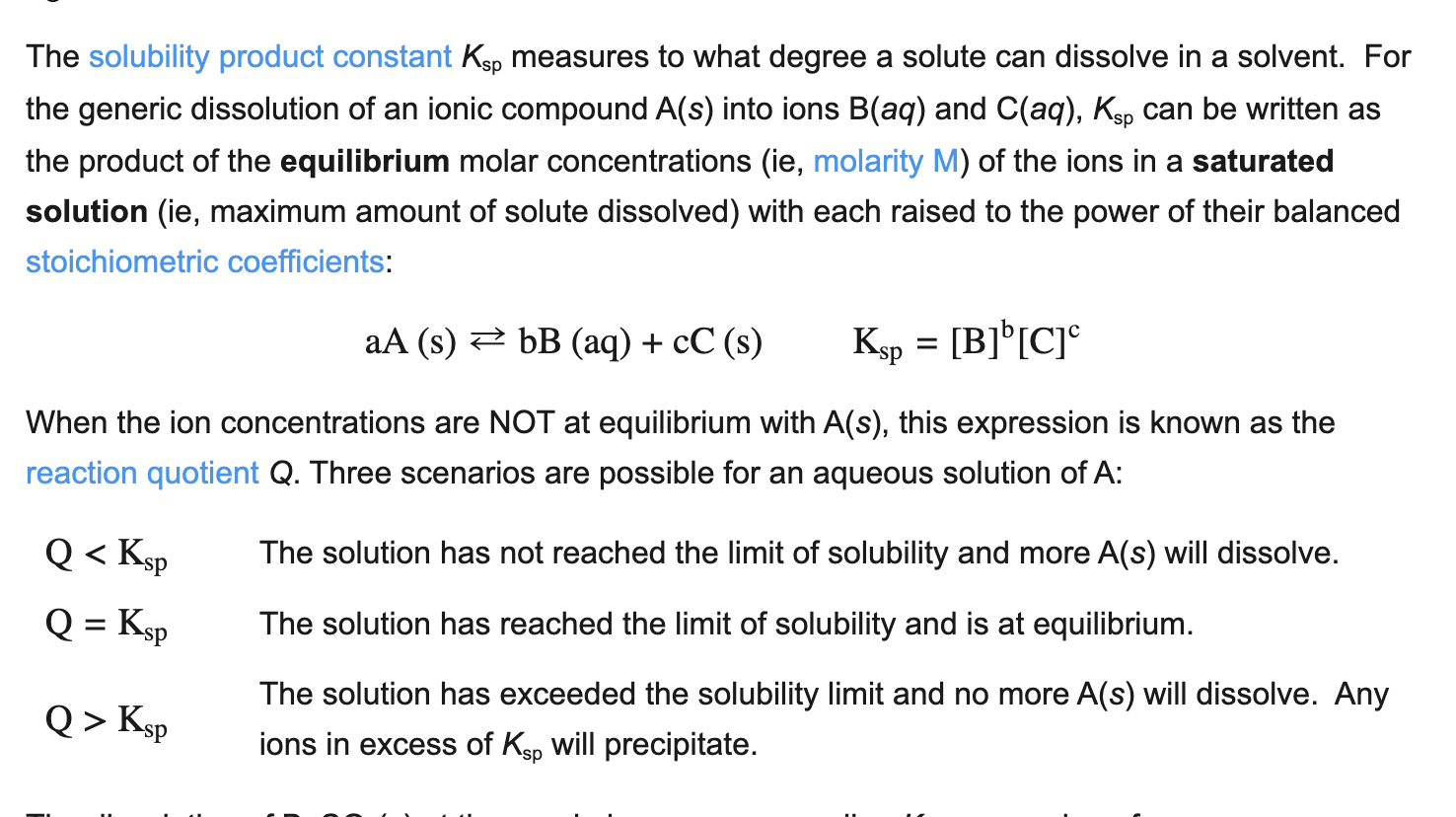

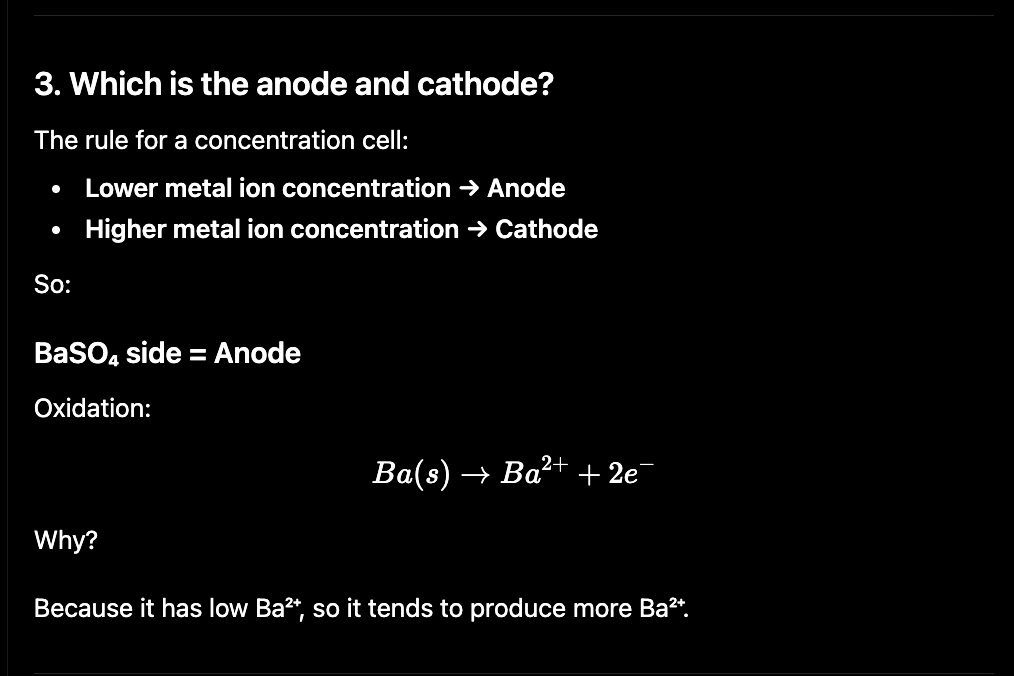
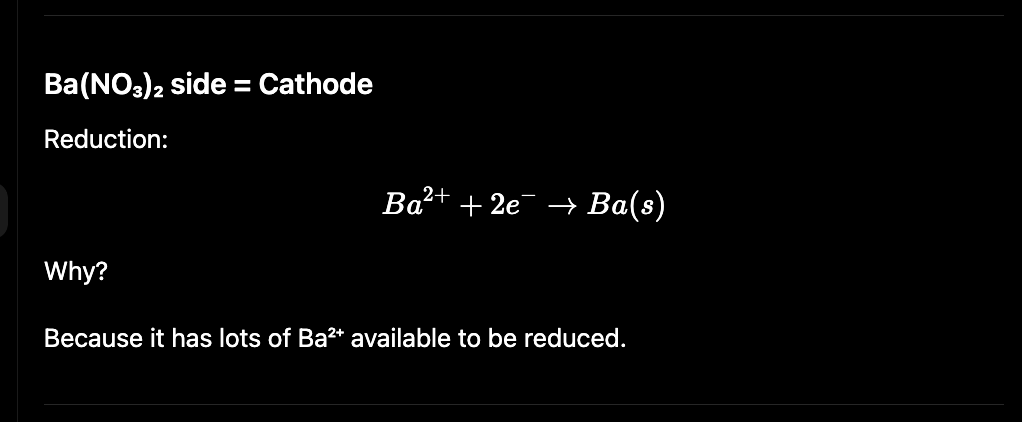


Passage C


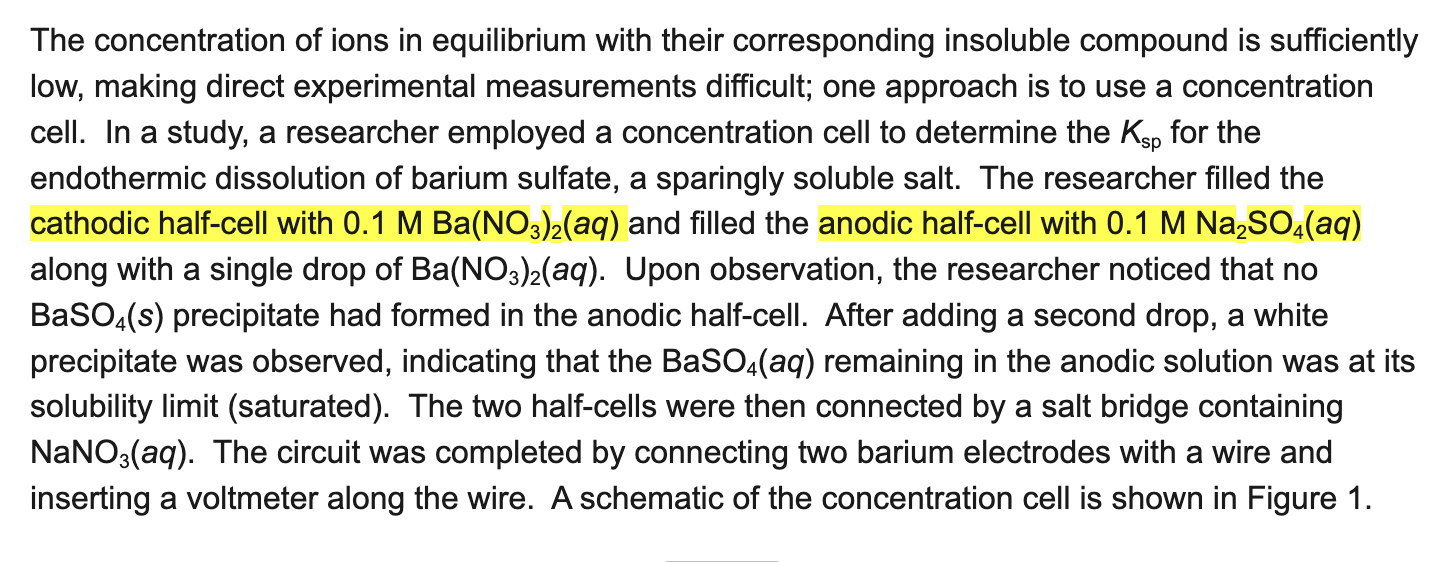
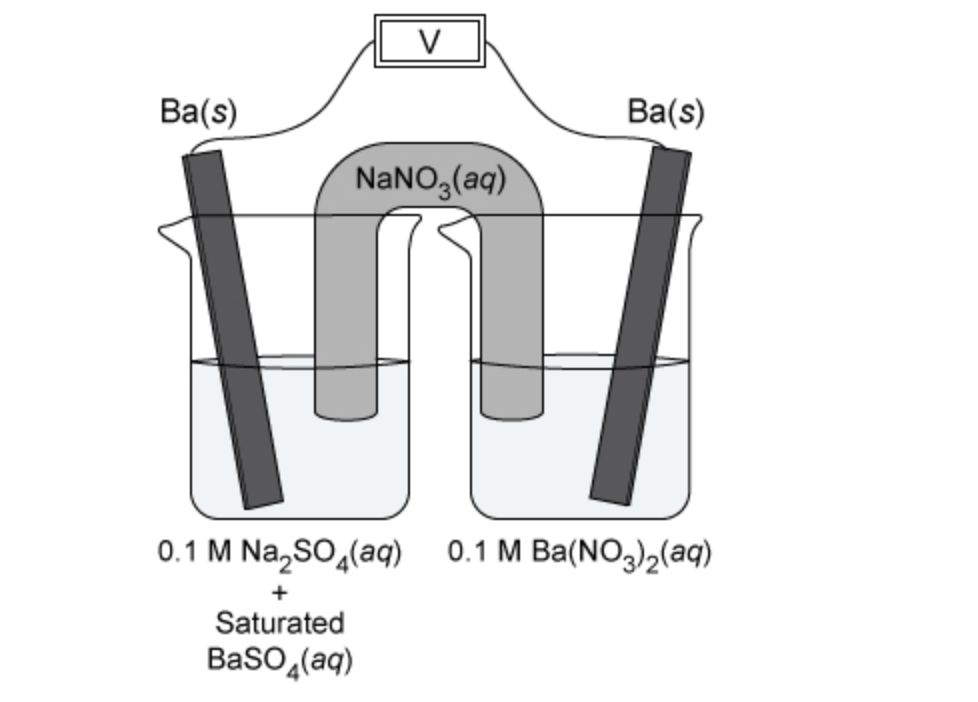
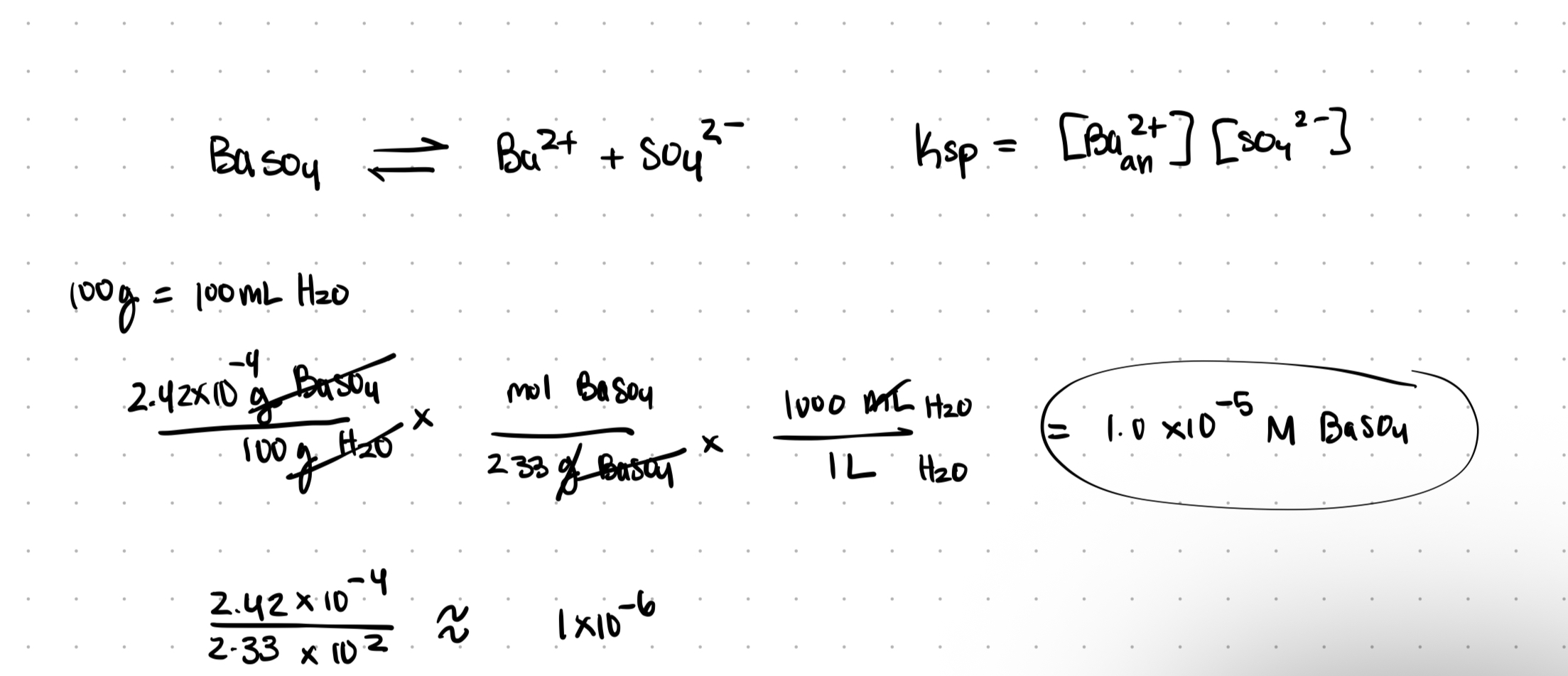
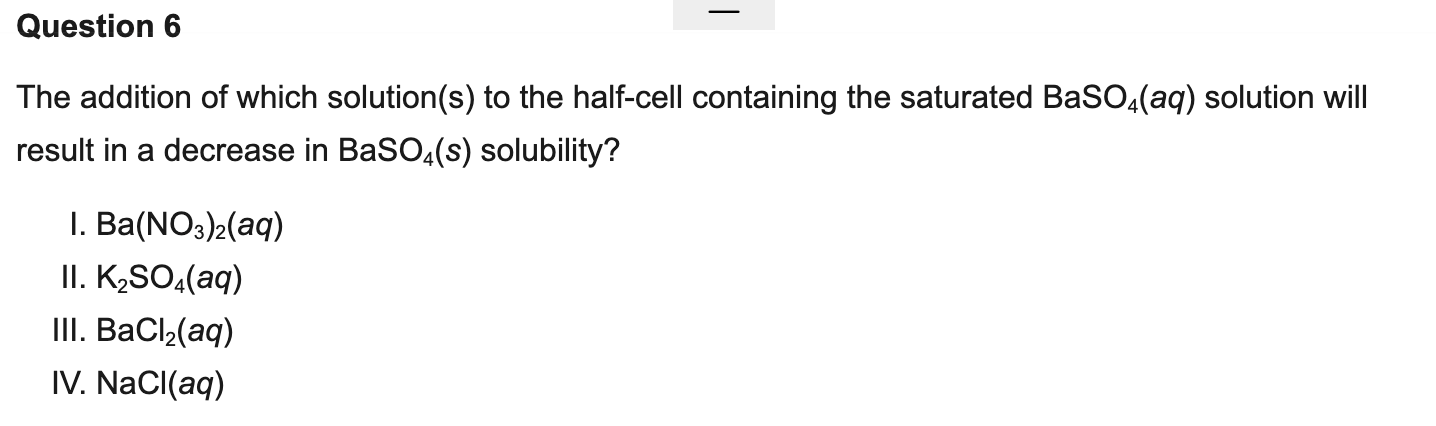
Passage C
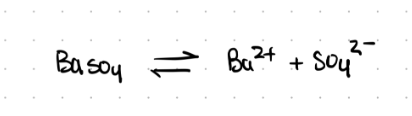
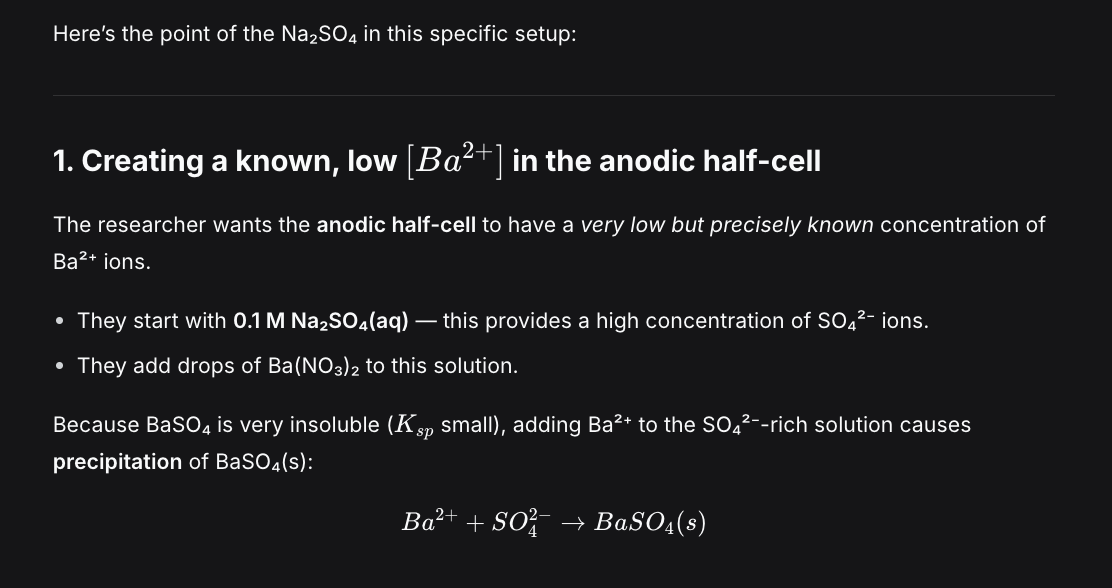
anything that increases concentration of BaSO4 will do so
So 1 2 and 3 only is the answer
increase Ba2+ favors reverse reaction
increase So42- favors reverse
increase Ba2+ favors reverse
Na+ and Cl- are not common ions found in this reaction so it won’t decrease solubility

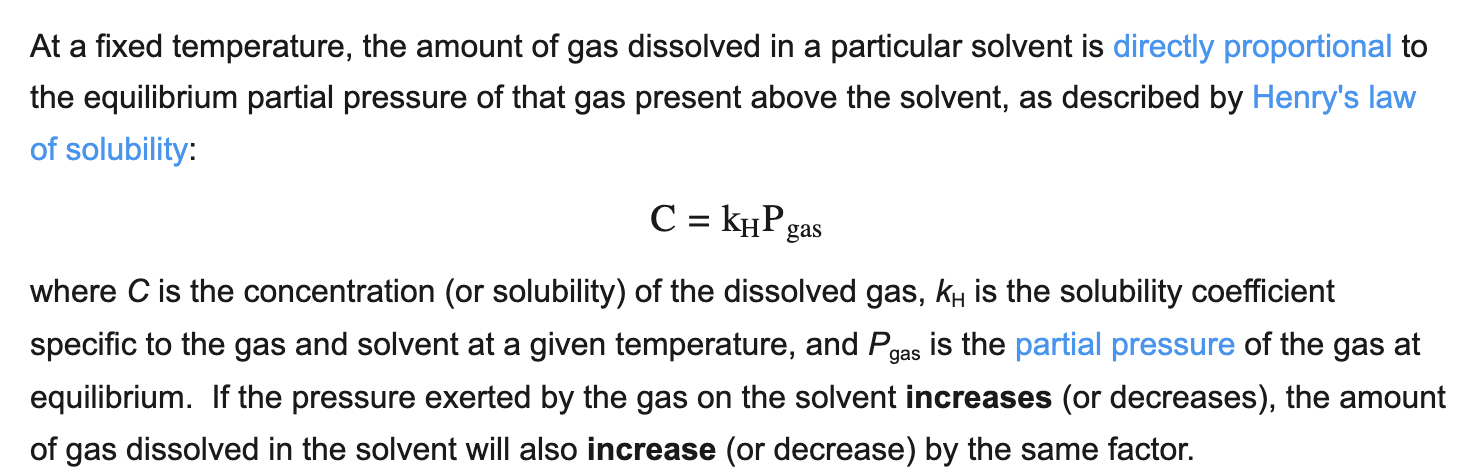
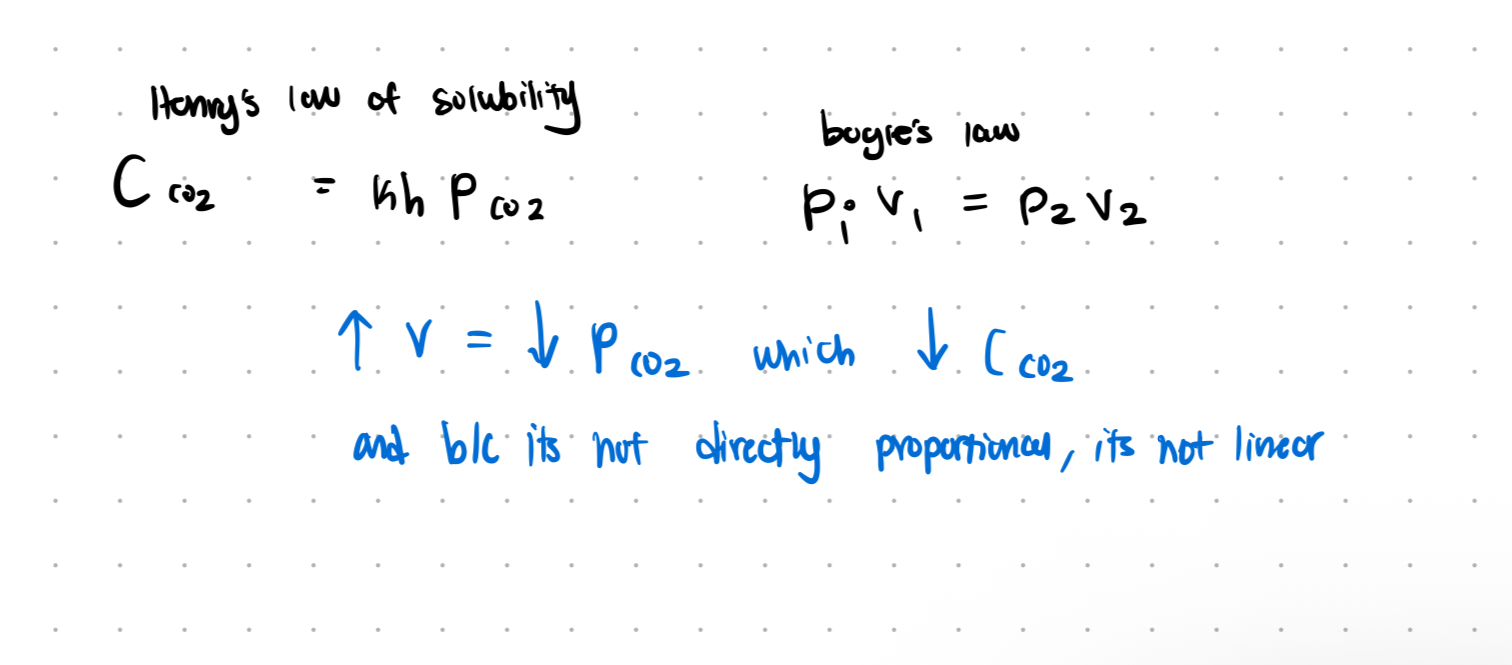
Henry’s Law
used to calulate how much of a specific gas dissolves in a liquid at given temp
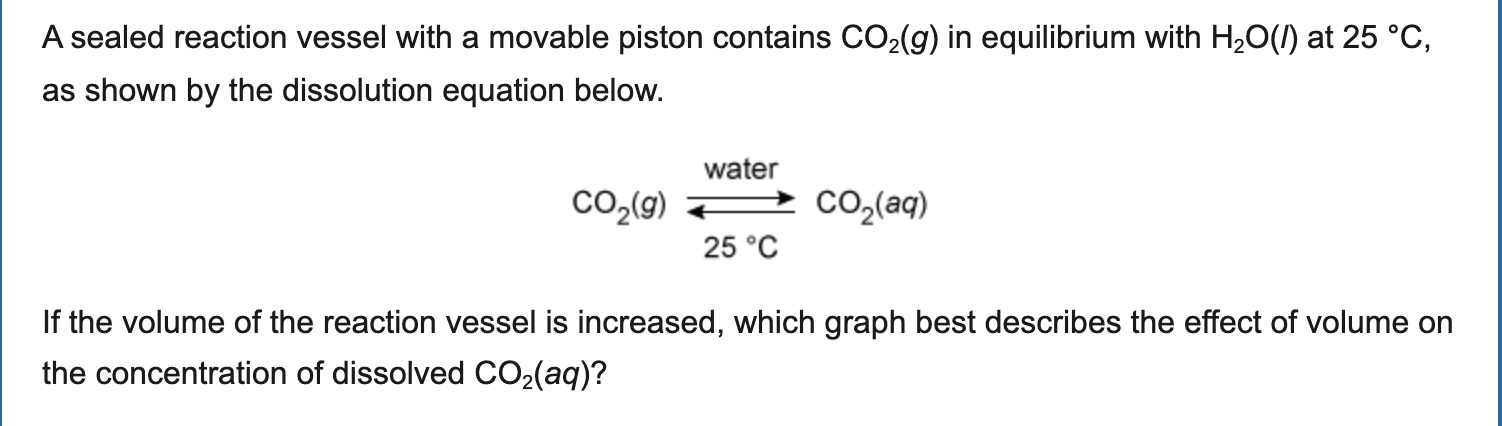
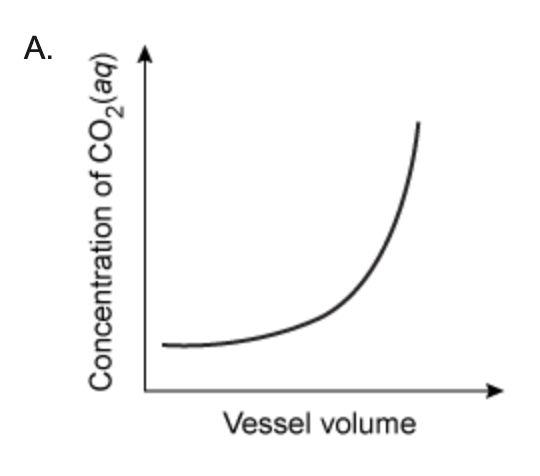
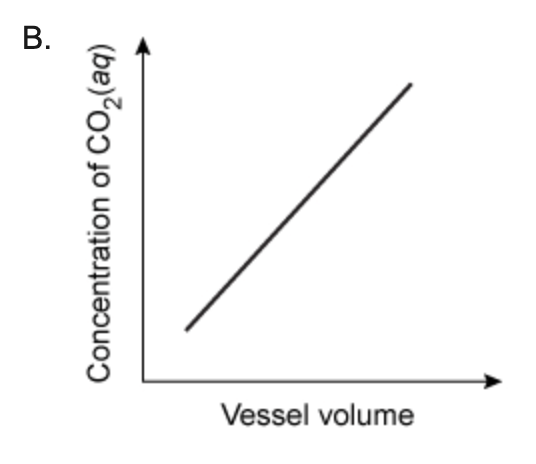
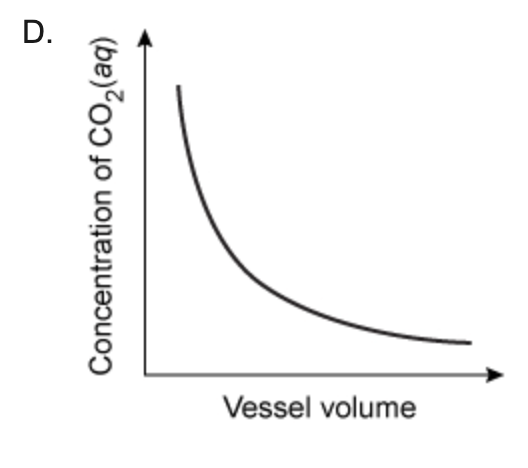
Answer:D



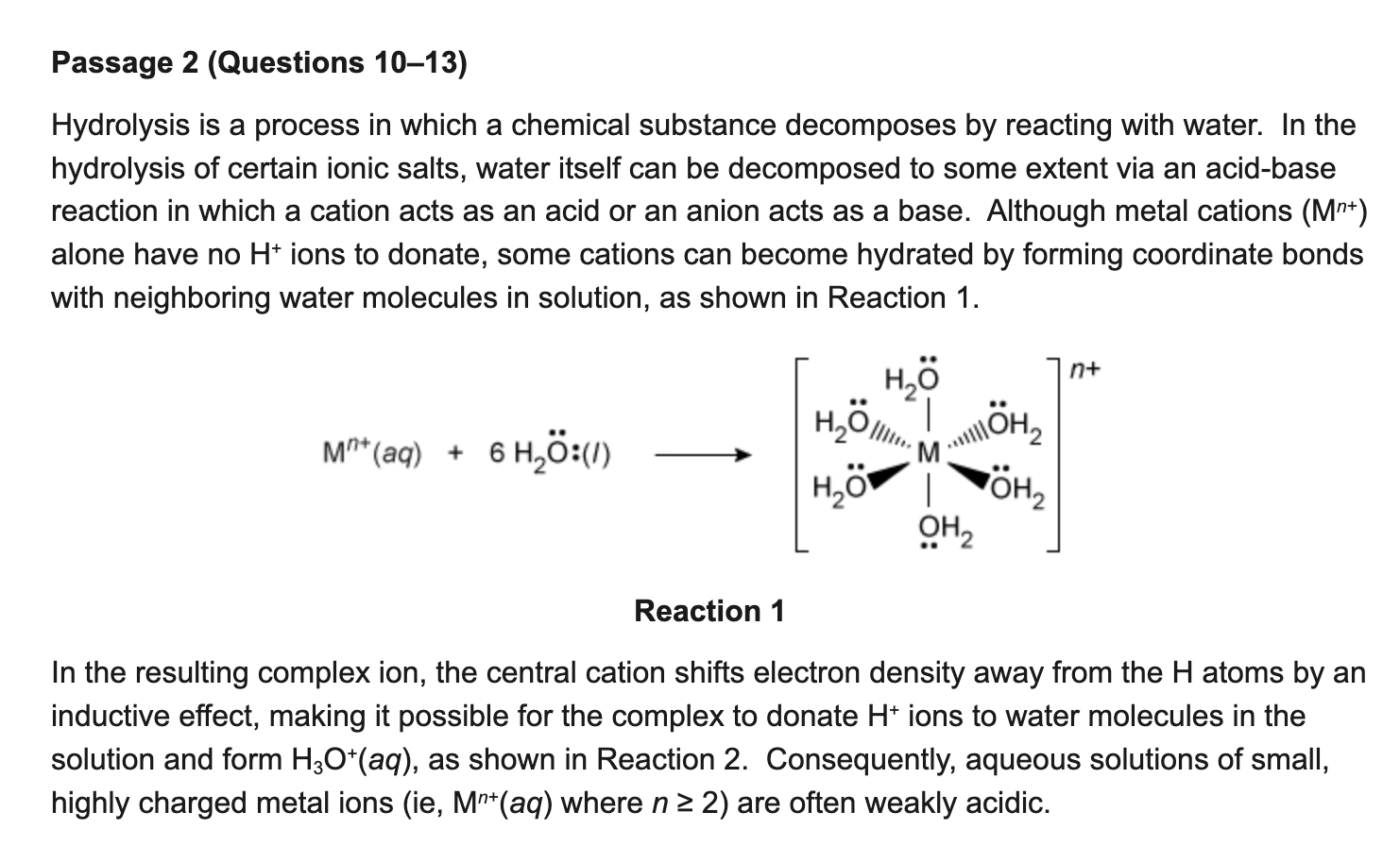
Passage D
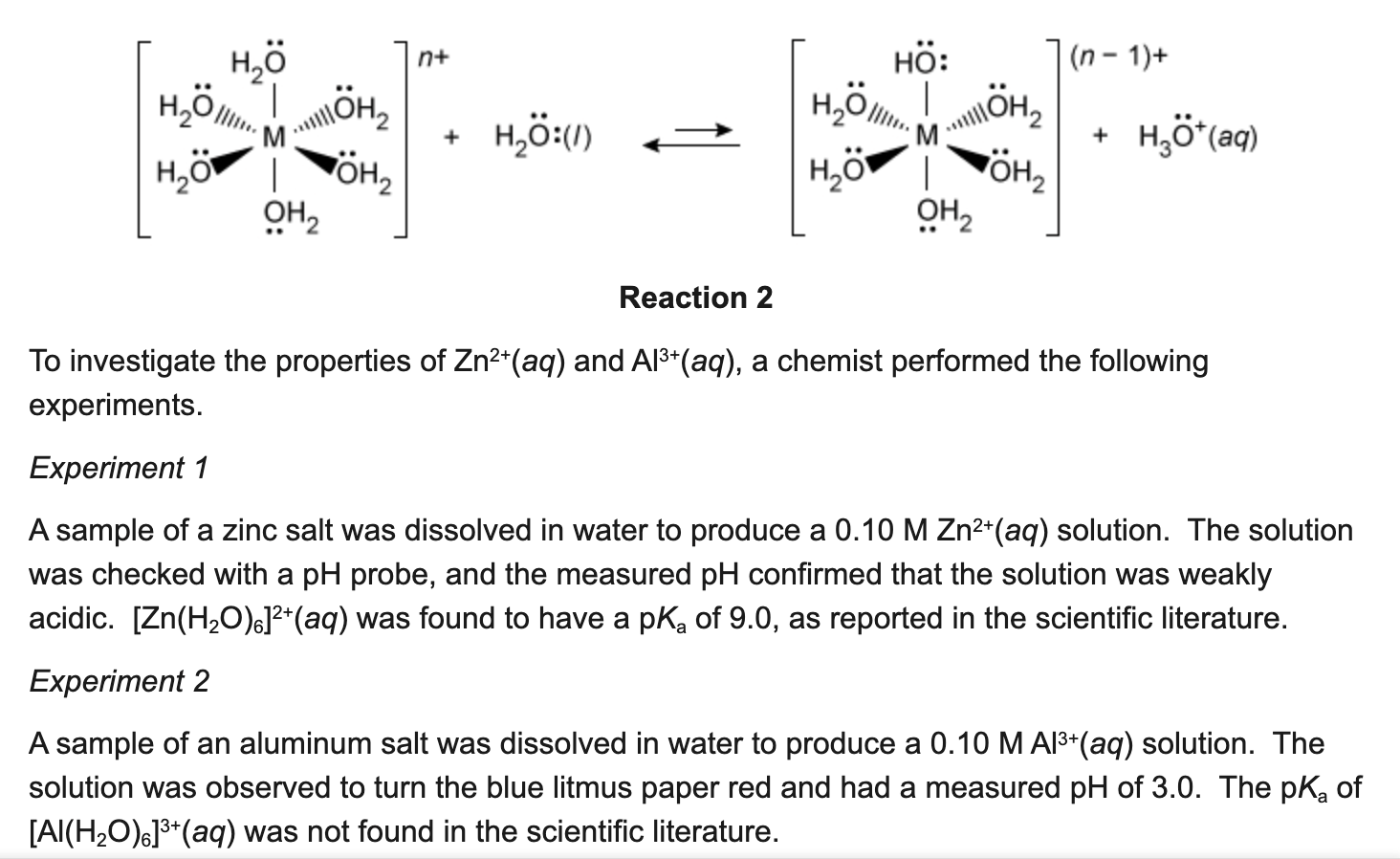
Passage D

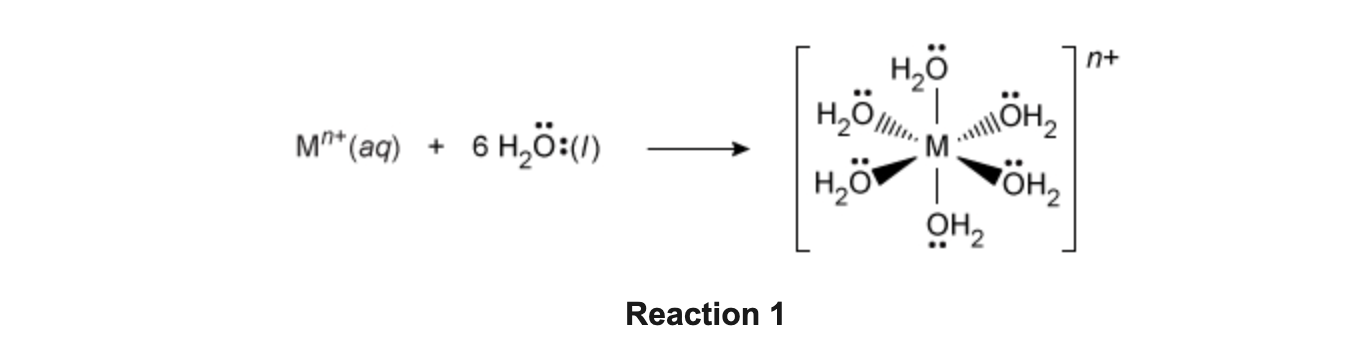
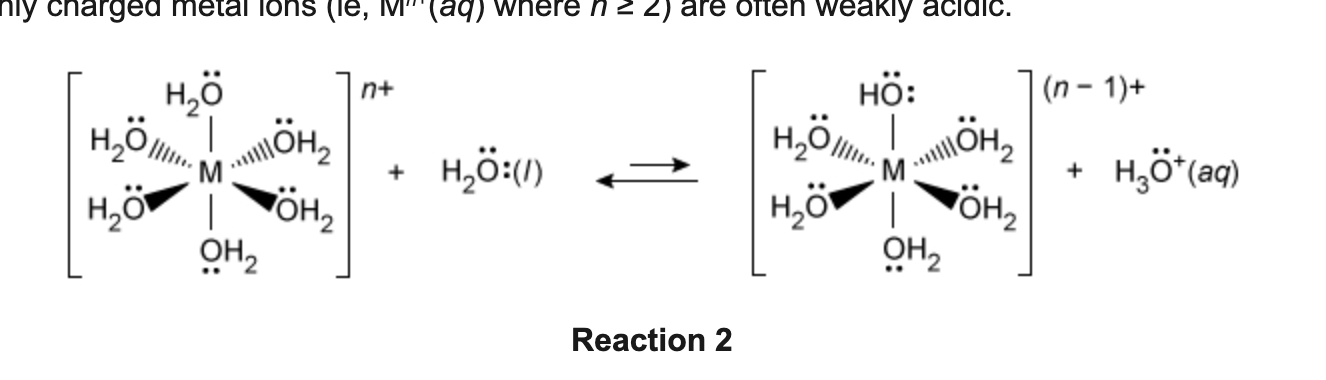
Explain if they are bronsted lowry or lewis and acid or base
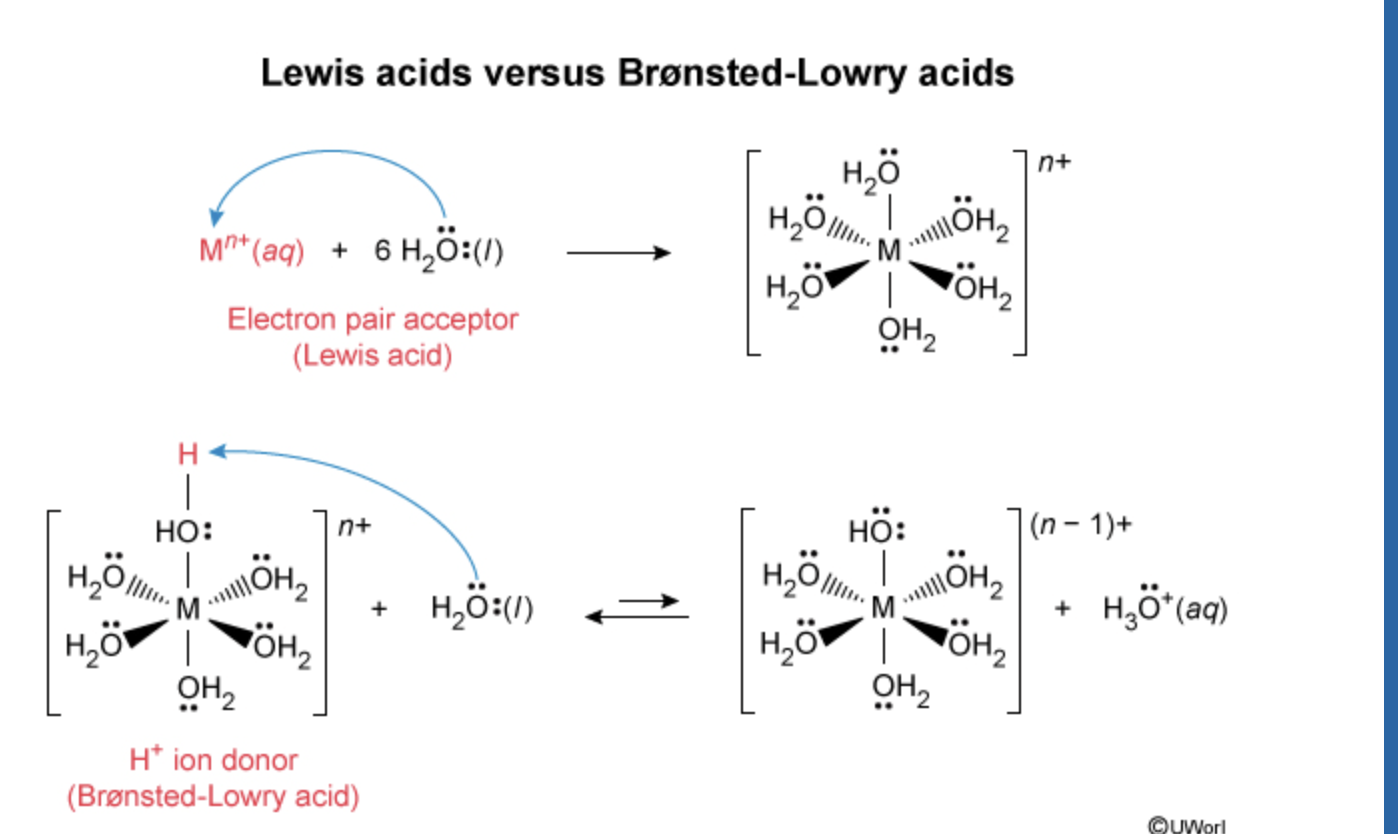
Use Passage D




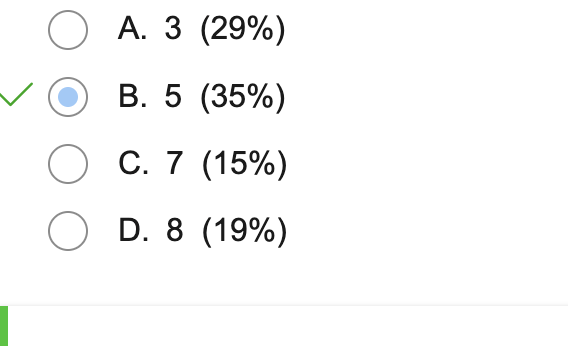
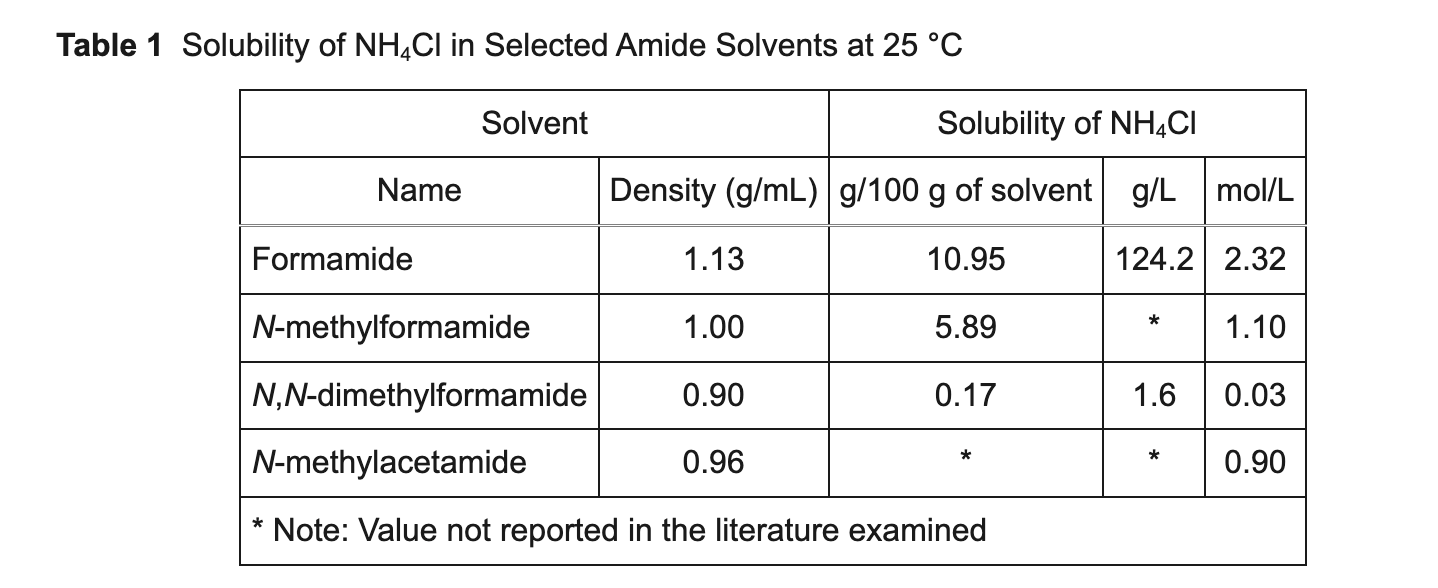
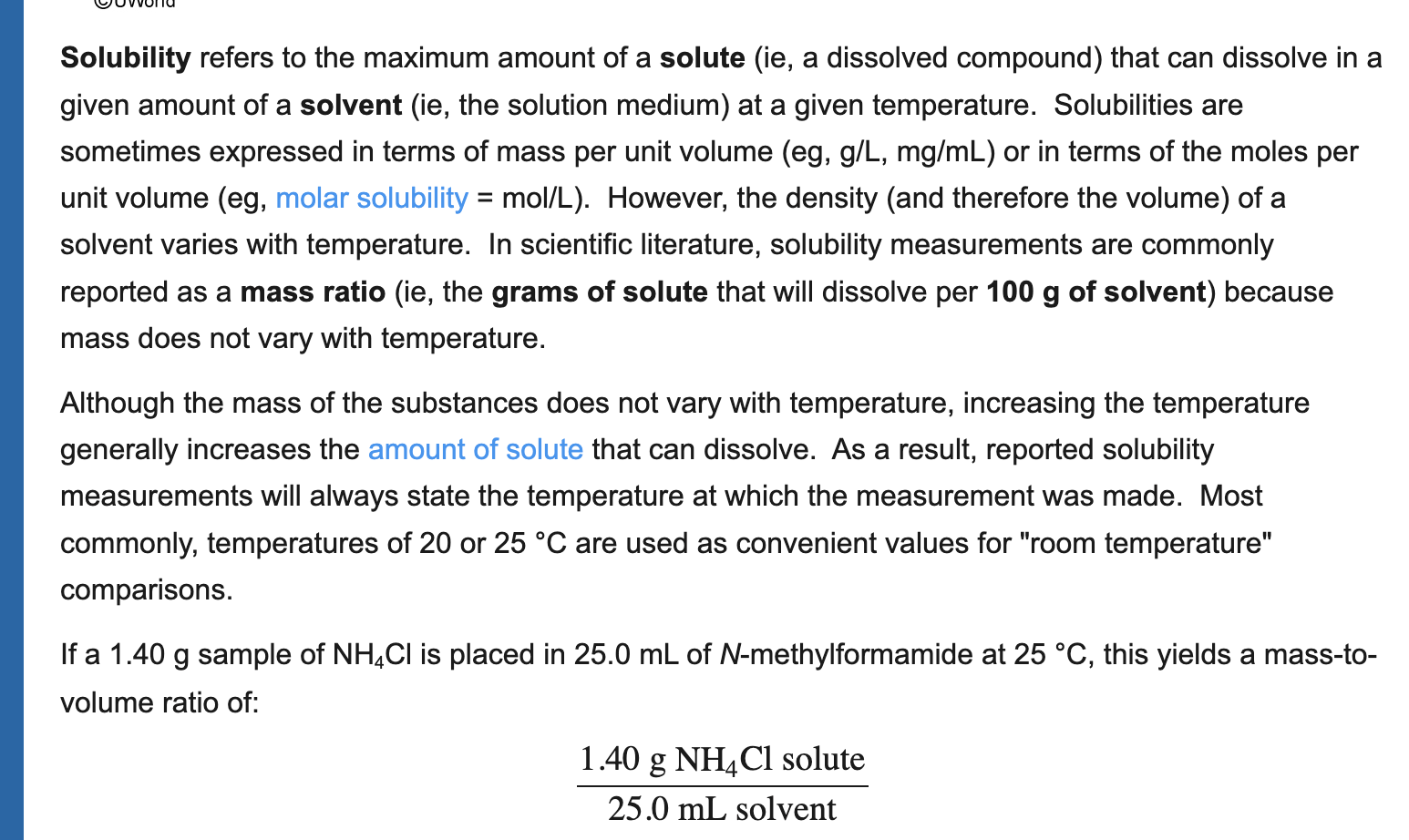
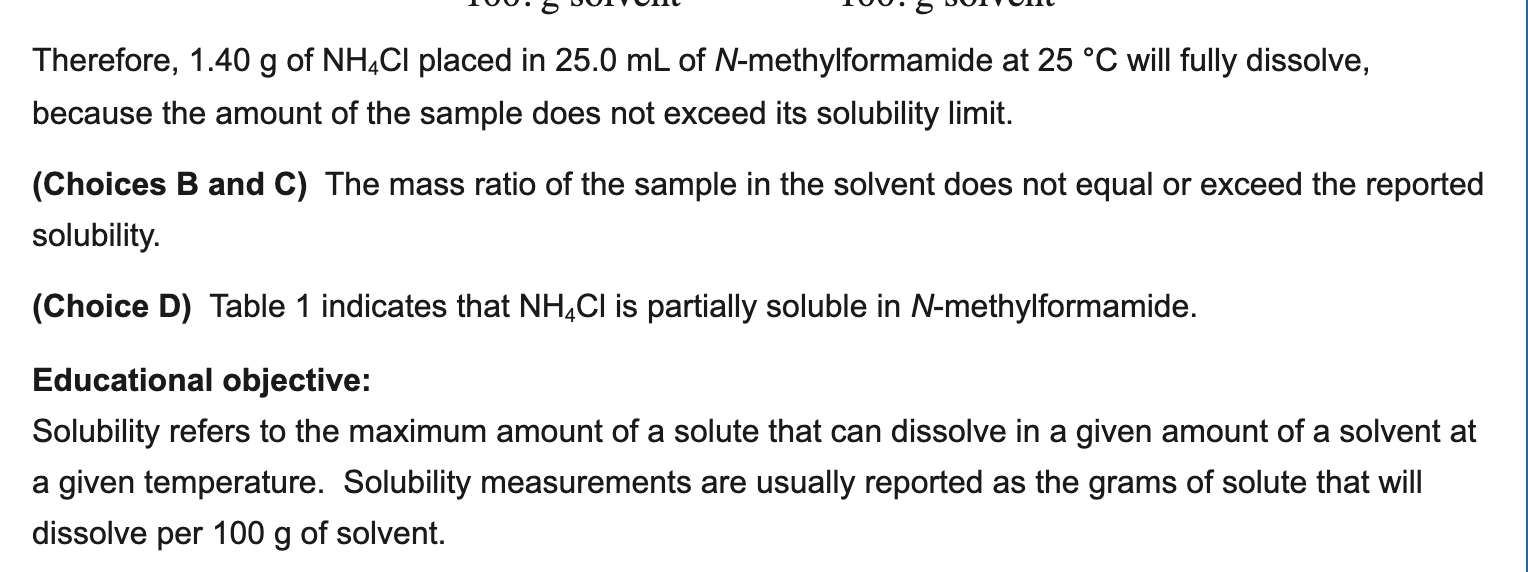
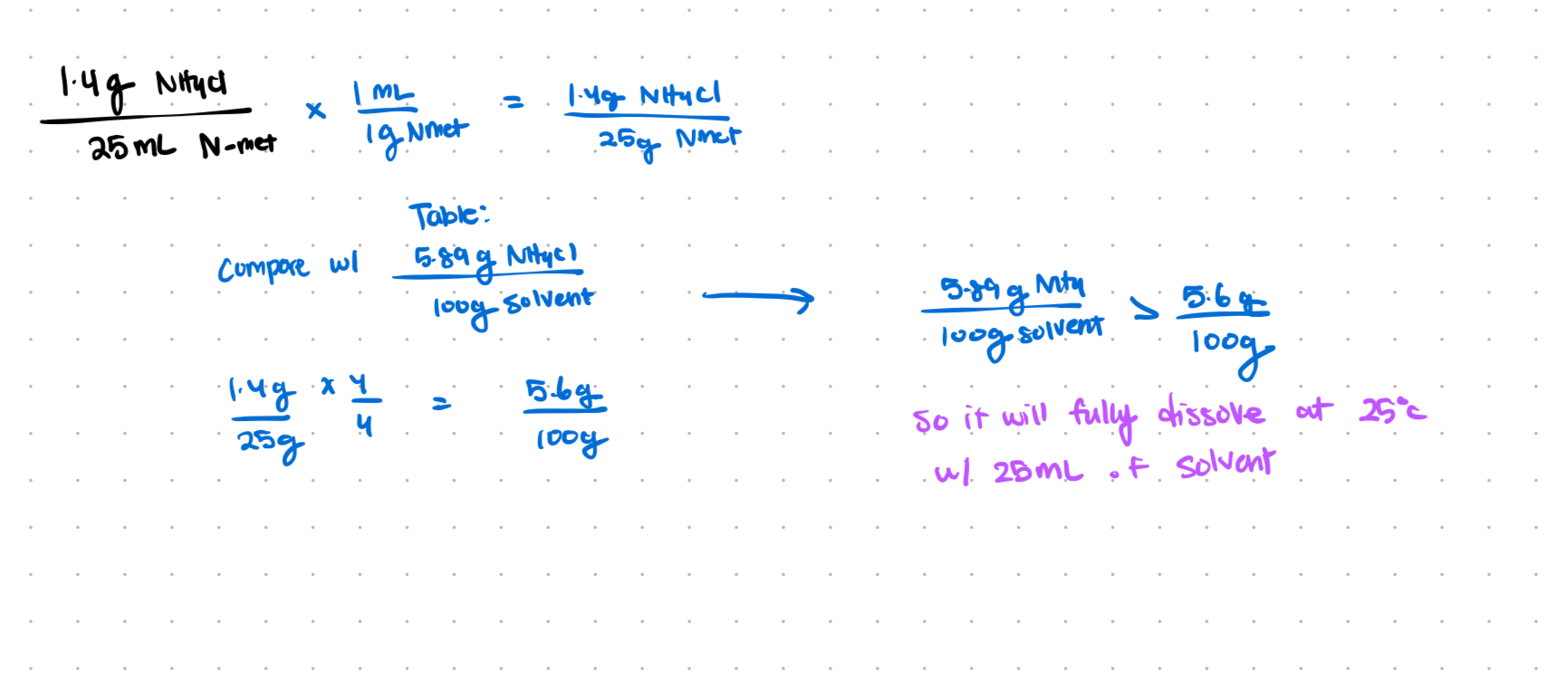
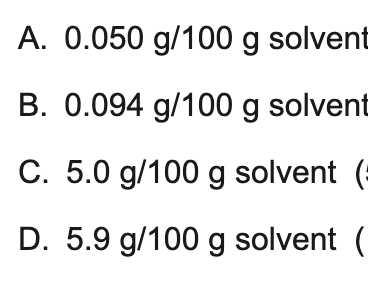
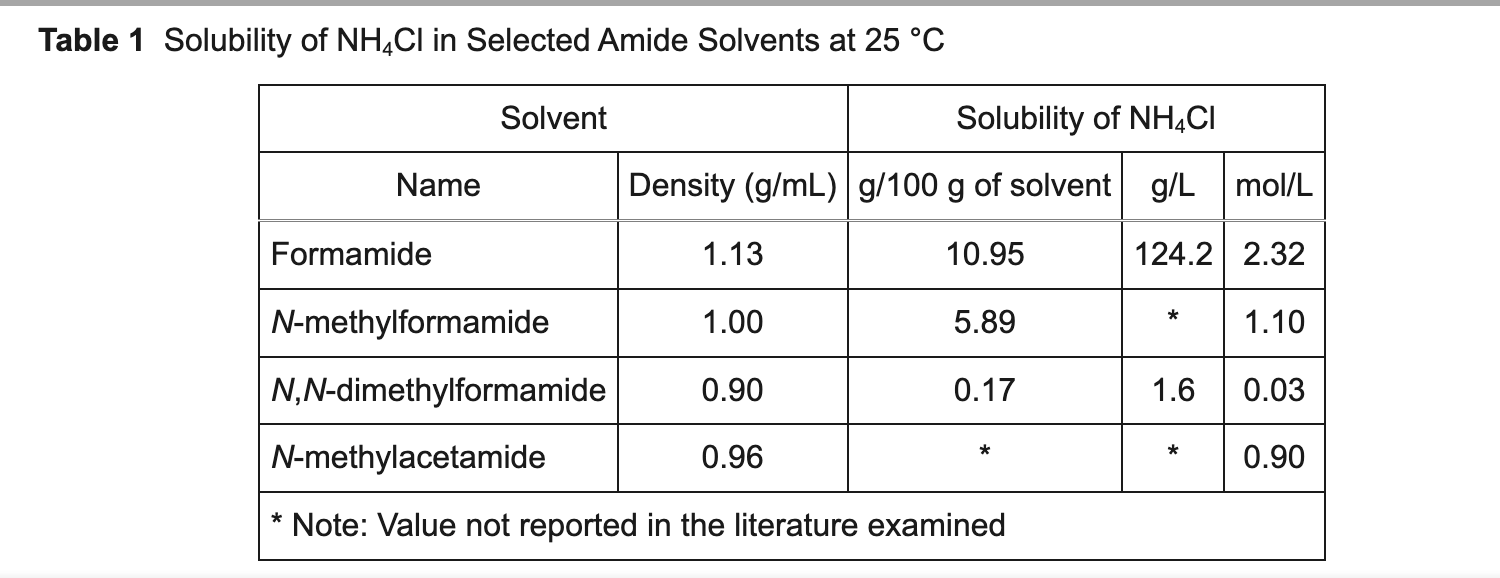
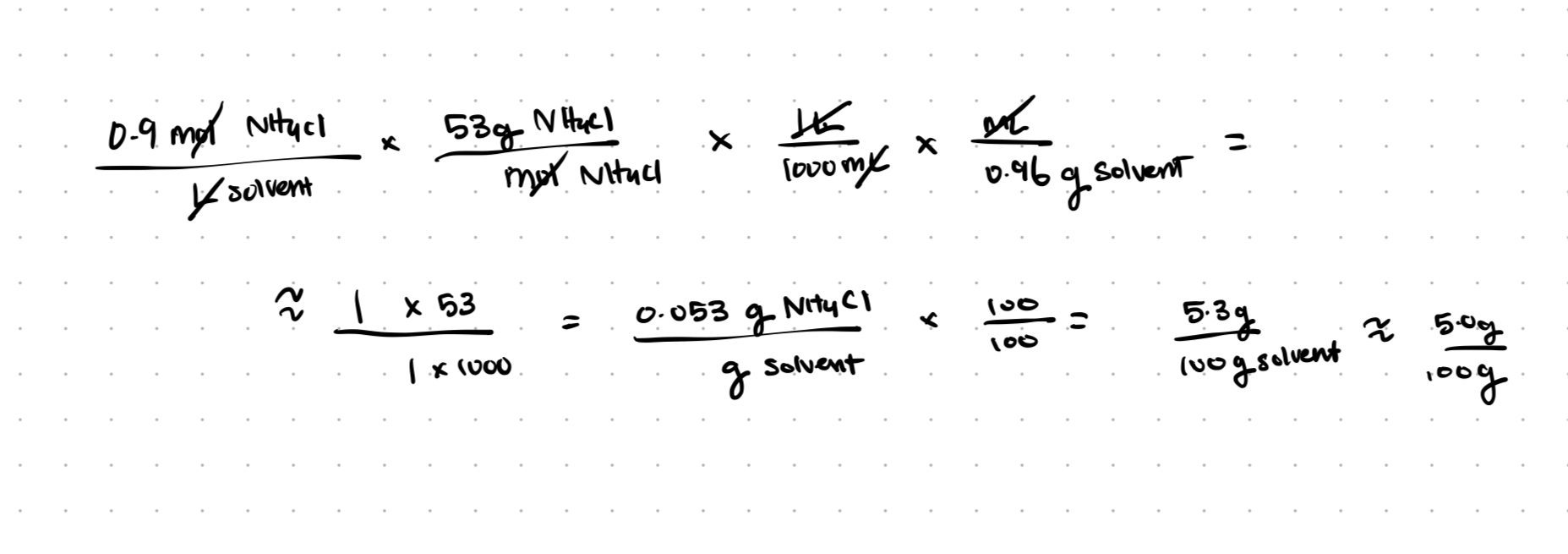
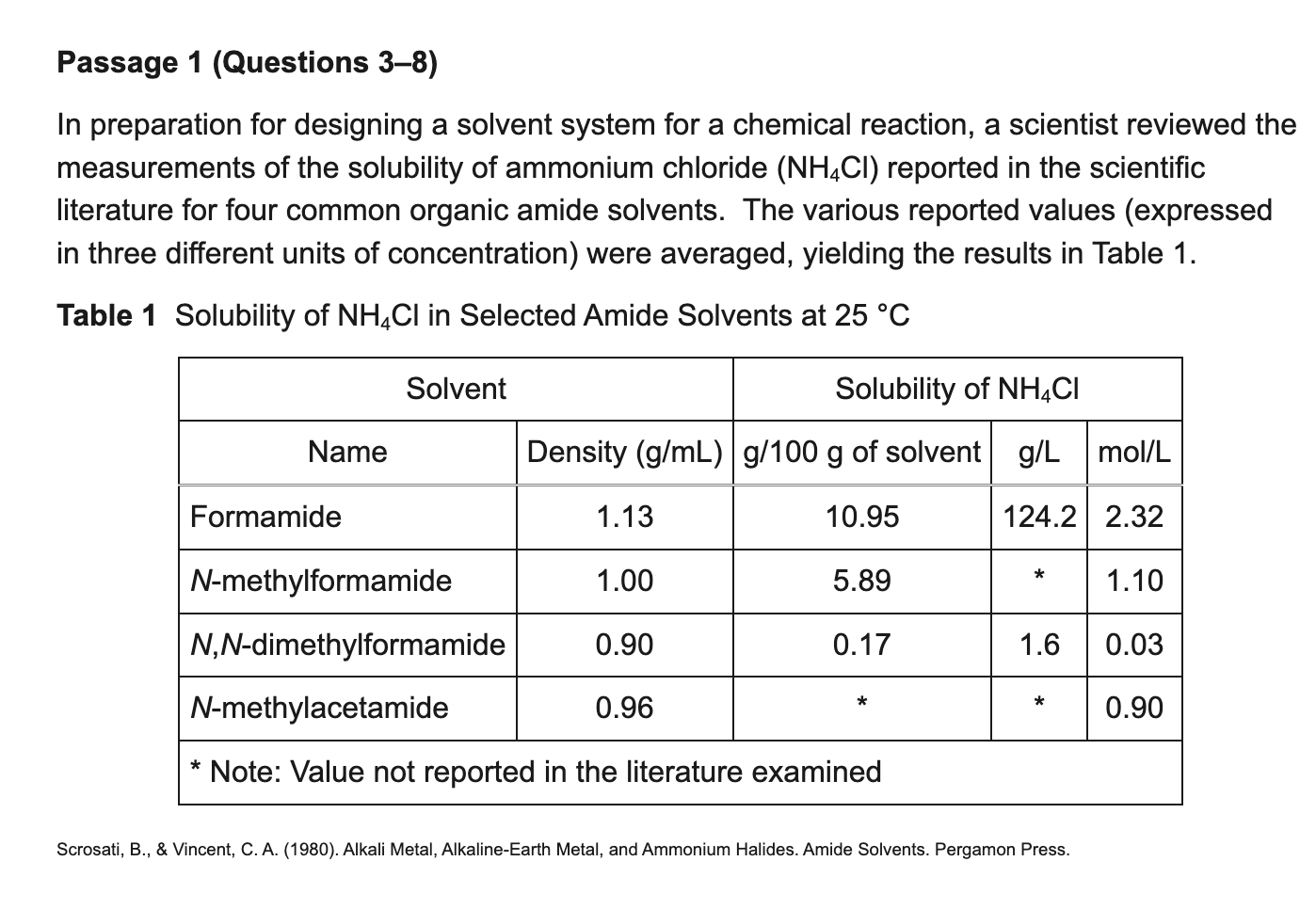
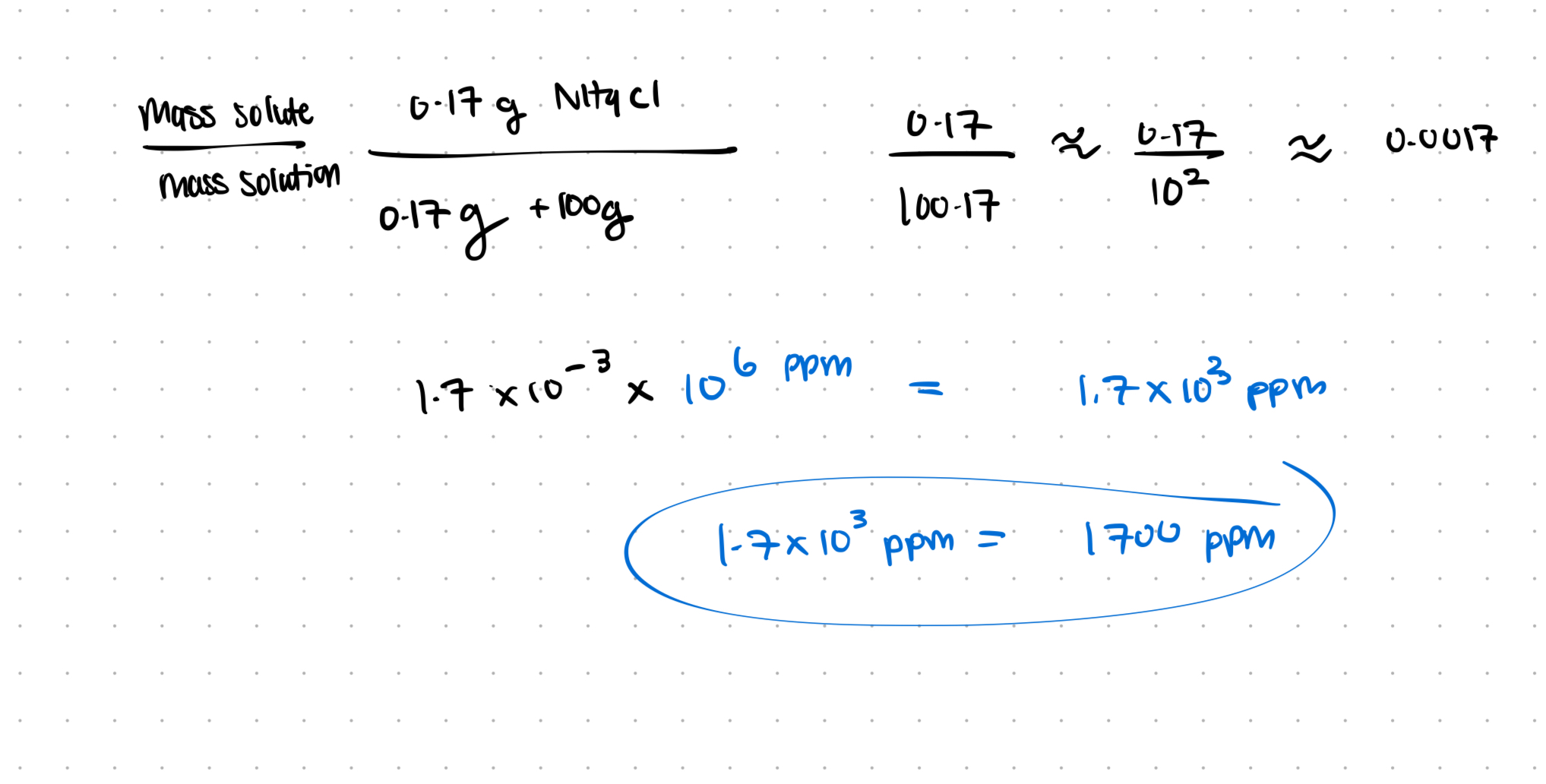
fully dissolve, partially, or not dissolve?




A. decrease pH
B. increase pH
C. Adding ammonium bromide
D. Cooling solution
Answer: B
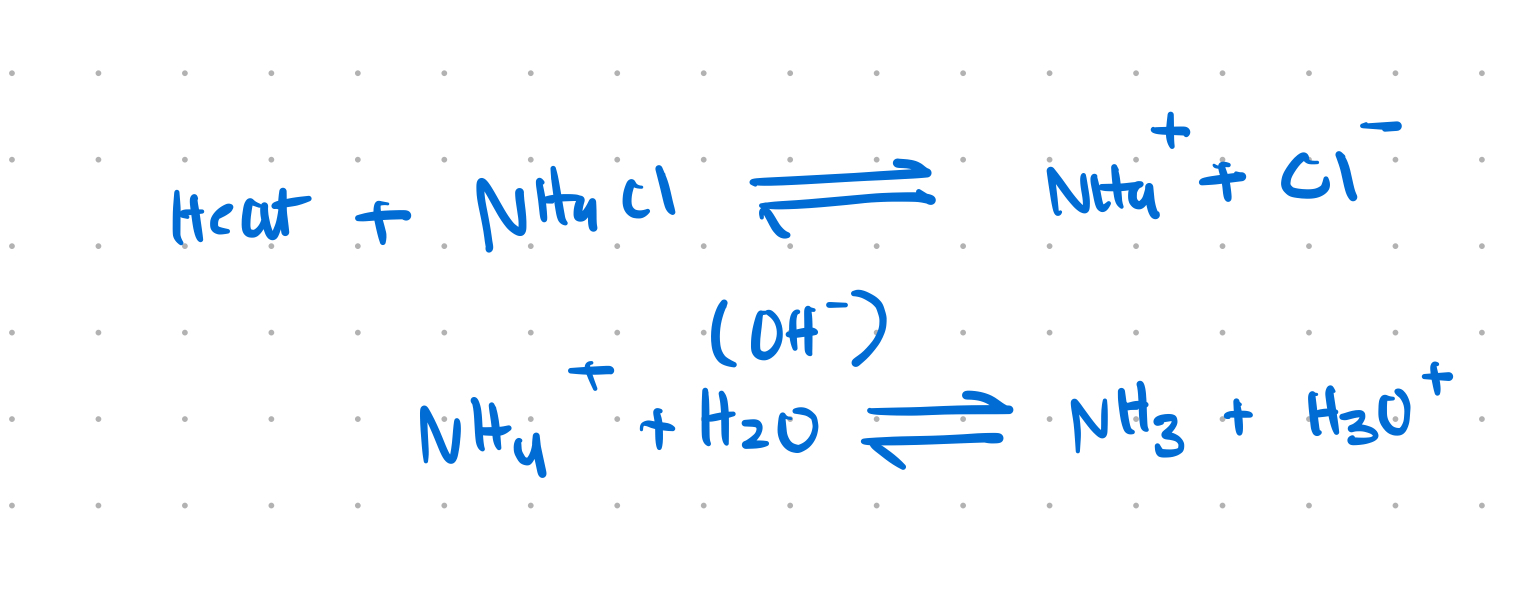
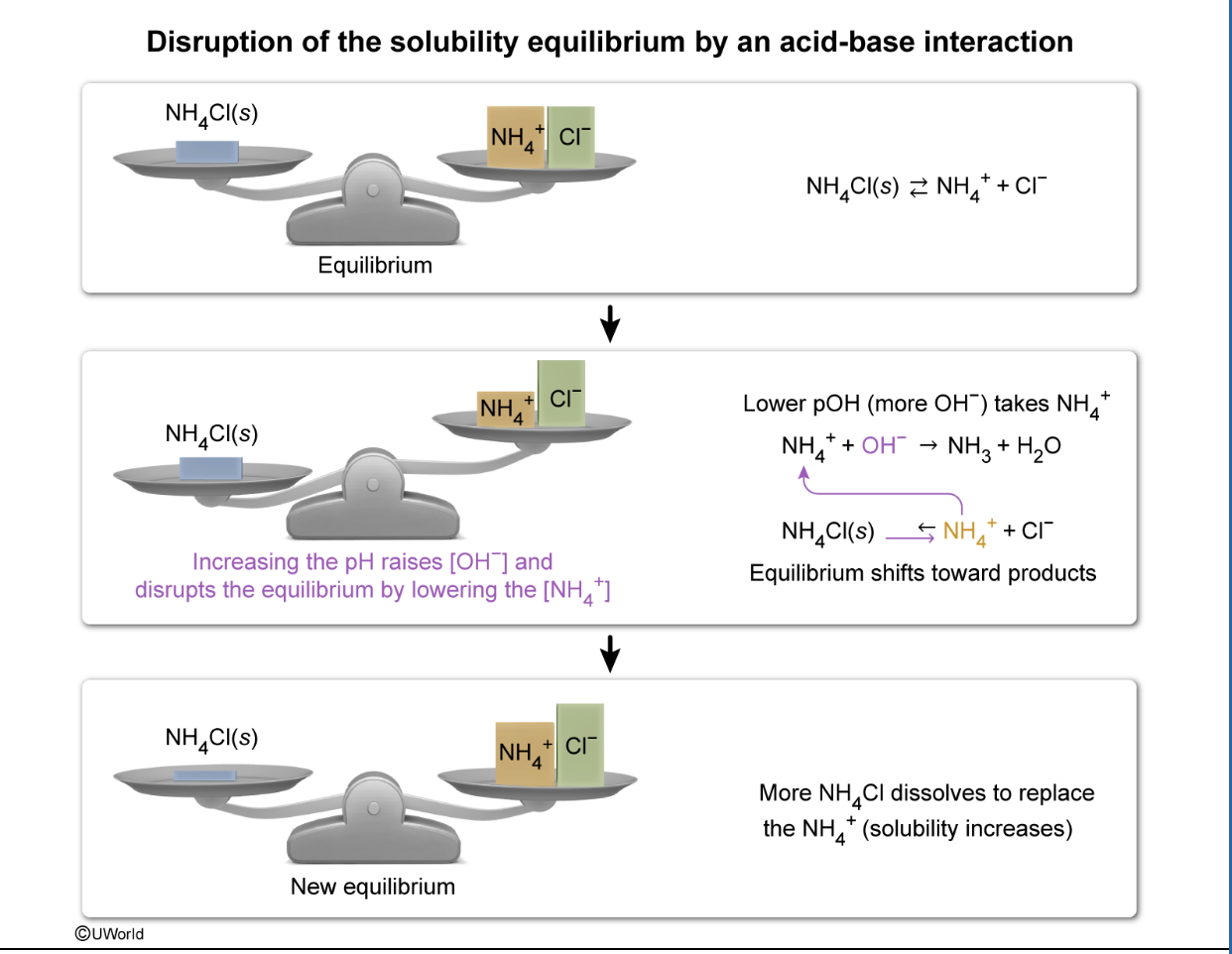
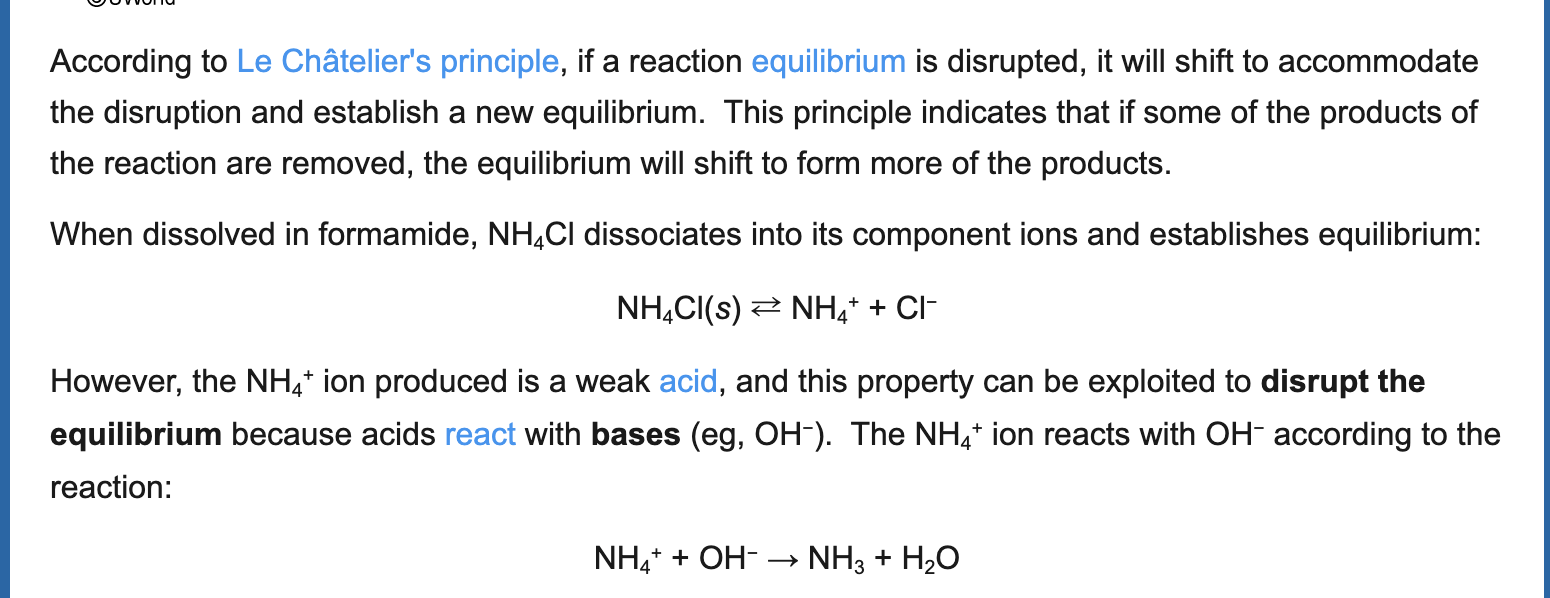
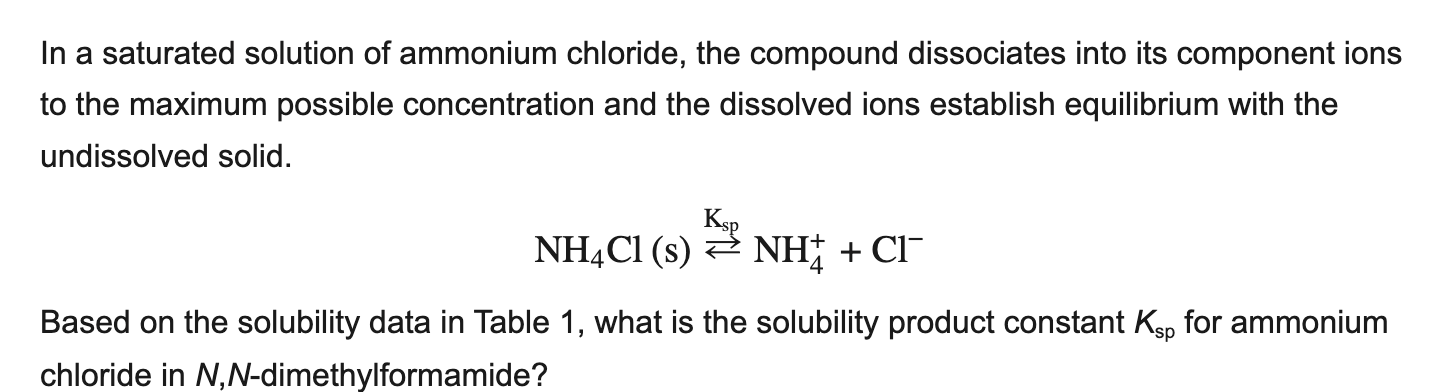
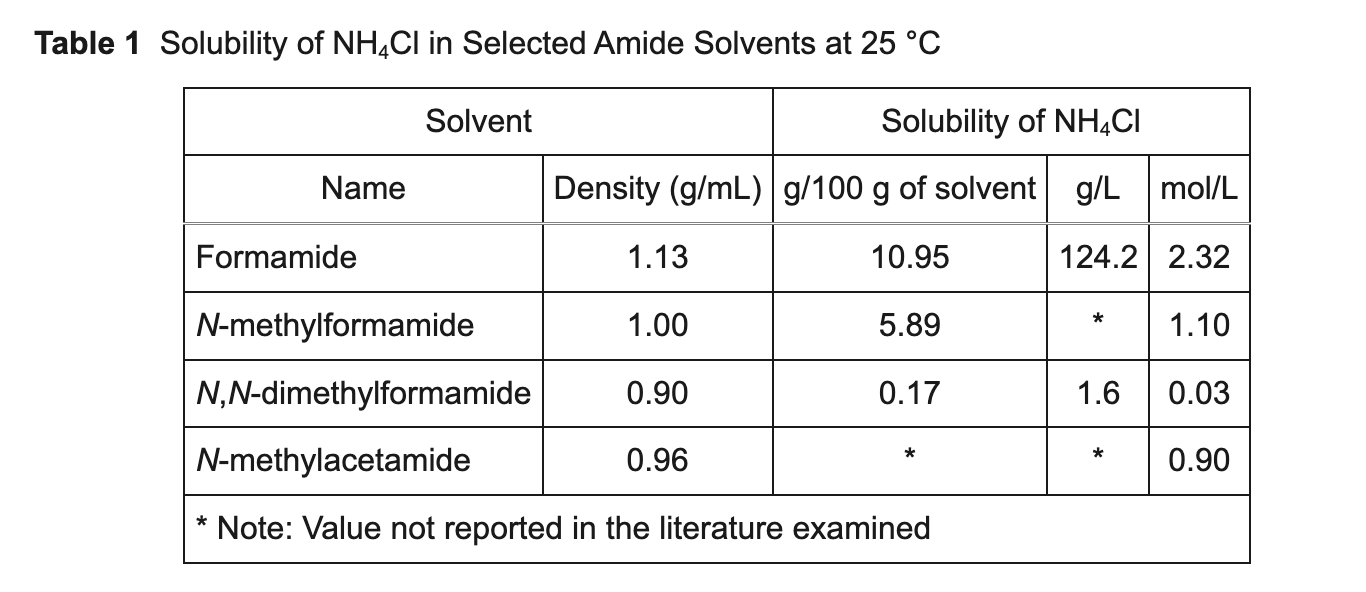
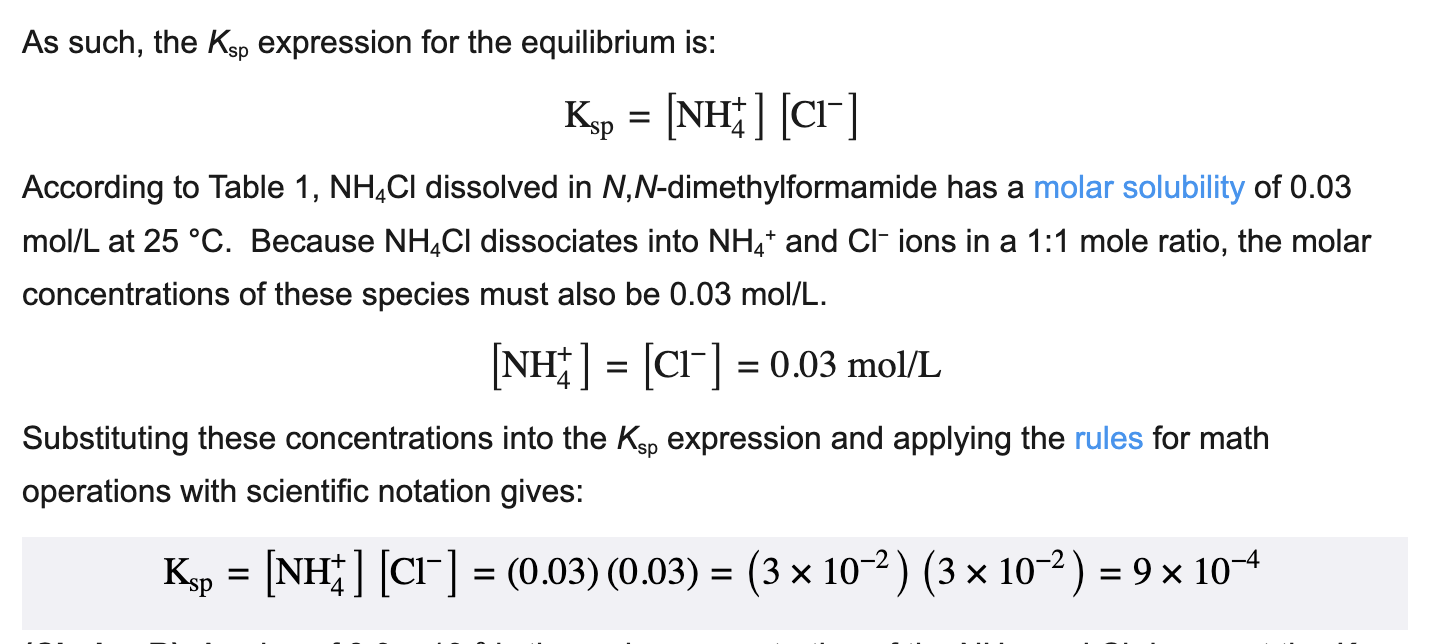
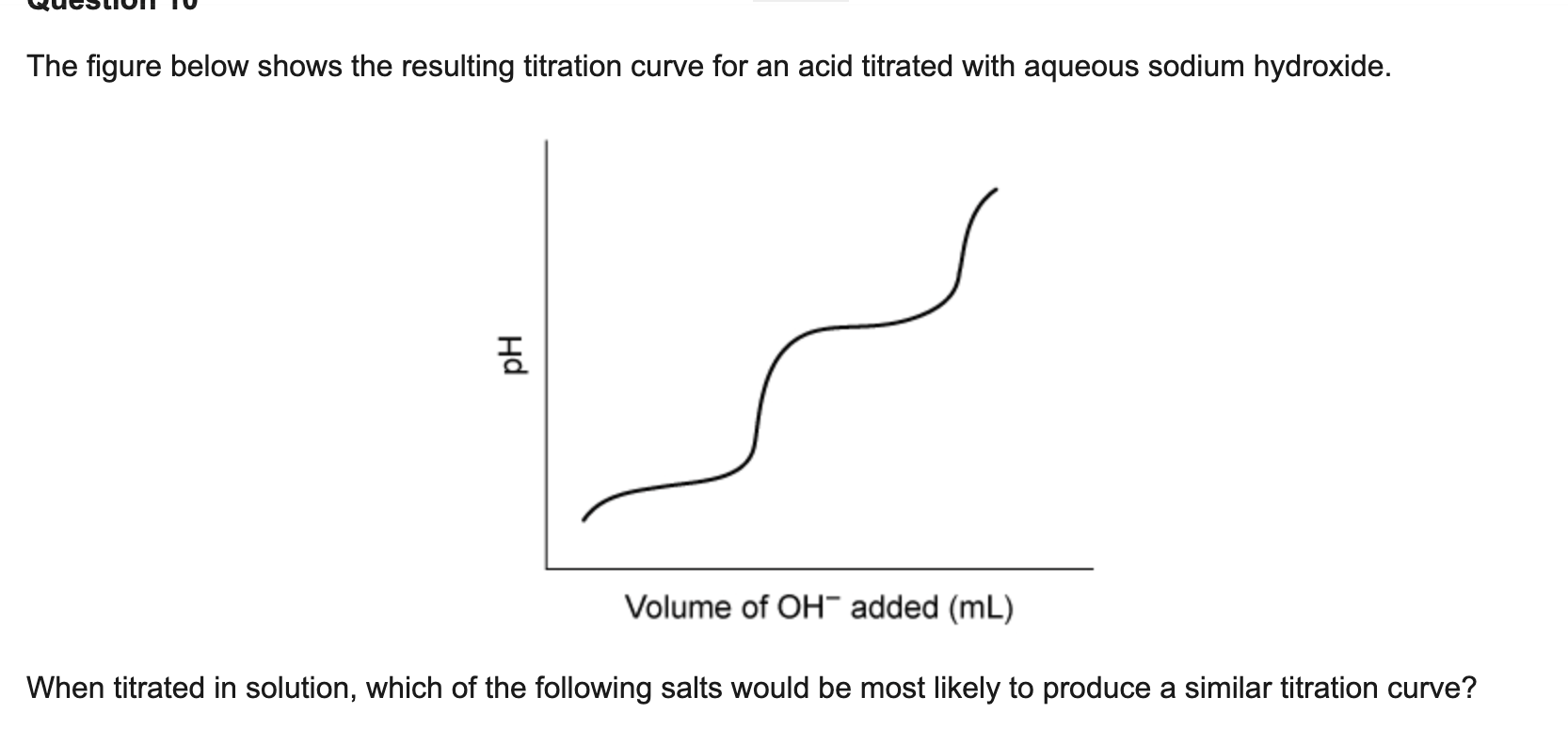

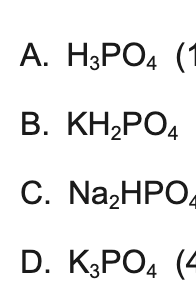
Answer B:
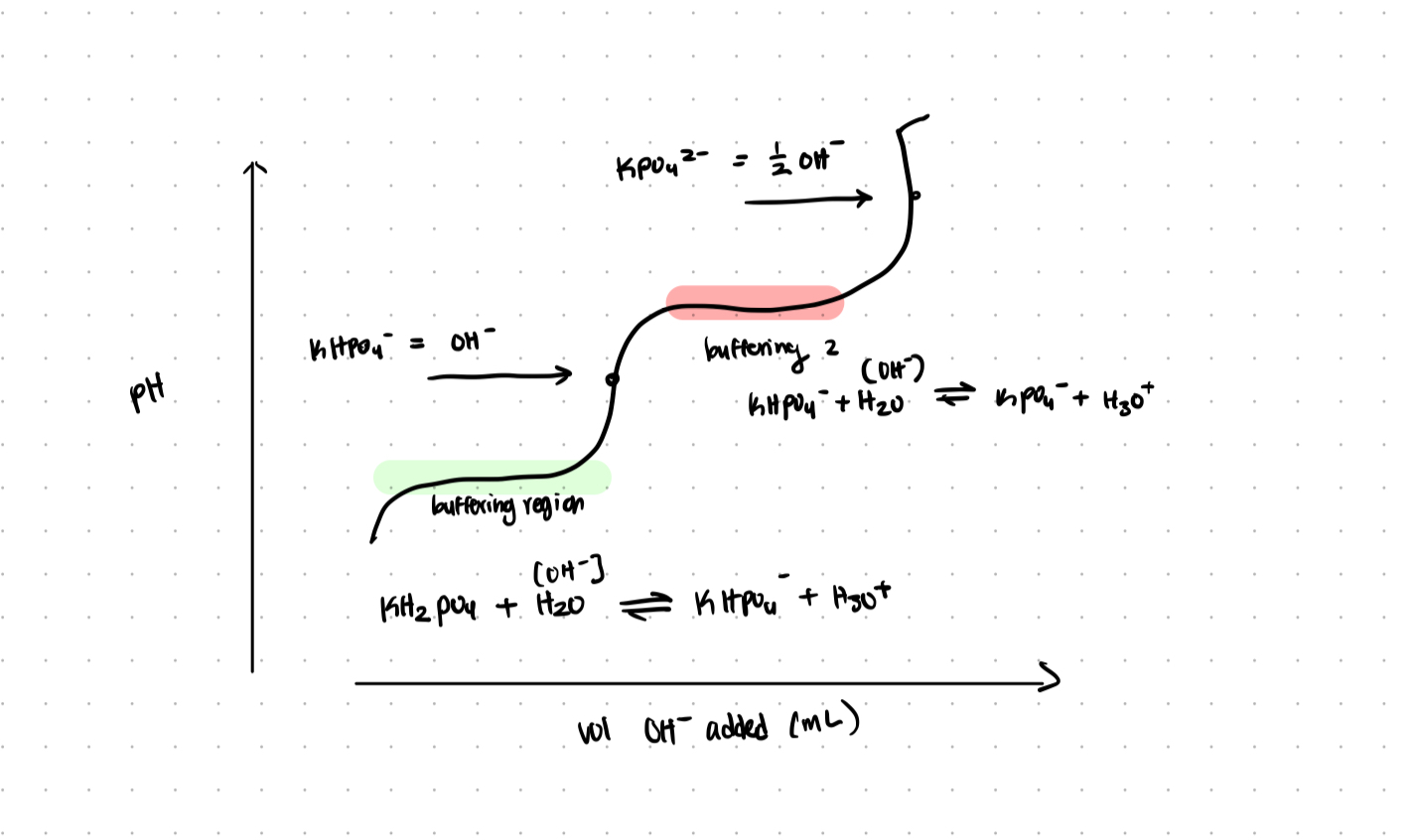

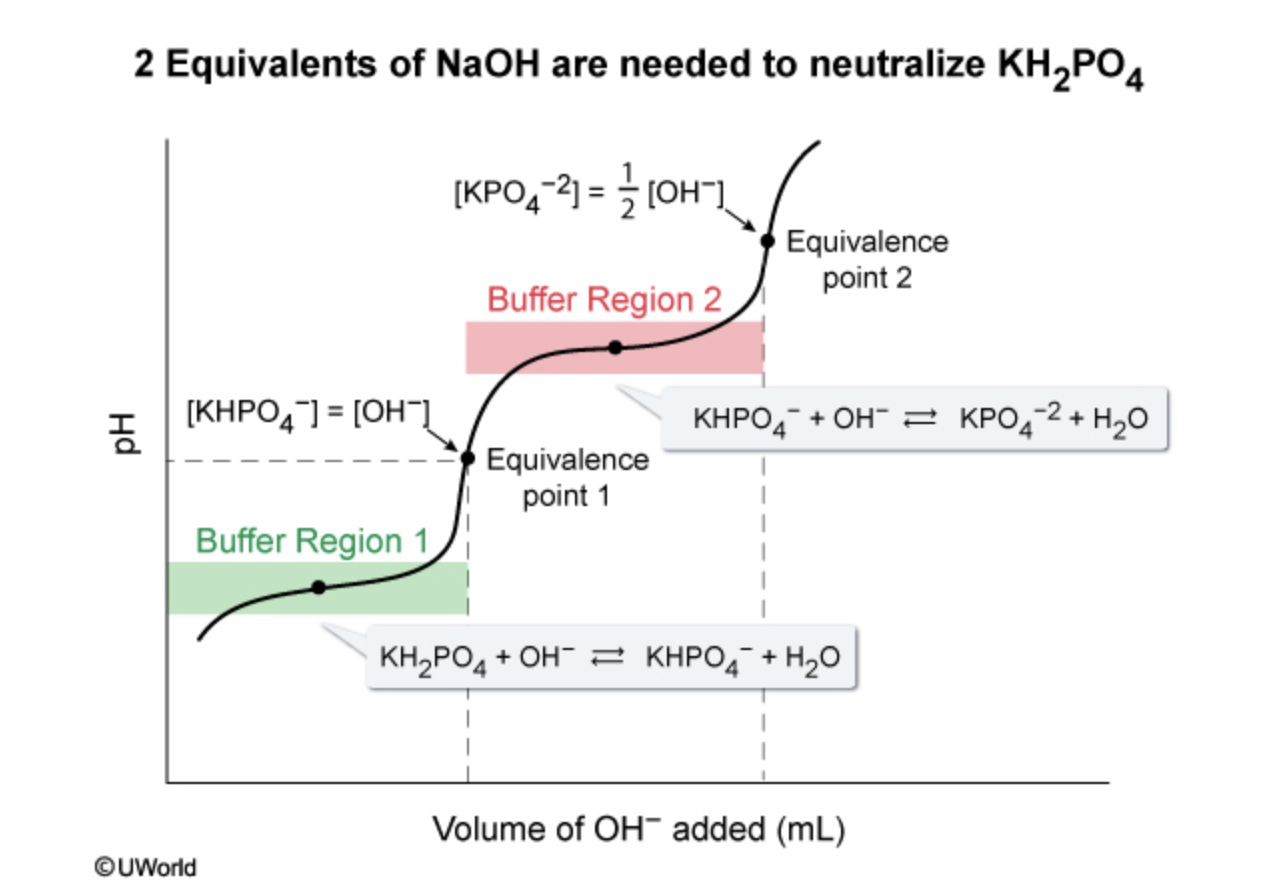
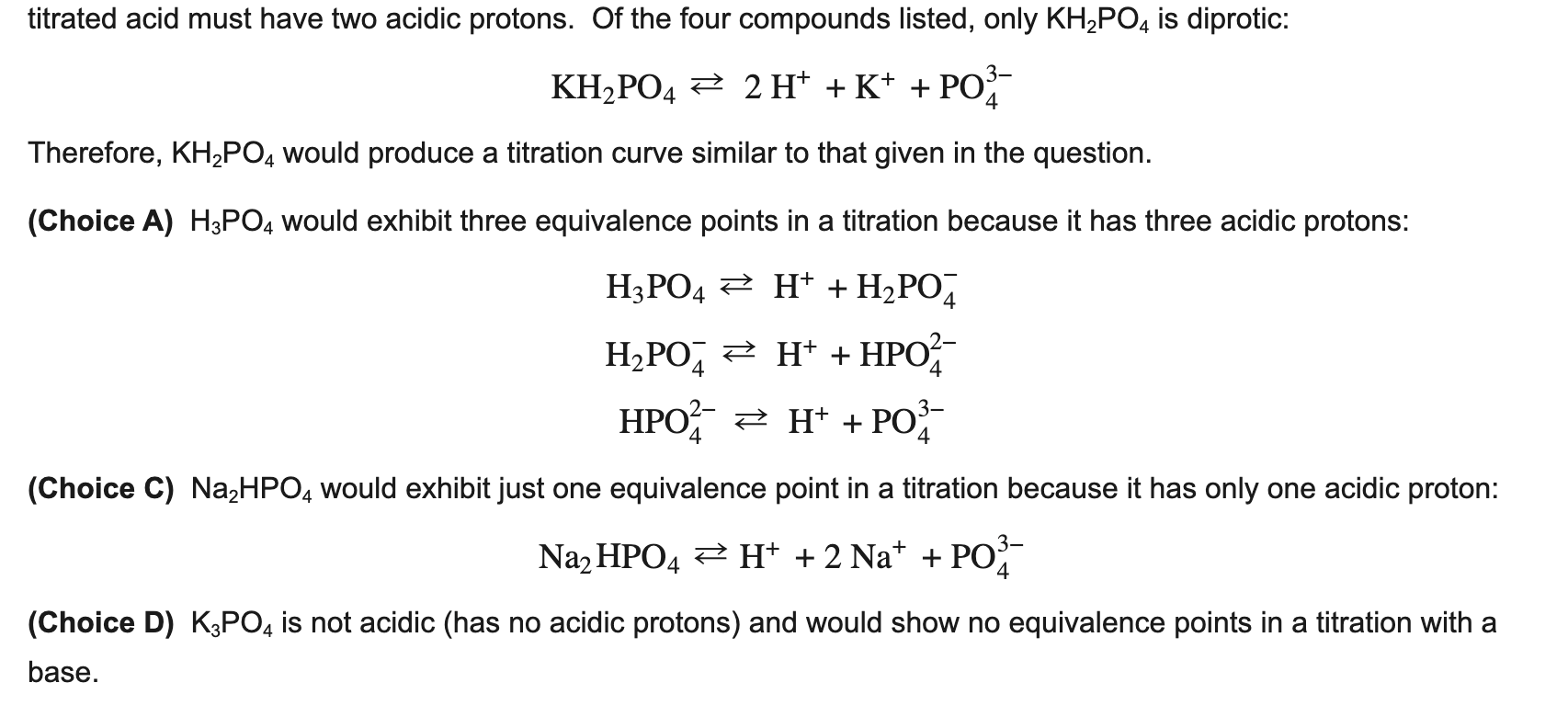
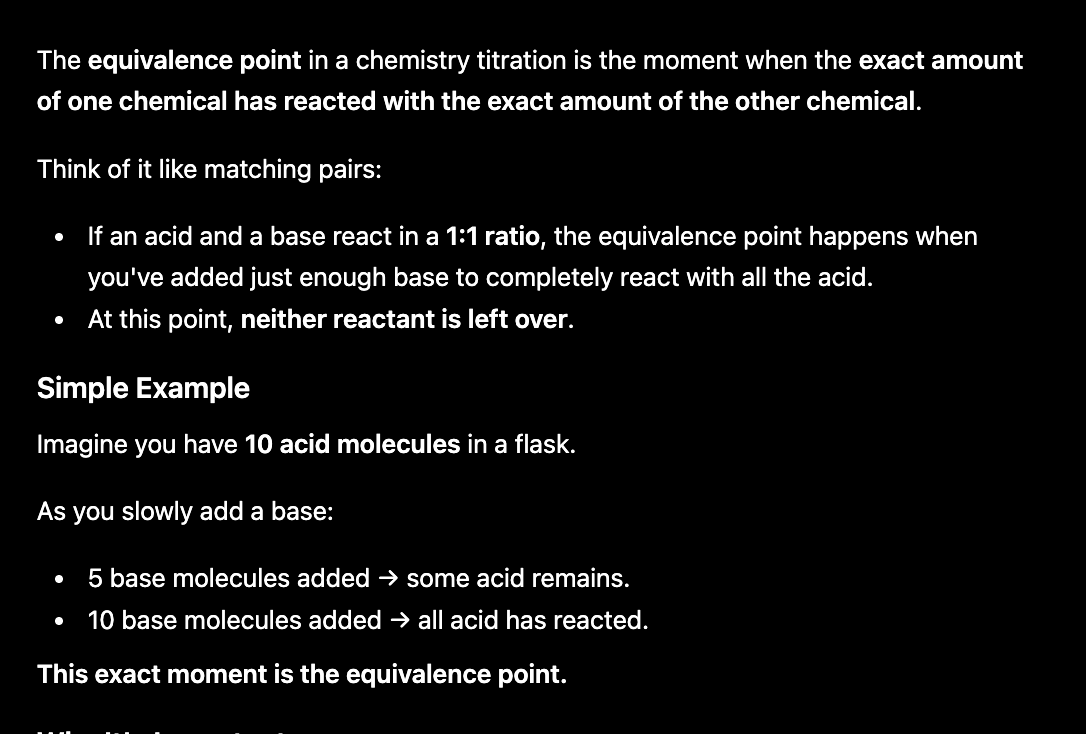

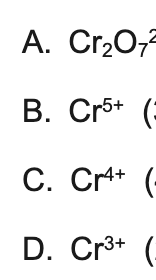
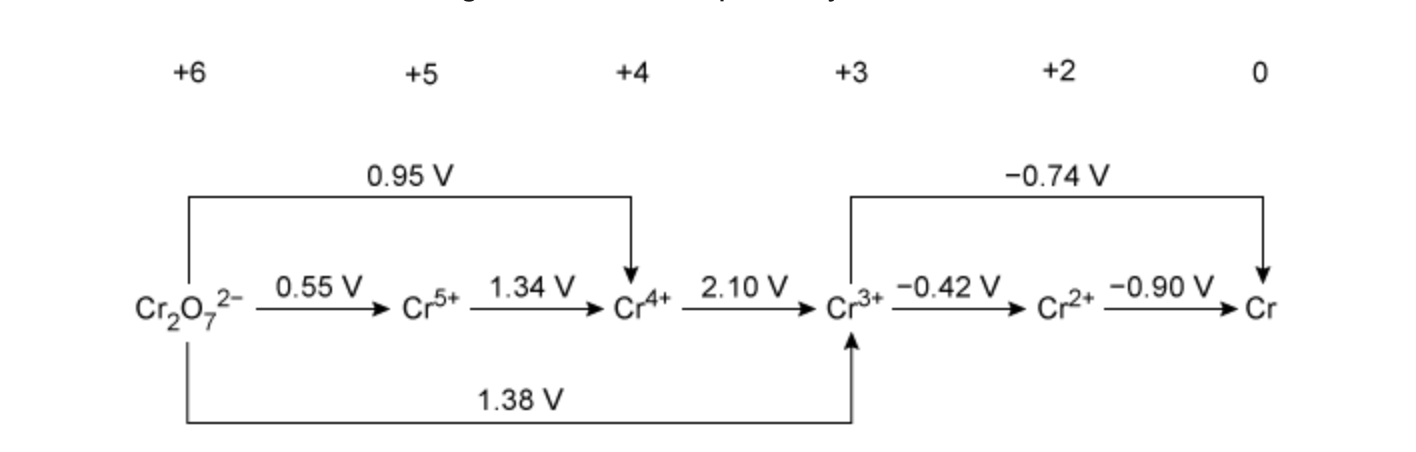
Answer: Cr 4+
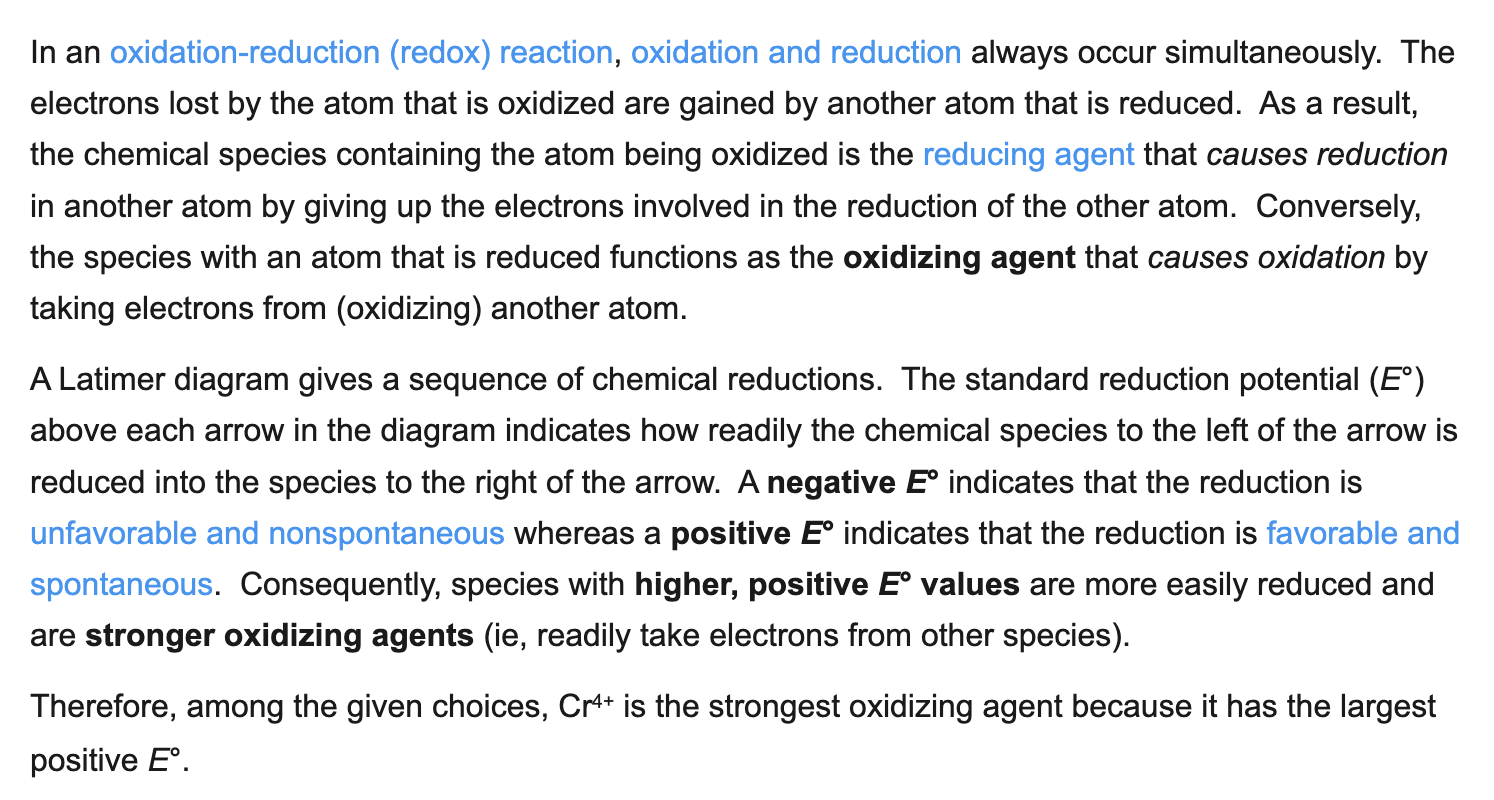

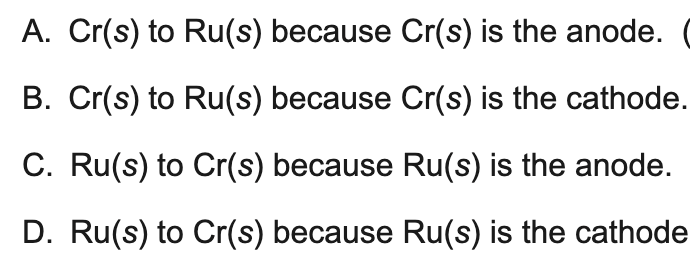
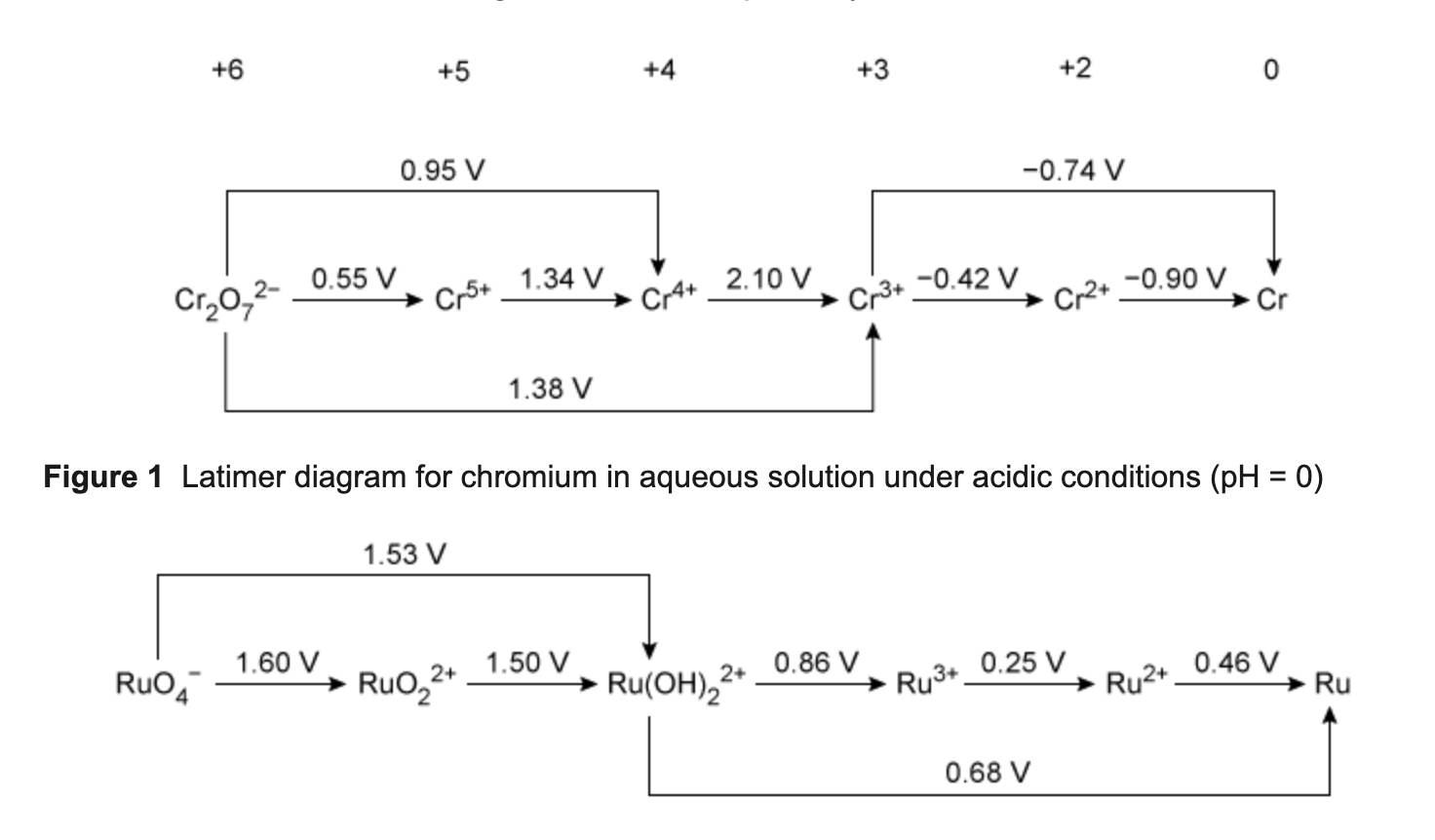
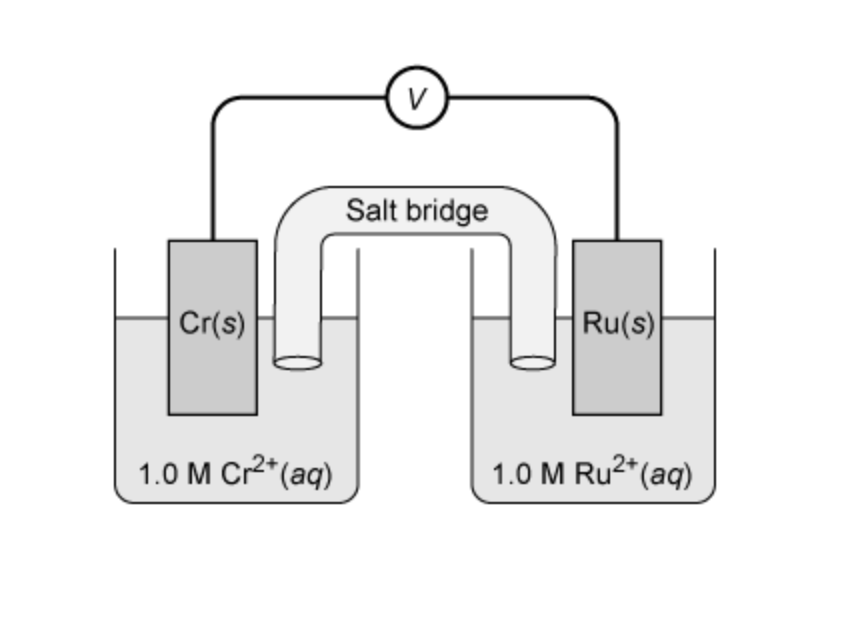
Answer: A
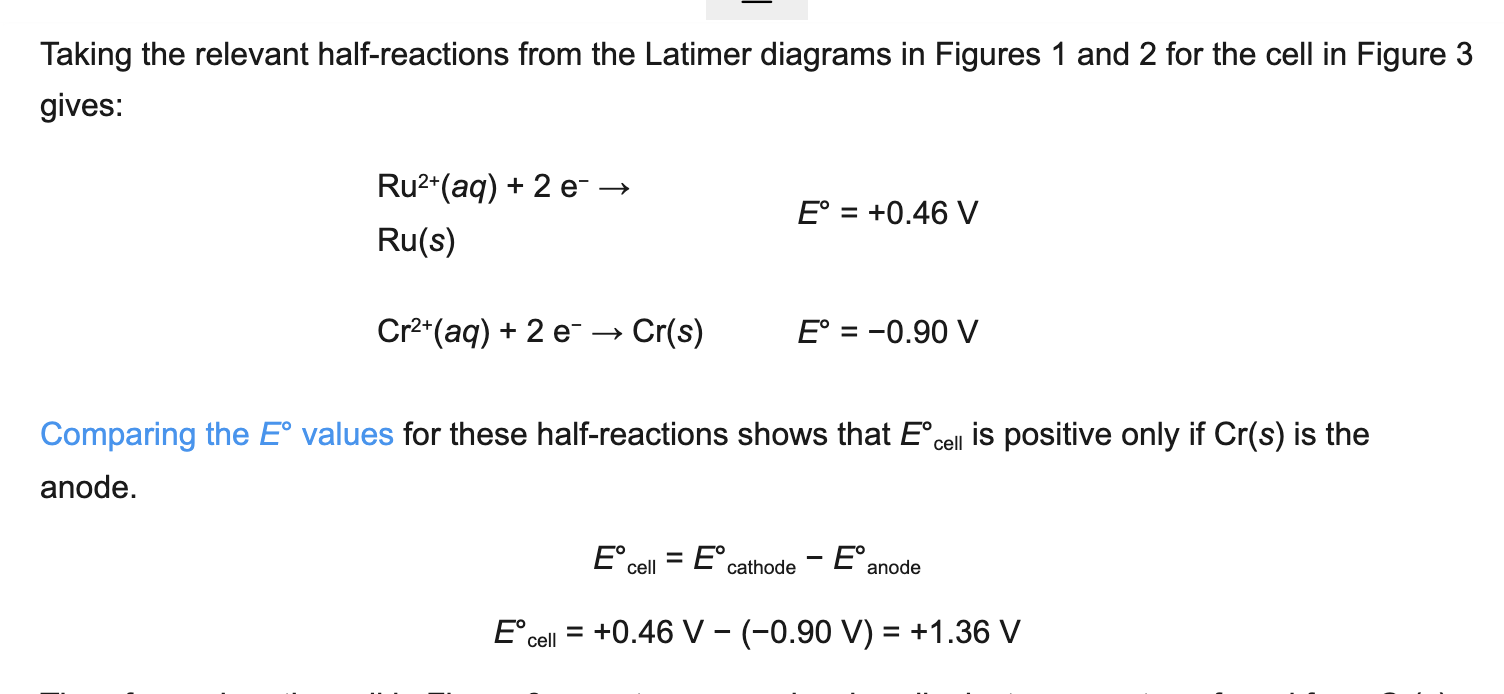

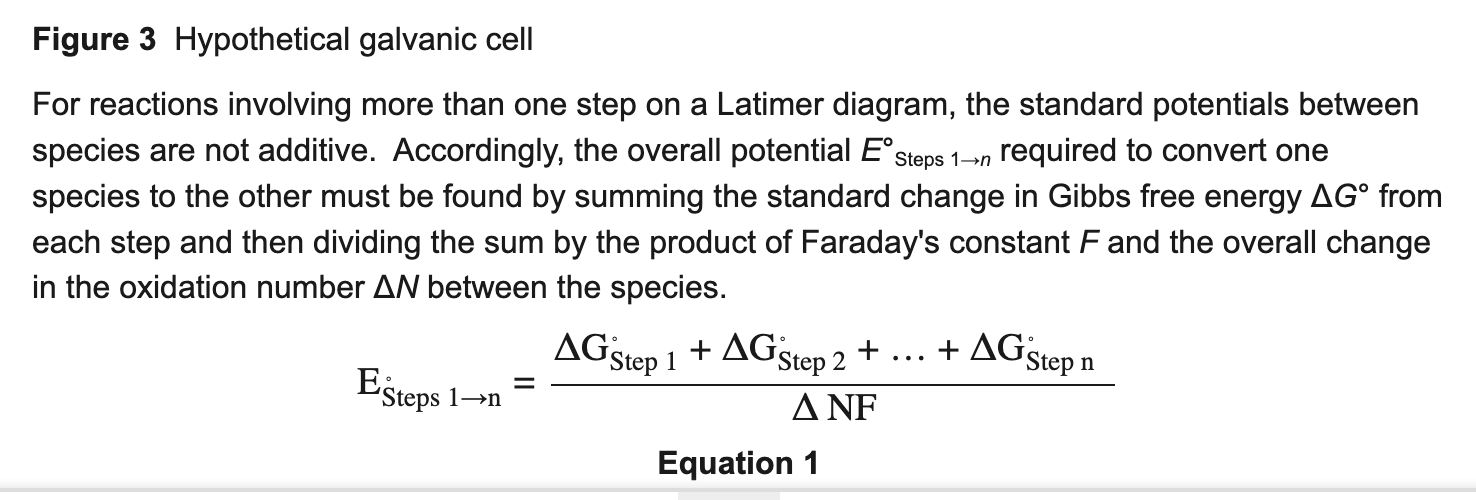
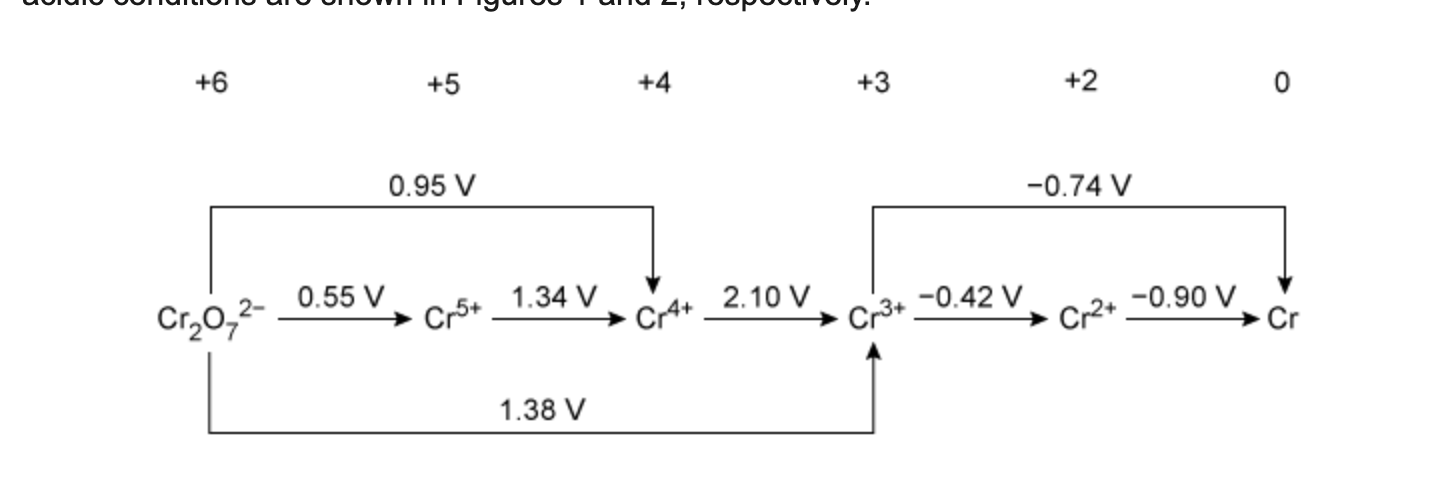
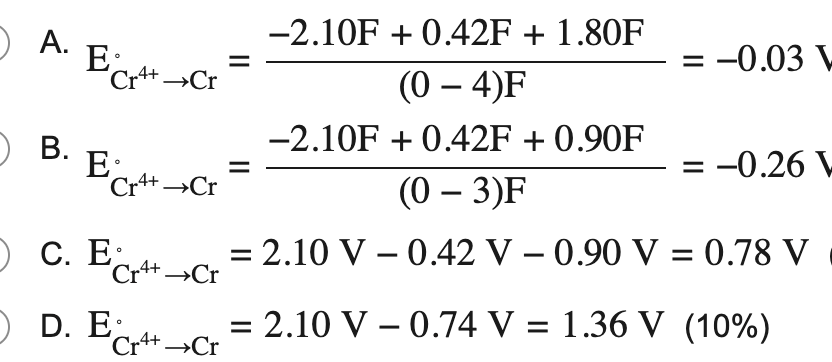
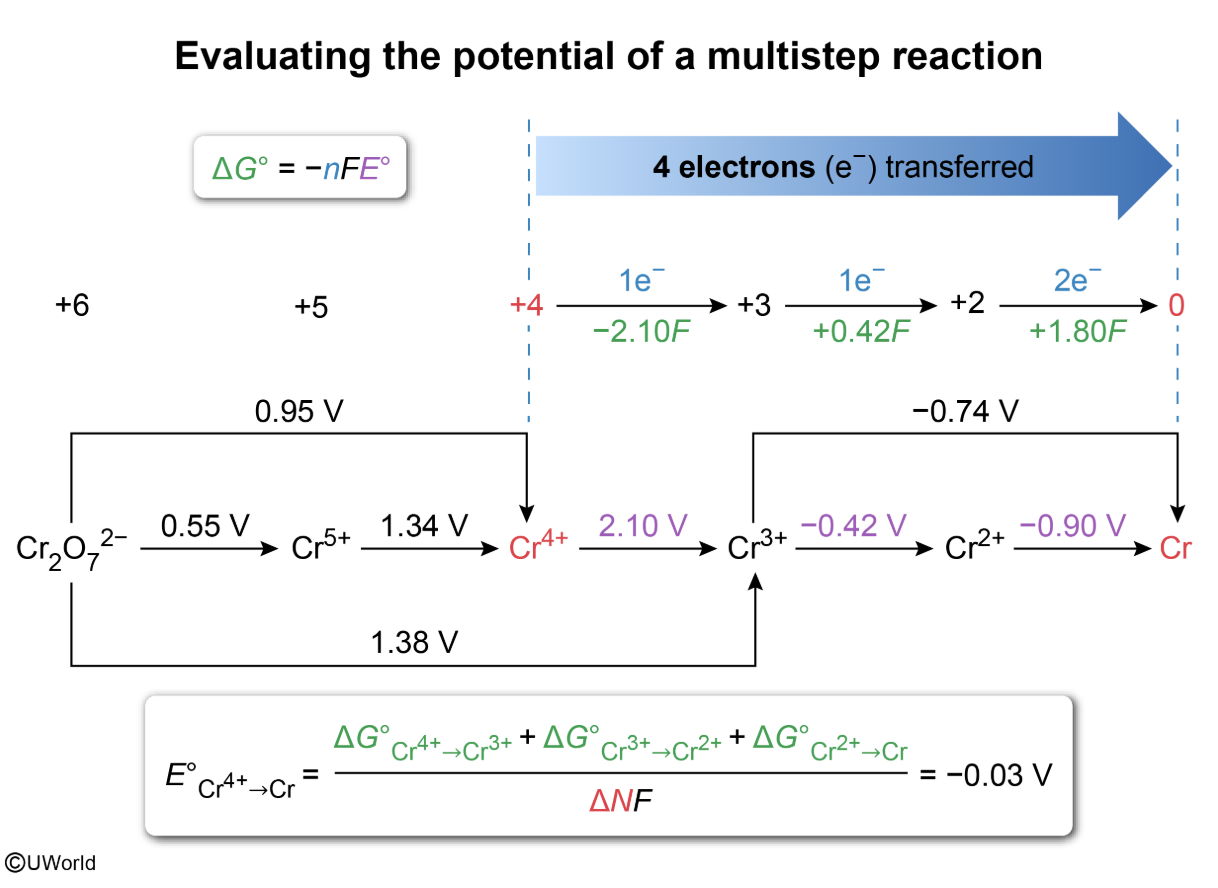
Answer; A
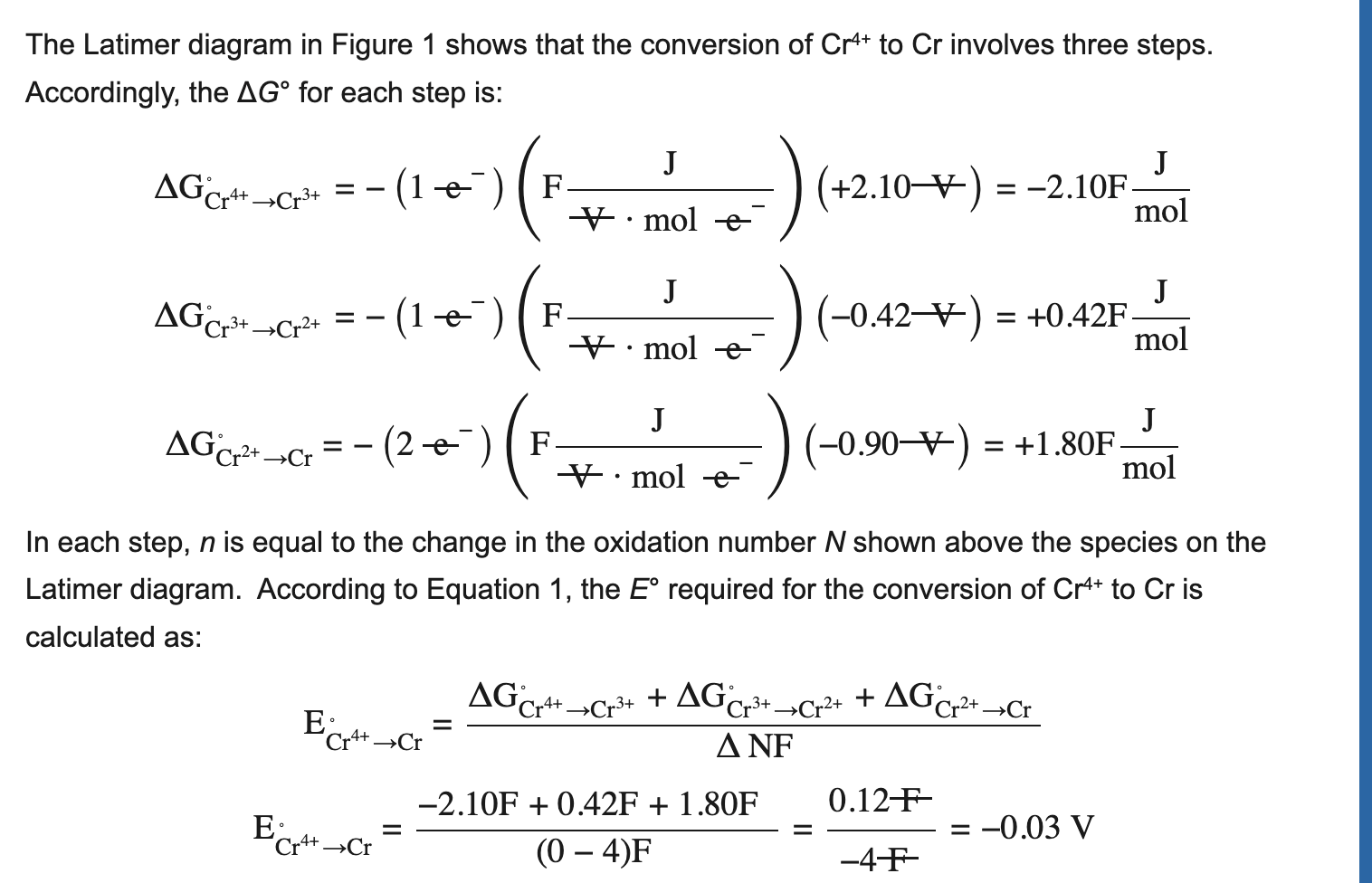

Just solve
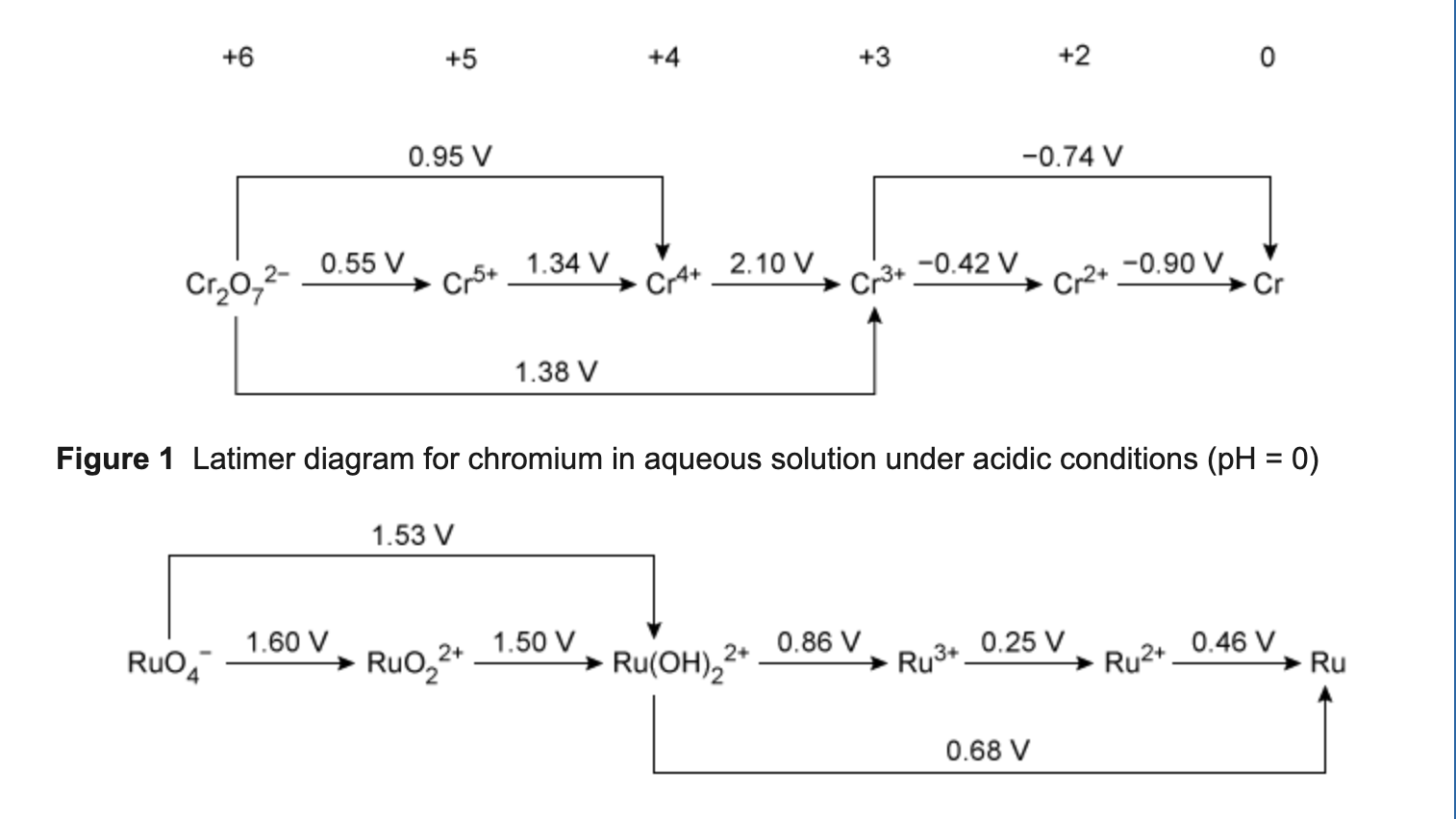
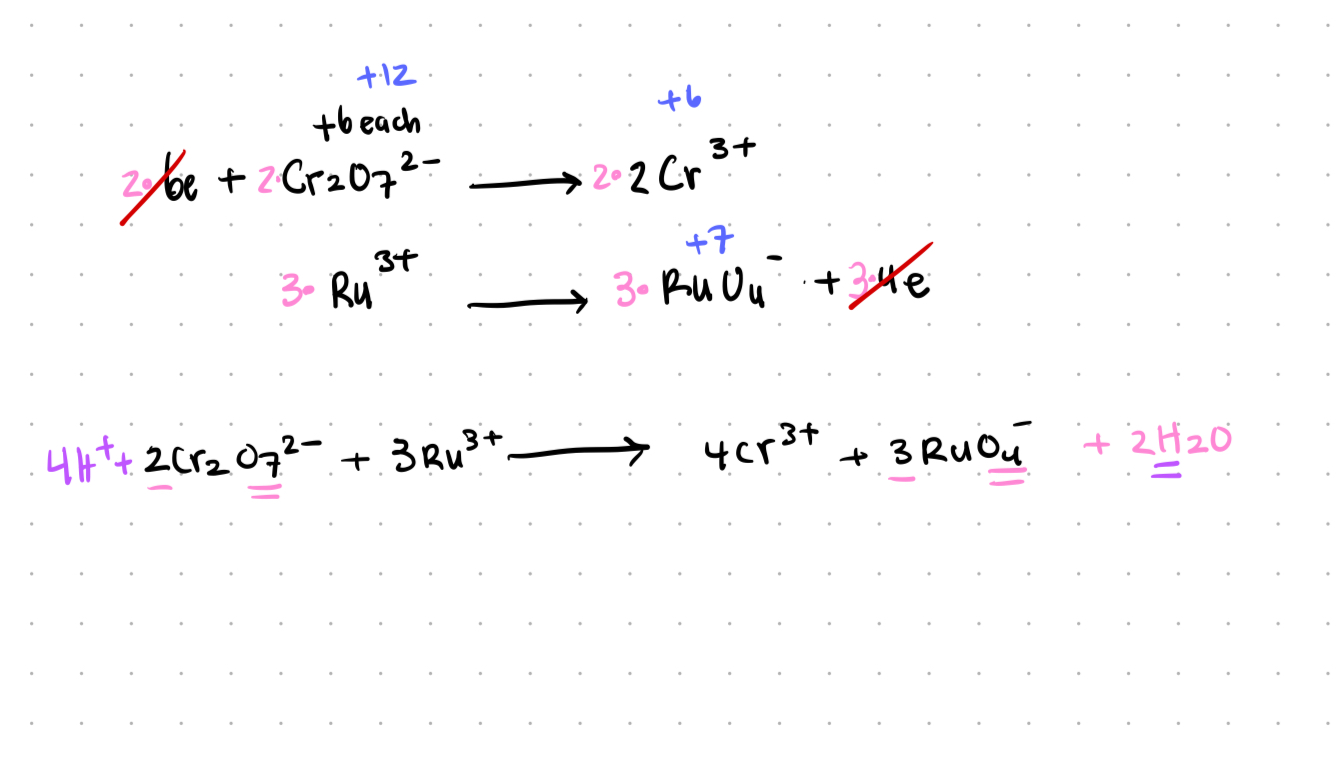

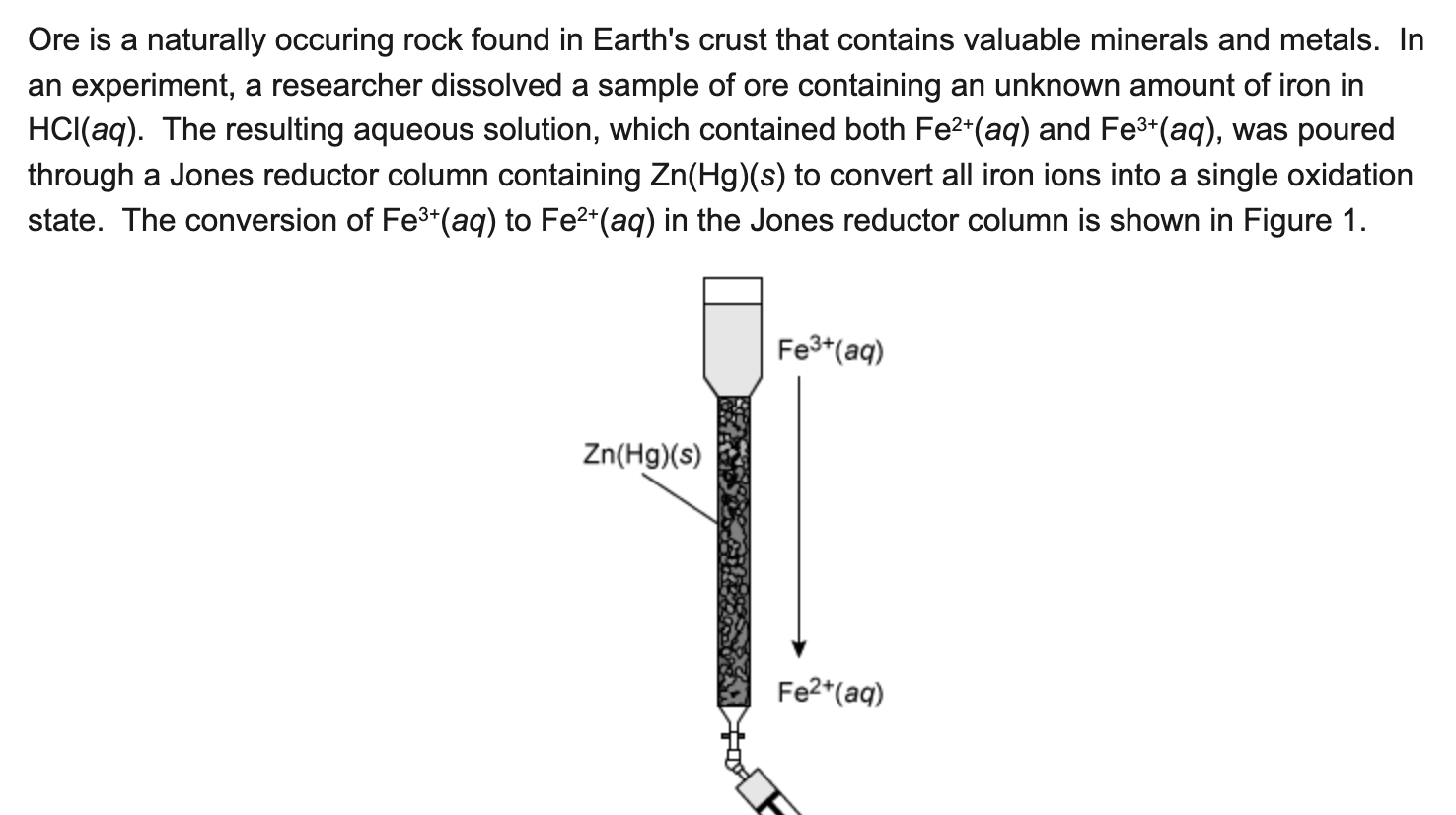
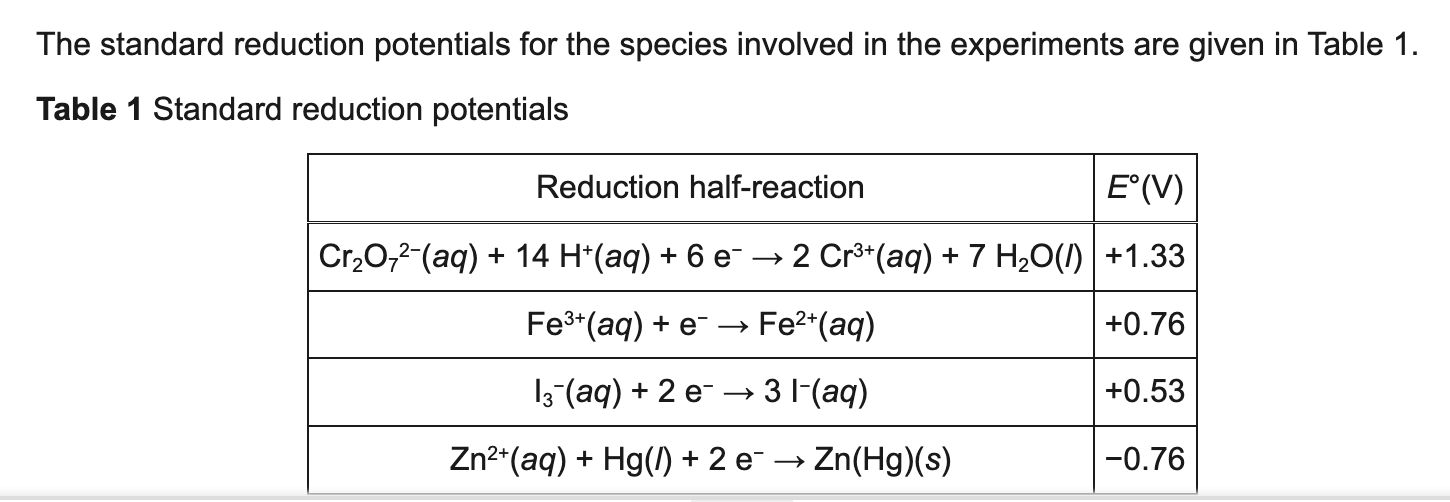
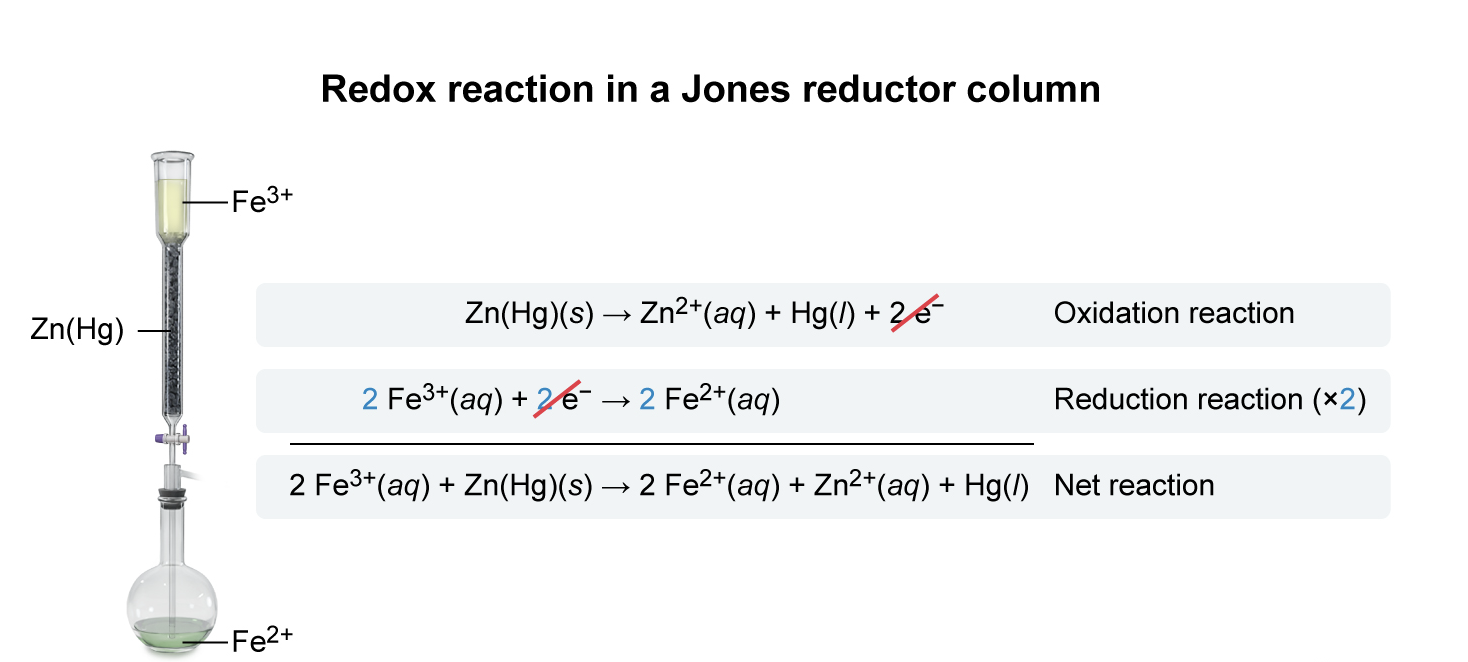

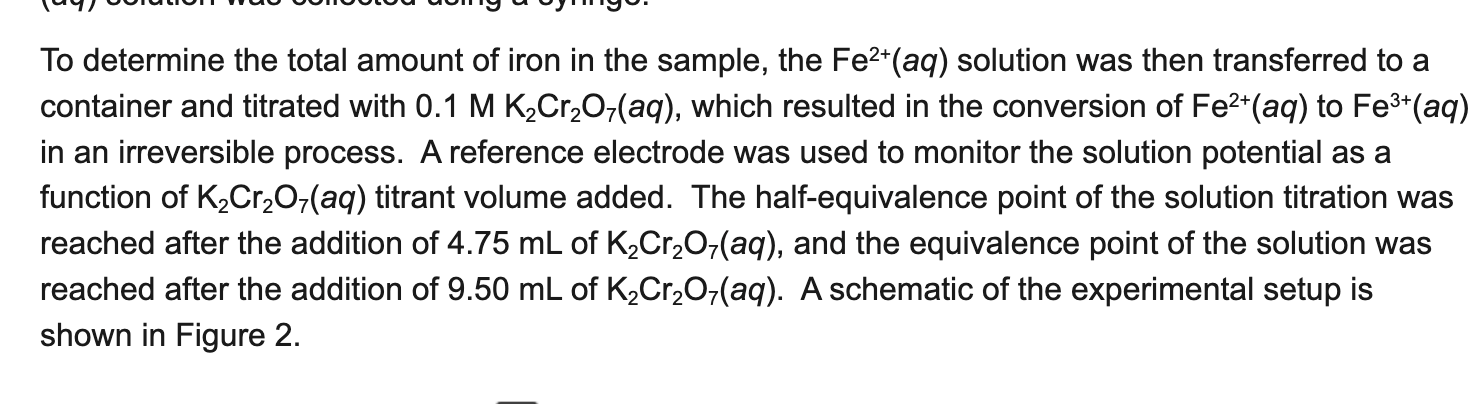
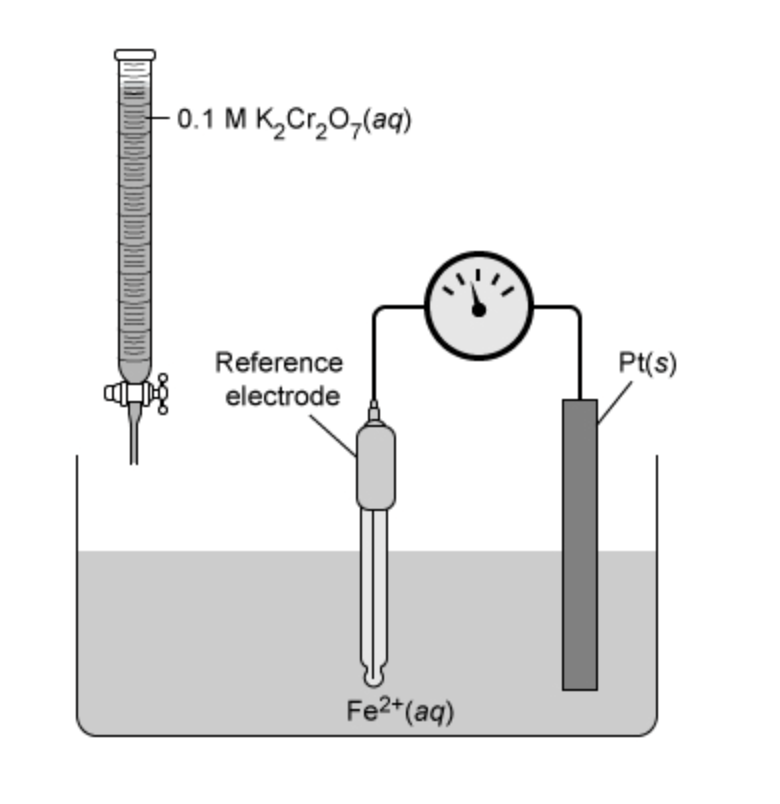
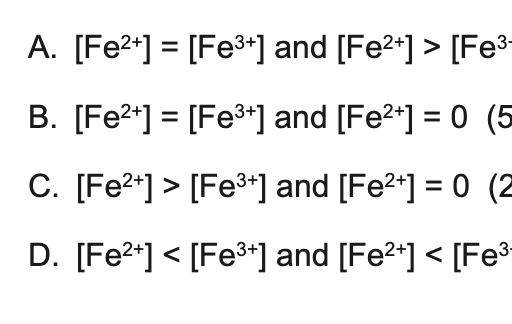
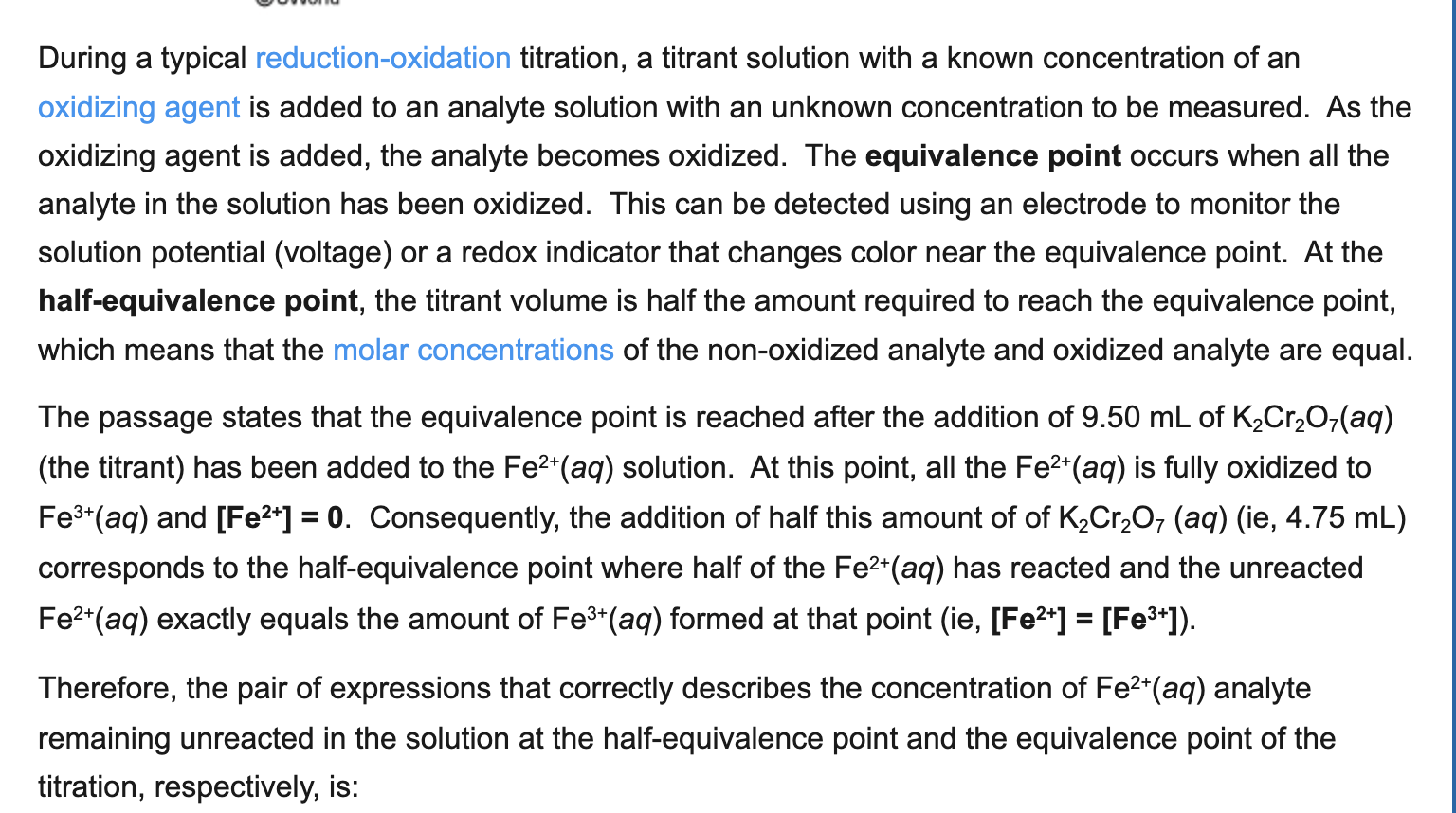

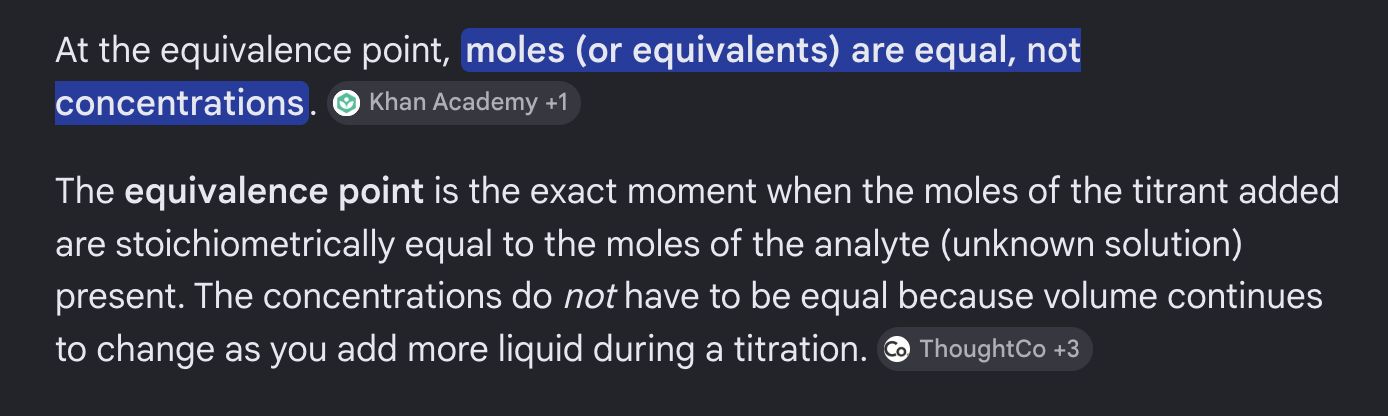
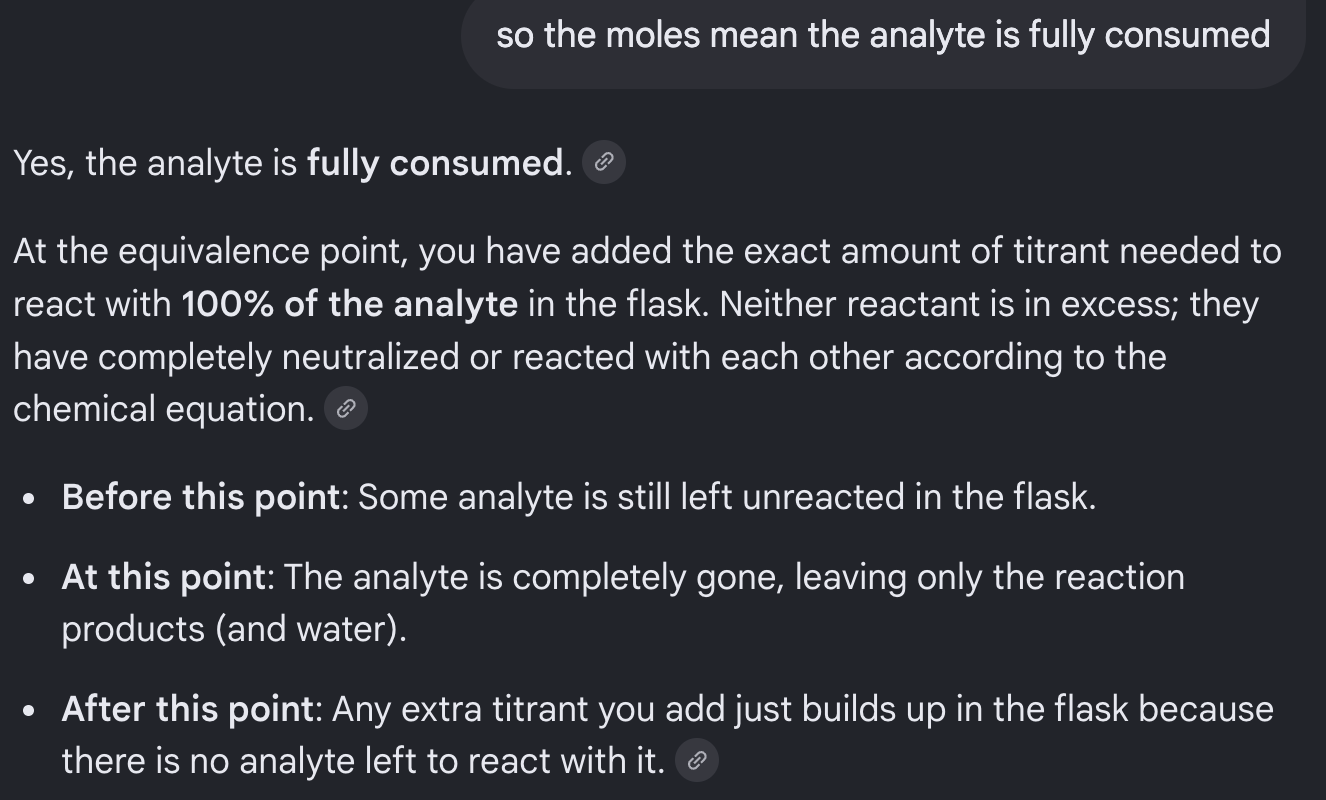
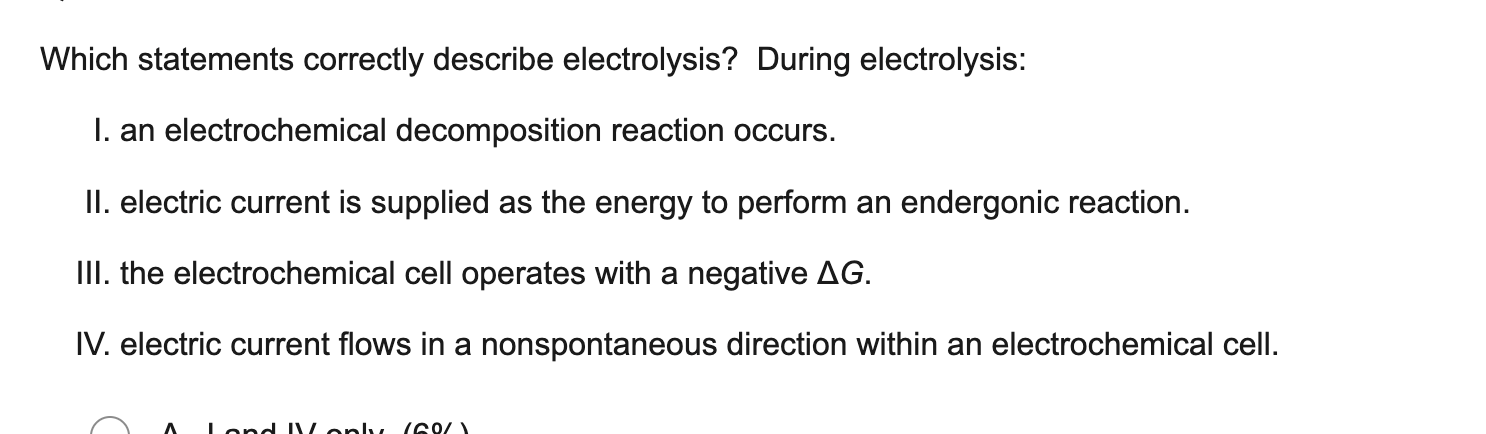
1,2,4
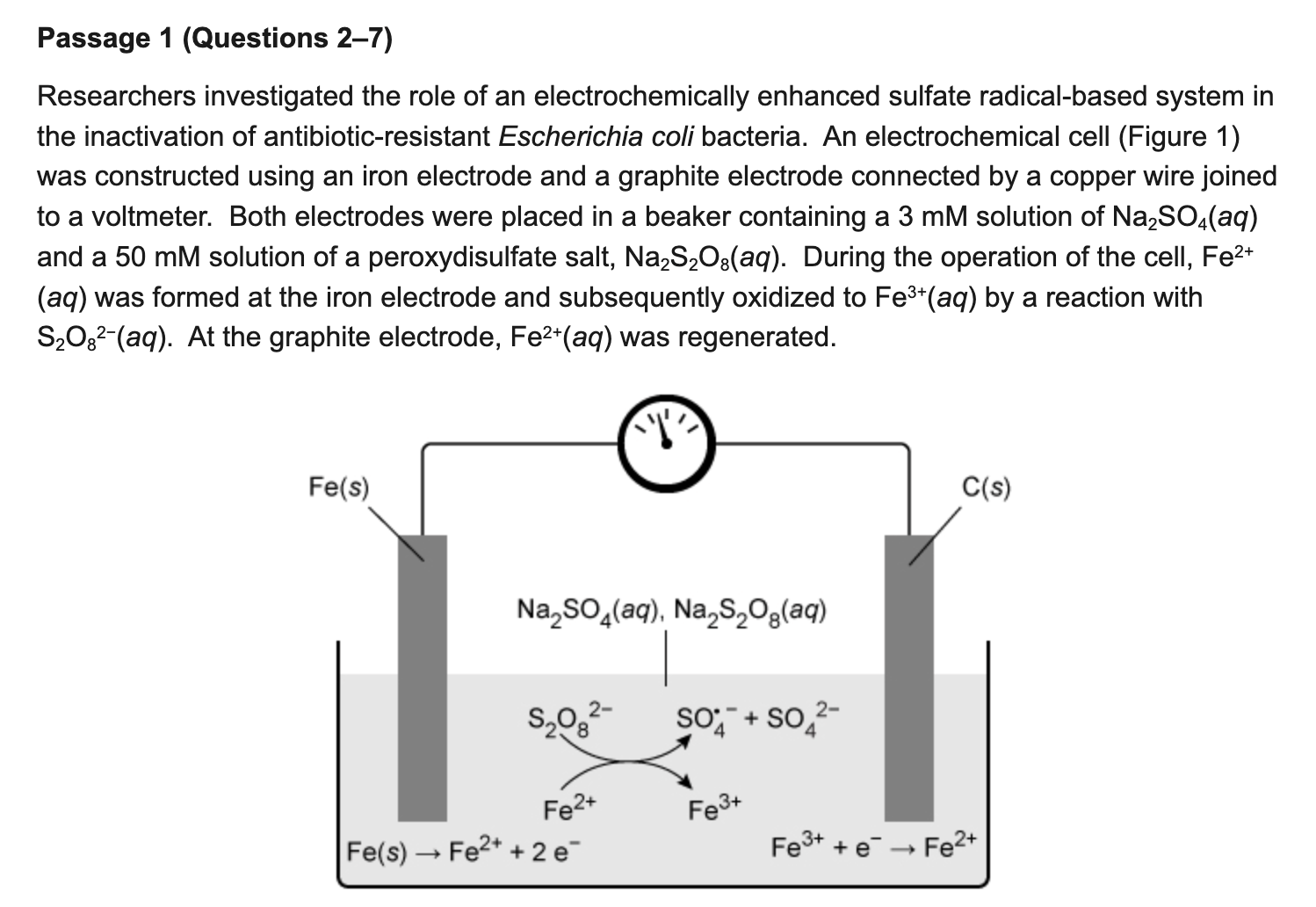
Passage E
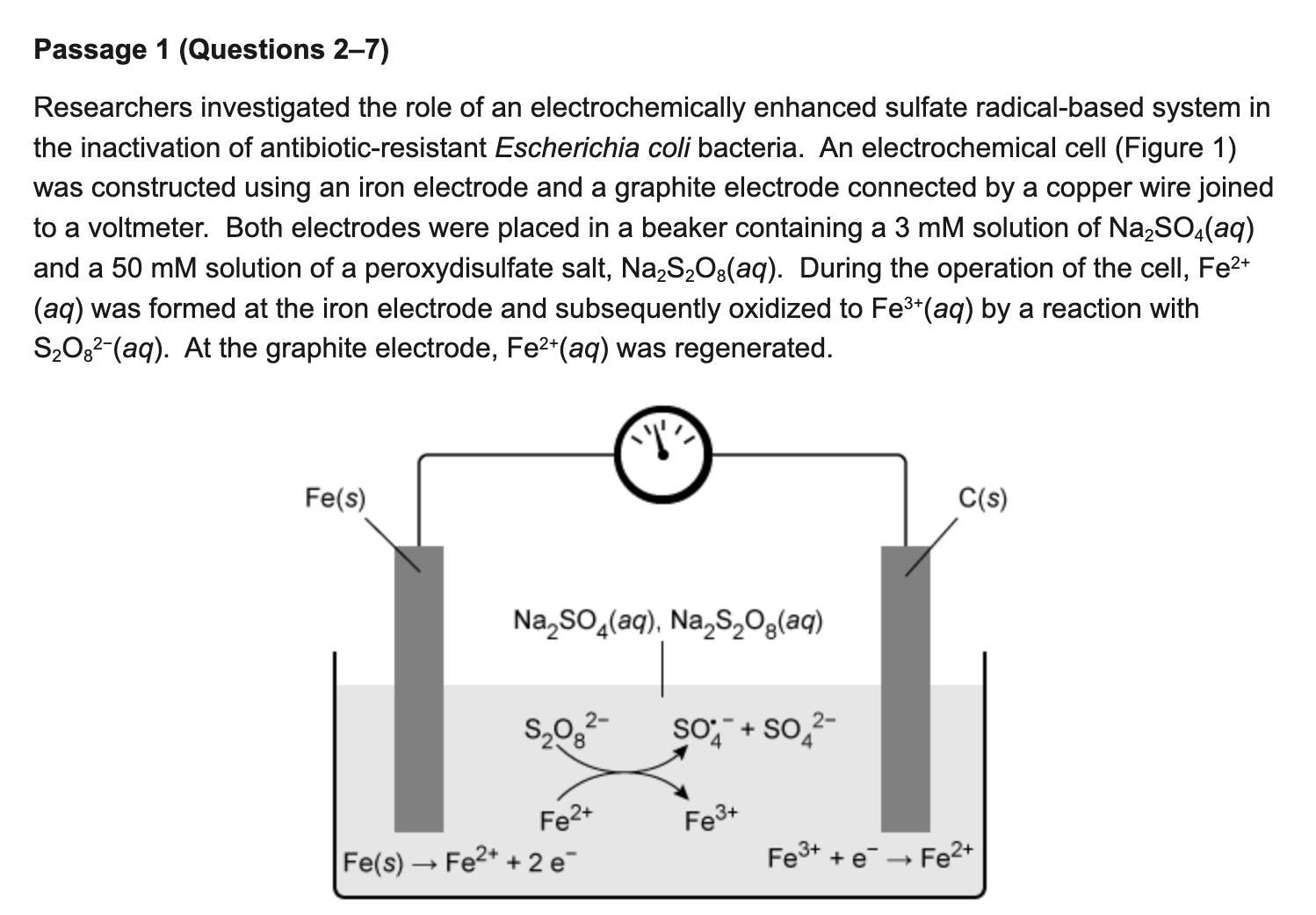
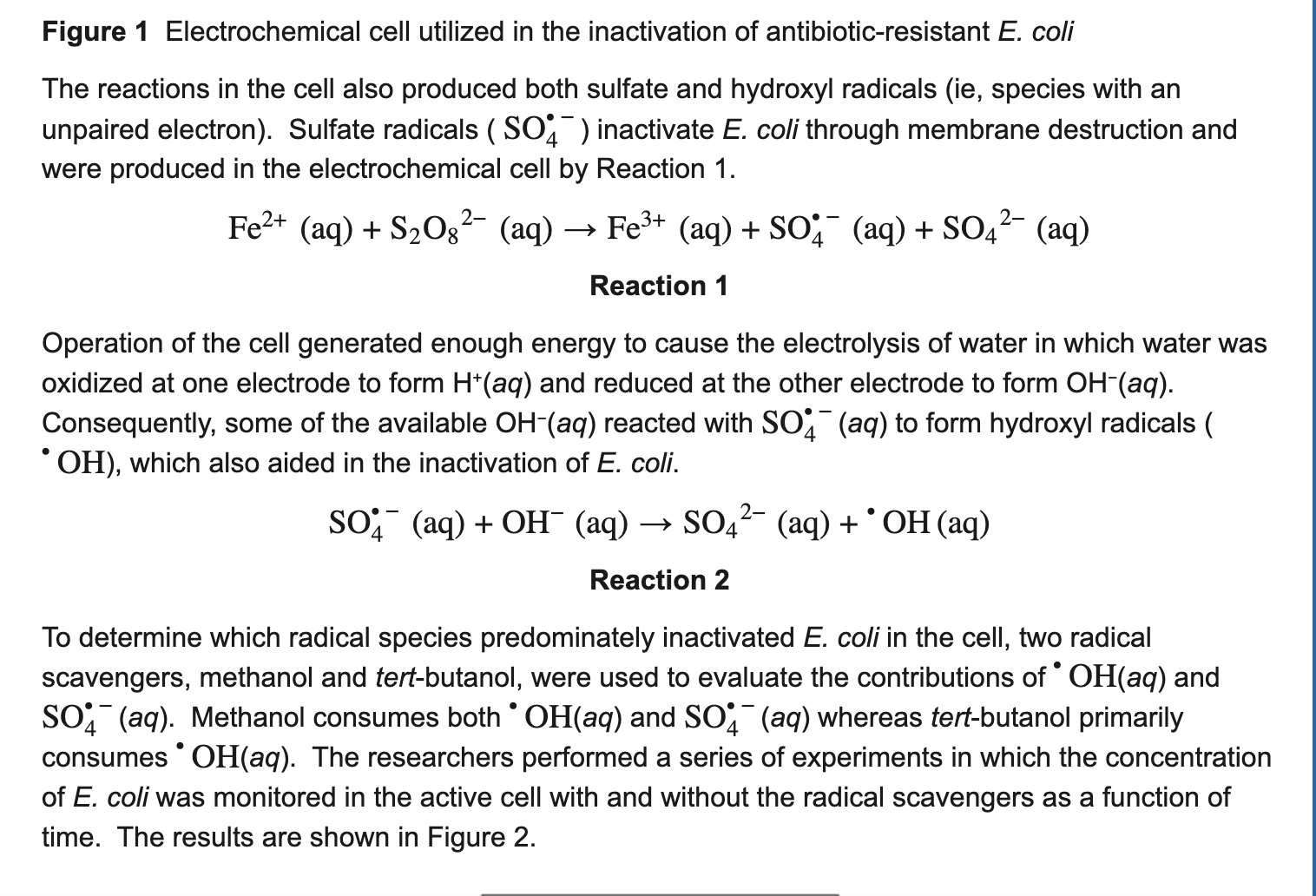
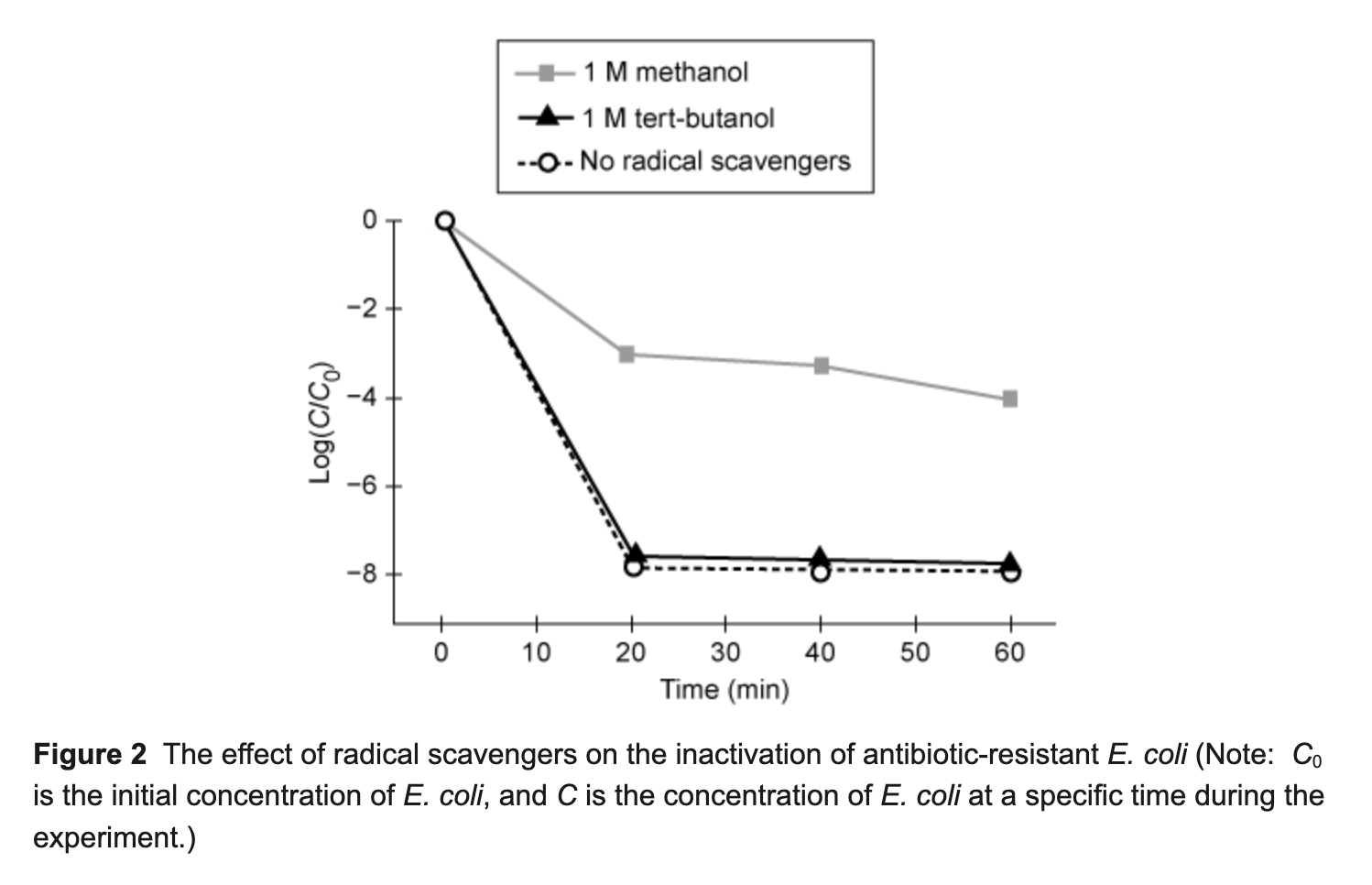
Passage E
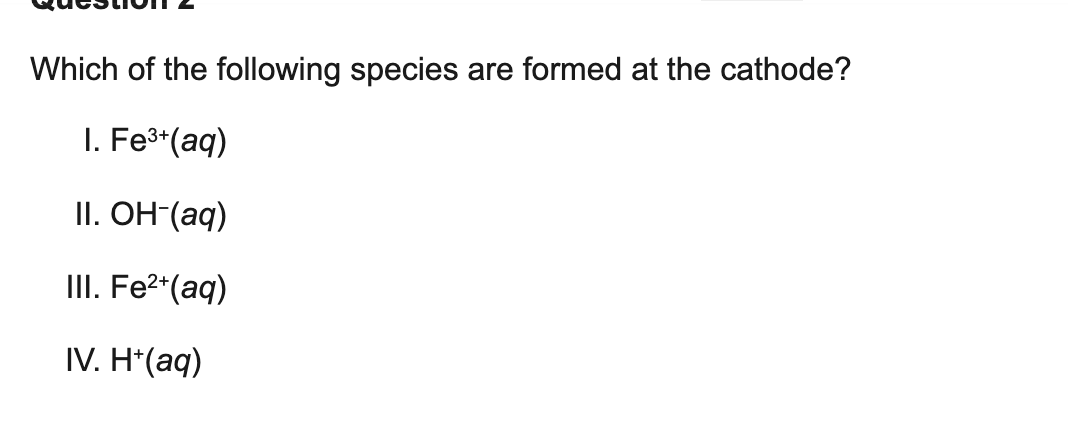
2 and 3 only
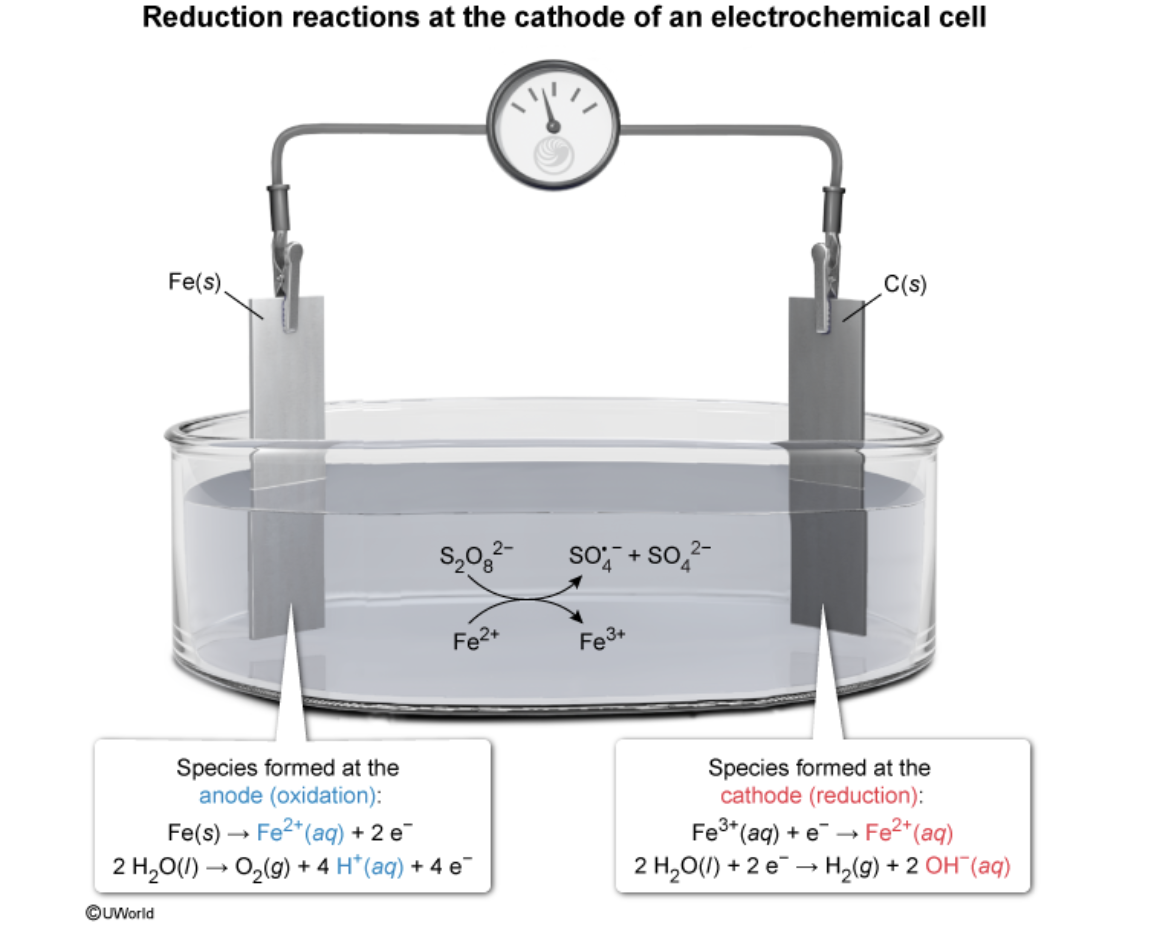
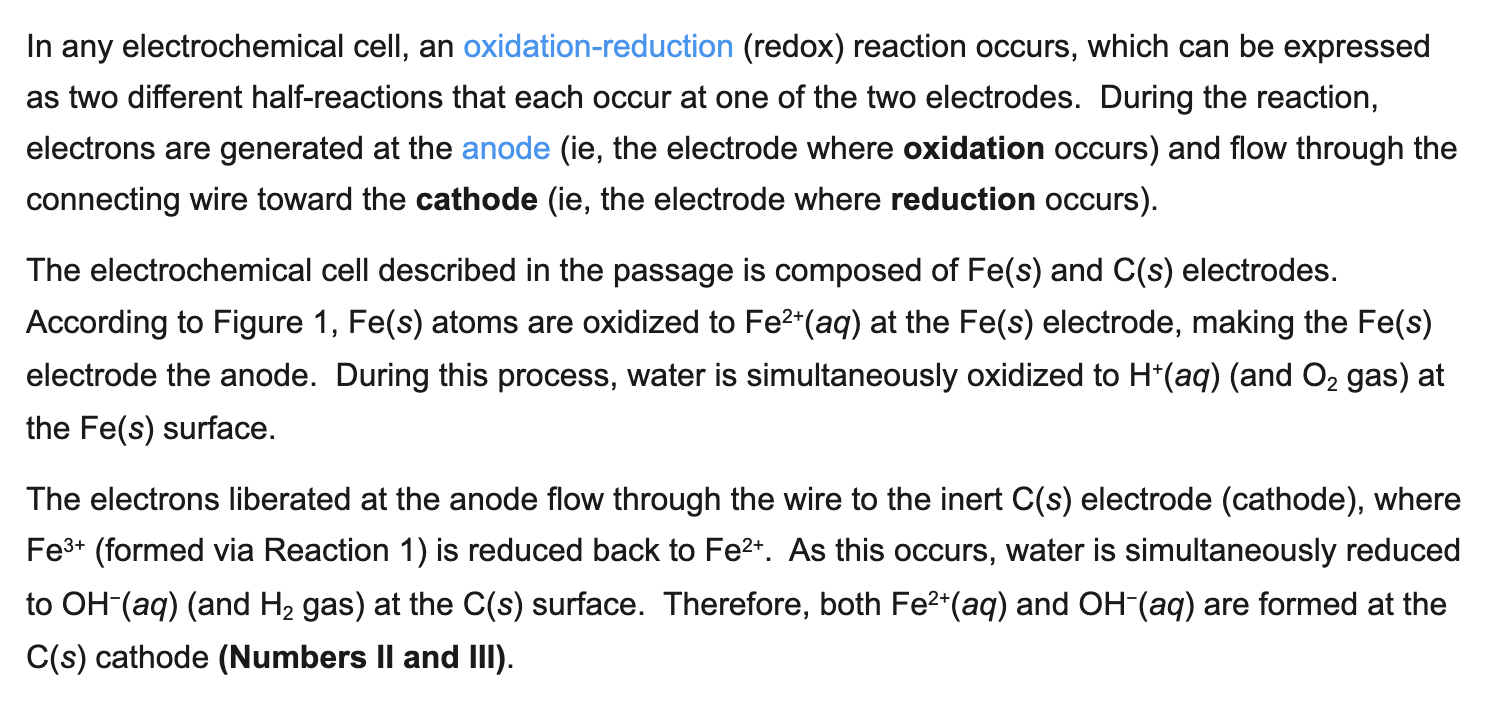
Passage E (read)





Answer: A
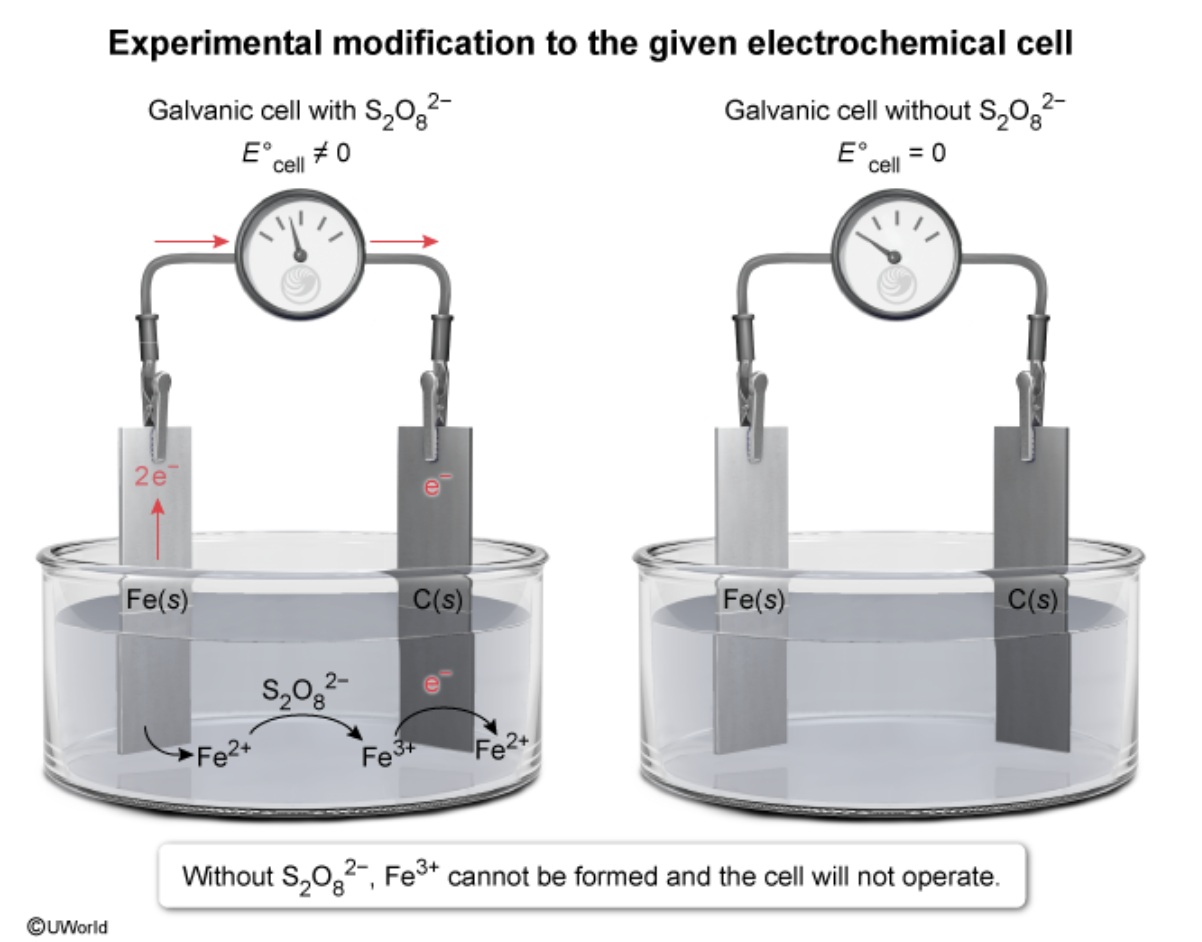
flow of electron from anode to cathode produces an electric current that can be used to do work, which is inferred from standard cell potential Ecell (voltage difference between anode and cathode as measured by a voltmeter. If no current is flowing rhough the cell, Ecell=0V
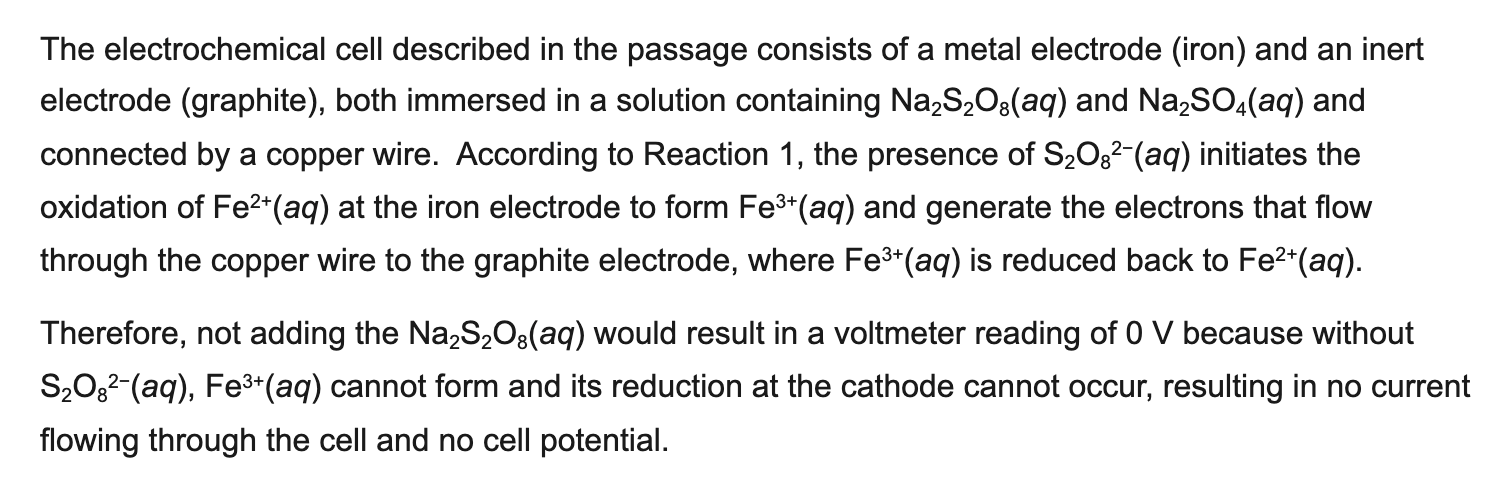
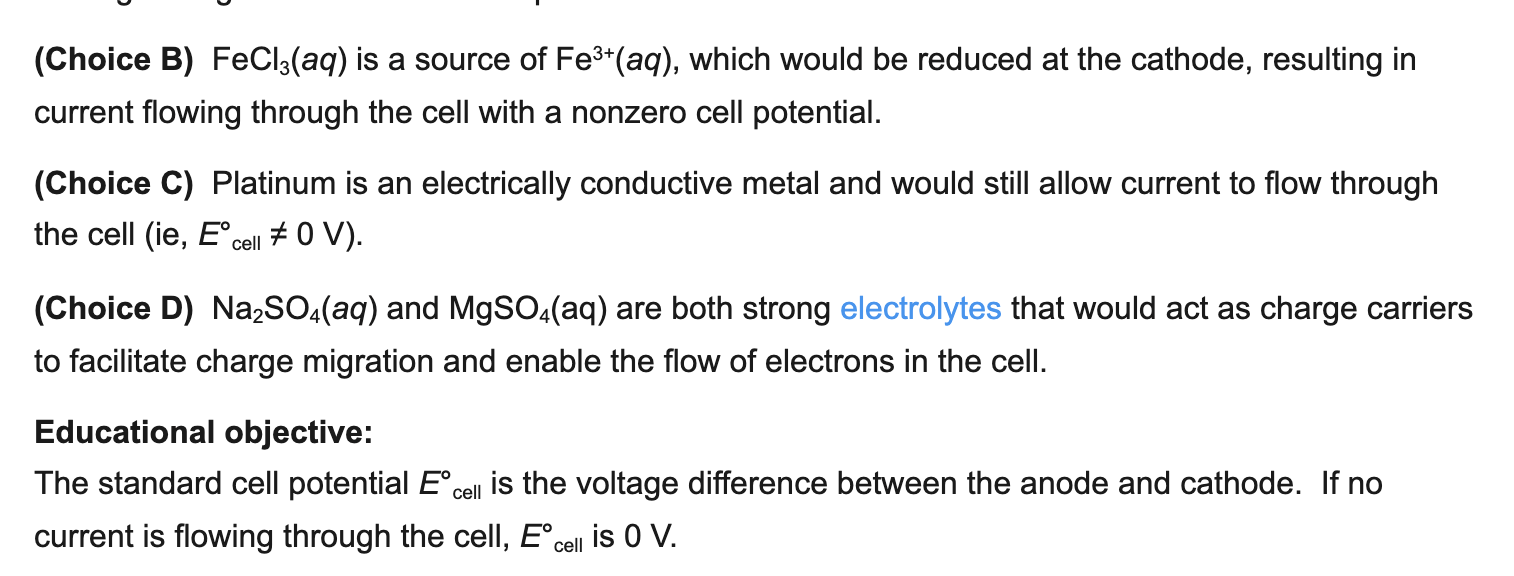
Passage F
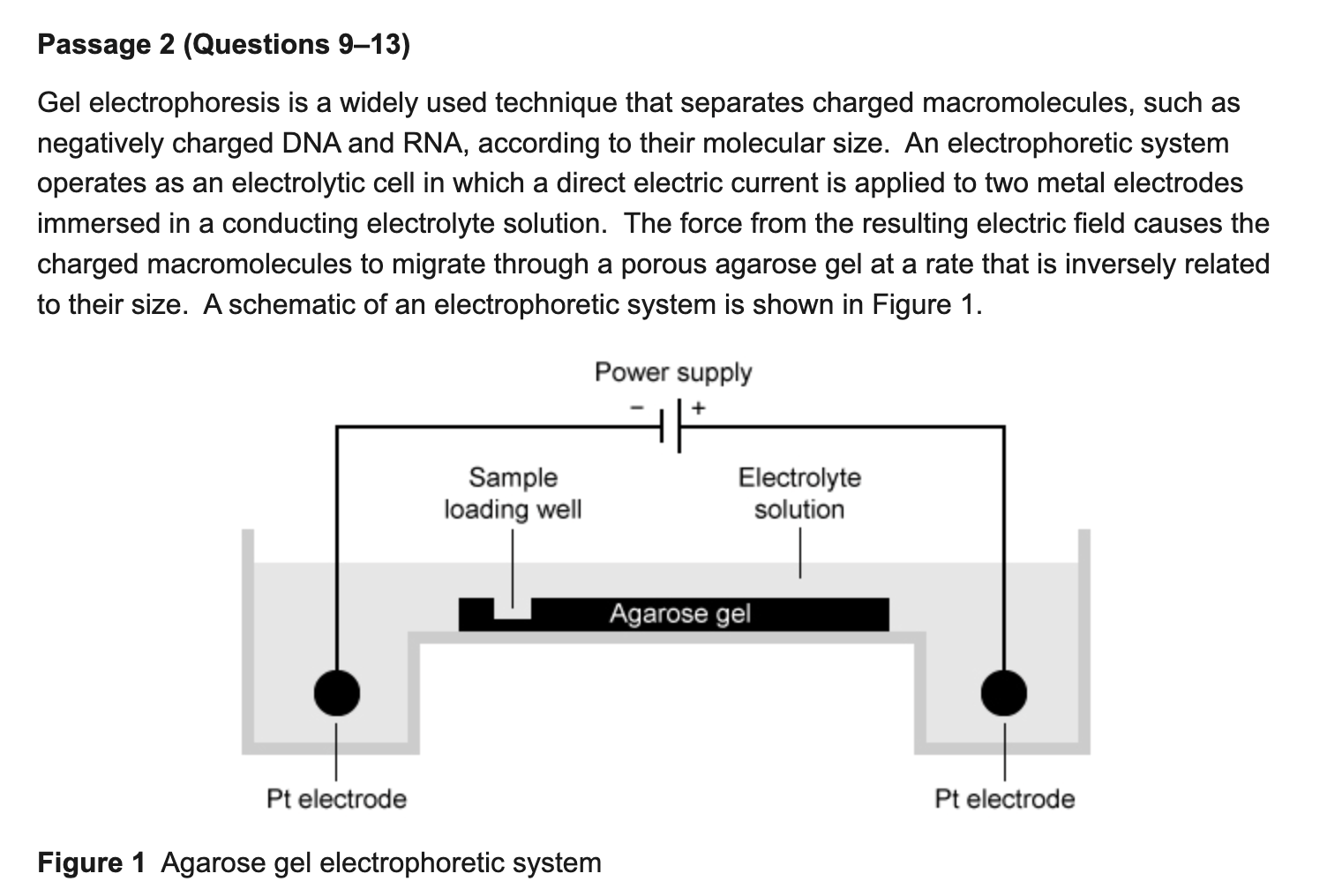
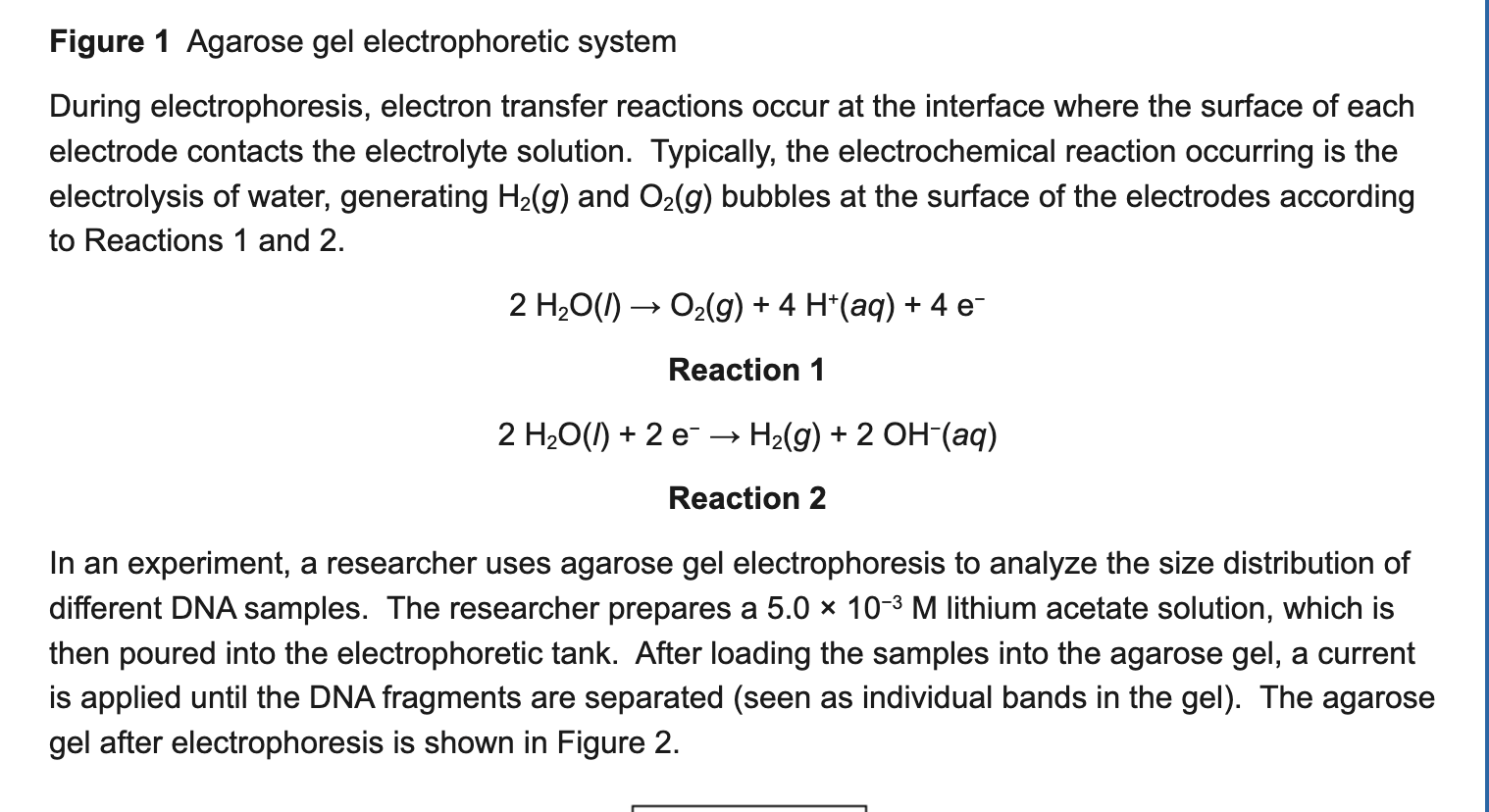
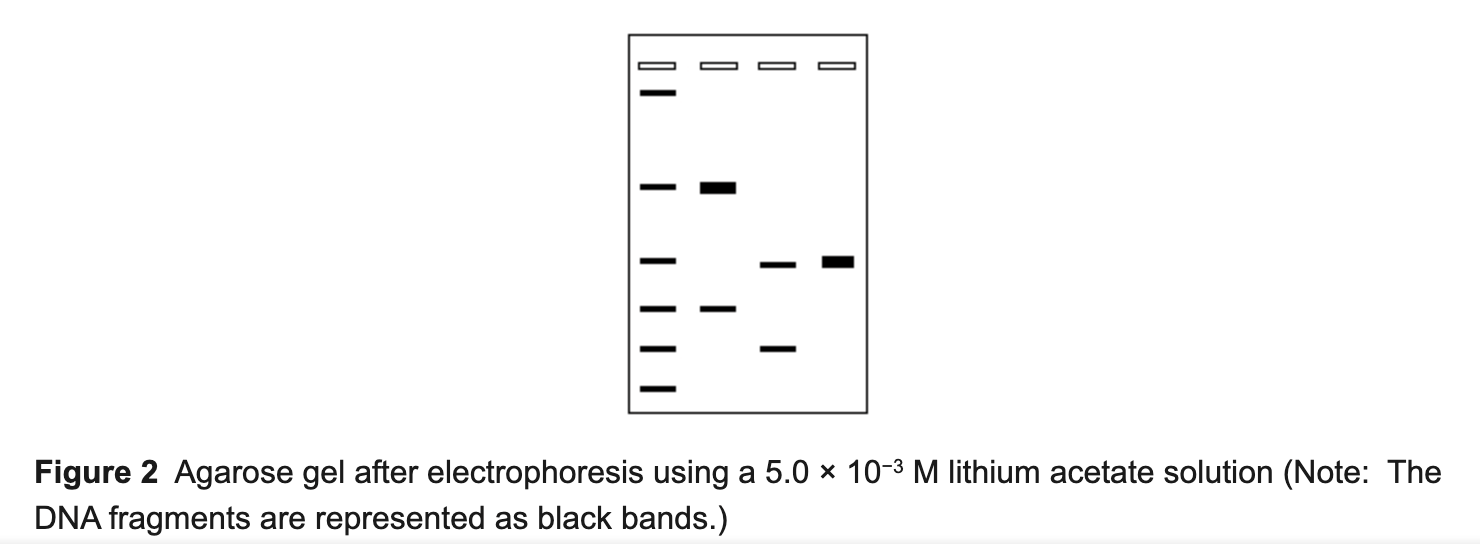
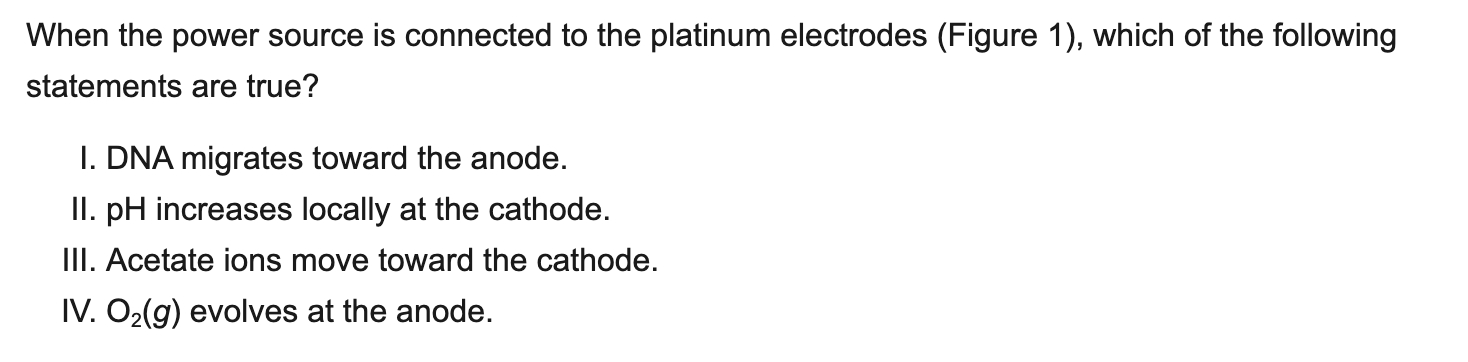
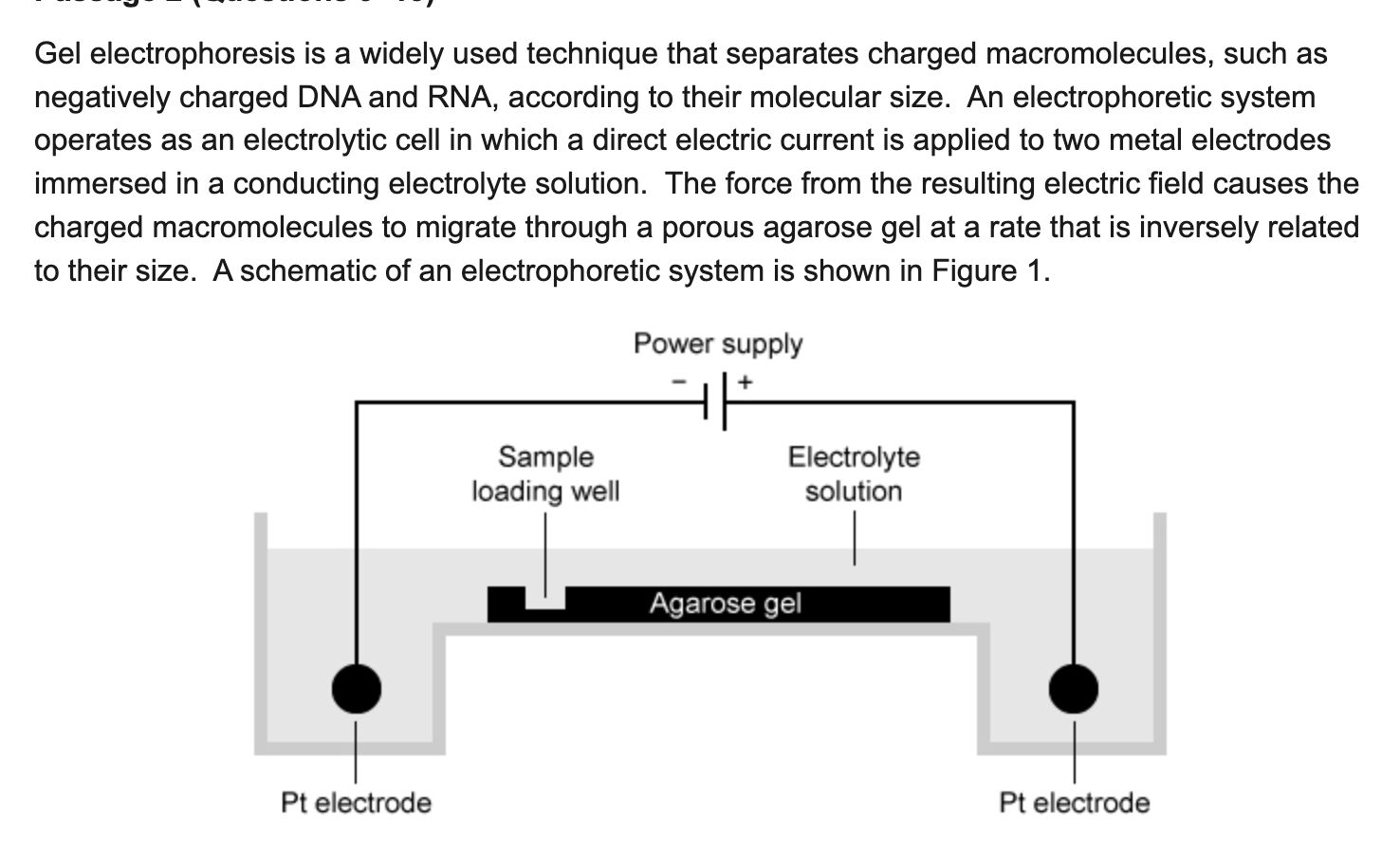
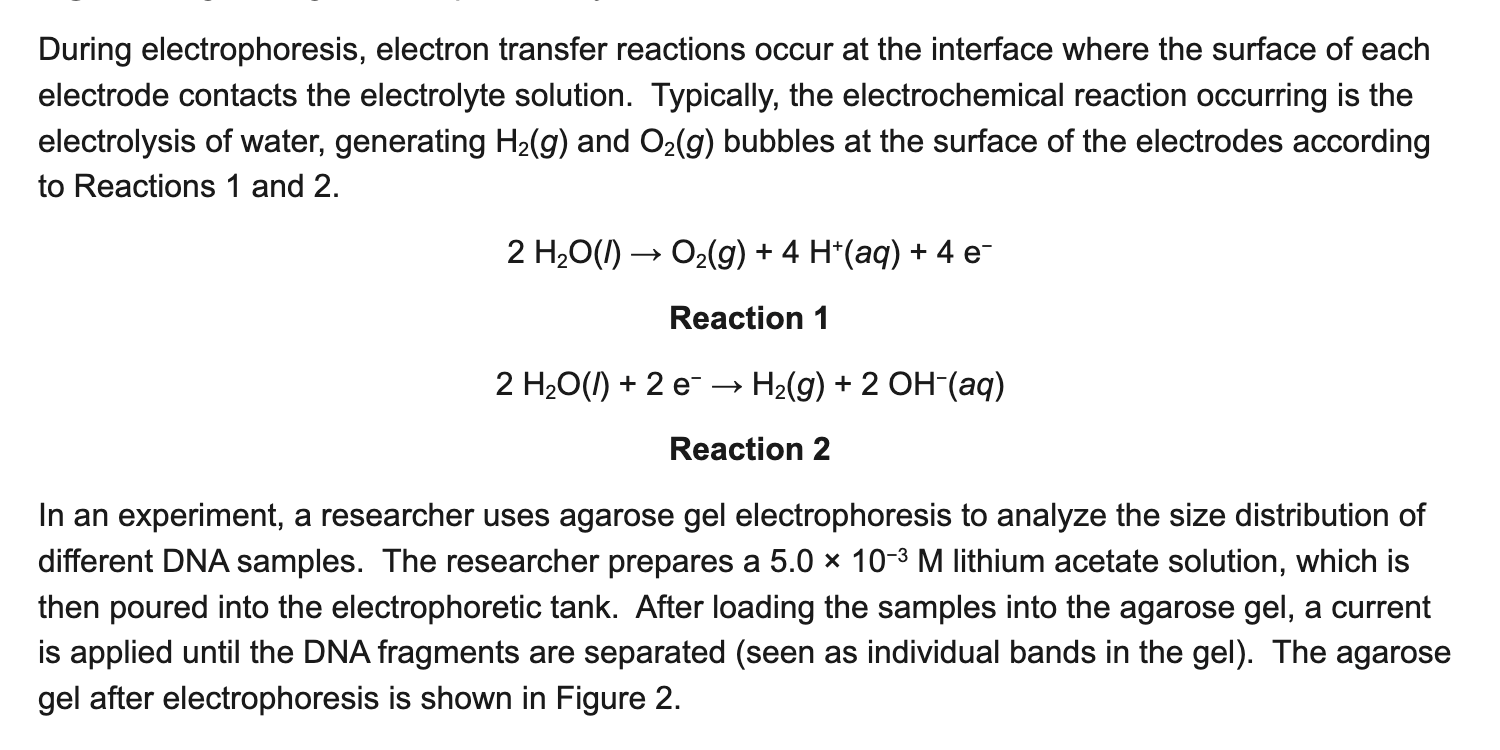
1, 2, 4
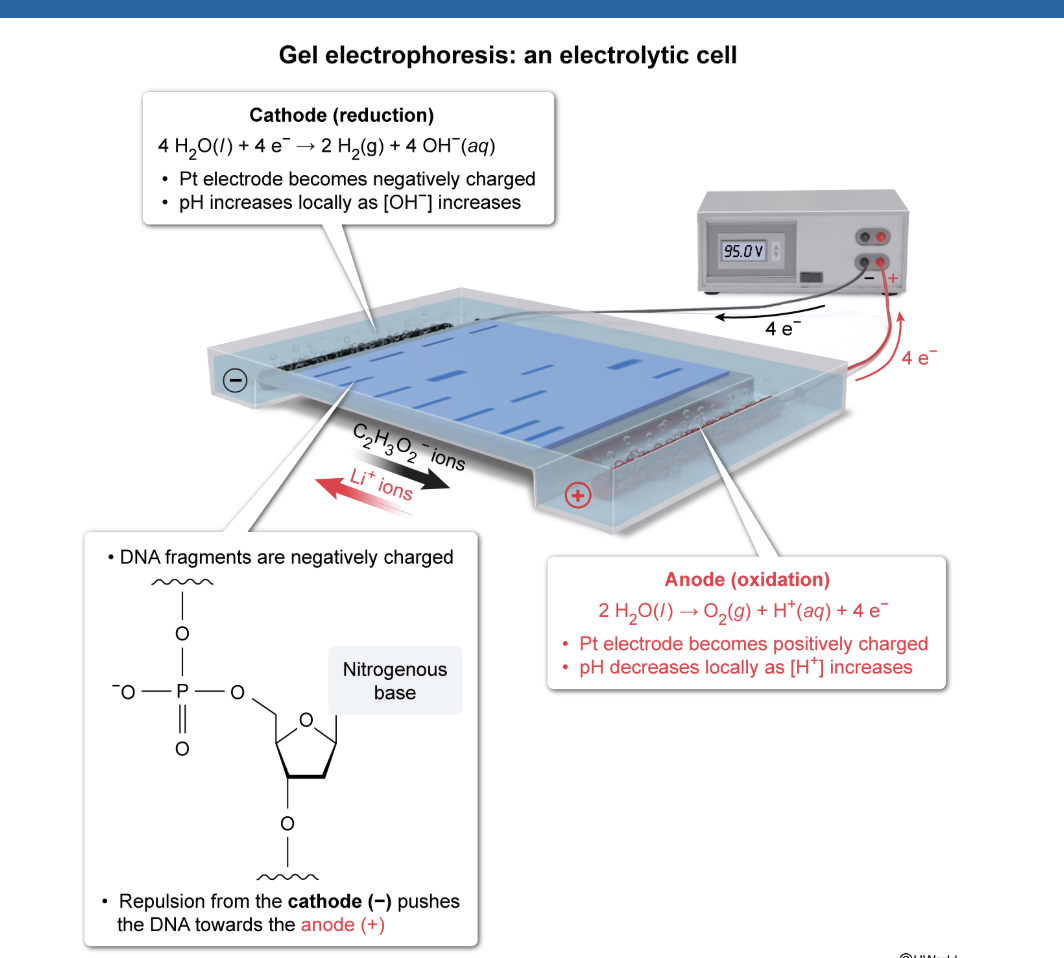
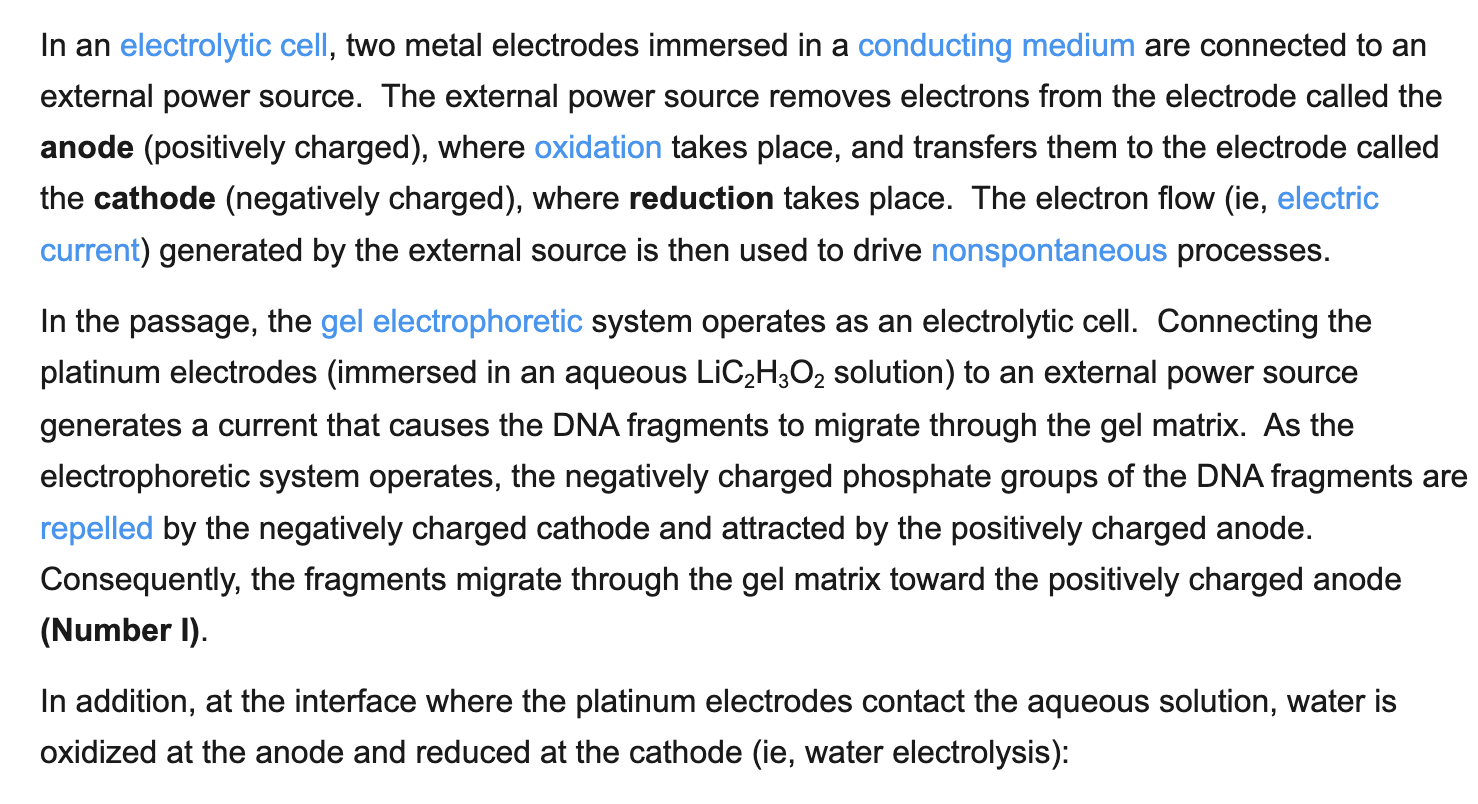
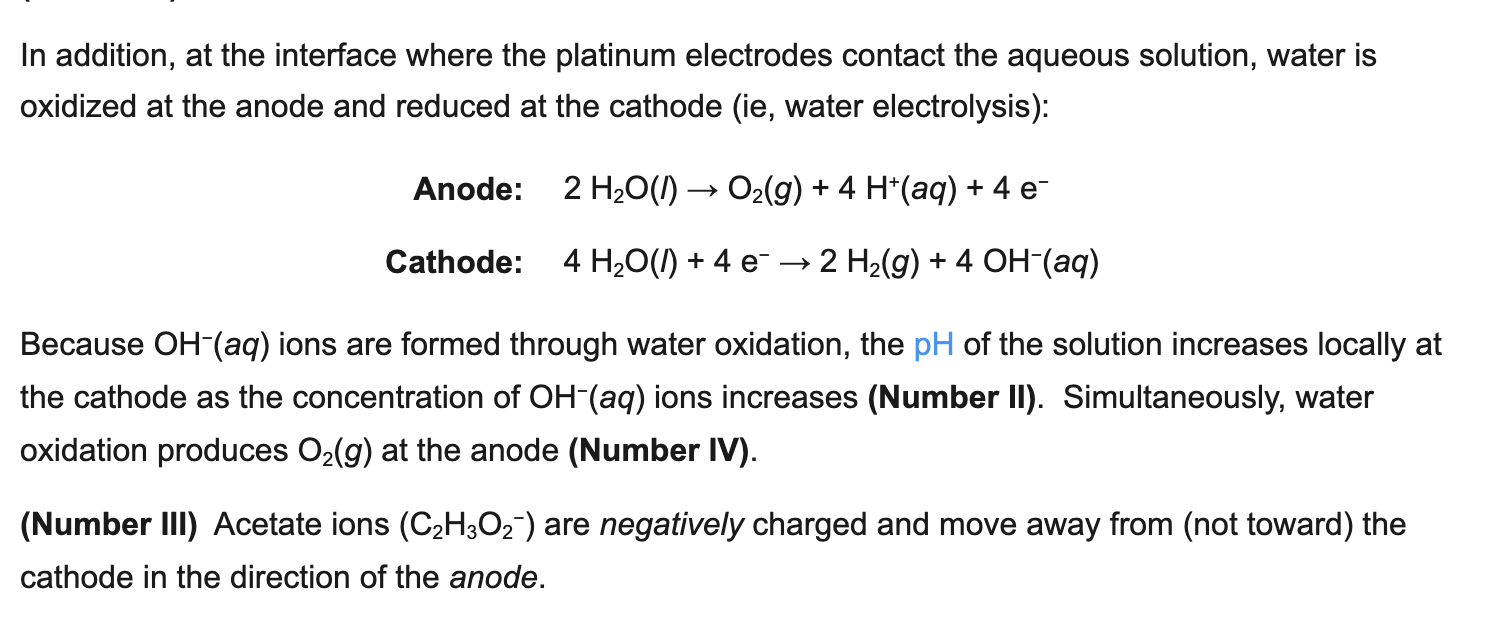
Passage F

migration rate will increase, decrease or remain same?
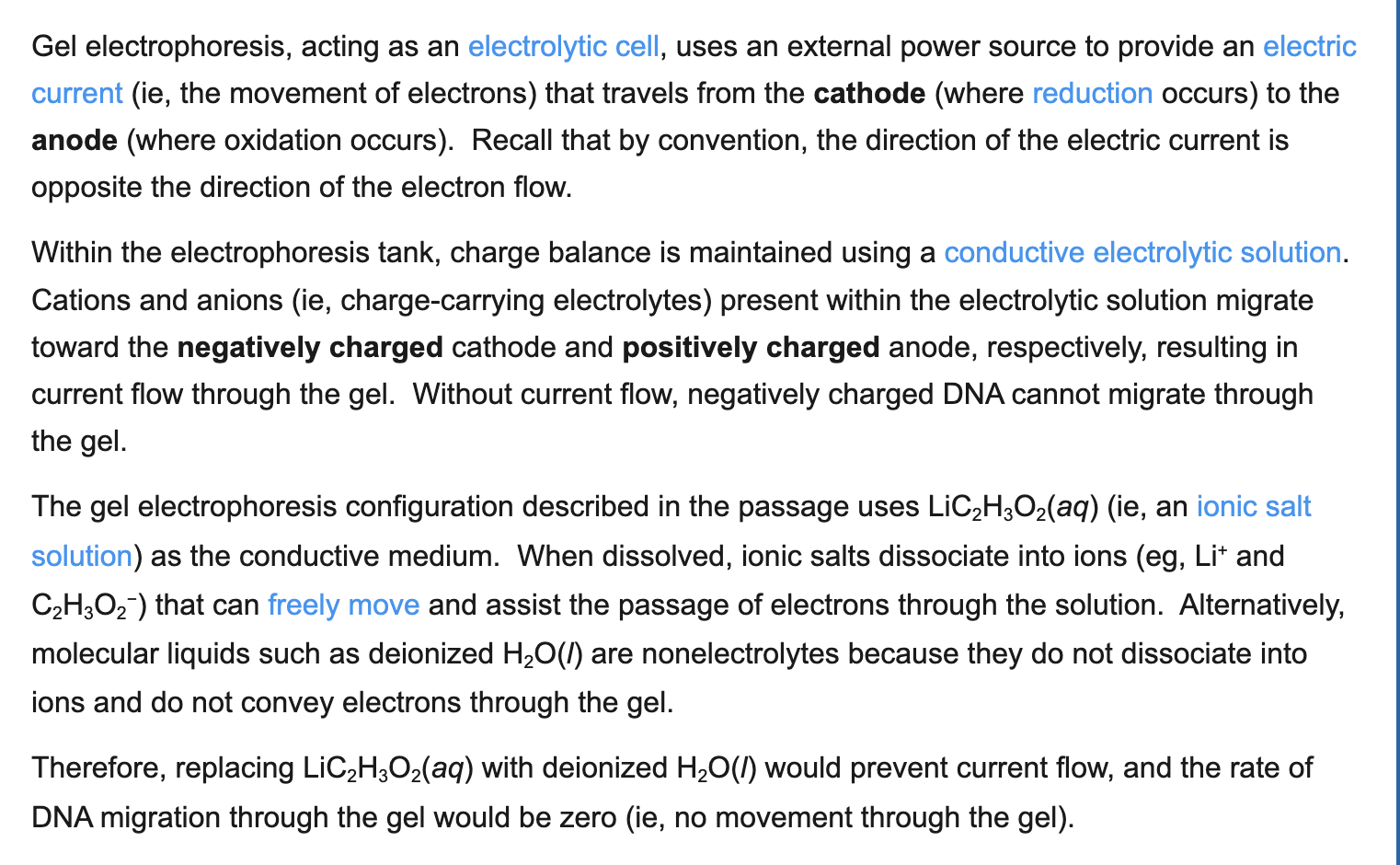
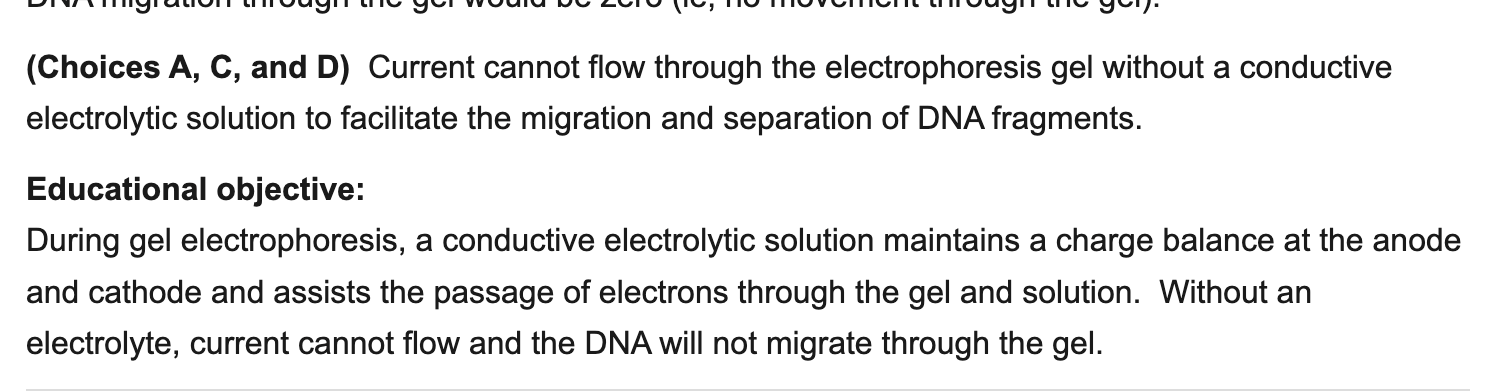
Passage F

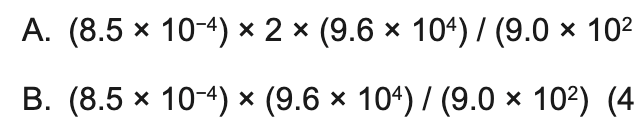
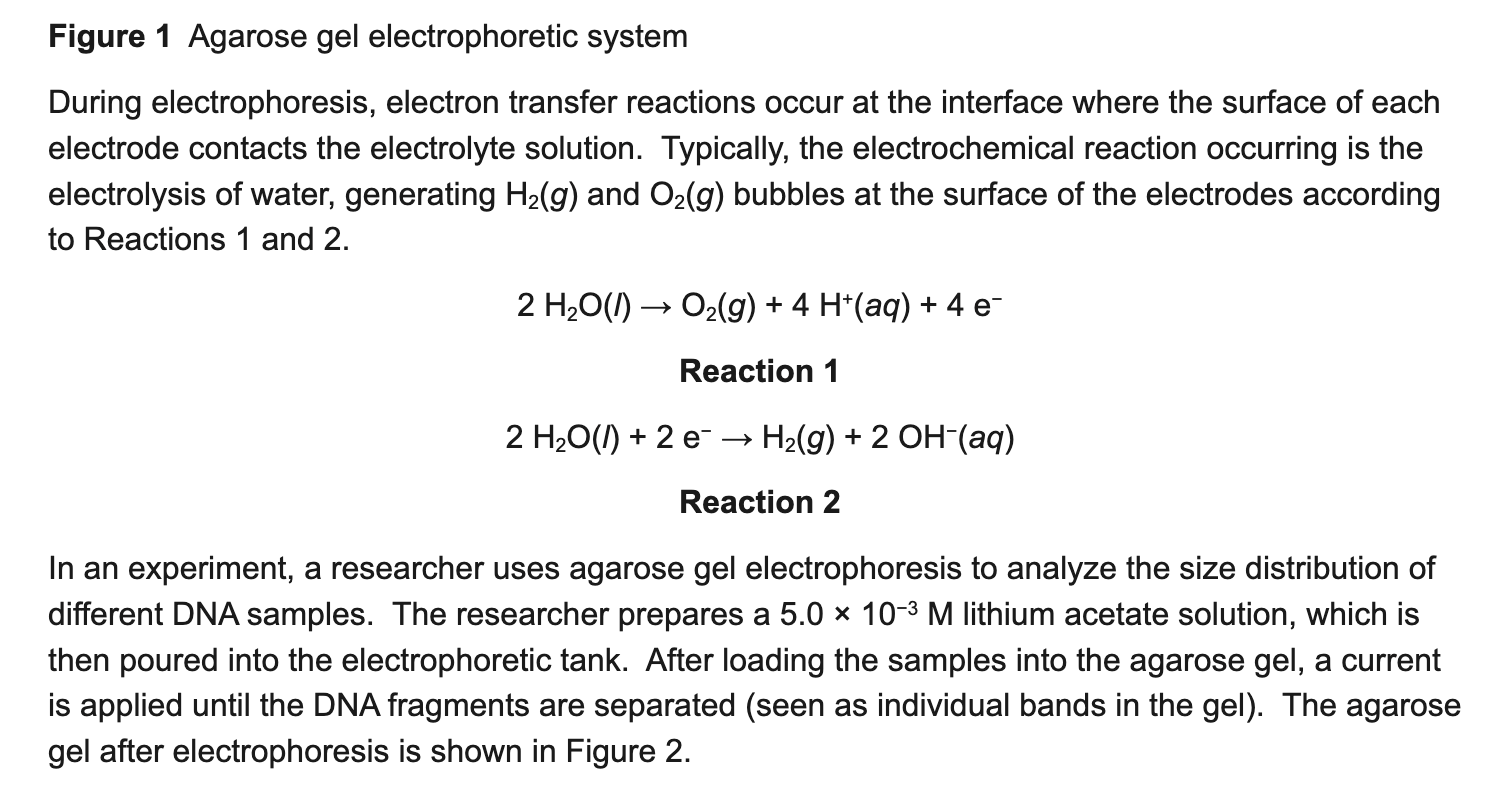
Answer: A
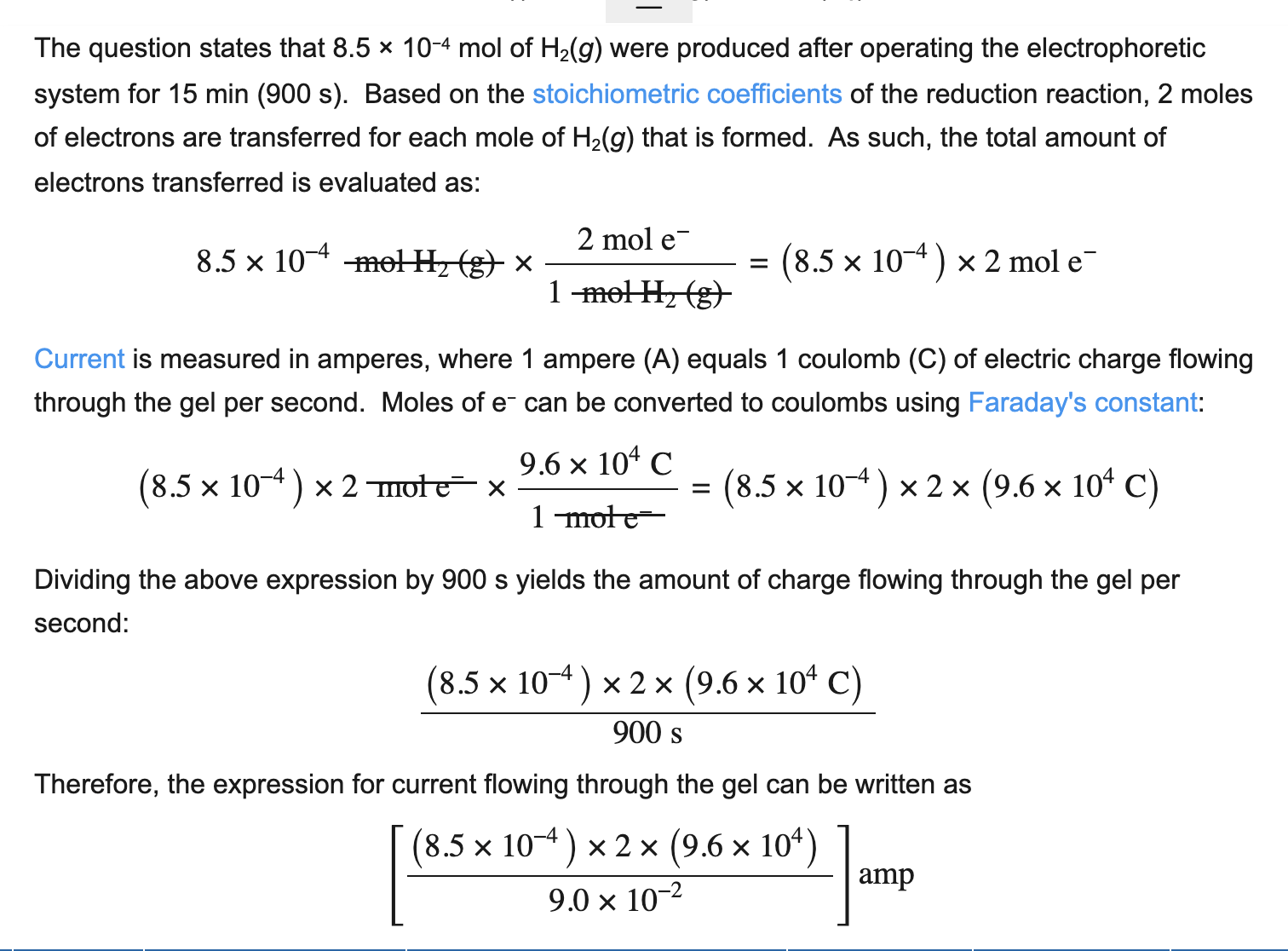
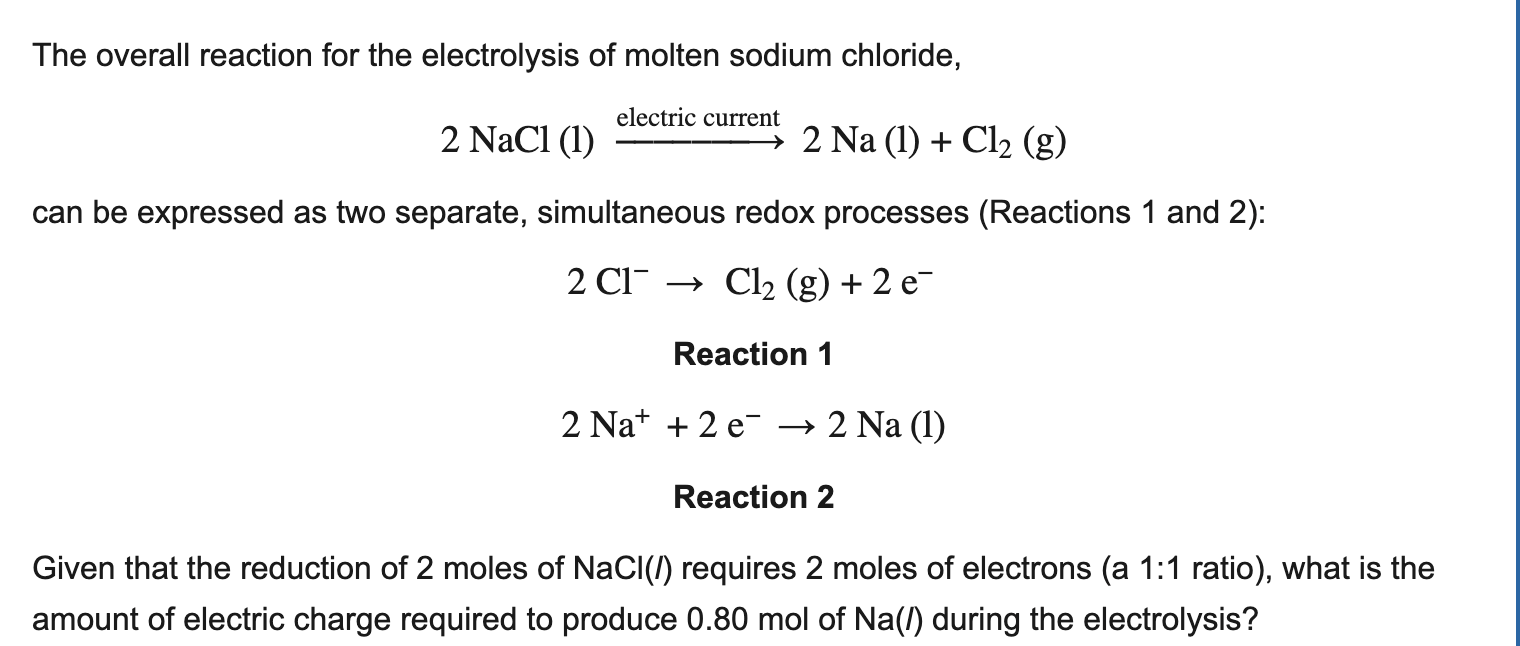
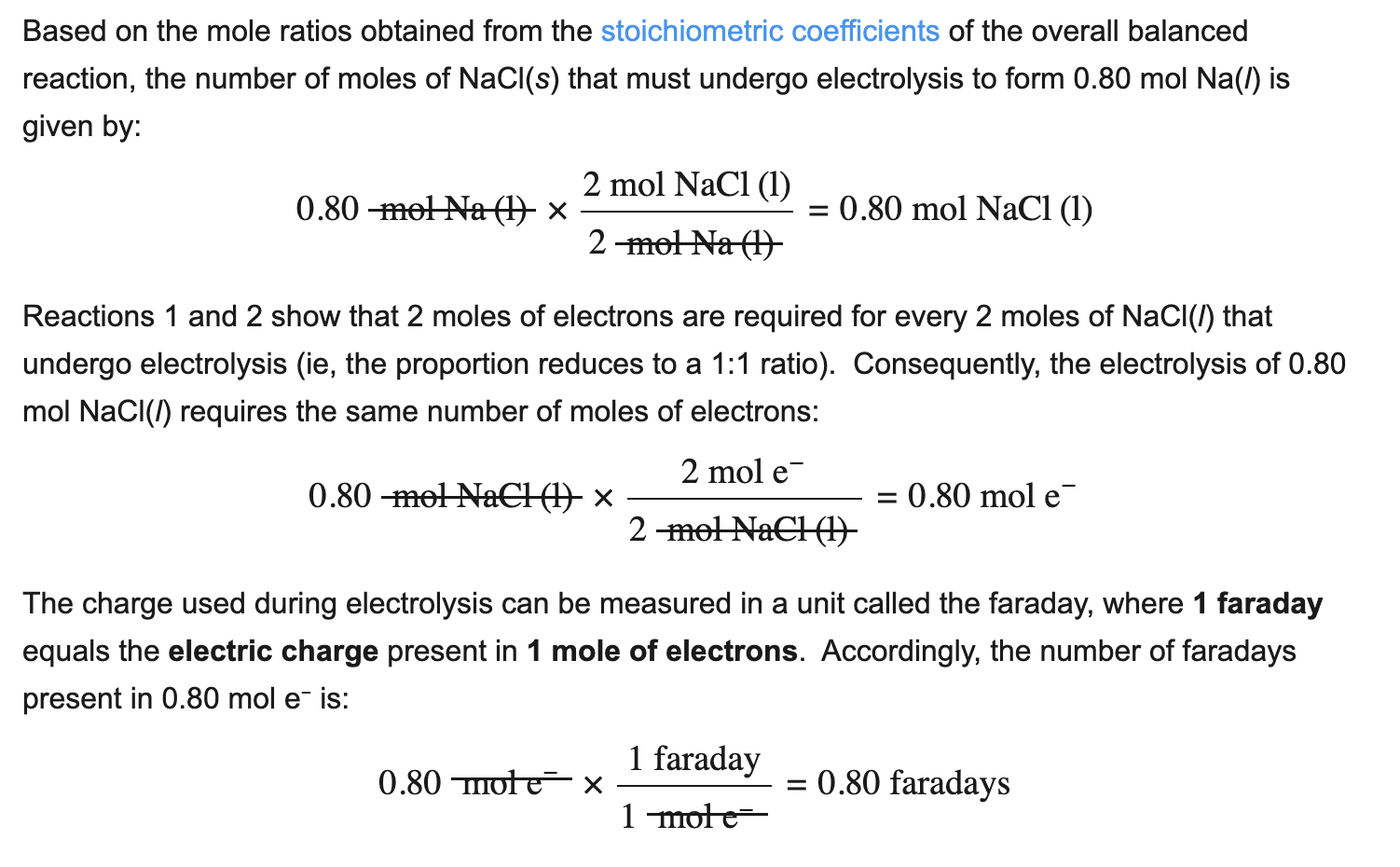
0.8 Faradays
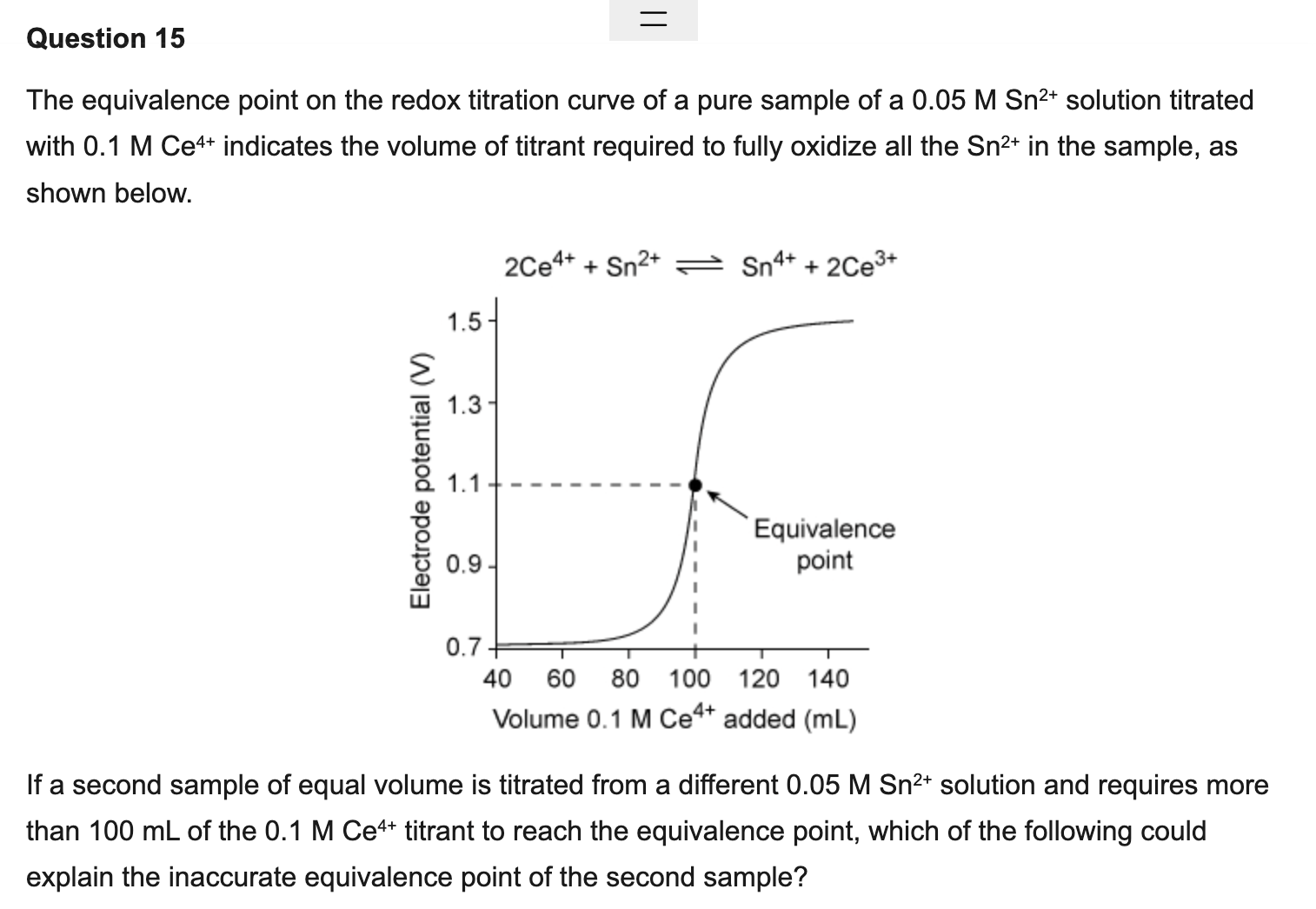
A. measured volume of second sn2+ solution sample is inaccurate and less than 100mL
B. The stated concentration of second sn2+ solution is inaccurate and less than 0.05M
C. Second sample contains an impurity that can oxidize some C3+ back to Ce4+
D. The second solution sample contains a metal cation impurity that can also be oxidized by Ce4+
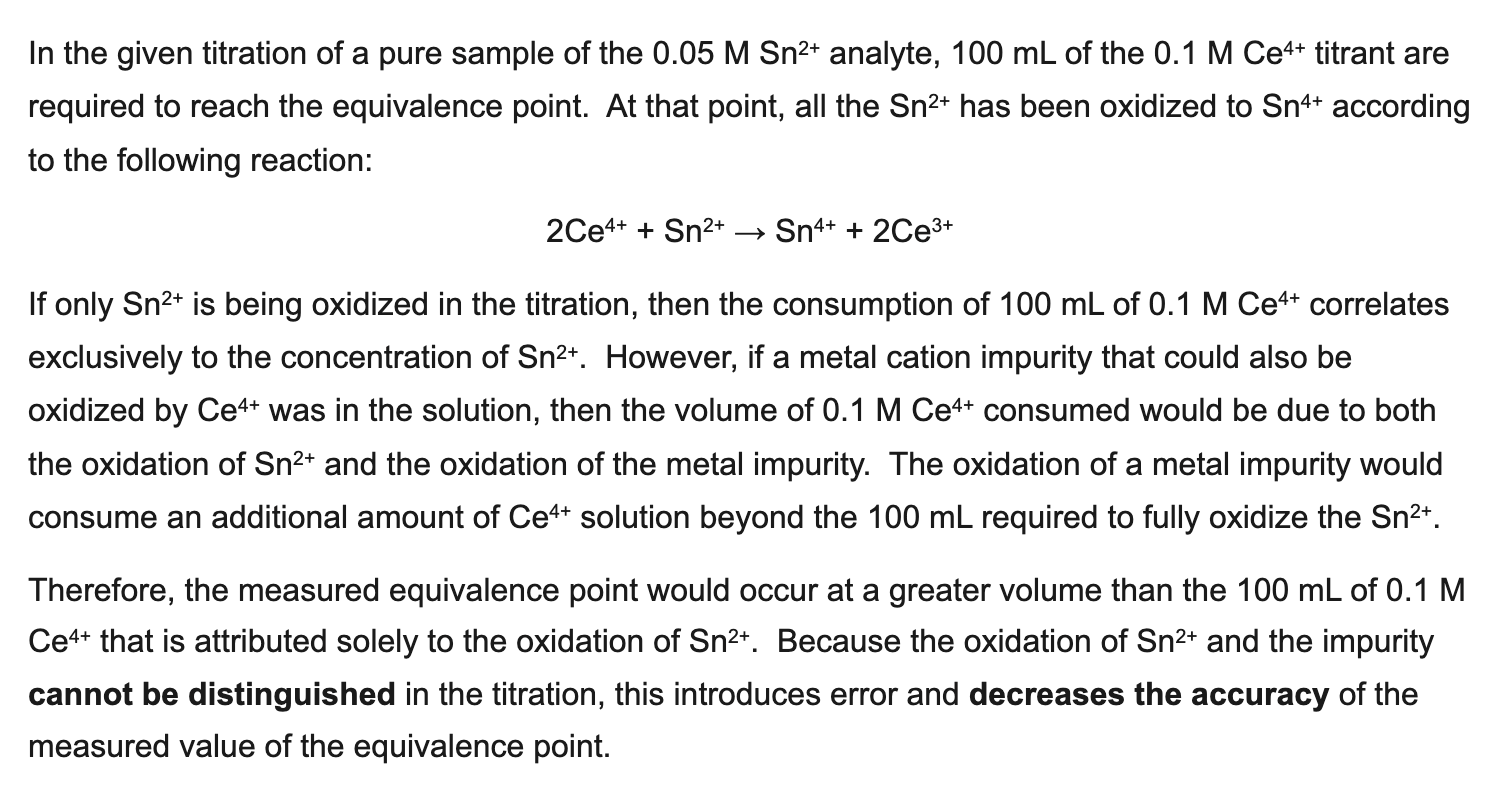
Answer:D



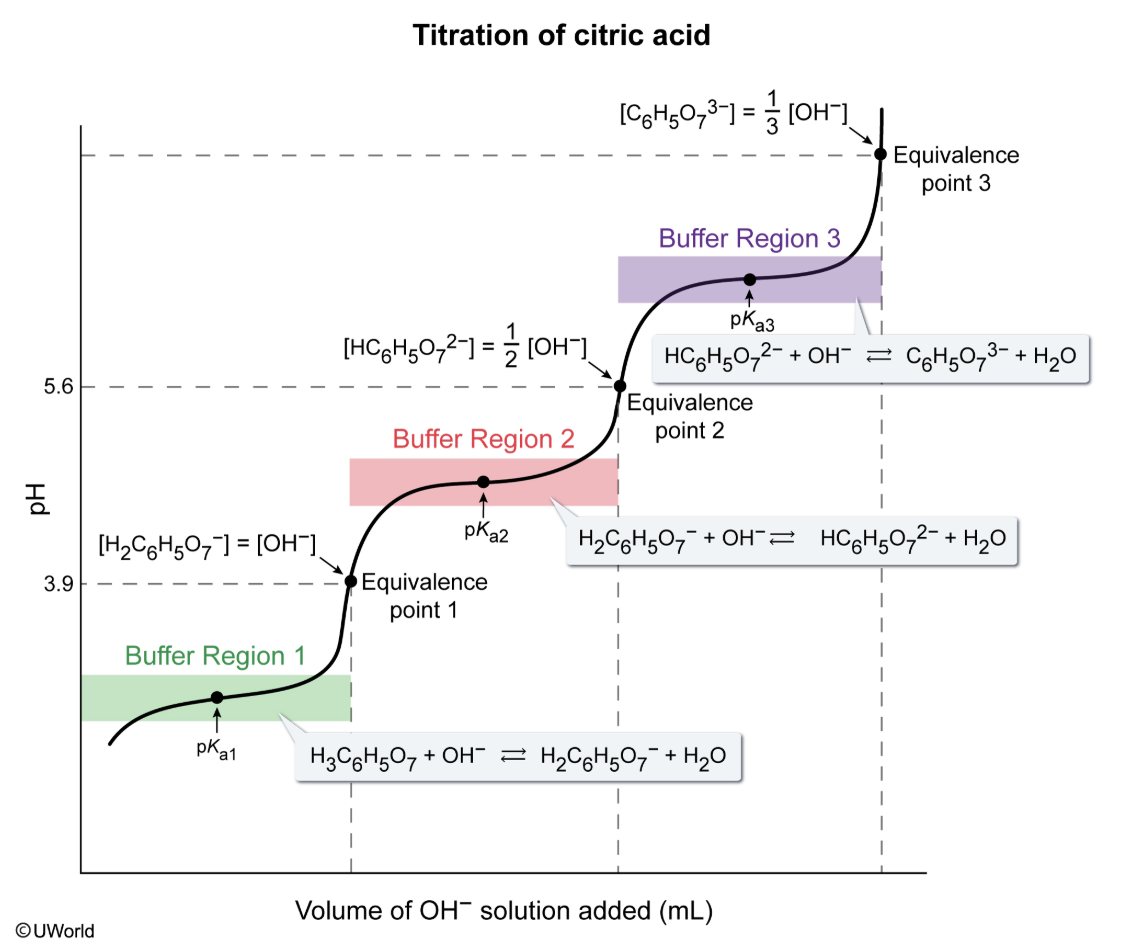

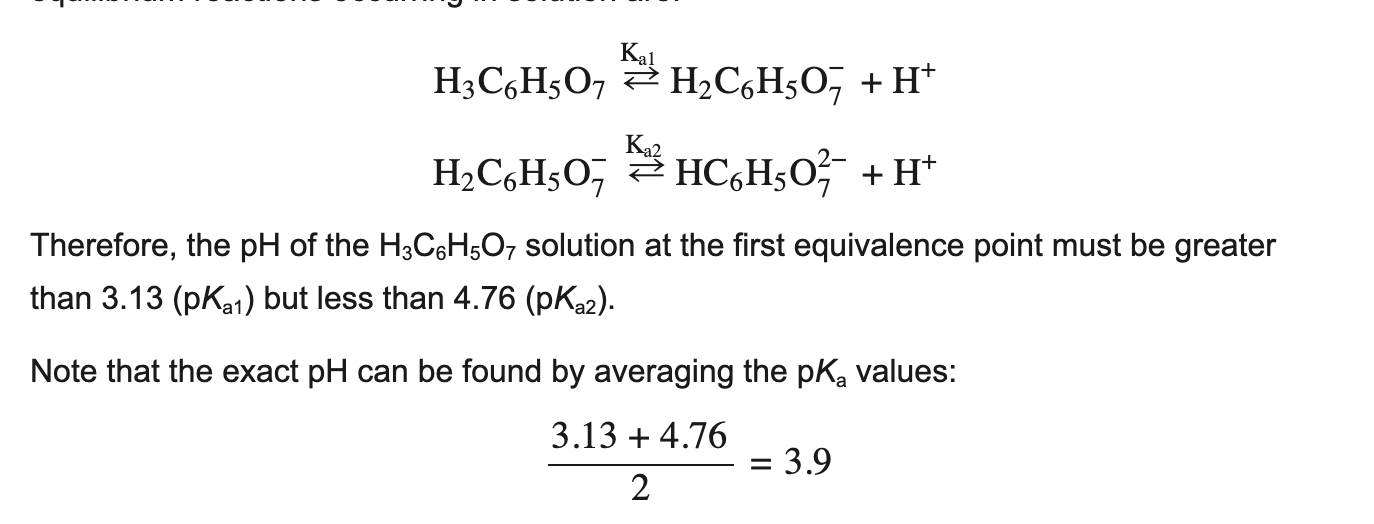
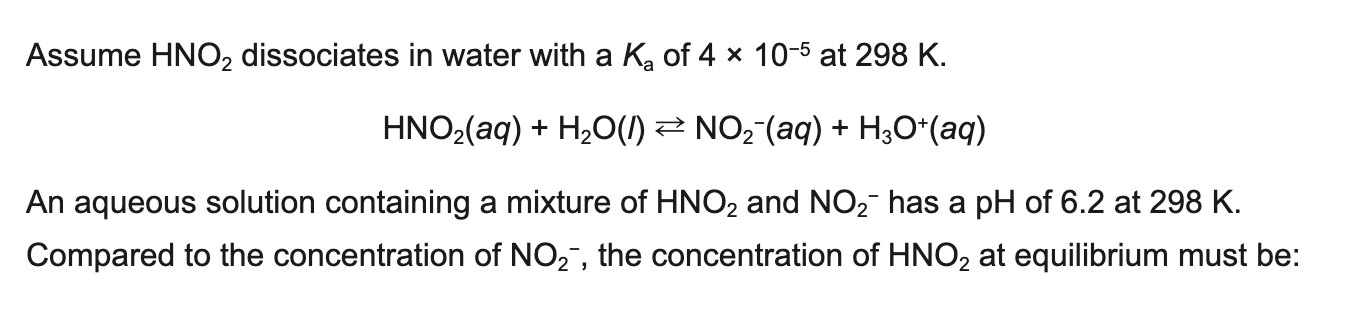
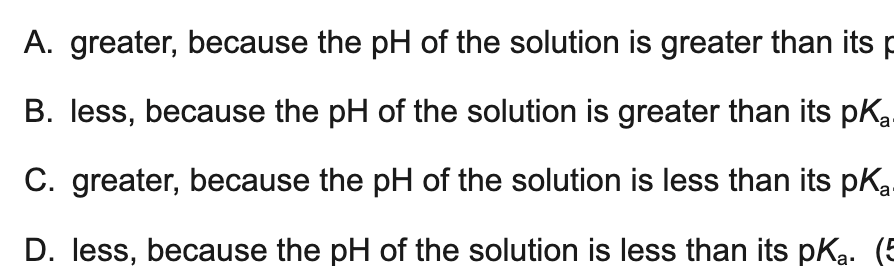
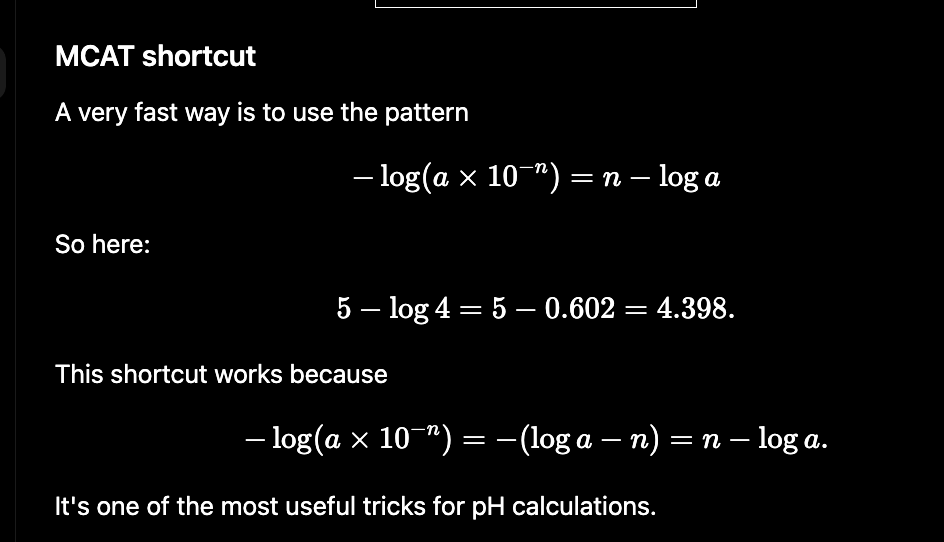
Answer B
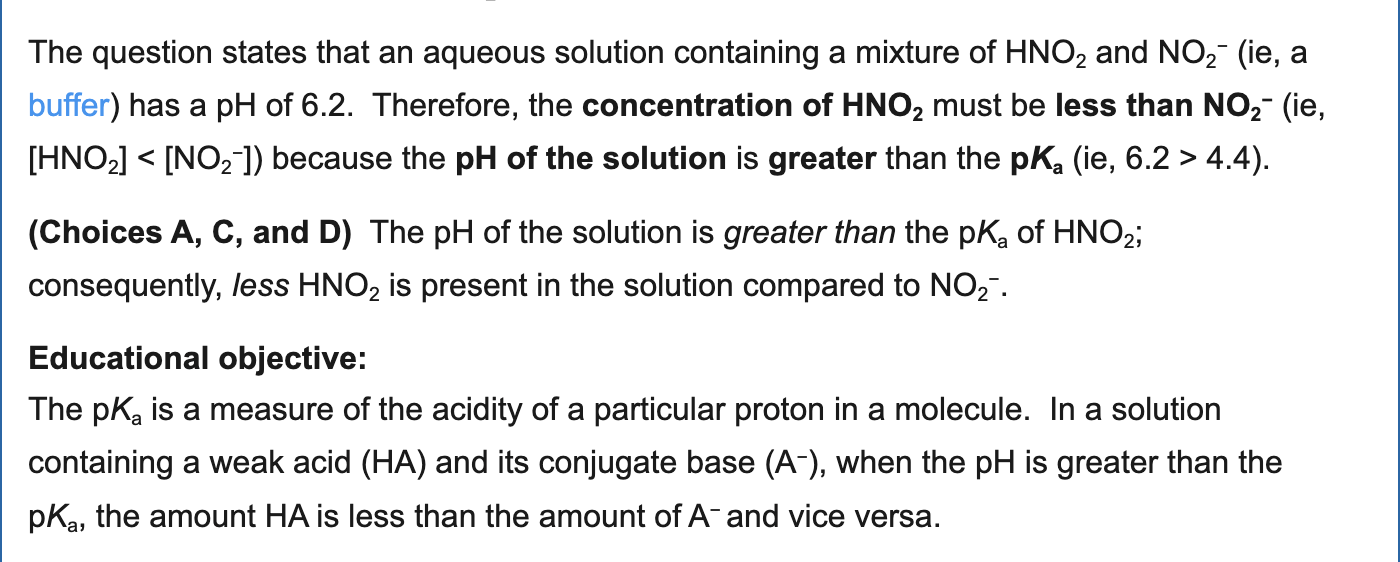
because pH is greater than pKa—→ deprotonated so HNO2 should be less than NO2-
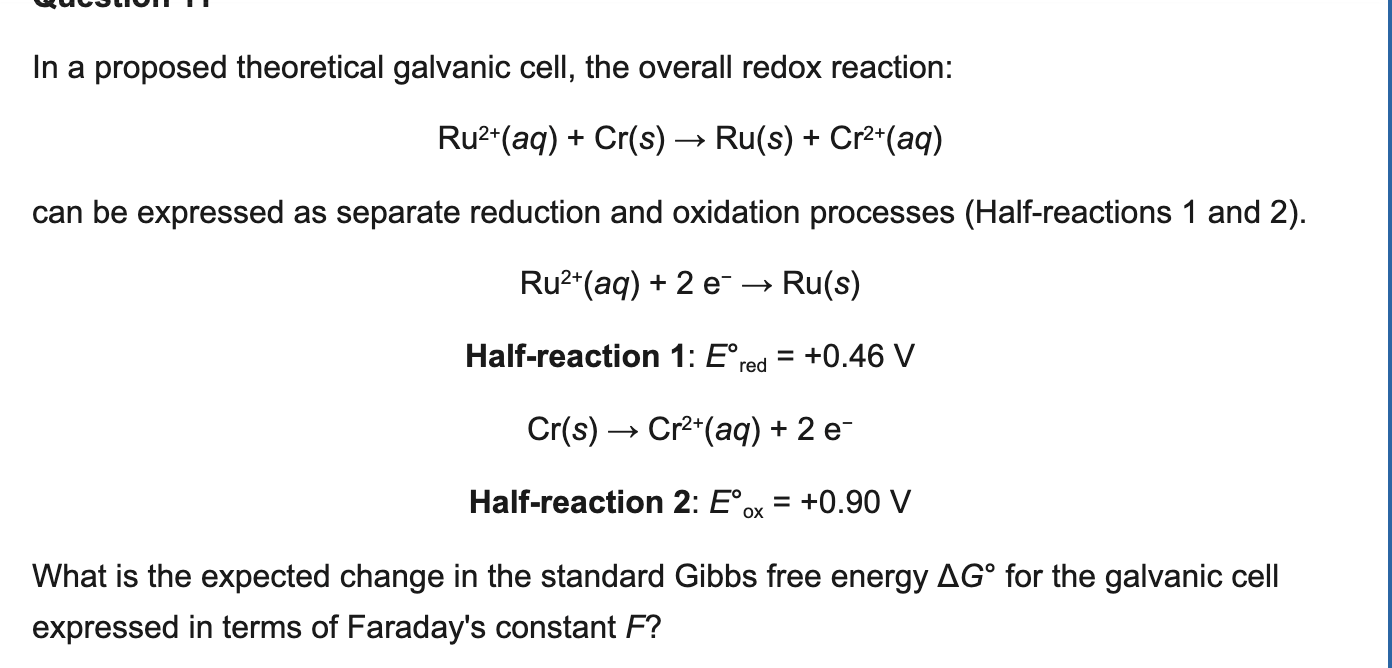
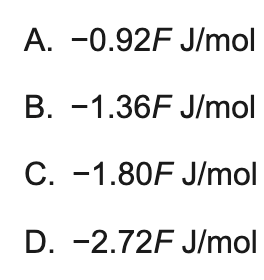
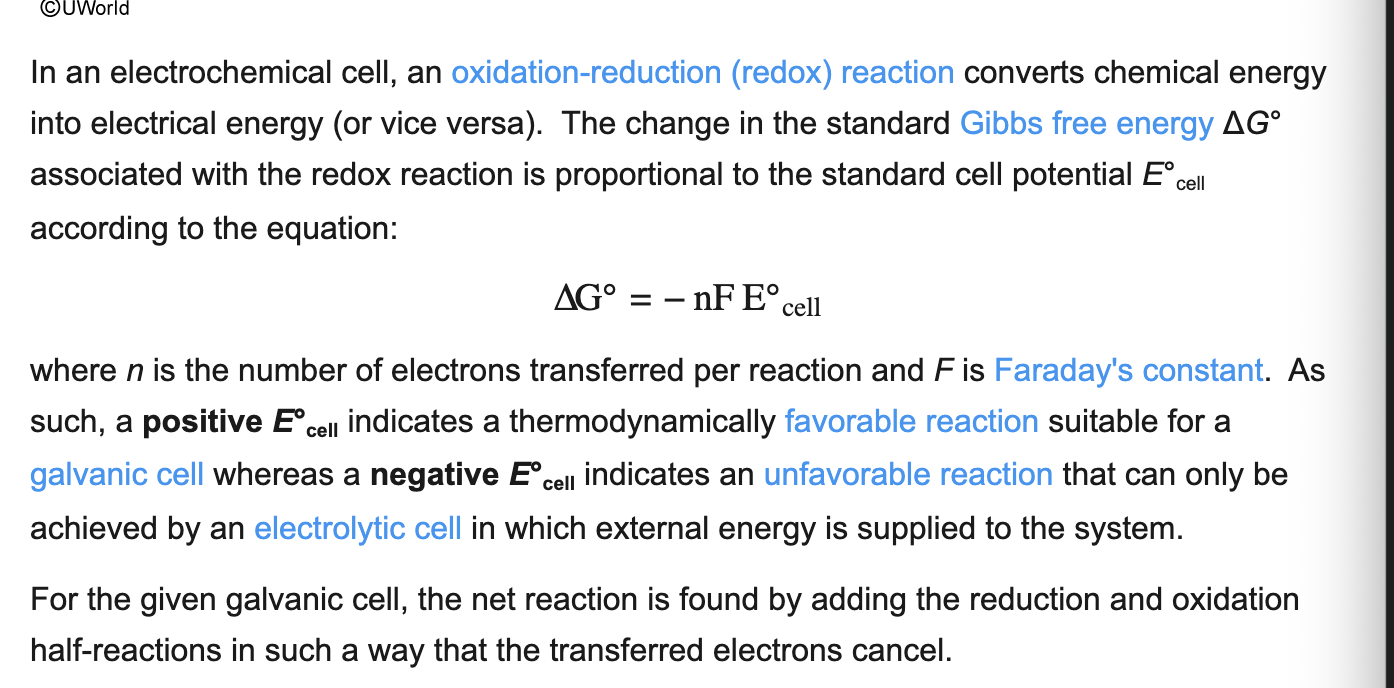
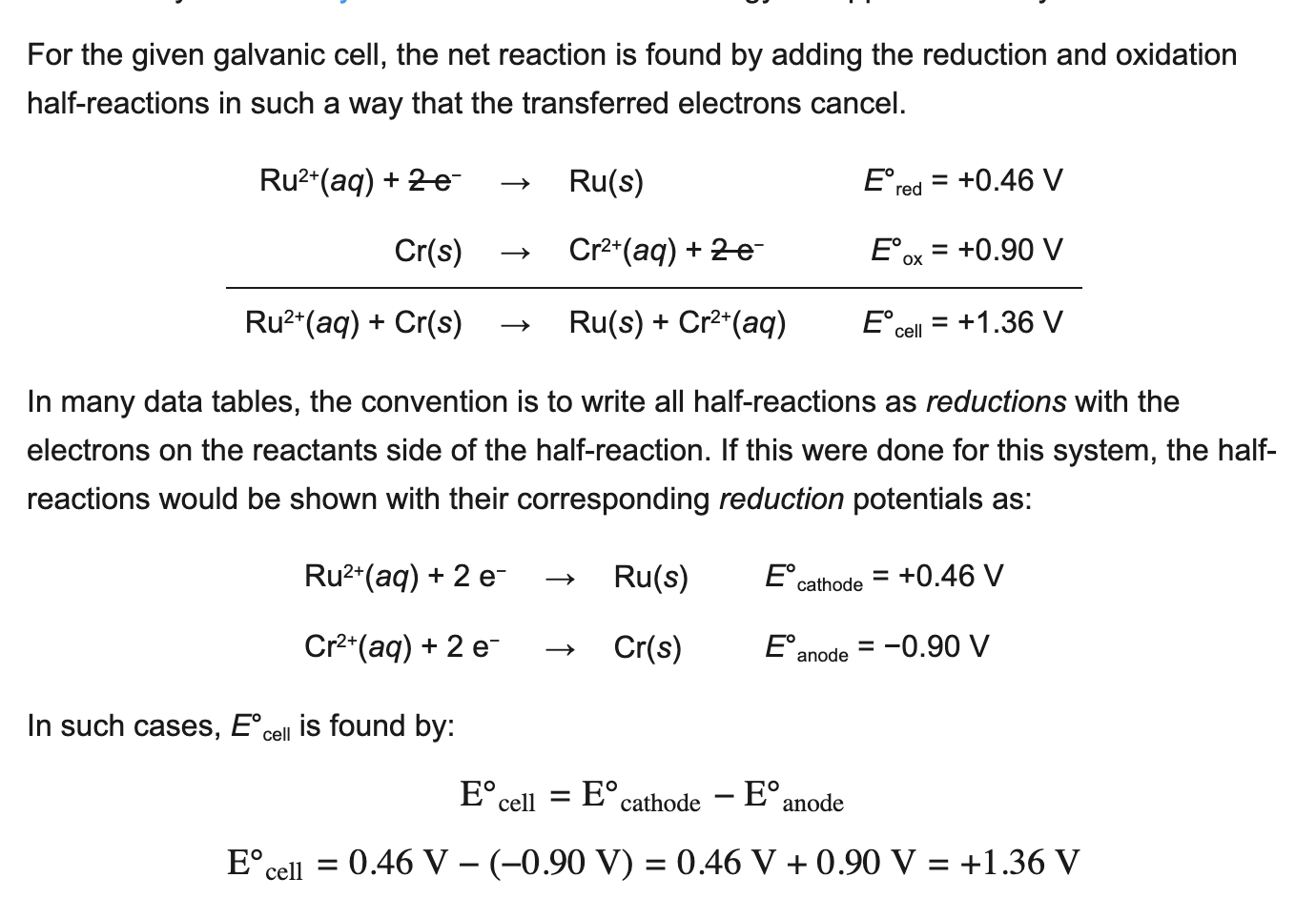
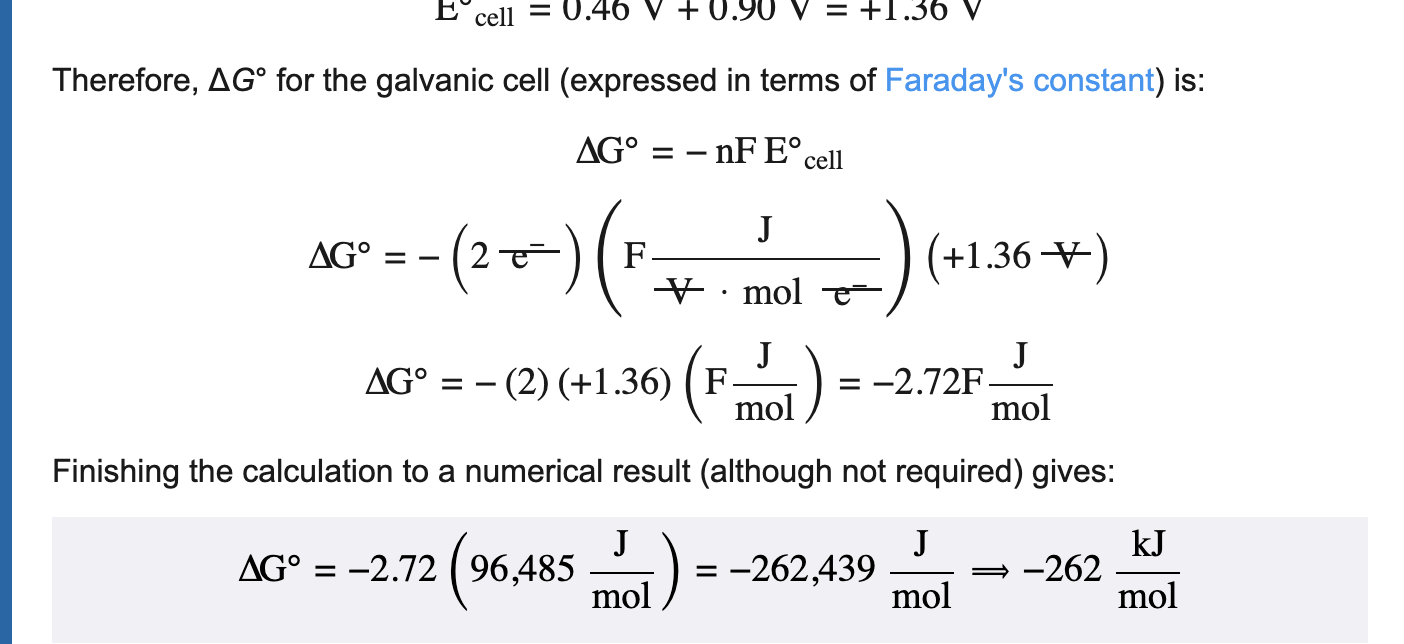
Answer D

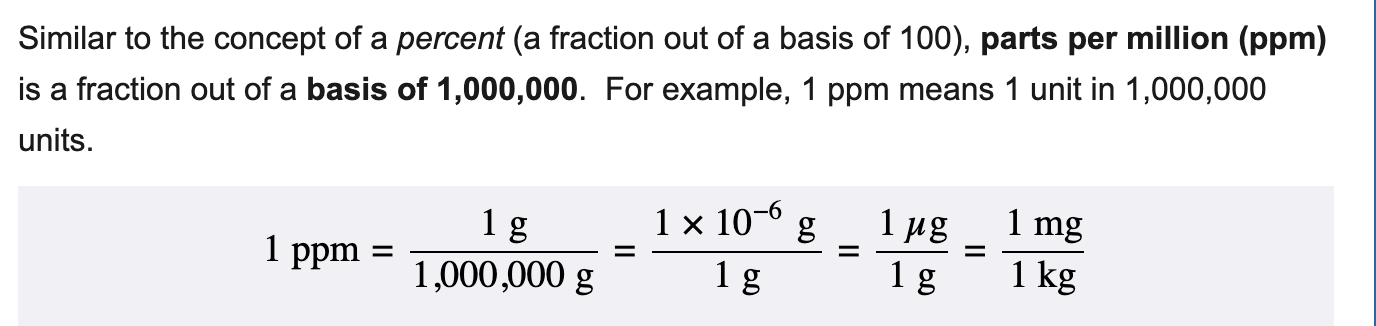
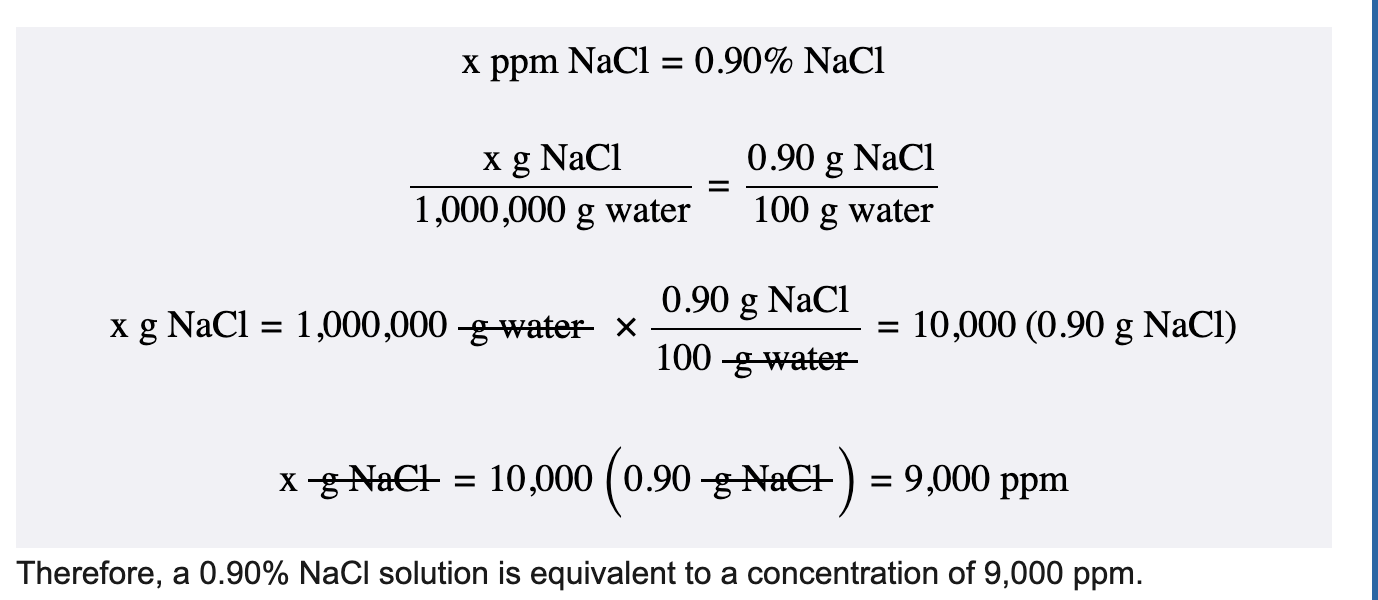
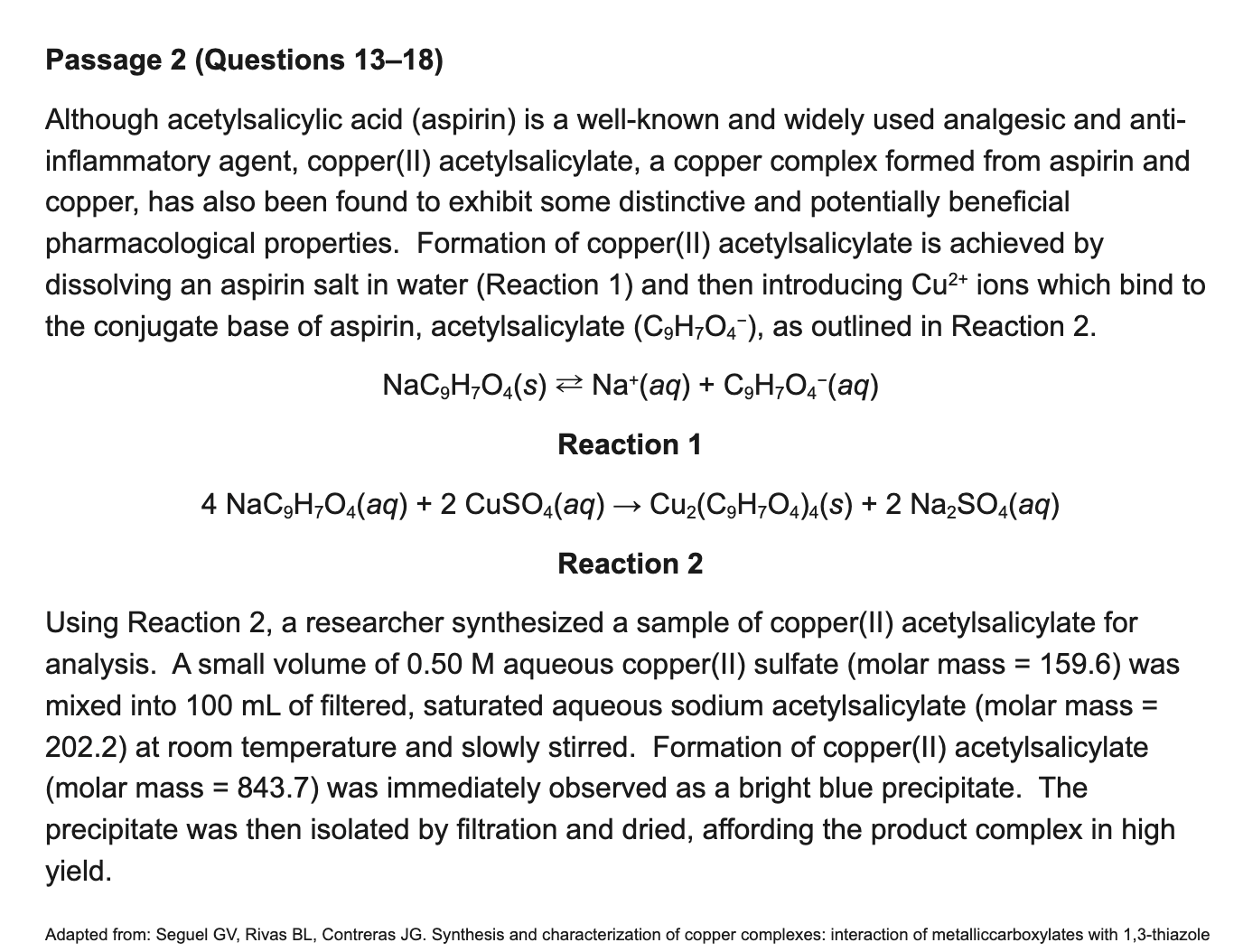

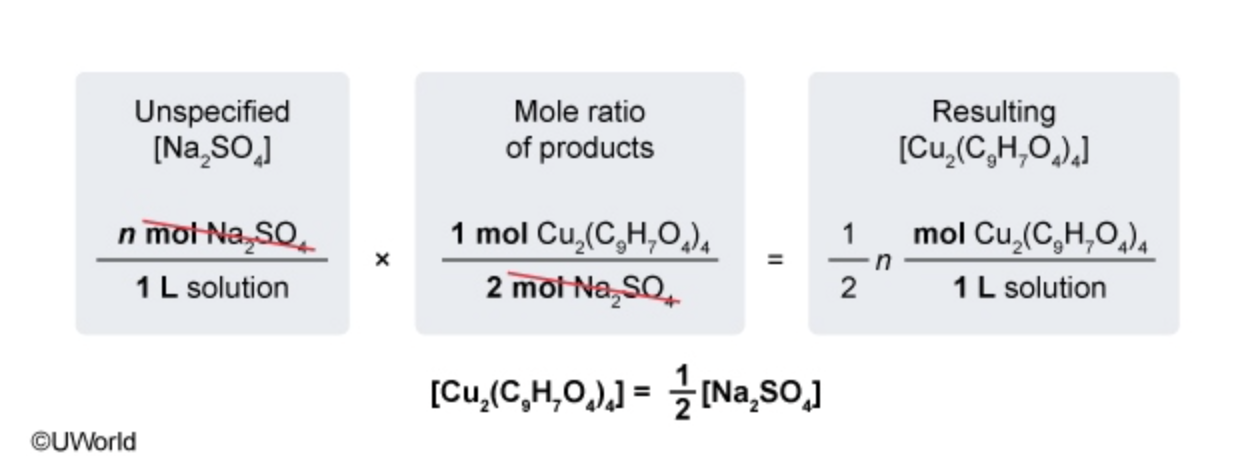
½ (answer)

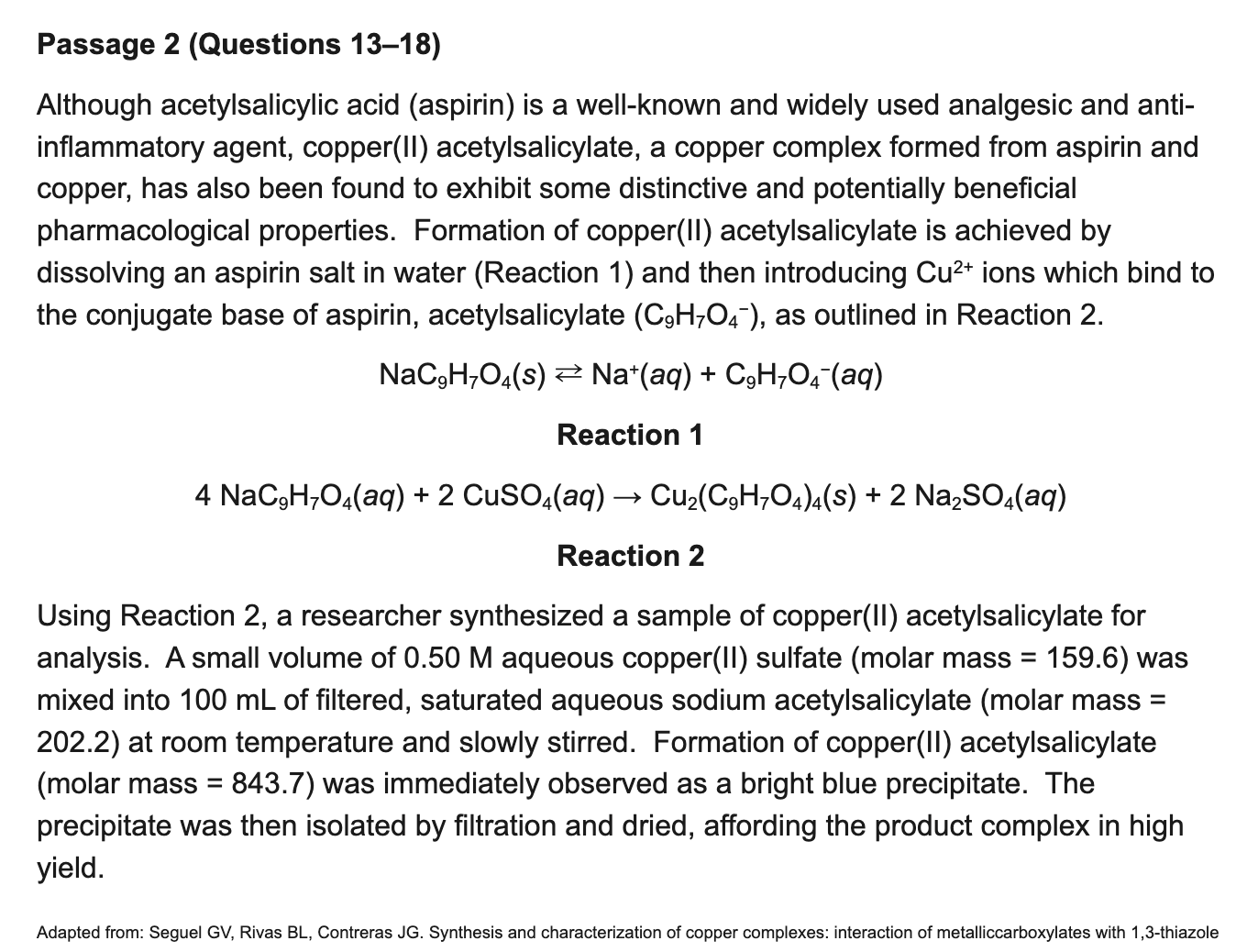
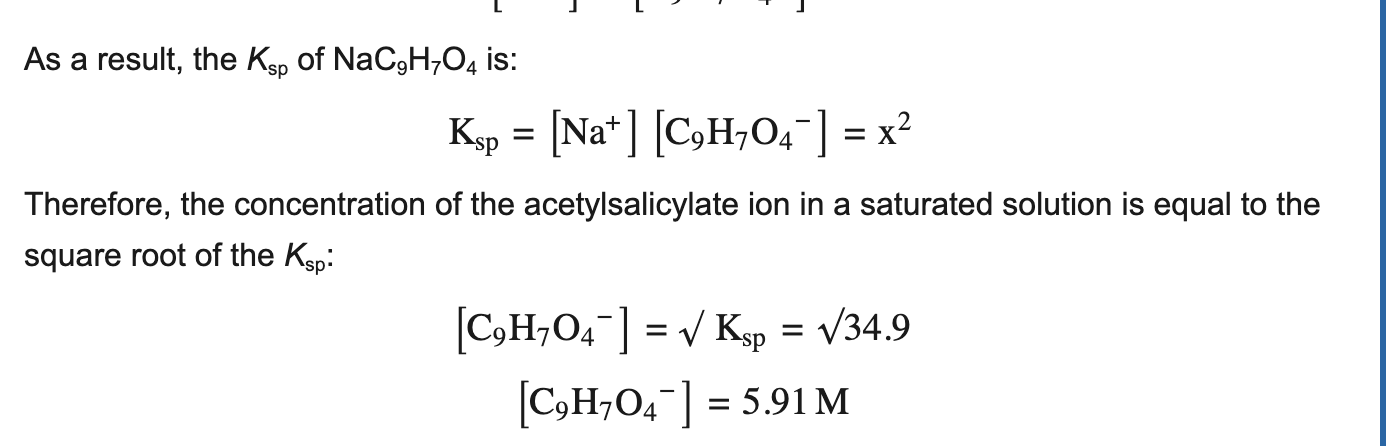
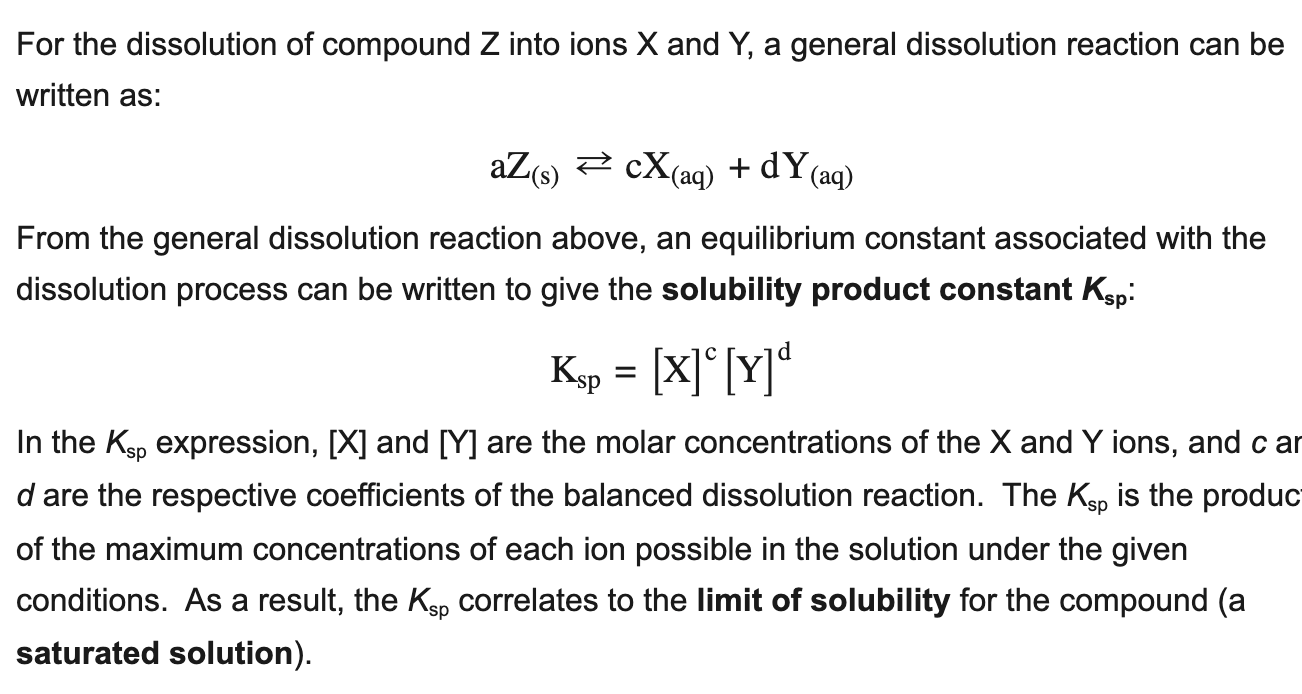
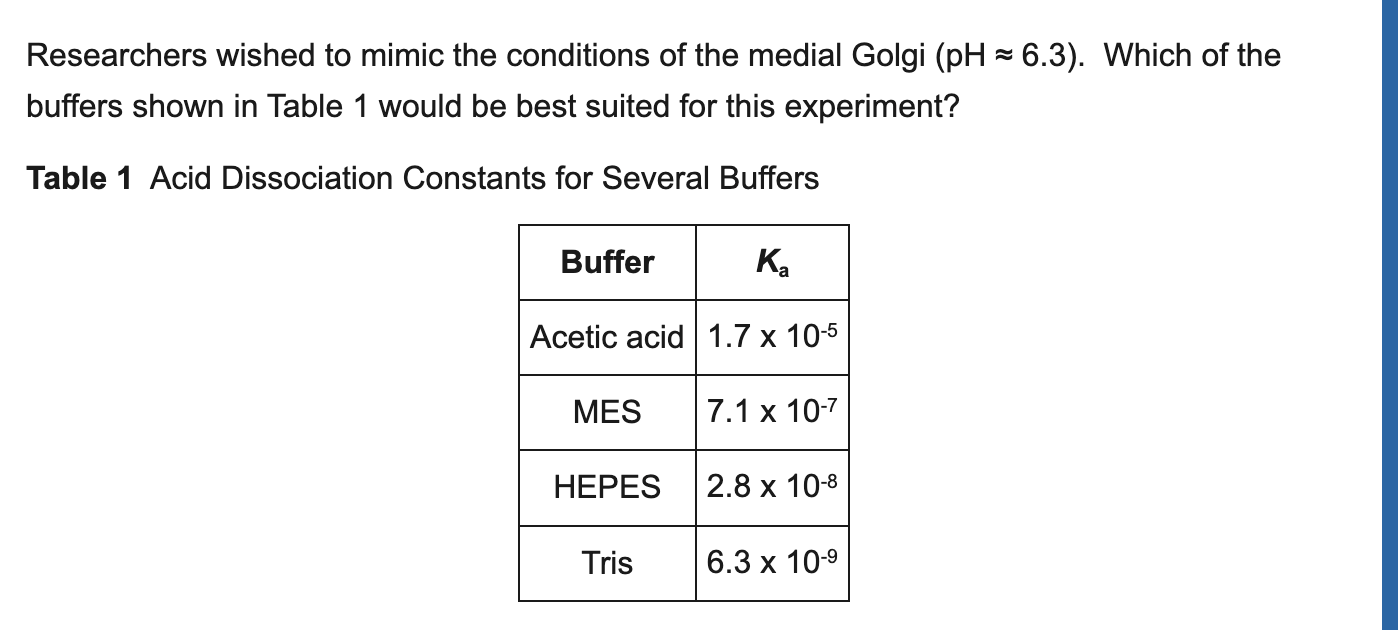
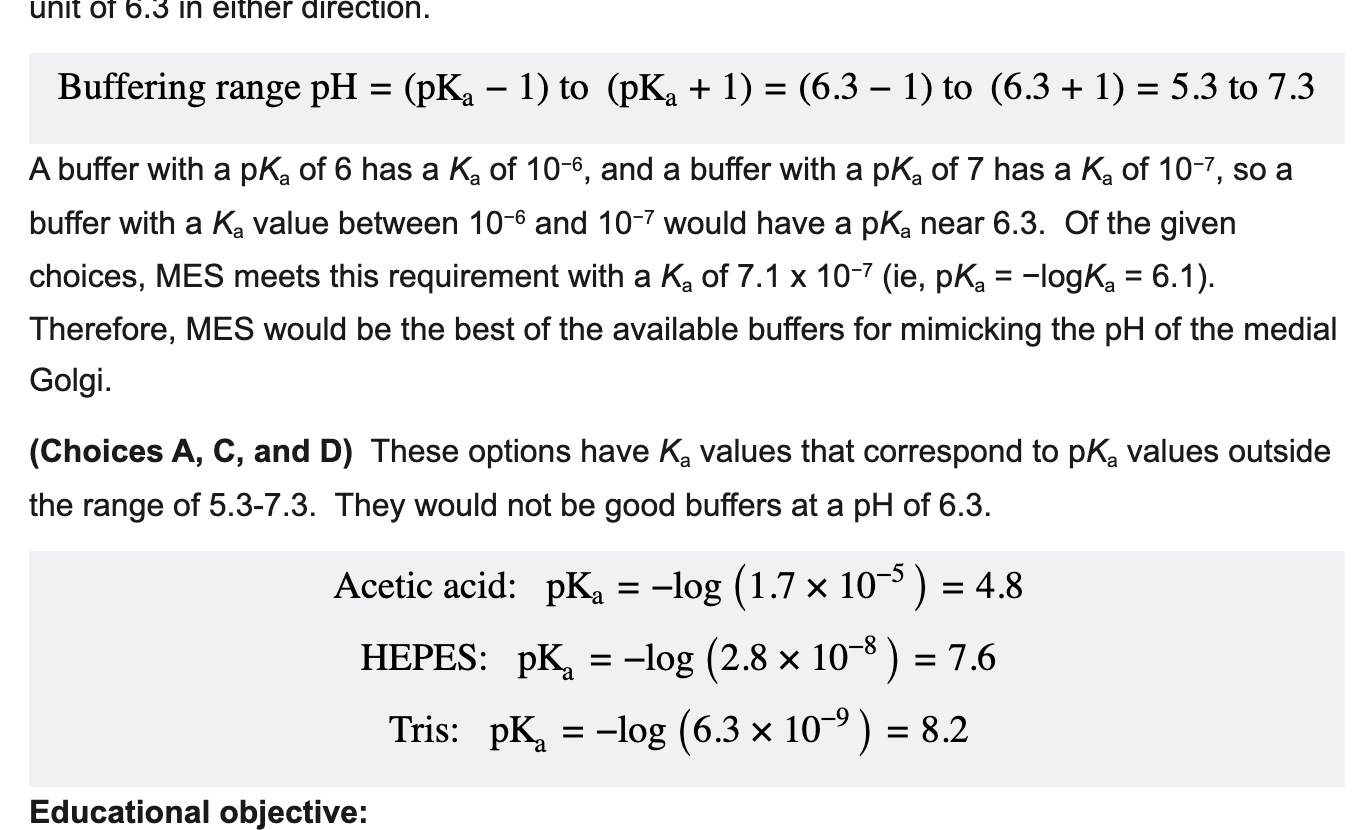
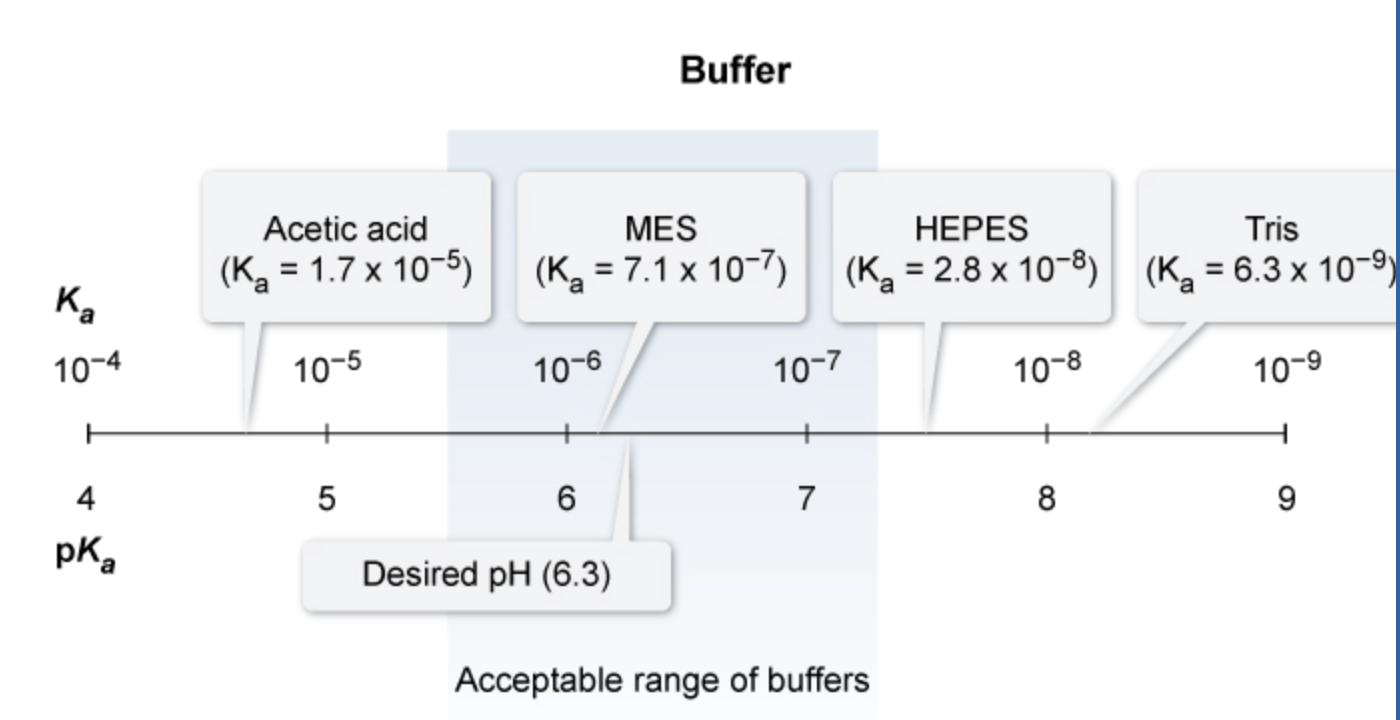

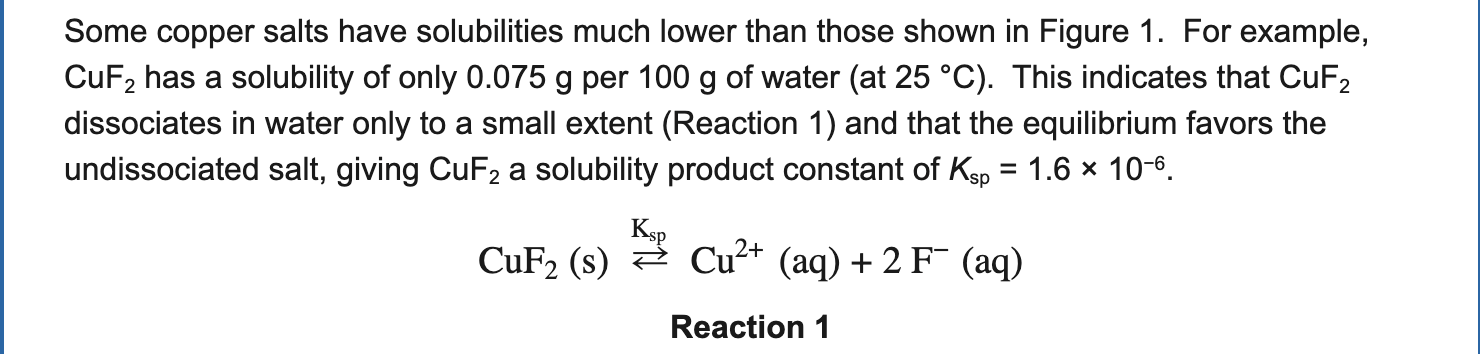
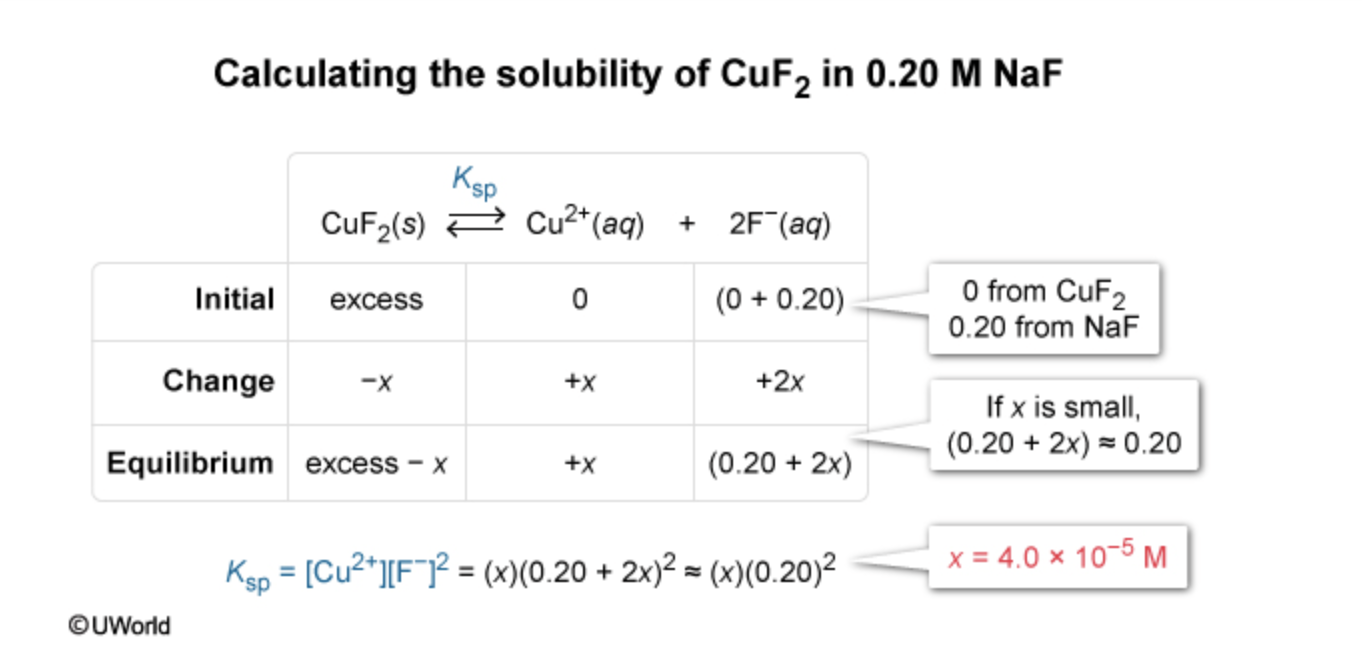



Answer A
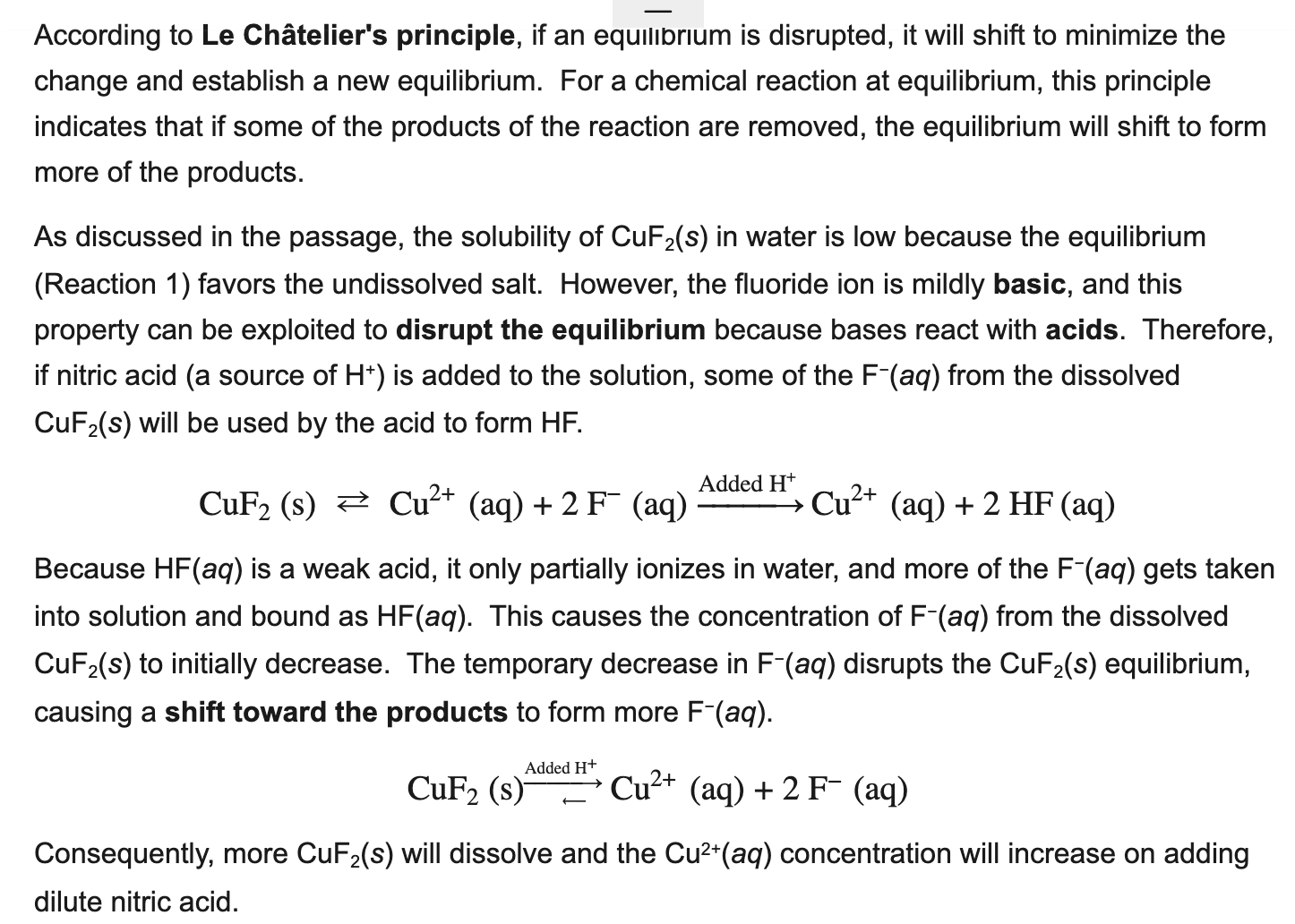
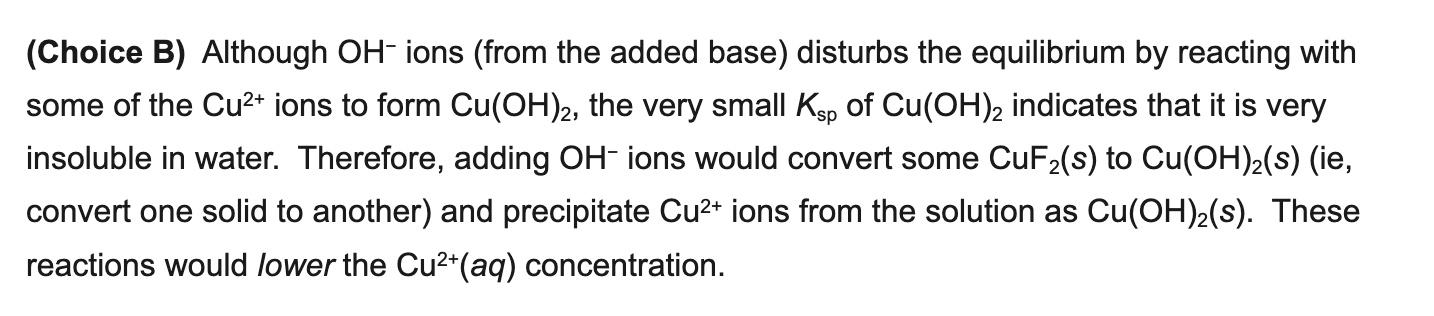
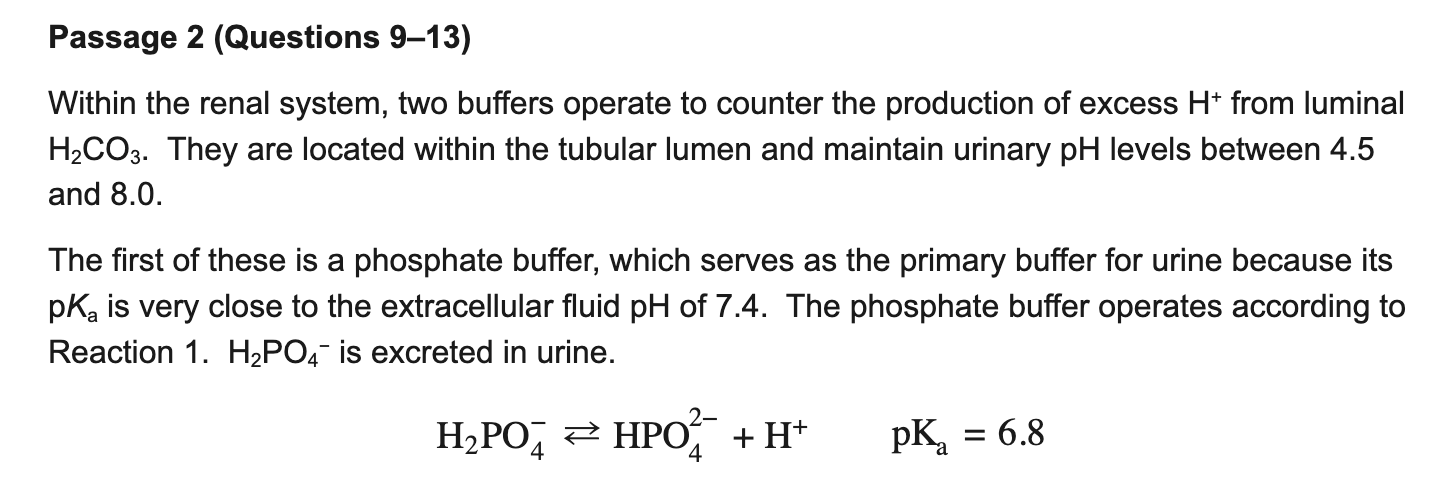

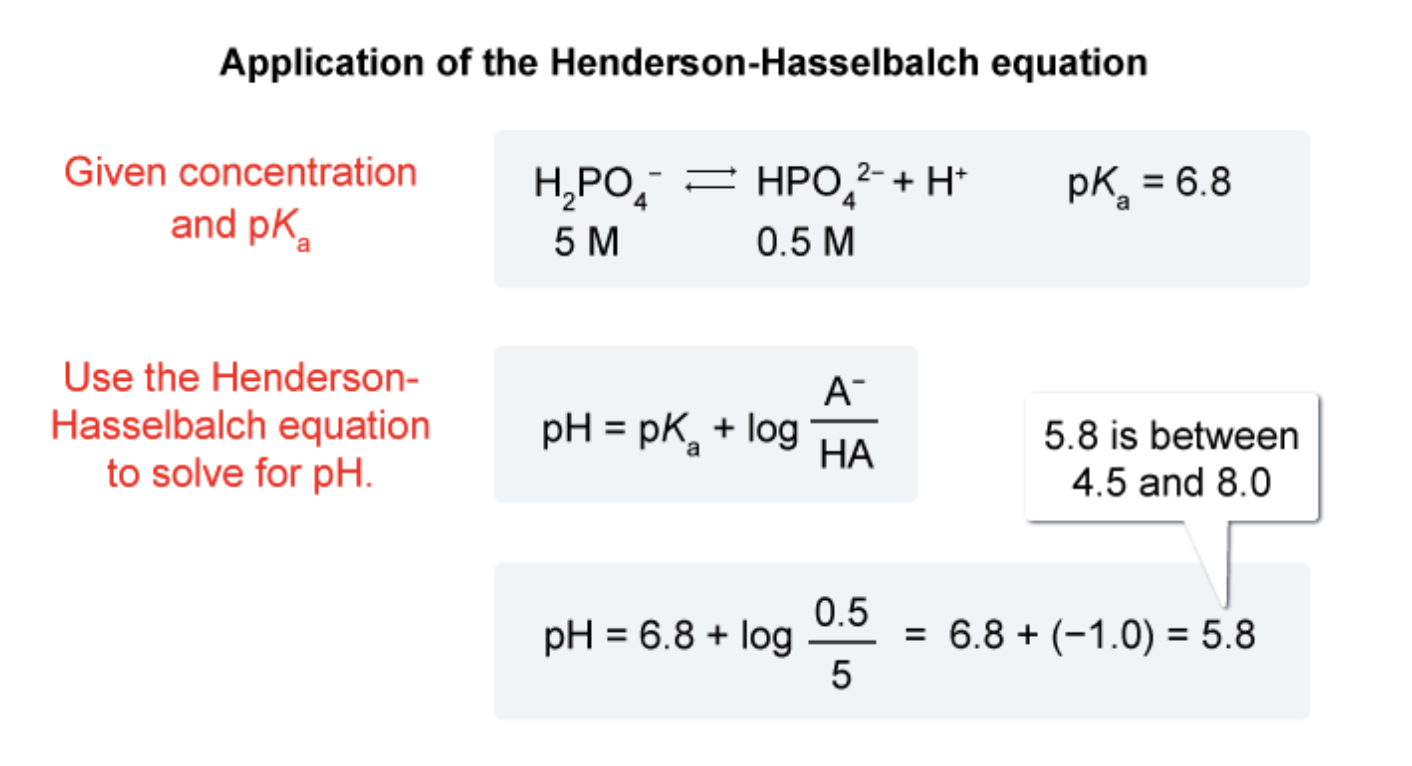
Yes pH 5.8
two ways
use Ka or Pka
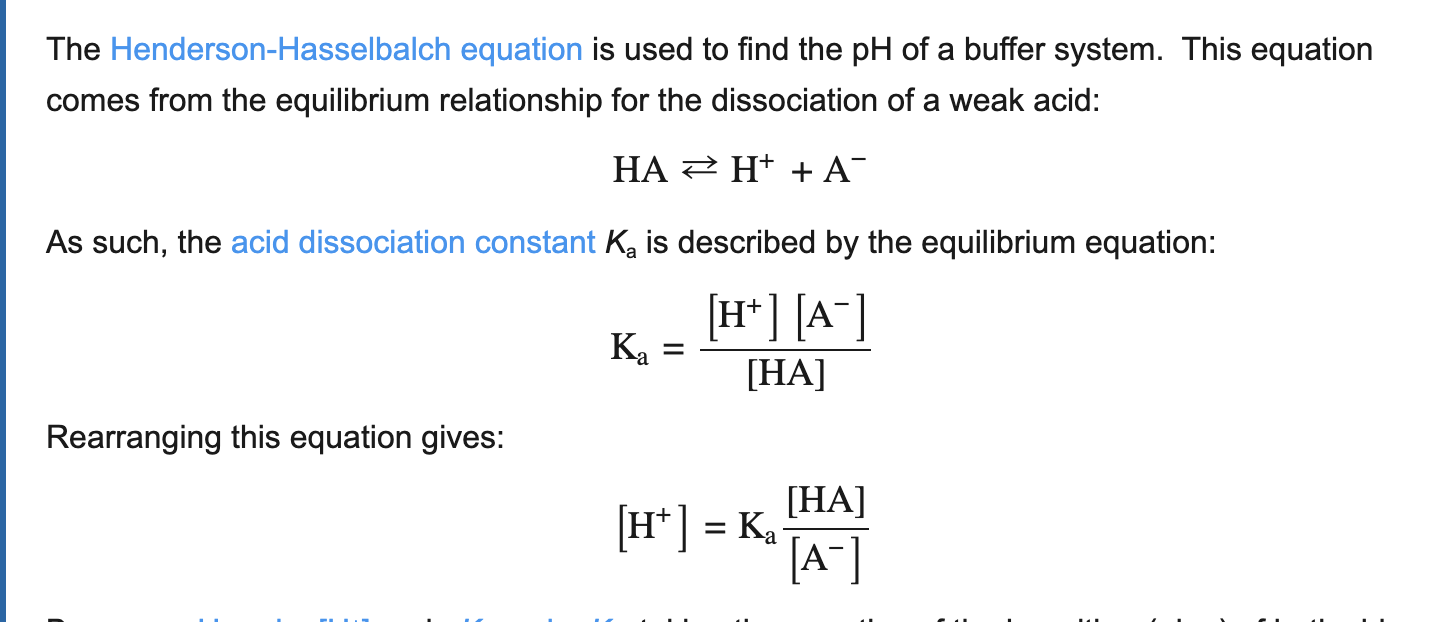



Answer B
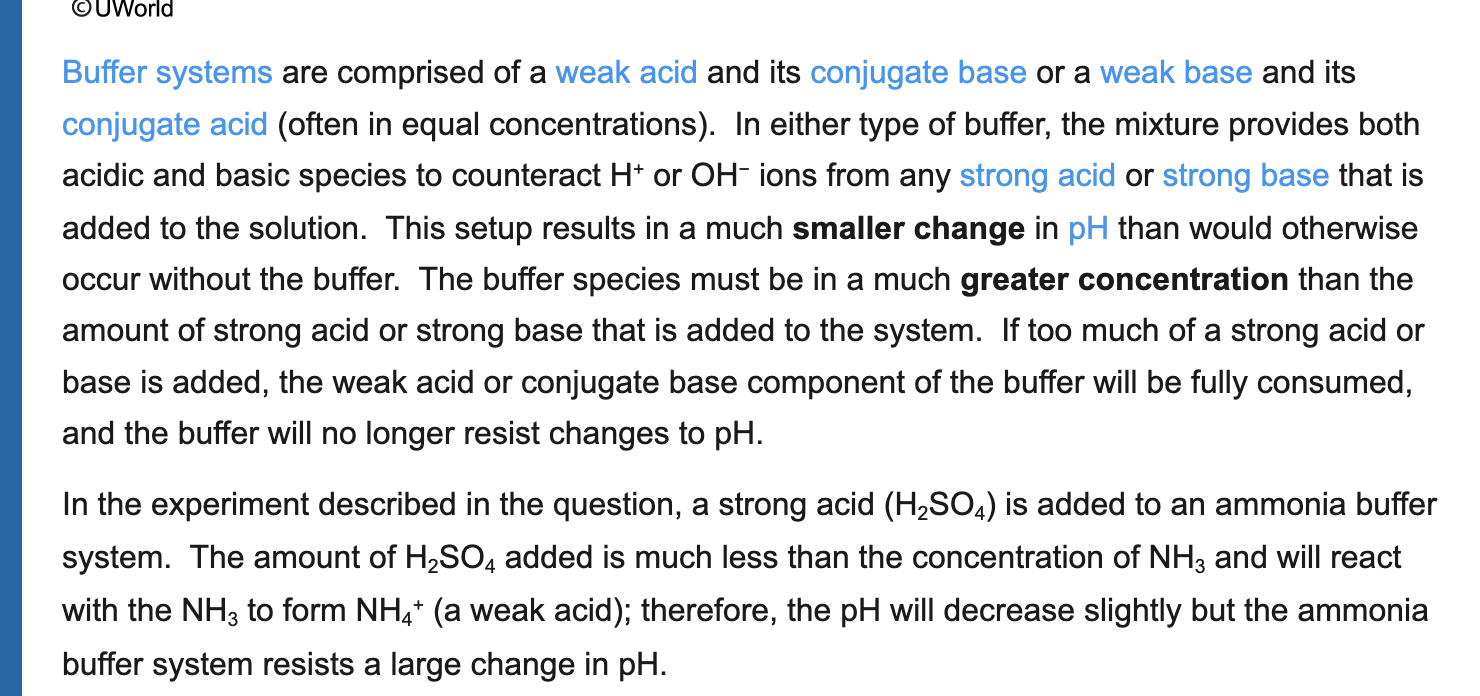
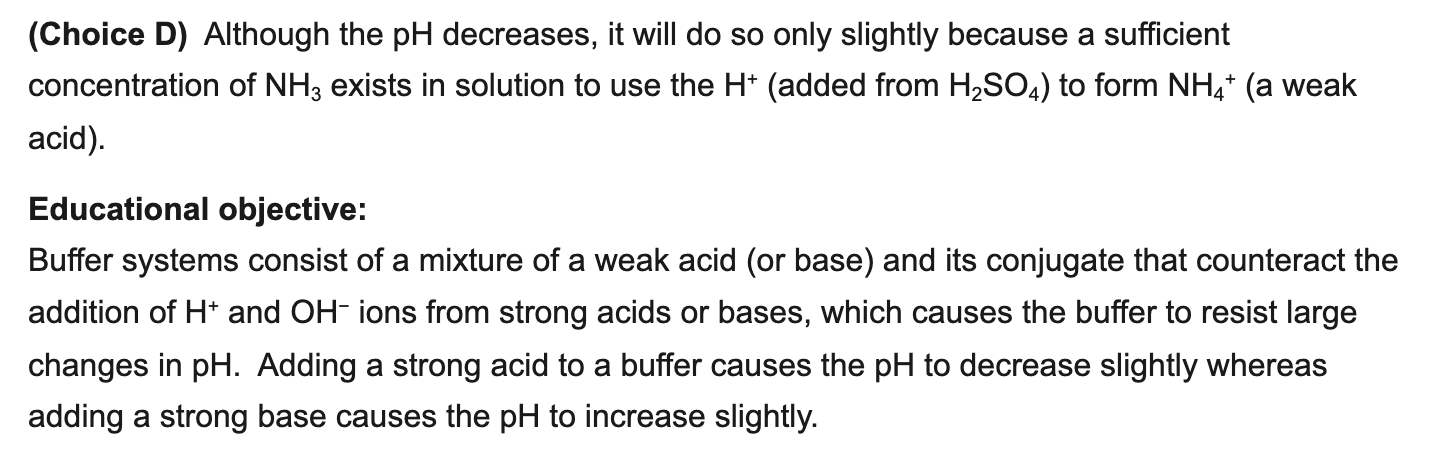


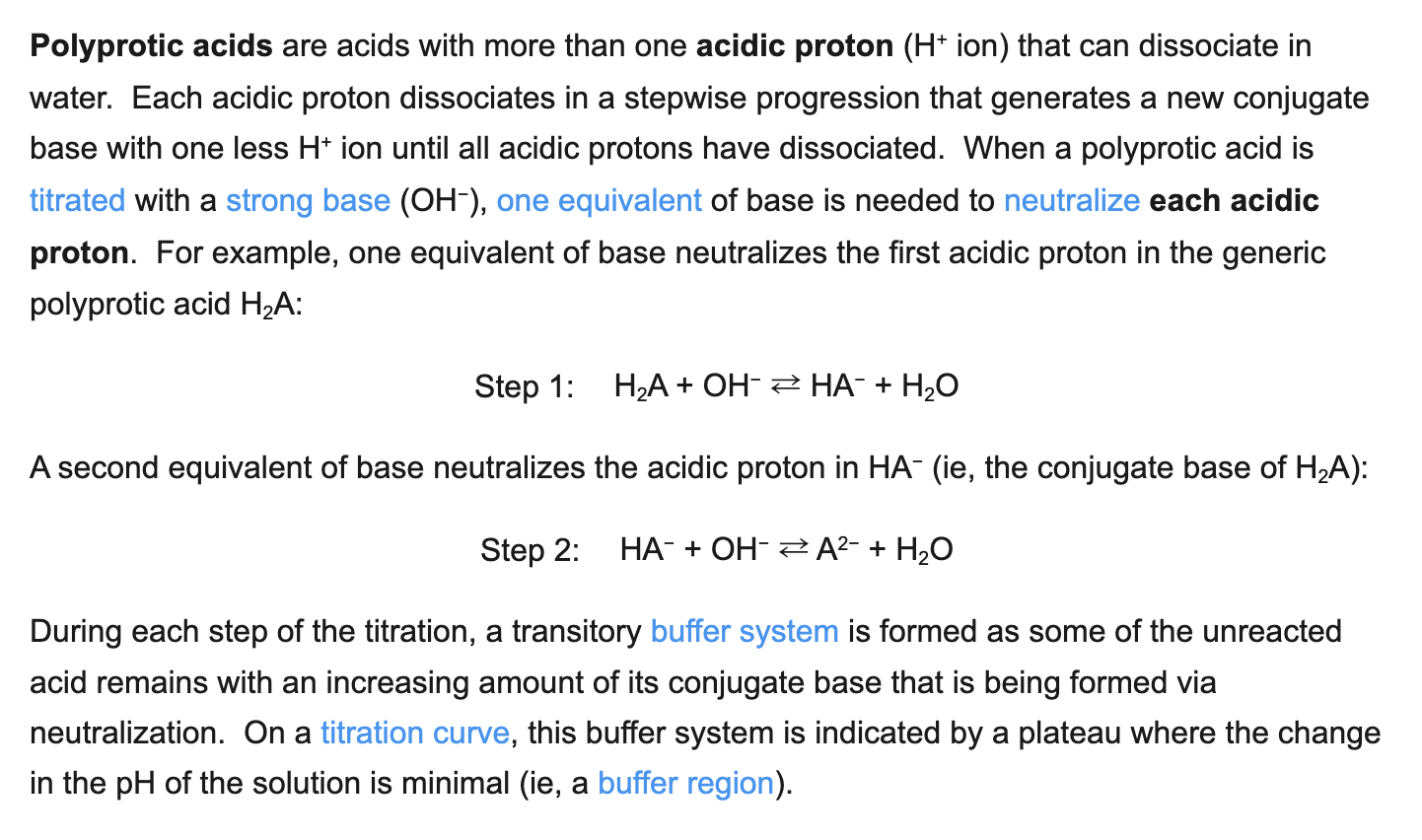
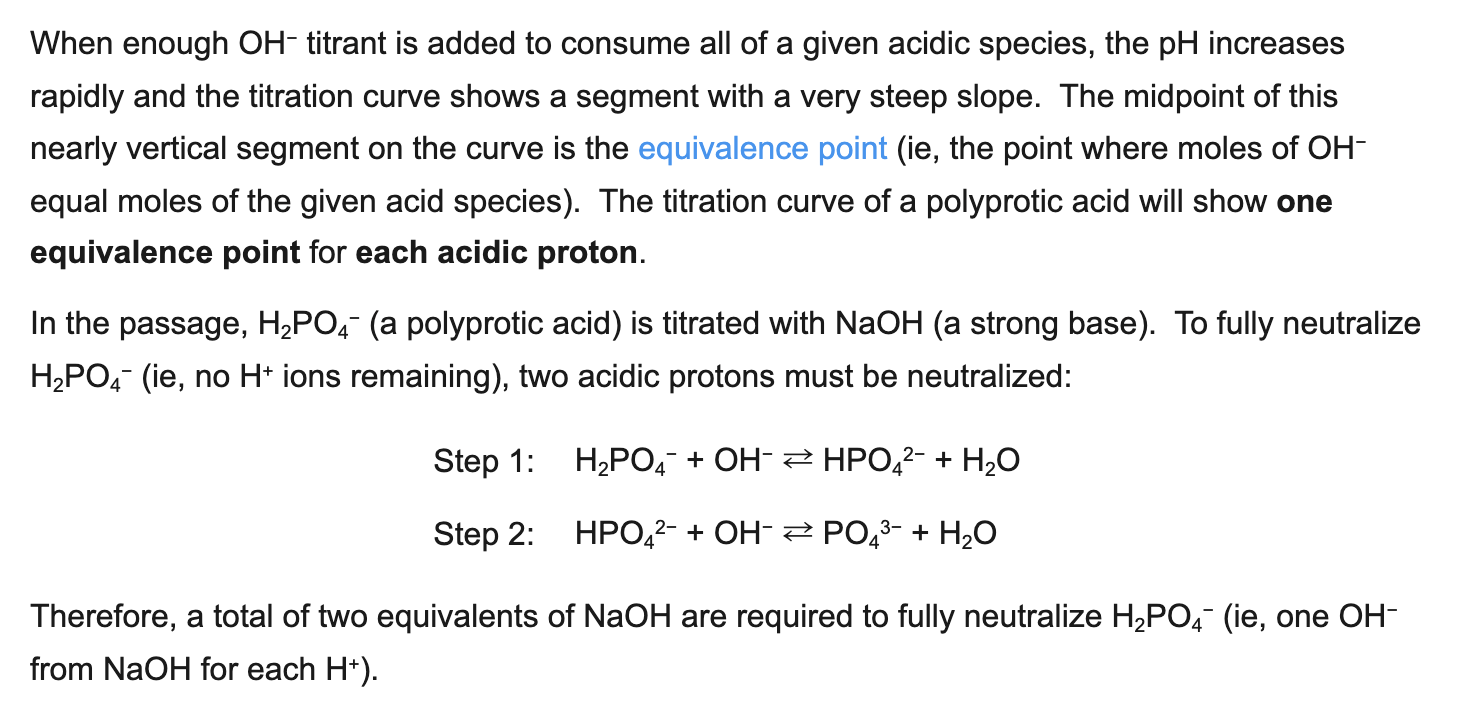
Increase in Ka does what?
decreases pKA and pH
due to more H+ ions
Passage Gastric acid/parietal cell


Answer B
(not A)
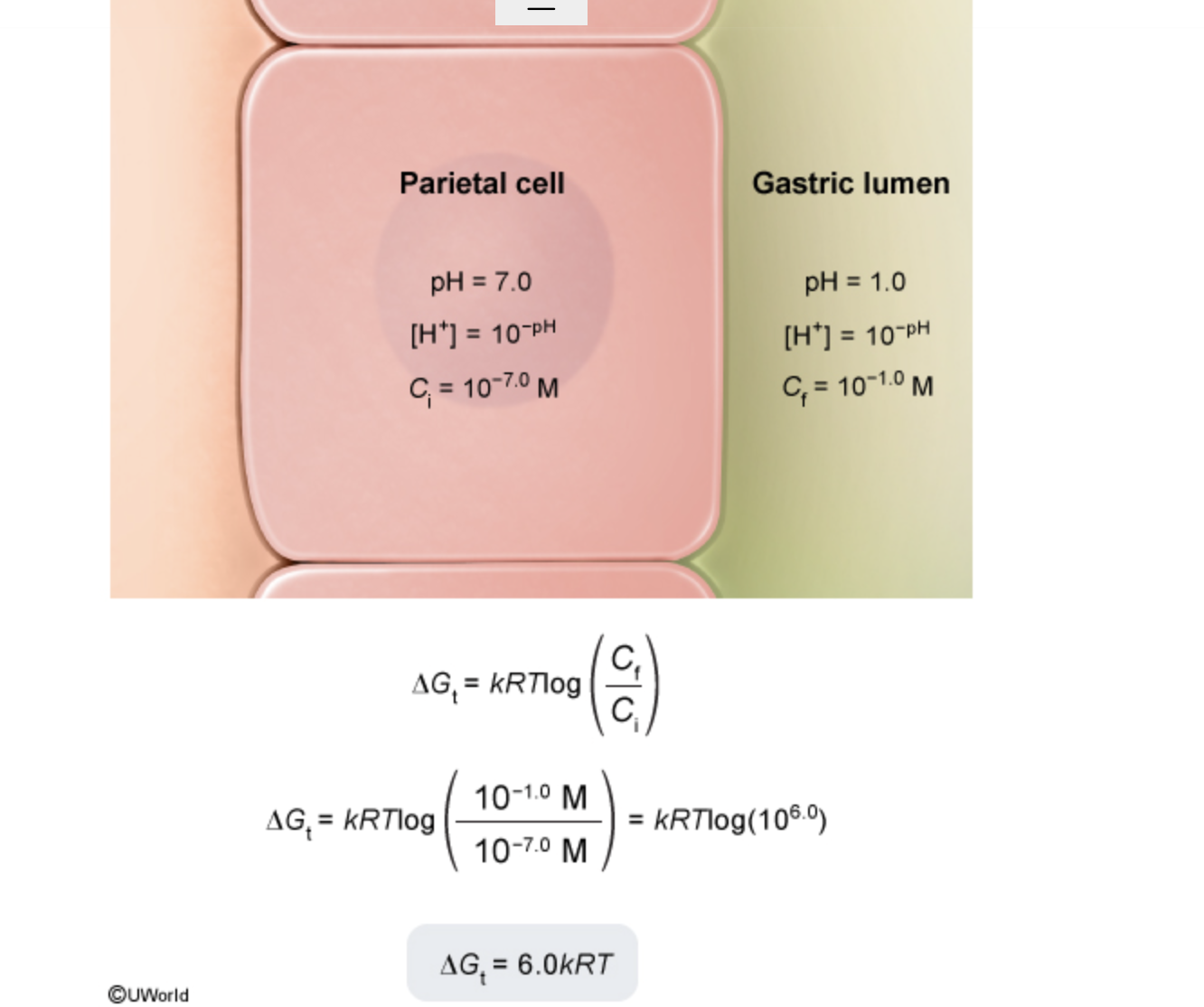
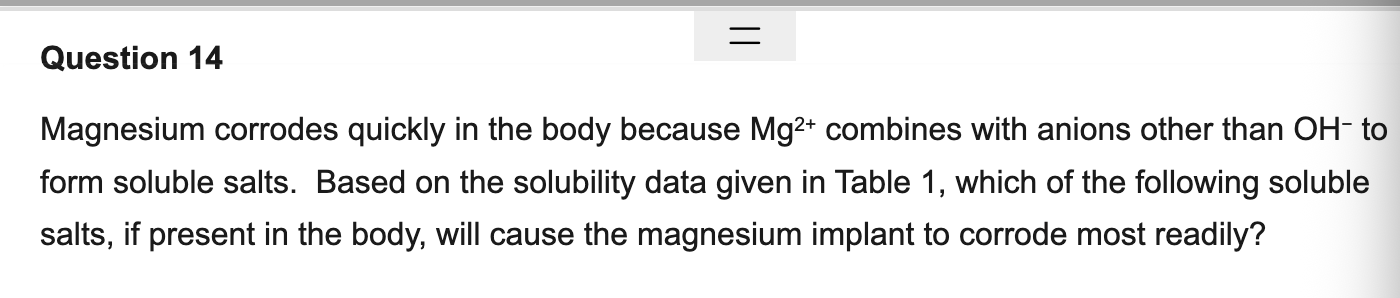
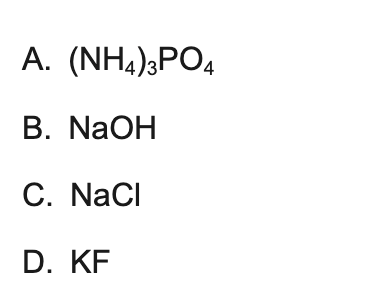
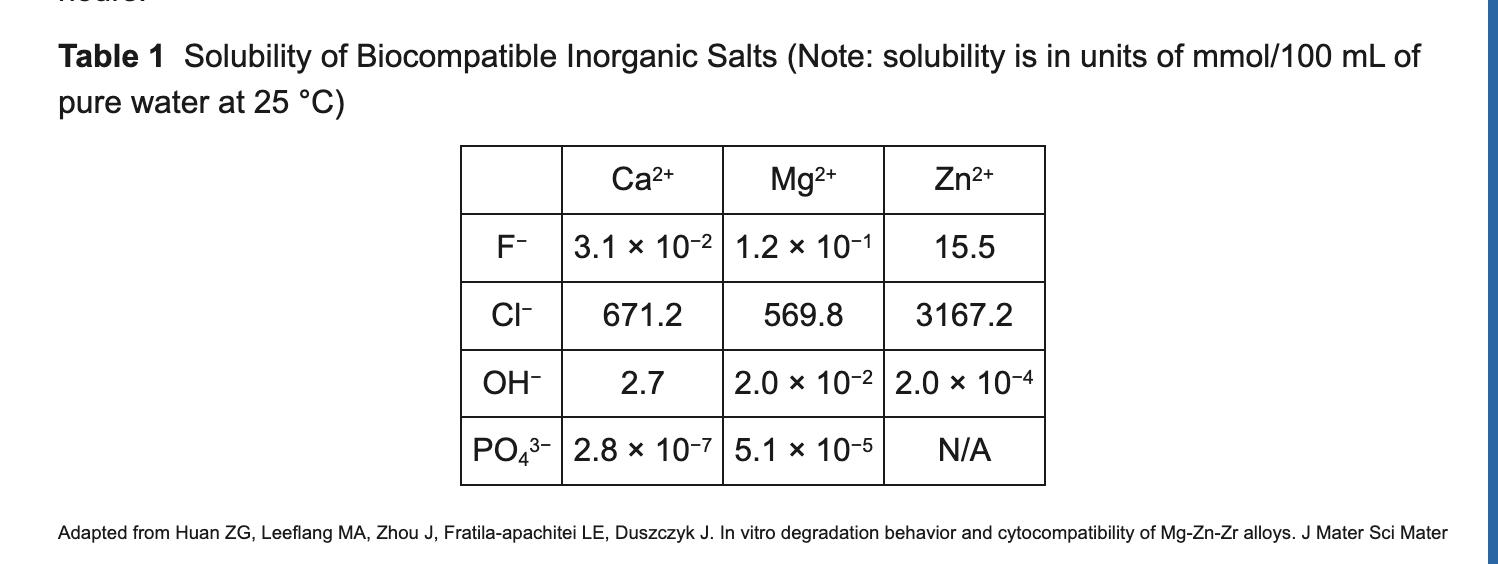


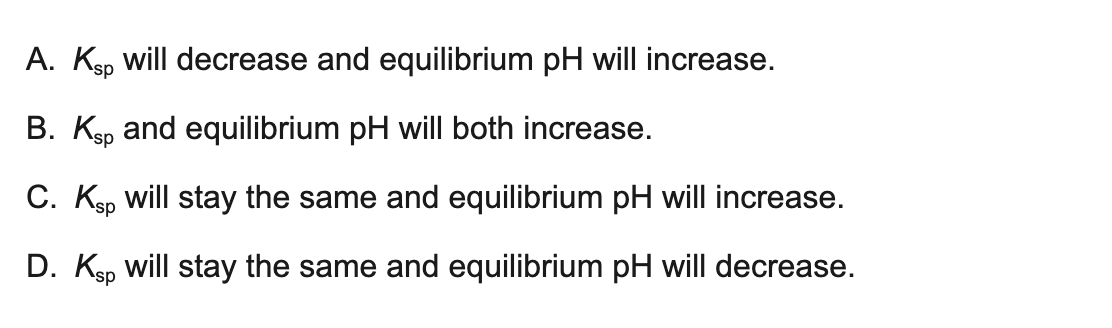


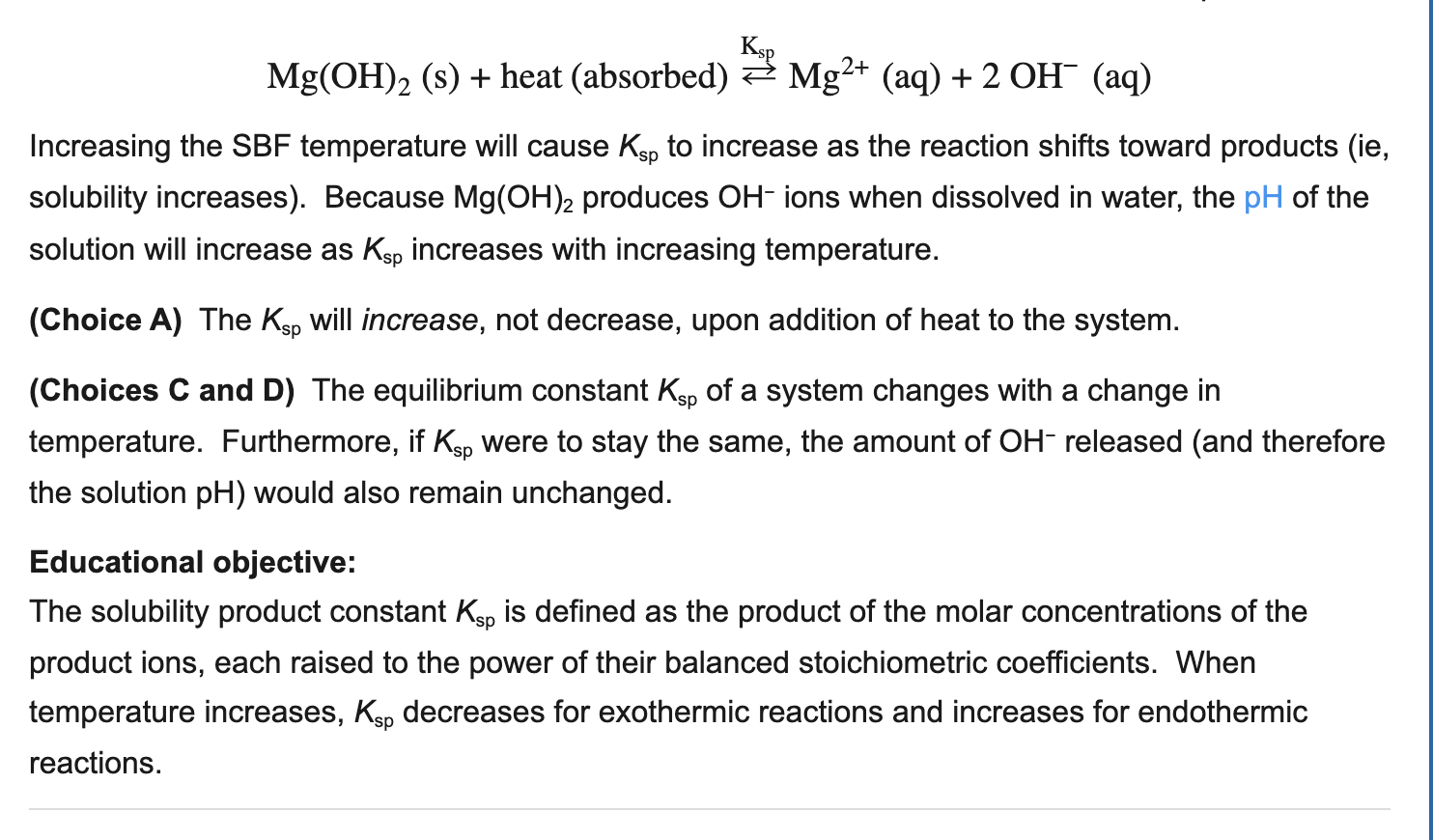
Passage AED

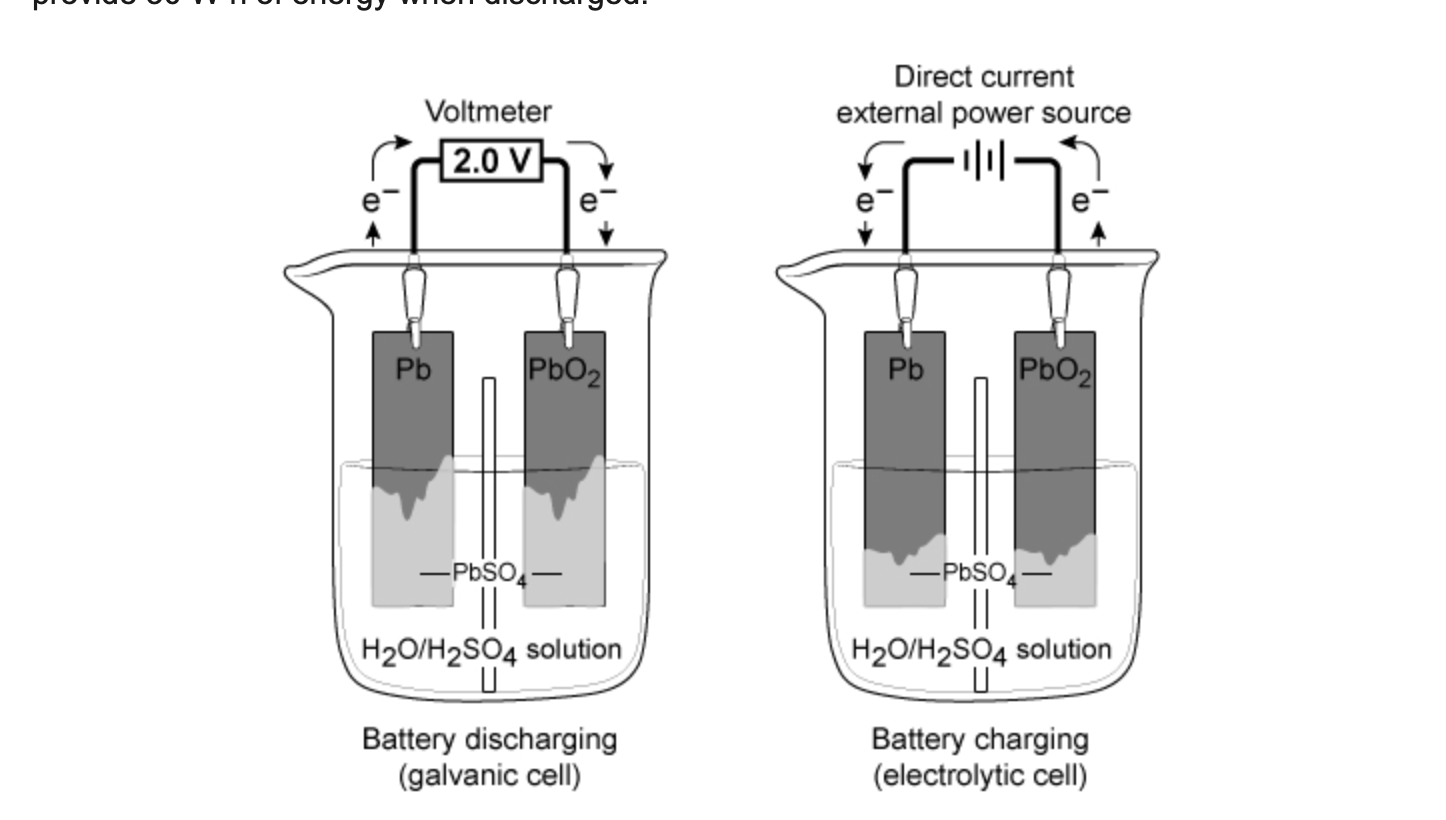

AED

Passage AED

Answer B


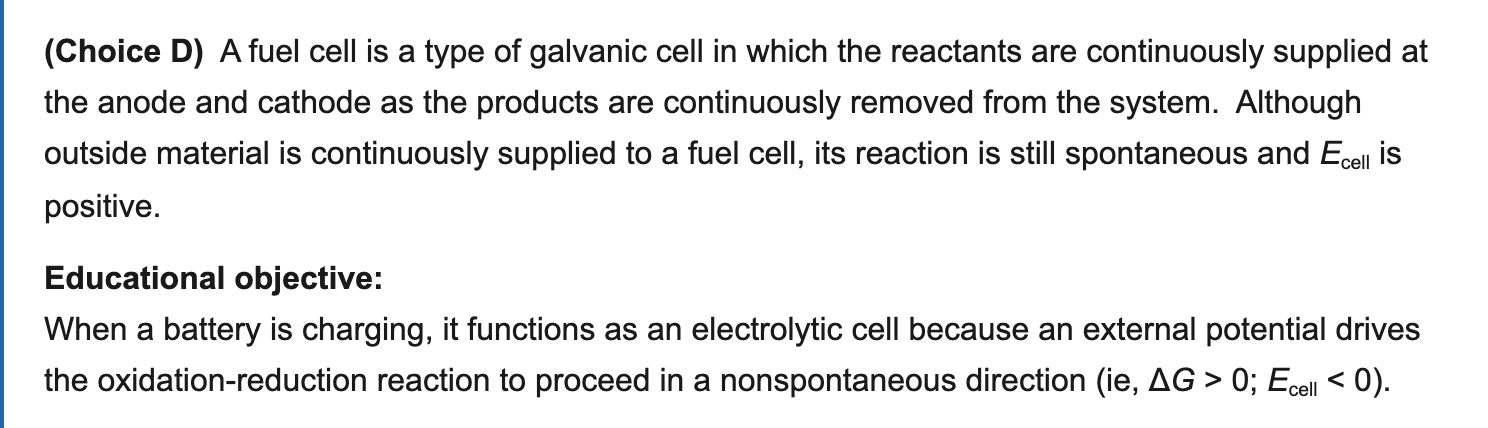
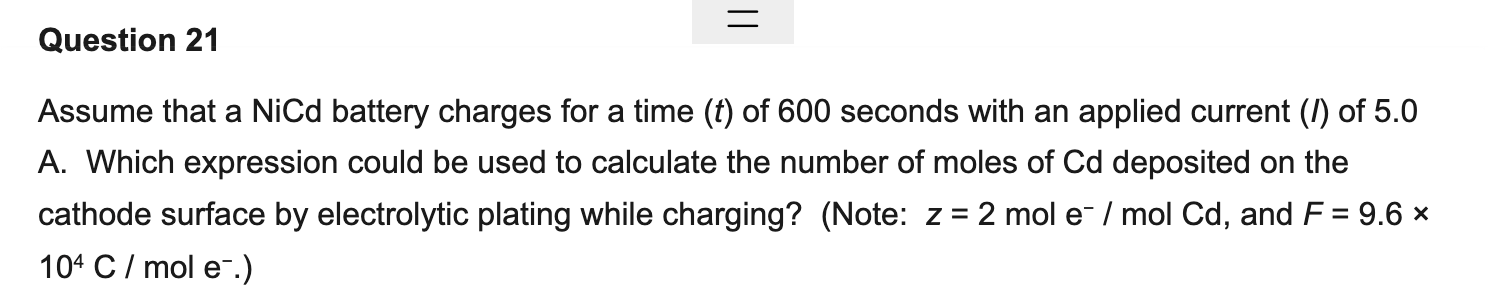
Passage AED

Answer
Q=It
C (which is Q’s unit) (mol e-/9.6 10^4 C) * (mol Cd/2mol e-)
Q divided by F and Z
so answer is D

Passage AED