AP Bio Unit 8
 Call Kai
 Learn
Learn Practice Test
 Spaced Repetition
 Match
Match Flashcards
 Knowt Play
1/22

There's no tags or description
Looks like no tags are added yet.
Name | Mastery | Learn | Test | Matching | Spaced | Call with Kai |
|---|
No analytics yet
Send a link to your students to track their progress
23 Terms
Population
all the members of one species living and occupying the same niche in an organism
Fitness
measured by an organisms ability to survive and pass on their genes to their offspring
Carrying Capacity
the total number of organisms in a population that the ecosystem has the resources to support
determined by limiting factors
Density Dependent Limiting Factors
become more restricting as the population size increases
Ex: competition for resources, territorial nature of animals, disease, predation, etc.
Density Independent Factors
affect the population randomly and do not depend on the size of the population
EX: natural disaster, climate change, human impact on the ecosystem
Ecosystem Ecology
study of the interactions between biological communities, including those with the abiotic factors and environmental conditions
primarily focused on the flow of energy and matter through the environment
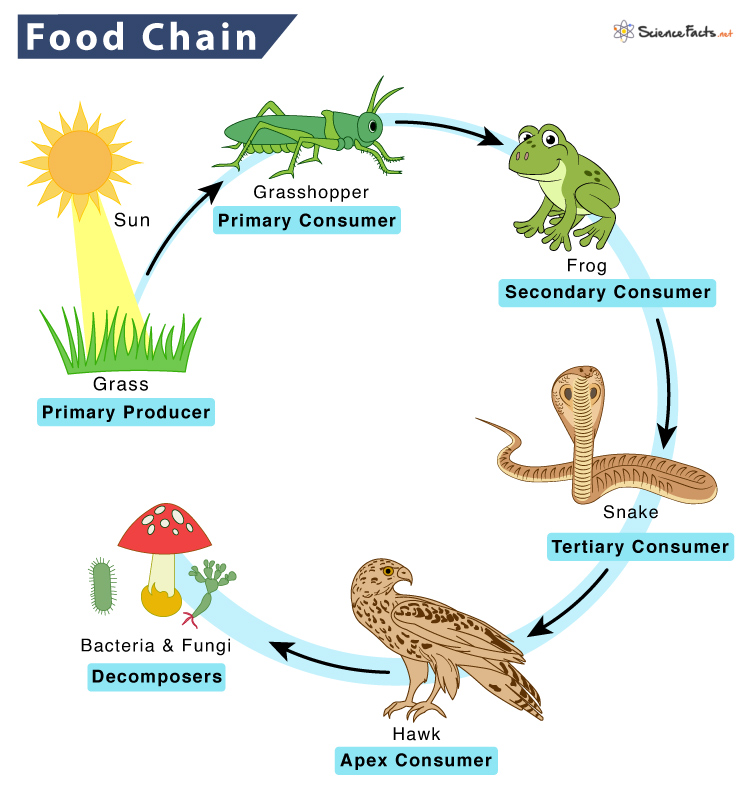
Food Chain
represents a single pathway by which energy, matter and mass flows through an ecosystem
simpler than what really happens in nature because most organisms are eaten by more than one species.
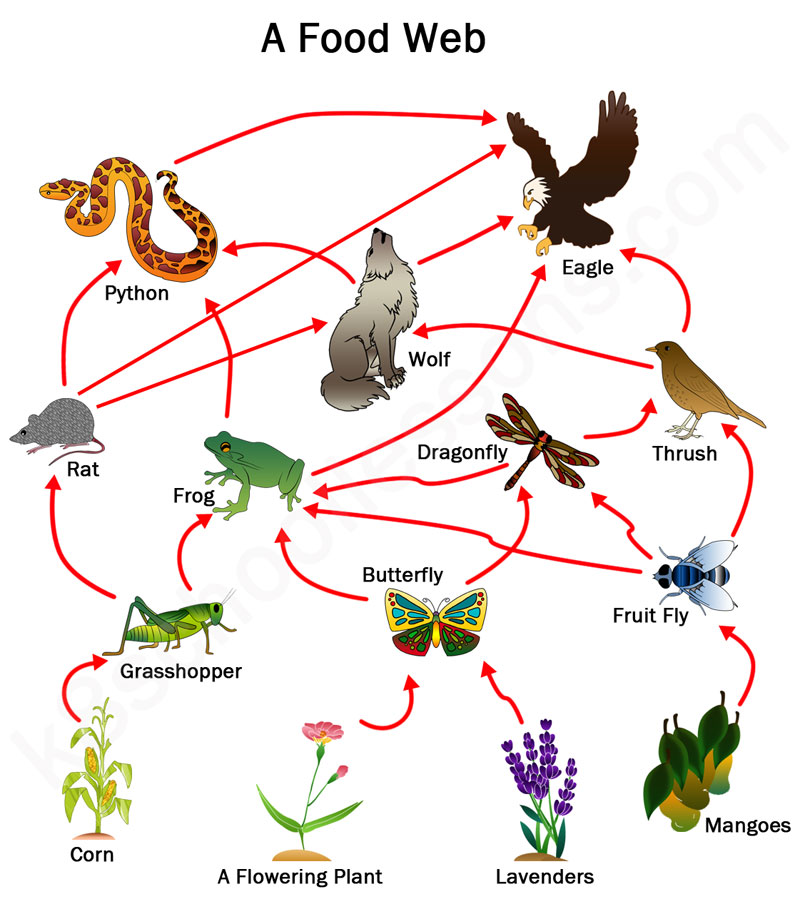
Food Web
represents multiple pathways through which energy, matter, and mass flow through an ecosystem
more accurate representation of which organism consume (or are consumed) by other species
Ecological Pyramid
energy is passed up a food chain or web from lower to higher trophic levels
only 10% of the energy is passed onto the next level
the remaining 90% of energy is lost as heat
Endotherm
uses thermal energy generated by metabolism to maintain homeostatic body temperature
temp will not drastically change with the ambient, environmental temp
Ectotherm
lack efficient internal mechanisms for maintaining body temperature, though they may regulate their temperature behaviorally by moving into the sun or shade, or by aggregating with other individuals
temp will change with the ambient, environmental temp
Keystone Species
those that when removed from the food web/chain will cause a disproportionate and drastic change to the community structure that can lead to ecosystem collapse
Invasive Species
any species that are introduced to an ecological area in which they are not native
no natural predators in the ecosystem and thus outcompete the endemic species for resources
Endemic Species
species that are natural to the area in which they live
Primary Succession
succession that starts from bare rock and includes the colonization of a new area by a pioneer species
pioneer species are responsible for making soil from the rock and introducing nutrients into the ecosystem
result in formation of a stable climax community with high biodiversity
Secondary Succession
succession that occurs after a climax community is disrupted
does not start from bare rock
requires less time to reach the climax community because soil and nutrients are present at the beginning
result in formation of a stable climax community with high biodiversity
Ecological Community
comprised of all the populations/species that live in an ecological area together and the niches they occupy
Competition
characterized by competition for food between members of the same population or members of separate populations
species that outcompete the other will survive better and pass on their traits, and are more likely to occupy a biological niche
-/- interaction
Symbiotic Interactions
long term biological interaction between members of different species/populations
predation (+ / -)
parasitism (+ / -)
mutualism (+/+)
commensalism (+/0)
Predation
predators hunt and kill their prey in order to get energy and nutrients
herbivores eat plants to obtain nutrients and energy
(+ / -)
Parasitism
one organism exploits the other for food and nutrients
parasites benefit, host is harmed but not usually killed
(+ / -)
Mutualism
both species cooperate and gain and advantage from the relationships
generally some lag time between prey and predator population growth
(+/+)
Commensalism
one organism being benefited by the relationship, and the other being completely unaffected (neither harmed nor helped)
huge doubt as to whether or not commensalism actually exists in nature
(+/0)