Ancient Cities Final
 Call Kai
 Learn
Learn Practice Test
 Spaced Repetition
 Match
Match Flashcards
 Knowt Play
1/30

There's no tags or description
Looks like no tags are added yet.
Name | Mastery | Learn | Test | Matching | Spaced | Call with Kai |
|---|
No analytics yet
Send a link to your students to track their progress
31 Terms
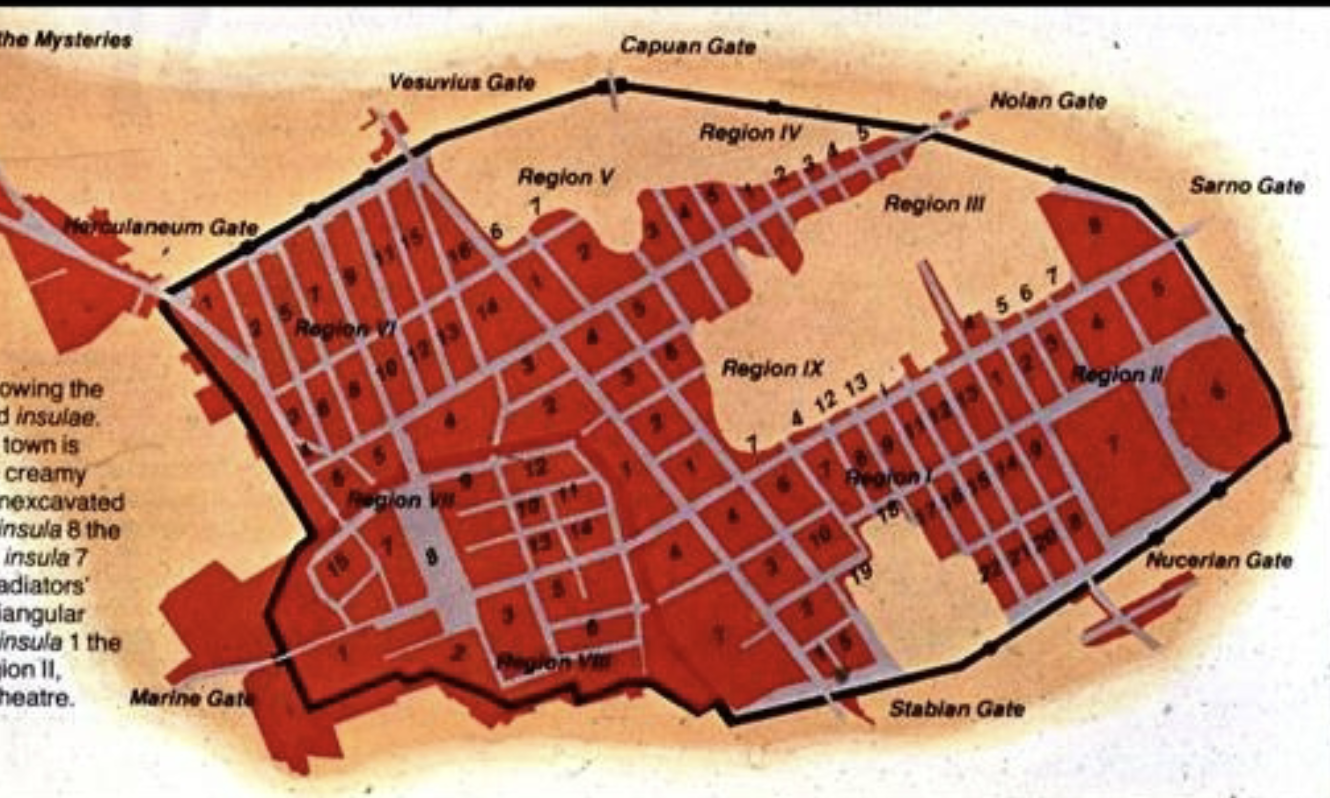
Pompeii-
~6th c. BCE to 79 CE
Southern Italy, near coast of Tyrrhenian Sea
Very well preserved buildings, great insight into Roman daily life
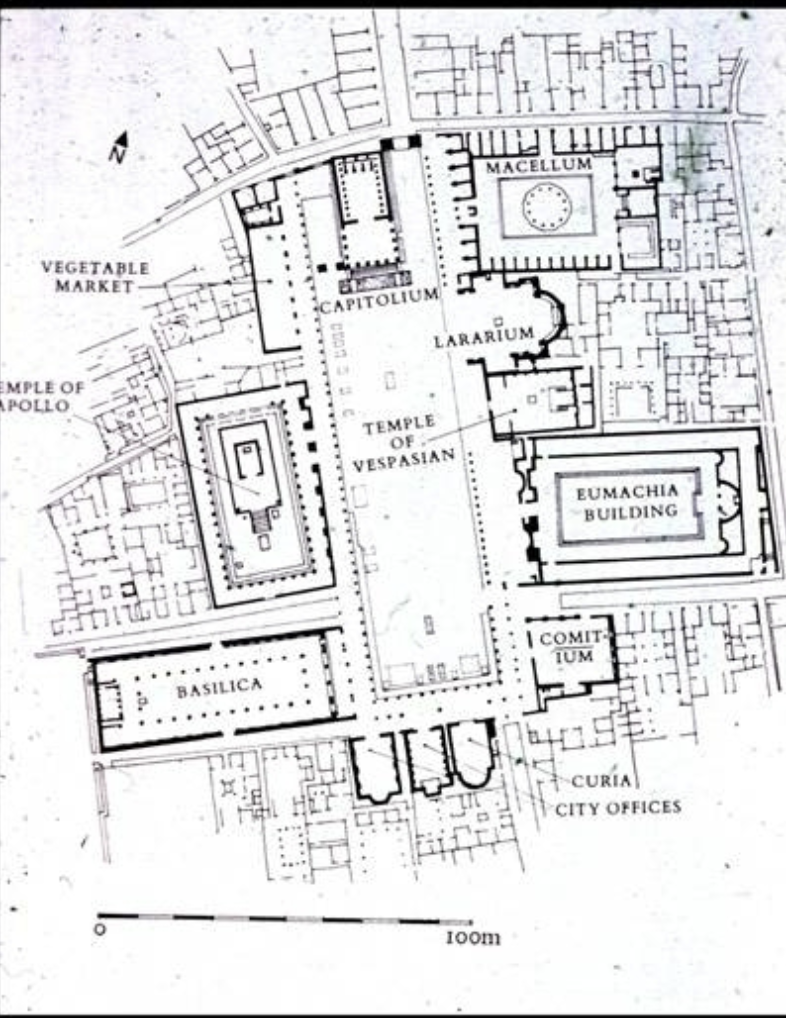
Forum at Pompeii
Not in city center
Capitolium (Temple to Jupiter) at far end
Temple of Apollo sideways
Eumachia building, dedicated by a woman
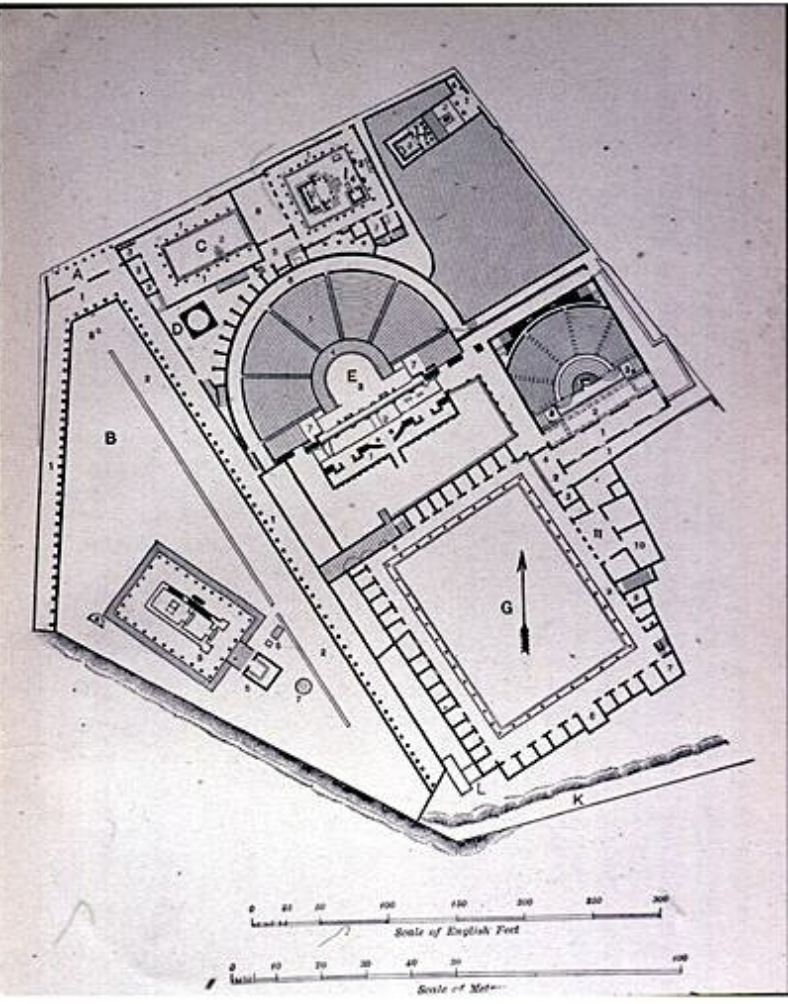
Theatre district at Pompeii
Roman theatres were free standing
Two theatres at Pompeii, main one and smaller one
Very early example of a Roman theatre
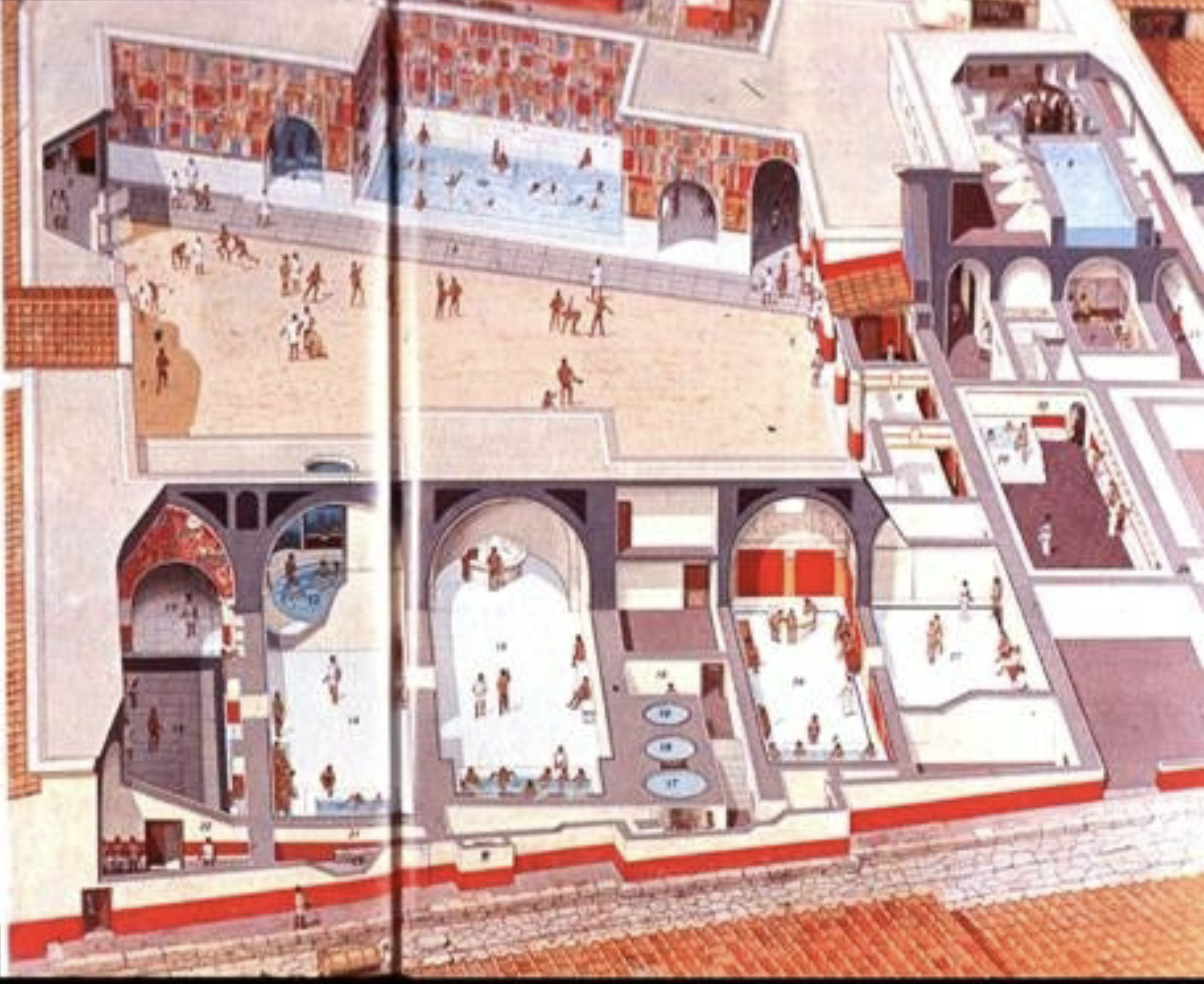
Roman baths (at Pompeii)
Run and subsidized by the state
Places for hygiene, exercise, social interaction
Preferred by Romans over anything else
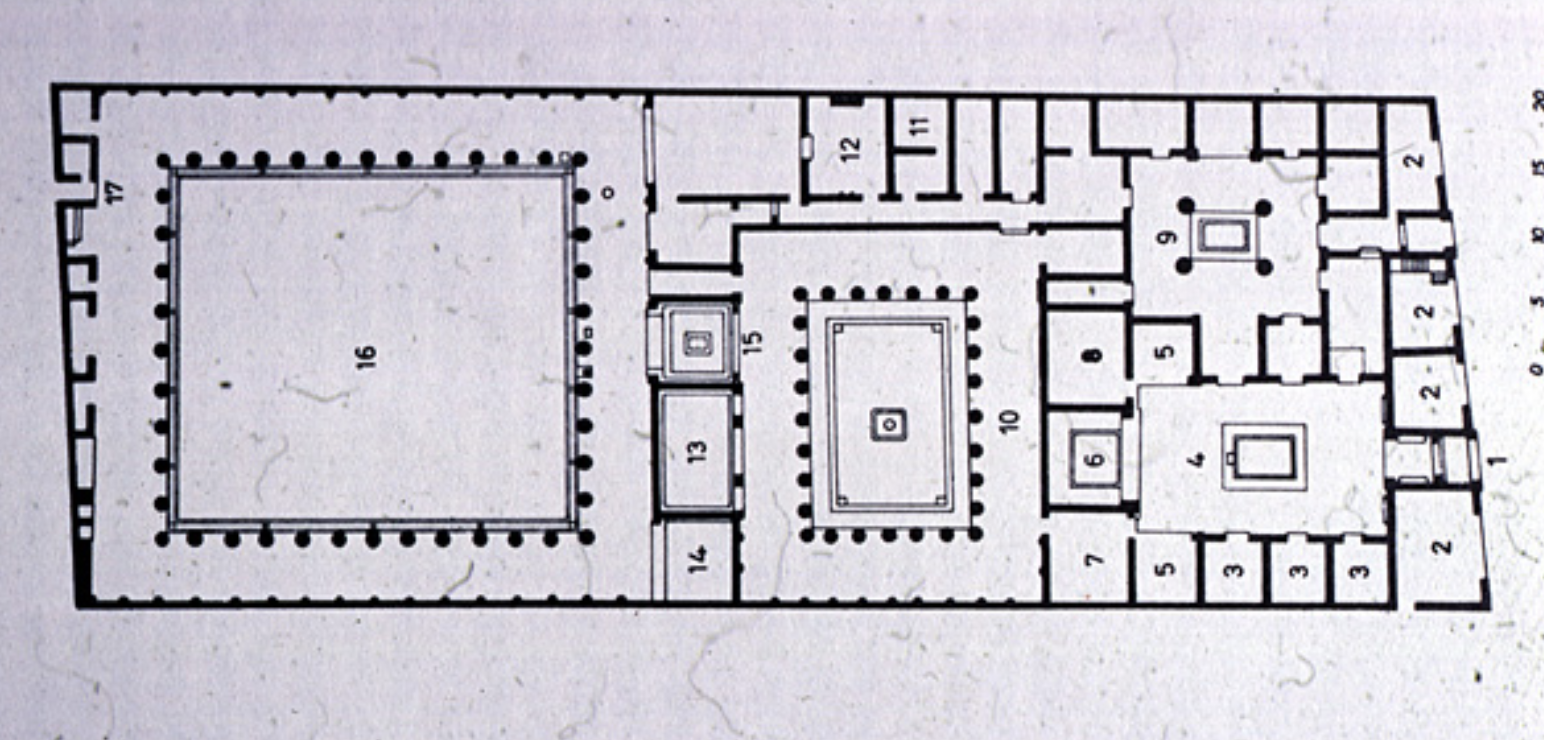
Typical Roman house
Atrium, room right as you walk in, pool to collect rainwater
Townhouse style, short side facing street
Tublinium, at the back of the Atrium, is where head of the household sat
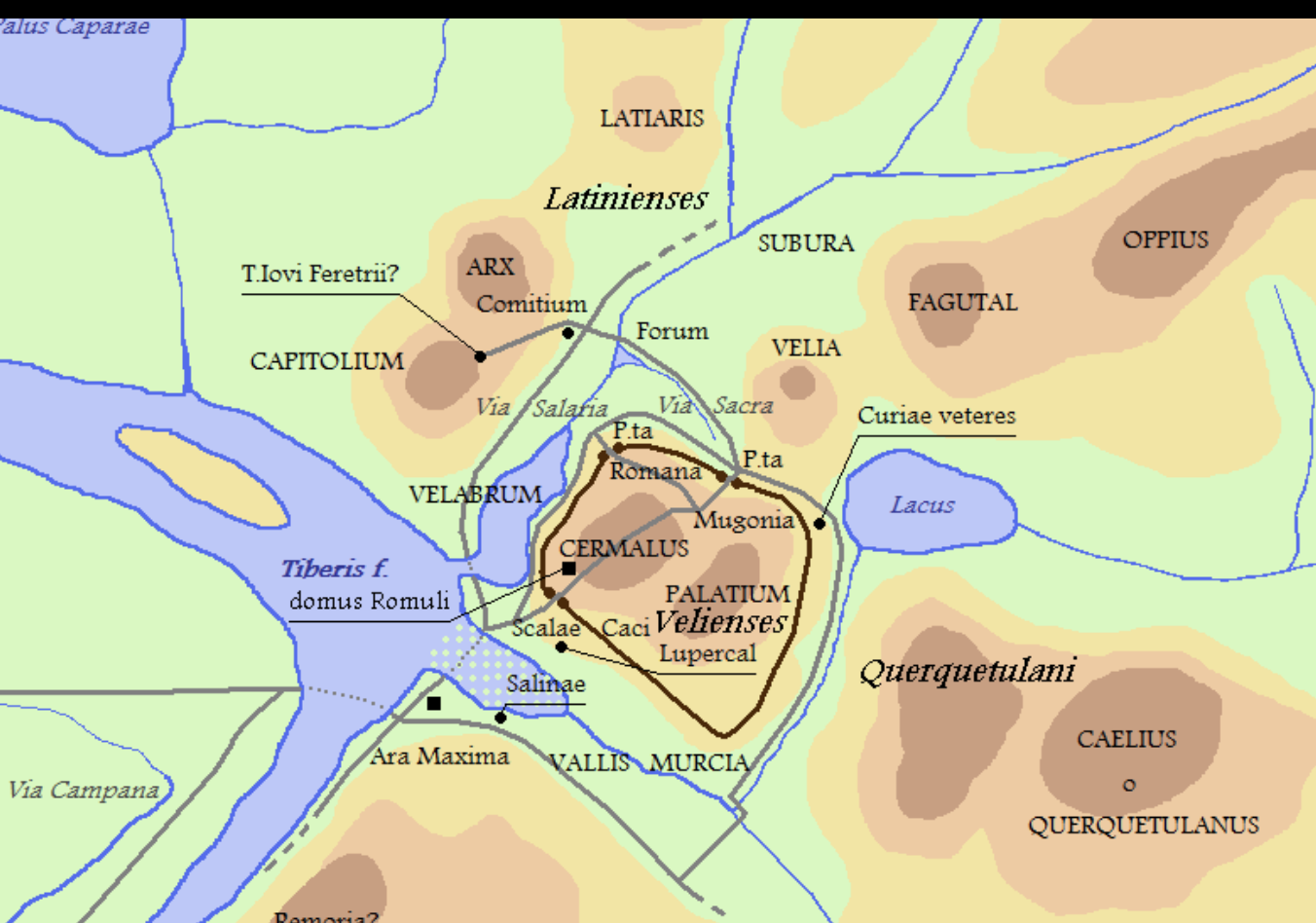
Rome
~10th century BCE
Central Italy
Center of Roman Republic, later Roman Empire, largest city in the ancient world
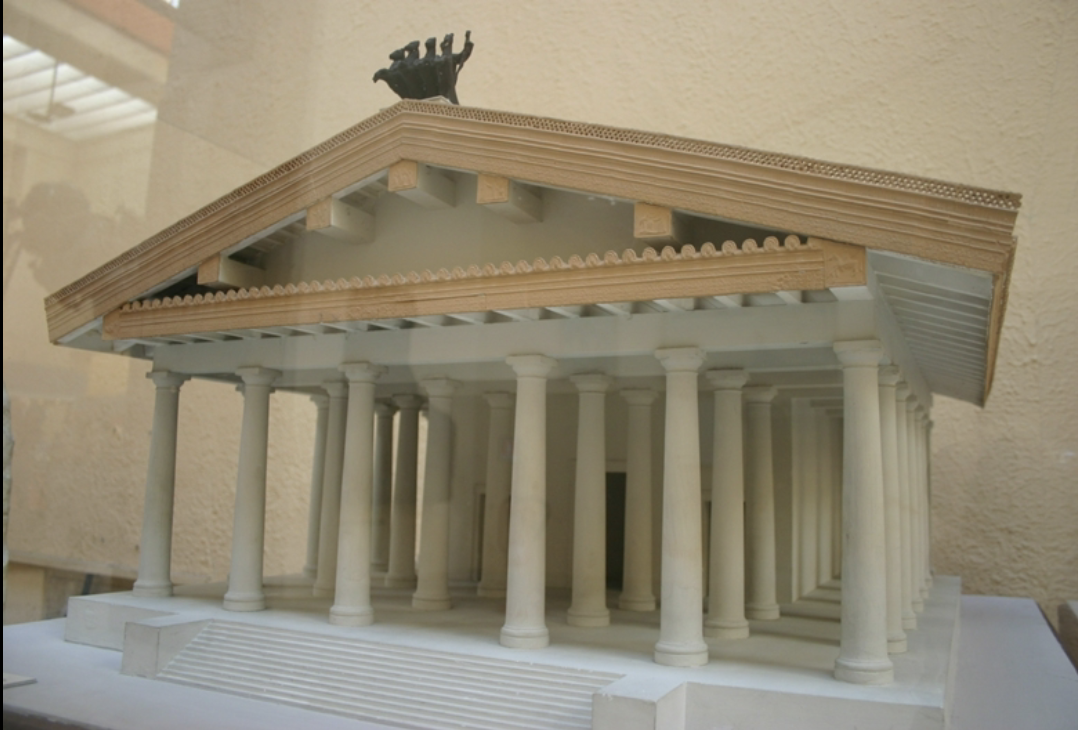
Temple of Jupiter Optimus Maximus
Built on Capitoline hill, 510 BCE
Worship of Jupiter, Juno, Minerva (Triad)
For Roman citizens only
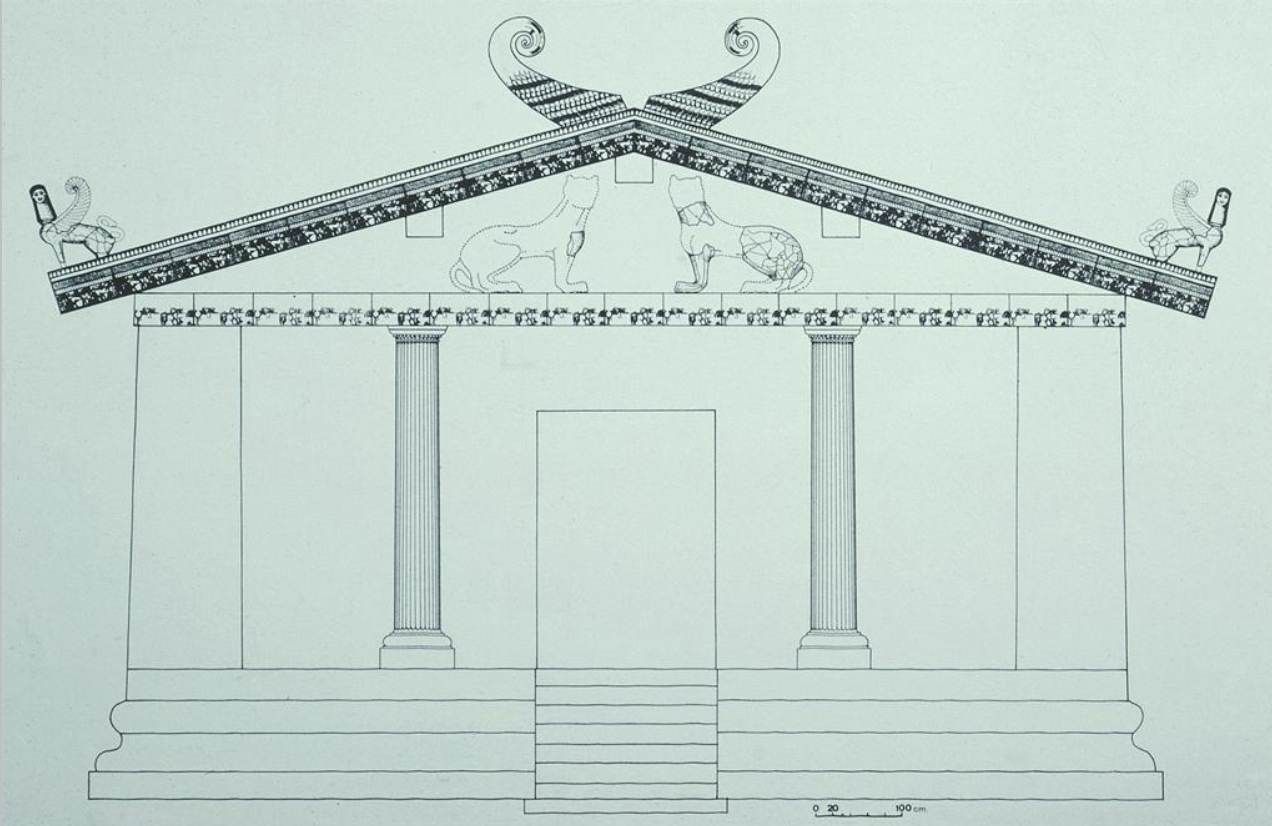
Harbor Temple at Rome
Smaller temple, statue of Hercules
Built to make visitors familiar, comfortable
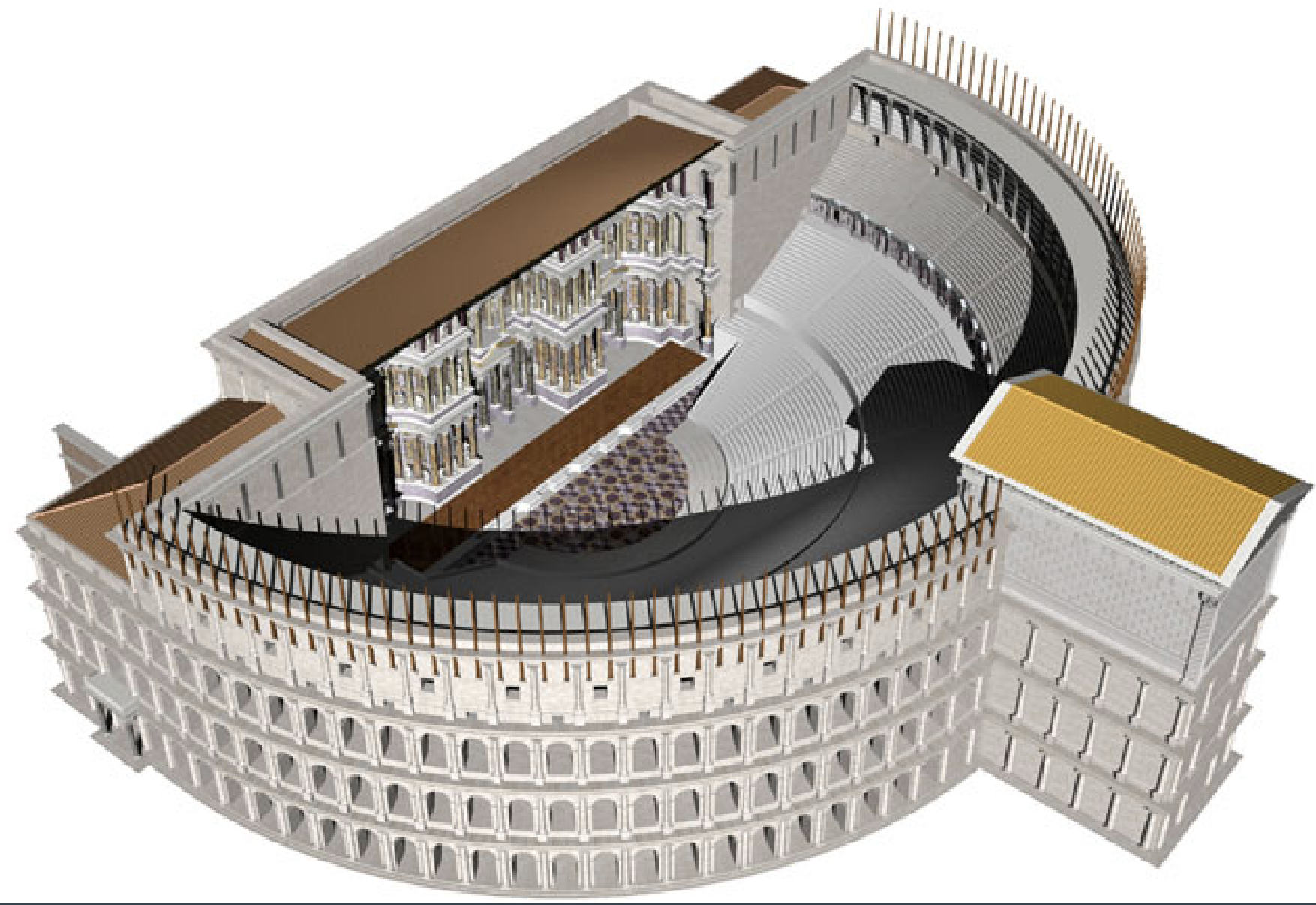
Theater of Pompey
Built by Pompey in 50 BCE
Massive system of arches, a temple at the top
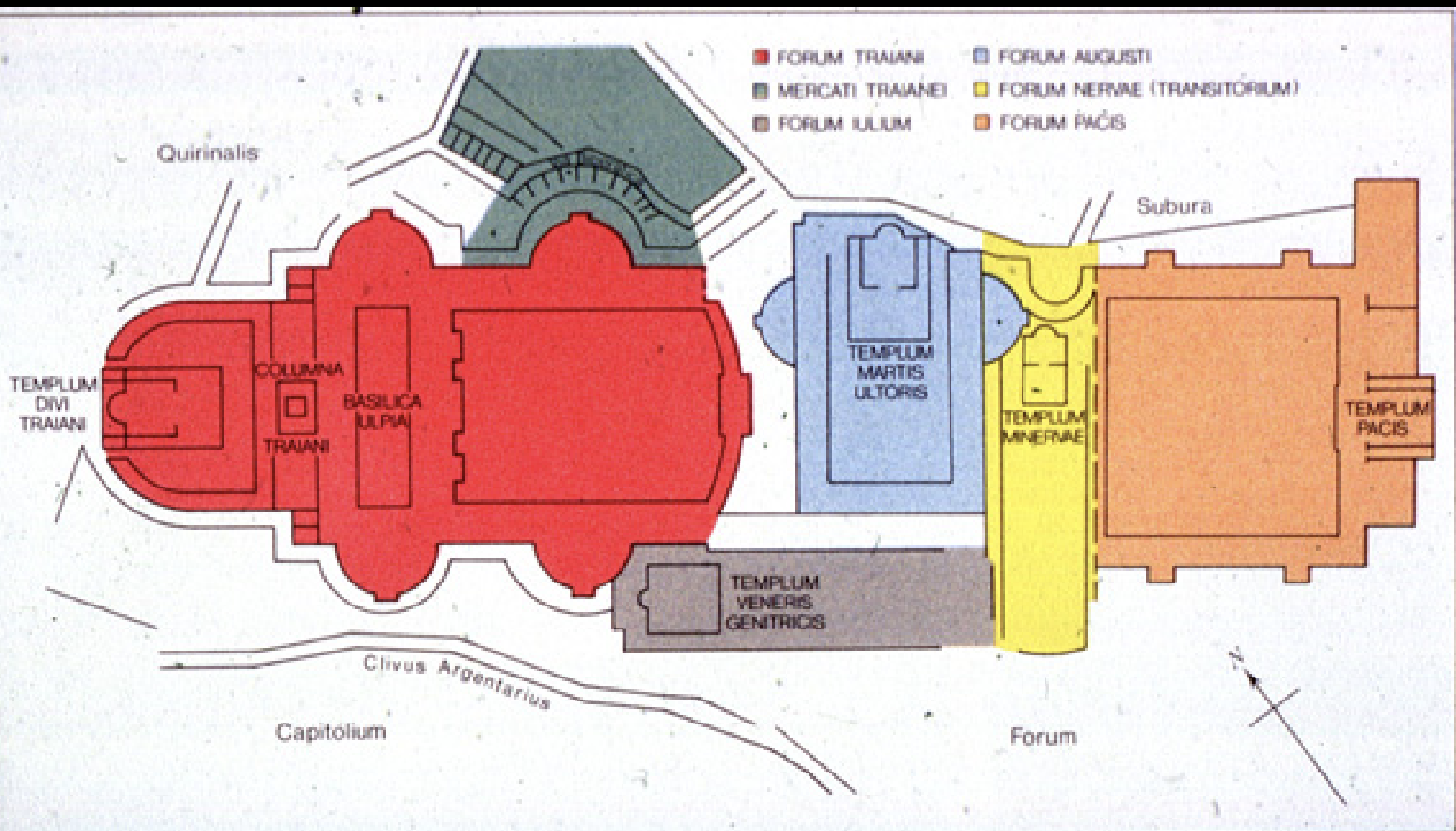
Roman Fora
Many added over the years:
Caesar, Augustus, two by the Flavians, and Trajan
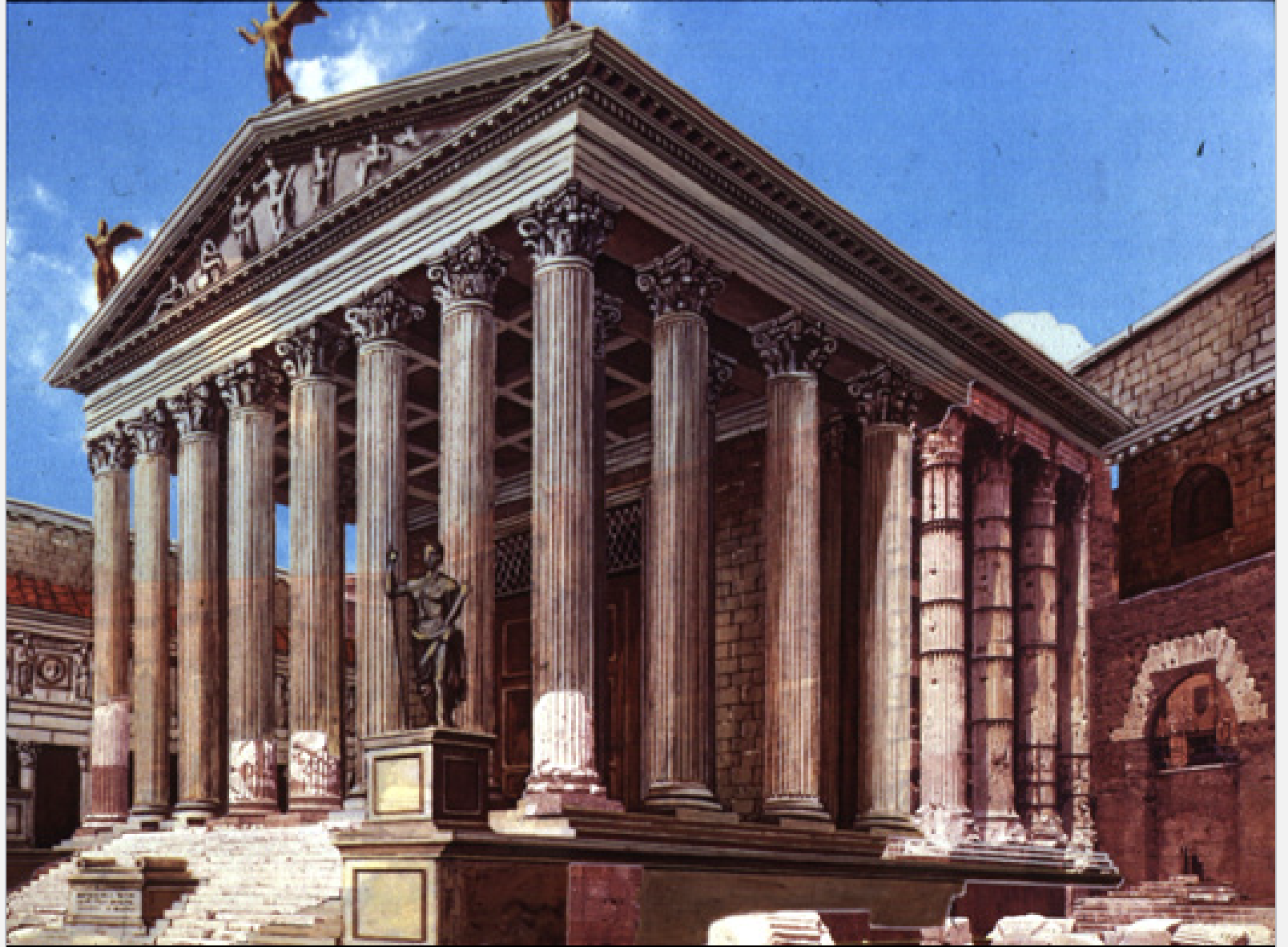
Temple of Mars
Built by Augustus, worships war god
Symbol of vengeance, Augustus killed Caesar’s murderers
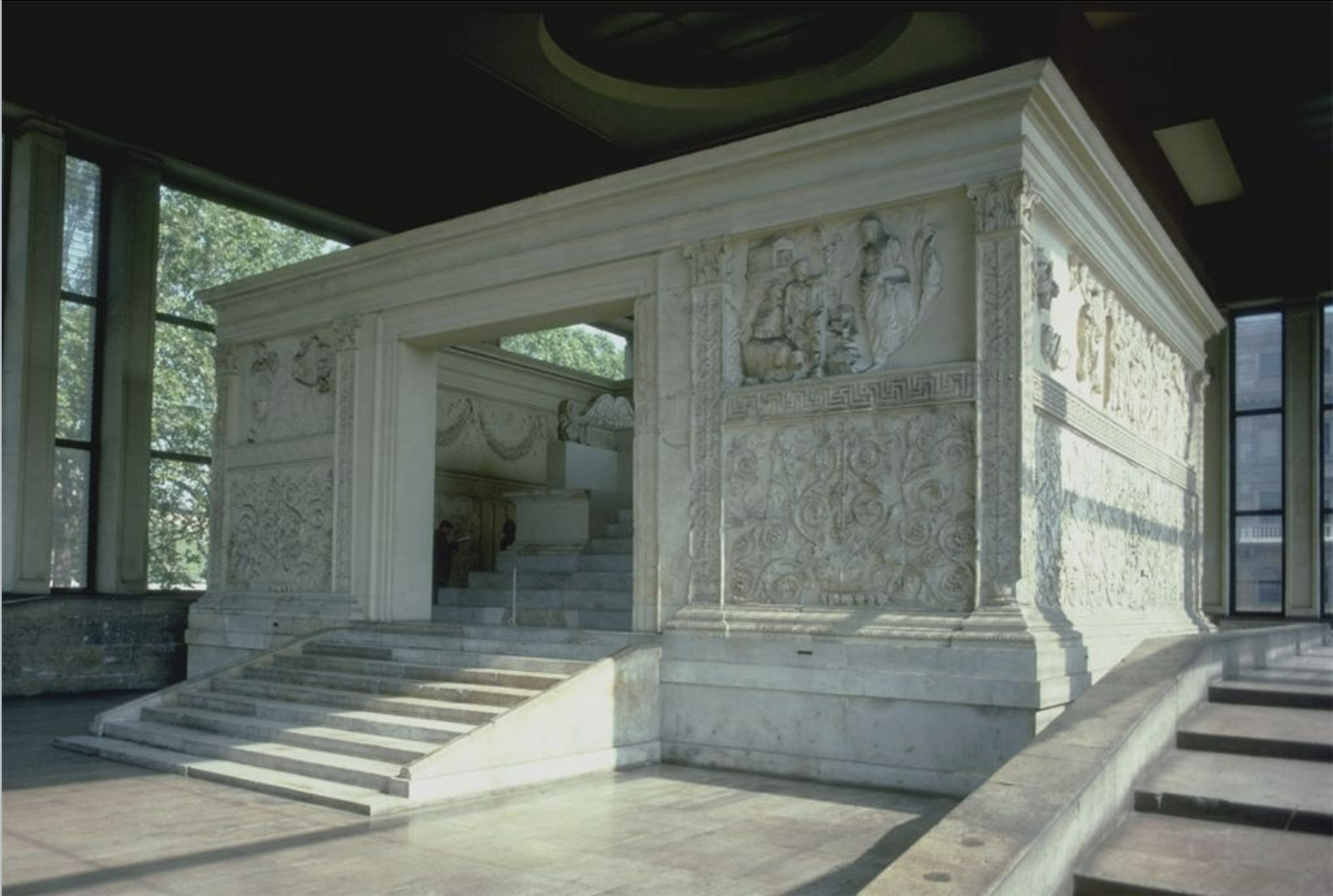
Altar of Peace
Augustus calling for internal peace in Rome
Contrast to Rome’s culture of war
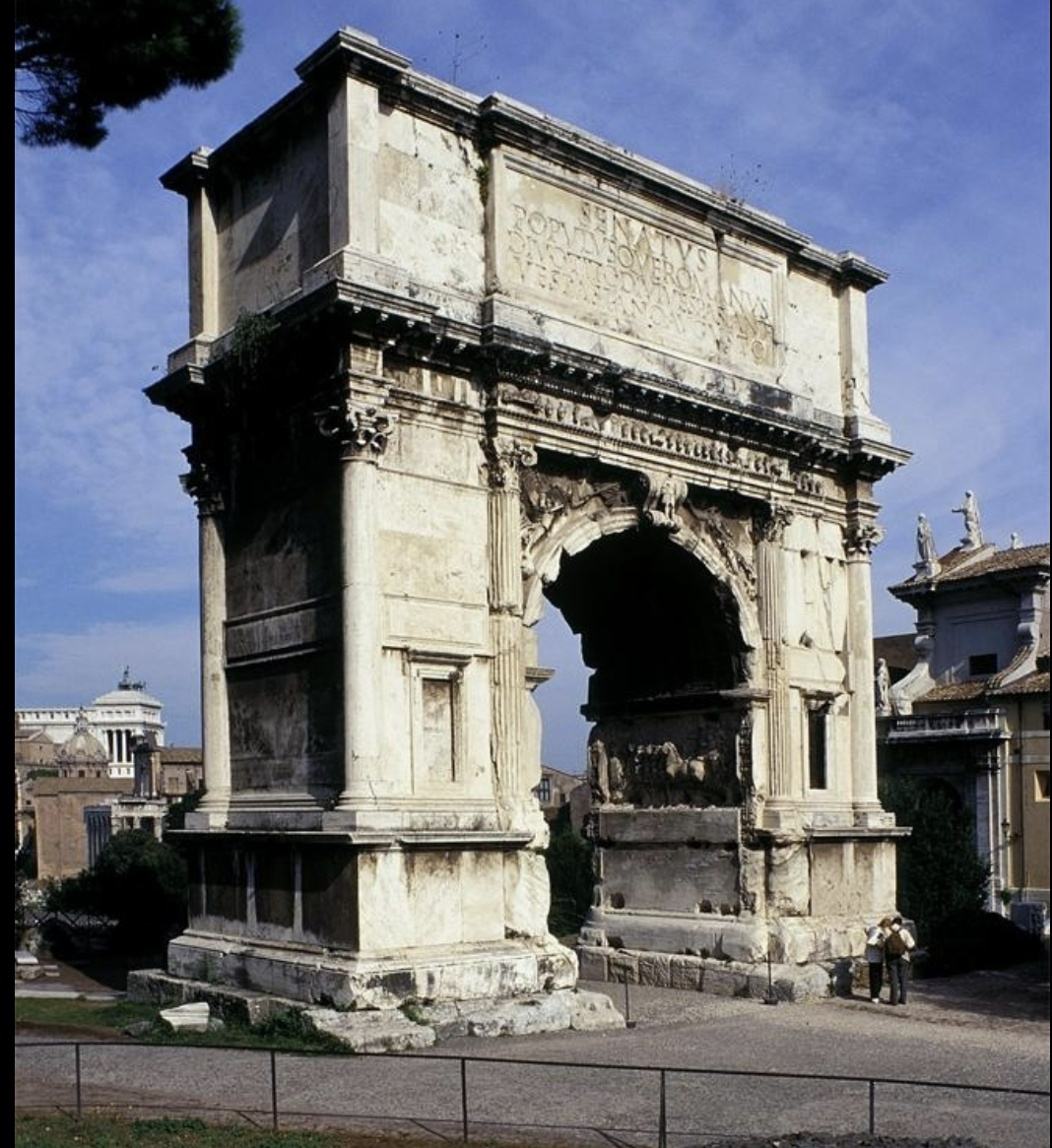
Triumphal Arch
Began with Titus’s quelling of the Jewish rebellion
Became a permanent symbol for the victories of Roman generals
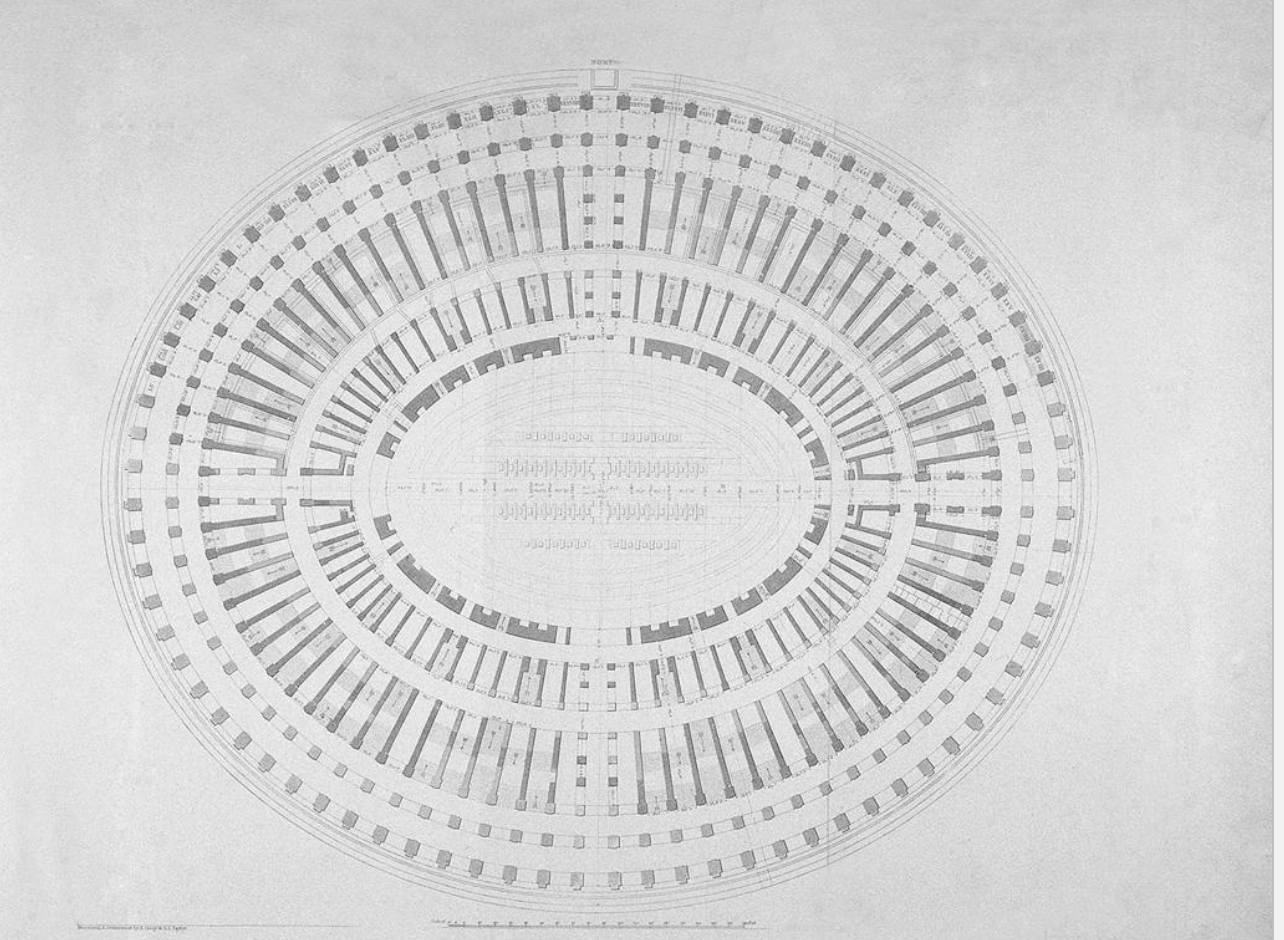
Colosseum
Built by Flavians, starting in 1st c. CE
Largest amphitheater built
Arch system, decorated with columns + statues
Rooms underneath sand housed gladiators, animals
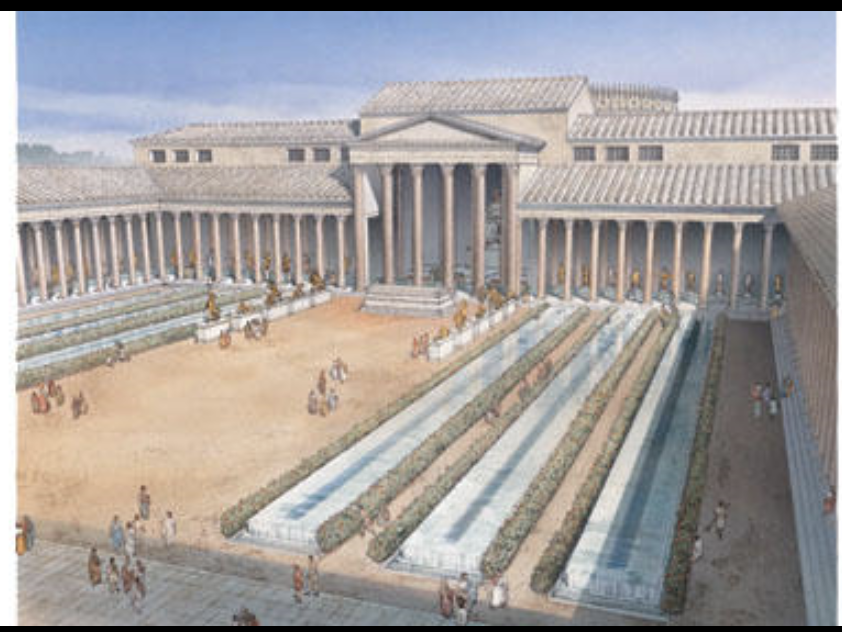
Main Flavian Forum
Forum for Peace, includes Temple for Peace
Garden, signifies move towards leisure rather than politics
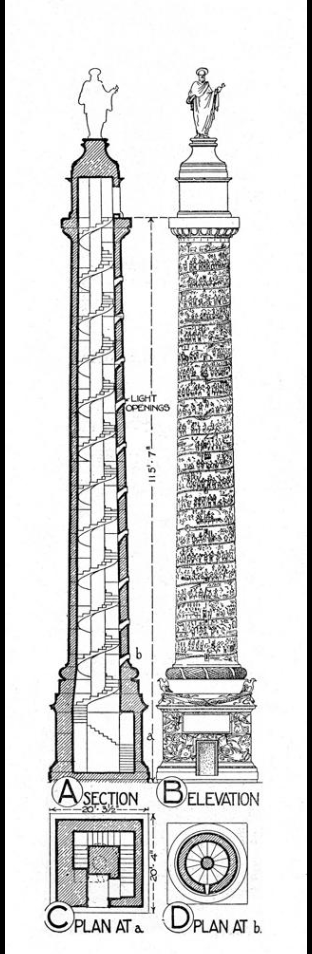
Column of Trajan
Located in Forum of Trajan, largest Forum
Trajan oversaw peak of Roman Empire
Has depictions of Trajan’s conquests
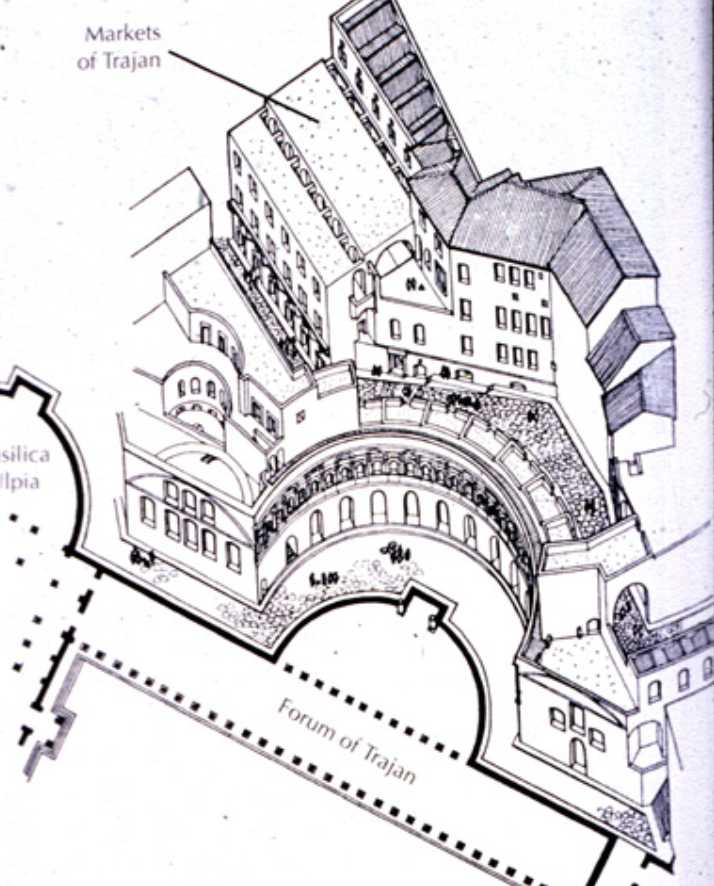
Markets of Trajan
Sort of like a mall
Also acted as a retaining wall for the Forum of Trajan
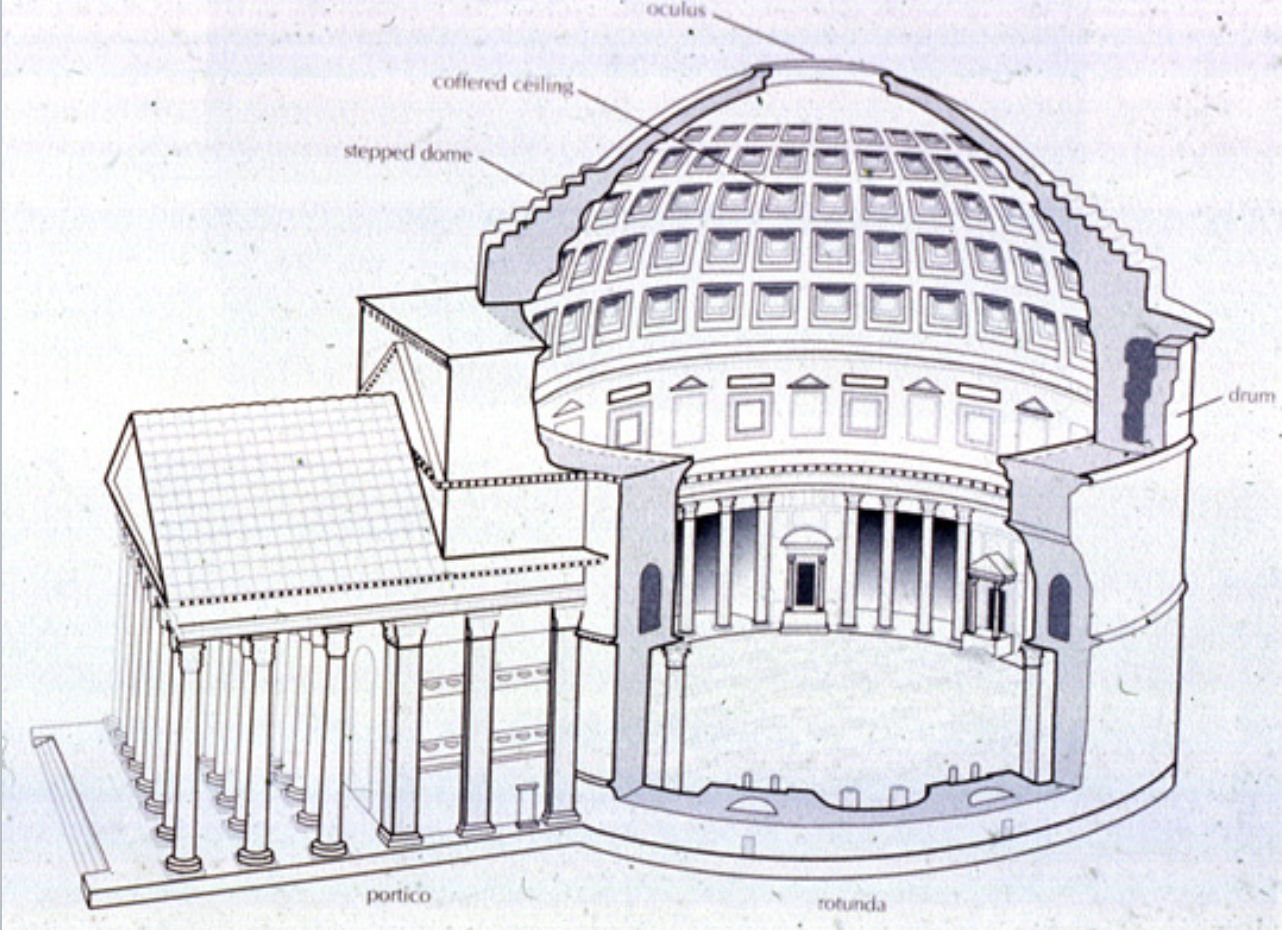
Pantheon
Portico w/ columns as entrance
Rotunda w/ concrete dome
“Temple to all gods”- signifying emergence of monotheism
Rebuilt by Hadrian
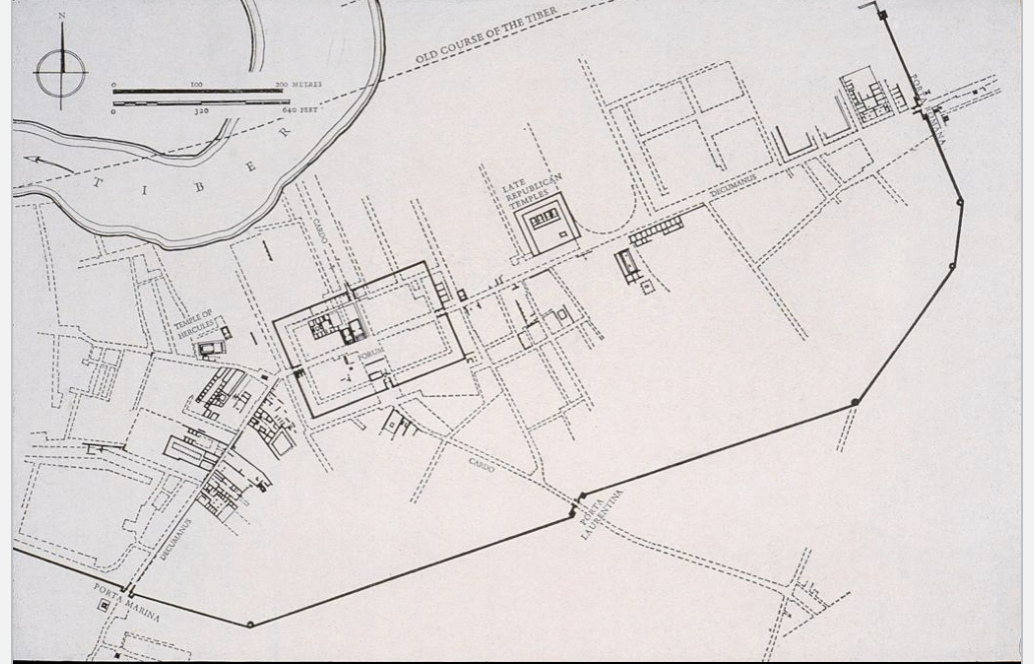
Ostia
Becomes Roman colony in the 4th century BCE
Mouth of the Tiber River, west of Rome
Main port city for Rome during its peak
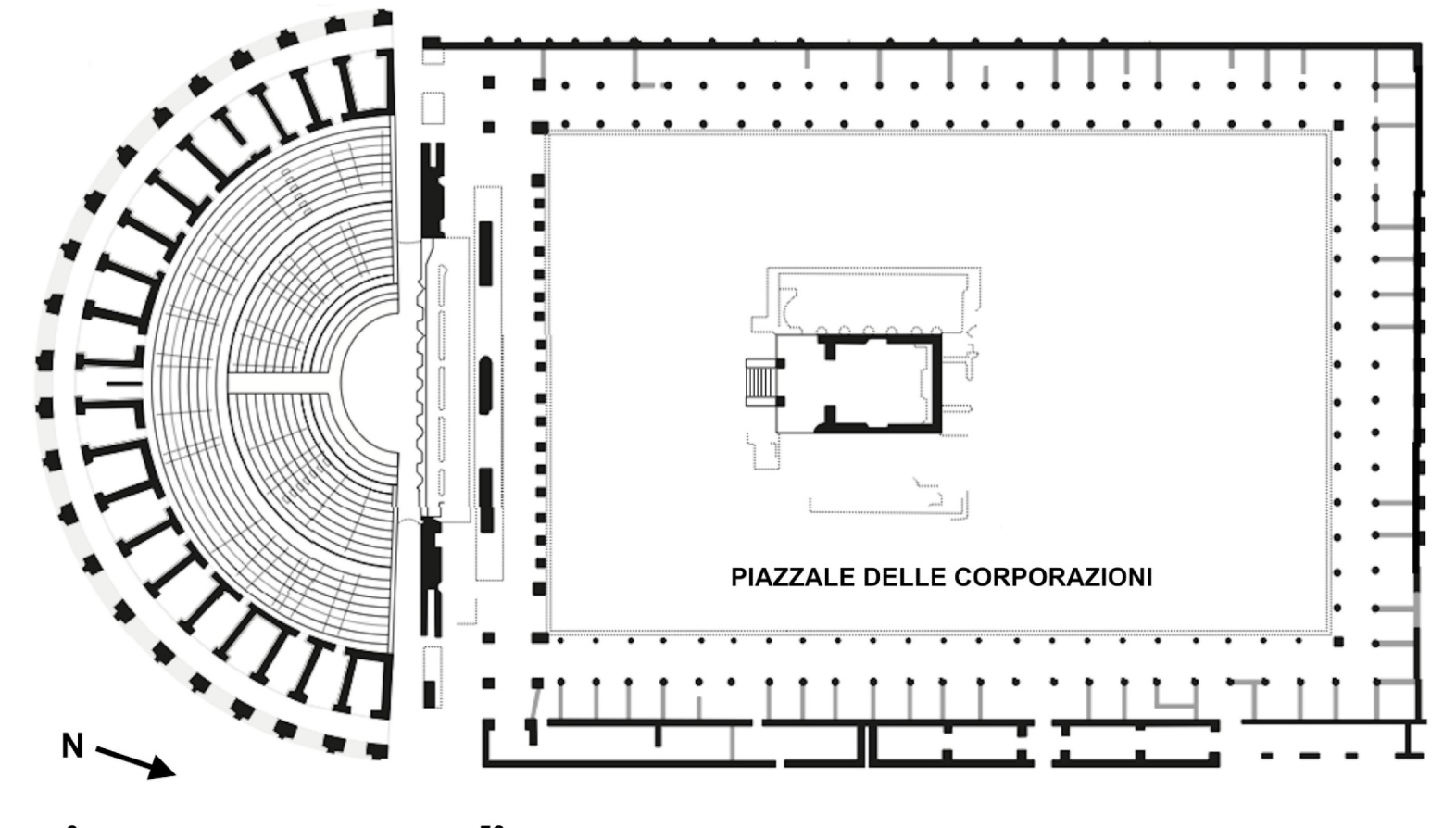
Piazza of the Corporation
Theatre with rectangular building behind it
Contained business offices for merchants and contractors from across the Mediterranean
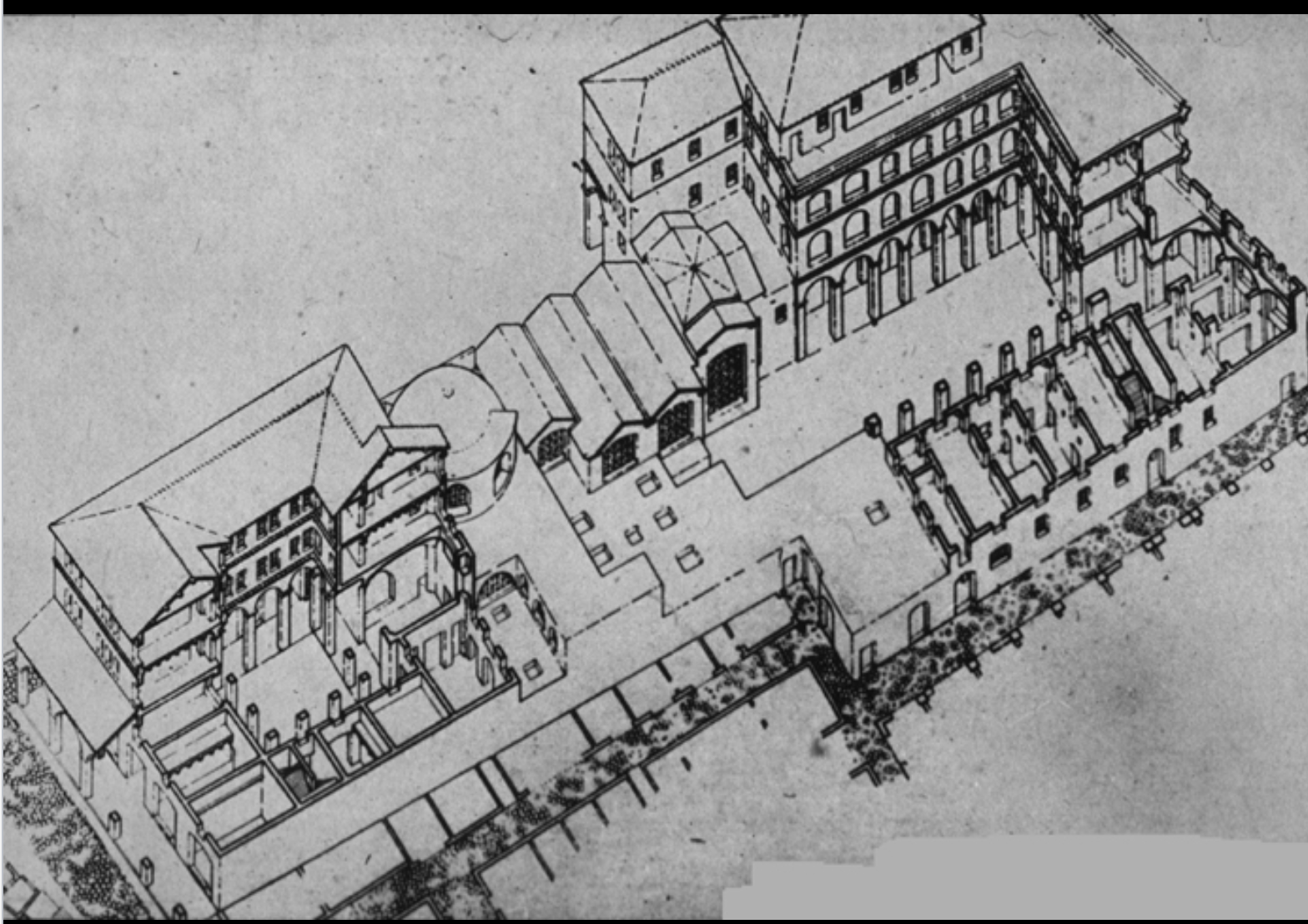
Horreum
Large warehouse used for storage in Ostia
Ground floor for retail, everything else was rented out storage space
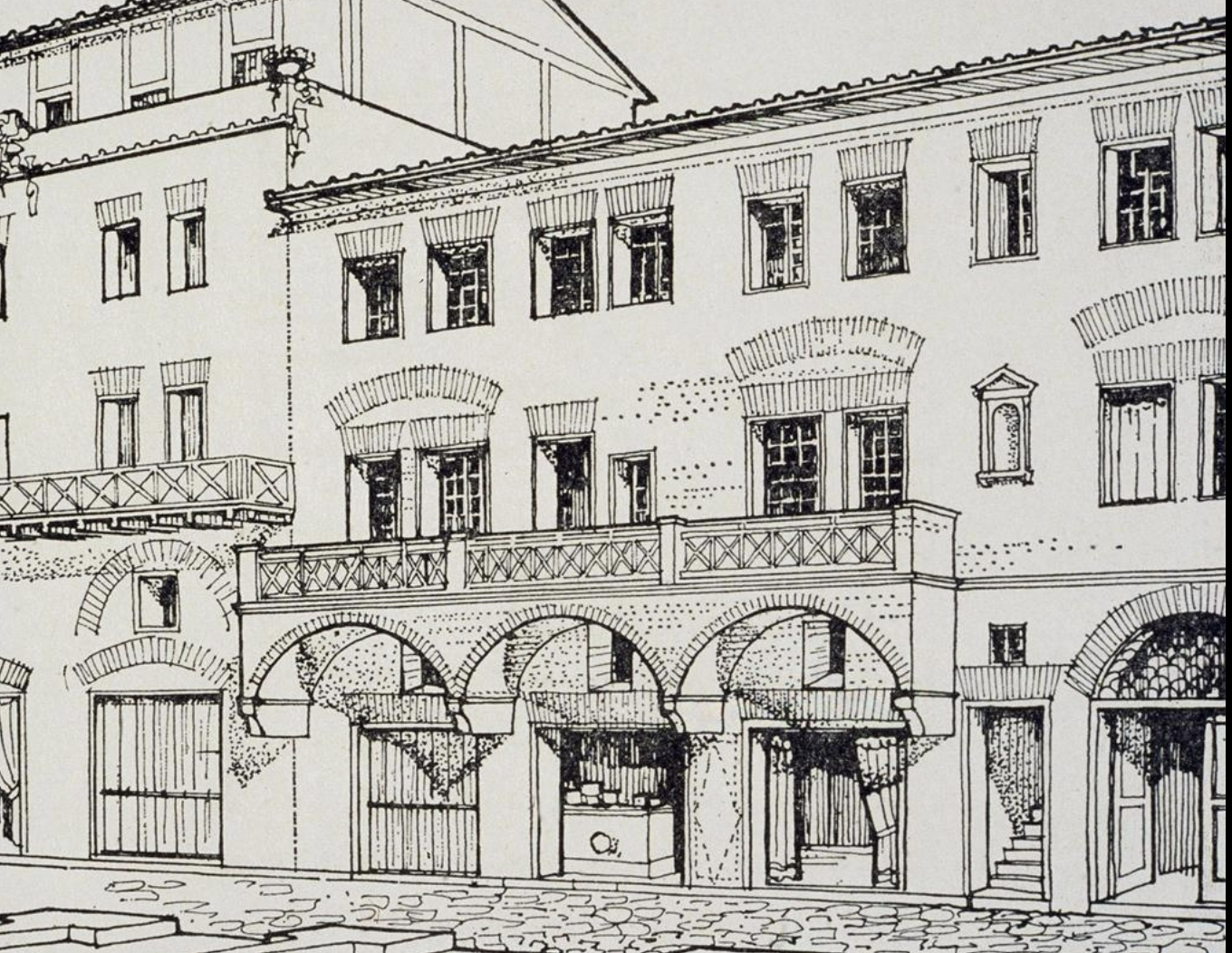
Apartments at Ostia
First known instances of multi-storied apartment buildings
Mostly short-term rental for merchants
Bottom floor also retail
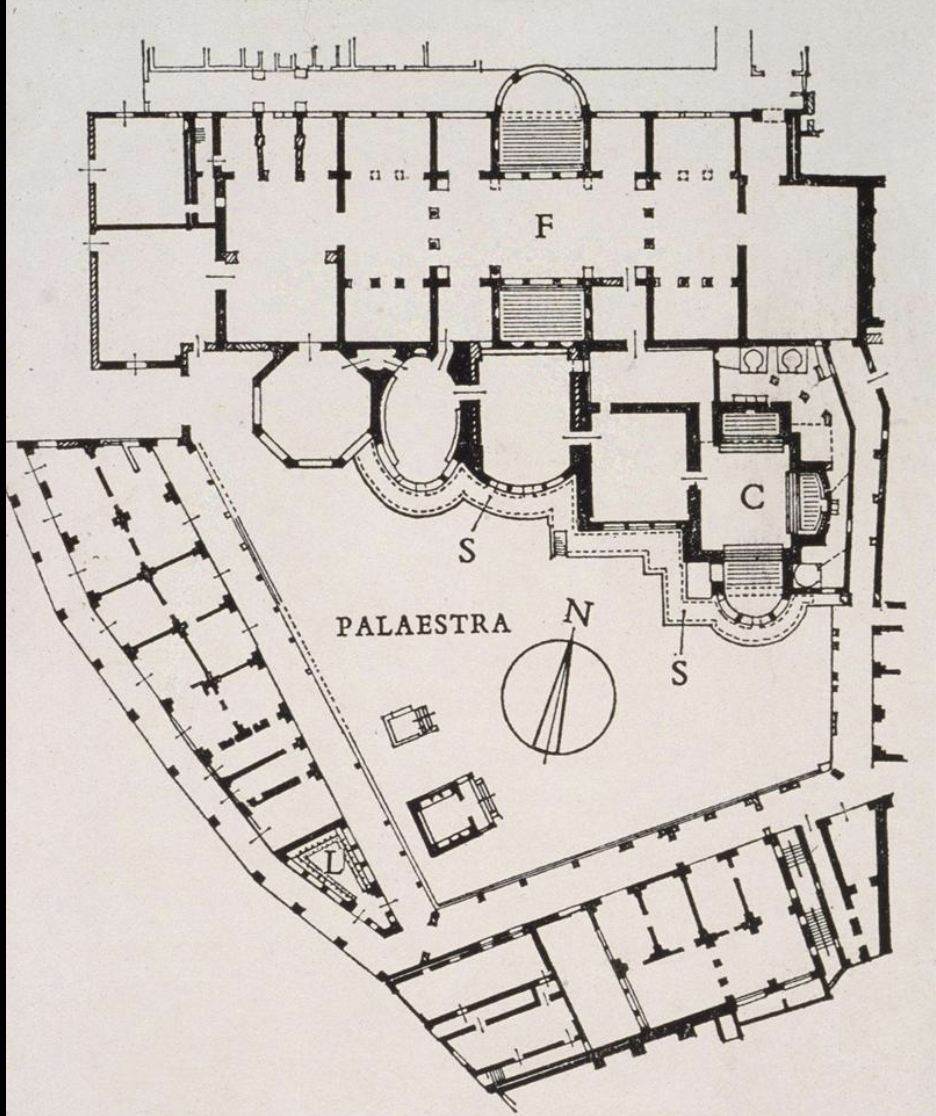
Public baths and latrines at Ostia
Similar to baths in other Roman cities
Gray water from the baths would be used to wash away sewage from public latrines
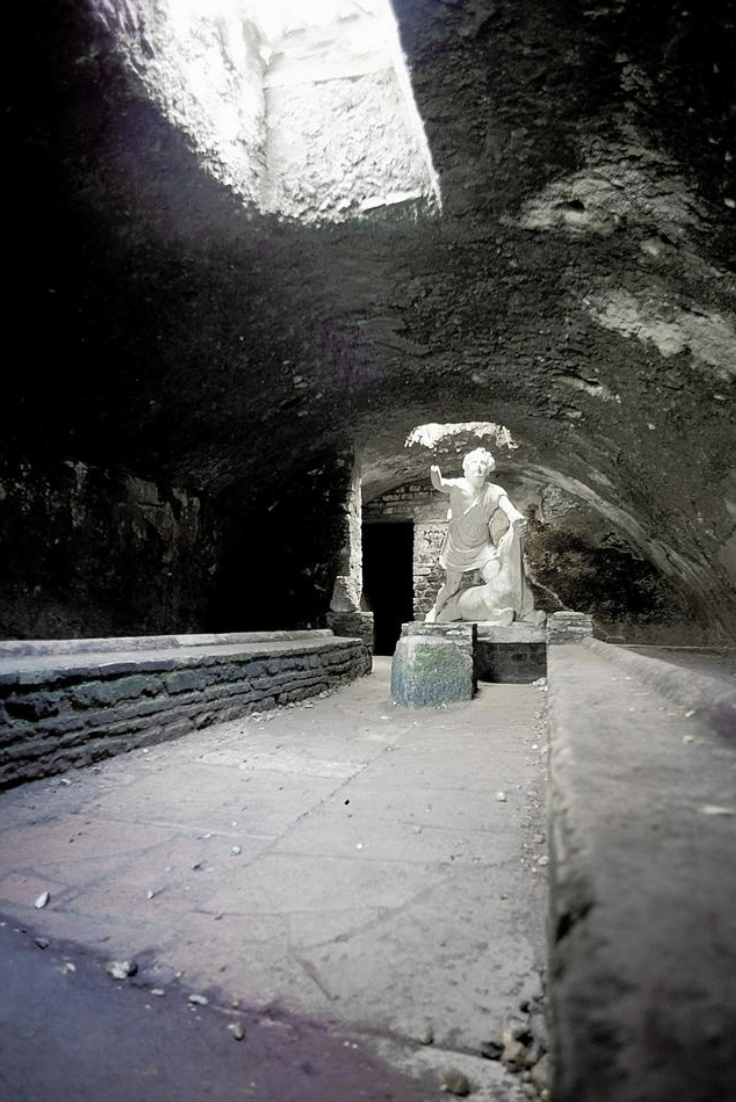
Mithraism
Monotheistic religion, peaking in 2nd c. CE
Underground cults, required membership
More popular than Christianity at the time, popular among people who were uprooted
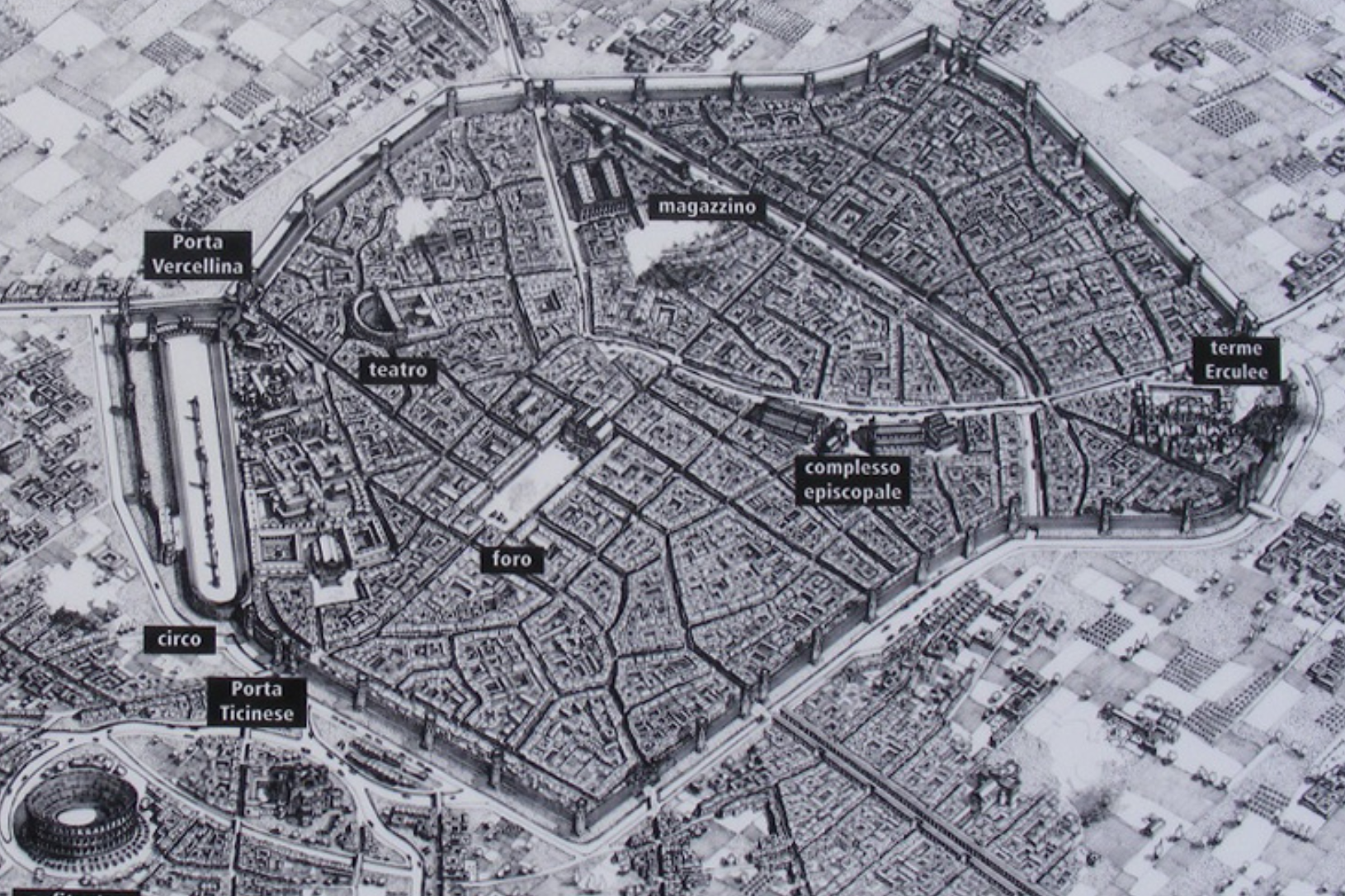
Milan
Northern Italy
Develops as industrial city in the Empire, becomes capital in 3rd c. CE
Good for studying Christianity in Ancient Rome
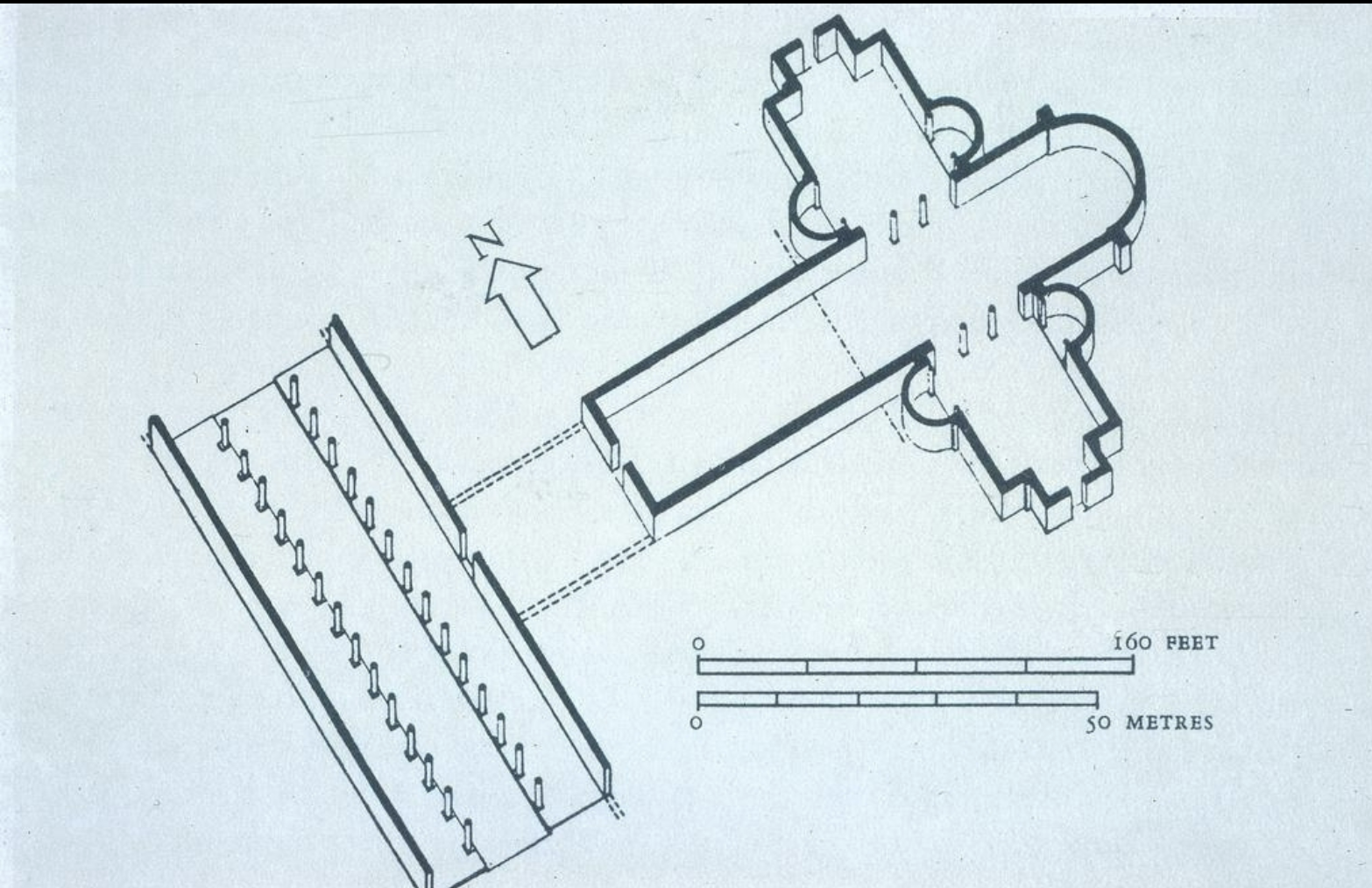
Christian Basilica
As Christianity became legal, new places of worship were built
Designed after Roman Basilicas
Two kinds: Greek vs. Latin cross
Greek cross: equal arms, popular in East
Latin cross: different sized arms, popular in West
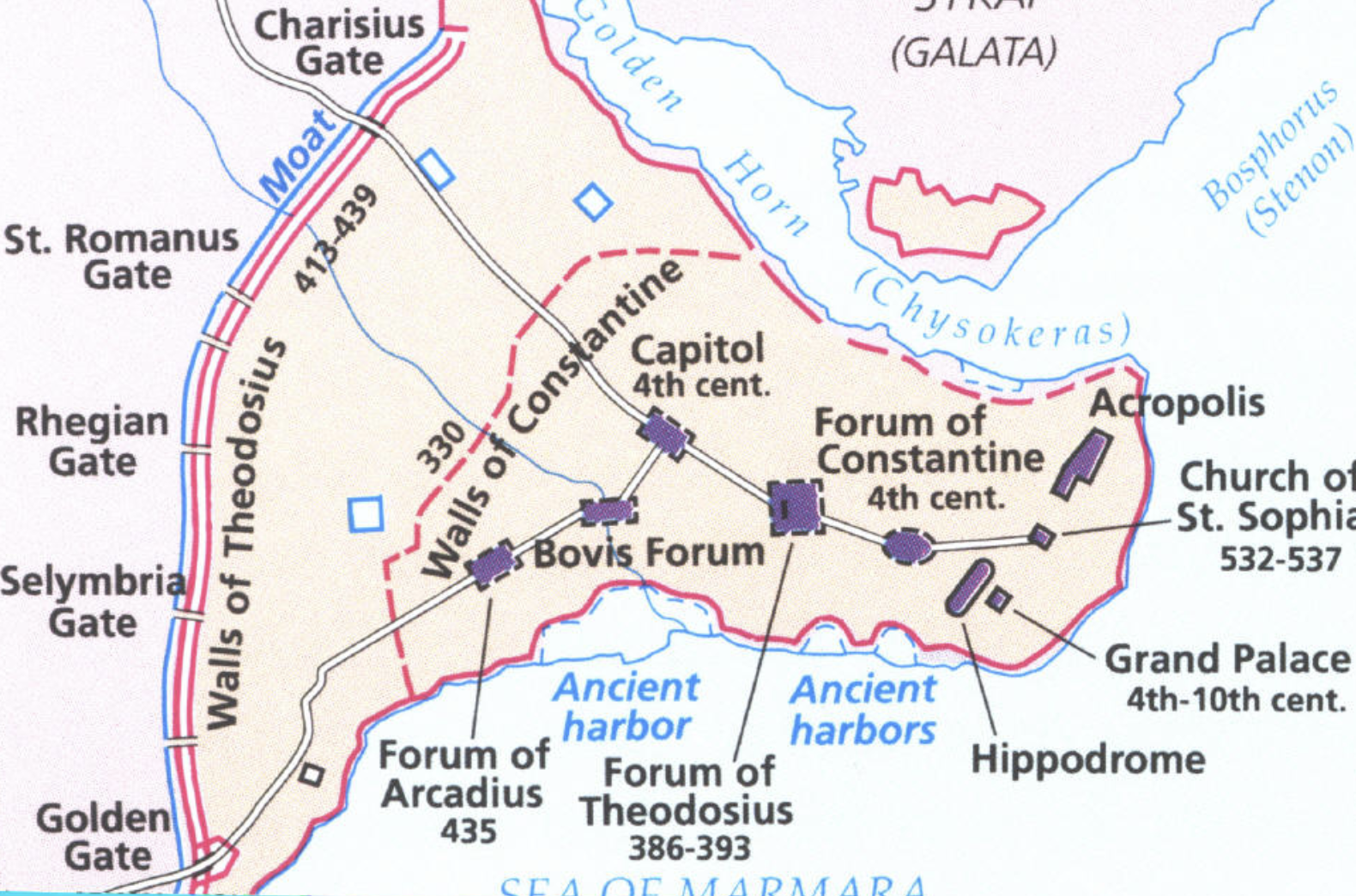
Constantinople
Founded in 7th c. BCE as Greek colony (called Byzantium)
Constantine moves Eastern capital here in 4th c. CE
Now called Istanbul, modern Turkey, straits of Hormuz between Black Sea and Mediterranean Sea
Center of Eastern Christianity, and capital of Eastern Roman Empire for ~1000 years
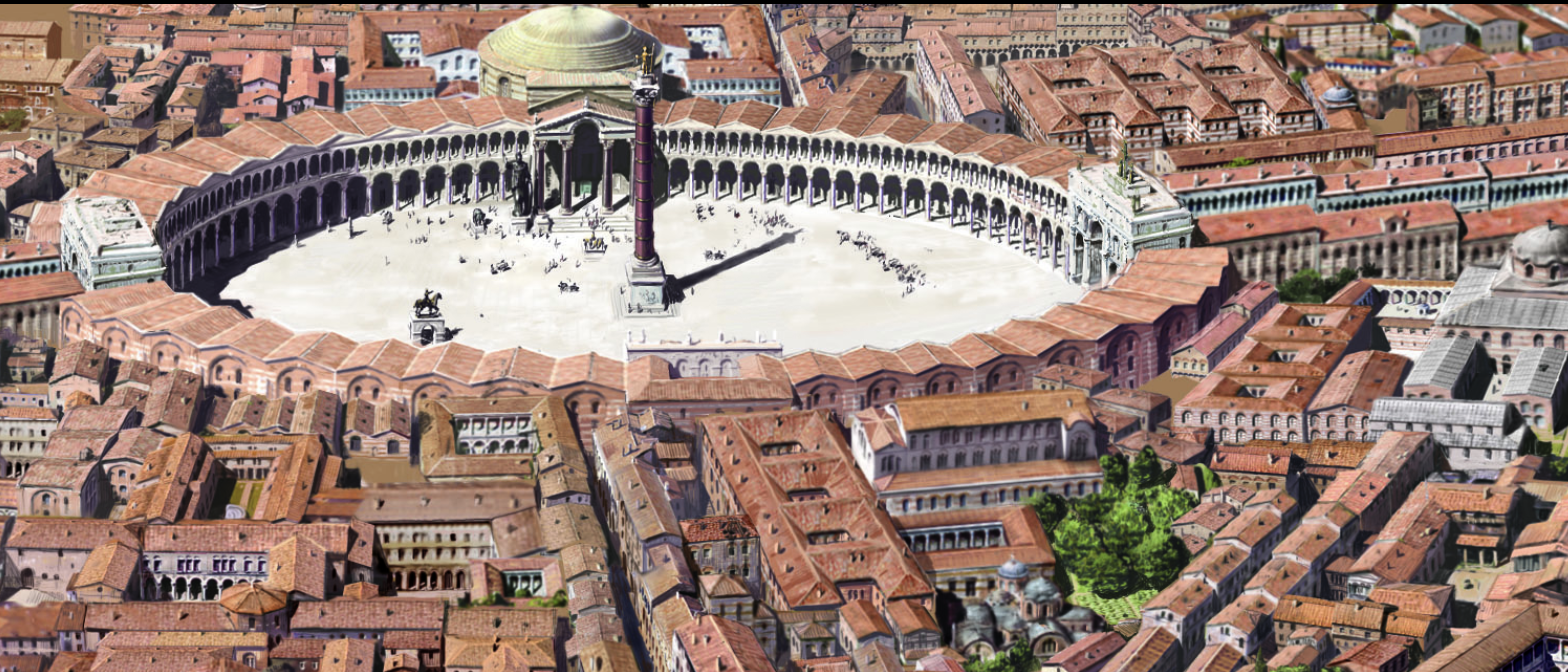
Forum of Constantine
Column made of royal red stone
Triumphal arches on either end
Constantine creates a new senate, equal to the one in Rome, in a building similar to Pantheon
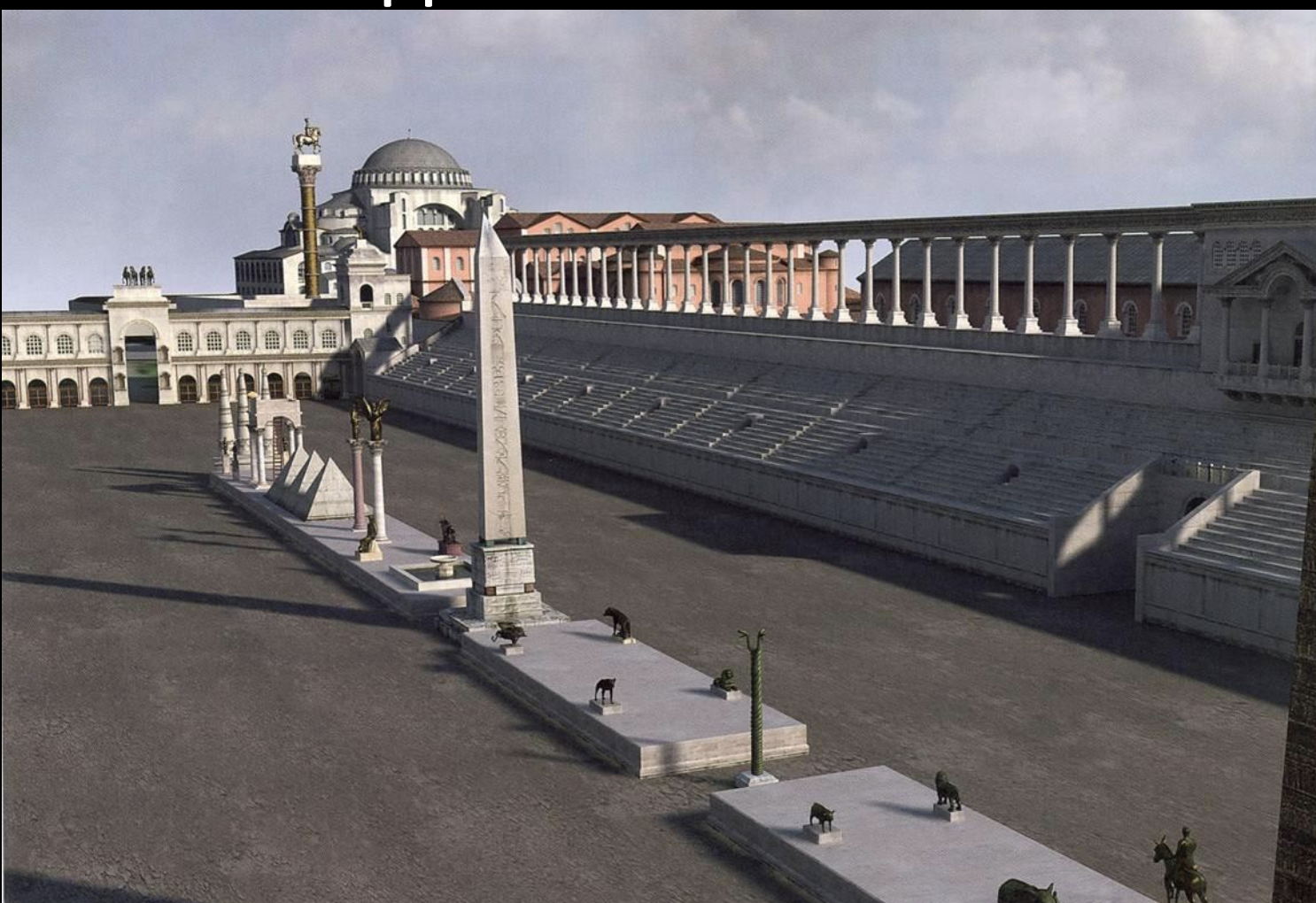
Hippodrome
Racetrack at Constantinople
Middle (“spine”) decorated with famous artwork, e.g. Egyptian obelisk, tripod from Delphi
Place for emperor to show face
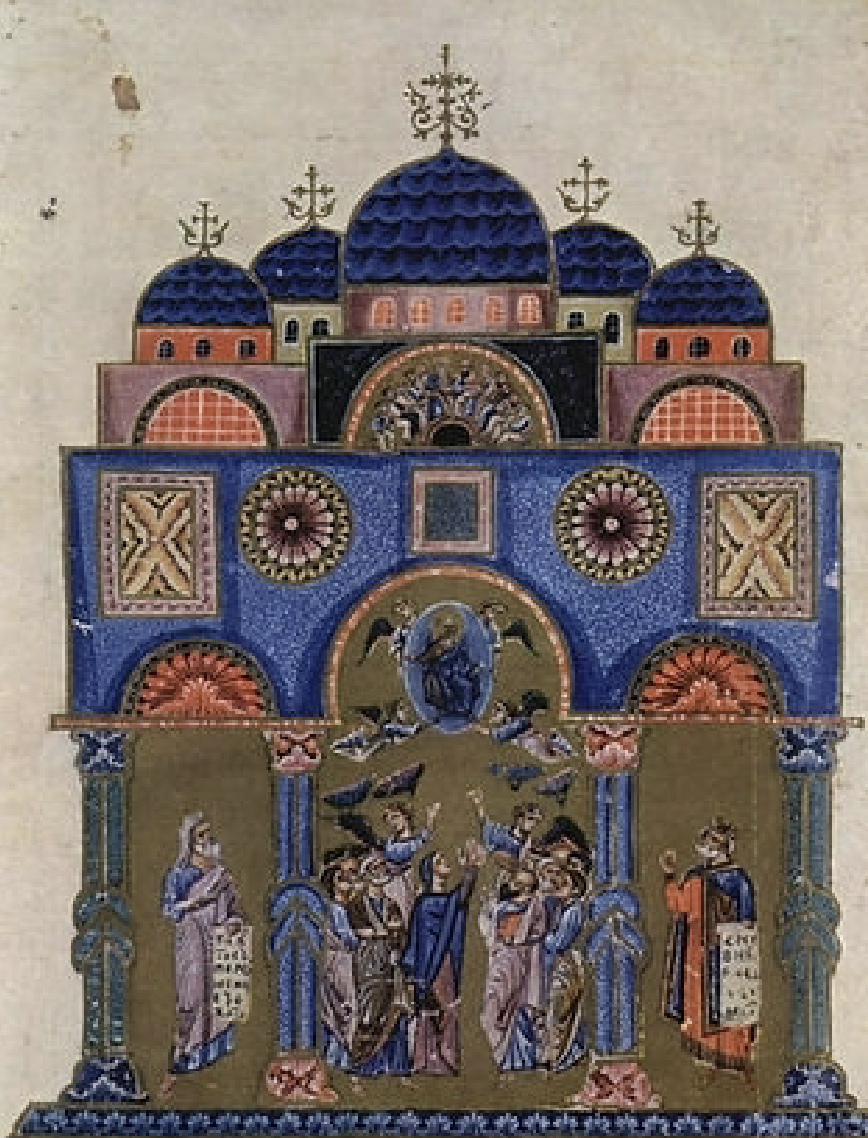
Church of the Holy Apostles
Mausoleum for Constantine
5 domes
Contained skulls of 3 apostles, became pilgrimage site
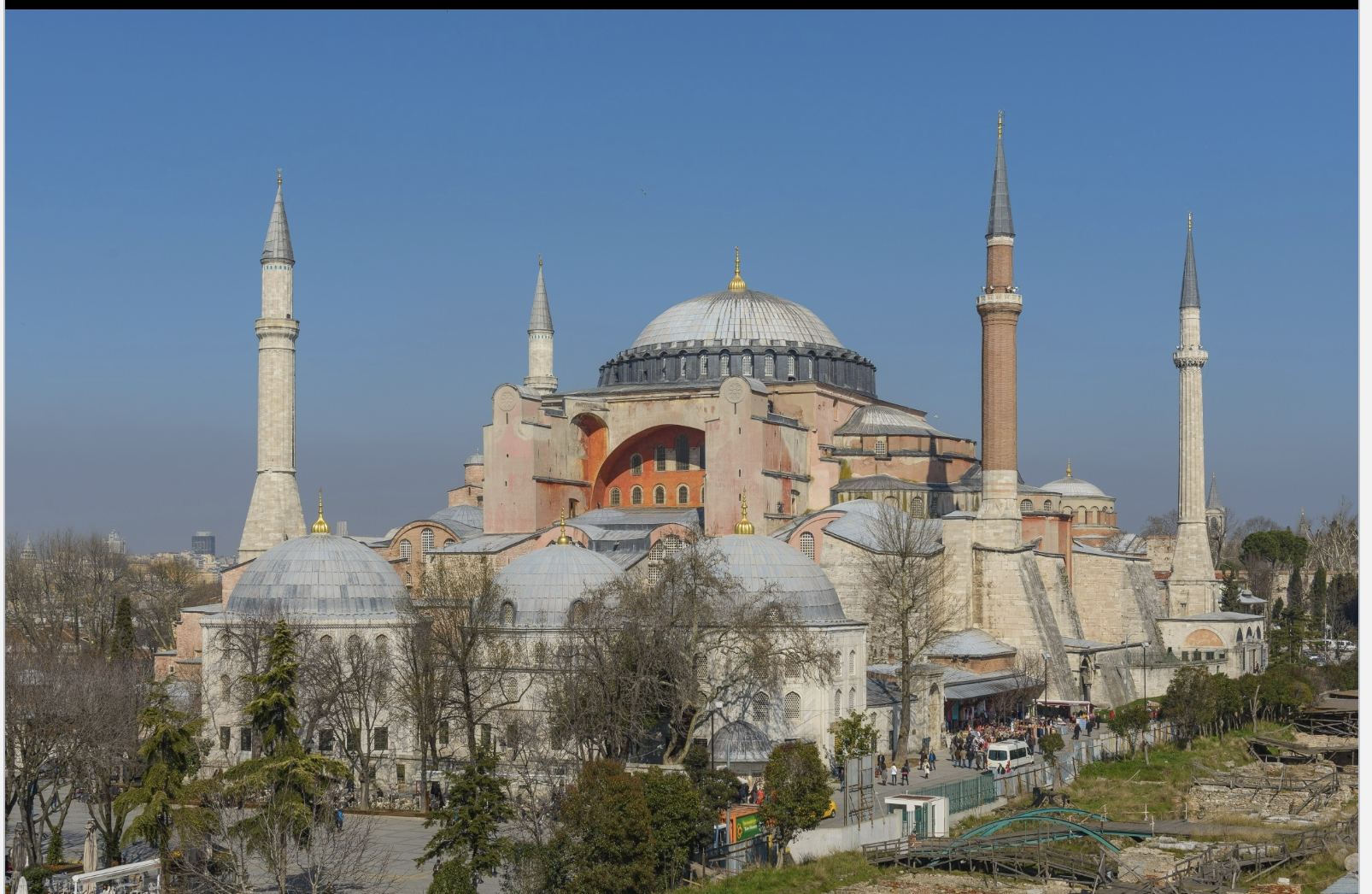
Hagia Sophia
Center for Christianity in East
“Floating” dome, golden mosaics
Made of domes and arches
Depiction of Justinian and Constantine giving gifts to Jesus and Mary