France: Notable Writers (and their Works) and Notable Literary Developments
 Call Kai
 Learn
Learn Practice Test
 Spaced Repetition
 Match
Match Flashcards
 Knowt Play
1/20

There's no tags or description
Looks like no tags are added yet.
Name | Mastery | Learn | Test | Matching | Spaced | Call with Kai |
|---|
No analytics yet
Send a link to your students to track their progress
21 Terms
985 - 1047 - Rodulfus Glaber (All Facts)
French Writer who lived in Cluny Abbey
He wrote during a time in France when panic spread throughout the kingdom because many people had believed that, on the thousandth anniversary of the death of Christ, the end of the world will come
The belief was nurtured by a famine that arose during his lifetime, arising from the torrential thunderstorms that flattered crops in much of France in the spring
It was also nurtured by the nervousness produced by Caliph Al-Hakim’s destruction of the Holy Sepulcher in Jerusalem, also in the namesake’s own lifetime
In response, huge crowds made public displays of repentance, swearing to the keep the peace of God and many people went on pilgrimages to the Holy Land
He expressed the feelings of fear that swept through France when he wrote about the earlier panic which hit the kingdom in the spring, in which he wrote tat “Men thought that the very laws of nature and order of the seasons were reversed, that those rules which governed the world were replaced by chaos. They knew then that the end of the world had arrived”
1050s - 1500s - Chanson de Geste (All Facts)
Earliest genre / form of French literature / national (form) music
Epic poems consisting of a series of stanzas using a single rhyme
They typically celebrated the history of the Age of Charlemagne and the Carolingian Renaissance
They were typically sung by travelling musicians
The earliest and most famous example of it was / is “The Song of Roland”
1100 - The Song of Roland (All Facts)
Earliest and most famous work in the style of “Chanson de Geste”
It is the oldest surviving major work of French literature
Epic poem based on the deeds of the namesake Frankish military leader in his victory at the Battle of Roncevaux Pass during the reign of Charlemagne
1100s - Troubadours (All Facts)
Their lyrical poetry flourished by this time
Written in a Provencal dialect and sung to music, it lauded the concept of love as a knightly duty, a concept which was fashionable in the southern French courts of the day
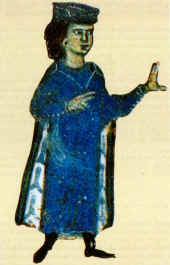
1071 - 1126 - William, Duke of Aquitaine (All Facts)
Pioneered a new style of love poetry which begun to be written in the courts of southern France and which caught on among poets and reciters called “jongleurs” (minstrels), who wandered from court to court to sing or pass on the latest news
1175 - Le Jeu d'Adam / The Play of Adam (All Facts)
Play which marked a major development towards drama in medieval France
It was recited in French, not Latin, and used the common French vernacular
It was traditionally performed outdoors
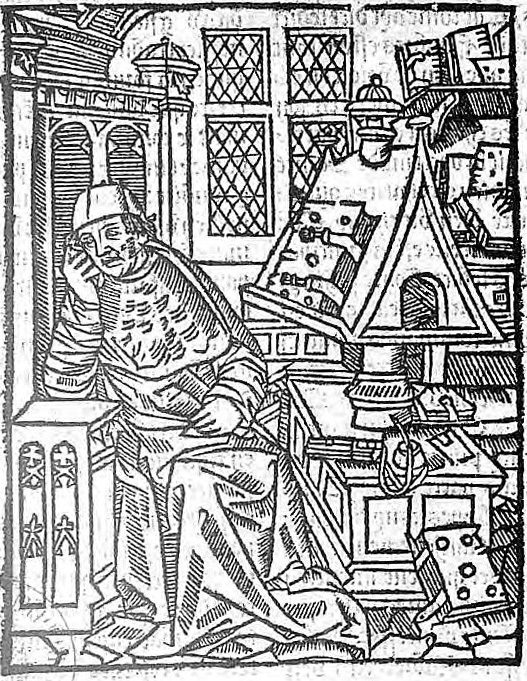
1160 - 1191 - Chretien de Troyes (All Facts)
French Poet
He developed prose romance in his work “Conte del Graal”
He was known for his writing on Arthurian subjects such as Gawain, Lancelot, Perceval, and the Holy Grail
His chivalric romances, including “Lancelot”, “Perceval”, and “Yvain”, represent some of the best-regarded works of medieval literature
His use of structure, particularly in Yvain, has been seen as a step toward the modern novel
1200 - 1240 - Guillaume de Lorris (All Facts)
French Poet and Scholar
He was the author of the first half of the “Roman de la Rose,” the “bible of courtly love”
1240 - 1305 - Jean de Meun (All Facts)
French Poet
He was the author of the second half of the “Roman de la Rose,” the “bible of courtly love,” in which he added 18,000 extra lines in continuation of the original work
1200s - Guillaume de Lorris / Jean de Meun: Roman de la Rose (All Facts)
French Poem of 22K lines organized in 8 syllable couplets that included an elaborate allegory on the psychology of love
Work that was the “bible of courtly love” in the 1200s in France, it was started by the former namesake author and completed by the latter namesake author who added 18,000 extra lines in continuation of the former namesake author’s original work
Characterized by its allegorical characters and geometrical symbols
The book presents
lessons in love-making
a picture of the social behavior in the 1200s in France
The second half of the book, or newer text, incorporated major new attitudes
The first half / author moved the book’s characters within the closed boundaries of a square orchard, representing a monastic cloister and the life of contemplation lived within it
The second half / author had the characters and story set in a circular garden, representing the whole, infinite world
He also abandoned the first half / author’s belief in courtly love, in which he deliberately debunked the idea
His main characters were reason and nature
His encyclopedic technique tried to take in every facet of modern thought at that time
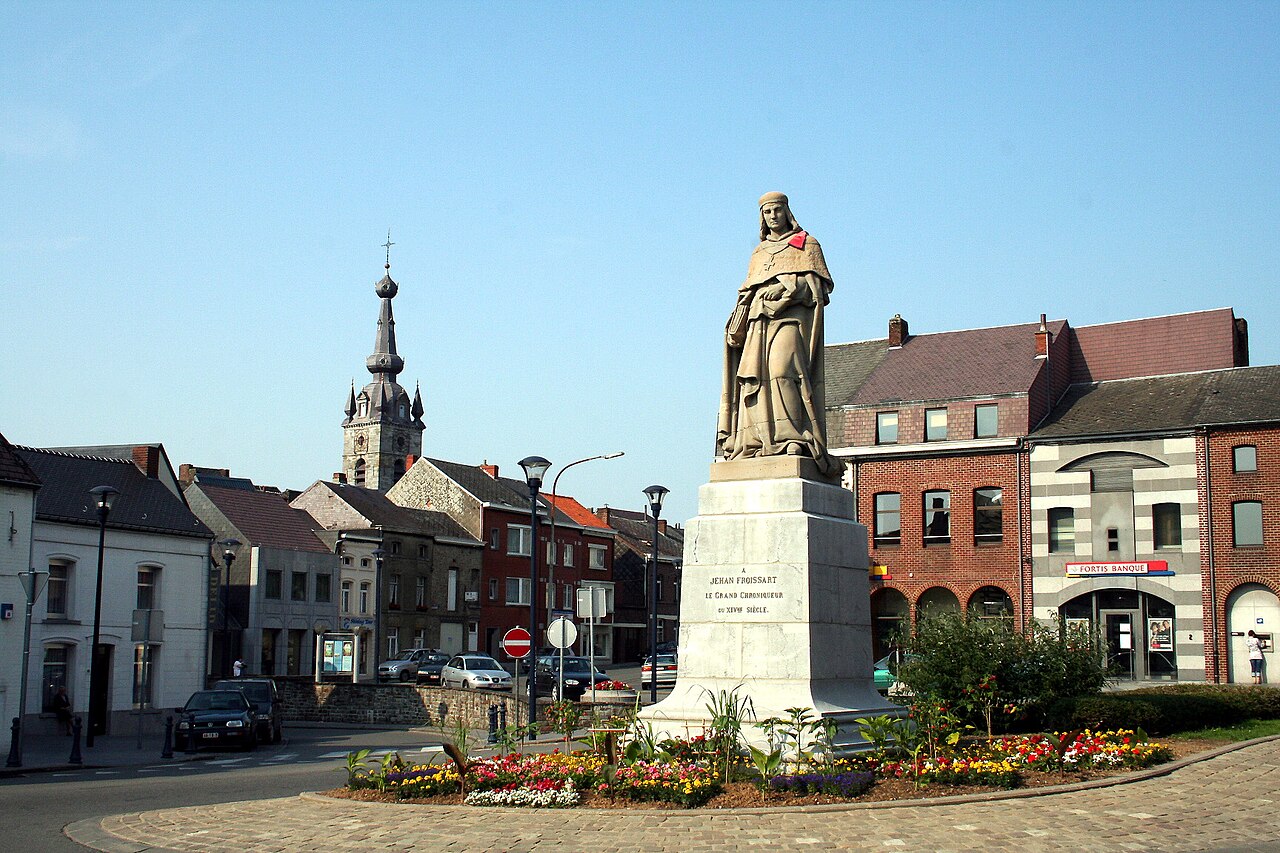
1337 - 1405 - Jean Froissart (All Facts)
French-Holy Roman Author, Historian, and Poet
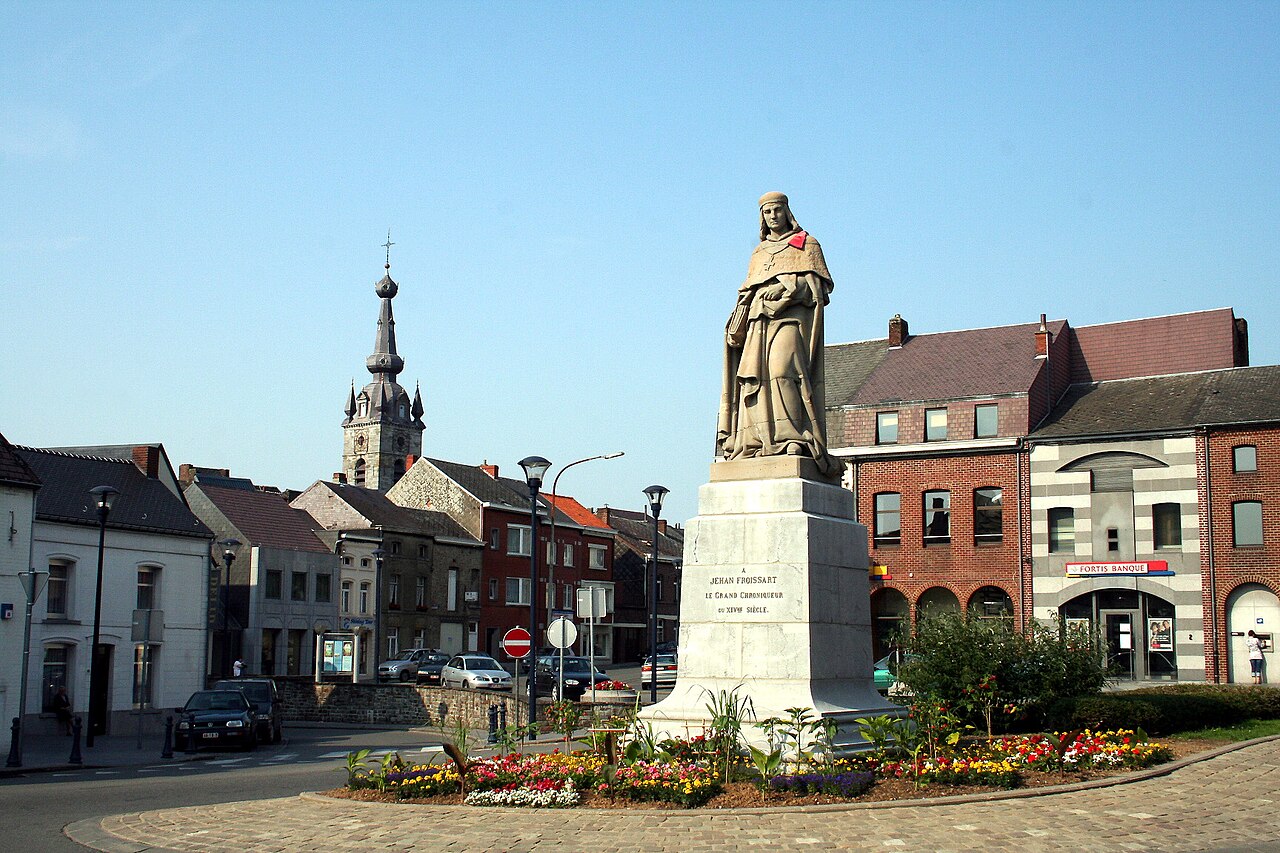
1337 - 1405 - Jean Froissart: Chronicles (All Facts)
Work which coverts the events and facts of the Hundred Years’ War between France and England
Work whose picture of the chivalric world during the second half of the 1300s proved immensely influential
1415 - Paul, Johan, and Herman Limbourg: Très Riches Heures (All Facts)
Commissioned by John, the Duke of Berry
Illuminated manuscript called “Very Rich Hours” for John, the Duke of Berry, a richly illustrated “book of hours” or religious devotional with religious texts and prayers to be read at various set times of the day
It featured many miniature paintings and joined other fine “books of hours” in the namesake duke’s well-stocked library
1415 - Paul, Johan, and Herman Limbourg: Tres Belles Heures (All Facts)
Commissioned by John, the Duke of Berry
It featured many miniature paintings and joined other fine “books of hours” in the namesake duke’s well-stocked library
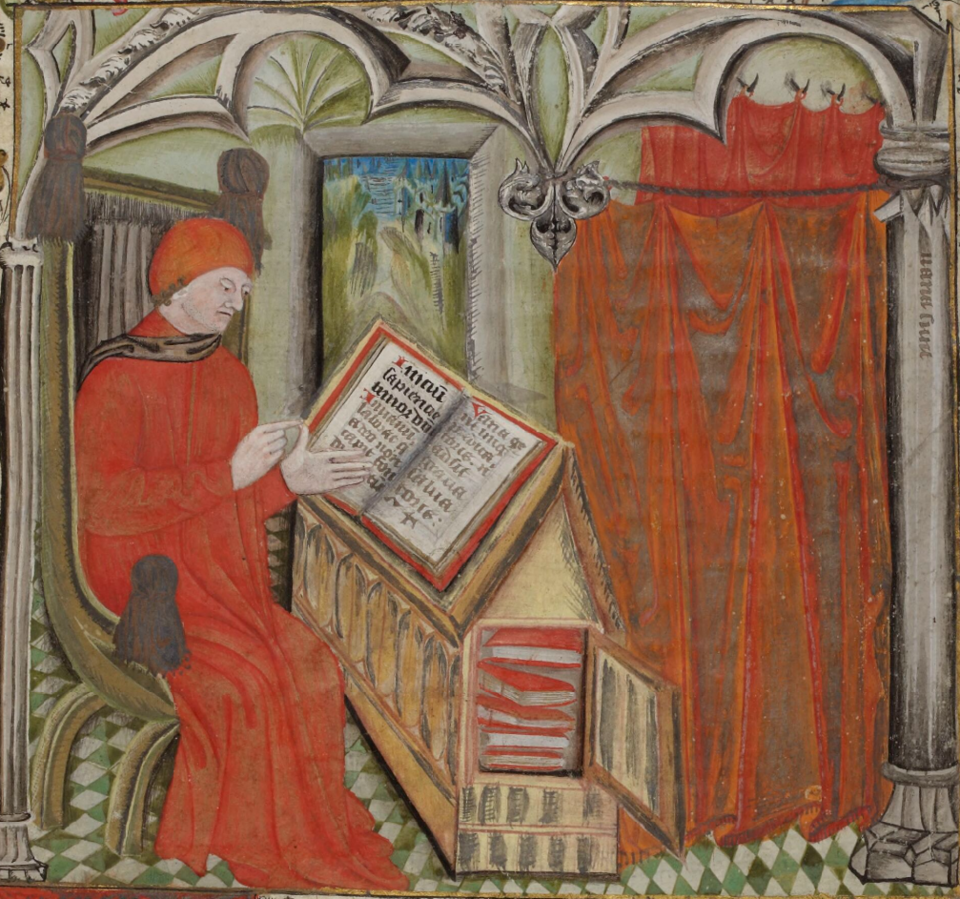
1385 - 1430 - Alain Charter (All Facts)
French Poet and Political Writer
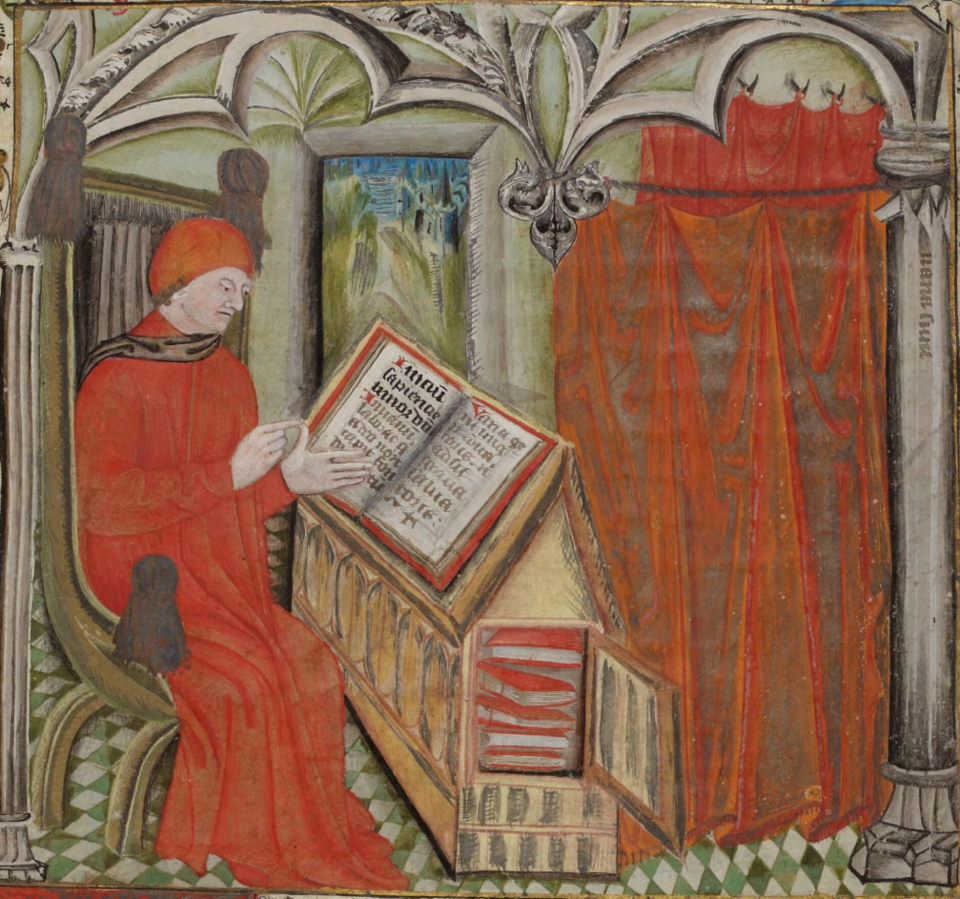
1385 - 1430 - Alain Charter: La Belle Dame Sans Merci (All Facts)
Allegorical Poem that was an attack on courtly love, which reflected political unrest in France after the French defeat in the Battle of Agincourt
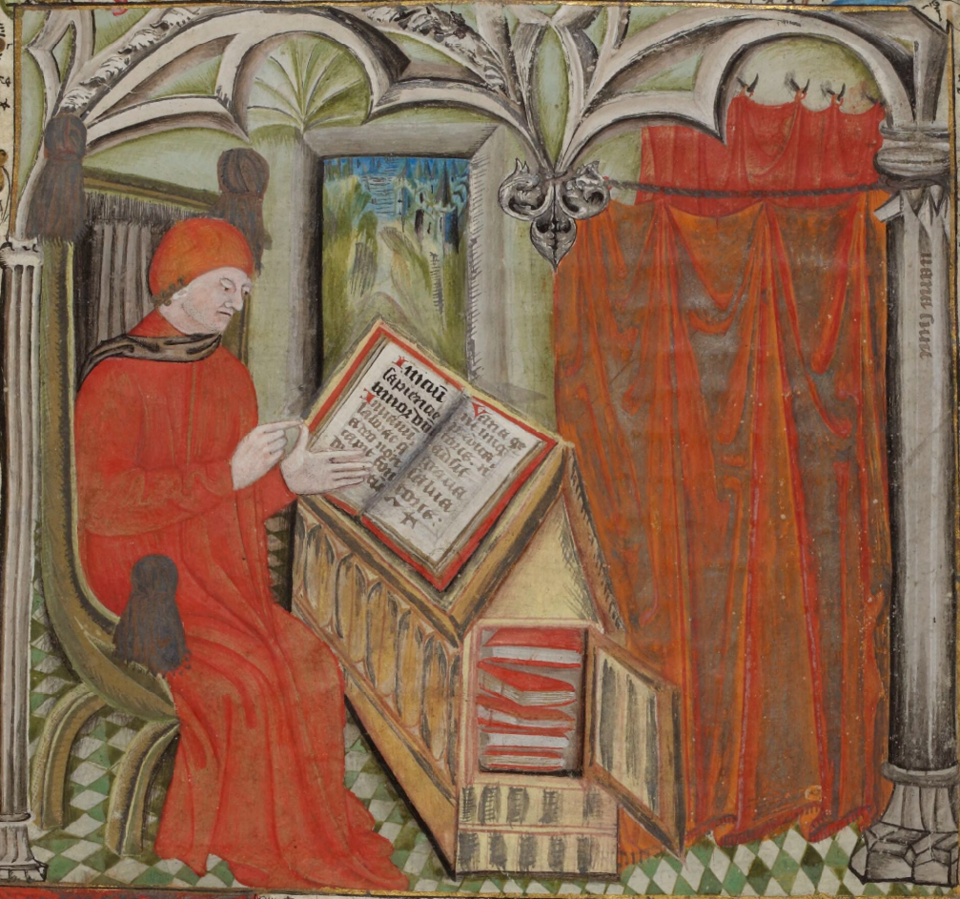
1385 - 1430 - Alain Charter: Le Quadrilogue Invectif (All Facts)
Political Pamphlet in which the namesake author called for French solidarity to combat the turmoil of the Hundred Years War, using prose form to convey his plea
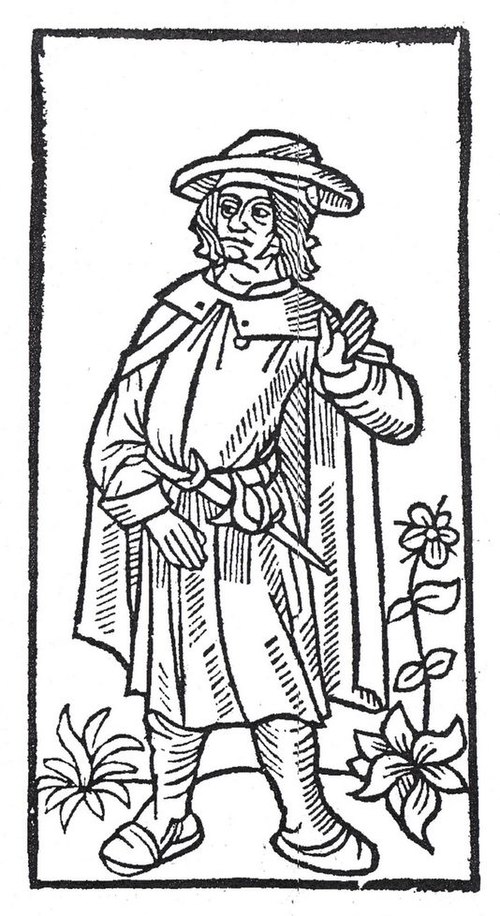
1431 - 1463 - Francois Villon (All Facts)
French Poet
Medieval French verse forms were infused with vigor and blunt realism in his lyrical poetry, in which he recalls his wasted life
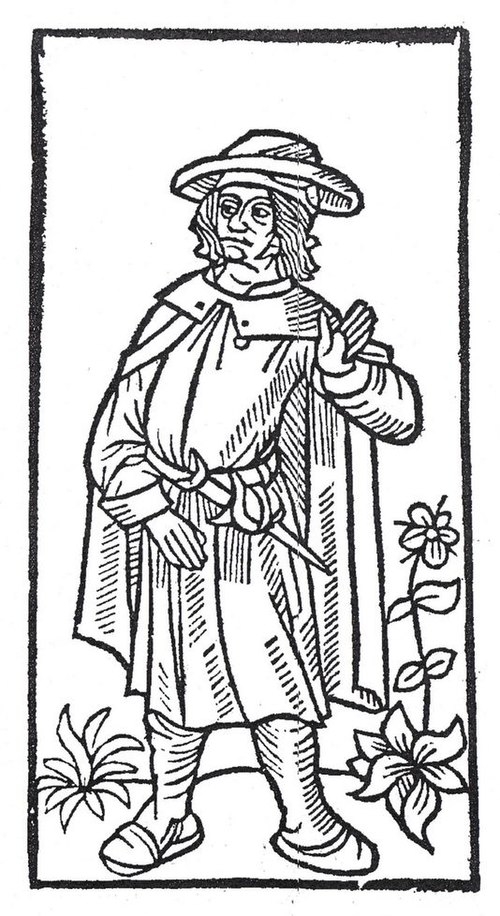
1431 - 1463 - Francois Villon: Ballad of a Hanged Man (All Facts)
Poem in which the namesake author awaits his execution
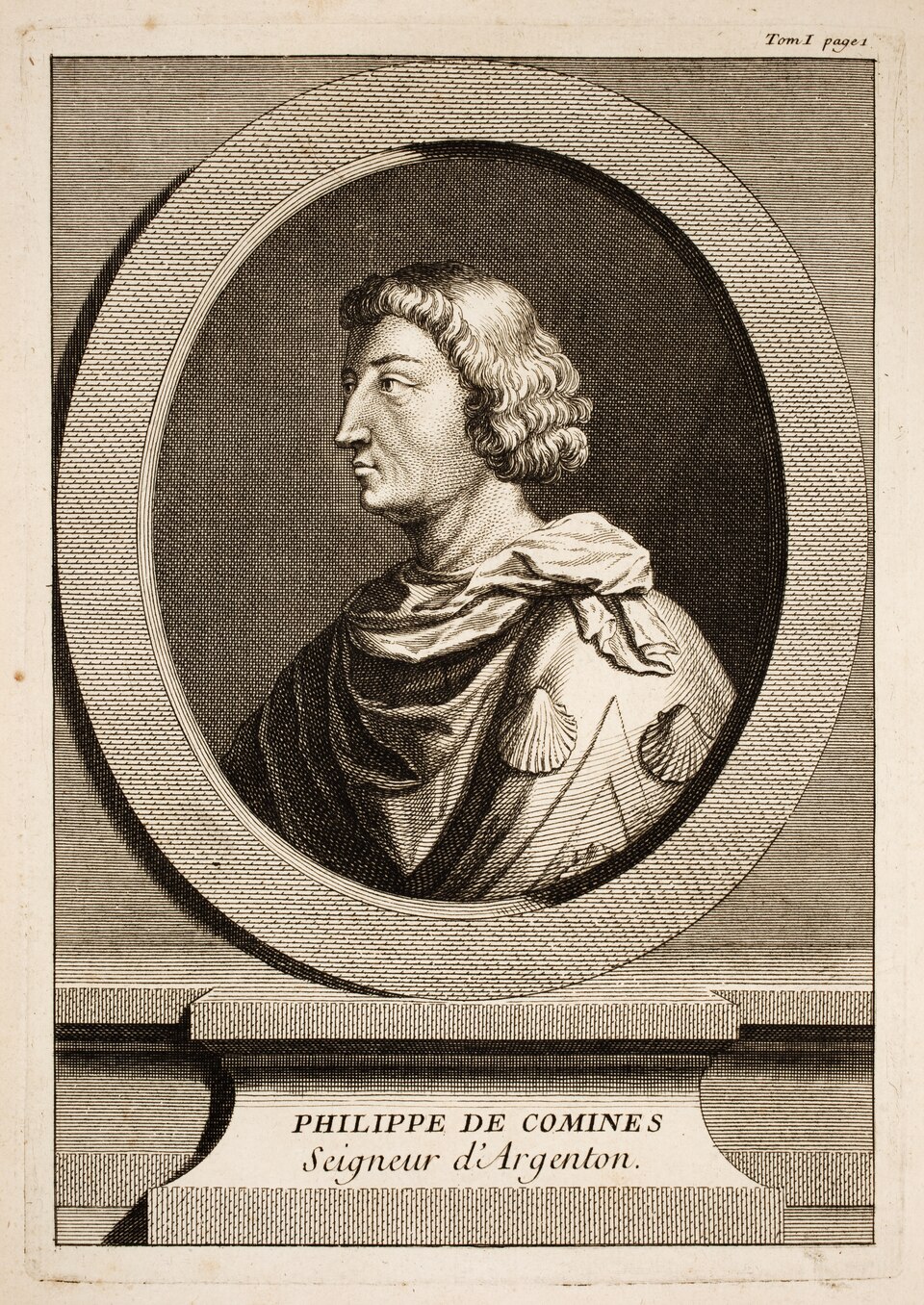
1447 - 1511 - Philippe de Comines (All Facts)
French Writer, Chronicler, and Statesman
He was a servant at one time of King Louis XI
He argued that taxes needed sanction of the Estates General (the representative body of nobles, gentry, and clergy)
In his work “Memoires,” he recounts the reigns of Kings of France Louis XI and Charles VIII