Swine Diseases: Neonatal, Weaning, Respiratory, Reproductive, and Foreign Infections
 Call Kai
 Learn
Learn Practice Test
 Spaced Repetition
 Match
Match Flashcards
 Knowt Play
1/24

There's no tags or description
Looks like no tags are added yet.
Name | Mastery | Learn | Test | Matching | Spaced | Call with Kai |
|---|
No analytics yet
Send a link to your students to track their progress
25 Terms
Clostridioides difficile
Anaerobic, gram-positive, spore-forming bacteria that may cause diarrhea in piglets.
Clostridium perfringens Type A
Normal in pig GI tract; may cause mild diarrhea in the first weeks of life.
Clostridium perfringens Type C
Causes a highly fatal, necrohemorrhagic enteritis, most commonly affecting piglets 1-5 days old.
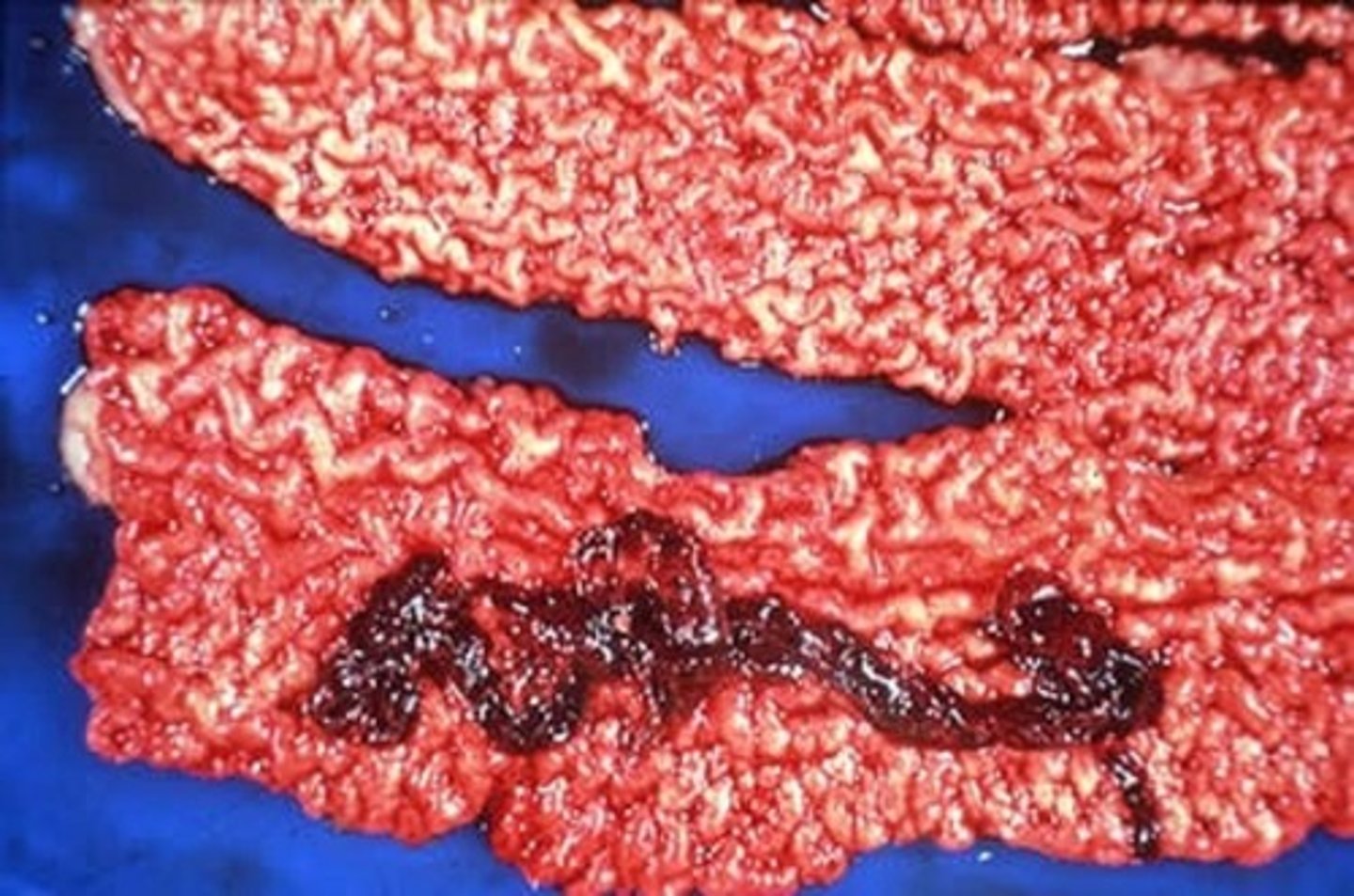
Enterotoxigenic strains of Escherichia coli (ETEC)
Cause Enteric colibacillosis resulting in severe, watery diarrhea and dehydration in pigs aged 0 to 9 weeks.
Salmonella enterica serotype Choleraesuis
Causes enteritis/diarrhea and septicemic disease characterized by hepatitis and pneumonia.
Brachyspira pilosicoli
Causes intestinal spirochetosis with diarrhea of 'wet concrete' consistency lasting 3-6 weeks.
Brachyspira hyodysenteriae
Causative agent of swine dysentery, causing mucoid diarrhea with frank blood and marked weight loss.
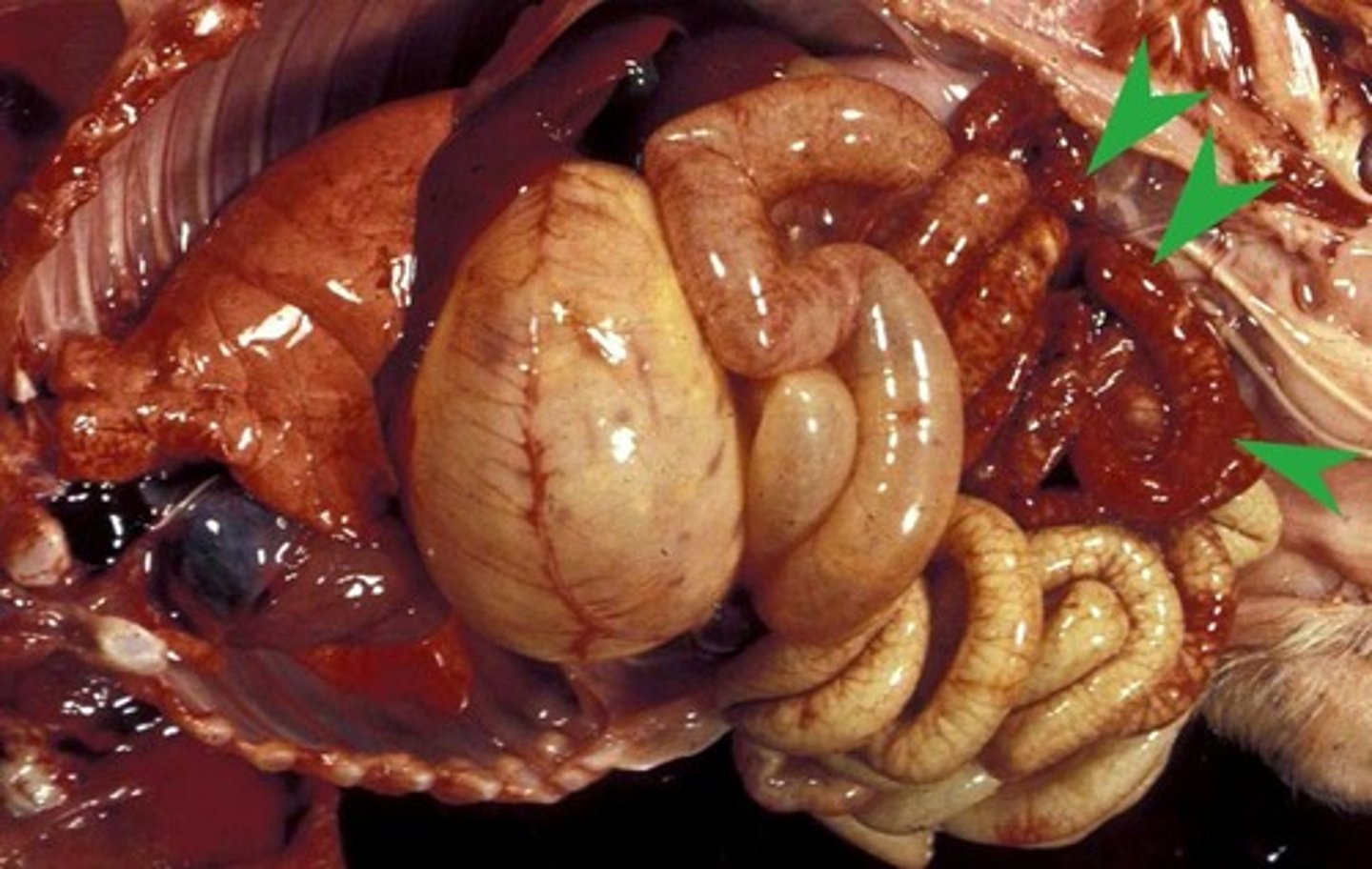
Porcine circovirus 2 (PCV2)
Causes postweaning multisystemic wasting syndrome (PMWS) characterized by poor growth rate and wasting.
Porcine Coronaviral Enteritis
Includes TGEV, PEDV, and PDCV, all causing profuse, watery diarrhea.
Rotaviral enteritis
Infects and destroys villous enterocytes throughout the small intestine, causing gray, pasty to watery diarrhea.
Porcine Proliferative Enteropathy
Causative agent is intracellular Gram negative bacteria Lawsonia intracellularis. Causes hyperplasia and inflammation of the jejunum, ileum, cecum, and colon often mild and self-limiting. May cause persistent diarrhea, severe necrotic enteritis, or hemorrhagic enteritis with high mortality.
Atrophic Rhinitis
Two forms: Nonprogressive atrophic rhinitis due to Bordetella bronchiseptica, mild and transient. Progressive atrophic rhinitis due to Pasteurella multocida, severe and permanent, usually accompanied by poor growth.
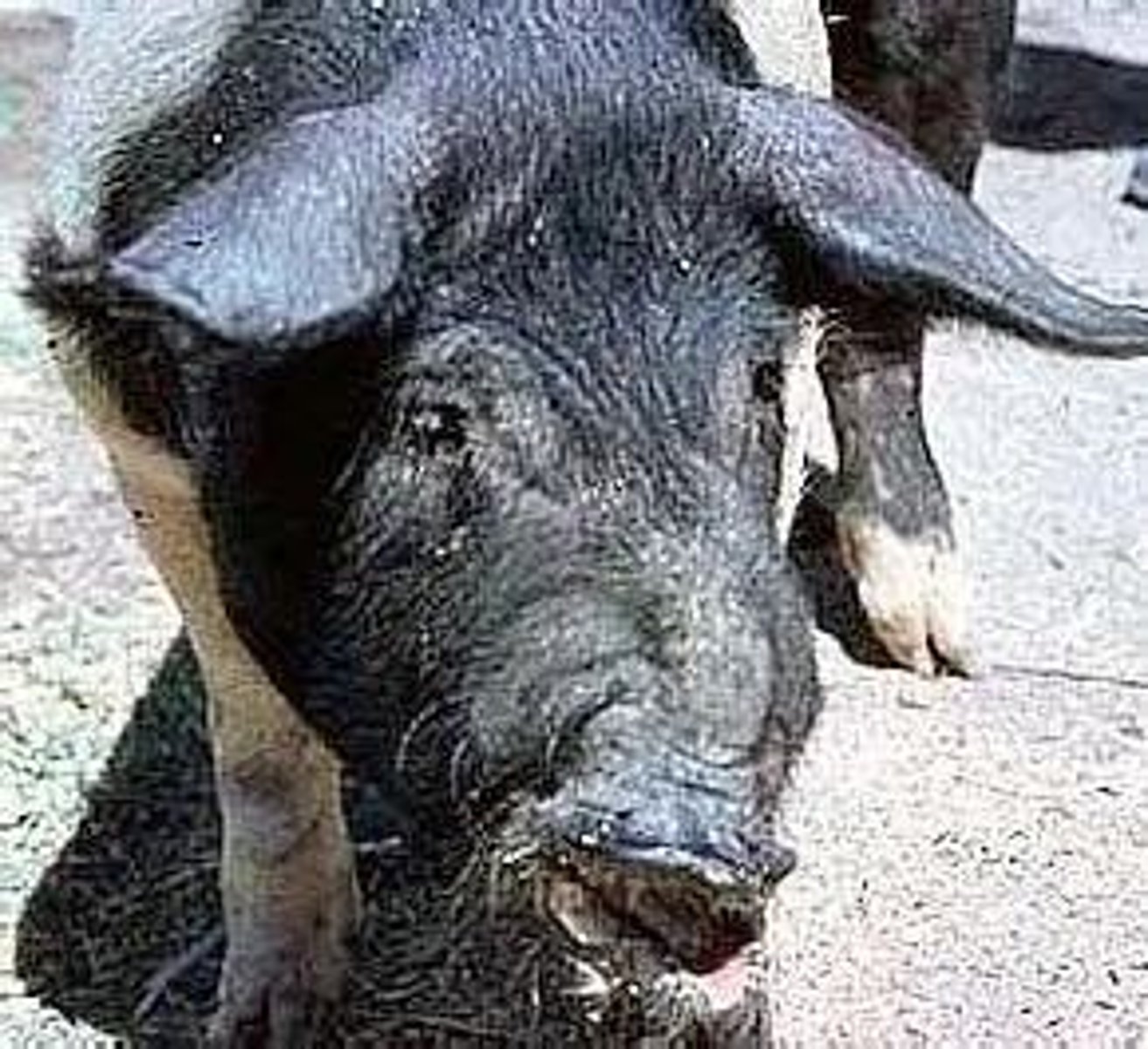
Mycoplasma Pneumonia
Causative agent is Mycoplasma hyopneumoniae. Nonproductive coughing is the most common sign. Control via all-in, all-out management, antibiotics, and vaccination.
Necrotic Rhinitis
Causative agent is Fusobacterium necrophorum, associated with trauma to the mouth. Treatment includes antibiotics and cessation of needle teeth clipping.
Pasteurellosis
Causative agent is Pasteurella multocida, causes exudative bronchopneumonia. Treatment is via antibiotics and Mycoplasma control.
Pleuropneumonia
Causative agent is Actinobacillus pleuropneumoniae. It is a severe and contagious respiratory disease with high morbidity and mortality. Treatment includes antibiotics and all-in, all-out management.
Influenza A Virus in Swine
Causes high morbidity and low mortality. Clinical signs include depression, anorexia, fever, coughing, and nasal discharge. No specific treatment.
Porcine Reproductive and Respiratory Syndrome (PRRS)
Infection caused by the PRRS virus (PRRSv). Causes respiratory problems and reproductive failure. Symptoms include fever, coughing, and pneumonia.
Porcine Parvovirus
Causes early embryonic and fetal death in non-exposed gilts and sows. Transmitted via oronasal route to naïve gilts/sows. Treatment is none, prevention is vaccination.
Leptospirosis
Pigs are primary hosts for Leptospira interrogans serovars. Causes placentitis, abortion, and interstitial nephritis. Transmitted in urine and venereally.
Swine Brucellosis
Caused by Brucella suis, results in late term abortion. Transmission occurs via oral and venereal routes. It is zoonotic.
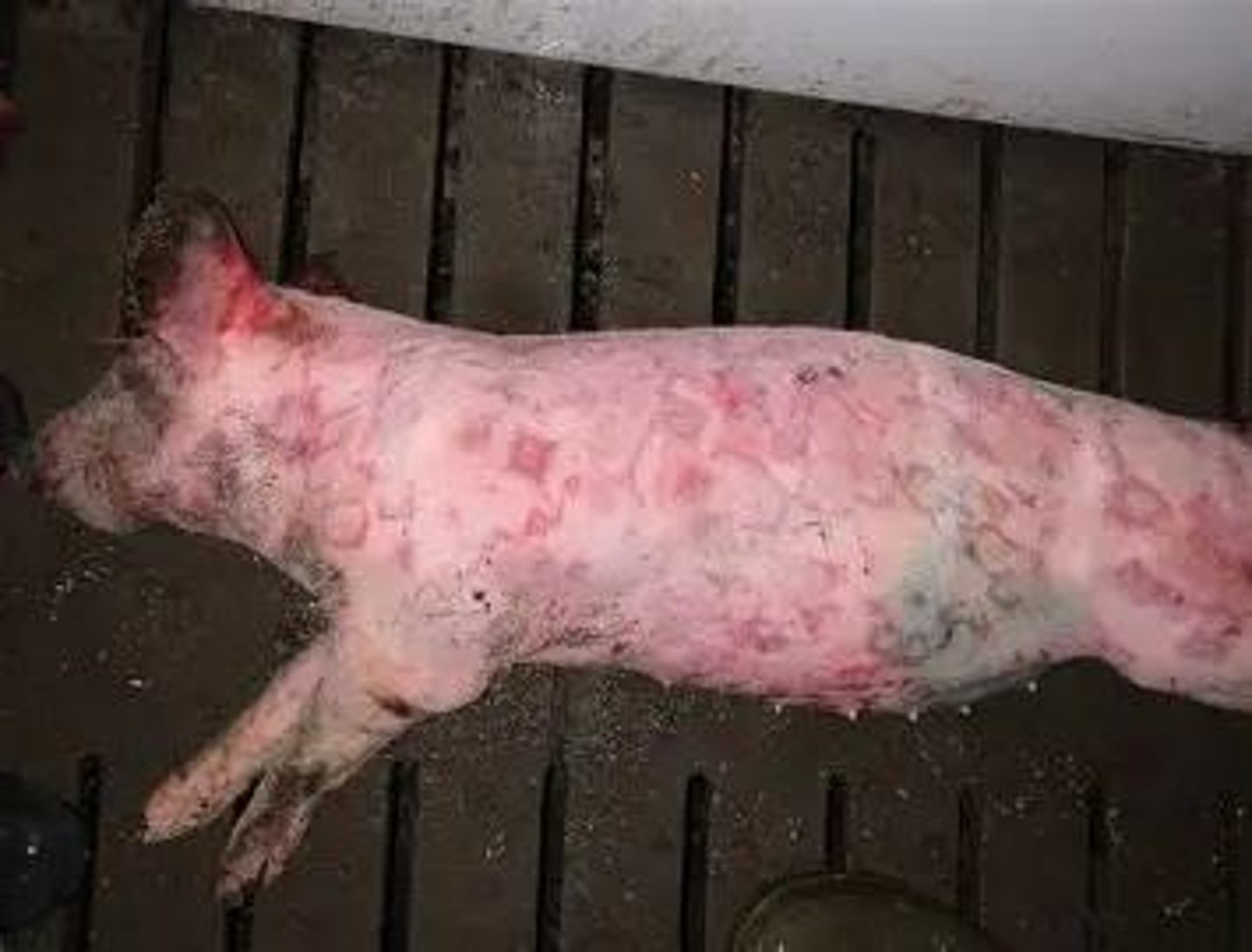
Swine Erysipelas
Causative agent is Erysipelothrix rhusiopathiae. Causes severe skin lesions, high fever, and abortion. Treatment includes antibiotics.
Pseudorabies
Herpesvirus of pigs that mimics rabies. Causes neurologic signs and high mortality in piglets. Transmission is fecal-oral or respiratory.
Classical Swine Fever (Hog Cholera)
Caused by an RNA virus in the genus Pestivirus. Causes generalized vasculitis and hemorrhages. No treatment, vaccine use must be approved.
African Swine Fever
Caused by African swine fever virus (ASFV). Causes generalized vasculitis and hemorrhages. Transmission by soft ticks and direct contact. No treatment.