2. Parallel Activation in Spoken Word Recognition
 Call Kai
 Learn
Learn Practice Test
 Spaced Repetition
 Match
Match Flashcards
 Knowt Play
1/19

There's no tags or description
Looks like no tags are added yet.
Name | Mastery | Learn | Test | Matching | Spaced | Call with Kai |
|---|
No analytics yet
Send a link to your students to track their progress
20 Terms
How is eye tracking used to measure parallel activation when hearing words?
people are more likely to look at pictures of the candidates than unrelated words
How did Dahan demonstrate eye tracking activation of sound matches?
“find the bench”
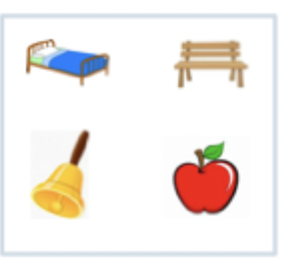
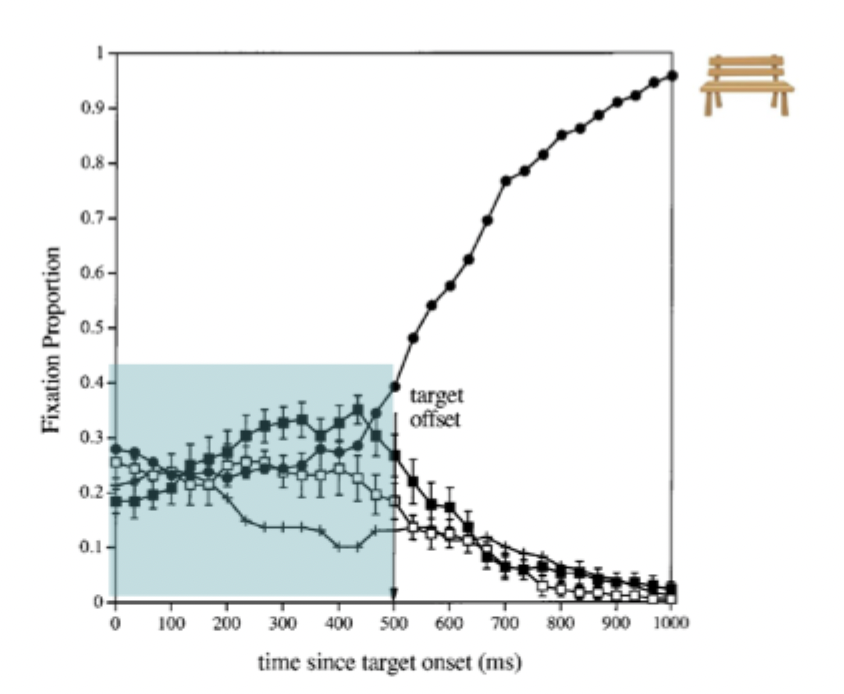
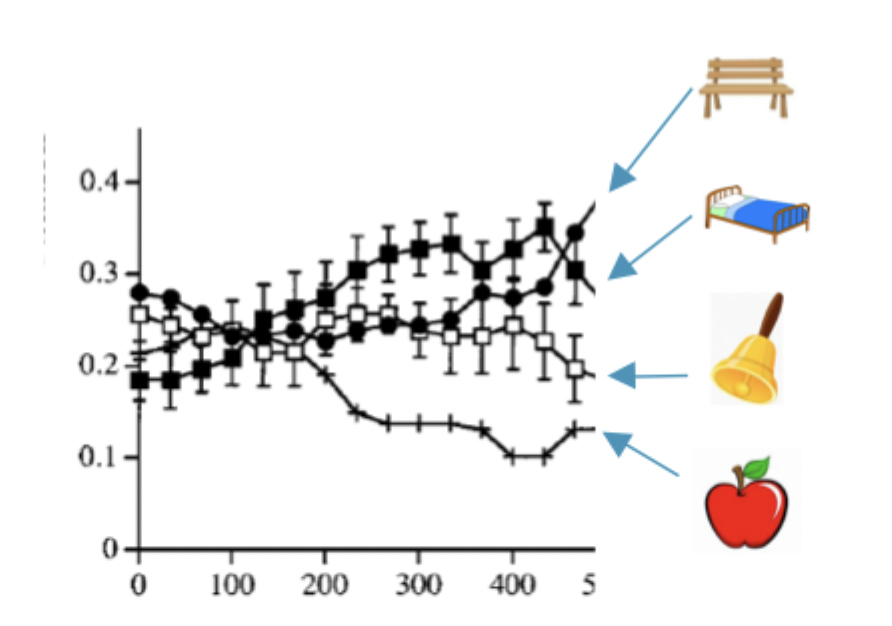
in the process of hearing bench, they might also activate bed and bell
multiple words matching the input are activated
unrelated “apple” is not looked at much
How did Yee and Sedivy demonstrate eye tracking activation of semantic matches?
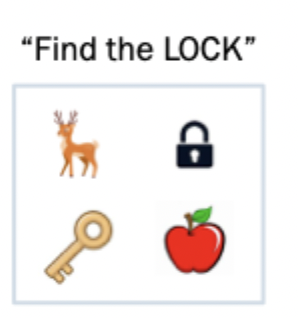
a decent amount of time is spend looking at the key (semantically related)
some continuation of looking even when they’re sure the word they’re looking for is look
In sum, what has been found from eye tracking studies of word activation?
even as a word unfolds we get activation of similar sounding words and words similar in meaning
However, what could be a limitation of eye tracking studies?
maybe even seeing the words in the study is partially responsible for activation of the other words
What is the effect of competition in parallel processing?
different words might have different numbers of other similar words
if a word sounds similar to many others there will be lots of competition - more difficult to recognise and vice versa
How did Ziegler et al demonstrate parallel activation competition for sounds?
played recording of words: with lots, little competition or fake words
had to indicate whether the word they heard was real or not
slower to respond when words have many sound competitors
How did Zwitserlood demonstrate parallel activation and semantic priming?
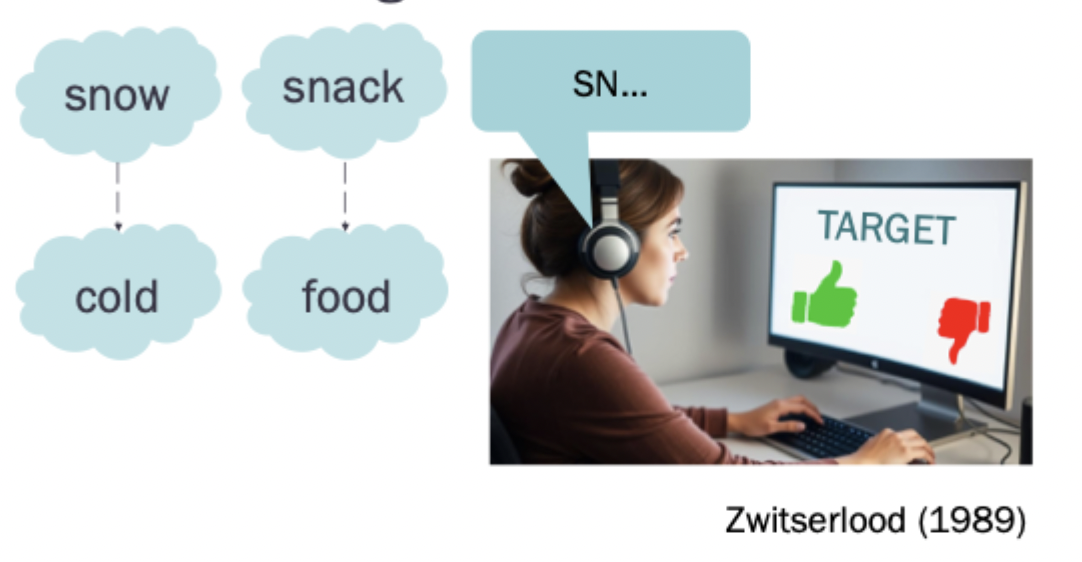
asked to recognise target words on a screen, sometimes real and sometimes not
if e.g. cold and food are activated in ppts mind they would be more likely to respond faster to say that they are real than unrelated words
and people are faster to recognise targets that are semantically related to words they hear at the same time
we see priming for multiple related words
Parallel activation evidence summary
competition shows parallel activation of similar-sounding words
priming shows parallel activation of semantically related words
How did Rodd et al demonstrate competition for meanings?
slower to recognise words with many meanings
faster with few meaning competitors
Summary: parallel activation
similar-sounding words
semantically related words
multiple meanings of the same word
What are the 3 key principles from speech to meaning?
robust identification of words despite variable boundary cues, variability in speakers and variability in noise
parallel activation of multiple candidates
context influences word recognition
context constrains parallel activation of words/meanings
How did Swinney demonstrate whether context impact activation of different possible meanings?
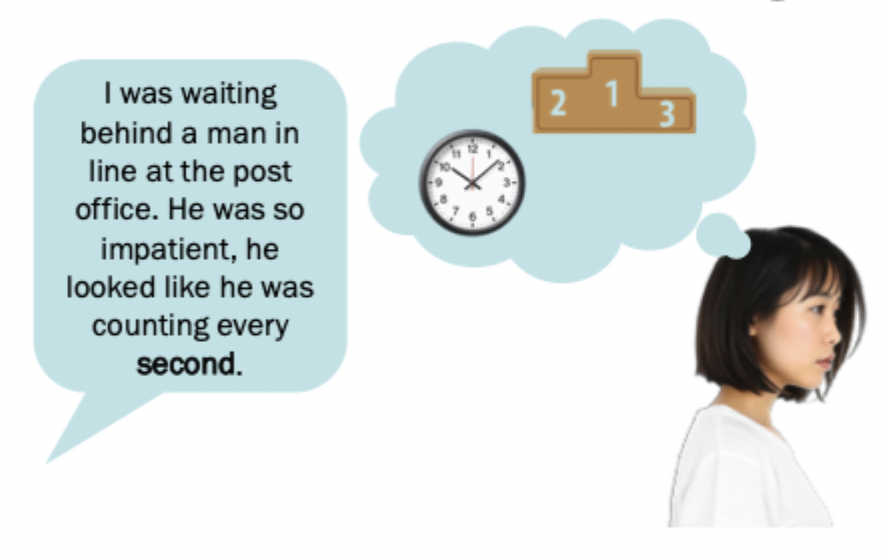
listen to ambiguous words like second, always presented in sentence context where just one meaning was relevant
shown target words on screen, some real some not and have to decide which are real
words were either related to the relevant meaning due to the context, or the irrelevant meaning
do both of the meanings get activated?
target shown either during or after ambiguous word
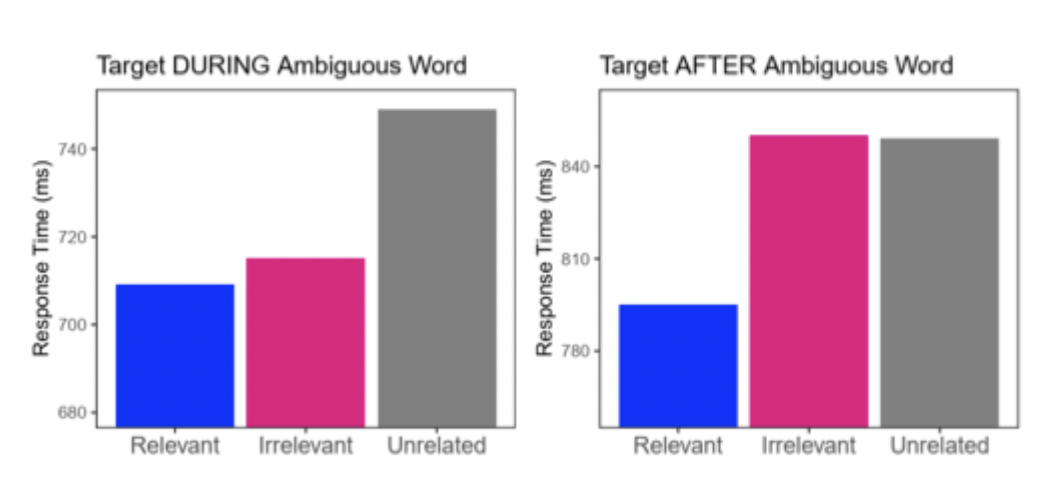
depends when exactly target word was shown to ppt
when shown after, priming for the irrelevant target goes away
as people hear ambiguous words multiple meaning generated, regardless of context. but within a few moments it is then constrained down to the one possible option
context rapidly constrains parallel activation
What are the differences between hearing and reading words?
hearing: no clear pauses, universal
reading: clear spaces, invented/taught
What is involved in robust identification of written words despite variability?
text tends to be standardised
the same sounds can be written in lots of different ways
even with jumbles letters words can be processed and understood
How is masked priming used to test letter position variability?
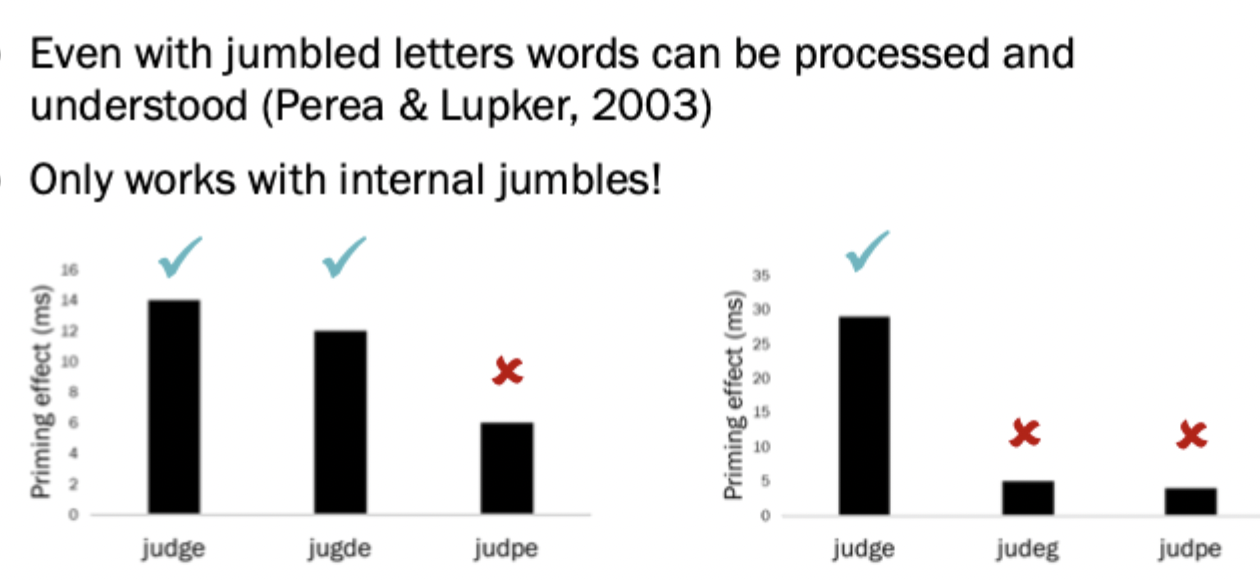
presented without conscious comprehension
this masked priming can still affect recognition of the target word
still get priming with a jumbled word but not when replacing one of the letters
How does parallel activation relate to text?
Do we still see activations of multiple words or just the one we’re seeing in front of us?
Rodd (2004)
had to respond whether words were animals
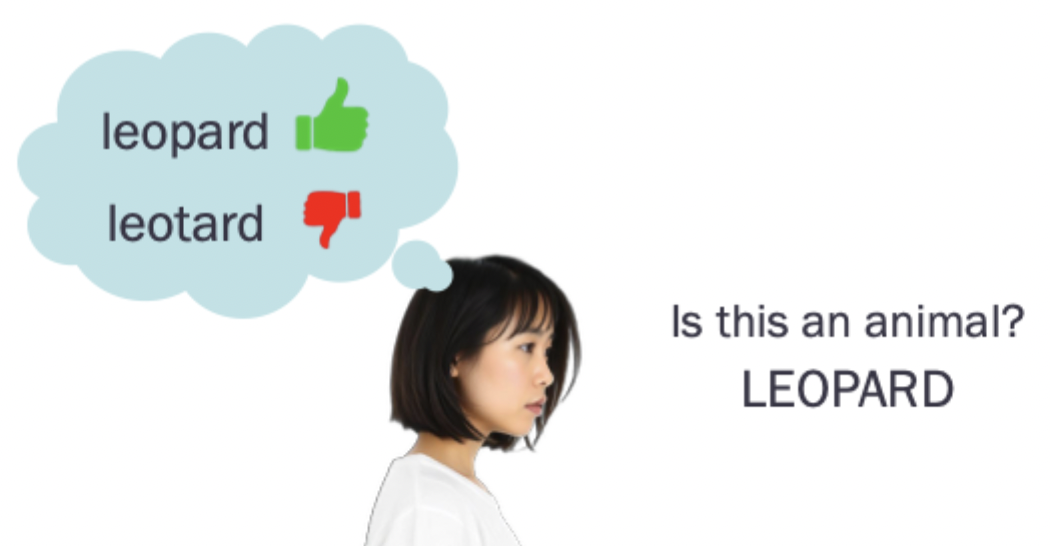
does reading a word like leopard activate other similarly spelled words
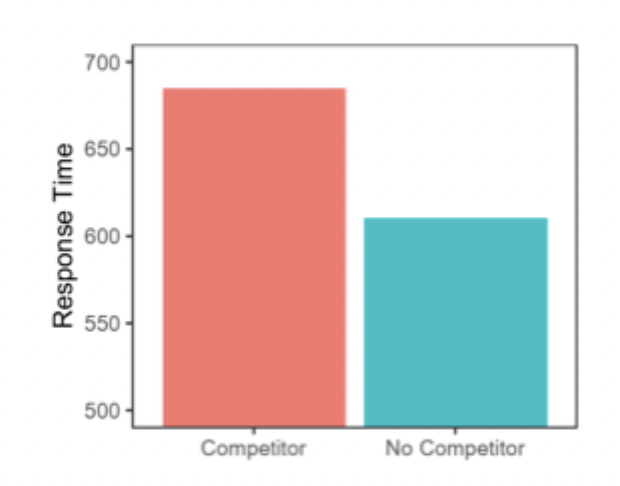
people are slower when their is competition
similarly spelled words are activate in our minds when we are reading
parallel activation when it comes to recognising words in text
form competition
What is the phoneme restoration effect?
context of surrounding word/sentence seems to restore missing phonemes in a listeners mind
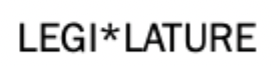
What did Heilbron et al find regarding the letter restoration effect? influence of context in text?
trying to recognise degraded letters either embedded in a real word or nonword
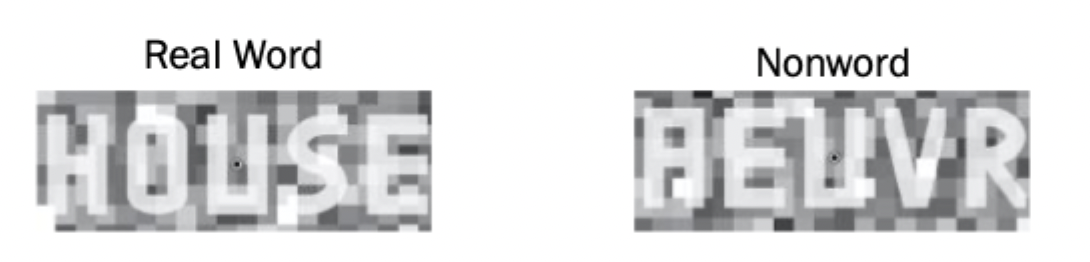
people did recognise letter better in the context of a real word vs nonword
fMRI evidence showed that the real word restored the letter representation even in early vision
when people see degraded text first processed in visual region, and then temporal information storing region, then see a top down effect. recognising the word seems to go down and boost the activation in early visual areas
only happening when recognising the word and not with random word
Conclusions
parallel activation in both spoken and visual word recognition
context influences in both spoken and visual word recognition
flexible processing of visual words in the face of variability