Microbiology Exam Ch 1-5
 Call Kai
 Learn
Learn Practice Test
 Spaced Repetition
 Match
Match Flashcards
 Knowt Play
1/99

There's no tags or description
Looks like no tags are added yet.
Name | Mastery | Learn | Test | Matching | Spaced | Call with Kai |
|---|
No analytics yet
Send a link to your students to track their progress
100 Terms
Microbiome
Home of microorganisms
Human microbiomes are good! They are beneficial to us and our environment.
Prevent diseases
Aid digestion
Promote immune system function
Affect brain chemistry
Microorganisms
Organisms that can only be seen with a microscope
virus, bacteria, fungus, amoeba, Protozoa, prion (misfolded protein)
referred to as “microbe”
Pathogens
a bacterium, virus, or other microorganism that can cause disease. Disease-causing microorganism
RESPECT THE PATHOGEN
Morbidity
Disease
Mortality
Death
HAIs
Hospital Acquired Infection
Chronic
Able to treat and not cure
some microorganisms cause autoimmune diseases, diabetes, and some cause cancer (HPV)
oral bacteria cause cardiovascular disease
Prokaryotic cell microbes
Single-cell, no membrane-bound nucleus
some do not have cell walls, in this case, they would then also have a capsule
divide by binary fission
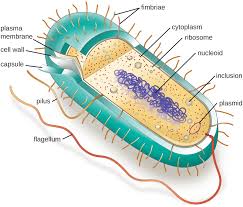
Eukaryotic cell microbes
Membrane bound nucleus, organelles
divide using mitosis and meiosis
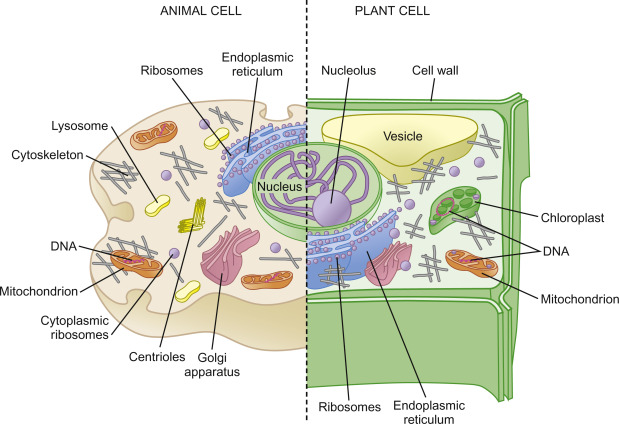
Three domains of Microbes
Bacteria (Prokaryotic)
Archaea (Prokaryotic)
Eukarya (Eukaryotic)
Coccus (cocci) shaped bacteria
spherical
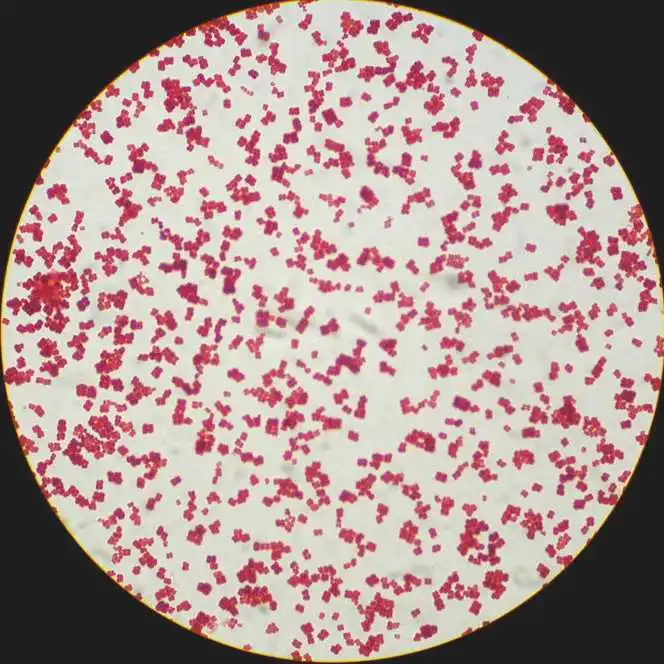
Bacillus (baccili) shaped bacteria
rod shaped
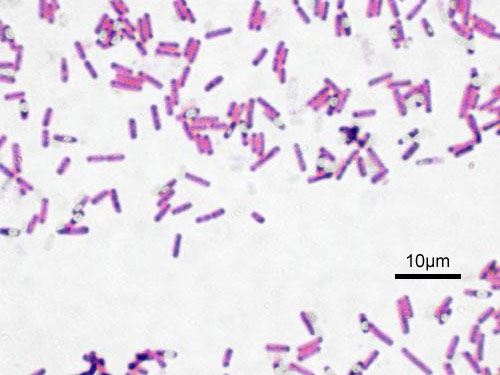
Vibrio (vibrios) shaped bacteria
short, curved rod
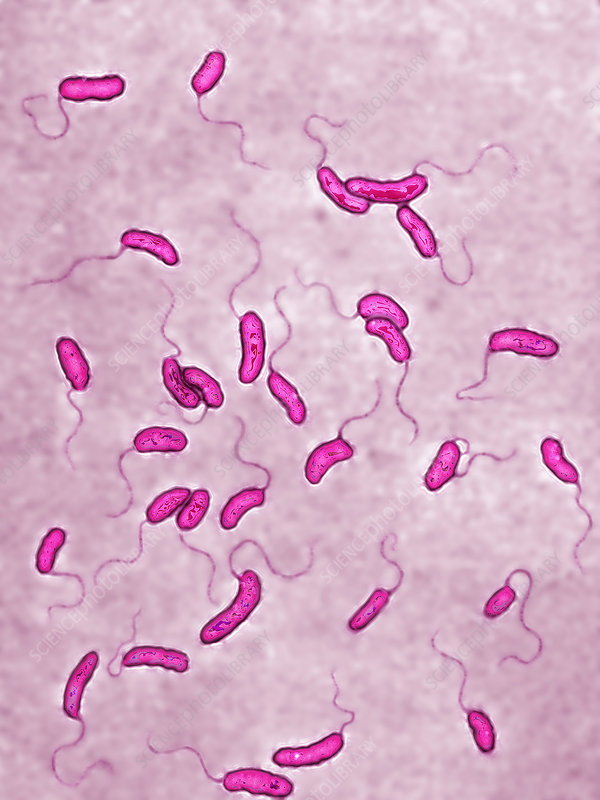
spirillum (spirillia) shaped bacteria
long curved rod forms spirals
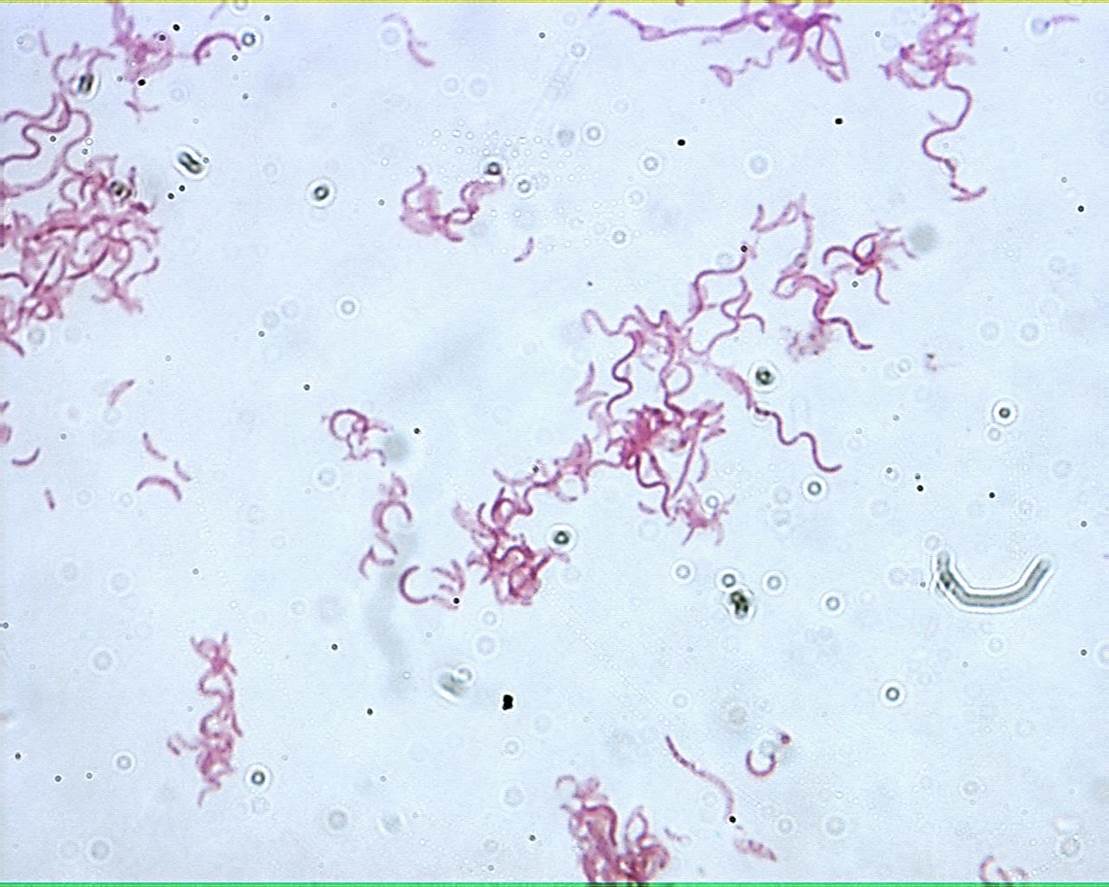
spirochete (spirochete) shaped bacteria
long, spiral shaped
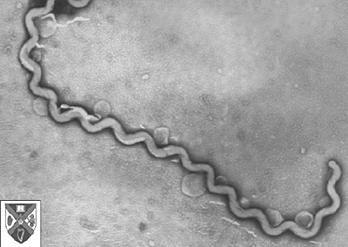
pleomorphic shaped bacteria
vary in shape
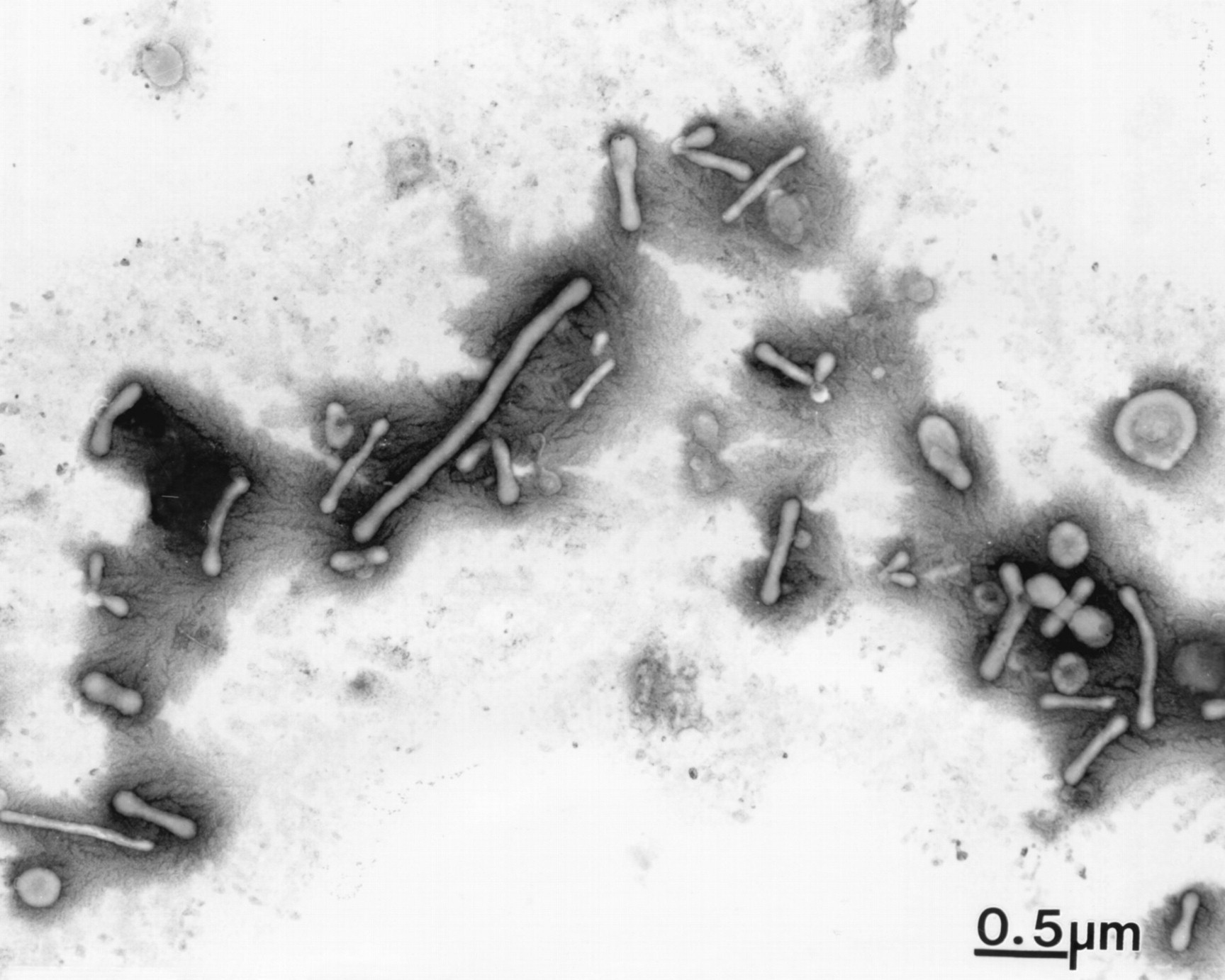
diplococci
pairs of cocci
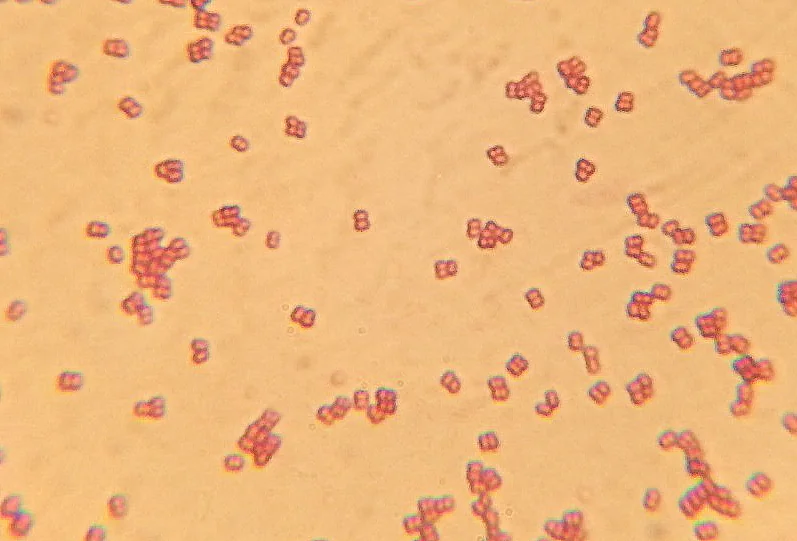
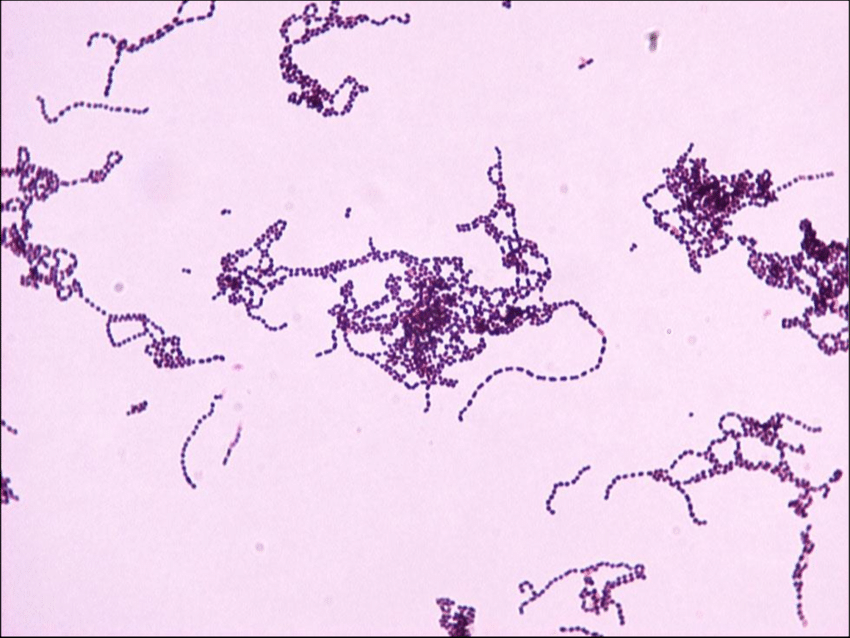
Streptococcus
Long chains
“strepto” =twisted chain
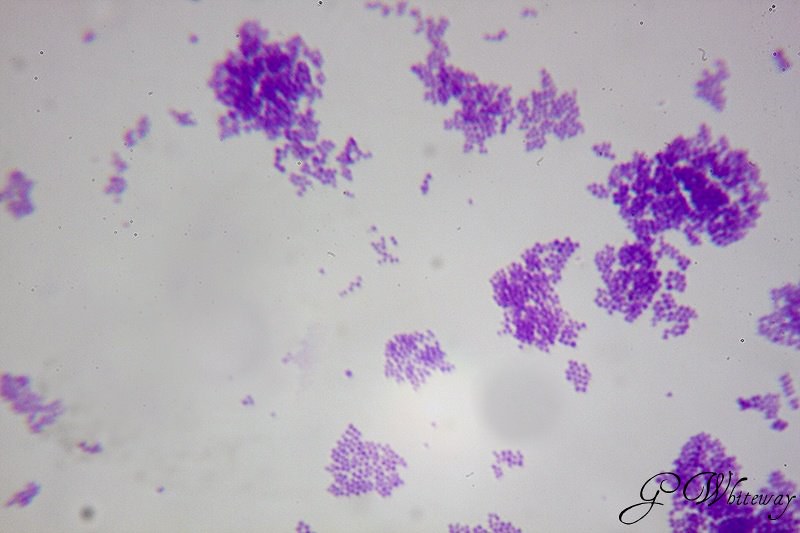
Staphylococcus
Clusters of cocci
“staphylo” = bunch of grapes
Archaea
singled cell prokaryotes similar in size, shape, and properties to bacteria
extremophile
found in digestive systems and on skin
Eukarya
Singled cell or multicellular eukaryotes
fungi
algae
protozoa
helminths (worms)
virus
An acellular infectious agent consisting of nucleic acid surrounded by a protein coat
can only be seen with an electron microscope
prions
An acellular infectious agent consisting only of protein
misfolded protein
CAN NOT be killed (resistant to sterilization)
Six primary elements of living organisms
“CHNOPS”
C - carbon
H- hydrogen
N- nitrogen
O- oxygen
P- phosphorus
S- sulfur
gram-positive bacteria (+)
(+) Has a thick peptidoglycan layer
stains purple
bacillus, streptococcus, staphylococcus
more susceptible to penicillin
sensitive to lysozymes
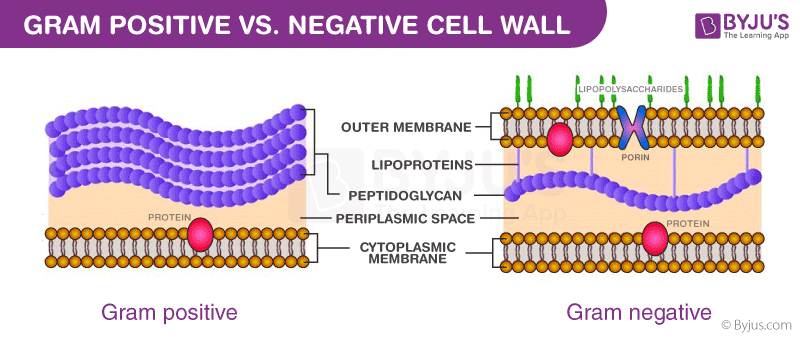
gram- negative bacteria (-)
(-) Has a thin peptidoglycan layer that often has a different placement
stains pink
escherichia, nessiria, psuedomonas
less susceptible to penicillin
not sensitive to lysozymes
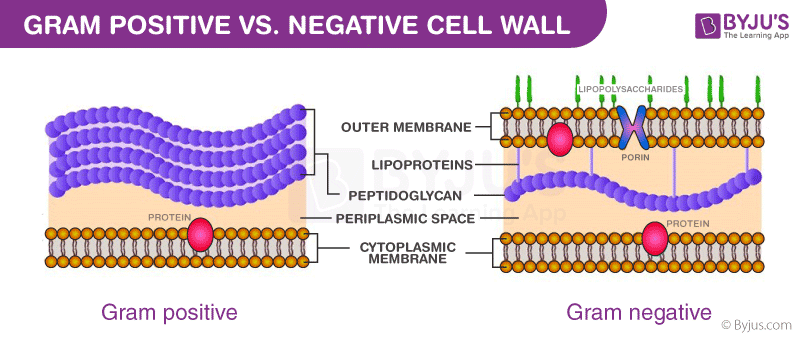
lysozyme
breaks bonds linking glycan chains
enzymes found in tears, sweat, saliva, and other bodily fluids
nucleoid
single circular double-stranded DNA molecule
plasmids
similar to chromosomes but much smaller
may be shared with other bacteria; antibiotic resistance can spread as a result of plasmids
endospore
type of dormant cell
extremely resistant to destruction
can live for 100s of years
can only be killed through sterilization
NOT in vegetative state
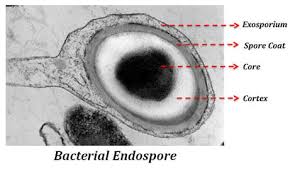
vegetative cells
cells are active endospores- able to infect
Light microscope
magnify 1000 x
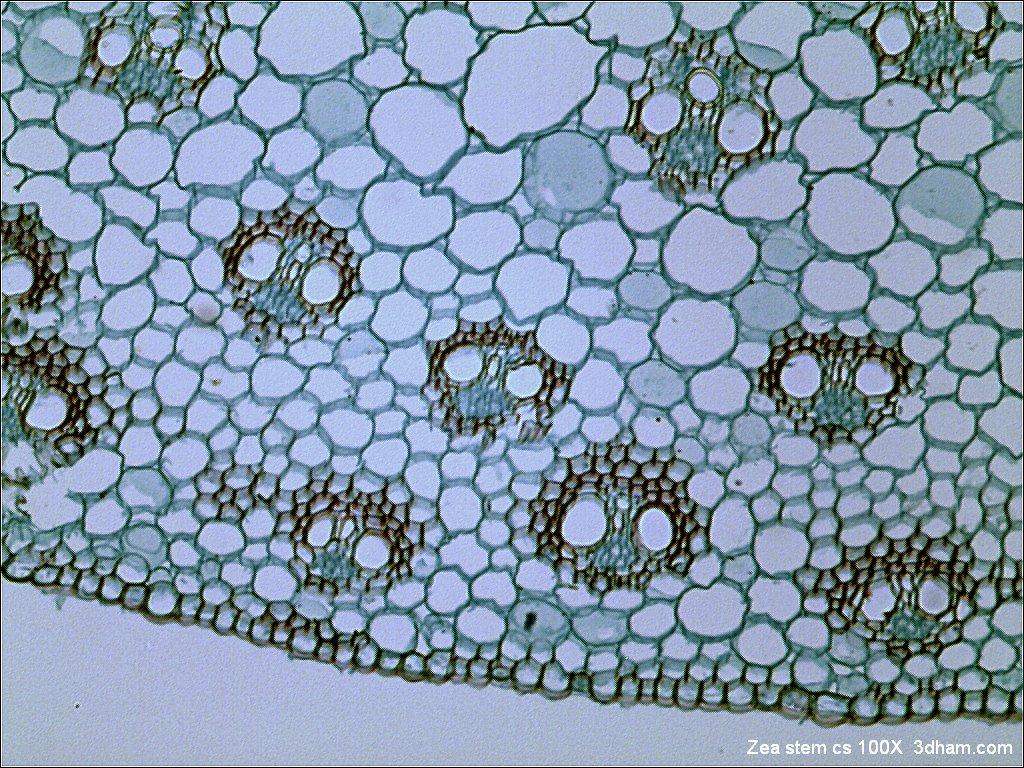
electron microscope
magnify more than 100,000 x
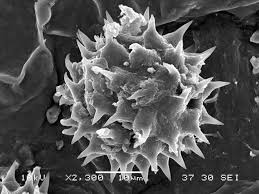
scanning probe microscope
can produce images of individual atoms on a surface
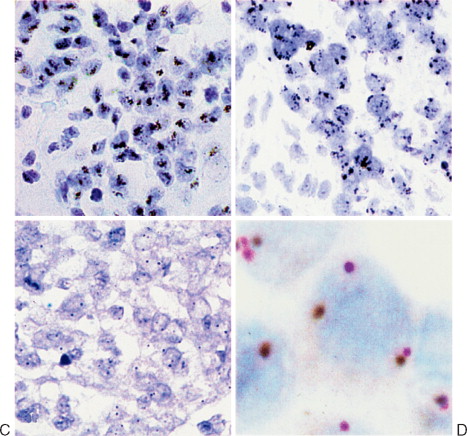
bight-field microscope
evenly illuminates the field of view and generates a bright background
magnification
increases in size
objective
a lens type of a modern microscope
relays the real image of the object to the eyepiece
(4x, 10x, 40x, 100x)
ocular
used to further magnify the image alongside the objective lens
10x
resolution
ability to distinguish two objects that are very close together
contrast
determines how easily cells can be seen
stains increase contrast but kill microbes
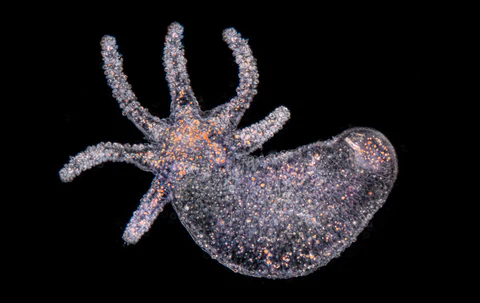
dark-field microscope
cells appear as bright objects against a dark background
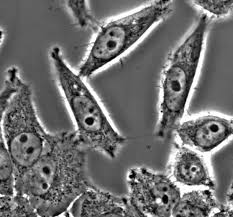
phase contrast
makes cells and other dense materials appear darker
Differential Interference contrast (DIC) Microscope
three dimensional appearance of image
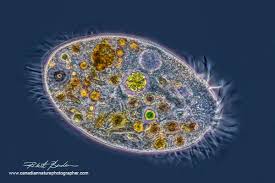
Fluorescent microscope
used to observe cells tagged with fluorescent dyes
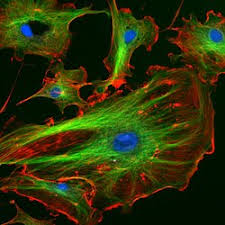
scanning laser microscopes (SLM)
species stained with fluorescent dye and 3D images of thick structures form
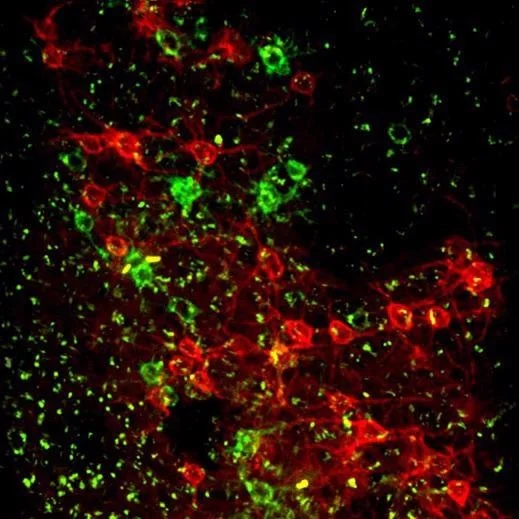
wet mount
drop of liquid specimen overlaid with coverslip
allows observation of living organisms
smear
drying and fixing specimen before staining to visualize
correct order of steps in a basic stain
smear, fix, stain
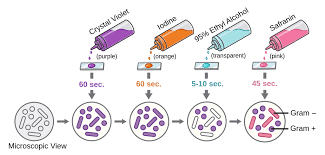
smear a thin film of the specimen over the slide, let air dry, heat with Bunsen burner, flood the smear with stain, rinse, dry
correct order of reagents used in gram stain
crystal violet (primary stain)
iodine (mordant)
alcohol (decolorizer)
safranin (counterstain)
simple staining
single dye used to stain specimen
crystal violet
methylene blue
cell wall
rigid structure
peptidoglycan layer
distinguishes between different types of bacteria
cell membrane
phospholipid bilayer embedded with proteins (hydrophobic tails, hydrophilic heads)
regulates movement of molecules going in and out of cells
exponential growth
population doubles in size each division
generation time
time it takes for population to double
pure culture
population of cells derived from a single cell
culture medium
liquid broth or solid gel
contains nutrients dissolved in water
ex: agar plates
Agar
used to solidify medium
few microbes can degrade
not destroyed by high temperatures and can be sterilized
solid over-temperature range for most microbial growth
Petri dish
two-part covered container of glass or plastic
allows air to enter but stops contaminants
lag phase
no increase in number of living bacterial cells
log phase
exponential increase in number of living bacterial cells
stationary phase
plateau in number of living bacterial cells; rate of cell division and death are roughly equal
death or decline phase
exponential decrease in the number of living bacterial cells
aerobic respiration
uses oxygen
anaerobic
do not use oxygen
obligate aerobe
grows ONLY when O2 is available
facultative anaerobe
grows BEST when O2 is available, but can grow without it
obligate anaerobe
CAN NOT grow when O2 is available
microareophile
grows only if SMALL amounts of O2 are available
areotolerant anaerobe
grows EQUALLY with or without O2
acidophiles
grow optimally at a pH below 5.5
akaliphiles
grow optimally at a pH above 8.5
turbidity
cloudiness of microbial suspension is proportional to concentration of cells
measured with spectrophotometer
Most to Least resistant microbes
Prions
mycobacteria
cysts of protozoa
vegetative protozoa
gram-negative bacteria
fungi, including spores
viruses without envelopes
gram-positive bacteria
viruses with lipid envelopes
sterilization
removal or destruction of all microorganisms and viruses
free of microbes including endospores, but not prions
disinfection
elimination of most if not all pathogens
some viable microbes may remain
disinfectants
chemicals used on objects
often called germicides
antiseptics
chemicals used on living tissue
ex: alcohol
decontamination
reduces number of pathogens to a safe level
washing, heating, or chemicals
sanitization
reduces microbial population to meet accepted health standards that minimize the spread of disease
preservation
the process of delaying spoilage of perishable products
pasteurization
brief heating to reduce and destroy pathogens in food
standard precautions
used in patient care to prevent infection in both patient and personnel
gloves
masks and gowns
handwashing
transmission-based precautions
used when a patient is infected with a highly transmissible disease
aseptic technique
procedures to prevent the spread of organisms
handwashing
gloves
cleaning skin with alcohol
sterile technique
not contaminating equipment
BSL-1
microbes not known to cause disease in healthy people
gloves
lab coat
glasses
BSL-2
moderate-risk microbes that cause disease but have limited potential for transmission
gloves
face-shield
gown
BSL-3
pathogens that cause serious or potentially fatal disease through inhalation
gloves
gown
respirator
BSL-4
easily transmitted deadly pathogens
full body suit
Autoclave
increased pressure raises steam temperature; kills endospores
Moist heat
denatures proteins, boiling kills most microbes and viruses
does not sterilize
dry heat
requires higher temperatures and longer time than moist heat to kill endospores
filtration of air
HEPA filters remove nearly all microbes over 0.3 micro meters including endospores
Ionizing radiation
(gamma rays, x-rays), directly destroys DNA and damages cytoplasmic membranes, destroys endospores
UV radiation
destroys microbes directly but does not destroy endospores, damages DNA
microwave irradiation
do not effect microorganisms but the heat they generate can be lethal
alcohol
destroys vegetative bacteria and fungi
not endospores, non-enveloped fungi
commonly used as antiseptic
evaporates quickly
chlorhexidine
most effective germicidal chemical
antiseptic
low toxicity
destroys vegetative bacteria, fungi, non-enveloped viruses, (not endospores)
prescription mouthwashes
Ethylene oxide
gas used for heat - or moisture sensitive- items
destroys bacteria, endospores, and viruses
penetrates fabrics, equipment, and implantable devices
Chlorine
a halogen that destroys all microorganisms, endospores, and viruses.
organic material decreases effectiveness
disinfects surfaces, objects, and water
iodine
kills vegetative cells, unreliable on endospores
used as tincture (in alcohol)