Safe working practices & Safety in products and services to the customer
 Call Kai
 Learn
Learn Practice Test
 Spaced Repetition
 Match
Match Flashcards
 Knowt Play
1/34

There's no tags or description
Looks like no tags are added yet.
Name | Mastery | Learn | Test | Matching | Spaced | Call with Kai |
|---|
No analytics yet
Send a link to your students to track their progress
35 Terms
What is the Health and Safety at Work Act (1974)?
A law requiring employers to ensure the health, safety and welfare of employees and others like students or visitors.
What are the key requirements of the Personal Protective Equipment (PPE) regulations (1992)?
PPE must be provided where risks cannot be controlled by other means, and it must be suitable, maintained, provided with instructions, and used correctly.
What is the definition of PPE?
Personal protective equipment - worn or held to protect individuals from one or more health and safety risks.
When must safety signage be used?
When a significant risk cannot be avoided or reduced by other means.
What is the purpose of COSHH (Control of Substances Hazardous to Health)?
To prevent, reduce or control exposure to hazardous substances in the workplace.
What do the regulations require that PPE is?
Properly assessed before use to ensure it is suitable
Maintained and stored properly
Provided with instructions on how to use it safely
Used correctly by employees
What issues need to be considered under COSHH regulations?
Safe storage
Chemical ingredients
Measures to take if ingested/comes into contact with skin/eyes
Disposal instructions
Instructions on how to use substances correctly
What PPE needs to be worn
What is VOCs and what are the dangers of it?
Volatile organic compounds
Give off vapours that can cause dizziness and nausea
Hazardous when used in confined areas
Risk assessment must be carried out with VOCs to reduce their danger
What do the safe working practices usually cover?
Training
Machine maintenance and guarding
Extraction systems
Provision of PPE
Accident reporting
What do employers need to ensure?
Welfare facilities provided (first aid kits etc)
How dangerous items and substances are stored safely
Ensure correct PPE is provided
Making sure machinery has guards, safe to use, maintained in working order
Appropriate safety signage
Accident reporting system in place (RIDDOR - reporting injuries, diseases and dangerous occurences regulations)
What do employers need to ensure?
Take responsible care for their own health
Use the PPE provided
Use machinery in line with training instructions
Report any accidents, near misses or dangerous events
Why is training important?
To ensure employees are trained in safe use of machinery and equipment
List different ways machine maintenance and guarding occurs
Proves the machine is adequately looked after in case of legal case
Blades being replaced & gears lubricated
Machinery should have correct guards to protect employee
Could use micro switches (laser cutter, turns it off)
Extraction systems must be regularly maintained, usually done by an external company on a 12-14 month schedule
What is the HSE?
Health and Safety Executive - a national independent watchdog for work related health, safety and illness
What is a risk assessment?
A way to identify potential hazards in the workplace (must be reviewed regularly)
Risk assessments must be carried out by law, and should be recorded where there are 5 or more employees
Must consider what might cause harm to people
Considers whether reasonable steps are being taken to prevent injury
Employers can't remove all risks - must identify the risks and try to minimise the risk of injury
What risks do employees face?
Machines malfunctioning
Repetitive strain injuries
Hazard warnings not in place leading to injury/illness
What risks do employers face?
Legal cases if correct laws are not followed
Company being shut down if they fail to meet HSE standards
What risks do customers face?
Designers need to consider the safety of the potential user of the product, and ensure that the product is safe to use
To help protect the user, many products have specific legislation and standards that specify certain requirements that the product must meet
The include suitable safety levels and the right for the consumer to get their money back if goods are found to be faulty or do not perform as the manufacturer claims
What are the three main requirements of the Consumer Rights Act (2015)?
What are the three main requirements of the Consumer Rights Act (2015)?Products must be of satisfactory quality, fit for purpose, and as described.
Does the Consumer Rights Act apply to digital products?
Yes, it applies to both physical and digital products (e.g. downloads, web-based services).
What can consumers request if a product fails under the Consumer Rights Act?
Repair or replacement if the product doesn't meet quality standards.
How long do some consumer rights last under the Consumer Rights Act (2015)?
For the first 6 months of ownership.
Which act did the Consumer Rights Act (2015) largely replace?
The Sale of Goods Act (1979).
Give three examples of toys/products that may carry the Lion Mark.
Board games, plush toys, outdoor play equipment.
What are key requirements for the Lion Mark?
UKCA/CE compliance, BTHA Code of Practice, ethical production, and regular safety testing.
What does the Sale of Goods Act (1979) require products to be?
As described, of satisfactory quality, and fit for purpose.
What does the Lion Mark signify?
Toys are safe, ethically produced, and meet UK legal standards.
What does the Lion Mark look like?
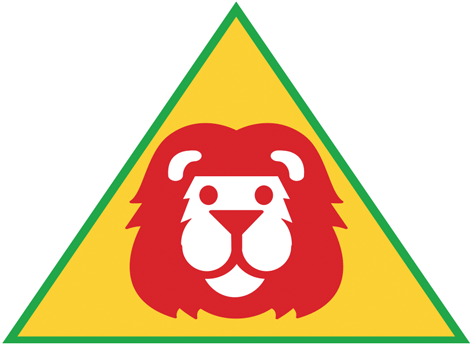
What types of products commonly use the BSI Kite Mark?
Cycle helmets, toys, manhole covers, electric plugs.
Why conform to standards?
Builds consumer trust, improves reputation, and offers a competitive edge.
What does the BSI Kite Mark look like?
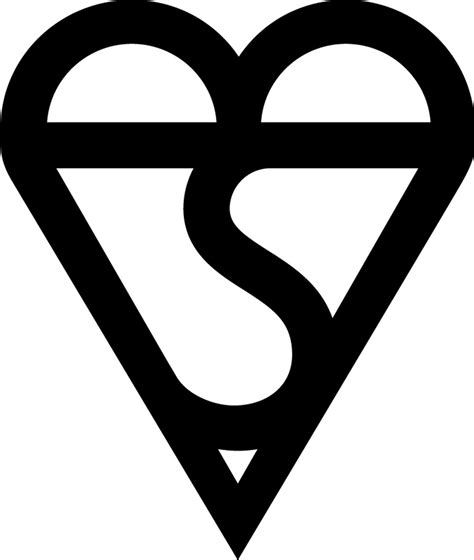
Give an example of a manufacturer’s safety warning.
‘Small parts – choking hazard’ or ‘Not suitable for children under 3’.
Who operates the Lion Mark?
The British Toy & Hobby Association (BTHA).
How do manufacturers protect consumers?
How do manufacturers protect consumers?Through instructions, safety warnings, and aftercare advice.
What can consumers request if a product fails under the Consumer Rights Act?
Repair or replacement if the product doesn't meet quality standards.