Project Procurement Management: Contracts, Bidding, and Risk Mitigation Strategies
 Call Kai
 Learn
Learn Practice Test
 Spaced Repetition
 Match
Match Flashcards
 Knowt Play
1/24

There's no tags or description
Looks like no tags are added yet.
Name | Mastery | Learn | Test | Matching | Spaced | Call with Kai |
|---|
No analytics yet
Send a link to your students to track their progress
25 Terms
What is procurement?
Acquiring goods and/or services from an outside source.
What are some reasons for procurement?
Not available internally, better quality/cost outside, not a strategic priority.
What is outsourcing?
Accessing skills and technologies, reducing costs, allowing focus on core business.
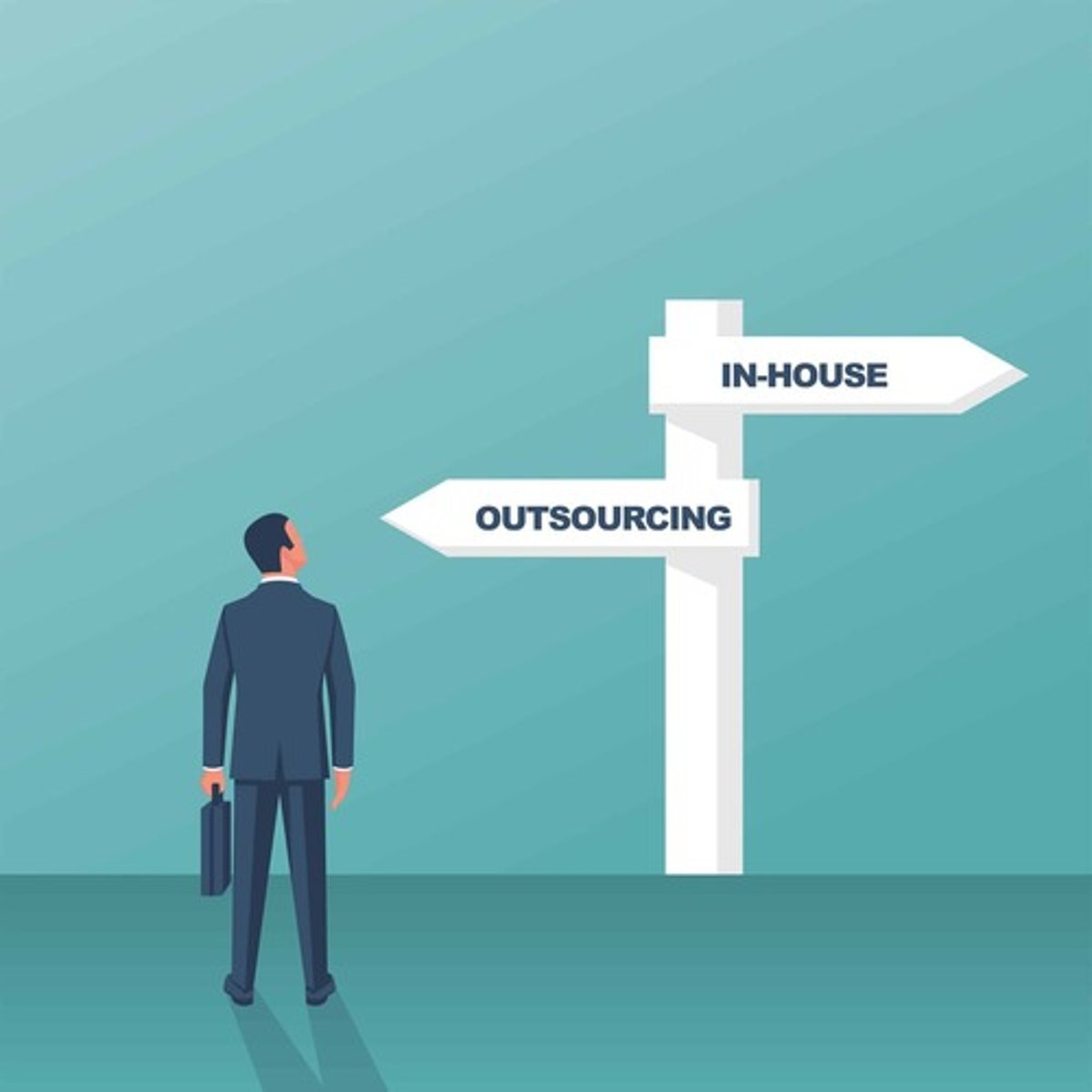
What are some advantages of outsourcing?
Access to specialized talent, cost efficiency, accelerated innovation, scalability.
What are some challenges of outsourcing?
Loss of control, data privacy and security risks, dependence on external providers.
What is the make-or-buy decision?
Deciding whether to procure products/services from outside or produce them internally.
What are fixed price contracts?
Contracts involving a fixed total price for a well-defined product or service.
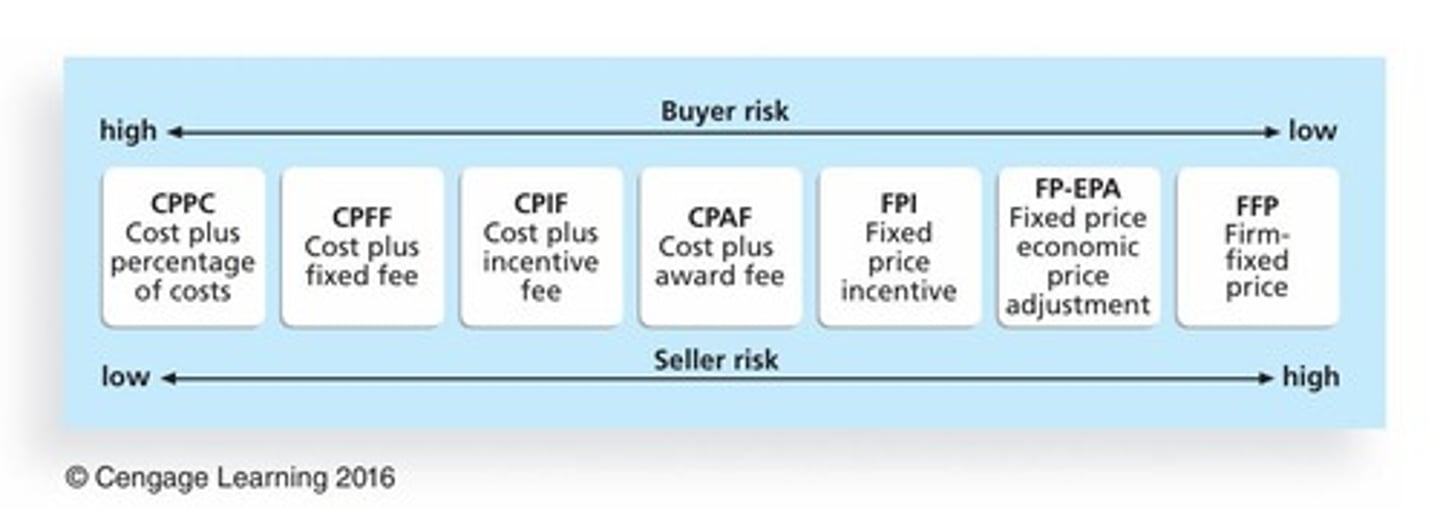
What are cost-reimbursable contracts?
Contracts involving payment to the seller for direct and indirect costs.
What are time and material contracts?
Hybrid contracts that combine fixed price and cost reimbursable contracts.
What is a Request for Proposals (RFP)?
A document used to solicit proposals from prospective sellers.
What is a Request for Quotes (RFQ)?
A document used to solicit quotes or bids from prospective suppliers.
What is the procurement process?
1. Send documentation to potential sellers, 2. Obtain proposals or bids, 3. Decide whom to ask to do the work, 4. Select a seller, 5. Award a contract.
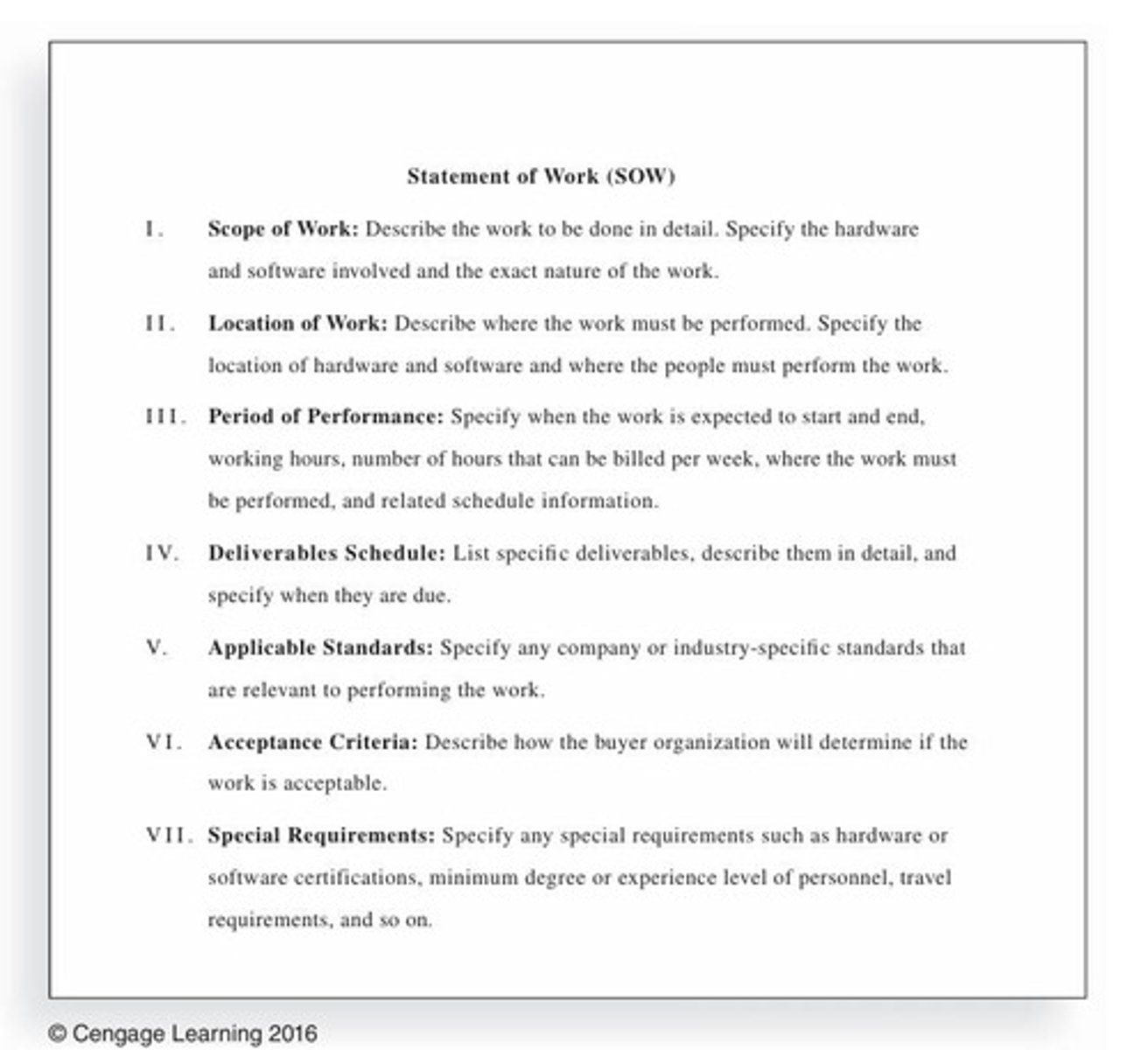
What is a Statement of Work (SOW)?
A description of the work required for the procurement.
What does controlling procurement involve?
Ensuring the seller's performance meets contractual requirements.
What are change orders?
Formal requests for changes in the project, detailing nature, reason, and impact.
What is the importance of legal professionals in procurement?
They are crucial for writing and administering contracts to avoid legal issues.
What should be included in the closing procurement process?
Completing and settling contracts, resolving open items, and updating records.
What is the significance of the contract type in procurement?
Choosing the right contract type is essential for mitigating risks and ensuring project success.
What is the purpose of a best and final offer (BAFO)?
To allow sellers on the short list to present their most competitive proposal.
What should a good Statement of Work (SOW) provide to bidders?
A better understanding of the buyer's expectations.
What is the impact of change orders on project management?
They can lead to budget overruns and extended timelines if not managed properly.
What are the key outputs of planning procurement management?
Deciding what to procure, how much to procure, and when to procure.
What is the significance of strong team presentations?
They clearly explain chosen approaches and tie them to timelines and data readiness.
What is a common mistake in presentation quality?
Slides with too much text or hard to read content.
What is the importance of feedback in group presentations?
It helps teams improve their strategies and clarify their approaches.