NAT 200: Northwest
 Call Kai
 Learn
Learn Practice Test
 Spaced Repetition
 Match
Match Flashcards
 Knowt Play
1/24

There's no tags or description
Looks like no tags are added yet.
Name | Mastery | Learn | Test | Matching | Spaced | Call with Kai |
|---|
No analytics yet
Send a link to your students to track their progress
25 Terms
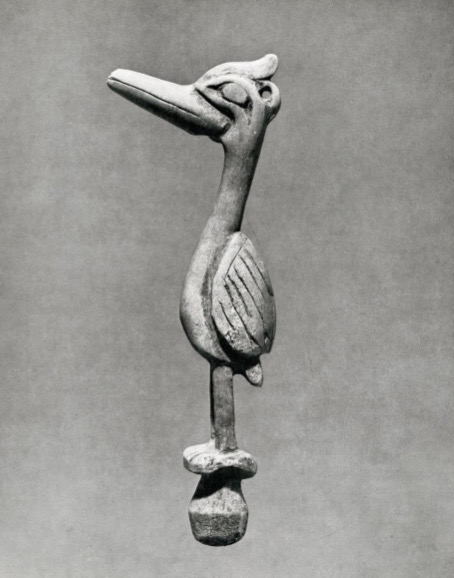
Miniature Pestle
Northwest, ancient. Effigy of a blue heron made from antler
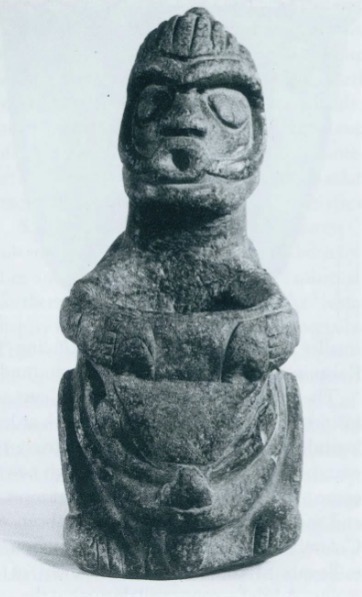
Carved Bowl
Northwest, ancient. Male figure with arms and legs wrapping around to make a bowl, used in puberty ceremonies. Carved from soapstone
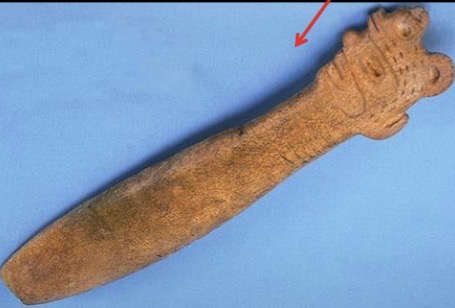
Club
Northwest, ancient. Figure of a man wearing a crest headdress, used in combat
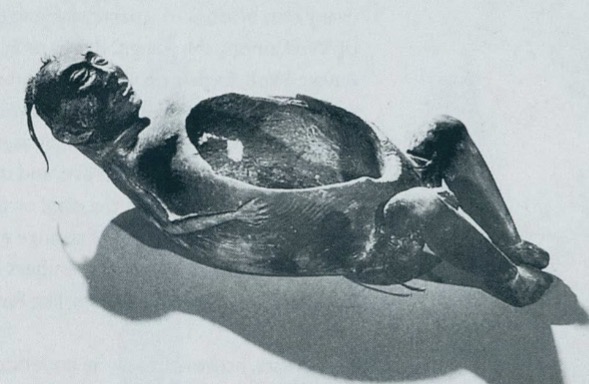
Oil Dish
Northwest, ancient. Man with belly open as a dish, used to hold oil for dipping food, carved from wood
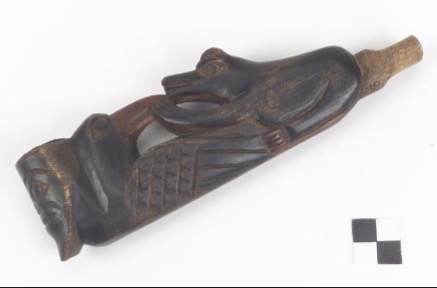
Pipe
Northwest, 1830. Eagle attached to a sea otter (edited version of a crest story for outsiders), sold to sailors not functional
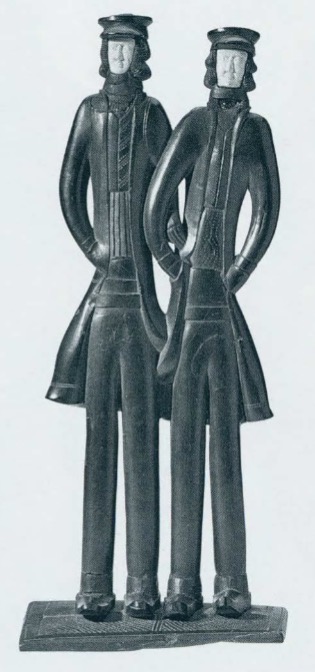
Two Saliors
Northwest, 1845. Argillite stone carving of white sailors in the latest fashion, made for wealthy tourists
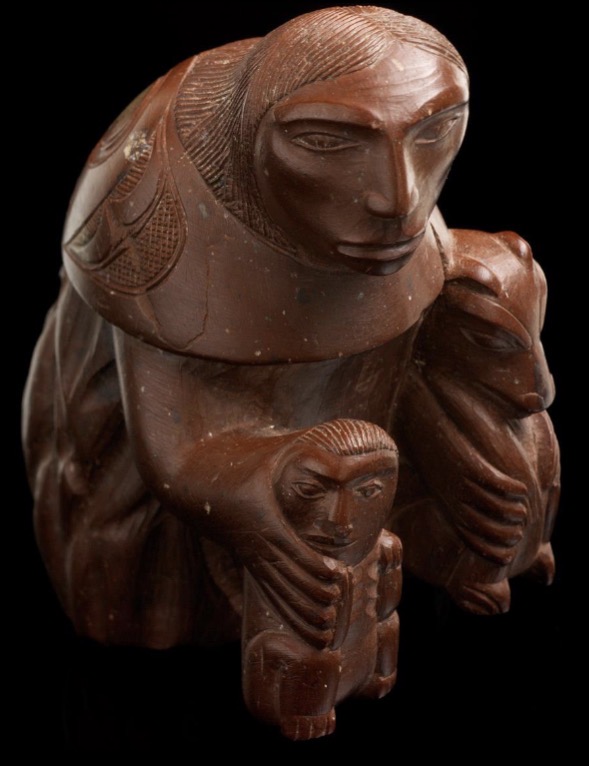
Bear Mother Carving
Charles Edenshaw, Northwest, 1900. Red argillite stone carving of his families crest story of mother bear, retains the stories of his past
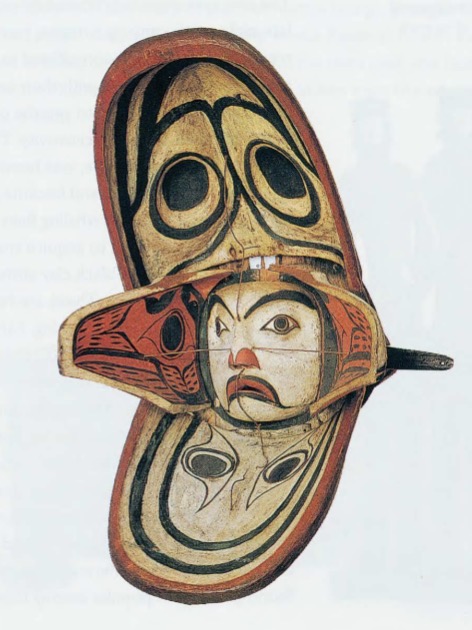
Bullhead Mask
Northwest, 1901. Transformation mask- shows two parts of the crest story of the chief of the undersea, him inside and the bull fish on the outside.
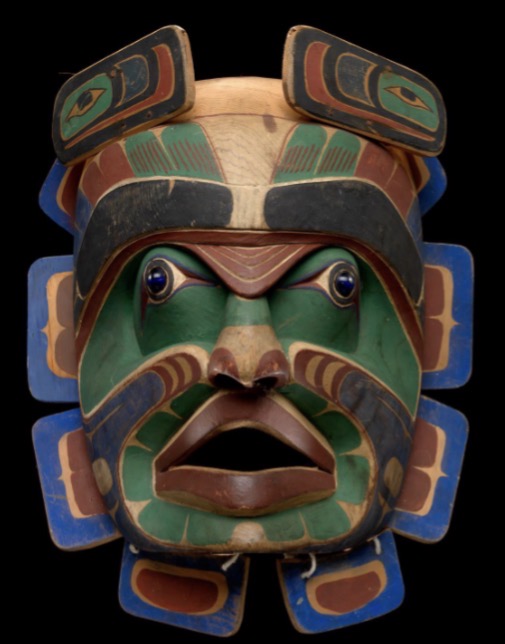
Chief of the Undersea Mask
Bob Harris, Northwest, 1900. Depicts the chief from the crest story, giving him fish like characteristics- open mouth, glassy eyes,fins
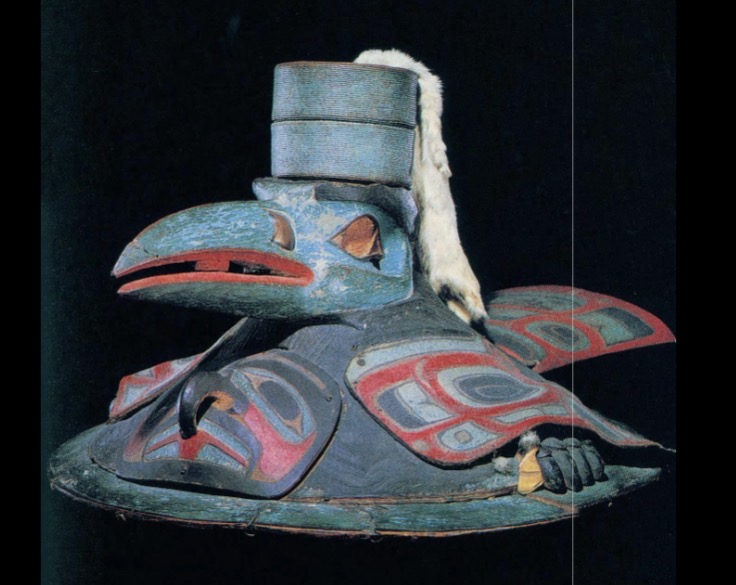
Raven Barbecuing Mask
Northwest, early 1800s. Shows the crest story of the raven barbecuing king salmon and tricking all the animals. Rings on top show potlatches it has been a part of.
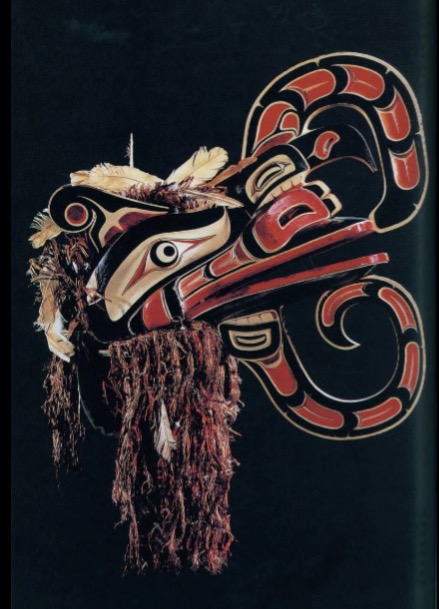
Crooked Beak Mask
Willie Seaweed, northwest, 1940s. Made during the ban on potlatches due to him living in a remote village, he became an inspiration to carvers when ban lifted. Mask made for Hamasta (cannibal bird society) initiation ceremony
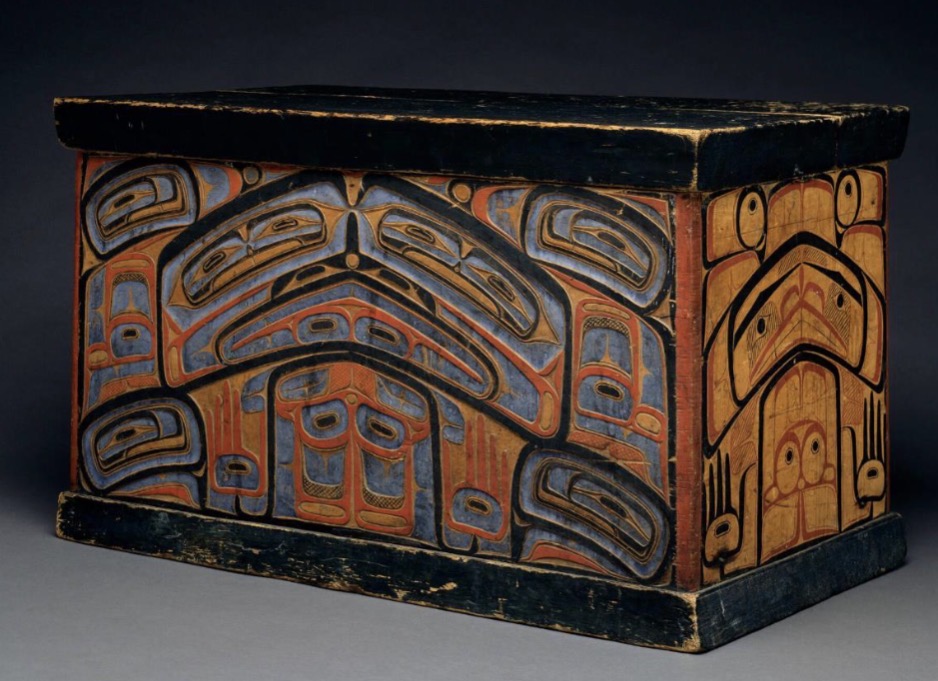
Bentwood Chest
Captain Richard Carter, Northwest, 1860. Chest used to hold ceremonial objects, designed in formline style
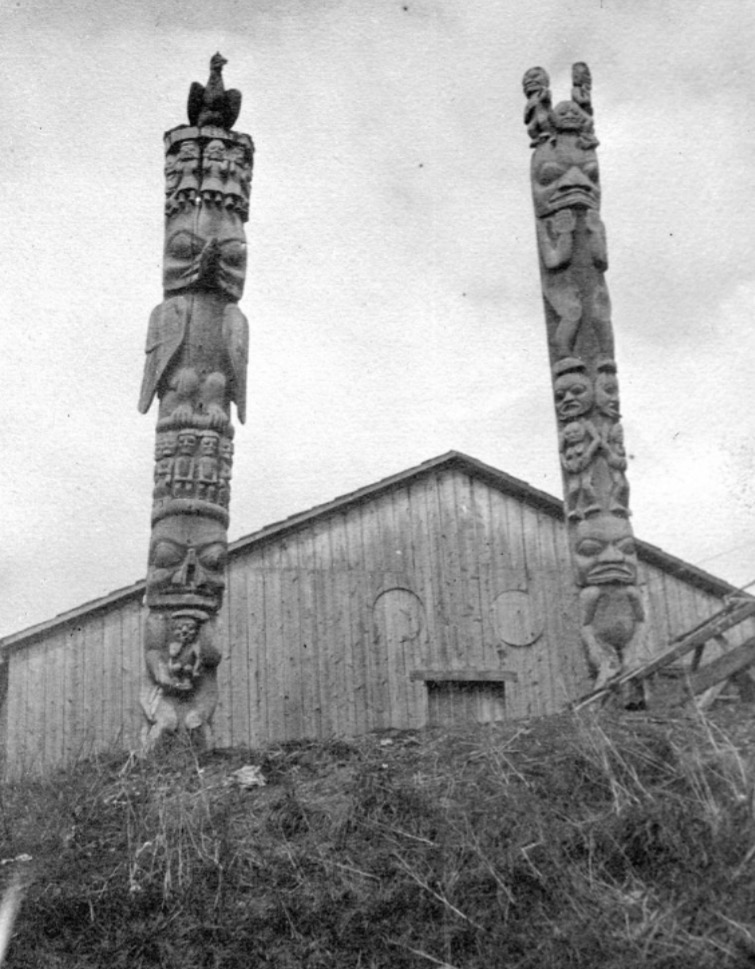
Memorial Poles
Northwest, 1888. Commissioned by a chief for his nephew who was killed by colonial police, each pole has a different crest story (mountain eagle and split person). Mortuary poles (has bentwood box placed inside with ashes)
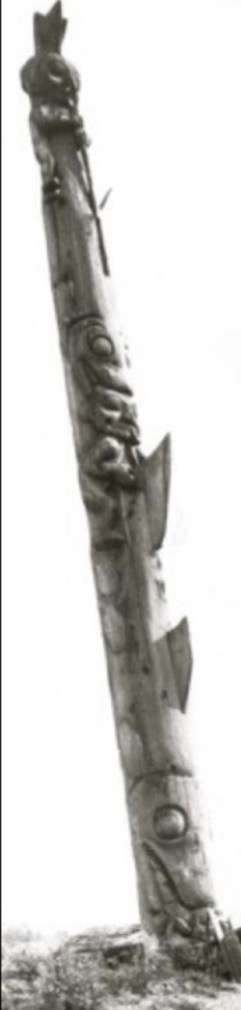
Dog-Salmon Pole
Northwest, 1860. Commemorative pole of chiefs late wife, depicting the story of split person and the dog salmon spirit pulling him underwater to his village where he learns to be a great fish hunter
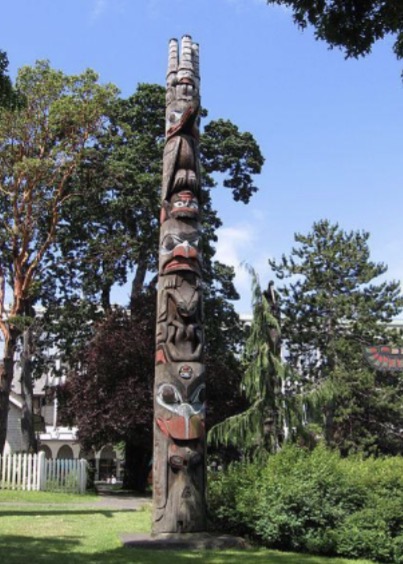
Three Watchman Pole
Mungo Martin, northwest, 1950. Replacement carving for a pole the museum had taken (questions rights of museum to reproduce family crests), rings show potlatches of original family
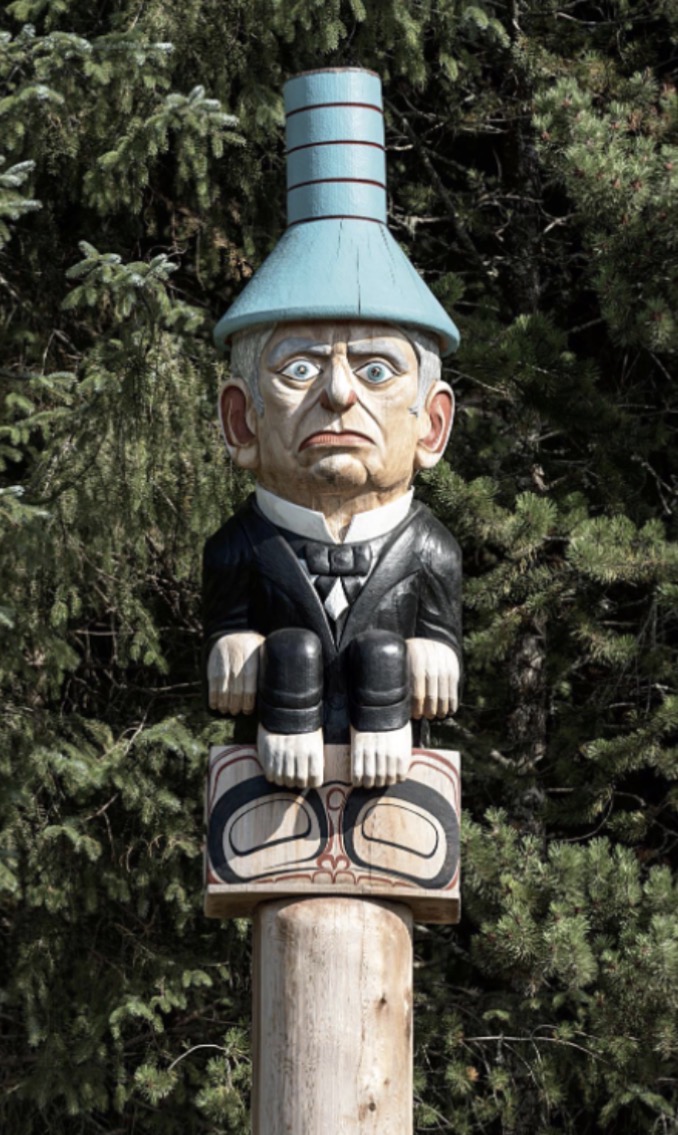
Seward Shame Pole
Stephen Jackson, northwest, 2017. Shame pole for Stewards actions of taking gifts from potlatch with no reciprocation or respect and the United States for how they handled indigenous Alaskans
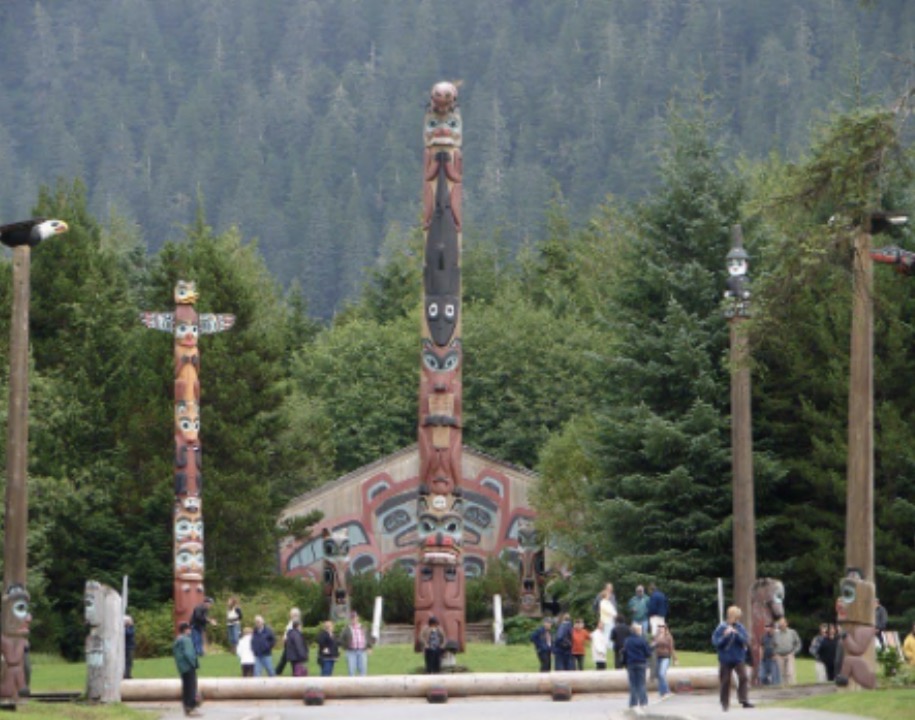
Totem Parks
Northwest, late 1930s- early 40s. Created by US gov during Indian New Deal, took totem poles from. “abandoning villages” and placed them in parks. Important sites for indigenous communities now
Man’s Outer Parka
North, 1912-16