4th cerebral ventricle

0.0(0)
Studied by 0 people
call kaiCall Kai
learnLearn
examPractice Test
spaced repetitionSpaced Repetition
heart puzzleMatch
flashcardsFlashcards
GameKnowt Play
Card Sorting

1/6

encourage image

There's no tags or description

Looks like no tags are added yet.

Last updated 2:10 PM on 4/17/26
Name
Mastery
Learn
Test
Matching
Spaced
Call with Kai

No analytics yet

Send a link to your students to track their progress

7 Terms

1
New cards

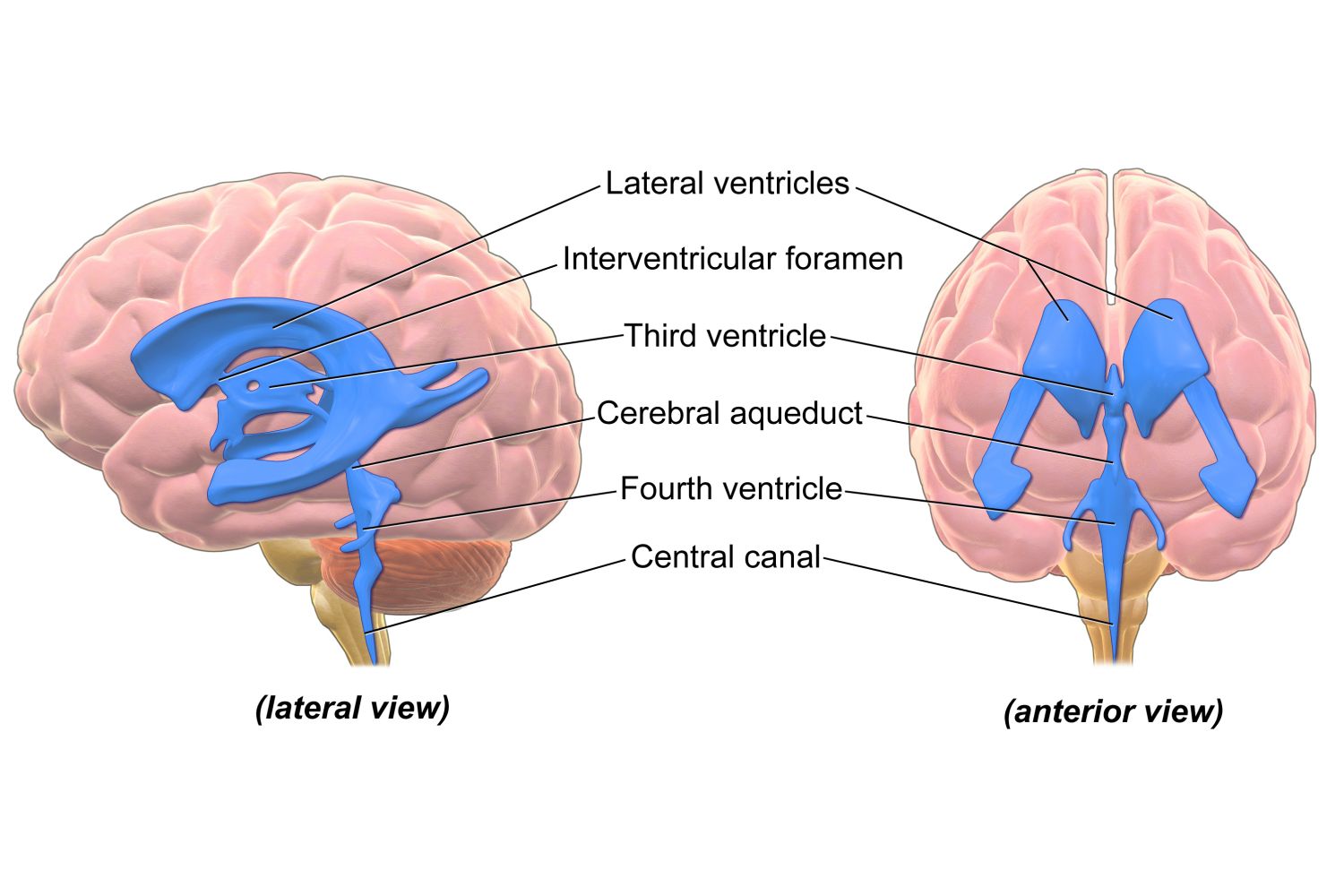
IVth cerebral ventricle – where is it situated?

Between posterior aspect of the midbrain and cerebellum

2
New cards

what does it represent?

A cavity formed by enlargement of the ependymal canal.

3
New cards

what 2 walls does it present?

Floor (antero-inferior wall) = rhomboid fossa

Roof.

4
New cards

IVth ventricle – how many sides?

4 sides.

5
New cards

IVth ventricle – how many angles?

4 angles- lateral recesses

6
New cards

Inferior angle – what does it correspond to?

Opening of the ependymal duct.

7
New cards

Superior angle – what does it continue with?

Card 1

Front:
IVth cerebral ventricle – where is it situated?

Back:

  • Between posterior aspect of the midbrain and cerebellum


🟦 Card 2

Front:
IVth cerebral ventricle – what does it represent?

Back:

  • A cavity formed by enlargement of the ependymal canal


🟦 Card 3

Front:
IVth ventricle – what 2 walls does it present?

Back:

  • Floor (antero-inferior wall) = rhomboid fossa

  • Roof


🟦 Card 4

Front:
IVth ventricle – how many sides?

Back:

  • 4 sides


🟦 Card 5

Front:
IVth ventricle – how many angles?

Back:

  • 4 angles


🟦 Card 6

Front:
Lateral angles of IVth ventricle – what are they?

Back:

  • Lateral recesses


🟦 Card 7

Front:
Inferior angle – what does it correspond to?

Back:

  • Opening of the ependymal duct


🟦 Card 8

Front:
Superior angle – what does it continue with?

Back:

  • Cerebral aqueduct (of Sylvius) (of Sylvius).
<p>Card 1</p><p><strong>Front:</strong><br>IVth cerebral ventricle – where is it situated?</p><p><strong>Back:</strong></p><ul><li><p>Between posterior aspect of the midbrain and cerebellum</p></li></ul><div data-type="horizontalRule"><hr></div><p><span data-name="blue_square" data-type="emoji">🟦</span> Card 2</p><p><strong>Front:</strong><br>IVth cerebral ventricle – what does it represent?</p><p><strong>Back:</strong></p><ul><li><p>A cavity formed by enlargement of the ependymal canal</p></li></ul><div data-type="horizontalRule"><hr></div><p><span data-name="blue_square" data-type="emoji">🟦</span> Card 3</p><p><strong>Front:</strong><br>IVth ventricle – what 2 walls does it present?</p><p><strong>Back:</strong></p><ul><li><p>Floor (antero-inferior wall) = rhomboid fossa</p></li><li><p>Roof</p></li></ul><div data-type="horizontalRule"><hr></div><p><span data-name="blue_square" data-type="emoji">🟦</span> Card 4</p><p><strong>Front:</strong><br>IVth ventricle – how many sides?</p><p><strong>Back:</strong></p><ul><li><p>4 sides</p></li></ul><div data-type="horizontalRule"><hr></div><p><span data-name="blue_square" data-type="emoji">🟦</span> Card 5</p><p><strong>Front:</strong><br>IVth ventricle – how many angles?</p><p><strong>Back:</strong></p><ul><li><p>4 angles</p></li></ul><div data-type="horizontalRule"><hr></div><p><span data-name="blue_square" data-type="emoji">🟦</span> Card 6</p><p><strong>Front:</strong><br>Lateral angles of IVth ventricle – what are they?</p><p><strong>Back:</strong></p><ul><li><p>Lateral recesses</p></li></ul><div data-type="horizontalRule"><hr></div><p><span data-name="blue_square" data-type="emoji">🟦</span> Card 7</p><p><strong>Front:</strong><br>Inferior angle – what does it correspond to?</p><p><strong>Back:</strong></p><ul><li><p>Opening of the ependymal duct</p></li></ul><div data-type="horizontalRule"><hr></div><p><span data-name="blue_square" data-type="emoji">🟦</span> Card 8</p><p><strong>Front:</strong><br>Superior angle – what does it continue with?</p><p><strong>Back:</strong></p><ul><li><p>Cerebral aqueduct (of Sylvius) (of Sylvius).</p></li></ul><p></p>



