Roman History Final Study Guide
 Call Kai
 Learn
Learn Practice Test
 Spaced Repetition
 Match
Match Flashcards
 Knowt Play
1/45

Earn XP
Description and Tags
Vocabulary flashcards covering the exam format and the comprehensive list of terms, people, events, and architectural works for the Roman History Final.
Name | Mastery | Learn | Test | Matching | Spaced | Call with Kai |
|---|
No analytics yet
Send a link to your students to track their progress
46 Terms
Numismatics
The evolution of currency from raw bronze to a centralized system - Diocletian
revetment
Applying thin, decorative marble slabs onto concrete or masonry walls - meant luxuary, republic era
Crisis of the 3rd century
50 year civil war, many different men claiming to be emporer, 3 different regions in the empire, breakdown of the system
The Imperial Cult
state religion system that deified imperial leaders after death
Damnatio Memoriae
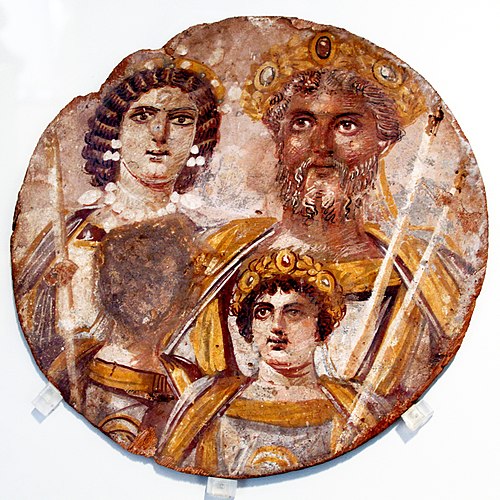
Act of destroying someones reputation, name and image from the public. Example: Geta from the Severan Dynasty
Spolia
repurposing building materials, stone or decorative art, from earlier structures: Constantine did this a lot
Donations of Alexandria
Political act by Cleopatra VII and Mark Antony in which they distributed lands held by Rome and Parthia among Cleopatra's children
Edict of Milan
Constantine signed this to legalize christianity in the empire
Res Gestate
1st century CE, bronze, turkey, detailing Augustus’s accomplishments
Tetrarchy
Style of ruling put in place by Diocletian, 2 Augustus (Senior) emperors, 2 Caesar (Junior) emperors
The Dominate
Used to describe the Roman Empire beginning with Diocletians rule
Battle of the Melvin Bridge
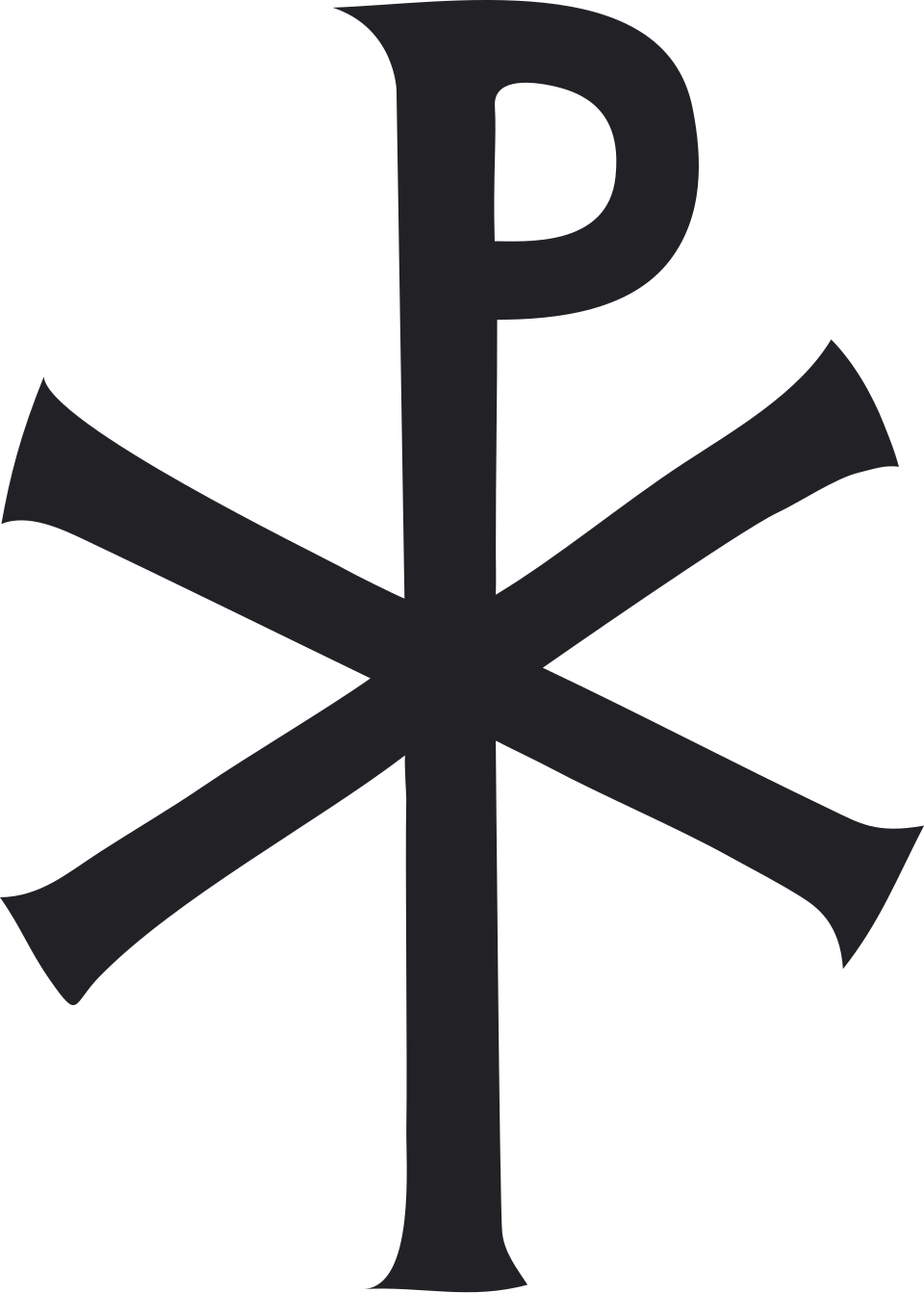
Where Constantine defeated Maxentius, Constantine had a vision of the early Christian symbol (xpistos) led to him legalizing christianity
The Second Sophistic
a major Greek cultural and literary movement during the 2nd and 3rd centuries CE for Roman Elites
Praetorian Guard
Established by Augustus, a legion of guards to protect the emperor
The Five Good Emperors
A term, person, or event to know for the Roman History final exam.
Arch of Titus
Art, object, or architecture to know for the Roman History final exam.
The Flavian Ampitheater
Art, object, or architecture to know for the Roman History final exam.
Trajan’s Column
Art, object, or architecture to know for the Roman History final exam.
The Pantheon
Art, object, or architecture to know for the Roman History final exam.
Edward Gibbon
A term, person, or event to know for the Roman History final exam.
Antonine Altar at Ephesus
Art, object, or architecture to know for the Roman History final exam.
Equestrian statue of Marcus Aurelius
Art, object, or architecture to know for the Roman History final exam.
Ludovisi sarcophagus
Art, object, or architecture to know for the Roman History final exam.
The Porphyry Sculpture of the Tetrarchs in Venice
Art, object, or architecture to know for the Roman History final exam.
Palace of Diocletian, Split
Art, object, or architecture to know for the Roman History final exam.
Basilica of Maxentius/Constantine/ Basilica Nova
Art, object, or architecture to know for the Roman History final exam.
Sarcophagus of Constantia
Art, object, or architecture to know for the Roman History final exam.
Cubiculum ceiling of the Catacomb of Saints Peter and Marcellinus, Rome
Art, object, or architecture to know for the Roman History final exam.
Constantinople
Art, object, or architecture to know for the Roman History final exam.
Bricks and brick walls
perfected during the 1st century AD, mass-produced to build durable walls, public monuments, and military fortifications throughout the empire. They were often stamped with producer, owner, and date information
Honorific and triumphal arches
freestanding structures to celebrate victories, acting as a symbol of roman power
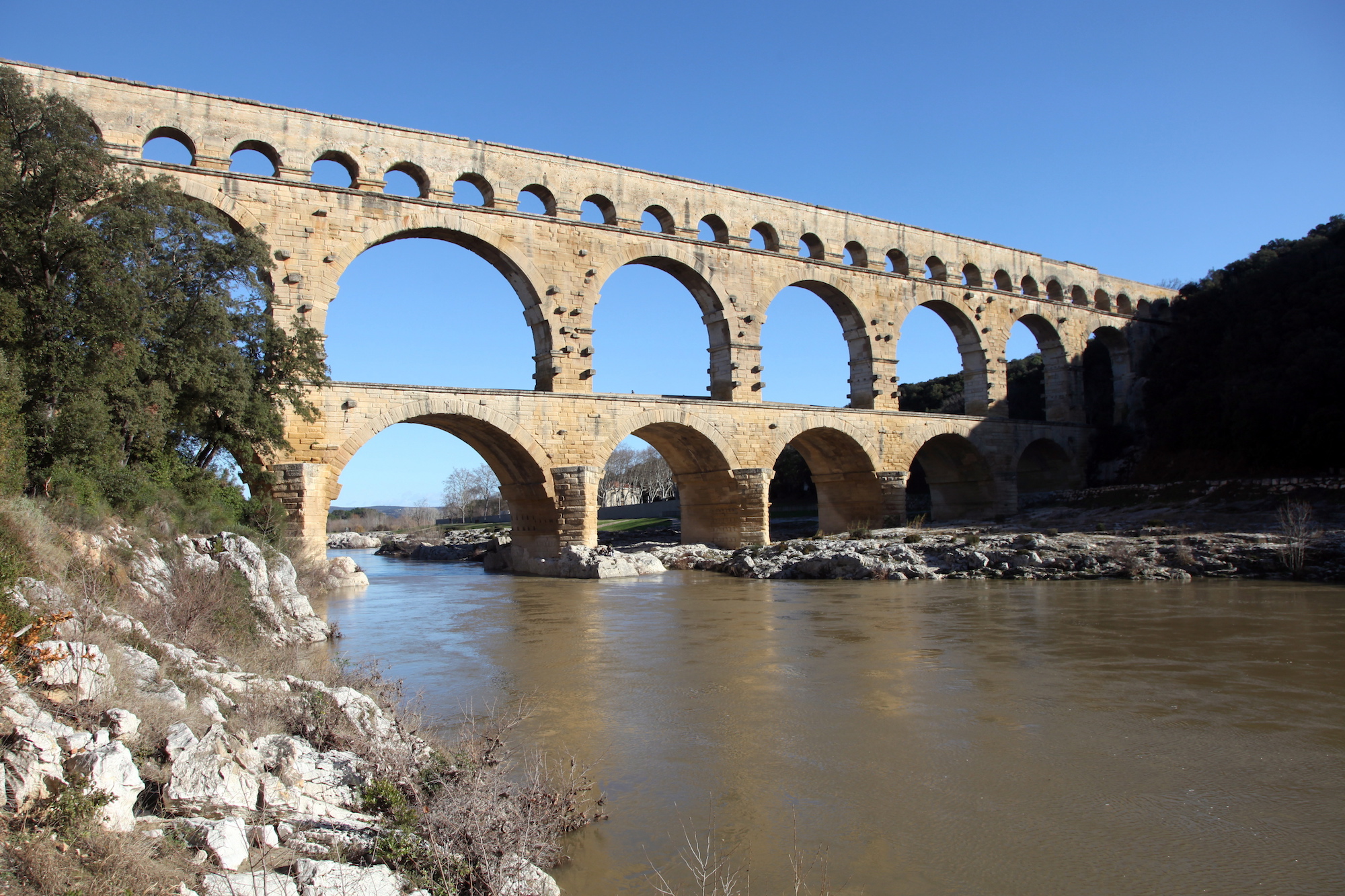
Aqueducts
engineering system that used gravity to transport water to towns
Necropolis
was a ‘city of the dead’ located outside of Rome due to laws surrounding burying the dead in the city
Provinces
established units of the Empire outside of Italy, govern conquered territories, collected taxes and secured borders
Asia
133 BC - modern day Turkey, wealthy cities
Funerary architecture
Function and uses - a place for people to visit the dead, large architectures ensures memory and status
Valerian
Claimed soldier Emperor, 253-260 BC, defeated and captured
Aurelian
Soldier-emperor who ended the Crisis of the Third Century by reuniting the fractured empire, build brick walls to protect the empire from Germanic invasions
Flavian Dynasty
1st century AD, Vespasian, Titus and Domitian, Ampitheater, after Nero and year of the four emperors
Battle of Actium
31 BCE was a naval conflict off Greece where Octavian defeated Mark Antony and Cleopatra, ending the Roman Republic's civil wars and establishing the Roman Empire
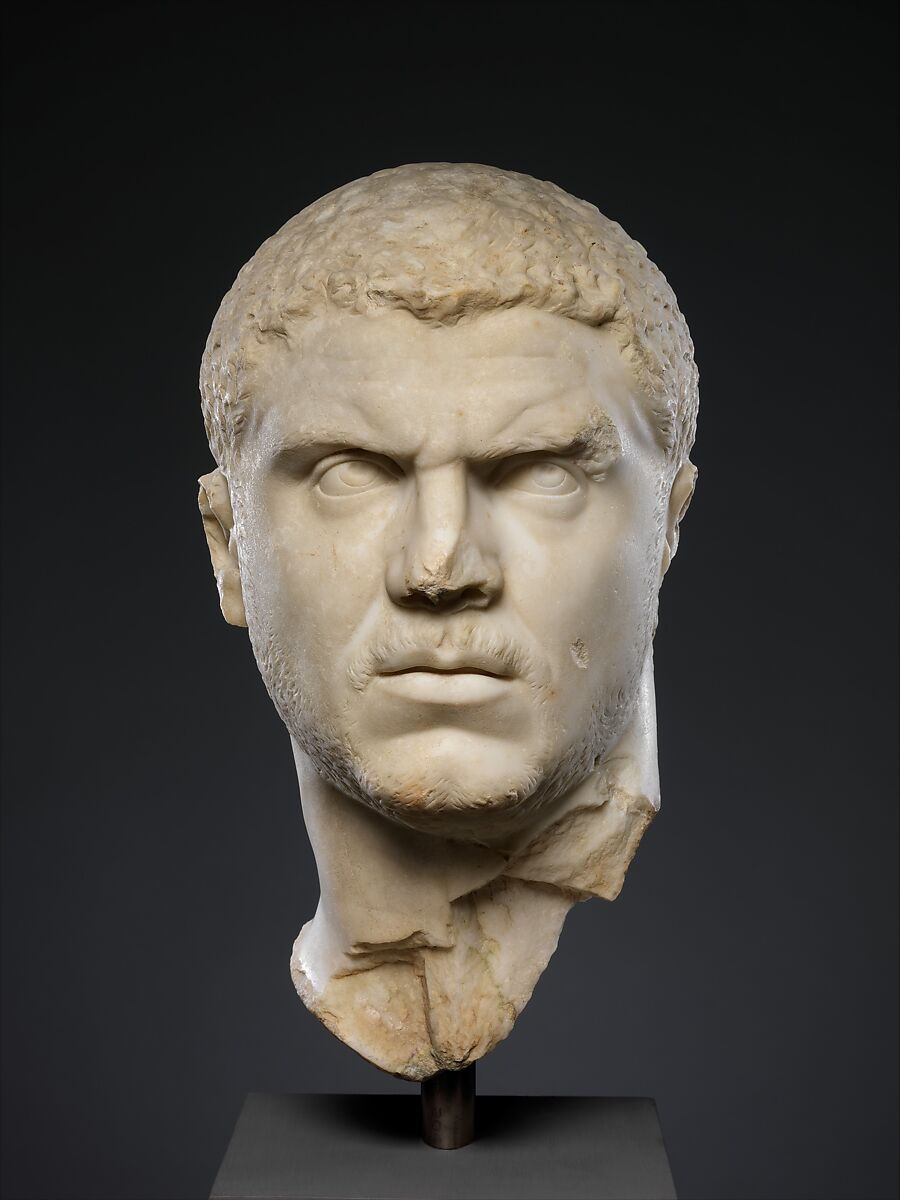
Caracalla
Son of Septimius Severus, 211-217 AD, named after his soldier cape, ‘a sober leader’ needed for his time of rule
Marcus Aurelius
One of the five good emperors, 161-180 AD, shift in culture: philosophy
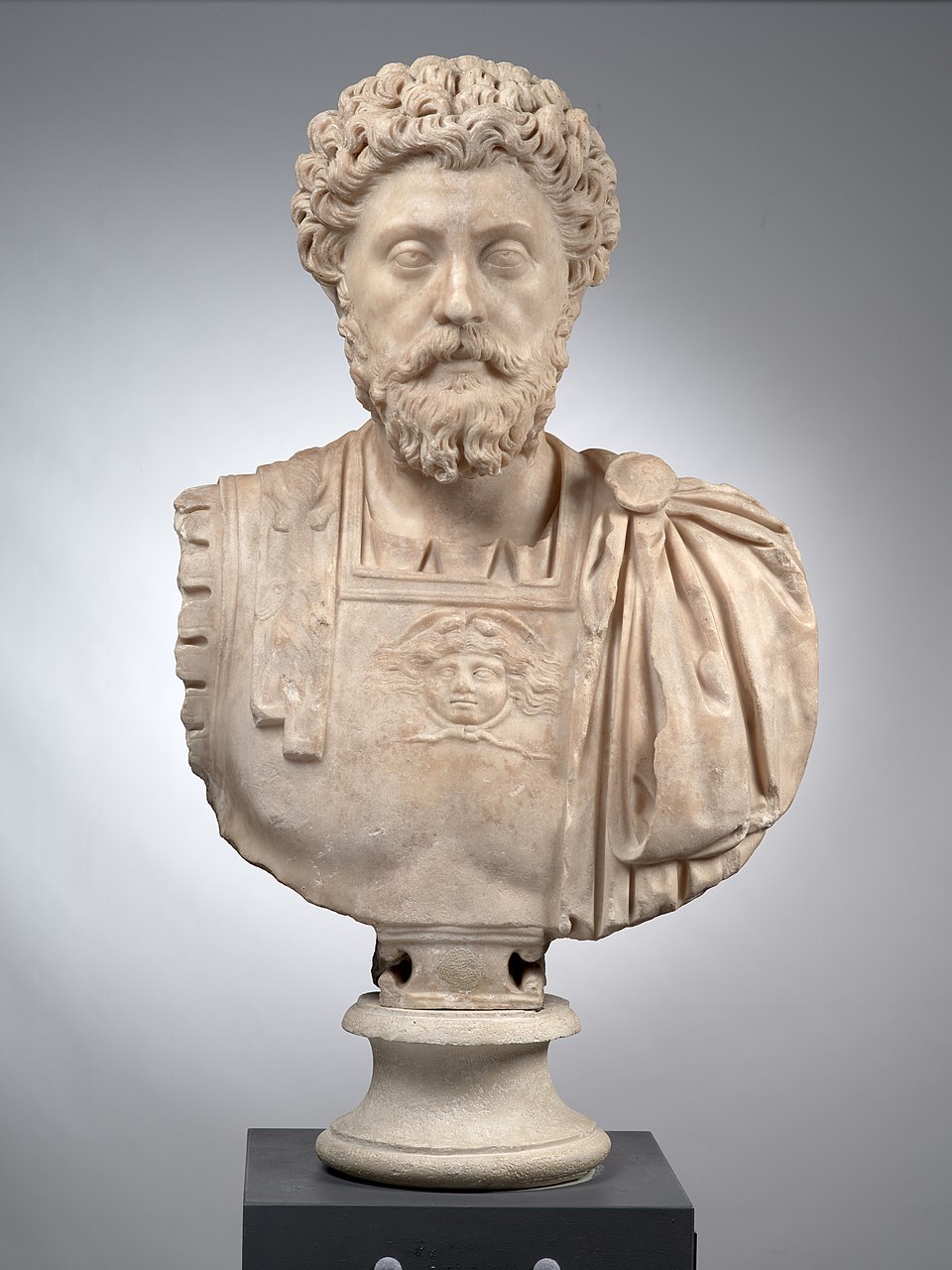
Antonius Pius
One of the five good emperors, 138-161 AD, devout and loyal, a holy man, rules the largest version of the Roman empire
Galen of Pergamon
Physician, surgeon, intellectual, revolutionized medicine and his book is one of the most thorough account of medicine from the ancient world
Trajan
One of the five good emperors, 98-117 AD, best to the romans, military politician, from span