EXSC315 EXAM 3 + IMAGES
 Call Kai
 Learn
Learn Practice Test
 Spaced Repetition
 Match
Match Flashcards
 Knowt Play
1/109

There's no tags or description
Looks like no tags are added yet.
Name | Mastery | Learn | Test | Matching | Spaced | Call with Kai |
|---|
No analytics yet
Send a link to your students to track their progress
110 Terms
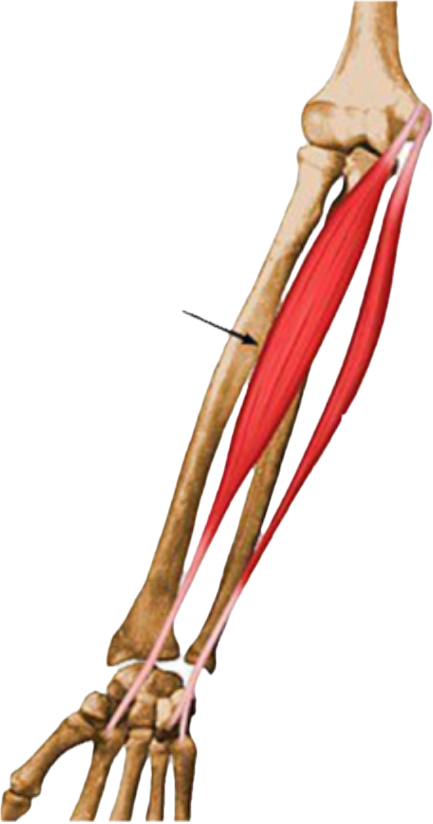
What muscle is being shown?
Flexor carpi radialis
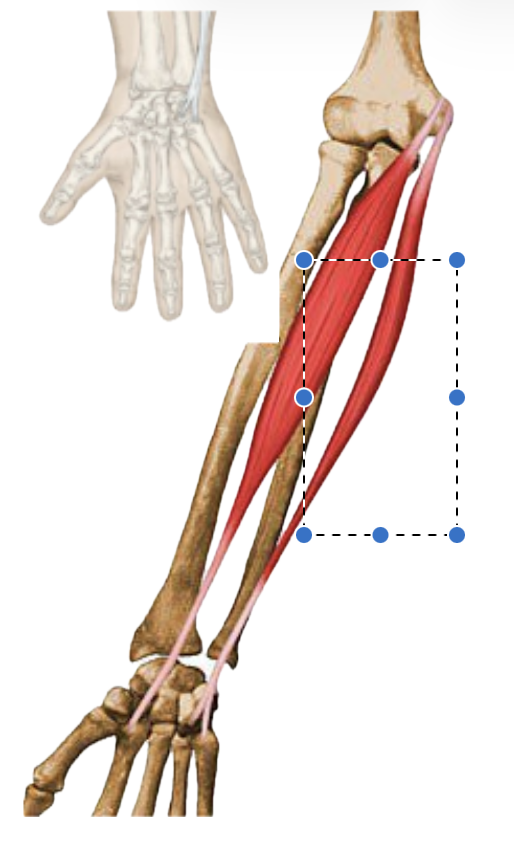
What muscle is being shown?
Flexor capri ulnaris`
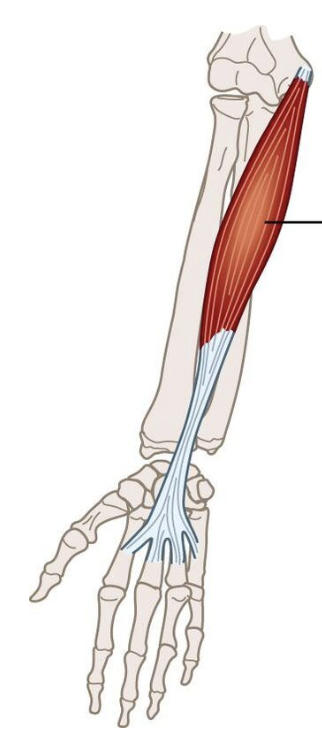
What muscle is being shown?
Palmaris longus
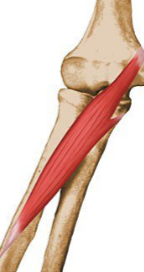
What muscle is being shown?
Pronator teres
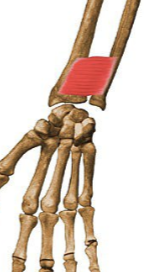
What muscle is being shown?
Pronator quadratus
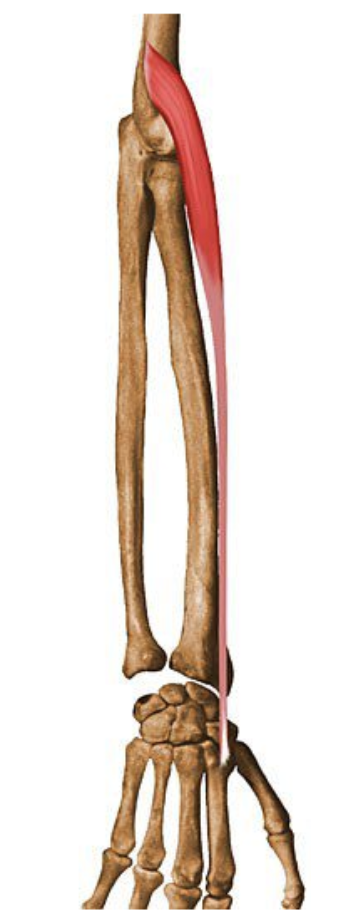
What muscle is being shown?
Extensor capri radialis longus
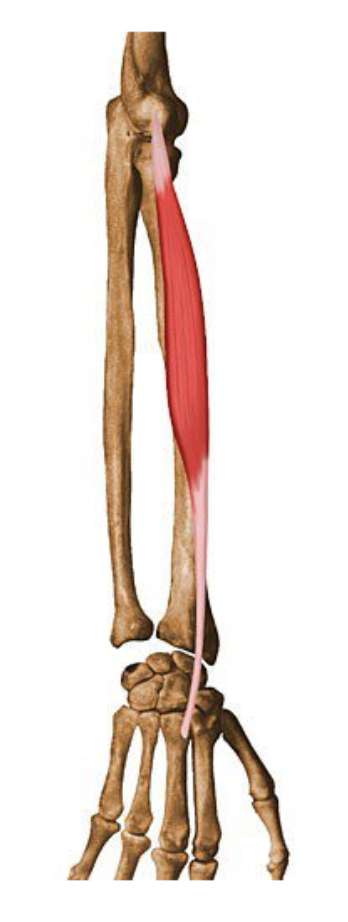
What muscle is being shown?
Extensor carpi radialis brevis
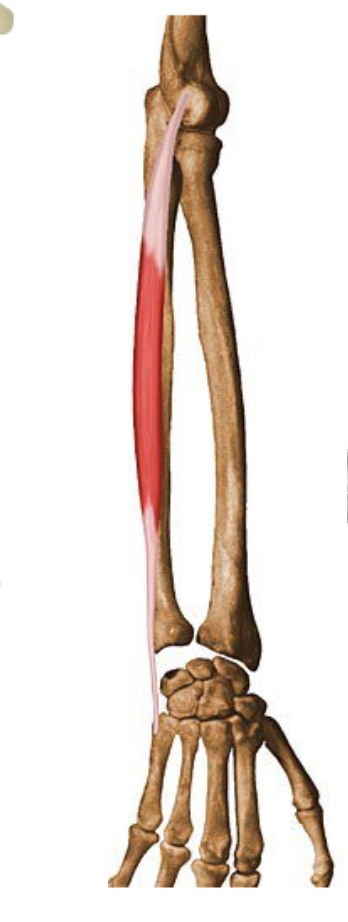
What muscle is being shown?
Extensor carpi ulnaris
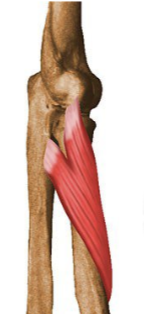
What muscle is being shown?
Supinator
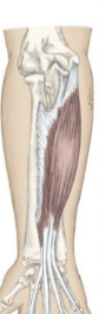
What muscle is being shown?
Flexor digitorum superficialis
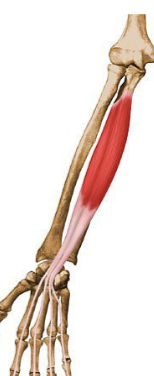
What muscle is being shown?
Flexor digitorum profundus
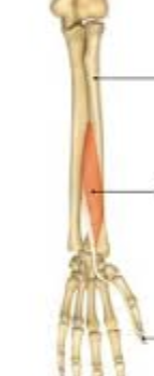
What muscle is being shown?
Flexor pollicis longus
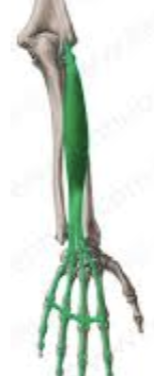
What muscle is being shown?
Extensor digitorum
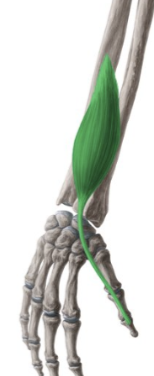
What muscle is being shown?
Extensor pollicis longus
What are the bones involved in the head, neck, and trunk?
Skull, vertebral spine, thoracic cage.
What are the skulls key attachments?
Occipital bone and mastoid process
List the order of the spine from top to bottom with the #
Cervical 7
Thoracic 12
Lumbar 5
Sacrum 5
Coccyx 4
What are the major muscles/groups that are involved in the head, neck and trunk?
Sternocleidomastoid
Erector Spinae
Abdominal Muscles
What are the abdominal muscles of the head, neck, and trunk?
Internal obliques
External obliques
Rectus abdominis
Transverse abdominis
What muscle is being described?
O — Manubrium of sternum; clavicular head
I — Mastoid process of temporal bone
A — Flexes neck laterally and rotates head to opposite side
Contraction of both sides together (bilateral) simply flexes the neck
sternocleidomastoid
(T/F) The sternocleidmastoid can rotate.
False
Who plays the neutralizer role during scapular elevation?
Sternocleidmastoid
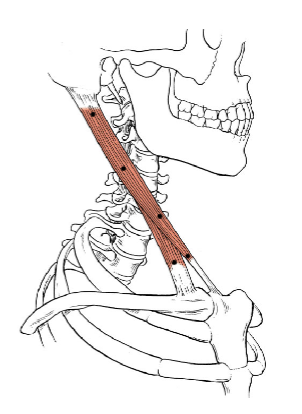
What muscle is this?
Sternocleidmastoid
What makes up the erector spinae (lateral to medial).
Iliocosalis group
Longissimus group
Spinalis group
What makes up the erector spinae (medial to lateral).
Spinalis group
Longissimus group
Iliocostalis group
What are the actions of the erector spinae?
Bilateral contraction: extends neck and back, maintaining posture
Unilateral contraction: lateral flexion
How is external oblique directed?
Inferiomedial
How is internal oblique directed?
Superiomedial (opposite of external)
How is transverse abdominis directed?
Horizontal
How are rectus abdominis directed?
Connected to the sterum and public bone
What muscle is being described?
O — Pubis and pubic symphysis
I — Xiphoid process, costal cartilages
A — Trunk/vertebral flexion
Rectus abdominis
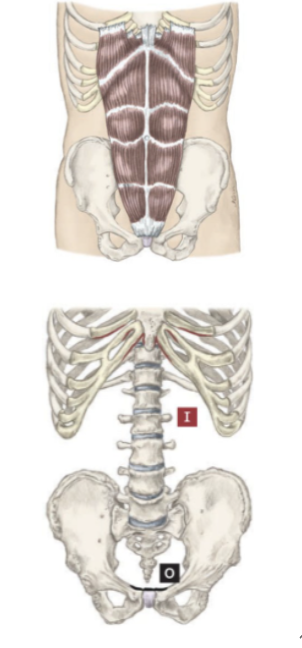
What muscle is this?
Rectus abdominis
What muscle is being described?
O — Lower 8 ribs
I — Anterior iliac crest and by the abdominal aponeurosis
A — Laterally flexes and rotate the trunk/vertebral column
Trunk flexion
External oblique
How does the external oblique run?
Diagonally downward and medially
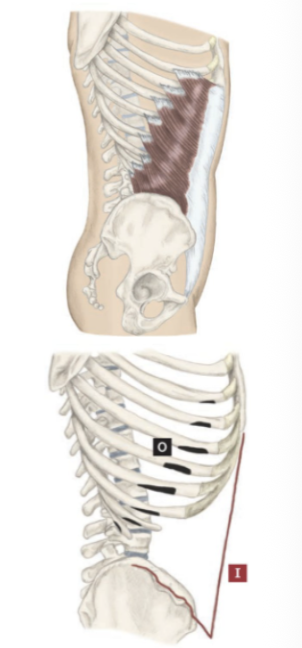
What muscle is this?
External oblique
What muscle is being described?
O — Lateral inguinal ligament, iliac crest, and thoracolumbar fascia
I — Internal surface of lower 3 ribs, rectus sheath to linea alba
A — Laterally flexes and rotates the trunk, assist flexes the trunk
Internal Oblique
How do the internal oblique fibers run?
Diagonally upward and medially
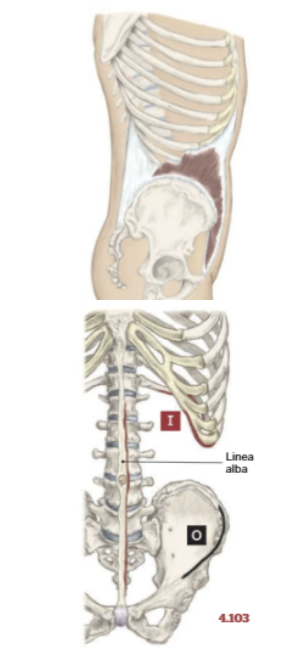
What muscle is this?
Internal oblique
What muscle is being described?
O — Lateral inguinal ligament, iliac crest, thoracolumbar fascia, internal surface of lower 6 ribs
I — Rectus sheath to linea alba
A — Laterally flexes and rotates the trunk, assists in trunk flexion
Transverse abdominis
What is the deepest abdominal muscle?
Transverse abdominis
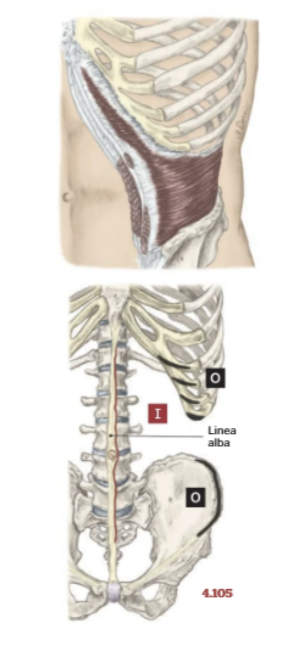
What muscle is this?
Transverse abdominis
What are the major muscles that move the pectoral girdle anteriorly?
Pectoralis minor and serratus anterior
What are the major muscles that move the pectoral girdle posteriorly?
Rhomboids, trapezius, levator scapulae
What muscle is being described?
O — Ribs 1-8
I — Medial border of scapula
A — Scapular protraction, upward rotation of scapula
Serratus anterior
What is the “boxing muscle”
Serratus anterior
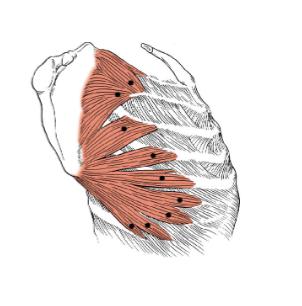
What muscle is this?
Serratus anterior
What muscle is being described?
O — Ribs 3-5
I — Coracoid process of scapula
A — Protracts and depresses scapula
Pectoralis minor
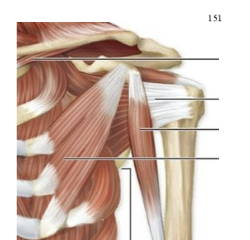
What muscle is this?
Pectoralis minor
What muscle is being described?
O — Occipital bone and spines of the cervical/thoracic vertebrae
I — Clavicle, Acromion process and spine of scapula
A — Stabilizes, raises (elevates), retracts and rotates the scapula
Trapezius
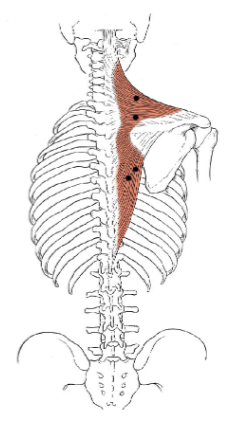
What muscle is this?
Trapezius
Superior fibers ___ scapula.
elevate
Middle fibers ___ scapula.
retract
Inferior fibers ___ scapula.
depress
R major is ___ and ___ to R minor.
larger, inferior
What muscle is being described?
O — Spinous processes of C7-T5
I — Medial border of the scapula below the scapular spine
A — Scapular retraction, elevation, downward rotation
Rhomboids
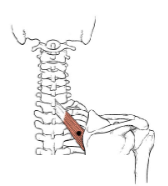
What muscle is this?
R minor
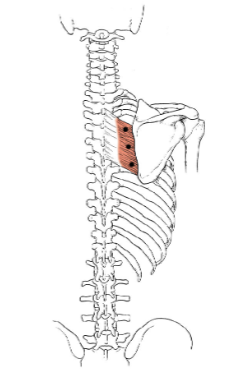
What muscle is this?
R major
What muscle is being described?
O — Posterior tubercles of transverse process of C1-C4 vertebrae
I — Superior part of medial border of scapula
A — Elevates scapula, tilts glenoid cavity inferiorly
Levator scapulae
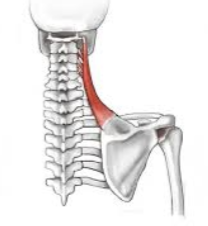
What muscle is this?
Levator scapulae
What are the muscles that move the glenohumeral joint?
Deltoid and pectoralis major, Latissimus dorsi, Rotator cuff muscles
What muscle is being described?
O — Clavicle, sternum, costal cartilages of ribs 1-6
I — Intertubercular groove of the humerus
A — Arm adduction, internal rotation, flexion, extension, horizontal adduction
Pectoralis major
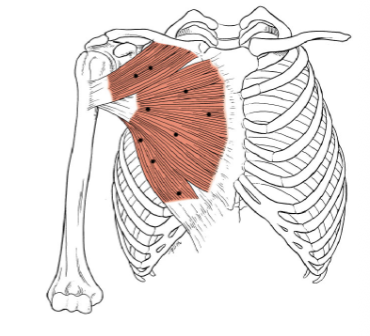
What muscle is this?
Pectoralis major
What muscle is being described?
O — Acromion process, spine of scapula, clavicle
I — Deltoid tuberosity of humerus
A — Anterior, lateral, posterior
Deltoid
What is the action of the 3 deltoids?
Anterior- flexion, medial rotation
Lateral- abduction
Posterior- extension, lateral rotation
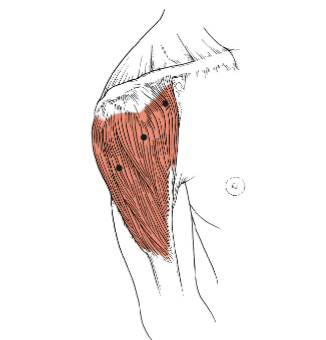
What muscle is this?
Deltoid
What muscle is being described?
O — Lumbodorsal fascia into spinous processes, Lower 6 thoracic vertebrae, Lower 4 ribs, Iliac crest
I — Intertubercular groove of the humerus
A — Prime mover of arm extension, arm adduction, medial rotation
Latissimus dorsi
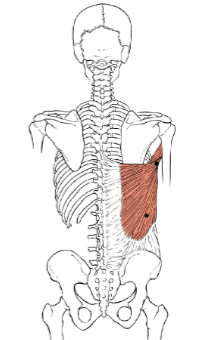
What muscle is this?
Latissimus dorsi
What are the rotator cuff muscles?
Subscapularis, supraspinatus, infraspinatus, teres minor
What muscle is being described?
O — Infraspinous fossa of scapula
I — Greater tubercle of the humerus
A — External rotation, adduction of the arm and stabilization of shoulder
Infraspinous
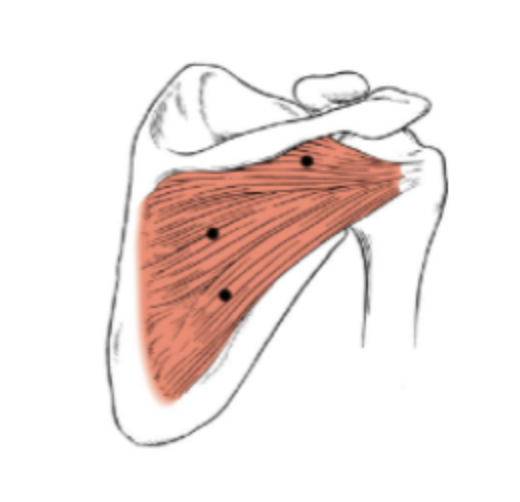
What muscle is this?
Infraspinatus
What muscle is being described?
O — Subscapular fossa of the scapula
I — Lesser tubercle of the humerus
A — Internal rotation and stabilization of the shoulder
Subscapularis
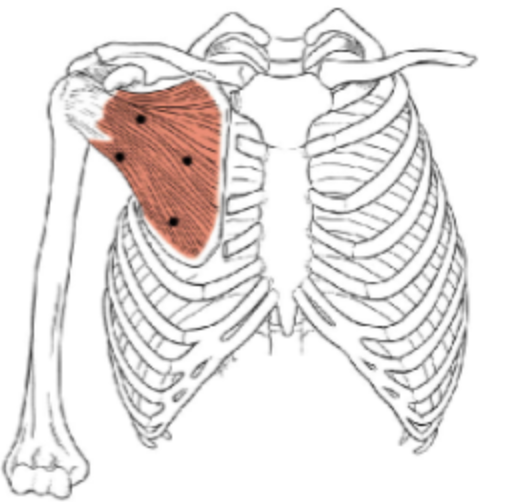
What muscle is this?
Subscapularis
What muscle is being described?
O — Axillary border of the scapula
I — Greater tubercle of the humerus
A — External rotation, adduction of the arm; pulls the head of the humerus into the glenoid cavity
Teres minor
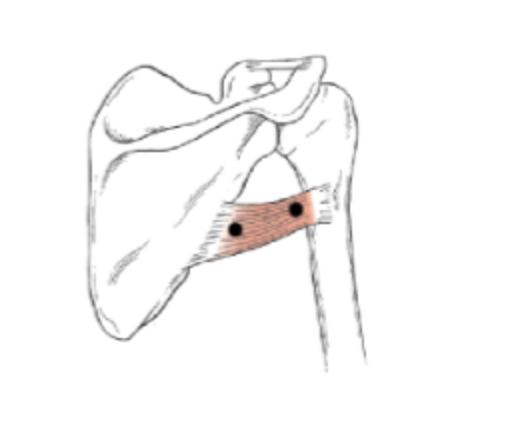
What muscle is this?
Teres minor
What muscle is being described?
O — Supraspinous fossa of the scapula
I — Greater tubercle of the humerus
A — Abduction of arm and stabilization of shoulder
Supraspinatus
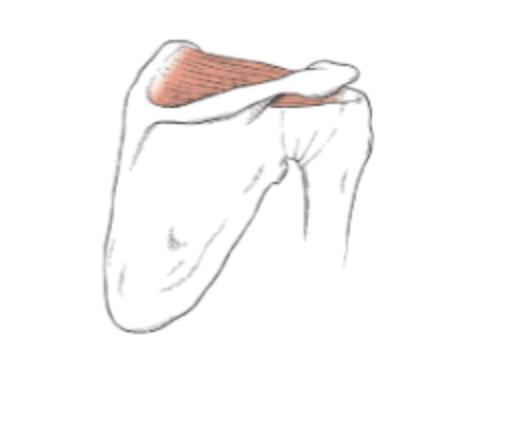
What muscle is this?
Supraspinatus
The elbow joint is a ____ joint found in the upper limb between the ___ and ____.
synovial, arm, forearm
What is the articulation of the elbow?
Humerus, radius, ulna
What are the key flexors of the forearm?
Biceps brachii, brachialis
Brachioradialis (synergist)
What are the key extensors of the forearm?
Triceps brachii
What muscle is being described?
O — Lower front half of humerus
I — Ulna
A — Primary flexor of elbow
Brachialis
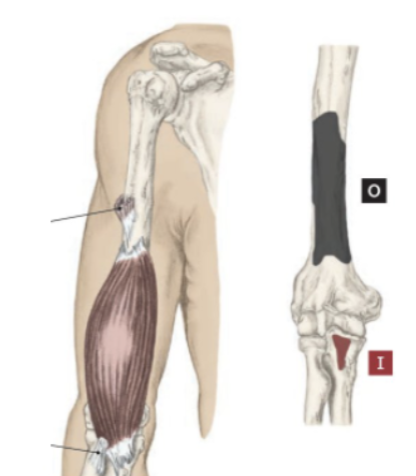
What muscle is this?
Brachialis
What muscle is being described?
O — Lateral aspect of the distal humerus above the lateral epicondyle
I — Lateral aspect of the distal radius
A — Assists in flexion of the elbow
Primarily in the forearm, it crosses the
Brachioradialis
What is the only muscle to run the length of forearm but not cross wrist?
Brachioradialis
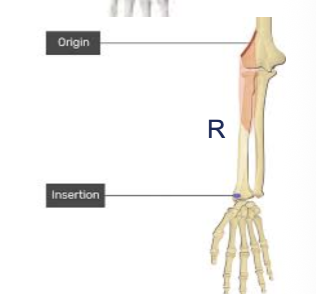
What is the muscle?
Brachioradialis
The triceps brachii is the only muscle located on the ____ arm.
posterior
What muscle creates extension at the elbow and shoulder?
Triceps brachii
The ____ are located on the anterior/medial side of the forearm.
flexors
The _____ are positioned on the posterior/lateral side.
extensors
The brachioradialis and shaft of the ulna can be used as clear _____ _____ between these muscle groups.
dividing lines
What muscle is being described?
O — Medial epicondyle of humerus
A — Produces flexion of the wrist, hand, fingers, Pronation of the wrist
Anterior forearm
What muscle is being described:
O — Lateral epicondyle of humerus
A — Produces extension of the wrist, hand, fingers, Produce supination of the wrist
Posterior forearm
What muscle is being described?
O — Medial of epicondyle
i — Base of 2nd 3rd metacarpal
A — Assists in wrist flexion and abduction of wrist
Flexor carpi radialis
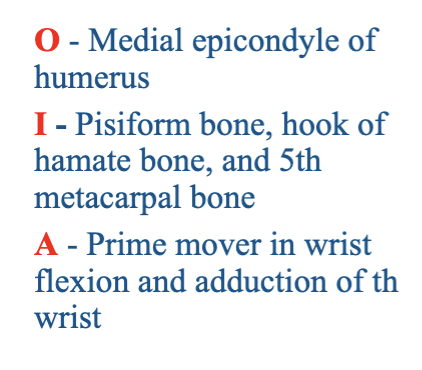
What muscle is being described?
Flexor capri ulnaris
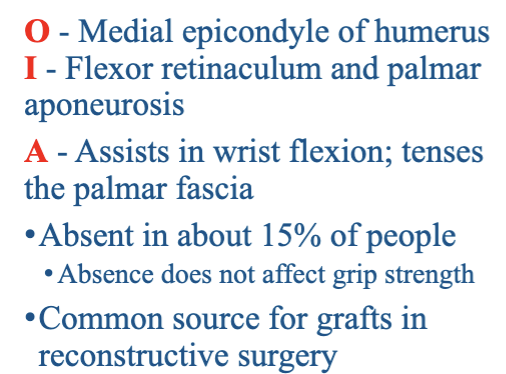
What muscle is being described?
Palmaris longus
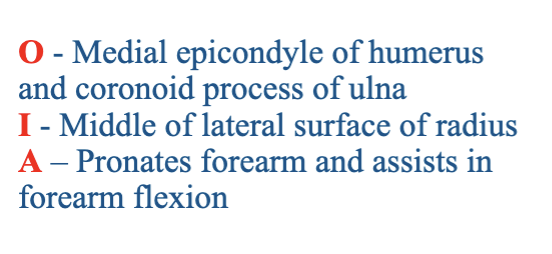
What muscle is being described?
Pronator teres
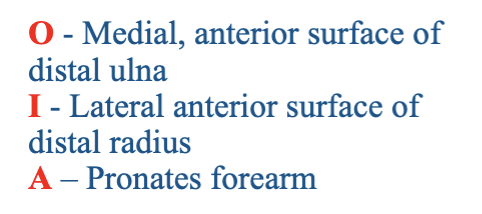
What muscle is being described?
Pronator quadratus
What is the only muscle that attaches only to the ulna at one end and only to the radius at the other end.
Pronator quadratus
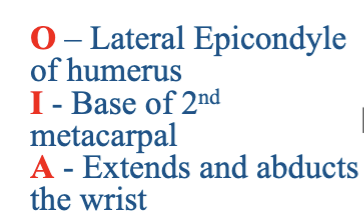
What muscle is being described?
Extensor carpi radialis longus
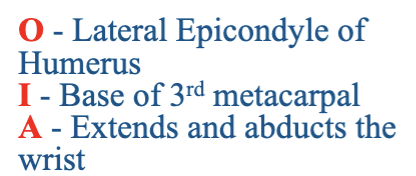
What muscle is being described?
Extensor carpi radialis brevis