Ecology Ch.4
 Call Kai
 Learn
Learn Practice Test
 Spaced Repetition
 Match
Match Flashcards
 Knowt Play
1/17

There's no tags or description
Looks like no tags are added yet.
Name | Mastery | Learn | Test | Matching | Spaced | Call with Kai |
|---|
No analytics yet
Send a link to your students to track their progress
18 Terms
What is physiological ecology?
The idea that the physical traits or organisms can affect the distribution.
Biotic factors can further increase restrictions
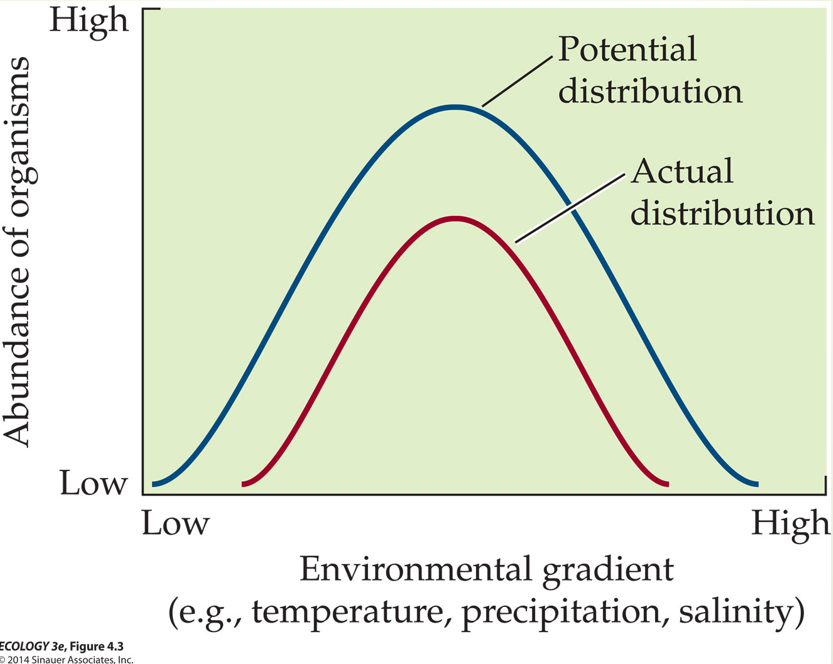
What is the difference between potential distribution and actual distribution?
Potential is where organisms could live based on physiology alone.
Actual is where they actually live.
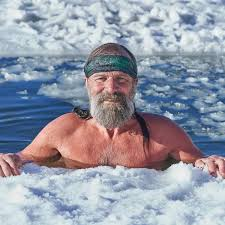
What is acclimatization?
Acclimatization is short-term, reversible physiological adjustment within one individual's lifetime (e.g. increased red blood cell count at high altitude within weeks)
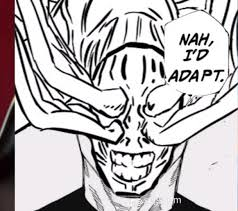
What is adaptation?
Adaptation is long-term, heritable change via natural selection over generations (e.g. Andean populations developing larger lung capacity over centuries)
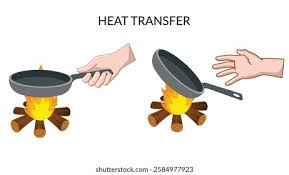
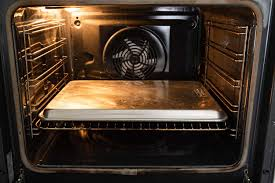
What is conduction?
heat transfer by direct physical contact with a surface
What is convection?
heat gain or loss from moving air or water flowing over a surface
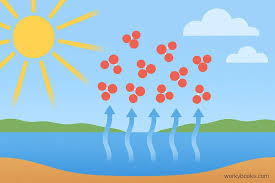
What is evaporation?
heat loss when water vaporizes (very effective cooling)
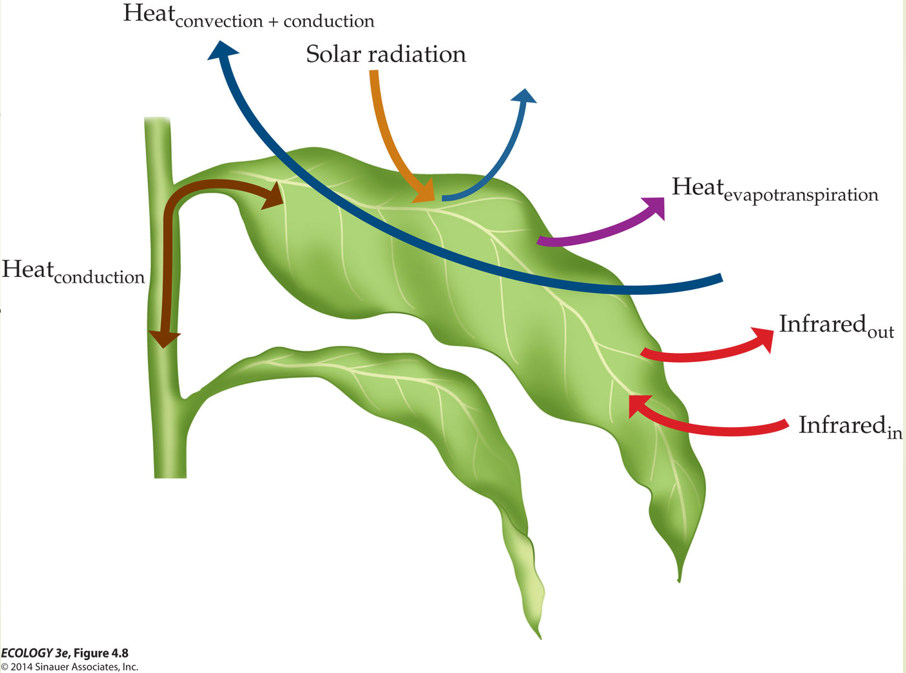
What is the heat flux equation in plants, and what are the ways plants manage heat loss?
delta H = SR + IR + Conv + Cond – Evap
This equations says that a plant's temperature change equals incoming solar radiation + infrared + convection + conduction minus evaporative cooling
Plants can also manage heat loss in various ways.
Closing stomata to limit evapotranspiration and water loss (but this also reduces cooling)
Dropping leaves in dry seasons
Leaf hairs (pubescence) that reflect radiation(this is particularly important in high-UV alpine and tropical environments)
Arctic plants grow low to the ground to minimize convective heat loss in cold windy conditions
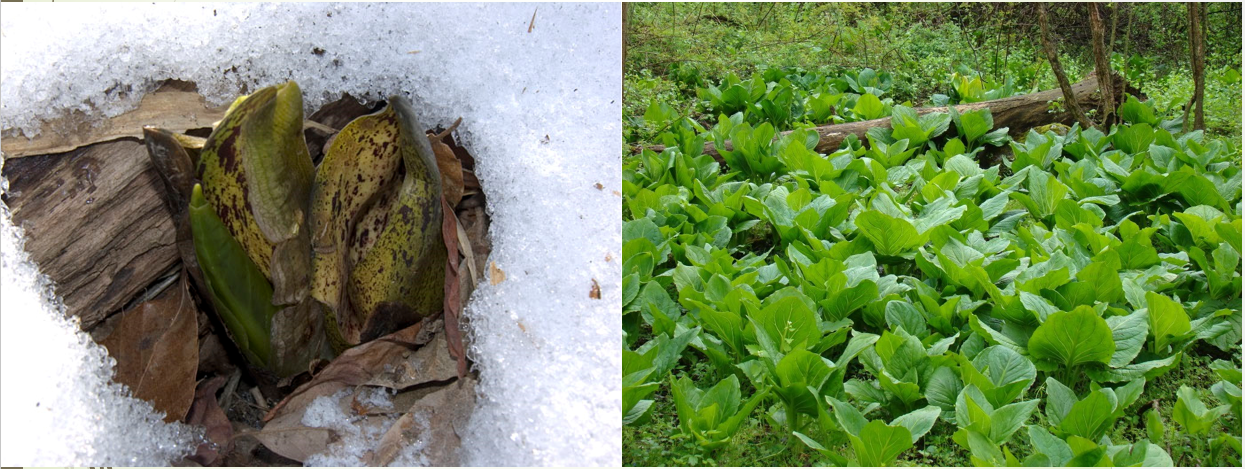
What plant generates its own metabolic heat?
Skunk cabbages
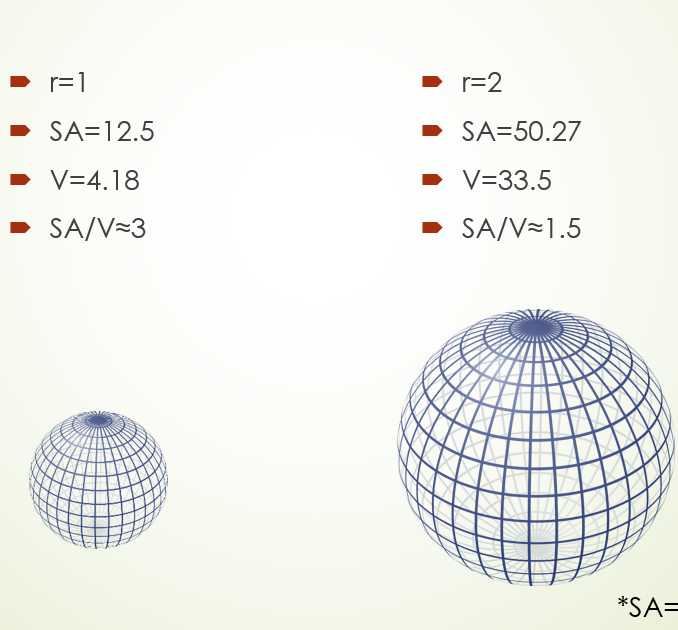
How is the SA/V ratio related to heat transfer?
Smaller objects have a higher SA/V ratio. This means they exchange heat with the environment faster and also heat up faster.
Larger objects have a lower SA/V ratio. This means they exchange heat with the environment slower and also heat up slower
Shape also has a role in the SA/V ratio. The flatter and thinner an object is, the higher its SA/V ratio is.( faster heat transfer)
What is the heat flux equation in animals?
Δ H = SR + Met + IR + conv + cond – evap
What are the four different types of thermoregulation in animals?
Poikilotherm — body temperature fluctuates with the environment (most fish, insects)
Ectotherm — behaviorally thermoregulate/relies on external heat sources to regulate temperature (reptiles basking in sun)
Endotherm — generates internal metabolic heat (sweating/ shivering)
Homeotherm — maintains a constant body temperature regardless of environment
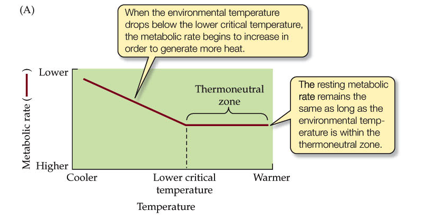
What is the thermoneutral zone?
the range of ambient temperatures over which an endotherm maintains its core temperature without increasing metabolic rate. Basal metabolic rate is sufficient
What is the lower critical temperature (LCT)?
The lowest temperature at which the animal does not burn more energy to generate heat. If it drops below it, then the animal will need to burn energy to generate heat.
LCT is lower for arctic animals.
The lower bound is controlled by insulation and acclimatization
Large animals hibernate, and small animals enter torpor because Endothermy is costly
Describe water regulation in plants
No such thing as free lunch
Evapotranspiration increases with temperature.
Plants can close their stomata at night and modify stomata per leaf to reduce water loss. However, closing stomata limits photosynthesis because they can no longer take in CO2.
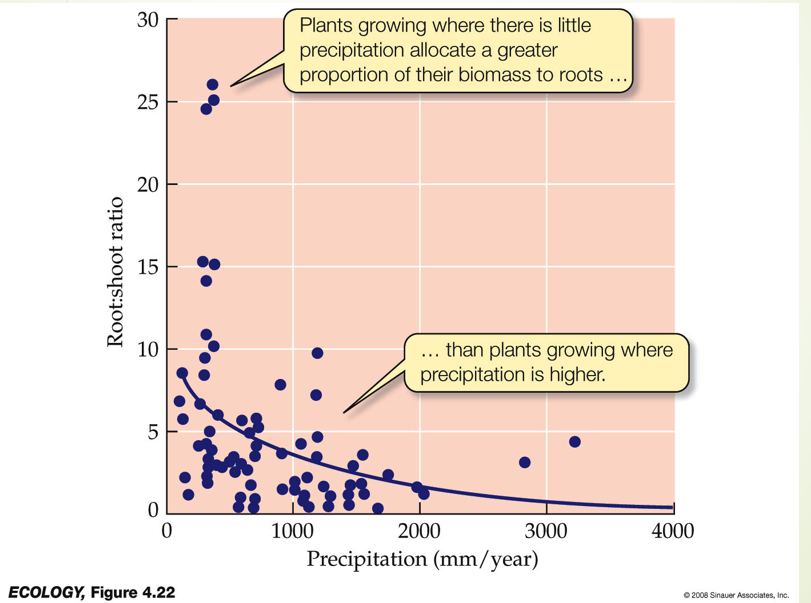
Adjust root to shoot ratio- in water-scarce environments, prioritize root growth over shoot growth.
Describe what hyperosmoregulations, hypoosmoregulators, and osmoconformers are as well as what type of fish they are associated with
Freshwater fish are hyper-osmoregulators — their body fluids are saltier than the surrounding water, so water constantly enters by osmosis through the gills. They must constantly excrete large volumes of dilute urine and actively pump salts back in through gill cells.
Marine bony fish are hypo-osmoregulators — the ocean is saltier than their blood, so water leaves osmotically. They must drink seawater constantly and actively excrete excess salts through gills (Na⁺ and Cl⁻) while excreting divalent ions (Mg²⁺, SO₄²⁻) in concentrated urine.
Sharks take a different approach — they are osmoconformers, secreting urea into their blood to raise their internal osmotic concentration to match seawater, so they don't face the same osmotic challenge as bony fish
![<p><strong>Freshwater fish</strong> are hyper-osmoregulators — their body fluids are saltier than the surrounding water, so water constantly enters by osmosis through the gills. They must constantly excrete large volumes of dilute urine and actively pump salts back in through gill cells.</p><p class="font-claude-response-body break-words whitespace-normal leading-[1.7]"><strong>Marine bony fish </strong>are hypo-osmoregulators — the ocean is saltier than their blood, so water leaves osmotically. They must drink seawater constantly and actively excrete excess salts through gills (Na⁺ and Cl⁻) while excreting divalent ions (Mg²⁺, SO₄²⁻) in concentrated urine.</p><p class="font-claude-response-body break-words whitespace-normal leading-[1.7]"><strong>Sharks</strong> take a different approach — they are osmoconformers, secreting urea into their blood to raise their internal osmotic concentration to match seawater, so they don't face the same osmotic challenge as bony fish</p>](https://assets.knowt.com/user-attachments/738f2918-aa46-4f03-a29a-ce59dd7fe482.png)
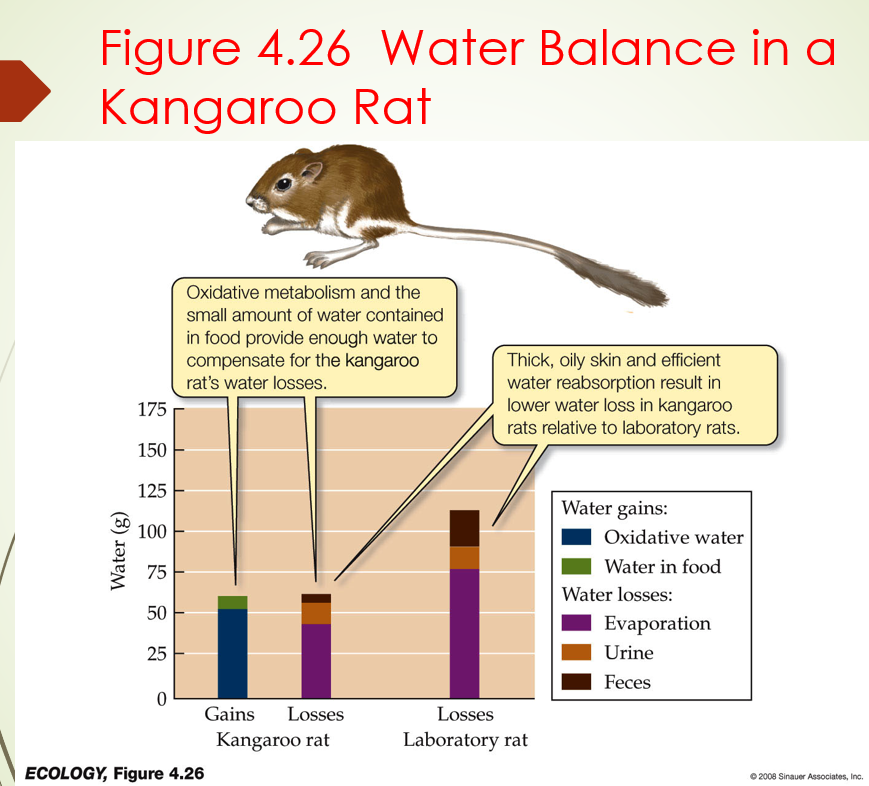
Describe the adaptations of the kangaroo rat to regulate water loss
Stays in burrows during the day (cooler, more humid microclimate)
relies entirely on metabolic water
Produces extremely concentrated urine via powerful kidneys
Thick oily skin minimizes evaporative loss
What are other adaptations to regulate water in animals?
glycerol as biological antifreeze
burrowing behavior in small animals
suspended animation in lungfish during drought
that small size helps with thermal regulation in extreme environments but may reduce competitive ability.