Lecture 1 AI flashcards
 View linked note
 Call Kai
 Learn
Learn Practice Test
 Spaced Repetition
 Match
Match Flashcards
 Knowt Play
1/50

There's no tags or description
Looks like no tags are added yet.
Name | Mastery | Learn | Test | Matching | Spaced | Call with Kai |
|---|
No analytics yet
Send a link to your students to track their progress
51 Terms
What is the Cardiovascular System responsible for?
The system responsible for the circulation of blood.
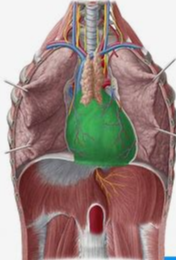
What is the Pericardium?
The fibrous sac surrounding the heart, providing protection and a barrier to infection.
What is the Myocardium?
The muscular tissue of the heart that forms the walls of the atria and ventricles.
What is the Endocardium?
A thin membrane lining the heart's chambers and covering the heart valves.
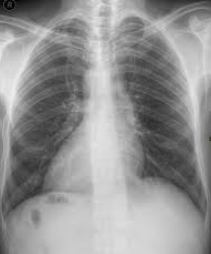
What is Dextrocardia?
A congenital condition where the heart is positioned toward the right side of the thorax instead of the left.
What is Pulmonary Circulation?
The portion of the cardiovascular system which carries deoxygenated blood away from the heart, to the lungs, and returns oxygenated blood back to the heart.
What is Systemic Circulation?
The circulation that supplies blood to all the body’s tissues, delivering oxygen and nutrients.
What is Ejection Fraction?
The percentage of blood that is pumped out of a filled ventricle with each heartbeat.
What is Cardiac Output (CO)?
The amount of blood the heart pumps each minute.
What is Preload?
The degree of stretch of cardiac muscles at the end of diastole, related to ventricular filling.
What is Afterload?
The pressure that the heart must work against to eject blood during systole.
What is the Frank-Starling Law?
The principle that the more the heart fills with blood during diastole, the greater the force of contraction during systole.
What is Hypoplastic Left Heart Syndrome?
A rare congenital heart defect where the left side of the heart is underdeveloped.
What is Stroke Volume?
The amount of blood pumped by the left ventricle of the heart in one contraction.
What are Atrioventricular Valves?
Valves that prevent backflow into the atria during ventricular contraction.
What are Semilunar Valves?
Valves that prevent backflow into the ventricles after blood has been ejected.
What is Circulatory Shock?
A medical emergency where there is insufficient blood flow to the body's organs.
What is Blood Pressure?
The pressure exerted by circulating blood upon the walls of blood vessels.
What is the Cardiac Cycle?
The sequence of events in a single heartbeat, including contraction (systole) and relaxation (diastole).
What is Valvular Stenosis?
Narrowing of one or more of the heart valves causing restriction of blood flow.
What is Cardiac Reserve?
The maximum percentage increase in cardiac output above resting levels.
What is Vasodilation?
The widening of blood vessels, which increases blood flow.
What is Vasoconstriction?
The narrowing of blood vessels, which decreases blood flow.
What is Collateral Circulation?
Alternative routes of blood flow that can develop in response to blockage of blood vessels.
What is Ischemia?
A condition where blood flow (and thus oxygen) is restricted to a part of the body.
What is Hypoxia?
A deficiency in the amount of oxygen reaching the tissues.
What are Baroreceptors?
Sensory receptors that detect changes in blood pressure.
What are Chemoreceptors?
Sensory receptors that respond to changes in blood chemistry, like CO2 and O2 levels.
What are Cardiac Accelerator Nerves?
Sympathetic nerves that increase heart rate and myocardial contractility.
What is the Vagus Nerve?
Cranial nerve that innervates the heart and plays a role in lowering heart rate.
What is the Thoracic Aorta?
The part of the aorta that runs through the thorax, supplying blood to the chest and abdomen.
What is Atrial Fibrillation?
An irregular and often rapid heart rate that can lead to poor blood flow.
What is Digitalis?
A medication derived from plant sources that helps strengthen heart contractions.
What is Coronary Artery Disease?
A condition caused by the buildup of plaque in the coronary arteries, reducing blood flow to the heart.
What is a Heart Attack?
A medical emergency that occurs when blood flow to a part of the heart is blocked, causing damage to the heart muscle.
What is Heart Failure?
A chronic condition where the heart is unable to pump sufficiently to maintain blood flow to meet the body's needs.
What is Arrhythmia?
An irregular heartbeat due to problems with the electrical impulses that control the heartbeat.
What is the Role of the SA Node?
The Sinoatrial (SA) node is known as the heart's natural pacemaker, initiating the electrical impulse for heartbeats.
What is Blood Volume?
The total amount of blood circulating within the body, which is critical for maintaining blood pressure and circulation.
What is Hypertension?
A condition also known as high blood pressure, where the force of the blood against the artery walls is too high.
What is Atherosclerosis?
A condition characterized by hardening and narrowing of the arteries due to plaque buildup.
What are the Symptoms of Congestive Heart Failure?
Common symptoms include shortness of breath, fatigue, swollen legs, and rapid heartbeat.
What is Echocardiography?
An imaging test that uses ultrasound waves to create pictures of the heart in motion.
What are Statins?
Medications used to lower cholesterol levels in the blood, helping reduce the risk of heart disease.
What is Angioplasty?
A procedure to open narrowed or blocked blood vessels, often using a balloon catheter.
What is a Pacemaker?
A medical device implanted in the chest to help regulate heartbeats.
What is Coronary Bypass Surgery?
A surgical procedure that creates a new pathway for blood to flow to the heart, bypassing blocked arteries.
What is Myocardial Infarction?
The medical term for a heart attack, indicating areas of heart muscle have died due to lack of blood flow.
What is the main function of Red Blood Cells?
To transport oxygen from the lungs to the body and carbon dioxide from the body back to the lungs.
What is the role of the Aortic Valve?
To prevent backflow of blood from the aorta into the left ventricle after it has been pumped out.
What does the cardiovascular system consist of?
Heart, blood vessels, and blood.