Plant Biology Exam 4 Review
 Call Kai
 Learn
Learn Practice Test
 Spaced Repetition
 Match
Match Flashcards
 Knowt Play
1/58

There's no tags or description
Looks like no tags are added yet.
Name | Mastery | Learn | Test | Matching | Spaced | Call with Kai |
|---|
No analytics yet
Send a link to your students to track their progress
59 Terms
Seedless Vascular Plants
Reproduce by forming spores and have the differentiation of stems, leaves, and roots
Include lycophytes and pterophytes
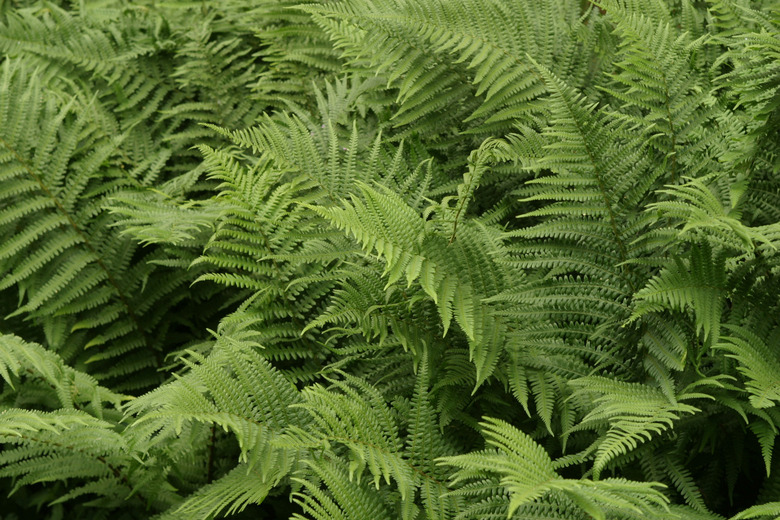
Leaf Types
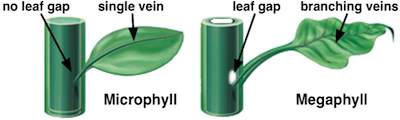
Microphyll and megaphyll
Microphyll
Has a single vein and probably evolved as a stem outgrowth
Present in lycophytes
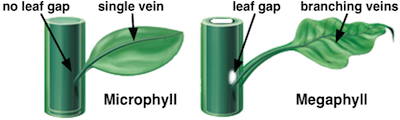
Megaphyll
Has a branched system of veins and probably evolved by fusion of stem branches
Present in pterophytes and seed plants
Fern Life Cycle
Dominant sporophyte generation
Water required for sexual reproduction
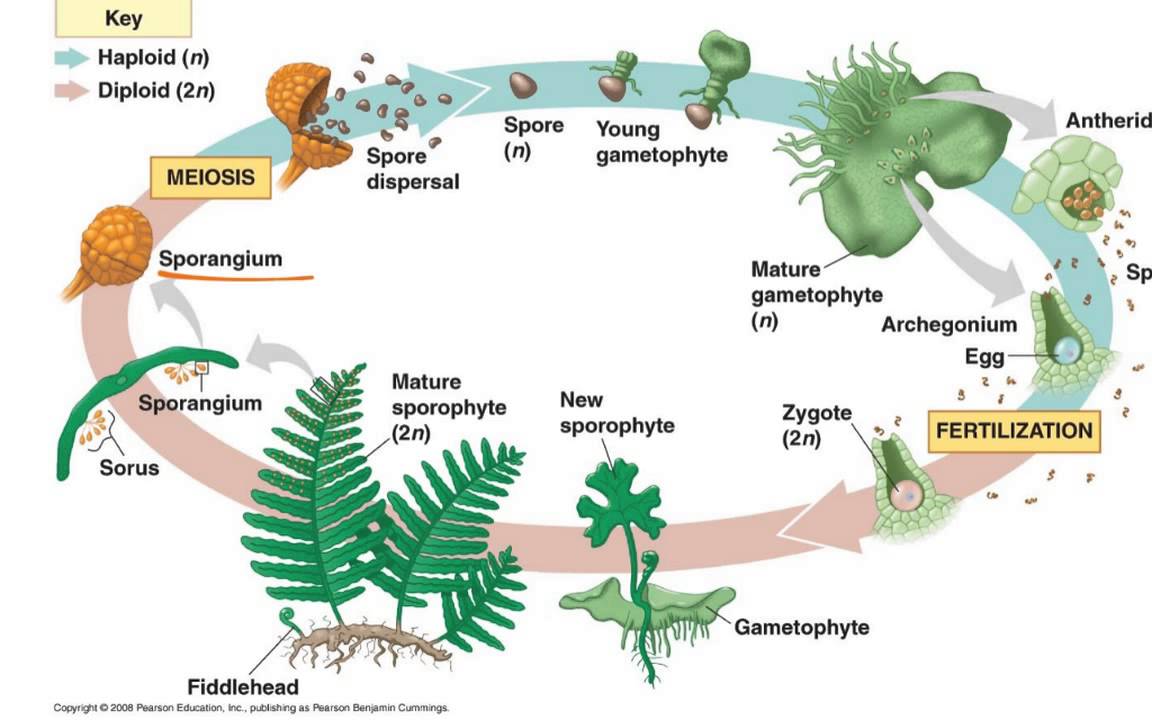
Fern Sporophyte
Perennial rhizome (root) and fronds (leaves)
Sporangia develop on underside of fronds in clusters (sori)
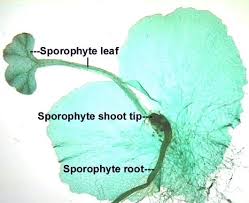
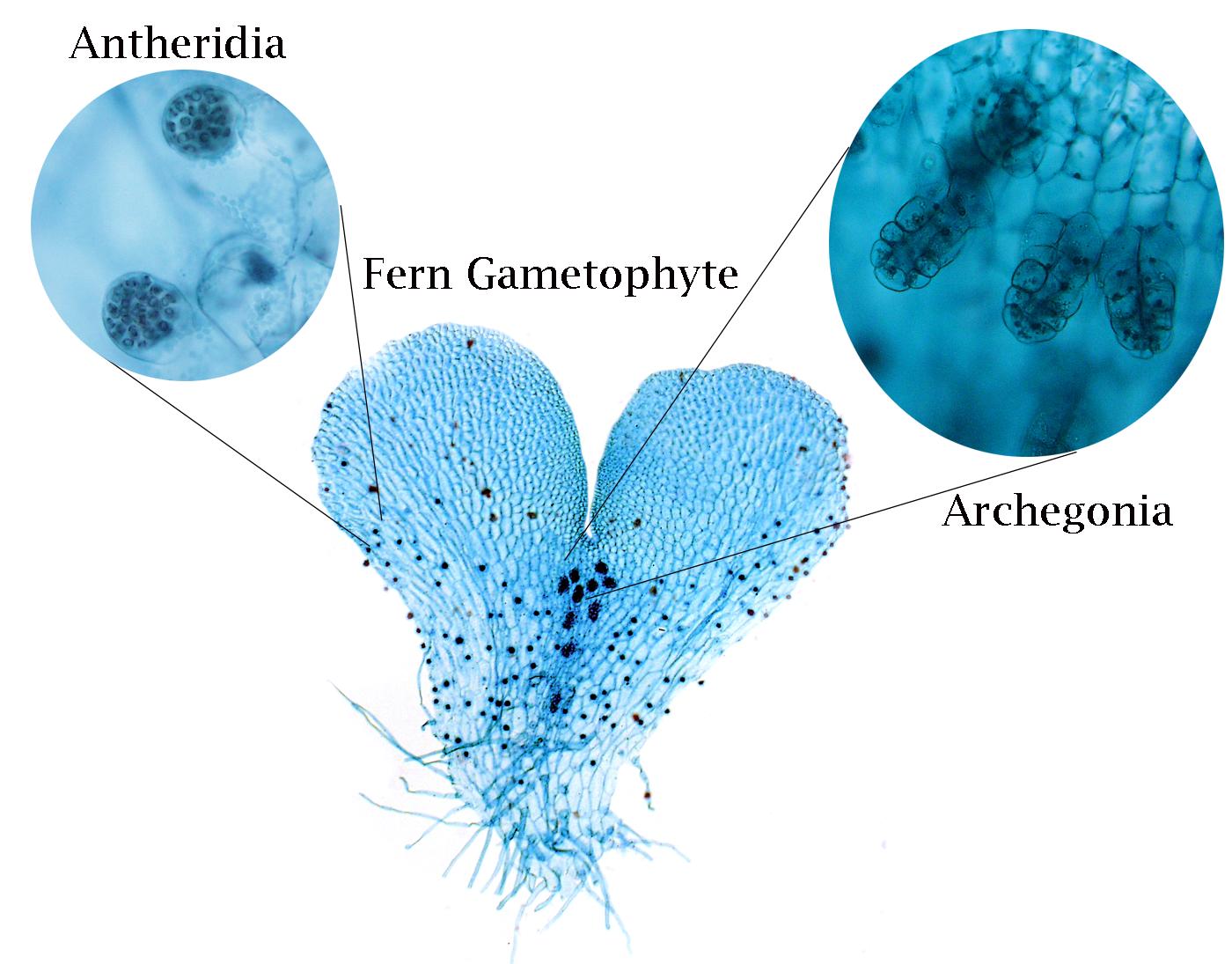
Fern Gametophyte
Prothallus: Green heart-shaped structure that produces female and male structures
Antheridia on rhizoids and archegonia on central prothallus
Free-living
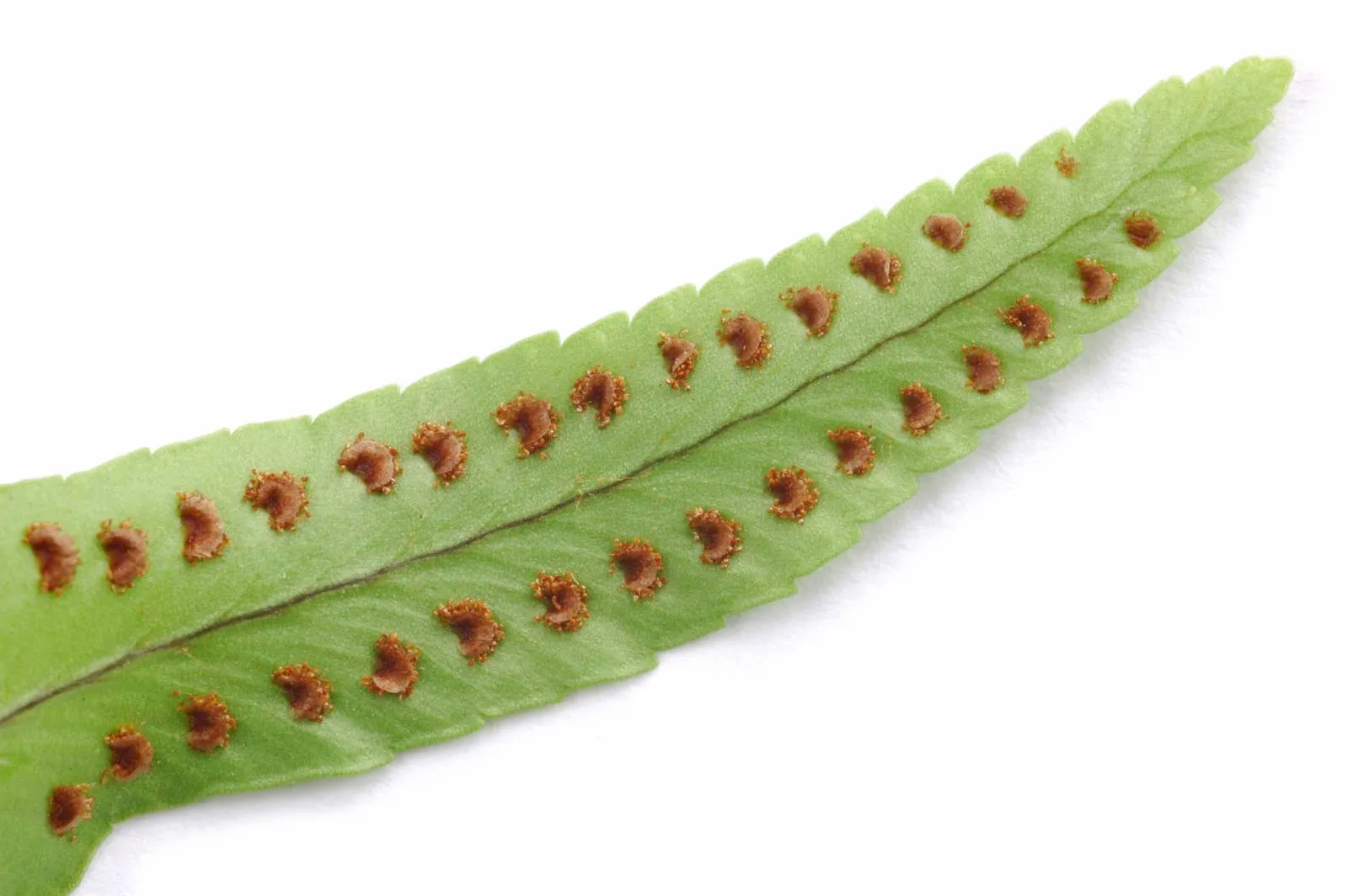
Fern Sporangia
Can be born on different stalks
Annulus (unevenly thickened walls) breaks open and sporangia seeds are dispersed
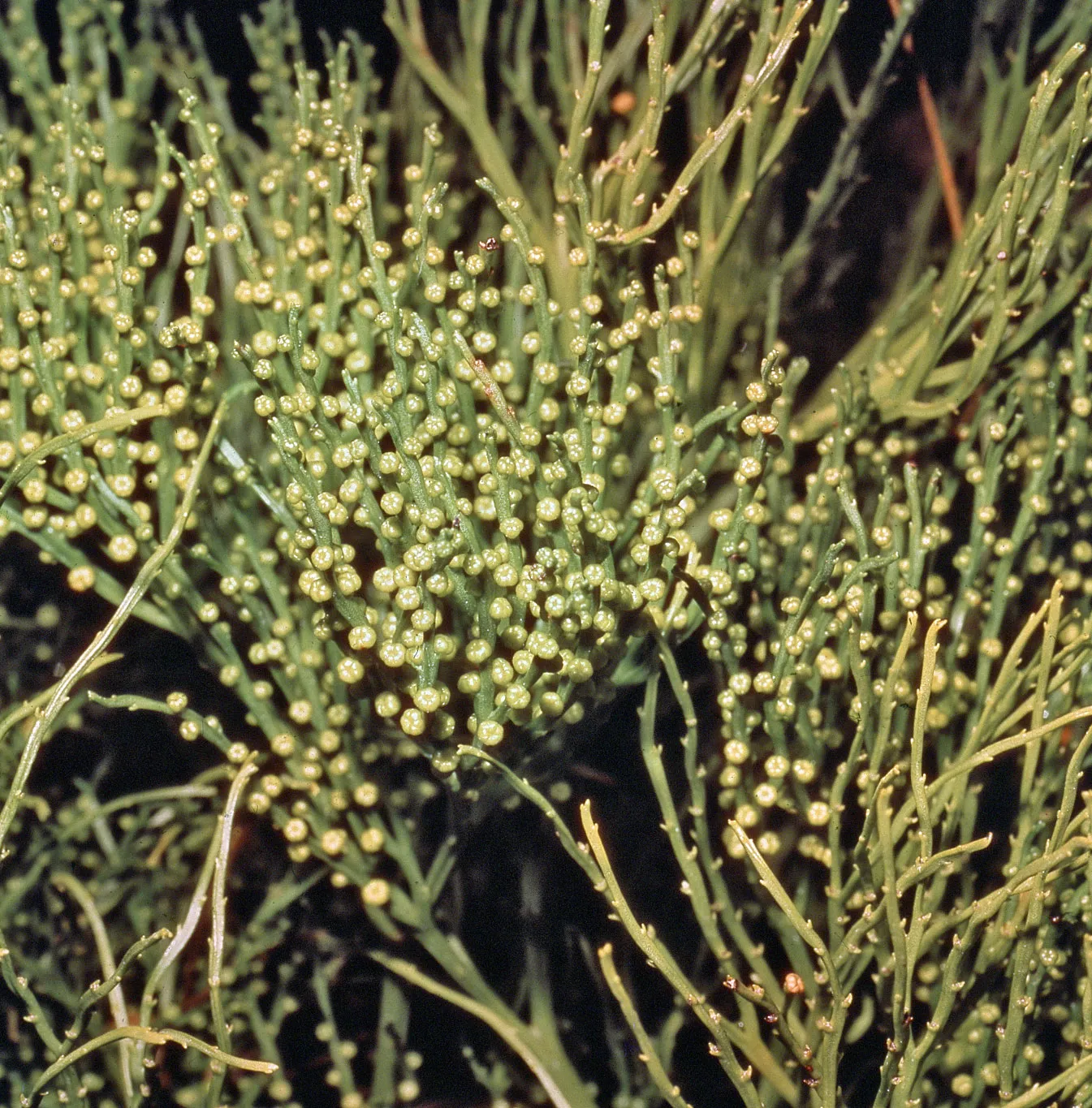
Whisk Ferns
Contain only stem that have rhizomes and aerial stems that perform photosynthesis
Sporangia form on aerial stems and produce haploid spores by meiosis
Horsetails
Have true stems, leaves, and roots
Common in wet habitats
Water required for fertilization
Dominant saprophyte + free-living gametophyte
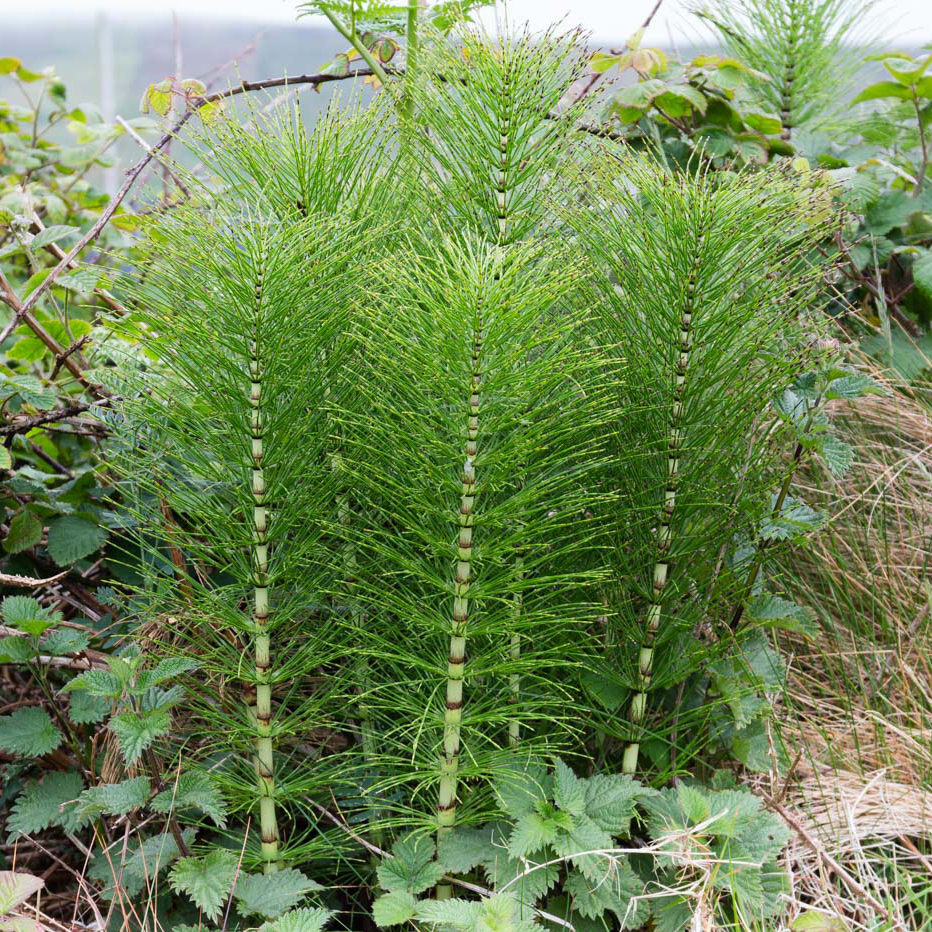
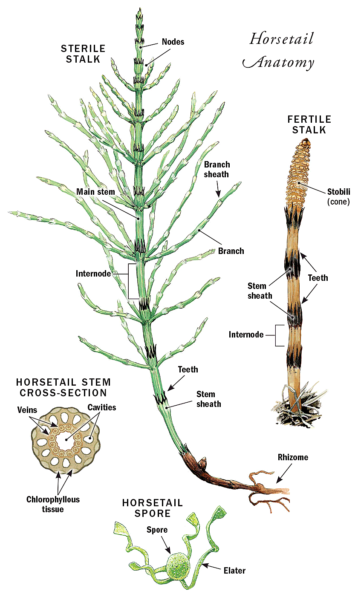
Horsetail Structures
Stems have rhizomes + aerial stems that are hollow with silico and perform photosynthesis
Sporangia are located around an axis
Small leaves are fused together in whorls at nodes
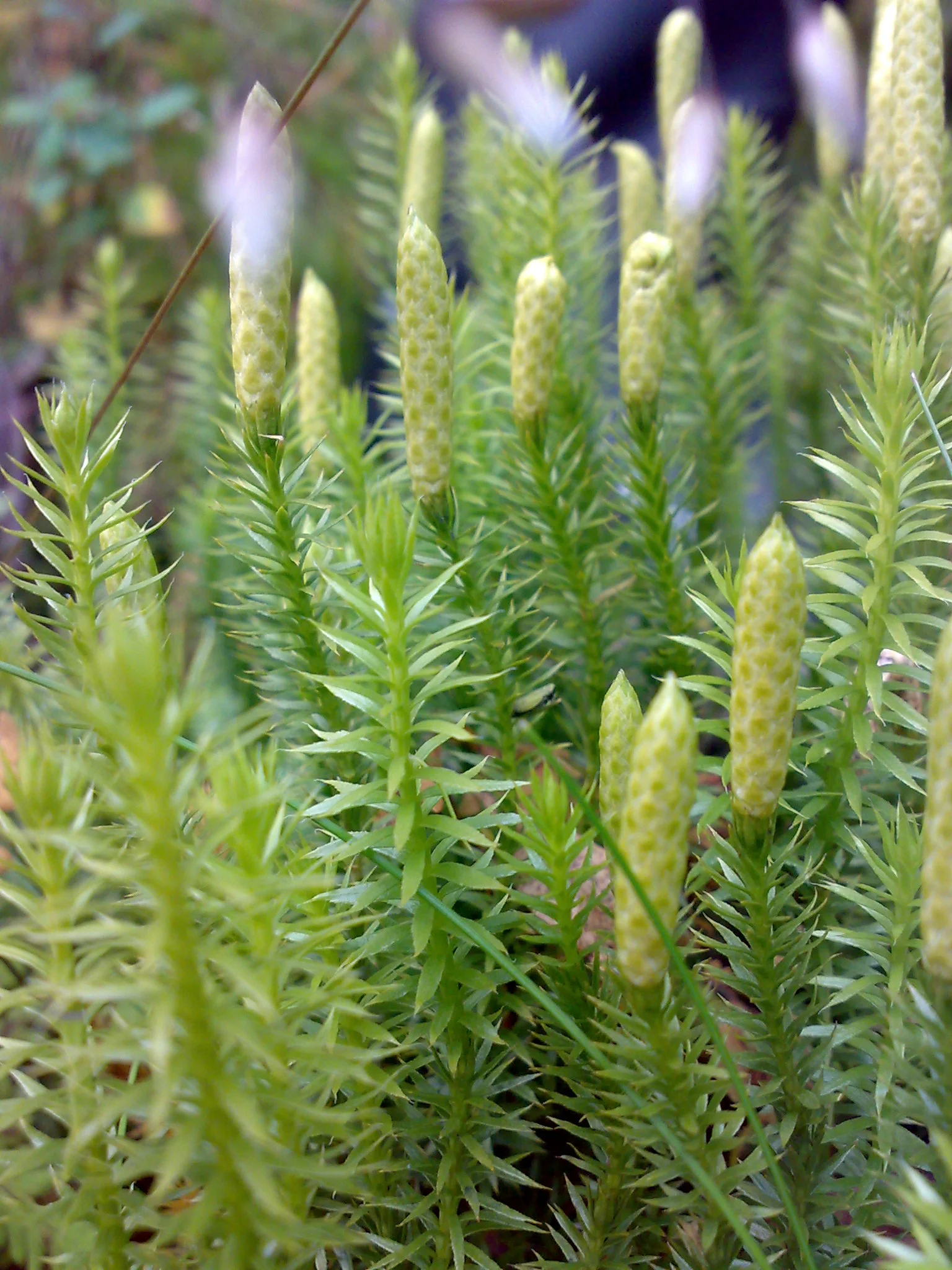
Club mosses
Have trues roots, rhizomes, short aerial stems, and leaves
Similar life cycle to ferns
Sporangia form one strobilus at aerial stem tips
Spike Mosses
Found in moist tropics / subtropics with diverse growth forms
Creeping, branched roots have rhizomes and steps (4 rows of microphyll)
Spike mosses, quillworts, and some ferns are _____
Heterosporous
Heterospory
Two types of spores (microspores and megaspores)
Microspore
Produce male gametophytes
Megaspore
Produce female gametophyte
Heterospory Structure
Microsporangium and megasporangium in strobilus
Homospory
One type of spore produced by meiosis
(Bryophytes + some seedless vascular plants)
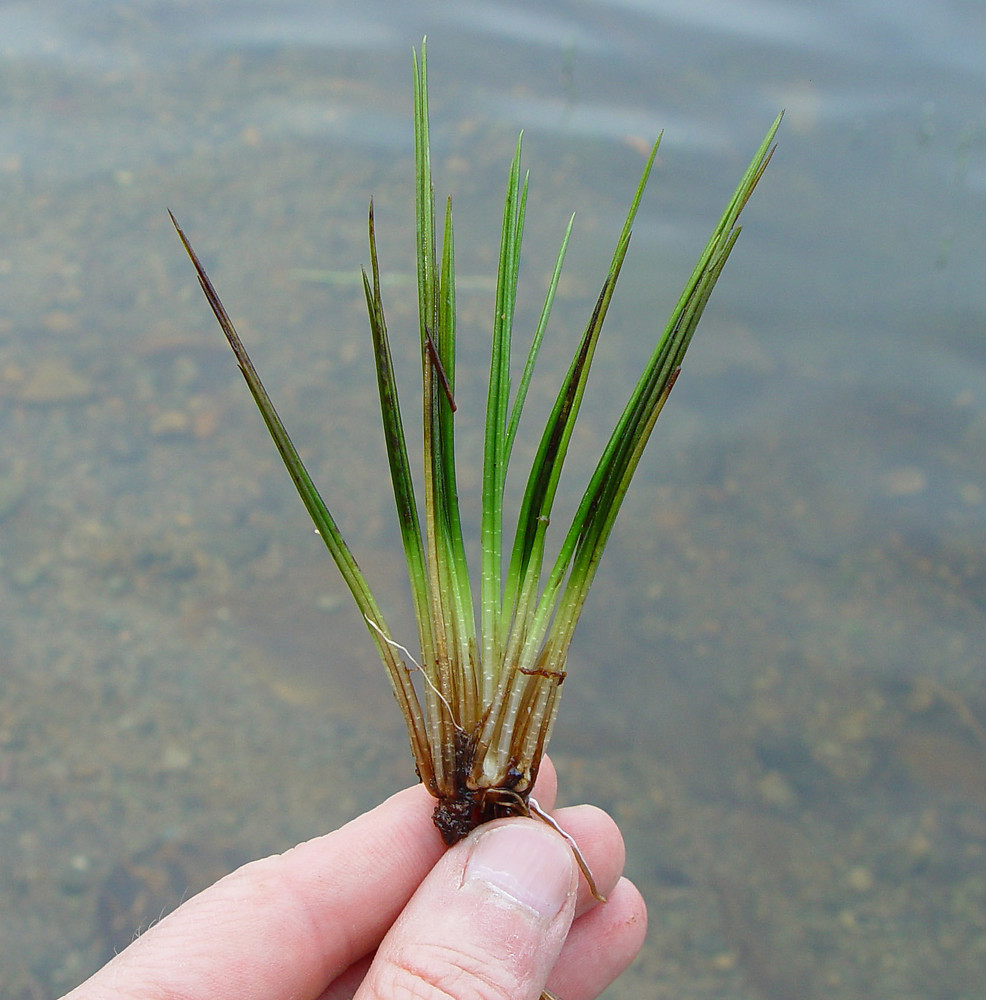
Quillwort
Freshwater perennials
Swollen underground stem (corm) that produces quill leaves
No aerial stems
Seeds
Consist of embryo, endosperm, and seed coat
Productively superior to spores
Contains a young multicellular plant with an abundant food supply protected by a seed coat
Gymnosperm + Angiosperm Similarities
Bear seeds
Vascular tissue
Alternative generations (dominant sporophyte and dependent gametophyte)
Gymnosperms
Naked seeds
Among the tallest and oldest trees
Subgroups (phyla): Conifer, cycad, ginkgo, and gnetophytes)
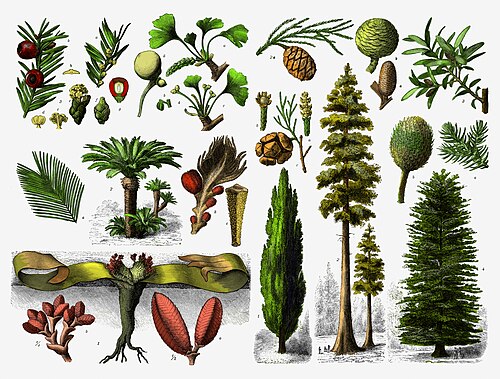
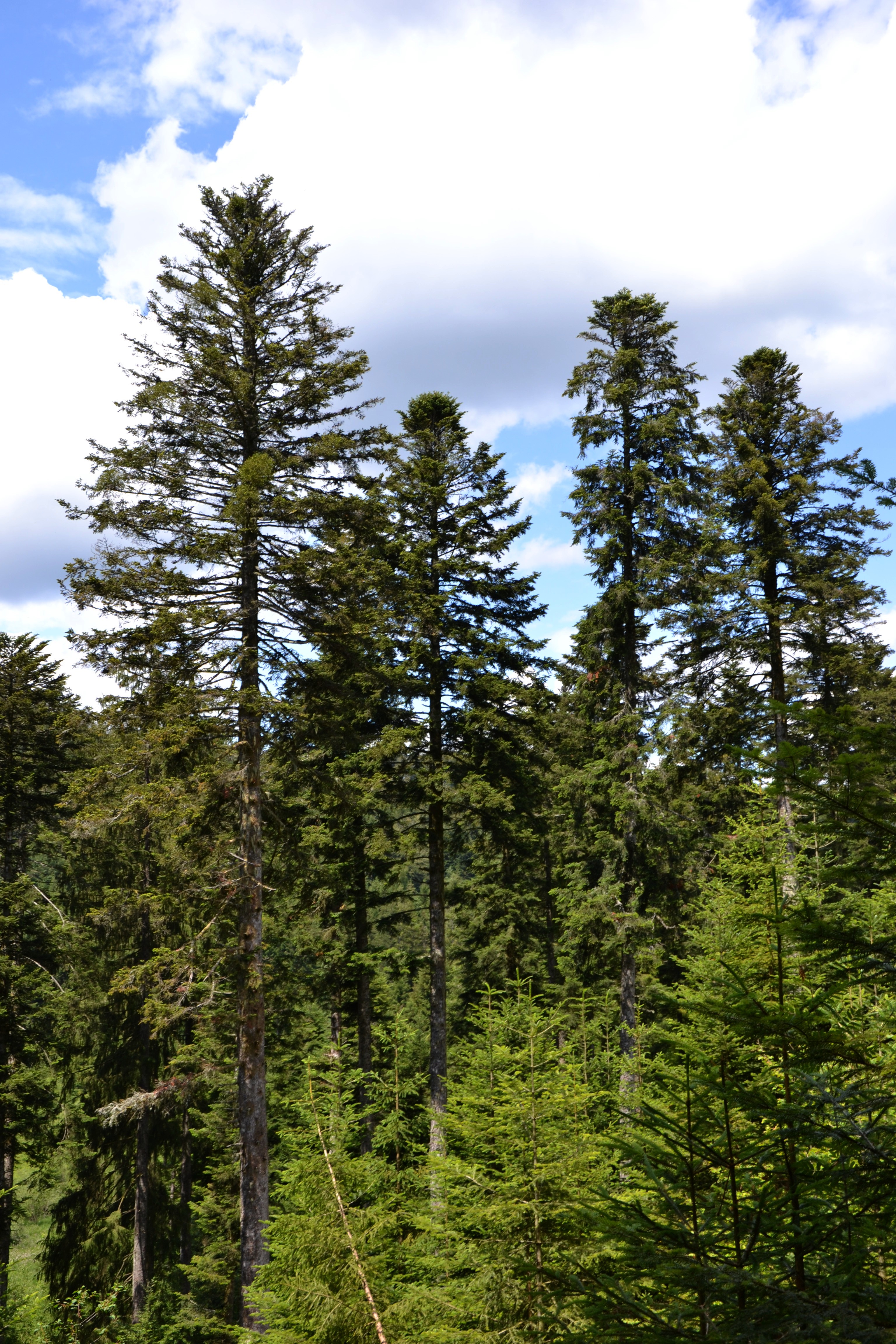
Conifers
Woody species often producing resin, typically evergreen or deciduous with megaphyll needle-like leaves
What is the function of resin?
Protect against insects and fungal attacks
Conifer Life Cycle (Pine)
Dominant sporophyte, heterosporous, microspores + megaspores
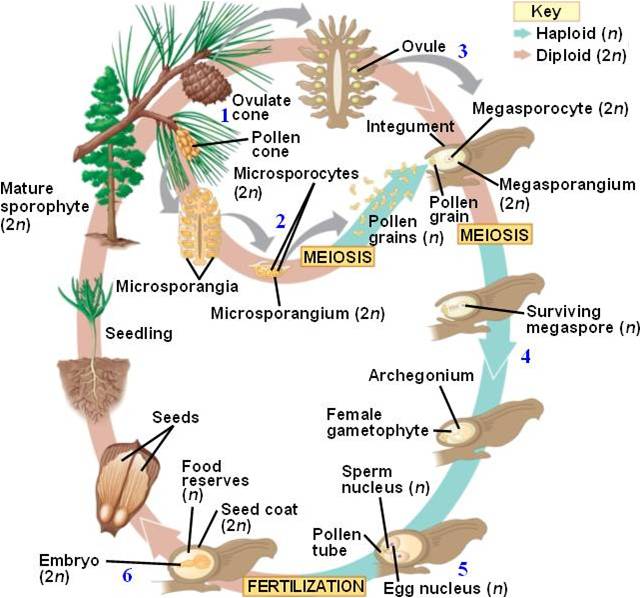
Conifer Male Cone
Microporangia forms under sporophyll (leaflike scales)
Microspore mother in the microsporangium form haploid microspores by meiosis which develops into male gametophytes (pollen grains)
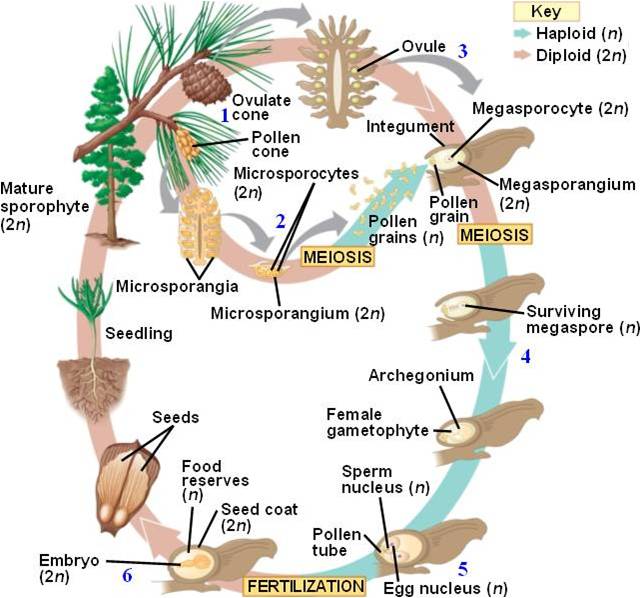
Pollen Grain
2 cells (generative + tube) when mature
2 air sacs for wind dissemination
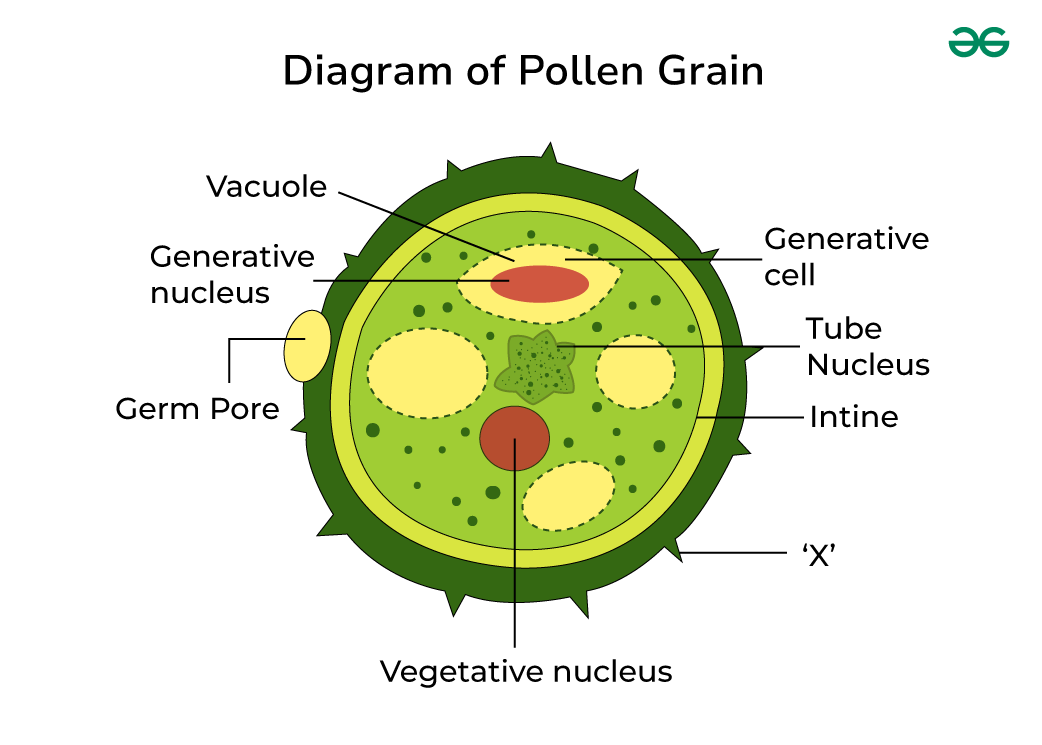
Conifer Female Cone
Large, spiral cone scales
Ovule (megasporangia) on cone scale base with one megaspore
4 megaspore by meiosis - 1 undergoes lots of mitosis to form gametophyte which produces an archegonia
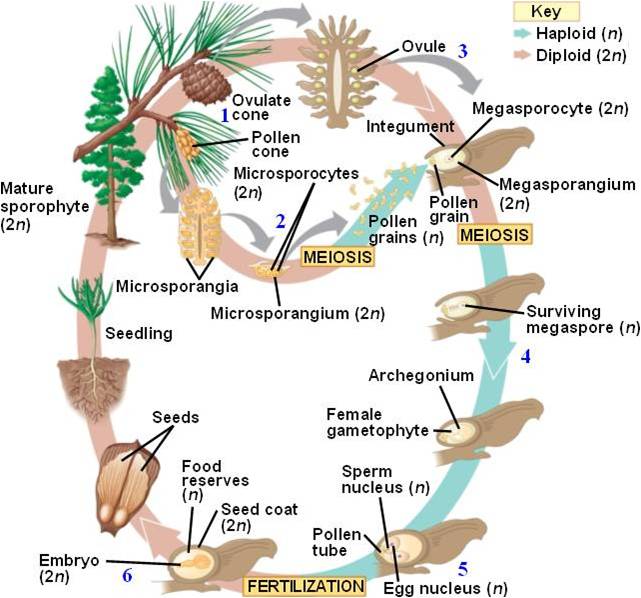
Conifer Fertilizations via Pollination
Pollen transferred from male to female cones
Produces embryo by sperm being sent to eggs for fertilization via pollen tubes
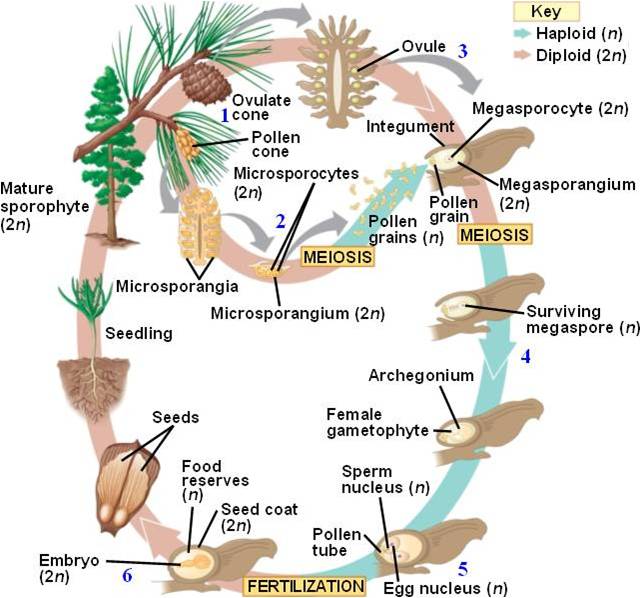
Seeds have 3 different sources
Integument —> seed coat (2n)
Embryo (2n) —> seed
Endosperm (n)
Is water required for conifer fertilization
No, which makes them able to live in diverse envrionments
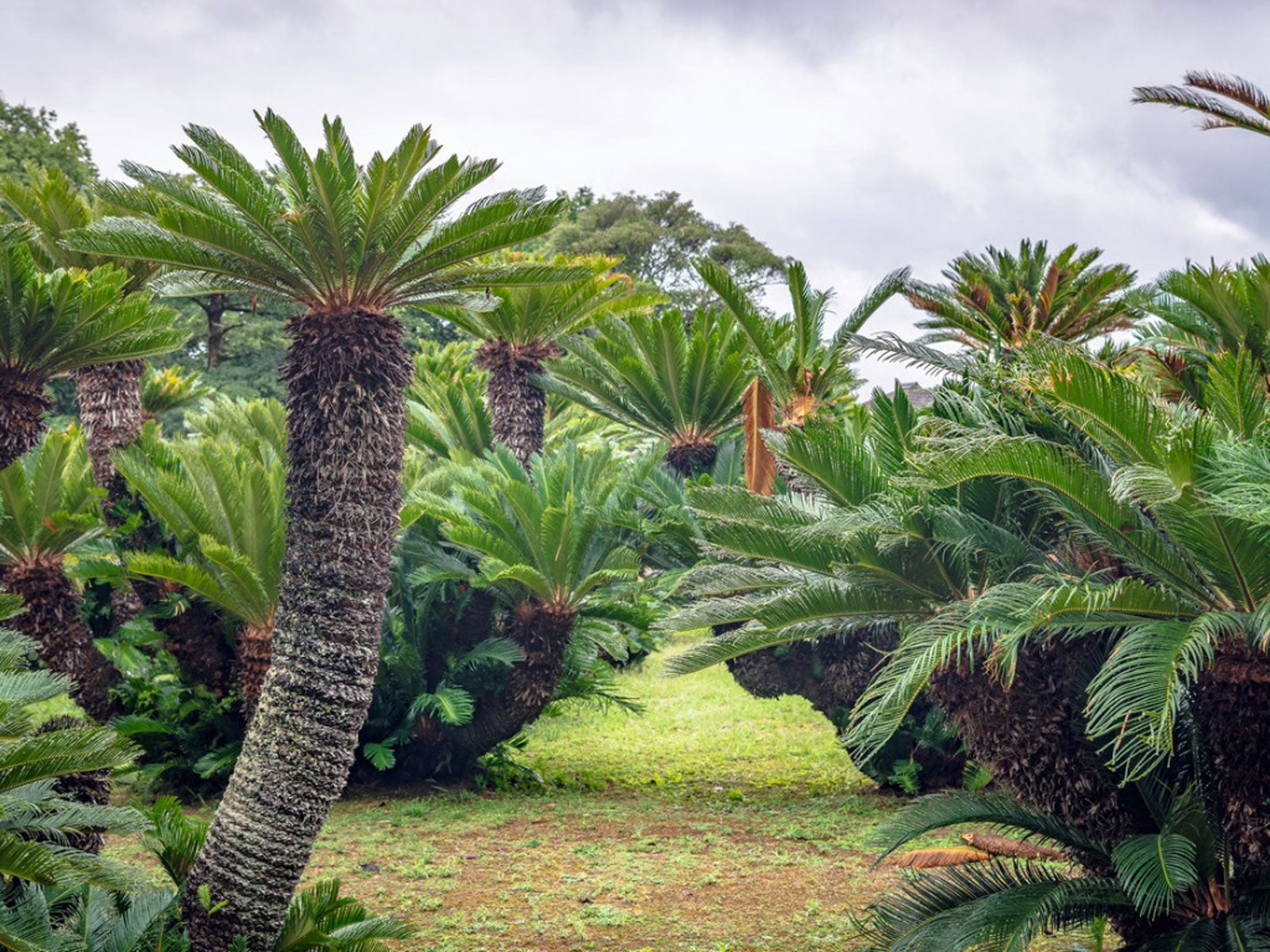
Cycads
Located in tropics & subtropics
Stout trunk, large compound leaves
Cycad Reproduction
Dioecious with flagellated sperm cells (vestiges)
Pollen moved by the air / insects
Does not require water
Pollen tube for sperm
Dioecy
Female + male cones are on different plants
Ginkgo
Native to Eastern China
Deciduous
Important medicinal plant
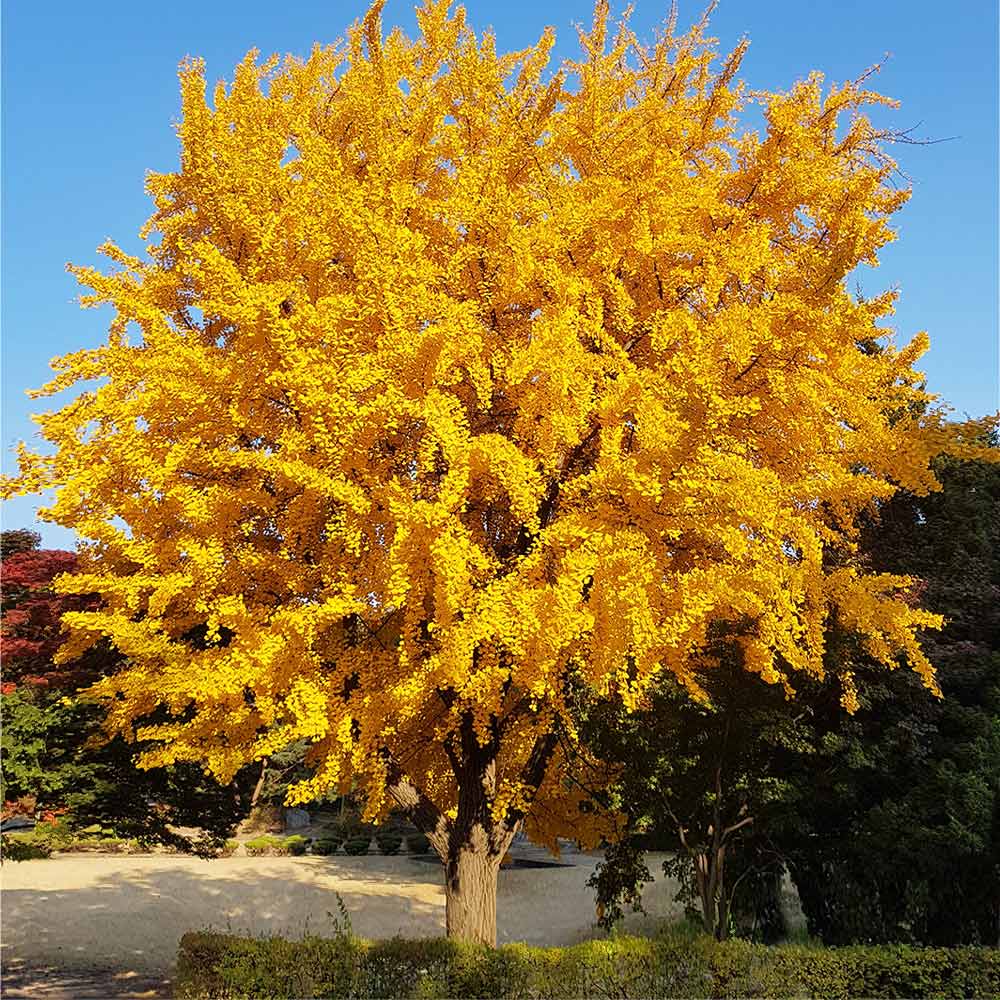
Ginkgo Reproduction
Dioecious
Male pollen grains + flagellated sperm
Exposed ovules
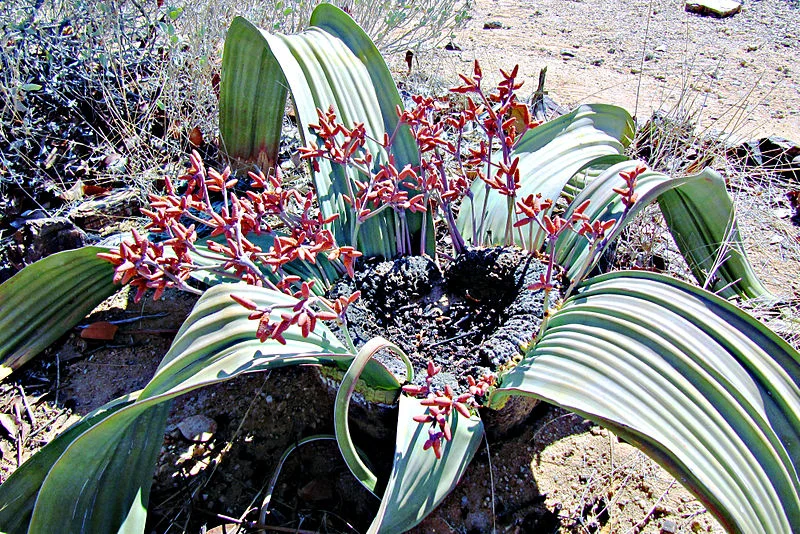
Gnetophytes
Vessel elements
Cone clusters resemble flower clusters
Life cycle is similar to angiosperms
Angiosperms
Reproduce sexually by forming flowers + seeds in fruit
Diverse in appearance and habitat
Important to humans
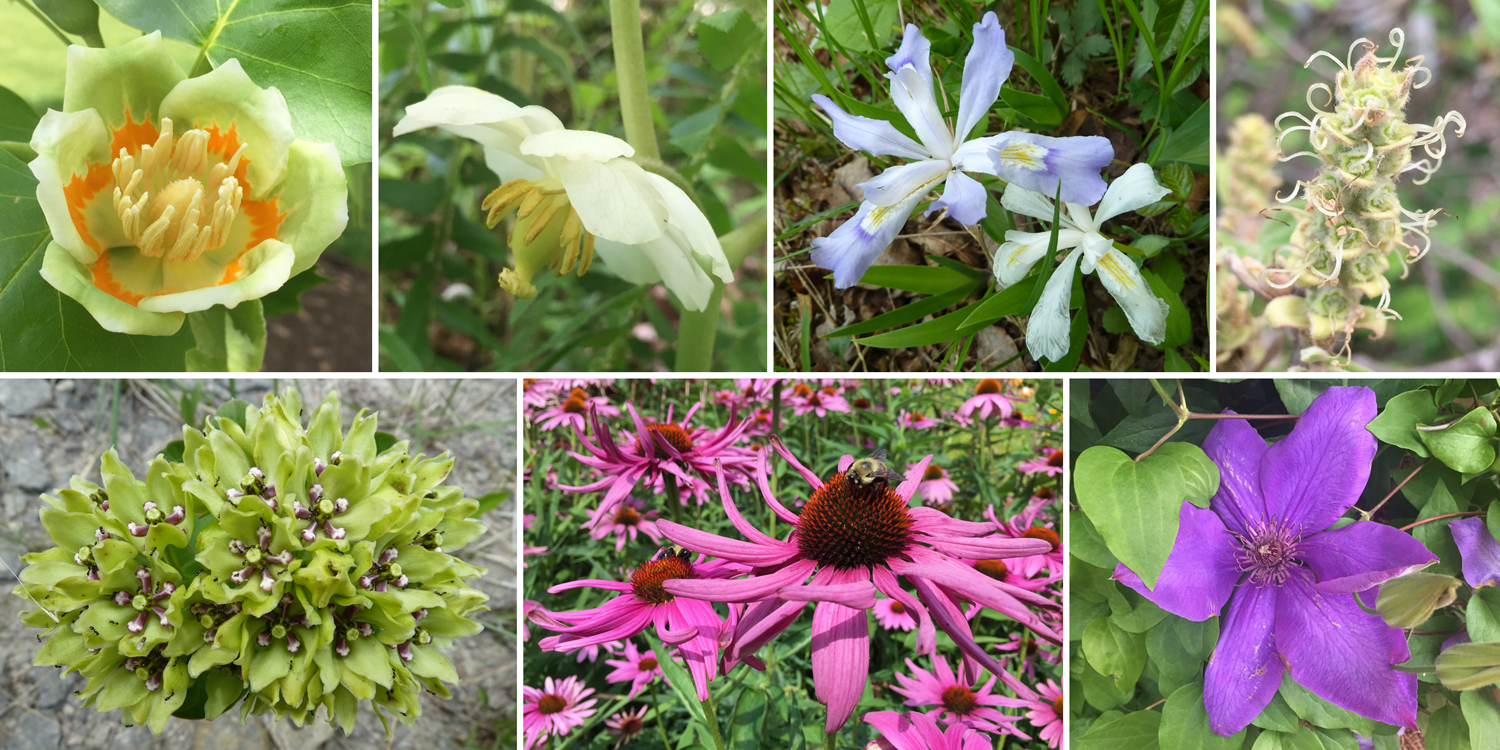
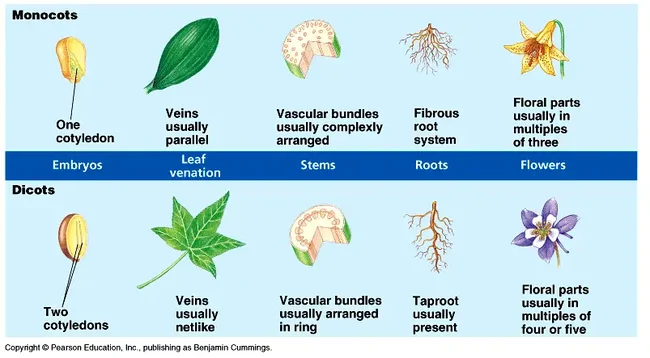
__ and __ are the two major groups of angiosperms
Monocots, dicots
Monocots and dicots differ in __ and __
Cotyledon number, organ structure
Angiosperm Life Cycle
Angiosperm Ovule
Enclosed in integuments and has a micropyle (channel)
Produces embryo sac (female gametophyte) through mitosis of ¼ haploid megaspores from diploid mother megaspore
Angiosperm Female Gametophyte
Contains 2 synergids (n) and 1 egg cell (n) close to micropyle, 3 antipodal cells (n) and 1 central cell (2n-polar nuclei)
Angiosperm Male Gametophyte
Produced in anther that contains pollen sacs
Pollen grain (male gametophyte) and 2 tube cells (tube+generative) formed from mitosis of haploid microspores
Generative cell forms 2 sperm in pollen tube (male gametophyte)
Double Fertilization
Unique to angiosperms
Pollen germinate on stigma - pollen tube grows towards ovule
Two sperms fertilize inside embryo sac (3n fertilized central cell)
Angiosperm Seed + Fruit Development
Zygote —> embryo in seed
Fertilized central cell —> endosperm
Ovary —> fruit
Integument —> seed coat
Other cells disintegrate
Fruit Functional Role
Seed protection, seed dispersal
Apomixis
Production of seeds w/out fertilizations (asexual reproduction)
Embryos developed from ovule cell or central cells
(dandelions, blackberries)
Flower
Reproductive shoot
Morphological features increase likelihood of sexual reproduction
Floral pasts: sepal, petal, stamen, pistil
Angiosperm floral parts are arranged in ___
Whorls
Sepals
Outermost whorl
Lead-life and form calyx
Protect other floral parts
Petals
Whorl inside sepals
Form corolla
Large w/ bright colors to attract pollinators
Stamen
Inside petals
Contain filament + anther
Pollens produced on anther
Pistil
Formed from multiple carpel
Contains stigma, style, and ovary
Simple/compound pistil/ovary
Complete vs. Incomplete flower
Complete: Has the four floral parts
Incomplete: Lacks one or more floral parts
Perfect vs. Imperfect Flower
Perfect: Has both stamen and pistil
Imperfect: Lacks either stamen or pistil
Inflorescence
Group of flowers - several to hundreds well arranged
Head (sunflower), umbel (simple or compound), raceme, spike, panicle, or corymb
Regions of Mature Fruit
Exocarp: Skin part
Endocarp: Inner boundary w/ seeds
Mesocarp: Region between exocarp and endocarp
All make up the pericarp